

Q8_Crypto
5.4k Публикации

Q8_Crypto
Отправить жалобу
Заблокировать пользователя
Q8 Crypto | Market Updates📈
Открытая сделка
Трейдер с регулярными сделками
1.1 г
36 подписок(и/а)
16.3K+ подписчиков(а)
7.5K+ понравилось
Посты
Портфель
Все
Цитирования
Активно
·
--
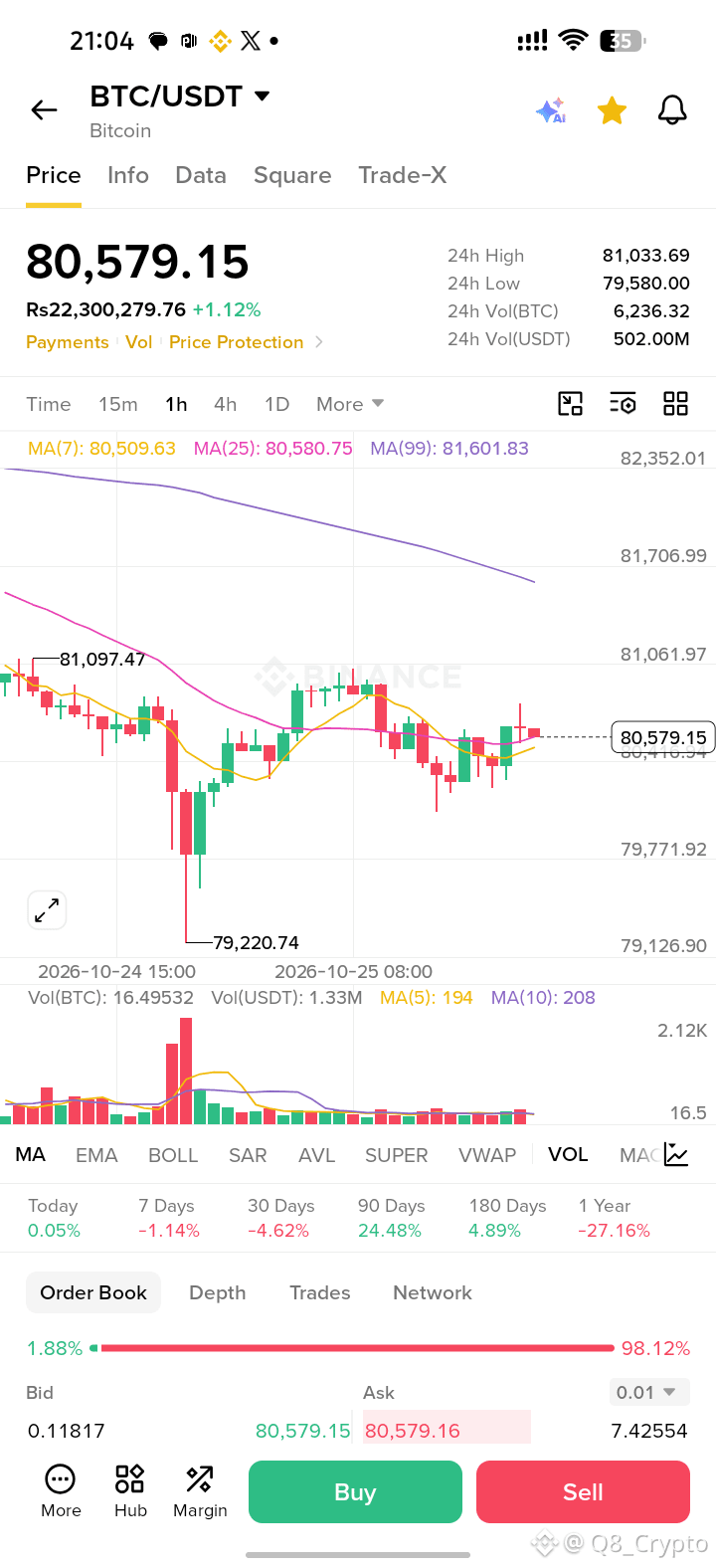
⚡ $BTC ДЕРЖИТ ОБОРОНУ! 🔥
BTC/USDT: $80,579.15 (Rs22,300,279.76) 📈 +1.12%
⚡ Максимум за 24 ч.: 81,033.69
⚡ Минимум за 24 ч.: 79,580.00
💰 Объём за 24 ч.: 6,236.32 BTC / 502.00M USDT
📊 График за 1 ч.:
- Колебался между максимумом 81,097.47 и минимумом 79,220.74 💥
- Цена находится прямо на MA(7) 80,509.63 и MA(25) 80,580.75 ⚖️
- Всё ещё ниже MA(99) 81,601.83 🔻
- Стакан ордеров: 1.88% заявок на покупку против 98.12% заявок на продажу — продавцы преобладают 🔴
📆 Динамика:
Сегодня +0.05% | 7 дн. -1.14% | 30 дн. -4.62% | 90 дн. +24.48% | 180 дн. +4.89% | 1 год -27.16%
🎯 Ключевые уровни: сопротивление на 81,033 и поддержка на 79,580. Уверенный пробой выше 81,100 может изменить настроение рынка, а падение ниже 79,580 откроет путь к 79,220! 👀
⚡ $BTC ДЕРЖИТ ОБОРОНУ! 🔥
BTC/USDT: $80,579.15 (Rs22,300,279.76) 📈 +1.12%
⚡ Максимум за 24 ч.: 81,033.69
⚡ Минимум за 24 ч.: 79,580.00
💰 Объём за 24 ч.: 6,236.32 BTC / 502.00M USDT
📊 График за 1 ч.:
- Колебался между максимумом 81,097.47 и минимумом 79,220.74 💥
- Цена находится прямо на MA(7) 80,509.63 и MA(25) 80,580.75 ⚖️
- Всё ещё ниже MA(99) 81,601.83 🔻
- Стакан ордеров: 1.88% заявок на покупку против 98.12% заявок на продажу — продавцы преобладают 🔴
📆 Динамика:
Сегодня +0.05% | 7 дн. -1.14% | 30 дн. -4.62% | 90 дн. +24.48% | 180 дн. +4.89% | 1 год -27.16%
🎯 Ключевые уровни: сопротивление на 81,033 и поддержка на 79,580. Уверенный пробой выше 81,100 может изменить настроение рынка, а падение ниже 79,580 откроет путь к 79,220! 👀
BTC/USDT: $80,579.15 (Rs22,300,279.76) 📈 +1.12%
⚡ Максимум за 24 ч.: 81,033.69
⚡ Минимум за 24 ч.: 79,580.00
💰 Объём за 24 ч.: 6,236.32 BTC / 502.00M USDT
📊 График за 1 ч.:
- Колебался между максимумом 81,097.47 и минимумом 79,220.74 💥
- Цена находится прямо на MA(7) 80,509.63 и MA(25) 80,580.75 ⚖️
- Всё ещё ниже MA(99) 81,601.83 🔻
- Стакан ордеров: 1.88% заявок на покупку против 98.12% заявок на продажу — продавцы преобладают 🔴
📆 Динамика:
Сегодня +0.05% | 7 дн. -1.14% | 30 дн. -4.62% | 90 дн. +24.48% | 180 дн. +4.89% | 1 год -27.16%
🎯 Ключевые уровни: сопротивление на 81,033 и поддержка на 79,580. Уверенный пробой выше 81,100 может изменить настроение рынка, а падение ниже 79,580 откроет путь к 79,220! 👀
110
·
--
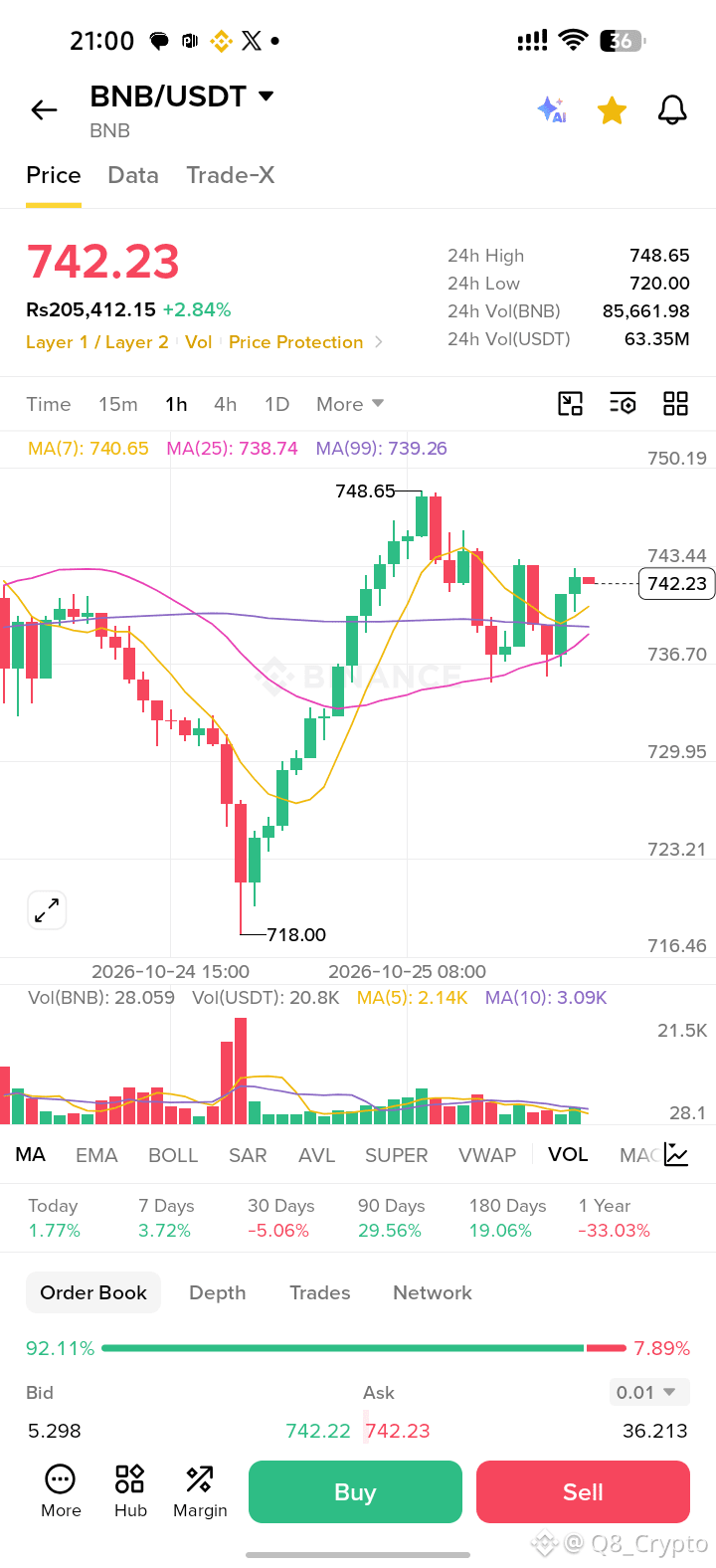
🚀 $BNB НАБИРАЕТ ОБОРОТЫ! 🔥
BNB/USDT: $742.23 (Rs205,412.15) 📈 +2.84%
⚡ Максимум за 24 ч.: 748.65
⚡ Минимум за 24 ч.: 720.00
💰 Объём за 24 ч.: 85,661.98 BNB / 63.35M USDT
📊 График за 1 ч.:
- Резко отскочил от минимума 718.00 💥
- Цена выше MA(7) 740.65, MA(25) 738.74 и MA(99) 739.26 ✅
- Покупатели доминируют в книге ордеров: 92.11% заявок на покупку против 7.89% заявок на продажу 🟢
📆 Динамика:
Сегодня +1.77% | 7Д +3.72% | 30Д -5.06% | 90Д +29.56% | 180Д +19.06% | 1Г -33.03%
🎯 Ключевые уровни: сопротивление 748.65 и поддержка 738–740. Пробой уровня 748.65 может стать началом следующего движения! 👀
🚀 $BNB НАБИРАЕТ ОБОРОТЫ! 🔥
BNB/USDT: $742.23 (Rs205,412.15) 📈 +2.84%
⚡ Максимум за 24 ч.: 748.65
⚡ Минимум за 24 ч.: 720.00
💰 Объём за 24 ч.: 85,661.98 BNB / 63.35M USDT
📊 График за 1 ч.:
- Резко отскочил от минимума 718.00 💥
- Цена выше MA(7) 740.65, MA(25) 738.74 и MA(99) 739.26 ✅
- Покупатели доминируют в книге ордеров: 92.11% заявок на покупку против 7.89% заявок на продажу 🟢
📆 Динамика:
Сегодня +1.77% | 7Д +3.72% | 30Д -5.06% | 90Д +29.56% | 180Д +19.06% | 1Г -33.03%
🎯 Ключевые уровни: сопротивление 748.65 и поддержка 738–740. Пробой уровня 748.65 может стать началом следующего движения! 👀
BNB/USDT: $742.23 (Rs205,412.15) 📈 +2.84%
⚡ Максимум за 24 ч.: 748.65
⚡ Минимум за 24 ч.: 720.00
💰 Объём за 24 ч.: 85,661.98 BNB / 63.35M USDT
📊 График за 1 ч.:
- Резко отскочил от минимума 718.00 💥
- Цена выше MA(7) 740.65, MA(25) 738.74 и MA(99) 739.26 ✅
- Покупатели доминируют в книге ордеров: 92.11% заявок на покупку против 7.89% заявок на продажу 🟢
📆 Динамика:
Сегодня +1.77% | 7Д +3.72% | 30Д -5.06% | 90Д +29.56% | 180Д +19.06% | 1Г -33.03%
🎯 Ключевые уровни: сопротивление 748.65 и поддержка 738–740. Пробой уровня 748.65 может стать началом следующего движения! 👀
109
·
--
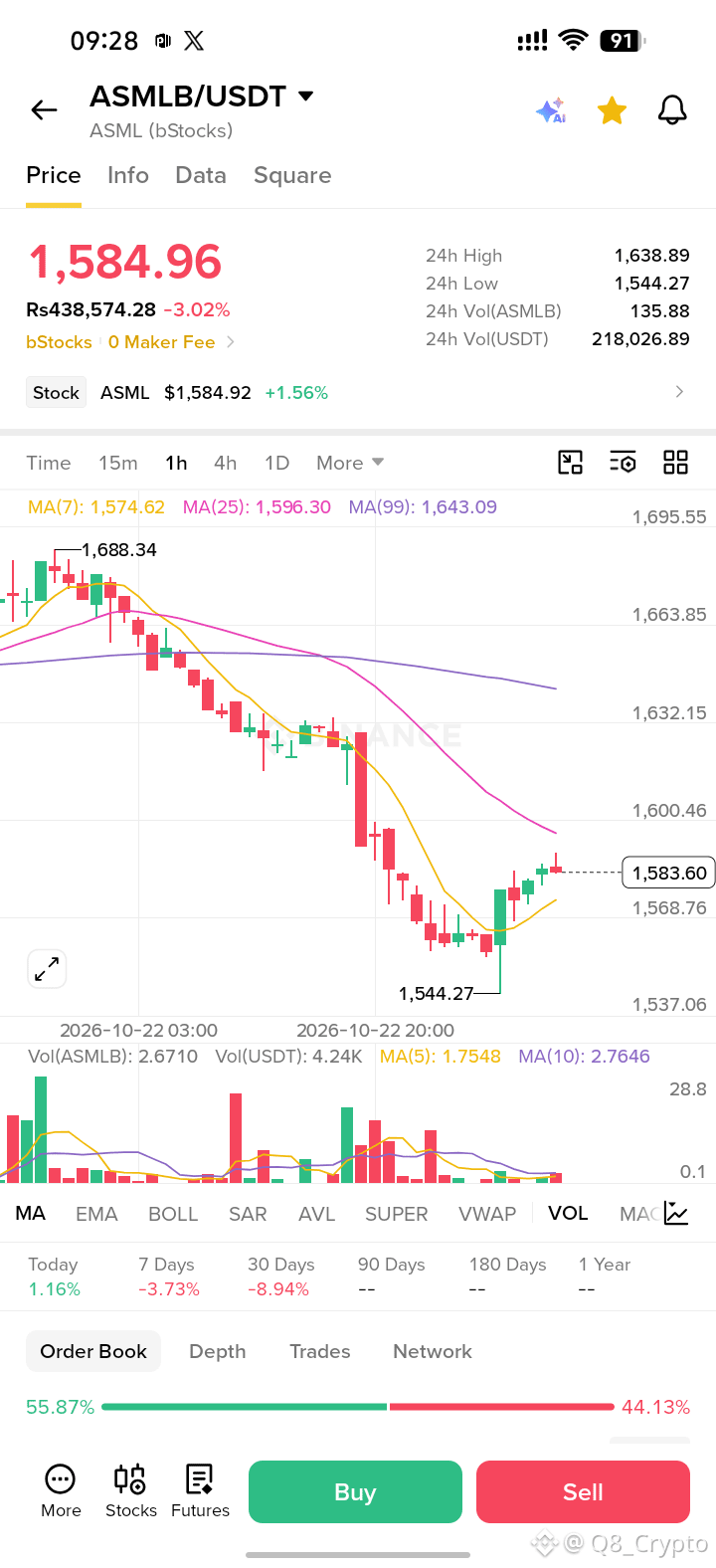
🚀 $ASMLB : ASML (bStocks) ОТСКАКИВАЕТ ОТ ДНА! 🔥
Токенизированная ASML отскочила от минимума 1,544.27 и торгуется по 1,584.96 (Rs438,574.28) 💥
📊 График за 1 час
- Максимум за 24 ч: 1,638.89 | Минимум за 24 ч: 1,544.27
- Недавний локальный максимум: 1,688.34 📈
- Объём: 135.88 ASMLB / 218,026.89 USDT
- Изменение за 24 ч: -3.02%, но сегодня +1.16% 🟢
- Базовая акция ASML: $1,584.92 (+1.56%) 🟢
- Преимущество bStocks: нулевая комиссия мейкера 💰
📉 Скользящие средние
- MA(7): 1,574.62 ✅ цена выше
- MA(25): 1,596.30 🚧 чуть выше текущей цены
- MA(99): 1,643.09 🎯 сильное сопротивление
⏳ Динамика
- 7 дней: -3.73%
- 30 дней: -8.94%
- 90 / 180 дней / 1 год: данных пока нет (новый листинг!) 🆕
⚖️ Стакан заявок
- Покупки: 55.87% 🟢 против продаж: 44.13% 🔴 (покупатели контролируют ситуацию!)
👀 Следите за уровнем: пробой выше 1,596 может открыть путь к 1,643, а затем и к 1,688. Если цена не удержится, поддержка находится на 1,544!
⚡ Гигант индустрии микросхем, торговля 24/7 и активизирующиеся покупатели. Следите за ситуацией?
🚀 $ASMLB : ASML (bStocks) ОТСКАКИВАЕТ ОТ ДНА! 🔥
Токенизированная ASML отскочила от минимума 1,544.27 и торгуется по 1,584.96 (Rs438,574.28) 💥
📊 График за 1 час
- Максимум за 24 ч: 1,638.89 | Минимум за 24 ч: 1,544.27
- Недавний локальный максимум: 1,688.34 📈
- Объём: 135.88 ASMLB / 218,026.89 USDT
- Изменение за 24 ч: -3.02%, но сегодня +1.16% 🟢
- Базовая акция ASML: $1,584.92 (+1.56%) 🟢
- Преимущество bStocks: нулевая комиссия мейкера 💰
📉 Скользящие средние
- MA(7): 1,574.62 ✅ цена выше
- MA(25): 1,596.30 🚧 чуть выше текущей цены
- MA(99): 1,643.09 🎯 сильное сопротивление
⏳ Динамика
- 7 дней: -3.73%
- 30 дней: -8.94%
- 90 / 180 дней / 1 год: данных пока нет (новый листинг!) 🆕
⚖️ Стакан заявок
- Покупки: 55.87% 🟢 против продаж: 44.13% 🔴 (покупатели контролируют ситуацию!)
👀 Следите за уровнем: пробой выше 1,596 может открыть путь к 1,643, а затем и к 1,688. Если цена не удержится, поддержка находится на 1,544!
⚡ Гигант индустрии микросхем, торговля 24/7 и активизирующиеся покупатели. Следите за ситуацией?
Токенизированная ASML отскочила от минимума 1,544.27 и торгуется по 1,584.96 (Rs438,574.28) 💥
📊 График за 1 час
- Максимум за 24 ч: 1,638.89 | Минимум за 24 ч: 1,544.27
- Недавний локальный максимум: 1,688.34 📈
- Объём: 135.88 ASMLB / 218,026.89 USDT
- Изменение за 24 ч: -3.02%, но сегодня +1.16% 🟢
- Базовая акция ASML: $1,584.92 (+1.56%) 🟢
- Преимущество bStocks: нулевая комиссия мейкера 💰
📉 Скользящие средние
- MA(7): 1,574.62 ✅ цена выше
- MA(25): 1,596.30 🚧 чуть выше текущей цены
- MA(99): 1,643.09 🎯 сильное сопротивление
⏳ Динамика
- 7 дней: -3.73%
- 30 дней: -8.94%
- 90 / 180 дней / 1 год: данных пока нет (новый листинг!) 🆕
⚖️ Стакан заявок
- Покупки: 55.87% 🟢 против продаж: 44.13% 🔴 (покупатели контролируют ситуацию!)
👀 Следите за уровнем: пробой выше 1,596 может открыть путь к 1,643, а затем и к 1,688. Если цена не удержится, поддержка находится на 1,544!
⚡ Гигант индустрии микросхем, торговля 24/7 и активизирующиеся покупатели. Следите за ситуацией?
91
·
--
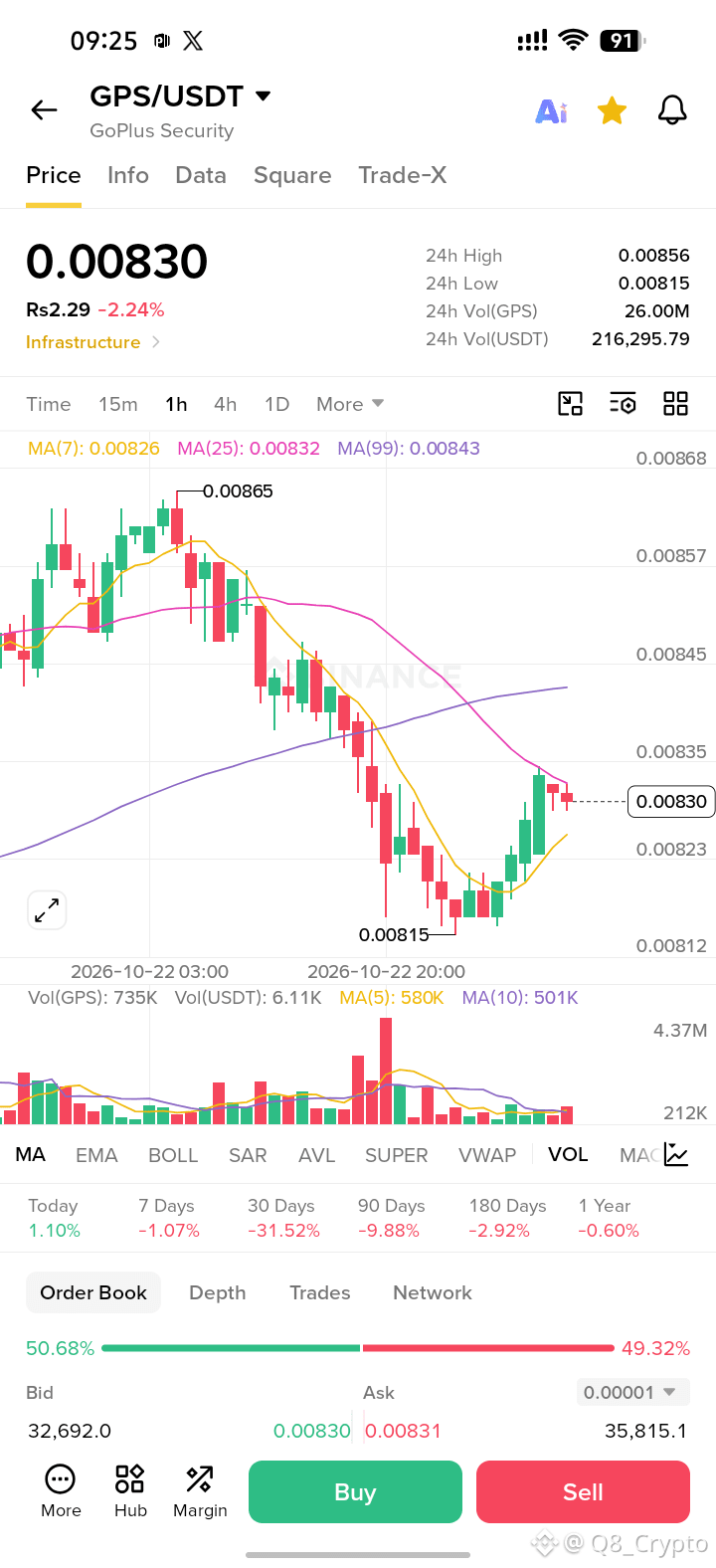
🚀 $GPS : GOPLUS ОТСКАКИВАЕТ ОТ МИНИМУМОВ! 🔥
GoPlus Security отскочила от 0.00815 и торгуется по 0.00830 (Rs2.29) 💥
📊 График за 1 час
- Максимум за 24 ч: 0.00856 | минимум за 24 ч: 0.00815
- Недавний локальный максимум: 0.00865 📈
- Объём: 26.00M GPS / 216,295.79 USDT
- Изменение за 24 ч: -2.24%, но сегодня +1.10% 🟢
📉 Скользящие средние
- MA(7): 0.00826 ✅ цена выше
- MA(25): 0.00832 🚧 прямо у сопротивления
- MA(99): 0.00843 🎯 следующая крупная цель
⏳ Динамика
- 7 дней: -1.07%
- 30 дней: -31.52%
- 90 дней: -9.88%
- 180 дней: -2.92%
- 1 год: -0.60%
⚖️ Стакан заявок
- Заявки на покупку: 50.68% 🟢 против заявок на продажу: 49.32% 🔴
- Покупка: 0.00830 / продажа: 0.00831
👀 Следите за уровнем: уверенный пробой выше 0.00832 может подтолкнуть цену к 0.00843, а затем и к 0.00865. Если цена встретит отбой, поддержка находится на 0.00815!
⚡ Покупатели активизируются, и перевес в стакане на стороне быков. Следите за движением?
🚀 $GPS : GOPLUS ОТСКАКИВАЕТ ОТ МИНИМУМОВ! 🔥
GoPlus Security отскочила от 0.00815 и торгуется по 0.00830 (Rs2.29) 💥
📊 График за 1 час
- Максимум за 24 ч: 0.00856 | минимум за 24 ч: 0.00815
- Недавний локальный максимум: 0.00865 📈
- Объём: 26.00M GPS / 216,295.79 USDT
- Изменение за 24 ч: -2.24%, но сегодня +1.10% 🟢
📉 Скользящие средние
- MA(7): 0.00826 ✅ цена выше
- MA(25): 0.00832 🚧 прямо у сопротивления
- MA(99): 0.00843 🎯 следующая крупная цель
⏳ Динамика
- 7 дней: -1.07%
- 30 дней: -31.52%
- 90 дней: -9.88%
- 180 дней: -2.92%
- 1 год: -0.60%
⚖️ Стакан заявок
- Заявки на покупку: 50.68% 🟢 против заявок на продажу: 49.32% 🔴
- Покупка: 0.00830 / продажа: 0.00831
👀 Следите за уровнем: уверенный пробой выше 0.00832 может подтолкнуть цену к 0.00843, а затем и к 0.00865. Если цена встретит отбой, поддержка находится на 0.00815!
⚡ Покупатели активизируются, и перевес в стакане на стороне быков. Следите за движением?
GoPlus Security отскочила от 0.00815 и торгуется по 0.00830 (Rs2.29) 💥
📊 График за 1 час
- Максимум за 24 ч: 0.00856 | минимум за 24 ч: 0.00815
- Недавний локальный максимум: 0.00865 📈
- Объём: 26.00M GPS / 216,295.79 USDT
- Изменение за 24 ч: -2.24%, но сегодня +1.10% 🟢
📉 Скользящие средние
- MA(7): 0.00826 ✅ цена выше
- MA(25): 0.00832 🚧 прямо у сопротивления
- MA(99): 0.00843 🎯 следующая крупная цель
⏳ Динамика
- 7 дней: -1.07%
- 30 дней: -31.52%
- 90 дней: -9.88%
- 180 дней: -2.92%
- 1 год: -0.60%
⚖️ Стакан заявок
- Заявки на покупку: 50.68% 🟢 против заявок на продажу: 49.32% 🔴
- Покупка: 0.00830 / продажа: 0.00831
👀 Следите за уровнем: уверенный пробой выше 0.00832 может подтолкнуть цену к 0.00843, а затем и к 0.00865. Если цена встретит отбой, поддержка находится на 0.00815!
⚡ Покупатели активизируются, и перевес в стакане на стороне быков. Следите за движением?
182
·
--
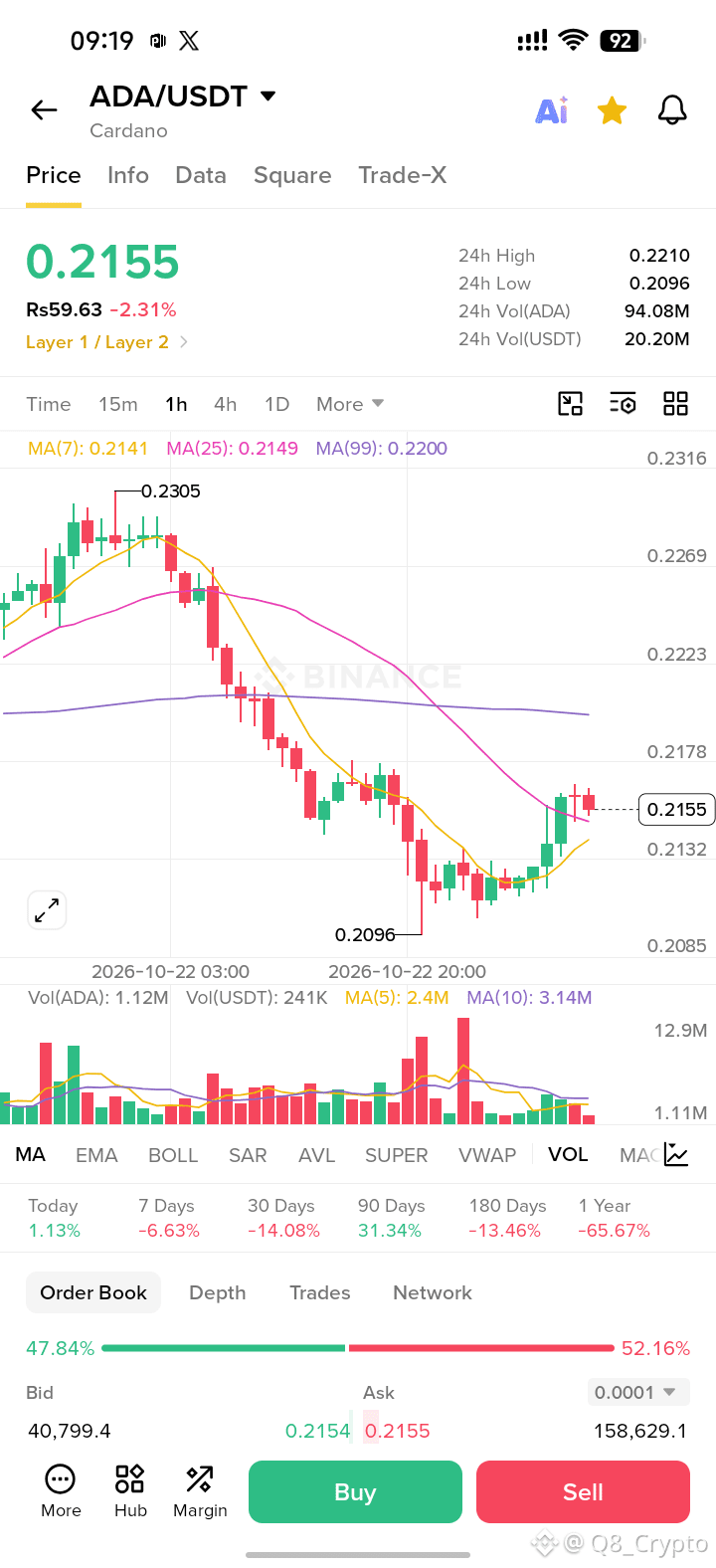
🚀 $ADA БЫКИ ДАЮТ ОТПОР! 🔥
Cardano резко отскочила от минимума 0.2096 и сейчас торгуется по 0.2155 (Rs59.63) 💥
📊 График за 1 ч
- Максимум за 24 ч: 0.2210 | Минимум за 24 ч: 0.2096
- Недавний локальный максимум: 0.2305 📈
- Объём: 94.08M ADA / 20.20M USDT
- Изменение за 24 ч: -2.31%, но сегодня +1.13% 🟢
📉 Скользящие средние
- MA(7): 0.2141 ✅ цена выше
- MA(25): 0.2149 ✅ цена выше
- MA(99): 0.2200 🚧 следующий серьёзный уровень сопротивления
⏳ Динамика
- 7 дней: -6.63%
- 30 дней: -14.08%
- 90 дней: +31.34%🚀
- 180 дней: -13.46%
- 1 год: -65.67%
⚖️ Стакан ордеров
- Покупки: 47.84% 🟢 против продаж: 52.16% 🔴
- Покупка: 0.2154 / Продажа: 0.2155
👀 Следим за уровнем: пробой выше 0.2200 может открыть путь обратно к 0.2305. Если цена не удержится, важно сохранить поддержку на 0.2096!
⚡ Импульс меняется. Вы готовы?
Не является финансовой рекомендацией. Всегда проводите собственное исследование.
🚀 $ADA БЫКИ ДАЮТ ОТПОР! 🔥
Cardano резко отскочила от минимума 0.2096 и сейчас торгуется по 0.2155 (Rs59.63) 💥
📊 График за 1 ч
- Максимум за 24 ч: 0.2210 | Минимум за 24 ч: 0.2096
- Недавний локальный максимум: 0.2305 📈
- Объём: 94.08M ADA / 20.20M USDT
- Изменение за 24 ч: -2.31%, но сегодня +1.13% 🟢
📉 Скользящие средние
- MA(7): 0.2141 ✅ цена выше
- MA(25): 0.2149 ✅ цена выше
- MA(99): 0.2200 🚧 следующий серьёзный уровень сопротивления
⏳ Динамика
- 7 дней: -6.63%
- 30 дней: -14.08%
- 90 дней: +31.34%🚀
- 180 дней: -13.46%
- 1 год: -65.67%
⚖️ Стакан ордеров
- Покупки: 47.84% 🟢 против продаж: 52.16% 🔴
- Покупка: 0.2154 / Продажа: 0.2155
👀 Следим за уровнем: пробой выше 0.2200 может открыть путь обратно к 0.2305. Если цена не удержится, важно сохранить поддержку на 0.2096!
⚡ Импульс меняется. Вы готовы?
Не является финансовой рекомендацией. Всегда проводите собственное исследование.
Cardano резко отскочила от минимума 0.2096 и сейчас торгуется по 0.2155 (Rs59.63) 💥
📊 График за 1 ч
- Максимум за 24 ч: 0.2210 | Минимум за 24 ч: 0.2096
- Недавний локальный максимум: 0.2305 📈
- Объём: 94.08M ADA / 20.20M USDT
- Изменение за 24 ч: -2.31%, но сегодня +1.13% 🟢
📉 Скользящие средние
- MA(7): 0.2141 ✅ цена выше
- MA(25): 0.2149 ✅ цена выше
- MA(99): 0.2200 🚧 следующий серьёзный уровень сопротивления
⏳ Динамика
- 7 дней: -6.63%
- 30 дней: -14.08%
- 90 дней: +31.34%🚀
- 180 дней: -13.46%
- 1 год: -65.67%
⚖️ Стакан ордеров
- Покупки: 47.84% 🟢 против продаж: 52.16% 🔴
- Покупка: 0.2154 / Продажа: 0.2155
👀 Следим за уровнем: пробой выше 0.2200 может открыть путь обратно к 0.2305. Если цена не удержится, важно сохранить поддержку на 0.2096!
⚡ Импульс меняется. Вы готовы?
Не является финансовой рекомендацией. Всегда проводите собственное исследование.
320
·
--
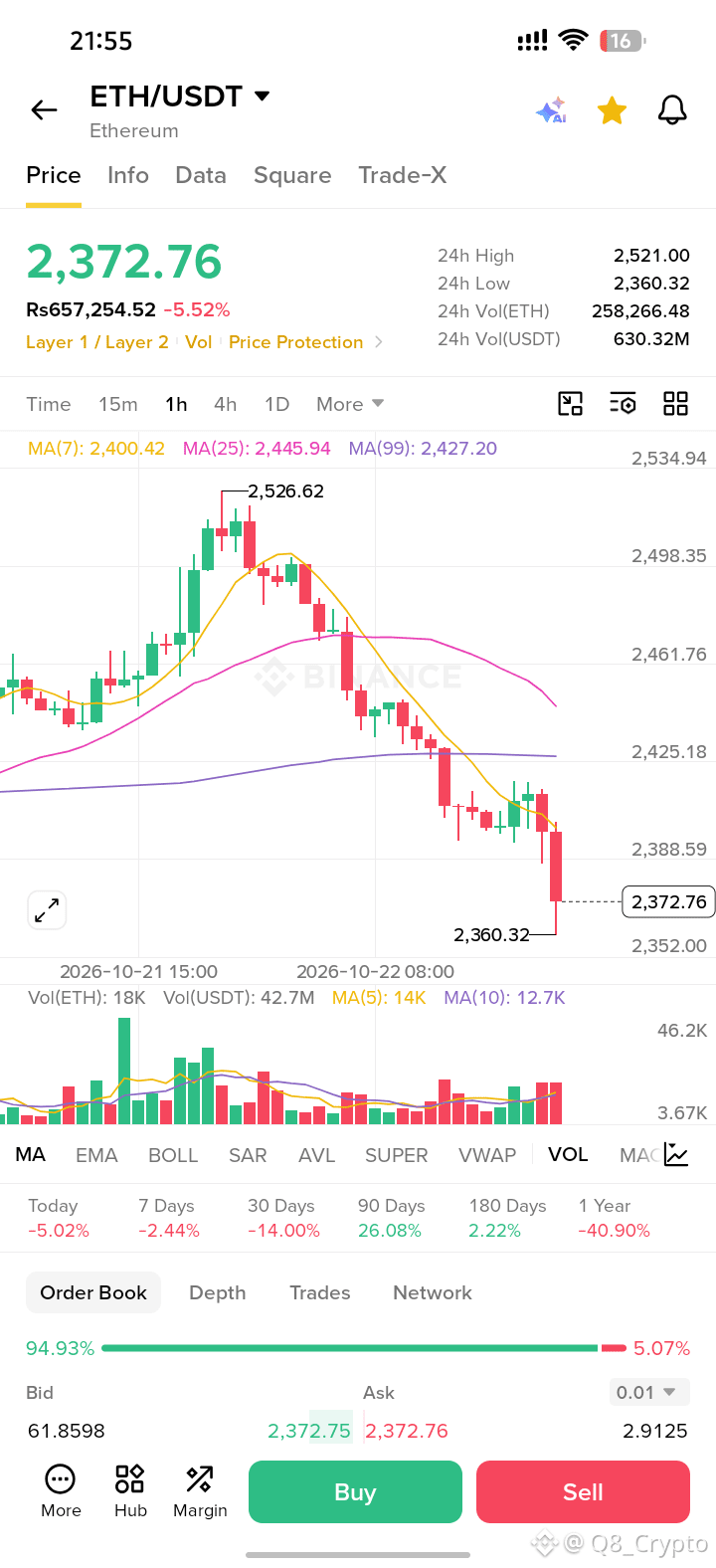
🚨 $ETH ТРЕВОГА: ETHEREUM РЕЗКО ПАДАЕТ! 🚨
💥 ETH: 2,372.76 (Rs657,254.52) 🔻 -5.52%
📊 Сводка за 24 часа
🔺 Максимум: 2,521.00
🔻 Минимум: 2,360.32
💰 Объём: 258,266.48 ETH / 630.32M USDT
📉 График за 1 час: медведи перехватили инициативу
ETH не смог преодолеть отметку 2,526.62, после чего резко упал до 2,360.32. Цена ниже всех ключевых скользящих средних:
• MA(7): 2,400.42
• MA(25): 2,445.94
• MA(99): 2,427.20
📶 Объём: 18K ETH (42.7M USDT), MA(5) — 14K, MA(10) — 12.7K
⏳ Динамика
Сегодня: -5.02% | 7 дней: -2.44% | 30 дней: -14.00%
90 дней: 🟢 +26.08% | 180 дней: 🟢 +2.22% | 1 год: 🔴 -40.90%
⚔️ Книга ордеров: покупатели — 94.93%, продавцы — 5.07% 👀 Заявка на покупку: 2,372.75 (61.8598) | заявка на продажу: 2,372.76 (2.9125). Покупатели выставляют всё больше заявок, пока цена падает!
🔥 Ключевые уровни: поддержка на 2,360.32, сопротивление — 2,388.59 → 2,425.18. Отскок или пробой могут произойти очень быстро! ⚡
🏷️ Уровень 1 / Уровень 2 | Объём | Защита цены
⚠️ Не является финансовой рекомендацией. Проводите собственное исследование и контролируйте риски.
🚨 $ETH ТРЕВОГА: ETHEREUM РЕЗКО ПАДАЕТ! 🚨
💥 ETH: 2,372.76 (Rs657,254.52) 🔻 -5.52%
📊 Сводка за 24 часа
🔺 Максимум: 2,521.00
🔻 Минимум: 2,360.32
💰 Объём: 258,266.48 ETH / 630.32M USDT
📉 График за 1 час: медведи перехватили инициативу
ETH не смог преодолеть отметку 2,526.62, после чего резко упал до 2,360.32. Цена ниже всех ключевых скользящих средних:
• MA(7): 2,400.42
• MA(25): 2,445.94
• MA(99): 2,427.20
📶 Объём: 18K ETH (42.7M USDT), MA(5) — 14K, MA(10) — 12.7K
⏳ Динамика
Сегодня: -5.02% | 7 дней: -2.44% | 30 дней: -14.00%
90 дней: 🟢 +26.08% | 180 дней: 🟢 +2.22% | 1 год: 🔴 -40.90%
⚔️ Книга ордеров: покупатели — 94.93%, продавцы — 5.07% 👀 Заявка на покупку: 2,372.75 (61.8598) | заявка на продажу: 2,372.76 (2.9125). Покупатели выставляют всё больше заявок, пока цена падает!
🔥 Ключевые уровни: поддержка на 2,360.32, сопротивление — 2,388.59 → 2,425.18. Отскок или пробой могут произойти очень быстро! ⚡
🏷️ Уровень 1 / Уровень 2 | Объём | Защита цены
⚠️ Не является финансовой рекомендацией. Проводите собственное исследование и контролируйте риски.
💥 ETH: 2,372.76 (Rs657,254.52) 🔻 -5.52%
📊 Сводка за 24 часа
🔺 Максимум: 2,521.00
🔻 Минимум: 2,360.32
💰 Объём: 258,266.48 ETH / 630.32M USDT
📉 График за 1 час: медведи перехватили инициативу
ETH не смог преодолеть отметку 2,526.62, после чего резко упал до 2,360.32. Цена ниже всех ключевых скользящих средних:
• MA(7): 2,400.42
• MA(25): 2,445.94
• MA(99): 2,427.20
📶 Объём: 18K ETH (42.7M USDT), MA(5) — 14K, MA(10) — 12.7K
⏳ Динамика
Сегодня: -5.02% | 7 дней: -2.44% | 30 дней: -14.00%
90 дней: 🟢 +26.08% | 180 дней: 🟢 +2.22% | 1 год: 🔴 -40.90%
⚔️ Книга ордеров: покупатели — 94.93%, продавцы — 5.07% 👀 Заявка на покупку: 2,372.75 (61.8598) | заявка на продажу: 2,372.76 (2.9125). Покупатели выставляют всё больше заявок, пока цена падает!
🔥 Ключевые уровни: поддержка на 2,360.32, сопротивление — 2,388.59 → 2,425.18. Отскок или пробой могут произойти очень быстро! ⚡
🏷️ Уровень 1 / Уровень 2 | Объём | Защита цены
⚠️ Не является финансовой рекомендацией. Проводите собственное исследование и контролируйте риски.
93
·
--
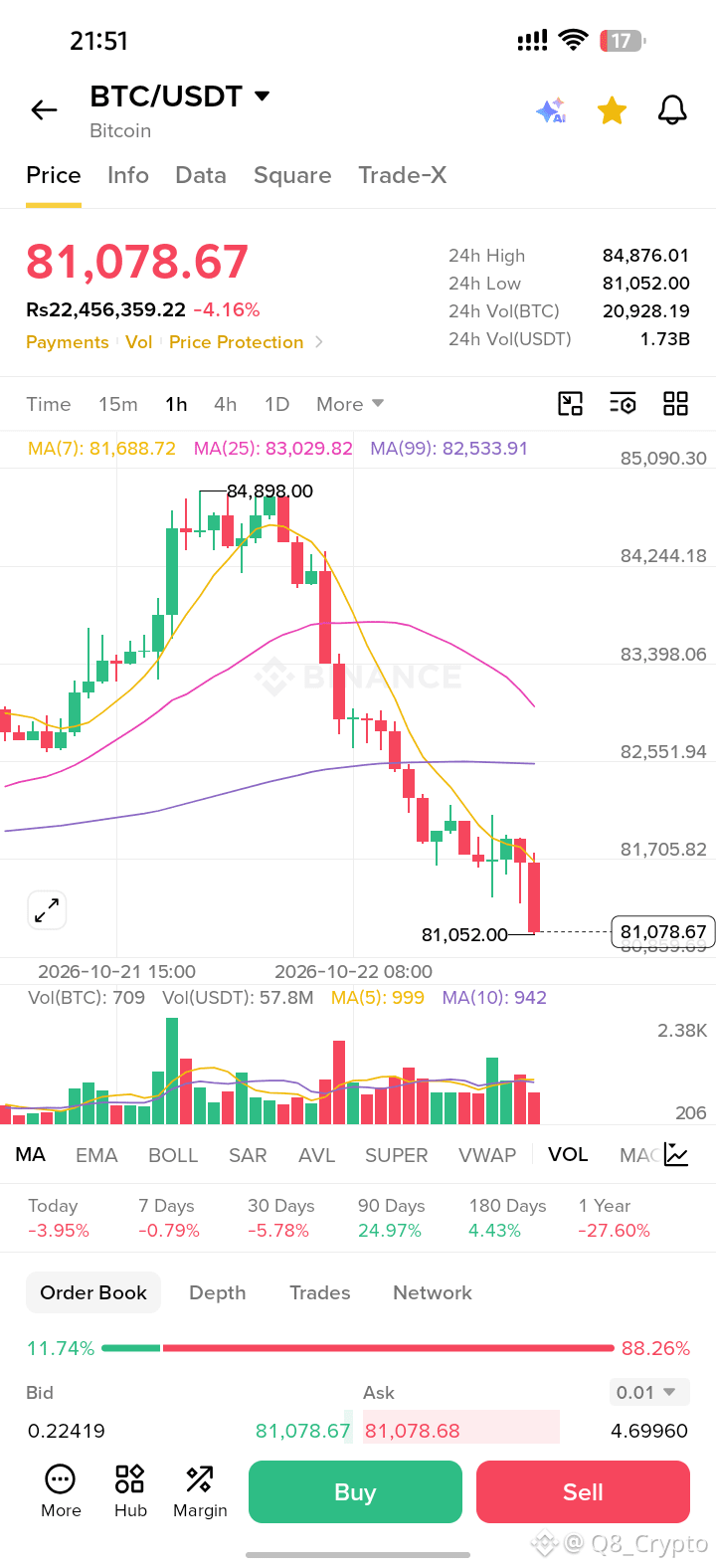
$BTC
Биткоин испытывает сильное давление продавцов и торгуется по $81,078.67, снизившись на 4.16%. Медведи доминируют: BTC приближается к минимуму за 24 часа — $81,052. Цена находится ниже MA(7), MA(25) и MA(99), что указывает на сильный медвежий импульс. Давление продавцов остаётся высоким: объём торгов в USDT за 24 часа составляет $1.73B.
Поддержка: $81,052
Сопротивление: $81,705 / $82,552 / $83,030
Максимум за 24 часа: $84,876.01
Минимум за 24 часа: $81,052.00
Данные книги ордеров показывают, что давление продавцов составляет 88.26%, а покупателей — 11.74%. Если уровень поддержки будет пробит, возможно дальнейшее снижение. Сильный отскок может положить начало восстановлению.
Будьте внимательны. BTC находится на критически важном уровне. Торгуйте разумно.
$BTC
Биткоин испытывает сильное давление продавцов и торгуется по $81,078.67, снизившись на 4.16%. Медведи доминируют: BTC приближается к минимуму за 24 часа — $81,052. Цена находится ниже MA(7), MA(25) и MA(99), что указывает на сильный медвежий импульс. Давление продавцов остаётся высоким: объём торгов в USDT за 24 часа составляет $1.73B.
Поддержка: $81,052
Сопротивление: $81,705 / $82,552 / $83,030
Максимум за 24 часа: $84,876.01
Минимум за 24 часа: $81,052.00
Данные книги ордеров показывают, что давление продавцов составляет 88.26%, а покупателей — 11.74%. Если уровень поддержки будет пробит, возможно дальнейшее снижение. Сильный отскок может положить начало восстановлению.
Будьте внимательны. BTC находится на критически важном уровне. Торгуйте разумно.
Биткоин испытывает сильное давление продавцов и торгуется по $81,078.67, снизившись на 4.16%. Медведи доминируют: BTC приближается к минимуму за 24 часа — $81,052. Цена находится ниже MA(7), MA(25) и MA(99), что указывает на сильный медвежий импульс. Давление продавцов остаётся высоким: объём торгов в USDT за 24 часа составляет $1.73B.
Поддержка: $81,052
Сопротивление: $81,705 / $82,552 / $83,030
Максимум за 24 часа: $84,876.01
Минимум за 24 часа: $81,052.00
Данные книги ордеров показывают, что давление продавцов составляет 88.26%, а покупателей — 11.74%. Если уровень поддержки будет пробит, возможно дальнейшее снижение. Сильный отскок может положить начало восстановлению.
Будьте внимательны. BTC находится на критически важном уровне. Торгуйте разумно.
81
·
--
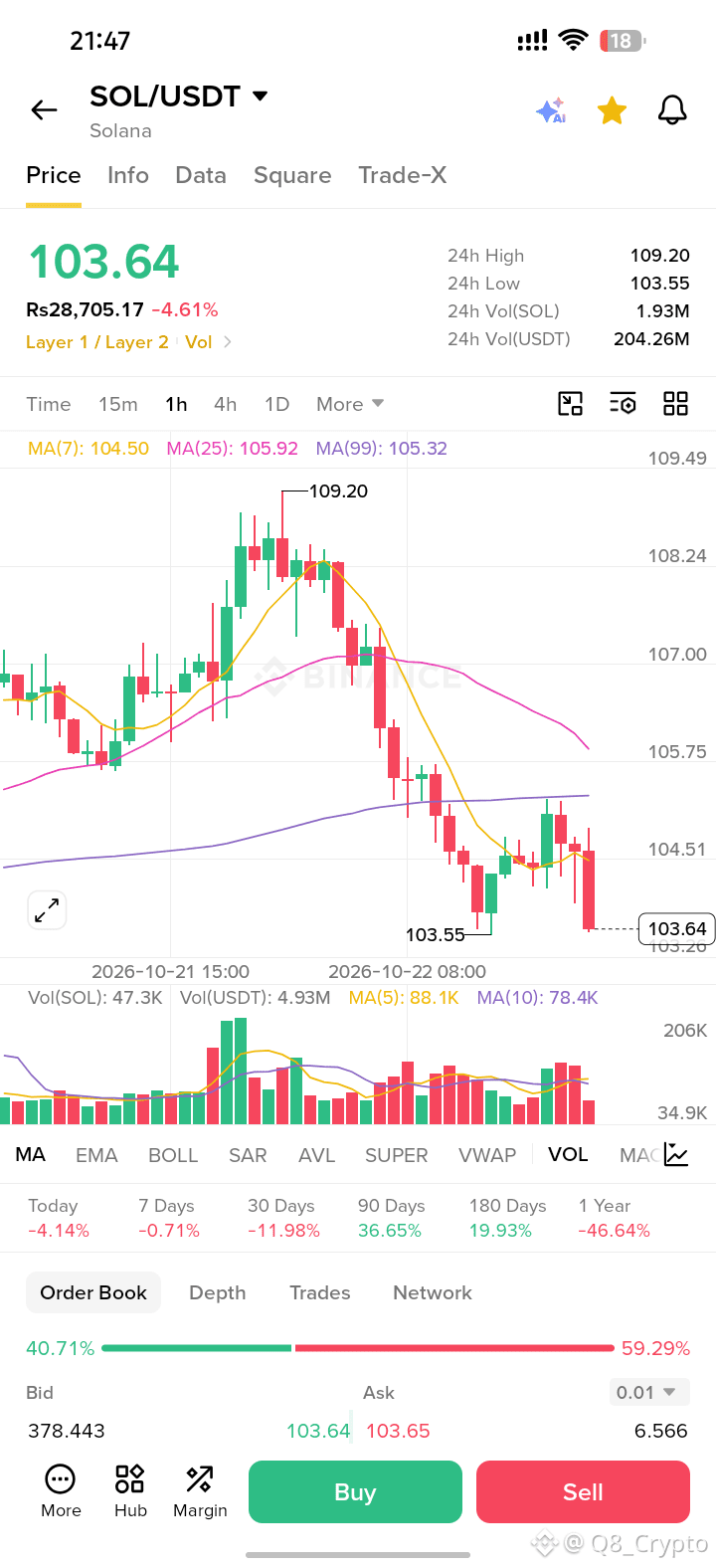
🚨 $SOL ВНИМАНИЕ: SOL ПОД ДАВЛЕНИЕМ! 🚨
💥 SOL/USDT: 103.64** (Rs28,705.17) 🔻 -4.61%
📊 Сводка за 24 ч
🔺 Максимум: 109.20
🔻 Минимум: 103.55
💰 Объём: 1.93M SOL / 204.26M USDT
📉 **График за 1 ч: медведи контролируют ситуацию**
SOL не смог удержаться на уровне 109.20 и просел до 103.55. Сейчас цена **ниже всех ключевых скользящих средних**:
• MA(7): 104.50
• MA(25): 105.92
• MA(99): 105.32
📶 **Объём:** 47.3K SOL (4.93M USDT), MA(5) — 88.1K, MA(10) — 78.4K
⏳ **Динамика**
Сегодня: -4.14% | 7 дней: -0.71% | 30 дней: -11.98%
90 дней: 🟢 +36.65% | 180 дней: 🟢 +19.93% | 1 год: 🔴 -46.64%
⚔️ **Стакан ордеров:** покупатели — 40.71%, продавцы — 59.29%. Покупка: 103.64 (378.443) | Продажа: 103.65 (6.566)
🔥 **Ключевые уровни:** поддержка на **103.55**, сопротивление — **104.51 → 105.75**. Пробой в любую сторону может привести к резкому движению! 👀
⚠️ *Не является финансовой рекомендацией. Проводите собственное исследование и оценивайте риски.
🚨 $SOL ВНИМАНИЕ: SOL ПОД ДАВЛЕНИЕМ! 🚨
💥 SOL/USDT: 103.64** (Rs28,705.17) 🔻 -4.61%
📊 Сводка за 24 ч
🔺 Максимум: 109.20
🔻 Минимум: 103.55
💰 Объём: 1.93M SOL / 204.26M USDT
📉 **График за 1 ч: медведи контролируют ситуацию**
SOL не смог удержаться на уровне 109.20 и просел до 103.55. Сейчас цена **ниже всех ключевых скользящих средних**:
• MA(7): 104.50
• MA(25): 105.92
• MA(99): 105.32
📶 **Объём:** 47.3K SOL (4.93M USDT), MA(5) — 88.1K, MA(10) — 78.4K
⏳ **Динамика**
Сегодня: -4.14% | 7 дней: -0.71% | 30 дней: -11.98%
90 дней: 🟢 +36.65% | 180 дней: 🟢 +19.93% | 1 год: 🔴 -46.64%
⚔️ **Стакан ордеров:** покупатели — 40.71%, продавцы — 59.29%. Покупка: 103.64 (378.443) | Продажа: 103.65 (6.566)
🔥 **Ключевые уровни:** поддержка на **103.55**, сопротивление — **104.51 → 105.75**. Пробой в любую сторону может привести к резкому движению! 👀
⚠️ *Не является финансовой рекомендацией. Проводите собственное исследование и оценивайте риски.
💥 SOL/USDT: 103.64** (Rs28,705.17) 🔻 -4.61%
📊 Сводка за 24 ч
🔺 Максимум: 109.20
🔻 Минимум: 103.55
💰 Объём: 1.93M SOL / 204.26M USDT
📉 **График за 1 ч: медведи контролируют ситуацию**
SOL не смог удержаться на уровне 109.20 и просел до 103.55. Сейчас цена **ниже всех ключевых скользящих средних**:
• MA(7): 104.50
• MA(25): 105.92
• MA(99): 105.32
📶 **Объём:** 47.3K SOL (4.93M USDT), MA(5) — 88.1K, MA(10) — 78.4K
⏳ **Динамика**
Сегодня: -4.14% | 7 дней: -0.71% | 30 дней: -11.98%
90 дней: 🟢 +36.65% | 180 дней: 🟢 +19.93% | 1 год: 🔴 -46.64%
⚔️ **Стакан ордеров:** покупатели — 40.71%, продавцы — 59.29%. Покупка: 103.64 (378.443) | Продажа: 103.65 (6.566)
🔥 **Ключевые уровни:** поддержка на **103.55**, сопротивление — **104.51 → 105.75**. Пробой в любую сторону может привести к резкому движению! 👀
⚠️ *Не является финансовой рекомендацией. Проводите собственное исследование и оценивайте риски.
174
·
--
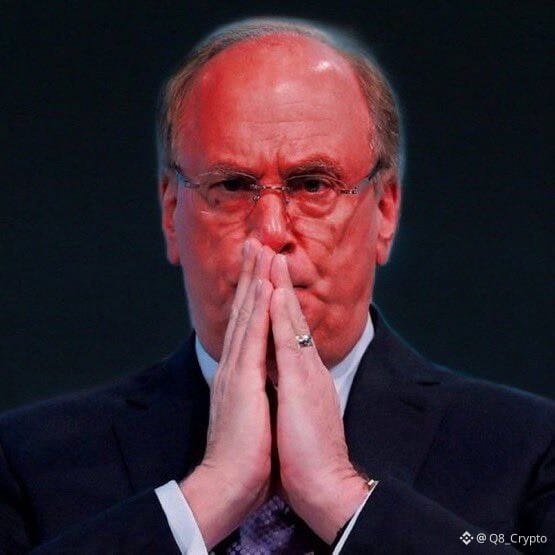
🚨 ВНИМАНИЕ: ВЫВОД СРЕДСТВ ИЗ ETF ДОСТИГ КРИПТО
🇺🇸 BlackRock и другие спотовые ETF США, как сообщается, продали:
🔻 на $148.69 млн в Bitcoin (BTC)
🔻 на $59.58 млн в Ethereum (ETH)
Это совокупное давление на продажу ETF на $208.27 млн. 📉
Рынки пристально следят, так как институциональные потоки создают новое давление на два крупнейших криптоактива. ⚡️
🚨 ВНИМАНИЕ: ВЫВОД СРЕДСТВ ИЗ ETF ДОСТИГ КРИПТО
🇺🇸 BlackRock и другие спотовые ETF США, как сообщается, продали:
🔻 на $148.69 млн в Bitcoin (BTC)
🔻 на $59.58 млн в Ethereum (ETH)
Это совокупное давление на продажу ETF на $208.27 млн. 📉
Рынки пристально следят, так как институциональные потоки создают новое давление на два крупнейших криптоактива. ⚡️
🇺🇸 BlackRock и другие спотовые ETF США, как сообщается, продали:
🔻 на $148.69 млн в Bitcoin (BTC)
🔻 на $59.58 млн в Ethereum (ETH)
Это совокупное давление на продажу ETF на $208.27 млн. 📉
Рынки пристально следят, так как институциональные потоки создают новое давление на два крупнейших криптоактива. ⚡️
122
·
--
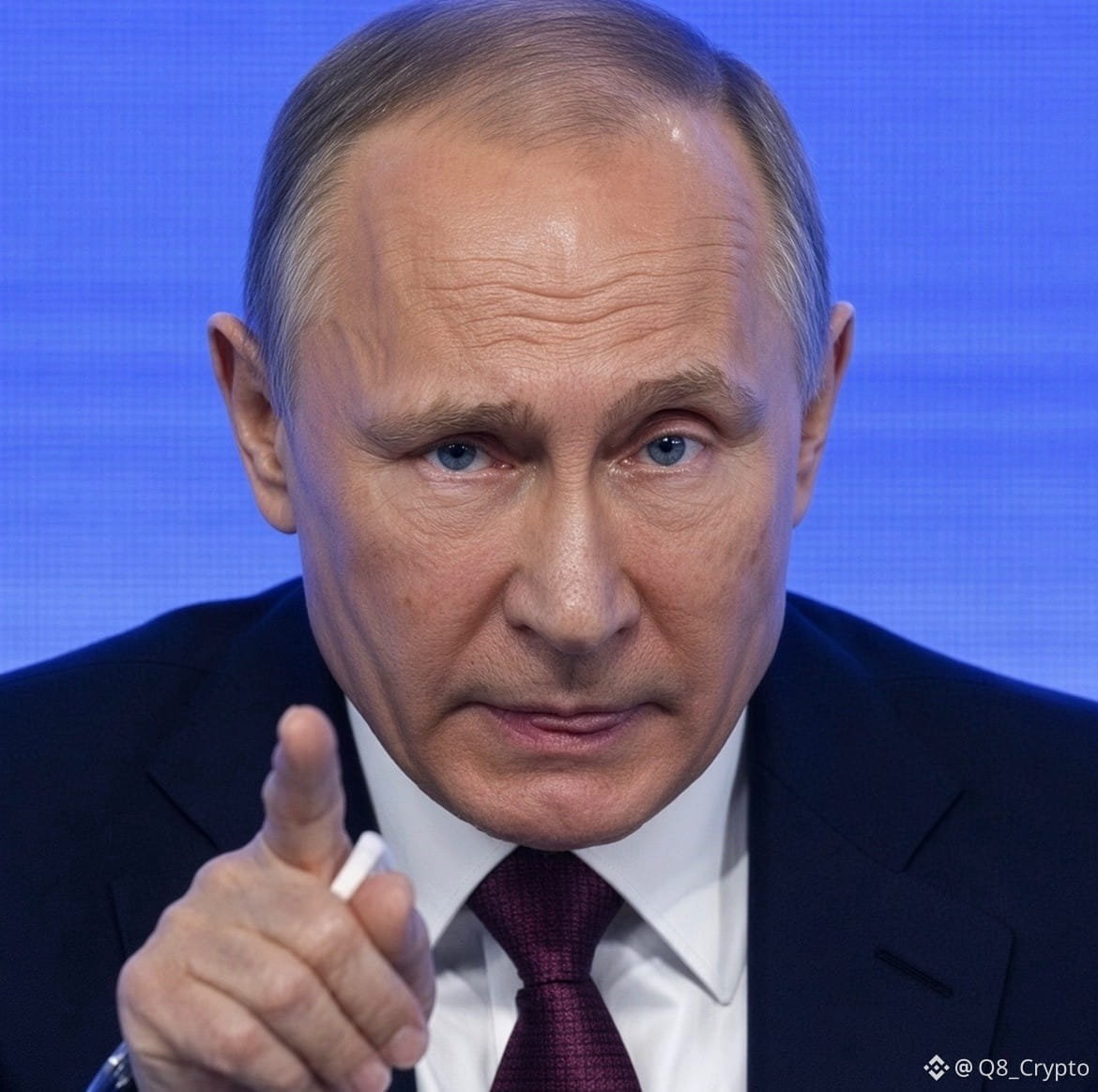
🚨 СМЕНА КУРСА В РЕГУЛИРОВАНИИ КРИПТО 🇷🇺
Россия действует быстро! Банк России сообщает, что правила лицензирования для криптобирж вступают в силу 5 октября; соответствующие действующие финансовые игроки могут получить лицензии уже 6 октября.
🔥 Важный шаг к регулируемому российскому крипторынку — на фоне того, как в США продолжается регуляторная дискуссия.
**Октябрь может стать большим месяцем для регулирования криптовалют. 👀📈**
🚨 СМЕНА КУРСА В РЕГУЛИРОВАНИИ КРИПТО 🇷🇺
Россия действует быстро! Банк России сообщает, что правила лицензирования для криптобирж вступают в силу 5 октября; соответствующие действующие финансовые игроки могут получить лицензии уже 6 октября.
🔥 Важный шаг к регулируемому российскому крипторынку — на фоне того, как в США продолжается регуляторная дискуссия.
**Октябрь может стать большим месяцем для регулирования криптовалют. 👀📈**
Россия действует быстро! Банк России сообщает, что правила лицензирования для криптобирж вступают в силу 5 октября; соответствующие действующие финансовые игроки могут получить лицензии уже 6 октября.
🔥 Важный шаг к регулируемому российскому крипторынку — на фоне того, как в США продолжается регуляторная дискуссия.
**Октябрь может стать большим месяцем для регулирования криптовалют. 👀📈**
94
·
--
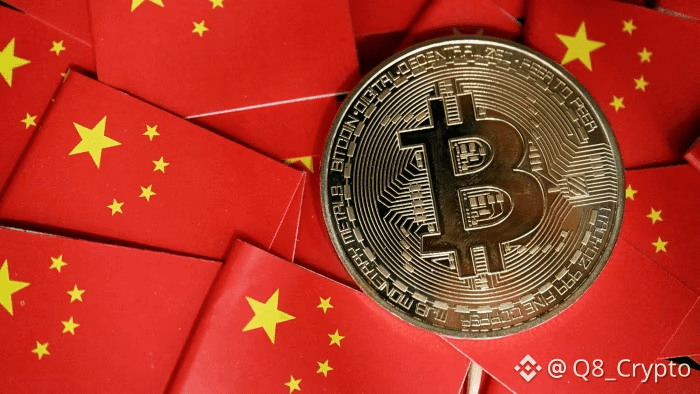
🚨 ВАЖНО: КИТАЙ И КРИПТО 🇨🇳
Появились сообщения, что Китай может начать движение в сторону возобновления доступа к биткоину и криптовалютам к концу 2026 года.
Если это подтвердится, это может стать главным катализатором для глобальных крипторынков 🌎🔥
Сдвиг со стороны Китая означал бы вновь повышенное внимание со стороны одной из крупнейших экономик мира — и, возможно, огромные последствия для ликвидности и принятия биткоина.
⚠️ Пока не установлено никаких официальных подтверждений отмены запрета на криптовалюты к концу 2026 года.
Будьте внимательны. Эта история может стать ОЧЕНЬ большой. 👀🚀
#Bitcoin #BTC #Crypto #China
🚨 ВАЖНО: КИТАЙ И КРИПТО 🇨🇳
Появились сообщения, что Китай может начать движение в сторону возобновления доступа к биткоину и криптовалютам к концу 2026 года.
Если это подтвердится, это может стать главным катализатором для глобальных крипторынков 🌎🔥
Сдвиг со стороны Китая означал бы вновь повышенное внимание со стороны одной из крупнейших экономик мира — и, возможно, огромные последствия для ликвидности и принятия биткоина.
⚠️ Пока не установлено никаких официальных подтверждений отмены запрета на криптовалюты к концу 2026 года.
Будьте внимательны. Эта история может стать ОЧЕНЬ большой. 👀🚀
#Bitcoin #BTC #Crypto #China
Появились сообщения, что Китай может начать движение в сторону возобновления доступа к биткоину и криптовалютам к концу 2026 года.
Если это подтвердится, это может стать главным катализатором для глобальных крипторынков 🌎🔥
Сдвиг со стороны Китая означал бы вновь повышенное внимание со стороны одной из крупнейших экономик мира — и, возможно, огромные последствия для ликвидности и принятия биткоина.
⚠️ Пока не установлено никаких официальных подтверждений отмены запрета на криптовалюты к концу 2026 года.
Будьте внимательны. Эта история может стать ОЧЕНЬ большой. 👀🚀
#Bitcoin #BTC #Crypto #China
143
·
--
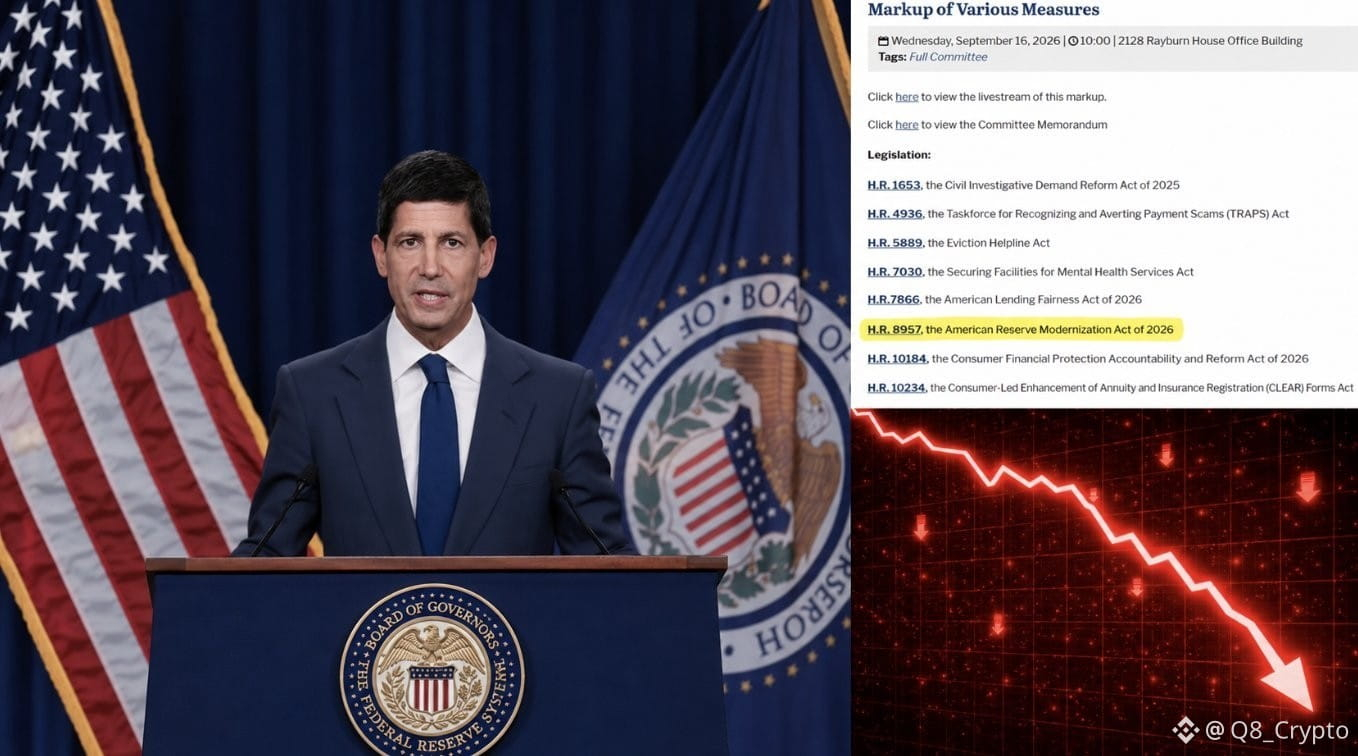
🚨 КРИПТО СРАЗУ НАКРЫЛО ДВОЙНЫМ УДАРОМ — И ВОЛАТИЛЬНОСТЬ ЕЩЁ НЕ ЗАКОНЧИЛАСЬ.
Голосование по закону CLARITY Act в Сенате провалилось 49–50, не дотянув до 60 голосов, необходимых для продвижения законопроекта. Этот откат тут же усилил давление на крипторынки: BTC пошёл вниз к $76K, а ключевые альткоины распродавались.
Затем случился ФРС.
🔥 ФРС (FOMC) повысила ставку на 25 б.п., подняв целевой диапазон ставки по федеральным фондам до 3.75%–4%. Председатель Кевин Уорш подчеркнул инфляцию и не стал заранее брать на себя обязательства по конкретной траектории в будущем, сохраняя внимание рынков на поступающих данных и возможности дальнейшего ужесточения.
И есть ещё один крупный политический фактор неопределённости: усилия США вокруг Стратегического биткоин-резерва и других криптозаконодательных инициатив остаются в фокусе, даже несмотря на то, что провал CLARITY Act усложнил регуляторный график.
📉 CLARITY: поражение 49–50
🏦 ФРС: +25 б.п.
₿ Биткоин: под давлением возобновившегося risk-off
⚡ Крипто: теперь зажата между регулированием, ставками и ликвидностью
Главный вопрос больше не только «Что будет с биткоином?»
Речь о том, смогут ли регуляторные провалы Вашингтона и более жёсткие денежные условия столкнуться достаточно резко, чтобы спровоцировать ещё одно масштабное движение в крипто.
Пристегнитесь. Макро + регуляторная буря официально здесь. 🚨📉₿
🚨 КРИПТО СРАЗУ НАКРЫЛО ДВОЙНЫМ УДАРОМ — И ВОЛАТИЛЬНОСТЬ ЕЩЁ НЕ ЗАКОНЧИЛАСЬ.
Голосование по закону CLARITY Act в Сенате провалилось 49–50, не дотянув до 60 голосов, необходимых для продвижения законопроекта. Этот откат тут же усилил давление на крипторынки: BTC пошёл вниз к $76K, а ключевые альткоины распродавались.
Затем случился ФРС.
🔥 ФРС (FOMC) повысила ставку на 25 б.п., подняв целевой диапазон ставки по федеральным фондам до 3.75%–4%. Председатель Кевин Уорш подчеркнул инфляцию и не стал заранее брать на себя обязательства по конкретной траектории в будущем, сохраняя внимание рынков на поступающих данных и возможности дальнейшего ужесточения.
И есть ещё один крупный политический фактор неопределённости: усилия США вокруг Стратегического биткоин-резерва и других криптозаконодательных инициатив остаются в фокусе, даже несмотря на то, что провал CLARITY Act усложнил регуляторный график.
📉 CLARITY: поражение 49–50
🏦 ФРС: +25 б.п.
₿ Биткоин: под давлением возобновившегося risk-off
⚡ Крипто: теперь зажата между регулированием, ставками и ликвидностью
Главный вопрос больше не только «Что будет с биткоином?»
Речь о том, смогут ли регуляторные провалы Вашингтона и более жёсткие денежные условия столкнуться достаточно резко, чтобы спровоцировать ещё одно масштабное движение в крипто.
Пристегнитесь. Макро + регуляторная буря официально здесь. 🚨📉₿
Голосование по закону CLARITY Act в Сенате провалилось 49–50, не дотянув до 60 голосов, необходимых для продвижения законопроекта. Этот откат тут же усилил давление на крипторынки: BTC пошёл вниз к $76K, а ключевые альткоины распродавались.
Затем случился ФРС.
🔥 ФРС (FOMC) повысила ставку на 25 б.п., подняв целевой диапазон ставки по федеральным фондам до 3.75%–4%. Председатель Кевин Уорш подчеркнул инфляцию и не стал заранее брать на себя обязательства по конкретной траектории в будущем, сохраняя внимание рынков на поступающих данных и возможности дальнейшего ужесточения.
И есть ещё один крупный политический фактор неопределённости: усилия США вокруг Стратегического биткоин-резерва и других криптозаконодательных инициатив остаются в фокусе, даже несмотря на то, что провал CLARITY Act усложнил регуляторный график.
📉 CLARITY: поражение 49–50
🏦 ФРС: +25 б.п.
₿ Биткоин: под давлением возобновившегося risk-off
⚡ Крипто: теперь зажата между регулированием, ставками и ликвидностью
Главный вопрос больше не только «Что будет с биткоином?»
Речь о том, смогут ли регуляторные провалы Вашингтона и более жёсткие денежные условия столкнуться достаточно резко, чтобы спровоцировать ещё одно масштабное движение в крипто.
Пристегнитесь. Макро + регуляторная буря официально здесь. 🚨📉₿
111
·
--
🚨 СРОЧНО: ОБНОВЛЕНИЕ РЕГУЛИРОВАНИЯ КРИПТОВАЛЮТ В США 🇺🇸
Майкл Сэйлор говорит, что SEC и CFTC, скорее всего, возьмут на себя ведущую роль в регулировании криптовалют в США после того, как Закон CLARITY не смог продвинуться.
Но послание ясно: CLARITY никуда не исчезает. 👀
🇺🇸 Регулирование криптовалют в США может быть отложено — но не побеждено.
CLARITY придет, так или иначе! 🚀
🚨 СРОЧНО: ОБНОВЛЕНИЕ РЕГУЛИРОВАНИЯ КРИПТОВАЛЮТ В США 🇺🇸
Майкл Сэйлор говорит, что SEC и CFTC, скорее всего, возьмут на себя ведущую роль в регулировании криптовалют в США после того, как Закон CLARITY не смог продвинуться.
Но послание ясно: CLARITY никуда не исчезает. 👀
🇺🇸 Регулирование криптовалют в США может быть отложено — но не побеждено.
CLARITY придет, так или иначе! 🚀
Майкл Сэйлор говорит, что SEC и CFTC, скорее всего, возьмут на себя ведущую роль в регулировании криптовалют в США после того, как Закон CLARITY не смог продвинуться.
Но послание ясно: CLARITY никуда не исчезает. 👀
🇺🇸 Регулирование криптовалют в США может быть отложено — но не побеждено.
CLARITY придет, так или иначе! 🚀


86
·
--
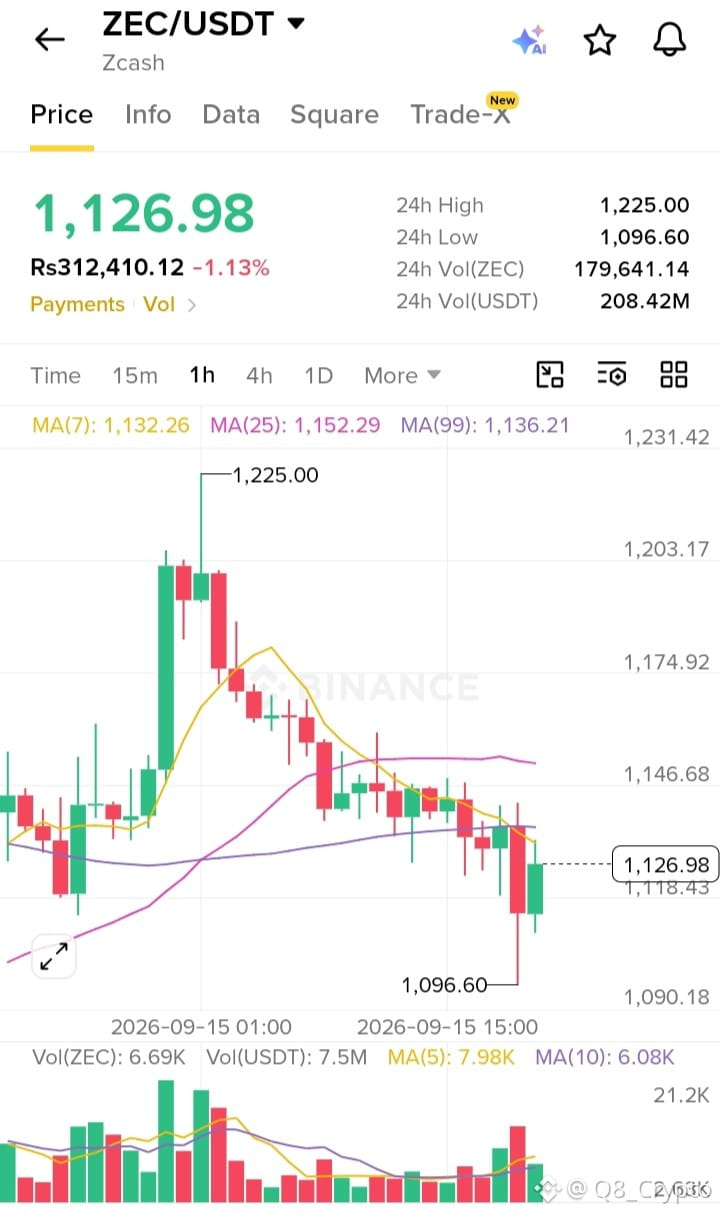
$ZEC торгуется по $1,126.98, снижаясь на -1.13% после отката от $1,225. Цена остается ниже MA(7) $1,132.26, MA(25) $1,152.29 и MA(99) $1,136.21.
📉 24H High: $1,225
📉 24H Low: $1,096.60
🔥 24H Volume: 179.64K ZEC / $208.42M USDT
🔴 Зона Sell: $1,132–$1,150
🎯 TP1: $1,096.60
🎯 TP2: $1,070
🎯 TP3: $1,040
🛑 SL: $1,165
⚠️ $1,096.60 — ключевая поддержка. Потеряйте ее, и $ZEC может ускорить снижение. Бычьим нужно вернуть контроль выше $1,150, чтобы перевернуть сценарий.
Один уровень пробивается… и следующее движение может стать взрывным! 🚨📉
$ZEC торгуется по $1,126.98, снижаясь на -1.13% после отката от $1,225. Цена остается ниже MA(7) $1,132.26, MA(25) $1,152.29 и MA(99) $1,136.21.
📉 24H High: $1,225
📉 24H Low: $1,096.60
🔥 24H Volume: 179.64K ZEC / $208.42M USDT
🔴 Зона Sell: $1,132–$1,150
🎯 TP1: $1,096.60
🎯 TP2: $1,070
🎯 TP3: $1,040
🛑 SL: $1,165
⚠️ $1,096.60 — ключевая поддержка. Потеряйте ее, и $ZEC может ускорить снижение. Бычьим нужно вернуть контроль выше $1,150, чтобы перевернуть сценарий.
Один уровень пробивается… и следующее движение может стать взрывным! 🚨📉
📉 24H High: $1,225
📉 24H Low: $1,096.60
🔥 24H Volume: 179.64K ZEC / $208.42M USDT
🔴 Зона Sell: $1,132–$1,150
🎯 TP1: $1,096.60
🎯 TP2: $1,070
🎯 TP3: $1,040
🛑 SL: $1,165
⚠️ $1,096.60 — ключевая поддержка. Потеряйте ее, и $ZEC может ускорить снижение. Бычьим нужно вернуть контроль выше $1,150, чтобы перевернуть сценарий.
Один уровень пробивается… и следующее движение может стать взрывным! 🚨📉
171
·
--
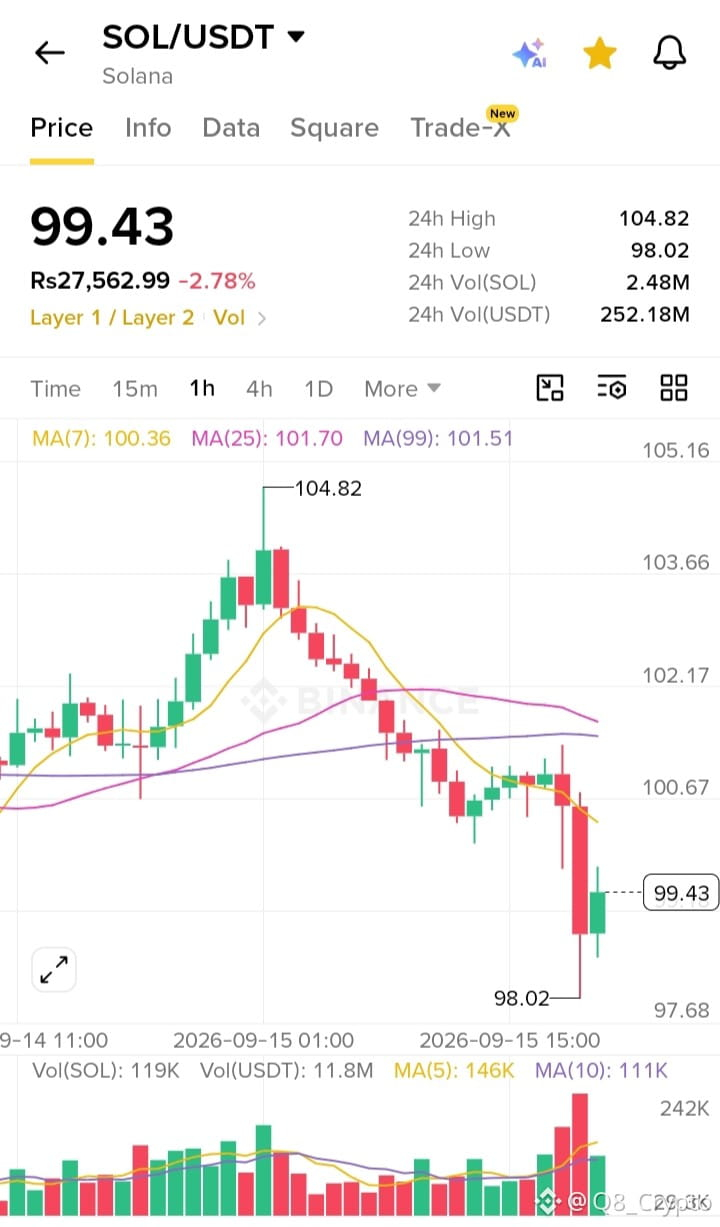
$SOL торгуется по $99.43, снижение на -2.78%, после отката от $104.82. Цена ниже MA(7) $100.36, MA(25) $101.70 и MA(99) $101.51, при этом объем продаж резко вырос.
📉 24H High: $104.82
📉 24H Low: $98.02
🔥 24H Volume: 2.48M SOL / $252.18M USDT
🔴 Зона продажи: $100.30–$101.00
🎯 TP1: $98.02
🎯 TP2: $97.50
🎯 TP3: $96.50
🛑 SL: $101.80
⚠️ $98.02 — ключевая поддержка. Чистый пробой может быстро увести $SOL ниже. Быкам нужно вернуть $101.50+, чтобы переломить импульс.
SOL находится на грани — следующее движение может быть взрывным! 🚨📉
$SOL торгуется по $99.43, снижение на -2.78%, после отката от $104.82. Цена ниже MA(7) $100.36, MA(25) $101.70 и MA(99) $101.51, при этом объем продаж резко вырос.
📉 24H High: $104.82
📉 24H Low: $98.02
🔥 24H Volume: 2.48M SOL / $252.18M USDT
🔴 Зона продажи: $100.30–$101.00
🎯 TP1: $98.02
🎯 TP2: $97.50
🎯 TP3: $96.50
🛑 SL: $101.80
⚠️ $98.02 — ключевая поддержка. Чистый пробой может быстро увести $SOL ниже. Быкам нужно вернуть $101.50+, чтобы переломить импульс.
SOL находится на грани — следующее движение может быть взрывным! 🚨📉
📉 24H High: $104.82
📉 24H Low: $98.02
🔥 24H Volume: 2.48M SOL / $252.18M USDT
🔴 Зона продажи: $100.30–$101.00
🎯 TP1: $98.02
🎯 TP2: $97.50
🎯 TP3: $96.50
🛑 SL: $101.80
⚠️ $98.02 — ключевая поддержка. Чистый пробой может быстро увести $SOL ниже. Быкам нужно вернуть $101.50+, чтобы переломить импульс.
SOL находится на грани — следующее движение может быть взрывным! 🚨📉
97
·
--
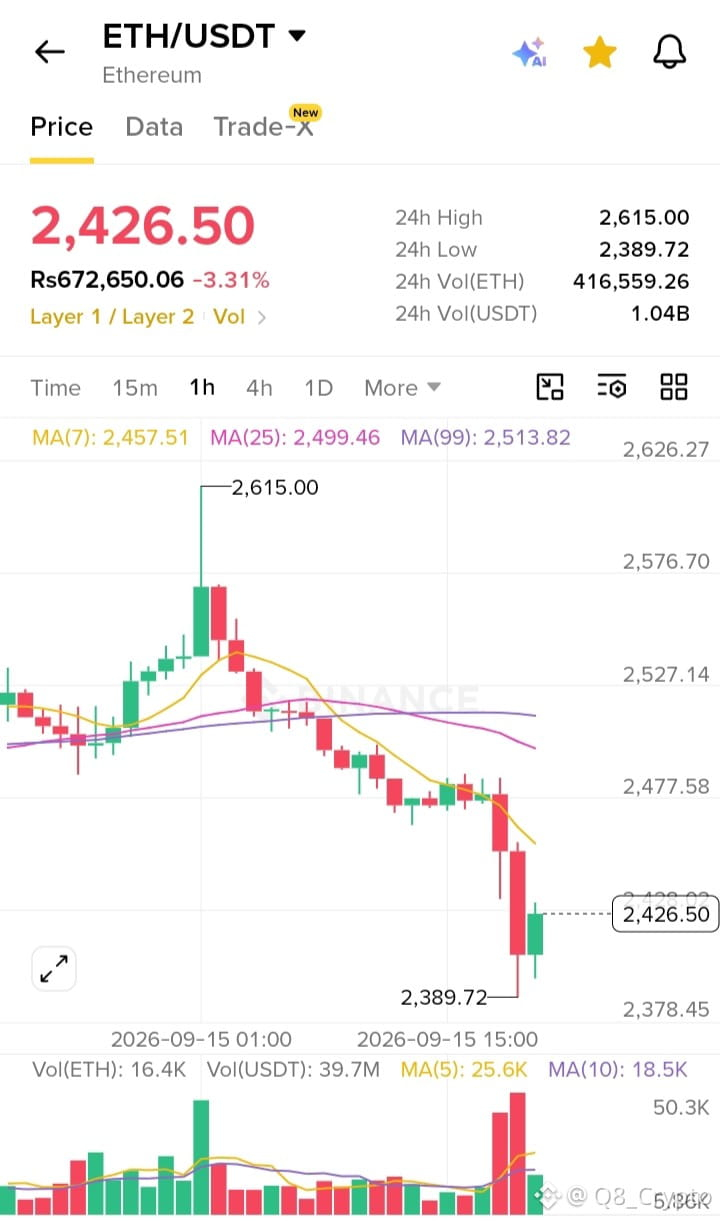
$ETH торгуется по $2,426.50, снижаясь на -3.31% после резкого отклонения от $2,615. Цена находится ниже всех ключевых MA, а большой объем продаж подтверждает медвежий импульс.
📉 24H High: $2,615
📉 24H Low: $2,389.72
🔥 24H Volume: 416.56K ETH / $1.04B USDT
🔴 Зона Sell: $2,455–$2,480
🎯 TP1: $2,390
🎯 TP2: $2,350
🎯 TP3: $2,300
🛑 SL: $2,515
⚠️ $2,389.72 — ключевая поддержка. Чистый пробой может ускорить распродажу, тогда как возврат в диапазон $2,480–$2,515 ослабит медвежий сценарий.
ETH находится на критическом уровне «быть или не быть»! 🚨📉
$ETH торгуется по $2,426.50, снижаясь на -3.31% после резкого отклонения от $2,615. Цена находится ниже всех ключевых MA, а большой объем продаж подтверждает медвежий импульс.
📉 24H High: $2,615
📉 24H Low: $2,389.72
🔥 24H Volume: 416.56K ETH / $1.04B USDT
🔴 Зона Sell: $2,455–$2,480
🎯 TP1: $2,390
🎯 TP2: $2,350
🎯 TP3: $2,300
🛑 SL: $2,515
⚠️ $2,389.72 — ключевая поддержка. Чистый пробой может ускорить распродажу, тогда как возврат в диапазон $2,480–$2,515 ослабит медвежий сценарий.
ETH находится на критическом уровне «быть или не быть»! 🚨📉
📉 24H High: $2,615
📉 24H Low: $2,389.72
🔥 24H Volume: 416.56K ETH / $1.04B USDT
🔴 Зона Sell: $2,455–$2,480
🎯 TP1: $2,390
🎯 TP2: $2,350
🎯 TP3: $2,300
🛑 SL: $2,515
⚠️ $2,389.72 — ключевая поддержка. Чистый пробой может ускорить распродажу, тогда как возврат в диапазон $2,480–$2,515 ослабит медвежий сценарий.
ETH находится на критическом уровне «быть или не быть»! 🚨📉
62
·
--
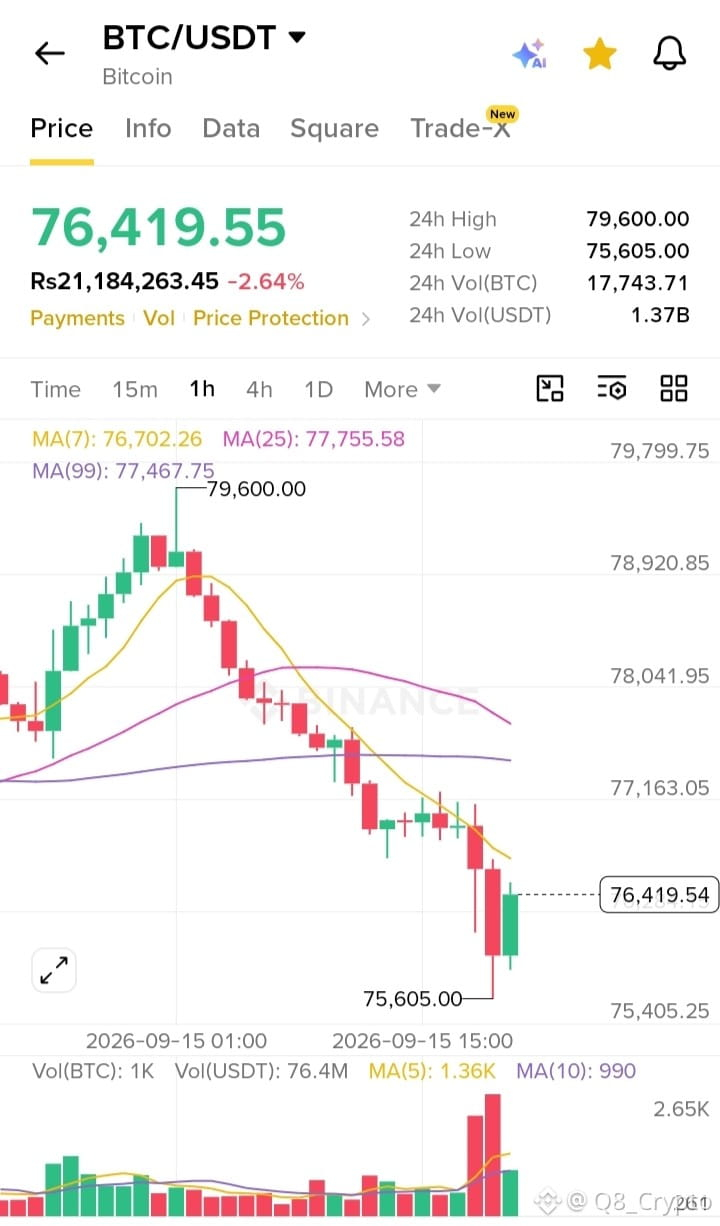
$BTC
торгуется около $76,419, снизившись на -2.64%, после резкого отклонения от $79,600. Цена ниже всех ключевых скользящих средних, а большой объем продаж подтверждает сильное медвежье давление.
📉 24H High: $79,600
📉 24H Low: $75,605
🔥 24H Volume: 17,743 BTC / $1,37B USDT
🔴 Зона продаж: $76,700–$77,200
🎯 TP1: $75,600
🎯 TP2: $75,000
🎯 TP3: $74,200
🛑 SL: $77,800
⚠️ Чистый пробой ниже $75,605 может спровоцировать еще одну агрессивную нисходящую волну. Бычьим нужно вернуть $77,200+, чтобы восстановить импульс.
BTC находится на критическом уровне — волатильность разогревается! 🔥📉
$BTC
торгуется около $76,419, снизившись на -2.64%, после резкого отклонения от $79,600. Цена ниже всех ключевых скользящих средних, а большой объем продаж подтверждает сильное медвежье давление.
📉 24H High: $79,600
📉 24H Low: $75,605
🔥 24H Volume: 17,743 BTC / $1,37B USDT
🔴 Зона продаж: $76,700–$77,200
🎯 TP1: $75,600
🎯 TP2: $75,000
🎯 TP3: $74,200
🛑 SL: $77,800
⚠️ Чистый пробой ниже $75,605 может спровоцировать еще одну агрессивную нисходящую волну. Бычьим нужно вернуть $77,200+, чтобы восстановить импульс.
BTC находится на критическом уровне — волатильность разогревается! 🔥📉
торгуется около $76,419, снизившись на -2.64%, после резкого отклонения от $79,600. Цена ниже всех ключевых скользящих средних, а большой объем продаж подтверждает сильное медвежье давление.
📉 24H High: $79,600
📉 24H Low: $75,605
🔥 24H Volume: 17,743 BTC / $1,37B USDT
🔴 Зона продаж: $76,700–$77,200
🎯 TP1: $75,600
🎯 TP2: $75,000
🎯 TP3: $74,200
🛑 SL: $77,800
⚠️ Чистый пробой ниже $75,605 может спровоцировать еще одну агрессивную нисходящую волну. Бычьим нужно вернуть $77,200+, чтобы восстановить импульс.
BTC находится на критическом уровне — волатильность разогревается! 🔥📉
71
·
--
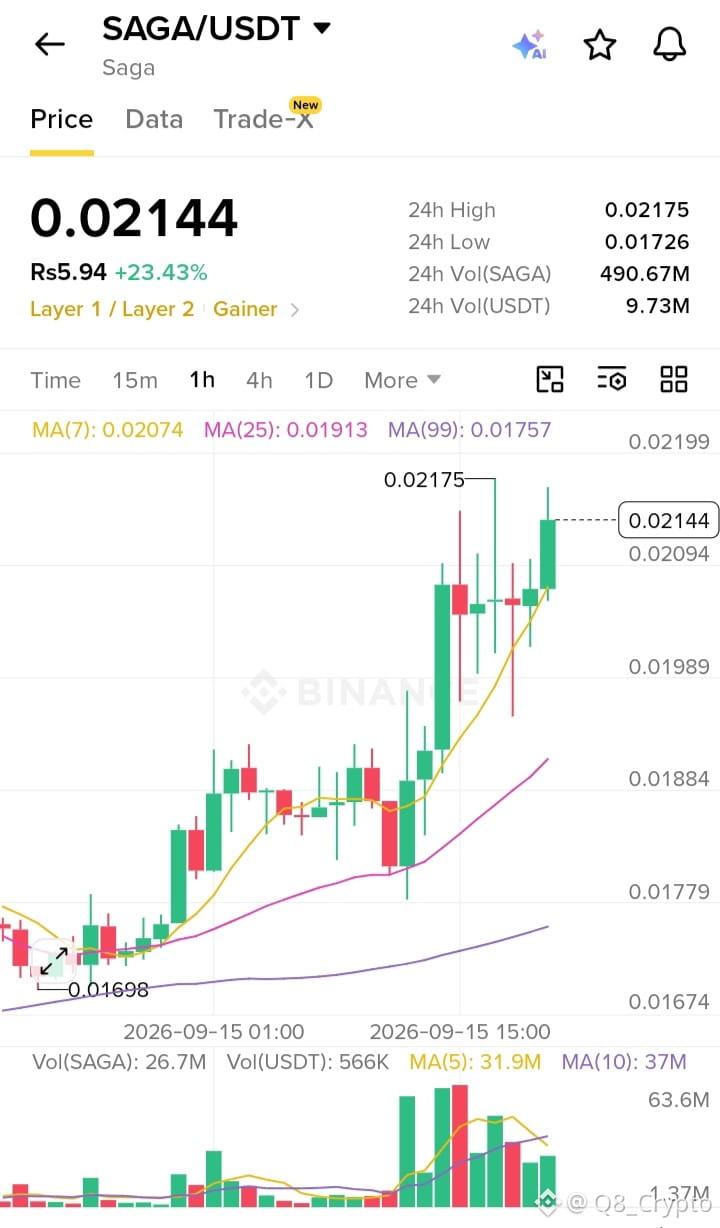
$SAGA летит по $0.02144, рост +23.43%! 🚀
Цена уверенно держится выше MA(7) $0.02074, MA(25) $0.01913 и MA(99) $0.01757 — четкая бычья структура.
📈 24H High: $0.02175
📉 24H Low: $0.01726
🔥 24H Volume: 490.67M SAGA / $9.73M USDT
🎯 Сопротивление: $0.02175 → $0.02199
🟢 Зона покупок: $0.02070–$0.02120
🎯 TP1: $0.02250
🎯 TP2: $0.02350
🎯 TP3: $0.02500
🛑 SL: $0.01980
Четкий пробой выше $0.02175–$0.02199 может запустить следующий виток вверх. Моментум + объем разогреваются! 🔥
$SAGA , похоже, готов устроить небольшую шумиху! 🚀⚡
$SAGA летит по $0.02144, рост +23.43%! 🚀
Цена уверенно держится выше MA(7) $0.02074, MA(25) $0.01913 и MA(99) $0.01757 — четкая бычья структура.
📈 24H High: $0.02175
📉 24H Low: $0.01726
🔥 24H Volume: 490.67M SAGA / $9.73M USDT
🎯 Сопротивление: $0.02175 → $0.02199
🟢 Зона покупок: $0.02070–$0.02120
🎯 TP1: $0.02250
🎯 TP2: $0.02350
🎯 TP3: $0.02500
🛑 SL: $0.01980
Четкий пробой выше $0.02175–$0.02199 может запустить следующий виток вверх. Моментум + объем разогреваются! 🔥
$SAGA , похоже, готов устроить небольшую шумиху! 🚀⚡
Цена уверенно держится выше MA(7) $0.02074, MA(25) $0.01913 и MA(99) $0.01757 — четкая бычья структура.
📈 24H High: $0.02175
📉 24H Low: $0.01726
🔥 24H Volume: 490.67M SAGA / $9.73M USDT
🎯 Сопротивление: $0.02175 → $0.02199
🟢 Зона покупок: $0.02070–$0.02120
🎯 TP1: $0.02250
🎯 TP2: $0.02350
🎯 TP3: $0.02500
🛑 SL: $0.01980
Четкий пробой выше $0.02175–$0.02199 может запустить следующий виток вверх. Моментум + объем разогреваются! 🔥
$SAGA , похоже, готов устроить небольшую шумиху! 🚀⚡
127
·
--
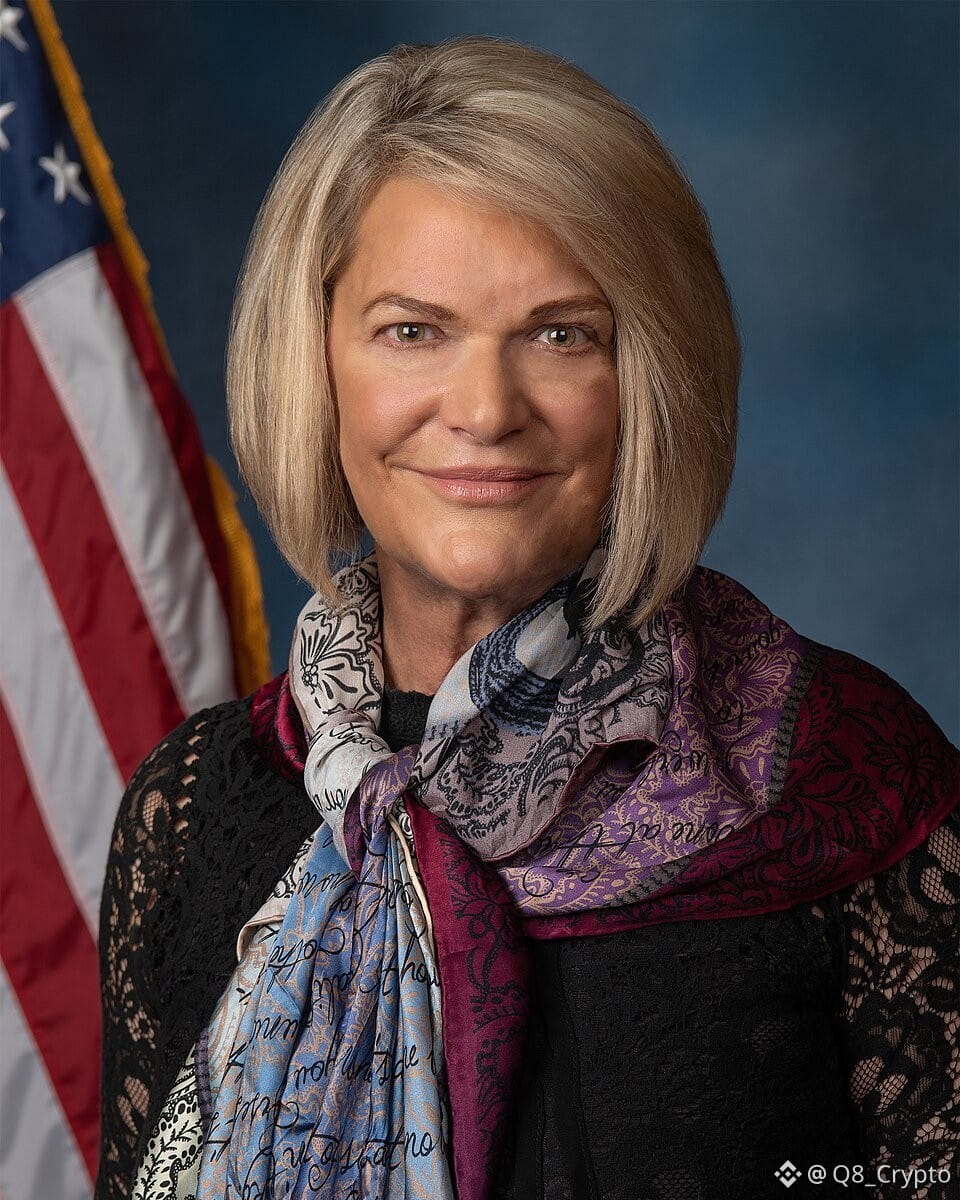
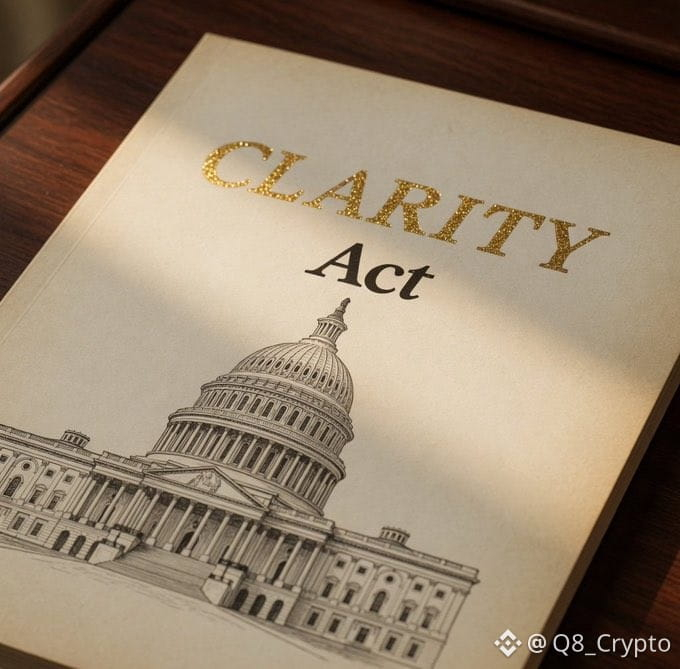
🇺🇸 ВНИМАНИЕ: столкновение вокруг закона CLARITY! ⚡
Сенатор Синтия Ламмис заявляет, что демократы держат закон CLARITY «в заложниках» всего за несколько часов до голосования по cloture.
Она утверждает, что президент Трамп уже согласился с двумя ключевыми положениями по этике, которые требовали демократы — мол, «давать больше нечего».
Но сенатор Марк Уорнер не согласен и называет меры по этике «недостаточными».
🔥 Сейчас криптозаконодательство движется к критическому противостоянию.
Следующее голосование может стать важной точкой поворота для регулирования криптовалют в США.
🇺🇸 ВНИМАНИЕ: столкновение вокруг закона CLARITY! ⚡
Сенатор Синтия Ламмис заявляет, что демократы держат закон CLARITY «в заложниках» всего за несколько часов до голосования по cloture.
Она утверждает, что президент Трамп уже согласился с двумя ключевыми положениями по этике, которые требовали демократы — мол, «давать больше нечего».
Но сенатор Марк Уорнер не согласен и называет меры по этике «недостаточными».
🔥 Сейчас криптозаконодательство движется к критическому противостоянию.
Следующее голосование может стать важной точкой поворота для регулирования криптовалют в США.
Сенатор Синтия Ламмис заявляет, что демократы держат закон CLARITY «в заложниках» всего за несколько часов до голосования по cloture.
Она утверждает, что президент Трамп уже согласился с двумя ключевыми положениями по этике, которые требовали демократы — мол, «давать больше нечего».
Но сенатор Марк Уорнер не согласен и называет меры по этике «недостаточными».
🔥 Сейчас криптозаконодательство движется к критическому противостоянию.
Следующее голосование может стать важной точкой поворота для регулирования криптовалют в США.
114
·
--
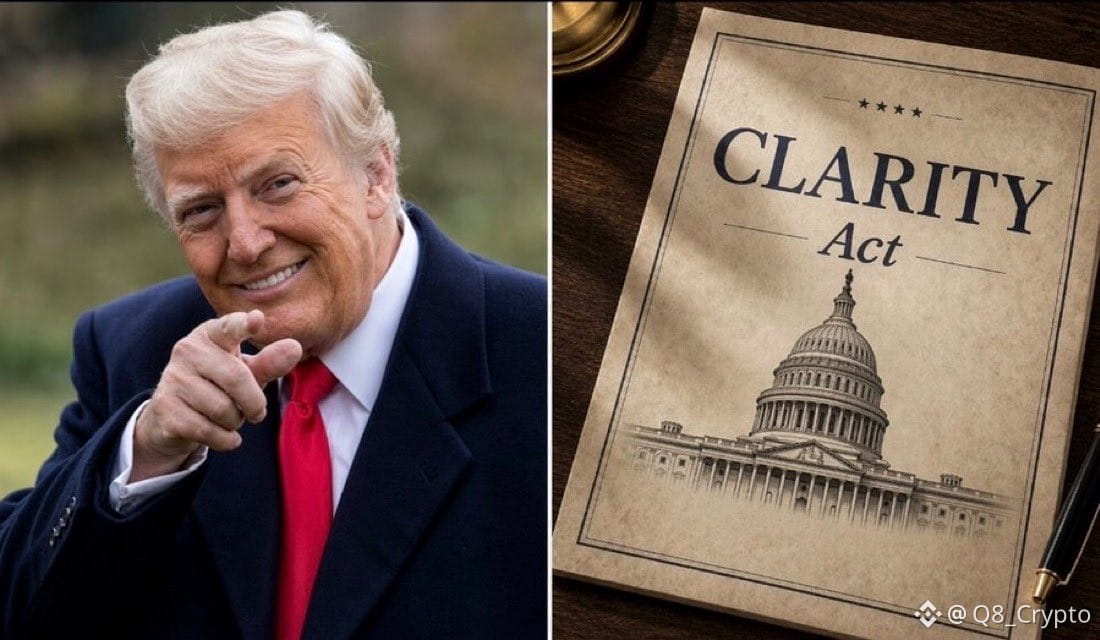
🚨 Срочное сообщение: Закон о ясности делает важный поворот! 🇺🇸
Президент Трамп, как сообщается, поддержал ключевые изменения перед решающим голосованием:
• Двухпартийные правила этики в сфере криптовалют
• Криптоактивы → отчуждение или слепое доверительное управление
• Штаты получают полномочия подавать иски за нарушения
• Вероятность одобрения выросла примерно на 10% за считанные минуты 📈
Регулирование криптовалют только что получило серьёзный поворот. 🚀
🚨 Срочное сообщение: Закон о ясности делает важный поворот! 🇺🇸
Президент Трамп, как сообщается, поддержал ключевые изменения перед решающим голосованием:
• Двухпартийные правила этики в сфере криптовалют
• Криптоактивы → отчуждение или слепое доверительное управление
• Штаты получают полномочия подавать иски за нарушения
• Вероятность одобрения выросла примерно на 10% за считанные минуты 📈
Регулирование криптовалют только что получило серьёзный поворот. 🚀
Президент Трамп, как сообщается, поддержал ключевые изменения перед решающим голосованием:
• Двухпартийные правила этики в сфере криптовалют
• Криптоактивы → отчуждение или слепое доверительное управление
• Штаты получают полномочия подавать иски за нарушения
• Вероятность одобрения выросла примерно на 10% за считанные минуты 📈
Регулирование криптовалют только что получило серьёзный поворот. 🚀
83
Войдите, чтобы посмотреть больше материала
Присоединяйтесь к пользователям криптовалют по всему миру на Binance Square
⚡️ Получайте новейшую и полезную информацию о криптоактивах.
💬 Нам доверяет крупнейшая в мире криптобиржа.
👍 Получите достоверные аналитические данные от верифицированных создателей контента.
Эл. почта/номер телефона
В тренде
BinancePick
Просмотров: 3.1M
152,899 обсуждают
Присоединяйтесь к #EarningsSeason: прогнозируйте финансовые результаты на Binance Pick и делитесь своим мнением на Binance Square!
Binance Square Official
·Лайков: 411
·Просмотров: 343.2k
EarningsSeason
Просмотров: 5.3M
26,007 обсуждают
AnthropicTTMRevenueGrewAbout1200%
Просмотров: 29,072
424 обсуждают