

LearnBits
2.9k Публикации

LearnBits
Отправить жалобу
Заблокировать пользователя
Bite-sized guides & daily insights on crypto and stock markets. Master the trends!
Открытая сделка
Трейдер с частыми сделками
8 г
121 подписок(и/а)
5.6K+ подписчиков(а)
8.1K+ понравилось
Посты
Портфель
Все
Цитирования
Видео
Активно
·
--
Сегодня на крипторынке наблюдается значительная коррекция цен и сильное давление продавцов по этим альткоинам.
Каков ваш следующий шаг? 👇
$BIRB : $0.07555 (-21.51%)
{future}(BIRBUSDT)
$Q : $0.059466 (-24.23%)
$ORDER : $0.04738 (-29.63%)
{future}(ORDERUSDT)
Сегодня на крипторынке наблюдается значительная коррекция цен и сильное давление продавцов по этим альткоинам.
Каков ваш следующий шаг? 👇
$BIRB : $0.07555 (-21.51%)
$Q : $0.059466 (-24.23%)
$ORDER : $0.04738 (-29.63%)
Каков ваш следующий шаг? 👇
$BIRB : $0.07555 (-21.51%)
$Q : $0.059466 (-24.23%)
$ORDER : $0.04738 (-29.63%)
Buy the dip 📉
DCA gradually 📊
Switch to other assets 🔄
Secure position 🛑
6 ч. осталось

Semoga Beruntung!
От LearnBits
3
8
2.9k
·
--
Micron пытается снизить напряжённость в трудовых отношениях на Тайване на фоне стремительного роста прибыли от ИИ 💰
Компания Micron Technology запускает новую глобальную программу премирования сотрудников после усилившегося давления со стороны тайваньских профсоюзов, требующих большей доли от стремительно растущей прибыли компании, связанной с ИИ. План, объявленный 22 октября, предусматривает привязку ежеквартальных бонусов к прибыли после уплаты налогов с учётом прогнозируемых капитальных затрат. Выплаты будут производиться частично денежными средствами, частично акциями компании; акции перейдут в собственность сотрудников через год. Reuters сообщает, что эта инициатива — часть более широких усилий Micron по решению проблем сотрудников на фоне продолжающегося роста спроса на чипы памяти.
Этот шаг последовал за публикацией Micron рекордных финансовых результатов за 2026 финансовый год, чему способствовал растущий спрос на память с высокой пропускной способностью (HBM), используемую в центрах обработки данных для ИИ. Однако переговоры с одним из тайваньских профсоюзов компании остаются безрезультатными: он добивается большей доли глобальной операционной прибыли. ⚙️
Для инвесторов ключевой вопрос заключается в том, сможет ли Micron обеспечить стабильность производства, наращивая мощности для удовлетворения спроса на решения для ИИ. Высокие цены на память открывают значительные возможности, однако трудовые споры и рост производственных затрат могут осложнить реализацию планов. В ближайшие месяцы станет ясно, сможет ли Micron уравновесить ожидания сотрудников со своими амбициозными планами расширения.
$MU
{future}(MUUSDT)
Micron пытается снизить напряжённость в трудовых отношениях на Тайване на фоне стремительного роста прибыли от ИИ 💰
Компания Micron Technology запускает новую глобальную программу премирования сотрудников после усилившегося давления со стороны тайваньских профсоюзов, требующих большей доли от стремительно растущей прибыли компании, связанной с ИИ. План, объявленный 22 октября, предусматривает привязку ежеквартальных бонусов к прибыли после уплаты налогов с учётом прогнозируемых капитальных затрат. Выплаты будут производиться частично денежными средствами, частично акциями компании; акции перейдут в собственность сотрудников через год. Reuters сообщает, что эта инициатива — часть более широких усилий Micron по решению проблем сотрудников на фоне продолжающегося роста спроса на чипы памяти.
Этот шаг последовал за публикацией Micron рекордных финансовых результатов за 2026 финансовый год, чему способствовал растущий спрос на память с высокой пропускной способностью (HBM), используемую в центрах обработки данных для ИИ. Однако переговоры с одним из тайваньских профсоюзов компании остаются безрезультатными: он добивается большей доли глобальной операционной прибыли. ⚙️
Для инвесторов ключевой вопрос заключается в том, сможет ли Micron обеспечить стабильность производства, наращивая мощности для удовлетворения спроса на решения для ИИ. Высокие цены на память открывают значительные возможности, однако трудовые споры и рост производственных затрат могут осложнить реализацию планов. В ближайшие месяцы станет ясно, сможет ли Micron уравновесить ожидания сотрудников со своими амбициозными планами расширения.
$MU
Компания Micron Technology запускает новую глобальную программу премирования сотрудников после усилившегося давления со стороны тайваньских профсоюзов, требующих большей доли от стремительно растущей прибыли компании, связанной с ИИ. План, объявленный 22 октября, предусматривает привязку ежеквартальных бонусов к прибыли после уплаты налогов с учётом прогнозируемых капитальных затрат. Выплаты будут производиться частично денежными средствами, частично акциями компании; акции перейдут в собственность сотрудников через год. Reuters сообщает, что эта инициатива — часть более широких усилий Micron по решению проблем сотрудников на фоне продолжающегося роста спроса на чипы памяти.
Этот шаг последовал за публикацией Micron рекордных финансовых результатов за 2026 финансовый год, чему способствовал растущий спрос на память с высокой пропускной способностью (HBM), используемую в центрах обработки данных для ИИ. Однако переговоры с одним из тайваньских профсоюзов компании остаются безрезультатными: он добивается большей доли глобальной операционной прибыли. ⚙️
Для инвесторов ключевой вопрос заключается в том, сможет ли Micron обеспечить стабильность производства, наращивая мощности для удовлетворения спроса на решения для ИИ. Высокие цены на память открывают значительные возможности, однако трудовые споры и рост производственных затрат могут осложнить реализацию планов. В ближайшие месяцы станет ясно, сможет ли Micron уравновесить ожидания сотрудников со своими амбициозными планами расширения.
$MU
Semoga Beruntung!
От LearnBits
11
1.2k
·
--
Как вы позиционируете себя на фоне последних движений рынка? Поделитесь своими мыслями ниже!
$NEAR : $4.418 (-4.29%)
{future}(NEARUSDT)
$ORDER : $0.05388 (+54.92%)
{future}(ORDERUSDT)
$ZEC : $1,193.34 (+2.19%)
{future}(ZECUSDT)
Как вы позиционируете себя на фоне последних движений рынка? Поделитесь своими мыслями ниже!
$NEAR : $4.418 (-4.29%)
$ORDER : $0.05388 (+54.92%)
$ZEC : $1,193.34 (+2.19%)
$NEAR : $4.418 (-4.29%)
$ORDER : $0.05388 (+54.92%)
$ZEC : $1,193.34 (+2.19%)
Buy the dip 📉
63%
Chase momentum 🚀
21%
Stay on the sidelines 🛑
16%
51 проголосовали • Голосование закрыто
Semoga Beruntung!
От LearnBits
13
3.5k
·
--
Программа обратного выкупа Hyperliquid на 100 миллионов долларов сталкивается с растущими регуляторными трудностями.
Hyperliquid проходит проверку на двух фронтах: доверие институциональных инвесторов и внимание регуляторов. 23 октября котирующаяся на Nasdaq компания Hyperliquid Strategies (PURR) увеличила лимит разрешённого выкупа собственных акций с 30 до 100 миллионов долларов; доступными остаются около 72 миллионов долларов. Компания также продлила программу до 31 октября 2027 года. Этот шаг свидетельствует об уверенности в её стратегии управления капиталом, однако выкуп распространяется на акции PURR, а не напрямую на токены HYPE.
В то же время генеральный директор CME Group Терри Даффи усомнился в способности Hyperliquid выйти на рынок США без соблюдения требований «знай своего клиента» (KYC). Выступая в подкасте Odd Lots агентства Bloomberg, Даффи также выразил обеспокоенность из-за высокого кредитного плеча и автоматических ликвидаций, которые потенциально могут спровоцировать цепные сбои на рынке. Это его опасения относительно регулирования, а не объявленные меры принуждения в отношении Hyperliquid.
Для держателей $HYPE это различие важно. Растущая роль Hyperliquid в сфере ончейн-деривативов и расширенная программа обратного выкупа акций казначейской компании могут укрепить доверие к экосистеме, но ни то ни другое не устраняет неопределённость в отношении регулирования. Способность компании соответствовать требованиям регуляторов и при этом сохранять децентрализованную модель торговли может стать определяющим фактором на следующем этапе её развития.
Сможет ли Hyperliquid преодолеть регуляторные барьеры и продолжить расширяться или соблюдение требований станет её главным препятствием?
{future}(HYPEUSDT)
Программа обратного выкупа Hyperliquid на 100 миллионов долларов сталкивается с растущими регуляторными трудностями.
Hyperliquid проходит проверку на двух фронтах: доверие институциональных инвесторов и внимание регуляторов. 23 октября котирующаяся на Nasdaq компания Hyperliquid Strategies (PURR) увеличила лимит разрешённого выкупа собственных акций с 30 до 100 миллионов долларов; доступными остаются около 72 миллионов долларов. Компания также продлила программу до 31 октября 2027 года. Этот шаг свидетельствует об уверенности в её стратегии управления капиталом, однако выкуп распространяется на акции PURR, а не напрямую на токены HYPE.
В то же время генеральный директор CME Group Терри Даффи усомнился в способности Hyperliquid выйти на рынок США без соблюдения требований «знай своего клиента» (KYC). Выступая в подкасте Odd Lots агентства Bloomberg, Даффи также выразил обеспокоенность из-за высокого кредитного плеча и автоматических ликвидаций, которые потенциально могут спровоцировать цепные сбои на рынке. Это его опасения относительно регулирования, а не объявленные меры принуждения в отношении Hyperliquid.
Для держателей $HYPE это различие важно. Растущая роль Hyperliquid в сфере ончейн-деривативов и расширенная программа обратного выкупа акций казначейской компании могут укрепить доверие к экосистеме, но ни то ни другое не устраняет неопределённость в отношении регулирования. Способность компании соответствовать требованиям регуляторов и при этом сохранять децентрализованную модель торговли может стать определяющим фактором на следующем этапе её развития.
Сможет ли Hyperliquid преодолеть регуляторные барьеры и продолжить расширяться или соблюдение требований станет её главным препятствием?
Hyperliquid проходит проверку на двух фронтах: доверие институциональных инвесторов и внимание регуляторов. 23 октября котирующаяся на Nasdaq компания Hyperliquid Strategies (PURR) увеличила лимит разрешённого выкупа собственных акций с 30 до 100 миллионов долларов; доступными остаются около 72 миллионов долларов. Компания также продлила программу до 31 октября 2027 года. Этот шаг свидетельствует об уверенности в её стратегии управления капиталом, однако выкуп распространяется на акции PURR, а не напрямую на токены HYPE.
В то же время генеральный директор CME Group Терри Даффи усомнился в способности Hyperliquid выйти на рынок США без соблюдения требований «знай своего клиента» (KYC). Выступая в подкасте Odd Lots агентства Bloomberg, Даффи также выразил обеспокоенность из-за высокого кредитного плеча и автоматических ликвидаций, которые потенциально могут спровоцировать цепные сбои на рынке. Это его опасения относительно регулирования, а не объявленные меры принуждения в отношении Hyperliquid.
Для держателей $HYPE это различие важно. Растущая роль Hyperliquid в сфере ончейн-деривативов и расширенная программа обратного выкупа акций казначейской компании могут укрепить доверие к экосистеме, но ни то ни другое не устраняет неопределённость в отношении регулирования. Способность компании соответствовать требованиям регуляторов и при этом сохранять децентрализованную модель торговли может стать определяющим фактором на следующем этапе её развития.
Сможет ли Hyperliquid преодолеть регуляторные барьеры и продолжить расширяться или соблюдение требований станет её главным препятствием?
Semoga Beruntung!
От LearnBits
HYPE+1,87%
PURRUS+1,13%
8
848
·
--
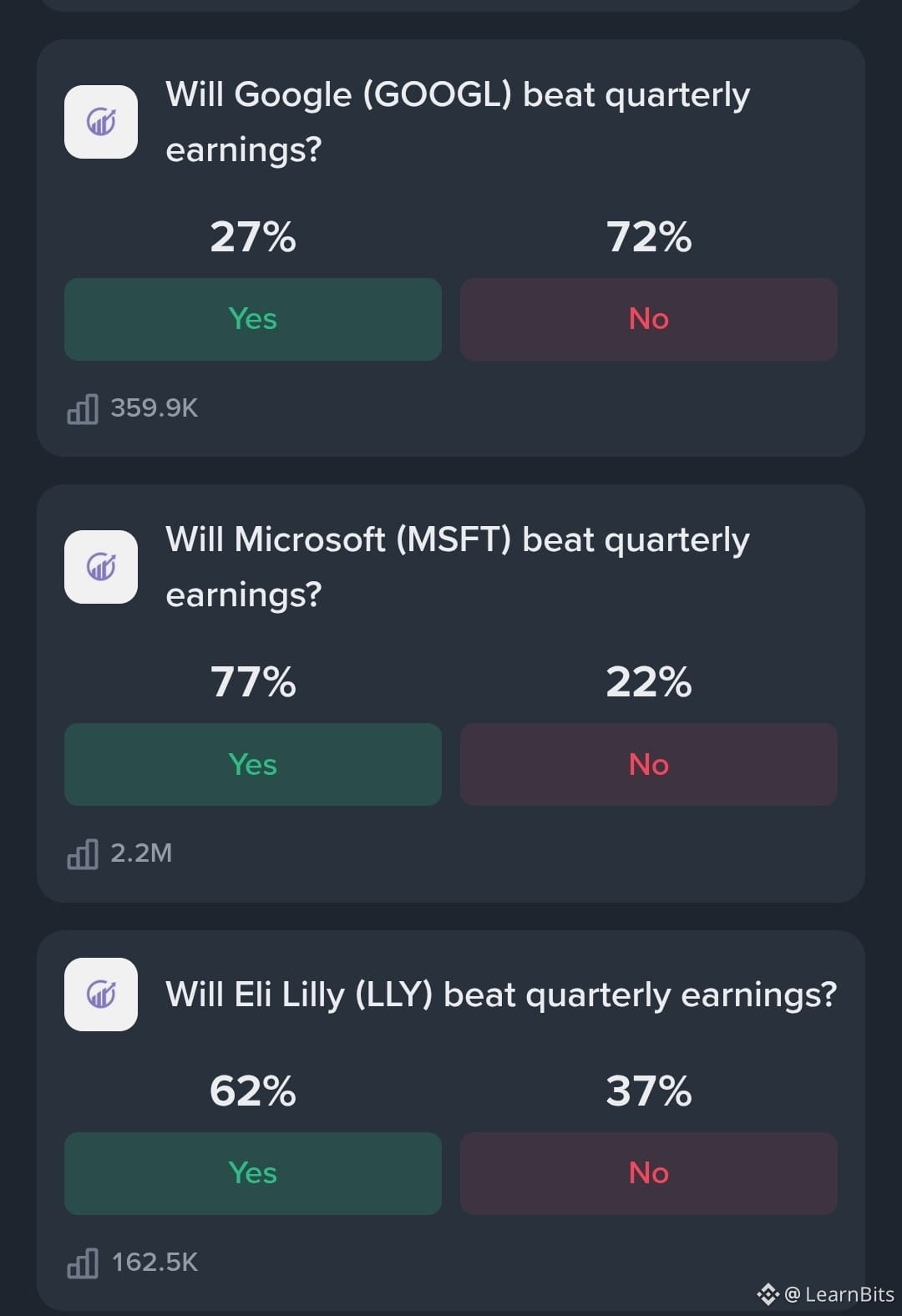
#BinancePick Настроения рынка накаляются в преддверии сезона отчётности! 🔥
Google (GOOGL): 72% считают, что компания не превзойдёт ожидания.
Microsoft (MSFT): 77% настроены оптимистично и ждут, что компания превзойдёт ожидания.
Eli Lilly (LLY): 62% ожидают сильных результатов.
На чью сторону вы ставите? Делитесь мнением в комментариях! 👇
{future}(GOOGLUSDT)
{future}(MSFTUSDT)
{future}(LLYUSDT)
#BinancePick Настроения рынка накаляются в преддверии сезона отчётности! 🔥
Google (GOOGL): 72% считают, что компания не превзойдёт ожидания.
Microsoft (MSFT): 77% настроены оптимистично и ждут, что компания превзойдёт ожидания.
Eli Lilly (LLY): 62% ожидают сильных результатов.
На чью сторону вы ставите? Делитесь мнением в комментариях! 👇
Google (GOOGL): 72% считают, что компания не превзойдёт ожидания.
Microsoft (MSFT): 77% настроены оптимистично и ждут, что компания превзойдёт ожидания.
Eli Lilly (LLY): 62% ожидают сильных результатов.
На чью сторону вы ставите? Делитесь мнением в комментариях! 👇

Semoga Beruntung!
От LearnBits
6
746
·
--
Проверено
Цена на природный газ опустилась ниже $3,00 на фоне прогнозов мягкой погоды, ослабляющих давление зимнего спроса.
Фьючерсы на природный газ опустились ниже ключевого уровня в $3,00 за MMBtu под давлением обновлённых прогнозов погоды, согласно которым в основных отопительных регионах в преддверии ноября ожидается температура выше средних значений. Поставщики коммунальных услуг сообщают о стабильном пополнении хранилищ, поскольку внутреннее производство остаётся высоким. Это тянет вниз цены на контракты с ближайшим сроком поставки, несмотря на более широкую волатильность на рынках различных классов активов, наблюдаемую в нефтяном секторе.
Хотя геополитические риски продолжают вызывать резкие колебания цен на сырую нефть, внутренний рынок газа остаётся от них обособленным благодаря обилию предложения в ближайшей перспективе и более слабому сезонному спросу на охлаждение. Аналитики отмечают, что если раннее похолодание не приведёт к ускоренному отбору газа из хранилищ, ценовое давление, вероятно, останется умеренным. Это временно облегчит положение энергоёмких промышленных предприятий и потребителей коммунальных услуг.
$NATGAS
{future}(NATGASUSDT)
Цена на природный газ опустилась ниже $3,00 на фоне прогнозов мягкой погоды, ослабляющих давление зимнего спроса.
Фьючерсы на природный газ опустились ниже ключевого уровня в $3,00 за MMBtu под давлением обновлённых прогнозов погоды, согласно которым в основных отопительных регионах в преддверии ноября ожидается температура выше средних значений. Поставщики коммунальных услуг сообщают о стабильном пополнении хранилищ, поскольку внутреннее производство остаётся высоким. Это тянет вниз цены на контракты с ближайшим сроком поставки, несмотря на более широкую волатильность на рынках различных классов активов, наблюдаемую в нефтяном секторе.
Хотя геополитические риски продолжают вызывать резкие колебания цен на сырую нефть, внутренний рынок газа остаётся от них обособленным благодаря обилию предложения в ближайшей перспективе и более слабому сезонному спросу на охлаждение. Аналитики отмечают, что если раннее похолодание не приведёт к ускоренному отбору газа из хранилищ, ценовое давление, вероятно, останется умеренным. Это временно облегчит положение энергоёмких промышленных предприятий и потребителей коммунальных услуг.
$NATGAS
Фьючерсы на природный газ опустились ниже ключевого уровня в $3,00 за MMBtu под давлением обновлённых прогнозов погоды, согласно которым в основных отопительных регионах в преддверии ноября ожидается температура выше средних значений. Поставщики коммунальных услуг сообщают о стабильном пополнении хранилищ, поскольку внутреннее производство остаётся высоким. Это тянет вниз цены на контракты с ближайшим сроком поставки, несмотря на более широкую волатильность на рынках различных классов активов, наблюдаемую в нефтяном секторе.
Хотя геополитические риски продолжают вызывать резкие колебания цен на сырую нефть, внутренний рынок газа остаётся от них обособленным благодаря обилию предложения в ближайшей перспективе и более слабому сезонному спросу на охлаждение. Аналитики отмечают, что если раннее похолодание не приведёт к ускоренному отбору газа из хранилищ, ценовое давление, вероятно, останется умеренным. Это временно облегчит положение энергоёмких промышленных предприятий и потребителей коммунальных услуг.
$NATGAS
Semoga Beruntung!
От LearnBits
1
8
1.3k
·
--
Частичная правда
Фьючерсы на медь взлетели до рекордных высот на фоне опасений по поводу глобального дефицита предложения.
Фьючерсы на медь резко выросли: дефицит предложения и сокращение запасов спровоцировали активные покупки на рынке.
Фьючерсы на медь резко подорожали и достигли исторического максимума — 6,83 доллара за фунт. Росту способствовали усиливающиеся ограничения предложения, сокращение запасов на складах и ужесточение ситуации на мировых рынках медного концентрата. Крупные горнодобывающие предприятия неоднократно сталкивались с перебоями в работе, из-за чего трейдеры и производители стремятся закупить доступное физическое сырьё перед началом четвёртого квартала.
Структурный дефицит предложения привёл к росту затрат на сырьё во многих отраслях промышленности, усилив опасения по поводу рентабельности глобального производства и инфраструктурных проектов в сфере чистой энергетики. Промышленные потребители сталкиваются с высокой волатильностью цен, а аналитики рынка подчёркивают: устойчивый дефицит может поддерживать высокие ценовые уровни, если реализация крупных новых проектов по добыче не ускорит рост предложения.
$COPPER
{future}(COPPERUSDT)
Фьючерсы на медь взлетели до рекордных высот на фоне опасений по поводу глобального дефицита предложения.
Фьючерсы на медь резко выросли: дефицит предложения и сокращение запасов спровоцировали активные покупки на рынке.
Фьючерсы на медь резко подорожали и достигли исторического максимума — 6,83 доллара за фунт. Росту способствовали усиливающиеся ограничения предложения, сокращение запасов на складах и ужесточение ситуации на мировых рынках медного концентрата. Крупные горнодобывающие предприятия неоднократно сталкивались с перебоями в работе, из-за чего трейдеры и производители стремятся закупить доступное физическое сырьё перед началом четвёртого квартала.
Структурный дефицит предложения привёл к росту затрат на сырьё во многих отраслях промышленности, усилив опасения по поводу рентабельности глобального производства и инфраструктурных проектов в сфере чистой энергетики. Промышленные потребители сталкиваются с высокой волатильностью цен, а аналитики рынка подчёркивают: устойчивый дефицит может поддерживать высокие ценовые уровни, если реализация крупных новых проектов по добыче не ускорит рост предложения.
$COPPER
Фьючерсы на медь резко выросли: дефицит предложения и сокращение запасов спровоцировали активные покупки на рынке.
Фьючерсы на медь резко подорожали и достигли исторического максимума — 6,83 доллара за фунт. Росту способствовали усиливающиеся ограничения предложения, сокращение запасов на складах и ужесточение ситуации на мировых рынках медного концентрата. Крупные горнодобывающие предприятия неоднократно сталкивались с перебоями в работе, из-за чего трейдеры и производители стремятся закупить доступное физическое сырьё перед началом четвёртого квартала.
Структурный дефицит предложения привёл к росту затрат на сырьё во многих отраслях промышленности, усилив опасения по поводу рентабельности глобального производства и инфраструктурных проектов в сфере чистой энергетики. Промышленные потребители сталкиваются с высокой волатильностью цен, а аналитики рынка подчёркивают: устойчивый дефицит может поддерживать высокие ценовые уровни, если реализация крупных новых проектов по добыче не ускорит рост предложения.
$COPPER
634
·
--
Проверено
Энергетические гиганты растут на фоне скачка цен на нефть Brent, пока Уолл-стрит переживает широкое падение рынка.
Chevron Corporation (NYSE: CVX) и ConocoPhillips (NYSE: COP) стали редкими светлыми пятнами на Уолл-стрит, прибавив 2,9% и 3,6% соответственно. Международный эталонный сорт нефти Brent завершил торги ростом на 3,1%, достигнув $116.72 за баррель. В результате скачка цена на нефть поднялась до максимума с июня 2022 года на фоне сохраняющихся опасений по поводу предложения и угрозы обострения геополитического конфликта на Ближнем Востоке.
Пока производители нефти и газа извлекали выгоду из стремительного роста цен на энергоносители, давление на рынок в целом усиливалось. Промышленный индекс Доу-Джонса снизился на 652.82 пункта, до 52,215.16, а индекс S&P 500 упал на 39.75 пункта, до 7,623.68. На рынок давили опасения по поводу устойчивой инфляции и высокие оценки компаний технологического сектора.
На фоне стремительного роста цен на энергоносители — с менее чем $97 в начале месяца — инвесторы пересматривают структуру портфелей в преддверии важных решений центральных банков и публикации предстоящей отчетности крупнейших технологических компаний, что усиливает волатильность на разных рынках.
{future}(CVXUSDT)
{stock_us}(COP.US)
{future}(BZUSDT)
Энергетические гиганты растут на фоне скачка цен на нефть Brent, пока Уолл-стрит переживает широкое падение рынка.
Chevron Corporation (NYSE: CVX) и ConocoPhillips (NYSE: COP) стали редкими светлыми пятнами на Уолл-стрит, прибавив 2,9% и 3,6% соответственно. Международный эталонный сорт нефти Brent завершил торги ростом на 3,1%, достигнув $116.72 за баррель. В результате скачка цена на нефть поднялась до максимума с июня 2022 года на фоне сохраняющихся опасений по поводу предложения и угрозы обострения геополитического конфликта на Ближнем Востоке.
Пока производители нефти и газа извлекали выгоду из стремительного роста цен на энергоносители, давление на рынок в целом усиливалось. Промышленный индекс Доу-Джонса снизился на 652.82 пункта, до 52,215.16, а индекс S&P 500 упал на 39.75 пункта, до 7,623.68. На рынок давили опасения по поводу устойчивой инфляции и высокие оценки компаний технологического сектора.
На фоне стремительного роста цен на энергоносители — с менее чем $97 в начале месяца — инвесторы пересматривают структуру портфелей в преддверии важных решений центральных банков и публикации предстоящей отчетности крупнейших технологических компаний, что усиливает волатильность на разных рынках.
Chevron Corporation (NYSE: CVX) и ConocoPhillips (NYSE: COP) стали редкими светлыми пятнами на Уолл-стрит, прибавив 2,9% и 3,6% соответственно. Международный эталонный сорт нефти Brent завершил торги ростом на 3,1%, достигнув $116.72 за баррель. В результате скачка цена на нефть поднялась до максимума с июня 2022 года на фоне сохраняющихся опасений по поводу предложения и угрозы обострения геополитического конфликта на Ближнем Востоке.
Пока производители нефти и газа извлекали выгоду из стремительного роста цен на энергоносители, давление на рынок в целом усиливалось. Промышленный индекс Доу-Джонса снизился на 652.82 пункта, до 52,215.16, а индекс S&P 500 упал на 39.75 пункта, до 7,623.68. На рынок давили опасения по поводу устойчивой инфляции и высокие оценки компаний технологического сектора.
На фоне стремительного роста цен на энергоносители — с менее чем $97 в начале месяца — инвесторы пересматривают структуру портфелей в преддверии важных решений центральных банков и публикации предстоящей отчетности крупнейших технологических компаний, что усиливает волатильность на разных рынках.
774
·
--
Во время пампа $ERA каждый гений. Поздних покупателей разнесёт, если цена отобьётся от уровня 0.098.
{future}(ERAUSDT)
Во время пампа $ERA каждый гений. Поздних покупателей разнесёт, если цена отобьётся от уровня 0.098.
1k
·
--
Частичная правда
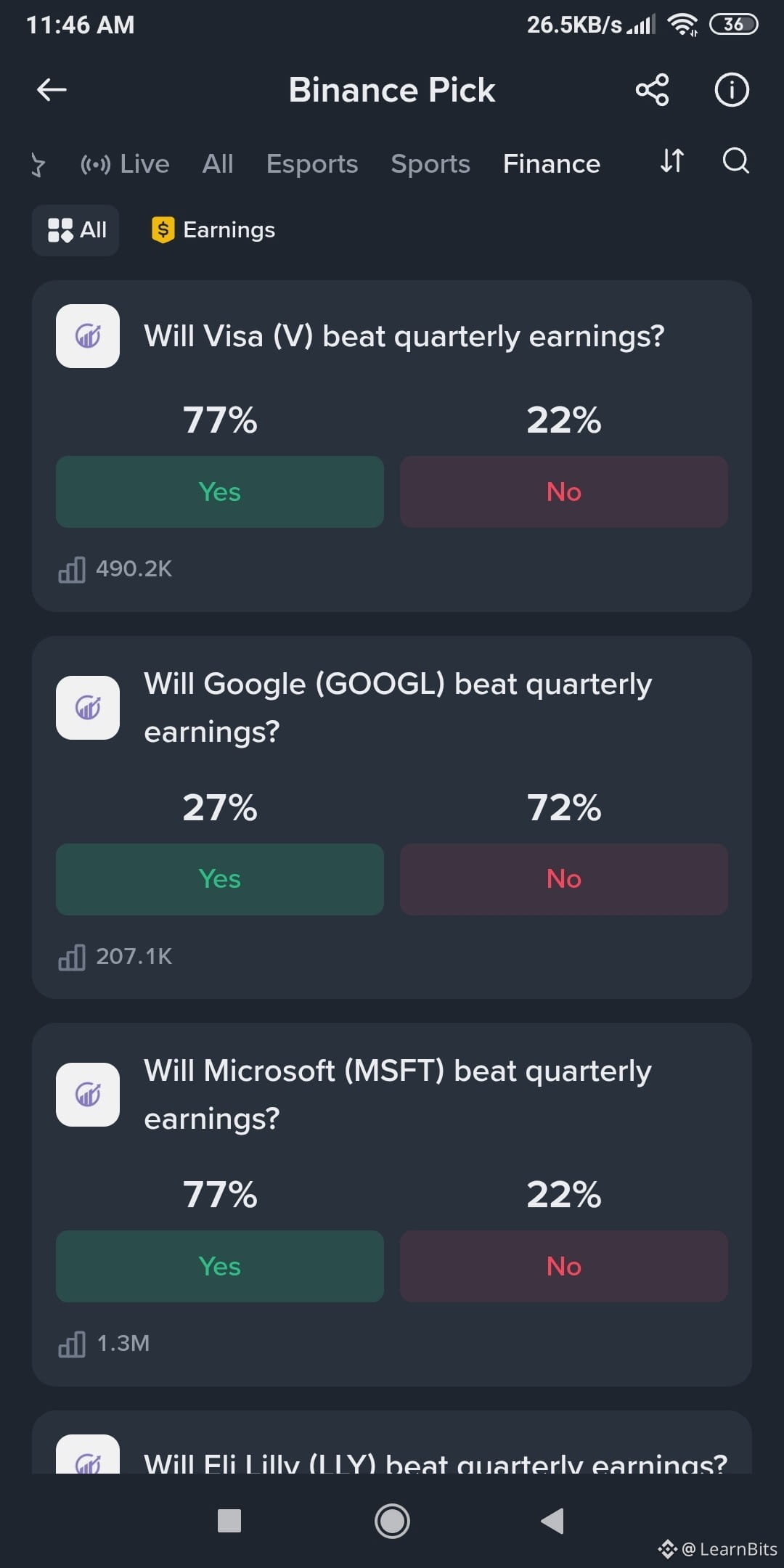
#BinancePick Заглядывая в последние прогнозы по финансам на Binance Pick, интересно видеть, что настроения рынка склоняются к оптимизму: 77% ожидают, что Visa и Microsoft превзойдут прогнозы по квартальной прибыли, тогда как в отношении Google настроены более скептически — 72% голосуют за «Нет». Отличный способ узнать мнение сообщества о крупнейших технологических и финансовых компаниях в этот сезон отчетности!
$GOOGL
{future}(GOOGLUSDT)
$MSFT
{future}(MSFTUSDT)
#BinancePick Заглядывая в последние прогнозы по финансам на Binance Pick, интересно видеть, что настроения рынка склоняются к оптимизму: 77% ожидают, что Visa и Microsoft превзойдут прогнозы по квартальной прибыли, тогда как в отношении Google настроены более скептически — 72% голосуют за «Нет». Отличный способ узнать мнение сообщества о крупнейших технологических и финансовых компаниях в этот сезон отчетности!
$GOOGL
$MSFT
$GOOGL
$MSFT

Best Wishes!
От LearnBits
1
6
915
·
--
🚨 JPMorgan считает, что прорыва в регулировании криптовалют может быть недостаточно.
В сфере криптовалют наконец появились регуляторы, открывающие больше возможностей для институционального капитала. Но, по мнению JPMorgan, остаётся одна серьёзная проблема: правила могут снова измениться.
В отчёте, на который обратили внимание 22 октября, аналитики JPMorgan заявили, что недавние шаги американских регуляторов помогают компенсировать последствия приостановки рассмотрения закона CLARITY Act — предлагаемого законопроекта, призванного установить более чёткие правила для крипторынка.
SEC, CFTC и Управление контролёра денежного обращения предпринимают шаги, которые могут упростить традиционным финансовым организациям выход на рынок цифровых активов. Среди них — работа над токенизированными ценными бумагами, регулируемой торговлей криптовалютами и федеральным надзором за компаниями, работающими с цифровыми активами.
Однако предупреждение JPMorgan важно: рекомендации ведомств — не то же самое, что закон, принятый Конгрессом.
Политика ведомств может быть пересмотрена будущими администрациями, оставляя компании в условиях новой неопределённости относительно того, какие правила будут действовать. JPMorgan считает, что комплексный закон о структуре рынка вряд ли будет принят в этом году, а к его обсуждению могут вернуться в 2027 году.
Для инвесторов в криптовалюты это создаёт неоднозначную ситуацию. Институциональное внедрение может продолжаться в краткосрочной перспективе, но долгосрочная уверенность зависит от того, смогут ли компании создавать продукты, не опасаясь внезапного изменения правовой базы.
Биткоин может быть менее подвержен спорам о классификации, чем многие другие цифровые активы. Платформы и токены, связанные с торговлей, децентрализованными финансами и токенизацией, могут столкнуться с большей неопределённостью по мере того, как регуляторы будут определять границы дозволенного.
Следующий этап внедрения криптовалют может зависеть не столько от обещаний, сколько от способности Вашингтона установить устойчивые правила.
Сможет ли институциональный капитал продолжать поступать на крипторынок без чёткого закона, принятого Конгрессом?
🚨 JPMorgan считает, что прорыва в регулировании криптовалют может быть недостаточно.
В сфере криптовалют наконец появились регуляторы, открывающие больше возможностей для институционального капитала. Но, по мнению JPMorgan, остаётся одна серьёзная проблема: правила могут снова измениться.
В отчёте, на который обратили внимание 22 октября, аналитики JPMorgan заявили, что недавние шаги американских регуляторов помогают компенсировать последствия приостановки рассмотрения закона CLARITY Act — предлагаемого законопроекта, призванного установить более чёткие правила для крипторынка.
SEC, CFTC и Управление контролёра денежного обращения предпринимают шаги, которые могут упростить традиционным финансовым организациям выход на рынок цифровых активов. Среди них — работа над токенизированными ценными бумагами, регулируемой торговлей криптовалютами и федеральным надзором за компаниями, работающими с цифровыми активами.
Однако предупреждение JPMorgan важно: рекомендации ведомств — не то же самое, что закон, принятый Конгрессом.
Политика ведомств может быть пересмотрена будущими администрациями, оставляя компании в условиях новой неопределённости относительно того, какие правила будут действовать. JPMorgan считает, что комплексный закон о структуре рынка вряд ли будет принят в этом году, а к его обсуждению могут вернуться в 2027 году.
Для инвесторов в криптовалюты это создаёт неоднозначную ситуацию. Институциональное внедрение может продолжаться в краткосрочной перспективе, но долгосрочная уверенность зависит от того, смогут ли компании создавать продукты, не опасаясь внезапного изменения правовой базы.
Биткоин может быть менее подвержен спорам о классификации, чем многие другие цифровые активы. Платформы и токены, связанные с торговлей, децентрализованными финансами и токенизацией, могут столкнуться с большей неопределённостью по мере того, как регуляторы будут определять границы дозволенного.
Следующий этап внедрения криптовалют может зависеть не столько от обещаний, сколько от способности Вашингтона установить устойчивые правила.
Сможет ли институциональный капитал продолжать поступать на крипторынок без чёткого закона, принятого Конгрессом?
В сфере криптовалют наконец появились регуляторы, открывающие больше возможностей для институционального капитала. Но, по мнению JPMorgan, остаётся одна серьёзная проблема: правила могут снова измениться.
В отчёте, на который обратили внимание 22 октября, аналитики JPMorgan заявили, что недавние шаги американских регуляторов помогают компенсировать последствия приостановки рассмотрения закона CLARITY Act — предлагаемого законопроекта, призванного установить более чёткие правила для крипторынка.
SEC, CFTC и Управление контролёра денежного обращения предпринимают шаги, которые могут упростить традиционным финансовым организациям выход на рынок цифровых активов. Среди них — работа над токенизированными ценными бумагами, регулируемой торговлей криптовалютами и федеральным надзором за компаниями, работающими с цифровыми активами.
Однако предупреждение JPMorgan важно: рекомендации ведомств — не то же самое, что закон, принятый Конгрессом.
Политика ведомств может быть пересмотрена будущими администрациями, оставляя компании в условиях новой неопределённости относительно того, какие правила будут действовать. JPMorgan считает, что комплексный закон о структуре рынка вряд ли будет принят в этом году, а к его обсуждению могут вернуться в 2027 году.
Для инвесторов в криптовалюты это создаёт неоднозначную ситуацию. Институциональное внедрение может продолжаться в краткосрочной перспективе, но долгосрочная уверенность зависит от того, смогут ли компании создавать продукты, не опасаясь внезапного изменения правовой базы.
Биткоин может быть менее подвержен спорам о классификации, чем многие другие цифровые активы. Платформы и токены, связанные с торговлей, децентрализованными финансами и токенизацией, могут столкнуться с большей неопределённостью по мере того, как регуляторы будут определять границы дозволенного.
Следующий этап внедрения криптовалют может зависеть не столько от обещаний, сколько от способности Вашингтона установить устойчивые правила.
Сможет ли институциональный капитал продолжать поступать на крипторынок без чёткого закона, принятого Конгрессом?
2
550
·
--
$IRYS Сегодня я не собираюсь сегодня становиться чьей-то ликвидностью для выхода.
{future}(IRYSUSDT)
$IRYS Сегодня я не собираюсь сегодня становиться чьей-то ликвидностью для выхода.
Best Wishes!
От LearnBits
1
11
1.5k
·
--
🚨 Азия создаёт новую платёжную инфраструктуру — и криптовалюты в деле.
Международные платежи могут пережить серьёзные перемены: крупнейшие компании из криптоиндустрии и традиционного финансового сектора теперь работают вместе с центральными банками.
23 октября Денежно-кредитное управление Сингапура подтвердило, что центральный банк Малайзии и Банк Таиланда присоединились к его инициативе BLOOM в качестве участников, представляющих органы регулирования. Цель? Обеспечить использование цифровых денег при трансграничных операциях между банками и платёжными сетями. 🌏
За списком участников стоит следить: в инициативе участвуют Ripple, Visa, Mastercard, Circle, Coinbase и JPMorgan, а также другие финансовые организации и Группа Всемирного банка.
Но речь не просто о плане запустить ещё один стейблкоин.
В рамках BLOOM изучают, как регулируемые стейблкоины и токенизированные банковские депозиты можно принимать, обменивать и использовать для расчётов в разных финансовых системах. Инициатива также уделяет внимание совместимости систем, проверке личности и контролю за соблюдением санкций.
Это важно, поскольку международные платежи по-прежнему задействуют множество организаций и сетей и требуют соблюдения различных правил. Совместная работа таких систем может снизить затраты на внедрение и помочь финансовым компаниям быстрее выводить на рынок новые платёжные сервисы.
Для криптоиндустрии возможности не ограничиваются краткосрочными спекуляциями на токенах. Если цифровые активы станут частью инфраструктуры для реальных коммерческих платежей, блокчейн может получить более широкое распространение благодаря практическому применению в финансовой сфере, а не одному лишь ажиотажу.
Главный вопрос — кому достанется выгода. Развитие цифровых платёжных сетей само по себе не гарантирует роста цен на токены, особенно когда в процесс вовлечено множество технологий и организаций.
👀 Станет ли Азия испытательным полигоном для глобальных платежей на основе криптовалют?
🚨 Азия создаёт новую платёжную инфраструктуру — и криптовалюты в деле.
Международные платежи могут пережить серьёзные перемены: крупнейшие компании из криптоиндустрии и традиционного финансового сектора теперь работают вместе с центральными банками.
23 октября Денежно-кредитное управление Сингапура подтвердило, что центральный банк Малайзии и Банк Таиланда присоединились к его инициативе BLOOM в качестве участников, представляющих органы регулирования. Цель? Обеспечить использование цифровых денег при трансграничных операциях между банками и платёжными сетями. 🌏
За списком участников стоит следить: в инициативе участвуют Ripple, Visa, Mastercard, Circle, Coinbase и JPMorgan, а также другие финансовые организации и Группа Всемирного банка.
Но речь не просто о плане запустить ещё один стейблкоин.
В рамках BLOOM изучают, как регулируемые стейблкоины и токенизированные банковские депозиты можно принимать, обменивать и использовать для расчётов в разных финансовых системах. Инициатива также уделяет внимание совместимости систем, проверке личности и контролю за соблюдением санкций.
Это важно, поскольку международные платежи по-прежнему задействуют множество организаций и сетей и требуют соблюдения различных правил. Совместная работа таких систем может снизить затраты на внедрение и помочь финансовым компаниям быстрее выводить на рынок новые платёжные сервисы.
Для криптоиндустрии возможности не ограничиваются краткосрочными спекуляциями на токенах. Если цифровые активы станут частью инфраструктуры для реальных коммерческих платежей, блокчейн может получить более широкое распространение благодаря практическому применению в финансовой сфере, а не одному лишь ажиотажу.
Главный вопрос — кому достанется выгода. Развитие цифровых платёжных сетей само по себе не гарантирует роста цен на токены, особенно когда в процесс вовлечено множество технологий и организаций.
👀 Станет ли Азия испытательным полигоном для глобальных платежей на основе криптовалют?
Международные платежи могут пережить серьёзные перемены: крупнейшие компании из криптоиндустрии и традиционного финансового сектора теперь работают вместе с центральными банками.
23 октября Денежно-кредитное управление Сингапура подтвердило, что центральный банк Малайзии и Банк Таиланда присоединились к его инициативе BLOOM в качестве участников, представляющих органы регулирования. Цель? Обеспечить использование цифровых денег при трансграничных операциях между банками и платёжными сетями. 🌏
За списком участников стоит следить: в инициативе участвуют Ripple, Visa, Mastercard, Circle, Coinbase и JPMorgan, а также другие финансовые организации и Группа Всемирного банка.
Но речь не просто о плане запустить ещё один стейблкоин.
В рамках BLOOM изучают, как регулируемые стейблкоины и токенизированные банковские депозиты можно принимать, обменивать и использовать для расчётов в разных финансовых системах. Инициатива также уделяет внимание совместимости систем, проверке личности и контролю за соблюдением санкций.
Это важно, поскольку международные платежи по-прежнему задействуют множество организаций и сетей и требуют соблюдения различных правил. Совместная работа таких систем может снизить затраты на внедрение и помочь финансовым компаниям быстрее выводить на рынок новые платёжные сервисы.
Для криптоиндустрии возможности не ограничиваются краткосрочными спекуляциями на токенах. Если цифровые активы станут частью инфраструктуры для реальных коммерческих платежей, блокчейн может получить более широкое распространение благодаря практическому применению в финансовой сфере, а не одному лишь ажиотажу.
Главный вопрос — кому достанется выгода. Развитие цифровых платёжных сетей само по себе не гарантирует роста цен на токены, особенно когда в процесс вовлечено множество технологий и организаций.
👀 Станет ли Азия испытательным полигоном для глобальных платежей на основе криптовалют?
Best Wishes!
От LearnBits
2
8
929
·
--
Проверено
Следующее большое испытание для ИИ: смогут ли техногиганты доказать, что эти расходы того стоят? 💰
Уолл-стрит ждёт решающая неделя: Alphabet, Microsoft и Amazon готовятся отчитаться о доходах. После резкого обвала технологических акций инвесторы хотят убедиться, что бум ИИ приносит реальную прибыль, а не просто ведёт к увеличению бюджетов.
Напряжение нарастает. Ожидается, что в этом году крупнейшие технологические компании потратят около 800 миллиардов долларов на инфраструктуру ИИ, включая центры обработки данных, передовые чипы и вычислительные мощности. Эти огромные инвестиции способствовали росту рынка, но одновременно усилили тревогу инвесторов по поводу будущей отдачи.
Время выбрано критически важное. Индекс Nasdaq только что пережил самое резкое однодневное падение с июня, а на фоне напряжённости на Ближнем Востоке цена на нефть подскочила выше 114 долларов за баррель. Рост расходов на энергию может ускорить инфляцию и усложнить прогноз по процентным ставкам, создав дополнительные трудности для дорогих акций роста. ⚠️
Отчёты о доходах на следующей неделе могут отделить победителей в гонке ИИ от компаний, которым трудно оправдать свои оценки. Уверенный рост облачного бизнеса и убедительная отдача от расходов на ИИ могут возобновить ралли. Но расплывчатые обещания и растущие затраты? Это может спровоцировать новую волну распродаж.
Следующее большое испытание для ИИ: смогут ли техногиганты доказать, что эти расходы того стоят? 💰
Уолл-стрит ждёт решающая неделя: Alphabet, Microsoft и Amazon готовятся отчитаться о доходах. После резкого обвала технологических акций инвесторы хотят убедиться, что бум ИИ приносит реальную прибыль, а не просто ведёт к увеличению бюджетов.
Напряжение нарастает. Ожидается, что в этом году крупнейшие технологические компании потратят около 800 миллиардов долларов на инфраструктуру ИИ, включая центры обработки данных, передовые чипы и вычислительные мощности. Эти огромные инвестиции способствовали росту рынка, но одновременно усилили тревогу инвесторов по поводу будущей отдачи.
Время выбрано критически важное. Индекс Nasdaq только что пережил самое резкое однодневное падение с июня, а на фоне напряжённости на Ближнем Востоке цена на нефть подскочила выше 114 долларов за баррель. Рост расходов на энергию может ускорить инфляцию и усложнить прогноз по процентным ставкам, создав дополнительные трудности для дорогих акций роста. ⚠️
Отчёты о доходах на следующей неделе могут отделить победителей в гонке ИИ от компаний, которым трудно оправдать свои оценки. Уверенный рост облачного бизнеса и убедительная отдача от расходов на ИИ могут возобновить ралли. Но расплывчатые обещания и растущие затраты? Это может спровоцировать новую волну распродаж.
Уолл-стрит ждёт решающая неделя: Alphabet, Microsoft и Amazon готовятся отчитаться о доходах. После резкого обвала технологических акций инвесторы хотят убедиться, что бум ИИ приносит реальную прибыль, а не просто ведёт к увеличению бюджетов.
Напряжение нарастает. Ожидается, что в этом году крупнейшие технологические компании потратят около 800 миллиардов долларов на инфраструктуру ИИ, включая центры обработки данных, передовые чипы и вычислительные мощности. Эти огромные инвестиции способствовали росту рынка, но одновременно усилили тревогу инвесторов по поводу будущей отдачи.
Время выбрано критически важное. Индекс Nasdaq только что пережил самое резкое однодневное падение с июня, а на фоне напряжённости на Ближнем Востоке цена на нефть подскочила выше 114 долларов за баррель. Рост расходов на энергию может ускорить инфляцию и усложнить прогноз по процентным ставкам, создав дополнительные трудности для дорогих акций роста. ⚠️
Отчёты о доходах на следующей неделе могут отделить победителей в гонке ИИ от компаний, которым трудно оправдать свои оценки. Уверенный рост облачного бизнеса и убедительная отдача от расходов на ИИ могут возобновить ралли. Но расплывчатые обещания и растущие затраты? Это может спровоцировать новую волну распродаж.
Best Wishes!
От LearnBits
7
751
·
--
Как вы оцениваете резкий скачок цены этого актива?
$IRYS : $0.04354 (+124.43%)
{future}(IRYSUSDT)
Сегодня на рынке наблюдается чрезвычайно резкий рост цены этого актива. 👇
Как вы оцениваете резкий скачок цены этого актива?
$IRYS : $0.04354 (+124.43%)
Сегодня на рынке наблюдается чрезвычайно резкий рост цены этого актива. 👇
$IRYS : $0.04354 (+124.43%)
Сегодня на рынке наблюдается чрезвычайно резкий рост цены этого актива. 👇
Chase momentum 🚀
45%
Take profit 💰
23%
Wait for correction 📉
32%
112 проголосовали • Голосование закрыто
Best Wishes!
От LearnBits
13
4.7k
·
--
Как вы позиционируете себя на фоне последних движений рынка?
$BTW : $1.7468 (-2.09%)
{future}(BTWUSDT)
$HYPE : $77.794 (-0.79%)
{future}(HYPEUSDT)
$NEAR : $4.893 (-1.57%)
{future}(NEARUSDT)
Сегодня на крипторынке по этим активам наблюдается умеренная нисходящая консолидация 👇
Как вы позиционируете себя на фоне последних движений рынка?
$BTW : $1.7468 (-2.09%)
$HYPE : $77.794 (-0.79%)
$NEAR : $4.893 (-1.57%)
Сегодня на крипторынке по этим активам наблюдается умеренная нисходящая консолидация 👇
$BTW : $1.7468 (-2.09%)
$HYPE : $77.794 (-0.79%)
$NEAR : $4.893 (-1.57%)
Сегодня на крипторынке по этим активам наблюдается умеренная нисходящая консолидация 👇
Buy the dip 📉
56%
Average down 📊
15%
Stay cash 💵
29%
59 проголосовали • Голосование закрыто
Best Wishes!
От LearnBits
1
7
3.1k
·
--
$BMT Поздние покупатели просто обеспечивают ликвидностью тех, кто закупился раньше.
{future}(BMTUSDT)
$BMT Поздние покупатели просто обеспечивают ликвидностью тех, кто закупился раньше.
2
818
·
--
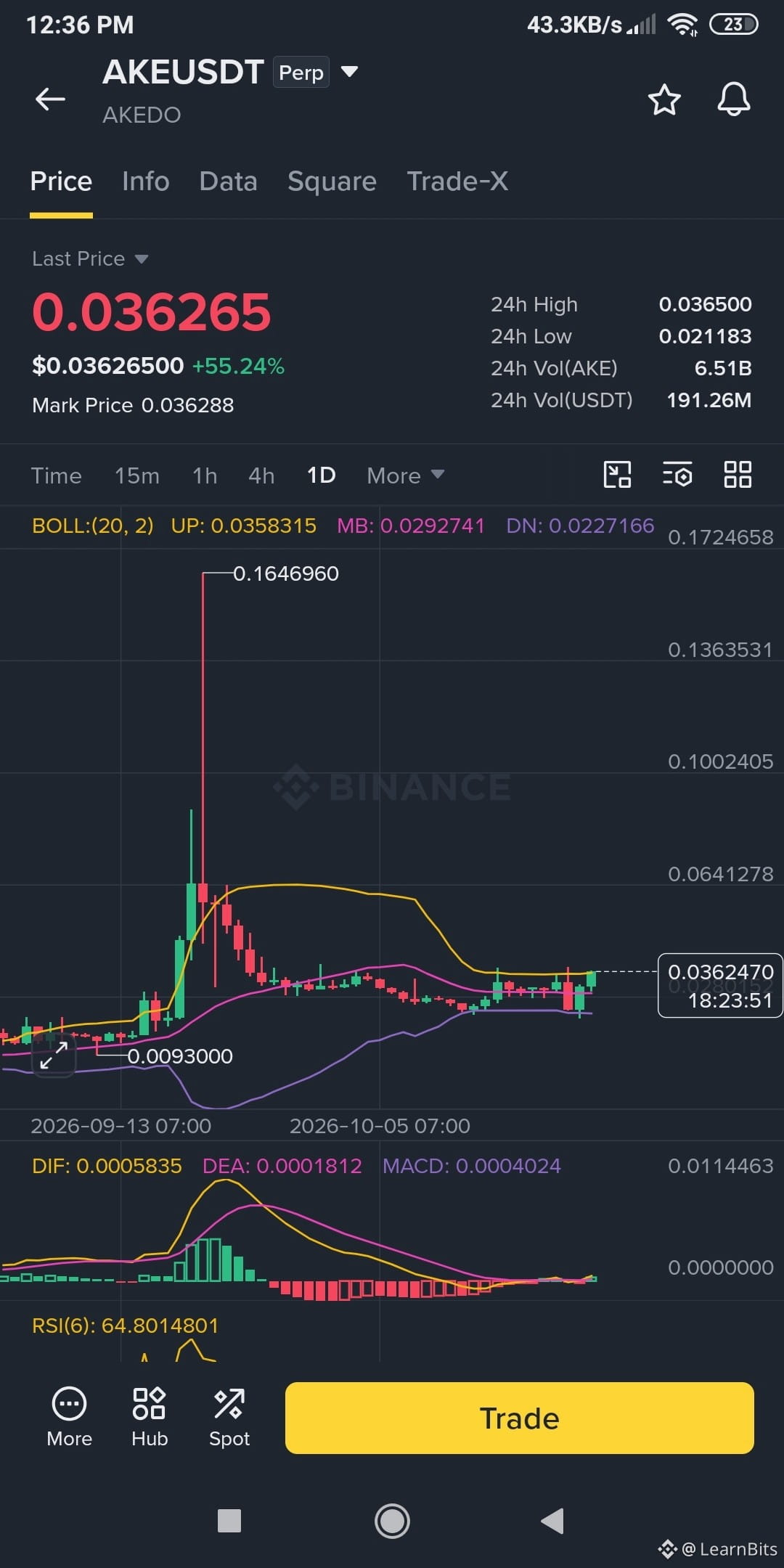
$AKE пытается прийти в себя после того жестокого расставания.
{future}(AKEUSDT)
$AKE пытается прийти в себя после того жестокого расставания.
2
779
·
--
Проверено
DOGECOIN ВЫХОДИТ ЗА РАМКИ МЕМА 🐕🚀
Теперь у Dogecoin есть отдельная организация, которая поможет превратить огромное сообщество в полноценную продуктовую экосистему. Dogecoin Labs запустили в партнёрстве с Dogecoin Foundation: под одной крышей объединились кошелёк MyDoge, платформа приложений DogeOS и платёжные инструменты Such App. Цель — дать больше поводов использовать DOGE не только для торговли и спекуляций.
По словам MyDoge, число пользователей превысило 500 000, а DogeOS открыла публичную тестовую сеть в сентябре. Команда планирует развивать платежи, коммерцию, DeFi, игры и приложения для широкой аудитории. Such App уже поддерживает выставление счетов и оплату по QR-коду при личных покупках, хотя экосистема в целом всё ещё развивается. 👀
Главная задача — превратить масштаб сообщества в реальное использование. Более развитая продуктовая экосистема может повысить практическую ценность DOGE, но внедрение и спрос ещё предстоит доказать. Неужели Dogecoin наконец выходит за рамки образа мем-монеты?
{future}(DOGEUSDT)
#DogecoinLabsLaunchesWithDogecoinFoundation
DOGECOIN ВЫХОДИТ ЗА РАМКИ МЕМА 🐕🚀
Теперь у Dogecoin есть отдельная организация, которая поможет превратить огромное сообщество в полноценную продуктовую экосистему. Dogecoin Labs запустили в партнёрстве с Dogecoin Foundation: под одной крышей объединились кошелёк MyDoge, платформа приложений DogeOS и платёжные инструменты Such App. Цель — дать больше поводов использовать DOGE не только для торговли и спекуляций.
По словам MyDoge, число пользователей превысило 500 000, а DogeOS открыла публичную тестовую сеть в сентябре. Команда планирует развивать платежи, коммерцию, DeFi, игры и приложения для широкой аудитории. Such App уже поддерживает выставление счетов и оплату по QR-коду при личных покупках, хотя экосистема в целом всё ещё развивается. 👀
Главная задача — превратить масштаб сообщества в реальное использование. Более развитая продуктовая экосистема может повысить практическую ценность DOGE, но внедрение и спрос ещё предстоит доказать. Неужели Dogecoin наконец выходит за рамки образа мем-монеты?
#DogecoinLabsLaunchesWithDogecoinFoundation
Теперь у Dogecoin есть отдельная организация, которая поможет превратить огромное сообщество в полноценную продуктовую экосистему. Dogecoin Labs запустили в партнёрстве с Dogecoin Foundation: под одной крышей объединились кошелёк MyDoge, платформа приложений DogeOS и платёжные инструменты Such App. Цель — дать больше поводов использовать DOGE не только для торговли и спекуляций.
По словам MyDoge, число пользователей превысило 500 000, а DogeOS открыла публичную тестовую сеть в сентябре. Команда планирует развивать платежи, коммерцию, DeFi, игры и приложения для широкой аудитории. Such App уже поддерживает выставление счетов и оплату по QR-коду при личных покупках, хотя экосистема в целом всё ещё развивается. 👀
Главная задача — превратить масштаб сообщества в реальное использование. Более развитая продуктовая экосистема может повысить практическую ценность DOGE, но внедрение и спрос ещё предстоит доказать. Неужели Dogecoin наконец выходит за рамки образа мем-монеты?
#DogecoinLabsLaunchesWithDogecoinFoundation
Best Wishes!
От LearnBits
1
12
690
Войдите, чтобы посмотреть больше материала
Присоединяйтесь к пользователям криптовалют по всему миру на Binance Square
⚡️ Получайте новейшую и полезную информацию о криптоактивах.
💬 Нам доверяет крупнейшая в мире криптобиржа.
👍 Получите достоверные аналитические данные от верифицированных создателей контента.
Эл. почта/номер телефона
В тренде
BinancePick
Просмотров: 2.6M
140,306 обсуждают
Присоединяйтесь к #EarningsSeason: прогнозируйте финансовые результаты на Binance Pick и делитесь своим мнением на Binance Square!
Binance Square Official
·Лайков: 400
·Просмотров: 337.9k
EarningsSeason
Просмотров: 5M
24,219 обсуждают
FranklinTempletonFilesForTwoDividendToBitcoinETFs
Просмотров: 24
25 обсуждают