

jujucrypt
1.4k Публикации

jujucrypt
Отправить жалобу
Заблокировать пользователя
just here to learn and share ideas
Открытая сделка
Случайный трейдер
4.8 г
26 подписок(и/а)
1.6K+ подписчиков(а)
8.2K+ понравилось
Посты
Портфель
Все
Цитирования
·
--
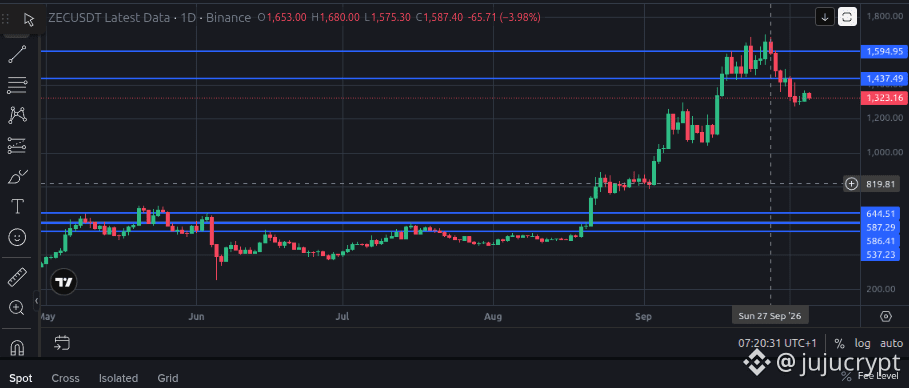
$ZEC совершил масштабный рывок: с примерно $500 до $1,680 всего за короткий период.
После такого сильного хода я думаю, что возможна консолидация или откат. Поэтому сейчас я наблюдаю за короткой стороной.
Однако я не привязан к одному направлению. Если $ZEC продолжит расти, я скорректируюсь. Если же начнёт терять импульс и произойдёт откат, я буду искать момент, чтобы отыграть шорт.
Для меня главное — следовать динамике цены, а не пытаться навязать прогноз.
#ZcashETFPostsFirstWeeklyOutflow$93.6M
$ZEC совершил масштабный рывок: с примерно $500 до $1,680 всего за короткий период.
После такого сильного хода я думаю, что возможна консолидация или откат. Поэтому сейчас я наблюдаю за короткой стороной.
Однако я не привязан к одному направлению. Если $ZEC продолжит расти, я скорректируюсь. Если же начнёт терять импульс и произойдёт откат, я буду искать момент, чтобы отыграть шорт.
Для меня главное — следовать динамике цены, а не пытаться навязать прогноз.
#ZcashETFPostsFirstWeeklyOutflow$93.6M
После такого сильного хода я думаю, что возможна консолидация или откат. Поэтому сейчас я наблюдаю за короткой стороной.
Однако я не привязан к одному направлению. Если $ZEC продолжит расти, я скорректируюсь. Если же начнёт терять импульс и произойдёт откат, я буду искать момент, чтобы отыграть шорт.
Для меня главное — следовать динамике цены, а не пытаться навязать прогноз.
#ZcashETFPostsFirstWeeklyOutflow$93.6M
176
·
--
$NIGHT начинает выглядеть интересно.
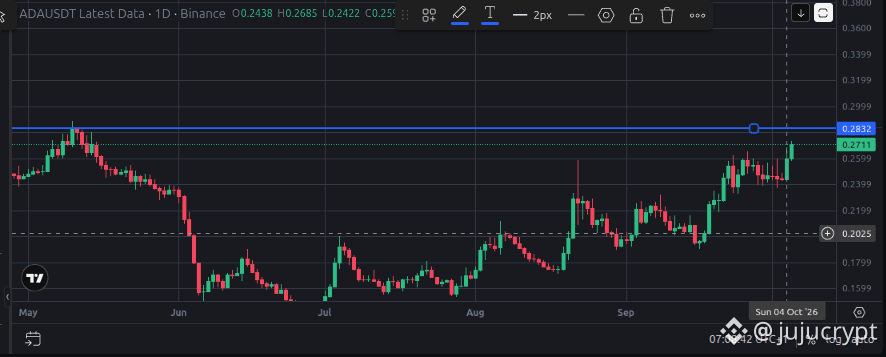
В последнее время Midnight набирает серьёзный импульс: недавно NIGHT уверенно продвинулся к $0.05 после сильного движения. Сейчас он торгуется примерно на $0.046, так что я наблюдаю за тем, как график справляется с этим откатом.
Главная история в том, что Midnight — это приватная сеть, связанная с Cardano, и недавнее движение цены заставляет людей задумываться о том, сможет ли NIGHT в будущем стать ещё одним крупным токеном экосистемы Cardano, как ADA.
Я пока не называю это следующим $ADA , но импульс определённо стоит отслеживать. Если NIGHT удержит зону недавнего пробоя и сформирует ещё один более высокий минимум, график может стать ещё интереснее.
$NIGHT начинает выглядеть интересно.
В последнее время Midnight набирает серьёзный импульс: недавно NIGHT уверенно продвинулся к $0.05 после сильного движения. Сейчас он торгуется примерно на $0.046, так что я наблюдаю за тем, как график справляется с этим откатом.
Главная история в том, что Midnight — это приватная сеть, связанная с Cardano, и недавнее движение цены заставляет людей задумываться о том, сможет ли NIGHT в будущем стать ещё одним крупным токеном экосистемы Cardano, как ADA.
Я пока не называю это следующим $ADA , но импульс определённо стоит отслеживать. Если NIGHT удержит зону недавнего пробоя и сформирует ещё один более высокий минимум, график может стать ещё интереснее.
В последнее время Midnight набирает серьёзный импульс: недавно NIGHT уверенно продвинулся к $0.05 после сильного движения. Сейчас он торгуется примерно на $0.046, так что я наблюдаю за тем, как график справляется с этим откатом.
Главная история в том, что Midnight — это приватная сеть, связанная с Cardano, и недавнее движение цены заставляет людей задумываться о том, сможет ли NIGHT в будущем стать ещё одним крупным токеном экосистемы Cardano, как ADA.
Я пока не называю это следующим $ADA , но импульс определённо стоит отслеживать. Если NIGHT удержит зону недавнего пробоя и сформирует ещё один более высокий минимум, график может стать ещё интереснее.
241
·
--
#drifthackvictimsbeginclaims
Хак Drift все еще продолжает производить фурор.
Еще в апреле Drift потеряла почти $300 млн из-за крупного эксплойта. Теперь протокол перезапустился под названием Velocity и начал процесс помощи пострадавшим пользователям в восстановлении их средств.
Заявки открылись 1 октября, но фонд восстановления в настоящее время составляет лишь около $3,1 млн, поэтому первые выплаты будут значительно меньше того, что пользователи потеряли.
План заключается в том, чтобы наращивать фонд восстановления за счет выручки Velocity, возвращенных средств и поддержки партнеров.
Так что сейчас главный вопрос прост: сможет ли Velocity сгенерировать достаточно денег, чтобы помочь пользователям вернуть хотя бы заметную часть их потерь?
Я буду следить за тем, как будет развиваться восстановление в дальнейшем.
#drifthackvictimsbeginclaims
Хак Drift все еще продолжает производить фурор.
Еще в апреле Drift потеряла почти $300 млн из-за крупного эксплойта. Теперь протокол перезапустился под названием Velocity и начал процесс помощи пострадавшим пользователям в восстановлении их средств.
Заявки открылись 1 октября, но фонд восстановления в настоящее время составляет лишь около $3,1 млн, поэтому первые выплаты будут значительно меньше того, что пользователи потеряли.
План заключается в том, чтобы наращивать фонд восстановления за счет выручки Velocity, возвращенных средств и поддержки партнеров.
Так что сейчас главный вопрос прост: сможет ли Velocity сгенерировать достаточно денег, чтобы помочь пользователям вернуть хотя бы заметную часть их потерь?
Я буду следить за тем, как будет развиваться восстановление в дальнейшем.
Хак Drift все еще продолжает производить фурор.
Еще в апреле Drift потеряла почти $300 млн из-за крупного эксплойта. Теперь протокол перезапустился под названием Velocity и начал процесс помощи пострадавшим пользователям в восстановлении их средств.
Заявки открылись 1 октября, но фонд восстановления в настоящее время составляет лишь около $3,1 млн, поэтому первые выплаты будут значительно меньше того, что пользователи потеряли.
План заключается в том, чтобы наращивать фонд восстановления за счет выручки Velocity, возвращенных средств и поддержки партнеров.
Так что сейчас главный вопрос прост: сможет ли Velocity сгенерировать достаточно денег, чтобы помочь пользователям вернуть хотя бы заметную часть их потерь?
Я буду следить за тем, как будет развиваться восстановление в дальнейшем.
128
·
--
Давайте посмотрим, как пройдет 10 октября для $BTC then......
Давайте посмотрим, как пройдет 10 октября для $BTC then......


Crypto PM
·
--
ПадениеМы можем увидеть огромный памп-дамп в $BTC 10 октября .? 😂😅

107
·
--
Я размышлял о том, чем на самом деле может стать Binance Intelligence.
На мой взгляд, главная возможность — создать ИИ, который объединит рыночные данные, новости, графики и аналитические выводы в одном месте.
Что-то, что не просто показывает, что происходит, но и помогает понять, почему это происходит и за чем стоит следить дальше.
Если Binance удастся реализовать эту идею, ориентироваться как на криптовалютных, так и на традиционных рынках станет намного проще.
Так я вижу Binance Intelligence.
С нетерпением жду этого
@Binance Square Official
Я размышлял о том, чем на самом деле может стать Binance Intelligence.
На мой взгляд, главная возможность — создать ИИ, который объединит рыночные данные, новости, графики и аналитические выводы в одном месте.
Что-то, что не просто показывает, что происходит, но и помогает понять, почему это происходит и за чем стоит следить дальше.
Если Binance удастся реализовать эту идею, ориентироваться как на криптовалютных, так и на традиционных рынках станет намного проще.
Так я вижу Binance Intelligence.
С нетерпением жду этого
@Binance Square Official
На мой взгляд, главная возможность — создать ИИ, который объединит рыночные данные, новости, графики и аналитические выводы в одном месте.
Что-то, что не просто показывает, что происходит, но и помогает понять, почему это происходит и за чем стоит следить дальше.
Если Binance удастся реализовать эту идею, ориентироваться как на криптовалютных, так и на традиционных рынках станет намного проще.
Так я вижу Binance Intelligence.
С нетерпением жду этого
@Binance Square Official


Binance Square Official
·
--
Представляем новый уровень интеллекта для всего, что связано с финансами.
Присоединяйтесь к прямой трансляции запуска Binance Intelligence, чтобы заглянуть в то, над чем мы работали.
🗓 5 октября | 12:00 UTC
📍 Binance Square Official
Сделайте репост этого сообщения и отметьте @Binance Square Official , чтобы поделиться своим видением Binance Intelligence — у вас будет шанс стать одним из 5 победителей, выбранных для получения награды в размере 20 USDC.
Присоединяйтесь к прямой трансляции запуска Binance Intelligence, чтобы заглянуть в то, над чем мы работали.
🗓 5 октября | 12:00 UTC
📍 Binance Square Official
Сделайте репост этого сообщения и отметьте @Binance Square Official , чтобы поделиться своим видением Binance Intelligence — у вас будет шанс стать одним из 5 победителей, выбранных для получения награды в размере 20 USDC.
1
112
·
--
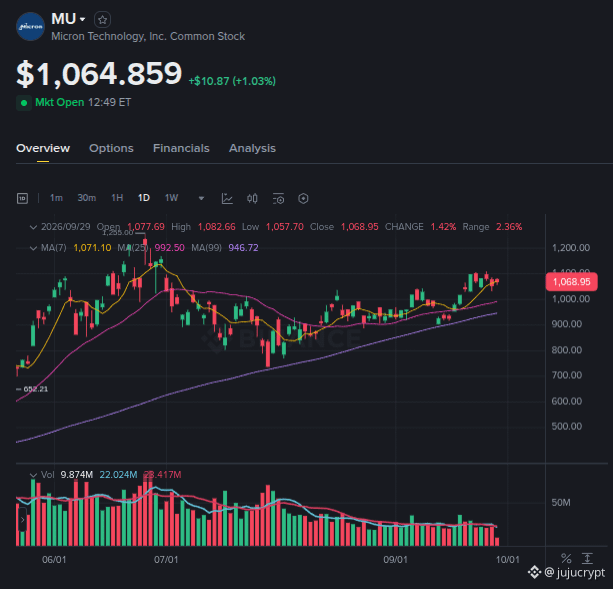
$MU прибыль уже совсем скоро.
Micron публикует результаты за 4 квартал 30 сентября, и я в первую очередь слежу за показателями, которые важны для истории про AI-память.
Ранее компания прогнозировала выручку около $50B, 31 EPS (non-GAAP) и примерно 86% валовой маржи.
Моё предпочтение перед отчётом — лонг, но я не собираюсь гнаться за движением до публикации.
Если цифры и прогноз окажутся сильными, и $MU подтвердит движение после отчёта, я рассмотрю вход в лонг.
Если реакция будет слабой, я воздержусь, а не буду открывать шорт только потому, что цена упала.
Для меня план простой: лонг, если отчёт и динамика цены подтверждают, сделок нет, если нет.
#EarningsSeason
$MU прибыль уже совсем скоро.
Micron публикует результаты за 4 квартал 30 сентября, и я в первую очередь слежу за показателями, которые важны для истории про AI-память.
Ранее компания прогнозировала выручку около $50B, 31 EPS (non-GAAP) и примерно 86% валовой маржи.
Моё предпочтение перед отчётом — лонг, но я не собираюсь гнаться за движением до публикации.
Если цифры и прогноз окажутся сильными, и $MU подтвердит движение после отчёта, я рассмотрю вход в лонг.
Если реакция будет слабой, я воздержусь, а не буду открывать шорт только потому, что цена упала.
Для меня план простой: лонг, если отчёт и динамика цены подтверждают, сделок нет, если нет.
#EarningsSeason
Micron публикует результаты за 4 квартал 30 сентября, и я в первую очередь слежу за показателями, которые важны для истории про AI-память.
Ранее компания прогнозировала выручку около $50B, 31 EPS (non-GAAP) и примерно 86% валовой маржи.
Моё предпочтение перед отчётом — лонг, но я не собираюсь гнаться за движением до публикации.
Если цифры и прогноз окажутся сильными, и $MU подтвердит движение после отчёта, я рассмотрю вход в лонг.
Если реакция будет слабой, я воздержусь, а не буду открывать шорт только потому, что цена упала.
Для меня план простой: лонг, если отчёт и динамика цены подтверждают, сделок нет, если нет.
#EarningsSeason
155
·
--
Гонка за вычислительными мощностями для ИИ становится всё более дикой.
Anthropic раскрыла соглашение, которое может включать до $84,5 млрд вычислительных мощностей на базе Nvidia до 2029 года.
Это почти вдвое больше примерно $45 млрд, которые SpaceX раскрыла ранее в этом году.
Главная история здесь не только в масштабе сделки.
ИИ-компании закрепляют за собой огромные объёмы вычислительных мощностей, потому что спрос на ИИ продолжает расти, а чипы Nvidia по-прежнему остаются в центре большей части этой инфраструктуры.
Для $NVDA это ещё одно напоминание о том, сколько денег вкладывается в инфраструктуру ИИ.
Цифры становится всё труднее игнорировать.
$SPCX
#NvidiaApproves$150BBuyback
Гонка за вычислительными мощностями для ИИ становится всё более дикой.
Anthropic раскрыла соглашение, которое может включать до $84,5 млрд вычислительных мощностей на базе Nvidia до 2029 года.
Это почти вдвое больше примерно $45 млрд, которые SpaceX раскрыла ранее в этом году.
Главная история здесь не только в масштабе сделки.
ИИ-компании закрепляют за собой огромные объёмы вычислительных мощностей, потому что спрос на ИИ продолжает расти, а чипы Nvidia по-прежнему остаются в центре большей части этой инфраструктуры.
Для $NVDA это ещё одно напоминание о том, сколько денег вкладывается в инфраструктуру ИИ.
Цифры становится всё труднее игнорировать.
$SPCX
#NvidiaApproves$150BBuyback
Anthropic раскрыла соглашение, которое может включать до $84,5 млрд вычислительных мощностей на базе Nvidia до 2029 года.
Это почти вдвое больше примерно $45 млрд, которые SpaceX раскрыла ранее в этом году.
Главная история здесь не только в масштабе сделки.
ИИ-компании закрепляют за собой огромные объёмы вычислительных мощностей, потому что спрос на ИИ продолжает расти, а чипы Nvidia по-прежнему остаются в центре большей части этой инфраструктуры.
Для $NVDA это ещё одно напоминание о том, сколько денег вкладывается в инфраструктуру ИИ.
Цифры становится всё труднее игнорировать.
$SPCX
#NvidiaApproves$150BBuyback

507
·
--
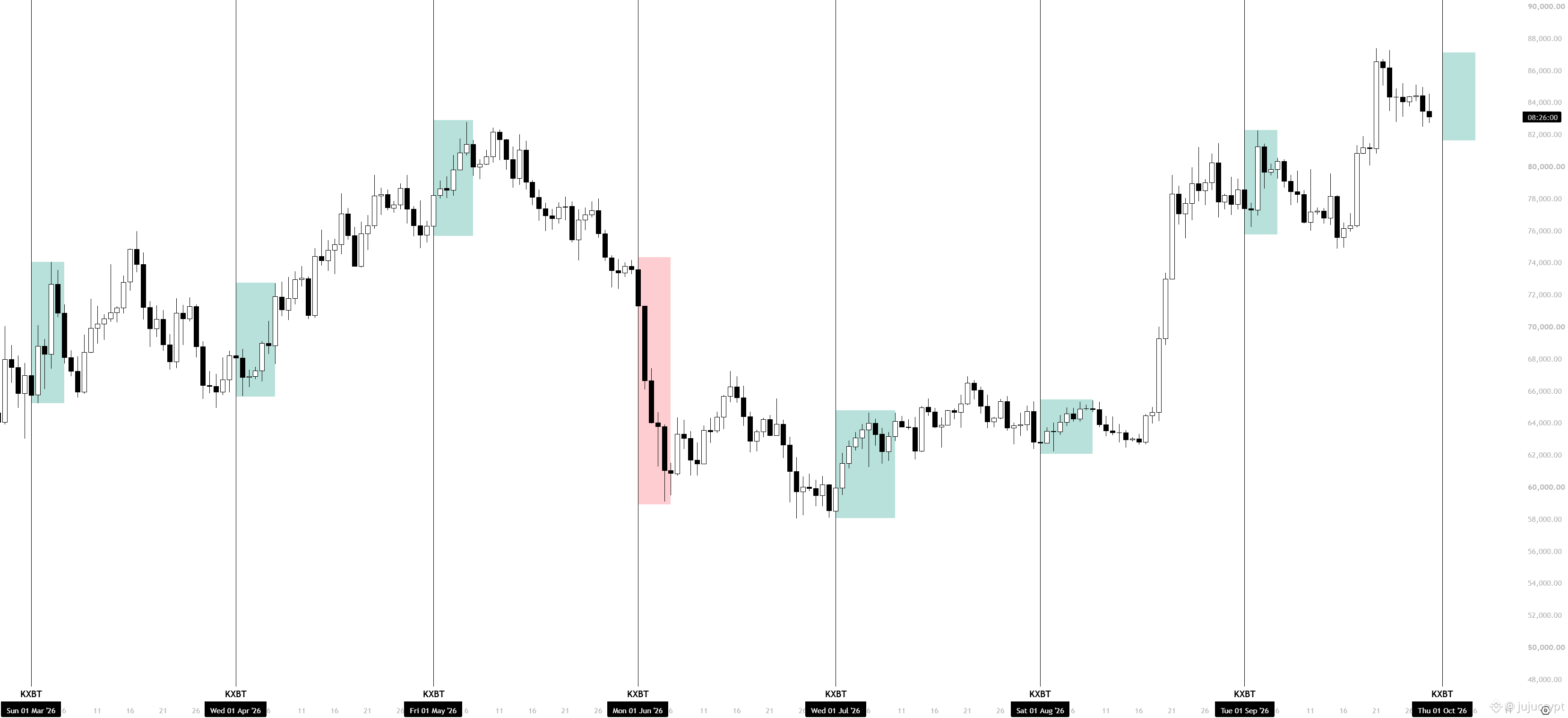
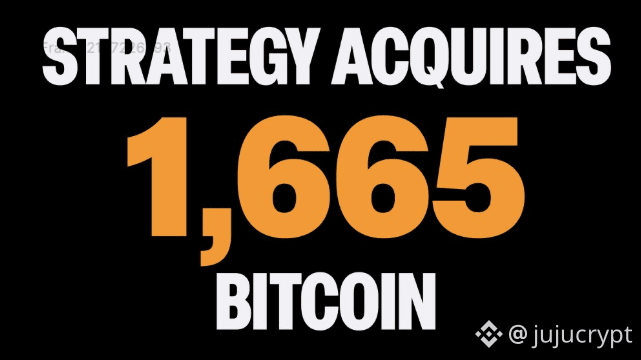
Большие имена продолжают покупать $BTC .
Майкл Сейлор только что объявил, что Strategy добавила еще 1 665 BTC, доведя свои общие активы до 847 666 BTC.
Компания также выкупила примерно на $152 млн акций STRC, при этом удерживая около $6,02 млрд в активах в долларах США.
Strategy явно не сбавляет темп в своей биткоин-стратегии.
Поскольку институциональные игроки и крупные участники продолжают добавлять BTC, я внимательно слежу за тем, как рынок отреагирует дальше.
#BTC
Большие имена продолжают покупать $BTC .
Майкл Сейлор только что объявил, что Strategy добавила еще 1 665 BTC, доведя свои общие активы до 847 666 BTC.
Компания также выкупила примерно на $152 млн акций STRC, при этом удерживая около $6,02 млрд в активах в долларах США.
Strategy явно не сбавляет темп в своей биткоин-стратегии.
Поскольку институциональные игроки и крупные участники продолжают добавлять BTC, я внимательно слежу за тем, как рынок отреагирует дальше.
#BTC
Майкл Сейлор только что объявил, что Strategy добавила еще 1 665 BTC, доведя свои общие активы до 847 666 BTC.
Компания также выкупила примерно на $152 млн акций STRC, при этом удерживая около $6,02 млрд в активах в долларах США.
Strategy явно не сбавляет темп в своей биткоин-стратегии.
Поскольку институциональные игроки и крупные участники продолжают добавлять BTC, я внимательно слежу за тем, как рынок отреагирует дальше.
#BTC
45
·
--
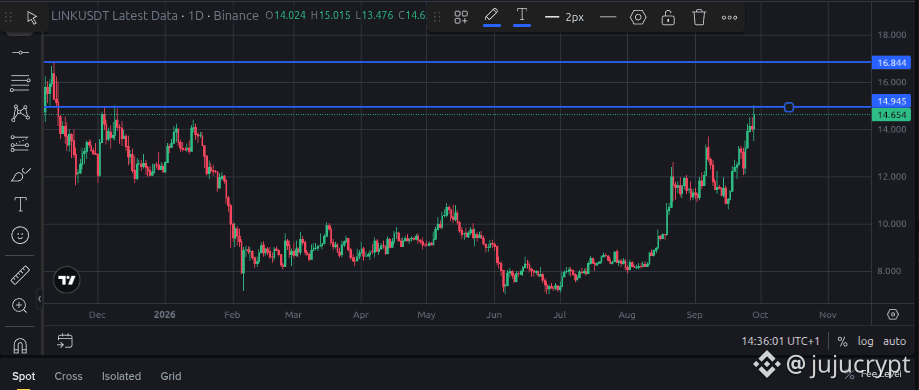
$LINK только что получил еще одно интересное обновление.
Chainlink запустила CCIP 2.0, внедрив корпоративную верификацию прямо в свою кроссчейн-инфраструктуру.
Для тех, кто не знаком, CCIP — это система Chainlink для перемещения токенов и данных между разными блокчейнами без зависимости от традиционных мостов.
Главное обновление — «Cross-Chain Verifiers» (CCVs).
Теперь организации могут добавить собственный независимый слой верификации поверх уже существующей 16-узловой сети Chainlink. Они могут запускать его сами или использовать провайдеров вроде Infosys и Nethermind.
Итак, прежде чем перевод пройдет, должны одобрить его оба слоя верификации.
CCIP 2.0 также добавляет инструменты комплаенса для таких вещей, как KYC, AML, проверка санкций и пользовательские правила, при этом давая организациям разные варианты скорости и безопасности в зависимости от транзакции.
Более широкая картина довольно проста:
Chainlink делает проще для организаций перемещать токенизированные активы между разными сетями, сохраняя больше контроля над безопасностью и комплаенсом.
С участием на старте таких компаний, как ANZ, Fidelity International, SBI Digital Markets, AWS и Google Cloud, это определенно то, за чем я буду внимательно следить.
#ChainlinkLaunchesCCIP2WithEnterpriseVerification
$LINK только что получил еще одно интересное обновление.
Chainlink запустила CCIP 2.0, внедрив корпоративную верификацию прямо в свою кроссчейн-инфраструктуру.
Для тех, кто не знаком, CCIP — это система Chainlink для перемещения токенов и данных между разными блокчейнами без зависимости от традиционных мостов.
Главное обновление — «Cross-Chain Verifiers» (CCVs).
Теперь организации могут добавить собственный независимый слой верификации поверх уже существующей 16-узловой сети Chainlink. Они могут запускать его сами или использовать провайдеров вроде Infosys и Nethermind.
Итак, прежде чем перевод пройдет, должны одобрить его оба слоя верификации.
CCIP 2.0 также добавляет инструменты комплаенса для таких вещей, как KYC, AML, проверка санкций и пользовательские правила, при этом давая организациям разные варианты скорости и безопасности в зависимости от транзакции.
Более широкая картина довольно проста:
Chainlink делает проще для организаций перемещать токенизированные активы между разными сетями, сохраняя больше контроля над безопасностью и комплаенсом.
С участием на старте таких компаний, как ANZ, Fidelity International, SBI Digital Markets, AWS и Google Cloud, это определенно то, за чем я буду внимательно следить.
#ChainlinkLaunchesCCIP2WithEnterpriseVerification
Chainlink запустила CCIP 2.0, внедрив корпоративную верификацию прямо в свою кроссчейн-инфраструктуру.
Для тех, кто не знаком, CCIP — это система Chainlink для перемещения токенов и данных между разными блокчейнами без зависимости от традиционных мостов.
Главное обновление — «Cross-Chain Verifiers» (CCVs).
Теперь организации могут добавить собственный независимый слой верификации поверх уже существующей 16-узловой сети Chainlink. Они могут запускать его сами или использовать провайдеров вроде Infosys и Nethermind.
Итак, прежде чем перевод пройдет, должны одобрить его оба слоя верификации.
CCIP 2.0 также добавляет инструменты комплаенса для таких вещей, как KYC, AML, проверка санкций и пользовательские правила, при этом давая организациям разные варианты скорости и безопасности в зависимости от транзакции.
Более широкая картина довольно проста:
Chainlink делает проще для организаций перемещать токенизированные активы между разными сетями, сохраняя больше контроля над безопасностью и комплаенсом.
С участием на старте таких компаний, как ANZ, Fidelity International, SBI Digital Markets, AWS и Google Cloud, это определенно то, за чем я буду внимательно следить.
#ChainlinkLaunchesCCIP2WithEnterpriseVerification
1
86
·
--
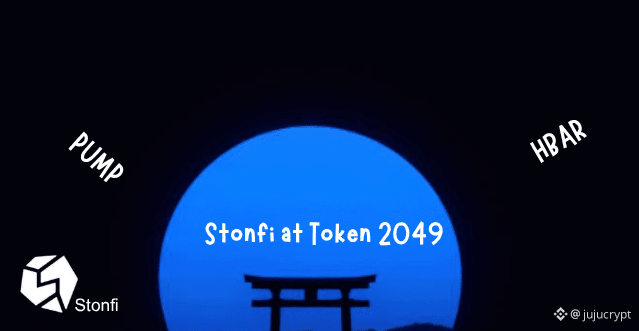
Некоторые альтернативы, которые у меня сейчас в наблюдении
$PUMP , вероятно, на первом месте в моем списке, дальше идет $HBAR
Пока что рынок по-прежнему ощущается так, будто ждет ту самую более крупную ротацию, когда альты начнут делать серьезные движения по всей доске. Очевидно, никто точно не знает, когда это произойдет, но я держу свой watchlist наготове вместо того, чтобы гнаться за каждым зеленым свечным сигналом.
Тем временем со стороны STONfi тоже грядет немало.
Команда едет на Korea Blockchain Week в Сеуле 30 сентября – 1 октября, а затем на TOKEN2049 Singapore 7–8 октября.
Андрей Федоров, CMO & CBDO STON.fi, также выступит на HSC Conference Seoul 1 октября с темой «Beyond Chain Boundaries: The Next Layer of DeFi».
И Итан Климай, Head of DevRel, будет там же — для нетворкинга и разговоров о кроссчейн DeFi.
Мне нравится видеть такую сторону вещей: пока я слежу за графиками в ожидании следующего движения по альтам, STON.fi продолжает строить и обсуждать, куда движется кроссчейн DeFi.
На радаре разные вещи, но я слежу за обоими.
Некоторые альтернативы, которые у меня сейчас в наблюдении
$PUMP , вероятно, на первом месте в моем списке, дальше идет $HBAR
Пока что рынок по-прежнему ощущается так, будто ждет ту самую более крупную ротацию, когда альты начнут делать серьезные движения по всей доске. Очевидно, никто точно не знает, когда это произойдет, но я держу свой watchlist наготове вместо того, чтобы гнаться за каждым зеленым свечным сигналом.
Тем временем со стороны STONfi тоже грядет немало.
Команда едет на Korea Blockchain Week в Сеуле 30 сентября – 1 октября, а затем на TOKEN2049 Singapore 7–8 октября.
Андрей Федоров, CMO & CBDO STON.fi, также выступит на HSC Conference Seoul 1 октября с темой «Beyond Chain Boundaries: The Next Layer of DeFi».
И Итан Климай, Head of DevRel, будет там же — для нетворкинга и разговоров о кроссчейн DeFi.
Мне нравится видеть такую сторону вещей: пока я слежу за графиками в ожидании следующего движения по альтам, STON.fi продолжает строить и обсуждать, куда движется кроссчейн DeFi.
На радаре разные вещи, но я слежу за обоими.
$PUMP , вероятно, на первом месте в моем списке, дальше идет $HBAR
Пока что рынок по-прежнему ощущается так, будто ждет ту самую более крупную ротацию, когда альты начнут делать серьезные движения по всей доске. Очевидно, никто точно не знает, когда это произойдет, но я держу свой watchlist наготове вместо того, чтобы гнаться за каждым зеленым свечным сигналом.
Тем временем со стороны STONfi тоже грядет немало.
Команда едет на Korea Blockchain Week в Сеуле 30 сентября – 1 октября, а затем на TOKEN2049 Singapore 7–8 октября.
Андрей Федоров, CMO & CBDO STON.fi, также выступит на HSC Conference Seoul 1 октября с темой «Beyond Chain Boundaries: The Next Layer of DeFi».
И Итан Климай, Head of DevRel, будет там же — для нетворкинга и разговоров о кроссчейн DeFi.
Мне нравится видеть такую сторону вещей: пока я слежу за графиками в ожидании следующего движения по альтам, STON.fi продолжает строить и обсуждать, куда движется кроссчейн DeFi.
На радаре разные вещи, но я слежу за обоими.
1
87
·
--
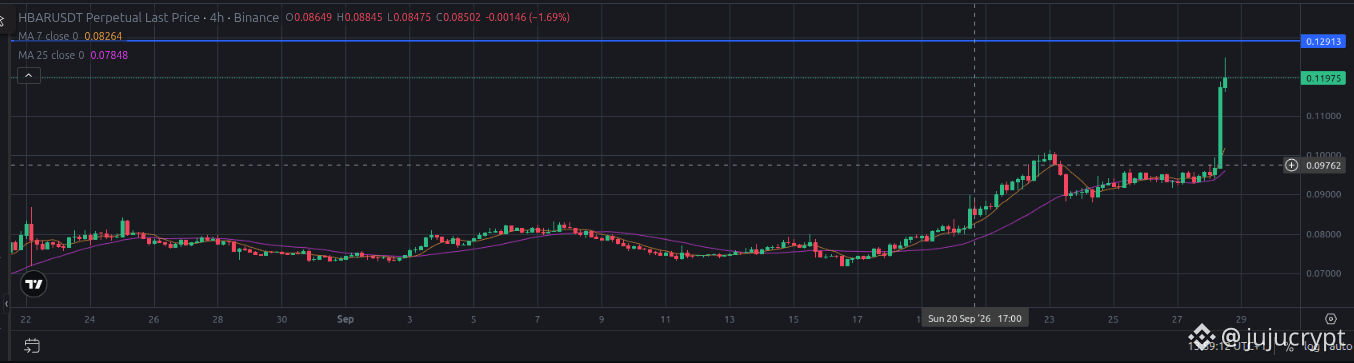
$HBAR возвращается в чарты и начинает получать хороший поток около $0.122.
$ONDO тоже двигается довольно неплохо, так что прямо сейчас по рынку определённо происходит что-то интересное.
Затем я заметил, что GEMSTON вчера сделал довольно хороший памп.
Человек буквально отменил 2 нуля.
Меня это зацепило, потому что я уже какое-то время слежу за тем, что происходит вокруг STON.fi, и GEMSTON стал одним из тех небольших токенов экосистемы, которые я постоянно проверяю.
Я не говорю, что каждый памп — это сигнал бежать и гнаться. Крипта может быстро двигаться в обе стороны, поэтому я всё ещё слежу за объёмом и тем, как он держится после движения.
Но то, что GEMSTON начинает привлекать такое внимание, пока stonfi продолжает развиваться, — это интересно.
Протокол расширяется за пределы простых свопов: больше внимания уделяется ликвидности, кроссчейн-движению и более широкому DeFi-экосистеме TON.
Так что да, HBAR и ONDO у меня в поле зрения...
Но после этого движения GEMSTON я точно уделяю чуть больше внимания тому, что происходит на стороне STON.fi.
Продолжаю наблюдать. Продолжаю исследовать.
#TON
$HBAR возвращается в чарты и начинает получать хороший поток около $0.122.
$ONDO тоже двигается довольно неплохо, так что прямо сейчас по рынку определённо происходит что-то интересное.
Затем я заметил, что GEMSTON вчера сделал довольно хороший памп.
Человек буквально отменил 2 нуля.
Меня это зацепило, потому что я уже какое-то время слежу за тем, что происходит вокруг STON.fi, и GEMSTON стал одним из тех небольших токенов экосистемы, которые я постоянно проверяю.
Я не говорю, что каждый памп — это сигнал бежать и гнаться. Крипта может быстро двигаться в обе стороны, поэтому я всё ещё слежу за объёмом и тем, как он держится после движения.
Но то, что GEMSTON начинает привлекать такое внимание, пока stonfi продолжает развиваться, — это интересно.
Протокол расширяется за пределы простых свопов: больше внимания уделяется ликвидности, кроссчейн-движению и более широкому DeFi-экосистеме TON.
Так что да, HBAR и ONDO у меня в поле зрения...
Но после этого движения GEMSTON я точно уделяю чуть больше внимания тому, что происходит на стороне STON.fi.
Продолжаю наблюдать. Продолжаю исследовать.
#TON
$ONDO тоже двигается довольно неплохо, так что прямо сейчас по рынку определённо происходит что-то интересное.
Затем я заметил, что GEMSTON вчера сделал довольно хороший памп.
Человек буквально отменил 2 нуля.
Меня это зацепило, потому что я уже какое-то время слежу за тем, что происходит вокруг STON.fi, и GEMSTON стал одним из тех небольших токенов экосистемы, которые я постоянно проверяю.
Я не говорю, что каждый памп — это сигнал бежать и гнаться. Крипта может быстро двигаться в обе стороны, поэтому я всё ещё слежу за объёмом и тем, как он держится после движения.
Но то, что GEMSTON начинает привлекать такое внимание, пока stonfi продолжает развиваться, — это интересно.
Протокол расширяется за пределы простых свопов: больше внимания уделяется ликвидности, кроссчейн-движению и более широкому DeFi-экосистеме TON.
Так что да, HBAR и ONDO у меня в поле зрения...
Но после этого движения GEMSTON я точно уделяю чуть больше внимания тому, что происходит на стороне STON.fi.
Продолжаю наблюдать. Продолжаю исследовать.
#TON
1
504
·
--
$QNT действительно привлекает мое внимание прямо сейчас.
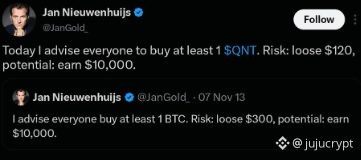
Я только что увидел KOL, который очень рано упомянул $BTC и тоже говорил про $QNT, так что я точно держу это у себя на радаре.
После недавнего движения откат, который мы сейчас видим, может быть просто фиксацией прибыли. Тем не менее, я хочу посмотреть, как цена будет реагировать отсюда, прежде чем слишком воодушевляться.
С другой стороны, я по-прежнему держу руки при себе и слежу за STON.fi.
Одно, что я начал по-настоящему ценить в Omniston, — это насколько простая идея становится, когда вы убираете всю техническую часть.
Вы хотите перенести актив с одной сети в другую.
Выбираете → получаете котировку → подтверждаете → получаете.
За кулисами Omniston находит ликвидность через резолверы и координирует своп между обеими сетями. Активы защищены с обеих сторон, поэтому своп либо успешно завершается, либо может быть возвращен через настройку HTLC.
Не нужно вручную разбираться с мостом или иметь дело с обернутыми активами посередине.
Разные вещи сейчас на моем радаре, но я слежу за всем сразу.
#QNTFallsOver40%FromMorningHigh
$QNT действительно привлекает мое внимание прямо сейчас.
Я только что увидел KOL, который очень рано упомянул $BTC и тоже говорил про $QNT , так что я точно держу это у себя на радаре.
После недавнего движения откат, который мы сейчас видим, может быть просто фиксацией прибыли. Тем не менее, я хочу посмотреть, как цена будет реагировать отсюда, прежде чем слишком воодушевляться.
С другой стороны, я по-прежнему держу руки при себе и слежу за STON.fi.
Одно, что я начал по-настоящему ценить в Omniston, — это насколько простая идея становится, когда вы убираете всю техническую часть.
Вы хотите перенести актив с одной сети в другую.
Выбираете → получаете котировку → подтверждаете → получаете.
За кулисами Omniston находит ликвидность через резолверы и координирует своп между обеими сетями. Активы защищены с обеих сторон, поэтому своп либо успешно завершается, либо может быть возвращен через настройку HTLC.
Не нужно вручную разбираться с мостом или иметь дело с обернутыми активами посередине.
Разные вещи сейчас на моем радаре, но я слежу за всем сразу.
#QNTFallsOver40%FromMorningHigh
Я только что увидел KOL, который очень рано упомянул $BTC и тоже говорил про $QNT , так что я точно держу это у себя на радаре.
После недавнего движения откат, который мы сейчас видим, может быть просто фиксацией прибыли. Тем не менее, я хочу посмотреть, как цена будет реагировать отсюда, прежде чем слишком воодушевляться.
С другой стороны, я по-прежнему держу руки при себе и слежу за STON.fi.
Одно, что я начал по-настоящему ценить в Omniston, — это насколько простая идея становится, когда вы убираете всю техническую часть.
Вы хотите перенести актив с одной сети в другую.
Выбираете → получаете котировку → подтверждаете → получаете.
За кулисами Omniston находит ликвидность через резолверы и координирует своп между обеими сетями. Активы защищены с обеих сторон, поэтому своп либо успешно завершается, либо может быть возвращен через настройку HTLC.
Не нужно вручную разбираться с мостом или иметь дело с обернутыми активами посередине.
Разные вещи сейчас на моем радаре, но я слежу за всем сразу.
#QNTFallsOver40%FromMorningHigh
211
·
--
Проверено
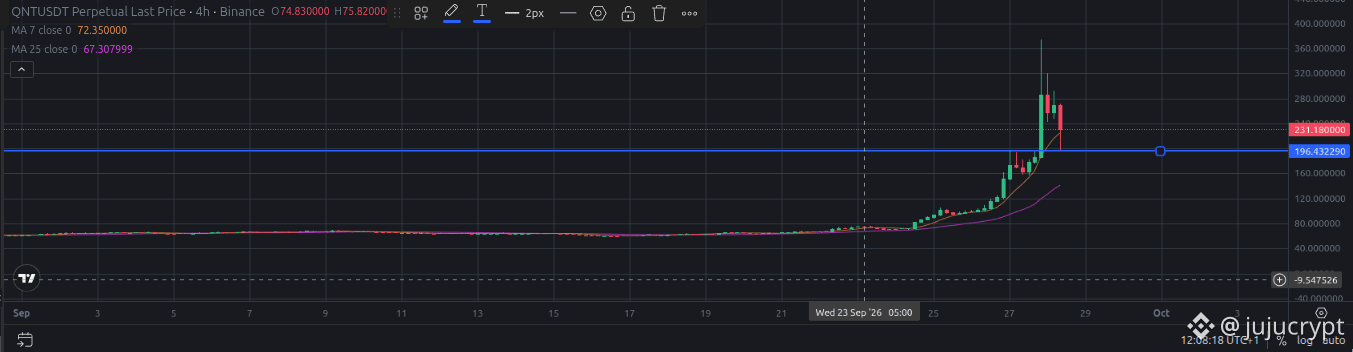
$QNT (Quant) рухнул более чем на 40% от своего утреннего максимума сегодня (28 сентября 2026).
Он резко взлетел на фоне крупных новостей: The Clearing House (сеть, стоящая за крупными банками США вроде JPMorgan, Citi и т.д.) выбрала технологию Quant для токенизированных банковских депозитов.
Это запустило дикий многодневный ралли — рост на сотни процентов за неделю, с пиками примерно в районе $340–$370+.
Затем включилась классическая крипто-динамика: фиксация прибыли, условия перекупленности (RSI на сверхвысоких уровнях) и тонкая ликвидность превратили всплеск в резкую коррекцию.
24-часовой диапазон колебался примерно от $158 (минимум) до $358 (максимум). Цена по-прежнему сильно выросла за неделю, просто сейчас охлаждается после вертикального движения.
Короткий вывод: новостной памп → экстремальное чрезмерное расширение → резкая коррекция от утреннего пика. Здесь правит волатильность.
#QNTFallsOver40%FromMorningHigh
$QNT (Quant) рухнул более чем на 40% от своего утреннего максимума сегодня (28 сентября 2026).
Он резко взлетел на фоне крупных новостей: The Clearing House (сеть, стоящая за крупными банками США вроде JPMorgan, Citi и т.д.) выбрала технологию Quant для токенизированных банковских депозитов.
Это запустило дикий многодневный ралли — рост на сотни процентов за неделю, с пиками примерно в районе $340–$370+.
Затем включилась классическая крипто-динамика: фиксация прибыли, условия перекупленности (RSI на сверхвысоких уровнях) и тонкая ликвидность превратили всплеск в резкую коррекцию.
24-часовой диапазон колебался примерно от $158 (минимум) до $358 (максимум). Цена по-прежнему сильно выросла за неделю, просто сейчас охлаждается после вертикального движения.
Короткий вывод: новостной памп → экстремальное чрезмерное расширение → резкая коррекция от утреннего пика. Здесь правит волатильность.
#QNTFallsOver40%FromMorningHigh
Он резко взлетел на фоне крупных новостей: The Clearing House (сеть, стоящая за крупными банками США вроде JPMorgan, Citi и т.д.) выбрала технологию Quant для токенизированных банковских депозитов.
Это запустило дикий многодневный ралли — рост на сотни процентов за неделю, с пиками примерно в районе $340–$370+.
Затем включилась классическая крипто-динамика: фиксация прибыли, условия перекупленности (RSI на сверхвысоких уровнях) и тонкая ликвидность превратили всплеск в резкую коррекцию.
24-часовой диапазон колебался примерно от $158 (минимум) до $358 (максимум). Цена по-прежнему сильно выросла за неделю, просто сейчас охлаждается после вертикального движения.
Короткий вывод: новостной памп → экстремальное чрезмерное расширение → резкая коррекция от утреннего пика. Здесь правит волатильность.
#QNTFallsOver40%FromMorningHigh
1
796
·
--
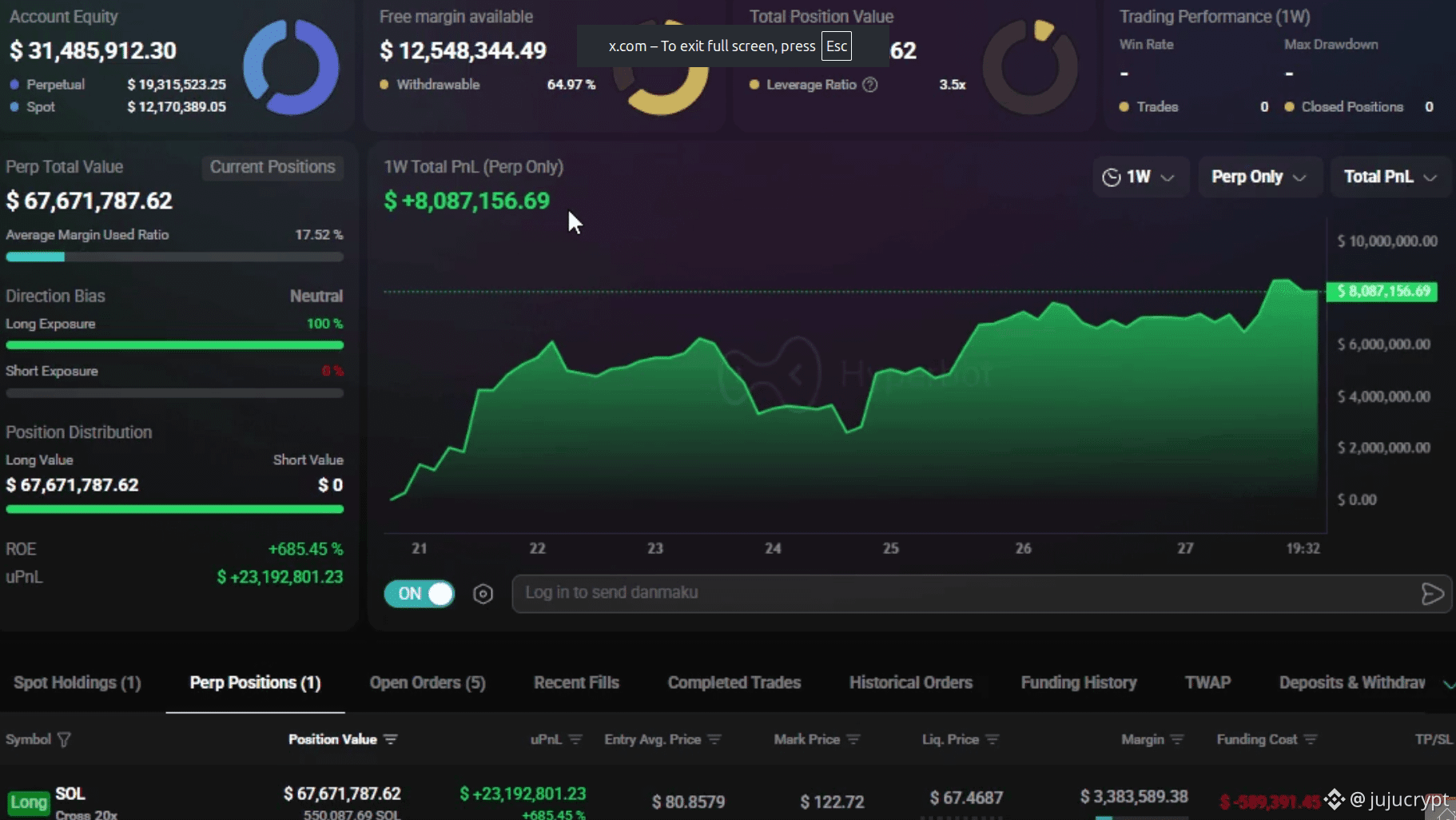
$SOL киты делают некоторые серьезные движения.
Длинные позиции китов Bitfinex резко пошли вверх, в то время как Solana-ETF за последние две недели купили 2,32 млн SOL, что составляет примерно 278 млн долларов.
Общий объем активов ETF сейчас составляет около 2,28 млрд долларов.
Пока киты накапливают позиции, а спрос на ETF растет — готовится ли Solana к еще одному сезону мемов? #SOLSpotETFWeeklyInflow$188M
$SOL киты делают некоторые серьезные движения.
Длинные позиции китов Bitfinex резко пошли вверх, в то время как Solana-ETF за последние две недели купили 2,32 млн SOL, что составляет примерно 278 млн долларов.
Общий объем активов ETF сейчас составляет около 2,28 млрд долларов.
Пока киты накапливают позиции, а спрос на ETF растет — готовится ли Solana к еще одному сезону мемов? #SOLSpotETFWeeklyInflow$188M
Длинные позиции китов Bitfinex резко пошли вверх, в то время как Solana-ETF за последние две недели купили 2,32 млн SOL, что составляет примерно 278 млн долларов.
Общий объем активов ETF сейчас составляет около 2,28 млрд долларов.
Пока киты накапливают позиции, а спрос на ETF растет — готовится ли Solana к еще одному сезону мемов? #SOLSpotETFWeeklyInflow$188M
9
1
17
25.7k
·
--
$NEAR только что сделал еще один важный шаг вперед.
Bitwise подала свою окончательную регистрационную форму (prospectus) для спотового NEAR #etf — продукта, предназначенного для того, чтобы предоставить традиционным инвесторам доступ к NEAR через обычный биржевой продукт (ETF).
Что делает этот случай особенно интересным, так это компонент стейкинга. Фонд планирует делать стейкинг своих холдингов NEAR и, возможно, получать дополнительный NEAR из этих вознаграждений.
Регистрация в SEC вступила в силу 24 сентября, а ETF должен начать торговаться на NYSE Arca под предложенным тикером NRR.
Для меня главная история — доступ.
Инвесторы, которые не хотят покупать и самостоятельно управлять NEAR напрямую, теперь могут получить к нему доступ через традиционный брокерский счет.
Теперь я наблюдаю за тем, что произойдет, когда ETF начнет торговаться, и последуют ли за громким заголовком реальные притоки капитала.
#BitwiseFilesFinalNEARSpotETFProspectus
$NEAR только что сделал еще один важный шаг вперед.
Bitwise подала свою окончательную регистрационную форму (prospectus) для спотового NEAR #etf — продукта, предназначенного для того, чтобы предоставить традиционным инвесторам доступ к NEAR через обычный биржевой продукт (ETF).
Что делает этот случай особенно интересным, так это компонент стейкинга. Фонд планирует делать стейкинг своих холдингов NEAR и, возможно, получать дополнительный NEAR из этих вознаграждений.
Регистрация в SEC вступила в силу 24 сентября, а ETF должен начать торговаться на NYSE Arca под предложенным тикером NRR.
Для меня главная история — доступ.
Инвесторы, которые не хотят покупать и самостоятельно управлять NEAR напрямую, теперь могут получить к нему доступ через традиционный брокерский счет.
Теперь я наблюдаю за тем, что произойдет, когда ETF начнет торговаться, и последуют ли за громким заголовком реальные притоки капитала.
#BitwiseFilesFinalNEARSpotETFProspectus
Bitwise подала свою окончательную регистрационную форму (prospectus) для спотового NEAR #etf — продукта, предназначенного для того, чтобы предоставить традиционным инвесторам доступ к NEAR через обычный биржевой продукт (ETF).
Что делает этот случай особенно интересным, так это компонент стейкинга. Фонд планирует делать стейкинг своих холдингов NEAR и, возможно, получать дополнительный NEAR из этих вознаграждений.
Регистрация в SEC вступила в силу 24 сентября, а ETF должен начать торговаться на NYSE Arca под предложенным тикером NRR.
Для меня главная история — доступ.
Инвесторы, которые не хотят покупать и самостоятельно управлять NEAR напрямую, теперь могут получить к нему доступ через традиционный брокерский счет.
Теперь я наблюдаю за тем, что произойдет, когда ETF начнет торговаться, и последуют ли за громким заголовком реальные притоки капитала.
#BitwiseFilesFinalNEARSpotETFProspectus
101
·
--
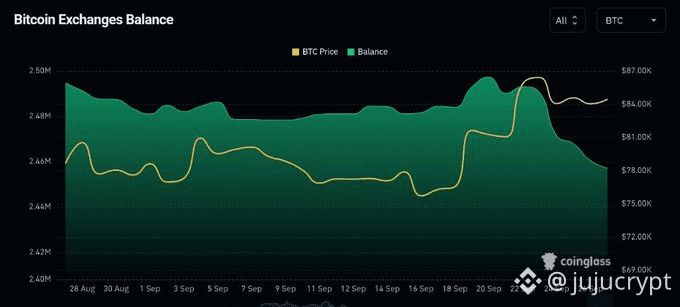
Больше ликвидности выходит с бирж, полагаю.
По данным CoinGlass, за последние 7 дней из централизованных бирж было выведено около 30,000 $BTC .
Это примерно $2.52B в BTC, покинувшего биржи всего за одну неделю.
Я слежу за тем, куда дальше пойдет эта ликвидность, и что это означает для рынка.
#bitcoin
Больше ликвидности выходит с бирж, полагаю.
По данным CoinGlass, за последние 7 дней из централизованных бирж было выведено около 30,000 $BTC .
Это примерно $2.52B в BTC, покинувшего биржи всего за одну неделю.
Я слежу за тем, куда дальше пойдет эта ликвидность, и что это означает для рынка.
#bitcoin
По данным CoinGlass, за последние 7 дней из централизованных бирж было выведено около 30,000 $BTC .
Это примерно $2.52B в BTC, покинувшего биржи всего за одну неделю.
Я слежу за тем, куда дальше пойдет эта ликвидность, и что это означает для рынка.
#bitcoin
1
45
·
--
BGB ощущается похоже на $ZEC некоторое время назад, до того как у него был огромный памп — лучше присмотреться к этому по графикам
BGB ощущается похоже на $ZEC некоторое время назад, до того как у него был огромный памп — лучше присмотреться к этому по графикам
1
200
·
--
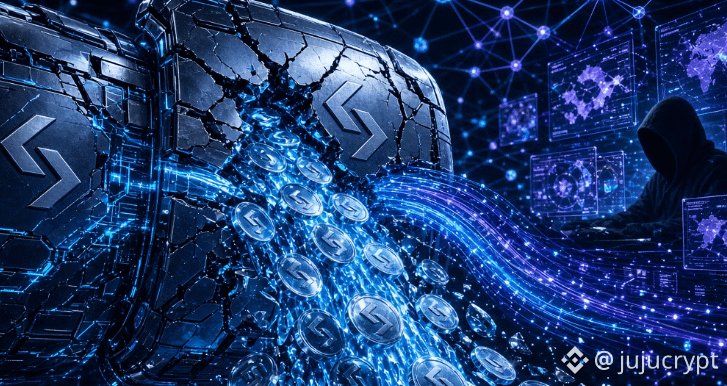
24 сентября 2026 года Bitget подвергся крупной атаке с нарушением безопасности: по сообщениям, было похищено около $387M–$390M активов.
Значительная часть украденных средств — $XRP .
Около 103M $XRP, стоимость которых на тот момент составляла примерно $157M–$160M, были переведены в пять кошельков, контролируемых злоумышленником.
К 26 сентября около 54M XRP ($83M) уже было выведено из трех из этих кошельков.
Два кошелька, каждый из которых содержал примерно 20M XRP, были почти полностью опустошены, а другой был сокращён до примерно 5,8M XRP.
В итоге в исходных кошельках всё ещё оставалось около 49M XRP, что на тот момент оценивалось примерно в $75M.
Переводы также активизировались в ночное время: средства распределяли по новым кошелькам. Некоторые сообщения утверждают, что часть XRP позже была переведена через THORChain в сторону Bitcoin.
Определённо слежу за этой ситуацией, пока средства продолжают перемещаться.
#BitgetHackerMoves$83MStolenXRP
24 сентября 2026 года Bitget подвергся крупной атаке с нарушением безопасности: по сообщениям, было похищено около $387M–$390M активов.
Значительная часть украденных средств — $XRP .
Около 103M $XRP , стоимость которых на тот момент составляла примерно $157M–$160M, были переведены в пять кошельков, контролируемых злоумышленником.
К 26 сентября около 54M XRP ($83M) уже было выведено из трех из этих кошельков.
Два кошелька, каждый из которых содержал примерно 20M XRP, были почти полностью опустошены, а другой был сокращён до примерно 5,8M XRP.
В итоге в исходных кошельках всё ещё оставалось около 49M XRP, что на тот момент оценивалось примерно в $75M.
Переводы также активизировались в ночное время: средства распределяли по новым кошелькам. Некоторые сообщения утверждают, что часть XRP позже была переведена через THORChain в сторону Bitcoin.
Определённо слежу за этой ситуацией, пока средства продолжают перемещаться.
#BitgetHackerMoves$83MStolenXRP
Значительная часть украденных средств — $XRP .
Около 103M $XRP , стоимость которых на тот момент составляла примерно $157M–$160M, были переведены в пять кошельков, контролируемых злоумышленником.
К 26 сентября около 54M XRP ($83M) уже было выведено из трех из этих кошельков.
Два кошелька, каждый из которых содержал примерно 20M XRP, были почти полностью опустошены, а другой был сокращён до примерно 5,8M XRP.
В итоге в исходных кошельках всё ещё оставалось около 49M XRP, что на тот момент оценивалось примерно в $75M.
Переводы также активизировались в ночное время: средства распределяли по новым кошелькам. Некоторые сообщения утверждают, что часть XRP позже была переведена через THORChain в сторону Bitcoin.
Определённо слежу за этой ситуацией, пока средства продолжают перемещаться.
#BitgetHackerMoves$83MStolenXRP
22
4
37
59.2k
·
--
Проверено
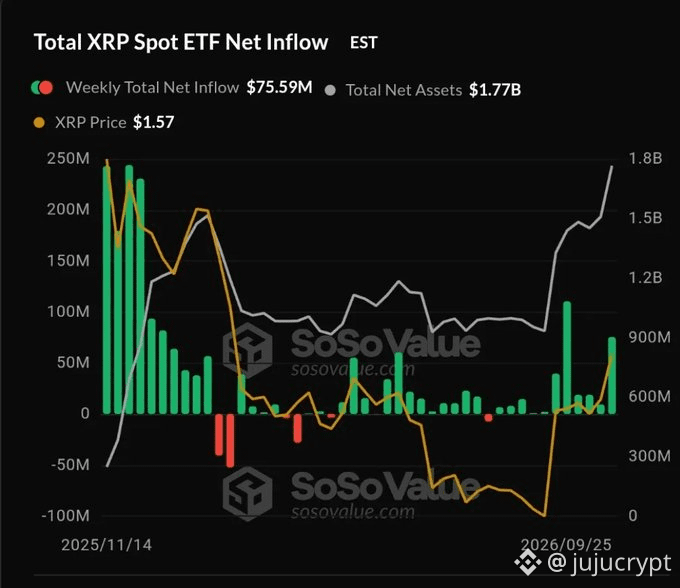
ETF Spot $XRP только что показали свою самую сильную неделю с конца августа.
Они привлекли около $76 млн чистых притоков, подняв совокупный AUM примерно до $1,77 млрд, при этом продукты теперь владеют примерно 1,8% от общего предложения XRP.
Это довольно заметный объем капитала, направляющегося в экспозицию XRP через традиционные рыночные продукты.
Тем временем со стороны DeFi Arc Network уже работает на кроссчейн- свапах STONfi.
Это означает, что USDC в Arc теперь можно перемещать на и с TON и других поддерживаемых сетей через кроссчейн-поток STONfi.
То, что мне интересно, — это то, что это значит для пользователей.
Вам не нужно вручную разбираться, как переводить активы между Arc и TON, искать отдельный мост или перескакивать между несколькими платформами.
Вы выбираете исходную сеть, указываете, куда хотите попасть, просматриваете котировку и подтверждаете.
Arc → TON → другие поддерживаемые сети — все это через один кроссчейн-поток.
По мере того как будут запускаться все новые сети, возможность легко их подключать станет так же важной, как и сам запуск сети.
#Ripple #BitgetHackerMoves$83MStolenXRP
ETF Spot $XRP только что показали свою самую сильную неделю с конца августа.
Они привлекли около $76 млн чистых притоков, подняв совокупный AUM примерно до $1,77 млрд, при этом продукты теперь владеют примерно 1,8% от общего предложения XRP.
Это довольно заметный объем капитала, направляющегося в экспозицию XRP через традиционные рыночные продукты.
Тем временем со стороны DeFi Arc Network уже работает на кроссчейн- свапах STONfi.
Это означает, что USDC в Arc теперь можно перемещать на и с TON и других поддерживаемых сетей через кроссчейн-поток STONfi.
То, что мне интересно, — это то, что это значит для пользователей.
Вам не нужно вручную разбираться, как переводить активы между Arc и TON, искать отдельный мост или перескакивать между несколькими платформами.
Вы выбираете исходную сеть, указываете, куда хотите попасть, просматриваете котировку и подтверждаете.
Arc → TON → другие поддерживаемые сети — все это через один кроссчейн-поток.
По мере того как будут запускаться все новые сети, возможность легко их подключать станет так же важной, как и сам запуск сети.
#Ripple #BitgetHackerMoves$83MStolenXRP
Они привлекли около $76 млн чистых притоков, подняв совокупный AUM примерно до $1,77 млрд, при этом продукты теперь владеют примерно 1,8% от общего предложения XRP.
Это довольно заметный объем капитала, направляющегося в экспозицию XRP через традиционные рыночные продукты.
Тем временем со стороны DeFi Arc Network уже работает на кроссчейн- свапах STONfi.
Это означает, что USDC в Arc теперь можно перемещать на и с TON и других поддерживаемых сетей через кроссчейн-поток STONfi.
То, что мне интересно, — это то, что это значит для пользователей.
Вам не нужно вручную разбираться, как переводить активы между Arc и TON, искать отдельный мост или перескакивать между несколькими платформами.
Вы выбираете исходную сеть, указываете, куда хотите попасть, просматриваете котировку и подтверждаете.
Arc → TON → другие поддерживаемые сети — все это через один кроссчейн-поток.
По мере того как будут запускаться все новые сети, возможность легко их подключать станет так же важной, как и сам запуск сети.
#Ripple #BitgetHackerMoves$83MStolenXRP
1
50
Войдите, чтобы посмотреть больше материала
Присоединяйтесь к пользователям криптовалют по всему миру на Binance Square
⚡️ Получайте новейшую и полезную информацию о криптоактивах.
💬 Нам доверяет крупнейшая в мире криптобиржа.
👍 Получите достоверные аналитические данные от верифицированных создателей контента.
Эл. почта/номер телефона
В тренде
ADAGains10%Above$0.27
Просмотров: 5,389
124 обсуждают
$ADA сегодня уверенно растёт: цена подскочила более чем на 10% и достигла примерно 027, обновив 90-дневный максимум.
Объём торгов также превысил 1 миллиард, что свидетельствует о высокой активности на рынке.
Рост происходит на фоне продолжающегося восстановления $ADA после июньских минимумов, а недавняя техническая картина стала более благоприятной.
Теперь ключевой зоной для наблюдения является диапазон от 027 до 028. Устойчивый пробой может открыть путь к более высоким уровням сопротивления.
Однако после столь резкого дневного роста волатильность может оставаться высокой.
#ADAGains10%Above$0.27 #crypto #ADA #Cardano #crypto #Write2Earn
AbdullahAbid_7
·Лайков: 0
·Просмотров: 242
ETHUp70%InQ3ButLiquidityFalls
Просмотров: 66,248
709 обсуждают
EthStakingExitQueueHits2026High
Просмотров: 24,218
570 обсуждают