
Zoya_BNB
12.8k Публикации

Zoya_BNB
Отправить жалобу
Заблокировать пользователя
Открытая сделка
Трейдер с частыми сделками
11.3 мес.
624 подписок(и/а)
25.2K+ подписчиков(а)
11.1K+ понравилось
Посты
Портфель
Все
Цитирования
Активно
·
--
Рост
$LSK /USDT ВОЛАТИЛЬНОСТЬ ПРОСТО НЕВЕРОЯТНА!
Lisk $LSK сейчас показывает мощный импульс: цена держится около $0.5295 после взрывного ралли. 15-минутный график рассказывает интересную историю:
LSK взлетел с примерно $0.22 до максимума около $0.6603, затем вошёл в резкую коррекцию и боковую консолидацию. Сейчас это критическая зона, где следующий пробой может определить краткосрочное направление. ⚡📈
🟢 Зона поддержки: $0.489 $0.500
🟢 Более сильная поддержка: $0.393
🔴 Сопротивление: $0.586
🔥 Ключевое сопротивление: $0.660–$0.682
Если LSK удержится выше $0.489 и покупатели вернут $0.586, следующий шаг может нацелиться на $0.625 🎯, а затем последует ретест
$0.660 $0.682 🎯. Чистый пробой выше предыдущего максимума может привести к новой волне импульса, но после такого огромного движения волатильность и внезапные
откаты нельзя недооценивать.
Для бычьего сценария я бы следил за зоной $0.50–$0.53, чтобы получить подтверждение, а не гнаться за вертикальной свечой. 📊
⚠️ Аннулирование / Стоп-лосс: Решительный пробой ниже $0.489 ослабляет бычий сценарий; агрессивная сделка может рассмотреть стоп около $0.475.
$GRIFFAIN
{alpha}(CT_501KENJSUYLASHUMfHyy5o4Hp2FdNqZg1AsUPhfH2kYvEP)
$LSK /USDT ВОЛАТИЛЬНОСТЬ ПРОСТО НЕВЕРОЯТНА!
Lisk $LSK сейчас показывает мощный импульс: цена держится около $0.5295 после взрывного ралли. 15-минутный график рассказывает интересную историю:
LSK взлетел с примерно $0.22 до максимума около $0.6603, затем вошёл в резкую коррекцию и боковую консолидацию. Сейчас это критическая зона, где следующий пробой может определить краткосрочное направление. ⚡📈
🟢 Зона поддержки: $0.489 $0.500
🟢 Более сильная поддержка: $0.393
🔴 Сопротивление: $0.586
🔥 Ключевое сопротивление: $0.660–$0.682
Если LSK удержится выше $0.489 и покупатели вернут $0.586, следующий шаг может нацелиться на $0.625 🎯, а затем последует ретест
$0.660 $0.682 🎯. Чистый пробой выше предыдущего максимума может привести к новой волне импульса, но после такого огромного движения волатильность и внезапные
откаты нельзя недооценивать.
Для бычьего сценария я бы следил за зоной $0.50–$0.53, чтобы получить подтверждение, а не гнаться за вертикальной свечой. 📊
⚠️ Аннулирование / Стоп-лосс: Решительный пробой ниже $0.489 ослабляет бычий сценарий; агрессивная сделка может рассмотреть стоп около $0.475.
$GRIFFAIN
Lisk $LSK сейчас показывает мощный импульс: цена держится около $0.5295 после взрывного ралли. 15-минутный график рассказывает интересную историю:
LSK взлетел с примерно $0.22 до максимума около $0.6603, затем вошёл в резкую коррекцию и боковую консолидацию. Сейчас это критическая зона, где следующий пробой может определить краткосрочное направление. ⚡📈
🟢 Зона поддержки: $0.489 $0.500
🟢 Более сильная поддержка: $0.393
🔴 Сопротивление: $0.586
🔥 Ключевое сопротивление: $0.660–$0.682
Если LSK удержится выше $0.489 и покупатели вернут $0.586, следующий шаг может нацелиться на $0.625 🎯, а затем последует ретест
$0.660 $0.682 🎯. Чистый пробой выше предыдущего максимума может привести к новой волне импульса, но после такого огромного движения волатильность и внезапные
откаты нельзя недооценивать.
Для бычьего сценария я бы следил за зоной $0.50–$0.53, чтобы получить подтверждение, а не гнаться за вертикальной свечой. 📊
⚠️ Аннулирование / Стоп-лосс: Решительный пробой ниже $0.489 ослабляет бычий сценарий; агрессивная сделка может рассмотреть стоп около $0.475.
$GRIFFAIN
Bhules❤️
Banate 💚
23 ч. осталось
296
·
--
Рост
📊 ВОТЧЕТ ПО CPI: повысит ли ФРС ставку или удержит?
Рынок сейчас сосредоточен на предстоящем отчёте по CPI после того, как Nonfarm Payrolls вышли сильнее ожиданий. 🔥
Ключевой вопрос в том, приведут ли более сильные данные по занятости в сочетании с сохраняющейся инфляцией к очередному повышению ставки — или же политики предпочтут оставить ставки без изменений и дождаться более ясных доказательств.
Моё мнение: в краткосрочной перспективе я сдержанно медвежий по отношению к риск-активам, если CPI окажется горячее ожиданий. 📉 Более «горячий» CPI может усилить аргументы в пользу более высоких ставок надолго, что потенциально окажет давление на акции и криптовалюты, при этом поддерживая доллар США и доходности гособлигаций.
Если CPI выйдет прохладнее ожиданий, картина может быстро измениться. Снижение инфляции может вернуть ожидания более мягкой политики ФРС и вызвать бычью реакцию на всём рынке риск-активов. 📈
Пока что я внимательно слежу за CPI и держу управление рисками в центре своей стратегии.
🔥 Бычий или медвежий — каков ваш взгляд?
#CPIWatch #CPI数据
$LAB
{future}(LABUSDT)
$LSK
{spot}(LSKUSDT)
$GRIFFAIN
📊 ВОТЧЕТ ПО CPI: повысит ли ФРС ставку или удержит?
Рынок сейчас сосредоточен на предстоящем отчёте по CPI после того, как Nonfarm Payrolls вышли сильнее ожиданий. 🔥
Ключевой вопрос в том, приведут ли более сильные данные по занятости в сочетании с сохраняющейся инфляцией к очередному повышению ставки — или же политики предпочтут оставить ставки без изменений и дождаться более ясных доказательств.
Моё мнение: в краткосрочной перспективе я сдержанно медвежий по отношению к риск-активам, если CPI окажется горячее ожиданий. 📉 Более «горячий» CPI может усилить аргументы в пользу более высоких ставок надолго, что потенциально окажет давление на акции и криптовалюты, при этом поддерживая доллар США и доходности гособлигаций.
Если CPI выйдет прохладнее ожиданий, картина может быстро измениться. Снижение инфляции может вернуть ожидания более мягкой политики ФРС и вызвать бычью реакцию на всём рынке риск-активов. 📈
Пока что я внимательно слежу за CPI и держу управление рисками в центре своей стратегии.
🔥 Бычий или медвежий — каков ваш взгляд?
#CPIWatch #CPI数据
$LAB
$LSK
$GRIFFAIN
Рынок сейчас сосредоточен на предстоящем отчёте по CPI после того, как Nonfarm Payrolls вышли сильнее ожиданий. 🔥
Ключевой вопрос в том, приведут ли более сильные данные по занятости в сочетании с сохраняющейся инфляцией к очередному повышению ставки — или же политики предпочтут оставить ставки без изменений и дождаться более ясных доказательств.
Моё мнение: в краткосрочной перспективе я сдержанно медвежий по отношению к риск-активам, если CPI окажется горячее ожиданий. 📉 Более «горячий» CPI может усилить аргументы в пользу более высоких ставок надолго, что потенциально окажет давление на акции и криптовалюты, при этом поддерживая доллар США и доходности гособлигаций.
Если CPI выйдет прохладнее ожиданий, картина может быстро измениться. Снижение инфляции может вернуть ожидания более мягкой политики ФРС и вызвать бычью реакцию на всём рынке риск-активов. 📈
Пока что я внимательно слежу за CPI и держу управление рисками в центре своей стратегии.
🔥 Бычий или медвежий — каков ваш взгляд?
#CPIWatch #CPI数据
$LAB
$LSK
$GRIFFAIN

1
122
·
--
Рост
📊 CPI WATCH: Повышение ставки ФРС или пауза?
Рынок входит в критический момент. После того как Nonfarm Payrolls превзошли ожидания, внимание теперь переключается на предстоящий отчет по CPI. 🔥
Главный вопрос: сильные данные по занятости подтолкнут ФРС к очередному повышению ставки или же политики решат удерживать ставки и дождаться дополнительных данных по инфляции?
Мое мнение: в краткосрочной перспективе я настроен осторожно медвежье по отношению к риск-активам, если CPI окажется горячее, чем ожидалось. 📉 Показатель инфляции выше прогнозов может усилить аргументы в пользу более жесткой денежно-кредитной политики, потенциально создавая давление на акции и увеличивая спрос на доллар США.
С другой стороны, более мягкий CPI может быстро изменить нарратив и поддержать бычий импульс на рынках акций и золота. 🟡📈
Для меня это рынок «ждать данных». CPI может стать катализатором, который определит следующее крупное направление.
Какой ваш прогноз: повышение ФРС или пауза? Быки или медведи?
#CPIWatch
#CPIWatch #CPIWatch #CPIWatch #CPIWatch
$牛来
{future}(牛来USDT)
$RAYSOL
{future}(RAYSOLUSDT)
📊 CPI WATCH: Повышение ставки ФРС или пауза?
Рынок входит в критический момент. После того как Nonfarm Payrolls превзошли ожидания, внимание теперь переключается на предстоящий отчет по CPI. 🔥
Главный вопрос: сильные данные по занятости подтолкнут ФРС к очередному повышению ставки или же политики решат удерживать ставки и дождаться дополнительных данных по инфляции?
Мое мнение: в краткосрочной перспективе я настроен осторожно медвежье по отношению к риск-активам, если CPI окажется горячее, чем ожидалось. 📉 Показатель инфляции выше прогнозов может усилить аргументы в пользу более жесткой денежно-кредитной политики, потенциально создавая давление на акции и увеличивая спрос на доллар США.
С другой стороны, более мягкий CPI может быстро изменить нарратив и поддержать бычий импульс на рынках акций и золота. 🟡📈
Для меня это рынок «ждать данных». CPI может стать катализатором, который определит следующее крупное направление.
Какой ваш прогноз: повышение ФРС или пауза? Быки или медведи?
#CPIWatch
#CPIWatch #CPIWatch #CPIWatch #CPIWatch
$牛来
$RAYSOL
Рынок входит в критический момент. После того как Nonfarm Payrolls превзошли ожидания, внимание теперь переключается на предстоящий отчет по CPI. 🔥
Главный вопрос: сильные данные по занятости подтолкнут ФРС к очередному повышению ставки или же политики решат удерживать ставки и дождаться дополнительных данных по инфляции?
Мое мнение: в краткосрочной перспективе я настроен осторожно медвежье по отношению к риск-активам, если CPI окажется горячее, чем ожидалось. 📉 Показатель инфляции выше прогнозов может усилить аргументы в пользу более жесткой денежно-кредитной политики, потенциально создавая давление на акции и увеличивая спрос на доллар США.
С другой стороны, более мягкий CPI может быстро изменить нарратив и поддержать бычий импульс на рынках акций и золота. 🟡📈
Для меня это рынок «ждать данных». CPI может стать катализатором, который определит следующее крупное направление.
Какой ваш прогноз: повышение ФРС или пауза? Быки или медведи?
#CPIWatch
#CPIWatch #CPIWatch #CPIWatch #CPIWatch
$牛来
$RAYSOL

2
3
160
·
--
все парни следуют @SmartBoy_007 and claim
все парни следуют @Ethan_Blake and claim


Ethan_Blake
·
--
Рост🎁 РОЗЫГРЫШ КРАСНОГО КОНВЕРТА! 🚀🔥
Я раздаю красный конверт для своего сообщества! ❤️
Хочешь принять участие? 👀
✅ Подпишись на меня
❤️ Поставь лайк этому посту
💬 Напиши комментарий DONE
Оставайтесь активными и следите за обновлениями — впереди ещё больше сюрпризов! 🔥
Давайте расти вместе! 🚀📈
$BULLA
#RedPacket #Giveaway #Binance #CryptoCommunity #Followers
$MARSCOIN $AKE
Я раздаю красный конверт для своего сообщества! ❤️
Хочешь принять участие? 👀
✅ Подпишись на меня
❤️ Поставь лайк этому посту
💬 Напиши комментарий DONE
Оставайтесь активными и следите за обновлениями — впереди ещё больше сюрпризов! 🔥
Давайте расти вместе! 🚀📈
$BULLA
#RedPacket #Giveaway #Binance #CryptoCommunity #Followers
$MARSCOIN $AKE

1
2
38
·
--
Рост
Монеты сегодняшних лидеров роста Guy's King 👑👑
$BULLA $0.060614
{future}(BULLAUSDT)
$4 $0.025942
{future}(4USDT)
$AKE $0.019397
{future}(AKEUSDT)
Монеты сегодняшних лидеров роста Guy's King 👑👑
$BULLA $0.060614
$4 $0.025942
$AKE $0.019397
$BULLA $0.060614
$4 $0.025942
$AKE $0.019397
bullish
59%
bearish
41%
34 проголосовали • Голосование закрыто
3
2.6k
·
--
Рост
сегодняшние растущие монеты, что ты думаешь, парень 🤔💬
$AKE
{future}(AKEUSDT)
$T
{future}(TUSDT)
$BULLA
{future}(BULLAUSDT)
сегодняшние растущие монеты, что ты думаешь, парень 🤔💬
$AKE
$T
$BULLA
$AKE
$T
$BULLA
$bulla
16%
$T
29%
$ake
55%
51 проголосовали • Голосование закрыто
3
1.7k
·
--
Рост
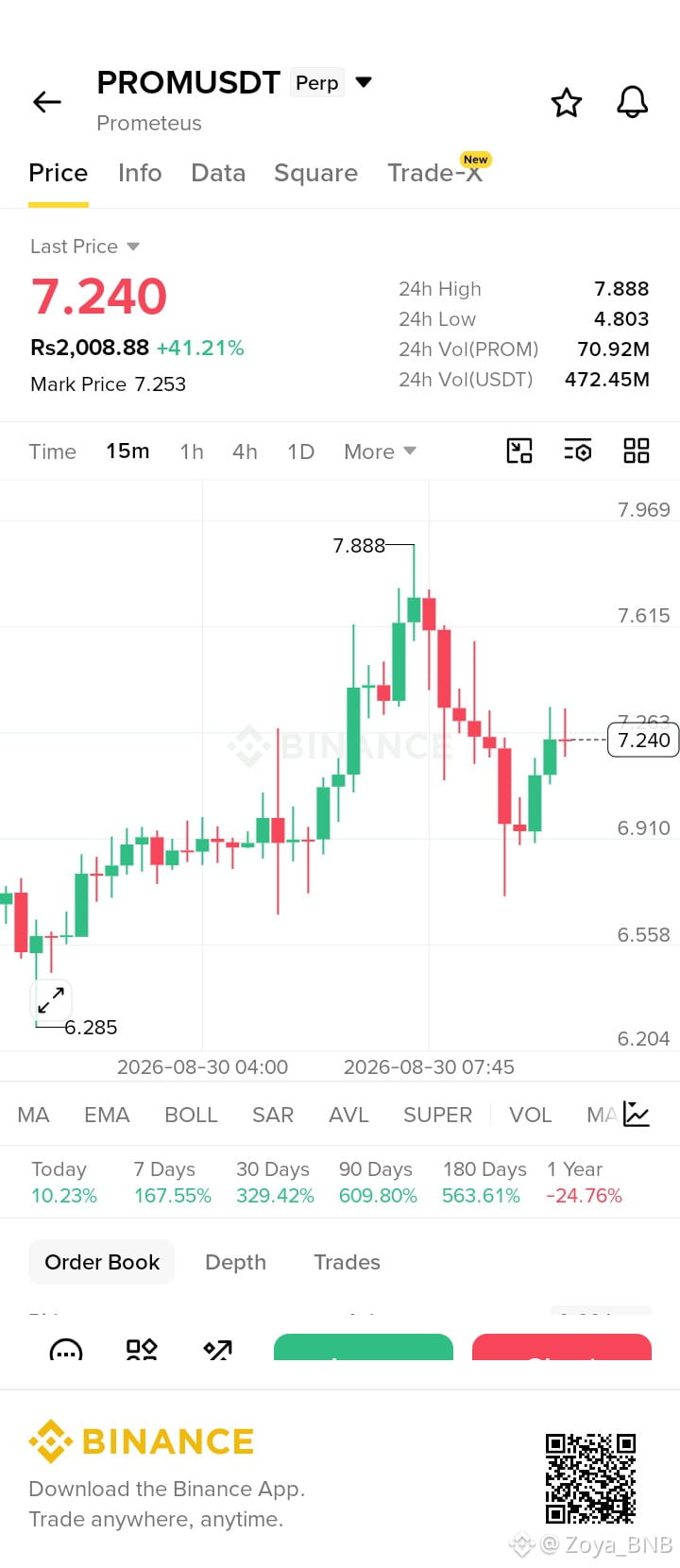
PROMUSDT – LONG (СДЕРЖИВАНИЕ ПРОБОЯ)
🚀 $PROM демонстрирует МАССИВНЫЙ бычий импульс с ВПЕЧАТЛЯЮЩИМ ростом +41,21%! Покупатели по-прежнему полностью контролируют ситуацию, а объем резко вырос до 472,45 млн USDT. Структура остается конструктивной: ликвидность находится примерно на уровне $7,888.
Точка входа (EP): $7.20 – $7.25
Цели (TP1): $7.45
Цель (TP2): $7.65
Цель (TP3): $7.888
Стоп-лосс (SL): $6.90
Ликвидность была выбита около $4.803, прежде чем последовала сильная реакция со стороны покупателей. Структура остается конструктивной выше $6.90, при этом ликвидность размещена примерно на уровне $7.888. Объем за 24 часа колоссальный — 70,92 млн PROM, что подтверждает сильный институциональный интерес. Рост за 30 дней составляет 329,42%, а за 90 дней — 609,80%: это ралли имеет серьезный потенциал!
Вперед, $PROM 🚀
PROMUSDT – LONG (СДЕРЖИВАНИЕ ПРОБОЯ)
🚀 $PROM демонстрирует МАССИВНЫЙ бычий импульс с ВПЕЧАТЛЯЮЩИМ ростом +41,21%! Покупатели по-прежнему полностью контролируют ситуацию, а объем резко вырос до 472,45 млн USDT. Структура остается конструктивной: ликвидность находится примерно на уровне $7,888.
Точка входа (EP): $7.20 – $7.25
Цели (TP1): $7.45
Цель (TP2): $7.65
Цель (TP3): $7.888
Стоп-лосс (SL): $6.90
Ликвидность была выбита около $4.803, прежде чем последовала сильная реакция со стороны покупателей. Структура остается конструктивной выше $6.90, при этом ликвидность размещена примерно на уровне $7.888. Объем за 24 часа колоссальный — 70,92 млн PROM, что подтверждает сильный институциональный интерес. Рост за 30 дней составляет 329,42%, а за 90 дней — 609,80%: это ралли имеет серьезный потенциал!
Вперед, $PROM 🚀
🚀 $PROM демонстрирует МАССИВНЫЙ бычий импульс с ВПЕЧАТЛЯЮЩИМ ростом +41,21%! Покупатели по-прежнему полностью контролируют ситуацию, а объем резко вырос до 472,45 млн USDT. Структура остается конструктивной: ликвидность находится примерно на уровне $7,888.
Точка входа (EP): $7.20 – $7.25
Цели (TP1): $7.45
Цель (TP2): $7.65
Цель (TP3): $7.888
Стоп-лосс (SL): $6.90
Ликвидность была выбита около $4.803, прежде чем последовала сильная реакция со стороны покупателей. Структура остается конструктивной выше $6.90, при этом ликвидность размещена примерно на уровне $7.888. Объем за 24 часа колоссальный — 70,92 млн PROM, что подтверждает сильный институциональный интерес. Рост за 30 дней составляет 329,42%, а за 90 дней — 609,80%: это ралли имеет серьезный потенциал!
Вперед, $PROM 🚀
1
3
104
·
--
Рост
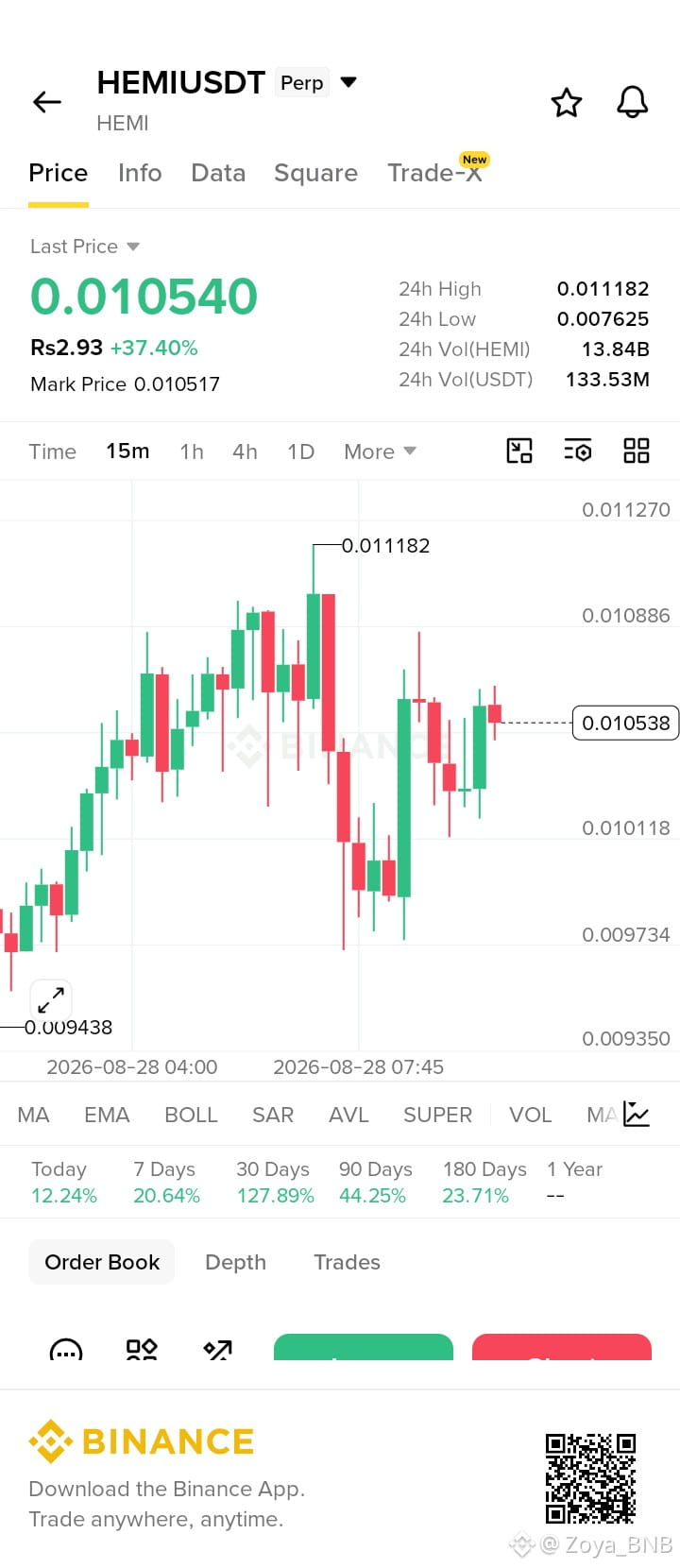
HEMIUSDT – LONG (BREAKOUT PLAY)
🚀 $HEMI демонстрирует огромный бычий импульс с впечатляющим ростом +37.40%! Покупатели по-прежнему полностью контролируют ситуацию, а объем резко вырос до 133.53M USDT. Структура остается конструктивной: ликвидность держится примерно на $0.011182.
EP: $0.01050 – $0.01055
TP1: $0.01080
TP2: $0.01100
TP3: $0.011182
SL: $0.01020
Ликвидность была выметена около $0.007625, прежде чем последовала сильная реакция со стороны покупателей. Структура остается конструктивной выше $0.01020, при этом ликвидность находится примерно на $0.011182. Объем за 24 часа колоссальный — 13.84B HEMI, что подтверждает сильный институциональный интерес. Рост за 30 дней на 127.89% показывает, что у этого ралли есть серьезный потенциал!
Поехали $HEMI
{future}(HEMIUSDT)
HEMIUSDT – LONG (BREAKOUT PLAY)
🚀 $HEMI демонстрирует огромный бычий импульс с впечатляющим ростом +37.40%! Покупатели по-прежнему полностью контролируют ситуацию, а объем резко вырос до 133.53M USDT. Структура остается конструктивной: ликвидность держится примерно на $0.011182.
EP: $0.01050 – $0.01055
TP1: $0.01080
TP2: $0.01100
TP3: $0.011182
SL: $0.01020
Ликвидность была выметена около $0.007625, прежде чем последовала сильная реакция со стороны покупателей. Структура остается конструктивной выше $0.01020, при этом ликвидность находится примерно на $0.011182. Объем за 24 часа колоссальный — 13.84B HEMI, что подтверждает сильный институциональный интерес. Рост за 30 дней на 127.89% показывает, что у этого ралли есть серьезный потенциал!
Поехали $HEMI
🚀 $HEMI демонстрирует огромный бычий импульс с впечатляющим ростом +37.40%! Покупатели по-прежнему полностью контролируют ситуацию, а объем резко вырос до 133.53M USDT. Структура остается конструктивной: ликвидность держится примерно на $0.011182.
EP: $0.01050 – $0.01055
TP1: $0.01080
TP2: $0.01100
TP3: $0.011182
SL: $0.01020
Ликвидность была выметена около $0.007625, прежде чем последовала сильная реакция со стороны покупателей. Структура остается конструктивной выше $0.01020, при этом ликвидность находится примерно на $0.011182. Объем за 24 часа колоссальный — 13.84B HEMI, что подтверждает сильный институциональный интерес. Рост за 30 дней на 127.89% показывает, что у этого ралли есть серьезный потенциал!
Поехали $HEMI
2
121
·
--
прошлой ночью я пялился в банковское приложение и думал о том, сколько финансовых данных мы бездумно раскрываем просто чтобы перевести деньги.
и тут до меня дошло — у институтов обратная проблема.
им нужна приватность.
но им также нужно доказательство.
вот где становится интересно Dusk.
регулируемый институт не может просто сказать: «поверьте, эта транзакция соответствует требованиям». Регулятору может понадобиться доказательство того, что инвестор имеет право, перевод соблюдает лимиты, а актив следовал своим ограничениям — при этом не нужно видеть каждый баланс, личность или детали торговли.
в этом обещание ZK.
докажи правило.
скрой исходные данные.
но, по правде говоря, сложная часть не в математике.
сложная часть — в схемe.
доказательство ZK может быть совершенно корректным, но при этом доказывать неверное, если логика соответствия неполная. Добавьте правила права, проверки юрисдикции, периоды удержания, ограничения на переводы, учетные данные, аудиты и принудительные действия — и вдруг приватность превращается в серьезную инженерную задачу.
и есть еще точка трения: метаданные, поведение кошельков, потоки ликвидности и инфраструктура раскрытия все равно могут утекать информацию.
Dusk не нужна максимальная приватность.
нужна минимальная раскрываемость + максимальная проверяемость.
это и есть институциональная борьба.
@Dusk_Foundation #dusk $DUSK
прошлой ночью я пялился в банковское приложение и думал о том, сколько финансовых данных мы бездумно раскрываем просто чтобы перевести деньги.
и тут до меня дошло — у институтов обратная проблема.
им нужна приватность.
но им также нужно доказательство.
вот где становится интересно Dusk.
регулируемый институт не может просто сказать: «поверьте, эта транзакция соответствует требованиям». Регулятору может понадобиться доказательство того, что инвестор имеет право, перевод соблюдает лимиты, а актив следовал своим ограничениям — при этом не нужно видеть каждый баланс, личность или детали торговли.
в этом обещание ZK.
докажи правило.
скрой исходные данные.
но, по правде говоря, сложная часть не в математике.
сложная часть — в схемe.
доказательство ZK может быть совершенно корректным, но при этом доказывать неверное, если логика соответствия неполная. Добавьте правила права, проверки юрисдикции, периоды удержания, ограничения на переводы, учетные данные, аудиты и принудительные действия — и вдруг приватность превращается в серьезную инженерную задачу.
и есть еще точка трения: метаданные, поведение кошельков, потоки ликвидности и инфраструктура раскрытия все равно могут утекать информацию.
Dusk не нужна максимальная приватность.
нужна минимальная раскрываемость + максимальная проверяемость.
это и есть институциональная борьба.
@Dusk #dusk $DUSK
и тут до меня дошло — у институтов обратная проблема.
им нужна приватность.
но им также нужно доказательство.
вот где становится интересно Dusk.
регулируемый институт не может просто сказать: «поверьте, эта транзакция соответствует требованиям». Регулятору может понадобиться доказательство того, что инвестор имеет право, перевод соблюдает лимиты, а актив следовал своим ограничениям — при этом не нужно видеть каждый баланс, личность или детали торговли.
в этом обещание ZK.
докажи правило.
скрой исходные данные.
но, по правде говоря, сложная часть не в математике.
сложная часть — в схемe.
доказательство ZK может быть совершенно корректным, но при этом доказывать неверное, если логика соответствия неполная. Добавьте правила права, проверки юрисдикции, периоды удержания, ограничения на переводы, учетные данные, аудиты и принудительные действия — и вдруг приватность превращается в серьезную инженерную задачу.
и есть еще точка трения: метаданные, поведение кошельков, потоки ликвидности и инфраструктура раскрытия все равно могут утекать информацию.
Dusk не нужна максимальная приватность.
нужна минимальная раскрываемость + максимальная проверяемость.
это и есть институциональная борьба.
@Dusk #dusk $DUSK
3
156
·
--
Рост
Проверено
🚨 Появилась инфраструктура следующего поколения для финансов
Dusk Network — это AI-оптимизированный L1-блокчейн, созданный специально для конфиденциальных финансов корпоративного уровня.
⚡ Конфиденциальные смарт-контракты: выполняйте сложную финансовую логику с нулевым знанием и криптографической приватностью.
🔐 Конфиденциальность с нулевым разглашением: защищайте собственные корпоративные данные, не ставя под угрозу регуляторный надзор.
📜 Соответствие стандарту XSC: нативная структура, разработанная для поддержки правовой комплаенс-совместимости и автоматизированной эмиссии активов.
🏦 Архитектура масштаба организаций: соединяем традиционные рынки капитала с децентрализованной ликвидностью.
В то время как традиционные публичные блокчейны по умолчанию раскрывают телеметрию транзакций, Dusk Network обеспечивает полную конфиденциальность для переходов состояния и балансов аккаунтов.
Конфиденциальность — не надстройка.
Это базовая архитектура протокола.
Добро пожаловать в будущее институциональных децентрализованных финансов. 🌐
{spot}(DUSKUSDT)
#dusk $DUSK @Dusk_Foundation
🚨 Появилась инфраструктура следующего поколения для финансов
Dusk Network — это AI-оптимизированный L1-блокчейн, созданный специально для конфиденциальных финансов корпоративного уровня.
⚡ Конфиденциальные смарт-контракты: выполняйте сложную финансовую логику с нулевым знанием и криптографической приватностью.
🔐 Конфиденциальность с нулевым разглашением: защищайте собственные корпоративные данные, не ставя под угрозу регуляторный надзор.
📜 Соответствие стандарту XSC: нативная структура, разработанная для поддержки правовой комплаенс-совместимости и автоматизированной эмиссии активов.
🏦 Архитектура масштаба организаций: соединяем традиционные рынки капитала с децентрализованной ликвидностью.
В то время как традиционные публичные блокчейны по умолчанию раскрывают телеметрию транзакций, Dusk Network обеспечивает полную конфиденциальность для переходов состояния и балансов аккаунтов.
Конфиденциальность — не надстройка.
Это базовая архитектура протокола.
Добро пожаловать в будущее институциональных децентрализованных финансов. 🌐
#dusk $DUSK @Dusk
Dusk Network — это AI-оптимизированный L1-блокчейн, созданный специально для конфиденциальных финансов корпоративного уровня.
⚡ Конфиденциальные смарт-контракты: выполняйте сложную финансовую логику с нулевым знанием и криптографической приватностью.
🔐 Конфиденциальность с нулевым разглашением: защищайте собственные корпоративные данные, не ставя под угрозу регуляторный надзор.
📜 Соответствие стандарту XSC: нативная структура, разработанная для поддержки правовой комплаенс-совместимости и автоматизированной эмиссии активов.
🏦 Архитектура масштаба организаций: соединяем традиционные рынки капитала с децентрализованной ликвидностью.
В то время как традиционные публичные блокчейны по умолчанию раскрывают телеметрию транзакций, Dusk Network обеспечивает полную конфиденциальность для переходов состояния и балансов аккаунтов.
Конфиденциальность — не надстройка.
Это базовая архитектура протокола.
Добро пожаловать в будущее институциональных децентрализованных финансов. 🌐
#dusk $DUSK @Dusk
1
2
109
·
--
Рост
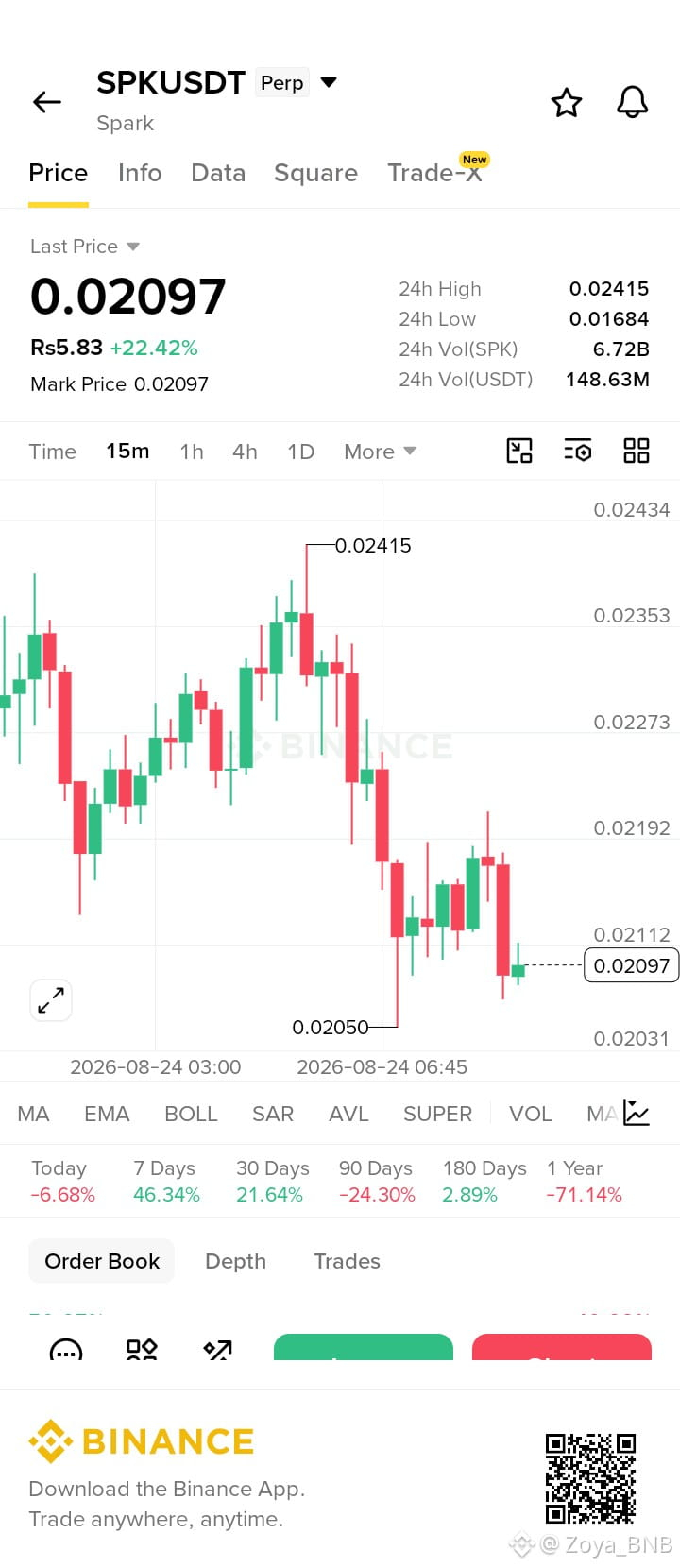
SPKUSDT – LONG (ПРОРЫВ)
🚀 демонстрирует сильный восходящий импульс после масштабного роста +22.42%! Покупатели всё ещё контролируют ситуацию: объём взлетел до 148.63M USDT. Структура остаётся конструктивной, а ликвидность держится около $0.02415.
EP: $0.02090 – $0.02100
TP1: $0.02200
TP2: $0.02300
TP3: $0.02415
SL: $0.02000
Ликвидность была выметена около $0.01684, прежде чем последовала сильная реакция со стороны покупателей. Структура остаётся конструктивной выше $0.02000, при этом ликвидность держится около $0.02415. Объём за 24ч огромный — 6.72B SPK, что подтверждает сильный институциональный интерес. Рост за 7 дней на 46.34% показывает, что этот ралли имеет серьёзные основания!
Поехали $SPK 🚀
{future}(SPKUSDT)
SPKUSDT – LONG (ПРОРЫВ)
🚀 демонстрирует сильный восходящий импульс после масштабного роста +22.42%! Покупатели всё ещё контролируют ситуацию: объём взлетел до 148.63M USDT. Структура остаётся конструктивной, а ликвидность держится около $0.02415.
EP: $0.02090 – $0.02100
TP1: $0.02200
TP2: $0.02300
TP3: $0.02415
SL: $0.02000
Ликвидность была выметена около $0.01684, прежде чем последовала сильная реакция со стороны покупателей. Структура остаётся конструктивной выше $0.02000, при этом ликвидность держится около $0.02415. Объём за 24ч огромный — 6.72B SPK, что подтверждает сильный институциональный интерес. Рост за 7 дней на 46.34% показывает, что этот ралли имеет серьёзные основания!
Поехали $SPK 🚀
🚀 демонстрирует сильный восходящий импульс после масштабного роста +22.42%! Покупатели всё ещё контролируют ситуацию: объём взлетел до 148.63M USDT. Структура остаётся конструктивной, а ликвидность держится около $0.02415.
EP: $0.02090 – $0.02100
TP1: $0.02200
TP2: $0.02300
TP3: $0.02415
SL: $0.02000
Ликвидность была выметена около $0.01684, прежде чем последовала сильная реакция со стороны покупателей. Структура остаётся конструктивной выше $0.02000, при этом ликвидность держится около $0.02415. Объём за 24ч огромный — 6.72B SPK, что подтверждает сильный институциональный интерес. Рост за 7 дней на 46.34% показывает, что этот ралли имеет серьёзные основания!
Поехали $SPK 🚀
2
152
·
--
Проверено
Сеть Dusk создана для конфиденциальности, которая действительно нужна регулируемым активам
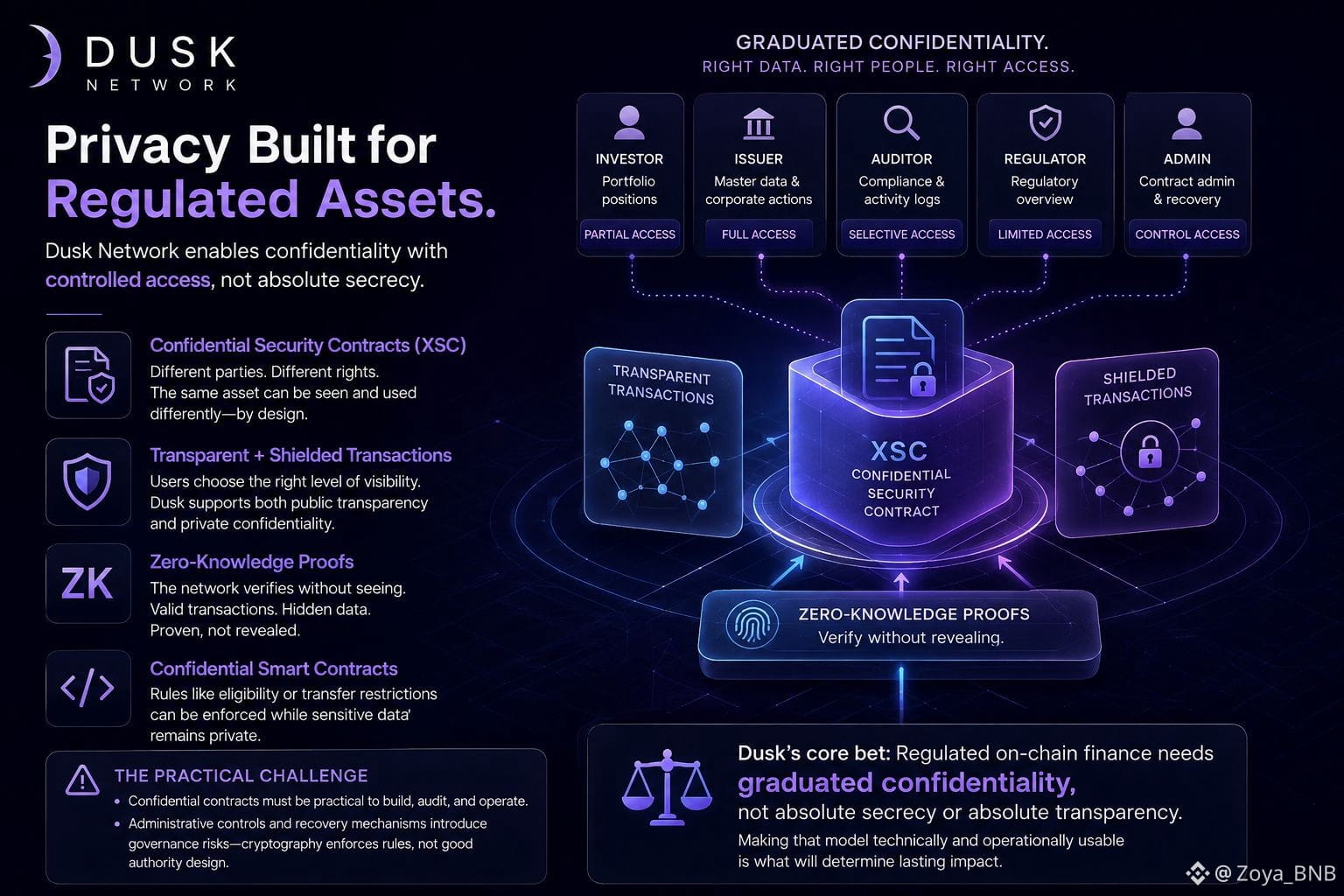
Самая отличительная идея сети Dusk — это не просто сокрытие финансовых данных. Она стремится согласовать конфиденциальность с неравномерными уровнями доступа и контроля, которые требуют регулируемые активы.
В этом и заключается логика ее стандарта Confidential Security Contract, XSC. Инвестору, эмитенту, аудитору или другой уполномоченной стороне могут потребоваться разные права в отношении одного и того же актива. Dusk стремится поддержать это, не размещая каждую позицию и деталь транзакции в полностью прозрачном реестре.
Ее архитектура сочетает модели прозрачных и экранированных (shielded) транзакций, а доказательства с нулевым разглашением (zero-knowledge proofs) позволяют сети валидировать частную активность, не раскрывая лежащие в основе данные. Самый сложный шаг — распространить эту идею на смарт-контракты, где правила вроде критериев допуска или ограничений на передачу должны соблюдаться, при этом чувствительная информация остается скрытой.
Это и формирует главную практическую проблему Dusk. Инфраструктура конфиденциальности полезна лишь тогда, когда конфиденциальные контракты остаются реалистичными для разработки, аудита и эксплуатации. Административные механизмы контроля и процедуры восстановления тоже порождают вопросы управления: криптография может обеспечивать соблюдение правил, но не может сделать небезопасными плохо спроектированные структуры полномочий.
Главная ставка Dusk в том, что регулируемым ончейн-финансам нужна ступенчатая (graduated) конфиденциальность, а не абсолютная секретность или абсолютная прозрачность. Техническая и операционная реализуемость этой модели и определит, есть ли у архитектуры Dusk реальная долгосрочная устойчивость.
#dusk $DUSK @Dusk_Foundation
Сеть Dusk создана для конфиденциальности, которая действительно нужна регулируемым активам
Самая отличительная идея сети Dusk — это не просто сокрытие финансовых данных. Она стремится согласовать конфиденциальность с неравномерными уровнями доступа и контроля, которые требуют регулируемые активы.
В этом и заключается логика ее стандарта Confidential Security Contract, XSC. Инвестору, эмитенту, аудитору или другой уполномоченной стороне могут потребоваться разные права в отношении одного и того же актива. Dusk стремится поддержать это, не размещая каждую позицию и деталь транзакции в полностью прозрачном реестре.
Ее архитектура сочетает модели прозрачных и экранированных (shielded) транзакций, а доказательства с нулевым разглашением (zero-knowledge proofs) позволяют сети валидировать частную активность, не раскрывая лежащие в основе данные. Самый сложный шаг — распространить эту идею на смарт-контракты, где правила вроде критериев допуска или ограничений на передачу должны соблюдаться, при этом чувствительная информация остается скрытой.
Это и формирует главную практическую проблему Dusk. Инфраструктура конфиденциальности полезна лишь тогда, когда конфиденциальные контракты остаются реалистичными для разработки, аудита и эксплуатации. Административные механизмы контроля и процедуры восстановления тоже порождают вопросы управления: криптография может обеспечивать соблюдение правил, но не может сделать небезопасными плохо спроектированные структуры полномочий.
Главная ставка Dusk в том, что регулируемым ончейн-финансам нужна ступенчатая (graduated) конфиденциальность, а не абсолютная секретность или абсолютная прозрачность. Техническая и операционная реализуемость этой модели и определит, есть ли у архитектуры Dusk реальная долгосрочная устойчивость.
#dusk $DUSK @Dusk
Самая отличительная идея сети Dusk — это не просто сокрытие финансовых данных. Она стремится согласовать конфиденциальность с неравномерными уровнями доступа и контроля, которые требуют регулируемые активы.
В этом и заключается логика ее стандарта Confidential Security Contract, XSC. Инвестору, эмитенту, аудитору или другой уполномоченной стороне могут потребоваться разные права в отношении одного и того же актива. Dusk стремится поддержать это, не размещая каждую позицию и деталь транзакции в полностью прозрачном реестре.
Ее архитектура сочетает модели прозрачных и экранированных (shielded) транзакций, а доказательства с нулевым разглашением (zero-knowledge proofs) позволяют сети валидировать частную активность, не раскрывая лежащие в основе данные. Самый сложный шаг — распространить эту идею на смарт-контракты, где правила вроде критериев допуска или ограничений на передачу должны соблюдаться, при этом чувствительная информация остается скрытой.
Это и формирует главную практическую проблему Dusk. Инфраструктура конфиденциальности полезна лишь тогда, когда конфиденциальные контракты остаются реалистичными для разработки, аудита и эксплуатации. Административные механизмы контроля и процедуры восстановления тоже порождают вопросы управления: криптография может обеспечивать соблюдение правил, но не может сделать небезопасными плохо спроектированные структуры полномочий.
Главная ставка Dusk в том, что регулируемым ончейн-финансам нужна ступенчатая (graduated) конфиденциальность, а не абсолютная секретность или абсолютная прозрачность. Техническая и операционная реализуемость этой модели и определит, есть ли у архитектуры Dusk реальная долгосрочная устойчивость.
#dusk $DUSK @Dusk
1
4
125
·
--
Рост
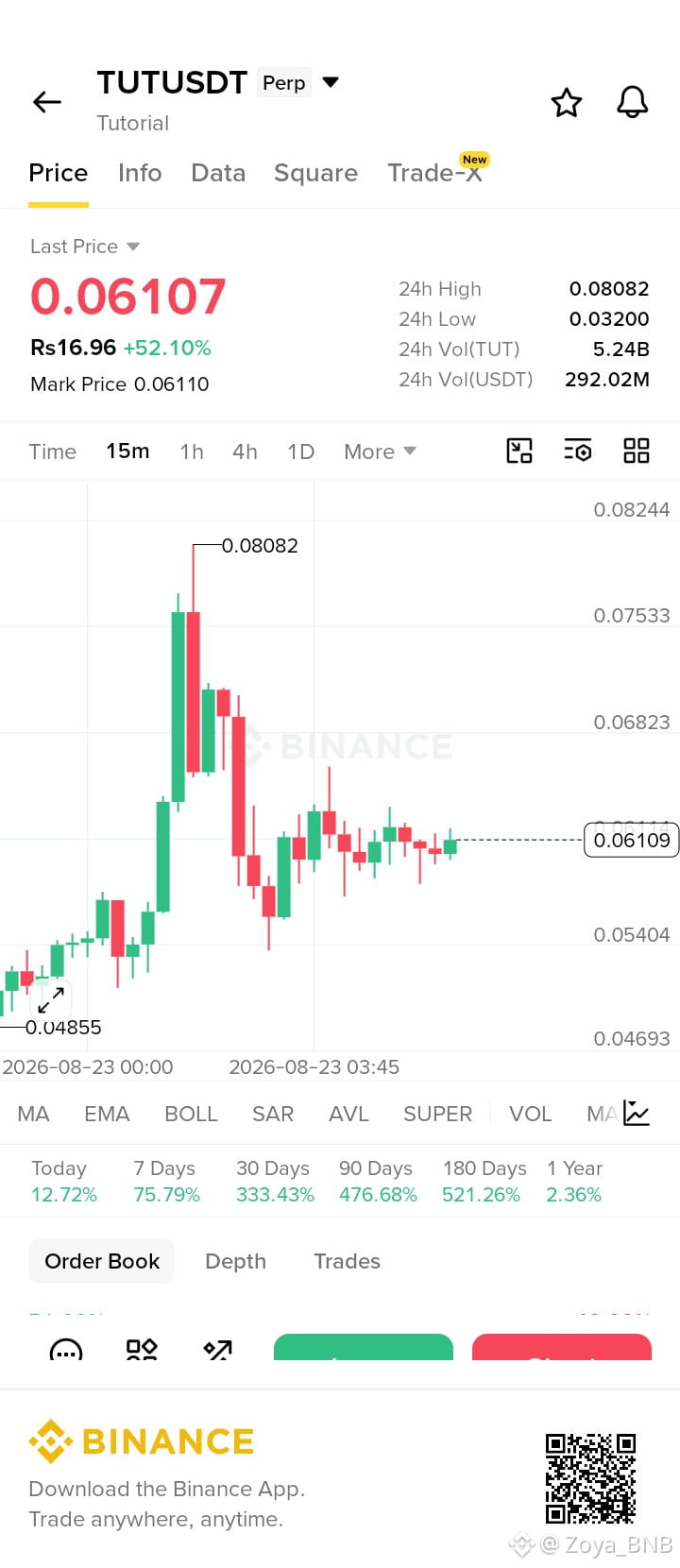
TUTUSDT – ДОЛГИЙ
🚀 $TUT показывает мощный бычий импульс после взрывного ралли от $0.03200! Покупатели по-прежнему полностью контролируют ситуацию — объем резко вырос до 292.02M USDT. Структура остается конструктивной: ликвидность держится примерно на $0.08082.
EP: $0.06050 – $0.06150
TP1: $0.06500
TP2: $0.07000
TP3: $0.08082
SL: $0.05500
Ликвидность была снята в районе $0.03200, прежде чем последовала сильная реакция со стороны покупателей. Структура остается конструктивной выше $0.05500, при этом ликвидность сосредоточена примерно на $0.08082. Объем за 24ч огромный — 5.24B TUT, что подтверждает сильный институциональный интерес. Рост за 7 дней составляет 75.79%, а за 30 дней — 333.43%: это ралли явно имеет потенциал. При 24-часовом максимуме на уровне $0.08082 мы можем увидеть повторный тест этого уровня уже совсем скоро. Тренд — твой друг — и прямо сейчас тренд однозначно идет вверх!
Погнали $TUT
{future}(TUTUSDT)
TUTUSDT – ДОЛГИЙ
🚀 $TUT показывает мощный бычий импульс после взрывного ралли от $0.03200! Покупатели по-прежнему полностью контролируют ситуацию — объем резко вырос до 292.02M USDT. Структура остается конструктивной: ликвидность держится примерно на $0.08082.
EP: $0.06050 – $0.06150
TP1: $0.06500
TP2: $0.07000
TP3: $0.08082
SL: $0.05500
Ликвидность была снята в районе $0.03200, прежде чем последовала сильная реакция со стороны покупателей. Структура остается конструктивной выше $0.05500, при этом ликвидность сосредоточена примерно на $0.08082. Объем за 24ч огромный — 5.24B TUT, что подтверждает сильный институциональный интерес. Рост за 7 дней составляет 75.79%, а за 30 дней — 333.43%: это ралли явно имеет потенциал. При 24-часовом максимуме на уровне $0.08082 мы можем увидеть повторный тест этого уровня уже совсем скоро. Тренд — твой друг — и прямо сейчас тренд однозначно идет вверх!
Погнали $TUT
🚀 $TUT показывает мощный бычий импульс после взрывного ралли от $0.03200! Покупатели по-прежнему полностью контролируют ситуацию — объем резко вырос до 292.02M USDT. Структура остается конструктивной: ликвидность держится примерно на $0.08082.
EP: $0.06050 – $0.06150
TP1: $0.06500
TP2: $0.07000
TP3: $0.08082
SL: $0.05500
Ликвидность была снята в районе $0.03200, прежде чем последовала сильная реакция со стороны покупателей. Структура остается конструктивной выше $0.05500, при этом ликвидность сосредоточена примерно на $0.08082. Объем за 24ч огромный — 5.24B TUT, что подтверждает сильный институциональный интерес. Рост за 7 дней составляет 75.79%, а за 30 дней — 333.43%: это ралли явно имеет потенциал. При 24-часовом максимуме на уровне $0.08082 мы можем увидеть повторный тест этого уровня уже совсем скоро. Тренд — твой друг — и прямо сейчас тренд однозначно идет вверх!
Погнали $TUT
1
280
·
--
Идея Dusk — конфиденциальность с доказательством, а не конфиденциальность сама по себе
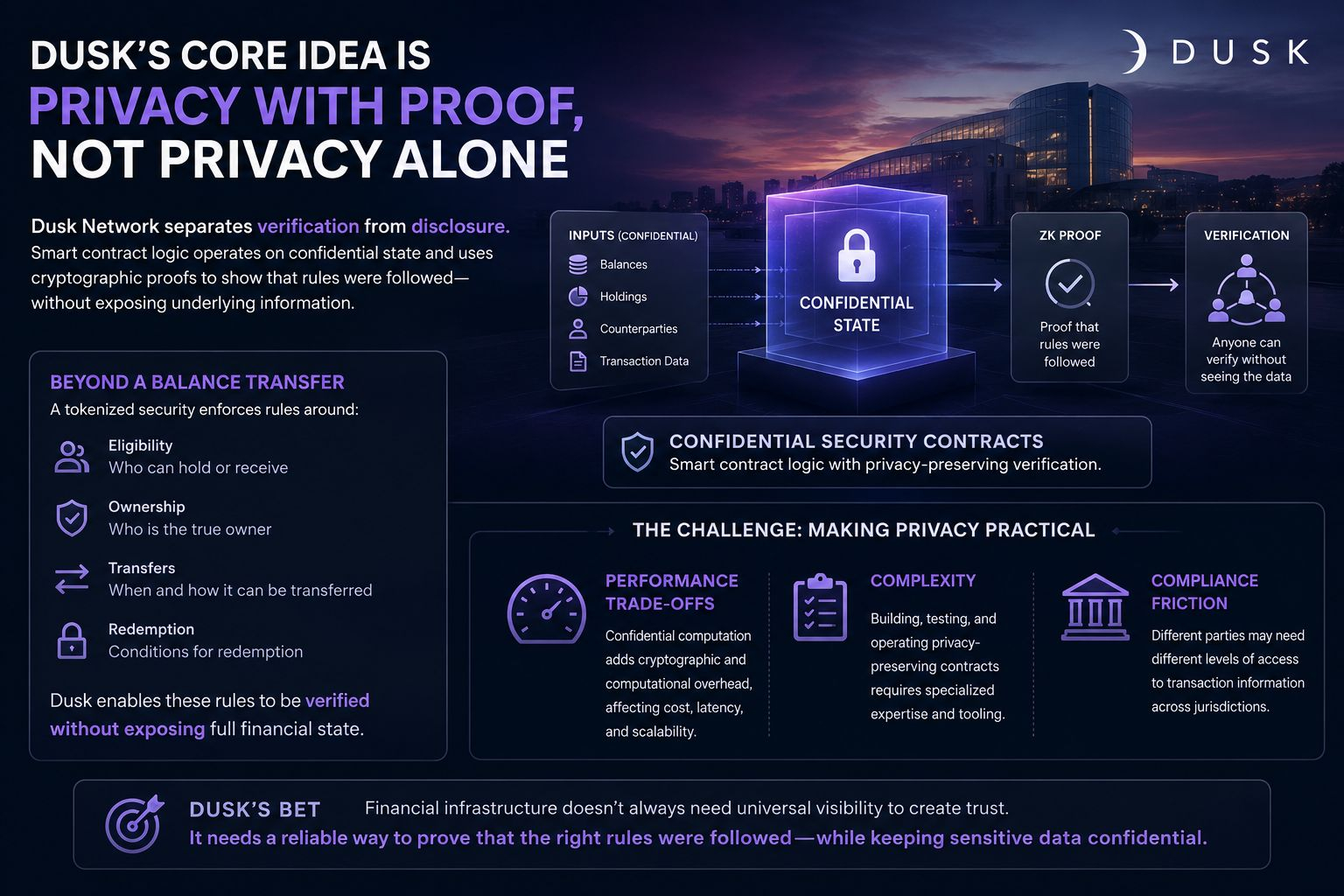
Самая важная идея сети Dusk заключается не просто в том, чтобы сделать активность в блокчейне приватной. Речь идет о разделении проверки и раскрытия.
Стандарт Confidential Security Contract позволяет логике смарт-контрактов работать с конфиденциальным состоянием, используя криптографические доказательства, чтобы показать, что правила были соблюдены, не раскрывая всю лежащую в основе информацию. Это различие важно для финансовых активов, где данные транзакций, активы и контрагенты могут быть коммерчески чувствительными, но при этом необходимо обеспечивать соблюдение правил владения и передачи.
Токенизированная ценная бумага, например, — это не просто баланс, который перемещается между адресами. В ней могут быть ограничения по правомочности, владению, передаче или выкупу. Подход Dusk разработан так, чтобы эти правила можно было проверять, не делая полное финансовое состояние видимым для каждого участника.
Проблема — сделать это практичным. Конфиденциальные вычисления добавляют криптографические и вычислительные издержки, что может повлиять на стоимость, задержки и операционную сложность. Также соблюдение требований создает трение, потому что разным сторонам могут понадобиться разные уровни доступа к информации о транзакциях.
Вот на что реально делает ставку Dusk: финансовой инфраструктуре не всегда нужна универсальная видимость, чтобы создавать доверие. Ей нужен надежный способ доказать, что были соблюдены правильные правила, сохраняя при этом конфиденциальность чувствительных данных.
#dusk
$DUSK @Dusk_Foundation
Идея Dusk — конфиденциальность с доказательством, а не конфиденциальность сама по себе
Самая важная идея сети Dusk заключается не просто в том, чтобы сделать активность в блокчейне приватной. Речь идет о разделении проверки и раскрытия.
Стандарт Confidential Security Contract позволяет логике смарт-контрактов работать с конфиденциальным состоянием, используя криптографические доказательства, чтобы показать, что правила были соблюдены, не раскрывая всю лежащую в основе информацию. Это различие важно для финансовых активов, где данные транзакций, активы и контрагенты могут быть коммерчески чувствительными, но при этом необходимо обеспечивать соблюдение правил владения и передачи.
Токенизированная ценная бумага, например, — это не просто баланс, который перемещается между адресами. В ней могут быть ограничения по правомочности, владению, передаче или выкупу. Подход Dusk разработан так, чтобы эти правила можно было проверять, не делая полное финансовое состояние видимым для каждого участника.
Проблема — сделать это практичным. Конфиденциальные вычисления добавляют криптографические и вычислительные издержки, что может повлиять на стоимость, задержки и операционную сложность. Также соблюдение требований создает трение, потому что разным сторонам могут понадобиться разные уровни доступа к информации о транзакциях.
Вот на что реально делает ставку Dusk: финансовой инфраструктуре не всегда нужна универсальная видимость, чтобы создавать доверие. Ей нужен надежный способ доказать, что были соблюдены правильные правила, сохраняя при этом конфиденциальность чувствительных данных.
#dusk
$DUSK @Dusk
Самая важная идея сети Dusk заключается не просто в том, чтобы сделать активность в блокчейне приватной. Речь идет о разделении проверки и раскрытия.
Стандарт Confidential Security Contract позволяет логике смарт-контрактов работать с конфиденциальным состоянием, используя криптографические доказательства, чтобы показать, что правила были соблюдены, не раскрывая всю лежащую в основе информацию. Это различие важно для финансовых активов, где данные транзакций, активы и контрагенты могут быть коммерчески чувствительными, но при этом необходимо обеспечивать соблюдение правил владения и передачи.
Токенизированная ценная бумага, например, — это не просто баланс, который перемещается между адресами. В ней могут быть ограничения по правомочности, владению, передаче или выкупу. Подход Dusk разработан так, чтобы эти правила можно было проверять, не делая полное финансовое состояние видимым для каждого участника.
Проблема — сделать это практичным. Конфиденциальные вычисления добавляют криптографические и вычислительные издержки, что может повлиять на стоимость, задержки и операционную сложность. Также соблюдение требований создает трение, потому что разным сторонам могут понадобиться разные уровни доступа к информации о транзакциях.
Вот на что реально делает ставку Dusk: финансовой инфраструктуре не всегда нужна универсальная видимость, чтобы создавать доверие. Ей нужен надежный способ доказать, что были соблюдены правильные правила, сохраняя при этом конфиденциальность чувствительных данных.
#dusk
$DUSK @Dusk
2
4
123
·
--
Проверено
#dusk Механизм ядра Сумерек программируем для конфиденциальности
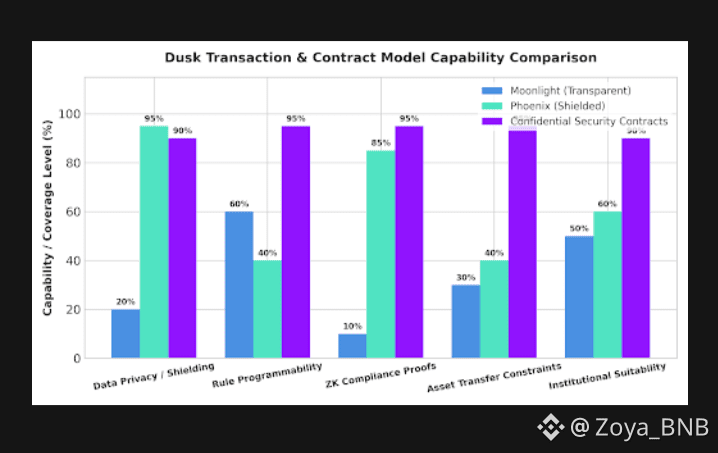
Самая важная структурная особенность сети Dusk — это не приватность как таковая, а возможность сочетать конфиденциальное выполнение с исполнимыми финансовыми правилами. Архитектура разделяет расчет через DuskDS и выполнение, поддерживая при этом прозрачные транзакции Moonlight и защищённые транзакции Phoenix. Стандарт Confidential Security Contract расширяет эту модель на регулируемые активы, встраивая ограничения передачи, правомочности и владения в логику контракта, не требуя превращать каждый базовый элемент данных в публичный. Доказательства с нулевым разглашением, поддерживаемые доказательствами на основе PLONK и криптографическим стеком сети, лежат в основе этого дизайна, поскольку комплаенс можно продемонстрировать без раскрытия полного состояния транзакции.
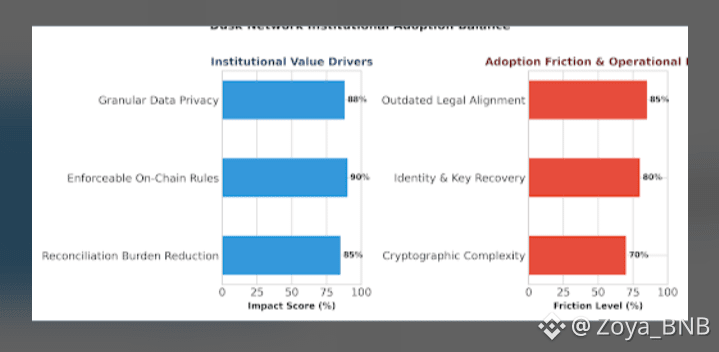
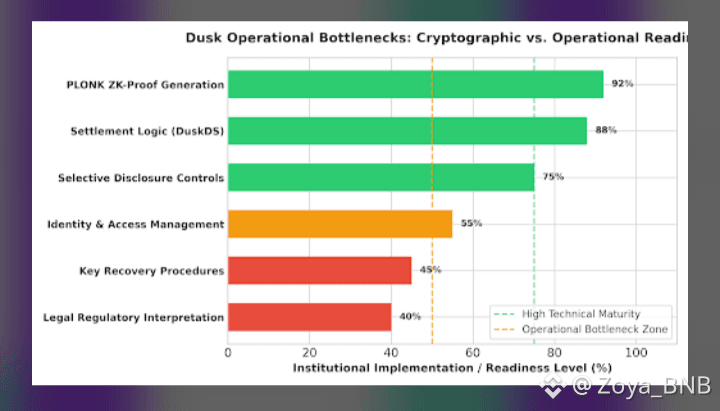
Узкое место в выполнении скорее операционное, чем чисто криптографическое. Эффективные доказательства не решают управление идентичностями, восстановление ключей, выборочное раскрытие или юридическую интерпретацию программируемых ограничений. Институтам также нужны надёжная отчётность и понятные процедуры, позволяющие определять, кто имеет доступ к конфиденциальной информации. Контракт может устанавливать правило точно, оставаясь при этом отражающим устаревшее либо неверно истолкованное требование регулятора.
Это и есть реальный институциональный тест для Dusk. Принятие зависит от того, снижают ли конфиденциальные ончейн-рабочие процессы затраты на сверку и обмен данными в существующей финансовой инфраструктуре, не вводя при этом новый слой криптографической и операционной сложности. Ценность протокола — в программировании границы между раскрытием и конфиденциальностью, но эта граница также должна работать в рамках систем кастоди, комплаенса и права, которые код блокчейна не контролирует.
$DUSK @Dusk_Foundation
#dusk Механизм ядра Сумерек программируем для конфиденциальности
Самая важная структурная особенность сети Dusk — это не приватность как таковая, а возможность сочетать конфиденциальное выполнение с исполнимыми финансовыми правилами. Архитектура разделяет расчет через DuskDS и выполнение, поддерживая при этом прозрачные транзакции Moonlight и защищённые транзакции Phoenix. Стандарт Confidential Security Contract расширяет эту модель на регулируемые активы, встраивая ограничения передачи, правомочности и владения в логику контракта, не требуя превращать каждый базовый элемент данных в публичный. Доказательства с нулевым разглашением, поддерживаемые доказательствами на основе PLONK и криптографическим стеком сети, лежат в основе этого дизайна, поскольку комплаенс можно продемонстрировать без раскрытия полного состояния транзакции.
Узкое место в выполнении скорее операционное, чем чисто криптографическое. Эффективные доказательства не решают управление идентичностями, восстановление ключей, выборочное раскрытие или юридическую интерпретацию программируемых ограничений. Институтам также нужны надёжная отчётность и понятные процедуры, позволяющие определять, кто имеет доступ к конфиденциальной информации. Контракт может устанавливать правило точно, оставаясь при этом отражающим устаревшее либо неверно истолкованное требование регулятора.
Это и есть реальный институциональный тест для Dusk. Принятие зависит от того, снижают ли конфиденциальные ончейн-рабочие процессы затраты на сверку и обмен данными в существующей финансовой инфраструктуре, не вводя при этом новый слой криптографической и операционной сложности. Ценность протокола — в программировании границы между раскрытием и конфиденциальностью, но эта граница также должна работать в рамках систем кастоди, комплаенса и права, которые код блокчейна не контролирует.
$DUSK @Dusk
Самая важная структурная особенность сети Dusk — это не приватность как таковая, а возможность сочетать конфиденциальное выполнение с исполнимыми финансовыми правилами. Архитектура разделяет расчет через DuskDS и выполнение, поддерживая при этом прозрачные транзакции Moonlight и защищённые транзакции Phoenix. Стандарт Confidential Security Contract расширяет эту модель на регулируемые активы, встраивая ограничения передачи, правомочности и владения в логику контракта, не требуя превращать каждый базовый элемент данных в публичный. Доказательства с нулевым разглашением, поддерживаемые доказательствами на основе PLONK и криптографическим стеком сети, лежат в основе этого дизайна, поскольку комплаенс можно продемонстрировать без раскрытия полного состояния транзакции.
Узкое место в выполнении скорее операционное, чем чисто криптографическое. Эффективные доказательства не решают управление идентичностями, восстановление ключей, выборочное раскрытие или юридическую интерпретацию программируемых ограничений. Институтам также нужны надёжная отчётность и понятные процедуры, позволяющие определять, кто имеет доступ к конфиденциальной информации. Контракт может устанавливать правило точно, оставаясь при этом отражающим устаревшее либо неверно истолкованное требование регулятора.
Это и есть реальный институциональный тест для Dusk. Принятие зависит от того, снижают ли конфиденциальные ончейн-рабочие процессы затраты на сверку и обмен данными в существующей финансовой инфраструктуре, не вводя при этом новый слой криптографической и операционной сложности. Ценность протокола — в программировании границы между раскрытием и конфиденциальностью, но эта граница также должна работать в рамках систем кастоди, комплаенса и права, которые код блокчейна не контролирует.
$DUSK @Dusk
7
8
143
·
--
Рост
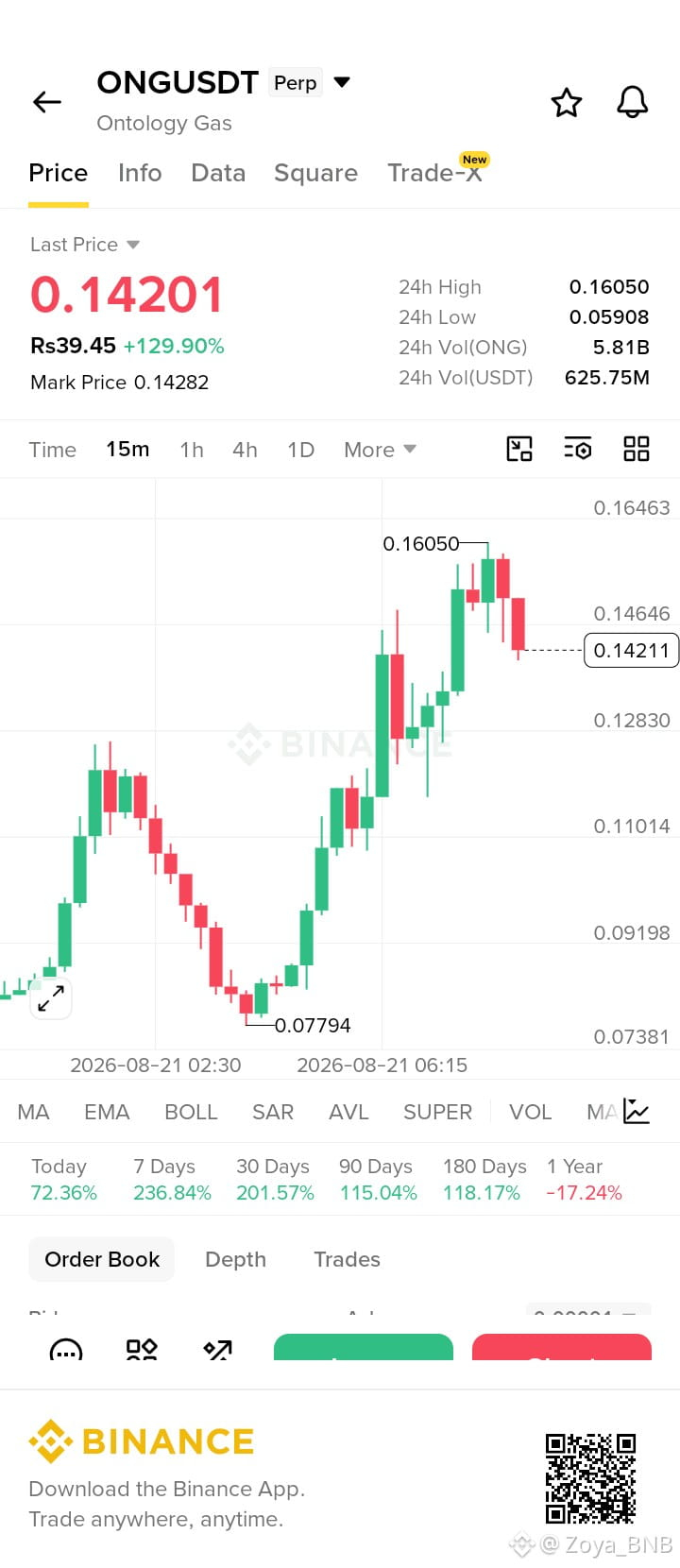
$ONG USDT – LONG (+129.90%)
🚀 ПАРНИ, Я ЗАХОЖУ В LONG — СИЛЬНАЯ СЕТАП-СХЕМА, МАССИВНЫЙ ПРОРЫВ!
ONG буквально взрывается с ошеломляющим ростом +129,90%! Это не просто памп — это полноценный пробой из зоны накопления за несколько месяцев. Объём астрономический: 625,75 млн USDT, что подтверждает, что в рынок заходят институциональные деньги. Быки полностью взяли контроль, и этому ралли пока нет конца!
Вход: $0.1400 – $0.1420
SL: $0.1300
TP1: $0.1550
TP2: $0.1650
TP3: $0.1800
24-часовой хай — $0.16050, и мы видим чистый пробой сопротивления. RSI показывает сильный импульс, а MACD сигналит о мощном бычьем продолжении. Рост за сегодня: 72,36%, за 7 дней: 236,84%, за 30 дней: 201,57% — тренд однозначно бычий!
Это высоковероятный long-сетап с отличным соотношением риска к прибыли. Не пропустите этот ракето-импульс — ONG сейчас растёт сильнее всего в рынке. Катитесь вверх уверенно, фиксируйте прибыль на целях и пусть импульс доведёт вас до массивных выгод!$ONG
{future}(ONGUSDT)
$ONG USDT – LONG (+129.90%)
🚀 ПАРНИ, Я ЗАХОЖУ В LONG — СИЛЬНАЯ СЕТАП-СХЕМА, МАССИВНЫЙ ПРОРЫВ!
ONG буквально взрывается с ошеломляющим ростом +129,90%! Это не просто памп — это полноценный пробой из зоны накопления за несколько месяцев. Объём астрономический: 625,75 млн USDT, что подтверждает, что в рынок заходят институциональные деньги. Быки полностью взяли контроль, и этому ралли пока нет конца!
Вход: $0.1400 – $0.1420
SL: $0.1300
TP1: $0.1550
TP2: $0.1650
TP3: $0.1800
24-часовой хай — $0.16050, и мы видим чистый пробой сопротивления. RSI показывает сильный импульс, а MACD сигналит о мощном бычьем продолжении. Рост за сегодня: 72,36%, за 7 дней: 236,84%, за 30 дней: 201,57% — тренд однозначно бычий!
Это высоковероятный long-сетап с отличным соотношением риска к прибыли. Не пропустите этот ракето-импульс — ONG сейчас растёт сильнее всего в рынке. Катитесь вверх уверенно, фиксируйте прибыль на целях и пусть импульс доведёт вас до массивных выгод!$ONG
🚀 ПАРНИ, Я ЗАХОЖУ В LONG — СИЛЬНАЯ СЕТАП-СХЕМА, МАССИВНЫЙ ПРОРЫВ!
ONG буквально взрывается с ошеломляющим ростом +129,90%! Это не просто памп — это полноценный пробой из зоны накопления за несколько месяцев. Объём астрономический: 625,75 млн USDT, что подтверждает, что в рынок заходят институциональные деньги. Быки полностью взяли контроль, и этому ралли пока нет конца!
Вход: $0.1400 – $0.1420
SL: $0.1300
TP1: $0.1550
TP2: $0.1650
TP3: $0.1800
24-часовой хай — $0.16050, и мы видим чистый пробой сопротивления. RSI показывает сильный импульс, а MACD сигналит о мощном бычьем продолжении. Рост за сегодня: 72,36%, за 7 дней: 236,84%, за 30 дней: 201,57% — тренд однозначно бычий!
Это высоковероятный long-сетап с отличным соотношением риска к прибыли. Не пропустите этот ракето-импульс — ONG сейчас растёт сильнее всего в рынке. Катитесь вверх уверенно, фиксируйте прибыль на целях и пусть импульс доведёт вас до массивных выгод!$ONG
4
204
·
--
Рост
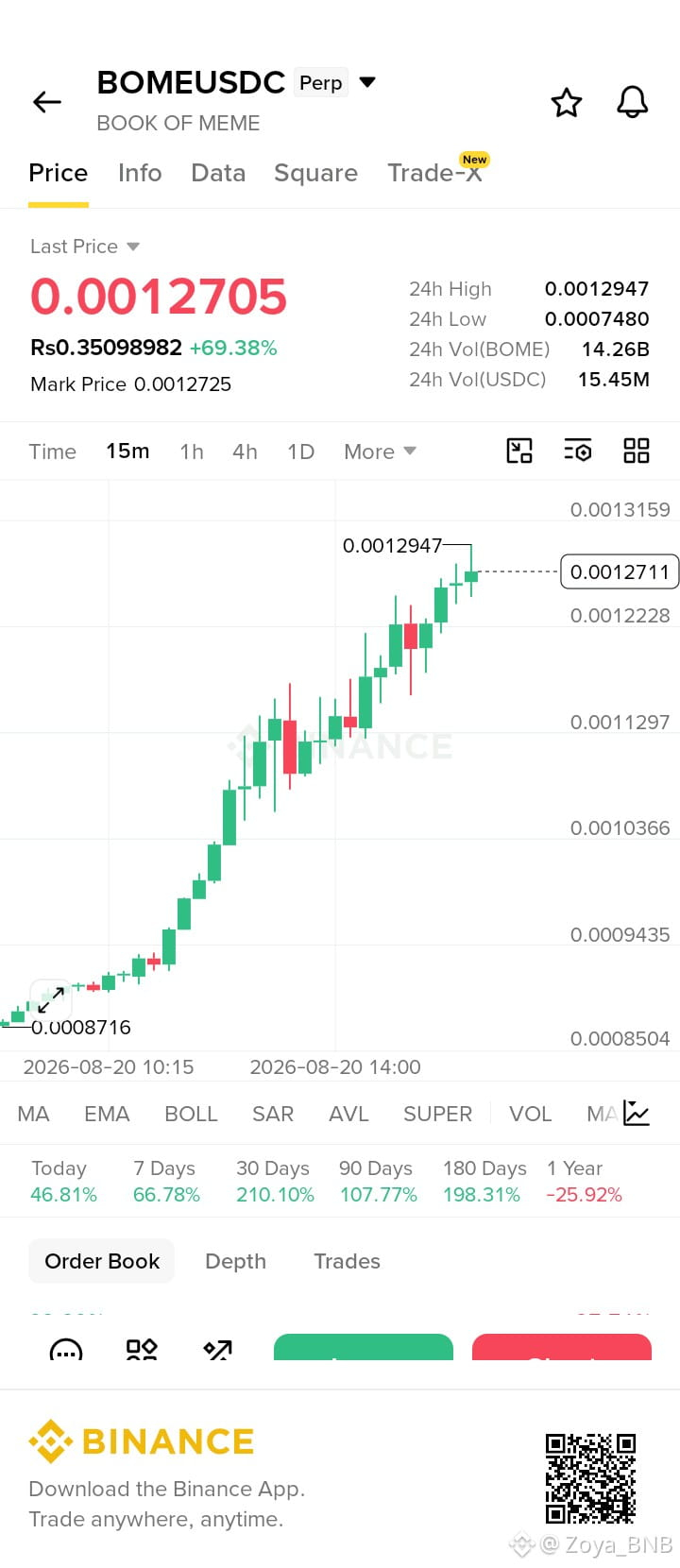
$BOME /USDC PERP – ОБНОВЛЕНИЕ РЫНКА
Текущая цена: $0.0012705 | +69,38% за сегодня | 24ч. Объем: 14,26B BOME
$BOME переживает мощный пробой: рост почти на 70% от 24-часового минимума $0.0007480. Всплеск объема до 14,26 млрд токенов указывает на сильный институциональный интерес, а не на спекуляции со стороны розницы. Цена по маркеру находится на уровне $0.0012725, очень близко к цене последней сделки, что подтверждает устойчивость рынка несмотря на резкое движение.
Уровни поддержки:
Непосредственная поддержка находится на $0.0012228, а более сильная — на $0.0011297. Пробой ниже этих уровней будет сигналом истощения.
Уровни сопротивления:
Ближайший потолок — на $0.00131459. Чистый пробой выше может запустить значительный восходящий импульс.
Цели:
Цель 1: $0.0014000
Цель 2: $0.0016000
Расширенная цель: $0.0020000
Стоп-лосс:
Консервативный стоп: $0.0012200
Более широкий стоп: $0.0011800
Следующий шаг:
4-часовой график показывает бычий паттерн продолжения с устойчивым объемом. Индикаторы предполагают, что в ближайшие часы мы протестируем сопротивление $0.00131459. Пробой выше этого уровня может спровоцировать агрессивные покупки, тогда как отклонение может привести к повторному тесту поддержки $0.0012228 перед следующим рывком вверх.
30-дневная доходность 210% и 180-дневная доходность 198% подтверждают сильный восходящий тренд. Хотя 1-летняя доходность составляет -25,92%, текущее движение указывает на то, что этот нисходящий тренд полностью развернулся.
Управление рисками здесь крайне важно. Это монета-мем с высокой волатильностью, поэтому корректный размер позиции и стоп-лоссы обязательны. Настрой остается крайне бычьим при откатах.
{future}(BOMEUSDT)
$BOME /USDC PERP – ОБНОВЛЕНИЕ РЫНКА
Текущая цена: $0.0012705 | +69,38% за сегодня | 24ч. Объем: 14,26B BOME
$BOME переживает мощный пробой: рост почти на 70% от 24-часового минимума $0.0007480. Всплеск объема до 14,26 млрд токенов указывает на сильный институциональный интерес, а не на спекуляции со стороны розницы. Цена по маркеру находится на уровне $0.0012725, очень близко к цене последней сделки, что подтверждает устойчивость рынка несмотря на резкое движение.
Уровни поддержки:
Непосредственная поддержка находится на $0.0012228, а более сильная — на $0.0011297. Пробой ниже этих уровней будет сигналом истощения.
Уровни сопротивления:
Ближайший потолок — на $0.00131459. Чистый пробой выше может запустить значительный восходящий импульс.
Цели:
Цель 1: $0.0014000
Цель 2: $0.0016000
Расширенная цель: $0.0020000
Стоп-лосс:
Консервативный стоп: $0.0012200
Более широкий стоп: $0.0011800
Следующий шаг:
4-часовой график показывает бычий паттерн продолжения с устойчивым объемом. Индикаторы предполагают, что в ближайшие часы мы протестируем сопротивление $0.00131459. Пробой выше этого уровня может спровоцировать агрессивные покупки, тогда как отклонение может привести к повторному тесту поддержки $0.0012228 перед следующим рывком вверх.
30-дневная доходность 210% и 180-дневная доходность 198% подтверждают сильный восходящий тренд. Хотя 1-летняя доходность составляет -25,92%, текущее движение указывает на то, что этот нисходящий тренд полностью развернулся.
Управление рисками здесь крайне важно. Это монета-мем с высокой волатильностью, поэтому корректный размер позиции и стоп-лоссы обязательны. Настрой остается крайне бычьим при откатах.
Текущая цена: $0.0012705 | +69,38% за сегодня | 24ч. Объем: 14,26B BOME
$BOME переживает мощный пробой: рост почти на 70% от 24-часового минимума $0.0007480. Всплеск объема до 14,26 млрд токенов указывает на сильный институциональный интерес, а не на спекуляции со стороны розницы. Цена по маркеру находится на уровне $0.0012725, очень близко к цене последней сделки, что подтверждает устойчивость рынка несмотря на резкое движение.
Уровни поддержки:
Непосредственная поддержка находится на $0.0012228, а более сильная — на $0.0011297. Пробой ниже этих уровней будет сигналом истощения.
Уровни сопротивления:
Ближайший потолок — на $0.00131459. Чистый пробой выше может запустить значительный восходящий импульс.
Цели:
Цель 1: $0.0014000
Цель 2: $0.0016000
Расширенная цель: $0.0020000
Стоп-лосс:
Консервативный стоп: $0.0012200
Более широкий стоп: $0.0011800
Следующий шаг:
4-часовой график показывает бычий паттерн продолжения с устойчивым объемом. Индикаторы предполагают, что в ближайшие часы мы протестируем сопротивление $0.00131459. Пробой выше этого уровня может спровоцировать агрессивные покупки, тогда как отклонение может привести к повторному тесту поддержки $0.0012228 перед следующим рывком вверх.
30-дневная доходность 210% и 180-дневная доходность 198% подтверждают сильный восходящий тренд. Хотя 1-летняя доходность составляет -25,92%, текущее движение указывает на то, что этот нисходящий тренд полностью развернулся.
Управление рисками здесь крайне важно. Это монета-мем с высокой волатильностью, поэтому корректный размер позиции и стоп-лоссы обязательны. Настрой остается крайне бычьим при откатах.
4
242
·
--
Рост
#dusk Я думал(а) об одной проблеме в блокчейне, о которой постоянно говорят, но которую редко решают должным образом: приватности. Мы хотим финансовые системы, которые открыты и поддаются проверке, но действительно ли мы хотим, чтобы каждое финансовое действие навсегда становилось видимым?
Раньше я считал(а), что прозрачность почти всегда является плюсом. Со временем понял(а), что это неполно. В реальных финансах не все детали нужно делать публичными, чтобы система оставалась заслуживающей доверия.
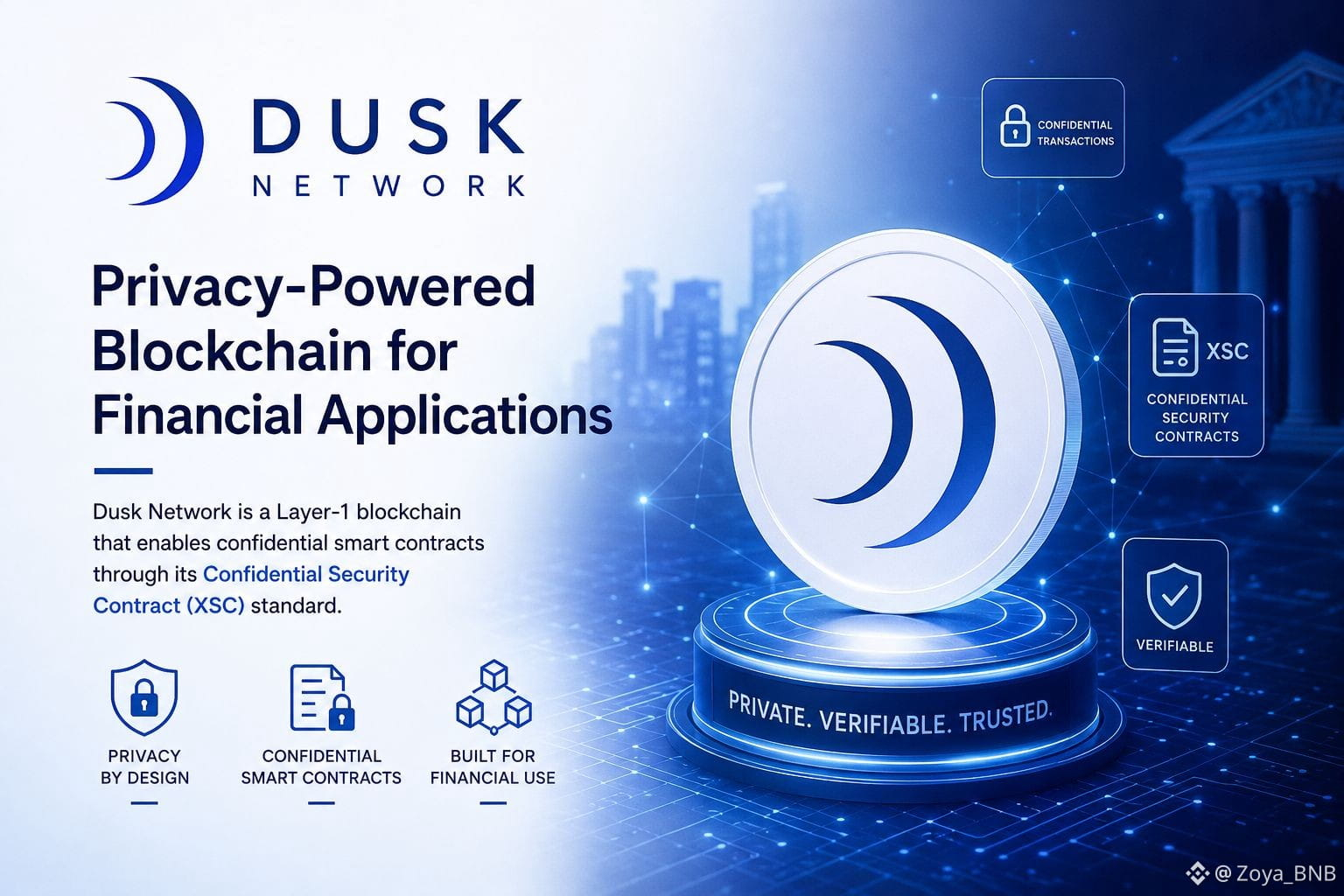
Именно это противоречие привлекло моё внимание: $DUSK Network. Это блокчейн уровня 1, ориентированный на финансовые приложения, с приватностью, заложенной в его стандарте Confidential Security Contract (XSC) и конфиденциальных смарт-контрактах.
Идея достаточно проста: может ли блокчейн сохранить проверяемость и программируемость, не раскрывая всё?
Этот вопрос важен, поскольку токенизированные активы, регулируемые финансы и ончейн-рынки растут. Но сложная часть — не сама концепция. Могут ли разработчики реально создавать на нём полезные приложения? Могут ли институты доверять инфраструктуре? Может ли приватность сосуществовать с комплаенсом и практическим внедрением?
$DUSK не нужны лишние хайпы. Ему нужны реальные сценарии использования, надёжное исполнение и разработчики, которые готовы строить.
Для меня главный вопрос в том, сможет ли будущее финансов быть одновременно проверяемым и приватным.:::
@Dusk_Foundation #dusk. $DUSK
{future}(DUSKUSDT)
#dusk Я думал(а) об одной проблеме в блокчейне, о которой постоянно говорят, но которую редко решают должным образом: приватности. Мы хотим финансовые системы, которые открыты и поддаются проверке, но действительно ли мы хотим, чтобы каждое финансовое действие навсегда становилось видимым?
Раньше я считал(а), что прозрачность почти всегда является плюсом. Со временем понял(а), что это неполно. В реальных финансах не все детали нужно делать публичными, чтобы система оставалась заслуживающей доверия.
Именно это противоречие привлекло моё внимание: $DUSK Network. Это блокчейн уровня 1, ориентированный на финансовые приложения, с приватностью, заложенной в его стандарте Confidential Security Contract (XSC) и конфиденциальных смарт-контрактах.
Идея достаточно проста: может ли блокчейн сохранить проверяемость и программируемость, не раскрывая всё?
Этот вопрос важен, поскольку токенизированные активы, регулируемые финансы и ончейн-рынки растут. Но сложная часть — не сама концепция. Могут ли разработчики реально создавать на нём полезные приложения? Могут ли институты доверять инфраструктуре? Может ли приватность сосуществовать с комплаенсом и практическим внедрением?
$DUSK не нужны лишние хайпы. Ему нужны реальные сценарии использования, надёжное исполнение и разработчики, которые готовы строить.
Для меня главный вопрос в том, сможет ли будущее финансов быть одновременно проверяемым и приватным.:::
@Dusk #dusk. $DUSK
Раньше я считал(а), что прозрачность почти всегда является плюсом. Со временем понял(а), что это неполно. В реальных финансах не все детали нужно делать публичными, чтобы система оставалась заслуживающей доверия.
Именно это противоречие привлекло моё внимание: $DUSK Network. Это блокчейн уровня 1, ориентированный на финансовые приложения, с приватностью, заложенной в его стандарте Confidential Security Contract (XSC) и конфиденциальных смарт-контрактах.
Идея достаточно проста: может ли блокчейн сохранить проверяемость и программируемость, не раскрывая всё?
Этот вопрос важен, поскольку токенизированные активы, регулируемые финансы и ончейн-рынки растут. Но сложная часть — не сама концепция. Могут ли разработчики реально создавать на нём полезные приложения? Могут ли институты доверять инфраструктуре? Может ли приватность сосуществовать с комплаенсом и практическим внедрением?
$DUSK не нужны лишние хайпы. Ему нужны реальные сценарии использования, надёжное исполнение и разработчики, которые готовы строить.
Для меня главный вопрос в том, сможет ли будущее финансов быть одновременно проверяемым и приватным.:::
@Dusk #dusk. $DUSK
7
6
154
·
--
Падение
#dusk Я размышлял(а) о проблеме, о которой криптоиндустрия часто говорит, но редко хорошо решает: прозрачность полезна, но полная прозрачность может стать слабостью. Мы хотим, чтобы финансовые системы были открытыми и проверяемыми, но должны ли быть видны всем без исключения каждая транзакция, баланс или бизнес-детали?
Раньше я считал(а), что прозрачность почти всегда является правильным ответом. Но теперь эта точка зрения кажется неполной. Реальным финансовым системам также нужна конфиденциальность. Без неё учреждения могут не решаться использовать публичные блокчейны для чувствительных операций.
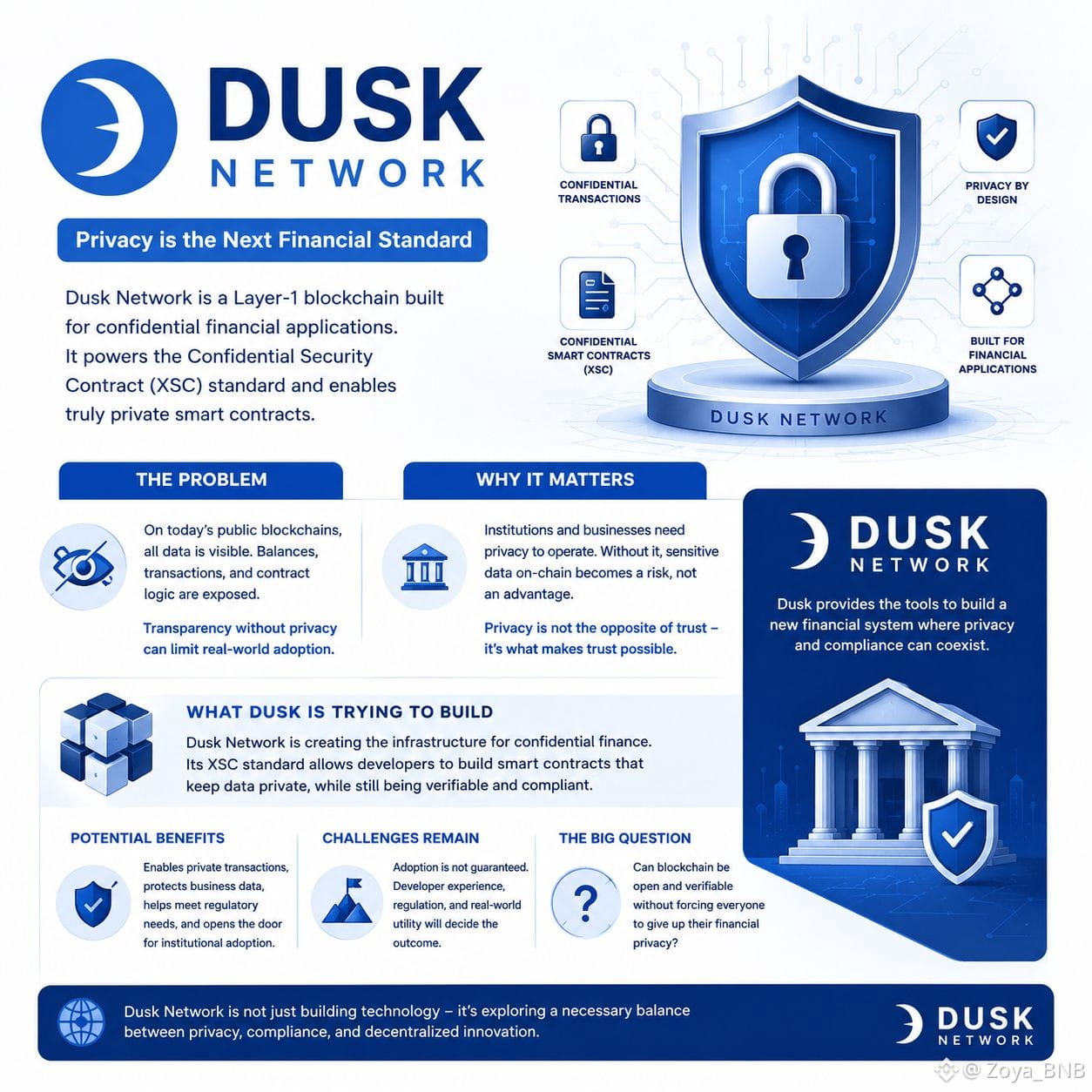
Именно здесь мое внимание привлекла сеть Dusk Network. Вместо того чтобы относиться к конфиденциальности как к необязательной функции, она строит L1, ориентированный на финансовые приложения, включая конфиденциальные смарт-контракты по стандарту XSC.
Но сложный вопрос остается прежним: может ли конфиденциальность стать действительно полезной инфраструктурой, а не очередным крипто-нарративом?
Потенциал значимый. Конфиденциальные транзакции могут помочь приблизить регулируемые финансы и блокчейн друг к другу, не раскрывая всё публично. Но одной технологии недостаточно. Принятие, соответствие требованиям, опыт разработчиков, безопасность и реальный спрос определят, будет ли эта идея иметь значение.
Для меня сеть Dusk поднимает более общий вопрос: может ли блокчейн стать по-настоящему открытым и проверяемым, не заставляя всех жертвовать финансовой конфиденциальностью?
@Dusk_Foundation #dusk. $DUSK
{future}(DUSKUSDT)
$ST
{alpha}(560x70be40667385500c5da7f108a022e21b606045dd)
$AA
{alpha}(560x01bf3d77cd08b19bf3f2309972123a2cca0f6936)
#dusk Я размышлял(а) о проблеме, о которой криптоиндустрия часто говорит, но редко хорошо решает: прозрачность полезна, но полная прозрачность может стать слабостью. Мы хотим, чтобы финансовые системы были открытыми и проверяемыми, но должны ли быть видны всем без исключения каждая транзакция, баланс или бизнес-детали?
Раньше я считал(а), что прозрачность почти всегда является правильным ответом. Но теперь эта точка зрения кажется неполной. Реальным финансовым системам также нужна конфиденциальность. Без неё учреждения могут не решаться использовать публичные блокчейны для чувствительных операций.
Именно здесь мое внимание привлекла сеть Dusk Network. Вместо того чтобы относиться к конфиденциальности как к необязательной функции, она строит L1, ориентированный на финансовые приложения, включая конфиденциальные смарт-контракты по стандарту XSC.
Но сложный вопрос остается прежним: может ли конфиденциальность стать действительно полезной инфраструктурой, а не очередным крипто-нарративом?
Потенциал значимый. Конфиденциальные транзакции могут помочь приблизить регулируемые финансы и блокчейн друг к другу, не раскрывая всё публично. Но одной технологии недостаточно. Принятие, соответствие требованиям, опыт разработчиков, безопасность и реальный спрос определят, будет ли эта идея иметь значение.
Для меня сеть Dusk поднимает более общий вопрос: может ли блокчейн стать по-настоящему открытым и проверяемым, не заставляя всех жертвовать финансовой конфиденциальностью?
@Dusk #dusk. $DUSK
$ST
$AA
Раньше я считал(а), что прозрачность почти всегда является правильным ответом. Но теперь эта точка зрения кажется неполной. Реальным финансовым системам также нужна конфиденциальность. Без неё учреждения могут не решаться использовать публичные блокчейны для чувствительных операций.
Именно здесь мое внимание привлекла сеть Dusk Network. Вместо того чтобы относиться к конфиденциальности как к необязательной функции, она строит L1, ориентированный на финансовые приложения, включая конфиденциальные смарт-контракты по стандарту XSC.
Но сложный вопрос остается прежним: может ли конфиденциальность стать действительно полезной инфраструктурой, а не очередным крипто-нарративом?
Потенциал значимый. Конфиденциальные транзакции могут помочь приблизить регулируемые финансы и блокчейн друг к другу, не раскрывая всё публично. Но одной технологии недостаточно. Принятие, соответствие требованиям, опыт разработчиков, безопасность и реальный спрос определят, будет ли эта идея иметь значение.
Для меня сеть Dusk поднимает более общий вопрос: может ли блокчейн стать по-настоящему открытым и проверяемым, не заставляя всех жертвовать финансовой конфиденциальностью?
@Dusk #dusk. $DUSK
$ST
$AA
11
12
120
·
--
Падение
#dusk Я думал(а) о блокчейне и финансах, и одна проблема постоянно упускается из виду: прозрачность может быть полезной, но полная прозрачность не всегда практична. Финансовая деятельность часто связана с конфиденциальной информацией, однако многие блокчейн-системы воспринимают открытость как решение по умолчанию.
Раньше я считал(а), что размещение всего на публичном реестре автоматически лучше. Больше видимости — больше доверия, верно? Но теперь это мнение кажется неполным. Что происходит, когда компаниям нужна приватность, не отказываясь при этом от проверяемости?
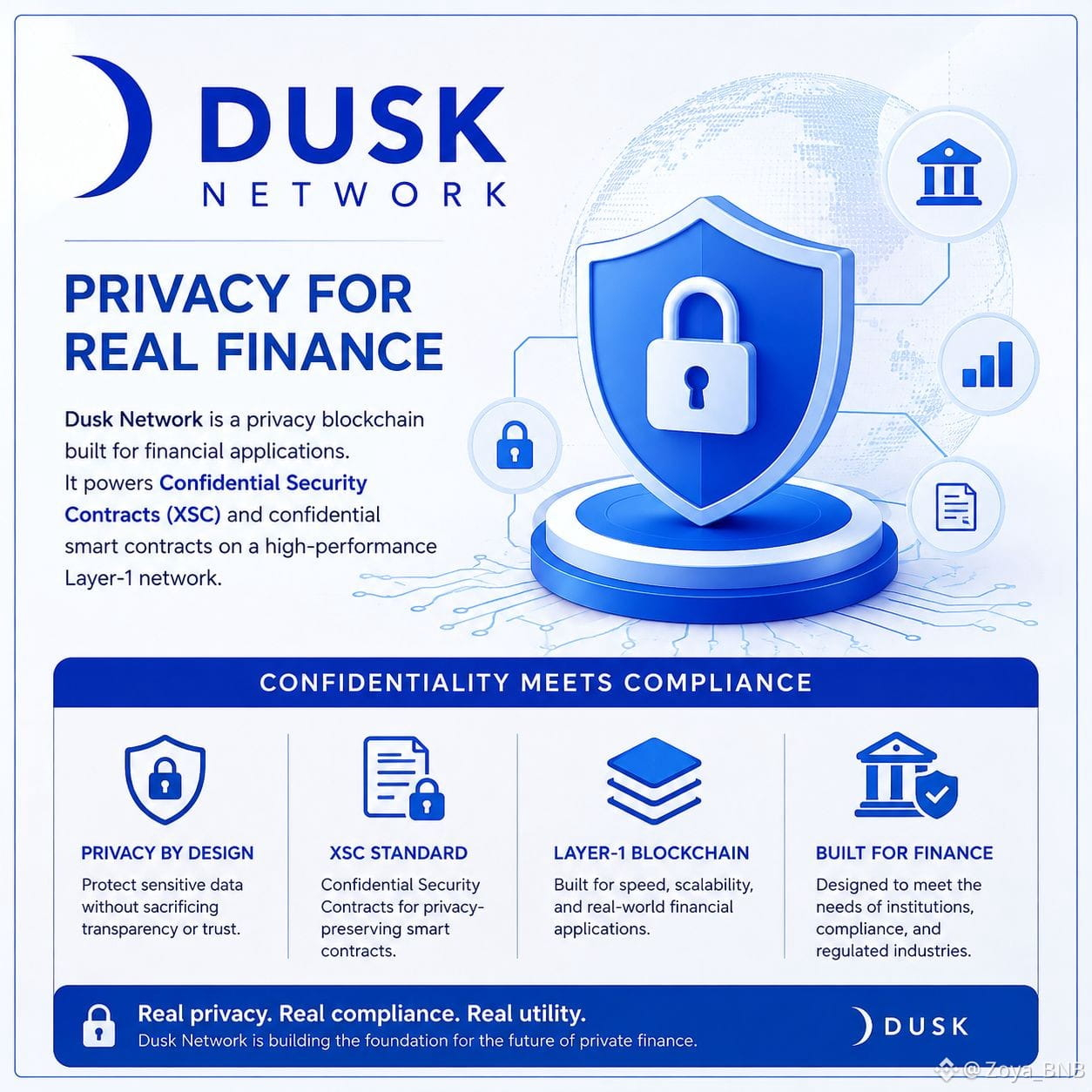
Именно тогда мне на глаза попала Dusk Network. Вместо того чтобы просто добавить еще одну цепочку в переполненный блокчейн-ландшафт, она делает акцент на приватности для финансовых приложений, используя инфраструктуру Layer-1 и стандарт Confidential Security Contract (XSC).
Идея проста: могут ли финансовые приложения оставаться соответствующими требованиям и при этом сохранять конфиденциальность чувствительных данных?
Этот вопрос особенно важен, поскольку блокчейн выходит за рамки спекуляций и превращается в реальную финансовую инфраструктуру. Но сложность не в самой концепции. Смогут ли разработчики реально с ее помощью? Примут ли это институты? Могут ли одновременно сосуществовать приватность, удобство, соответствие требованиям и масштабируемость?
Я понял(а), что инфраструктура имеет значение только тогда, когда ею пользуются. Главная задача Dusk — доказать, что конфиденциальные блокчейн-финансы могут стать практичными, а не просто технически интересными.
В итоге вопрос не в том, звучит ли приватность ценно. Вопрос в том, сможет ли блокчейн сделать приватность удобной частью финансовой инфраструктуры, не жертвуя доверием.
@Dusk_Foundation #dusk . $DUSK
{future}(DUSKUSDT)
$BAY
{alpha}(560xa7bef5abd9265ab97ee43d2fc4a56e0ba25aca25)
$NVDAB
{spot}(NVDABUSDT)
#dusk Я думал(а) о блокчейне и финансах, и одна проблема постоянно упускается из виду: прозрачность может быть полезной, но полная прозрачность не всегда практична. Финансовая деятельность часто связана с конфиденциальной информацией, однако многие блокчейн-системы воспринимают открытость как решение по умолчанию.
Раньше я считал(а), что размещение всего на публичном реестре автоматически лучше. Больше видимости — больше доверия, верно? Но теперь это мнение кажется неполным. Что происходит, когда компаниям нужна приватность, не отказываясь при этом от проверяемости?
Именно тогда мне на глаза попала Dusk Network. Вместо того чтобы просто добавить еще одну цепочку в переполненный блокчейн-ландшафт, она делает акцент на приватности для финансовых приложений, используя инфраструктуру Layer-1 и стандарт Confidential Security Contract (XSC).
Идея проста: могут ли финансовые приложения оставаться соответствующими требованиям и при этом сохранять конфиденциальность чувствительных данных?
Этот вопрос особенно важен, поскольку блокчейн выходит за рамки спекуляций и превращается в реальную финансовую инфраструктуру. Но сложность не в самой концепции. Смогут ли разработчики реально с ее помощью? Примут ли это институты? Могут ли одновременно сосуществовать приватность, удобство, соответствие требованиям и масштабируемость?
Я понял(а), что инфраструктура имеет значение только тогда, когда ею пользуются. Главная задача Dusk — доказать, что конфиденциальные блокчейн-финансы могут стать практичными, а не просто технически интересными.
В итоге вопрос не в том, звучит ли приватность ценно. Вопрос в том, сможет ли блокчейн сделать приватность удобной частью финансовой инфраструктуры, не жертвуя доверием.
@Dusk #dusk . $DUSK
$BAY
$NVDAB
Раньше я считал(а), что размещение всего на публичном реестре автоматически лучше. Больше видимости — больше доверия, верно? Но теперь это мнение кажется неполным. Что происходит, когда компаниям нужна приватность, не отказываясь при этом от проверяемости?
Именно тогда мне на глаза попала Dusk Network. Вместо того чтобы просто добавить еще одну цепочку в переполненный блокчейн-ландшафт, она делает акцент на приватности для финансовых приложений, используя инфраструктуру Layer-1 и стандарт Confidential Security Contract (XSC).
Идея проста: могут ли финансовые приложения оставаться соответствующими требованиям и при этом сохранять конфиденциальность чувствительных данных?
Этот вопрос особенно важен, поскольку блокчейн выходит за рамки спекуляций и превращается в реальную финансовую инфраструктуру. Но сложность не в самой концепции. Смогут ли разработчики реально с ее помощью? Примут ли это институты? Могут ли одновременно сосуществовать приватность, удобство, соответствие требованиям и масштабируемость?
Я понял(а), что инфраструктура имеет значение только тогда, когда ею пользуются. Главная задача Dusk — доказать, что конфиденциальные блокчейн-финансы могут стать практичными, а не просто технически интересными.
В итоге вопрос не в том, звучит ли приватность ценно. Вопрос в том, сможет ли блокчейн сделать приватность удобной частью финансовой инфраструктуры, не жертвуя доверием.
@Dusk #dusk . $DUSK
$BAY
$NVDAB
6
11
111
Войдите, чтобы посмотреть больше материала
Присоединяйтесь к пользователям криптовалют по всему миру на Binance Square
⚡️ Получайте новейшую и полезную информацию о криптоактивах.
💬 Нам доверяет крупнейшая в мире криптобиржа.
👍 Получите достоверные аналитические данные от верифицированных создателей контента.
Эл. почта/номер телефона
В тренде
SECReceivesGrayscaleLitecoinTrustETFFiling
Просмотров: 1,874
84 обсуждают
💎 Институциональное внимание достигает Litecoin
Заявка Grayscale на ETF вывела $LTC в более широкий разговор. Для спотовых трейдеров такие события — напоминание изучать сильные активы перед тем, как делать вход.
#secreceivesgrayscalelitecointrustetffiling
CryptoMahibaloch
·Лайков: 1
·Просмотров: 402
ClarityActFacesProceduralVoteSept15
Просмотров: 83,521
1,052 обсуждают
US10YearTreasuryYieldNears5%
Просмотров: 30,277
542 обсуждают