
Palpatine
5.6k Публикации

Palpatine
Отправить жалобу
Заблокировать пользователя
Strategy, vision, and market analysis from the dark side of crypto. Where others see chaos, I see pattern.
Открытая сделка
Трейдер с регулярными сделками
4.7 г
601 подписок(и/а)
621 подписчиков(а)
4.7K+ понравилось
Посты
Портфель
Все
Цитирования
Видео
·
--
Падение
VTHO СМЫСЛ РЕВЕРСИИ ОТДАЕТ — +68% 📉
$VTHO дал нам еще один чистый пост-памп сетап, похожий на mean reversion, которыми мы торговали на BMT и IOST.
Коротко: 0.0005901
Текущее: ~0.0005193
Плечо: 5x
ROI: +68.01%
✅ Уже зафиксировано 60%
🏃 Бегун все еще активен
Структура остается медвежьей:
Ниже максимумы после пампа
Потеряны краткосрочные средние
1H RSI ~22
1H MACD медвежий
OI ~$7.88M
24H объем ~$712M
Фандинг ~−1.12%
📍 Следующая зона: 0.00048–0.00047
🟢 TP бегуна: 0.000470
🔴 Защита бегуна: 0.000549
Главная опасность сейчас — техническое сжатие: RSI глубоко перепродан, а фандинг крайне отрицательный.
Вот почему большая часть прибыли уже зафиксирована.
BMT → IOST → VTHO. То же правило: не шортить памп — ждите, пока структура сломается.
ТОРГУЙТЕ СТРУКТУРУ ПОСЛЕ FOMO.
VTHO СМЫСЛ РЕВЕРСИИ ОТДАЕТ — +68% 📉
$VTHO дал нам еще один чистый пост-памп сетап, похожий на mean reversion, которыми мы торговали на BMT и IOST.
Коротко: 0.0005901
Текущее: ~0.0005193
Плечо: 5x
ROI: +68.01%
✅ Уже зафиксировано 60%
🏃 Бегун все еще активен
Структура остается медвежьей:
Ниже максимумы после пампа
Потеряны краткосрочные средние
1H RSI ~22
1H MACD медвежий
OI ~$7.88M
24H объем ~$712M
Фандинг ~−1.12%
📍 Следующая зона: 0.00048–0.00047
🟢 TP бегуна: 0.000470
🔴 Защита бегуна: 0.000549
Главная опасность сейчас — техническое сжатие: RSI глубоко перепродан, а фандинг крайне отрицательный.
Вот почему большая часть прибыли уже зафиксирована.
BMT → IOST → VTHO. То же правило: не шортить памп — ждите, пока структура сломается.
ТОРГУЙТЕ СТРУКТУРУ ПОСЛЕ FOMO.
$VTHO дал нам еще один чистый пост-памп сетап, похожий на mean reversion, которыми мы торговали на BMT и IOST.
Коротко: 0.0005901
Текущее: ~0.0005193
Плечо: 5x
ROI: +68.01%
✅ Уже зафиксировано 60%
🏃 Бегун все еще активен
Структура остается медвежьей:
Ниже максимумы после пампа
Потеряны краткосрочные средние
1H RSI ~22
1H MACD медвежий
OI ~$7.88M
24H объем ~$712M
Фандинг ~−1.12%
📍 Следующая зона: 0.00048–0.00047
🟢 TP бегуна: 0.000470
🔴 Защита бегуна: 0.000549
Главная опасность сейчас — техническое сжатие: RSI глубоко перепродан, а фандинг крайне отрицательный.
Вот почему большая часть прибыли уже зафиксирована.
BMT → IOST → VTHO. То же правило: не шортить памп — ждите, пока структура сломается.
ТОРГУЙТЕ СТРУКТУРУ ПОСЛЕ FOMO.

1
126
·
--
Падение
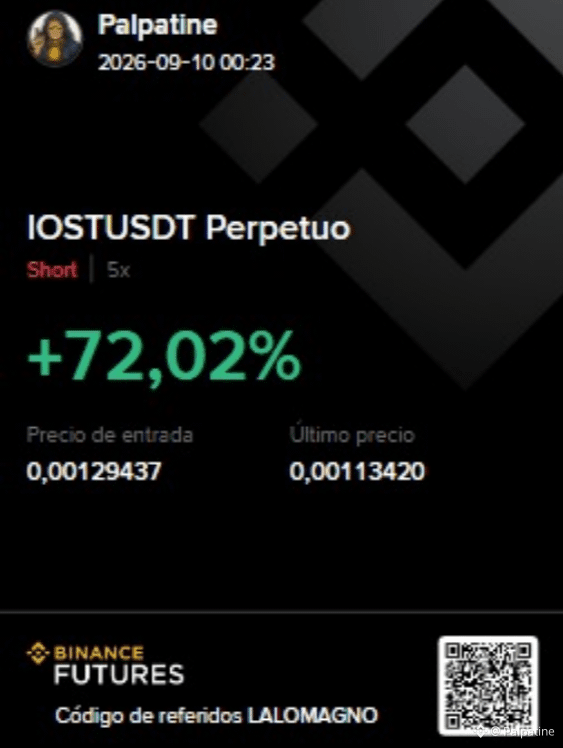
ЦЕЛЕВОЕ ПОПАДАНИЕ — +72% ПО IOST ✅
$IOST дал тот ход, которого мы ждали.
Короткий вход: 0.00129437
Текущая цена: 0.00113420
ROI: +72.02%
Цель достигнута, а прибыль теперь защищена.
Дальше решает рынок: ещё один виток вниз или технический отскок.
НАБОР СРАБОТАЛ. ТЕПЕРЬ УПРАВЛЕНИЕ.
{future}(IOSTUSDT)
{future}(VTHOUSDT)
ЦЕЛЕВОЕ ПОПАДАНИЕ — +72% ПО IOST ✅
$IOST дал тот ход, которого мы ждали.
Короткий вход: 0.00129437
Текущая цена: 0.00113420
ROI: +72.02%
Цель достигнута, а прибыль теперь защищена.
Дальше решает рынок: ещё один виток вниз или технический отскок.
НАБОР СРАБОТАЛ. ТЕПЕРЬ УПРАВЛЕНИЕ.
$IOST дал тот ход, которого мы ждали.
Короткий вход: 0.00129437
Текущая цена: 0.00113420
ROI: +72.02%
Цель достигнута, а прибыль теперь защищена.
Дальше решает рынок: ещё один виток вниз или технический отскок.
НАБОР СРАБОТАЛ. ТЕПЕРЬ УПРАВЛЕНИЕ.
Palpatine
·
--
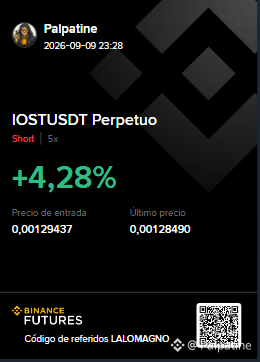
ПадениеIOST ВСЁ ЕЩЁ ВЗРЫВЧАТКА В ВИДЕ ВОЛАТИЛЬНОСТИ ⚠️
$IOST всё ещё +50%/+55% за 24 часа после торговли выше +100% во время пампа.
Объём: $1.17B
OI: ~15M и падает
Фандинг: ~−1.13%
Парабола исчезла. Теперь это противостояние технического отскока и следующего участка сброса.
📍 ~0.00130
📉 Краткосрочный импульс: медвежий
⚔️ Главный риск: ещё одно выжимание перед тем, как продолжится возврат к среднему
Не гонись за движением. Торгуй структуру после него.
$IOST всё ещё +50%/+55% за 24 часа после торговли выше +100% во время пампа.
Объём: $1.17B
OI: ~15M и падает
Фандинг: ~−1.13%
Парабола исчезла. Теперь это противостояние технического отскока и следующего участка сброса.
📍 ~0.00130
📉 Краткосрочный импульс: медвежий
⚔️ Главный риск: ещё одно выжимание перед тем, как продолжится возврат к среднему
Не гонись за движением. Торгуй структуру после него.
219
·
--
Падение
IOST ВСЁ ЕЩЁ ВЗРЫВЧАТКА В ВИДЕ ВОЛАТИЛЬНОСТИ ⚠️
$IOST всё ещё +50%/+55% за 24 часа после торговли выше +100% во время пампа.
Объём: $1.17B
OI: ~15M и падает
Фандинг: ~−1.13%
Парабола исчезла. Теперь это противостояние технического отскока и следующего участка сброса.
📍 ~0.00130
📉 Краткосрочный импульс: медвежий
⚔️ Главный риск: ещё одно выжимание перед тем, как продолжится возврат к среднему
Не гонись за движением. Торгуй структуру после него.
IOST ВСЁ ЕЩЁ ВЗРЫВЧАТКА В ВИДЕ ВОЛАТИЛЬНОСТИ ⚠️
$IOST всё ещё +50%/+55% за 24 часа после торговли выше +100% во время пампа.
Объём: $1.17B
OI: ~15M и падает
Фандинг: ~−1.13%
Парабола исчезла. Теперь это противостояние технического отскока и следующего участка сброса.
📍 ~0.00130
📉 Краткосрочный импульс: медвежий
⚔️ Главный риск: ещё одно выжимание перед тем, как продолжится возврат к среднему
Не гонись за движением. Торгуй структуру после него.
$IOST всё ещё +50%/+55% за 24 часа после торговли выше +100% во время пампа.
Объём: $1.17B
OI: ~15M и падает
Фандинг: ~−1.13%
Парабола исчезла. Теперь это противостояние технического отскока и следующего участка сброса.
📍 ~0.00130
📉 Краткосрочный импульс: медвежий
⚔️ Главный риск: ещё одно выжимание перед тем, как продолжится возврат к среднему
Не гонись за движением. Торгуй структуру после него.
1
172
·
--
Падение
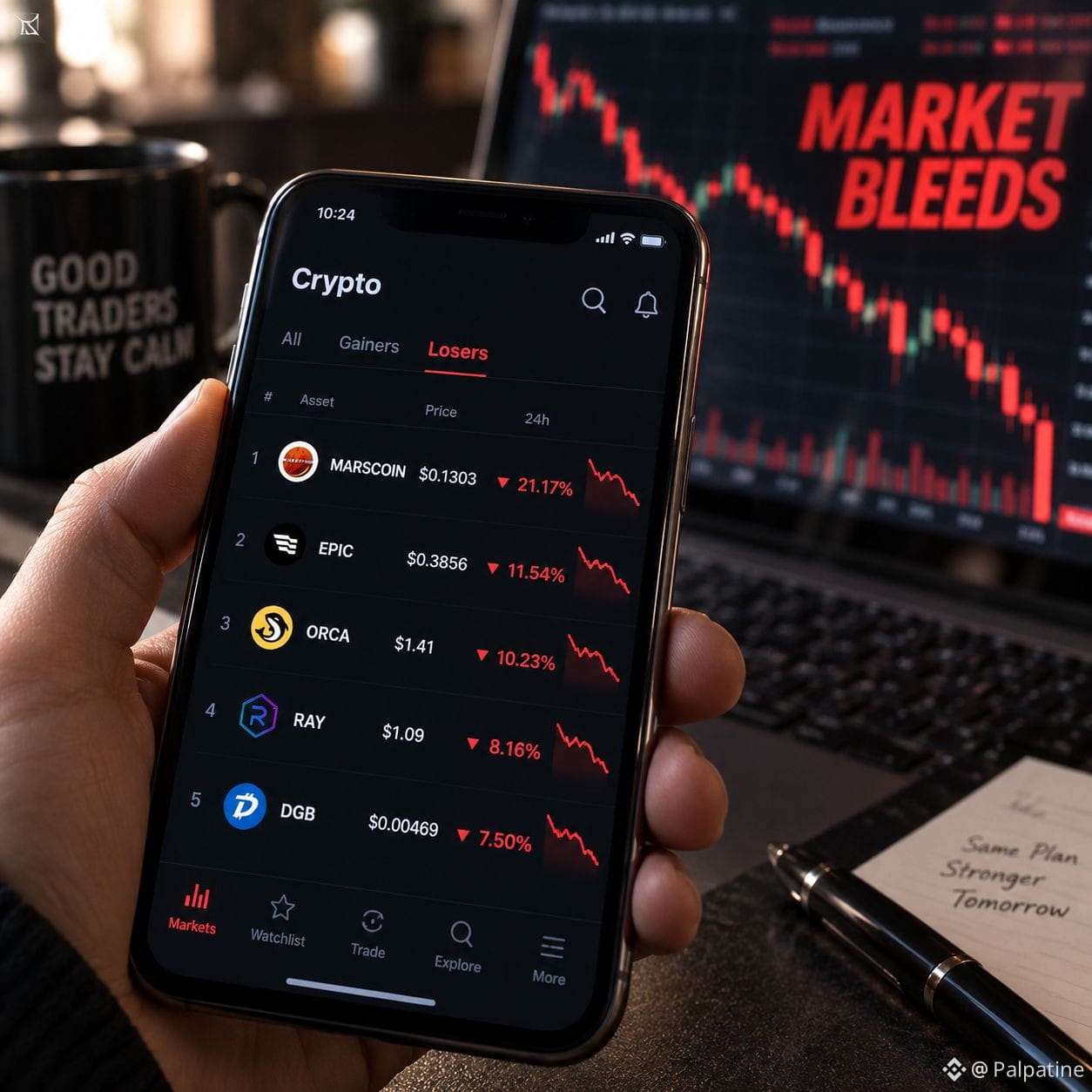
ВЧЕРАШНИЙ FOMO — СЕГОДНЯШНЯЯ КРАСНАЯ ДОСКА
Рынок напоминает простое правило всем:
пампы не длятся вечно.
Топ-5 худших сегодня:
$MARSCOIN -21.17%
$EPIC -11.54%
$ORCA -10.23%
$RAY -8.16%
$DGB -7.50%
И выделяются два имени.
$MARSCOIN был одной из самых «горячих» FOMO-сделок на рынке всего несколько дней назад. Теперь он возглавляет красную доску.
$RAY еще интереснее: наша шорт-схема уже дошла до TP1, а цена после этого продолжила падать, двигаясь теперь к 1.09.
Именно поэтому я снова и снова повторяю:
НЕ ГОНЯЙСЬ ЗА ПАМПОМ. ТОРГУЙ СТРУКТУРУ ПОСЛЕ НЕГО.
Красные дни создают две возможности:
🟢 Покупай откат, если цена находит поддержку и возвращается импульс.
🔴 Продолжай шорт/торгуй дальше вниз, если отскоки не удаются и продавцы сохраняют контроль.
Ошибка — думать, что «платят» только зеленые рынки.
ВОЛАТИЛЬНОСТЬ — ЭТО ВОЗМОЖНОСТЬ. НАПРАВЛЕНИЕ — ЭТО ВЫБОР.
{future}(MARSCOINUSDT)
{future}(RAYSOLUSDT)
{future}(EPICUSDT)
ВЧЕРАШНИЙ FOMO — СЕГОДНЯШНЯЯ КРАСНАЯ ДОСКА
Рынок напоминает простое правило всем:
пампы не длятся вечно.
Топ-5 худших сегодня:
$MARSCOIN -21.17%
$EPIC -11.54%
$ORCA -10.23%
$RAY -8.16%
$DGB -7.50%
И выделяются два имени.
$MARSCOIN был одной из самых «горячих» FOMO-сделок на рынке всего несколько дней назад. Теперь он возглавляет красную доску.
$RAY еще интереснее: наша шорт-схема уже дошла до TP1, а цена после этого продолжила падать, двигаясь теперь к 1.09.
Именно поэтому я снова и снова повторяю:
НЕ ГОНЯЙСЬ ЗА ПАМПОМ. ТОРГУЙ СТРУКТУРУ ПОСЛЕ НЕГО.
Красные дни создают две возможности:
🟢 Покупай откат, если цена находит поддержку и возвращается импульс.
🔴 Продолжай шорт/торгуй дальше вниз, если отскоки не удаются и продавцы сохраняют контроль.
Ошибка — думать, что «платят» только зеленые рынки.
ВОЛАТИЛЬНОСТЬ — ЭТО ВОЗМОЖНОСТЬ. НАПРАВЛЕНИЕ — ЭТО ВЫБОР.
Рынок напоминает простое правило всем:
пампы не длятся вечно.
Топ-5 худших сегодня:
$MARSCOIN -21.17%
$EPIC -11.54%
$ORCA -10.23%
$RAY -8.16%
$DGB -7.50%
И выделяются два имени.
$MARSCOIN был одной из самых «горячих» FOMO-сделок на рынке всего несколько дней назад. Теперь он возглавляет красную доску.
$RAY еще интереснее: наша шорт-схема уже дошла до TP1, а цена после этого продолжила падать, двигаясь теперь к 1.09.
Именно поэтому я снова и снова повторяю:
НЕ ГОНЯЙСЬ ЗА ПАМПОМ. ТОРГУЙ СТРУКТУРУ ПОСЛЕ НЕГО.
Красные дни создают две возможности:
🟢 Покупай откат, если цена находит поддержку и возвращается импульс.
🔴 Продолжай шорт/торгуй дальше вниз, если отскоки не удаются и продавцы сохраняют контроль.
Ошибка — думать, что «платят» только зеленые рынки.
ВОЛАТИЛЬНОСТЬ — ЭТО ВОЗМОЖНОСТЬ. НАПРАВЛЕНИЕ — ЭТО ВЫБОР.
413
·
--
Рост
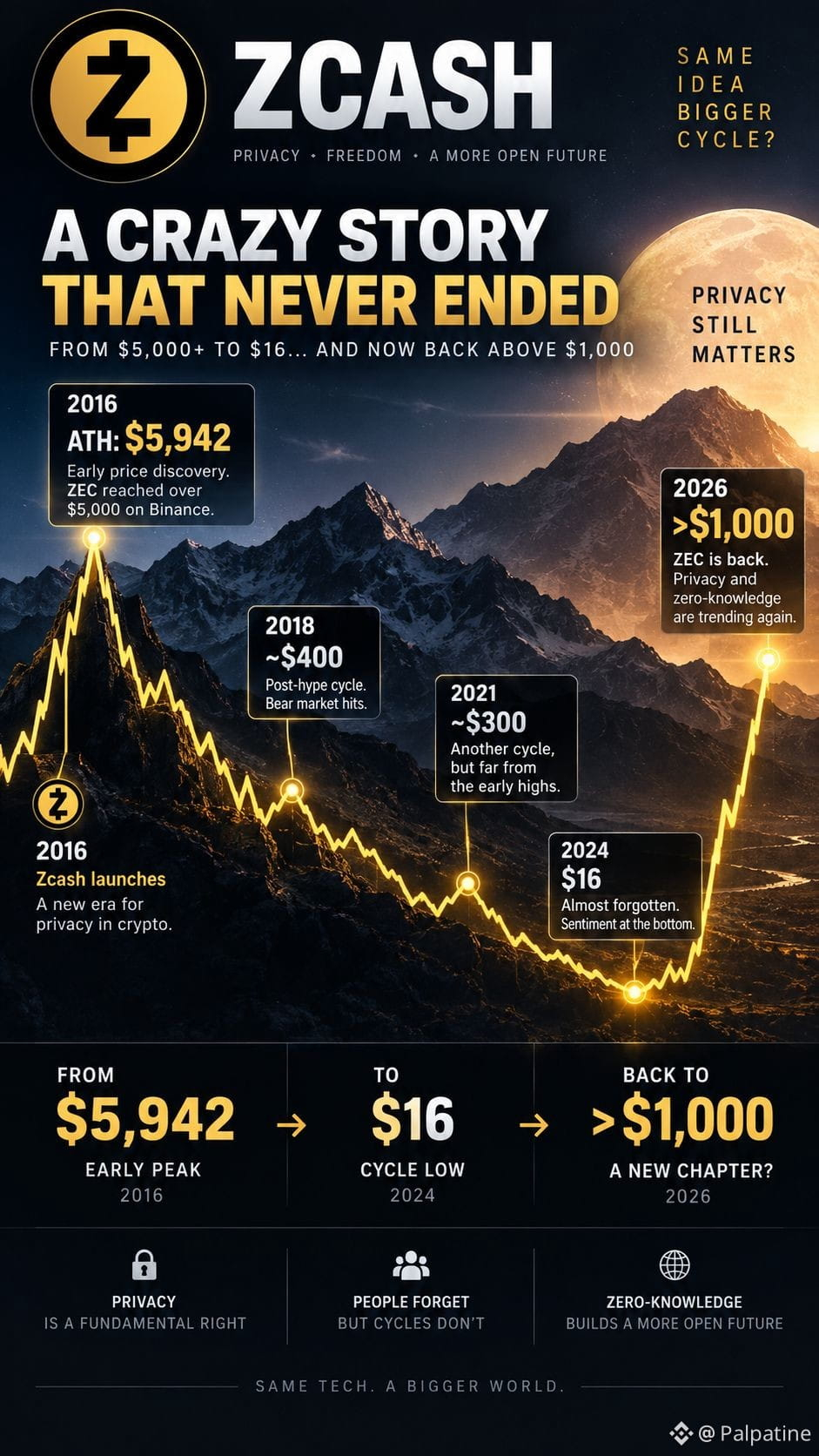
ZEC ОДНАЖДЫ БЫЛ ВЫШЕ $5,000, ПОКА ETH БЫЛ РЯДОМ С $10 — А НЕТ ЕГО СНОВА ВЫШЕ $1,000
Одна из самых странных историй возвращения в крипте снова происходит.
Когда был запущен в 2016 году, процесс определения цены был совершенно диким. Исторические данные Binance показывают ранний пик около $5,942.
Примерно в то же время $ETH все еще торговался примерно за $10–12.
Затем Zcash рухнул.
Спустя годы он торговался около $16.
От почти $6,000 → $16.
Большинство людей перестали обращать внимание.
Теперь ZEC снова выше $1,000, и внезапно приватность, технологии с нулевым разглашением и старые крипто-нарративы снова привлекают капитал.
Это не значит, что ZEC вернется к своему странному рекордному ATH на запуске.
Но график рассказывает куда более интересную историю:
Монета может исчезнуть из рыночных обсуждений на годы… и затем вернуться, когда меняется нарратив.
У крипты очень короткая память.
А у капитала — нет.
И сейчас некоторые из самых старых идей в индустрии снова превращаются в FOMO-сделки.
FROM $5,942 → $16 → $1,000+.
Назвали бы вы это возвращением… или очередным циклом спекуляций?
$ZEC $TAO
{spot}(ZECUSDT)
{spot}(TAOUSDT)
ZEC ОДНАЖДЫ БЫЛ ВЫШЕ $5,000, ПОКА ETH БЫЛ РЯДОМ С $10 — А НЕТ ЕГО СНОВА ВЫШЕ $1,000
Одна из самых странных историй возвращения в крипте снова происходит.
Когда был запущен в 2016 году, процесс определения цены был совершенно диким. Исторические данные Binance показывают ранний пик около $5,942.
Примерно в то же время $ETH все еще торговался примерно за $10–12.
Затем Zcash рухнул.
Спустя годы он торговался около $16.
От почти $6,000 → $16.
Большинство людей перестали обращать внимание.
Теперь ZEC снова выше $1,000, и внезапно приватность, технологии с нулевым разглашением и старые крипто-нарративы снова привлекают капитал.
Это не значит, что ZEC вернется к своему странному рекордному ATH на запуске.
Но график рассказывает куда более интересную историю:
Монета может исчезнуть из рыночных обсуждений на годы… и затем вернуться, когда меняется нарратив.
У крипты очень короткая память.
А у капитала — нет.
И сейчас некоторые из самых старых идей в индустрии снова превращаются в FOMO-сделки.
FROM $5,942 → $16 → $1,000+.
Назвали бы вы это возвращением… или очередным циклом спекуляций?
$ZEC $TAO
Одна из самых странных историй возвращения в крипте снова происходит.
Когда был запущен в 2016 году, процесс определения цены был совершенно диким. Исторические данные Binance показывают ранний пик около $5,942.
Примерно в то же время $ETH все еще торговался примерно за $10–12.
Затем Zcash рухнул.
Спустя годы он торговался около $16.
От почти $6,000 → $16.
Большинство людей перестали обращать внимание.
Теперь ZEC снова выше $1,000, и внезапно приватность, технологии с нулевым разглашением и старые крипто-нарративы снова привлекают капитал.
Это не значит, что ZEC вернется к своему странному рекордному ATH на запуске.
Но график рассказывает куда более интересную историю:
Монета может исчезнуть из рыночных обсуждений на годы… и затем вернуться, когда меняется нарратив.
У крипты очень короткая память.
А у капитала — нет.
И сейчас некоторые из самых старых идей в индустрии снова превращаются в FOMO-сделки.
FROM $5,942 → $16 → $1,000+.
Назвали бы вы это возвращением… или очередным циклом спекуляций?
$ZEC $TAO
286
·
--
Падение
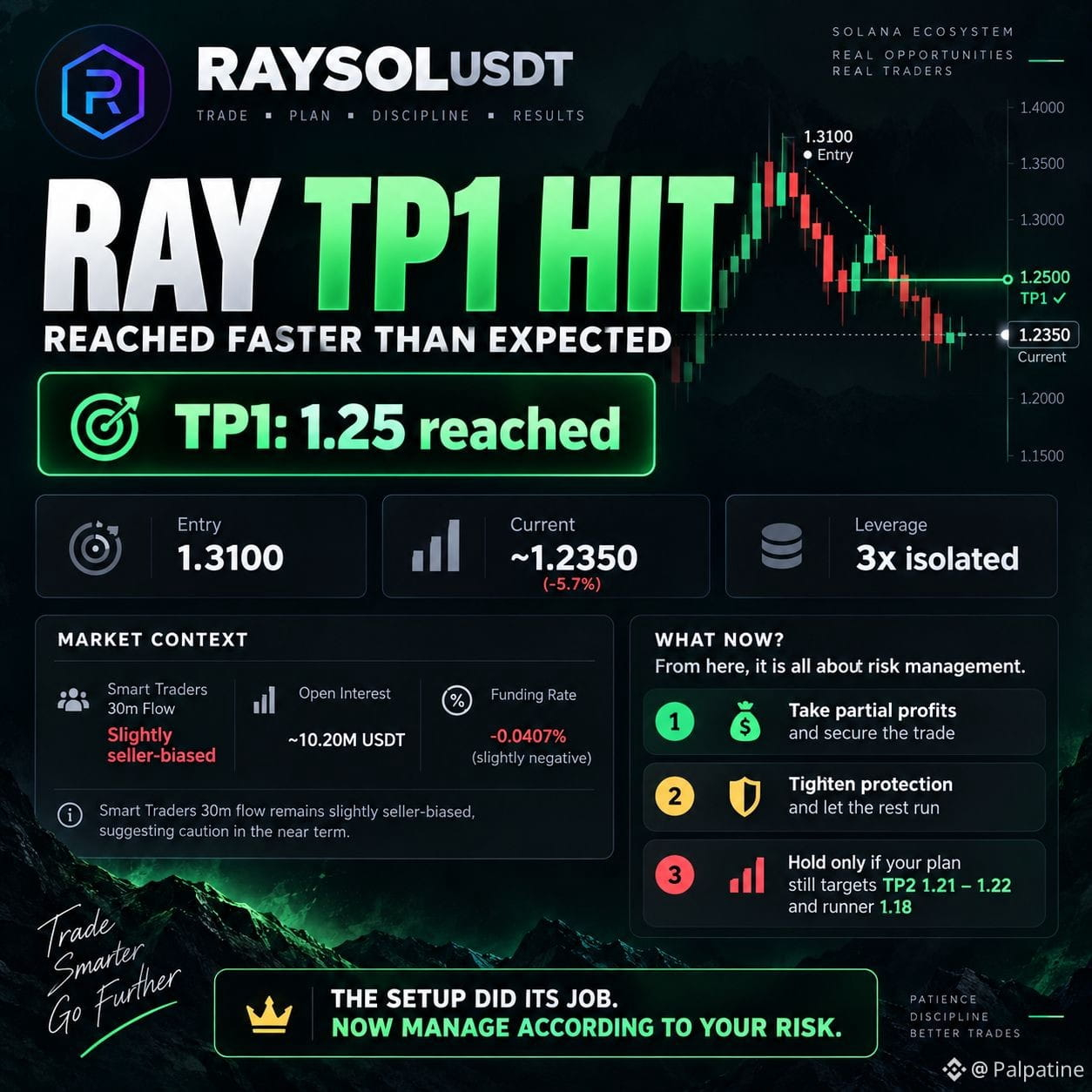
TP1 HIT — АНАЛИЗ ПОДТВЕРЖДЁН
$RAY достиг TP1 на 1.25 быстрее, чем ожидалось.
Сетап сделал именно то, для чего и был предназначен: выдохшийся импульс, отбой, ослабление momentum, а затем возврат к среднему.
С этого момента анализ уже подтверждён.
Теперь начинается управление сделкой.
Фиксируйте прибыль, ужесточайте защиту или сохраняйте позицию до оставшихся целей в зависимости от вашей склонности к риску.
СЕТАП ЗАВЕРШЁН. ДАЛЬШЕ — УПРАВЛЕНИЕ.
$RAY $BTC $SOL
{future}(RAYSOLUSDT)
TP1 HIT — АНАЛИЗ ПОДТВЕРЖДЁН
$RAY достиг TP1 на 1.25 быстрее, чем ожидалось.
Сетап сделал именно то, для чего и был предназначен: выдохшийся импульс, отбой, ослабление momentum, а затем возврат к среднему.
С этого момента анализ уже подтверждён.
Теперь начинается управление сделкой.
Фиксируйте прибыль, ужесточайте защиту или сохраняйте позицию до оставшихся целей в зависимости от вашей склонности к риску.
СЕТАП ЗАВЕРШЁН. ДАЛЬШЕ — УПРАВЛЕНИЕ.
$RAY $BTC $SOL
$RAY достиг TP1 на 1.25 быстрее, чем ожидалось.
Сетап сделал именно то, для чего и был предназначен: выдохшийся импульс, отбой, ослабление momentum, а затем возврат к среднему.
С этого момента анализ уже подтверждён.
Теперь начинается управление сделкой.
Фиксируйте прибыль, ужесточайте защиту или сохраняйте позицию до оставшихся целей в зависимости от вашей склонности к риску.
СЕТАП ЗАВЕРШЁН. ДАЛЬШЕ — УПРАВЛЕНИЕ.
$RAY $BTC $SOL
Palpatine
·
--
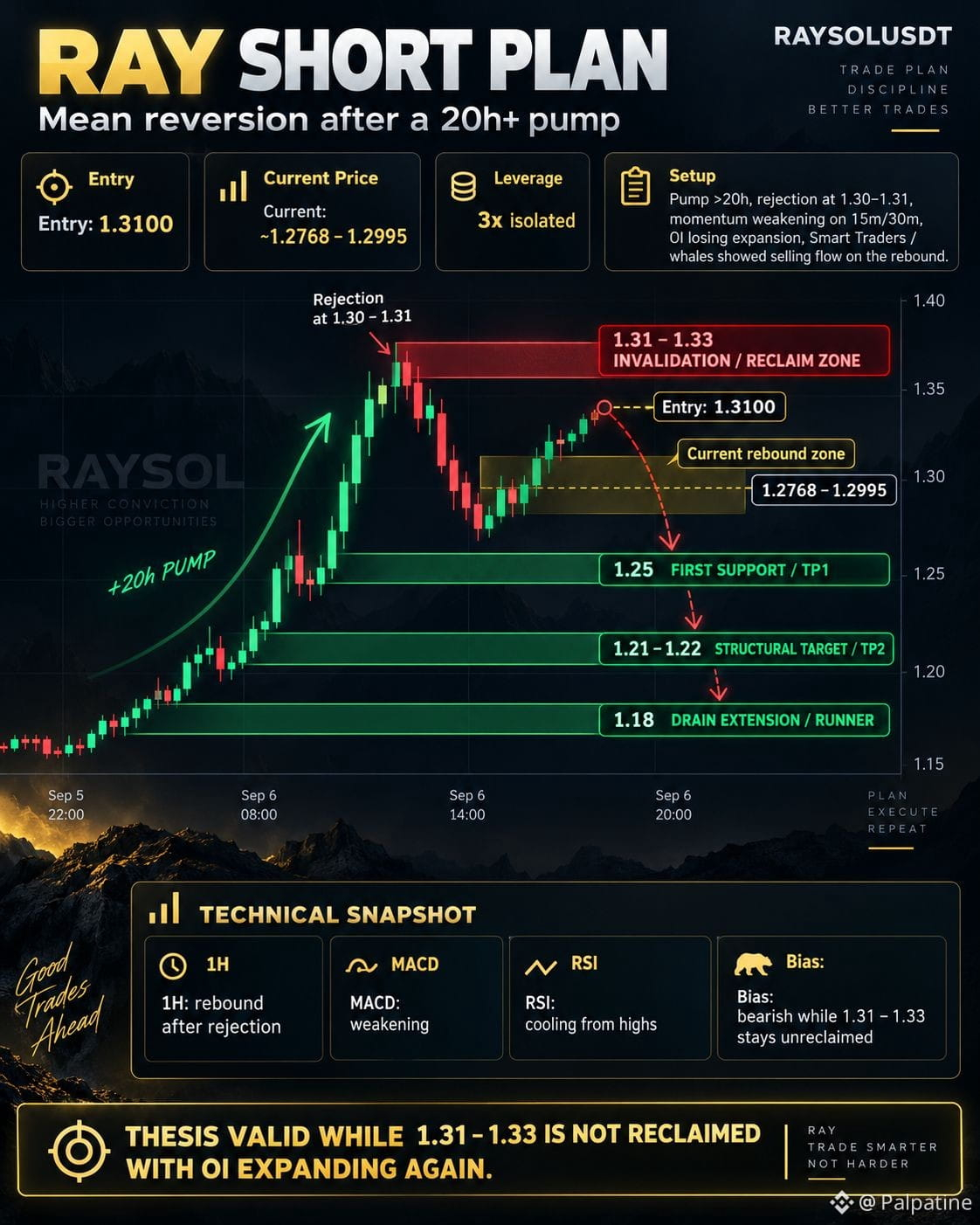
ПадениеRAY ТЕРЯЕТ ИМПУЛЬС — СЦЕНАРИЙ ВОЗВРАТА К СРЕДНЕМУ АКТИВЕН
$RAY сейчас находится под техническим наблюдением на шорт после пампа, который длился более 20 часов.
Вход: 1.3100
Плечо: 3x isolated
Текущая: ~1.2768
Движение от входа: -2.5%
Плавающий ROI: +7.8%
Сценарий прост:
RAY получил отказ в зоне 1.30–1.31, импульс ухудшился на 15m/30m, Open Interest перестал агрессивно расти, а Smart Traders / киты показали давление продаж во время отскока.
КЛЮЧЕВЫЕ УРОВНИ
🔴 1.31–1.33 — тактическая отмена сценария / зона возврата
🟢 1.25 — первая поддержка
🟢 1.21–1.22 — структурная цель
🟢 1.18 — возможное расширение слива
Тезис остается в силе, пока RAY не вернет 1.31–1.33 с новым ростом OI.
Речь не о том, чтобы угадать точный пик.
Речь о том, чтобы дождаться созревания пампа, увидеть ослабление импульса и торговать структуру, которая следует после.
PUMP → REJECTION → WEAKENING → MEAN REVERSION
$RAY $BTC $SOL
$RAY сейчас находится под техническим наблюдением на шорт после пампа, который длился более 20 часов.
Вход: 1.3100
Плечо: 3x isolated
Текущая: ~1.2768
Движение от входа: -2.5%
Плавающий ROI: +7.8%
Сценарий прост:
RAY получил отказ в зоне 1.30–1.31, импульс ухудшился на 15m/30m, Open Interest перестал агрессивно расти, а Smart Traders / киты показали давление продаж во время отскока.
КЛЮЧЕВЫЕ УРОВНИ
🔴 1.31–1.33 — тактическая отмена сценария / зона возврата
🟢 1.25 — первая поддержка
🟢 1.21–1.22 — структурная цель
🟢 1.18 — возможное расширение слива
Тезис остается в силе, пока RAY не вернет 1.31–1.33 с новым ростом OI.
Речь не о том, чтобы угадать точный пик.
Речь о том, чтобы дождаться созревания пампа, увидеть ослабление импульса и торговать структуру, которая следует после.
PUMP → REJECTION → WEAKENING → MEAN REVERSION
$RAY $BTC $SOL
120
·
--
Падение
RAY ТЕРЯЕТ ИМПУЛЬС — СЦЕНАРИЙ ВОЗВРАТА К СРЕДНЕМУ АКТИВЕН
$RAY сейчас находится под техническим наблюдением на шорт после пампа, который длился более 20 часов.
Вход: 1.3100
Плечо: 3x isolated
Текущая: ~1.2768
Движение от входа: -2.5%
Плавающий ROI: +7.8%
Сценарий прост:
RAY получил отказ в зоне 1.30–1.31, импульс ухудшился на 15m/30m, Open Interest перестал агрессивно расти, а Smart Traders / киты показали давление продаж во время отскока.
КЛЮЧЕВЫЕ УРОВНИ
🔴 1.31–1.33 — тактическая отмена сценария / зона возврата
🟢 1.25 — первая поддержка
🟢 1.21–1.22 — структурная цель
🟢 1.18 — возможное расширение слива
Тезис остается в силе, пока RAY не вернет 1.31–1.33 с новым ростом OI.
Речь не о том, чтобы угадать точный пик.
Речь о том, чтобы дождаться созревания пампа, увидеть ослабление импульса и торговать структуру, которая следует после.
PUMP → REJECTION → WEAKENING → MEAN REVERSION
$RAY $BTC $SOL
RAY ТЕРЯЕТ ИМПУЛЬС — СЦЕНАРИЙ ВОЗВРАТА К СРЕДНЕМУ АКТИВЕН
$RAY сейчас находится под техническим наблюдением на шорт после пампа, который длился более 20 часов.
Вход: 1.3100
Плечо: 3x isolated
Текущая: ~1.2768
Движение от входа: -2.5%
Плавающий ROI: +7.8%
Сценарий прост:
RAY получил отказ в зоне 1.30–1.31, импульс ухудшился на 15m/30m, Open Interest перестал агрессивно расти, а Smart Traders / киты показали давление продаж во время отскока.
КЛЮЧЕВЫЕ УРОВНИ
🔴 1.31–1.33 — тактическая отмена сценария / зона возврата
🟢 1.25 — первая поддержка
🟢 1.21–1.22 — структурная цель
🟢 1.18 — возможное расширение слива
Тезис остается в силе, пока RAY не вернет 1.31–1.33 с новым ростом OI.
Речь не о том, чтобы угадать точный пик.
Речь о том, чтобы дождаться созревания пампа, увидеть ослабление импульса и торговать структуру, которая следует после.
PUMP → REJECTION → WEAKENING → MEAN REVERSION
$RAY $BTC $SOL
$RAY сейчас находится под техническим наблюдением на шорт после пампа, который длился более 20 часов.
Вход: 1.3100
Плечо: 3x isolated
Текущая: ~1.2768
Движение от входа: -2.5%
Плавающий ROI: +7.8%
Сценарий прост:
RAY получил отказ в зоне 1.30–1.31, импульс ухудшился на 15m/30m, Open Interest перестал агрессивно расти, а Smart Traders / киты показали давление продаж во время отскока.
КЛЮЧЕВЫЕ УРОВНИ
🔴 1.31–1.33 — тактическая отмена сценария / зона возврата
🟢 1.25 — первая поддержка
🟢 1.21–1.22 — структурная цель
🟢 1.18 — возможное расширение слива
Тезис остается в силе, пока RAY не вернет 1.31–1.33 с новым ростом OI.
Речь не о том, чтобы угадать точный пик.
Речь о том, чтобы дождаться созревания пампа, увидеть ослабление импульса и торговать структуру, которая следует после.
PUMP → REJECTION → WEAKENING → MEAN REVERSION
$RAY $BTC $SOL
2
1
1
156
·
--
Рост
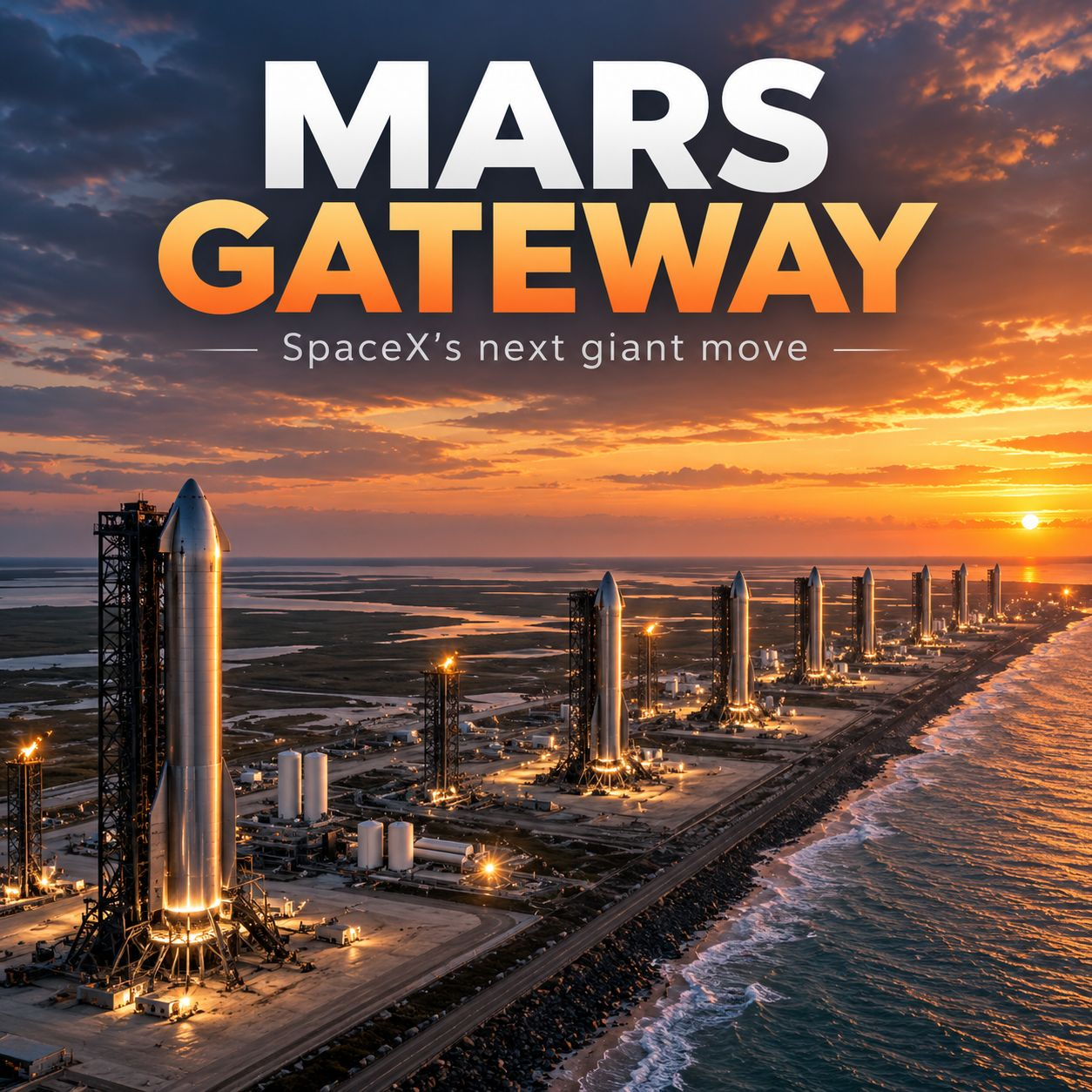
SPACEX СТРОИТ ГИГАНТСКИЕ ВОРОТА НА МАРС ЗА $100 МЛРД
Илон Маск больше не говорит только о Марсе.
SpaceX планирует построить Starbase Louisiana — огромный стартовый комплекс площадью 125 000 акров, предназначенный для резкого увеличения числа запусков Starship. Ожидается, что строительство начнётся в 2027 году, а первый запуск запланирован на 2029 год. Долгосрочное видение Маска ещё более амбициозно: более 10 стартовых башен и потенциально тысячи полётов Starship в год.
Это важно для криптовалют, потому что нарратив Musk/SpaceX уже даёт несколько способов торговать вниманием.
🚀 $SPCXB — токенизированная экспозиция Binance на SpaceX. Это не прямое владение акциями SpaceX, но отслеживает базовую ценную бумагу через структуру bStocks Binance.
🔴 $MARSCOIN — мем на BNB Chain, который вознаграждает держателей SPCXB, напрямую объединяя нарративы Марса + SpaceX + токенизированных акций.
🐕 $DOGE — по-прежнему криптоактив, наиболее культурно связанный с Илоном Маском.
Более важный вопрос прост:
ЕСЛИ SPACEX СОЗДАСТ ИНФРАСТРУКТУРУ ДЛЯ МУЛЬТИПЛАНЕТНОЙ ЭКОНОМИКИ, КАКИЕ АКТИВЫ ПЕРВЫМИ ПРИВЛЕКУТ СПЕКУЛЯЦИИ?
{spot}(SPCXBUSDT)
{future}(MARSCOINUSDT)
{spot}(DOGEUSDT)
SPACEX СТРОИТ ГИГАНТСКИЕ ВОРОТА НА МАРС ЗА $100 МЛРД
Илон Маск больше не говорит только о Марсе.
SpaceX планирует построить Starbase Louisiana — огромный стартовый комплекс площадью 125 000 акров, предназначенный для резкого увеличения числа запусков Starship. Ожидается, что строительство начнётся в 2027 году, а первый запуск запланирован на 2029 год. Долгосрочное видение Маска ещё более амбициозно: более 10 стартовых башен и потенциально тысячи полётов Starship в год.
Это важно для криптовалют, потому что нарратив Musk/SpaceX уже даёт несколько способов торговать вниманием.
🚀 $SPCXB — токенизированная экспозиция Binance на SpaceX. Это не прямое владение акциями SpaceX, но отслеживает базовую ценную бумагу через структуру bStocks Binance.
🔴 $MARSCOIN — мем на BNB Chain, который вознаграждает держателей SPCXB, напрямую объединяя нарративы Марса + SpaceX + токенизированных акций.
🐕 $DOGE — по-прежнему криптоактив, наиболее культурно связанный с Илоном Маском.
Более важный вопрос прост:
ЕСЛИ SPACEX СОЗДАСТ ИНФРАСТРУКТУРУ ДЛЯ МУЛЬТИПЛАНЕТНОЙ ЭКОНОМИКИ, КАКИЕ АКТИВЫ ПЕРВЫМИ ПРИВЛЕКУТ СПЕКУЛЯЦИИ?
Илон Маск больше не говорит только о Марсе.
SpaceX планирует построить Starbase Louisiana — огромный стартовый комплекс площадью 125 000 акров, предназначенный для резкого увеличения числа запусков Starship. Ожидается, что строительство начнётся в 2027 году, а первый запуск запланирован на 2029 год. Долгосрочное видение Маска ещё более амбициозно: более 10 стартовых башен и потенциально тысячи полётов Starship в год.
Это важно для криптовалют, потому что нарратив Musk/SpaceX уже даёт несколько способов торговать вниманием.
🚀 $SPCXB — токенизированная экспозиция Binance на SpaceX. Это не прямое владение акциями SpaceX, но отслеживает базовую ценную бумагу через структуру bStocks Binance.
🔴 $MARSCOIN — мем на BNB Chain, который вознаграждает держателей SPCXB, напрямую объединяя нарративы Марса + SpaceX + токенизированных акций.
🐕 $DOGE — по-прежнему криптоактив, наиболее культурно связанный с Илоном Маском.
Более важный вопрос прост:
ЕСЛИ SPACEX СОЗДАСТ ИНФРАСТРУКТУРУ ДЛЯ МУЛЬТИПЛАНЕТНОЙ ЭКОНОМИКИ, КАКИЕ АКТИВЫ ПЕРВЫМИ ПРИВЛЕКУТ СПЕКУЛЯЦИИ?
367
·
--
Рост
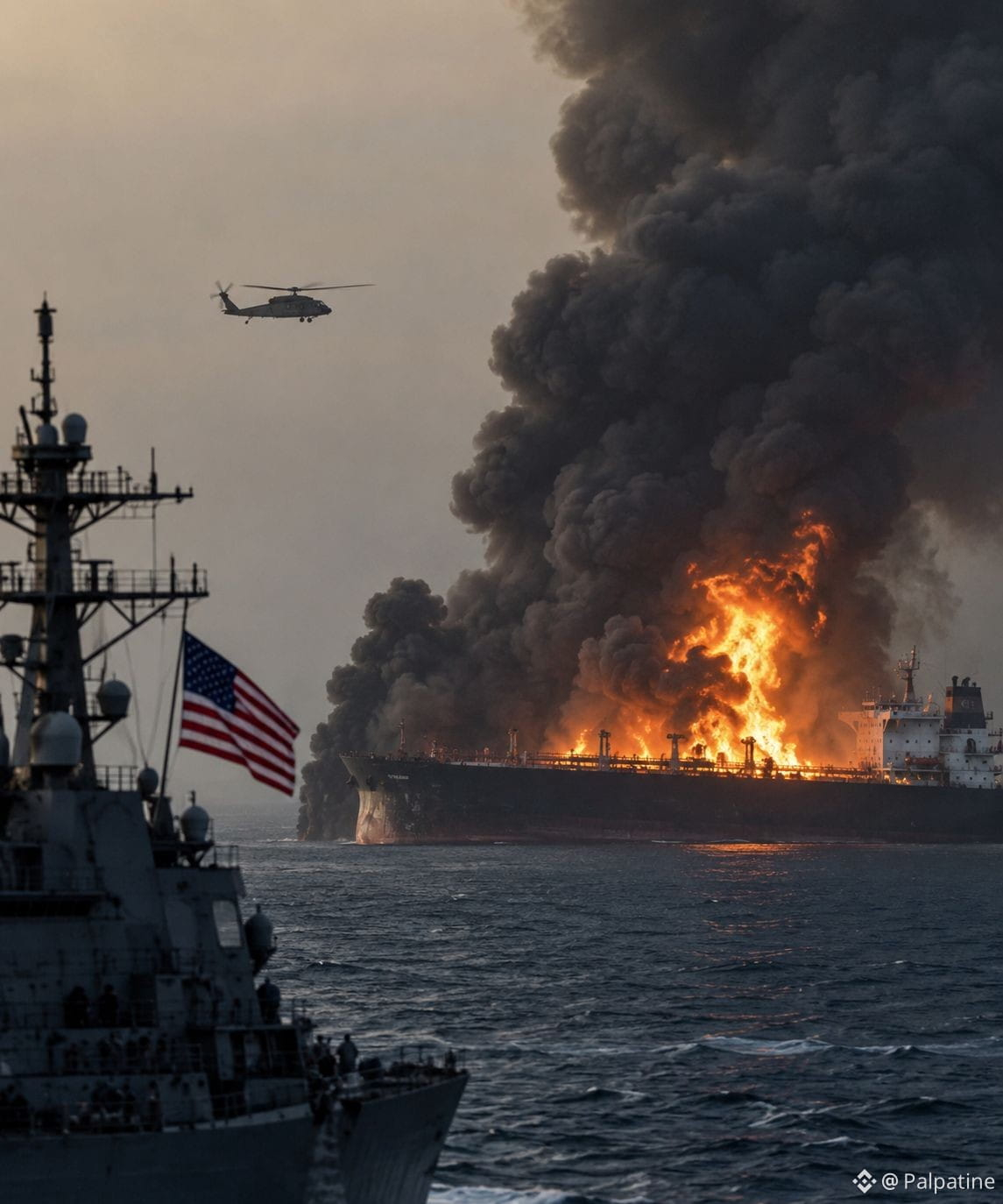
ИРАН ОТКРЫЛ ОГОНЬ ПО ВОЕННЫМ КОРАБЛЯМ США — АМЕРИКА ОТВЕТИЛА УДАРОМ ПО НЕФТЯНОЙ СЕТИ
Противостояние вокруг Ормузского пролива снова обостряется.
Иран запустил ракеты в сторону американской авианосной группы и эсминца с управляемыми ракетами. По данным CENTCOM, американские суда уклонились от ударов.
Ответ Вашингтона был нанесён прямо по деньгам.
Американские силы атаковали три иранских нефтяных танкера, предположительно связанных с теневой сетью, финансирующей КСИР. Один из них в итоге был уничтожен и затонул.
Это имеет значение далеко за пределами военных заголовков.
Ормуз по-прежнему остаётся одним из важнейших энергетических узких мест на Земле. Любая эскалация с участием танкеров, мин или военно-морских сил может быстро превратиться в проблему с поставками нефти.
Именно поэтому #OilQuality имеет значение: не каждая бочка имеет одинаковую ценность с точки зрения переработки, происхождения или геополитических рисков.
Сейчас рынку приходится оценивать опасный вопрос:
ЧТО БУДЕТ, ЕСЛИ СЛЕДУЮЩИЙ РАУНД НАКАЖЕТ ПО САМОМУ ПОТОКУ НЕФТИ?
Пока BTC остаётся относительно спокойным, капитал уже агрессивно перетекает в активы с высоким FOMO.
Сегодняшние лидеры роста Binance включают:
$DASH +38%
$MARSCOIN +29%
$CAT +27%
Риск войны, риск нефти и спекулятивная ликвидность сейчас движутся через один и тот же рынок.
ОРМУЗ — ЭТО НЕ ПРОСТО ГЕОПОЛИТИЧЕСКАЯ ИСТОРИЯ. ЭТО ИСТОРИЯ ГЛОБАЛЬНОЙ ЛИКВИДНОСТИ.
$DASH $MARSCOIN $CAT
ИРАН ОТКРЫЛ ОГОНЬ ПО ВОЕННЫМ КОРАБЛЯМ США — АМЕРИКА ОТВЕТИЛА УДАРОМ ПО НЕФТЯНОЙ СЕТИ
Противостояние вокруг Ормузского пролива снова обостряется.
Иран запустил ракеты в сторону американской авианосной группы и эсминца с управляемыми ракетами. По данным CENTCOM, американские суда уклонились от ударов.
Ответ Вашингтона был нанесён прямо по деньгам.
Американские силы атаковали три иранских нефтяных танкера, предположительно связанных с теневой сетью, финансирующей КСИР. Один из них в итоге был уничтожен и затонул.
Это имеет значение далеко за пределами военных заголовков.
Ормуз по-прежнему остаётся одним из важнейших энергетических узких мест на Земле. Любая эскалация с участием танкеров, мин или военно-морских сил может быстро превратиться в проблему с поставками нефти.
Именно поэтому #OilQuality имеет значение: не каждая бочка имеет одинаковую ценность с точки зрения переработки, происхождения или геополитических рисков.
Сейчас рынку приходится оценивать опасный вопрос:
ЧТО БУДЕТ, ЕСЛИ СЛЕДУЮЩИЙ РАУНД НАКАЖЕТ ПО САМОМУ ПОТОКУ НЕФТИ?
Пока BTC остаётся относительно спокойным, капитал уже агрессивно перетекает в активы с высоким FOMO.
Сегодняшние лидеры роста Binance включают:
$DASH +38%
$MARSCOIN +29%
$CAT +27%
Риск войны, риск нефти и спекулятивная ликвидность сейчас движутся через один и тот же рынок.
ОРМУЗ — ЭТО НЕ ПРОСТО ГЕОПОЛИТИЧЕСКАЯ ИСТОРИЯ. ЭТО ИСТОРИЯ ГЛОБАЛЬНОЙ ЛИКВИДНОСТИ.
$DASH $MARSCOIN $CAT
Противостояние вокруг Ормузского пролива снова обостряется.
Иран запустил ракеты в сторону американской авианосной группы и эсминца с управляемыми ракетами. По данным CENTCOM, американские суда уклонились от ударов.
Ответ Вашингтона был нанесён прямо по деньгам.
Американские силы атаковали три иранских нефтяных танкера, предположительно связанных с теневой сетью, финансирующей КСИР. Один из них в итоге был уничтожен и затонул.
Это имеет значение далеко за пределами военных заголовков.
Ормуз по-прежнему остаётся одним из важнейших энергетических узких мест на Земле. Любая эскалация с участием танкеров, мин или военно-морских сил может быстро превратиться в проблему с поставками нефти.
Именно поэтому #OilQuality имеет значение: не каждая бочка имеет одинаковую ценность с точки зрения переработки, происхождения или геополитических рисков.
Сейчас рынку приходится оценивать опасный вопрос:
ЧТО БУДЕТ, ЕСЛИ СЛЕДУЮЩИЙ РАУНД НАКАЖЕТ ПО САМОМУ ПОТОКУ НЕФТИ?
Пока BTC остаётся относительно спокойным, капитал уже агрессивно перетекает в активы с высоким FOMO.
Сегодняшние лидеры роста Binance включают:
$DASH +38%
$MARSCOIN +29%
$CAT +27%
Риск войны, риск нефти и спекулятивная ликвидность сейчас движутся через один и тот же рынок.
ОРМУЗ — ЭТО НЕ ПРОСТО ГЕОПОЛИТИЧЕСКАЯ ИСТОРИЯ. ЭТО ИСТОРИЯ ГЛОБАЛЬНОЙ ЛИКВИДНОСТИ.
$DASH $MARSCOIN $CAT
590
·
--
Рост
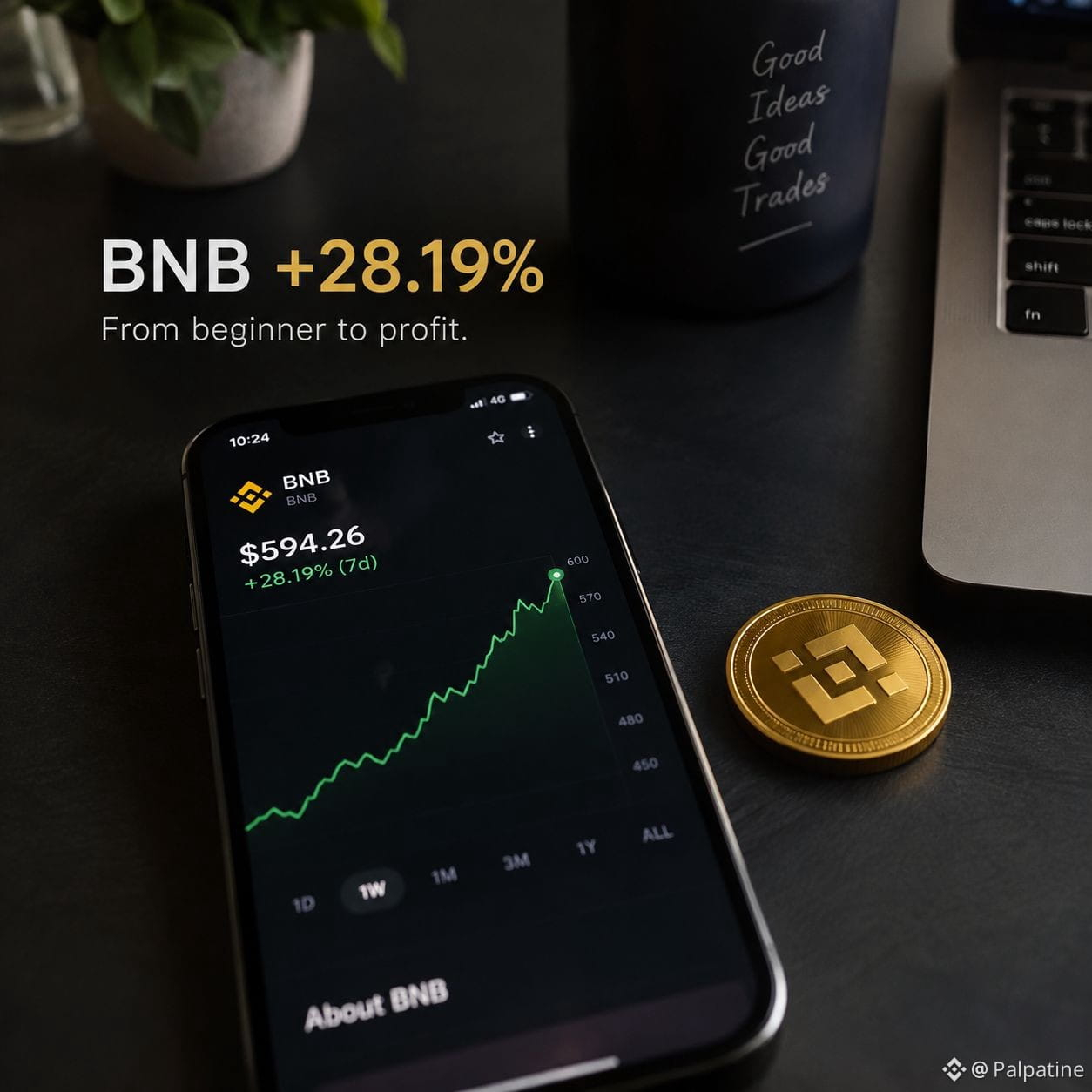
ОТ ПОЛНОГО НЕЗНАНИЯ КРИПТОВАЛЮТ ДО +28.19% НА BNB
Мой друг пришёл в крипту, почти ничего не зная о рынке.
Я помог ему разобраться в основах, управлять рисками и, что самое важное, не относиться к каждому движению как к лотерейному билету.
Он купил $BNB примерно по $603.
Сегодня он продал примерно по $773.
Это около +28.19% по самому активу.
Никакого плеча.
Никакой ставки на мемкоин.
Никакой фантазии про «100x за ночь».
Только терпение, обучение и хороший вход в сильный актив.
Больше всего в этой сделке мне нравится не процент.
А то, что человек, который поначалу ничего не понимал в крипте, теперь начинает читать рынок, задавать более правильные вопросы и принимать решения сам.
Вот так и должно происходить массовое принятие.
СНАЧАЛА ВЫ СЛЕДУЕТЕ ЗА СДЕЛКОЙ.
ПОТОМ ВЫ ПОНИМАЕТЕ СДЕЛКУ.
В КОНЦЕ КОНЦОВ, ВАМ БОЛЬШЕ НИКТО НЕ НУЖЕН, ЧТОБЫ ПОДСКАЗЫВАТЬ, ЧТО ДЕЛАТЬ.
{spot}(BNBUSDT)
ОТ ПОЛНОГО НЕЗНАНИЯ КРИПТОВАЛЮТ ДО +28.19% НА BNB
Мой друг пришёл в крипту, почти ничего не зная о рынке.
Я помог ему разобраться в основах, управлять рисками и, что самое важное, не относиться к каждому движению как к лотерейному билету.
Он купил $BNB примерно по $603.
Сегодня он продал примерно по $773.
Это около +28.19% по самому активу.
Никакого плеча.
Никакой ставки на мемкоин.
Никакой фантазии про «100x за ночь».
Только терпение, обучение и хороший вход в сильный актив.
Больше всего в этой сделке мне нравится не процент.
А то, что человек, который поначалу ничего не понимал в крипте, теперь начинает читать рынок, задавать более правильные вопросы и принимать решения сам.
Вот так и должно происходить массовое принятие.
СНАЧАЛА ВЫ СЛЕДУЕТЕ ЗА СДЕЛКОЙ.
ПОТОМ ВЫ ПОНИМАЕТЕ СДЕЛКУ.
В КОНЦЕ КОНЦОВ, ВАМ БОЛЬШЕ НИКТО НЕ НУЖЕН, ЧТОБЫ ПОДСКАЗЫВАТЬ, ЧТО ДЕЛАТЬ.
Мой друг пришёл в крипту, почти ничего не зная о рынке.
Я помог ему разобраться в основах, управлять рисками и, что самое важное, не относиться к каждому движению как к лотерейному билету.
Он купил $BNB примерно по $603.
Сегодня он продал примерно по $773.
Это около +28.19% по самому активу.
Никакого плеча.
Никакой ставки на мемкоин.
Никакой фантазии про «100x за ночь».
Только терпение, обучение и хороший вход в сильный актив.
Больше всего в этой сделке мне нравится не процент.
А то, что человек, который поначалу ничего не понимал в крипте, теперь начинает читать рынок, задавать более правильные вопросы и принимать решения сам.
Вот так и должно происходить массовое принятие.
СНАЧАЛА ВЫ СЛЕДУЕТЕ ЗА СДЕЛКОЙ.
ПОТОМ ВЫ ПОНИМАЕТЕ СДЕЛКУ.
В КОНЦЕ КОНЦОВ, ВАМ БОЛЬШЕ НИКТО НЕ НУЖЕН, ЧТОБЫ ПОДСКАЗЫВАТЬ, ЧТО ДЕЛАТЬ.
2
3
511
·
--
Рост
Проверено
MARSCOIN — ЭТО НЕ ПРОСТО ПАМП: ОН ПОСТРОИЛ ИДЕАЛЬНУЮ МАШИНУ FOMO
$MARSCOIN — это сегодняшняя история Binance, и причина гораздо глубже, чем очередной мем-памп.
Последовательность имеет значение:
Binance Futures → Binance Spot → Earn → Convert → Margin → VIP Loan → KuCoin Spot.
Каждый новый листинг добавляет ликвидность, видимость и новую волну трейдеров.
Но настоящий крючок — это нарратив.
MARSCOIN живёт на BNB Chain, поэтому он напрямую выигрывает от экосистемы $BNB . Но у держателей есть и ещё один стимул: аккаунты, держащие не менее 10 000 MARSCOIN, могут получать награды в $SPCXB — токенизированном активе Binance, связанном с экспозицией к SpaceX.
Важное уточнение: SPCXB — это не прямое владение акциями SpaceX. Это токенизированный инструмент, привязанный к этому нарративу.
Это создаёт необычное сочетание:
МЕМ + $BNB + SPACE X + ТОКЕНИЗИРОВАННЫЕ АКЦИИ + НАГРАДЫ ДЛЯ ДЕРЖАТЕЛЕЙ.
И рынок реагирует.
MARSCOIN стал лидером роста Binance, показал новый максимум около 0.2697, в то время как длинная экспозиция китов, по сообщениям, выросла примерно с $8.2M до $13.7M, а Open Interest поднялся к $39M.
Вот почему я не считаю каждый откат на -15% сигналом к шорту.
Это всё ещё РЕЖИМ ЗАПУСКА.
Пока продолжают появляться новые листинги, киты продолжают наращивать позиции, а OI остаётся структурно высоким, каждый спад может просто становиться топливом для нового расширения.
Настоящий вопрос уже не:
«Почему MARSCOIN пампится?»
Он звучит так:
«Как долго нарратив SpaceX + BNB сможет подпитывать этот запуск?»
{spot}(MARSCOINUSDT)
{spot}(BNBUSDT)
MARSCOIN — ЭТО НЕ ПРОСТО ПАМП: ОН ПОСТРОИЛ ИДЕАЛЬНУЮ МАШИНУ FOMO
$MARSCOIN — это сегодняшняя история Binance, и причина гораздо глубже, чем очередной мем-памп.
Последовательность имеет значение:
Binance Futures → Binance Spot → Earn → Convert → Margin → VIP Loan → KuCoin Spot.
Каждый новый листинг добавляет ликвидность, видимость и новую волну трейдеров.
Но настоящий крючок — это нарратив.
MARSCOIN живёт на BNB Chain, поэтому он напрямую выигрывает от экосистемы $BNB . Но у держателей есть и ещё один стимул: аккаунты, держащие не менее 10 000 MARSCOIN, могут получать награды в $SPCXB — токенизированном активе Binance, связанном с экспозицией к SpaceX.
Важное уточнение: SPCXB — это не прямое владение акциями SpaceX. Это токенизированный инструмент, привязанный к этому нарративу.
Это создаёт необычное сочетание:
МЕМ + $BNB + SPACE X + ТОКЕНИЗИРОВАННЫЕ АКЦИИ + НАГРАДЫ ДЛЯ ДЕРЖАТЕЛЕЙ.
И рынок реагирует.
MARSCOIN стал лидером роста Binance, показал новый максимум около 0.2697, в то время как длинная экспозиция китов, по сообщениям, выросла примерно с $8.2M до $13.7M, а Open Interest поднялся к $39M.
Вот почему я не считаю каждый откат на -15% сигналом к шорту.
Это всё ещё РЕЖИМ ЗАПУСКА.
Пока продолжают появляться новые листинги, киты продолжают наращивать позиции, а OI остаётся структурно высоким, каждый спад может просто становиться топливом для нового расширения.
Настоящий вопрос уже не:
«Почему MARSCOIN пампится?»
Он звучит так:
«Как долго нарратив SpaceX + BNB сможет подпитывать этот запуск?»
$MARSCOIN — это сегодняшняя история Binance, и причина гораздо глубже, чем очередной мем-памп.
Последовательность имеет значение:
Binance Futures → Binance Spot → Earn → Convert → Margin → VIP Loan → KuCoin Spot.
Каждый новый листинг добавляет ликвидность, видимость и новую волну трейдеров.
Но настоящий крючок — это нарратив.
MARSCOIN живёт на BNB Chain, поэтому он напрямую выигрывает от экосистемы $BNB . Но у держателей есть и ещё один стимул: аккаунты, держащие не менее 10 000 MARSCOIN, могут получать награды в $SPCXB — токенизированном активе Binance, связанном с экспозицией к SpaceX.
Важное уточнение: SPCXB — это не прямое владение акциями SpaceX. Это токенизированный инструмент, привязанный к этому нарративу.
Это создаёт необычное сочетание:
МЕМ + $BNB + SPACE X + ТОКЕНИЗИРОВАННЫЕ АКЦИИ + НАГРАДЫ ДЛЯ ДЕРЖАТЕЛЕЙ.
И рынок реагирует.
MARSCOIN стал лидером роста Binance, показал новый максимум около 0.2697, в то время как длинная экспозиция китов, по сообщениям, выросла примерно с $8.2M до $13.7M, а Open Interest поднялся к $39M.
Вот почему я не считаю каждый откат на -15% сигналом к шорту.
Это всё ещё РЕЖИМ ЗАПУСКА.
Пока продолжают появляться новые листинги, киты продолжают наращивать позиции, а OI остаётся структурно высоким, каждый спад может просто становиться топливом для нового расширения.
Настоящий вопрос уже не:
«Почему MARSCOIN пампится?»
Он звучит так:
«Как долго нарратив SpaceX + BNB сможет подпитывать этот запуск?»
1
289
·
--
🇦🇷 А ЧТО, ЕСЛИ ТОТ ЧЕМПИОНАТ МИРА СТОИЛ БОЛЬШЕ, ЧЕМ КУБОК?
Милей выступил по национальному телевидению по вопросу Мальвин. Трамп поставил на стол пересмотр позиции СШАᵁˢ и, почти одновременно, произошло кое-что ещё более примечательное: даже Сантьяго Кафьеро, оппозиционер правительству, вновь опубликовал флаг «Мальвины — это Аргентина» и заговорил о «футбольной дипломатии».
Разве матч Аргентинаᴬᴿ–Англияᴱᴺ не был «просто ещё одной игрой»?
Тот полуфинал вывел вопрос Мальвин на глаза миллионов людей. Затем последовал финал против Испанииᴱˢ, полный споров, и сегодня аргентинский протест снова оказался в центре международной повестки.
Аргентина «отдала» тот финал? Доказательств этому нет.
Но неудобный вопрос всё ещё жив: а что, если самым важным матчем того чемпионата мира был не финал?
Если когда-нибудь Мальвины вернутся в Аргентинуᴬᴿ, возможно, тот флаг будут вспоминать за нечто гораздо большее, чем футбол.
#algopaso #argentinapotencia
$MUBARAK $EGLD $ARB
🇦🇷 А ЧТО, ЕСЛИ ТОТ ЧЕМПИОНАТ МИРА СТОИЛ БОЛЬШЕ, ЧЕМ КУБОК?
Милей выступил по национальному телевидению по вопросу Мальвин. Трамп поставил на стол пересмотр позиции СШАᵁˢ и, почти одновременно, произошло кое-что ещё более примечательное: даже Сантьяго Кафьеро, оппозиционер правительству, вновь опубликовал флаг «Мальвины — это Аргентина» и заговорил о «футбольной дипломатии».
Разве матч Аргентинаᴬᴿ–Англияᴱᴺ не был «просто ещё одной игрой»?
Тот полуфинал вывел вопрос Мальвин на глаза миллионов людей. Затем последовал финал против Испанииᴱˢ, полный споров, и сегодня аргентинский протест снова оказался в центре международной повестки.
Аргентина «отдала» тот финал? Доказательств этому нет.
Но неудобный вопрос всё ещё жив: а что, если самым важным матчем того чемпионата мира был не финал?
Если когда-нибудь Мальвины вернутся в Аргентинуᴬᴿ, возможно, тот флаг будут вспоминать за нечто гораздо большее, чем футбол.
#algopaso #argentinapotencia
$MUBARAK $EGLD $ARB
Милей выступил по национальному телевидению по вопросу Мальвин. Трамп поставил на стол пересмотр позиции СШАᵁˢ и, почти одновременно, произошло кое-что ещё более примечательное: даже Сантьяго Кафьеро, оппозиционер правительству, вновь опубликовал флаг «Мальвины — это Аргентина» и заговорил о «футбольной дипломатии».
Разве матч Аргентинаᴬᴿ–Англияᴱᴺ не был «просто ещё одной игрой»?
Тот полуфинал вывел вопрос Мальвин на глаза миллионов людей. Затем последовал финал против Испанииᴱˢ, полный споров, и сегодня аргентинский протест снова оказался в центре международной повестки.
Аргентина «отдала» тот финал? Доказательств этому нет.
Но неудобный вопрос всё ещё жив: а что, если самым важным матчем того чемпионата мира был не финал?
Если когда-нибудь Мальвины вернутся в Аргентинуᴬᴿ, возможно, тот флаг будут вспоминать за нечто гораздо большее, чем футбол.
#algopaso #argentinapotencia
$MUBARAK $EGLD $ARB

251
·
--
Рост
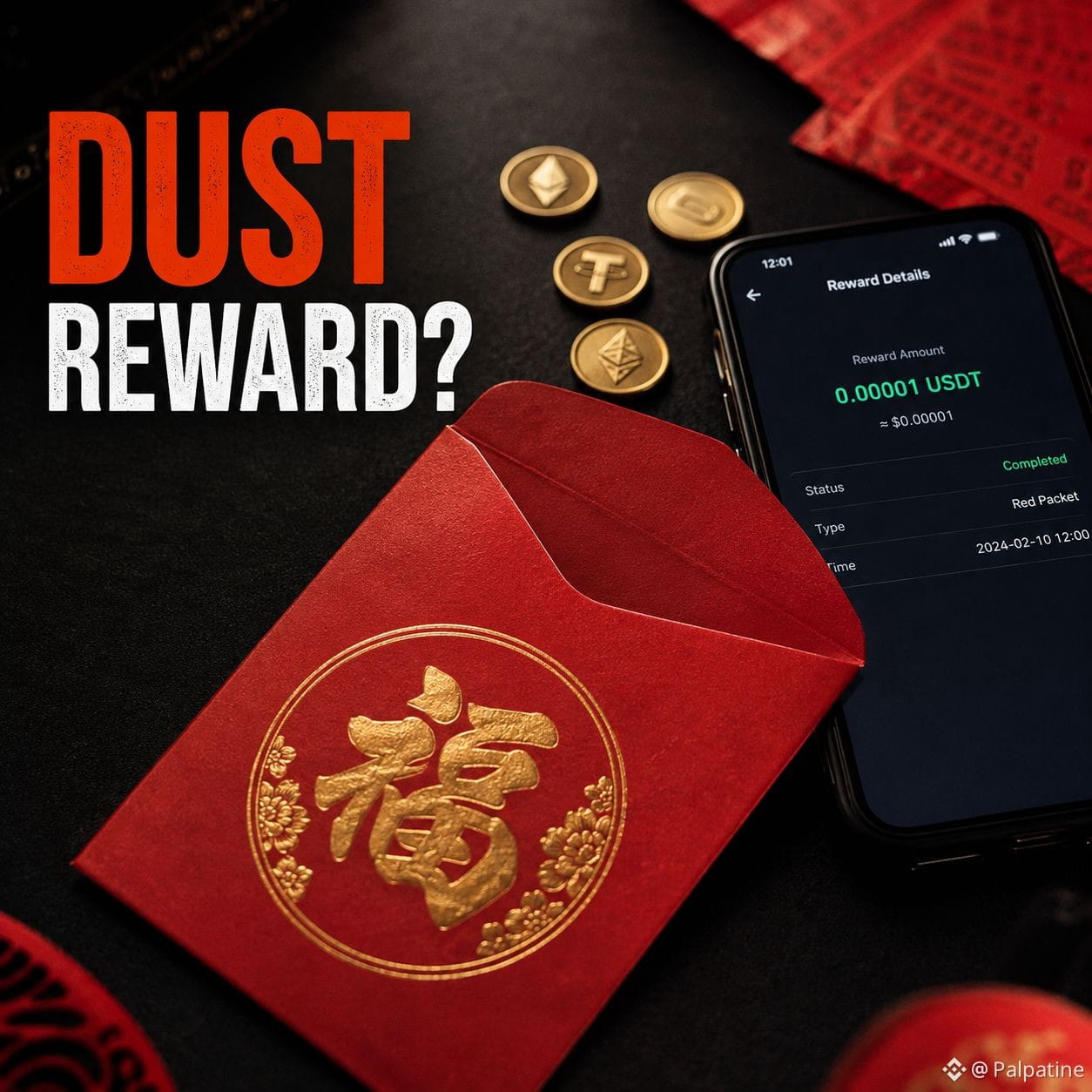
КРАСНЫЕ ПАКЕТЫ НЕ ДОЛЖНЫ ПЛАТИТЬ ПЫЛЬЮ — 0.00001 USDT НЕ ЯВЛЯЕТСЯ НАГРАДОЙ
Мне нравятся Красные пакеты Binance.
Мне не нравится другое: открыть один и получить что-то вроде:
0.00000001 $MUBARAK
0.00000001 $EGLD
0.00000001 $ARB
Технически — да, вы получили криптовалюту.
По сути? Вы получили пыль.
И именно это самое неприятное.
Красные пакеты — отличная функция для вовлечения сообщества, акций и знакомства с токенами. Я не прошу Binance убрать их.
Я прошу установить реальную минимальную награду для каждого получателя.
🟡 Минимальная распределяемая сумма.
🟡 Понятная оценка стоимости до получения.
🟡 Нет микроскопических наград, созданных только для увеличения цифр участия.
Никто не ожидает разбогатеть, получив Красный пакет.
Но время пользователей тоже имеет ценность.
НЕБОЛЬШАЯ НАГРАДА — ОК. БЕССМЫСЛЕННАЯ НАГРАДА — НЕТ.
Оставьте Красные пакеты.
ПОДНИМИТЕ НИЖНЮЮ ГРАНИЦУ.
Вы поддержите минимальную реальную ценность для каждого получения?
$EGLD $ARB
{spot}(MUBARAKUSDT)
КРАСНЫЕ ПАКЕТЫ НЕ ДОЛЖНЫ ПЛАТИТЬ ПЫЛЬЮ — 0.00001 USDT НЕ ЯВЛЯЕТСЯ НАГРАДОЙ
Мне нравятся Красные пакеты Binance.
Мне не нравится другое: открыть один и получить что-то вроде:
0.00000001 $MUBARAK
0.00000001 $EGLD
0.00000001 $ARB
Технически — да, вы получили криптовалюту.
По сути? Вы получили пыль.
И именно это самое неприятное.
Красные пакеты — отличная функция для вовлечения сообщества, акций и знакомства с токенами. Я не прошу Binance убрать их.
Я прошу установить реальную минимальную награду для каждого получателя.
🟡 Минимальная распределяемая сумма.
🟡 Понятная оценка стоимости до получения.
🟡 Нет микроскопических наград, созданных только для увеличения цифр участия.
Никто не ожидает разбогатеть, получив Красный пакет.
Но время пользователей тоже имеет ценность.
НЕБОЛЬШАЯ НАГРАДА — ОК. БЕССМЫСЛЕННАЯ НАГРАДА — НЕТ.
Оставьте Красные пакеты.
ПОДНИМИТЕ НИЖНЮЮ ГРАНИЦУ.
Вы поддержите минимальную реальную ценность для каждого получения?
$EGLD $ARB
Мне нравятся Красные пакеты Binance.
Мне не нравится другое: открыть один и получить что-то вроде:
0.00000001 $MUBARAK
0.00000001 $EGLD
0.00000001 $ARB
Технически — да, вы получили криптовалюту.
По сути? Вы получили пыль.
И именно это самое неприятное.
Красные пакеты — отличная функция для вовлечения сообщества, акций и знакомства с токенами. Я не прошу Binance убрать их.
Я прошу установить реальную минимальную награду для каждого получателя.
🟡 Минимальная распределяемая сумма.
🟡 Понятная оценка стоимости до получения.
🟡 Нет микроскопических наград, созданных только для увеличения цифр участия.
Никто не ожидает разбогатеть, получив Красный пакет.
Но время пользователей тоже имеет ценность.
НЕБОЛЬШАЯ НАГРАДА — ОК. БЕССМЫСЛЕННАЯ НАГРАДА — НЕТ.
Оставьте Красные пакеты.
ПОДНИМИТЕ НИЖНЮЮ ГРАНИЦУ.
Вы поддержите минимальную реальную ценность для каждого получения?
$EGLD $ARB
1
250
·
--
Падение
КАРТА БЫЛА ОПУБЛИКОВАНА — ZKC СДЕЛАЛО ОСТАЛЬНОЕ
$ZKC сейчас торгуется около 0.0492.
Пока памп всё ещё привлекал внимание, мы опубликовали сетап вместо того, чтобы гнаться за движением:
🟠 Ждите истощения.
🟠 Не шортите вслепую в слабости.
🟢 TP1: 0.0555–0.0560 ✅
🟢 TP2: 0.0510–0.0520 ✅
🟢 TP3: 0.0470–0.0480 ⏳
🟢 Раннер: 0.0390–0.0400
Первый пик был около 0.0708.
Теперь ZKC уже опустился ниже 0.050.
Это тот же принцип, который сработал для нас с $ONG и $BMT:
НЕ ПРЕДСКАЗЫВАЙТЕ ВЕРХ.
ЧИТАЙТЕ СТРУКТУРУ.
ЖДИТЕ, ПОКА СОЖМЁТ КОШЕЛЁК (SQUEEZE) НЕ УМРЁТ.
ТОРГОВЛЯ СРЕДНЕЙ РЕТУРНИЗАЦИЕЙ (MEAN REVERSION).
Без ретроспективы.
План был опубликован до движения.
TP1 и TP2 уже ушли. Теперь просто следим: рынок хочет завершить TP3 — или наконец построить реальное дно.
ПРОЦЕСС > ПРОГНОЗ.
$ZKC $ONG $BMT
{future}(ZKCUSDT)
КАРТА БЫЛА ОПУБЛИКОВАНА — ZKC СДЕЛАЛО ОСТАЛЬНОЕ
$ZKC сейчас торгуется около 0.0492.
Пока памп всё ещё привлекал внимание, мы опубликовали сетап вместо того, чтобы гнаться за движением:
🟠 Ждите истощения.
🟠 Не шортите вслепую в слабости.
🟢 TP1: 0.0555–0.0560 ✅
🟢 TP2: 0.0510–0.0520 ✅
🟢 TP3: 0.0470–0.0480 ⏳
🟢 Раннер: 0.0390–0.0400
Первый пик был около 0.0708.
Теперь ZKC уже опустился ниже 0.050.
Это тот же принцип, который сработал для нас с $ONG и $BMT :
НЕ ПРЕДСКАЗЫВАЙТЕ ВЕРХ.
ЧИТАЙТЕ СТРУКТУРУ.
ЖДИТЕ, ПОКА СОЖМЁТ КОШЕЛЁК (SQUEEZE) НЕ УМРЁТ.
ТОРГОВЛЯ СРЕДНЕЙ РЕТУРНИЗАЦИЕЙ (MEAN REVERSION).
Без ретроспективы.
План был опубликован до движения.
TP1 и TP2 уже ушли. Теперь просто следим: рынок хочет завершить TP3 — или наконец построить реальное дно.
ПРОЦЕСС > ПРОГНОЗ.
$ZKC $ONG $BMT
$ZKC сейчас торгуется около 0.0492.
Пока памп всё ещё привлекал внимание, мы опубликовали сетап вместо того, чтобы гнаться за движением:
🟠 Ждите истощения.
🟠 Не шортите вслепую в слабости.
🟢 TP1: 0.0555–0.0560 ✅
🟢 TP2: 0.0510–0.0520 ✅
🟢 TP3: 0.0470–0.0480 ⏳
🟢 Раннер: 0.0390–0.0400
Первый пик был около 0.0708.
Теперь ZKC уже опустился ниже 0.050.
Это тот же принцип, который сработал для нас с $ONG и $BMT :
НЕ ПРЕДСКАЗЫВАЙТЕ ВЕРХ.
ЧИТАЙТЕ СТРУКТУРУ.
ЖДИТЕ, ПОКА СОЖМЁТ КОШЕЛЁК (SQUEEZE) НЕ УМРЁТ.
ТОРГОВЛЯ СРЕДНЕЙ РЕТУРНИЗАЦИЕЙ (MEAN REVERSION).
Без ретроспективы.
План был опубликован до движения.
TP1 и TP2 уже ушли. Теперь просто следим: рынок хочет завершить TP3 — или наконец построить реальное дно.
ПРОЦЕСС > ПРОГНОЗ.
$ZKC $ONG $BMT

Palpatine
·
--
TP1 HIT — НАСТРОЙКА УЖЕ РАБОТАЕТ
$ZKC теперь достиг TP1: 0.0555–0.0560.
Первая цель из плана выполнена.
Далее каждый должен вести сделку, исходя из собственного уровня риска:
🟢 Берите частичную прибыль и фиксируйте сделку.
🟢 Сдвиньте защиту ближе и пусть остальная часть продолжает идти.
🟢 Или продолжайте удерживать оставшиеся цели:
TP2: 0.0510–0.0520
TP3: 0.0470–0.0480
Runner: 0.0390–0.0400
Важно то, что сетап сделал то, что должен был.
Теперь рынок может отскочить, консолидироваться или продолжить просадку.
ПЛАН ДАЛ ВХОД. TP1 ОПЛАТИЛ.
С ЭТОГО МОМЕНТА УПРАВЛЕНИЕ ВАЖНЕЕ, ЧЕМ ПРОГНОЗ.
$ZKC $BTC $ETH
$ZKC теперь достиг TP1: 0.0555–0.0560.
Первая цель из плана выполнена.
Далее каждый должен вести сделку, исходя из собственного уровня риска:
🟢 Берите частичную прибыль и фиксируйте сделку.
🟢 Сдвиньте защиту ближе и пусть остальная часть продолжает идти.
🟢 Или продолжайте удерживать оставшиеся цели:
TP2: 0.0510–0.0520
TP3: 0.0470–0.0480
Runner: 0.0390–0.0400
Важно то, что сетап сделал то, что должен был.
Теперь рынок может отскочить, консолидироваться или продолжить просадку.
ПЛАН ДАЛ ВХОД. TP1 ОПЛАТИЛ.
С ЭТОГО МОМЕНТА УПРАВЛЕНИЕ ВАЖНЕЕ, ЧЕМ ПРОГНОЗ.
$ZKC $BTC $ETH
285
·
--
🇦🇷 МАЛЬВИНЫ: ЧТО МИЛЕЙ ЗНАЕТ, ЧЕГО МЫ ВСЁ ЕЩЁ НЕ ЗНАЕМ?
В четверг в 21:00 Хавьер Милей выступит по всей стране исключительно о Мальвинах.
И выбранный момент, похоже, не случаен.
Дональд Трамп только что заявил, что США готовы «пересмотреть» свою историческую позицию по спору о суверенитете между Аргентиной и Соединённым Королевством.
Вашингтон пока не объявлял о каких-либо официальных изменениях, но в Каса Росада считают, что произошло нечто достаточно важное, чтобы Президент обратился ко всей стране.
Канцелярия заявляла о «дипломатических успехах». Полный текст сообщения по-прежнему засекречен.
И тогда возникает вопрос:
ЭТО ТОЛЬКО ДИПЛОМАТИЧЕСКОЕ ОБЪЯСНЕНИЕ… ИЛИ В ЧЕТВЕРГ МЫ УЗНАЕМ ЧТО-ТО НОВОЕ?
После десятилетий, когда Мальвины казались замороженной темой, Аргентина, США и Соединённое Королевство снова оказываются на одной доске.
Мы пока не знаем, что объявит Милей.
Но национальный телемост, посвящённый исключительно Мальвинам, случается не каждый день.
В четверг это может быть просто выступление.
Или начнётся ещё одна глава.
#algopaso #argentinapotencia
$YPF.US
$PAM.US
$VIST.US
🇦🇷 МАЛЬВИНЫ: ЧТО МИЛЕЙ ЗНАЕТ, ЧЕГО МЫ ВСЁ ЕЩЁ НЕ ЗНАЕМ?
В четверг в 21:00 Хавьер Милей выступит по всей стране исключительно о Мальвинах.
И выбранный момент, похоже, не случаен.
Дональд Трамп только что заявил, что США готовы «пересмотреть» свою историческую позицию по спору о суверенитете между Аргентиной и Соединённым Королевством.
Вашингтон пока не объявлял о каких-либо официальных изменениях, но в Каса Росада считают, что произошло нечто достаточно важное, чтобы Президент обратился ко всей стране.
Канцелярия заявляла о «дипломатических успехах». Полный текст сообщения по-прежнему засекречен.
И тогда возникает вопрос:
ЭТО ТОЛЬКО ДИПЛОМАТИЧЕСКОЕ ОБЪЯСНЕНИЕ… ИЛИ В ЧЕТВЕРГ МЫ УЗНАЕМ ЧТО-ТО НОВОЕ?
После десятилетий, когда Мальвины казались замороженной темой, Аргентина, США и Соединённое Королевство снова оказываются на одной доске.
Мы пока не знаем, что объявит Милей.
Но национальный телемост, посвящённый исключительно Мальвинам, случается не каждый день.
В четверг это может быть просто выступление.
Или начнётся ещё одна глава.
#algopaso #argentinapotencia
$YPF.US
$PAM.US
$VIST.US
В четверг в 21:00 Хавьер Милей выступит по всей стране исключительно о Мальвинах.
И выбранный момент, похоже, не случаен.
Дональд Трамп только что заявил, что США готовы «пересмотреть» свою историческую позицию по спору о суверенитете между Аргентиной и Соединённым Королевством.
Вашингтон пока не объявлял о каких-либо официальных изменениях, но в Каса Росада считают, что произошло нечто достаточно важное, чтобы Президент обратился ко всей стране.
Канцелярия заявляла о «дипломатических успехах». Полный текст сообщения по-прежнему засекречен.
И тогда возникает вопрос:
ЭТО ТОЛЬКО ДИПЛОМАТИЧЕСКОЕ ОБЪЯСНЕНИЕ… ИЛИ В ЧЕТВЕРГ МЫ УЗНАЕМ ЧТО-ТО НОВОЕ?
После десятилетий, когда Мальвины казались замороженной темой, Аргентина, США и Соединённое Королевство снова оказываются на одной доске.
Мы пока не знаем, что объявит Милей.
Но национальный телемост, посвящённый исключительно Мальвинам, случается не каждый день.
В четверг это может быть просто выступление.
Или начнётся ещё одна глава.
#algopaso #argentinapotencia
$YPF.US
$PAM.US
$VIST.US

YPFUS+2,67%
PAMUS+2,94%
VISTUS+5,75%
2
230
·
--
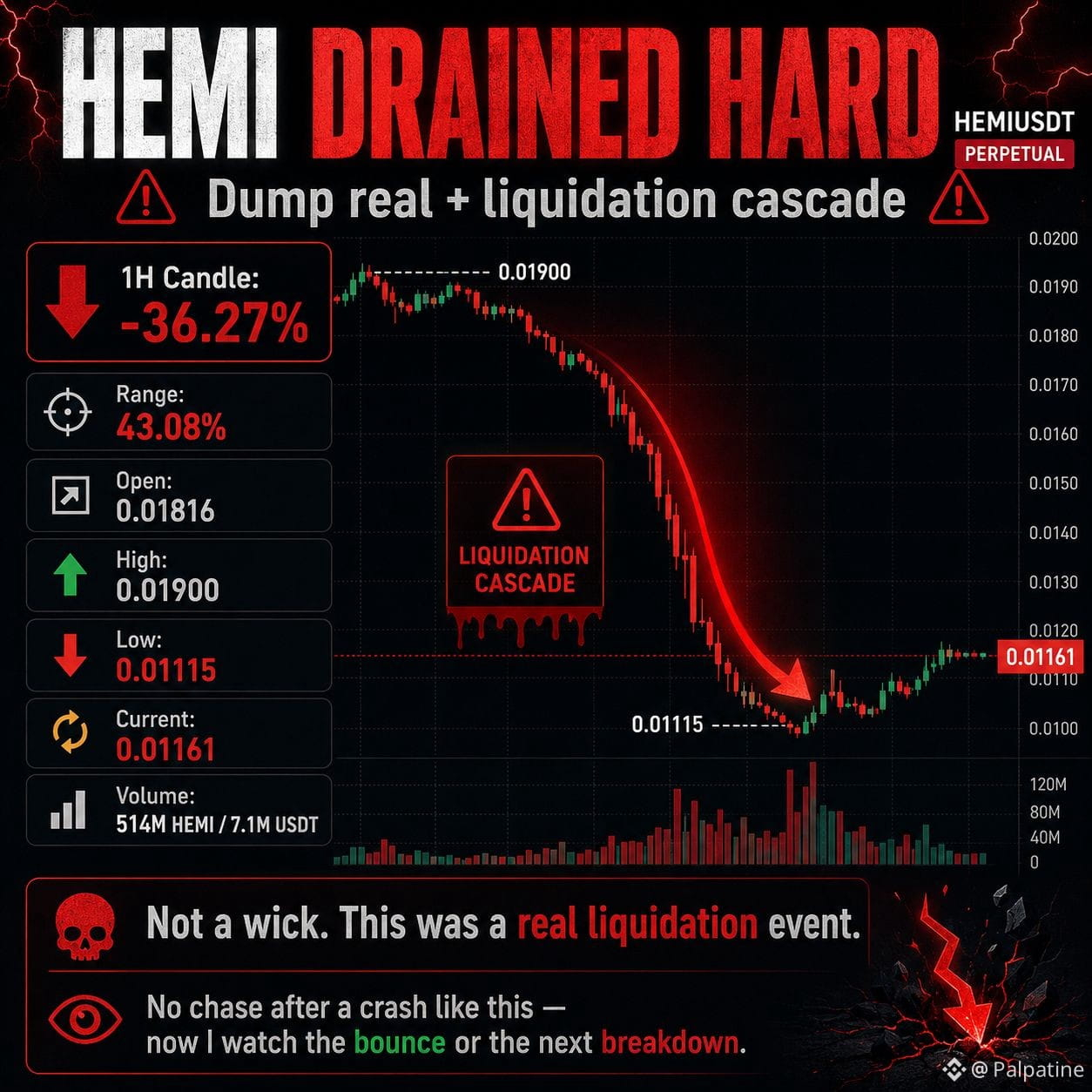
ЭТО НЕ БЫЛО «ПРОМАКНИВАНИЕ» — HEMI ПОЛНОСТЬЮ ЛИКВИДИРОВАЛИ
$HEMI показал одну из самых чистых ликвидационных цепочек, которые я видел в последнее время.
За одну свечу на 1H:
Открытие: 0.01816
Максимум: 0.01900
Минимум: 0.01115
Свеча: -36.27%
Общий диапазон: 43.08%
Объём взлетел примерно до 514M HEMI / $7.1M USDT, при этом цена держалась почти у минимумов, а не сразу отыграла верхний фитиль.
Это важно.
Это не просто шум из-за низкой ликвидности.
Похоже было на реальное переоценивание + событие с длинными ликвидациями, когда все пытаются выйти через одну и ту же дверь.
Но после обвала почти на 40% за минуты я не собираюсь гнаться за шортом.
Простой ход уже случился.
Теперь хочу посмотреть, что будет дальше:
Резкий отскок капитуляции?
Или слабый отскок с последующим очередным пробоем?
САМЫЙ ЛУЧШИЙ ТРЕЙД ПОСЛЕ ОБВАЛА ЧАСТО ВСЕГДА — ДОЖДАТЬ, ПОКА РЫНОК СБРОСИТСЯ.
$HEMI $BTC $ETH
{future}(HEMIUSDT)
ЭТО НЕ БЫЛО «ПРОМАКНИВАНИЕ» — HEMI ПОЛНОСТЬЮ ЛИКВИДИРОВАЛИ
$HEMI показал одну из самых чистых ликвидационных цепочек, которые я видел в последнее время.
За одну свечу на 1H:
Открытие: 0.01816
Максимум: 0.01900
Минимум: 0.01115
Свеча: -36.27%
Общий диапазон: 43.08%
Объём взлетел примерно до 514M HEMI / $7.1M USDT, при этом цена держалась почти у минимумов, а не сразу отыграла верхний фитиль.
Это важно.
Это не просто шум из-за низкой ликвидности.
Похоже было на реальное переоценивание + событие с длинными ликвидациями, когда все пытаются выйти через одну и ту же дверь.
Но после обвала почти на 40% за минуты я не собираюсь гнаться за шортом.
Простой ход уже случился.
Теперь хочу посмотреть, что будет дальше:
Резкий отскок капитуляции?
Или слабый отскок с последующим очередным пробоем?
САМЫЙ ЛУЧШИЙ ТРЕЙД ПОСЛЕ ОБВАЛА ЧАСТО ВСЕГДА — ДОЖДАТЬ, ПОКА РЫНОК СБРОСИТСЯ.
$HEMI $BTC $ETH
$HEMI показал одну из самых чистых ликвидационных цепочек, которые я видел в последнее время.
За одну свечу на 1H:
Открытие: 0.01816
Максимум: 0.01900
Минимум: 0.01115
Свеча: -36.27%
Общий диапазон: 43.08%
Объём взлетел примерно до 514M HEMI / $7.1M USDT, при этом цена держалась почти у минимумов, а не сразу отыграла верхний фитиль.
Это важно.
Это не просто шум из-за низкой ликвидности.
Похоже было на реальное переоценивание + событие с длинными ликвидациями, когда все пытаются выйти через одну и ту же дверь.
Но после обвала почти на 40% за минуты я не собираюсь гнаться за шортом.
Простой ход уже случился.
Теперь хочу посмотреть, что будет дальше:
Резкий отскок капитуляции?
Или слабый отскок с последующим очередным пробоем?
САМЫЙ ЛУЧШИЙ ТРЕЙД ПОСЛЕ ОБВАЛА ЧАСТО ВСЕГДА — ДОЖДАТЬ, ПОКА РЫНОК СБРОСИТСЯ.
$HEMI $BTC $ETH
1
256
·
--
Рост
🇦🇷 «ЭТО БЫЛ НЕ ПРОСТО ЕЩЁ ОДИН МАТЧ»… И В АНГЛАНДЕ СЕЙЧАС ЕЩЁ БОЛИТ
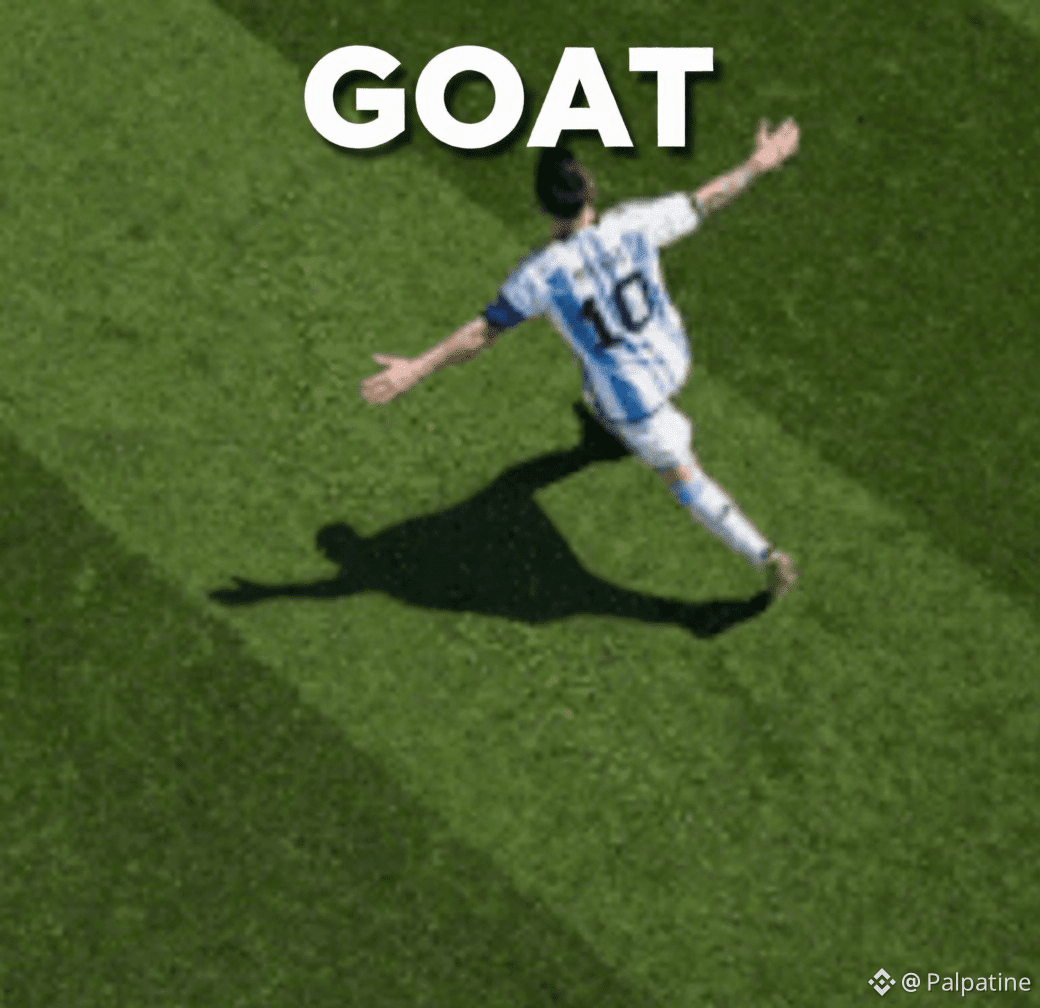
Лионель Месси завершил карьеру в сборной Аргентины 🇦🇷 AR, и мир ответил на это памятными жестами.
Но из Англии 🇬🇧 EN The Sun выбрала другой путь: она заявила, что Месси уходит «СНОВА», высмеивая то решение 2016 года. Пока газеты разных стран говорили о финале легенды, британское таблоидное издание искало укол.
И тогда снова вспоминается та фраза:
«Против Англии это был просто ещё один матч».
Точно?
Аргентина обыграла Англию в полуфинале, который завершился флагом «Мальвинские острова — аргентинские», и это облетело весь мир. Прошли недели, завершился чемпионат мира, Месси объявил про прощание… и с другой стороны английской прессы до сих пор пытаются найти способ, как укусить.
Как аргентинцам нам не нужно отвечать оскорблениями.
У нас есть куда более простый ответ:
Спасибо, капитан. 🇦🇷
Им можно оставить себе насмешку.
А мы остаёмся с Месси — с его историей — и с тем полуфиналом, который, очевидно, не был просто ещё одним матчем.
#algopaso
$BTC
🇦🇷 «ЭТО БЫЛ НЕ ПРОСТО ЕЩЁ ОДИН МАТЧ»… И В АНГЛАНДЕ СЕЙЧАС ЕЩЁ БОЛИТ
Лионель Месси завершил карьеру в сборной Аргентины 🇦🇷 AR, и мир ответил на это памятными жестами.
Но из Англии 🇬🇧 EN The Sun выбрала другой путь: она заявила, что Месси уходит «СНОВА», высмеивая то решение 2016 года. Пока газеты разных стран говорили о финале легенды, британское таблоидное издание искало укол.
И тогда снова вспоминается та фраза:
«Против Англии это был просто ещё один матч».
Точно?
Аргентина обыграла Англию в полуфинале, который завершился флагом «Мальвинские острова — аргентинские», и это облетело весь мир. Прошли недели, завершился чемпионат мира, Месси объявил про прощание… и с другой стороны английской прессы до сих пор пытаются найти способ, как укусить.
Как аргентинцам нам не нужно отвечать оскорблениями.
У нас есть куда более простый ответ:
Спасибо, капитан. 🇦🇷
Им можно оставить себе насмешку.
А мы остаёмся с Месси — с его историей — и с тем полуфиналом, который, очевидно, не был просто ещё одним матчем.
#algopaso
$BTC
Лионель Месси завершил карьеру в сборной Аргентины 🇦🇷 AR, и мир ответил на это памятными жестами.
Но из Англии 🇬🇧 EN The Sun выбрала другой путь: она заявила, что Месси уходит «СНОВА», высмеивая то решение 2016 года. Пока газеты разных стран говорили о финале легенды, британское таблоидное издание искало укол.
И тогда снова вспоминается та фраза:
«Против Англии это был просто ещё один матч».
Точно?
Аргентина обыграла Англию в полуфинале, который завершился флагом «Мальвинские острова — аргентинские», и это облетело весь мир. Прошли недели, завершился чемпионат мира, Месси объявил про прощание… и с другой стороны английской прессы до сих пор пытаются найти способ, как укусить.
Как аргентинцам нам не нужно отвечать оскорблениями.
У нас есть куда более простый ответ:
Спасибо, капитан. 🇦🇷
Им можно оставить себе насмешку.
А мы остаёмся с Месси — с его историей — и с тем полуфиналом, который, очевидно, не был просто ещё одним матчем.
#algopaso
$BTC
2
1.3k
·
--
🇦🇷 СПАСИБО, КАПИТАН. ФИНАЛ, КОТОРОГО ТЫ НЕ ЗАСЛУЖИВАЛ
Сегодня Лионель Месси объявил, что уходит из Сборной Аргентины 🇦🇷 AR.
После более чем 20 лет, 207 матчей, 125 голов, Кубка мира и истории, которая навсегда изменила наш футбол, как аргентинцам остается сказать лишь одно:
СПАСИБО, КАПИТАН.
И, возможно, поэтому всё это до сих пор так больно.
Твой последний матч за Аргентину — это тот самый финал против Испании 🇪🇸 ES. Финал, который для многих оставил сложные решения, не поддающиеся объяснению, и ощущение, которое до сих пор не исчезает.
Месси написал прощание всего через два дня после того финала.
Сегодня он сам сказал: «Я выложился до конца, мне больше нечего дать».
Испания выиграла Кубок. Это записано.
Но то, что тот матч был просто обычным финалом, без чего-либо, что можно обсуждать… это до сих пор разделяет мир.
И особенно грустно, что последняя соревновательная картинка Месси в нашей форме так и остается привязанной к этой полемике.
Нам могут обсуждать матчи, арбитров и дисквалификации.
Но то, что никто не сможет оспорить — это то, что этот человек сделал для 🇦🇷 AR.
Спасибо за всё, Лео.
#algopaso
{spot}(BTCUSDT)
{future}(HEMIUSDT)
{future}(0GUSDT)
🇦🇷 СПАСИБО, КАПИТАН. ФИНАЛ, КОТОРОГО ТЫ НЕ ЗАСЛУЖИВАЛ
Сегодня Лионель Месси объявил, что уходит из Сборной Аргентины 🇦🇷 AR.
После более чем 20 лет, 207 матчей, 125 голов, Кубка мира и истории, которая навсегда изменила наш футбол, как аргентинцам остается сказать лишь одно:
СПАСИБО, КАПИТАН.
И, возможно, поэтому всё это до сих пор так больно.
Твой последний матч за Аргентину — это тот самый финал против Испании 🇪🇸 ES. Финал, который для многих оставил сложные решения, не поддающиеся объяснению, и ощущение, которое до сих пор не исчезает.
Месси написал прощание всего через два дня после того финала.
Сегодня он сам сказал: «Я выложился до конца, мне больше нечего дать».
Испания выиграла Кубок. Это записано.
Но то, что тот матч был просто обычным финалом, без чего-либо, что можно обсуждать… это до сих пор разделяет мир.
И особенно грустно, что последняя соревновательная картинка Месси в нашей форме так и остается привязанной к этой полемике.
Нам могут обсуждать матчи, арбитров и дисквалификации.
Но то, что никто не сможет оспорить — это то, что этот человек сделал для 🇦🇷 AR.
Спасибо за всё, Лео.
#algopaso
Сегодня Лионель Месси объявил, что уходит из Сборной Аргентины 🇦🇷 AR.
После более чем 20 лет, 207 матчей, 125 голов, Кубка мира и истории, которая навсегда изменила наш футбол, как аргентинцам остается сказать лишь одно:
СПАСИБО, КАПИТАН.
И, возможно, поэтому всё это до сих пор так больно.
Твой последний матч за Аргентину — это тот самый финал против Испании 🇪🇸 ES. Финал, который для многих оставил сложные решения, не поддающиеся объяснению, и ощущение, которое до сих пор не исчезает.
Месси написал прощание всего через два дня после того финала.
Сегодня он сам сказал: «Я выложился до конца, мне больше нечего дать».
Испания выиграла Кубок. Это записано.
Но то, что тот матч был просто обычным финалом, без чего-либо, что можно обсуждать… это до сих пор разделяет мир.
И особенно грустно, что последняя соревновательная картинка Месси в нашей форме так и остается привязанной к этой полемике.
Нам могут обсуждать матчи, арбитров и дисквалификации.
Но то, что никто не сможет оспорить — это то, что этот человек сделал для 🇦🇷 AR.
Спасибо за всё, Лео.
#algopaso

4
275
·
--
ZKC HIT TP1 — +21,97% ROI И РЫНОК СЕЙЧАС ПРОСТО СМЕНИЛ ФАЗУ
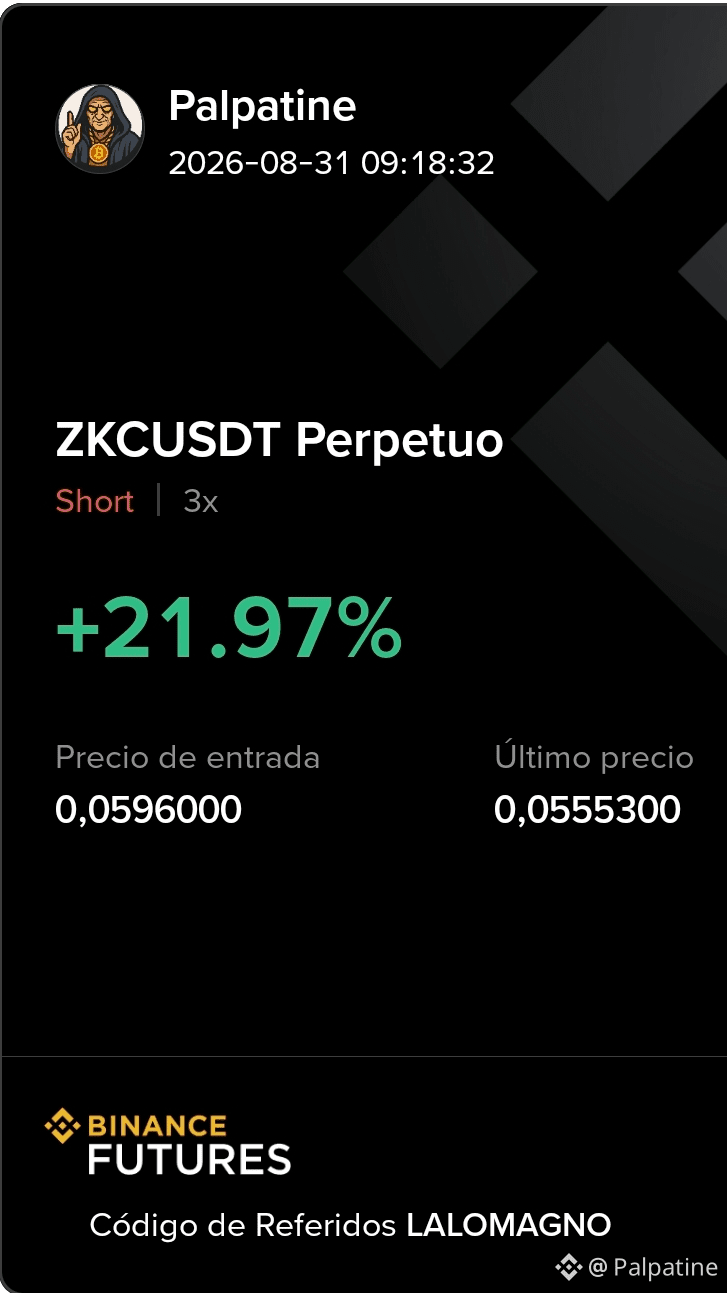
$ZKC выполнил первую цель из нашего публичного плана.
Вход: 0.05960
Зона TP1: 0.0555–0.0560 ✅
Показанный ROI: +21,97% при 3x
Но самое главное: исходный памп теперь полностью потерял эффект FOMO. ZKC перешёл от статуса одного из топовых зелёных движений рынка к примерно -14% за 24ч.
И вот здесь решает менеджмент.
После достижения 0.05243 «умные деньги» и киты начали покупать возле минимумов, и Open Interest начал восстанавливаться. Это повышает вероятность технического отскока ещё до любого дальнейшего углубления продолжения.
Итак, отсюда:
🟢 TP1 уже отработал. Фиксируйте прибыль, если это была ваша цель.
🟢 Остальные цели:
TP2: 0.051–0.052
TP3: 0.047–0.048
Раннер: 0.039–0.040
⚠️ Восстановление к 0.058–0.060 не удивит меня. Если этот отскок не сработает, может появиться ещё одна возможность для шорта.
Сделка уже сработала.
Теперь каждый управляет в соответствии со своим собственным риском.
КОНФИГУРАЦИЯ ДАЛА НАМ ДВИЖЕНИЕ.
ТЕПЕРЬ МЫ ДАЁМ РЫНКУ ПОКАЗАТЬ СЛЕДУЮЩЕЕ.
$ZKC $BTC $ETH
ZKC HIT TP1 — +21,97% ROI И РЫНОК СЕЙЧАС ПРОСТО СМЕНИЛ ФАЗУ
$ZKC выполнил первую цель из нашего публичного плана.
Вход: 0.05960
Зона TP1: 0.0555–0.0560 ✅
Показанный ROI: +21,97% при 3x
Но самое главное: исходный памп теперь полностью потерял эффект FOMO. ZKC перешёл от статуса одного из топовых зелёных движений рынка к примерно -14% за 24ч.
И вот здесь решает менеджмент.
После достижения 0.05243 «умные деньги» и киты начали покупать возле минимумов, и Open Interest начал восстанавливаться. Это повышает вероятность технического отскока ещё до любого дальнейшего углубления продолжения.
Итак, отсюда:
🟢 TP1 уже отработал. Фиксируйте прибыль, если это была ваша цель.
🟢 Остальные цели:
TP2: 0.051–0.052
TP3: 0.047–0.048
Раннер: 0.039–0.040
⚠️ Восстановление к 0.058–0.060 не удивит меня. Если этот отскок не сработает, может появиться ещё одна возможность для шорта.
Сделка уже сработала.
Теперь каждый управляет в соответствии со своим собственным риском.
КОНФИГУРАЦИЯ ДАЛА НАМ ДВИЖЕНИЕ.
ТЕПЕРЬ МЫ ДАЁМ РЫНКУ ПОКАЗАТЬ СЛЕДУЮЩЕЕ.
$ZKC $BTC $ETH
$ZKC выполнил первую цель из нашего публичного плана.
Вход: 0.05960
Зона TP1: 0.0555–0.0560 ✅
Показанный ROI: +21,97% при 3x
Но самое главное: исходный памп теперь полностью потерял эффект FOMO. ZKC перешёл от статуса одного из топовых зелёных движений рынка к примерно -14% за 24ч.
И вот здесь решает менеджмент.
После достижения 0.05243 «умные деньги» и киты начали покупать возле минимумов, и Open Interest начал восстанавливаться. Это повышает вероятность технического отскока ещё до любого дальнейшего углубления продолжения.
Итак, отсюда:
🟢 TP1 уже отработал. Фиксируйте прибыль, если это была ваша цель.
🟢 Остальные цели:
TP2: 0.051–0.052
TP3: 0.047–0.048
Раннер: 0.039–0.040
⚠️ Восстановление к 0.058–0.060 не удивит меня. Если этот отскок не сработает, может появиться ещё одна возможность для шорта.
Сделка уже сработала.
Теперь каждый управляет в соответствии со своим собственным риском.
КОНФИГУРАЦИЯ ДАЛА НАМ ДВИЖЕНИЕ.
ТЕПЕРЬ МЫ ДАЁМ РЫНКУ ПОКАЗАТЬ СЛЕДУЮЩЕЕ.
$ZKC $BTC $ETH
2
190
·
--
TP1 HIT — НАСТРОЙКА УЖЕ РАБОТАЕТ
$ZKC теперь достиг TP1: 0.0555–0.0560.
Первая цель из плана выполнена.
Далее каждый должен вести сделку, исходя из собственного уровня риска:
🟢 Берите частичную прибыль и фиксируйте сделку.
🟢 Сдвиньте защиту ближе и пусть остальная часть продолжает идти.
🟢 Или продолжайте удерживать оставшиеся цели:
TP2: 0.0510–0.0520
TP3: 0.0470–0.0480
Runner: 0.0390–0.0400
Важно то, что сетап сделал то, что должен был.
Теперь рынок может отскочить, консолидироваться или продолжить просадку.
ПЛАН ДАЛ ВХОД. TP1 ОПЛАТИЛ.
С ЭТОГО МОМЕНТА УПРАВЛЕНИЕ ВАЖНЕЕ, ЧЕМ ПРОГНОЗ.
$ZKC $BTC $ETH
TP1 HIT — НАСТРОЙКА УЖЕ РАБОТАЕТ
$ZKC теперь достиг TP1: 0.0555–0.0560.
Первая цель из плана выполнена.
Далее каждый должен вести сделку, исходя из собственного уровня риска:
🟢 Берите частичную прибыль и фиксируйте сделку.
🟢 Сдвиньте защиту ближе и пусть остальная часть продолжает идти.
🟢 Или продолжайте удерживать оставшиеся цели:
TP2: 0.0510–0.0520
TP3: 0.0470–0.0480
Runner: 0.0390–0.0400
Важно то, что сетап сделал то, что должен был.
Теперь рынок может отскочить, консолидироваться или продолжить просадку.
ПЛАН ДАЛ ВХОД. TP1 ОПЛАТИЛ.
С ЭТОГО МОМЕНТА УПРАВЛЕНИЕ ВАЖНЕЕ, ЧЕМ ПРОГНОЗ.
$ZKC $BTC $ETH
$ZKC теперь достиг TP1: 0.0555–0.0560.
Первая цель из плана выполнена.
Далее каждый должен вести сделку, исходя из собственного уровня риска:
🟢 Берите частичную прибыль и фиксируйте сделку.
🟢 Сдвиньте защиту ближе и пусть остальная часть продолжает идти.
🟢 Или продолжайте удерживать оставшиеся цели:
TP2: 0.0510–0.0520
TP3: 0.0470–0.0480
Runner: 0.0390–0.0400
Важно то, что сетап сделал то, что должен был.
Теперь рынок может отскочить, консолидироваться или продолжить просадку.
ПЛАН ДАЛ ВХОД. TP1 ОПЛАТИЛ.
С ЭТОГО МОМЕНТА УПРАВЛЕНИЕ ВАЖНЕЕ, ЧЕМ ПРОГНОЗ.
$ZKC $BTC $ETH
Palpatine
·
--
ПадениеZKC ТЕРЯЕТ ИМПУЛЬС — НО МЫ НЕ ГОНЯЕМСЯ ЗА ПАДЕНИЕМ
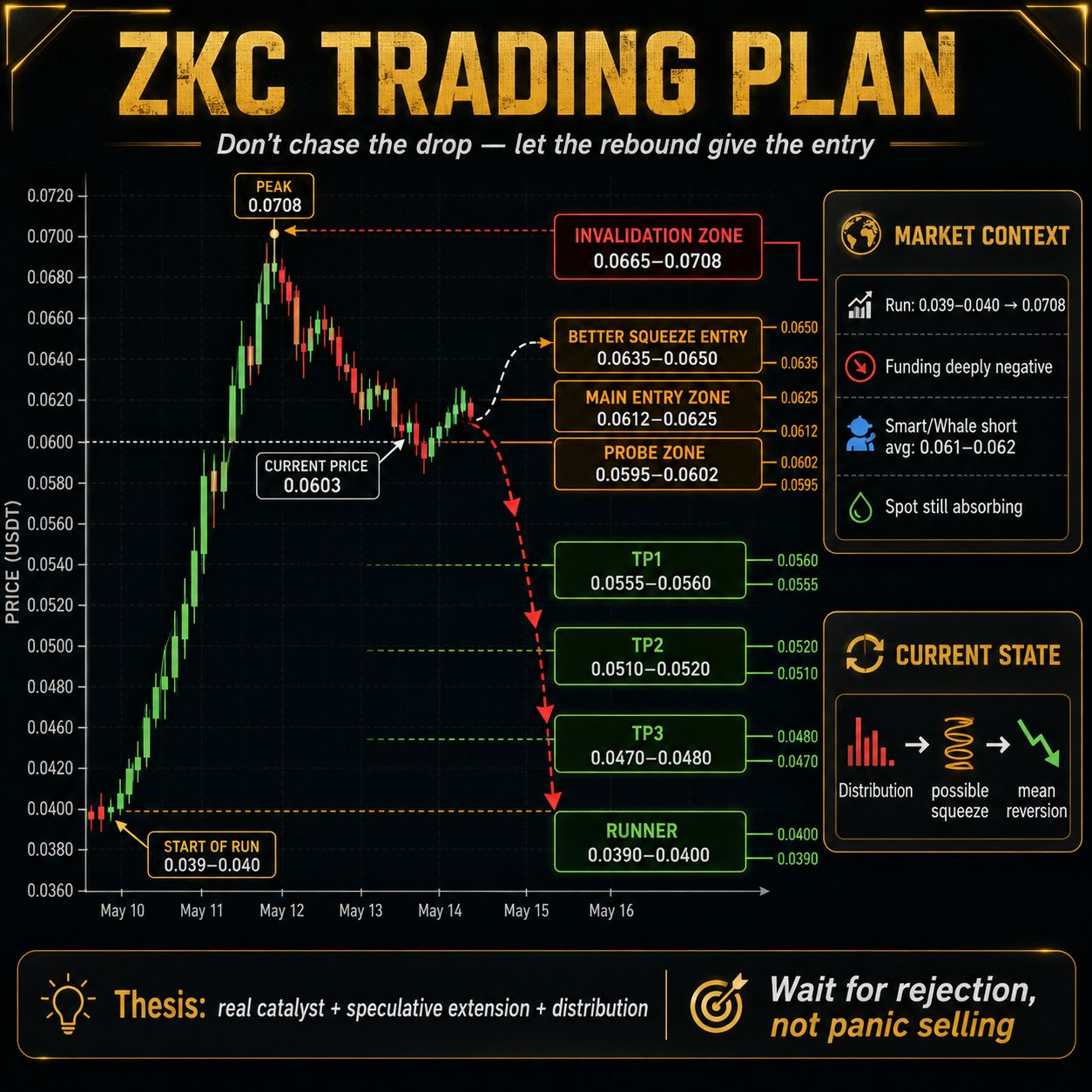
$ZKC ran с примерно 0.039–0.040 до 0.0708 — резкое расширение, тогда как более широкий рынок оставался относительно спокойным.
Теперь картина меняется.
Цена уже примерно на 16% ниже максимума, импульс ослаб, «умные» деньги и шорты китов в районе 0.061–0.062 переходят в прибыль, а недавний профессиональный поток стал всё более оборонительным.
Но есть одна причина не спешить:
маржа (funding) остаётся глубоко отрицательной, а спот всё ещё поглощает объёмы.
Это значит, что ещё один сжим / отскок вполне возможен до реальной средней коррекции.
НАША КАРТА ZKC
🟠 ПРОБНЫЙ ЗОН: 0.0595–0.0602
🟠 ОСНОВНОЙ ВХОД: 0.0612–0.0625
🟠 БОЛЕЕ ХОРОШИЙ ВХОД ДЛЯ СЖИМА: 0.0635–0.0650
Мы предпочитаем отклонение (отбой) от этих зон, а не слепую продажу слабости.
🟢 TP1: 0.0555–0.0560
🟢 TP2: 0.0510–0.0520
🟢 TP3: 0.0470–0.0480
🟢 РАННЕР: 0.0390–0.0400
🔴 ЗОНА АННУЛИРОВАНИЯ: 0.0665–0.0708
Восстановление на 1H выше 0.0665 при расширении OI заставит нас пересмотреть позицию. Пробой максимума 0.0708 аннулирует текущую структуру возврата к среднему.
Тезис простой:
РЕАЛЬНЫЙ КАТАЛИЗАТОР → СПЕКУЛЯТИВНОЕ РАСШИРЕНИЕ → РАСПРЕДЕЛЕНИЕ → ВОЗМОЖНЫЙ СЖИМ → ВОЗВРАТ К СРЕДНЕМУ
Мы видели, почему важна терпеливость с $ONG и $BMT.
Теперь ZKC должно доказать, что покупатели действительно закончили.
ПУСТЬ ОТСКОК ДАСТ ВХОД.
НЕ ОТДАВАЙТЕ РЫНКУ СВОЮ ЛИКВИДНОСТЬ.
$ZKC ran с примерно 0.039–0.040 до 0.0708 — резкое расширение, тогда как более широкий рынок оставался относительно спокойным.
Теперь картина меняется.
Цена уже примерно на 16% ниже максимума, импульс ослаб, «умные» деньги и шорты китов в районе 0.061–0.062 переходят в прибыль, а недавний профессиональный поток стал всё более оборонительным.
Но есть одна причина не спешить:
маржа (funding) остаётся глубоко отрицательной, а спот всё ещё поглощает объёмы.
Это значит, что ещё один сжим / отскок вполне возможен до реальной средней коррекции.
НАША КАРТА ZKC
🟠 ПРОБНЫЙ ЗОН: 0.0595–0.0602
🟠 ОСНОВНОЙ ВХОД: 0.0612–0.0625
🟠 БОЛЕЕ ХОРОШИЙ ВХОД ДЛЯ СЖИМА: 0.0635–0.0650
Мы предпочитаем отклонение (отбой) от этих зон, а не слепую продажу слабости.
🟢 TP1: 0.0555–0.0560
🟢 TP2: 0.0510–0.0520
🟢 TP3: 0.0470–0.0480
🟢 РАННЕР: 0.0390–0.0400
🔴 ЗОНА АННУЛИРОВАНИЯ: 0.0665–0.0708
Восстановление на 1H выше 0.0665 при расширении OI заставит нас пересмотреть позицию. Пробой максимума 0.0708 аннулирует текущую структуру возврата к среднему.
Тезис простой:
РЕАЛЬНЫЙ КАТАЛИЗАТОР → СПЕКУЛЯТИВНОЕ РАСШИРЕНИЕ → РАСПРЕДЕЛЕНИЕ → ВОЗМОЖНЫЙ СЖИМ → ВОЗВРАТ К СРЕДНЕМУ
Мы видели, почему важна терпеливость с $ONG и $BMT.
Теперь ZKC должно доказать, что покупатели действительно закончили.
ПУСТЬ ОТСКОК ДАСТ ВХОД.
НЕ ОТДАВАЙТЕ РЫНКУ СВОЮ ЛИКВИДНОСТЬ.
1
487
Войдите, чтобы посмотреть больше материала
Присоединяйтесь к пользователям криптовалют по всему миру на Binance Square
⚡️ Получайте новейшую и полезную информацию о криптоактивах.
💬 Нам доверяет крупнейшая в мире криптобиржа.
👍 Получите достоверные аналитические данные от верифицированных создателей контента.
Эл. почта/номер телефона
В тренде
USAugustPPIRisesLessThanExpected
Просмотров: 72,251
991 обсуждают
🚨 США: PPI в августе растёт меньше ожиданий! Бычий сигнал для крипто? 🚀
PPI +0.4% м/м как и ожидалось, но CORE PPI только +0.2% вместо +0.3% ожиданий — охлаждение!
Что это значит:
• Оптовая инфляция мягче, чем опасались
• Вероятность повышения ставки ФРС теперь 62% — но идут «голубиные» сигналы
• Пересмотр Core PCE ожидается вниз — бычий фактор
• Обычно BTC растёт на более мягком PPI
Заседание ФРС 15–16 сентября — рынок теперь ожидает паузу, а не повышение?
Это зелёный свет для ралли в Q4?
#Bitcoin #PPI #Fed #CryptoNews #BTC#usaugustppiriseslessthanexpected
True News
·Лайков: 2
·Просмотров: 1.4k
SECApprovesNasdaqTexasCommodityTrustRule
Просмотров: 36,976
672 обсуждают
ECBRaisesRatesSecondTimeTo2.5%
Просмотров: 32,619
479 обсуждают