

Crypto Breaking
20k Публикации

Crypto Breaking
 Square Verified+
Отправить жалобу
Заблокировать пользователя
Get real-time cryptocurrency news, blockchain updates, market analysis, and expert insights. Explore the latest trends in Bitcoin, Ethereum, DeFi, and Web3.
6 подписок(и/а)
32.8K+ подписчиков(а)
31.6K+ понравилось
Посты
Все
Цитирования
Статья
См. перевод
SEC Proposal Would Remove Custody Barriers for Crypto AdvisersThe U.S. Securities and Exchange Commission has proposed changes that could make it easier for investment advisers—and certain funds—to hold clients’ crypto assets when no qualified custodian is available for a given token. The measure, published Thursday, aims to remove a practical bottleneck that has limited how broadly advisers can offer digital asset exposure.
SEC Chair Paul Atkins said in a statement that the crypto market has grown into a multi-trillion-dollar asset class, but that existing rules have not kept pace with how investors seek access to it. The proposal targets specific custody requirements under federal investment-adviser and investment-company frameworks, where firms can face challenges securing “eligible” custody arrangements for particular assets.
Key takeaways
The SEC proposal would allow advisers to hold certain client crypto assets themselves if no permitted custodian is available for each asset under the rules.
Self-custody would come with conditions, including quarterly reassessment, private-key controls, cybersecurity requirements, and transfer approvals by at least two authorized individuals.
The SEC would also permit state trust companies to act as crypto custodians if they meet authorization, safeguarding, segregation, and audited reporting standards.
If a qualifying custodian becomes available, advisers and self-custody funds would generally need to transfer assets promptly—“as soon as reasonably practicable.”
The SEC is accepting public comments for 60 days after publication in the Federal Register.
What the SEC is trying to fix in crypto custody
The SEC’s proposal focuses on a custody hurdle that has real operational consequences: advisers can struggle to identify qualified custodians for specific crypto assets. When a token does not have an approved custody path, advisers may reduce allocations, delay client exposure, or ask portfolio companies to retain assets until custody options improve.
This concern has been raised before. In a May 2025 filing to the SEC, the Digital Chamber argued that limitations in qualified custody availability have led some advisers to decline token allocations or temporarily keep assets at portfolio companies until custodial support is available. The SEC’s latest action is effectively a response to that same gap—shifting from “only eligible custodians can hold it” toward a conditional framework that can address exceptions.
SEC Commissioner Hester Peirce, in a Thursday statement, described the issue as a regulatory “roller coaster.” She argued that advisers have been waiting for workable custody rules while trying to comply with requirements that may not align with market realities—an uncertainty she framed as difficult for firms to manage.
Conditional adviser self-custody with compliance guardrails
Under the proposal, an investment adviser could hold clients’ crypto assets directly, but only under defined circumstances. The adviser would need to demonstrate that no permitted custodian is available for the specific crypto asset in question, and it would have to reassess that determination on a quarterly basis.
If a permitted custodian later becomes available, the adviser would be expected to move the assets to that custodian as soon as reasonably practicable. The rules are designed to prevent self-custody from becoming a default substitute for qualified custody.
The SEC also outlined guardrails intended to reduce operational and security risk. Self-custody would require safeguards around private keys and cybersecurity, as well as separation of each client’s holdings. In addition, at least two authorized individuals would need to approve any transfer of self-custodied crypto assets—an internal control measure aimed at limiting single-person authority over client funds.
SEC Commissioner Mark Uyeda said the proposal recognizes that adviser custody can create an inherent conflict of interest. However, he emphasized that advisers’ fiduciary duties would still apply when they hold crypto for clients, keeping legal responsibility intact rather than outsourcing the risk to a third party.
Extending the framework to certain funds and state trust companies
The SEC’s proposal is not limited to advisers acting alone. It would also allow regulated funds to maintain crypto assets in self-custody when the fund’s investment adviser meets the proposal’s self-custody requirements. The fund’s board would also need to oversee the arrangement, reflecting the SEC’s emphasis on governance and oversight when advisers are directly holding client assets.
Beyond self-custody, the proposal introduces a second pathway: the use of state trust companies as crypto custodians. The SEC laid out conditions for this option, including that the trust company be authorized by its relevant state authority to provide custody services for crypto; maintain reasonable procedures designed to safeguard assets from loss, theft, or misappropriation; and provide audited financial statements and internal control reports.
The SEC also specified segregation requirements—client holdings would need to be kept separate from the company’s own assets, a key safeguard for investor protection in custody models.
Finally, the package includes changes to audit, recordkeeping, and disclosure requirements. The SEC said it will accept public comments for 60 days after the proposal is published in the Federal Register, giving industry participants time to assess how the standards would work in practice.
Why this proposal lands now: the SEC-CFTC regulatory reset
The SEC’s move fits into a broader regulatory effort by U.S. market regulators to establish clearer crypto frameworks using existing authority. The SEC and the CFTC have been working on approaches that do not rely entirely on the stalled legislative route.
In the source material, the proposal is presented as building on momentum after the CLARITY Act failed to advance in the Senate last month. The CFTC has also submitted a crypto market regulation plan for White House review, and the SEC has previously opened pathways related to tokenized securities under its authority.
From an investor and market-structure perspective, the custody question is foundational. Even where trading or tokenized exposure is possible in theory, advisers can be constrained in practice by custody eligibility. By creating conditional exceptions—self-custody with enhanced controls and a state trust company option—the SEC appears focused on unlocking product availability without eliminating the need for oversight.
Still, major uncertainty remains: the proposal is not final, and firms will need to evaluate how the quarterly reassessment, transfer approval requirements, and segregation standards would be implemented operationally—especially for advisers managing multiple clients and a wide range of crypto exposures.
As the 60-day comment window approaches, market participants should watch for how the SEC clarifies the “no permitted custodian available” standard, what documentation advisers will be expected to maintain, and whether the state trust company pathway expands custody capacity quickly enough to address the token-level gaps that have constrained allocations.
This article was originally published as SEC Proposal Would Remove Custody Barriers for Crypto Advisers on Crypto Breaking News – your trusted source for crypto news, Bitcoin news, and blockchain updates.
SEC Proposal Would Remove Custody Barriers for Crypto Advisers
The U.S. Securities and Exchange Commission has proposed changes that could make it easier for investment advisers—and certain funds—to hold clients’ crypto assets when no qualified custodian is available for a given token. The measure, published Thursday, aims to remove a practical bottleneck that has limited how broadly advisers can offer digital asset exposure.
SEC Chair Paul Atkins said in a statement that the crypto market has grown into a multi-trillion-dollar asset class, but that existing rules have not kept pace with how investors seek access to it. The proposal targets specific custody requirements under federal investment-adviser and investment-company frameworks, where firms can face challenges securing “eligible” custody arrangements for particular assets.
Key takeaways
The SEC proposal would allow advisers to hold certain client crypto assets themselves if no permitted custodian is available for each asset under the rules.
Self-custody would come with conditions, including quarterly reassessment, private-key controls, cybersecurity requirements, and transfer approvals by at least two authorized individuals.
The SEC would also permit state trust companies to act as crypto custodians if they meet authorization, safeguarding, segregation, and audited reporting standards.
If a qualifying custodian becomes available, advisers and self-custody funds would generally need to transfer assets promptly—“as soon as reasonably practicable.”
The SEC is accepting public comments for 60 days after publication in the Federal Register.
What the SEC is trying to fix in crypto custody
The SEC’s proposal focuses on a custody hurdle that has real operational consequences: advisers can struggle to identify qualified custodians for specific crypto assets. When a token does not have an approved custody path, advisers may reduce allocations, delay client exposure, or ask portfolio companies to retain assets until custody options improve.
This concern has been raised before. In a May 2025 filing to the SEC, the Digital Chamber argued that limitations in qualified custody availability have led some advisers to decline token allocations or temporarily keep assets at portfolio companies until custodial support is available. The SEC’s latest action is effectively a response to that same gap—shifting from “only eligible custodians can hold it” toward a conditional framework that can address exceptions.
SEC Commissioner Hester Peirce, in a Thursday statement, described the issue as a regulatory “roller coaster.” She argued that advisers have been waiting for workable custody rules while trying to comply with requirements that may not align with market realities—an uncertainty she framed as difficult for firms to manage.
Conditional adviser self-custody with compliance guardrails
Under the proposal, an investment adviser could hold clients’ crypto assets directly, but only under defined circumstances. The adviser would need to demonstrate that no permitted custodian is available for the specific crypto asset in question, and it would have to reassess that determination on a quarterly basis.
If a permitted custodian later becomes available, the adviser would be expected to move the assets to that custodian as soon as reasonably practicable. The rules are designed to prevent self-custody from becoming a default substitute for qualified custody.
The SEC also outlined guardrails intended to reduce operational and security risk. Self-custody would require safeguards around private keys and cybersecurity, as well as separation of each client’s holdings. In addition, at least two authorized individuals would need to approve any transfer of self-custodied crypto assets—an internal control measure aimed at limiting single-person authority over client funds.
SEC Commissioner Mark Uyeda said the proposal recognizes that adviser custody can create an inherent conflict of interest. However, he emphasized that advisers’ fiduciary duties would still apply when they hold crypto for clients, keeping legal responsibility intact rather than outsourcing the risk to a third party.
Extending the framework to certain funds and state trust companies
The SEC’s proposal is not limited to advisers acting alone. It would also allow regulated funds to maintain crypto assets in self-custody when the fund’s investment adviser meets the proposal’s self-custody requirements. The fund’s board would also need to oversee the arrangement, reflecting the SEC’s emphasis on governance and oversight when advisers are directly holding client assets.
Beyond self-custody, the proposal introduces a second pathway: the use of state trust companies as crypto custodians. The SEC laid out conditions for this option, including that the trust company be authorized by its relevant state authority to provide custody services for crypto; maintain reasonable procedures designed to safeguard assets from loss, theft, or misappropriation; and provide audited financial statements and internal control reports.
The SEC also specified segregation requirements—client holdings would need to be kept separate from the company’s own assets, a key safeguard for investor protection in custody models.
Finally, the package includes changes to audit, recordkeeping, and disclosure requirements. The SEC said it will accept public comments for 60 days after the proposal is published in the Federal Register, giving industry participants time to assess how the standards would work in practice.
Why this proposal lands now: the SEC-CFTC regulatory reset
The SEC’s move fits into a broader regulatory effort by U.S. market regulators to establish clearer crypto frameworks using existing authority. The SEC and the CFTC have been working on approaches that do not rely entirely on the stalled legislative route.
In the source material, the proposal is presented as building on momentum after the CLARITY Act failed to advance in the Senate last month. The CFTC has also submitted a crypto market regulation plan for White House review, and the SEC has previously opened pathways related to tokenized securities under its authority.
From an investor and market-structure perspective, the custody question is foundational. Even where trading or tokenized exposure is possible in theory, advisers can be constrained in practice by custody eligibility. By creating conditional exceptions—self-custody with enhanced controls and a state trust company option—the SEC appears focused on unlocking product availability without eliminating the need for oversight.
Still, major uncertainty remains: the proposal is not final, and firms will need to evaluate how the quarterly reassessment, transfer approval requirements, and segregation standards would be implemented operationally—especially for advisers managing multiple clients and a wide range of crypto exposures.
As the 60-day comment window approaches, market participants should watch for how the SEC clarifies the “no permitted custodian available” standard, what documentation advisers will be expected to maintain, and whether the state trust company pathway expands custody capacity quickly enough to address the token-level gaps that have constrained allocations.
This article was originally published as SEC Proposal Would Remove Custody Barriers for Crypto Advisers on Crypto Breaking News – your trusted source for crypto news, Bitcoin news, and blockchain updates.
SEC Chair Paul Atkins said in a statement that the crypto market has grown into a multi-trillion-dollar asset class, but that existing rules have not kept pace with how investors seek access to it. The proposal targets specific custody requirements under federal investment-adviser and investment-company frameworks, where firms can face challenges securing “eligible” custody arrangements for particular assets.
Key takeaways
The SEC proposal would allow advisers to hold certain client crypto assets themselves if no permitted custodian is available for each asset under the rules.
Self-custody would come with conditions, including quarterly reassessment, private-key controls, cybersecurity requirements, and transfer approvals by at least two authorized individuals.
The SEC would also permit state trust companies to act as crypto custodians if they meet authorization, safeguarding, segregation, and audited reporting standards.
If a qualifying custodian becomes available, advisers and self-custody funds would generally need to transfer assets promptly—“as soon as reasonably practicable.”
The SEC is accepting public comments for 60 days after publication in the Federal Register.
What the SEC is trying to fix in crypto custody
The SEC’s proposal focuses on a custody hurdle that has real operational consequences: advisers can struggle to identify qualified custodians for specific crypto assets. When a token does not have an approved custody path, advisers may reduce allocations, delay client exposure, or ask portfolio companies to retain assets until custody options improve.
This concern has been raised before. In a May 2025 filing to the SEC, the Digital Chamber argued that limitations in qualified custody availability have led some advisers to decline token allocations or temporarily keep assets at portfolio companies until custodial support is available. The SEC’s latest action is effectively a response to that same gap—shifting from “only eligible custodians can hold it” toward a conditional framework that can address exceptions.
SEC Commissioner Hester Peirce, in a Thursday statement, described the issue as a regulatory “roller coaster.” She argued that advisers have been waiting for workable custody rules while trying to comply with requirements that may not align with market realities—an uncertainty she framed as difficult for firms to manage.
Conditional adviser self-custody with compliance guardrails
Under the proposal, an investment adviser could hold clients’ crypto assets directly, but only under defined circumstances. The adviser would need to demonstrate that no permitted custodian is available for the specific crypto asset in question, and it would have to reassess that determination on a quarterly basis.
If a permitted custodian later becomes available, the adviser would be expected to move the assets to that custodian as soon as reasonably practicable. The rules are designed to prevent self-custody from becoming a default substitute for qualified custody.
The SEC also outlined guardrails intended to reduce operational and security risk. Self-custody would require safeguards around private keys and cybersecurity, as well as separation of each client’s holdings. In addition, at least two authorized individuals would need to approve any transfer of self-custodied crypto assets—an internal control measure aimed at limiting single-person authority over client funds.
SEC Commissioner Mark Uyeda said the proposal recognizes that adviser custody can create an inherent conflict of interest. However, he emphasized that advisers’ fiduciary duties would still apply when they hold crypto for clients, keeping legal responsibility intact rather than outsourcing the risk to a third party.
Extending the framework to certain funds and state trust companies
The SEC’s proposal is not limited to advisers acting alone. It would also allow regulated funds to maintain crypto assets in self-custody when the fund’s investment adviser meets the proposal’s self-custody requirements. The fund’s board would also need to oversee the arrangement, reflecting the SEC’s emphasis on governance and oversight when advisers are directly holding client assets.
Beyond self-custody, the proposal introduces a second pathway: the use of state trust companies as crypto custodians. The SEC laid out conditions for this option, including that the trust company be authorized by its relevant state authority to provide custody services for crypto; maintain reasonable procedures designed to safeguard assets from loss, theft, or misappropriation; and provide audited financial statements and internal control reports.
The SEC also specified segregation requirements—client holdings would need to be kept separate from the company’s own assets, a key safeguard for investor protection in custody models.
Finally, the package includes changes to audit, recordkeeping, and disclosure requirements. The SEC said it will accept public comments for 60 days after the proposal is published in the Federal Register, giving industry participants time to assess how the standards would work in practice.
Why this proposal lands now: the SEC-CFTC regulatory reset
The SEC’s move fits into a broader regulatory effort by U.S. market regulators to establish clearer crypto frameworks using existing authority. The SEC and the CFTC have been working on approaches that do not rely entirely on the stalled legislative route.
In the source material, the proposal is presented as building on momentum after the CLARITY Act failed to advance in the Senate last month. The CFTC has also submitted a crypto market regulation plan for White House review, and the SEC has previously opened pathways related to tokenized securities under its authority.
From an investor and market-structure perspective, the custody question is foundational. Even where trading or tokenized exposure is possible in theory, advisers can be constrained in practice by custody eligibility. By creating conditional exceptions—self-custody with enhanced controls and a state trust company option—the SEC appears focused on unlocking product availability without eliminating the need for oversight.
Still, major uncertainty remains: the proposal is not final, and firms will need to evaluate how the quarterly reassessment, transfer approval requirements, and segregation standards would be implemented operationally—especially for advisers managing multiple clients and a wide range of crypto exposures.
As the 60-day comment window approaches, market participants should watch for how the SEC clarifies the “no permitted custodian available” standard, what documentation advisers will be expected to maintain, and whether the state trust company pathway expands custody capacity quickly enough to address the token-level gaps that have constrained allocations.
This article was originally published as SEC Proposal Would Remove Custody Barriers for Crypto Advisers on Crypto Breaking News – your trusted source for crypto news, Bitcoin news, and blockchain updates.

Статья
Evernorth проходит голосование акционеров для листинга на Nasdaq и держит 473 млн XRP на казначейских счетахEvernorth рассчитывает стать публичной компанией «XRP treasury» после того, как акционеры SPAC-ориентированной Armada Acquisition Corp. II одобрили предложенное объединение бизнеса, что является ключевым шагом на пути к листингу на Nasdaq.
Согласно сообщению о сделке, направленному инвесторам, закрытие сделки ожидается 7 октября. Объединенная компания планирует начать торги на Nasdaq на следующий день под тикером «XRPN», при условии выполнения оставшихся условий закрытия.
Ключевые выводы
Акционеры одобрили SPAC-сделку Evernorth с Armada Acquisition Corp. II, переведя процесс на заключительные этапы перед листингом.
Evernorth проходит голосование акционеров для листинга на Nasdaq и держит 473 млн XRP на казначейских счетах
Evernorth рассчитывает стать публичной компанией «XRP treasury» после того, как акционеры SPAC-ориентированной Armada Acquisition Corp. II одобрили предложенное объединение бизнеса, что является ключевым шагом на пути к листингу на Nasdaq.
Согласно сообщению о сделке, направленному инвесторам, закрытие сделки ожидается 7 октября. Объединенная компания планирует начать торги на Nasdaq на следующий день под тикером «XRPN», при условии выполнения оставшихся условий закрытия.
Ключевые выводы
Акционеры одобрили SPAC-сделку Evernorth с Armada Acquisition Corp. II, переведя процесс на заключительные этапы перед листингом.
Согласно сообщению о сделке, направленному инвесторам, закрытие сделки ожидается 7 октября. Объединенная компания планирует начать торги на Nasdaq на следующий день под тикером «XRPN», при условии выполнения оставшихся условий закрытия.
Ключевые выводы
Акционеры одобрили SPAC-сделку Evernorth с Armada Acquisition Corp. II, переведя процесс на заключительные этапы перед листингом.
61
Статья
Китай предупреждает иностранных шпионов на фоне ужесточения правил по криптовалютам; Сингапур лидируетГосударственные ведомства по всей Азии направляют резко различающиеся сигналы по криптовалютам — от обновленных предупреждений Китая о рисках для безопасности до того, что регуляторы в Гонконге ужесточают надзор за аудитом, при этом некоторые части региона выступают за более регулируемую рыночную инфраструктуру. Тем временем активность в сфере криптовалют развивается неравномерно: Сингапур выделяется ростом, несмотря на охлаждение в более широком регионе.
Ниже приведен региональный обзор самых заметных событий и того, что они могут означать для инвесторов, бирж и поставщиков платежных услуг, работающих на рынке.
Китай предупреждает иностранных шпионов на фоне ужесточения правил по криптовалютам; Сингапур лидирует
Государственные ведомства по всей Азии направляют резко различающиеся сигналы по криптовалютам — от обновленных предупреждений Китая о рисках для безопасности до того, что регуляторы в Гонконге ужесточают надзор за аудитом, при этом некоторые части региона выступают за более регулируемую рыночную инфраструктуру. Тем временем активность в сфере криптовалют развивается неравномерно: Сингапур выделяется ростом, несмотря на охлаждение в более широком регионе.
Ниже приведен региональный обзор самых заметных событий и того, что они могут означать для инвесторов, бирж и поставщиков платежных услуг, работающих на рынке.
Ниже приведен региональный обзор самых заметных событий и того, что они могут означать для инвесторов, бирж и поставщиков платежных услуг, работающих на рынке.
81

Статья
Трамп проведет третье «эксклюзивное» мероприятие с мемкоином, несмотря на сохраняющиеся обвинения в коррупцииОрганизаторы, стоящие за мемкоином US-президента Дональда Трампа Official Trump (TRUMP), заявляют, что он примет участие в еще одной закрытой встрече для крупнейших держателей токенов — спустя недели после того, как Public Citizen оценил убытки, связанные с криптовентюрами семьи Трампа, в $4,7 млрд с 2022 года.
В среду сайт GetTrumpMemes объявил о проведении ужина 22 ноября для «топ-185» держателей TRUMP — повторяющегося формата, который перекликается с более ранними мероприятиями для держателей токенов Трампа, проходившими на его объектах в 2025 и 2026 годах. По словам организаторов, Трамп появится в своем гольф-клубе в Вашингтоне, округ Колумбия, вместе с тремя неназванными гостями; присутствие будет определяться по баллам держателей, рассчитанным в период с 30 сентября по 12 ноября.
Трамп проведет третье «эксклюзивное» мероприятие с мемкоином, несмотря на сохраняющиеся обвинения в коррупции
Организаторы, стоящие за мемкоином US-президента Дональда Трампа Official Trump (TRUMP), заявляют, что он примет участие в еще одной закрытой встрече для крупнейших держателей токенов — спустя недели после того, как Public Citizen оценил убытки, связанные с криптовентюрами семьи Трампа, в $4,7 млрд с 2022 года.
В среду сайт GetTrumpMemes объявил о проведении ужина 22 ноября для «топ-185» держателей TRUMP — повторяющегося формата, который перекликается с более ранними мероприятиями для держателей токенов Трампа, проходившими на его объектах в 2025 и 2026 годах. По словам организаторов, Трамп появится в своем гольф-клубе в Вашингтоне, округ Колумбия, вместе с тремя неназванными гостями; присутствие будет определяться по баллам держателей, рассчитанным в период с 30 сентября по 12 ноября.
В среду сайт GetTrumpMemes объявил о проведении ужина 22 ноября для «топ-185» держателей TRUMP — повторяющегося формата, который перекликается с более ранними мероприятиями для держателей токенов Трампа, проходившими на его объектах в 2025 и 2026 годах. По словам организаторов, Трамп появится в своем гольф-клубе в Вашингтоне, округ Колумбия, вместе с тремя неназванными гостями; присутствие будет определяться по баллам держателей, рассчитанным в период с 30 сентября по 12 ноября.
33
Статья
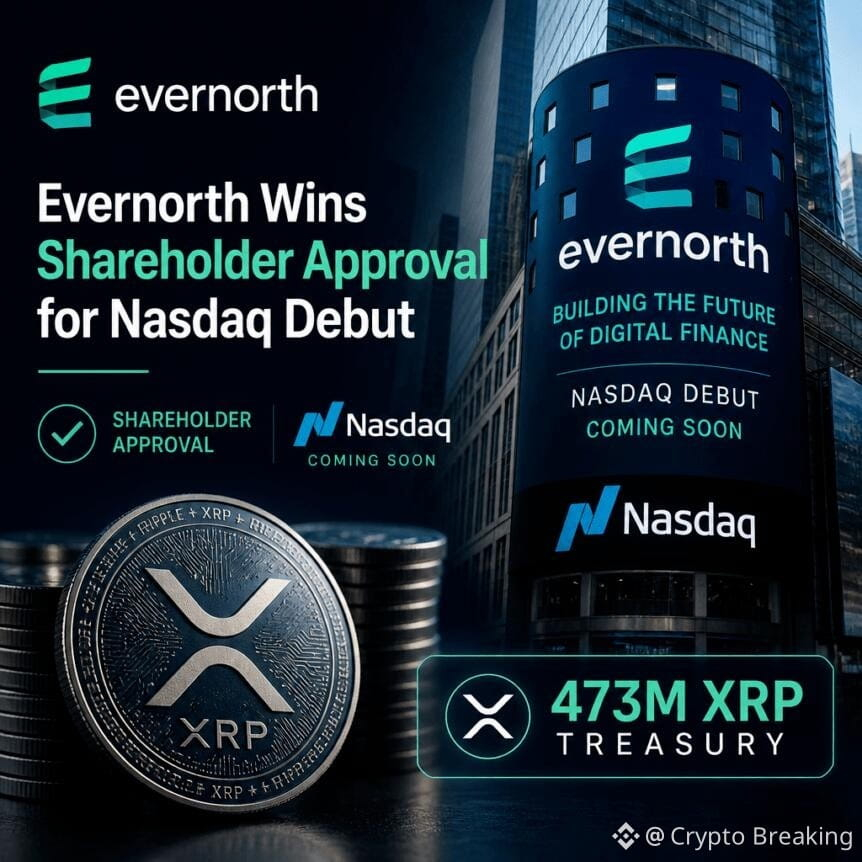
Evernorth Получила Одобрение Акционеров Для Дебюта На Nasdaq, Хранит 473M XRP TreasuryEvernorth движется к тому, чтобы стать публично торгуемой компанией «XRP treasury» после того, как акционеры SPAC Armada Acquisition Corp. II одобрили предложенную бизнес-комбинацию. Одобрение устраняет крупный оставшийся барьер на пути плана Evernorth выйти на рынок США, позиционируя компанию как специализированное средство для хранения XRP и реализации стратегий, ориентированных на доходность, привязанных к токену.
В заявлении, опубликованном в четверг, говорится, что сделка, как ожидается, будет завершена 7 октября. Затем акции объединённой компании, как ожидается, начнут торговаться на Nasdaq под тикером XRPN 8 октября — при условии выполнения оставшихся условий закрытия сделки.
Evernorth Получила Одобрение Акционеров Для Дебюта На Nasdaq, Хранит 473M XRP Treasury
Evernorth движется к тому, чтобы стать публично торгуемой компанией «XRP treasury» после того, как акционеры SPAC Armada Acquisition Corp. II одобрили предложенную бизнес-комбинацию. Одобрение устраняет крупный оставшийся барьер на пути плана Evernorth выйти на рынок США, позиционируя компанию как специализированное средство для хранения XRP и реализации стратегий, ориентированных на доходность, привязанных к токену.
В заявлении, опубликованном в четверг, говорится, что сделка, как ожидается, будет завершена 7 октября. Затем акции объединённой компании, как ожидается, начнут торговаться на Nasdaq под тикером XRPN 8 октября — при условии выполнения оставшихся условий закрытия сделки.
В заявлении, опубликованном в четверг, говорится, что сделка, как ожидается, будет завершена 7 октября. Затем акции объединённой компании, как ожидается, начнут торговаться на Nasdaq под тикером XRPN 8 октября — при условии выполнения оставшихся условий закрытия сделки.
34
Статья
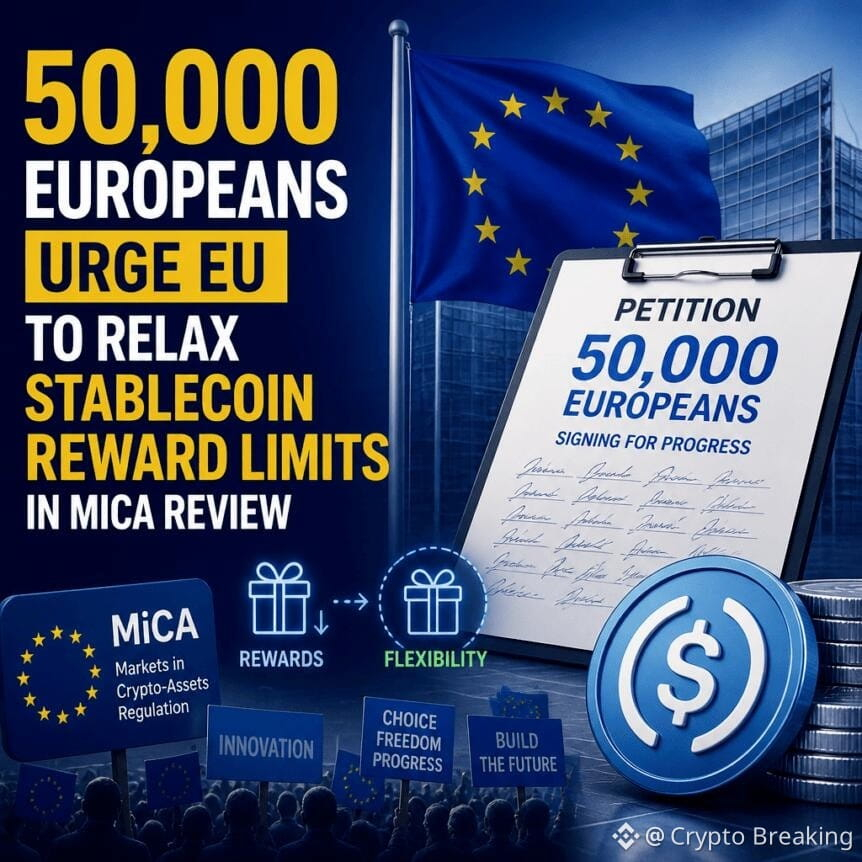
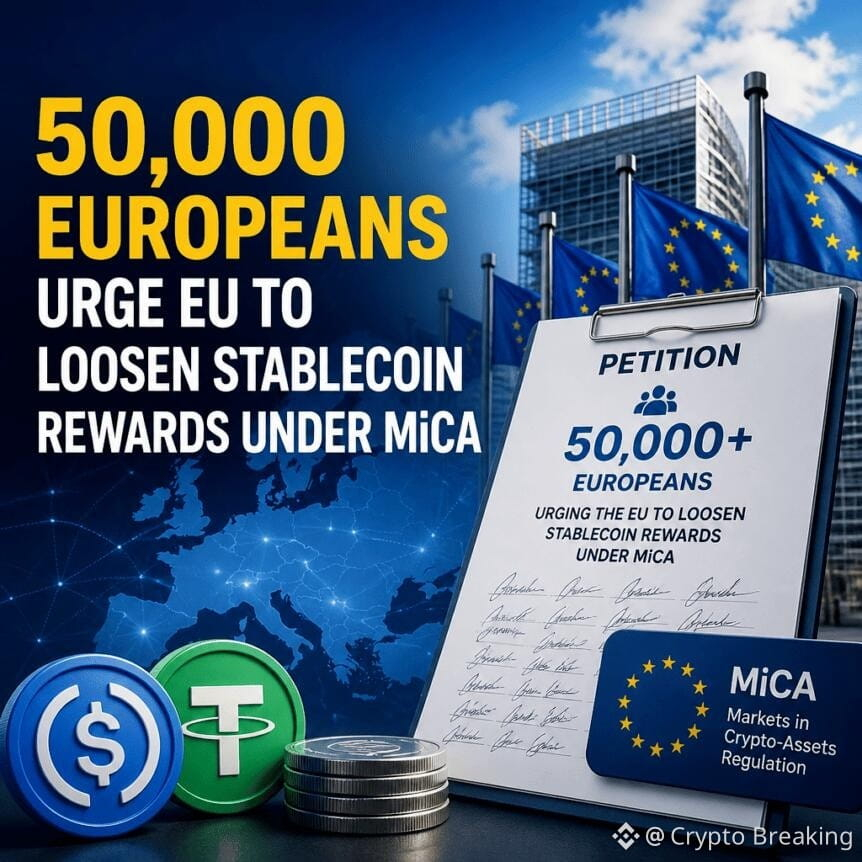
50 000 европейцев призывают ЕС смягчить лимиты на вознаграждения по стейблкоинам в ходе пересмотра MiCAБолее 50 000 человек в Европе призвали Европейскую комиссию ослабить ограничения на «вознаграждения» по стейблкоинам, пока она готовит изменения в правилах блока о рынках крипто-активов (MiCA). Обращение, сделанное через правозащитную группу Stand With Crypto EU, является частью консультационного процесса Комиссии по MiCA, который завершился в среду.
Stand With Crypto EU утверждает, что нынешний подход MiCA — запрет эмитентам и крипто-сервисным провайдерам выплачивать проценты по стейблкоинам — ставит регулируемые стейблкоины, привязанные к евро, в невыгодное положение по сравнению с банковскими депозитами и другими продуктами электронных денег, которые могут предоставлять клиентам дополнительные преимущества. Группа говорит, что ее разъяснительная работа привлекла гораздо больше участников, чем уровни участия в предыдущие периоды во время консультаций ЕС по криптоактивам.
50 000 европейцев призывают ЕС смягчить лимиты на вознаграждения по стейблкоинам в ходе пересмотра MiCA
Более 50 000 человек в Европе призвали Европейскую комиссию ослабить ограничения на «вознаграждения» по стейблкоинам, пока она готовит изменения в правилах блока о рынках крипто-активов (MiCA). Обращение, сделанное через правозащитную группу Stand With Crypto EU, является частью консультационного процесса Комиссии по MiCA, который завершился в среду.
Stand With Crypto EU утверждает, что нынешний подход MiCA — запрет эмитентам и крипто-сервисным провайдерам выплачивать проценты по стейблкоинам — ставит регулируемые стейблкоины, привязанные к евро, в невыгодное положение по сравнению с банковскими депозитами и другими продуктами электронных денег, которые могут предоставлять клиентам дополнительные преимущества. Группа говорит, что ее разъяснительная работа привлекла гораздо больше участников, чем уровни участия в предыдущие периоды во время консультаций ЕС по криптоактивам.
Stand With Crypto EU утверждает, что нынешний подход MiCA — запрет эмитентам и крипто-сервисным провайдерам выплачивать проценты по стейблкоинам — ставит регулируемые стейблкоины, привязанные к евро, в невыгодное положение по сравнению с банковскими депозитами и другими продуктами электронных денег, которые могут предоставлять клиентам дополнительные преимущества. Группа говорит, что ее разъяснительная работа привлекла гораздо больше участников, чем уровни участия в предыдущие периоды во время консультаций ЕС по криптоактивам.
39
Статья
См. перевод
50,000 Europeans urge EU to loosen stablecoin rewards under MiCAMore than 50,000 people have urged the European Commission to loosen restrictions on stablecoin rewards as part of its review of the Markets in Crypto-Assets (MiCA) rules. The request, organized by Stand With Crypto EU, asks the EU to let regulated stablecoin providers offer incentives to holders—such as cashback, loyalty programs, and fee reductions—rather than banning the practice outright.
The Commission’s MiCA consultation concluded on Wednesday. Stand With Crypto EU said the effort produced over 50,000 campaign emails to the Commission and that more than 126,000 people have also signed a separate petition calling for a more permissive approach to stablecoins. The group’s central argument is that the current MiCA framework prevents stablecoins from competing fairly with bank deposits and other e-money products that can provide customer benefits.
Key takeaways
Stand With Crypto EU says over 50,000 supporters wrote to the European Commission during the MiCA consultation about allowing regulated stablecoins to offer customer incentives.
MiCA currently prohibits issuers and crypto service providers from paying interest on stablecoins, a restriction Stand With Crypto EU argues reduces the products’ competitiveness.
The campaign compares its outreach to prior MiCA-related consultations, arguing it substantially outpaced earlier response levels.
The push aligns with ongoing calls from European central banks to revisit specific stablecoin rules, though their focus is primarily on yield-linked arrangements and reserve liquidity.
Why stablecoin “rewards” are at the center of MiCA talks
MiCA’s stablecoin provisions, as applied to issuers and crypto service providers, prohibit paying interest on stablecoins. Stand With Crypto EU argues that the rule puts stablecoins at a disadvantage relative to traditional financial products where consumers can receive benefits. While the campaign does not frame the issue as simply “more profit,” it is clear that it views consumer incentives as part of the competitiveness equation for euro-denominated stablecoins.
In comments to Cointelegraph, Stand With Crypto EU general manager Harry Pearce Gould said the group wants the Commission to use the MiCA review to allow regulated stablecoin providers to offer rewards to holders.
“We are calling on the Commission to use the MiCA review to allow regulated stablecoins to offer rewards to holders,” Pearce Gould told Cointelegraph.
He added that the incentive model could help euro stablecoins build adoption and compete more effectively with dollar stablecoins. The rationale goes beyond marketing: the group contends that stronger euro stablecoins are tied to Europe’s payments standing and “payment sovereignty,” framing the debate as one of strategic relevance to the euro area.
A “compete with the US” framing for stablecoins
Gould also urged policymakers to consider regulatory competition, pointing to the United States as an example of a different approach to stablecoins. In his view, Europe does not have to replicate the US model directly, but it does need to ensure its framework does not leave euro stablecoins unable to scale.
“The US has made a clear choice to back stablecoins as the settlement layer for tokenisation. Europe doesn’t need to copy that, but it does need to compete with it,” he said.
The campaign’s logic is that regulatory constraints on customer incentives can translate into weaker product demand, which then limits the euro’s ability to anchor tokenized financial activity. That is a significant shift from earlier debates that largely focused on compliance, transparency, and reserve management; here, the focus includes consumer-facing features as a factor in broader market development.
What central banks are asking the Commission to change
Stand With Crypto EU’s campaign arrives while European central banks are pressing for adjustments to MiCA’s stablecoin treatment. The European System of Central Banks (ESCB) submitted a response to the Commission’s MiCA review on Sept. 22, arguing that the current prohibition on stablecoin interest should be broadened to cover lending, borrowing, and staking arrangements that generate yield.
In other words, the ESCB’s position is not limited to direct interest payments. It suggests the rules should capture a wider category of “yield-like” behavior tied to stablecoins. That stance also reflects a broader concern about how stablecoin-linked incentives might affect risk and liquidity dynamics in practice.
The ESCB also proposed a change to how reserve holdings are structured. Instead of requiring stablecoin issuers to hold a minimum portion of reserves in bank deposits, it called for liquidity thresholds. The central banks’ concern is that existing requirements could strain lenders if a stablecoin run forces an issuer to withdraw deposits quickly.
The ECB has previously raised a related warning about liquidity mismatches, pointing to the timing difference between stablecoin settlement, which runs around the clock, and the settlement schedules of reserve assets that may still depend on traditional financial infrastructure.
Separately, ECB President Christine Lagarde has warned that a shift of deposits from banks into stablecoins could weaken bank lending and impair monetary policy transmission. In the same vein, Lagarde argued that Europe should prioritize tokenized financial infrastructure anchored by central bank money.
Why investor and user expectations are colliding with stability concerns
The juxtaposition is notable: Stand With Crypto EU is advocating for stablecoin reward programs that would make euro stablecoins more attractive to users, while the ESCB and ECB have emphasized the potential stability and liquidity implications of how stablecoins are structured—especially when incentives can resemble yield. For market participants, this tension suggests that the MiCA review may not settle solely on whether customer rewards should be allowed, but also on what form those rewards take and how regulators categorize them.
Stand With Crypto EU also said its consultation outreach dramatically exceeded earlier participation levels. The group claims its campaign generated more than six times the 8,221 responses submitted to the European Central Bank’s digital euro consultation, and far more than the 198 responses received during the Commission’s 2020 consultation on crypto rules. The implication for policymakers is straightforward: the stablecoin incentive question appears to be drawing significant public interest, not just industry submissions.
However, even with public support, the central bank concerns point to a different kind of priority—ensuring that stablecoin incentives do not unintentionally increase the risk of rapid liquidity stress or create structures that regulators treat as economically equivalent to interest-bearing products.
Readers should watch how the Commission frames the boundary between “rewards” and interest or yield-like arrangements, and whether it adopts the ESCB’s suggested expansion beyond direct interest prohibitions. With European central banks already signaling liquidity and stability concerns, the next step will likely determine whether euro stablecoins can compete on user incentives without triggering renewed regulatory objections.
This article was originally published as 50,000 Europeans urge EU to loosen stablecoin rewards under MiCA on Crypto Breaking News – your trusted source for crypto news, Bitcoin news, and blockchain updates.
50,000 Europeans urge EU to loosen stablecoin rewards under MiCA
More than 50,000 people have urged the European Commission to loosen restrictions on stablecoin rewards as part of its review of the Markets in Crypto-Assets (MiCA) rules. The request, organized by Stand With Crypto EU, asks the EU to let regulated stablecoin providers offer incentives to holders—such as cashback, loyalty programs, and fee reductions—rather than banning the practice outright.
The Commission’s MiCA consultation concluded on Wednesday. Stand With Crypto EU said the effort produced over 50,000 campaign emails to the Commission and that more than 126,000 people have also signed a separate petition calling for a more permissive approach to stablecoins. The group’s central argument is that the current MiCA framework prevents stablecoins from competing fairly with bank deposits and other e-money products that can provide customer benefits.
Key takeaways
Stand With Crypto EU says over 50,000 supporters wrote to the European Commission during the MiCA consultation about allowing regulated stablecoins to offer customer incentives.
MiCA currently prohibits issuers and crypto service providers from paying interest on stablecoins, a restriction Stand With Crypto EU argues reduces the products’ competitiveness.
The campaign compares its outreach to prior MiCA-related consultations, arguing it substantially outpaced earlier response levels.
The push aligns with ongoing calls from European central banks to revisit specific stablecoin rules, though their focus is primarily on yield-linked arrangements and reserve liquidity.
Why stablecoin “rewards” are at the center of MiCA talks
MiCA’s stablecoin provisions, as applied to issuers and crypto service providers, prohibit paying interest on stablecoins. Stand With Crypto EU argues that the rule puts stablecoins at a disadvantage relative to traditional financial products where consumers can receive benefits. While the campaign does not frame the issue as simply “more profit,” it is clear that it views consumer incentives as part of the competitiveness equation for euro-denominated stablecoins.
In comments to Cointelegraph, Stand With Crypto EU general manager Harry Pearce Gould said the group wants the Commission to use the MiCA review to allow regulated stablecoin providers to offer rewards to holders.
“We are calling on the Commission to use the MiCA review to allow regulated stablecoins to offer rewards to holders,” Pearce Gould told Cointelegraph.
He added that the incentive model could help euro stablecoins build adoption and compete more effectively with dollar stablecoins. The rationale goes beyond marketing: the group contends that stronger euro stablecoins are tied to Europe’s payments standing and “payment sovereignty,” framing the debate as one of strategic relevance to the euro area.
A “compete with the US” framing for stablecoins
Gould also urged policymakers to consider regulatory competition, pointing to the United States as an example of a different approach to stablecoins. In his view, Europe does not have to replicate the US model directly, but it does need to ensure its framework does not leave euro stablecoins unable to scale.
“The US has made a clear choice to back stablecoins as the settlement layer for tokenisation. Europe doesn’t need to copy that, but it does need to compete with it,” he said.
The campaign’s logic is that regulatory constraints on customer incentives can translate into weaker product demand, which then limits the euro’s ability to anchor tokenized financial activity. That is a significant shift from earlier debates that largely focused on compliance, transparency, and reserve management; here, the focus includes consumer-facing features as a factor in broader market development.
What central banks are asking the Commission to change
Stand With Crypto EU’s campaign arrives while European central banks are pressing for adjustments to MiCA’s stablecoin treatment. The European System of Central Banks (ESCB) submitted a response to the Commission’s MiCA review on Sept. 22, arguing that the current prohibition on stablecoin interest should be broadened to cover lending, borrowing, and staking arrangements that generate yield.
In other words, the ESCB’s position is not limited to direct interest payments. It suggests the rules should capture a wider category of “yield-like” behavior tied to stablecoins. That stance also reflects a broader concern about how stablecoin-linked incentives might affect risk and liquidity dynamics in practice.
The ESCB also proposed a change to how reserve holdings are structured. Instead of requiring stablecoin issuers to hold a minimum portion of reserves in bank deposits, it called for liquidity thresholds. The central banks’ concern is that existing requirements could strain lenders if a stablecoin run forces an issuer to withdraw deposits quickly.
The ECB has previously raised a related warning about liquidity mismatches, pointing to the timing difference between stablecoin settlement, which runs around the clock, and the settlement schedules of reserve assets that may still depend on traditional financial infrastructure.
Separately, ECB President Christine Lagarde has warned that a shift of deposits from banks into stablecoins could weaken bank lending and impair monetary policy transmission. In the same vein, Lagarde argued that Europe should prioritize tokenized financial infrastructure anchored by central bank money.
Why investor and user expectations are colliding with stability concerns
The juxtaposition is notable: Stand With Crypto EU is advocating for stablecoin reward programs that would make euro stablecoins more attractive to users, while the ESCB and ECB have emphasized the potential stability and liquidity implications of how stablecoins are structured—especially when incentives can resemble yield. For market participants, this tension suggests that the MiCA review may not settle solely on whether customer rewards should be allowed, but also on what form those rewards take and how regulators categorize them.
Stand With Crypto EU also said its consultation outreach dramatically exceeded earlier participation levels. The group claims its campaign generated more than six times the 8,221 responses submitted to the European Central Bank’s digital euro consultation, and far more than the 198 responses received during the Commission’s 2020 consultation on crypto rules. The implication for policymakers is straightforward: the stablecoin incentive question appears to be drawing significant public interest, not just industry submissions.
However, even with public support, the central bank concerns point to a different kind of priority—ensuring that stablecoin incentives do not unintentionally increase the risk of rapid liquidity stress or create structures that regulators treat as economically equivalent to interest-bearing products.
Readers should watch how the Commission frames the boundary between “rewards” and interest or yield-like arrangements, and whether it adopts the ESCB’s suggested expansion beyond direct interest prohibitions. With European central banks already signaling liquidity and stability concerns, the next step will likely determine whether euro stablecoins can compete on user incentives without triggering renewed regulatory objections.
This article was originally published as 50,000 Europeans urge EU to loosen stablecoin rewards under MiCA on Crypto Breaking News – your trusted source for crypto news, Bitcoin news, and blockchain updates.
The Commission’s MiCA consultation concluded on Wednesday. Stand With Crypto EU said the effort produced over 50,000 campaign emails to the Commission and that more than 126,000 people have also signed a separate petition calling for a more permissive approach to stablecoins. The group’s central argument is that the current MiCA framework prevents stablecoins from competing fairly with bank deposits and other e-money products that can provide customer benefits.
Key takeaways
Stand With Crypto EU says over 50,000 supporters wrote to the European Commission during the MiCA consultation about allowing regulated stablecoins to offer customer incentives.
MiCA currently prohibits issuers and crypto service providers from paying interest on stablecoins, a restriction Stand With Crypto EU argues reduces the products’ competitiveness.
The campaign compares its outreach to prior MiCA-related consultations, arguing it substantially outpaced earlier response levels.
The push aligns with ongoing calls from European central banks to revisit specific stablecoin rules, though their focus is primarily on yield-linked arrangements and reserve liquidity.
Why stablecoin “rewards” are at the center of MiCA talks
MiCA’s stablecoin provisions, as applied to issuers and crypto service providers, prohibit paying interest on stablecoins. Stand With Crypto EU argues that the rule puts stablecoins at a disadvantage relative to traditional financial products where consumers can receive benefits. While the campaign does not frame the issue as simply “more profit,” it is clear that it views consumer incentives as part of the competitiveness equation for euro-denominated stablecoins.
In comments to Cointelegraph, Stand With Crypto EU general manager Harry Pearce Gould said the group wants the Commission to use the MiCA review to allow regulated stablecoin providers to offer rewards to holders.
“We are calling on the Commission to use the MiCA review to allow regulated stablecoins to offer rewards to holders,” Pearce Gould told Cointelegraph.
He added that the incentive model could help euro stablecoins build adoption and compete more effectively with dollar stablecoins. The rationale goes beyond marketing: the group contends that stronger euro stablecoins are tied to Europe’s payments standing and “payment sovereignty,” framing the debate as one of strategic relevance to the euro area.
A “compete with the US” framing for stablecoins
Gould also urged policymakers to consider regulatory competition, pointing to the United States as an example of a different approach to stablecoins. In his view, Europe does not have to replicate the US model directly, but it does need to ensure its framework does not leave euro stablecoins unable to scale.
“The US has made a clear choice to back stablecoins as the settlement layer for tokenisation. Europe doesn’t need to copy that, but it does need to compete with it,” he said.
The campaign’s logic is that regulatory constraints on customer incentives can translate into weaker product demand, which then limits the euro’s ability to anchor tokenized financial activity. That is a significant shift from earlier debates that largely focused on compliance, transparency, and reserve management; here, the focus includes consumer-facing features as a factor in broader market development.
What central banks are asking the Commission to change
Stand With Crypto EU’s campaign arrives while European central banks are pressing for adjustments to MiCA’s stablecoin treatment. The European System of Central Banks (ESCB) submitted a response to the Commission’s MiCA review on Sept. 22, arguing that the current prohibition on stablecoin interest should be broadened to cover lending, borrowing, and staking arrangements that generate yield.
In other words, the ESCB’s position is not limited to direct interest payments. It suggests the rules should capture a wider category of “yield-like” behavior tied to stablecoins. That stance also reflects a broader concern about how stablecoin-linked incentives might affect risk and liquidity dynamics in practice.
The ESCB also proposed a change to how reserve holdings are structured. Instead of requiring stablecoin issuers to hold a minimum portion of reserves in bank deposits, it called for liquidity thresholds. The central banks’ concern is that existing requirements could strain lenders if a stablecoin run forces an issuer to withdraw deposits quickly.
The ECB has previously raised a related warning about liquidity mismatches, pointing to the timing difference between stablecoin settlement, which runs around the clock, and the settlement schedules of reserve assets that may still depend on traditional financial infrastructure.
Separately, ECB President Christine Lagarde has warned that a shift of deposits from banks into stablecoins could weaken bank lending and impair monetary policy transmission. In the same vein, Lagarde argued that Europe should prioritize tokenized financial infrastructure anchored by central bank money.
Why investor and user expectations are colliding with stability concerns
The juxtaposition is notable: Stand With Crypto EU is advocating for stablecoin reward programs that would make euro stablecoins more attractive to users, while the ESCB and ECB have emphasized the potential stability and liquidity implications of how stablecoins are structured—especially when incentives can resemble yield. For market participants, this tension suggests that the MiCA review may not settle solely on whether customer rewards should be allowed, but also on what form those rewards take and how regulators categorize them.
Stand With Crypto EU also said its consultation outreach dramatically exceeded earlier participation levels. The group claims its campaign generated more than six times the 8,221 responses submitted to the European Central Bank’s digital euro consultation, and far more than the 198 responses received during the Commission’s 2020 consultation on crypto rules. The implication for policymakers is straightforward: the stablecoin incentive question appears to be drawing significant public interest, not just industry submissions.
However, even with public support, the central bank concerns point to a different kind of priority—ensuring that stablecoin incentives do not unintentionally increase the risk of rapid liquidity stress or create structures that regulators treat as economically equivalent to interest-bearing products.
Readers should watch how the Commission frames the boundary between “rewards” and interest or yield-like arrangements, and whether it adopts the ESCB’s suggested expansion beyond direct interest prohibitions. With European central banks already signaling liquidity and stability concerns, the next step will likely determine whether euro stablecoins can compete on user incentives without triggering renewed regulatory objections.
This article was originally published as 50,000 Europeans urge EU to loosen stablecoin rewards under MiCA on Crypto Breaking News – your trusted source for crypto news, Bitcoin news, and blockchain updates.
34
Статья
Иллинойс откладывает правила криптоналога после судебного оспариванияЧиновники Иллинойса согласились перенести дату начала действия только что принятого налога штата в размере 0,2% на цифровые активы, сообщается в судебном заявлении, поданном крипто-правозащитной группой Digital Chamber в окружной суд округа Сэнгемон.
Задержка переносит дату вступления налога в силу с 1 января 2027 года на 1 июля 2027 года, предоставляя обеим сторонам больше времени, чтобы подготовить и представить доводы в рамках уже рассматриваемых правовых оспариваний законности и процедуры принятия этой меры, говорится в заявлении.
Ключевые выводы
Digital Chamber заявляет, что Иллинойс согласился отложить на шесть месяцев налог Иллинойса на цифровые активы в размере 0,2%, перенеся дату начала на 1 июля 2027 года.
Иллинойс откладывает правила криптоналога после судебного оспаривания
Чиновники Иллинойса согласились перенести дату начала действия только что принятого налога штата в размере 0,2% на цифровые активы, сообщается в судебном заявлении, поданном крипто-правозащитной группой Digital Chamber в окружной суд округа Сэнгемон.
Задержка переносит дату вступления налога в силу с 1 января 2027 года на 1 июля 2027 года, предоставляя обеим сторонам больше времени, чтобы подготовить и представить доводы в рамках уже рассматриваемых правовых оспариваний законности и процедуры принятия этой меры, говорится в заявлении.
Ключевые выводы
Digital Chamber заявляет, что Иллинойс согласился отложить на шесть месяцев налог Иллинойса на цифровые активы в размере 0,2%, перенеся дату начала на 1 июля 2027 года.
Задержка переносит дату вступления налога в силу с 1 января 2027 года на 1 июля 2027 года, предоставляя обеим сторонам больше времени, чтобы подготовить и представить доводы в рамках уже рассматриваемых правовых оспариваний законности и процедуры принятия этой меры, говорится в заявлении.
Ключевые выводы
Digital Chamber заявляет, что Иллинойс согласился отложить на шесть месяцев налог Иллинойса на цифровые активы в размере 0,2%, перенеся дату начала на 1 июля 2027 года.
34
Статья
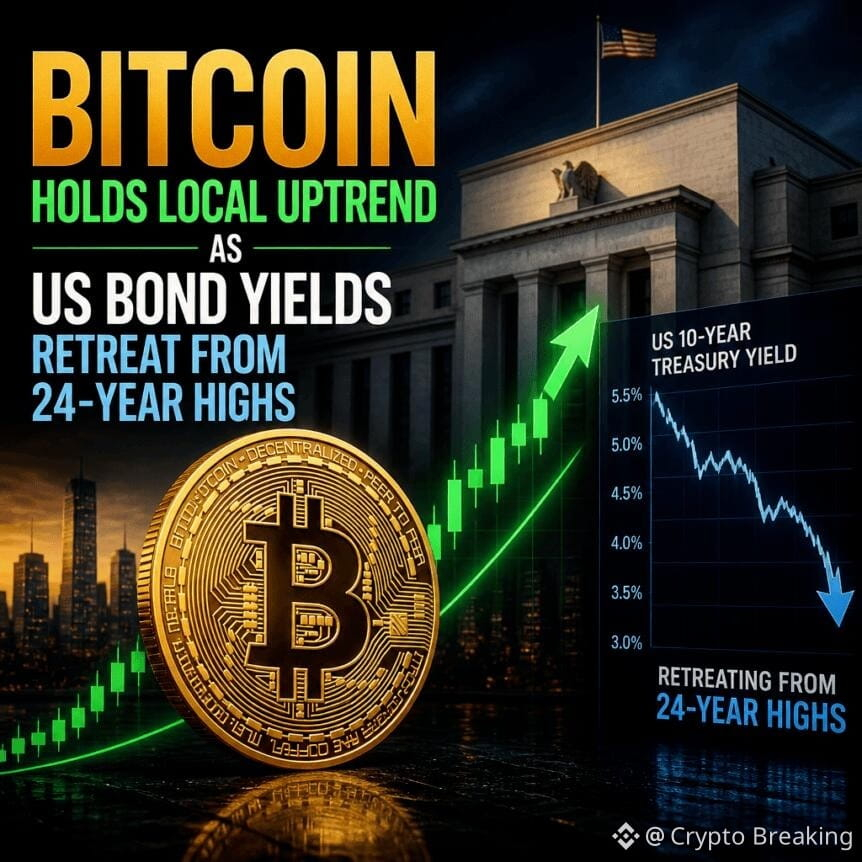
Биткоин удерживает локальный восходящий тренд на фоне снижения доходностей U.S. облигаций после 24-летних максимумовБиткоин поднялся выше $84 000 в первые часы последней сессии на Уолл-стрит, реагируя на кратковременное ослабление доходностей по U.S. Treasuries после того, как они обновили свежие максимумы за несколько десятилетий. Движение удерживает рынок в фокусе вопроса о том, сможет ли BTC установить надежную поддержку, прежде чем вероятная более глубокая коррекция протестирует ранее сформированные зоны спроса.
В то же время макроэкономические факторы сохраняют статус доминирующего драйвера: доходность 10-летних казначейских облигаций США достигла 5,342% — своего максимума с апреля 2002 года — прежде чем снизиться примерно до 5,251% по мере начала торгов. Аналитики указывают на обеспокоенность инвесторов расходами по обслуживанию государственного долга и кредитоспособностью инфляции: ожидания по ставкам по-прежнему остаются чувствительными к сигналам, исходящим с облигационного рынка.
Биткоин удерживает локальный восходящий тренд на фоне снижения доходностей U.S. облигаций после 24-летних максимумов
Биткоин поднялся выше $84 000 в первые часы последней сессии на Уолл-стрит, реагируя на кратковременное ослабление доходностей по U.S. Treasuries после того, как они обновили свежие максимумы за несколько десятилетий. Движение удерживает рынок в фокусе вопроса о том, сможет ли BTC установить надежную поддержку, прежде чем вероятная более глубокая коррекция протестирует ранее сформированные зоны спроса.
В то же время макроэкономические факторы сохраняют статус доминирующего драйвера: доходность 10-летних казначейских облигаций США достигла 5,342% — своего максимума с апреля 2002 года — прежде чем снизиться примерно до 5,251% по мере начала торгов. Аналитики указывают на обеспокоенность инвесторов расходами по обслуживанию государственного долга и кредитоспособностью инфляции: ожидания по ставкам по-прежнему остаются чувствительными к сигналам, исходящим с облигационного рынка.
В то же время макроэкономические факторы сохраняют статус доминирующего драйвера: доходность 10-летних казначейских облигаций США достигла 5,342% — своего максимума с апреля 2002 года — прежде чем снизиться примерно до 5,251% по мере начала торгов. Аналитики указывают на обеспокоенность инвесторов расходами по обслуживанию государственного долга и кредитоспособностью инфляции: ожидания по ставкам по-прежнему остаются чувствительными к сигналам, исходящим с облигационного рынка.
BTC+1,77%
IEFETF-0,03%
19

Статья
Регуляторы Нью-Йорка и Вайоминга подписали соглашение о надзоре за криптовалютамиНью-Йорк и Вайоминг подписали меморандум о взаимопонимании (MOU) для координации надзора за криптокомпаниями, работающими в обоих штатах. Соглашение, объявленное в четверг Департаментом финансовых услуг штата Нью-Йорк (NYDFS), направлено на снижение трений для компаний, которые ориентируются в отдельных процедурах лицензирования и надзора, одновременно укрепляя способность регуляторов действовать по вопросам соблюдения требований и принудительного исполнения.
Меморандум охватывает лицензирование, проверки, обмен информацией и то, как регуляторы могут инициировать принудительные меры. Он распространяется не только на компании, которые уже регулируются в Нью-Йорке или Вайоминге, но и на организации, добивающиеся одобрения в обеих юрисдикциях.
Регуляторы Нью-Йорка и Вайоминга подписали соглашение о надзоре за криптовалютами
Нью-Йорк и Вайоминг подписали меморандум о взаимопонимании (MOU) для координации надзора за криптокомпаниями, работающими в обоих штатах. Соглашение, объявленное в четверг Департаментом финансовых услуг штата Нью-Йорк (NYDFS), направлено на снижение трений для компаний, которые ориентируются в отдельных процедурах лицензирования и надзора, одновременно укрепляя способность регуляторов действовать по вопросам соблюдения требований и принудительного исполнения.
Меморандум охватывает лицензирование, проверки, обмен информацией и то, как регуляторы могут инициировать принудительные меры. Он распространяется не только на компании, которые уже регулируются в Нью-Йорке или Вайоминге, но и на организации, добивающиеся одобрения в обеих юрисдикциях.
Меморандум охватывает лицензирование, проверки, обмен информацией и то, как регуляторы могут инициировать принудительные меры. Он распространяется не только на компании, которые уже регулируются в Нью-Йорке или Вайоминге, но и на организации, добивающиеся одобрения в обеих юрисдикциях.
32
Статья
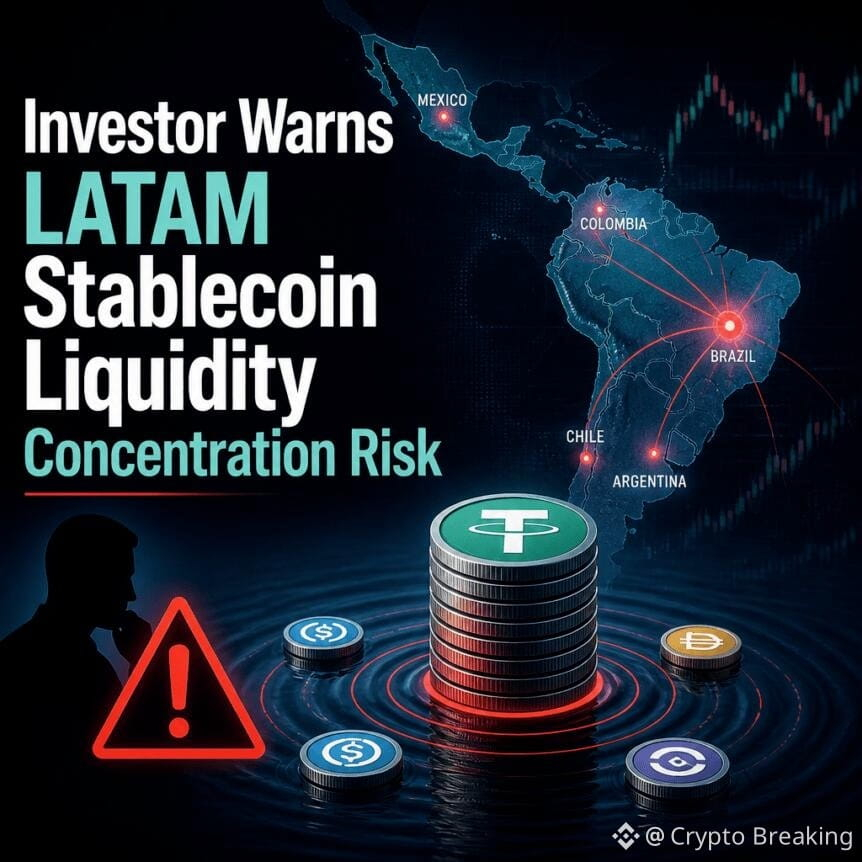
Инвестор предупреждает о риске концентрации ликвидности по LATAM в сфере стейблкоиновСогласно исследователям из Varys Capital и Verda Ventures, платежная экосистема стейблкоинов в Латинской Америке, быстро растущая и стабильная, может быть более зависима от ограниченного числа «оптовых» поставщиков ликвидности, чем предполагают данные публичных компаний. В отчете, который проанализировал базу данных Verda Stablescape, команда предупреждает, что если будет нарушен доступ к банкингу для ключевого провайдера, пользователи могут столкнуться с более медленными или более дорогими выводами в местные валюты.
Опасения связаны с тем, что в отчете называют «хрупкостью, сосредоточенной в самом тонком слое» цепочки конвертации стейблкоинов в фиат — там, где стейблкоины соприкасаются с регулируемыми банковскими каналами. Партнер Verda Ventures Амит Чу, выступая в беседе с Cointelegraph, утверждал, что отрасль может быть выстроена вокруг небольшого числа специалистов, даже если многие организации фигурируют в публичных реестрах как продавцы ликвидности.
Инвестор предупреждает о риске концентрации ликвидности по LATAM в сфере стейблкоинов
Согласно исследователям из Varys Capital и Verda Ventures, платежная экосистема стейблкоинов в Латинской Америке, быстро растущая и стабильная, может быть более зависима от ограниченного числа «оптовых» поставщиков ликвидности, чем предполагают данные публичных компаний. В отчете, который проанализировал базу данных Verda Stablescape, команда предупреждает, что если будет нарушен доступ к банкингу для ключевого провайдера, пользователи могут столкнуться с более медленными или более дорогими выводами в местные валюты.
Опасения связаны с тем, что в отчете называют «хрупкостью, сосредоточенной в самом тонком слое» цепочки конвертации стейблкоинов в фиат — там, где стейблкоины соприкасаются с регулируемыми банковскими каналами. Партнер Verda Ventures Амит Чу, выступая в беседе с Cointelegraph, утверждал, что отрасль может быть выстроена вокруг небольшого числа специалистов, даже если многие организации фигурируют в публичных реестрах как продавцы ликвидности.
Опасения связаны с тем, что в отчете называют «хрупкостью, сосредоточенной в самом тонком слое» цепочки конвертации стейблкоинов в фиат — там, где стейблкоины соприкасаются с регулируемыми банковскими каналами. Партнер Verda Ventures Амит Чу, выступая в беседе с Cointelegraph, утверждал, что отрасль может быть выстроена вокруг небольшого числа специалистов, даже если многие организации фигурируют в публичных реестрах как продавцы ликвидности.
21
Статья
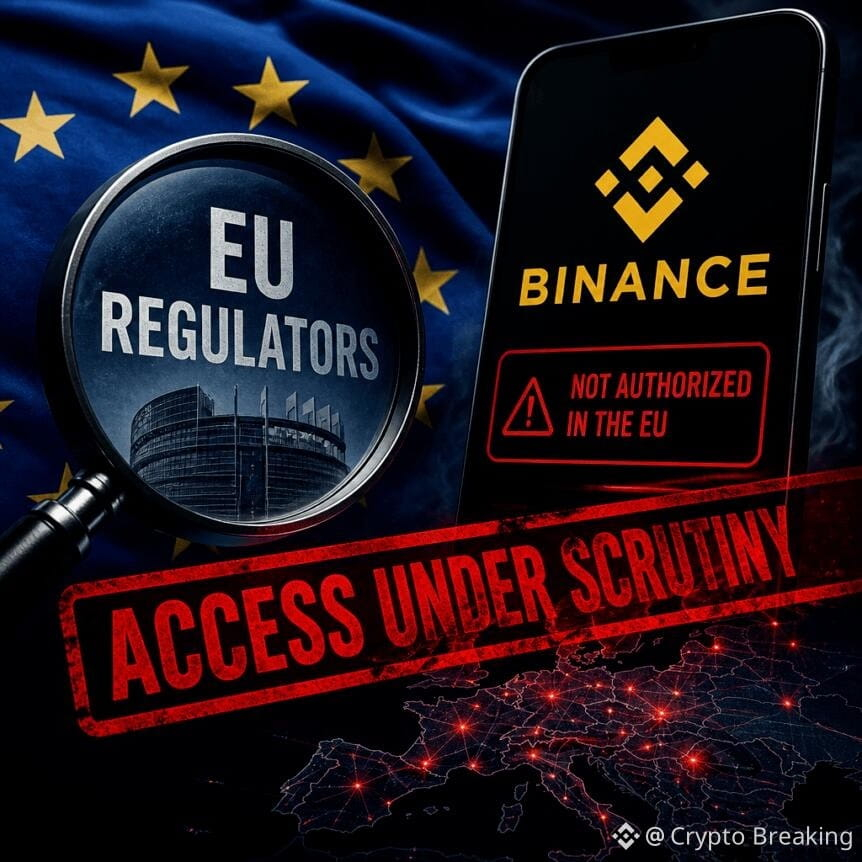
Регуляторы ЕС усиливают давление на Binance из-за продолжающегося доступа к европейским клиентамРегуляторы ЕС ставят под сомнение доступ Binance к европейским клиентам на фоне срыва с лицензией MiCA и использования исключения для обратного привлечения.
Binance сталкивается с новым пристальным вниманием со стороны ЕС, поскольку регуляторы проверяют, соответствует ли ее подход к обратному привлечению требованиям MiCA.
Ключевые выводы
Регуляторы ЕС изучают продолжающиеся услуги Binance для клиентов по всему блоку.
У Binance нет лицензии MiCA, но компания заявляет, что работает над получением регуляторного одобрения.
Регуляторы могут инициировать меры принудительного характера, если Binance не удовлетворит их опасения.
Регуляторы ЕС усиливают давление на Binance из-за продолжающегося доступа к европейским клиентам
Регуляторы ЕС ставят под сомнение доступ Binance к европейским клиентам на фоне срыва с лицензией MiCA и использования исключения для обратного привлечения.
Binance сталкивается с новым пристальным вниманием со стороны ЕС, поскольку регуляторы проверяют, соответствует ли ее подход к обратному привлечению требованиям MiCA.
Ключевые выводы
Регуляторы ЕС изучают продолжающиеся услуги Binance для клиентов по всему блоку.
У Binance нет лицензии MiCA, но компания заявляет, что работает над получением регуляторного одобрения.
Регуляторы могут инициировать меры принудительного характера, если Binance не удовлетворит их опасения.
Binance сталкивается с новым пристальным вниманием со стороны ЕС, поскольку регуляторы проверяют, соответствует ли ее подход к обратному привлечению требованиям MiCA.
Ключевые выводы
Регуляторы ЕС изучают продолжающиеся услуги Binance для клиентов по всему блоку.
У Binance нет лицензии MiCA, но компания заявляет, что работает над получением регуляторного одобрения.
Регуляторы могут инициировать меры принудительного характера, если Binance не удовлетворит их опасения.
39
Статья
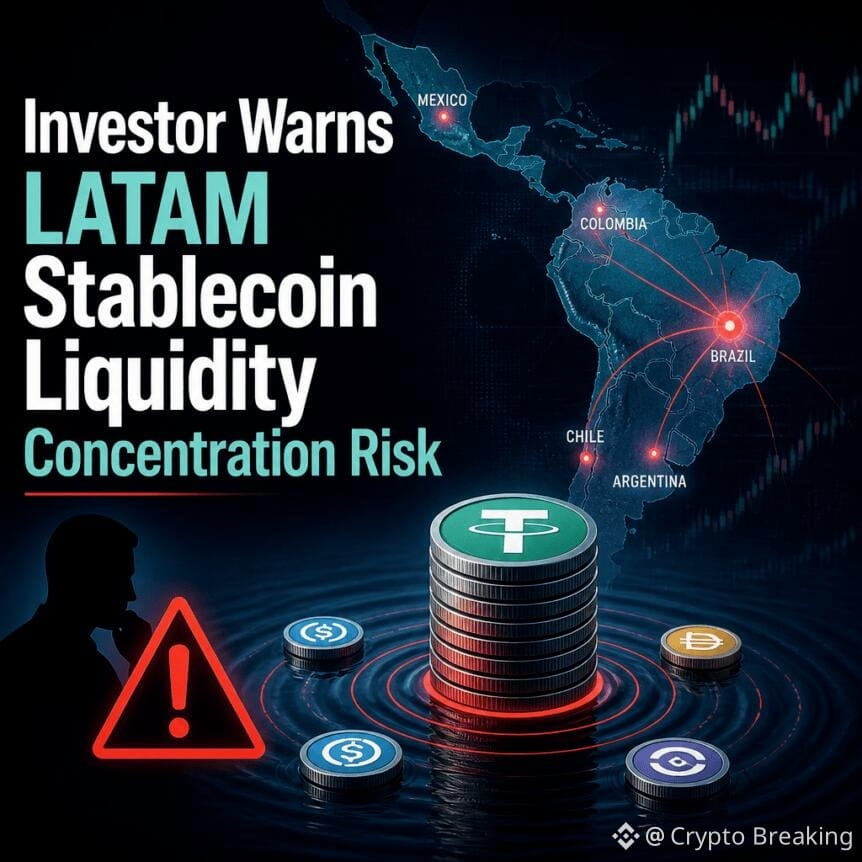
Инвестор предупреждает о риске концентрации ликвидности стейблкоинов в ЛАТАМСтейблкоины стали существенным инструментом входа и перевода средств по всей Латинской Америке, однако новые исследования предполагают, что способность региона переводить стейблкоин-балансы в местную валюту может зависеть от узкой доли специализированных поставщиков ликвидности.
В отчёте, опубликованном Varys Capital и Verda Ventures, исследователи, использующие базу данных Verda Stablescape, рассмотрели 494 региональные компании и выявили лишь 16, чья основная роль — предоставление оптовой ликвидности для стейблкоинов к фиатным деньгам, например ликвидностных сервисов, связанных с корпоративными казначействами, и кредитования. Партнёр Verda Ventures Амит Чу предупредил, что этот «самый тонкий слой» может создать системную хрупкость, если будут нарушены банковские отношения у ключевого провайдера.
Инвестор предупреждает о риске концентрации ликвидности стейблкоинов в ЛАТАМ
Стейблкоины стали существенным инструментом входа и перевода средств по всей Латинской Америке, однако новые исследования предполагают, что способность региона переводить стейблкоин-балансы в местную валюту может зависеть от узкой доли специализированных поставщиков ликвидности.
В отчёте, опубликованном Varys Capital и Verda Ventures, исследователи, использующие базу данных Verda Stablescape, рассмотрели 494 региональные компании и выявили лишь 16, чья основная роль — предоставление оптовой ликвидности для стейблкоинов к фиатным деньгам, например ликвидностных сервисов, связанных с корпоративными казначействами, и кредитования. Партнёр Verda Ventures Амит Чу предупредил, что этот «самый тонкий слой» может создать системную хрупкость, если будут нарушены банковские отношения у ключевого провайдера.
В отчёте, опубликованном Varys Capital и Verda Ventures, исследователи, использующие базу данных Verda Stablescape, рассмотрели 494 региональные компании и выявили лишь 16, чья основная роль — предоставление оптовой ликвидности для стейблкоинов к фиатным деньгам, например ликвидностных сервисов, связанных с корпоративными казначействами, и кредитования. Партнёр Verda Ventures Амит Чу предупредил, что этот «самый тонкий слой» может создать системную хрупкость, если будут нарушены банковские отношения у ключевого провайдера.
19
Статья
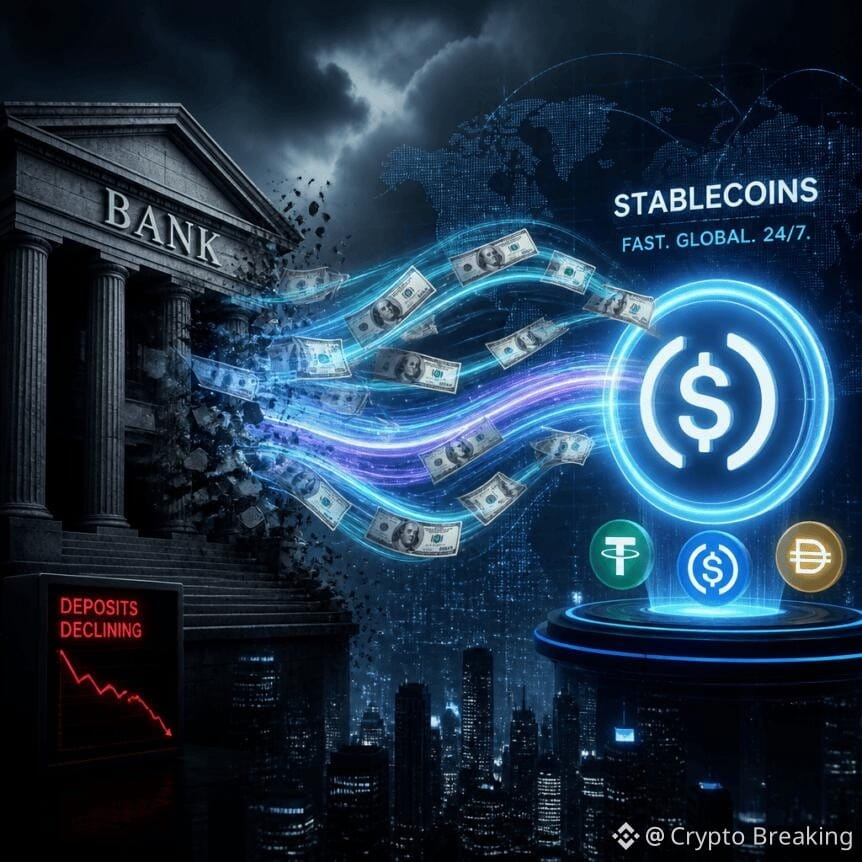
Молниеносные потоки стейблкоинов могут высосать ликвидность из банковСтейблкоины обещают передавать стоимость через границы с почти мгновенным расчетом, работать круглосуточно и обходить значительную часть устаревшей инфраструктуры, которая замедляет международные переводы. Но вопрос о том, вытеснят ли в итоге стейблкоины банки — или же просто изменят маршрут перемещения капитала — зависит от того, насколько быстро и где именно смещаются деньги, когда спрос растет или резервы попадают под стресс.
Недавние комментарии и исследования подчеркивают двойственную реальность: использование стейблкоинов может нарастать со временем, поскольку все больше людей ищут долларовую номинацию стоимости, но при этом оно может вызывать и быстрые, «со скоростью программного обеспечения» сбои, когда давление на выкуп достигает пика. Тем временем регуляторы разбираются, как требования к резервам по стейблкоинам соотносятся с ликвидностью традиционных банков.
Молниеносные потоки стейблкоинов могут высосать ликвидность из банков
Стейблкоины обещают передавать стоимость через границы с почти мгновенным расчетом, работать круглосуточно и обходить значительную часть устаревшей инфраструктуры, которая замедляет международные переводы. Но вопрос о том, вытеснят ли в итоге стейблкоины банки — или же просто изменят маршрут перемещения капитала — зависит от того, насколько быстро и где именно смещаются деньги, когда спрос растет или резервы попадают под стресс.
Недавние комментарии и исследования подчеркивают двойственную реальность: использование стейблкоинов может нарастать со временем, поскольку все больше людей ищут долларовую номинацию стоимости, но при этом оно может вызывать и быстрые, «со скоростью программного обеспечения» сбои, когда давление на выкуп достигает пика. Тем временем регуляторы разбираются, как требования к резервам по стейблкоинам соотносятся с ликвидностью традиционных банков.
Недавние комментарии и исследования подчеркивают двойственную реальность: использование стейблкоинов может нарастать со временем, поскольку все больше людей ищут долларовую номинацию стоимости, но при этом оно может вызывать и быстрые, «со скоростью программного обеспечения» сбои, когда давление на выкуп достигает пика. Тем временем регуляторы разбираются, как требования к резервам по стейблкоинам соотносятся с ликвидностью традиционных банков.
32
Статья
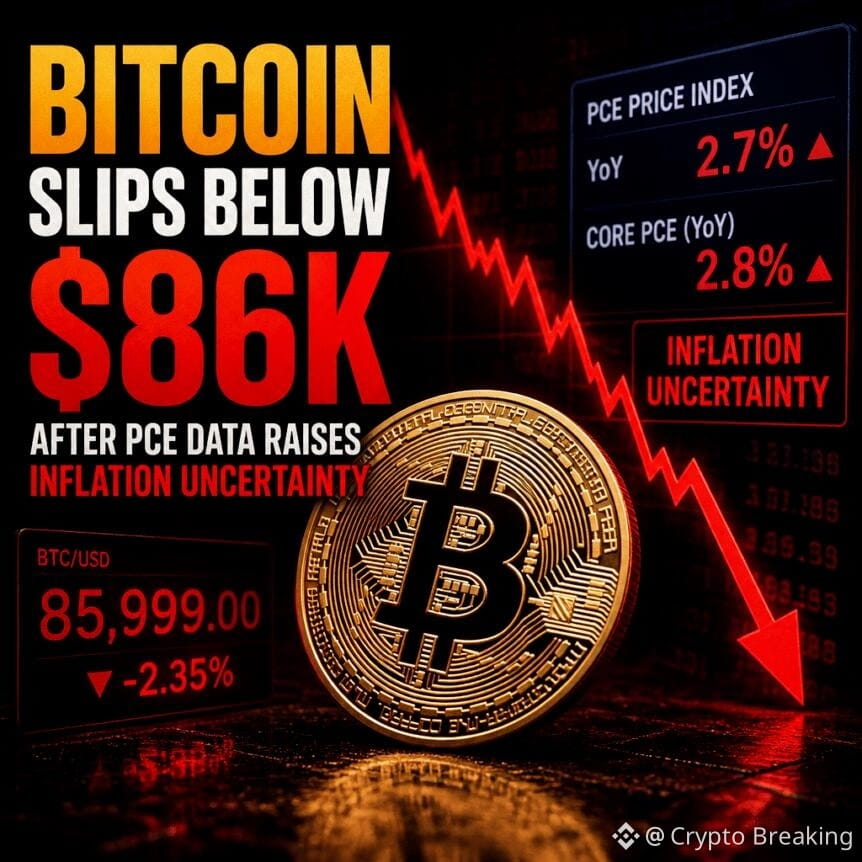
Биткоин опускается ниже $86K после данных по PCE, которые усилили неопределенность в отношении инфляцииВ четверг биткоин торговался выше $83 000, стабилизировавшись после ралли, которое на короткое время уперлось в $85 600. Откат последовал после публикации данных по инфляции PCE (Personal Consumption Expenditures), которые оказались слабее ожиданий, но их интерпретация была омрачена изменениями в лежащей в основе методологии.
Хотя дневное движение выглядело скромным — по данным Coinbase BTC/USD в целом оставалась на месте — индикаторы деривативов указывали на более нюансированную картину. CoinGlass показала свежую кластеризацию ликвидаций вблизи ключевых уровней поддержки, а Glassnode отметила, что открытый интерес по фьючерсам, номинированным в BTC, снизился, даже несмотря на рост цены; такая комбинация может уменьшить риск вынужденного разворота рычагов.
Биткоин опускается ниже $86K после данных по PCE, которые усилили неопределенность в отношении инфляции
В четверг биткоин торговался выше $83 000, стабилизировавшись после ралли, которое на короткое время уперлось в $85 600. Откат последовал после публикации данных по инфляции PCE (Personal Consumption Expenditures), которые оказались слабее ожиданий, но их интерпретация была омрачена изменениями в лежащей в основе методологии.
Хотя дневное движение выглядело скромным — по данным Coinbase BTC/USD в целом оставалась на месте — индикаторы деривативов указывали на более нюансированную картину. CoinGlass показала свежую кластеризацию ликвидаций вблизи ключевых уровней поддержки, а Glassnode отметила, что открытый интерес по фьючерсам, номинированным в BTC, снизился, даже несмотря на рост цены; такая комбинация может уменьшить риск вынужденного разворота рычагов.
Хотя дневное движение выглядело скромным — по данным Coinbase BTC/USD в целом оставалась на месте — индикаторы деривативов указывали на более нюансированную картину. CoinGlass показала свежую кластеризацию ликвидаций вблизи ключевых уровней поддержки, а Glassnode отметила, что открытый интерес по фьючерсам, номинированным в BTC, снизился, даже несмотря на рост цены; такая комбинация может уменьшить риск вынужденного разворота рычагов.
130
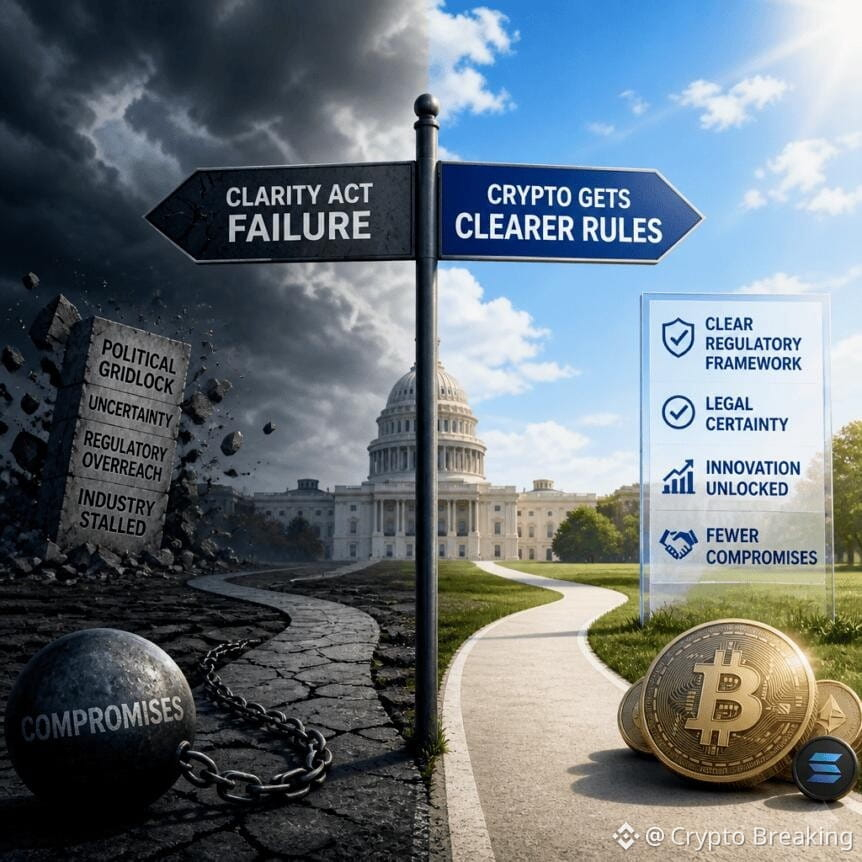
Статья
Провал Закона о КЛАРИТИ дал крипторынку более четкие правила и меньше компромиссовБиткоин (BTC) и более широкий рынок криптовалют выросли после того, как Закон о КЛАРИТИ провалился, не набрав 60 голосов, необходимых для продвижения в Сенате. Ралли озадачило многих: они задавались вопросом, почему рынки отреагировали именно так после того, как законопроект, над которым они работали три года, снова застопорился.
Глава Bitwise по инвестициям Мэтт Хуган объяснил это противоречие в записке, заявив, что затягивание процесса оставило неизменными вознаграждения в стейблкоинах и позволило федеральным регуляторам объявить несколько мер, которые, по его мнению, являются более благоприятными, чем сам законопроект.
Провал Закона о КЛАРИТИ дал крипторынку более четкие правила и меньше компромиссов
Биткоин (BTC) и более широкий рынок криптовалют выросли после того, как Закон о КЛАРИТИ провалился, не набрав 60 голосов, необходимых для продвижения в Сенате. Ралли озадачило многих: они задавались вопросом, почему рынки отреагировали именно так после того, как законопроект, над которым они работали три года, снова застопорился.
Глава Bitwise по инвестициям Мэтт Хуган объяснил это противоречие в записке, заявив, что затягивание процесса оставило неизменными вознаграждения в стейблкоинах и позволило федеральным регуляторам объявить несколько мер, которые, по его мнению, являются более благоприятными, чем сам законопроект.
Глава Bitwise по инвестициям Мэтт Хуган объяснил это противоречие в записке, заявив, что затягивание процесса оставило неизменными вознаграждения в стейблкоинах и позволило федеральным регуляторам объявить несколько мер, которые, по его мнению, являются более благоприятными, чем сам законопроект.
193

Статья
Ai Помогает Расшифровать Письмо с Наполеоновским Шифром Возрастом 217 ЛетПредложенная полная дешифровка письма, связанного с военной кампанией Наполеона 1809 года, которой является 217-летней, была получена при помощи искусственного интеллекта. Картер Черч, опубликовавший реконструкцию 18 сентября 2026 года, говорит, что работа читается как шифр, который оставался неразгаданным с тех пор, как его единственная известная копия появилась в 1969 году во французском военном журнале.
Письмо было адресовано генералу Огюсту де Мармонту и содержит информацию о французских и союзных войсках незадолго до того, как Австрия вторглась в Баварию. Реконструкция Черча также относит письмо к марту 1809 года, а не к дате 1807 года, ранее связываемой с документом.
Ai Помогает Расшифровать Письмо с Наполеоновским Шифром Возрастом 217 Лет
Предложенная полная дешифровка письма, связанного с военной кампанией Наполеона 1809 года, которой является 217-летней, была получена при помощи искусственного интеллекта. Картер Черч, опубликовавший реконструкцию 18 сентября 2026 года, говорит, что работа читается как шифр, который оставался неразгаданным с тех пор, как его единственная известная копия появилась в 1969 году во французском военном журнале.
Письмо было адресовано генералу Огюсту де Мармонту и содержит информацию о французских и союзных войсках незадолго до того, как Австрия вторглась в Баварию. Реконструкция Черча также относит письмо к марту 1809 года, а не к дате 1807 года, ранее связываемой с документом.
Письмо было адресовано генералу Огюсту де Мармонту и содержит информацию о французских и союзных войсках незадолго до того, как Австрия вторглась в Баварию. Реконструкция Черча также относит письмо к марту 1809 года, а не к дате 1807 года, ранее связываемой с документом.
20
Статья
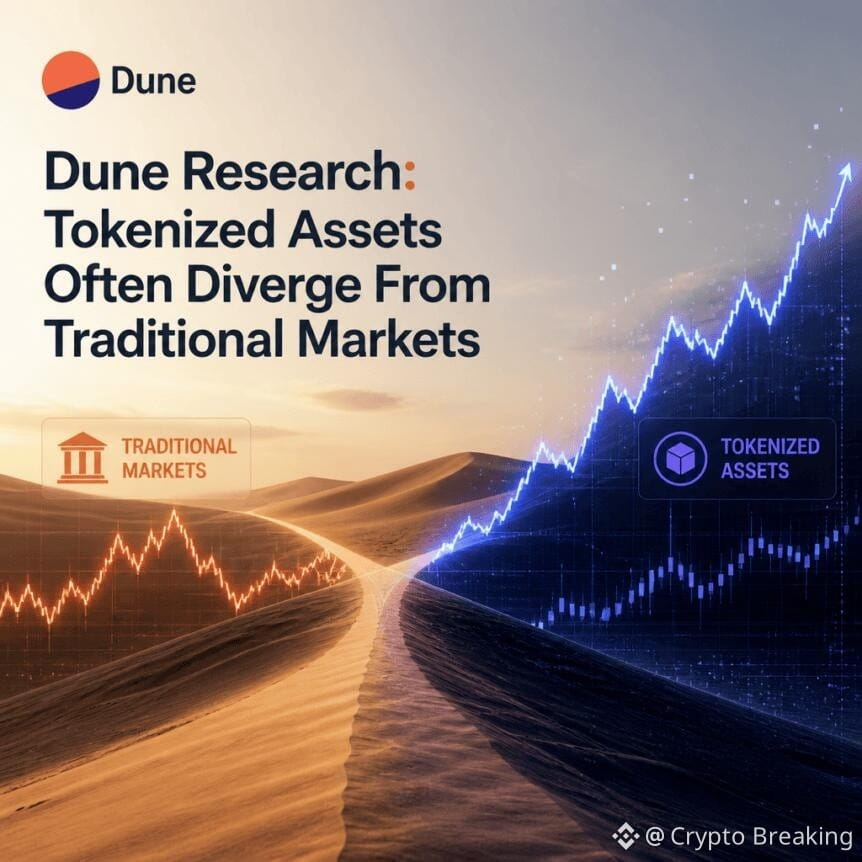
Исследование Dune: Токенизированные активы Часто Отклоняются От Традиционных РынковТокенизированные рынки растут, но их торговое и инвестиционное поведение не повторяет традиционные финансы. Новый отчет Dune, сопоставляющий ончейн-активность с офчейн-аналогами по нескольким классам активов — включая акции, кредит, сырьевые товары и продукты, эквивалентные денежным средствам, — выявляет существенные различия в том, как инвесторы используют токенизированные инструменты.
Оценки Dune по токенизированным реальным активам (RWAs) показывают, что по состоянию на 31 августа их стоимость составляла 34,5 млрд долларов, что более чем на 140% выше показателя год к году. В том же анализе отмечается, что доминирующее предложение по-прежнему приходится на продукты, эквивалентные денежным средствам, тогда как акции являются наиболее активно торгуемым сегментом — однако токенизированные акции остаются лишь небольшой долей в целом по рынку глобальных котируемых акций.
Исследование Dune: Токенизированные активы Часто Отклоняются От Традиционных Рынков
Токенизированные рынки растут, но их торговое и инвестиционное поведение не повторяет традиционные финансы. Новый отчет Dune, сопоставляющий ончейн-активность с офчейн-аналогами по нескольким классам активов — включая акции, кредит, сырьевые товары и продукты, эквивалентные денежным средствам, — выявляет существенные различия в том, как инвесторы используют токенизированные инструменты.
Оценки Dune по токенизированным реальным активам (RWAs) показывают, что по состоянию на 31 августа их стоимость составляла 34,5 млрд долларов, что более чем на 140% выше показателя год к году. В том же анализе отмечается, что доминирующее предложение по-прежнему приходится на продукты, эквивалентные денежным средствам, тогда как акции являются наиболее активно торгуемым сегментом — однако токенизированные акции остаются лишь небольшой долей в целом по рынку глобальных котируемых акций.
Оценки Dune по токенизированным реальным активам (RWAs) показывают, что по состоянию на 31 августа их стоимость составляла 34,5 млрд долларов, что более чем на 140% выше показателя год к году. В том же анализе отмечается, что доминирующее предложение по-прежнему приходится на продукты, эквивалентные денежным средствам, тогда как акции являются наиболее активно торгуемым сегментом — однако токенизированные акции остаются лишь небольшой долей в целом по рынку глобальных котируемых акций.
33

Статья
Услуги Binance в ЕС под пристальным вниманием: вопрос о лицензируемом исключенииСообщается, что европейские регуляторы изучают, зависит ли продолжающийся доступ Binance к определённым клиентам в Европейском союзе от правового механизма, который можно было бы растянуть за пределы его первоначального назначения в рамках Регламента ЕС о рынках криптоактивов (MiCA). Поводом для такого внимания стала оценка того, как ESMA и национальные надзорные органы в странах, включая Францию, Германию и Грецию, должны применять MiCA к поставщикам услуг в сфере криптоактивов (CASP), не являющимся компаниями из ЕС.
По данным Financial Times, внимание сосредоточено на использовании Binance «обратного запроса» — концепции, предназначенной для того, чтобы услуги предоставлялись только тогда, когда клиент инициирует контакт полностью по собственной инициативе. Материал выходит после решения Binance отозвать свою заявку по MiCA для Греции в июне и последующей попытки получить разрешение через другое государство-член ЕС.
Услуги Binance в ЕС под пристальным вниманием: вопрос о лицензируемом исключении
Сообщается, что европейские регуляторы изучают, зависит ли продолжающийся доступ Binance к определённым клиентам в Европейском союзе от правового механизма, который можно было бы растянуть за пределы его первоначального назначения в рамках Регламента ЕС о рынках криптоактивов (MiCA). Поводом для такого внимания стала оценка того, как ESMA и национальные надзорные органы в странах, включая Францию, Германию и Грецию, должны применять MiCA к поставщикам услуг в сфере криптоактивов (CASP), не являющимся компаниями из ЕС.
По данным Financial Times, внимание сосредоточено на использовании Binance «обратного запроса» — концепции, предназначенной для того, чтобы услуги предоставлялись только тогда, когда клиент инициирует контакт полностью по собственной инициативе. Материал выходит после решения Binance отозвать свою заявку по MiCA для Греции в июне и последующей попытки получить разрешение через другое государство-член ЕС.
По данным Financial Times, внимание сосредоточено на использовании Binance «обратного запроса» — концепции, предназначенной для того, чтобы услуги предоставлялись только тогда, когда клиент инициирует контакт полностью по собственной инициативе. Материал выходит после решения Binance отозвать свою заявку по MiCA для Греции в июне и последующей попытки получить разрешение через другое государство-член ЕС.
31
Статья
Chainalysis находит мало поддержки для доводов Celsius, поскольку иск об аудите продолжаетсяСудья федерального суда США отклонил большую часть требований, которые судебная администрация (estate) Celsius Network предъявила компании по блокчейн-аналитике Chainalysis, но разрешил продолжить одно ключевое обвинение. В своем решении, вынесенном во вторник, окружной судья США Маргарет Гарнетт отклонила ходатайство Chainalysis об отклонении одного из требований об оказании содействия и пособничества, связанного с объявлением о «аудите» Celsius в 2020 году.
Иск является частью более широкой попытки банкротной массы вернуть активы для кредиторов после того, как Celsius заморозила вывод средств в середине 2022 года, из-за чего клиенты не смогли получить доступ примерно к 4,7 млрд долларов. Сохранившееся требование сосредоточено на том, знала ли Chainalysis, что некоторые заявления в пресс-релизе Celsius были ложными или вводящими в заблуждение, и при этом все же помогала их распространять.
Chainalysis находит мало поддержки для доводов Celsius, поскольку иск об аудите продолжается
Судья федерального суда США отклонил большую часть требований, которые судебная администрация (estate) Celsius Network предъявила компании по блокчейн-аналитике Chainalysis, но разрешил продолжить одно ключевое обвинение. В своем решении, вынесенном во вторник, окружной судья США Маргарет Гарнетт отклонила ходатайство Chainalysis об отклонении одного из требований об оказании содействия и пособничества, связанного с объявлением о «аудите» Celsius в 2020 году.
Иск является частью более широкой попытки банкротной массы вернуть активы для кредиторов после того, как Celsius заморозила вывод средств в середине 2022 года, из-за чего клиенты не смогли получить доступ примерно к 4,7 млрд долларов. Сохранившееся требование сосредоточено на том, знала ли Chainalysis, что некоторые заявления в пресс-релизе Celsius были ложными или вводящими в заблуждение, и при этом все же помогала их распространять.
Иск является частью более широкой попытки банкротной массы вернуть активы для кредиторов после того, как Celsius заморозила вывод средств в середине 2022 года, из-за чего клиенты не смогли получить доступ примерно к 4,7 млрд долларов. Сохранившееся требование сосредоточено на том, знала ли Chainalysis, что некоторые заявления в пресс-релизе Celsius были ложными или вводящими в заблуждение, и при этом все же помогала их распространять.
37
Войдите, чтобы посмотреть больше материала
Присоединяйтесь к пользователям криптовалют по всему миру на Binance Square
⚡️ Получайте новейшую и полезную информацию о криптоактивах.
💬 Нам доверяет крупнейшая в мире криптобиржа.
👍 Получите достоверные аналитические данные от верифицированных создателей контента.
Эл. почта/номер телефона
В тренде
NEARFallsToAround$4.70Down14%
Просмотров: 0
1 обсуждают
🚨 $US СЕЙЧАС ПРОИЗОШЛО ВЗРЫВНОЕ ДВИЖЕНИЕ — СЛЕДУЮЩИЙ ХОД МОЖЕТ БЫТЬ ЕЩЁ БОЛЬШЕ. 🔥
США — LONG (лонг)
Вход: 0.0332–0.0338
TP1: 0.0350
TP2: 0.0360
TP3: 0.0376
SL: 0.0308
Лонг сейчас 👇🏻👇🏻👇🏻👇🏻👇🏻👇🏻👇🏻
$GTC
$MOVR
#crypto #futures BTC , ETH , SOL#trading #Binance #NEARприблизится к $4.70с падением на 14%
币圈导师777
·Лайков: 2
·Просмотров: 286
EvernorthPlansNasdaqListingOct8
Просмотров: 0
10 обсуждают
SECProposesCryptoCustodyFramework
Просмотров: 0
20 обсуждают