

Coinstelegram
4k Публикации

Coinstelegram
 Square Verified+
Отправить жалобу
Заблокировать пользователя
Coinstelegram is a leading blockchain & altcoins cryptocurrency media
0 подписок(и/а)
19.6K+ подписчиков(а)
3.2K+ понравилось
Посты
Статья
См. перевод
MEXC Ends Services for Russia and Belarus Users As Netherlands Exit Adds to RestrictionsMEXC is discontinuing services for users in Russia and Belarus, further narrowing access to international crypto trading platforms for customers in both countries. The exchange announced the decision on October 20, citing its efforts to strengthen global compliance.
Affected customers will receive individual instructions for closing positions and withdrawing assets. MEXC says accounts that have not received a notification remain unaffected by this change and can continue operating under its Terms of Service. The announcement does not provide a universal withdrawal deadline.
The decision comes as MEXC also winds down Dutch services, while European licensing requirements reshape which exchanges can legally serve customers.
What MEXC Users in Russia and Belarus Should Know
MEXC says customer assets remain secure, although that assurance is the company’s statement rather than an independent assessment.
Its notice directs affected users to follow account-specific timelines. It does not disclose how many customers are affected or explain precisely how nationality, residence and other account information determine eligibility.
The absence of a notification should therefore not be interpreted as permanent permission to trade regardless of the exchange’s rules. MEXC’s current User Agreement explicitly includes Russia and Belarus among prohibited jurisdictions.
A narrower restrictions summary reads:
MEXC does not accept users from 13 jurisdictions named in its User Agreement: the United States, Canada, the United Kingdom, Singapore, Hong Kong, Mainland China, Malaysia, Kazakhstan, North Korea, Cuba, Iran, Sudan and the Russian-controlled regions of Ukraine, plus countries under comprehensive EU or US sanctions or on the FATF call-for-action list.
That wording is incomplete against the current agreement because it omits Russia and Belarus. MEXC’s educational country guide still separates those two markets as winding down, illustrating why contractual terms and individual notices matter more than general availability summaries.
How Large Are the Russian and Belarusian Crypto Markets?
Russia represents a substantial crypto market. Chainalysis estimated that it received $376.3 billion in cryptocurrency between July 2024 and June 2025, making it Europe’s largest market by that measure, ahead of the United Kingdom’s $273.2 billion.
These figures measure estimated cryptocurrency value received. They do not represent exchange revenue, household holdings or the amount MEXC stands to lose.
Belarus has a smaller, differently measured market. In September 2025, Alexander Lukashenko said external payments through Belarusian crypto exchanges reached $1.7 billion during the first seven months of 2025, according to Interfax. He cited projections that the figure could reach $3 billion for the full year.
The $3 billion figure was a forecast, not a verified year-end result. It also cannot be directly compared with Chainalysis’s Russian estimate because the periods and methodologies differ.
Neither figure establishes MEXC’s local market share. The exchange has not disclosed country-specific customer balances or revenue in its exit announcement.
How Many Crypto Exchanges Have Restricted Russia?
There is no verified, comprehensive count of centralized exchanges that have completely left Russia since its full-scale invasion of Ukraine. Business sales, account closures and restrictions on particular services are different actions.
However, six identifiable platforms illustrate the contraction in access: Binance, Kraken, Crypto.com, Blockchain.com, Bitget and MEXC.
Binance announced the sale of its entire Russian business to CommEX in September 2023, describing the decision as a full exit and outlining an offboarding process lasting up to one year.
Kraken, Crypto.com and Blockchain.com imposed Russia-linked account or service restrictions in October 2022 following EU sanctions. Contemporary reporting documented those restrictions, but their scope differed between providers.
Bitget’s current terms also list Russia, Belarus and Kazakhstan as prohibited countries.
This is a documented set of examples, not a claim that exactly six exchanges have permanently banned every Russian customer. MEXC itself cites compliance without identifying a particular sanctions measure as the direct trigger.
MEXC’s Netherlands Exit Comes With Conflicting Dates
MEXC is separately withdrawing services from Netherlands-linked accounts. The Dutch regulator AFM warned in September 2025 that the platform was operating without the required authorization.
MEXC’s general country guide lists October 31, 2026 as the asset-movement deadline, November 16 as final offboarding, and March 20 as the suspension date for fiat services.
However, its dedicated offboarding announcement provides a different, four-batch schedule. For the final batch, it lists October 23 as the action deadline, October 24 as the start of restrictions and October 31 as completion. Earlier batches had earlier deadlines.
These conflicting public pages mean November 16 should not be presented as a universally available withdrawal deadline. The dedicated notice instructs customers to consult their assigned batch and email notifications.
It also warns that MEXC may process remaining positions and liabilities, potentially generating losses or fees, and says residual assets will move to a regulated custodian.
What MiCA Requires and Which Exchanges Have Approval
MiCA establishes an EU authorization framework for crypto-asset service providers. Requirements include safeguarding and segregating customer assets, managing conflicts of interest, handling complaints and providing clear information.
ESMA says the final transition period ended on July 1, 2026. Unauthorized providers must stop onboarding and soliciting EU customers, restricting remaining services to an orderly wind-down rather than continuing normal business.
Examples of exchanges that obtained authorization through European entities include Coinbase in Luxembourg, Kraken in Ireland and Bybit EU in Austria. Austria’s FMA granted Bybit EU authorization on May 28, 2025.
MEXC’s own country guide states that it lacks MiCA authorization. Licenses attach to specific legal entities and approved services; they do not automatically cover every product offered under a global exchange brand. European licensing and Russia-related restrictions therefore remain separate compliance questions.
MEXC Ends Services for Russia and Belarus Users As Netherlands Exit Adds to Restrictions
MEXC is discontinuing services for users in Russia and Belarus, further narrowing access to international crypto trading platforms for customers in both countries. The exchange announced the decision on October 20, citing its efforts to strengthen global compliance.
Affected customers will receive individual instructions for closing positions and withdrawing assets. MEXC says accounts that have not received a notification remain unaffected by this change and can continue operating under its Terms of Service. The announcement does not provide a universal withdrawal deadline.
The decision comes as MEXC also winds down Dutch services, while European licensing requirements reshape which exchanges can legally serve customers.
What MEXC Users in Russia and Belarus Should Know
MEXC says customer assets remain secure, although that assurance is the company’s statement rather than an independent assessment.
Its notice directs affected users to follow account-specific timelines. It does not disclose how many customers are affected or explain precisely how nationality, residence and other account information determine eligibility.
The absence of a notification should therefore not be interpreted as permanent permission to trade regardless of the exchange’s rules. MEXC’s current User Agreement explicitly includes Russia and Belarus among prohibited jurisdictions.
A narrower restrictions summary reads:
MEXC does not accept users from 13 jurisdictions named in its User Agreement: the United States, Canada, the United Kingdom, Singapore, Hong Kong, Mainland China, Malaysia, Kazakhstan, North Korea, Cuba, Iran, Sudan and the Russian-controlled regions of Ukraine, plus countries under comprehensive EU or US sanctions or on the FATF call-for-action list.
That wording is incomplete against the current agreement because it omits Russia and Belarus. MEXC’s educational country guide still separates those two markets as winding down, illustrating why contractual terms and individual notices matter more than general availability summaries.
How Large Are the Russian and Belarusian Crypto Markets?
Russia represents a substantial crypto market. Chainalysis estimated that it received $376.3 billion in cryptocurrency between July 2024 and June 2025, making it Europe’s largest market by that measure, ahead of the United Kingdom’s $273.2 billion.
These figures measure estimated cryptocurrency value received. They do not represent exchange revenue, household holdings or the amount MEXC stands to lose.
Belarus has a smaller, differently measured market. In September 2025, Alexander Lukashenko said external payments through Belarusian crypto exchanges reached $1.7 billion during the first seven months of 2025, according to Interfax. He cited projections that the figure could reach $3 billion for the full year.
The $3 billion figure was a forecast, not a verified year-end result. It also cannot be directly compared with Chainalysis’s Russian estimate because the periods and methodologies differ.
Neither figure establishes MEXC’s local market share. The exchange has not disclosed country-specific customer balances or revenue in its exit announcement.
How Many Crypto Exchanges Have Restricted Russia?
There is no verified, comprehensive count of centralized exchanges that have completely left Russia since its full-scale invasion of Ukraine. Business sales, account closures and restrictions on particular services are different actions.
However, six identifiable platforms illustrate the contraction in access: Binance, Kraken, Crypto.com, Blockchain.com, Bitget and MEXC.
Binance announced the sale of its entire Russian business to CommEX in September 2023, describing the decision as a full exit and outlining an offboarding process lasting up to one year.
Kraken, Crypto.com and Blockchain.com imposed Russia-linked account or service restrictions in October 2022 following EU sanctions. Contemporary reporting documented those restrictions, but their scope differed between providers.
Bitget’s current terms also list Russia, Belarus and Kazakhstan as prohibited countries.
This is a documented set of examples, not a claim that exactly six exchanges have permanently banned every Russian customer. MEXC itself cites compliance without identifying a particular sanctions measure as the direct trigger.
MEXC’s Netherlands Exit Comes With Conflicting Dates
MEXC is separately withdrawing services from Netherlands-linked accounts. The Dutch regulator AFM warned in September 2025 that the platform was operating without the required authorization.
MEXC’s general country guide lists October 31, 2026 as the asset-movement deadline, November 16 as final offboarding, and March 20 as the suspension date for fiat services.
However, its dedicated offboarding announcement provides a different, four-batch schedule. For the final batch, it lists October 23 as the action deadline, October 24 as the start of restrictions and October 31 as completion. Earlier batches had earlier deadlines.
These conflicting public pages mean November 16 should not be presented as a universally available withdrawal deadline. The dedicated notice instructs customers to consult their assigned batch and email notifications.
It also warns that MEXC may process remaining positions and liabilities, potentially generating losses or fees, and says residual assets will move to a regulated custodian.
What MiCA Requires and Which Exchanges Have Approval
MiCA establishes an EU authorization framework for crypto-asset service providers. Requirements include safeguarding and segregating customer assets, managing conflicts of interest, handling complaints and providing clear information.
ESMA says the final transition period ended on July 1, 2026. Unauthorized providers must stop onboarding and soliciting EU customers, restricting remaining services to an orderly wind-down rather than continuing normal business.
Examples of exchanges that obtained authorization through European entities include Coinbase in Luxembourg, Kraken in Ireland and Bybit EU in Austria. Austria’s FMA granted Bybit EU authorization on May 28, 2025.
MEXC’s own country guide states that it lacks MiCA authorization. Licenses attach to specific legal entities and approved services; they do not automatically cover every product offered under a global exchange brand. European licensing and Russia-related restrictions therefore remain separate compliance questions.
Affected customers will receive individual instructions for closing positions and withdrawing assets. MEXC says accounts that have not received a notification remain unaffected by this change and can continue operating under its Terms of Service. The announcement does not provide a universal withdrawal deadline.
The decision comes as MEXC also winds down Dutch services, while European licensing requirements reshape which exchanges can legally serve customers.
What MEXC Users in Russia and Belarus Should Know
MEXC says customer assets remain secure, although that assurance is the company’s statement rather than an independent assessment.
Its notice directs affected users to follow account-specific timelines. It does not disclose how many customers are affected or explain precisely how nationality, residence and other account information determine eligibility.
The absence of a notification should therefore not be interpreted as permanent permission to trade regardless of the exchange’s rules. MEXC’s current User Agreement explicitly includes Russia and Belarus among prohibited jurisdictions.
A narrower restrictions summary reads:
MEXC does not accept users from 13 jurisdictions named in its User Agreement: the United States, Canada, the United Kingdom, Singapore, Hong Kong, Mainland China, Malaysia, Kazakhstan, North Korea, Cuba, Iran, Sudan and the Russian-controlled regions of Ukraine, plus countries under comprehensive EU or US sanctions or on the FATF call-for-action list.
That wording is incomplete against the current agreement because it omits Russia and Belarus. MEXC’s educational country guide still separates those two markets as winding down, illustrating why contractual terms and individual notices matter more than general availability summaries.
How Large Are the Russian and Belarusian Crypto Markets?
Russia represents a substantial crypto market. Chainalysis estimated that it received $376.3 billion in cryptocurrency between July 2024 and June 2025, making it Europe’s largest market by that measure, ahead of the United Kingdom’s $273.2 billion.
These figures measure estimated cryptocurrency value received. They do not represent exchange revenue, household holdings or the amount MEXC stands to lose.
Belarus has a smaller, differently measured market. In September 2025, Alexander Lukashenko said external payments through Belarusian crypto exchanges reached $1.7 billion during the first seven months of 2025, according to Interfax. He cited projections that the figure could reach $3 billion for the full year.
The $3 billion figure was a forecast, not a verified year-end result. It also cannot be directly compared with Chainalysis’s Russian estimate because the periods and methodologies differ.
Neither figure establishes MEXC’s local market share. The exchange has not disclosed country-specific customer balances or revenue in its exit announcement.
How Many Crypto Exchanges Have Restricted Russia?
There is no verified, comprehensive count of centralized exchanges that have completely left Russia since its full-scale invasion of Ukraine. Business sales, account closures and restrictions on particular services are different actions.
However, six identifiable platforms illustrate the contraction in access: Binance, Kraken, Crypto.com, Blockchain.com, Bitget and MEXC.
Binance announced the sale of its entire Russian business to CommEX in September 2023, describing the decision as a full exit and outlining an offboarding process lasting up to one year.
Kraken, Crypto.com and Blockchain.com imposed Russia-linked account or service restrictions in October 2022 following EU sanctions. Contemporary reporting documented those restrictions, but their scope differed between providers.
Bitget’s current terms also list Russia, Belarus and Kazakhstan as prohibited countries.
This is a documented set of examples, not a claim that exactly six exchanges have permanently banned every Russian customer. MEXC itself cites compliance without identifying a particular sanctions measure as the direct trigger.
MEXC’s Netherlands Exit Comes With Conflicting Dates
MEXC is separately withdrawing services from Netherlands-linked accounts. The Dutch regulator AFM warned in September 2025 that the platform was operating without the required authorization.
MEXC’s general country guide lists October 31, 2026 as the asset-movement deadline, November 16 as final offboarding, and March 20 as the suspension date for fiat services.
However, its dedicated offboarding announcement provides a different, four-batch schedule. For the final batch, it lists October 23 as the action deadline, October 24 as the start of restrictions and October 31 as completion. Earlier batches had earlier deadlines.
These conflicting public pages mean November 16 should not be presented as a universally available withdrawal deadline. The dedicated notice instructs customers to consult their assigned batch and email notifications.
It also warns that MEXC may process remaining positions and liabilities, potentially generating losses or fees, and says residual assets will move to a regulated custodian.
What MiCA Requires and Which Exchanges Have Approval
MiCA establishes an EU authorization framework for crypto-asset service providers. Requirements include safeguarding and segregating customer assets, managing conflicts of interest, handling complaints and providing clear information.
ESMA says the final transition period ended on July 1, 2026. Unauthorized providers must stop onboarding and soliciting EU customers, restricting remaining services to an orderly wind-down rather than continuing normal business.
Examples of exchanges that obtained authorization through European entities include Coinbase in Luxembourg, Kraken in Ireland and Bybit EU in Austria. Austria’s FMA granted Bybit EU authorization on May 28, 2025.
MEXC’s own country guide states that it lacks MiCA authorization. Licenses attach to specific legal entities and approved services; they do not automatically cover every product offered under a global exchange brand. European licensing and Russia-related restrictions therefore remain separate compliance questions.
69
MEXC прекращает обслуживание пользователей из России и Беларуси на фоне ухода из Нидерландов, усиливая ограниченияMEXC прекращает обслуживать пользователей в России и Беларуси, еще больше ограничивая доступ клиентов из обеих стран к международным криптовалютным торговым платформам. Биржа объявила об этом решении 20 октября, сославшись на усилия по укреплению глобального соблюдения нормативных требований.
Затронутые клиенты получат индивидуальные инструкции по закрытию позиций и выводу активов. MEXC сообщает, что аккаунты, владельцы которых не получили уведомление, не затронуты изменениями и могут продолжать работу в соответствии с Условиями предоставления услуг. В объявлении не указан единый срок для вывода средств.
MEXC прекращает обслуживание пользователей из России и Беларуси на фоне ухода из Нидерландов, усиливая ограничения
MEXC прекращает обслуживать пользователей в России и Беларуси, еще больше ограничивая доступ клиентов из обеих стран к международным криптовалютным торговым платформам. Биржа объявила об этом решении 20 октября, сославшись на усилия по укреплению глобального соблюдения нормативных требований.
Затронутые клиенты получат индивидуальные инструкции по закрытию позиций и выводу активов. MEXC сообщает, что аккаунты, владельцы которых не получили уведомление, не затронуты изменениями и могут продолжать работу в соответствии с Условиями предоставления услуг. В объявлении не указан единый срок для вывода средств.
Затронутые клиенты получат индивидуальные инструкции по закрытию позиций и выводу активов. MEXC сообщает, что аккаунты, владельцы которых не получили уведомление, не затронуты изменениями и могут продолжать работу в соответствии с Условиями предоставления услуг. В объявлении не указан единый срок для вывода средств.
113

Статья
Digital Assets Forum впервые проведёт мероприятие в США — 13 ноября в Нью-ЙоркеО мероприятии
DAF New York — закрытое мероприятие исключительно для институциональных участников, которое объединяет лидеров, определяющих будущее цифровых активов. На фоне Европейской блокчейн-конференции мероприятие соберёт более 800 руководителей, принимающих решения в сфере управления активами, банковского дела и частного капитала, на целый день содержательных дискуссий о токенизации, внедрении цифровых активов институциональными игроками, рыночной инфраструктуре и регулировании. В программе — более 100 спикеров и 40 сессий. DAF New York делает ставку на глубину, а не на широту охвата: это откровенные беседы между теми, кто непосредственно создаёт проекты в этой сфере и распределяет капитал, вдали от шума масштабных отраслевых конференций.
Digital Assets Forum впервые проведёт мероприятие в США — 13 ноября в Нью-Йорке
О мероприятии
DAF New York — закрытое мероприятие исключительно для институциональных участников, которое объединяет лидеров, определяющих будущее цифровых активов. На фоне Европейской блокчейн-конференции мероприятие соберёт более 800 руководителей, принимающих решения в сфере управления активами, банковского дела и частного капитала, на целый день содержательных дискуссий о токенизации, внедрении цифровых активов институциональными игроками, рыночной инфраструктуре и регулировании. В программе — более 100 спикеров и 40 сессий. DAF New York делает ставку на глубину, а не на широту охвата: это откровенные беседы между теми, кто непосредственно создаёт проекты в этой сфере и распределяет капитал, вдали от шума масштабных отраслевых конференций.
DAF New York — закрытое мероприятие исключительно для институциональных участников, которое объединяет лидеров, определяющих будущее цифровых активов. На фоне Европейской блокчейн-конференции мероприятие соберёт более 800 руководителей, принимающих решения в сфере управления активами, банковского дела и частного капитала, на целый день содержательных дискуссий о токенизации, внедрении цифровых активов институциональными игроками, рыночной инфраструктуре и регулировании. В программе — более 100 спикеров и 40 сессий. DAF New York делает ставку на глубину, а не на широту охвата: это откровенные беседы между теми, кто непосредственно создаёт проекты в этой сфере и распределяет капитал, вдали от шума масштабных отраслевых конференций.
65

Статья
CoinFerenceX The Best Event Singapore 2026 завершился двухдневным саммитом Web3, собравшим 3 000...Сингапур, октябрь 2026 года — CoinFerenceX The Best Event Singapore 2026 собрал основателей компаний, инвесторов, новаторов в сфере блокчейна, институциональных лидеров и специалистов Web3 на двухдневном саммите, который прошёл 5–6 октября в Flower Field Hall, Gardens by the Bay. Мероприятие состоялось во время недели TOKEN2049 и объединило участников мировой экосистемы цифровых активов для обсуждения блокчейн-инфраструктуры, внедрения институциональными игроками, токенизированных активов реального мира (RWA), децентрализованных финансов (DeFi), искусственного интеллекта (AI) и развития цифровой экономики.
CoinFerenceX The Best Event Singapore 2026 завершился двухдневным саммитом Web3, собравшим 3 000...
Сингапур, октябрь 2026 года — CoinFerenceX The Best Event Singapore 2026 собрал основателей компаний, инвесторов, новаторов в сфере блокчейна, институциональных лидеров и специалистов Web3 на двухдневном саммите, который прошёл 5–6 октября в Flower Field Hall, Gardens by the Bay. Мероприятие состоялось во время недели TOKEN2049 и объединило участников мировой экосистемы цифровых активов для обсуждения блокчейн-инфраструктуры, внедрения институциональными игроками, токенизированных активов реального мира (RWA), децентрализованных финансов (DeFi), искусственного интеллекта (AI) и развития цифровой экономики.
51

Статья
CoinFerenceX The Best Event Singapore 2026 завершила двухдневный саммит Web3, собравший более 3 000 участников...Сингапур, октябрь 2026 года — CoinFerenceX The Best Event Singapore 2026 собрала основателей компаний, инвесторов, блокчейн-инноваторов, институциональных лидеров и специалистов Web3 на двухдневном саммите, который прошёл 5–6 октября в Flower Field Hall, Gardens by the Bay. Мероприятие состоялось в неделю TOKEN2049 и объединило участников со всей мировой экосистемы цифровых активов для обсуждения блокчейн-инфраструктуры, институционального внедрения, токенизированных реальных активов (RWA), децентрализованных финансов (DeFi), искусственного интеллекта (AI) и развития цифровой экономики.
CoinFerenceX The Best Event Singapore 2026 завершила двухдневный саммит Web3, собравший более 3 000 участников...
Сингапур, октябрь 2026 года — CoinFerenceX The Best Event Singapore 2026 собрала основателей компаний, инвесторов, блокчейн-инноваторов, институциональных лидеров и специалистов Web3 на двухдневном саммите, который прошёл 5–6 октября в Flower Field Hall, Gardens by the Bay. Мероприятие состоялось в неделю TOKEN2049 и объединило участников со всей мировой экосистемы цифровых активов для обсуждения блокчейн-инфраструктуры, институционального внедрения, токенизированных реальных активов (RWA), децентрализованных финансов (DeFi), искусственного интеллекта (AI) и развития цифровой экономики.
67
Digital Assets Forum проведёт своё первое мероприятие в США — в Нью-Йорке 13 ноябряО мероприятии
DAF New York — закрытое мероприятие исключительно для институциональных участников, объединяющее лидеров, которые формируют будущее цифровых активов. На фоне European Blockchain Convention мероприятие соберёт более 800 руководителей высшего звена из сфер управления активами, банковского дела и частного капитала на один день содержных дискуссий о токенизации, институциональном внедрении, рыночной инфраструктуре и регулировании. Более 100 спикеров примут участие в 40 сессиях. DAF New York делает ставку на глубину, а не на широту охвата: это откровенные беседы между теми, кто непосредственно развивает этот сектор и инвестирует в него, вдали от шума крупных конференций.
Digital Assets Forum проведёт своё первое мероприятие в США — в Нью-Йорке 13 ноября
О мероприятии
DAF New York — закрытое мероприятие исключительно для институциональных участников, объединяющее лидеров, которые формируют будущее цифровых активов. На фоне European Blockchain Convention мероприятие соберёт более 800 руководителей высшего звена из сфер управления активами, банковского дела и частного капитала на один день содержных дискуссий о токенизации, институциональном внедрении, рыночной инфраструктуре и регулировании. Более 100 спикеров примут участие в 40 сессиях. DAF New York делает ставку на глубину, а не на широту охвата: это откровенные беседы между теми, кто непосредственно развивает этот сектор и инвестирует в него, вдали от шума крупных конференций.
DAF New York — закрытое мероприятие исключительно для институциональных участников, объединяющее лидеров, которые формируют будущее цифровых активов. На фоне European Blockchain Convention мероприятие соберёт более 800 руководителей высшего звена из сфер управления активами, банковского дела и частного капитала на один день содержных дискуссий о токенизации, институциональном внедрении, рыночной инфраструктуре и регулировании. Более 100 спикеров примут участие в 40 сессиях. DAF New York делает ставку на глубину, а не на широту охвата: это откровенные беседы между теми, кто непосредственно развивает этот сектор и инвестирует в него, вдали от шума крупных конференций.
108
Статья
Solana запускает Alpenglow, заявляя о самой быстрой финализации блокчейна — всего за 150 миллисекундSolana активировала Alpenglow — масштабное обновление механизма, с помощью которого валидаторы согласовывают транзакции. Обновление призвано обеспечить финализацию примерно за 150 миллисекунд, что потенциально сократит время ожидания, прежде чем приложения смогут считать платежи и сделки завершёнными.
Anza, инженерная команда, разработавшая обновление, объявила о его запуске в основной сети 21 октября. В результате перехода протокол консенсуса TowerBFT, который Solana использовала с момента запуска в 2020 году, будет заменён. Также изменится способ достижения согласия в сети — пользователям при этом не потребуется перемещать свои активы.
Solana запускает Alpenglow, заявляя о самой быстрой финализации блокчейна — всего за 150 миллисекунд
Solana активировала Alpenglow — масштабное обновление механизма, с помощью которого валидаторы согласовывают транзакции. Обновление призвано обеспечить финализацию примерно за 150 миллисекунд, что потенциально сократит время ожидания, прежде чем приложения смогут считать платежи и сделки завершёнными.
Anza, инженерная команда, разработавшая обновление, объявила о его запуске в основной сети 21 октября. В результате перехода протокол консенсуса TowerBFT, который Solana использовала с момента запуска в 2020 году, будет заменён. Также изменится способ достижения согласия в сети — пользователям при этом не потребуется перемещать свои активы.
Anza, инженерная команда, разработавшая обновление, объявила о его запуске в основной сети 21 октября. В результате перехода протокол консенсуса TowerBFT, который Solana использовала с момента запуска в 2020 году, будет заменён. Также изменится способ достижения согласия в сети — пользователям при этом не потребуется перемещать свои активы.
99
Solana запускает Alpenglow, заявляя о самой быстрой финализации транзакций среди блокчейнов — всего за 150 миллисекундSolana активировала Alpenglow — масштабную переработку механизма, с помощью которого валидаторы согласовывают транзакции. Обновление должно обеспечить финализацию примерно за 150 миллисекунд, потенциально сократив время ожидания, прежде чем приложения смогут считать платежи и сделки завершёнными.
Anza, инженерная команда, разработавшая обновление, объявила о его запуске в основной сети 21 октября. Переход заменяет TowerBFT — протокол консенсуса, который Solana использовала с момента запуска в 2020 году, — и меняет способ достижения согласия в сети, не требуя от пользователей перемещать свои активы.
Solana запускает Alpenglow, заявляя о самой быстрой финализации транзакций среди блокчейнов — всего за 150 миллисекунд
Solana активировала Alpenglow — масштабную переработку механизма, с помощью которого валидаторы согласовывают транзакции. Обновление должно обеспечить финализацию примерно за 150 миллисекунд, потенциально сократив время ожидания, прежде чем приложения смогут считать платежи и сделки завершёнными.
Anza, инженерная команда, разработавшая обновление, объявила о его запуске в основной сети 21 октября. Переход заменяет TowerBFT — протокол консенсуса, который Solana использовала с момента запуска в 2020 году, — и меняет способ достижения согласия в сети, не требуя от пользователей перемещать свои активы.
Anza, инженерная команда, разработавшая обновление, объявила о его запуске в основной сети 21 октября. Переход заменяет TowerBFT — протокол консенсуса, который Solana использовала с момента запуска в 2020 году, — и меняет способ достижения согласия в сети, не требуя от пользователей перемещать свои активы.
1
236
Французские депутаты одобрили предложение обложить налогом в размере 31,4% прибыль от обмена криптовалют на стейблкоиныНациональное собрание Франции одобрило поправку к бюджету, согласно которой некоторые операции обмена криптовалют на стейблкоины будут облагаться налогом с 1 января 2027 года. Если поправку примут, инвесторам может грозить стандартный французский налог на прирост капитала в размере 31,4% при обмене активов на стейблкоины, отвечающие установленным требованиям, даже если деньги не выводятся на банковский счёт.
Согласно официальным данным о голосовании в Национальном собрании, 16 октября депутаты приняли поправку I-3898: 38 голосов «за», 37 — «против», 25 воздержались. Прежде чем поправка станет законом, ей ещё предстоит пройти оставшиеся этапы рассмотрения бюджета.
Французские депутаты одобрили предложение обложить налогом в размере 31,4% прибыль от обмена криптовалют на стейблкоины
Национальное собрание Франции одобрило поправку к бюджету, согласно которой некоторые операции обмена криптовалют на стейблкоины будут облагаться налогом с 1 января 2027 года. Если поправку примут, инвесторам может грозить стандартный французский налог на прирост капитала в размере 31,4% при обмене активов на стейблкоины, отвечающие установленным требованиям, даже если деньги не выводятся на банковский счёт.
Согласно официальным данным о голосовании в Национальном собрании, 16 октября депутаты приняли поправку I-3898: 38 голосов «за», 37 — «против», 25 воздержались. Прежде чем поправка станет законом, ей ещё предстоит пройти оставшиеся этапы рассмотрения бюджета.
Согласно официальным данным о голосовании в Национальном собрании, 16 октября депутаты приняли поправку I-3898: 38 голосов «за», 37 — «против», 25 воздержались. Прежде чем поправка станет законом, ей ещё предстоит пройти оставшиеся этапы рассмотрения бюджета.
113
Статья
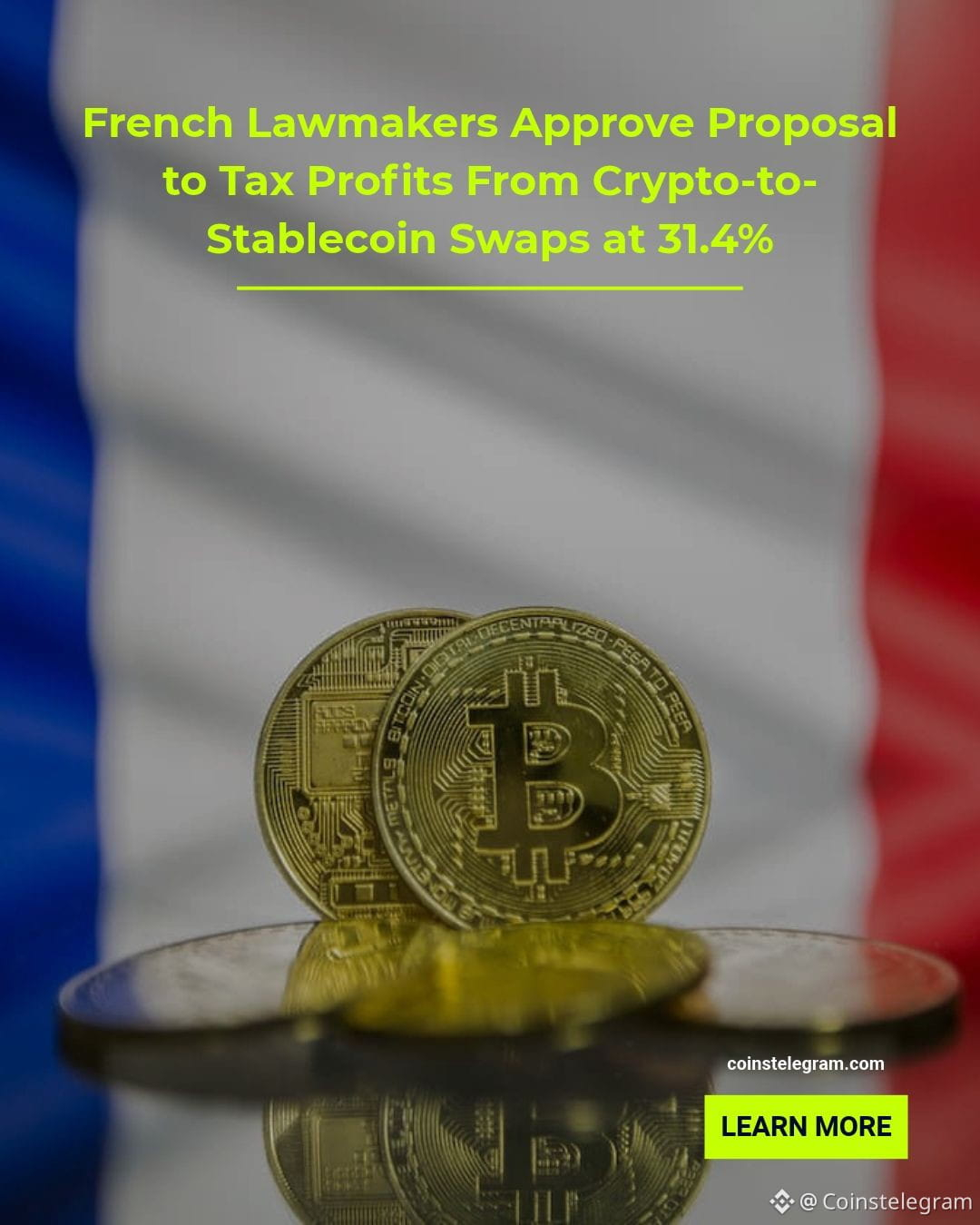
Французские законодатели одобрили предложение обложить прибыль от обмена криптовалют на стейблкоины налогом в размере 31,4%Национальное собрание Франции одобрило бюджетную поправку, которая с 1 января 2027 года будет облагать налогом некоторые обмены криптовалют на стейблкоины. Если поправку примут, инвесторам может грозить стандартный французский налог на прирост капитала в размере 31,4% при переходе в стейблкоины, подпадающие под её действие, даже если они не выводят деньги на банковский счёт.
Согласно официальным данным о голосовании, 16 октября законодатели приняли поправку I-3898 38 голосами против 37 при 25 воздержавшихся. Прежде чем стать законом, эта мера должна пройти оставшиеся этапы бюджетного процесса.
Французские законодатели одобрили предложение обложить прибыль от обмена криптовалют на стейблкоины налогом в размере 31,4%
Национальное собрание Франции одобрило бюджетную поправку, которая с 1 января 2027 года будет облагать налогом некоторые обмены криптовалют на стейблкоины. Если поправку примут, инвесторам может грозить стандартный французский налог на прирост капитала в размере 31,4% при переходе в стейблкоины, подпадающие под её действие, даже если они не выводят деньги на банковский счёт.
Согласно официальным данным о голосовании, 16 октября законодатели приняли поправку I-3898 38 голосами против 37 при 25 воздержавшихся. Прежде чем стать законом, эта мера должна пройти оставшиеся этапы бюджетного процесса.
Согласно официальным данным о голосовании, 16 октября законодатели приняли поправку I-3898 38 голосами против 37 при 25 воздержавшихся. Прежде чем стать законом, эта мера должна пройти оставшиеся этапы бюджетного процесса.
142
Статья
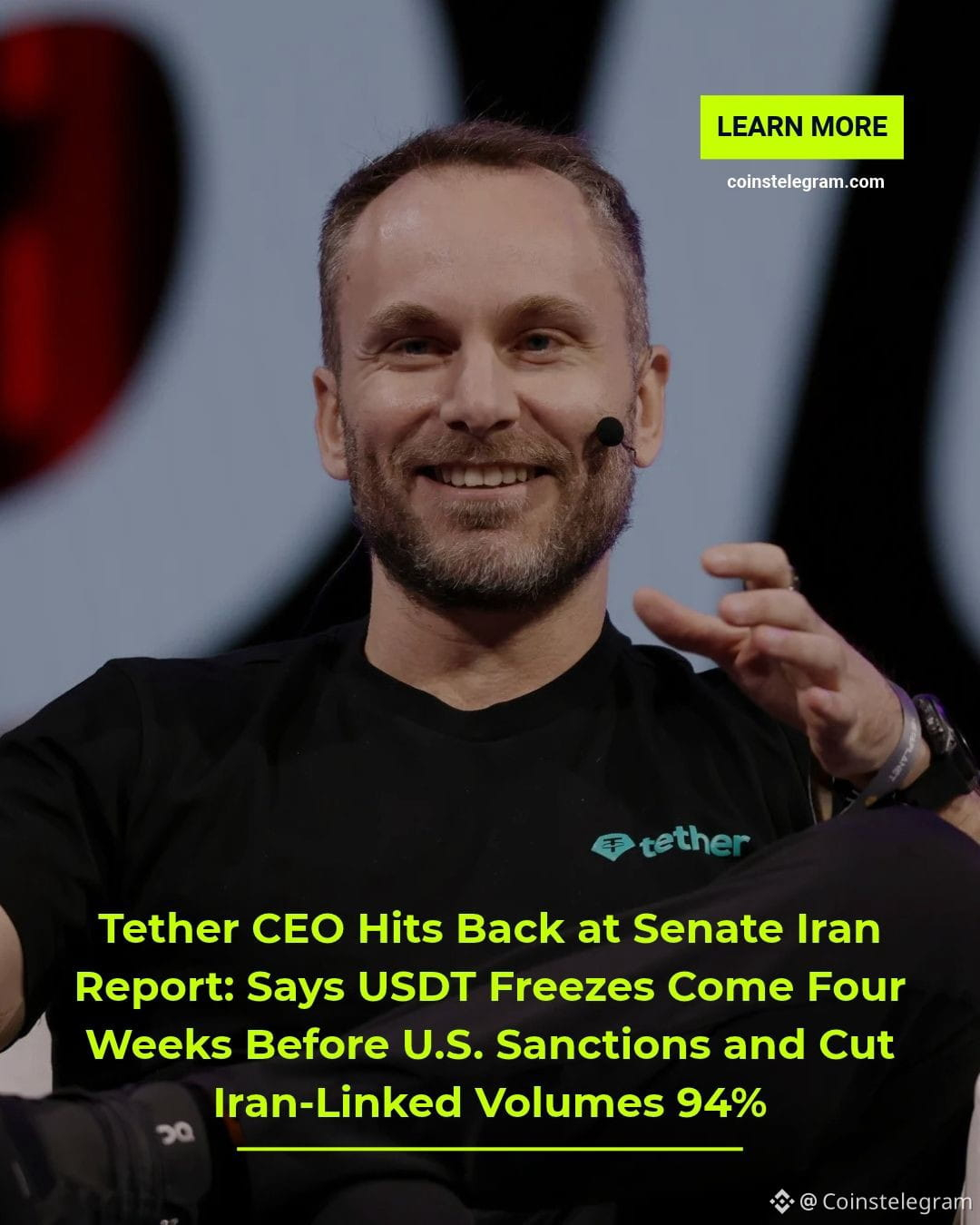
Глава Tether ответил на доклад Сената об Иране: заявляет, что USDT замораживают за четыре недели до санкций США...Генеральный директор Tether Паоло Ардоино публично оспорил доклад демократов Сената, в котором компанию-эмитента стейблкоина обвиняют в том, что она помогает Ирану обходить санкции.
В публикации в X Ардоино заявил, что Tether замораживает отмеченные адреса за несколько недель до официального введения санкций США и Израилем, действует до того, как кошельки помечают аналитические компании, работающие с блокчейном, и своими действиями сократила объемы операций со стейблкоинами, связанными с Ираном, на 94%. Авторы доклада оспаривают эту картину, а давление федеральных властей на криптовалютные структуры, связанные с Ираном, продолжает расти.
Глава Tether ответил на доклад Сената об Иране: заявляет, что USDT замораживают за четыре недели до санкций США...
Генеральный директор Tether Паоло Ардоино публично оспорил доклад демократов Сената, в котором компанию-эмитента стейблкоина обвиняют в том, что она помогает Ирану обходить санкции.
В публикации в X Ардоино заявил, что Tether замораживает отмеченные адреса за несколько недель до официального введения санкций США и Израилем, действует до того, как кошельки помечают аналитические компании, работающие с блокчейном, и своими действиями сократила объемы операций со стейблкоинами, связанными с Ираном, на 94%. Авторы доклада оспаривают эту картину, а давление федеральных властей на криптовалютные структуры, связанные с Ираном, продолжает расти.
В публикации в X Ардоино заявил, что Tether замораживает отмеченные адреса за несколько недель до официального введения санкций США и Израилем, действует до того, как кошельки помечают аналитические компании, работающие с блокчейном, и своими действиями сократила объемы операций со стейблкоинами, связанными с Ираном, на 94%. Авторы доклада оспаривают эту картину, а давление федеральных властей на криптовалютные структуры, связанные с Ираном, продолжает расти.
94
Глава Tether ответил на доклад Сената об Иране: по его словам, USDT замораживает адреса за четыре недели до санкций США...Генеральный директор Tether Паоло Ардоино публично оспорил доклад сенатских демократов, в котором эмитента стейблкоина обвиняют в том, что он помогает Ирану обходить санкции.
В публикации на X Ардоино заявил, что Tether замораживает отмеченные адреса за несколько недель до введения официальных санкций США и Израиля, действует раньше, чем аналитические компании, изучающие блокчейн, помечают кошельки, и сократил объёмы стейблкоинов, связанных с Ираном, на 94%. Авторы доклада оспаривают эту картину, а давление федеральных властей на криптовалюты, связанные с Ираном, продолжает расти.
Глава Tether ответил на доклад Сената об Иране: по его словам, USDT замораживает адреса за четыре недели до санкций США...
Генеральный директор Tether Паоло Ардоино публично оспорил доклад сенатских демократов, в котором эмитента стейблкоина обвиняют в том, что он помогает Ирану обходить санкции.
В публикации на X Ардоино заявил, что Tether замораживает отмеченные адреса за несколько недель до введения официальных санкций США и Израиля, действует раньше, чем аналитические компании, изучающие блокчейн, помечают кошельки, и сократил объёмы стейблкоинов, связанных с Ираном, на 94%. Авторы доклада оспаривают эту картину, а давление федеральных властей на криптовалюты, связанные с Ираном, продолжает расти.
В публикации на X Ардоино заявил, что Tether замораживает отмеченные адреса за несколько недель до введения официальных санкций США и Израиля, действует раньше, чем аналитические компании, изучающие блокчейн, помечают кошельки, и сократил объёмы стейблкоинов, связанных с Ираном, на 94%. Авторы доклада оспаривают эту картину, а давление федеральных властей на криптовалюты, связанные с Ираном, продолжает расти.
157

Статья
FINNOVEX Oman объединит руководителей банковского сектора для обсуждения повестки лидерства на 2027 годОбед для руководителей высшего звена по приглашениям в отеле The Chedi Muscat, основанный на чёткой идее: один лидер. Одна цель. Одна повестка на 2027 год.
Мероприятие: Обед FINNOVEX Oman для руководителей высшего звенаДата: 21 октября 2026 годаМесто проведения: The Chedi MuscatФормат: Обед для руководителей по приглашениям
МУСКАТ, ОМАН — FINNOVEX проведёт обед для руководителей высшего звена по приглашениям в отеле The Chedi Muscat 21 октября 2026 года. На встрече соберутся руководители банковского и финансового секторов, чтобы обсудить приоритеты, которые должны определить повестку на 2027 год.
FINNOVEX Oman объединит руководителей банковского сектора для обсуждения повестки лидерства на 2027 год
Обед для руководителей высшего звена по приглашениям в отеле The Chedi Muscat, основанный на чёткой идее: один лидер. Одна цель. Одна повестка на 2027 год.
Мероприятие: Обед FINNOVEX Oman для руководителей высшего звенаДата: 21 октября 2026 годаМесто проведения: The Chedi MuscatФормат: Обед для руководителей по приглашениям
МУСКАТ, ОМАН — FINNOVEX проведёт обед для руководителей высшего звена по приглашениям в отеле The Chedi Muscat 21 октября 2026 года. На встрече соберутся руководители банковского и финансового секторов, чтобы обсудить приоритеты, которые должны определить повестку на 2027 год.
Мероприятие: Обед FINNOVEX Oman для руководителей высшего звенаДата: 21 октября 2026 годаМесто проведения: The Chedi MuscatФормат: Обед для руководителей по приглашениям
МУСКАТ, ОМАН — FINNOVEX проведёт обед для руководителей высшего звена по приглашениям в отеле The Chedi Muscat 21 октября 2026 года. На встрече соберутся руководители банковского и финансового секторов, чтобы обсудить приоритеты, которые должны определить повестку на 2027 год.
70
Статья
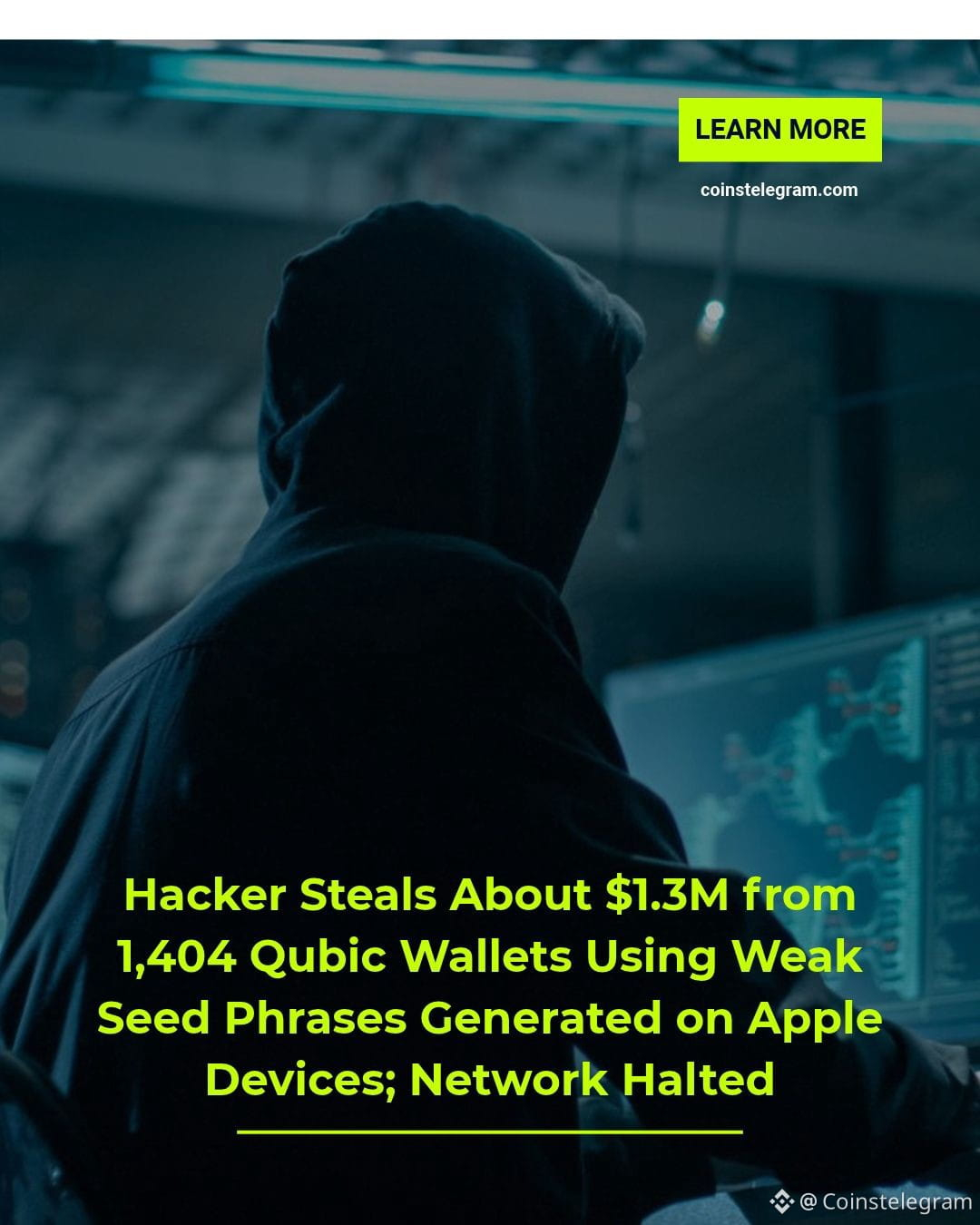
Хакер похитил около $1,3 млн из 1 404 кошельков Qubic, используя слабые сид-фразы, созданные на устройствах Apple...18 октября блокчейн Qubic приостановил работу после того, как злоумышленник опустошил 1 404 кошелька, похитив около 2,94 триллиона QU на сумму примерно от 1,3 до 1,4 миллиона долларов в зависимости от источника.
По словам Qubic, причиной стали слабые, предсказуемые сид-фразы кошельков, созданные на устройствах Apple, а не уязвимость протокола сети. Экстренная остановка помешала переместить большую часть похищенных средств, а MEXC заморозила ту часть, которая попала на её платформу.
Что произошло
Согласно официальному заявлению Qubic в соцсети X, злоумышленник опустошил кошельки в период с 23:42 UTC 17 октября до 01:26 UTC 18 октября — примерно за 104 минуты. Валидаторы сети, известные как Computors, скоординированно приостановили её работу в момент тика 85 371 949. Пока транзакции не обрабатываются, похищенные средства нельзя переместить или продать, и команда работает над решением проблемы.
Хакер похитил около $1,3 млн из 1 404 кошельков Qubic, используя слабые сид-фразы, созданные на устройствах Apple...
18 октября блокчейн Qubic приостановил работу после того, как злоумышленник опустошил 1 404 кошелька, похитив около 2,94 триллиона QU на сумму примерно от 1,3 до 1,4 миллиона долларов в зависимости от источника.
По словам Qubic, причиной стали слабые, предсказуемые сид-фразы кошельков, созданные на устройствах Apple, а не уязвимость протокола сети. Экстренная остановка помешала переместить большую часть похищенных средств, а MEXC заморозила ту часть, которая попала на её платформу.
Что произошло
Согласно официальному заявлению Qubic в соцсети X, злоумышленник опустошил кошельки в период с 23:42 UTC 17 октября до 01:26 UTC 18 октября — примерно за 104 минуты. Валидаторы сети, известные как Computors, скоординированно приостановили её работу в момент тика 85 371 949. Пока транзакции не обрабатываются, похищенные средства нельзя переместить или продать, и команда работает над решением проблемы.
По словам Qubic, причиной стали слабые, предсказуемые сид-фразы кошельков, созданные на устройствах Apple, а не уязвимость протокола сети. Экстренная остановка помешала переместить большую часть похищенных средств, а MEXC заморозила ту часть, которая попала на её платформу.
Что произошло
Согласно официальному заявлению Qubic в соцсети X, злоумышленник опустошил кошельки в период с 23:42 UTC 17 октября до 01:26 UTC 18 октября — примерно за 104 минуты. Валидаторы сети, известные как Computors, скоординированно приостановили её работу в момент тика 85 371 949. Пока транзакции не обрабатываются, похищенные средства нельзя переместить или продать, и команда работает над решением проблемы.
66
Хакер похитил около $1,3 млн из 1 404 кошельков Qubic, используя слабые начальные фразы, созданные на устройствах Apple...18 октября блокчейн Qubic приостановил работу после того, как злоумышленник опустошил 1 404 кошелька, похитив около 2,94 триллиона QU — примерно на 1,3–1,4 миллиона долларов в зависимости от источника.
По словам Qubic, причиной стали слабые, предсказуемые начальные фразы кошельков, созданные на устройствах Apple, а не уязвимость протокола сети. Экстренная остановка не позволила переместить большую часть похищенных средств, а MEXC заморозила ту часть, которая попала на её платформу.
Что произошло
Согласно официальному заявлению Qubic в X, злоумышленник опустошал кошельки с 23:42 UTC 17 октября до 01:26 UTC 18 октября — примерно в течение 104 минут. Валидаторы сети, известные как Computors, скоординированно остановили её для защиты на тике 85,371,949. Пока транзакции не обрабатываются, похищенные средства нельзя переместить или продать, и команда работает над решением проблемы.
Хакер похитил около $1,3 млн из 1 404 кошельков Qubic, используя слабые начальные фразы, созданные на устройствах Apple...
18 октября блокчейн Qubic приостановил работу после того, как злоумышленник опустошил 1 404 кошелька, похитив около 2,94 триллиона QU — примерно на 1,3–1,4 миллиона долларов в зависимости от источника.
По словам Qubic, причиной стали слабые, предсказуемые начальные фразы кошельков, созданные на устройствах Apple, а не уязвимость протокола сети. Экстренная остановка не позволила переместить большую часть похищенных средств, а MEXC заморозила ту часть, которая попала на её платформу.
Что произошло
Согласно официальному заявлению Qubic в X, злоумышленник опустошал кошельки с 23:42 UTC 17 октября до 01:26 UTC 18 октября — примерно в течение 104 минут. Валидаторы сети, известные как Computors, скоординированно остановили её для защиты на тике 85,371,949. Пока транзакции не обрабатываются, похищенные средства нельзя переместить или продать, и команда работает над решением проблемы.
По словам Qubic, причиной стали слабые, предсказуемые начальные фразы кошельков, созданные на устройствах Apple, а не уязвимость протокола сети. Экстренная остановка не позволила переместить большую часть похищенных средств, а MEXC заморозила ту часть, которая попала на её платформу.
Что произошло
Согласно официальному заявлению Qubic в X, злоумышленник опустошал кошельки с 23:42 UTC 17 октября до 01:26 UTC 18 октября — примерно в течение 104 минут. Валидаторы сети, известные как Computors, скоординированно остановили её для защиты на тике 85,371,949. Пока транзакции не обрабатываются, похищенные средства нельзя переместить или продать, и команда работает над решением проблемы.
213
Статья
FINNOVEX Oman объединит руководителей банковского сектора для обсуждения приоритетной повестки на 2027 годОбед для руководителей по приглашениям в The Chedi Muscat, построенный вокруг чёткого принципа: Один лидер. Одна цель. Одна повестка на 2027 год.
Мероприятие: обед для руководителей FINNOVEX Oman
Дата: 21 октября 2026 года
Место проведения: The Chedi Muscat
Формат: обед для руководителей по приглашениям
МУСКАТ, ОМАН — 21 октября 2026 года FINNOVEX проведёт в The Chedi Muscat обед для руководителей по приглашениям. На встрече соберутся руководители высшего звена банковского и финансового секторов, чтобы обсудить приоритеты, которые должны определить повестку на 2027 год.
FINNOVEX Oman объединит руководителей банковского сектора для обсуждения приоритетной повестки на 2027 год
Обед для руководителей по приглашениям в The Chedi Muscat, построенный вокруг чёткого принципа: Один лидер. Одна цель. Одна повестка на 2027 год.
Мероприятие: обед для руководителей FINNOVEX Oman
Дата: 21 октября 2026 года
Место проведения: The Chedi Muscat
Формат: обед для руководителей по приглашениям
МУСКАТ, ОМАН — 21 октября 2026 года FINNOVEX проведёт в The Chedi Muscat обед для руководителей по приглашениям. На встрече соберутся руководители высшего звена банковского и финансового секторов, чтобы обсудить приоритеты, которые должны определить повестку на 2027 год.
Мероприятие: обед для руководителей FINNOVEX Oman
Дата: 21 октября 2026 года
Место проведения: The Chedi Muscat
Формат: обед для руководителей по приглашениям
МУСКАТ, ОМАН — 21 октября 2026 года FINNOVEX проведёт в The Chedi Muscat обед для руководителей по приглашениям. На встрече соберутся руководители высшего звена банковского и финансового секторов, чтобы обсудить приоритеты, которые должны определить повестку на 2027 год.
94

Статья
«Летающие автомобили — реальность»: Маск представил Tesla Roadster с двигателями SpaceXTesla наконец представила долгожданный родстер второго поколения — и он получил неожиданный штрих в духе ракетной компании. На мероприятии, которое транслировалось в прямом эфире в четверг, 15 октября, Илон Маск показал прототип: он проехал вверх ногами по изогнутой рампе, перевернулся в воздухе, приземлился на колёса и, как утверждается, разогнался с 0 до 60 миль/ч за 0,81 секунды. Tesla заявляет, что производство начнётся в 2028 году, и подтвердила выпуск трёх версий, в том числе одноместной «Rocket» с системой для полёта.
Мероприятие
Презентация прошла на испытательном ракетном полигоне SpaceX в Макгрегоре, штат Техас, недалеко от Уэйко. Маск представил автомобиль как результат сотрудничества «лучшей автомобильной компании мира и лучшей ракетной компании мира» и сказал собравшимся, что это «кульминация невероятной работы инженеров Tesla и SpaceX, которые тесно сотрудничали, чтобы создать нечто, чего вы не видели ни в одном фильме».
«Летающие автомобили — реальность»: Маск представил Tesla Roadster с двигателями SpaceX
Tesla наконец представила долгожданный родстер второго поколения — и он получил неожиданный штрих в духе ракетной компании. На мероприятии, которое транслировалось в прямом эфире в четверг, 15 октября, Илон Маск показал прототип: он проехал вверх ногами по изогнутой рампе, перевернулся в воздухе, приземлился на колёса и, как утверждается, разогнался с 0 до 60 миль/ч за 0,81 секунды. Tesla заявляет, что производство начнётся в 2028 году, и подтвердила выпуск трёх версий, в том числе одноместной «Rocket» с системой для полёта.
Мероприятие
Презентация прошла на испытательном ракетном полигоне SpaceX в Макгрегоре, штат Техас, недалеко от Уэйко. Маск представил автомобиль как результат сотрудничества «лучшей автомобильной компании мира и лучшей ракетной компании мира» и сказал собравшимся, что это «кульминация невероятной работы инженеров Tesla и SpaceX, которые тесно сотрудничали, чтобы создать нечто, чего вы не видели ни в одном фильме».
Мероприятие
Презентация прошла на испытательном ракетном полигоне SpaceX в Макгрегоре, штат Техас, недалеко от Уэйко. Маск представил автомобиль как результат сотрудничества «лучшей автомобильной компании мира и лучшей ракетной компании мира» и сказал собравшимся, что это «кульминация невероятной работы инженеров Tesla и SpaceX, которые тесно сотрудничали, чтобы создать нечто, чего вы не видели ни в одном фильме».
117
«Летающие автомобили — реальность»: Маск представил Tesla Roadster с двигателями SpaceXTesla наконец представила долгожданный родстер второго поколения — и он получил неожиданный штрих в духе ракетной компании. На мероприятии, которое транслировалось в прямом эфире в четверг, 15 октября, Илон Маск показал прототип: он проехал вверх ногами по изогнутой рампе, перевернулся в воздухе, приземлился на колёса и, как утверждается, разогнался с 0 до 60 миль/ч за 0,81 секунды. Tesla заявляет, что производство начнётся в 2028 году, и подтвердила выпуск трёх версий, в том числе одноместной «Rocket» с системой для полёта.
Мероприятие
Презентация прошла на испытательном ракетном полигоне SpaceX в Макгрегоре, штат Техас, недалеко от Уэйко. Маск представил автомобиль как результат сотрудничества «лучшей автомобильной компании мира и лучшей ракетной компании мира» и сказал собравшимся, что это «кульминация невероятной работы инженеров Tesla и SpaceX, которые тесно сотрудничали, чтобы создать нечто, чего вы не видели ни в одном фильме».
«Летающие автомобили — реальность»: Маск представил Tesla Roadster с двигателями SpaceX
Tesla наконец представила долгожданный родстер второго поколения — и он получил неожиданный штрих в духе ракетной компании. На мероприятии, которое транслировалось в прямом эфире в четверг, 15 октября, Илон Маск показал прототип: он проехал вверх ногами по изогнутой рампе, перевернулся в воздухе, приземлился на колёса и, как утверждается, разогнался с 0 до 60 миль/ч за 0,81 секунды. Tesla заявляет, что производство начнётся в 2028 году, и подтвердила выпуск трёх версий, в том числе одноместной «Rocket» с системой для полёта.
Мероприятие
Презентация прошла на испытательном ракетном полигоне SpaceX в Макгрегоре, штат Техас, недалеко от Уэйко. Маск представил автомобиль как результат сотрудничества «лучшей автомобильной компании мира и лучшей ракетной компании мира» и сказал собравшимся, что это «кульминация невероятной работы инженеров Tesla и SpaceX, которые тесно сотрудничали, чтобы создать нечто, чего вы не видели ни в одном фильме».
Мероприятие
Презентация прошла на испытательном ракетном полигоне SpaceX в Макгрегоре, штат Техас, недалеко от Уэйко. Маск представил автомобиль как результат сотрудничества «лучшей автомобильной компании мира и лучшей ракетной компании мира» и сказал собравшимся, что это «кульминация невероятной работы инженеров Tesla и SpaceX, которые тесно сотрудничали, чтобы создать нечто, чего вы не видели ни в одном фильме».
1
321
Статья
AI Frontier: Scale – Intelligence собирает полный зал в ДубаеДУБАЙ, ОАЭ — 14 ОКТЯБРЯ 2026 ГОДА — The AI Frontier:
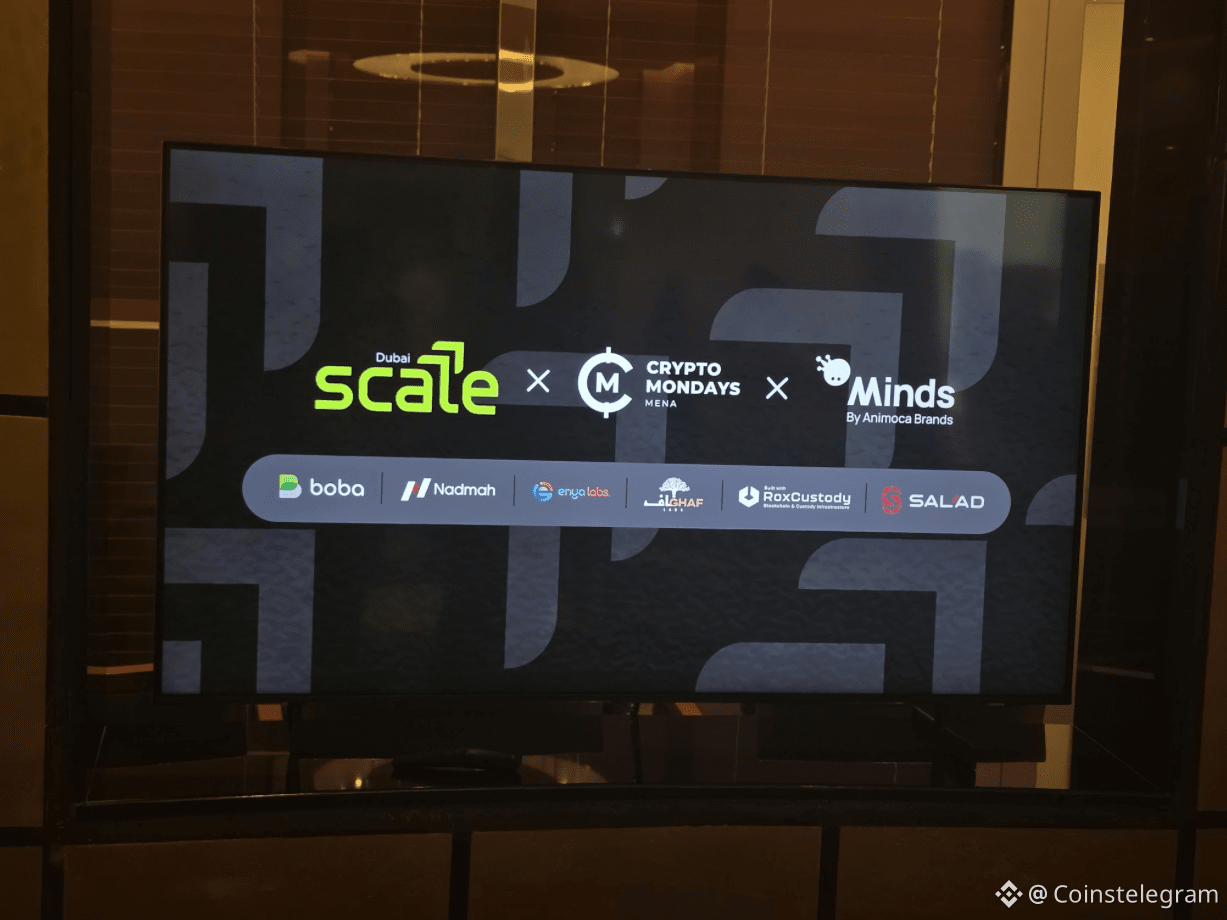
Мероприятие Scale – Intelligence, организованное CryptoMondays MENA, Scale и Minds by Animoca Brands, успешно завершилось вчера днём при полном зале. На 12-м этаже отеля Grand Millennium в районе Barsha Heights в Дубае собрались основатели компаний, инвесторы, разработчики и лидеры технологической отрасли, работающие в сферах ИИ, Web3, финансов и децентрализованной инфраструктуры.
Под руководством Вайбхавва Али, возглавляющего CryptoMondays MENA, встреча подчеркнула растущую роль Дубая как центра новых технологий и регионального сотрудничества.
AI Frontier: Scale – Intelligence собирает полный зал в Дубае
ДУБАЙ, ОАЭ — 14 ОКТЯБРЯ 2026 ГОДА — The AI Frontier:
Мероприятие Scale – Intelligence, организованное CryptoMondays MENA, Scale и Minds by Animoca Brands, успешно завершилось вчера днём при полном зале. На 12-м этаже отеля Grand Millennium в районе Barsha Heights в Дубае собрались основатели компаний, инвесторы, разработчики и лидеры технологической отрасли, работающие в сферах ИИ, Web3, финансов и децентрализованной инфраструктуры.
Под руководством Вайбхавва Али, возглавляющего CryptoMondays MENA, встреча подчеркнула растущую роль Дубая как центра новых технологий и регионального сотрудничества.
Мероприятие Scale – Intelligence, организованное CryptoMondays MENA, Scale и Minds by Animoca Brands, успешно завершилось вчера днём при полном зале. На 12-м этаже отеля Grand Millennium в районе Barsha Heights в Дубае собрались основатели компаний, инвесторы, разработчики и лидеры технологической отрасли, работающие в сферах ИИ, Web3, финансов и децентрализованной инфраструктуры.
Под руководством Вайбхавва Али, возглавляющего CryptoMondays MENA, встреча подчеркнула растущую роль Дубая как центра новых технологий и регионального сотрудничества.
66
Статья
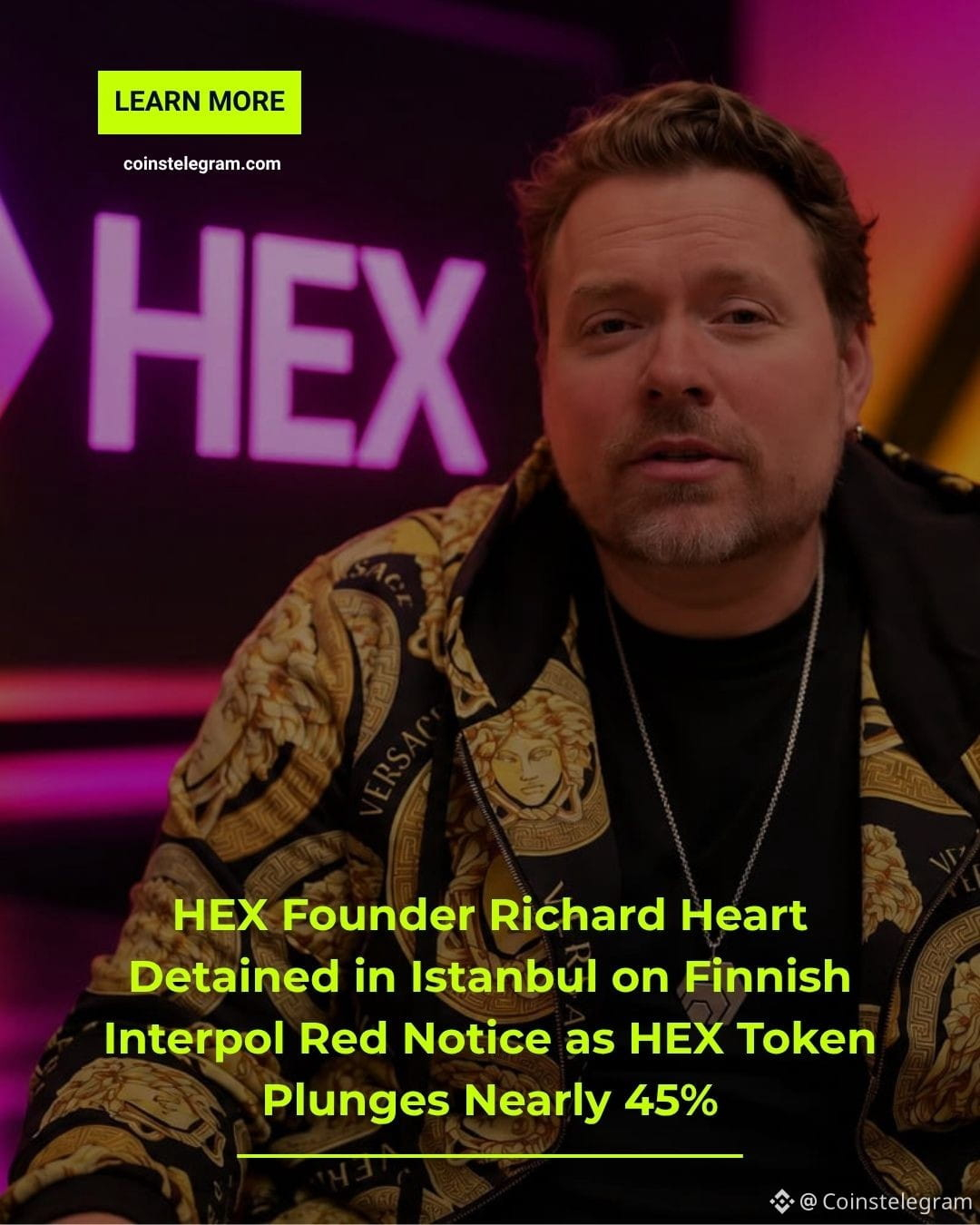
Основатель HEX Richard Heart задержан в Стамбуле по красному уведомлению Интерпола, выданному по запросу Финляндии, на фоне обвала токена HEX...Как сообщается, 14 октября в Стамбуле был задержан Richard Heart, основатель криптопроектов HEX, PulseChain и PulseX. Задержание провели совместно турецкие полицейские и сотрудники разведки на основании красного уведомления Интерпола, запрошенного Финляндией.
По данным Protos, после этой новости токен HEX подешевел почти на 45%. Информация поступила из турецких СМИ, однако ни турецкие, ни финские власти пока публично не подтвердили факт задержания.
Что произошло в Стамбуле
По данным Daily Sabah со ссылкой на турецкое информационное агентство İhlas (IHA), в среду утром полиция и Национальная разведывательная организация Турции (MİT) задержали Heart, чьё настоящее имя — Richard James Schueler, вместе с его женой. Перед тем как провести задержание, сотрудники несколько дней наблюдали за его адресом в районе Бешикташ, используя технические средства и физическое наблюдение. Как сообщается, операцию координировали прокуратура Стамбула, следователи по финансовым преступлениям и Интерпол.
Основатель HEX Richard Heart задержан в Стамбуле по красному уведомлению Интерпола, выданному по запросу Финляндии, на фоне обвала токена HEX...
Как сообщается, 14 октября в Стамбуле был задержан Richard Heart, основатель криптопроектов HEX, PulseChain и PulseX. Задержание провели совместно турецкие полицейские и сотрудники разведки на основании красного уведомления Интерпола, запрошенного Финляндией.
По данным Protos, после этой новости токен HEX подешевел почти на 45%. Информация поступила из турецких СМИ, однако ни турецкие, ни финские власти пока публично не подтвердили факт задержания.
Что произошло в Стамбуле
По данным Daily Sabah со ссылкой на турецкое информационное агентство İhlas (IHA), в среду утром полиция и Национальная разведывательная организация Турции (MİT) задержали Heart, чьё настоящее имя — Richard James Schueler, вместе с его женой. Перед тем как провести задержание, сотрудники несколько дней наблюдали за его адресом в районе Бешикташ, используя технические средства и физическое наблюдение. Как сообщается, операцию координировали прокуратура Стамбула, следователи по финансовым преступлениям и Интерпол.
По данным Protos, после этой новости токен HEX подешевел почти на 45%. Информация поступила из турецких СМИ, однако ни турецкие, ни финские власти пока публично не подтвердили факт задержания.
Что произошло в Стамбуле
По данным Daily Sabah со ссылкой на турецкое информационное агентство İhlas (IHA), в среду утром полиция и Национальная разведывательная организация Турции (MİT) задержали Heart, чьё настоящее имя — Richard James Schueler, вместе с его женой. Перед тем как провести задержание, сотрудники несколько дней наблюдали за его адресом в районе Бешикташ, используя технические средства и физическое наблюдение. Как сообщается, операцию координировали прокуратура Стамбула, следователи по финансовым преступлениям и Интерпол.
1
60
Войдите, чтобы посмотреть больше материала
Присоединяйтесь к пользователям криптовалют по всему миру на Binance Square
⚡️ Получайте новейшую и полезную информацию о криптоактивах.
💬 Нам доверяет крупнейшая в мире криптобиржа.
👍 Получите достоверные аналитические данные от верифицированных создателей контента.
Эл. почта/номер телефона
В тренде
BinancePick
Просмотров: 3M
151,548 обсуждают
Присоединяйтесь к #EarningsSeason: прогнозируйте финансовые результаты на Binance Pick и делитесь своим мнением на Binance Square!
Binance Square Official
·Лайков: 408
·Просмотров: 342.3k
EarningsSeason
Просмотров: 5.2M
25,772 обсуждают
AnthropicTTMRevenueGrewAbout1200%
Просмотров: 18,112
329 обсуждают