

Kaan Kaya 1
429 Публикации

Kaan Kaya 1
Отправить жалобу
Заблокировать пользователя
Web3 strategist | On-chain analyst Building new projects, sharing smart money insights 📊 Open to collaborations with teams creating real value.
0 подписок(и/а)
1 подписчиков(а)
17 понравилось
Посты
·
--
У XRP есть преимущество в скорости. Но достаточно ли этого теперь? Помните, когда быстрые и дешёвые переводы были весомым аргументом в пользу криптовалют? Именно на этом $XRP годами строил своё предложение. Но теперь есть $SOL, стейблкоины в разных сетях и множество других способов переводить деньги почти без комиссии. Поэтому мне интересно, в чём сегодня заключается главное преимущество XRP. В технологии, партнёрствах в сфере платежей или просто в том, что это уже известное имя? Не говорю, что XRP куда-то исчезнет. Просто кажется, что в некоторых областях конкуренты его догнали. Кто-нибудь ещё использует XRP для переводов или сейчас в основном держит его? #Макроэкономический анализ# #Сезон альткоинов#
У XRP есть преимущество в скорости. Но достаточно ли этого теперь? Помните, когда быстрые и дешёвые переводы были весомым аргументом в пользу криптовалют? Именно на этом $XRP годами строил своё предложение. Но теперь есть $SOL, стейблкоины в разных сетях и множество других способов переводить деньги почти без комиссии. Поэтому мне интересно, в чём сегодня заключается главное преимущество XRP. В технологии, партнёрствах в сфере платежей или просто в том, что это уже известное имя? Не говорю, что XRP куда-то исчезнет. Просто кажется, что в некоторых областях конкуренты его догнали. Кто-нибудь ещё использует XRP для переводов или сейчас в основном держит его? #Макроэкономический анализ# #Сезон альткоинов#

66
·
--
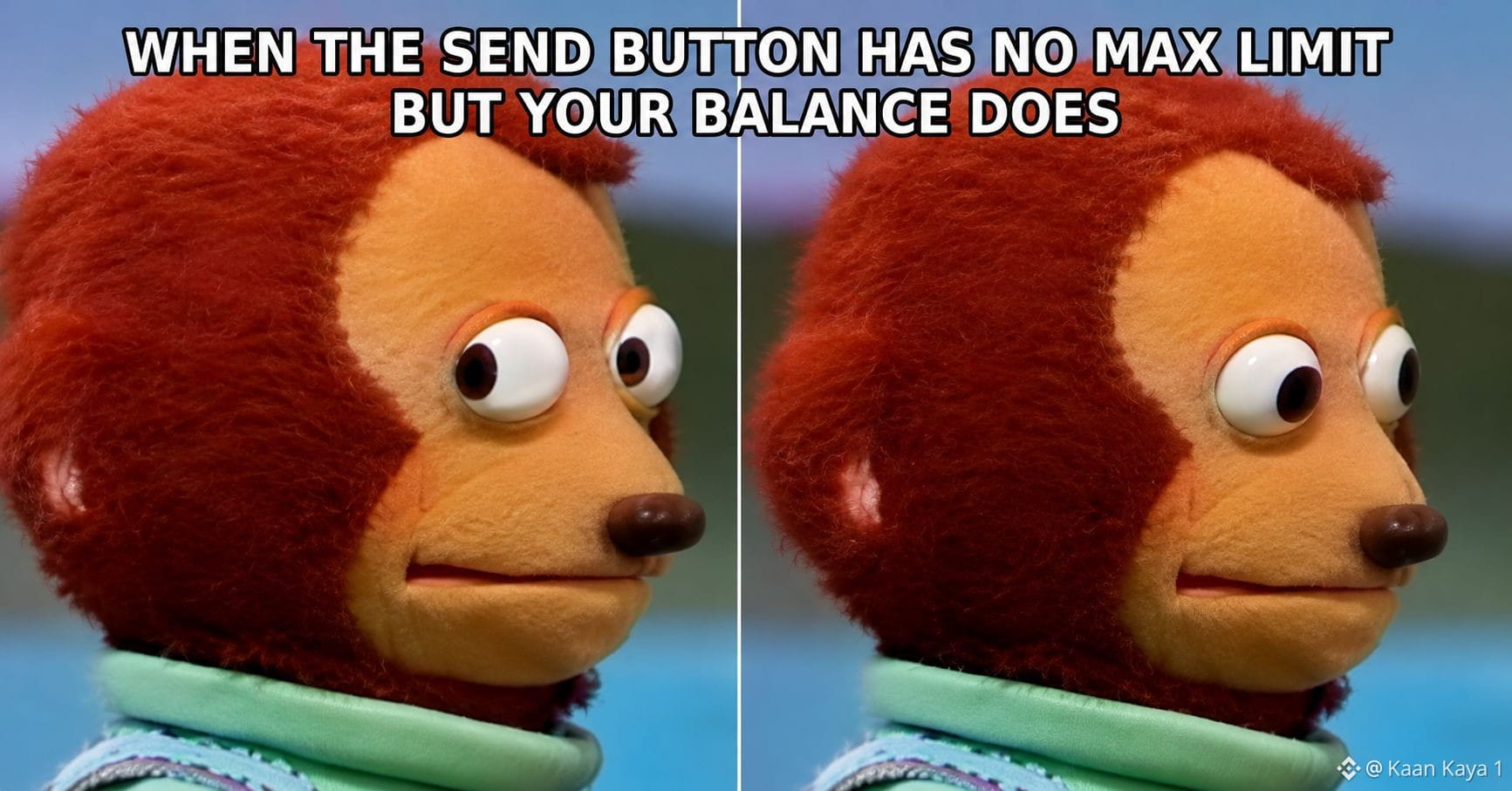
🔍 Я искал лимит на переводы, а первым делом упёрся в собственный баланс Я пользовался достаточным количеством $BTC-кошельков и приложений криптобирж, чтобы знать: за каждой кнопкой «Отправить» обычно скрывается какой-нибудь подвох. Чаще всего это минимальная сумма, из-за которой небольшие переводы теряют смысл, или дневной лимит, который срабатывает как раз тогда, когда нужно перевести побольше 🙃 Поэтому, открыв QuickSend в приложении WhiteBIT, я сделал то же, что всегда делаю с новой функцией переводов: сначала решил выяснить, где её ограничения, и только потом отправлять настоящие деньги. https://bit.ly/4dBD8CM Сначала я попробовал перевести минимальную сумму — оказалось, можно отправить эквивалент 1 USDT. Затем ввёл сумму намного больше той, которую действительно стал бы переводить, и стал ждать привычного сообщения «Превышен лимит». Но его так и не появилось: у QuickSend нет максимального лимита, и остановить меня мог только мой собственный баланс 😅 Всё остальное работает так, как и ожидаешь от мессенджера. Выбираешь человека по никнейму или сканируешь его QR-код — деньги приходят сразу, а если отправил их по ошибке, у тебя есть 10 секунд, чтобы отменить перевод. После этого я по-другому посмотрел на другие инструменты для переводов в своём телефоне. Большинство из них незаметно специализируются на чём-то одном. Одни созданы, чтобы делить счёт за обед: с небольшими суммами и низкими лимитами. Другие предназначены для крупных переводов, а минимальная сумма там такая высокая, что отправить через них другу несколько долларов и в голову не придёт. А здесь с одного и того же экрана можно отправить коллеге деньги за кофе или перевести гораздо большую сумму, не переключаясь между приложениями. Я потратил минуту на проверку лимитов и в итоге задумался о том, как много эти цифры говорят о том, для кого предназначен инструмент. В следующий раз, когда мне понадобится отправить кому-нибудь несколько долларов или перевести сумму побольше, я воспользуюсь той же кнопкой 🙂 Отказ от ответственности: Это не финансовая и не инвестиционная рекомендация. Прежде чем принимать какие-либо решения, проведите собственное исследование. Вы используете сервис на свой страх и риск. #Анализ цены BTC# #Прогноз цены Bitcoin: что ждёт Bitcoin дальше?#
🔍 Я искал лимит на переводы, а первым делом упёрся в собственный баланс Я пользовался достаточным количеством $BTC-кошельков и приложений криптобирж, чтобы знать: за каждой кнопкой «Отправить» обычно скрывается какой-нибудь подвох. Чаще всего это минимальная сумма, из-за которой небольшие переводы теряют смысл, или дневной лимит, который срабатывает как раз тогда, когда нужно перевести побольше 🙃 Поэтому, открыв QuickSend в приложении WhiteBIT, я сделал то же, что всегда делаю с новой функцией переводов: сначала решил выяснить, где её ограничения, и только потом отправлять настоящие деньги. https://bit.ly/4dBD8CM Сначала я попробовал перевести минимальную сумму — оказалось, можно отправить эквивалент 1 USDT. Затем ввёл сумму намного больше той, которую действительно стал бы переводить, и стал ждать привычного сообщения «Превышен лимит». Но его так и не появилось: у QuickSend нет максимального лимита, и остановить меня мог только мой собственный баланс 😅 Всё остальное работает так, как и ожидаешь от мессенджера. Выбираешь человека по никнейму или сканируешь его QR-код — деньги приходят сразу, а если отправил их по ошибке, у тебя есть 10 секунд, чтобы отменить перевод. После этого я по-другому посмотрел на другие инструменты для переводов в своём телефоне. Большинство из них незаметно специализируются на чём-то одном. Одни созданы, чтобы делить счёт за обед: с небольшими суммами и низкими лимитами. Другие предназначены для крупных переводов, а минимальная сумма там такая высокая, что отправить через них другу несколько долларов и в голову не придёт. А здесь с одного и того же экрана можно отправить коллеге деньги за кофе или перевести гораздо большую сумму, не переключаясь между приложениями. Я потратил минуту на проверку лимитов и в итоге задумался о том, как много эти цифры говорят о том, для кого предназначен инструмент. В следующий раз, когда мне понадобится отправить кому-нибудь несколько долларов или перевести сумму побольше, я воспользуюсь той же кнопкой 🙂 Отказ от ответственности: Это не финансовая и не инвестиционная рекомендация. Прежде чем принимать какие-либо решения, проведите собственное исследование. Вы используете сервис на свой страх и риск. #Анализ цены BTC# #Прогноз цены Bitcoin: что ждёт Bitcoin дальше?#
·
--
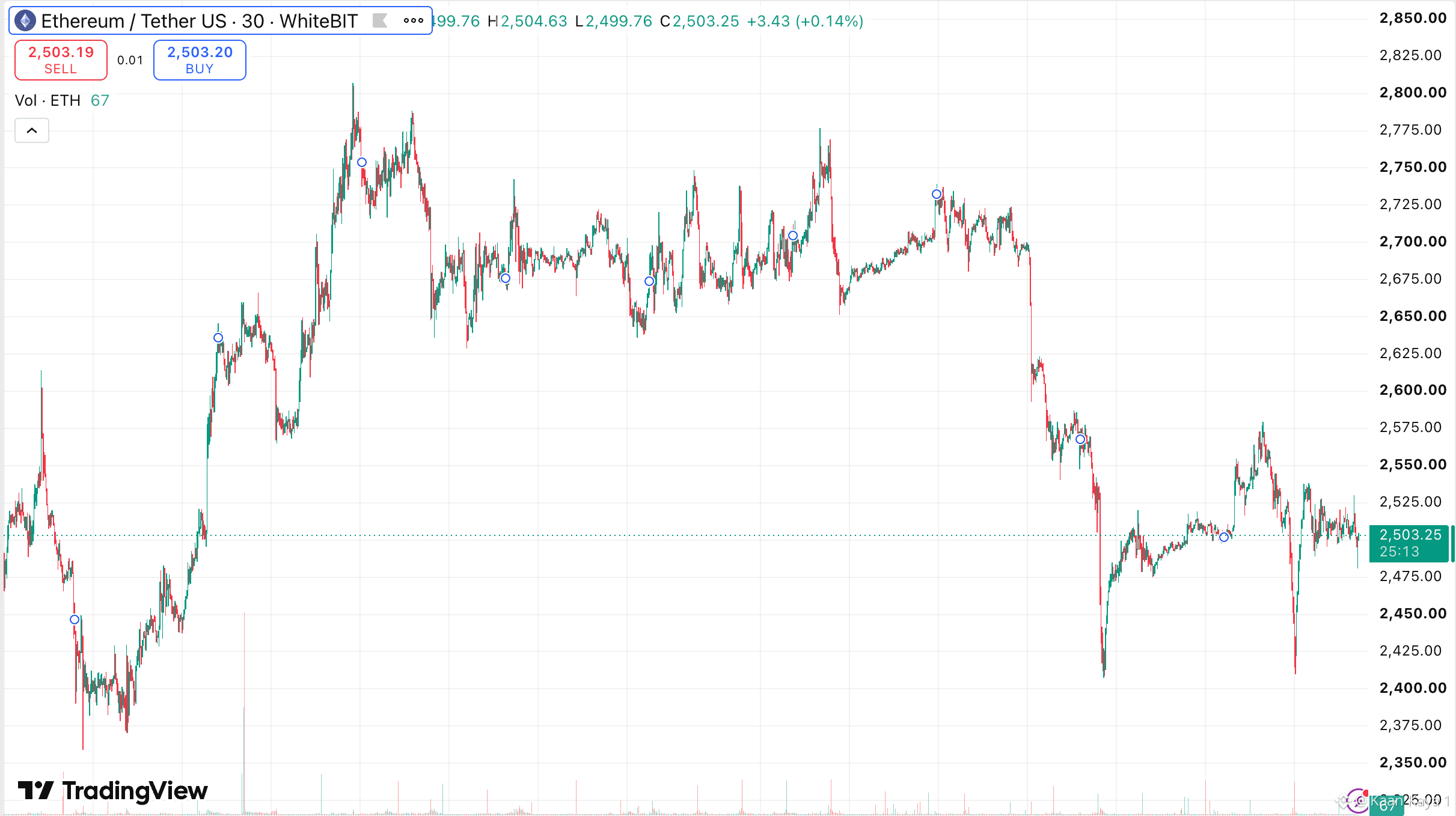
Все ждут следующего сезона альткоинов. Но кто на самом деле их покупает? Каждый раз, когда биткоин несколько дней стоит на месте, снова появляются прогнозы о начале сезона альткоинов. Кто-то публикует график ETH/BTC, кто-то находит забытую закономерность 2021 года — и вот уже половина ленты обсуждает ротацию. 😂 Но прежде чем радоваться, я бы хотел увидеть кое-что: действительно ли люди вкладывают новые деньги в альткоины или просто перемещают один и тот же капитал? Представьте: $BTC остаётся на прежнем уровне, а $ETH растёт на 5%. Затем трейдеры фиксируют прибыль и переходят в $SOL, который прибавляет ещё 8%. Несколько графиков выглядят отлично, но это не обязательно означает, что на рынок в целом пришло много нового капитала. И в ротациях нет ничего плохого. Это часть работы крипторынков. Просто, на мой взгляд, есть разница между опережающим ростом нескольких популярных токенов и устойчивым спросом на сотни небольших проектов. Пока что я бы следил за тем, распространяется ли торговый объём за пределы привычных активов и удерживаются ли ралли после первой волны ажиотажа. Ведь объявить сезон альткоинов после трёх зелёных свечей легко. А вот действительно заработать на нём — совсем другой опыт. #АнализЦеныBTC# #ПрогнозЦеныБиткоина: Каков следующий шаг биткоина?#
Все ждут следующего сезона альткоинов. Но кто на самом деле их покупает? Каждый раз, когда биткоин несколько дней стоит на месте, снова появляются прогнозы о начале сезона альткоинов. Кто-то публикует график ETH/BTC, кто-то находит забытую закономерность 2021 года — и вот уже половина ленты обсуждает ротацию. 😂 Но прежде чем радоваться, я бы хотел увидеть кое-что: действительно ли люди вкладывают новые деньги в альткоины или просто перемещают один и тот же капитал? Представьте: $BTC остаётся на прежнем уровне, а $ETH растёт на 5%. Затем трейдеры фиксируют прибыль и переходят в $SOL, который прибавляет ещё 8%. Несколько графиков выглядят отлично, но это не обязательно означает, что на рынок в целом пришло много нового капитала. И в ротациях нет ничего плохого. Это часть работы крипторынков. Просто, на мой взгляд, есть разница между опережающим ростом нескольких популярных токенов и устойчивым спросом на сотни небольших проектов. Пока что я бы следил за тем, распространяется ли торговый объём за пределы привычных активов и удерживаются ли ралли после первой волны ажиотажа. Ведь объявить сезон альткоинов после трёх зелёных свечей легко. А вот действительно заработать на нём — совсем другой опыт. #АнализЦеныBTC# #ПрогнозЦеныБиткоина: Каков следующий шаг биткоина?#
65
·
--
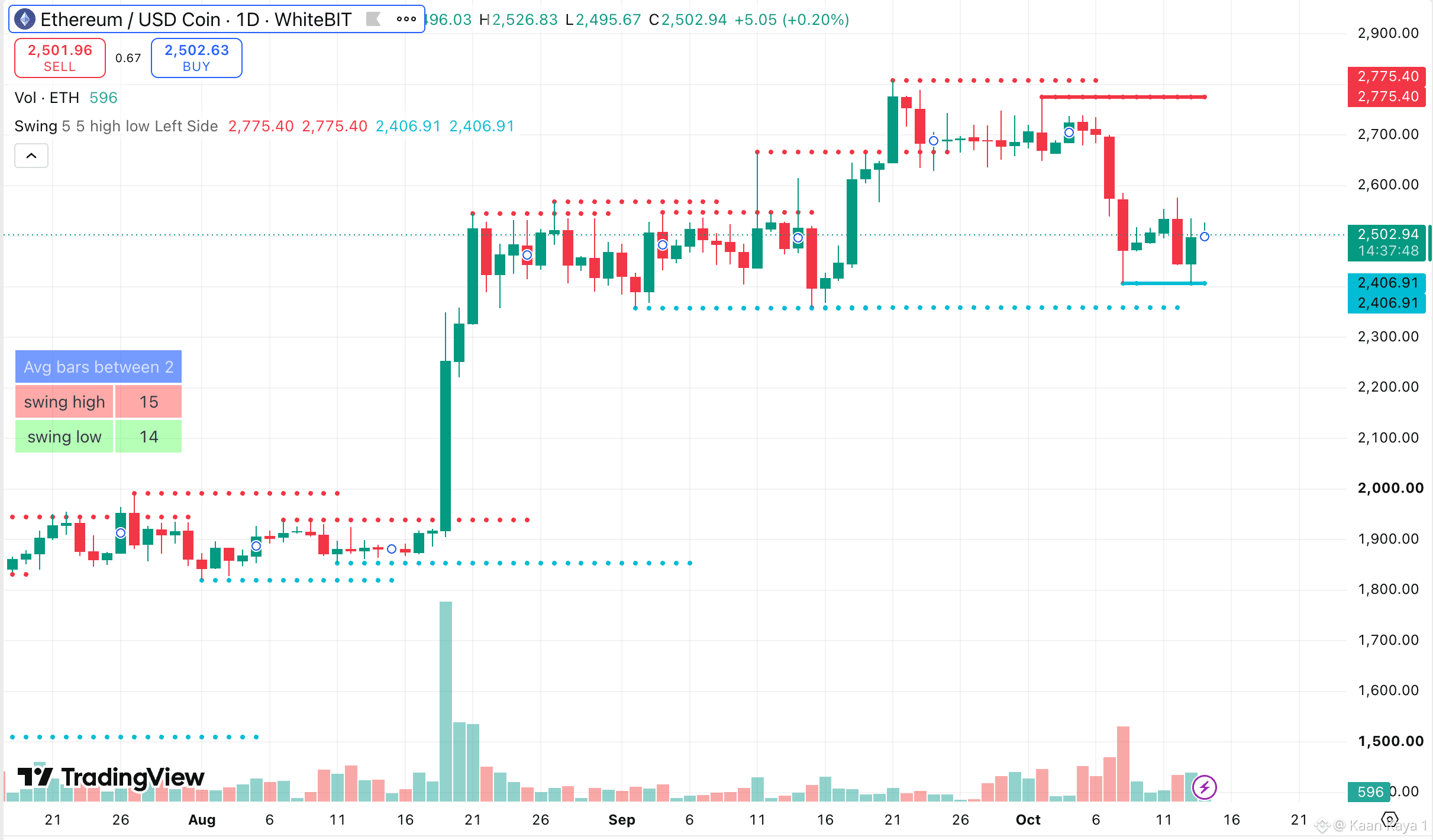
Все хотят нового сезона альткоинов. Но кто действительно покупает? Каждый раз, когда биткоин несколько дней топчется на месте, снова появляются прогнозы о начале сезона альткоинов. Кто-то публикует график ETH/BTC, кто-то находит забытую закономерность 2021 года — и вдруг половина ленты уже обсуждает переток капитала. 😂 Но прежде чем радоваться, я бы хотел увидеть кое-что: действительно ли люди вкладывают новые деньги в альткоины или просто перемещают один и тот же капитал? Представьте: $BTC остаётся на месте, а $ETH растёт на 5%. Затем трейдеры фиксируют прибыль и переходят в $SOL, который прибавляет ещё 8%. Несколько графиков выглядят отлично, но это не обязательно означает, что на рынок в целом поступило много свежего капитала. И в ротациях нет ничего плохого. Это часть того, как работают крипторынки. Просто, на мой взгляд, есть разница между тем, когда несколько популярных токенов показывают динамику лучше рынка, и тем, когда сотни небольших проектов находят устойчивый спрос. Пока я бы следил за тем, распространяется ли торговый объём за пределы привычных лидеров и удерживается ли рост после первой волны ажиотажа. Ведь объявить сезон альткоинов после трёх зелёных свечей легко. А вот действительно заработать во время него — совсем другой опыт. #ETHBlockchain #ETHFoundation
Все хотят нового сезона альткоинов. Но кто действительно покупает? Каждый раз, когда биткоин несколько дней топчется на месте, снова появляются прогнозы о начале сезона альткоинов. Кто-то публикует график ETH/BTC, кто-то находит забытую закономерность 2021 года — и вдруг половина ленты уже обсуждает переток капитала. 😂 Но прежде чем радоваться, я бы хотел увидеть кое-что: действительно ли люди вкладывают новые деньги в альткоины или просто перемещают один и тот же капитал? Представьте: $BTC остаётся на месте, а $ETH растёт на 5%. Затем трейдеры фиксируют прибыль и переходят в $SOL, который прибавляет ещё 8%. Несколько графиков выглядят отлично, но это не обязательно означает, что на рынок в целом поступило много свежего капитала. И в ротациях нет ничего плохого. Это часть того, как работают крипторынки. Просто, на мой взгляд, есть разница между тем, когда несколько популярных токенов показывают динамику лучше рынка, и тем, когда сотни небольших проектов находят устойчивый спрос. Пока я бы следил за тем, распространяется ли торговый объём за пределы привычных лидеров и удерживается ли рост после первой волны ажиотажа. Ведь объявить сезон альткоинов после трёх зелёных свечей легко. А вот действительно заработать во время него — совсем другой опыт. #ETHBlockchain #ETHFoundation

80
·
--
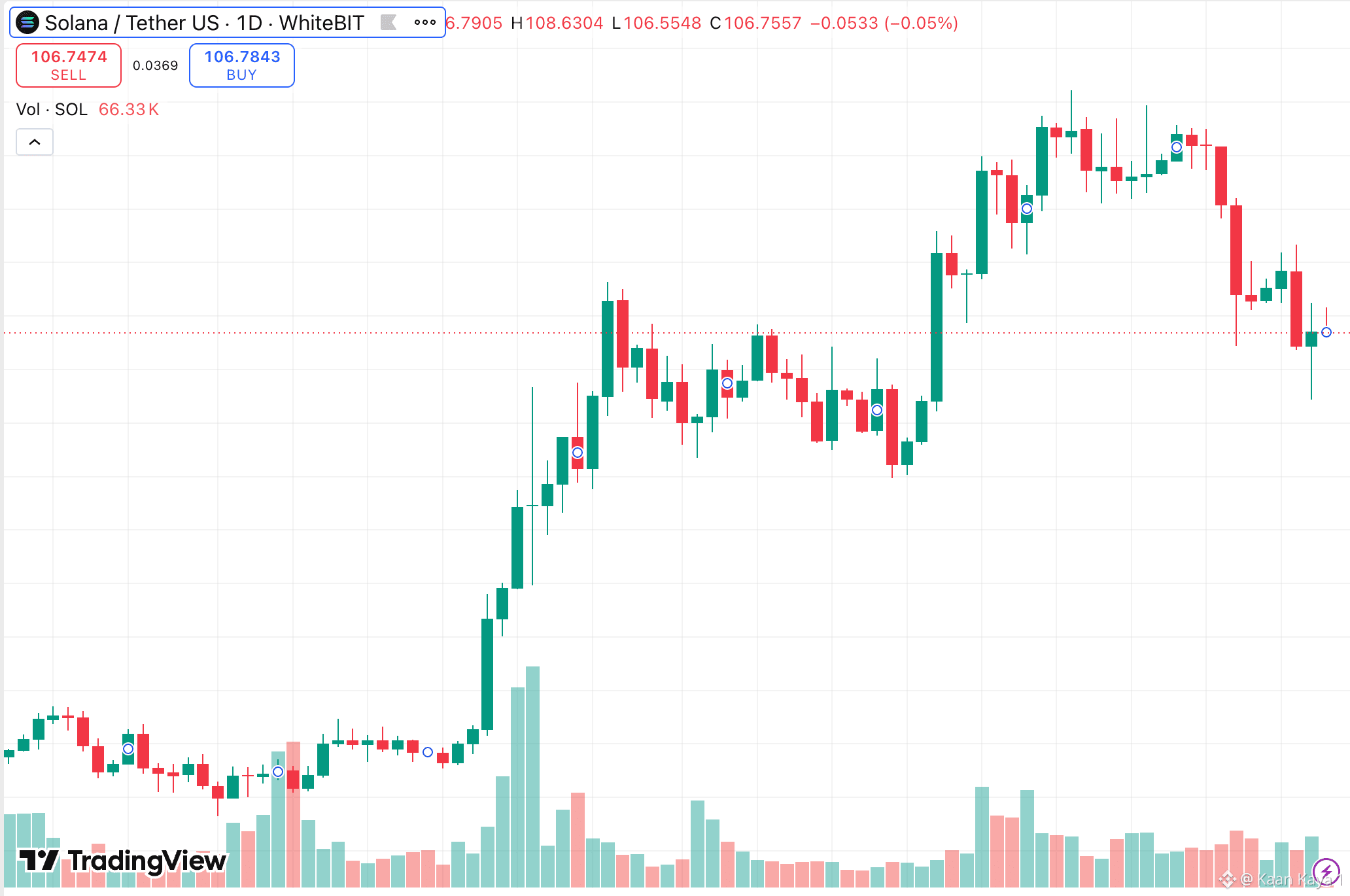
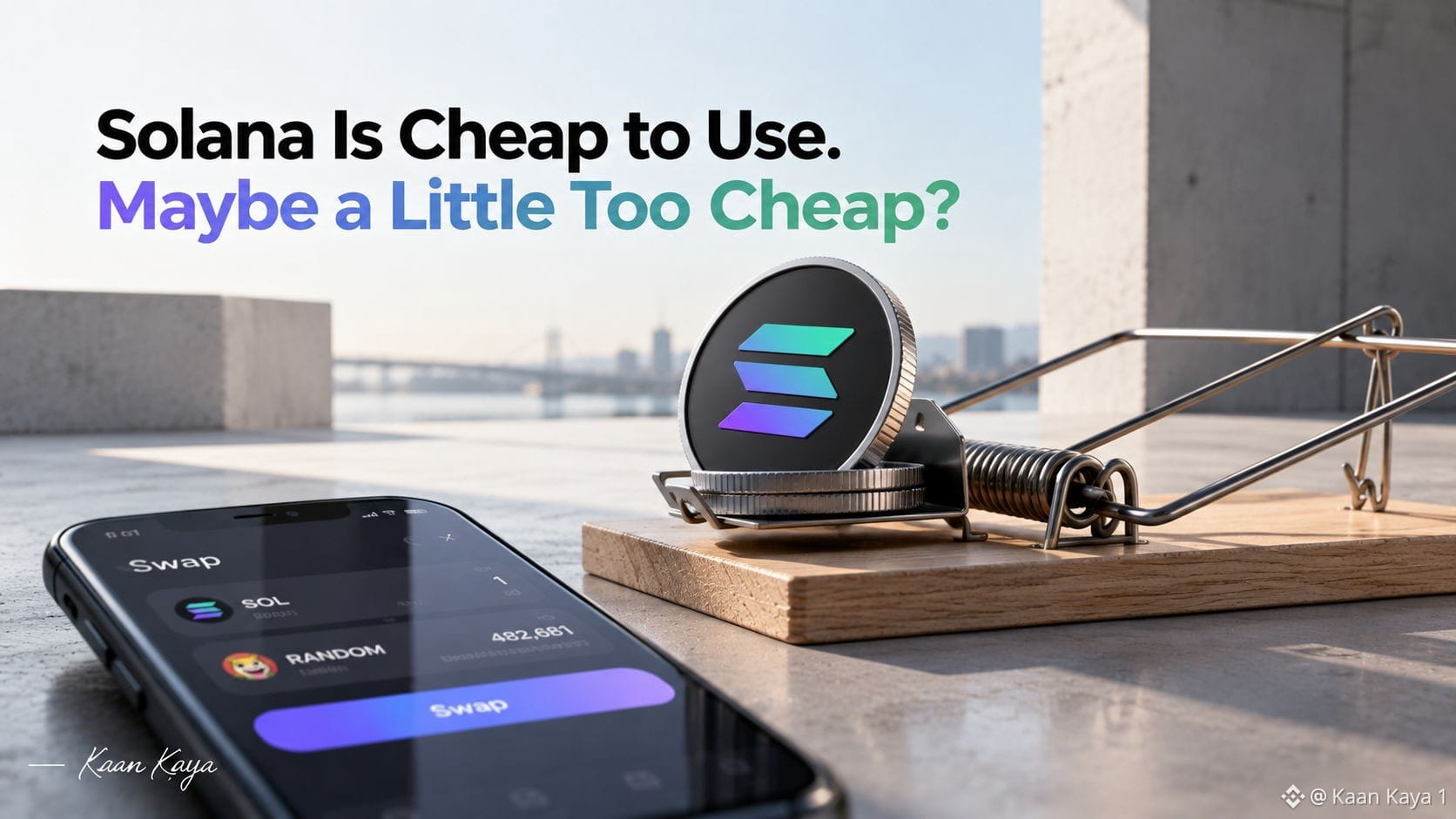
Пользоваться Solana дёшево. Может, даже слишком дёшево? 😉 Меня забавляет в $SOL то, как легко торговать тем, чем, возможно, не стоит. 😂 Комиссии настолько низкие, что ещё один обмен почти не кажется серьёзным решением. Увидел какой-нибудь случайный токен в тренде? Два клика — и ты уже в деле. Это отлично для массового внедрения, но мне интересно, какая доля активности связана с тем, что люди действительно пользуются Solana, а какая — с трейдерами, которые целыми днями перескакивают с одного мем-коина на другой. Я, конечно, не жалуюсь на дешёвые транзакции. Просто интересно, не делает ли упрощение торговли чрезмерную торговлю слишком соблазнительной. Кто-нибудь ещё это замечал? #Макроэкономические инсайты# #Сезон альткоинов#
Пользоваться Solana дёшево. Может, даже слишком дёшево? 😉 Меня забавляет в $SOL то, как легко торговать тем, чем, возможно, не стоит. 😂 Комиссии настолько низкие, что ещё один обмен почти не кажется серьёзным решением. Увидел какой-нибудь случайный токен в тренде? Два клика — и ты уже в деле. Это отлично для массового внедрения, но мне интересно, какая доля активности связана с тем, что люди действительно пользуются Solana, а какая — с трейдерами, которые целыми днями перескакивают с одного мем-коина на другой. Я, конечно, не жалуюсь на дешёвые транзакции. Просто интересно, не делает ли упрощение торговли чрезмерную торговлю слишком соблазнительной. Кто-нибудь ещё это замечал? #Макроэкономические инсайты# #Сезон альткоинов#
47
·
--
У Dogecoin нет плана по завоеванию мира. И это нормально. Забавно, как серьезно люди иногда пытаются анализировать $DOGE 😂 Можно встретить десятистраничные разборы токеномики, сценариев массового внедрения и долгосрочных ценовых ориентиров для монеты, которая буквально начиналась как шутка. Но, возможно, именно поэтому Dogecoin существует так долго. Ему не нужно притворяться, будто он заново изобретает финансы. Люди точно знают, во что ввязываются. Это, конечно, не значит, что Dogecoin — хорошая инвестиция. Просто иногда сильное сообщество и узнаваемый мем помогают монете оставаться актуальной дольше, чем навороченный технический документ. Вы бы продолжили держать DOGE в 2030 году? #Макроэкономический анализ# #Сезон альткоинов#
У Dogecoin нет плана по завоеванию мира. И это нормально. Забавно, как серьезно люди иногда пытаются анализировать $DOGE 😂 Можно встретить десятистраничные разборы токеномики, сценариев массового внедрения и долгосрочных ценовых ориентиров для монеты, которая буквально начиналась как шутка. Но, возможно, именно поэтому Dogecoin существует так долго. Ему не нужно притворяться, будто он заново изобретает финансы. Люди точно знают, во что ввязываются. Это, конечно, не значит, что Dogecoin — хорошая инвестиция. Просто иногда сильное сообщество и узнаваемый мем помогают монете оставаться актуальной дольше, чем навороченный технический документ. Вы бы продолжили держать DOGE в 2030 году? #Макроэкономический анализ# #Сезон альткоинов#

70
·
--
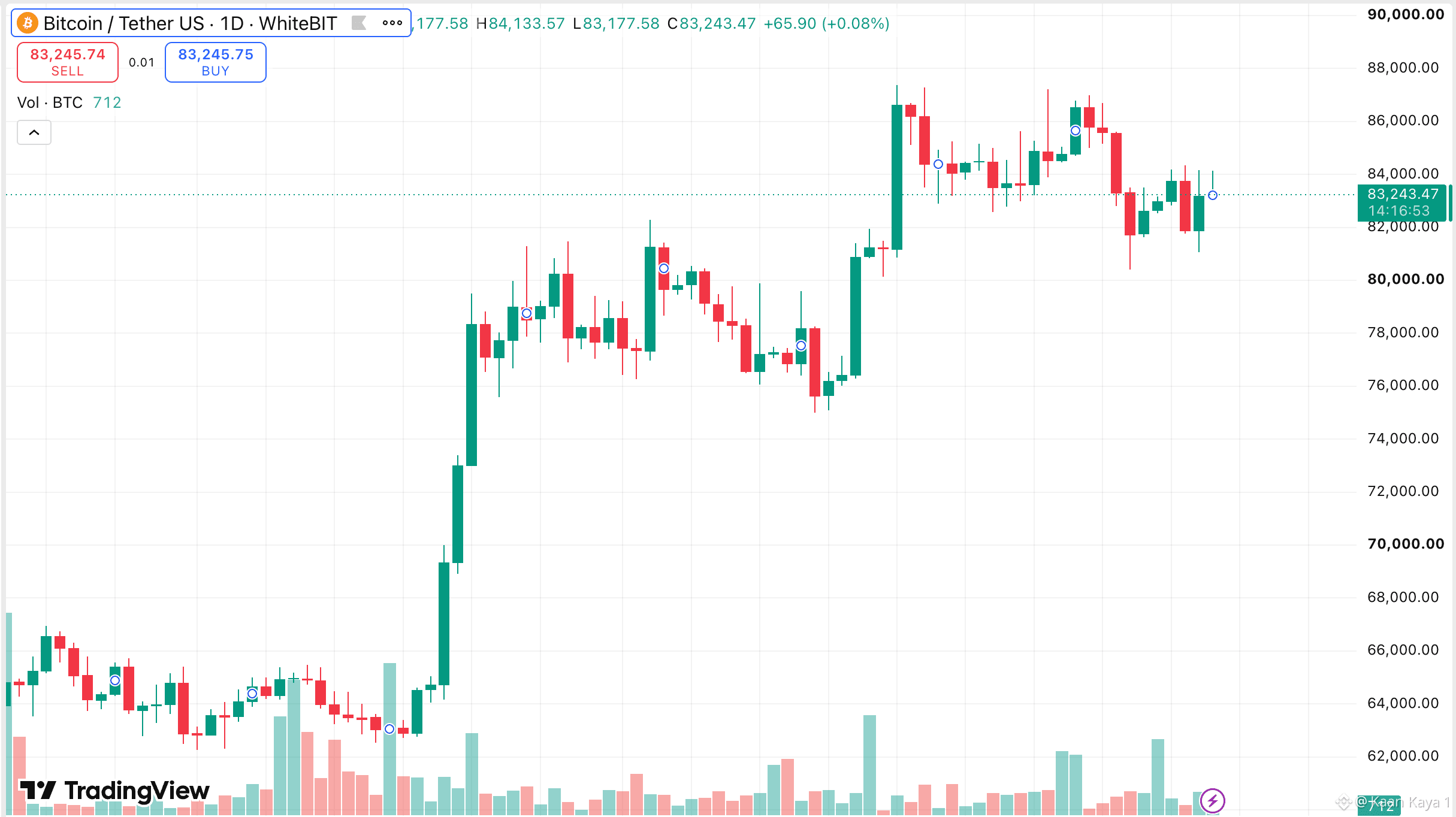
Самое впечатляющее в биткоине — возможно, то, насколько скучным он становится. Помните времена, когда движение $BTC на 10% почти никого не удивляло? Теперь трейдеры часами обсуждают свечу на 2%, будто это событие исторического масштаба. 😂 Возможно, именно так и выглядит более зрелый рынок биткоина: больше институциональных инвесторов, больше долгосрочных держателей и меньше людей, ожидающих, что каждый вторник изменит их жизнь. Конечно, биткоин всё ещё может удивить всех, когда вернётся волатильность. Но мне интересно, не скучают ли некоторые трейдеры втайне по хаосу сильнее, чем по прибыли. Что бы вы предпочли: более спокойный $BTC или безумный биткоин 2021 года? #Анализ цены BTC# #Прогноз цены биткоина: какой следующий шаг биткоина?#
Самое впечатляющее в биткоине — возможно, то, насколько скучным он становится. Помните времена, когда движение $BTC на 10% почти никого не удивляло? Теперь трейдеры часами обсуждают свечу на 2%, будто это событие исторического масштаба. 😂 Возможно, именно так и выглядит более зрелый рынок биткоина: больше институциональных инвесторов, больше долгосрочных держателей и меньше людей, ожидающих, что каждый вторник изменит их жизнь. Конечно, биткоин всё ещё может удивить всех, когда вернётся волатильность. Но мне интересно, не скучают ли некоторые трейдеры втайне по хаосу сильнее, чем по прибыли. Что бы вы предпочли: более спокойный $BTC или безумный биткоин 2021 года? #Анализ цены BTC# #Прогноз цены биткоина: какой следующий шаг биткоина?#

43
·
--
Становится ли Litecoin самой скучной историей успеха в мире криптовалют? О $LTC уже почти никто не говорит, и это забавно, учитывая, что он всё ещё существует спустя столько лет. 😅 Никакого бесконечного хайпа, никаких новых нарративов каждую неделю. Просто сеть, которой можно пользоваться для переводов криптовалюты. Иногда я задаюсь вопросом: не настолько ли мы помешались на поиске следующего актива, который вырастет в 100 раз, что забыли — ценность есть и в том, что просто работает? Кто-нибудь здесь ещё пользуется Litecoin или он совсем исчез из вашего поля зрения? #Макроэкономика# #Сезон альткоинов#
Становится ли Litecoin самой скучной историей успеха в мире криптовалют? О $LTC уже почти никто не говорит, и это забавно, учитывая, что он всё ещё существует спустя столько лет. 😅 Никакого бесконечного хайпа, никаких новых нарративов каждую неделю. Просто сеть, которой можно пользоваться для переводов криптовалюты. Иногда я задаюсь вопросом: не настолько ли мы помешались на поиске следующего актива, который вырастет в 100 раз, что забыли — ценность есть и в том, что просто работает? Кто-нибудь здесь ещё пользуется Litecoin или он совсем исчез из вашего поля зрения? #Макроэкономика# #Сезон альткоинов#

51
·
--
🚨 Добавляете криптовалюту в свою EMI? Не создавайте бэкенд с нуля Представьте: ваши пользователи постоянно спрашивают про $BTC, $ETH и все остальные криптовалюты, а кто-то предлагает создать собственную инфраструктуру для хранения и торговли. А потом появляются сметы. Инженеры, аудиты безопасности, лицензирование на каждом рынке, где вы работаете, и сроки, исчисляемые кварталами. К тому времени, как всё будет готово, рынок уже уйдёт вперёд 😬 Если вы ищете короткий путь, стоит обратить внимание на Crypto as a Service от Notbank. Теоретически этот сервис позволяет компании встроить торговлю криптовалютой, её хранение, стейблкоины и международные денежные переводы через единый API, а SDK для Python, Java и Node ускоряют интеграцию 🌍 https://www.notbank.com/en/crypto-as-a-service?utm_source=coinmarketcap&utm_medium=caaaaskkk&utm_campaign=post Команды по комплаенсу, скорее всего, в первую очередь заинтересует безопасность. Notbank сертифицирована по стандарту ISO/IEC 27001:2013 и работает через регулируемые организации в Чили, Аргентине, Бразилии, Колумбии и Перу, поэтому EMI может проверить, как эти разрешения соотносятся с требованиями на её собственных рынках. 🛡 Запросить демонстрацию — разумный первый шаг, чтобы понять, как это решение впишется в вашу инфраструктуру 🚀 Отказ от ответственности: Это не финансовая и не инвестиционная рекомендация. Прежде чем принимать какие-либо решения, проведите собственное исследование. Используйте на свой страх и риск. #Анализ цены BTC# #Прогноз цены биткоина: что будет дальше с биткоином?#
🚨 Добавляете криптовалюту в свою EMI? Не создавайте бэкенд с нуля Представьте: ваши пользователи постоянно спрашивают про $BTC, $ETH и все остальные криптовалюты, а кто-то предлагает создать собственную инфраструктуру для хранения и торговли. А потом появляются сметы. Инженеры, аудиты безопасности, лицензирование на каждом рынке, где вы работаете, и сроки, исчисляемые кварталами. К тому времени, как всё будет готово, рынок уже уйдёт вперёд 😬 Если вы ищете короткий путь, стоит обратить внимание на Crypto as a Service от Notbank. Теоретически этот сервис позволяет компании встроить торговлю криптовалютой, её хранение, стейблкоины и международные денежные переводы через единый API, а SDK для Python, Java и Node ускоряют интеграцию 🌍 https://www.notbank.com/en/crypto-as-a-service?utm_source=coinmarketcap&utm_medium=caaaaskkk&utm_campaign=post Команды по комплаенсу, скорее всего, в первую очередь заинтересует безопасность. Notbank сертифицирована по стандарту ISO/IEC 27001:2013 и работает через регулируемые организации в Чили, Аргентине, Бразилии, Колумбии и Перу, поэтому EMI может проверить, как эти разрешения соотносятся с требованиями на её собственных рынках. 🛡 Запросить демонстрацию — разумный первый шаг, чтобы понять, как это решение впишется в вашу инфраструктуру 🚀 Отказ от ответственности: Это не финансовая и не инвестиционная рекомендация. Прежде чем принимать какие-либо решения, проведите собственное исследование. Используйте на свой страх и риск. #Анализ цены BTC# #Прогноз цены биткоина: что будет дальше с биткоином?#

67
·
--
У Uniswap есть задача посложнее, чем найти следующий токен с потенциалом роста в 10 раз Все заняты поиском следующего мемкоина, а меня больше интересует, продолжают ли люди пользоваться биржами, на которых торгуют. 😅 Возьмём Uniswap. Большинству тех, кто обменивает $ETH на USDC, не важны ни управление, ни навороченные технологии. Им просто нужны выгодный курс, низкие комиссии и работающая транзакция. И вот тут начинается самое интересное для $UNI. Рост объёма торгов не означает автоматического роста ценности токена. Я бы предпочёл видеть, как трейдеры возвращаются каждую неделю, а не один гигантский всплеск объёма из-за того, что какой-то случайный мемкоин стал вирусным. Как вы считаете, что важнее для DEX: объём торгов или постоянные пользователи? #МакроэкономическиеИнсайты# #СезонАльткоинов#
У Uniswap есть задача посложнее, чем найти следующий токен с потенциалом роста в 10 раз Все заняты поиском следующего мемкоина, а меня больше интересует, продолжают ли люди пользоваться биржами, на которых торгуют. 😅 Возьмём Uniswap. Большинству тех, кто обменивает $ETH на USDC, не важны ни управление, ни навороченные технологии. Им просто нужны выгодный курс, низкие комиссии и работающая транзакция. И вот тут начинается самое интересное для $UNI. Рост объёма торгов не означает автоматического роста ценности токена. Я бы предпочёл видеть, как трейдеры возвращаются каждую неделю, а не один гигантский всплеск объёма из-за того, что какой-то случайный мемкоин стал вирусным. Как вы считаете, что важнее для DEX: объём торгов или постоянные пользователи? #МакроэкономическиеИнсайты# #СезонАльткоинов#

48
·
--
Кредитование или хранение? Как казначейская команда может выбрать между ними Большинство обсуждений криптовалютной казны на уровне совета директоров заканчиваются пожатием плеч: «Всё зависит от обстоятельств». Мне захотелось посмотреть, как выглядит ответ, если действительно записать правило. Поэтому я составил вымышленный, но реалистичный пример: компания с $10M в $BTC и стейблкоинах, совет директоров, которому нужен чёткий резерв, и казначейская команда, которой нужно пространство для размещения остальной части средств в депозитных продуктах. В статье рассказывается, как формируется политика, какое место в ней занимают кредитование и стейкинг и почему тот, кто может распоряжаться деньгами, важен не меньше, чем сумма. Попутно я рассматриваю, как в эту картину могут вписаться WhiteBIT, BitGo и Kraken. Статья короткая, а концовка намеренно скучная. В этом, собственно, и смысл. 👉 Читать статью полностью: https://medium.com/coinmonks/ten-million-in-stablecoins-three-million-untouchable-now-what-1aea741787ab #Анализ цены BTC# #Прогноз цены биткоина: какой будет следующий шаг биткоина?#
Кредитование или хранение? Как казначейская команда может выбрать между ними Большинство обсуждений криптовалютной казны на уровне совета директоров заканчиваются пожатием плеч: «Всё зависит от обстоятельств». Мне захотелось посмотреть, как выглядит ответ, если действительно записать правило. Поэтому я составил вымышленный, но реалистичный пример: компания с $10M в $BTC и стейблкоинах, совет директоров, которому нужен чёткий резерв, и казначейская команда, которой нужно пространство для размещения остальной части средств в депозитных продуктах. В статье рассказывается, как формируется политика, какое место в ней занимают кредитование и стейкинг и почему тот, кто может распоряжаться деньгами, важен не меньше, чем сумма. Попутно я рассматриваю, как в эту картину могут вписаться WhiteBIT, BitGo и Kraken. Статья короткая, а концовка намеренно скучная. В этом, собственно, и смысл. 👉 Читать статью полностью: https://medium.com/coinmonks/ten-million-in-stablecoins-three-million-untouchable-now-what-1aea741787ab #Анализ цены BTC# #Прогноз цены биткоина: какой будет следующий шаг биткоина?#

76
·
--
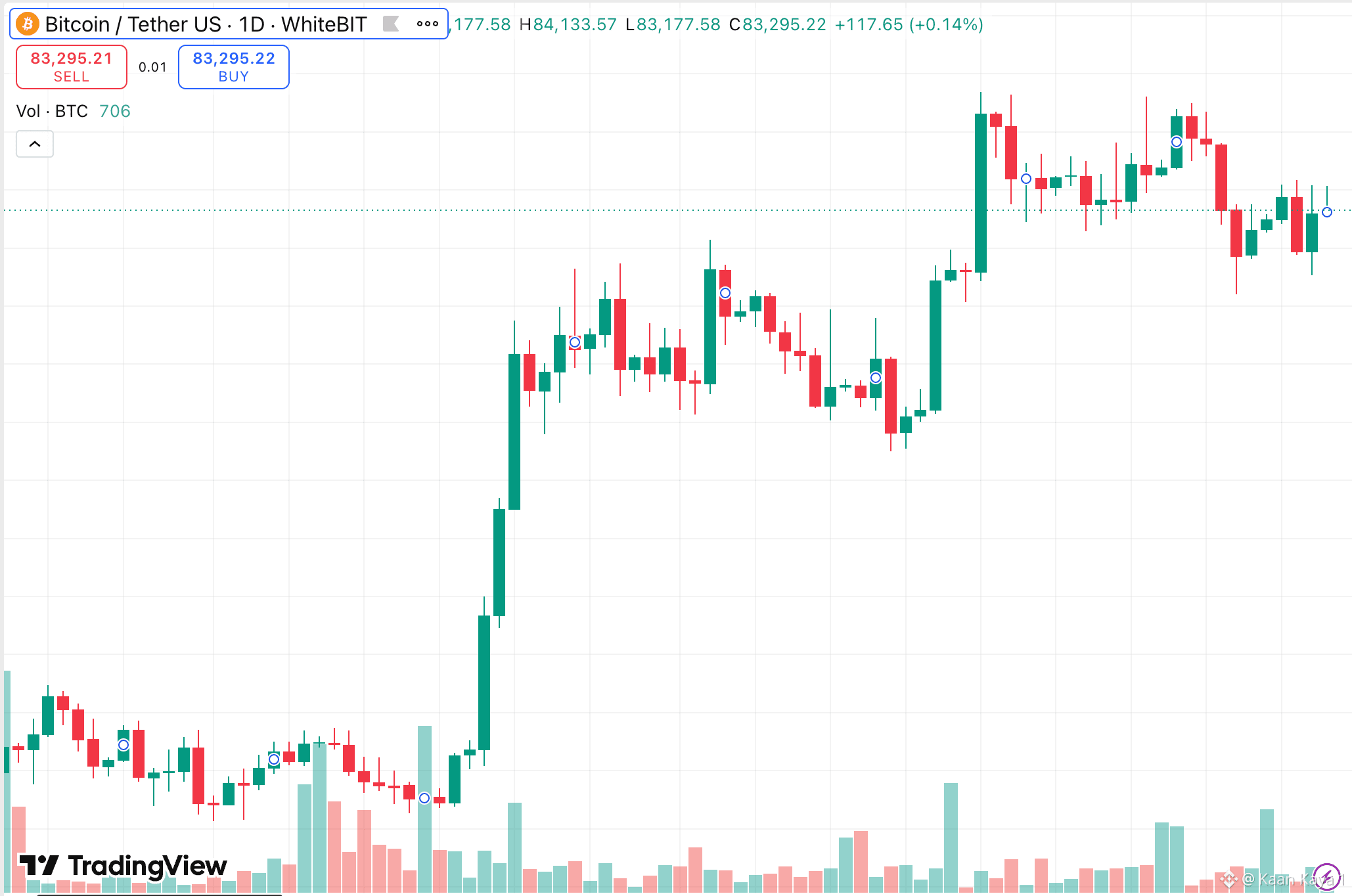
Самый раздражающий ход биткоина может оказаться полным отсутствием движения 👀 Все ждут, что биткоин вот-вот выдаст что-нибудь впечатляющее, но, если честно, боковик утомляет сильнее, чем настоящее обрушение. 😅 Цена немного подскакивает, и ты уже думаешь, что пробой наконец-то начался, а через два часа $BTC снова там же, где и был. Забавно, но бездействие — это тоже торговое решение. Необязательно ловить каждое крошечное движение только потому, что график открыт. Я точно видел, как люди теряли больше денег, пытаясь торговать на скучном рынке, чем потеряли бы, просто дождавшись подходящей ситуации. Кто-нибудь ещё учится сидеть сложа руки или мы всё ещё делаем вид, что каждая зелёная свеча — начало чего-то грандиозного? #Анализ цены BTC# #Прогноз цены биткоина: куда биткоин двинется дальше?#
Самый раздражающий ход биткоина может оказаться полным отсутствием движения 👀 Все ждут, что биткоин вот-вот выдаст что-нибудь впечатляющее, но, если честно, боковик утомляет сильнее, чем настоящее обрушение. 😅 Цена немного подскакивает, и ты уже думаешь, что пробой наконец-то начался, а через два часа $BTC снова там же, где и был. Забавно, но бездействие — это тоже торговое решение. Необязательно ловить каждое крошечное движение только потому, что график открыт. Я точно видел, как люди теряли больше денег, пытаясь торговать на скучном рынке, чем потеряли бы, просто дождавшись подходящей ситуации. Кто-нибудь ещё учится сидеть сложа руки или мы всё ещё делаем вид, что каждая зелёная свеча — начало чего-то грандиозного? #Анализ цены BTC# #Прогноз цены биткоина: куда биткоин двинется дальше?#

61
·
--
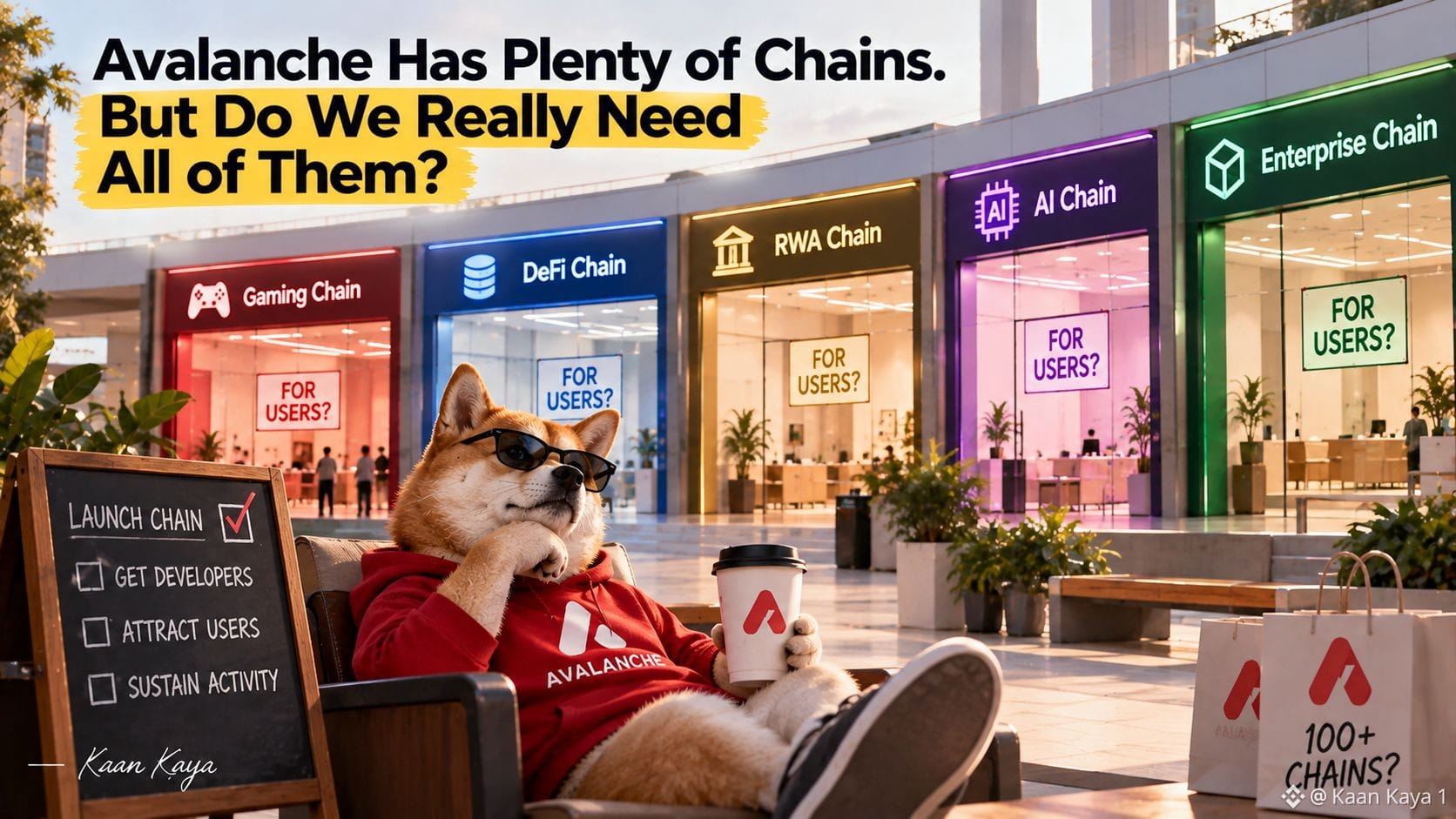
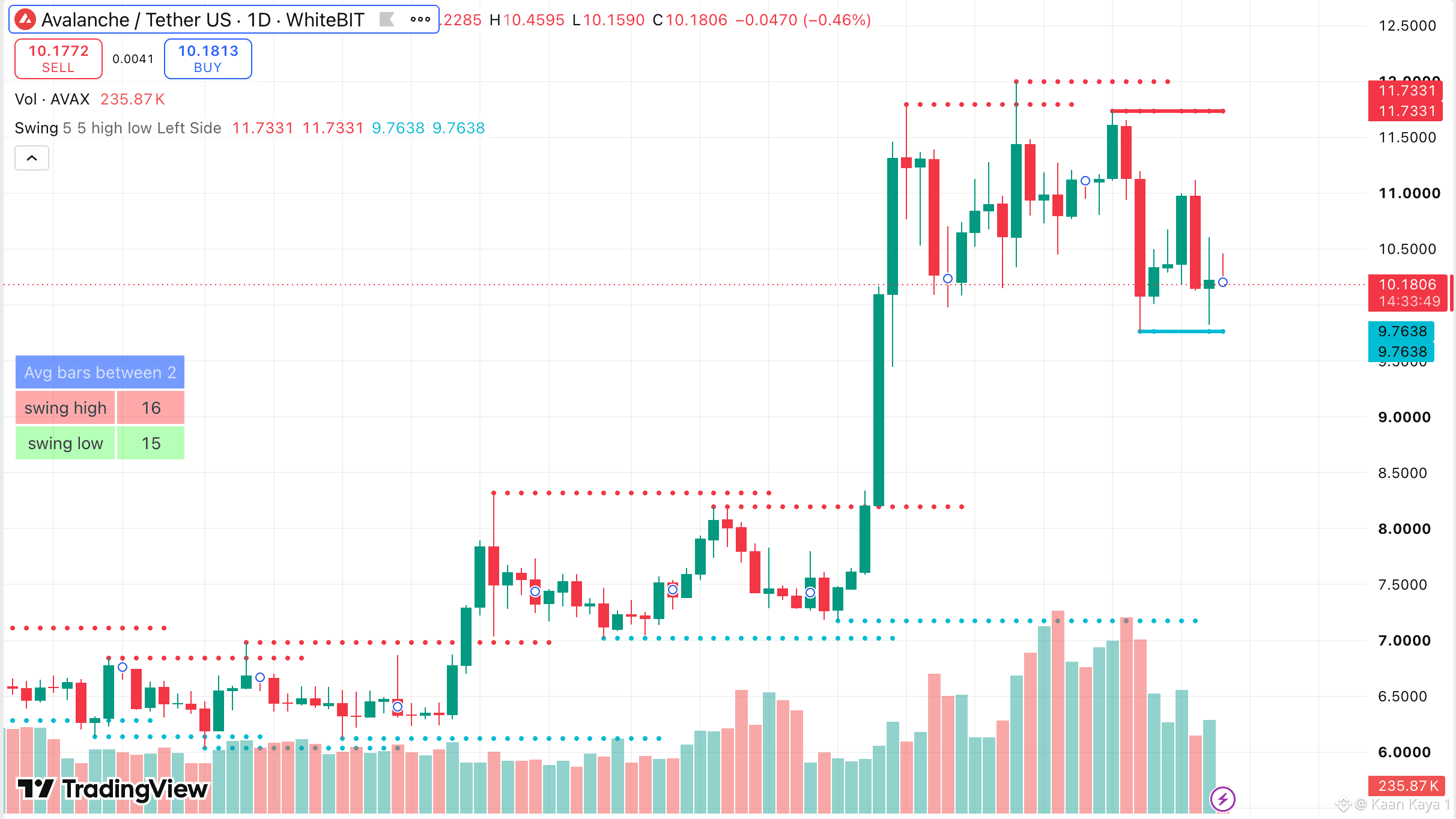
У Avalanche полно блокчейнов. Но правда ли нам нужны они все? Помните, когда каждый криптопроект хотел выпустить собственный токен? Теперь кажется, что каждый хочет обзавестись и собственным блокчейном. 😅 Avalanche продвигает идею о том, что компании, игровые проекты и финансовые платформы могут запускать отдельные сети вместо того, чтобы пытаться уместить всё в одном общем блокчейне. И я понимаю, чем это привлекательно. Игровая компания вряд ли захочет, чтобы её транзакции конкурировали с ликвидациями в DeFi. Финансовой организации могут понадобиться особые правила для валидаторов, разрешений и соблюдения нормативных требований. Но вот тут я начинаю сомневаться. Запустить блокчейн становится всё проще. А вот дать людям повод им пользоваться по-прежнему невероятно сложно. У компании могут быть собственные валидаторы, настраиваемые комиссии и прекрасно продуманная экосистема. Но всё это не гарантирует, что разработчики начнут создавать там приложения или что туда придут пользователи. Если говорить о $AVAX, я бы следил за тем, смогут ли эти специализированные сети поддерживать активность в долгосрочной перспективе и как эта активность будет влиять на спрос на токен. Одного подсчёта запущенных сетей недостаточно. Это примерно как открыть пятьдесят торговых центров. Звучит впечатляюще, пока не зайдёшь туда в субботу и не обнаружишь, что большинство магазинов пустуют. Я бы предпочёл увидеть десять загруженных сетей, а не сотню, которые существуют в основном ради упоминаний в анонсах о партнёрствах. #Макроэкономические инсайты# #Сезон альткоинов#
У Avalanche полно блокчейнов. Но правда ли нам нужны они все? Помните, когда каждый криптопроект хотел выпустить собственный токен? Теперь кажется, что каждый хочет обзавестись и собственным блокчейном. 😅 Avalanche продвигает идею о том, что компании, игровые проекты и финансовые платформы могут запускать отдельные сети вместо того, чтобы пытаться уместить всё в одном общем блокчейне. И я понимаю, чем это привлекательно. Игровая компания вряд ли захочет, чтобы её транзакции конкурировали с ликвидациями в DeFi. Финансовой организации могут понадобиться особые правила для валидаторов, разрешений и соблюдения нормативных требований. Но вот тут я начинаю сомневаться. Запустить блокчейн становится всё проще. А вот дать людям повод им пользоваться по-прежнему невероятно сложно. У компании могут быть собственные валидаторы, настраиваемые комиссии и прекрасно продуманная экосистема. Но всё это не гарантирует, что разработчики начнут создавать там приложения или что туда придут пользователи. Если говорить о $AVAX, я бы следил за тем, смогут ли эти специализированные сети поддерживать активность в долгосрочной перспективе и как эта активность будет влиять на спрос на токен. Одного подсчёта запущенных сетей недостаточно. Это примерно как открыть пятьдесят торговых центров. Звучит впечатляюще, пока не зайдёшь туда в субботу и не обнаружишь, что большинство магазинов пустуют. Я бы предпочёл увидеть десять загруженных сетей, а не сотню, которые существуют в основном ради упоминаний в анонсах о партнёрствах. #Макроэкономические инсайты# #Сезон альткоинов#
75
·
--
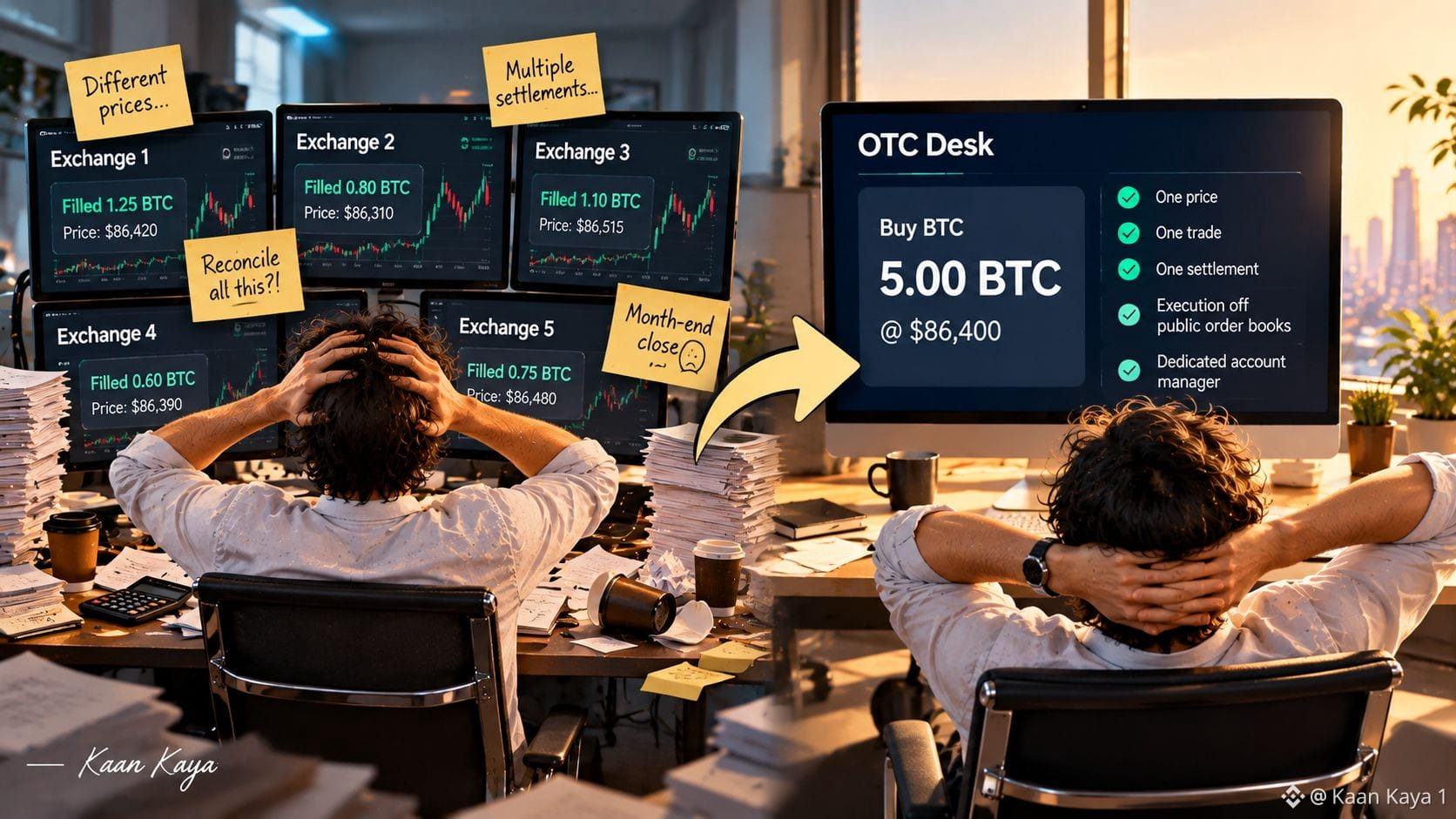
Ваш крупный ордер на $BTC разбивают на пять частей. Так ли это нужно? Разбивать крупный ордер кажется разумным, пока вам не приходится сводить пять счетов, пять цен и пять расчётов в конце месяца 😩. Допустим, вам нужно продать крупную сумму в $BTC, а ни на одной бирже нет достаточной глубины рынка, чтобы принять весь объём. Именно для таких ситуаций и существуют OTC-дески. Они напрямую связывают крупных покупателей и продавцов, поэтому крупную сделку часто можно провести целиком, а не по частям. Деск WhiteBIT — хороший пример того, как это работает. Он поддерживает сделки без максимального лимита, обеспечивает конфиденциальное исполнение вне публичного стакана заявок и предоставляет котировки в реальном времени, а также персонального менеджера, которому можно написать напрямую. https://institutional.whitebit.com/otc?utm_source=coinmarketcap&utm_medium=otcdkkk&utm_campaign=post Доступны также USD, EUR, GBP, CHF, USDT и USDC, а минимальная сумма обычно составляет около $100K. Обычная альтернатива — разбить ордер. Одна часть уходит на одну площадку, другая — во вторую, третья — куда-то ещё. У каждой сделки своя цена и свой расчёт, а затем кому-то из операционной команды приходится всё это сводить. Те, кому доводилось закрывать месяц, знают, каково это. Одна OTC-сделка выглядит куда аккуратнее. Вы согласовываете одну цену, подписываете одно соглашение и получаете одну запись для отчётности. Если деск может принять весь объём, это избавит от многих проблем. Разбивать ордер по-прежнему имеет смысл, если ни одна площадка не может обработать такой объём. Так что вопрос на самом деле в том, насколько велик ваш ордер по сравнению с объёмом, который может принять один деск 🤝. Отказ от ответственности: Это не финансовая и не инвестиционная рекомендация. Прежде чем принимать какие-либо решения, проведите собственное исследование. Вы действуете на свой страх и риск. #АнализЦеныBTC# #ПрогнозЦеныBitcoin: Каков следующий шаг Bitcoin?#
Ваш крупный ордер на $BTC разбивают на пять частей. Так ли это нужно? Разбивать крупный ордер кажется разумным, пока вам не приходится сводить пять счетов, пять цен и пять расчётов в конце месяца 😩. Допустим, вам нужно продать крупную сумму в $BTC, а ни на одной бирже нет достаточной глубины рынка, чтобы принять весь объём. Именно для таких ситуаций и существуют OTC-дески. Они напрямую связывают крупных покупателей и продавцов, поэтому крупную сделку часто можно провести целиком, а не по частям. Деск WhiteBIT — хороший пример того, как это работает. Он поддерживает сделки без максимального лимита, обеспечивает конфиденциальное исполнение вне публичного стакана заявок и предоставляет котировки в реальном времени, а также персонального менеджера, которому можно написать напрямую. https://institutional.whitebit.com/otc?utm_source=coinmarketcap&utm_medium=otcdkkk&utm_campaign=post Доступны также USD, EUR, GBP, CHF, USDT и USDC, а минимальная сумма обычно составляет около $100K. Обычная альтернатива — разбить ордер. Одна часть уходит на одну площадку, другая — во вторую, третья — куда-то ещё. У каждой сделки своя цена и свой расчёт, а затем кому-то из операционной команды приходится всё это сводить. Те, кому доводилось закрывать месяц, знают, каково это. Одна OTC-сделка выглядит куда аккуратнее. Вы согласовываете одну цену, подписываете одно соглашение и получаете одну запись для отчётности. Если деск может принять весь объём, это избавит от многих проблем. Разбивать ордер по-прежнему имеет смысл, если ни одна площадка не может обработать такой объём. Так что вопрос на самом деле в том, насколько велик ваш ордер по сравнению с объёмом, который может принять один деск 🤝. Отказ от ответственности: Это не финансовая и не инвестиционная рекомендация. Прежде чем принимать какие-либо решения, проведите собственное исследование. Вы действуете на свой страх и риск. #АнализЦеныBTC# #ПрогнозЦеныBitcoin: Каков следующий шаг Bitcoin?#
·
--
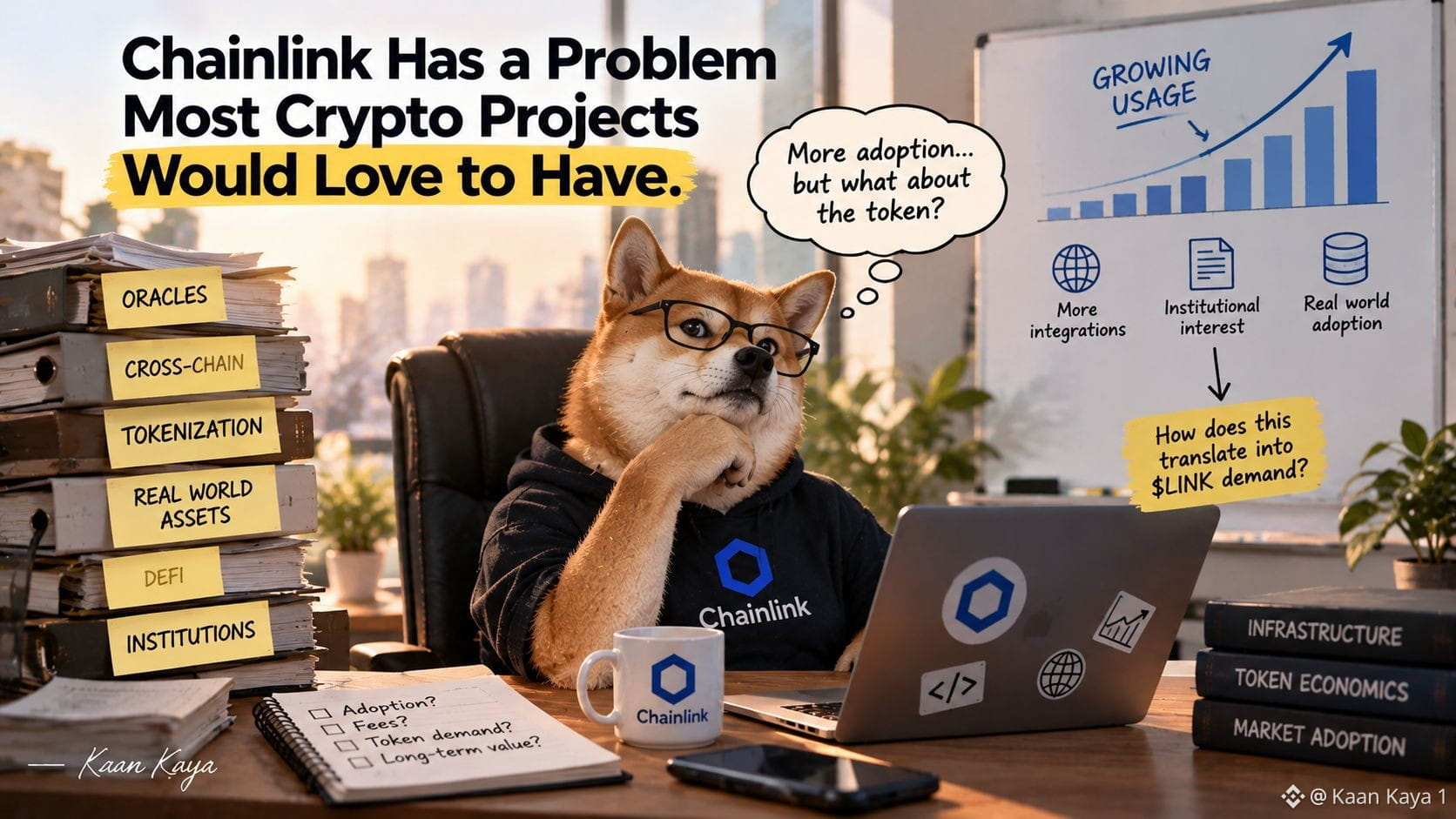
У Chainlink есть проблема, о которой мечтали бы многие криптопроекты Chainlink — один из тех проектов, которым уделяют куда меньше внимания, чем очередной мем-монете, хотя он задействован в некоторых важнейших элементах криптоинфраструктуры. Оракулы, межсетевые сообщения, токенизированные активы... список всё растёт. Но вот о чём я задумался: то, что проект становится полезнее, не означает автоматически, что его токен становится ценнее. Банки могут интегрировать технологии Chainlink, DeFi-протоколы — полагаться на его потоки данных, а институциональные инвесторы — использовать его инфраструктуру для перемещения токенизированных активов между сетями. Отлично для массового внедрения. Но что это значит для тех, кто держит $LINK? Именно поэтому я бы уделял больше внимания тому, как использование сети превращается в спрос на токен, комиссии и стимулы, а не подсчитывал объявления о партнёрствах. Не поймите меня неправильно: я считаю, что за внедрением инфраструктуры стоит следить. Просто экономика, которая за этим стоит, интересует меня больше, чем очередной заголовок о том, что крупный институт экспериментирует с блокчейном. Объявление о партнёрстве может взбудоражить трейдеров на один день. А устойчивый спрос — тема для куда более долгого разговора. #Макроинсайты# #Сезон альткоинов#
У Chainlink есть проблема, о которой мечтали бы многие криптопроекты Chainlink — один из тех проектов, которым уделяют куда меньше внимания, чем очередной мем-монете, хотя он задействован в некоторых важнейших элементах криптоинфраструктуры. Оракулы, межсетевые сообщения, токенизированные активы... список всё растёт. Но вот о чём я задумался: то, что проект становится полезнее, не означает автоматически, что его токен становится ценнее. Банки могут интегрировать технологии Chainlink, DeFi-протоколы — полагаться на его потоки данных, а институциональные инвесторы — использовать его инфраструктуру для перемещения токенизированных активов между сетями. Отлично для массового внедрения. Но что это значит для тех, кто держит $LINK? Именно поэтому я бы уделял больше внимания тому, как использование сети превращается в спрос на токен, комиссии и стимулы, а не подсчитывал объявления о партнёрствах. Не поймите меня неправильно: я считаю, что за внедрением инфраструктуры стоит следить. Просто экономика, которая за этим стоит, интересует меня больше, чем очередной заголовок о том, что крупный институт экспериментирует с блокчейном. Объявление о партнёрстве может взбудоражить трейдеров на один день. А устойчивый спрос — тема для куда более долгого разговора. #Макроинсайты# #Сезон альткоинов#
47
·
--
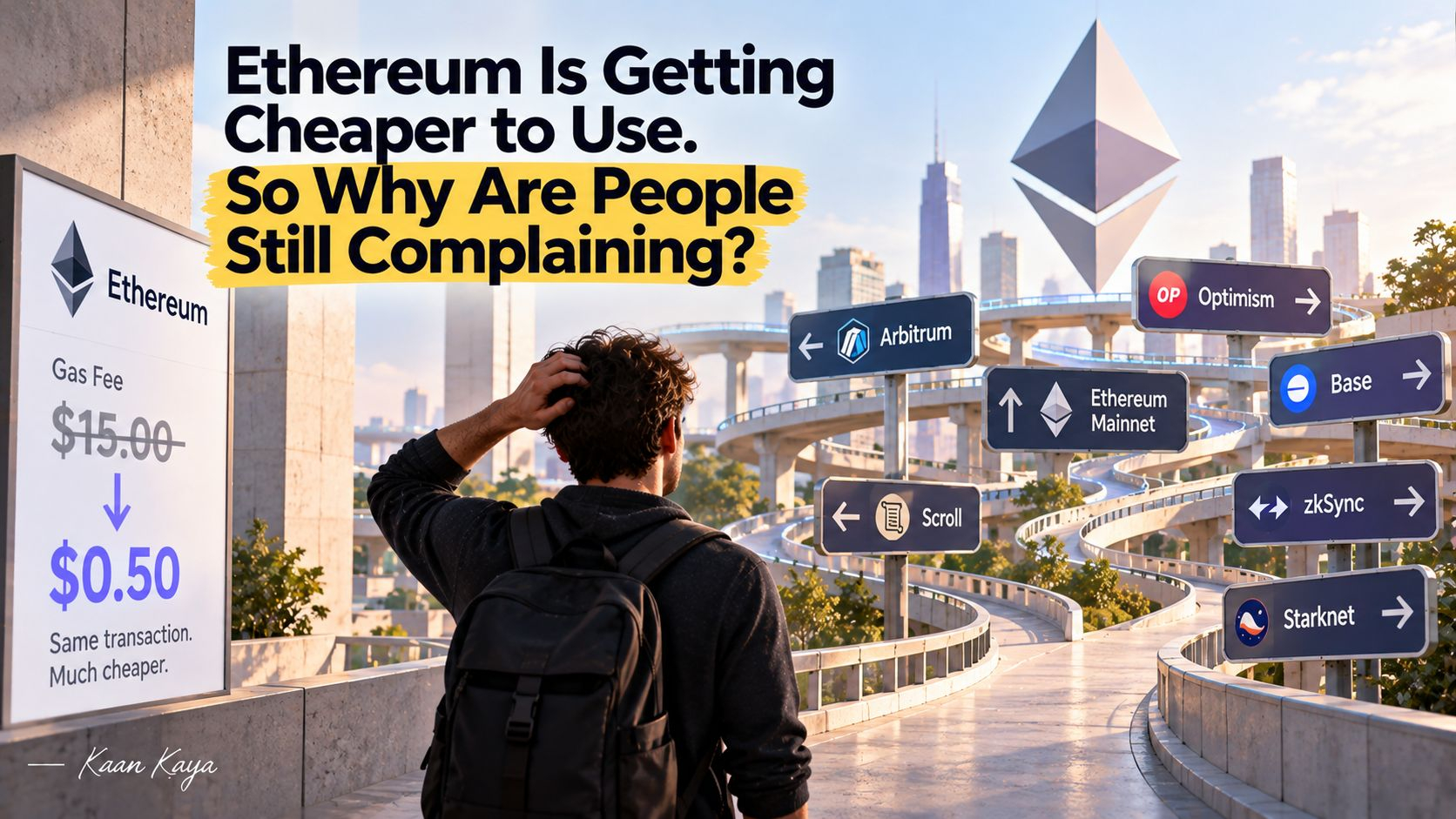
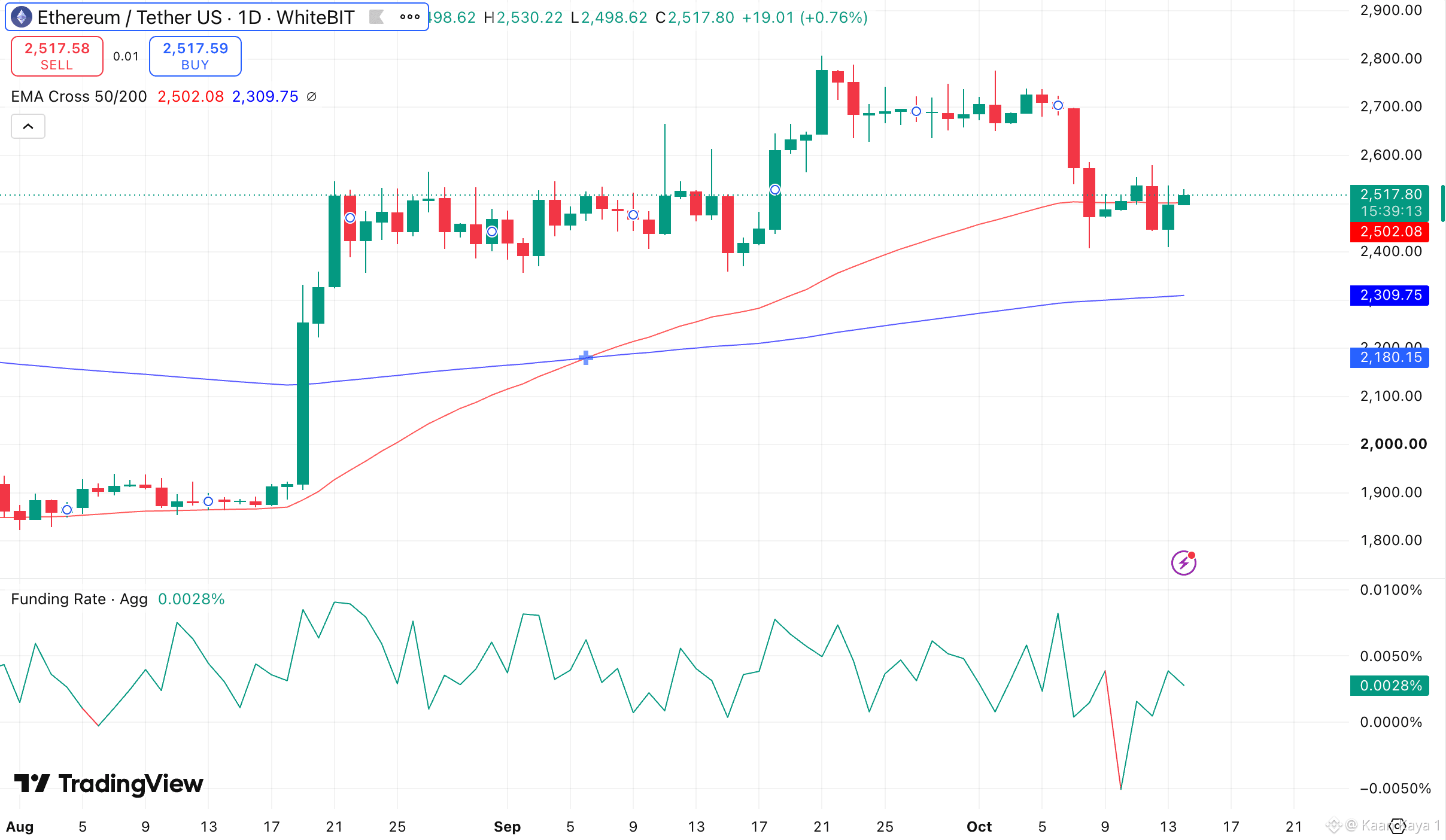
Пользоваться Ethereum становится дешевле. Так почему же люди всё ещё жалуются? Помните, когда отправка криптовалюты на 20 долларов могла обойтись ещё в 15 долларов за газ? С тех пор Ethereum прошёл большой путь, особенно если вы пользуетесь сетями второго уровня. Но вот что я постоянно замечаю: люди не обязательно чувствуют, что пользоваться криптовалютой стало проще. Всё ещё приходится выяснять, в какой сети находятся ваши средства, поддерживает ли эту сеть биржа и почему один и тот же токен иногда встречается сразу в пяти разных местах. И не дай бог отправить что-нибудь не в ту сеть 😅 Вот такой странный компромисс у стратегии масштабирования Ethereum. Мы сделали транзакции дешевле, распределив активность между разными сетями, но при этом усложнили работу с криптовалютой для тех, кто ещё с ней не знаком. Не думаю, что $ETH нужны очередные впечатляющие сравнения скорости транзакций, чтобы привлечь обычных пользователей. Нужны приложения, в которых можно просто отправить деньги, обменять их или за что-нибудь заплатить, не задумываясь о том, какая сеть за этим стоит. Дешёвые транзакции — это здорово. Но ещё лучше, когда друзьям не приходится объяснять, как они работают. #ETHBlockchain #ETHFoundation
Пользоваться Ethereum становится дешевле. Так почему же люди всё ещё жалуются? Помните, когда отправка криптовалюты на 20 долларов могла обойтись ещё в 15 долларов за газ? С тех пор Ethereum прошёл большой путь, особенно если вы пользуетесь сетями второго уровня. Но вот что я постоянно замечаю: люди не обязательно чувствуют, что пользоваться криптовалютой стало проще. Всё ещё приходится выяснять, в какой сети находятся ваши средства, поддерживает ли эту сеть биржа и почему один и тот же токен иногда встречается сразу в пяти разных местах. И не дай бог отправить что-нибудь не в ту сеть 😅 Вот такой странный компромисс у стратегии масштабирования Ethereum. Мы сделали транзакции дешевле, распределив активность между разными сетями, но при этом усложнили работу с криптовалютой для тех, кто ещё с ней не знаком. Не думаю, что $ETH нужны очередные впечатляющие сравнения скорости транзакций, чтобы привлечь обычных пользователей. Нужны приложения, в которых можно просто отправить деньги, обменять их или за что-нибудь заплатить, не задумываясь о том, какая сеть за этим стоит. Дешёвые транзакции — это здорово. Но ещё лучше, когда друзьям не приходится объяснять, как они работают. #ETHBlockchain #ETHFoundation
83
·
--
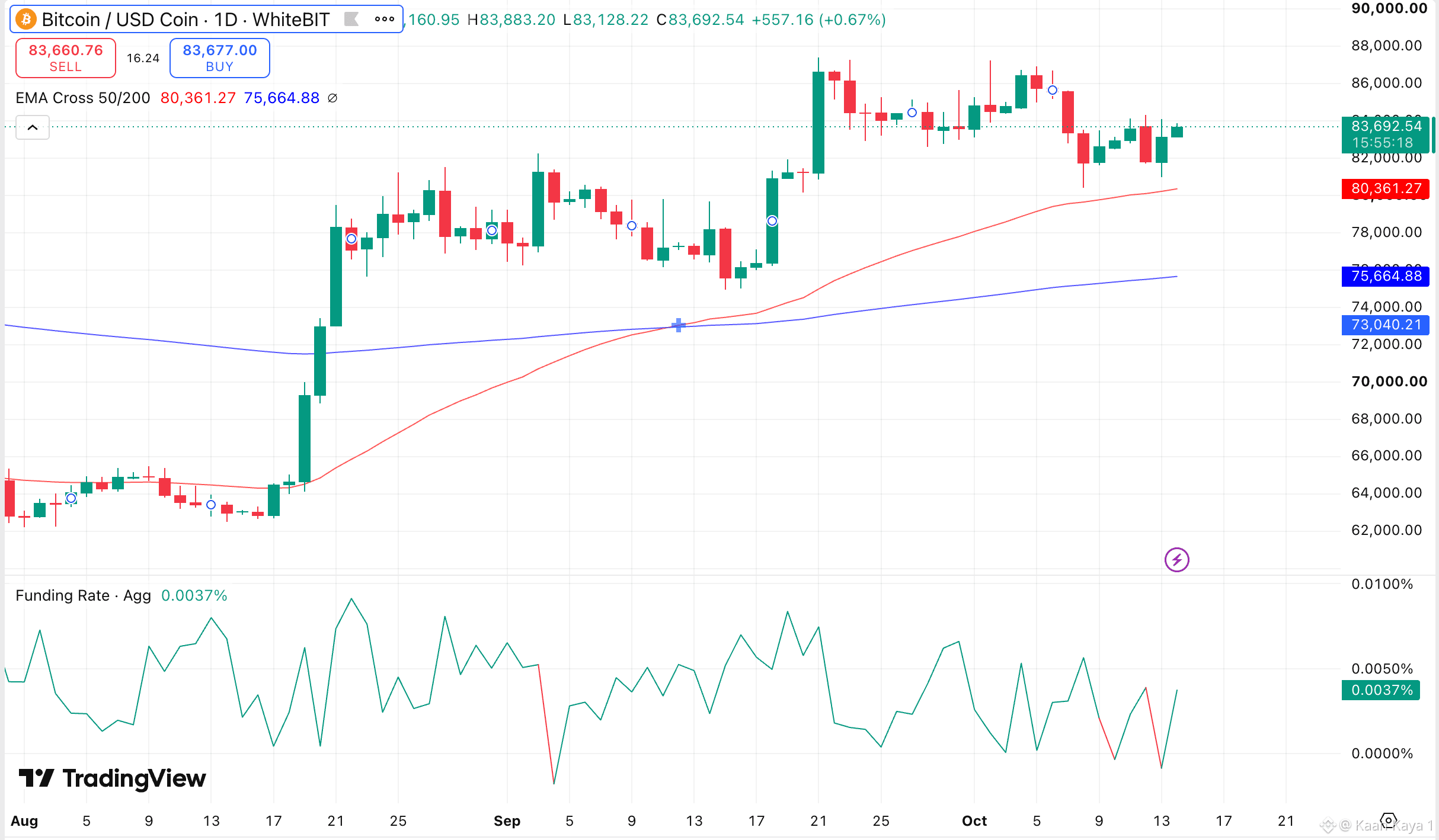
Все хотят, чтобы биткоин двинулся. Никто не знает, что будет дальше. Криптотвиттер забавен, когда биткоин начинает двигаться вбок. Половина ленты уверена, что вот-вот начнётся пробой, а другая уже готовится к очередному обвалу. И каким-то образом у обеих сторон есть убедительные графики 😂 Думаю, сейчас самое сложное в торговле $BTC — не найти потенциальную точку входа, а решить, какие сигналы действительно заслуживают внимания. Несколько зелёных свечей могут создать впечатление, что уровень сопротивления слабый. Внезапная красная свеча может снова заставить весь рынок выглядеть медвежьим. Но ни то ни другое мало о чём говорит, если движение не подтверждается объёмом, ликвидностью и продолжением. Лично я лучше упущу первые 2% роста, чем буду следующие три дня оправдывать вход, который совершил лишь потому, что все на X вдруг загорелись энтузиазмом. Интересно, как к этому подходят другие. Вы торгуете небольшие движения или ждёте, пока биткоин выберет направление? #Анализ цены BTC# #Прогноз цены биткоина: какое движение биткоина будет следующим?#
Все хотят, чтобы биткоин двинулся. Никто не знает, что будет дальше. Криптотвиттер забавен, когда биткоин начинает двигаться вбок. Половина ленты уверена, что вот-вот начнётся пробой, а другая уже готовится к очередному обвалу. И каким-то образом у обеих сторон есть убедительные графики 😂 Думаю, сейчас самое сложное в торговле $BTC — не найти потенциальную точку входа, а решить, какие сигналы действительно заслуживают внимания. Несколько зелёных свечей могут создать впечатление, что уровень сопротивления слабый. Внезапная красная свеча может снова заставить весь рынок выглядеть медвежьим. Но ни то ни другое мало о чём говорит, если движение не подтверждается объёмом, ликвидностью и продолжением. Лично я лучше упущу первые 2% роста, чем буду следующие три дня оправдывать вход, который совершил лишь потому, что все на X вдруг загорелись энтузиазмом. Интересно, как к этому подходят другие. Вы торгуете небольшие движения или ждёте, пока биткоин выберет направление? #Анализ цены BTC# #Прогноз цены биткоина: какое движение биткоина будет следующим?#

78
·
--
🔍 Стратегия или обходной путь? Проверяю собственного бота Несколько дней назад я приводил в порядок конфигурацию старого бота — из тех случаев, когда работает — не трогай. 😅 Я заметил, сколько строк было нужно лишь для того, чтобы не превышать лимит запросов API. Я группировал запросы, реже проверял книгу ордеров $BTC и отказывался от некоторых подходов, потому что цифры не сходились. Годами я считал это хорошей практикой. Затем в рамках VIP-программы WhiteBIT мне повысили лимит запросов, и я стал по-другому смотреть на старые правила. Это действительно было частью стратегии или просто обходным решением? https://whitebit.com/vip-program?utm_source=coinmarketcap&utm_medium=post&utm_campaign=kaannViP Проще всего было заметить это на примере тайминга выставления ордеров. Я выдерживал интервалы между ордерами из-за лимита запросов, а потом стал считать это частью своей стратегии. Со временем я совсем забыл, откуда взялось это правило. ⚙️ Именно расширенный лимит запросов заставил меня обратить на это внимание. Простое подключение к API помогает, снижение торговых комиссий — вплоть до -0,001% в зависимости от VIP-уровня и условий — заметно при больших объёмах, а персональная поддержка полезна, когда боты работают регулярно. Забавно, что ни одна отдельная «суперфункция» не изменила всё. Я просто понял, насколько сильно прежний лимит определял мои решения. Оказалось, что половина того, что я называл своей торговой философией, была попыткой обойти лимит запросов. Дисклеймер: Это не финансовая и не инвестиционная рекомендация. Прежде чем принимать какие-либо решения, проведите собственное исследование. Используйте на свой страх и риск. #АнализЦеныBTC# #ПрогнозЦеныBitcoin: КаковСледующийШагBitcoin?#
🔍 Стратегия или обходной путь? Проверяю собственного бота Несколько дней назад я приводил в порядок конфигурацию старого бота — из тех случаев, когда работает — не трогай. 😅 Я заметил, сколько строк было нужно лишь для того, чтобы не превышать лимит запросов API. Я группировал запросы, реже проверял книгу ордеров $BTC и отказывался от некоторых подходов, потому что цифры не сходились. Годами я считал это хорошей практикой. Затем в рамках VIP-программы WhiteBIT мне повысили лимит запросов, и я стал по-другому смотреть на старые правила. Это действительно было частью стратегии или просто обходным решением? https://whitebit.com/vip-program?utm_source=coinmarketcap&utm_medium=post&utm_campaign=kaannViP Проще всего было заметить это на примере тайминга выставления ордеров. Я выдерживал интервалы между ордерами из-за лимита запросов, а потом стал считать это частью своей стратегии. Со временем я совсем забыл, откуда взялось это правило. ⚙️ Именно расширенный лимит запросов заставил меня обратить на это внимание. Простое подключение к API помогает, снижение торговых комиссий — вплоть до -0,001% в зависимости от VIP-уровня и условий — заметно при больших объёмах, а персональная поддержка полезна, когда боты работают регулярно. Забавно, что ни одна отдельная «суперфункция» не изменила всё. Я просто понял, насколько сильно прежний лимит определял мои решения. Оказалось, что половина того, что я называл своей торговой философией, была попыткой обойти лимит запросов. Дисклеймер: Это не финансовая и не инвестиционная рекомендация. Прежде чем принимать какие-либо решения, проведите собственное исследование. Используйте на свой страх и риск. #АнализЦеныBTC# #ПрогнозЦеныBitcoin: КаковСледующийШагBitcoin?#

·
--
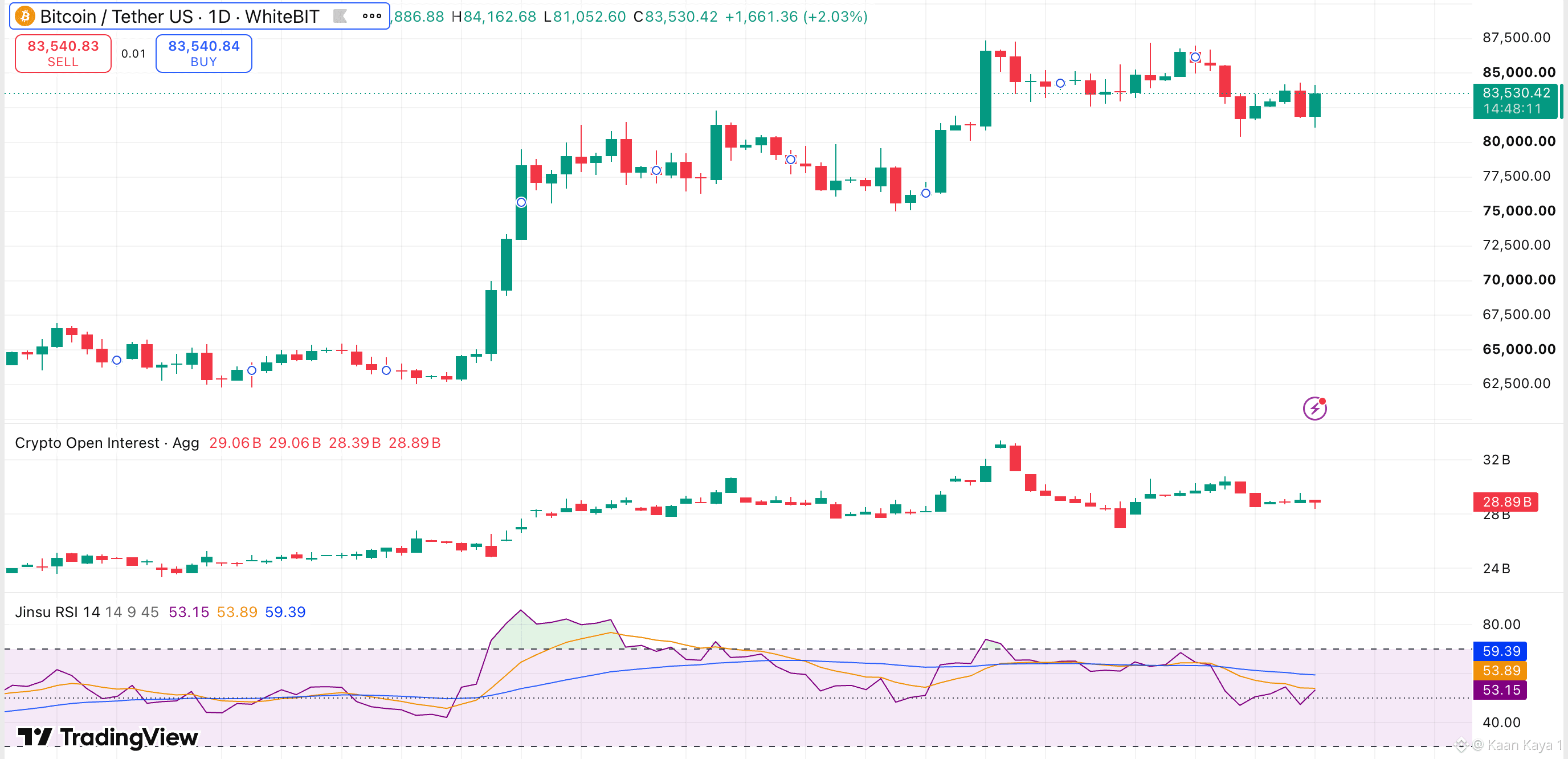
Биткоину нужно совсем немного, чтобы трейдеры снова оживились 👀 Забавно, как быстро меняются настроения вокруг $BTC. Пара зелёных свечей — и вдруг все начинают говорить о следующем мощном пробое. Но быстрый отскок — это не то же самое, что рынок, действительно готовый к росту. Мне интереснее, продолжат ли покупатели появляться после того, как первоначальный ажиотаж утихнет. Обычно именно тогда становится понятно, насколько сильна уверенность в движении. Кто-нибудь ещё следит за биткоином, но пока не спешит входить в рынок? #Анализ цены BTC# #Прогноз цены биткоина: куда он двинется дальше?#
Биткоину нужно совсем немного, чтобы трейдеры снова оживились 👀 Забавно, как быстро меняются настроения вокруг $BTC. Пара зелёных свечей — и вдруг все начинают говорить о следующем мощном пробое. Но быстрый отскок — это не то же самое, что рынок, действительно готовый к росту. Мне интереснее, продолжат ли покупатели появляться после того, как первоначальный ажиотаж утихнет. Обычно именно тогда становится понятно, насколько сильна уверенность в движении. Кто-нибудь ещё следит за биткоином, но пока не спешит входить в рынок? #Анализ цены BTC# #Прогноз цены биткоина: куда он двинется дальше?#

79
·
--
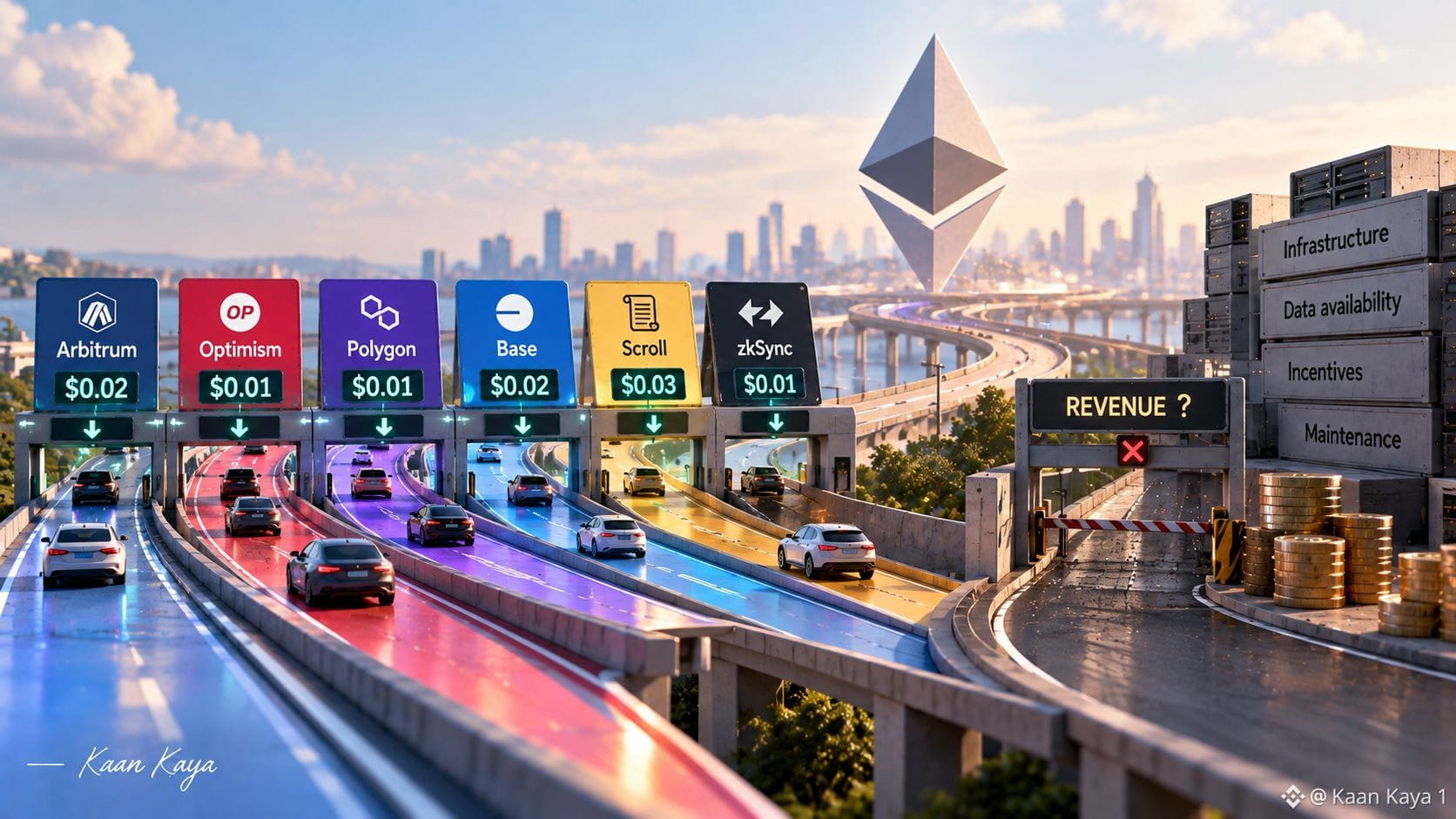
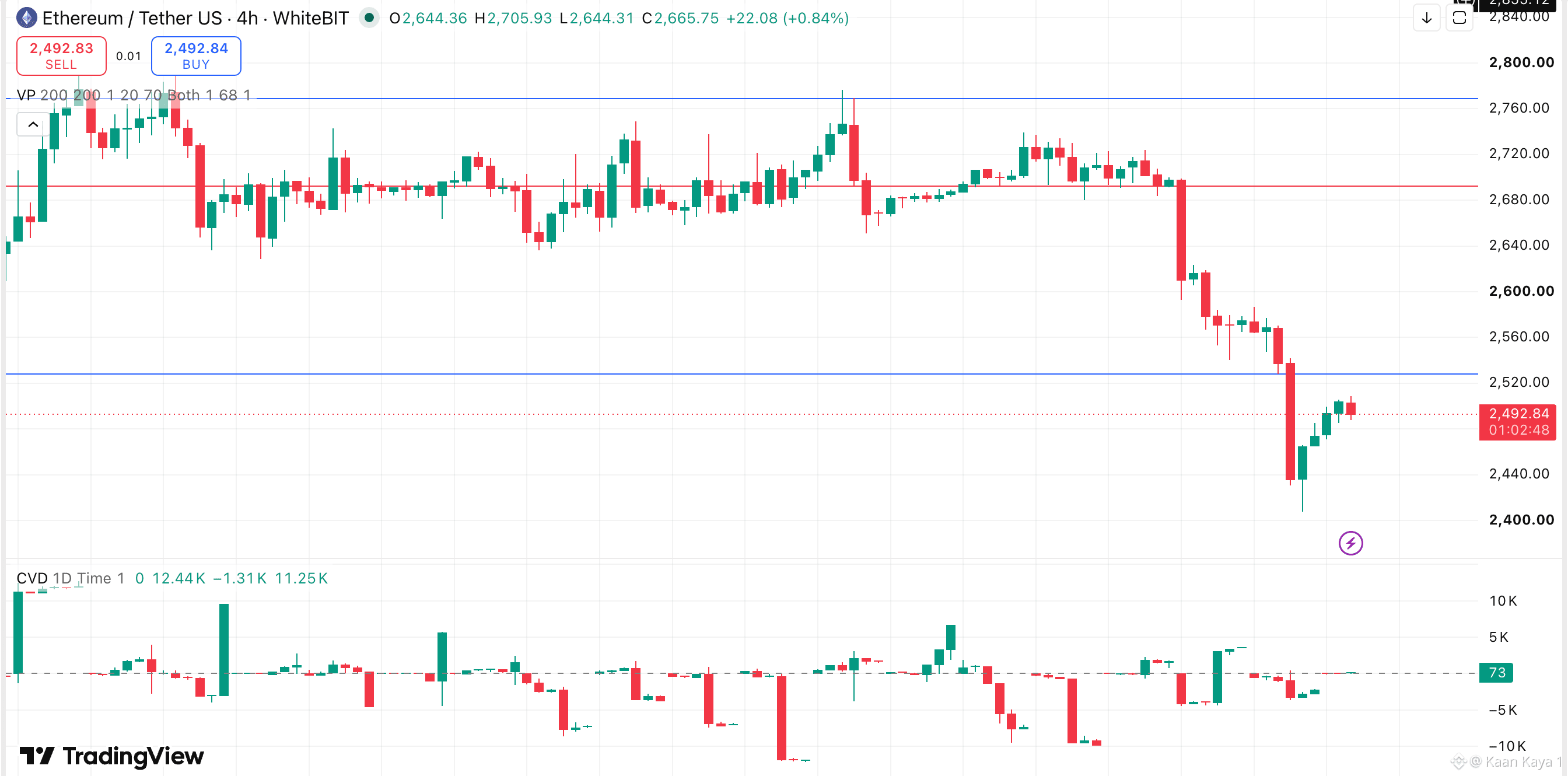
Комиссии в L2-сетях Ethereum становятся ниже. Но кто на самом деле зарабатывает? Помните времена, когда транзакция с $ETH за 30 долларов считалась вполне обычным делом? Теперь в некоторых сетях второго уровня можно перевести средства за несколько центов, а иногда и дешевле. Отлично для пользователей. А вот бизнесу, который управляет такими сетями, разговор предстоит чуть менее приятный. Дело вот в чём: снижение комиссий не означает автоматически, что экономика становится выгоднее. L2-сеть может обрабатывать миллионы транзакций, радовать пользователей и всё равно с трудом получать ощутимую выручку, если учесть расходы на инфраструктуру, доступность данных и стимулы для экосистемы. И есть ещё один нюанс. Если несколько сетей предлагают примерно такие же дешёвые переводы и доступ к похожим приложениям, зачем кому-то оставаться в одной из них? Мы годами спрашивали, сможет ли Ethereum масштабироваться. Возможно, теперь стоит спросить, смогут ли все эти сети масштабирования построить бизнес, который будет иметь смысл поддерживать. Не удивлюсь, если следующая большая битва L2-сетей развернётся не за самые низкие комиссии, а за пользователей, которые действительно возвращаются — без каких-либо выплат за это. #ETHBlockchain #ETHFoundation
Комиссии в L2-сетях Ethereum становятся ниже. Но кто на самом деле зарабатывает? Помните времена, когда транзакция с $ETH за 30 долларов считалась вполне обычным делом? Теперь в некоторых сетях второго уровня можно перевести средства за несколько центов, а иногда и дешевле. Отлично для пользователей. А вот бизнесу, который управляет такими сетями, разговор предстоит чуть менее приятный. Дело вот в чём: снижение комиссий не означает автоматически, что экономика становится выгоднее. L2-сеть может обрабатывать миллионы транзакций, радовать пользователей и всё равно с трудом получать ощутимую выручку, если учесть расходы на инфраструктуру, доступность данных и стимулы для экосистемы. И есть ещё один нюанс. Если несколько сетей предлагают примерно такие же дешёвые переводы и доступ к похожим приложениям, зачем кому-то оставаться в одной из них? Мы годами спрашивали, сможет ли Ethereum масштабироваться. Возможно, теперь стоит спросить, смогут ли все эти сети масштабирования построить бизнес, который будет иметь смысл поддерживать. Не удивлюсь, если следующая большая битва L2-сетей развернётся не за самые низкие комиссии, а за пользователей, которые действительно возвращаются — без каких-либо выплат за это. #ETHBlockchain #ETHFoundation
67
Войдите, чтобы посмотреть больше материала
Присоединяйтесь к пользователям криптовалют по всему миру на Binance Square
⚡️ Получайте новейшую и полезную информацию о криптоактивах.
💬 Нам доверяет крупнейшая в мире криптобиржа.
👍 Получите достоверные аналитические данные от верифицированных создателей контента.
Эл. почта/номер телефона
В тренде
BinancePick
Просмотров: 2.9M
150,698 обсуждают
Присоединяйтесь к #EarningsSeason: прогнозируйте финансовые результаты на Binance Pick и делитесь своим мнением на Binance Square!
Binance Square Official
·Лайков: 407
·Просмотров: 341.9k
EarningsSeason
Просмотров: 5.2M
25,679 обсуждают
AnthropicTTMRevenueGrewAbout1200%
Просмотров: 12,328
289 обсуждают