
Hasan_Bin_Naeem
164 Публикации

Hasan_Bin_Naeem
Отправить жалобу
Заблокировать пользователя
Be confident yourself...
9 подписок(и/а)
540 подписчиков(а)
318 понравилось
Посты
Все
Цитирования
Видео

Статья
SocialFi: Revolutionizing Social Media through Decentralized Finance#COSSocialFiRevolution
SocialFi, a rapidly emerging paradigm that merges social media with decentralized finance (DeFi), represents a significant shift in how online content creation, engagement, and monetization are structured. By leveraging the principles of Web3—decentralization, transparency, and user empowerment—SocialFi platforms aim to provide greater control to creators and participants, enabling them to monetize their digital presence while maintaining ownership over their data and content. At the heart of SocialFi are blockchain technologies that facilitate peer-to-peer interactions, remove centralized intermediaries, and offer financial incentives, thus providing a more equitable and user-centric alternative to traditional social media.
This article explores the concept of SocialFi, its key components, and the challenges it must overcome to reshape the future of social media and digital interaction.
The Limitations of Web2 Social Media
Web2 social media platforms, such as Facebook, Instagram, and Twitter, have become integral to modern communication, with billions of users worldwide. However, these platforms are predominantly centralized, controlled by corporate entities that monetize user data and content. Several critical issues arise from this model, leading to the call for decentralized alternatives like SocialFi.
1. Data Ownership and Privacy Concerns
In Web2, users generate vast amounts of personal data, which is collected, stored, and monetized by platform operators. This raises concerns about privacy and data ownership, as users have limited control over how their information is used. SocialFi offers a solution by enabling users to retain ownership of their data, facilitated by blockchain's immutable and transparent nature.
2. Censorship and Content Moderation
Centralized control over content moderation has led to accusations of censorship, bias, and even the arbitrary banning of users or content. While platform policies aim to protect users, the lack of transparency and oversight in decision-making processes undermines trust. SocialFi platforms, by contrast, employ decentralized governance models, where the community collectively decides content moderation standards, thereby ensuring a more democratic and transparent process.
3. Monetization Deficiencies
Creators on Web2 platforms struggle to directly monetize their content and influence. Although monetization options like ad revenue, brand partnerships, and sponsored posts exist, these methods are often controlled by the platform and disproportionately benefit the platform itself. SocialFi addresses this issue by enabling creators to monetize their social capital through decentralized financial models, including social tokens, NFTs, and other blockchain-based economic structures.
Key Features of SocialFi
SocialFi platforms aim to transform the social media landscape by incorporating decentralized technologies and financial incentives that empower users. Below are the essential features and building blocks of SocialFi.
1. Decentralized Autonomous Organizations (DAOs)
SocialFi platforms are often structured as DAOs, which are organizations governed by smart contracts and collective decision-making. This eliminates the need for centralized control and allows the community to participate in governance decisions. DAOs enable decentralized content moderation, transparent reward distribution, and the creation of rules that reflect the collective interests of platform participants.
2. Social Tokens
A hallmark of SocialFi is the use of social tokens—cryptocurrencies that are tied to individual creators or communities. These tokens can be used for various purposes, such as accessing exclusive content, rewarding engagement, or facilitating transactions between users. For creators, social tokens allow them to manage their own micro-economies, giving them the ability to directly monetize their social influence.
For example, a creator might issue a personal token, and followers could purchase or earn the token to access premium content, vote on decisions, or interact in other meaningful ways. This system aligns the incentives of creators and their communities while ensuring that the value generated by social interactions is fairly distributed.
3. Non-Fungible Tokens (NFTs)
NFTs serve as unique digital assets that establish verifiable ownership of content or digital identity within SocialFi platforms. In addition to representing art, music, and videos, NFTs can be used as profile pictures, granting users a form of digital identity that is both personal and immutable. This integration of NFTs enables creators to monetize their content directly, with NFTs serving as both a means of securing ownership and a vehicle for selling exclusive, limited-edition digital goods.
NFTs also provide access to exclusive communities, events, or content within SocialFi platforms. For instance, an artist could release a limited series of NFTs, offering holders access to special experiences, early releases, or private interactions with the creator. This deepens the connection between creators and their followers, incentivizing both parties to contribute to the ecosystem’s growth.
4. Decentralized Content Moderation
One of the most pressing issues with Web2 social media is the centralized nature of content moderation. SocialFi platforms address this challenge by utilizing decentralized content curation. Content is stored on the blockchain, and nodes within the network are responsible for determining which posts to engage with. This approach allows for community-driven decision-making and reduces the risk of centralized censorship, ensuring that content moderation aligns more closely with community values and the principles of free speech.
However, this decentralized approach also requires careful consideration of how harmful content is identified and handled. While SocialFi platforms are built on the premise of decentralization, the community must balance freedom of expression with the need to protect users from harmful content.
Challenges Facing SocialFi
Despite its promise, SocialFi faces several significant challenges in terms of scalability, user adoption, and economic sustainability.
1. Scalable Infrastructure
Web2 social media platforms handle massive amounts of data, with Facebook generating over 4 petabytes of data per day. Can blockchain technology, which powers SocialFi, handle such large-scale operations? DeSo, a blockchain specifically designed for social applications, claims to address scalability challenges by using techniques like sharding and warp syncing to enhance throughput and performance.
While DeSo has shown promising results, including the ability to process hundreds of posts per second, the scalability of blockchain-based social networks remains a crucial issue. Ensuring that these platforms can handle millions, if not billions, of users without compromising performance is essential for widespread adoption.
2. Sustainable Economic Models
The economic sustainability of SocialFi is another concern. While the use of social tokens and NFTs presents exciting new ways for creators to monetize their content, the economic models must withstand market volatility and long-term stress. The risk of bubbles and instability in token-based economies has been evident in other sectors of Web3, such as GameFi and DeFi.
SocialFi platforms must carefully design their tokenomics to ensure that they provide long-term value to creators, users, and investors. This involves addressing concerns such as token volatility, ensuring that incentive structures are not overly dependent on speculative behavior, and maintaining a balance between rewards and platform sustainability.
The Future of SocialFi
The potential for SocialFi to disrupt the social media landscape is undeniable. By leveraging decentralized technologies and financial incentives, SocialFi platforms provide a more equitable, user-driven alternative to traditional social media. However, scalability and sustainability must be proven over time for these platforms to become mainstream.
If SocialFi platforms can overcome these challenges, they have the potential to reshape how individuals interact with digital content, how creators monetize their work, and how social communities are governed. As blockchain technology evolves, SocialFi is poised to play a key role in the future of social media, empowering users to take control of their data, their identity, and their online interactions.
Conclusion
SocialFi represents a paradigm shift in the way we think about social media and its economic models. By integrating decentralized finance principles with content creation and engagement, SocialFi offers a promising alternative to the centralized, profit-driven structures of Web2 platforms. While challenges remain in terms of scalability and economic sustainability, the success of SocialFi platforms will depend on their ability to balance decentralization with user incentives, creating a more fair and transparent digital ecosystem for all. As Web3 continues to evolve, SocialFi may very well become the cornerstone of the next generation of online communities.
SocialFi: Revolutionizing Social Media through Decentralized Finance
#COSSocialFiRevolution
SocialFi, a rapidly emerging paradigm that merges social media with decentralized finance (DeFi), represents a significant shift in how online content creation, engagement, and monetization are structured. By leveraging the principles of Web3—decentralization, transparency, and user empowerment—SocialFi platforms aim to provide greater control to creators and participants, enabling them to monetize their digital presence while maintaining ownership over their data and content. At the heart of SocialFi are blockchain technologies that facilitate peer-to-peer interactions, remove centralized intermediaries, and offer financial incentives, thus providing a more equitable and user-centric alternative to traditional social media.
This article explores the concept of SocialFi, its key components, and the challenges it must overcome to reshape the future of social media and digital interaction.
The Limitations of Web2 Social Media
Web2 social media platforms, such as Facebook, Instagram, and Twitter, have become integral to modern communication, with billions of users worldwide. However, these platforms are predominantly centralized, controlled by corporate entities that monetize user data and content. Several critical issues arise from this model, leading to the call for decentralized alternatives like SocialFi.
1. Data Ownership and Privacy Concerns
In Web2, users generate vast amounts of personal data, which is collected, stored, and monetized by platform operators. This raises concerns about privacy and data ownership, as users have limited control over how their information is used. SocialFi offers a solution by enabling users to retain ownership of their data, facilitated by blockchain's immutable and transparent nature.
2. Censorship and Content Moderation
Centralized control over content moderation has led to accusations of censorship, bias, and even the arbitrary banning of users or content. While platform policies aim to protect users, the lack of transparency and oversight in decision-making processes undermines trust. SocialFi platforms, by contrast, employ decentralized governance models, where the community collectively decides content moderation standards, thereby ensuring a more democratic and transparent process.
3. Monetization Deficiencies
Creators on Web2 platforms struggle to directly monetize their content and influence. Although monetization options like ad revenue, brand partnerships, and sponsored posts exist, these methods are often controlled by the platform and disproportionately benefit the platform itself. SocialFi addresses this issue by enabling creators to monetize their social capital through decentralized financial models, including social tokens, NFTs, and other blockchain-based economic structures.
Key Features of SocialFi
SocialFi platforms aim to transform the social media landscape by incorporating decentralized technologies and financial incentives that empower users. Below are the essential features and building blocks of SocialFi.
1. Decentralized Autonomous Organizations (DAOs)
SocialFi platforms are often structured as DAOs, which are organizations governed by smart contracts and collective decision-making. This eliminates the need for centralized control and allows the community to participate in governance decisions. DAOs enable decentralized content moderation, transparent reward distribution, and the creation of rules that reflect the collective interests of platform participants.
2. Social Tokens
A hallmark of SocialFi is the use of social tokens—cryptocurrencies that are tied to individual creators or communities. These tokens can be used for various purposes, such as accessing exclusive content, rewarding engagement, or facilitating transactions between users. For creators, social tokens allow them to manage their own micro-economies, giving them the ability to directly monetize their social influence.
For example, a creator might issue a personal token, and followers could purchase or earn the token to access premium content, vote on decisions, or interact in other meaningful ways. This system aligns the incentives of creators and their communities while ensuring that the value generated by social interactions is fairly distributed.
3. Non-Fungible Tokens (NFTs)
NFTs serve as unique digital assets that establish verifiable ownership of content or digital identity within SocialFi platforms. In addition to representing art, music, and videos, NFTs can be used as profile pictures, granting users a form of digital identity that is both personal and immutable. This integration of NFTs enables creators to monetize their content directly, with NFTs serving as both a means of securing ownership and a vehicle for selling exclusive, limited-edition digital goods.
NFTs also provide access to exclusive communities, events, or content within SocialFi platforms. For instance, an artist could release a limited series of NFTs, offering holders access to special experiences, early releases, or private interactions with the creator. This deepens the connection between creators and their followers, incentivizing both parties to contribute to the ecosystem’s growth.
4. Decentralized Content Moderation
One of the most pressing issues with Web2 social media is the centralized nature of content moderation. SocialFi platforms address this challenge by utilizing decentralized content curation. Content is stored on the blockchain, and nodes within the network are responsible for determining which posts to engage with. This approach allows for community-driven decision-making and reduces the risk of centralized censorship, ensuring that content moderation aligns more closely with community values and the principles of free speech.
However, this decentralized approach also requires careful consideration of how harmful content is identified and handled. While SocialFi platforms are built on the premise of decentralization, the community must balance freedom of expression with the need to protect users from harmful content.
Challenges Facing SocialFi
Despite its promise, SocialFi faces several significant challenges in terms of scalability, user adoption, and economic sustainability.
1. Scalable Infrastructure
Web2 social media platforms handle massive amounts of data, with Facebook generating over 4 petabytes of data per day. Can blockchain technology, which powers SocialFi, handle such large-scale operations? DeSo, a blockchain specifically designed for social applications, claims to address scalability challenges by using techniques like sharding and warp syncing to enhance throughput and performance.
While DeSo has shown promising results, including the ability to process hundreds of posts per second, the scalability of blockchain-based social networks remains a crucial issue. Ensuring that these platforms can handle millions, if not billions, of users without compromising performance is essential for widespread adoption.
2. Sustainable Economic Models
The economic sustainability of SocialFi is another concern. While the use of social tokens and NFTs presents exciting new ways for creators to monetize their content, the economic models must withstand market volatility and long-term stress. The risk of bubbles and instability in token-based economies has been evident in other sectors of Web3, such as GameFi and DeFi.
SocialFi platforms must carefully design their tokenomics to ensure that they provide long-term value to creators, users, and investors. This involves addressing concerns such as token volatility, ensuring that incentive structures are not overly dependent on speculative behavior, and maintaining a balance between rewards and platform sustainability.
The Future of SocialFi
The potential for SocialFi to disrupt the social media landscape is undeniable. By leveraging decentralized technologies and financial incentives, SocialFi platforms provide a more equitable, user-driven alternative to traditional social media. However, scalability and sustainability must be proven over time for these platforms to become mainstream.
If SocialFi platforms can overcome these challenges, they have the potential to reshape how individuals interact with digital content, how creators monetize their work, and how social communities are governed. As blockchain technology evolves, SocialFi is poised to play a key role in the future of social media, empowering users to take control of their data, their identity, and their online interactions.
Conclusion
SocialFi represents a paradigm shift in the way we think about social media and its economic models. By integrating decentralized finance principles with content creation and engagement, SocialFi offers a promising alternative to the centralized, profit-driven structures of Web2 platforms. While challenges remain in terms of scalability and economic sustainability, the success of SocialFi platforms will depend on their ability to balance decentralization with user incentives, creating a more fair and transparent digital ecosystem for all. As Web3 continues to evolve, SocialFi may very well become the cornerstone of the next generation of online communities.
SocialFi, a rapidly emerging paradigm that merges social media with decentralized finance (DeFi), represents a significant shift in how online content creation, engagement, and monetization are structured. By leveraging the principles of Web3—decentralization, transparency, and user empowerment—SocialFi platforms aim to provide greater control to creators and participants, enabling them to monetize their digital presence while maintaining ownership over their data and content. At the heart of SocialFi are blockchain technologies that facilitate peer-to-peer interactions, remove centralized intermediaries, and offer financial incentives, thus providing a more equitable and user-centric alternative to traditional social media.
This article explores the concept of SocialFi, its key components, and the challenges it must overcome to reshape the future of social media and digital interaction.
The Limitations of Web2 Social Media
Web2 social media platforms, such as Facebook, Instagram, and Twitter, have become integral to modern communication, with billions of users worldwide. However, these platforms are predominantly centralized, controlled by corporate entities that monetize user data and content. Several critical issues arise from this model, leading to the call for decentralized alternatives like SocialFi.
1. Data Ownership and Privacy Concerns
In Web2, users generate vast amounts of personal data, which is collected, stored, and monetized by platform operators. This raises concerns about privacy and data ownership, as users have limited control over how their information is used. SocialFi offers a solution by enabling users to retain ownership of their data, facilitated by blockchain's immutable and transparent nature.
2. Censorship and Content Moderation
Centralized control over content moderation has led to accusations of censorship, bias, and even the arbitrary banning of users or content. While platform policies aim to protect users, the lack of transparency and oversight in decision-making processes undermines trust. SocialFi platforms, by contrast, employ decentralized governance models, where the community collectively decides content moderation standards, thereby ensuring a more democratic and transparent process.
3. Monetization Deficiencies
Creators on Web2 platforms struggle to directly monetize their content and influence. Although monetization options like ad revenue, brand partnerships, and sponsored posts exist, these methods are often controlled by the platform and disproportionately benefit the platform itself. SocialFi addresses this issue by enabling creators to monetize their social capital through decentralized financial models, including social tokens, NFTs, and other blockchain-based economic structures.
Key Features of SocialFi
SocialFi platforms aim to transform the social media landscape by incorporating decentralized technologies and financial incentives that empower users. Below are the essential features and building blocks of SocialFi.
1. Decentralized Autonomous Organizations (DAOs)
SocialFi platforms are often structured as DAOs, which are organizations governed by smart contracts and collective decision-making. This eliminates the need for centralized control and allows the community to participate in governance decisions. DAOs enable decentralized content moderation, transparent reward distribution, and the creation of rules that reflect the collective interests of platform participants.
2. Social Tokens
A hallmark of SocialFi is the use of social tokens—cryptocurrencies that are tied to individual creators or communities. These tokens can be used for various purposes, such as accessing exclusive content, rewarding engagement, or facilitating transactions between users. For creators, social tokens allow them to manage their own micro-economies, giving them the ability to directly monetize their social influence.
For example, a creator might issue a personal token, and followers could purchase or earn the token to access premium content, vote on decisions, or interact in other meaningful ways. This system aligns the incentives of creators and their communities while ensuring that the value generated by social interactions is fairly distributed.
3. Non-Fungible Tokens (NFTs)
NFTs serve as unique digital assets that establish verifiable ownership of content or digital identity within SocialFi platforms. In addition to representing art, music, and videos, NFTs can be used as profile pictures, granting users a form of digital identity that is both personal and immutable. This integration of NFTs enables creators to monetize their content directly, with NFTs serving as both a means of securing ownership and a vehicle for selling exclusive, limited-edition digital goods.
NFTs also provide access to exclusive communities, events, or content within SocialFi platforms. For instance, an artist could release a limited series of NFTs, offering holders access to special experiences, early releases, or private interactions with the creator. This deepens the connection between creators and their followers, incentivizing both parties to contribute to the ecosystem’s growth.
4. Decentralized Content Moderation
One of the most pressing issues with Web2 social media is the centralized nature of content moderation. SocialFi platforms address this challenge by utilizing decentralized content curation. Content is stored on the blockchain, and nodes within the network are responsible for determining which posts to engage with. This approach allows for community-driven decision-making and reduces the risk of centralized censorship, ensuring that content moderation aligns more closely with community values and the principles of free speech.
However, this decentralized approach also requires careful consideration of how harmful content is identified and handled. While SocialFi platforms are built on the premise of decentralization, the community must balance freedom of expression with the need to protect users from harmful content.
Challenges Facing SocialFi
Despite its promise, SocialFi faces several significant challenges in terms of scalability, user adoption, and economic sustainability.
1. Scalable Infrastructure
Web2 social media platforms handle massive amounts of data, with Facebook generating over 4 petabytes of data per day. Can blockchain technology, which powers SocialFi, handle such large-scale operations? DeSo, a blockchain specifically designed for social applications, claims to address scalability challenges by using techniques like sharding and warp syncing to enhance throughput and performance.
While DeSo has shown promising results, including the ability to process hundreds of posts per second, the scalability of blockchain-based social networks remains a crucial issue. Ensuring that these platforms can handle millions, if not billions, of users without compromising performance is essential for widespread adoption.
2. Sustainable Economic Models
The economic sustainability of SocialFi is another concern. While the use of social tokens and NFTs presents exciting new ways for creators to monetize their content, the economic models must withstand market volatility and long-term stress. The risk of bubbles and instability in token-based economies has been evident in other sectors of Web3, such as GameFi and DeFi.
SocialFi platforms must carefully design their tokenomics to ensure that they provide long-term value to creators, users, and investors. This involves addressing concerns such as token volatility, ensuring that incentive structures are not overly dependent on speculative behavior, and maintaining a balance between rewards and platform sustainability.
The Future of SocialFi
The potential for SocialFi to disrupt the social media landscape is undeniable. By leveraging decentralized technologies and financial incentives, SocialFi platforms provide a more equitable, user-driven alternative to traditional social media. However, scalability and sustainability must be proven over time for these platforms to become mainstream.
If SocialFi platforms can overcome these challenges, they have the potential to reshape how individuals interact with digital content, how creators monetize their work, and how social communities are governed. As blockchain technology evolves, SocialFi is poised to play a key role in the future of social media, empowering users to take control of their data, their identity, and their online interactions.
Conclusion
SocialFi represents a paradigm shift in the way we think about social media and its economic models. By integrating decentralized finance principles with content creation and engagement, SocialFi offers a promising alternative to the centralized, profit-driven structures of Web2 platforms. While challenges remain in terms of scalability and economic sustainability, the success of SocialFi platforms will depend on their ability to balance decentralization with user incentives, creating a more fair and transparent digital ecosystem for all. As Web3 continues to evolve, SocialFi may very well become the cornerstone of the next generation of online communities.
1
167
Статья
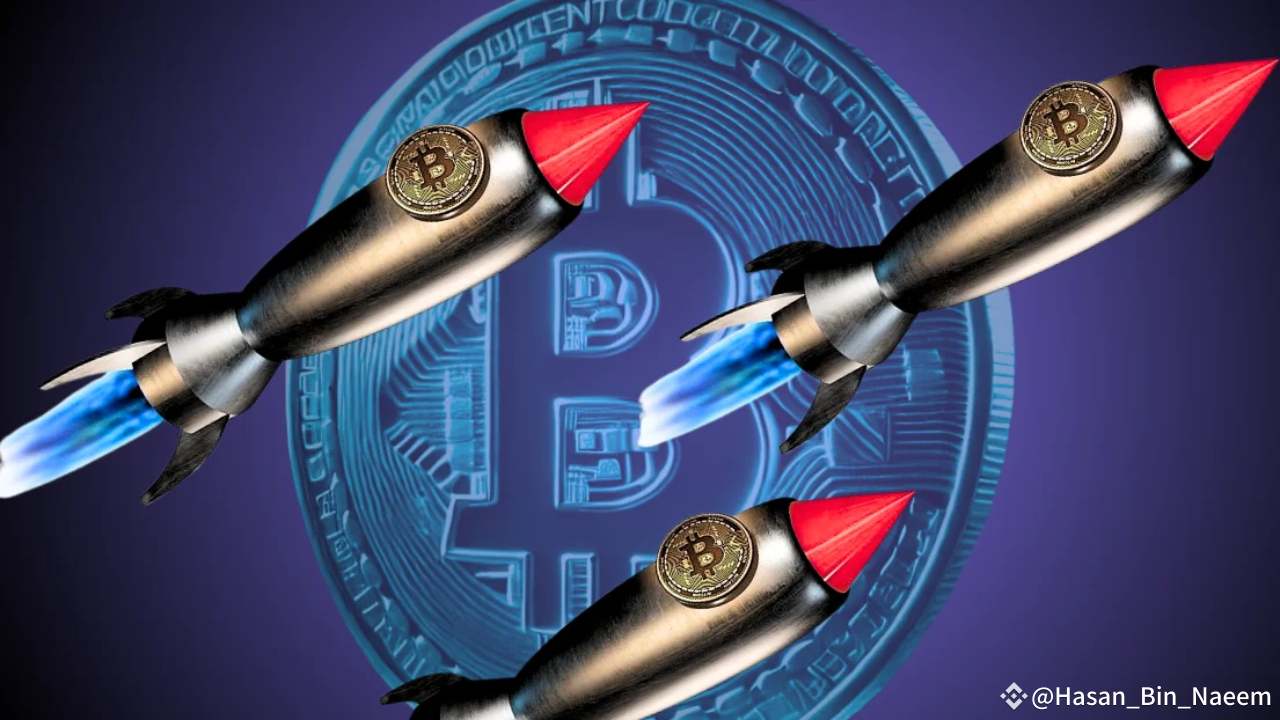
Bitcoin Poised to Reach $72,000 Following Metaplanet's Strategic Acquisition#CryptoAMA
Metaplanet's Strategic Purchase of 156.78 BTC
On October 28, 2024, Japanese investment powerhouse Metaplanet announced the acquisition of 156.78 Bitcoin (BTC), valued at approximately $10.5 million. This significant investment has had an immediate and positive effect on Metaplanet's stock, which surged by 7.18%. With this purchase, Metaplanet has positioned itself as one of Asia's leading corporate Bitcoin holders, bringing its total holdings to 1,018 BTC, worth around $59 million. CEO Simon Gerovich noted that this acquisition echoes the strategies employed by MicroStrategy, the largest corporate Bitcoin holder in the United States.
Current BTC Price Momentum
At present, Bitcoin is trading at approximately $69,400, reflecting a 3.10% increase in the last 24 hours. The trading volume has also experienced a remarkable rise of 115%, indicating strong interest and participation from traders and investors alike.
Technical Analysis and Price Projections
Expert technical analysis suggests a bullish outlook for Bitcoin, with a strong likelihood of reaching the $72,000 mark in the near term. This optimism is supported by a recent breakout from previous consolidation patterns and robust price action. Currently, Bitcoin is trading above the 200 Exponential Moving Average (EMA) on the daily timeframe, signaling an ongoing uptrend. However, for this bullish trajectory to continue, Bitcoin must close above the critical resistance level of $69,560; failure to do so may result in a reversal of momentum.
With Metaplanet's strategic acquisition and the prevailing market conditions, Bitcoin appears well-positioned for potential significant gains in the forthcoming period.
$BTC
{spot}(BTCUSDT)
@Square-Creator-HBN
Bitcoin Poised to Reach $72,000 Following Metaplanet's Strategic Acquisition
#CryptoAMA
Metaplanet's Strategic Purchase of 156.78 BTC
On October 28, 2024, Japanese investment powerhouse Metaplanet announced the acquisition of 156.78 Bitcoin (BTC), valued at approximately $10.5 million. This significant investment has had an immediate and positive effect on Metaplanet's stock, which surged by 7.18%. With this purchase, Metaplanet has positioned itself as one of Asia's leading corporate Bitcoin holders, bringing its total holdings to 1,018 BTC, worth around $59 million. CEO Simon Gerovich noted that this acquisition echoes the strategies employed by MicroStrategy, the largest corporate Bitcoin holder in the United States.
Current BTC Price Momentum
At present, Bitcoin is trading at approximately $69,400, reflecting a 3.10% increase in the last 24 hours. The trading volume has also experienced a remarkable rise of 115%, indicating strong interest and participation from traders and investors alike.
Technical Analysis and Price Projections
Expert technical analysis suggests a bullish outlook for Bitcoin, with a strong likelihood of reaching the $72,000 mark in the near term. This optimism is supported by a recent breakout from previous consolidation patterns and robust price action. Currently, Bitcoin is trading above the 200 Exponential Moving Average (EMA) on the daily timeframe, signaling an ongoing uptrend. However, for this bullish trajectory to continue, Bitcoin must close above the critical resistance level of $69,560; failure to do so may result in a reversal of momentum.
With Metaplanet's strategic acquisition and the prevailing market conditions, Bitcoin appears well-positioned for potential significant gains in the forthcoming period.
$BTC
@Hasan_Bin_Naeem
Metaplanet's Strategic Purchase of 156.78 BTC
On October 28, 2024, Japanese investment powerhouse Metaplanet announced the acquisition of 156.78 Bitcoin (BTC), valued at approximately $10.5 million. This significant investment has had an immediate and positive effect on Metaplanet's stock, which surged by 7.18%. With this purchase, Metaplanet has positioned itself as one of Asia's leading corporate Bitcoin holders, bringing its total holdings to 1,018 BTC, worth around $59 million. CEO Simon Gerovich noted that this acquisition echoes the strategies employed by MicroStrategy, the largest corporate Bitcoin holder in the United States.
Current BTC Price Momentum
At present, Bitcoin is trading at approximately $69,400, reflecting a 3.10% increase in the last 24 hours. The trading volume has also experienced a remarkable rise of 115%, indicating strong interest and participation from traders and investors alike.
Technical Analysis and Price Projections
Expert technical analysis suggests a bullish outlook for Bitcoin, with a strong likelihood of reaching the $72,000 mark in the near term. This optimism is supported by a recent breakout from previous consolidation patterns and robust price action. Currently, Bitcoin is trading above the 200 Exponential Moving Average (EMA) on the daily timeframe, signaling an ongoing uptrend. However, for this bullish trajectory to continue, Bitcoin must close above the critical resistance level of $69,560; failure to do so may result in a reversal of momentum.
With Metaplanet's strategic acquisition and the prevailing market conditions, Bitcoin appears well-positioned for potential significant gains in the forthcoming period.
$BTC
@Hasan_Bin_Naeem
253
Статья
Bitcoin on the Edge of a Breakout Ahead of Election – Cryptoasset Weekly Update#CryptoPreUSElection
Market Overview:
Bitcoin (BTC) and Ether (ETH) traders are displaying increasing optimism regarding a potential victory for former President Donald Trump in the forthcoming US Presidential election, with prediction markets indicating over 60% odds in his favor. This sentiment is likely influencing market dynamics, especially as the Federal Reserve appears poised to implement a 25 basis point interest rate cut next month.
Key Insights:
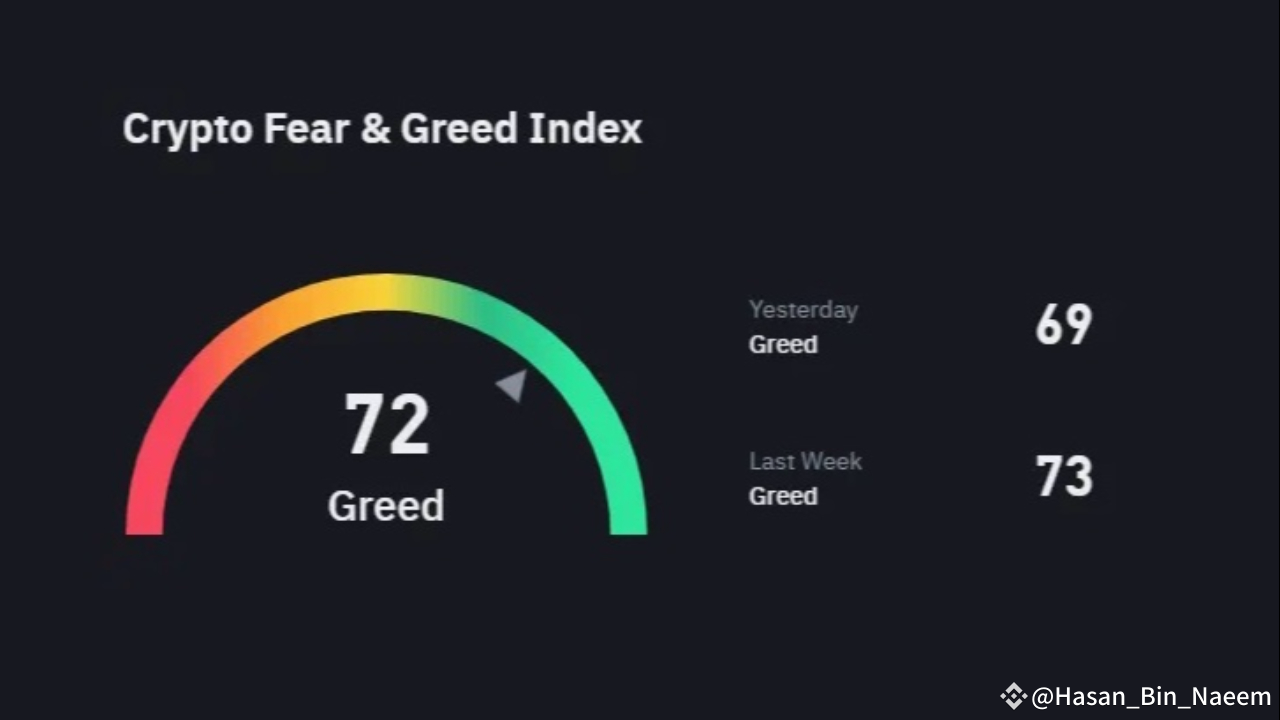
Market Sentiment: The Crypto Fear and Greed Index has slightly declined to 72, reflecting a robust bullish sentiment but suggesting a potential near-term extreme.Capital Inflows: Bitcoin exchange-traded funds (ETFs) have recorded significant inflows of approximately $600 million over the past four days, highlighting strong demand from traditional finance (TradFi) investors.
Technical Analysis:
Bitcoin (BTC): Bitcoin is currently testing resistance around $68,000 following a recent attempt to break out of a six-month bearish channel. For a bullish outlook to materialize, prices must maintain momentum above the $70,000 level. Conversely, a decline below $65,000 could reverse sentiment toward a bearish bias.
Ethereum (ETH): Ethereum continues to trade within a range of $2,125 to $2,850. A decisive break above $2,850 is critical for establishing a more bullish trajectory, while a breach below $2,125 could signal a downward move toward the next support level near $1,700.
Recent Developments:
Bitcoin’s Hashrate: Bitcoin’s hashrate has reached a record high of over 703 EH/s, indicating the network's increasing resilience.Visa Partnership: Avalanche has introduced a credit card that allows users to spend various cryptocurrencies through Visa.Inflation Outlook: Prominent hedge fund manager Paul Tudor Jones remains bullish on both Bitcoin and gold, citing ongoing inflation concerns.Regulatory Scrutiny: Reports indicate that the FBI is investigating Tether, while Microsoft is contemplating a shareholder vote regarding the potential inclusion of Bitcoin in its balance sheet.
Macroeconomic Context:
The global economic environment remains relatively subdued, with significant attention on upcoming US employment reports and the election. Analysts suggest that a larger budget deficit under a Trump administration could have positive implications for Bitcoin and the broader cryptocurrency market.
Market Outlook:
Overall, the market appears to be leaning toward an optimistic outlook, particularly for Bitcoin and Ether, driven by bullish sentiment and significant capital inflows into Bitcoin ETFs. However, caution is advised as Bitcoin remains below key resistance levels around $70,000, and Ethereum is confined within its trading range. If Bitcoin can break above these levels, it may signal further upward momentum. Conversely, a decline below crucial support levels could indicate a potential downturn.
Conclusion:
In summary, while current market indicators reflect a degree of optimism, traders should remain vigilant around key resistance levels and macroeconomic developments that may impact sentiment. The interplay between political outcomes, regulatory scrutiny, and macroeconomic factors will be critical in shaping the future trajectory of cryptocurrency markets. As always, informed decision-making will be essential in navigating this dynamic landscape.
$BTC
{spot}(BTCUSDT)
$ETH
{spot}(ETHUSDT)
Bitcoin on the Edge of a Breakout Ahead of Election – Cryptoasset Weekly Update
#CryptoPreUSElection
Market Overview:
Bitcoin (BTC) and Ether (ETH) traders are displaying increasing optimism regarding a potential victory for former President Donald Trump in the forthcoming US Presidential election, with prediction markets indicating over 60% odds in his favor. This sentiment is likely influencing market dynamics, especially as the Federal Reserve appears poised to implement a 25 basis point interest rate cut next month.
Key Insights:
Market Sentiment: The Crypto Fear and Greed Index has slightly declined to 72, reflecting a robust bullish sentiment but suggesting a potential near-term extreme.Capital Inflows: Bitcoin exchange-traded funds (ETFs) have recorded significant inflows of approximately $600 million over the past four days, highlighting strong demand from traditional finance (TradFi) investors.
Technical Analysis:
Bitcoin (BTC): Bitcoin is currently testing resistance around $68,000 following a recent attempt to break out of a six-month bearish channel. For a bullish outlook to materialize, prices must maintain momentum above the $70,000 level. Conversely, a decline below $65,000 could reverse sentiment toward a bearish bias.
Ethereum (ETH): Ethereum continues to trade within a range of $2,125 to $2,850. A decisive break above $2,850 is critical for establishing a more bullish trajectory, while a breach below $2,125 could signal a downward move toward the next support level near $1,700.
Recent Developments:
Bitcoin’s Hashrate: Bitcoin’s hashrate has reached a record high of over 703 EH/s, indicating the network's increasing resilience.Visa Partnership: Avalanche has introduced a credit card that allows users to spend various cryptocurrencies through Visa.Inflation Outlook: Prominent hedge fund manager Paul Tudor Jones remains bullish on both Bitcoin and gold, citing ongoing inflation concerns.Regulatory Scrutiny: Reports indicate that the FBI is investigating Tether, while Microsoft is contemplating a shareholder vote regarding the potential inclusion of Bitcoin in its balance sheet.
Macroeconomic Context:
The global economic environment remains relatively subdued, with significant attention on upcoming US employment reports and the election. Analysts suggest that a larger budget deficit under a Trump administration could have positive implications for Bitcoin and the broader cryptocurrency market.
Market Outlook:
Overall, the market appears to be leaning toward an optimistic outlook, particularly for Bitcoin and Ether, driven by bullish sentiment and significant capital inflows into Bitcoin ETFs. However, caution is advised as Bitcoin remains below key resistance levels around $70,000, and Ethereum is confined within its trading range. If Bitcoin can break above these levels, it may signal further upward momentum. Conversely, a decline below crucial support levels could indicate a potential downturn.
Conclusion:
In summary, while current market indicators reflect a degree of optimism, traders should remain vigilant around key resistance levels and macroeconomic developments that may impact sentiment. The interplay between political outcomes, regulatory scrutiny, and macroeconomic factors will be critical in shaping the future trajectory of cryptocurrency markets. As always, informed decision-making will be essential in navigating this dynamic landscape.
$BTC
$ETH
Market Overview:
Bitcoin (BTC) and Ether (ETH) traders are displaying increasing optimism regarding a potential victory for former President Donald Trump in the forthcoming US Presidential election, with prediction markets indicating over 60% odds in his favor. This sentiment is likely influencing market dynamics, especially as the Federal Reserve appears poised to implement a 25 basis point interest rate cut next month.
Key Insights:
Market Sentiment: The Crypto Fear and Greed Index has slightly declined to 72, reflecting a robust bullish sentiment but suggesting a potential near-term extreme.Capital Inflows: Bitcoin exchange-traded funds (ETFs) have recorded significant inflows of approximately $600 million over the past four days, highlighting strong demand from traditional finance (TradFi) investors.
Technical Analysis:
Bitcoin (BTC): Bitcoin is currently testing resistance around $68,000 following a recent attempt to break out of a six-month bearish channel. For a bullish outlook to materialize, prices must maintain momentum above the $70,000 level. Conversely, a decline below $65,000 could reverse sentiment toward a bearish bias.
Ethereum (ETH): Ethereum continues to trade within a range of $2,125 to $2,850. A decisive break above $2,850 is critical for establishing a more bullish trajectory, while a breach below $2,125 could signal a downward move toward the next support level near $1,700.
Recent Developments:
Bitcoin’s Hashrate: Bitcoin’s hashrate has reached a record high of over 703 EH/s, indicating the network's increasing resilience.Visa Partnership: Avalanche has introduced a credit card that allows users to spend various cryptocurrencies through Visa.Inflation Outlook: Prominent hedge fund manager Paul Tudor Jones remains bullish on both Bitcoin and gold, citing ongoing inflation concerns.Regulatory Scrutiny: Reports indicate that the FBI is investigating Tether, while Microsoft is contemplating a shareholder vote regarding the potential inclusion of Bitcoin in its balance sheet.
Macroeconomic Context:
The global economic environment remains relatively subdued, with significant attention on upcoming US employment reports and the election. Analysts suggest that a larger budget deficit under a Trump administration could have positive implications for Bitcoin and the broader cryptocurrency market.
Market Outlook:
Overall, the market appears to be leaning toward an optimistic outlook, particularly for Bitcoin and Ether, driven by bullish sentiment and significant capital inflows into Bitcoin ETFs. However, caution is advised as Bitcoin remains below key resistance levels around $70,000, and Ethereum is confined within its trading range. If Bitcoin can break above these levels, it may signal further upward momentum. Conversely, a decline below crucial support levels could indicate a potential downturn.
Conclusion:
In summary, while current market indicators reflect a degree of optimism, traders should remain vigilant around key resistance levels and macroeconomic developments that may impact sentiment. The interplay between political outcomes, regulatory scrutiny, and macroeconomic factors will be critical in shaping the future trajectory of cryptocurrency markets. As always, informed decision-making will be essential in navigating this dynamic landscape.
$BTC
$ETH
1
536

Статья
Whale Trap EXPOSED: Don’t Get Played by the Big Players!In the dynamic realm of cryptocurrency, where fortunes can fluctuate in an instant, a concealed risk looms for unsuspecting traders: the Whale Trap. This insidious market manipulation strategy, orchestrated by affluent investors, aims to lure smaller traders into a deceptive sense of security—only to strike when they least anticipate it. Let’s examine how this devious tactic operates and how you can protect yourself from becoming a casualty.
🐋 What Exactly is a Whale Trap?
In the cryptocurrency landscape, a "whale" refers to an individual or collective of investors holding significant quantities of cryptocurrency. These entities possess the financial influence to affect market movements and often employ manipulative strategies to their advantage. Here’s how a typical Whale Trap unfolds:
Artificial Price Surge – The Bait 🎣Whales initiate their strategy by acquiring large volumes of a cryptocurrency, resulting in a sharp price increase. This abrupt rise creates the illusion of a bullish rally, enticing retail traders to participate, fearing they might miss out on potential gains.Price Collapse – The Trap Springs 🕳️Once retail traders have committed their capital, whales commence a coordinated sell-off. This sudden influx of sell orders precipitates a rapid price decline, trapping smaller investors in inflated positions. Panic ensues as the price plummets faster than retail traders can respond.Whales Cash Out – Profit Secured 💰With the price in decline, whales can liquidate their holdings at elevated prices and subsequently repurchase at lower levels, capitalizing on the panic they have orchestrated. Meanwhile, retail traders are left holding depreciating assets, enduring mounting losses as they attempt to comprehend the abrupt reversal.
🧠 Why Does the Whale Trap Work?
The efficacy of a whale trap is rooted in market psychology. Whales exploit the FOMO (Fear of Missing Out) phenomenon, prompting traders to enter rising markets without a comprehensive understanding of the underlying dynamics. By creating false signals of bullish momentum, they incite impulsive buying. Once sufficient retail interest is secured, the whales execute their sell-off, leaving unsuspecting traders in disarray.
🔥 Spotting a Whale Trap Before It’s Too Late
Identifying the warning signs of a whale trap can aid in avoiding costly missteps. Here’s what to monitor:
Sudden, Unexplained Price Spikes: Exercise caution in the face of abrupt price surges lacking substantial news or fundamental support. Whales frequently initiate these movements to attract retail investors.Low Liquidity: Whale traps are more prevalent in markets with low liquidity, where large buy or sell orders can significantly influence prices. If trading a low-cap asset exhibiting sudden price fluctuations, proceed with caution.Suspicious Trade Volume: Monitor for spikes in trading volume without corresponding organic demand. An unusual increase in volume may indicate whale activity as they drive prices to entice smaller investors.
💡 Protect Yourself from the Trap
Avoiding a whale trap commences with maintaining composure and conducting thorough research (DYOR). Refrain from allowing short-term price fluctuations to dictate your trading strategies. Approach rapid price surges with skepticism and prioritize the long-term fundamentals of a project. Implementing stop-loss orders and adhering to prudent risk management practices can also assist in mitigating losses if the market shifts unfavorably.
🚀 The Future of Market Manipulation
As cryptocurrencies continue to gain popularity and attract a growing number of retail investors, whale traps will likely persist as a favored method of market manipulation. However, armed with knowledge and awareness, you can evade these traps and outmaneuver the whales at their own game.
Stay vigilant, stay informed, and trade judiciously! Don’t let the whales feast on your portfolio. 💪
#WhaleTrapEXPOSED #WhalesBuyingBig #MarketManipulation #CryptoStrategy #Therapydogcoin
$BTC
{spot}(BTCUSDT)
Whale Trap EXPOSED: Don’t Get Played by the Big Players!
In the dynamic realm of cryptocurrency, where fortunes can fluctuate in an instant, a concealed risk looms for unsuspecting traders: the Whale Trap. This insidious market manipulation strategy, orchestrated by affluent investors, aims to lure smaller traders into a deceptive sense of security—only to strike when they least anticipate it. Let’s examine how this devious tactic operates and how you can protect yourself from becoming a casualty.
🐋 What Exactly is a Whale Trap?
In the cryptocurrency landscape, a "whale" refers to an individual or collective of investors holding significant quantities of cryptocurrency. These entities possess the financial influence to affect market movements and often employ manipulative strategies to their advantage. Here’s how a typical Whale Trap unfolds:
Artificial Price Surge – The Bait 🎣Whales initiate their strategy by acquiring large volumes of a cryptocurrency, resulting in a sharp price increase. This abrupt rise creates the illusion of a bullish rally, enticing retail traders to participate, fearing they might miss out on potential gains.Price Collapse – The Trap Springs 🕳️Once retail traders have committed their capital, whales commence a coordinated sell-off. This sudden influx of sell orders precipitates a rapid price decline, trapping smaller investors in inflated positions. Panic ensues as the price plummets faster than retail traders can respond.Whales Cash Out – Profit Secured 💰With the price in decline, whales can liquidate their holdings at elevated prices and subsequently repurchase at lower levels, capitalizing on the panic they have orchestrated. Meanwhile, retail traders are left holding depreciating assets, enduring mounting losses as they attempt to comprehend the abrupt reversal.
🧠 Why Does the Whale Trap Work?
The efficacy of a whale trap is rooted in market psychology. Whales exploit the FOMO (Fear of Missing Out) phenomenon, prompting traders to enter rising markets without a comprehensive understanding of the underlying dynamics. By creating false signals of bullish momentum, they incite impulsive buying. Once sufficient retail interest is secured, the whales execute their sell-off, leaving unsuspecting traders in disarray.
🔥 Spotting a Whale Trap Before It’s Too Late
Identifying the warning signs of a whale trap can aid in avoiding costly missteps. Here’s what to monitor:
Sudden, Unexplained Price Spikes: Exercise caution in the face of abrupt price surges lacking substantial news or fundamental support. Whales frequently initiate these movements to attract retail investors.Low Liquidity: Whale traps are more prevalent in markets with low liquidity, where large buy or sell orders can significantly influence prices. If trading a low-cap asset exhibiting sudden price fluctuations, proceed with caution.Suspicious Trade Volume: Monitor for spikes in trading volume without corresponding organic demand. An unusual increase in volume may indicate whale activity as they drive prices to entice smaller investors.
💡 Protect Yourself from the Trap
Avoiding a whale trap commences with maintaining composure and conducting thorough research (DYOR). Refrain from allowing short-term price fluctuations to dictate your trading strategies. Approach rapid price surges with skepticism and prioritize the long-term fundamentals of a project. Implementing stop-loss orders and adhering to prudent risk management practices can also assist in mitigating losses if the market shifts unfavorably.
🚀 The Future of Market Manipulation
As cryptocurrencies continue to gain popularity and attract a growing number of retail investors, whale traps will likely persist as a favored method of market manipulation. However, armed with knowledge and awareness, you can evade these traps and outmaneuver the whales at their own game.
Stay vigilant, stay informed, and trade judiciously! Don’t let the whales feast on your portfolio. 💪
#WhaleTrapEXPOSED #WhalesBuyingBig #MarketManipulation #CryptoStrategy #Therapydogcoin
$BTC
🐋 What Exactly is a Whale Trap?
In the cryptocurrency landscape, a "whale" refers to an individual or collective of investors holding significant quantities of cryptocurrency. These entities possess the financial influence to affect market movements and often employ manipulative strategies to their advantage. Here’s how a typical Whale Trap unfolds:
Artificial Price Surge – The Bait 🎣Whales initiate their strategy by acquiring large volumes of a cryptocurrency, resulting in a sharp price increase. This abrupt rise creates the illusion of a bullish rally, enticing retail traders to participate, fearing they might miss out on potential gains.Price Collapse – The Trap Springs 🕳️Once retail traders have committed their capital, whales commence a coordinated sell-off. This sudden influx of sell orders precipitates a rapid price decline, trapping smaller investors in inflated positions. Panic ensues as the price plummets faster than retail traders can respond.Whales Cash Out – Profit Secured 💰With the price in decline, whales can liquidate their holdings at elevated prices and subsequently repurchase at lower levels, capitalizing on the panic they have orchestrated. Meanwhile, retail traders are left holding depreciating assets, enduring mounting losses as they attempt to comprehend the abrupt reversal.
🧠 Why Does the Whale Trap Work?
The efficacy of a whale trap is rooted in market psychology. Whales exploit the FOMO (Fear of Missing Out) phenomenon, prompting traders to enter rising markets without a comprehensive understanding of the underlying dynamics. By creating false signals of bullish momentum, they incite impulsive buying. Once sufficient retail interest is secured, the whales execute their sell-off, leaving unsuspecting traders in disarray.
🔥 Spotting a Whale Trap Before It’s Too Late
Identifying the warning signs of a whale trap can aid in avoiding costly missteps. Here’s what to monitor:
Sudden, Unexplained Price Spikes: Exercise caution in the face of abrupt price surges lacking substantial news or fundamental support. Whales frequently initiate these movements to attract retail investors.Low Liquidity: Whale traps are more prevalent in markets with low liquidity, where large buy or sell orders can significantly influence prices. If trading a low-cap asset exhibiting sudden price fluctuations, proceed with caution.Suspicious Trade Volume: Monitor for spikes in trading volume without corresponding organic demand. An unusual increase in volume may indicate whale activity as they drive prices to entice smaller investors.
💡 Protect Yourself from the Trap
Avoiding a whale trap commences with maintaining composure and conducting thorough research (DYOR). Refrain from allowing short-term price fluctuations to dictate your trading strategies. Approach rapid price surges with skepticism and prioritize the long-term fundamentals of a project. Implementing stop-loss orders and adhering to prudent risk management practices can also assist in mitigating losses if the market shifts unfavorably.
🚀 The Future of Market Manipulation
As cryptocurrencies continue to gain popularity and attract a growing number of retail investors, whale traps will likely persist as a favored method of market manipulation. However, armed with knowledge and awareness, you can evade these traps and outmaneuver the whales at their own game.
Stay vigilant, stay informed, and trade judiciously! Don’t let the whales feast on your portfolio. 💪
#WhaleTrapEXPOSED #WhalesBuyingBig #MarketManipulation #CryptoStrategy #Therapydogcoin
$BTC
1
25

Статья
Solana Price Prediction: Why SUI Isn’t Positioned to Replace SOL—But This Crypto CouldTable of Contents
IntroductionSui (SUI) Reaches New All-Time Highs2.1 Recent Performance2.2 Clarification from the Sui FoundationSolana (SOL) Maintains Strong Fundamentals3.1 Recent Price Movements3.2 Analysis of Solana’s Market PositionRollblock (RBLK): A Promising Investment for Web3 Gamers4.1 Overview of Rollblock4.2 Potential for GrowthConclusion
In the ever-evolving cryptocurrency landscape, understanding the potential of emerging tokens relative to established ones is crucial for informed investment decisions. While Sui (SUI) has recently garnered attention with notable price movements, it is unlikely to displace Solana (SOL) as a dominant player in the market. Instead, Rollblock (RBLK) emerges as a promising alternative for investors seeking significant returns.
Sui (SUI) Reaches New All-Time Highs
Sui has experienced a remarkable surge, increasing by 71% over the past month and briefly peaking at $2.34 before settling around $2.03. This rally has been bolstered by a rise in Sui’s Total Value Locked (TVL) to an impressive $1.13 billion, positioning it as the 18th largest cryptocurrency by market capitalization. Recently, the Sui Foundation addressed concerns regarding alleged insider selling, clarifying that $400 million in transactions pertained to locked tokens that would not enter the market, thus assuaging investor worries.
Solana (SOL) Maintains Strong Fundamentals
Despite a recent decline of 2.76%, bringing its price back to $151, Solana has demonstrated resilience, achieving an 8% increase over the week. The fundamentals supporting Solana remain robust, with over $6 billion in TVL across its DeFi ecosystem and record-high active addresses. Analysts are optimistic, projecting that Solana could reach a price target of $262 sooner than expected, with the potential to surpass Ethereum in market capitalization during this cycle.
Rollblock (RBLK): A Promising Investment for Web3 Gamers
Rollblock (RBLK) is rapidly emerging as an attractive investment opportunity, particularly within the Web3 gaming sector. The project has successfully raised over $4.4 million in its presale, appealing to a demographic that values privacy and security. By leveraging the Ethereum blockchain for transaction verification, Rollblock aims to mitigate the risks associated with traditional online gaming.
At a current price of $0.031, analysts are making bold predictions about RBLK's potential for growth, suggesting it could deliver returns of up to 100x as the project gains momentum. Rollblock’s unique value proposition lies in its commitment to providing a fully anonymous gaming experience, allowing players to engage without compromising personal data or relying on conventional banking systems.
Conclusion
While Sui (SUI) has shown impressive growth, it is unlikely to replace Solana (SOL) in the current cryptocurrency ecosystem. Instead, investors seeking new opportunities may find Rollblock (RBLK) to be a compelling option. With its strong presale performance and innovative approach to gaming, RBLK has the potential to attract significant market interest. As the cryptocurrency space continues to innovate, recognizing and investing in these emerging projects could yield substantial benefits for discerning investors.
$SOL
{spot}(SOLUSDT)
$SUI
{spot}(SUIUSDT)
Solana Price Prediction: Why SUI Isn’t Positioned to Replace SOL—But This Crypto Could
Table of Contents
IntroductionSui (SUI) Reaches New All-Time Highs2.1 Recent Performance2.2 Clarification from the Sui FoundationSolana (SOL) Maintains Strong Fundamentals3.1 Recent Price Movements3.2 Analysis of Solana’s Market PositionRollblock (RBLK): A Promising Investment for Web3 Gamers4.1 Overview of Rollblock4.2 Potential for GrowthConclusion
In the ever-evolving cryptocurrency landscape, understanding the potential of emerging tokens relative to established ones is crucial for informed investment decisions. While Sui (SUI) has recently garnered attention with notable price movements, it is unlikely to displace Solana (SOL) as a dominant player in the market. Instead, Rollblock (RBLK) emerges as a promising alternative for investors seeking significant returns.
Sui (SUI) Reaches New All-Time Highs
Sui has experienced a remarkable surge, increasing by 71% over the past month and briefly peaking at $2.34 before settling around $2.03. This rally has been bolstered by a rise in Sui’s Total Value Locked (TVL) to an impressive $1.13 billion, positioning it as the 18th largest cryptocurrency by market capitalization. Recently, the Sui Foundation addressed concerns regarding alleged insider selling, clarifying that $400 million in transactions pertained to locked tokens that would not enter the market, thus assuaging investor worries.
Solana (SOL) Maintains Strong Fundamentals
Despite a recent decline of 2.76%, bringing its price back to $151, Solana has demonstrated resilience, achieving an 8% increase over the week. The fundamentals supporting Solana remain robust, with over $6 billion in TVL across its DeFi ecosystem and record-high active addresses. Analysts are optimistic, projecting that Solana could reach a price target of $262 sooner than expected, with the potential to surpass Ethereum in market capitalization during this cycle.
Rollblock (RBLK): A Promising Investment for Web3 Gamers
Rollblock (RBLK) is rapidly emerging as an attractive investment opportunity, particularly within the Web3 gaming sector. The project has successfully raised over $4.4 million in its presale, appealing to a demographic that values privacy and security. By leveraging the Ethereum blockchain for transaction verification, Rollblock aims to mitigate the risks associated with traditional online gaming.
At a current price of $0.031, analysts are making bold predictions about RBLK's potential for growth, suggesting it could deliver returns of up to 100x as the project gains momentum. Rollblock’s unique value proposition lies in its commitment to providing a fully anonymous gaming experience, allowing players to engage without compromising personal data or relying on conventional banking systems.
Conclusion
While Sui (SUI) has shown impressive growth, it is unlikely to replace Solana (SOL) in the current cryptocurrency ecosystem. Instead, investors seeking new opportunities may find Rollblock (RBLK) to be a compelling option. With its strong presale performance and innovative approach to gaming, RBLK has the potential to attract significant market interest. As the cryptocurrency space continues to innovate, recognizing and investing in these emerging projects could yield substantial benefits for discerning investors.
$SOL
$SUI
IntroductionSui (SUI) Reaches New All-Time Highs2.1 Recent Performance2.2 Clarification from the Sui FoundationSolana (SOL) Maintains Strong Fundamentals3.1 Recent Price Movements3.2 Analysis of Solana’s Market PositionRollblock (RBLK): A Promising Investment for Web3 Gamers4.1 Overview of Rollblock4.2 Potential for GrowthConclusion
In the ever-evolving cryptocurrency landscape, understanding the potential of emerging tokens relative to established ones is crucial for informed investment decisions. While Sui (SUI) has recently garnered attention with notable price movements, it is unlikely to displace Solana (SOL) as a dominant player in the market. Instead, Rollblock (RBLK) emerges as a promising alternative for investors seeking significant returns.
Sui (SUI) Reaches New All-Time Highs
Sui has experienced a remarkable surge, increasing by 71% over the past month and briefly peaking at $2.34 before settling around $2.03. This rally has been bolstered by a rise in Sui’s Total Value Locked (TVL) to an impressive $1.13 billion, positioning it as the 18th largest cryptocurrency by market capitalization. Recently, the Sui Foundation addressed concerns regarding alleged insider selling, clarifying that $400 million in transactions pertained to locked tokens that would not enter the market, thus assuaging investor worries.
Solana (SOL) Maintains Strong Fundamentals
Despite a recent decline of 2.76%, bringing its price back to $151, Solana has demonstrated resilience, achieving an 8% increase over the week. The fundamentals supporting Solana remain robust, with over $6 billion in TVL across its DeFi ecosystem and record-high active addresses. Analysts are optimistic, projecting that Solana could reach a price target of $262 sooner than expected, with the potential to surpass Ethereum in market capitalization during this cycle.
Rollblock (RBLK): A Promising Investment for Web3 Gamers
Rollblock (RBLK) is rapidly emerging as an attractive investment opportunity, particularly within the Web3 gaming sector. The project has successfully raised over $4.4 million in its presale, appealing to a demographic that values privacy and security. By leveraging the Ethereum blockchain for transaction verification, Rollblock aims to mitigate the risks associated with traditional online gaming.
At a current price of $0.031, analysts are making bold predictions about RBLK's potential for growth, suggesting it could deliver returns of up to 100x as the project gains momentum. Rollblock’s unique value proposition lies in its commitment to providing a fully anonymous gaming experience, allowing players to engage without compromising personal data or relying on conventional banking systems.
Conclusion
While Sui (SUI) has shown impressive growth, it is unlikely to replace Solana (SOL) in the current cryptocurrency ecosystem. Instead, investors seeking new opportunities may find Rollblock (RBLK) to be a compelling option. With its strong presale performance and innovative approach to gaming, RBLK has the potential to attract significant market interest. As the cryptocurrency space continues to innovate, recognizing and investing in these emerging projects could yield substantial benefits for discerning investors.
$SOL
$SUI
1
1
713
·
--
Рост
Nice 👍
Nice 👍


Binance South Asia
·
--
Unlock Up to 50 USDT in Rewards!
Have you started earning from the exclusive “Share to Win” campaign on Binance Square? Verified users can earn over 50 USDT in rewards by simply sharing Binance Square links with friends. Both you and your friends can win USDT Red Packets! Earn even more when you share with friends who are new to Binance!
Join Now! https://www.binance.com/en/square/share-to-win
Activity Period: 2024-10-16 9:00 (UTC) to 2024-11-06 9:00 (UTC)
How to Participate:
Activity 1: Share Binance Square Links
1. Share Links: Log in to your Binance account and share any Binance Square link with friends.
2. Unlock Rewards: When your friends open the link, both of you can win Crypto Red Packets worth up to 1 USDT each.
3. Maximize Your Earnings: You can claim up to 50 Red Packets (50 USDT) during the campaign!
Activity 2: New User Bonus
1. Sign Up: New users who sign up via the Activity page can earn extra rewards.
2. Complete Tasks: Finish simple tasks to earn up to 2.5 USDT in rewards.
Terms & Conditions
This Activity may not be available in your region. The rewards for both Activities are distributed on a first come, first-served basis, with limited redemptions available.Users may qualify for rewards from both Activities where applicable. The rewards for both Activities are not mutually exclusive.There will be caps imposed on the amount of rewards available to eligible users per country/region.Users must be logged in to their verified Binance accounts while completing tasks during the Activity Period in order to qualify for any rewards from Activity 1 and/or Activity 2.Activity 1:Users may only receive a maximum of one Crypto Red Packet reward from each unique referral. Please note that users may redeem multiple Crypto Red Packet rewards from different unique referrals within the same day.Crypto Red Packets will be distributed to eligible users immediately upon meeting the necessary requirement(s). Users should redeem the Crypto Red Packets to their Funding Wallets via the Binance App before the Activity ends. Please note that all unclaimed Crypto Red Packets will be forfeited after the Activity ends. Activity 2:Only new users who register with Binance via this activity page will be eligible to participate in Activity 2. Rewards for Task 1 will be distributed in the form of Crypto Red Packets to eligible users immediately upon meeting the necessary requirement(s). Users should redeem the Crypto Red Packets to their Funding Wallets via the Binance App before the Activity ends. Please note that all unclaimed Crypto Red Packets will be forfeited after the Activity ends. Rewards for Task 2 will be distributed in the form of token vouchers to eligible users within 14 working days after the Activity ends. Users will be able to log in and redeem their voucher rewards via Profile > Rewards Hub. Learn how to redeem a voucher.Illegally bulk-registered accounts or sub-accounts shall not be eligible to participate or receive any rewards. Binance reserves the right to cancel a user’s eligibility in this activity if the account is involved in any behavior that breaches the Binance Square Community Management Guidelines or Binance Square Community Platform Terms and Conditions.Binance reserves the right at any time in its sole and absolute discretion to determine and/or amend or vary these terms and conditions without prior notice, including but not limited to canceling, extending, terminating or suspending this activity, the eligibility terms and criteria, the selection and number of winners, and the timing of any act to be done, and all participants shall be bound by these amendments.Binance reserves the right of final interpretation of this activity.There may be discrepancies in the translated version of this original article in English. Please reference this original version for the latest or most accurate information where any discrepancies may arise.
Join Now! https://www.binance.com/en/square/share-to-win
Activity Period: 2024-10-16 9:00 (UTC) to 2024-11-06 9:00 (UTC)
How to Participate:
Activity 1: Share Binance Square Links
1. Share Links: Log in to your Binance account and share any Binance Square link with friends.
2. Unlock Rewards: When your friends open the link, both of you can win Crypto Red Packets worth up to 1 USDT each.
3. Maximize Your Earnings: You can claim up to 50 Red Packets (50 USDT) during the campaign!
Activity 2: New User Bonus
1. Sign Up: New users who sign up via the Activity page can earn extra rewards.
2. Complete Tasks: Finish simple tasks to earn up to 2.5 USDT in rewards.
Terms & Conditions
This Activity may not be available in your region. The rewards for both Activities are distributed on a first come, first-served basis, with limited redemptions available.Users may qualify for rewards from both Activities where applicable. The rewards for both Activities are not mutually exclusive.There will be caps imposed on the amount of rewards available to eligible users per country/region.Users must be logged in to their verified Binance accounts while completing tasks during the Activity Period in order to qualify for any rewards from Activity 1 and/or Activity 2.Activity 1:Users may only receive a maximum of one Crypto Red Packet reward from each unique referral. Please note that users may redeem multiple Crypto Red Packet rewards from different unique referrals within the same day.Crypto Red Packets will be distributed to eligible users immediately upon meeting the necessary requirement(s). Users should redeem the Crypto Red Packets to their Funding Wallets via the Binance App before the Activity ends. Please note that all unclaimed Crypto Red Packets will be forfeited after the Activity ends. Activity 2:Only new users who register with Binance via this activity page will be eligible to participate in Activity 2. Rewards for Task 1 will be distributed in the form of Crypto Red Packets to eligible users immediately upon meeting the necessary requirement(s). Users should redeem the Crypto Red Packets to their Funding Wallets via the Binance App before the Activity ends. Please note that all unclaimed Crypto Red Packets will be forfeited after the Activity ends. Rewards for Task 2 will be distributed in the form of token vouchers to eligible users within 14 working days after the Activity ends. Users will be able to log in and redeem their voucher rewards via Profile > Rewards Hub. Learn how to redeem a voucher.Illegally bulk-registered accounts or sub-accounts shall not be eligible to participate or receive any rewards. Binance reserves the right to cancel a user’s eligibility in this activity if the account is involved in any behavior that breaches the Binance Square Community Management Guidelines or Binance Square Community Platform Terms and Conditions.Binance reserves the right at any time in its sole and absolute discretion to determine and/or amend or vary these terms and conditions without prior notice, including but not limited to canceling, extending, terminating or suspending this activity, the eligibility terms and criteria, the selection and number of winners, and the timing of any act to be done, and all participants shall be bound by these amendments.Binance reserves the right of final interpretation of this activity.There may be discrepancies in the translated version of this original article in English. Please reference this original version for the latest or most accurate information where any discrepancies may arise.

9
·
--
Рост
Good
Good

Binance Square Official
·
--
"Write to Earn" Extended!
Binance Square has extended “Write to Earn” promotion and upgraded the reward structure for all Binance Square creators. Post content and earn up to 30% commission rewards!
Get started here: https://www.binance.com/en/square/WritetoEarn
Binance Square has extended “Write to Earn” promotion and upgraded the reward structure for all Binance Square creators. Post content and earn up to 30% commission rewards!
Get started here: https://www.binance.com/en/square/WritetoEarn

12

Статья
Binance Postpones Margin Trading Listing for Binance Staked SOL (BNSOL)#BNSOL
Binance has officially announced the delay of the listing for Binance Staked SOL (BNSOL) on its margin trading platform, which was initially scheduled for October 14, 2024, at 11:00 AM ET.
Announcement Overview
Delay in Cross Margin Listing
The exchange has indicated that BNSOL will not be available as collateral in the Cross Margin category until further notice. No specific rationale has been provided for this postponement, which may have implications for traders who were planning to utilize BNSOL for leveraged trading strategies.
Isolated Margin Trading Update
In contrast, the BNSOL/SOL trading pair on Isolated Margin will proceed as planned, with the listing set to go live at 2:30 PM ET—a delay of approximately three and a half hours from the original schedule.
Impact on Trading Strategies
Staking assets like BNSOL enable users to earn rewards while maintaining liquidity; however, unexpected changes in listing timelines can disrupt trading plans, particularly for those considering leveraged positions.
Binance encourages users to stay informed through its official channels for updates regarding the revised timeline for Cross Margin availability.
This announcement is for informational purposes only and does not constitute investment advice.
For further updates and details, please follow Binance's official communications.
Conclusion
The postponement of the Binance Staked SOL (BNSOL) listing for Cross Margin trading on Binance underscores the dynamic nature of the cryptocurrency market. Traders and investors should remain vigilant, as sudden changes can impact trading strategies and market expectations. While the Isolated Margin listing will proceed as scheduled, the delay in Cross Margin availability may influence the trading decisions of those looking to leverage BNSOL.
As always, users are advised to stay updated through Binance's official channels to ensure they have the latest information and can make informed trading choices.
$BNB #BNSOL
{spot}(BNBUSDT)
{future}(SOLUSDT)
Binance Postpones Margin Trading Listing for Binance Staked SOL (BNSOL)
#BNSOL
Binance has officially announced the delay of the listing for Binance Staked SOL (BNSOL) on its margin trading platform, which was initially scheduled for October 14, 2024, at 11:00 AM ET.
Announcement Overview
Delay in Cross Margin Listing
The exchange has indicated that BNSOL will not be available as collateral in the Cross Margin category until further notice. No specific rationale has been provided for this postponement, which may have implications for traders who were planning to utilize BNSOL for leveraged trading strategies.
Isolated Margin Trading Update
In contrast, the BNSOL/SOL trading pair on Isolated Margin will proceed as planned, with the listing set to go live at 2:30 PM ET—a delay of approximately three and a half hours from the original schedule.
Impact on Trading Strategies
Staking assets like BNSOL enable users to earn rewards while maintaining liquidity; however, unexpected changes in listing timelines can disrupt trading plans, particularly for those considering leveraged positions.
Binance encourages users to stay informed through its official channels for updates regarding the revised timeline for Cross Margin availability.
This announcement is for informational purposes only and does not constitute investment advice.
For further updates and details, please follow Binance's official communications.
Conclusion
The postponement of the Binance Staked SOL (BNSOL) listing for Cross Margin trading on Binance underscores the dynamic nature of the cryptocurrency market. Traders and investors should remain vigilant, as sudden changes can impact trading strategies and market expectations. While the Isolated Margin listing will proceed as scheduled, the delay in Cross Margin availability may influence the trading decisions of those looking to leverage BNSOL.
As always, users are advised to stay updated through Binance's official channels to ensure they have the latest information and can make informed trading choices.
$BNB #BNSOL
Binance has officially announced the delay of the listing for Binance Staked SOL (BNSOL) on its margin trading platform, which was initially scheduled for October 14, 2024, at 11:00 AM ET.
Announcement Overview
Delay in Cross Margin Listing
The exchange has indicated that BNSOL will not be available as collateral in the Cross Margin category until further notice. No specific rationale has been provided for this postponement, which may have implications for traders who were planning to utilize BNSOL for leveraged trading strategies.
Isolated Margin Trading Update
In contrast, the BNSOL/SOL trading pair on Isolated Margin will proceed as planned, with the listing set to go live at 2:30 PM ET—a delay of approximately three and a half hours from the original schedule.
Impact on Trading Strategies
Staking assets like BNSOL enable users to earn rewards while maintaining liquidity; however, unexpected changes in listing timelines can disrupt trading plans, particularly for those considering leveraged positions.
Binance encourages users to stay informed through its official channels for updates regarding the revised timeline for Cross Margin availability.
This announcement is for informational purposes only and does not constitute investment advice.
For further updates and details, please follow Binance's official communications.
Conclusion
The postponement of the Binance Staked SOL (BNSOL) listing for Cross Margin trading on Binance underscores the dynamic nature of the cryptocurrency market. Traders and investors should remain vigilant, as sudden changes can impact trading strategies and market expectations. While the Isolated Margin listing will proceed as scheduled, the delay in Cross Margin availability may influence the trading decisions of those looking to leverage BNSOL.
As always, users are advised to stay updated through Binance's official channels to ensure they have the latest information and can make informed trading choices.
$BNB #BNSOL
3
259

Статья
Sui Leads 2024 Crypto Market with 170% Gain Amid Insider SelloffsIn a notable shift within the cryptocurrency landscape, Sui (SUI) has emerged as the leading performer of 2024, achieving an impressive 170% gain year-to-date. Currently valued at $2.265, SUI has recorded over 6% growth in the past 24 hours, surpassing Toncoin (TON), which has risen 125% during the same period.
Drivers of Sui's Performance
Several key factors underpin Sui's significant growth:
1. Increased Network Activity
Sui’s robust performance is largely attributed to heightened activity on its blockchain. Recent data indicates substantial transaction volumes, translating into significant capital inflows. Notably, approximately 27% of the capital that exited Solana in September was redirected to the Sui network, signaling a shift in investor confidence.
2. Surge in Total Value Locked (TVL)
Sui has experienced a remarkable increase in its Total Value Locked (TVL), which now stands at $1.134 billion. This positions Sui as the seventh-largest blockchain by TVL, surpassing established networks like Bitcoin, Avalanche, and Polygon. The increase reflects a 100% rise since August when the TVL was around $400 million, indicative of growing confidence in Sui’s decentralized finance (DeFi) protocols and the integration of stablecoins such as Tether (USDT) and Circle (USDC).
3. Institutional Endorsement
The recent establishment of an SUI Trust by Grayscale, a leading digital asset manager, has further solidified Sui's position in the market. This endorsement not only enhances Sui’s credibility but also opens avenues for institutional investment, which may bolster its market stability and growth prospects.
Caution Surrounding Insider Selloffs
Despite Sui's strong performance, concerns regarding insider selloffs have emerged. Reports suggest that wallets associated with Sui's initial coin offering (ICO) have liquidated approximately $400 million worth of SUI tokens. This raises questions about the sustainability of the current price rally, as substantial insider selling could exert downward pressure on the token.
Pseudonymous crypto analyst Light has cautioned that these selloffs could undermine retail investor confidence. Compounding this concern, another $114 million worth of SUI (representing 2.32% of the total supply) is set to be unlocked by October 23. Currently, about 28% of the SUI supply is unlocked, adding another layer of uncertainty to market dynamics.
Conclusion
Sui's remarkable gains in 2024 highlight its potential as a significant player in the cryptocurrency sector. The combination of increased network activity, substantial fund inflows, and institutional backing positions SUI favorably for continued growth. However, the looming threat of insider selloffs necessitates a cautious approach for investors. As SUI navigates this evolving landscape, its future will depend on maintaining momentum while managing market sentiment effectively.
$SUI
{spot}(SUIUSDT)
Sui Leads 2024 Crypto Market with 170% Gain Amid Insider Selloffs
In a notable shift within the cryptocurrency landscape, Sui (SUI) has emerged as the leading performer of 2024, achieving an impressive 170% gain year-to-date. Currently valued at $2.265, SUI has recorded over 6% growth in the past 24 hours, surpassing Toncoin (TON), which has risen 125% during the same period.
Drivers of Sui's Performance
Several key factors underpin Sui's significant growth:
1. Increased Network Activity
Sui’s robust performance is largely attributed to heightened activity on its blockchain. Recent data indicates substantial transaction volumes, translating into significant capital inflows. Notably, approximately 27% of the capital that exited Solana in September was redirected to the Sui network, signaling a shift in investor confidence.
2. Surge in Total Value Locked (TVL)
Sui has experienced a remarkable increase in its Total Value Locked (TVL), which now stands at $1.134 billion. This positions Sui as the seventh-largest blockchain by TVL, surpassing established networks like Bitcoin, Avalanche, and Polygon. The increase reflects a 100% rise since August when the TVL was around $400 million, indicative of growing confidence in Sui’s decentralized finance (DeFi) protocols and the integration of stablecoins such as Tether (USDT) and Circle (USDC).
3. Institutional Endorsement
The recent establishment of an SUI Trust by Grayscale, a leading digital asset manager, has further solidified Sui's position in the market. This endorsement not only enhances Sui’s credibility but also opens avenues for institutional investment, which may bolster its market stability and growth prospects.
Caution Surrounding Insider Selloffs
Despite Sui's strong performance, concerns regarding insider selloffs have emerged. Reports suggest that wallets associated with Sui's initial coin offering (ICO) have liquidated approximately $400 million worth of SUI tokens. This raises questions about the sustainability of the current price rally, as substantial insider selling could exert downward pressure on the token.
Pseudonymous crypto analyst Light has cautioned that these selloffs could undermine retail investor confidence. Compounding this concern, another $114 million worth of SUI (representing 2.32% of the total supply) is set to be unlocked by October 23. Currently, about 28% of the SUI supply is unlocked, adding another layer of uncertainty to market dynamics.
Conclusion
Sui's remarkable gains in 2024 highlight its potential as a significant player in the cryptocurrency sector. The combination of increased network activity, substantial fund inflows, and institutional backing positions SUI favorably for continued growth. However, the looming threat of insider selloffs necessitates a cautious approach for investors. As SUI navigates this evolving landscape, its future will depend on maintaining momentum while managing market sentiment effectively.
$SUI
Drivers of Sui's Performance
Several key factors underpin Sui's significant growth:
1. Increased Network Activity
Sui’s robust performance is largely attributed to heightened activity on its blockchain. Recent data indicates substantial transaction volumes, translating into significant capital inflows. Notably, approximately 27% of the capital that exited Solana in September was redirected to the Sui network, signaling a shift in investor confidence.
2. Surge in Total Value Locked (TVL)
Sui has experienced a remarkable increase in its Total Value Locked (TVL), which now stands at $1.134 billion. This positions Sui as the seventh-largest blockchain by TVL, surpassing established networks like Bitcoin, Avalanche, and Polygon. The increase reflects a 100% rise since August when the TVL was around $400 million, indicative of growing confidence in Sui’s decentralized finance (DeFi) protocols and the integration of stablecoins such as Tether (USDT) and Circle (USDC).
3. Institutional Endorsement
The recent establishment of an SUI Trust by Grayscale, a leading digital asset manager, has further solidified Sui's position in the market. This endorsement not only enhances Sui’s credibility but also opens avenues for institutional investment, which may bolster its market stability and growth prospects.
Caution Surrounding Insider Selloffs
Despite Sui's strong performance, concerns regarding insider selloffs have emerged. Reports suggest that wallets associated with Sui's initial coin offering (ICO) have liquidated approximately $400 million worth of SUI tokens. This raises questions about the sustainability of the current price rally, as substantial insider selling could exert downward pressure on the token.
Pseudonymous crypto analyst Light has cautioned that these selloffs could undermine retail investor confidence. Compounding this concern, another $114 million worth of SUI (representing 2.32% of the total supply) is set to be unlocked by October 23. Currently, about 28% of the SUI supply is unlocked, adding another layer of uncertainty to market dynamics.
Conclusion
Sui's remarkable gains in 2024 highlight its potential as a significant player in the cryptocurrency sector. The combination of increased network activity, substantial fund inflows, and institutional backing positions SUI favorably for continued growth. However, the looming threat of insider selloffs necessitates a cautious approach for investors. As SUI navigates this evolving landscape, its future will depend on maintaining momentum while managing market sentiment effectively.
$SUI
2
629

Статья
The Current Landscape of Meme Coins: Market Trends and Insights#MemeCoinTrending
As of today, the meme coin market has reached a total market cap of approximately $58.91 billion, showcasing a modest daily increase of 0.07%. This category has garnered significant attention in the cryptocurrency space, with 250 coins currently being tracked. Among the most notable trends are the remarkable price surges of specific coins, with KLAUS leading the way with an astounding +238.27% increase over the past 24 hours, followed closely by other high performers.
Leading Meme Coins by Market Cap
Here’s a snapshot of the top meme coins currently making waves in the market:
Dogecoin (DOGE)Price: $0.12Market Cap: $17.12B24H Change: +3.35%Shiba Inu (SHIB)Price: $0.00Market Cap: $10.90B24H Change: +2.78%Pepe (PEPE)Price: $0.00Market Cap: $4.54B24H Change: +4.47%dogwifhat (WIF)Price: $2.77Market Cap: $2.77B24H Change: -1.07%Bonk (BONK)Price: $0.00Market Cap: $1.62B24H Change: +5.06%
Performance Highlights
Dogecoin continues to hold the title of the largest meme coin, experiencing a notable +3.35% increase in the last 24 hours. Its market cap now stands at $17.12 billion.Shiba Inu follows closely, with a +2.78% increase, bringing its market cap to $10.90 billion.Other noteworthy mentions include Pepe and dogwifhat, both showing positive trends despite minor fluctuations in their prices.
Emerging Trends
The meme coin space is characterized by rapid price movements and volatility, often driven by social media trends and community engagement. Recent data shows significant trading volumes, with some coins, like Turbo, experiencing a remarkable +33.47% increase over 24 hours, suggesting increased investor interest and activity.
Market Sentiment
Despite the volatility, the overall sentiment in the meme coin market remains optimistic. The continuous growth in market capitalization reflects a growing acceptance and speculation surrounding these coins. Moreover, the presence of community-driven tokens fosters a unique market environment, allowing investors to engage in not only trading but also community-building initiatives.
Conclusion
The meme coin market is an ever-evolving landscape that continues to attract investors and enthusiasts alike. With significant gains recorded by several coins, the sector's resilience is evident. As we move forward, keeping an eye on trends and community sentiment will be essential for navigating this dynamic market. Whether you're an investor or a curious observer, the world of meme coins offers an intriguing glimpse into the future of cryptocurrency.
The Current Landscape of Meme Coins: Market Trends and Insights
#MemeCoinTrending
As of today, the meme coin market has reached a total market cap of approximately $58.91 billion, showcasing a modest daily increase of 0.07%. This category has garnered significant attention in the cryptocurrency space, with 250 coins currently being tracked. Among the most notable trends are the remarkable price surges of specific coins, with KLAUS leading the way with an astounding +238.27% increase over the past 24 hours, followed closely by other high performers.
Leading Meme Coins by Market Cap
Here’s a snapshot of the top meme coins currently making waves in the market:
Dogecoin (DOGE)Price: $0.12Market Cap: $17.12B24H Change: +3.35%Shiba Inu (SHIB)Price: $0.00Market Cap: $10.90B24H Change: +2.78%Pepe (PEPE)Price: $0.00Market Cap: $4.54B24H Change: +4.47%dogwifhat (WIF)Price: $2.77Market Cap: $2.77B24H Change: -1.07%Bonk (BONK)Price: $0.00Market Cap: $1.62B24H Change: +5.06%
Performance Highlights
Dogecoin continues to hold the title of the largest meme coin, experiencing a notable +3.35% increase in the last 24 hours. Its market cap now stands at $17.12 billion.Shiba Inu follows closely, with a +2.78% increase, bringing its market cap to $10.90 billion.Other noteworthy mentions include Pepe and dogwifhat, both showing positive trends despite minor fluctuations in their prices.
Emerging Trends
The meme coin space is characterized by rapid price movements and volatility, often driven by social media trends and community engagement. Recent data shows significant trading volumes, with some coins, like Turbo, experiencing a remarkable +33.47% increase over 24 hours, suggesting increased investor interest and activity.
Market Sentiment
Despite the volatility, the overall sentiment in the meme coin market remains optimistic. The continuous growth in market capitalization reflects a growing acceptance and speculation surrounding these coins. Moreover, the presence of community-driven tokens fosters a unique market environment, allowing investors to engage in not only trading but also community-building initiatives.
Conclusion
The meme coin market is an ever-evolving landscape that continues to attract investors and enthusiasts alike. With significant gains recorded by several coins, the sector's resilience is evident. As we move forward, keeping an eye on trends and community sentiment will be essential for navigating this dynamic market. Whether you're an investor or a curious observer, the world of meme coins offers an intriguing glimpse into the future of cryptocurrency.
As of today, the meme coin market has reached a total market cap of approximately $58.91 billion, showcasing a modest daily increase of 0.07%. This category has garnered significant attention in the cryptocurrency space, with 250 coins currently being tracked. Among the most notable trends are the remarkable price surges of specific coins, with KLAUS leading the way with an astounding +238.27% increase over the past 24 hours, followed closely by other high performers.
Leading Meme Coins by Market Cap
Here’s a snapshot of the top meme coins currently making waves in the market:
Dogecoin (DOGE)Price: $0.12Market Cap: $17.12B24H Change: +3.35%Shiba Inu (SHIB)Price: $0.00Market Cap: $10.90B24H Change: +2.78%Pepe (PEPE)Price: $0.00Market Cap: $4.54B24H Change: +4.47%dogwifhat (WIF)Price: $2.77Market Cap: $2.77B24H Change: -1.07%Bonk (BONK)Price: $0.00Market Cap: $1.62B24H Change: +5.06%
Performance Highlights
Dogecoin continues to hold the title of the largest meme coin, experiencing a notable +3.35% increase in the last 24 hours. Its market cap now stands at $17.12 billion.Shiba Inu follows closely, with a +2.78% increase, bringing its market cap to $10.90 billion.Other noteworthy mentions include Pepe and dogwifhat, both showing positive trends despite minor fluctuations in their prices.
Emerging Trends
The meme coin space is characterized by rapid price movements and volatility, often driven by social media trends and community engagement. Recent data shows significant trading volumes, with some coins, like Turbo, experiencing a remarkable +33.47% increase over 24 hours, suggesting increased investor interest and activity.
Market Sentiment
Despite the volatility, the overall sentiment in the meme coin market remains optimistic. The continuous growth in market capitalization reflects a growing acceptance and speculation surrounding these coins. Moreover, the presence of community-driven tokens fosters a unique market environment, allowing investors to engage in not only trading but also community-building initiatives.
Conclusion
The meme coin market is an ever-evolving landscape that continues to attract investors and enthusiasts alike. With significant gains recorded by several coins, the sector's resilience is evident. As we move forward, keeping an eye on trends and community sentiment will be essential for navigating this dynamic market. Whether you're an investor or a curious observer, the world of meme coins offers an intriguing glimpse into the future of cryptocurrency.
3
605

Статья
USDT Risks Delisting: Tether's Stablecoin Faces MiCA Compliance DeadlineTether celebrated the 10-year anniversary of its stablecoin USDT, with over 120 billion tokens in circulation. While the anniversary is a significant milestone for Tether, the company faces critical regulatory challenges that may impact the future of its operations, particularly in the European Union (EU).
Compliance with MiCA: New EU Regulations
The Markets in Crypto-Assets (MiCA) regulation, which recently came into effect in the EU, has introduced stricter rules for crypto assets, particularly stablecoins. As of June 2024, stablecoin issuers must be legally recognized as e-money issuers, or they risk being delisted from European exchanges. Tether, the issuer of USDT, has not yet achieved this recognition and now faces a December 30, 2024 deadline to comply with the MiCA regulations.
The EU defines fiat-collateralized stablecoins as those backed by legal tender (fiat currency) and requires them to be issued by authorized e-money institutions. Without compliance, USDT could be delisted from European exchanges, which would block millions of EU-based users from accessing the stablecoin.
Tether’s Solution and Timeline
Paolo Ardoino, Tether’s CEO, confirmed that the company is working on a solution to comply with MiCA regulations by November, well ahead of the December deadline. However, the details of this solution remain undisclosed, adding to the uncertainty around USDT’s future in Europe. Ardoino hinted that Tether would introduce a new technological framework specifically designed to address the regulatory requirements in the European market.
Although it seems unlikely that European exchanges would remove such a major stablecoin from their listings, there remains the possibility of delisting if Tether fails to comply with the regulatory framework.
Regulatory Challenges and Risks
Tether has acknowledged the complexity introduced by MiCA, particularly regarding its impact on both stablecoins and local banking infrastructure. The company raised concerns that MiCA could pose systemic risks, including mass withdrawals, potentially destabilizing both digital assets and banks, as seen in high-profile cases such as the collapse of Silicon Valley Bank.
Despite these concerns, Tether also praised the EU for providing clarity and a structured regulatory environment. However, the company emphasized that the use cases for stablecoins like USDT in Europe differ greatly from those in emerging markets where USDT is more widely used.
10 Years of Tether: A Brief Look Back
On October 6, 2014, Tether launched USDT, initially on the Omni sidechain of Bitcoin, before Ethereum even existed. Despite its early modest issuance of just 300,000 tokens, USDT has grown exponentially. By 2017, its market capitalization surged past $1 billion as the crypto market boomed. Another growth phase began in 2019, with USDT exceeding $4 billion in market cap and eventually surpassing $100 billion by 2024.
Though USDT’s price has remained stable at $1, its use has skyrocketed, positioning it as a vital tool for traders and users globally. In 2024, USDT remains the most widely used stablecoin, not only in Europe but also in emerging markets, where it serves as a hedge against inflation and financial instability.
Conclusion
As Tether marks the 10th anniversary of USDT, the company faces one of its most significant challenges: compliance with MiCA. The regulatory landscape in Europe will shape the future of the stablecoin in the region. While Tether's leadership is optimistic about achieving compliance before the year-end deadline, the specifics of their plan remain uncertain. With the potential for delisting from European exchanges looming, all eyes are on Tether’s next move and its ability to adapt to the evolving regulatory environment.
$USDT
USDT Risks Delisting: Tether's Stablecoin Faces MiCA Compliance Deadline
Tether celebrated the 10-year anniversary of its stablecoin USDT, with over 120 billion tokens in circulation. While the anniversary is a significant milestone for Tether, the company faces critical regulatory challenges that may impact the future of its operations, particularly in the European Union (EU).
Compliance with MiCA: New EU Regulations
The Markets in Crypto-Assets (MiCA) regulation, which recently came into effect in the EU, has introduced stricter rules for crypto assets, particularly stablecoins. As of June 2024, stablecoin issuers must be legally recognized as e-money issuers, or they risk being delisted from European exchanges. Tether, the issuer of USDT, has not yet achieved this recognition and now faces a December 30, 2024 deadline to comply with the MiCA regulations.
The EU defines fiat-collateralized stablecoins as those backed by legal tender (fiat currency) and requires them to be issued by authorized e-money institutions. Without compliance, USDT could be delisted from European exchanges, which would block millions of EU-based users from accessing the stablecoin.
Tether’s Solution and Timeline
Paolo Ardoino, Tether’s CEO, confirmed that the company is working on a solution to comply with MiCA regulations by November, well ahead of the December deadline. However, the details of this solution remain undisclosed, adding to the uncertainty around USDT’s future in Europe. Ardoino hinted that Tether would introduce a new technological framework specifically designed to address the regulatory requirements in the European market.
Although it seems unlikely that European exchanges would remove such a major stablecoin from their listings, there remains the possibility of delisting if Tether fails to comply with the regulatory framework.
Regulatory Challenges and Risks
Tether has acknowledged the complexity introduced by MiCA, particularly regarding its impact on both stablecoins and local banking infrastructure. The company raised concerns that MiCA could pose systemic risks, including mass withdrawals, potentially destabilizing both digital assets and banks, as seen in high-profile cases such as the collapse of Silicon Valley Bank.
Despite these concerns, Tether also praised the EU for providing clarity and a structured regulatory environment. However, the company emphasized that the use cases for stablecoins like USDT in Europe differ greatly from those in emerging markets where USDT is more widely used.
10 Years of Tether: A Brief Look Back
On October 6, 2014, Tether launched USDT, initially on the Omni sidechain of Bitcoin, before Ethereum even existed. Despite its early modest issuance of just 300,000 tokens, USDT has grown exponentially. By 2017, its market capitalization surged past $1 billion as the crypto market boomed. Another growth phase began in 2019, with USDT exceeding $4 billion in market cap and eventually surpassing $100 billion by 2024.
Though USDT’s price has remained stable at $1, its use has skyrocketed, positioning it as a vital tool for traders and users globally. In 2024, USDT remains the most widely used stablecoin, not only in Europe but also in emerging markets, where it serves as a hedge against inflation and financial instability.
Conclusion
As Tether marks the 10th anniversary of USDT, the company faces one of its most significant challenges: compliance with MiCA. The regulatory landscape in Europe will shape the future of the stablecoin in the region. While Tether's leadership is optimistic about achieving compliance before the year-end deadline, the specifics of their plan remain uncertain. With the potential for delisting from European exchanges looming, all eyes are on Tether’s next move and its ability to adapt to the evolving regulatory environment.
$USDT
Compliance with MiCA: New EU Regulations
The Markets in Crypto-Assets (MiCA) regulation, which recently came into effect in the EU, has introduced stricter rules for crypto assets, particularly stablecoins. As of June 2024, stablecoin issuers must be legally recognized as e-money issuers, or they risk being delisted from European exchanges. Tether, the issuer of USDT, has not yet achieved this recognition and now faces a December 30, 2024 deadline to comply with the MiCA regulations.
The EU defines fiat-collateralized stablecoins as those backed by legal tender (fiat currency) and requires them to be issued by authorized e-money institutions. Without compliance, USDT could be delisted from European exchanges, which would block millions of EU-based users from accessing the stablecoin.
Tether’s Solution and Timeline
Paolo Ardoino, Tether’s CEO, confirmed that the company is working on a solution to comply with MiCA regulations by November, well ahead of the December deadline. However, the details of this solution remain undisclosed, adding to the uncertainty around USDT’s future in Europe. Ardoino hinted that Tether would introduce a new technological framework specifically designed to address the regulatory requirements in the European market.
Although it seems unlikely that European exchanges would remove such a major stablecoin from their listings, there remains the possibility of delisting if Tether fails to comply with the regulatory framework.
Regulatory Challenges and Risks
Tether has acknowledged the complexity introduced by MiCA, particularly regarding its impact on both stablecoins and local banking infrastructure. The company raised concerns that MiCA could pose systemic risks, including mass withdrawals, potentially destabilizing both digital assets and banks, as seen in high-profile cases such as the collapse of Silicon Valley Bank.
Despite these concerns, Tether also praised the EU for providing clarity and a structured regulatory environment. However, the company emphasized that the use cases for stablecoins like USDT in Europe differ greatly from those in emerging markets where USDT is more widely used.
10 Years of Tether: A Brief Look Back
On October 6, 2014, Tether launched USDT, initially on the Omni sidechain of Bitcoin, before Ethereum even existed. Despite its early modest issuance of just 300,000 tokens, USDT has grown exponentially. By 2017, its market capitalization surged past $1 billion as the crypto market boomed. Another growth phase began in 2019, with USDT exceeding $4 billion in market cap and eventually surpassing $100 billion by 2024.
Though USDT’s price has remained stable at $1, its use has skyrocketed, positioning it as a vital tool for traders and users globally. In 2024, USDT remains the most widely used stablecoin, not only in Europe but also in emerging markets, where it serves as a hedge against inflation and financial instability.
Conclusion
As Tether marks the 10th anniversary of USDT, the company faces one of its most significant challenges: compliance with MiCA. The regulatory landscape in Europe will shape the future of the stablecoin in the region. While Tether's leadership is optimistic about achieving compliance before the year-end deadline, the specifics of their plan remain uncertain. With the potential for delisting from European exchanges looming, all eyes are on Tether’s next move and its ability to adapt to the evolving regulatory environment.
$USDT
3
5
13.5k

Статья
SEC Charges Cumberland DRW for Operating as an Unregistered Dealer in Crypto Asset MarketsWashington D.C., October 10, 2024 – The Securities and Exchange Commission (SEC) has filed charges against Cumberland DRW LLC, a prominent Chicago-based crypto trading firm, for operating as an unregistered dealer in the crypto asset markets. According to the SEC, Cumberland has engaged in over $2 billion worth of crypto asset trades that were offered and sold as securities, in violation of federal securities laws. The SEC claims that Cumberland's failure to register deprived investors of essential legal protections.
The Allegations
The SEC's complaint reveals that Cumberland has been operating as an unregistered dealer since at least March 2018, engaging in the purchase and sale of crypto assets that should be treated as securities under federal law. Cumberland allegedly carried out these activities as part of its regular business without registering with the SEC, violating the requirements of the Securities Exchange Act of 1934.
The firm, which claims to be "one of the world’s leading liquidity providers" in the crypto market, has been offering liquidity in various digital assets by buying and selling them for its own accounts. According to the SEC, Cumberland’s public-facing operations include 24/7 trading with counterparties through both traditional means, such as telephone, and via its online platform, Marea.
The SEC contends that these crypto assets were offered and sold as investment contracts on third-party crypto exchanges, which further necessitated registration under federal securities law. By failing to register, Cumberland is accused of sidestepping the requirements designed to protect investors from undue risk and ensure transparency in the markets.
Federal Securities Law Requirements
The SEC’s Acting Chief of the Crypto Assets and Cyber Unit (CACU), Jorge G. Tenreiro, emphasized the importance of compliance with registration rules in the rapidly evolving crypto asset market.
He stated, "The federal securities laws require all dealers in all securities to register with the Commission, and those who operate in the crypto asset markets are no exception." Tenreiro added that, despite the industry’s frequent protests that crypto assets are more akin to commodities than securities, the SEC’s complaint makes it clear that the offer and sale of these assets to investors fall under securities regulation. He also noted that Cumberland profited from its activities without registering as a dealer, denying investors the protections afforded by registration.
Legal and Financial Ramifications
The SEC's complaint, filed in the U.S. District Court for the Northern District of Illinois, charges Cumberland with violating Section 15(a) of the Securities Exchange Act of 1934. The Commission is seeking several remedies, including:
Permanent injunctive relief to prevent Cumberland from continuing its unregistered activities.Disgorgement of all ill-gotten gains, including prejudgment interest.Civil penalties to serve as a deterrent against future violations.
The SEC’s investigation was conducted by the Market Abuse Unit, with significant contributions from Andrew McFall and Kathleen Hitchins, who were supervised by Amy Flaherty Hartman, Paul Kim, and Jorge Tenreiro of the CACU. The litigation will be led by Christopher Martin and Timothy Stockwell, with oversight from Jack Kaufman and Tenreiro.
Industry Implications
This case underscores the SEC's ongoing crackdown on unregistered dealers in the crypto market. In recent years, the Commission has taken an increasingly active stance in regulating crypto assets, which it considers securities in many instances. This has brought heightened scrutiny to firms that trade digital assets, as they are required to comply with the same regulations as traditional securities dealers.
While the crypto industry has long contended that many digital assets are commodities, the SEC has maintained that investment contracts involving digital assets fall under its purview. The regulator’s actions, such as the case against Cumberland, signal a continued effort to bring the crypto markets into compliance with existing federal securities laws.
What’s Next for Cumberland DRW?
The litigation marks a critical moment for Cumberland DRW, one of the major liquidity providers in the global crypto space. The firm faces substantial penalties and could be required to halt its trading activities until it complies with SEC registration requirements.
For other firms operating in the crypto markets, this case serves as a strong reminder that the SEC is vigilant in enforcing the rules around crypto assets, and that failure to register as a dealer in securities can result in significant legal and financial consequences.
Conclusion
The SEC’s charges against Cumberland DRW LLC highlight the ongoing regulatory efforts to ensure that crypto asset markets operate within the framework of federal securities laws. By taking action against unregistered dealers, the SEC aims to protect investors from undue risk and ensure transparency and accountability in these fast-growing markets. This case serves as a clear warning to other crypto firms that operating without proper registration can lead to significant legal and financial penalties. As the crypto industry continues to evolve, compliance with securities regulations will be critical to ensuring its long-term stability and legitimacy in the broader financial ecosystem.
Cumberland tweeted the reply to SEC charges on X. The company said that “we are ready to defend ourselves again”.
SEC Charges Cumberland DRW for Operating as an Unregistered Dealer in Crypto Asset Markets
Washington D.C., October 10, 2024 – The Securities and Exchange Commission (SEC) has filed charges against Cumberland DRW LLC, a prominent Chicago-based crypto trading firm, for operating as an unregistered dealer in the crypto asset markets. According to the SEC, Cumberland has engaged in over $2 billion worth of crypto asset trades that were offered and sold as securities, in violation of federal securities laws. The SEC claims that Cumberland's failure to register deprived investors of essential legal protections.
The Allegations
The SEC's complaint reveals that Cumberland has been operating as an unregistered dealer since at least March 2018, engaging in the purchase and sale of crypto assets that should be treated as securities under federal law. Cumberland allegedly carried out these activities as part of its regular business without registering with the SEC, violating the requirements of the Securities Exchange Act of 1934.
The firm, which claims to be "one of the world’s leading liquidity providers" in the crypto market, has been offering liquidity in various digital assets by buying and selling them for its own accounts. According to the SEC, Cumberland’s public-facing operations include 24/7 trading with counterparties through both traditional means, such as telephone, and via its online platform, Marea.
The SEC contends that these crypto assets were offered and sold as investment contracts on third-party crypto exchanges, which further necessitated registration under federal securities law. By failing to register, Cumberland is accused of sidestepping the requirements designed to protect investors from undue risk and ensure transparency in the markets.
Federal Securities Law Requirements
The SEC’s Acting Chief of the Crypto Assets and Cyber Unit (CACU), Jorge G. Tenreiro, emphasized the importance of compliance with registration rules in the rapidly evolving crypto asset market.
He stated, "The federal securities laws require all dealers in all securities to register with the Commission, and those who operate in the crypto asset markets are no exception." Tenreiro added that, despite the industry’s frequent protests that crypto assets are more akin to commodities than securities, the SEC’s complaint makes it clear that the offer and sale of these assets to investors fall under securities regulation. He also noted that Cumberland profited from its activities without registering as a dealer, denying investors the protections afforded by registration.
Legal and Financial Ramifications
The SEC's complaint, filed in the U.S. District Court for the Northern District of Illinois, charges Cumberland with violating Section 15(a) of the Securities Exchange Act of 1934. The Commission is seeking several remedies, including:
Permanent injunctive relief to prevent Cumberland from continuing its unregistered activities.Disgorgement of all ill-gotten gains, including prejudgment interest.Civil penalties to serve as a deterrent against future violations.
The SEC’s investigation was conducted by the Market Abuse Unit, with significant contributions from Andrew McFall and Kathleen Hitchins, who were supervised by Amy Flaherty Hartman, Paul Kim, and Jorge Tenreiro of the CACU. The litigation will be led by Christopher Martin and Timothy Stockwell, with oversight from Jack Kaufman and Tenreiro.
Industry Implications
This case underscores the SEC's ongoing crackdown on unregistered dealers in the crypto market. In recent years, the Commission has taken an increasingly active stance in regulating crypto assets, which it considers securities in many instances. This has brought heightened scrutiny to firms that trade digital assets, as they are required to comply with the same regulations as traditional securities dealers.
While the crypto industry has long contended that many digital assets are commodities, the SEC has maintained that investment contracts involving digital assets fall under its purview. The regulator’s actions, such as the case against Cumberland, signal a continued effort to bring the crypto markets into compliance with existing federal securities laws.
What’s Next for Cumberland DRW?
The litigation marks a critical moment for Cumberland DRW, one of the major liquidity providers in the global crypto space. The firm faces substantial penalties and could be required to halt its trading activities until it complies with SEC registration requirements.
For other firms operating in the crypto markets, this case serves as a strong reminder that the SEC is vigilant in enforcing the rules around crypto assets, and that failure to register as a dealer in securities can result in significant legal and financial consequences.
Conclusion
The SEC’s charges against Cumberland DRW LLC highlight the ongoing regulatory efforts to ensure that crypto asset markets operate within the framework of federal securities laws. By taking action against unregistered dealers, the SEC aims to protect investors from undue risk and ensure transparency and accountability in these fast-growing markets. This case serves as a clear warning to other crypto firms that operating without proper registration can lead to significant legal and financial penalties. As the crypto industry continues to evolve, compliance with securities regulations will be critical to ensuring its long-term stability and legitimacy in the broader financial ecosystem.
Cumberland tweeted the reply to SEC charges on X. The company said that “we are ready to defend ourselves again”.
The Allegations
The SEC's complaint reveals that Cumberland has been operating as an unregistered dealer since at least March 2018, engaging in the purchase and sale of crypto assets that should be treated as securities under federal law. Cumberland allegedly carried out these activities as part of its regular business without registering with the SEC, violating the requirements of the Securities Exchange Act of 1934.
The firm, which claims to be "one of the world’s leading liquidity providers" in the crypto market, has been offering liquidity in various digital assets by buying and selling them for its own accounts. According to the SEC, Cumberland’s public-facing operations include 24/7 trading with counterparties through both traditional means, such as telephone, and via its online platform, Marea.
The SEC contends that these crypto assets were offered and sold as investment contracts on third-party crypto exchanges, which further necessitated registration under federal securities law. By failing to register, Cumberland is accused of sidestepping the requirements designed to protect investors from undue risk and ensure transparency in the markets.
Federal Securities Law Requirements
The SEC’s Acting Chief of the Crypto Assets and Cyber Unit (CACU), Jorge G. Tenreiro, emphasized the importance of compliance with registration rules in the rapidly evolving crypto asset market.
He stated, "The federal securities laws require all dealers in all securities to register with the Commission, and those who operate in the crypto asset markets are no exception." Tenreiro added that, despite the industry’s frequent protests that crypto assets are more akin to commodities than securities, the SEC’s complaint makes it clear that the offer and sale of these assets to investors fall under securities regulation. He also noted that Cumberland profited from its activities without registering as a dealer, denying investors the protections afforded by registration.
Legal and Financial Ramifications
The SEC's complaint, filed in the U.S. District Court for the Northern District of Illinois, charges Cumberland with violating Section 15(a) of the Securities Exchange Act of 1934. The Commission is seeking several remedies, including:
Permanent injunctive relief to prevent Cumberland from continuing its unregistered activities.Disgorgement of all ill-gotten gains, including prejudgment interest.Civil penalties to serve as a deterrent against future violations.
The SEC’s investigation was conducted by the Market Abuse Unit, with significant contributions from Andrew McFall and Kathleen Hitchins, who were supervised by Amy Flaherty Hartman, Paul Kim, and Jorge Tenreiro of the CACU. The litigation will be led by Christopher Martin and Timothy Stockwell, with oversight from Jack Kaufman and Tenreiro.
Industry Implications
This case underscores the SEC's ongoing crackdown on unregistered dealers in the crypto market. In recent years, the Commission has taken an increasingly active stance in regulating crypto assets, which it considers securities in many instances. This has brought heightened scrutiny to firms that trade digital assets, as they are required to comply with the same regulations as traditional securities dealers.
While the crypto industry has long contended that many digital assets are commodities, the SEC has maintained that investment contracts involving digital assets fall under its purview. The regulator’s actions, such as the case against Cumberland, signal a continued effort to bring the crypto markets into compliance with existing federal securities laws.
What’s Next for Cumberland DRW?
The litigation marks a critical moment for Cumberland DRW, one of the major liquidity providers in the global crypto space. The firm faces substantial penalties and could be required to halt its trading activities until it complies with SEC registration requirements.
For other firms operating in the crypto markets, this case serves as a strong reminder that the SEC is vigilant in enforcing the rules around crypto assets, and that failure to register as a dealer in securities can result in significant legal and financial consequences.
Conclusion
The SEC’s charges against Cumberland DRW LLC highlight the ongoing regulatory efforts to ensure that crypto asset markets operate within the framework of federal securities laws. By taking action against unregistered dealers, the SEC aims to protect investors from undue risk and ensure transparency and accountability in these fast-growing markets. This case serves as a clear warning to other crypto firms that operating without proper registration can lead to significant legal and financial penalties. As the crypto industry continues to evolve, compliance with securities regulations will be critical to ensuring its long-term stability and legitimacy in the broader financial ecosystem.
Cumberland tweeted the reply to SEC charges on X. The company said that “we are ready to defend ourselves again”.
1
18
🎙️ Podcast Episode: Unmasking the Mystery of Satoshi Nakamoto 🔍
Join us in our latest episode as we dive deep into the enigmatic world of Satoshi Nakamoto, the mysterious figure behind Bitcoin! Who is Satoshi, and why does their identity matter?
$BTC
🎙️ Podcast Episode: Unmasking the Mystery of Satoshi Nakamoto 🔍
Join us in our latest episode as we dive deep into the enigmatic world of Satoshi Nakamoto, the mysterious figure behind Bitcoin! Who is Satoshi, and why does their identity matter?
$BTC
Join us in our latest episode as we dive deep into the enigmatic world of Satoshi Nakamoto, the mysterious figure behind Bitcoin! Who is Satoshi, and why does their identity matter?
$BTC
2
559

Статья
Binance Launches Moonbix: A Play-to-Earn Adventure with DOGS and NOT Tokens#moonbix
Binance, the world’s largest cryptocurrency exchange, has unveiled an exciting new play-to-earn game called Moonbix on Telegram, aimed at enhancing user engagement and providing lucrative rewards. This initiative allows players to win big with DOGS and NOT tokens, drawing attention to the burgeoning play-to-earn gaming sector.
Overview of Moonbix
Launched officially on September 19, 2024, Moonbix has rapidly gained popularity, attracting over 22 million users on its Telegram platform. Although it became accessible in some regions earlier on September 17, Binance acknowledged the premature launch and has since addressed the community regarding this issue.
In Moonbix, players navigate a spaceship equipped with a claw tool, racing against the clock to collect items like yellow stones and gift boxes within a strict 45-second time limit. This fast-paced gameplay is designed to be engaging and rewarding, showcasing the potential of play-to-earn mechanics in the cryptocurrency ecosystem.
Reward Structure
To incentivize participation, Binance has introduced an extensive reward pool. The first campaign linked to Moonbix offers a staggering 145 million DOGS tokens and 15 million NOT tokens to players who complete designated missions. Here’s a breakdown of how users can earn rewards:
DOGS Tokens: The first 50,000 users who conduct a minimum of $50 in transactions across any spot trading pair will receive 2,900 DOGS tokens. Participants must link their Binance account to Moonbix to qualify.NOT Tokens: Users who complete transactions totaling at least $200 involving DOGS or NOT trading pairs are eligible for a reward of 480 NOT tokens. This reward is limited to the first 31,250 qualifying users who link their gaming accounts.
How to Participate
To participate in Moonbix and earn rewards, users need to:
Conduct trades totaling at least $50 on their Binance spot account.Link their Binance account to the Moonbix game.Engage in gameplay by collecting items within the set time limit.
Market Insights
The tokens involved in this play-to-earn venture, DOGS and NOT, have exhibited significant volatility and speculation-driven activity:
DOGS is currently priced at $0.0007495 but has faced a 62.53% drop year-to-date, despite signs of bullish accumulation.NOT, priced at $0.0082, has seen an impressive 723.39% surge over the past year, although it remains highly volatile and susceptible to market speculation.TON (Toncoin), another cryptocurrency related to the Telegram ecosystem, is priced at $5.30 and has experienced a decline despite a substantial 157.87% increase over the past year.
Conclusion
Binance's launch of Moonbix marks a significant step into the play-to-earn gaming space, offering users an interactive way to engage with cryptocurrencies while earning rewards. The combination of gameplay and trading tasks is designed to enhance user interaction and build a vibrant community around digital assets.
As the gaming and cryptocurrency landscapes continue to converge, initiatives like Moonbix highlight the potential of integrated systems to grow digital asset portfolios through engaging and enjoyable experiences. With the promising rewards and an ever-expanding user base, Moonbix could set a new standard for play-to-earn games within the cryptocurrency ecosystem.
For players looking to capitalize on this opportunity, now is the time to join the adventure and see what treasures await in the world of Moonbix.
$BNB
{spot}(BNBUSDT)
Binance Launches Moonbix: A Play-to-Earn Adventure with DOGS and NOT Tokens
#moonbix
Binance, the world’s largest cryptocurrency exchange, has unveiled an exciting new play-to-earn game called Moonbix on Telegram, aimed at enhancing user engagement and providing lucrative rewards. This initiative allows players to win big with DOGS and NOT tokens, drawing attention to the burgeoning play-to-earn gaming sector.
Overview of Moonbix
Launched officially on September 19, 2024, Moonbix has rapidly gained popularity, attracting over 22 million users on its Telegram platform. Although it became accessible in some regions earlier on September 17, Binance acknowledged the premature launch and has since addressed the community regarding this issue.
In Moonbix, players navigate a spaceship equipped with a claw tool, racing against the clock to collect items like yellow stones and gift boxes within a strict 45-second time limit. This fast-paced gameplay is designed to be engaging and rewarding, showcasing the potential of play-to-earn mechanics in the cryptocurrency ecosystem.
Reward Structure
To incentivize participation, Binance has introduced an extensive reward pool. The first campaign linked to Moonbix offers a staggering 145 million DOGS tokens and 15 million NOT tokens to players who complete designated missions. Here’s a breakdown of how users can earn rewards:
DOGS Tokens: The first 50,000 users who conduct a minimum of $50 in transactions across any spot trading pair will receive 2,900 DOGS tokens. Participants must link their Binance account to Moonbix to qualify.NOT Tokens: Users who complete transactions totaling at least $200 involving DOGS or NOT trading pairs are eligible for a reward of 480 NOT tokens. This reward is limited to the first 31,250 qualifying users who link their gaming accounts.
How to Participate
To participate in Moonbix and earn rewards, users need to:
Conduct trades totaling at least $50 on their Binance spot account.Link their Binance account to the Moonbix game.Engage in gameplay by collecting items within the set time limit.
Market Insights
The tokens involved in this play-to-earn venture, DOGS and NOT, have exhibited significant volatility and speculation-driven activity:
DOGS is currently priced at $0.0007495 but has faced a 62.53% drop year-to-date, despite signs of bullish accumulation.NOT, priced at $0.0082, has seen an impressive 723.39% surge over the past year, although it remains highly volatile and susceptible to market speculation.TON (Toncoin), another cryptocurrency related to the Telegram ecosystem, is priced at $5.30 and has experienced a decline despite a substantial 157.87% increase over the past year.
Conclusion
Binance's launch of Moonbix marks a significant step into the play-to-earn gaming space, offering users an interactive way to engage with cryptocurrencies while earning rewards. The combination of gameplay and trading tasks is designed to enhance user interaction and build a vibrant community around digital assets.
As the gaming and cryptocurrency landscapes continue to converge, initiatives like Moonbix highlight the potential of integrated systems to grow digital asset portfolios through engaging and enjoyable experiences. With the promising rewards and an ever-expanding user base, Moonbix could set a new standard for play-to-earn games within the cryptocurrency ecosystem.
For players looking to capitalize on this opportunity, now is the time to join the adventure and see what treasures await in the world of Moonbix.
$BNB
Binance, the world’s largest cryptocurrency exchange, has unveiled an exciting new play-to-earn game called Moonbix on Telegram, aimed at enhancing user engagement and providing lucrative rewards. This initiative allows players to win big with DOGS and NOT tokens, drawing attention to the burgeoning play-to-earn gaming sector.
Overview of Moonbix
Launched officially on September 19, 2024, Moonbix has rapidly gained popularity, attracting over 22 million users on its Telegram platform. Although it became accessible in some regions earlier on September 17, Binance acknowledged the premature launch and has since addressed the community regarding this issue.
In Moonbix, players navigate a spaceship equipped with a claw tool, racing against the clock to collect items like yellow stones and gift boxes within a strict 45-second time limit. This fast-paced gameplay is designed to be engaging and rewarding, showcasing the potential of play-to-earn mechanics in the cryptocurrency ecosystem.
Reward Structure
To incentivize participation, Binance has introduced an extensive reward pool. The first campaign linked to Moonbix offers a staggering 145 million DOGS tokens and 15 million NOT tokens to players who complete designated missions. Here’s a breakdown of how users can earn rewards:
DOGS Tokens: The first 50,000 users who conduct a minimum of $50 in transactions across any spot trading pair will receive 2,900 DOGS tokens. Participants must link their Binance account to Moonbix to qualify.NOT Tokens: Users who complete transactions totaling at least $200 involving DOGS or NOT trading pairs are eligible for a reward of 480 NOT tokens. This reward is limited to the first 31,250 qualifying users who link their gaming accounts.
How to Participate
To participate in Moonbix and earn rewards, users need to:
Conduct trades totaling at least $50 on their Binance spot account.Link their Binance account to the Moonbix game.Engage in gameplay by collecting items within the set time limit.
Market Insights
The tokens involved in this play-to-earn venture, DOGS and NOT, have exhibited significant volatility and speculation-driven activity:
DOGS is currently priced at $0.0007495 but has faced a 62.53% drop year-to-date, despite signs of bullish accumulation.NOT, priced at $0.0082, has seen an impressive 723.39% surge over the past year, although it remains highly volatile and susceptible to market speculation.TON (Toncoin), another cryptocurrency related to the Telegram ecosystem, is priced at $5.30 and has experienced a decline despite a substantial 157.87% increase over the past year.
Conclusion
Binance's launch of Moonbix marks a significant step into the play-to-earn gaming space, offering users an interactive way to engage with cryptocurrencies while earning rewards. The combination of gameplay and trading tasks is designed to enhance user interaction and build a vibrant community around digital assets.
As the gaming and cryptocurrency landscapes continue to converge, initiatives like Moonbix highlight the potential of integrated systems to grow digital asset portfolios through engaging and enjoyable experiences. With the promising rewards and an ever-expanding user base, Moonbix could set a new standard for play-to-earn games within the cryptocurrency ecosystem.
For players looking to capitalize on this opportunity, now is the time to join the adventure and see what treasures await in the world of Moonbix.
$BNB
7
1.5k

Статья
The Enigmatic Identity of Satoshi Nakamoto: A Deep Dive into Recent Developments#WeAreAllSatoshi
The cryptocurrency world has long been fascinated by the mysterious figure of Satoshi Nakamoto, the pseudonymous creator of Bitcoin. As speculation swirls around Nakamoto's identity, recent developments—including an upcoming HBO documentary titled Money Electric: The Bitcoin Mystery—promise to shed new light on this enduring enigma. In this article, we explore the context surrounding Nakamoto's identity, the impact of the documentary, and the ongoing debate fueled by changing betting odds on platforms like Polymarket.
The Legacy of Satoshi Nakamoto
Satoshi Nakamoto’s contributions to the world of finance and technology cannot be overstated. The creation of Bitcoin in 2009 introduced the revolutionary concept of decentralized currency, providing a way to transact without intermediaries. Nakamoto’s vision laid the groundwork for the burgeoning cryptocurrency movement, inspiring countless innovations in blockchain technology.
Misconceptions Surrounding Nakamoto
Despite the profound impact of Nakamoto's work, many misconceptions persist about their identity and role:
Is Satoshi Nakamoto a Single Individual?
Many believe Nakamoto is a solitary genius; however, there is a strong argument that the name may represent a group of individuals. The complexity of Bitcoin’s development suggests collaboration among experts in cryptography, economics, and computer science.Not Just a Computer Genius
Nakamoto's contributions extend beyond technical expertise. The creation of Bitcoin required a deep understanding of economics, cryptography, and decentralized systems, showcasing a multidisciplinary approach to innovation.Ownership of Bitcoin
A common myth is that Nakamoto controls a significant portion of Bitcoin, which could allow for market manipulation. Although estimates suggest Nakamoto holds around 1 million BTC, these coins remain untouched, indicating no intention to influence the market actively.The Likelihood of Revealing Their Identity
Many speculate that Nakamoto will eventually disclose their identity, but given the emphasis on decentralization in Bitcoin's philosophy, this seems unlikely. The anonymity serves to uphold the decentralized ethos foundational to Bitcoin's existence.Not Created Out of Thin Air
Bitcoin emerged from extensive research and experimentation in cryptography and decentralized systems, building upon the groundwork laid by earlier digital currencies.A Collaborative Effort
The development of Bitcoin was not solely Nakamoto's effort; the early community played a crucial role in refining and supporting the project, illustrating the importance of collective input in driving innovation.Legacy Beyond the Pseudonym
Nakamoto’s legacy transcends their identity, sparking a global movement towards decentralized currencies and blockchain technology that continues to shape the future.
The Upcoming HBO Documentary
As anticipation builds for Money Electric, scheduled to air at 2:00 AM UTC on October 9, discussions about Nakamoto's identity are intensifying. Directed by Cullen Hoback—who previously unveiled the identity of a prominent conspiracy leader—the documentary suggests it may reveal a specific name behind the pseudonym of Bitcoin's creator.
Impact of the Documentary
The documentary has already influenced public perception and betting trends. On Polymarket, Nick Szabo currently leads with 27.9% odds of being Nakamoto, while Len Sassaman, who passed away in 2011, has seen his odds plummet to 14%. Previously, Sassaman's odds had soared to 68%, but comments made by Hoback about confronting a potential Nakamoto have reshaped the betting landscape.
Hoback emphasized the importance of the documentary in providing insights into Nakamoto's identity. He stated, “We make a strong case [Satoshi] and I think their reaction is in some ways more telling than even the evidence itself.” This perspective hints at the emotional and psychological implications of the identity revelation, adding another layer to the narrative.
Controversy and Speculation
While the documentary aims to clarify Nakamoto's identity, skepticism remains. Nick Szabo has consistently denied being Nakamoto, claiming he has "moved on to other things." This raises questions about whether a definitive conclusion can be drawn from the film’s findings. The lack of direct evidence from Nakamoto further complicates any claims made in the documentary.
Conclusion
As the release of Money Electric approaches, the possibility of revealing Bitcoin’s final boss—Satoshi Nakamoto—has sparked excitement and speculation within the cryptocurrency community. While the documentary may provide compelling theories and insights, the true identity of Nakamoto remains shrouded in mystery. The interplay between public perception, betting odds, and the documentary's revelations will undoubtedly continue to shape the conversation around Bitcoin's origins.
Until Satoshi decides to reveal themselves, the debate surrounding their identity will persist, fueled by speculation and shifting narratives. Whether we will finally learn the name behind the pseudonym or whether the mystery will endure is a question that continues to captivate enthusiasts and investors alike. As we navigate this complex landscape, the legacy of Satoshi Nakamoto will undoubtedly remain a focal point in the ongoing evolution of cryptocurrency.
$BTC
{spot}(BTCUSDT)
The Enigmatic Identity of Satoshi Nakamoto: A Deep Dive into Recent Developments
#WeAreAllSatoshi
The cryptocurrency world has long been fascinated by the mysterious figure of Satoshi Nakamoto, the pseudonymous creator of Bitcoin. As speculation swirls around Nakamoto's identity, recent developments—including an upcoming HBO documentary titled Money Electric: The Bitcoin Mystery—promise to shed new light on this enduring enigma. In this article, we explore the context surrounding Nakamoto's identity, the impact of the documentary, and the ongoing debate fueled by changing betting odds on platforms like Polymarket.
The Legacy of Satoshi Nakamoto
Satoshi Nakamoto’s contributions to the world of finance and technology cannot be overstated. The creation of Bitcoin in 2009 introduced the revolutionary concept of decentralized currency, providing a way to transact without intermediaries. Nakamoto’s vision laid the groundwork for the burgeoning cryptocurrency movement, inspiring countless innovations in blockchain technology.
Misconceptions Surrounding Nakamoto
Despite the profound impact of Nakamoto's work, many misconceptions persist about their identity and role:
Is Satoshi Nakamoto a Single Individual?
Many believe Nakamoto is a solitary genius; however, there is a strong argument that the name may represent a group of individuals. The complexity of Bitcoin’s development suggests collaboration among experts in cryptography, economics, and computer science.Not Just a Computer Genius
Nakamoto's contributions extend beyond technical expertise. The creation of Bitcoin required a deep understanding of economics, cryptography, and decentralized systems, showcasing a multidisciplinary approach to innovation.Ownership of Bitcoin
A common myth is that Nakamoto controls a significant portion of Bitcoin, which could allow for market manipulation. Although estimates suggest Nakamoto holds around 1 million BTC, these coins remain untouched, indicating no intention to influence the market actively.The Likelihood of Revealing Their Identity
Many speculate that Nakamoto will eventually disclose their identity, but given the emphasis on decentralization in Bitcoin's philosophy, this seems unlikely. The anonymity serves to uphold the decentralized ethos foundational to Bitcoin's existence.Not Created Out of Thin Air
Bitcoin emerged from extensive research and experimentation in cryptography and decentralized systems, building upon the groundwork laid by earlier digital currencies.A Collaborative Effort
The development of Bitcoin was not solely Nakamoto's effort; the early community played a crucial role in refining and supporting the project, illustrating the importance of collective input in driving innovation.Legacy Beyond the Pseudonym
Nakamoto’s legacy transcends their identity, sparking a global movement towards decentralized currencies and blockchain technology that continues to shape the future.
The Upcoming HBO Documentary
As anticipation builds for Money Electric, scheduled to air at 2:00 AM UTC on October 9, discussions about Nakamoto's identity are intensifying. Directed by Cullen Hoback—who previously unveiled the identity of a prominent conspiracy leader—the documentary suggests it may reveal a specific name behind the pseudonym of Bitcoin's creator.
Impact of the Documentary
The documentary has already influenced public perception and betting trends. On Polymarket, Nick Szabo currently leads with 27.9% odds of being Nakamoto, while Len Sassaman, who passed away in 2011, has seen his odds plummet to 14%. Previously, Sassaman's odds had soared to 68%, but comments made by Hoback about confronting a potential Nakamoto have reshaped the betting landscape.
Hoback emphasized the importance of the documentary in providing insights into Nakamoto's identity. He stated, “We make a strong case [Satoshi] and I think their reaction is in some ways more telling than even the evidence itself.” This perspective hints at the emotional and psychological implications of the identity revelation, adding another layer to the narrative.
Controversy and Speculation
While the documentary aims to clarify Nakamoto's identity, skepticism remains. Nick Szabo has consistently denied being Nakamoto, claiming he has "moved on to other things." This raises questions about whether a definitive conclusion can be drawn from the film’s findings. The lack of direct evidence from Nakamoto further complicates any claims made in the documentary.
Conclusion
As the release of Money Electric approaches, the possibility of revealing Bitcoin’s final boss—Satoshi Nakamoto—has sparked excitement and speculation within the cryptocurrency community. While the documentary may provide compelling theories and insights, the true identity of Nakamoto remains shrouded in mystery. The interplay between public perception, betting odds, and the documentary's revelations will undoubtedly continue to shape the conversation around Bitcoin's origins.
Until Satoshi decides to reveal themselves, the debate surrounding their identity will persist, fueled by speculation and shifting narratives. Whether we will finally learn the name behind the pseudonym or whether the mystery will endure is a question that continues to captivate enthusiasts and investors alike. As we navigate this complex landscape, the legacy of Satoshi Nakamoto will undoubtedly remain a focal point in the ongoing evolution of cryptocurrency.
$BTC
The cryptocurrency world has long been fascinated by the mysterious figure of Satoshi Nakamoto, the pseudonymous creator of Bitcoin. As speculation swirls around Nakamoto's identity, recent developments—including an upcoming HBO documentary titled Money Electric: The Bitcoin Mystery—promise to shed new light on this enduring enigma. In this article, we explore the context surrounding Nakamoto's identity, the impact of the documentary, and the ongoing debate fueled by changing betting odds on platforms like Polymarket.
The Legacy of Satoshi Nakamoto
Satoshi Nakamoto’s contributions to the world of finance and technology cannot be overstated. The creation of Bitcoin in 2009 introduced the revolutionary concept of decentralized currency, providing a way to transact without intermediaries. Nakamoto’s vision laid the groundwork for the burgeoning cryptocurrency movement, inspiring countless innovations in blockchain technology.
Misconceptions Surrounding Nakamoto
Despite the profound impact of Nakamoto's work, many misconceptions persist about their identity and role:
Is Satoshi Nakamoto a Single Individual?
Many believe Nakamoto is a solitary genius; however, there is a strong argument that the name may represent a group of individuals. The complexity of Bitcoin’s development suggests collaboration among experts in cryptography, economics, and computer science.Not Just a Computer Genius
Nakamoto's contributions extend beyond technical expertise. The creation of Bitcoin required a deep understanding of economics, cryptography, and decentralized systems, showcasing a multidisciplinary approach to innovation.Ownership of Bitcoin
A common myth is that Nakamoto controls a significant portion of Bitcoin, which could allow for market manipulation. Although estimates suggest Nakamoto holds around 1 million BTC, these coins remain untouched, indicating no intention to influence the market actively.The Likelihood of Revealing Their Identity
Many speculate that Nakamoto will eventually disclose their identity, but given the emphasis on decentralization in Bitcoin's philosophy, this seems unlikely. The anonymity serves to uphold the decentralized ethos foundational to Bitcoin's existence.Not Created Out of Thin Air
Bitcoin emerged from extensive research and experimentation in cryptography and decentralized systems, building upon the groundwork laid by earlier digital currencies.A Collaborative Effort
The development of Bitcoin was not solely Nakamoto's effort; the early community played a crucial role in refining and supporting the project, illustrating the importance of collective input in driving innovation.Legacy Beyond the Pseudonym
Nakamoto’s legacy transcends their identity, sparking a global movement towards decentralized currencies and blockchain technology that continues to shape the future.
The Upcoming HBO Documentary
As anticipation builds for Money Electric, scheduled to air at 2:00 AM UTC on October 9, discussions about Nakamoto's identity are intensifying. Directed by Cullen Hoback—who previously unveiled the identity of a prominent conspiracy leader—the documentary suggests it may reveal a specific name behind the pseudonym of Bitcoin's creator.
Impact of the Documentary
The documentary has already influenced public perception and betting trends. On Polymarket, Nick Szabo currently leads with 27.9% odds of being Nakamoto, while Len Sassaman, who passed away in 2011, has seen his odds plummet to 14%. Previously, Sassaman's odds had soared to 68%, but comments made by Hoback about confronting a potential Nakamoto have reshaped the betting landscape.
Hoback emphasized the importance of the documentary in providing insights into Nakamoto's identity. He stated, “We make a strong case [Satoshi] and I think their reaction is in some ways more telling than even the evidence itself.” This perspective hints at the emotional and psychological implications of the identity revelation, adding another layer to the narrative.
Controversy and Speculation
While the documentary aims to clarify Nakamoto's identity, skepticism remains. Nick Szabo has consistently denied being Nakamoto, claiming he has "moved on to other things." This raises questions about whether a definitive conclusion can be drawn from the film’s findings. The lack of direct evidence from Nakamoto further complicates any claims made in the documentary.
Conclusion
As the release of Money Electric approaches, the possibility of revealing Bitcoin’s final boss—Satoshi Nakamoto—has sparked excitement and speculation within the cryptocurrency community. While the documentary may provide compelling theories and insights, the true identity of Nakamoto remains shrouded in mystery. The interplay between public perception, betting odds, and the documentary's revelations will undoubtedly continue to shape the conversation around Bitcoin's origins.
Until Satoshi decides to reveal themselves, the debate surrounding their identity will persist, fueled by speculation and shifting narratives. Whether we will finally learn the name behind the pseudonym or whether the mystery will endure is a question that continues to captivate enthusiasts and investors alike. As we navigate this complex landscape, the legacy of Satoshi Nakamoto will undoubtedly remain a focal point in the ongoing evolution of cryptocurrency.
$BTC
3
215

Статья
Announcement: Withdrawal of Delisted Tokens & USDC ConversionDate: October 8, 2024, Time: 09:00 (UTC)
Attention Binancians,
We would like to inform you that Binance will convert selected tokens to USDC based on user holdings as of the snapshot on October 29, 2024, at 00:00 (UTC). The USDC will be credited to your accounts by April 28, 2025, at 23:59 (UTC).
Important Dates:
Last Day for Withdrawals:
Withdraw impacted tokens by October 28, 2024, at 23:59 (UTC).
Snapshot Date: October 29, 2024, at 00:00 (UTC).
Conversion Completion Date: April 28, 2025, at 23:59 (UTC).
Tokens Affected:
Vai (VAI)Tornado Cash (TORN)OMG Network (OMG)Waves (WAVES)NEM (XEM)BarnBridge (BOND)Dock (DOCK)Mdex (MDX)Polkastarter (POLS)Pundi X PURSE (PURSE)
Conversion Details:
The conversion will be based on the average exchange rate between the specified dates. More information on this will be sent via email upon completion of the conversion.
Additional Notes:
Users will receive an email by October 15, 2024, at 23:59 (UTC) regarding the conversion.
Deposits: Not allowed for the above tokens; they will not be credited.
Withdrawals: Must be completed by the deadline. After this date, withdrawals will be disabled.
During the conversion period, the impacted tokens will not be visible in your Binance wallets.
$BNB
{future}(BNBUSDT)
Announcement: Withdrawal of Delisted Tokens & USDC Conversion
Date: October 8, 2024, Time: 09:00 (UTC)
Attention Binancians,
We would like to inform you that Binance will convert selected tokens to USDC based on user holdings as of the snapshot on October 29, 2024, at 00:00 (UTC). The USDC will be credited to your accounts by April 28, 2025, at 23:59 (UTC).
Important Dates:
Last Day for Withdrawals:
Withdraw impacted tokens by October 28, 2024, at 23:59 (UTC).
Snapshot Date: October 29, 2024, at 00:00 (UTC).
Conversion Completion Date: April 28, 2025, at 23:59 (UTC).
Tokens Affected:
Vai (VAI)Tornado Cash (TORN)OMG Network (OMG)Waves (WAVES)NEM (XEM)BarnBridge (BOND)Dock (DOCK)Mdex (MDX)Polkastarter (POLS)Pundi X PURSE (PURSE)
Conversion Details:
The conversion will be based on the average exchange rate between the specified dates. More information on this will be sent via email upon completion of the conversion.
Additional Notes:
Users will receive an email by October 15, 2024, at 23:59 (UTC) regarding the conversion.
Deposits: Not allowed for the above tokens; they will not be credited.
Withdrawals: Must be completed by the deadline. After this date, withdrawals will be disabled.
During the conversion period, the impacted tokens will not be visible in your Binance wallets.
$BNB
Attention Binancians,
We would like to inform you that Binance will convert selected tokens to USDC based on user holdings as of the snapshot on October 29, 2024, at 00:00 (UTC). The USDC will be credited to your accounts by April 28, 2025, at 23:59 (UTC).
Important Dates:
Last Day for Withdrawals:
Withdraw impacted tokens by October 28, 2024, at 23:59 (UTC).
Snapshot Date: October 29, 2024, at 00:00 (UTC).
Conversion Completion Date: April 28, 2025, at 23:59 (UTC).
Tokens Affected:
Vai (VAI)Tornado Cash (TORN)OMG Network (OMG)Waves (WAVES)NEM (XEM)BarnBridge (BOND)Dock (DOCK)Mdex (MDX)Polkastarter (POLS)Pundi X PURSE (PURSE)
Conversion Details:
The conversion will be based on the average exchange rate between the specified dates. More information on this will be sent via email upon completion of the conversion.
Additional Notes:
Users will receive an email by October 15, 2024, at 23:59 (UTC) regarding the conversion.
Deposits: Not allowed for the above tokens; they will not be credited.
Withdrawals: Must be completed by the deadline. After this date, withdrawals will be disabled.
During the conversion period, the impacted tokens will not be visible in your Binance wallets.
$BNB
1
222

Статья
Ethereum’s Rivals Rise: 5 Blockchains Reshaping the Crypto LandscapeAs Ethereum grapples with scalability challenges and soaring transaction fees, a new generation of blockchain platforms is emerging, poised to redefine the crypto landscape. Here, we explore five notable contenders—Polygon, Avalanche, Polkadot, Algorand, and Arbitrum—each offering unique solutions to address the demands of developers and users alike.
1. Polygon: Enhancing Ethereum’s Capabilities
Polygon has established itself as a leading layer-2 scaling solution for Ethereum, effectively mitigating network congestion and drastically lowering gas fees. Its seamless integration with the Ethereum ecosystem empowers decentralized applications (dApps) to transition effortlessly, fueling Polygon’s rapid adoption and positioning it as a favorite among developers.
2. Avalanche: Swift Consensus and Custom Subnets
Avalanche distinguishes itself with its innovative consensus mechanism, achieving transaction finality in under two seconds. This exceptional speed attracts projects that require high throughput. Additionally, Avalanche’s unique subnet architecture allows for the creation of customizable blockchains, catering to diverse applications and enhancing its appeal within the decentralized finance (DeFi) sector.
3. Polkadot: Pioneering Interoperability
Polkadot revolutionizes blockchain interoperability through its robust architecture, enabling efficient communication among different chains. This interconnectedness fosters collaboration and enhances the functionality of decentralized applications, paving the way for a more cohesive decentralized web. Polkadot’s approach is a game-changer, positioning it as a critical player in the blockchain ecosystem.
4. Algorand: Energy-Efficient and Versatile
Algorand’s pure proof-of-stake consensus mechanism prioritizes energy efficiency and security, making it a compelling choice for financial applications. With the recent addition of smart contract capabilities, Algorand expands its versatility, allowing developers to create a wide array of decentralized applications while maintaining a decentralized and secure environment.
5. Arbitrum: Optimizing Ethereum’s Performance
Arbitrum addresses Ethereum’s scalability issues through its innovative use of optimistic rollups. This technique significantly reduces transaction fees and increases throughput while ensuring compatibility with Ethereum. By focusing on high-performance applications, Arbitrum has quickly gained traction among developers seeking to leverage Ethereum’s ecosystem without the associated costs.
Conclusion
The emergence of these alternative blockchains highlights the fast-evolving nature of the crypto industry. Each platform brings its own strengths and innovative solutions to the table, challenging Ethereum’s dominance and paving the way for a more scalable, efficient, and interconnected blockchain landscape. As demand for decentralized applications and NFTs continues to soar, these competitors are not merely alternatives; they are integral to shaping the future of blockchain technology. By embracing innovation and collaboration, they are poised to drive the next wave of growth and transformation in the crypto space.
$ETH
{future}(ETHUSDT)
$POL
{future}(POLUSDT)
Ethereum’s Rivals Rise: 5 Blockchains Reshaping the Crypto Landscape
As Ethereum grapples with scalability challenges and soaring transaction fees, a new generation of blockchain platforms is emerging, poised to redefine the crypto landscape. Here, we explore five notable contenders—Polygon, Avalanche, Polkadot, Algorand, and Arbitrum—each offering unique solutions to address the demands of developers and users alike.
1. Polygon: Enhancing Ethereum’s Capabilities
Polygon has established itself as a leading layer-2 scaling solution for Ethereum, effectively mitigating network congestion and drastically lowering gas fees. Its seamless integration with the Ethereum ecosystem empowers decentralized applications (dApps) to transition effortlessly, fueling Polygon’s rapid adoption and positioning it as a favorite among developers.
2. Avalanche: Swift Consensus and Custom Subnets
Avalanche distinguishes itself with its innovative consensus mechanism, achieving transaction finality in under two seconds. This exceptional speed attracts projects that require high throughput. Additionally, Avalanche’s unique subnet architecture allows for the creation of customizable blockchains, catering to diverse applications and enhancing its appeal within the decentralized finance (DeFi) sector.
3. Polkadot: Pioneering Interoperability
Polkadot revolutionizes blockchain interoperability through its robust architecture, enabling efficient communication among different chains. This interconnectedness fosters collaboration and enhances the functionality of decentralized applications, paving the way for a more cohesive decentralized web. Polkadot’s approach is a game-changer, positioning it as a critical player in the blockchain ecosystem.
4. Algorand: Energy-Efficient and Versatile
Algorand’s pure proof-of-stake consensus mechanism prioritizes energy efficiency and security, making it a compelling choice for financial applications. With the recent addition of smart contract capabilities, Algorand expands its versatility, allowing developers to create a wide array of decentralized applications while maintaining a decentralized and secure environment.
5. Arbitrum: Optimizing Ethereum’s Performance
Arbitrum addresses Ethereum’s scalability issues through its innovative use of optimistic rollups. This technique significantly reduces transaction fees and increases throughput while ensuring compatibility with Ethereum. By focusing on high-performance applications, Arbitrum has quickly gained traction among developers seeking to leverage Ethereum’s ecosystem without the associated costs.
Conclusion
The emergence of these alternative blockchains highlights the fast-evolving nature of the crypto industry. Each platform brings its own strengths and innovative solutions to the table, challenging Ethereum’s dominance and paving the way for a more scalable, efficient, and interconnected blockchain landscape. As demand for decentralized applications and NFTs continues to soar, these competitors are not merely alternatives; they are integral to shaping the future of blockchain technology. By embracing innovation and collaboration, they are poised to drive the next wave of growth and transformation in the crypto space.
$ETH
$POL
1. Polygon: Enhancing Ethereum’s Capabilities
Polygon has established itself as a leading layer-2 scaling solution for Ethereum, effectively mitigating network congestion and drastically lowering gas fees. Its seamless integration with the Ethereum ecosystem empowers decentralized applications (dApps) to transition effortlessly, fueling Polygon’s rapid adoption and positioning it as a favorite among developers.
2. Avalanche: Swift Consensus and Custom Subnets
Avalanche distinguishes itself with its innovative consensus mechanism, achieving transaction finality in under two seconds. This exceptional speed attracts projects that require high throughput. Additionally, Avalanche’s unique subnet architecture allows for the creation of customizable blockchains, catering to diverse applications and enhancing its appeal within the decentralized finance (DeFi) sector.
3. Polkadot: Pioneering Interoperability
Polkadot revolutionizes blockchain interoperability through its robust architecture, enabling efficient communication among different chains. This interconnectedness fosters collaboration and enhances the functionality of decentralized applications, paving the way for a more cohesive decentralized web. Polkadot’s approach is a game-changer, positioning it as a critical player in the blockchain ecosystem.
4. Algorand: Energy-Efficient and Versatile
Algorand’s pure proof-of-stake consensus mechanism prioritizes energy efficiency and security, making it a compelling choice for financial applications. With the recent addition of smart contract capabilities, Algorand expands its versatility, allowing developers to create a wide array of decentralized applications while maintaining a decentralized and secure environment.
5. Arbitrum: Optimizing Ethereum’s Performance
Arbitrum addresses Ethereum’s scalability issues through its innovative use of optimistic rollups. This technique significantly reduces transaction fees and increases throughput while ensuring compatibility with Ethereum. By focusing on high-performance applications, Arbitrum has quickly gained traction among developers seeking to leverage Ethereum’s ecosystem without the associated costs.
Conclusion
The emergence of these alternative blockchains highlights the fast-evolving nature of the crypto industry. Each platform brings its own strengths and innovative solutions to the table, challenging Ethereum’s dominance and paving the way for a more scalable, efficient, and interconnected blockchain landscape. As demand for decentralized applications and NFTs continues to soar, these competitors are not merely alternatives; they are integral to shaping the future of blockchain technology. By embracing innovation and collaboration, they are poised to drive the next wave of growth and transformation in the crypto space.
$ETH
$POL
1
97

Статья
"Not Me": Another Satoshi Nakamoto Associate Denies Being Bitcoin Creator#WeAreAllSatoshi #HBODocumentarySatoshiRevealed
The cryptocurrency world is buzzing like never before as HBO gears up to launch its highly anticipated series, "Money Electric: The Bitcoin Story," set to premiere on October 8. This documentary promises to explore Bitcoin’s early history and may even unmask the enigmatic creator, Satoshi Nakamoto.
For over a decade, Nakamoto's anonymity has captivated both crypto enthusiasts and skeptics alike, and with the new documentary on the horizon, rumors surrounding the true identity of this mysterious figure are swirling once more.
A Firestorm of Speculation
As the release date looms, old theories have resurfaced and new rumors have emerged, focusing on various prominent figures in the cryptocurrency space. Among them is Adam Back, the CEO of Blockstream and a well-known cryptographic pioneer often linked to Bitcoin's creation. Back, noted for his invention of Hashcash—a key component of Bitcoin mining—has long been considered a top contender in the quest to uncover Satoshi’s true identity.
In the midst of mounting speculation, Back took to Twitter on October 4 to make a definitive statement. With just two words, “not me,” he vehemently denied any claims suggesting he is the mysterious Bitcoin creator. His succinct denial underscores the pressure that comes with being a prominent figure in such a high-stakes narrative.
However, the plot thickens: despite his denial, Back is involved in the upcoming series. Could this participation suggest a deeper connection to the Bitcoin saga, or is it merely a way to explore the cultural phenomenon that Bitcoin has become?
Insights from Dogecoin's Creator
Among those captivated by the upcoming reveal is Billy Markus, the co-creator of Dogecoin, who has shared his thoughts on the ongoing speculation. Markus, who playfully refers to himself as “Shibetoshi Nakamoto,” believes that Satoshi may not be a single individual but rather a collective of contributors. In a tweet on October 5, he drew a parallel to the long-standing theories about William Shakespeare's identity, suggesting that multiple people might have collaborated under the pseudonym “Satoshi Nakamoto.”
“Satoshi is probably like Shakespeare, a combination of guys like Sassaman and Finney,” he stated, referencing key figures in Bitcoin’s early development.
Markus’s theory is particularly compelling, given that notable figures such as Hal Finney and Len Sassaman were instrumental in Bitcoin’s infancy. However, both have passed away, making it difficult to verify any claims regarding their potential involvement.
The Unresolved Mystery
Despite numerous theories and the promise of new insights from HBO’s documentary, Satoshi Nakamoto’s true identity remains one of the most enduring enigmas in the cryptocurrency world. As the release date approaches, many are hopeful that the series may provide valuable clues or revelations. However, even if the documentary does yield intriguing hints, definitive proof may still elude us—especially considering that key figures may no longer be around to confirm or deny their contributions.
Markus’s comments have only intensified the speculation surrounding Nakamoto’s identity, and the crypto community eagerly awaits the series. Whether Satoshi Nakamoto was a single visionary or a collective effort, the impact of Bitcoin’s creator is undeniable and will continue to shape the future of cryptocurrency.
Conclusion
As we count down to the premiere of "Money Electric: The Bitcoin Story," the questions surrounding Satoshi Nakamoto remain as tantalizing as ever. Will the documentary provide the long-awaited answers, or will it deepen the mystery? Regardless of the outcome, the legacy of Bitcoin's creator is set to influence the evolution of digital currency for years to come, reminding us that sometimes, the most powerful ideas emerge from collaboration. Stay tuned for what promises to be a groundbreaking exploration of cryptocurrency's origins!
$BTC
{spot}(BTCUSDT)
"Not Me": Another Satoshi Nakamoto Associate Denies Being Bitcoin Creator
#WeAreAllSatoshi #HBODocumentarySatoshiRevealed
The cryptocurrency world is buzzing like never before as HBO gears up to launch its highly anticipated series, "Money Electric: The Bitcoin Story," set to premiere on October 8. This documentary promises to explore Bitcoin’s early history and may even unmask the enigmatic creator, Satoshi Nakamoto.
For over a decade, Nakamoto's anonymity has captivated both crypto enthusiasts and skeptics alike, and with the new documentary on the horizon, rumors surrounding the true identity of this mysterious figure are swirling once more.
A Firestorm of Speculation
As the release date looms, old theories have resurfaced and new rumors have emerged, focusing on various prominent figures in the cryptocurrency space. Among them is Adam Back, the CEO of Blockstream and a well-known cryptographic pioneer often linked to Bitcoin's creation. Back, noted for his invention of Hashcash—a key component of Bitcoin mining—has long been considered a top contender in the quest to uncover Satoshi’s true identity.
In the midst of mounting speculation, Back took to Twitter on October 4 to make a definitive statement. With just two words, “not me,” he vehemently denied any claims suggesting he is the mysterious Bitcoin creator. His succinct denial underscores the pressure that comes with being a prominent figure in such a high-stakes narrative.
However, the plot thickens: despite his denial, Back is involved in the upcoming series. Could this participation suggest a deeper connection to the Bitcoin saga, or is it merely a way to explore the cultural phenomenon that Bitcoin has become?
Insights from Dogecoin's Creator
Among those captivated by the upcoming reveal is Billy Markus, the co-creator of Dogecoin, who has shared his thoughts on the ongoing speculation. Markus, who playfully refers to himself as “Shibetoshi Nakamoto,” believes that Satoshi may not be a single individual but rather a collective of contributors. In a tweet on October 5, he drew a parallel to the long-standing theories about William Shakespeare's identity, suggesting that multiple people might have collaborated under the pseudonym “Satoshi Nakamoto.”
“Satoshi is probably like Shakespeare, a combination of guys like Sassaman and Finney,” he stated, referencing key figures in Bitcoin’s early development.
Markus’s theory is particularly compelling, given that notable figures such as Hal Finney and Len Sassaman were instrumental in Bitcoin’s infancy. However, both have passed away, making it difficult to verify any claims regarding their potential involvement.
The Unresolved Mystery
Despite numerous theories and the promise of new insights from HBO’s documentary, Satoshi Nakamoto’s true identity remains one of the most enduring enigmas in the cryptocurrency world. As the release date approaches, many are hopeful that the series may provide valuable clues or revelations. However, even if the documentary does yield intriguing hints, definitive proof may still elude us—especially considering that key figures may no longer be around to confirm or deny their contributions.
Markus’s comments have only intensified the speculation surrounding Nakamoto’s identity, and the crypto community eagerly awaits the series. Whether Satoshi Nakamoto was a single visionary or a collective effort, the impact of Bitcoin’s creator is undeniable and will continue to shape the future of cryptocurrency.
Conclusion
As we count down to the premiere of "Money Electric: The Bitcoin Story," the questions surrounding Satoshi Nakamoto remain as tantalizing as ever. Will the documentary provide the long-awaited answers, or will it deepen the mystery? Regardless of the outcome, the legacy of Bitcoin's creator is set to influence the evolution of digital currency for years to come, reminding us that sometimes, the most powerful ideas emerge from collaboration. Stay tuned for what promises to be a groundbreaking exploration of cryptocurrency's origins!
$BTC
The cryptocurrency world is buzzing like never before as HBO gears up to launch its highly anticipated series, "Money Electric: The Bitcoin Story," set to premiere on October 8. This documentary promises to explore Bitcoin’s early history and may even unmask the enigmatic creator, Satoshi Nakamoto.
For over a decade, Nakamoto's anonymity has captivated both crypto enthusiasts and skeptics alike, and with the new documentary on the horizon, rumors surrounding the true identity of this mysterious figure are swirling once more.
A Firestorm of Speculation
As the release date looms, old theories have resurfaced and new rumors have emerged, focusing on various prominent figures in the cryptocurrency space. Among them is Adam Back, the CEO of Blockstream and a well-known cryptographic pioneer often linked to Bitcoin's creation. Back, noted for his invention of Hashcash—a key component of Bitcoin mining—has long been considered a top contender in the quest to uncover Satoshi’s true identity.
In the midst of mounting speculation, Back took to Twitter on October 4 to make a definitive statement. With just two words, “not me,” he vehemently denied any claims suggesting he is the mysterious Bitcoin creator. His succinct denial underscores the pressure that comes with being a prominent figure in such a high-stakes narrative.
However, the plot thickens: despite his denial, Back is involved in the upcoming series. Could this participation suggest a deeper connection to the Bitcoin saga, or is it merely a way to explore the cultural phenomenon that Bitcoin has become?
Insights from Dogecoin's Creator
Among those captivated by the upcoming reveal is Billy Markus, the co-creator of Dogecoin, who has shared his thoughts on the ongoing speculation. Markus, who playfully refers to himself as “Shibetoshi Nakamoto,” believes that Satoshi may not be a single individual but rather a collective of contributors. In a tweet on October 5, he drew a parallel to the long-standing theories about William Shakespeare's identity, suggesting that multiple people might have collaborated under the pseudonym “Satoshi Nakamoto.”
“Satoshi is probably like Shakespeare, a combination of guys like Sassaman and Finney,” he stated, referencing key figures in Bitcoin’s early development.
Markus’s theory is particularly compelling, given that notable figures such as Hal Finney and Len Sassaman were instrumental in Bitcoin’s infancy. However, both have passed away, making it difficult to verify any claims regarding their potential involvement.
The Unresolved Mystery
Despite numerous theories and the promise of new insights from HBO’s documentary, Satoshi Nakamoto’s true identity remains one of the most enduring enigmas in the cryptocurrency world. As the release date approaches, many are hopeful that the series may provide valuable clues or revelations. However, even if the documentary does yield intriguing hints, definitive proof may still elude us—especially considering that key figures may no longer be around to confirm or deny their contributions.
Markus’s comments have only intensified the speculation surrounding Nakamoto’s identity, and the crypto community eagerly awaits the series. Whether Satoshi Nakamoto was a single visionary or a collective effort, the impact of Bitcoin’s creator is undeniable and will continue to shape the future of cryptocurrency.
Conclusion
As we count down to the premiere of "Money Electric: The Bitcoin Story," the questions surrounding Satoshi Nakamoto remain as tantalizing as ever. Will the documentary provide the long-awaited answers, or will it deepen the mystery? Regardless of the outcome, the legacy of Bitcoin's creator is set to influence the evolution of digital currency for years to come, reminding us that sometimes, the most powerful ideas emerge from collaboration. Stay tuned for what promises to be a groundbreaking exploration of cryptocurrency's origins!
$BTC
1
308
Money Electric_ The Bitcoin Mystery ??????
$BTC
😍
Money Electric_ The Bitcoin Mystery ??????
$BTC
😍
$BTC
😍
4
4.5k
Войдите, чтобы посмотреть больше материала
Присоединяйтесь к пользователям криптовалют по всему миру на Binance Square
⚡️ Получайте новейшую и полезную информацию о криптоактивах.
💬 Нам доверяет крупнейшая в мире криптобиржа.
👍 Получите достоверные аналитические данные от верифицированных создателей контента.
Эл. почта/номер телефона
В тренде
AppleDebutsFoldablePhone
Просмотров: 38,413
789 обсуждают
Apple just dropped the foldable iPhone — and the market is paying attention. This isn't just another product cycle; it's a new product category, a new CEO on stage, and a $1,999 price tag that pushes $AAPL further into ultra-premium territory. Foldables are the narrative, and Apple is now the headline.
#appledebutsfoldablephone #EUExtendsCentralContactPointToCASPs #US10YTreasuryYieldHitsHighestSinceNov2023 #BrentCrudeTops$100 #USTreasuryToBuyBackUpTo$6BLongDatedDebt
KimHotbae
·Лайков: 2
·Просмотров: 2.9k
TSMCAugustRevenueUp53.3%YoY
Просмотров: 7,071
238 обсуждают
IranSaysReadyToEscalateWarWithUS
Просмотров: 10,412
250 обсуждают