

hriatpuiaa
621 Публикации

hriatpuiaa
188 подписок(и/а)
3 подписчиков(а)
0 понравилось
Посты
Все
Цитирования

幸运雨Rain
·
--
☁️以初心,迎新程🍃
行情浮沉皆是修行📈
不被短期的涨跌扰乱心神✨
守得住信念,耐得住磨砺💛
时光不负每一份坚守💎
#Circle与Tether冻结Bitget黑客钱包
行情浮沉皆是修行📈
不被短期的涨跌扰乱心神✨
守得住信念,耐得住磨砺💛
时光不负每一份坚守💎
#Circle与Tether冻结Bitget黑客钱包


长得帅不如跑的快1688
·
--
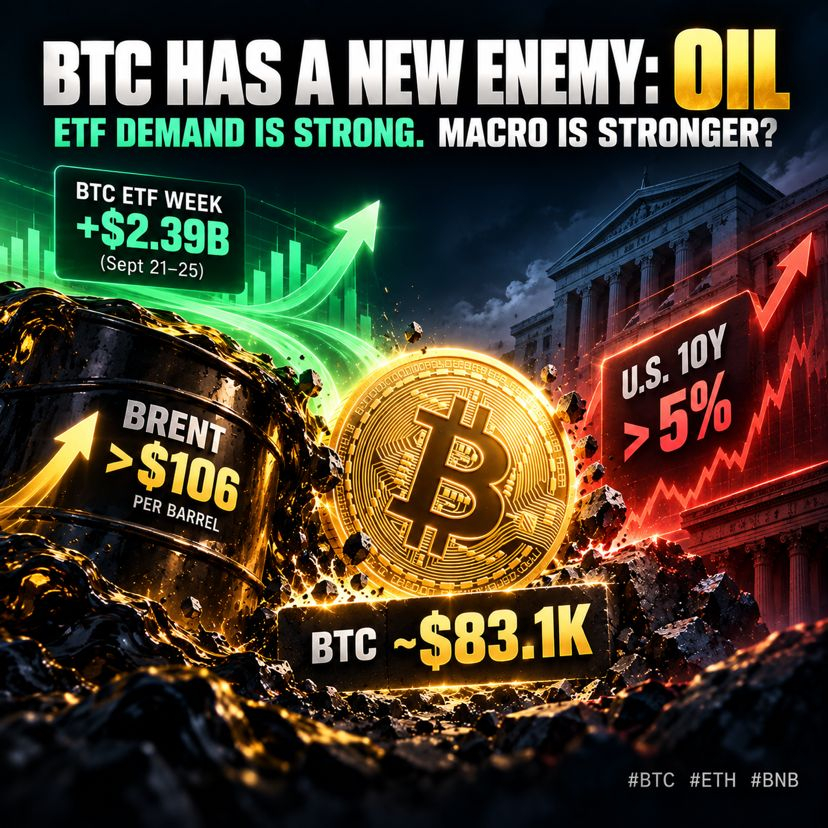
🚨 BITCOIN MAY HAVE A NEW ENEMY:
OIL.
Institutions were still buying last week.
💰 BTC ETF weekly inflows → ~$2.39B
🏦 Sept. 25 → another ~$134.5M inflow
But today:
₿ BTC → ~$83.1K
🛢️ Brent → above $106
📈 Treasury yields → still above 5%
💵 Dollar → remains strong
That creates a fascinating conflict:
ETF DEMAND IS STRONG.
BUT MACRO MAY BE STRONGER.
Why does oil matter?
Because higher oil can mean:
🛢️ Higher energy costs
🔥 More inflation pressure
🏦 Less room for the Fed to turn dovish
📈 Higher-for-longer rates
₿ More pressure on risk assets
So the real question is no longer:
“Are ETFs still buying Bitcoin?”
It’s:
CAN ETF DEMAND OUTRUN THE MACRO PRESSURE?
If oil keeps climbing,
even strong institutional demand may have to fight a much bigger opponent:
INFLATION.
Now I’m watching:
🛢️ Brent $106+
📈 U.S. Treasury yields
💵 The dollar
💰 BTC ETF flows
₿ BTC $82K–$83K
👇 Your take?
ETF DEMAND WINS 🟢
or
MACRO PRESSURE WINS 🔴?
#BTC #ETH #BNB
OIL.
Institutions were still buying last week.
💰 BTC ETF weekly inflows → ~$2.39B
🏦 Sept. 25 → another ~$134.5M inflow
But today:
₿ BTC → ~$83.1K
🛢️ Brent → above $106
📈 Treasury yields → still above 5%
💵 Dollar → remains strong
That creates a fascinating conflict:
ETF DEMAND IS STRONG.
BUT MACRO MAY BE STRONGER.
Why does oil matter?
Because higher oil can mean:
🛢️ Higher energy costs
🔥 More inflation pressure
🏦 Less room for the Fed to turn dovish
📈 Higher-for-longer rates
₿ More pressure on risk assets
So the real question is no longer:
“Are ETFs still buying Bitcoin?”
It’s:
CAN ETF DEMAND OUTRUN THE MACRO PRESSURE?
If oil keeps climbing,
even strong institutional demand may have to fight a much bigger opponent:
INFLATION.
Now I’m watching:
🛢️ Brent $106+
📈 U.S. Treasury yields
💵 The dollar
💰 BTC ETF flows
₿ BTC $82K–$83K
👇 Your take?
ETF DEMAND WINS 🟢
or
MACRO PRESSURE WINS 🔴?
#BTC #ETH #BNB

Halit Buğra
·
--
🚨 RED PACKET GIVEAWAY IS LIVE! 🚨
I’M SHARING RED PACKETS WITH MY COMMUNITY — AND EVERYONE WHO COMPLETES THE TASKS GETS A REWARD! 🎁💰
Want to get yours?
HOW TO JOIN 👇
1️⃣ Follow me
2️⃣ Comment “YES” below
3️⃣ Repost this post
4️⃣ Make sure you complete ALL the tasks
✅ Complete the tasks = Get rewarded!
Don’t just scroll past this one.
Drop YES in the comments, hit that repost button, and get ready for your RED PACKET! 🔥
LET’S GO! 🚀
I’M SHARING RED PACKETS WITH MY COMMUNITY — AND EVERYONE WHO COMPLETES THE TASKS GETS A REWARD! 🎁💰
Want to get yours?
HOW TO JOIN 👇
1️⃣ Follow me
2️⃣ Comment “YES” below
3️⃣ Repost this post
4️⃣ Make sure you complete ALL the tasks
✅ Complete the tasks = Get rewarded!
Don’t just scroll past this one.
Drop YES in the comments, hit that repost button, and get ready for your RED PACKET! 🔥
LET’S GO! 🚀
virus世态炎凉
·
--
🧧🧧🧧 不懂就研究,不确定就验证。保持这种习惯,本身就是长期优势。#virus





奕泽YIZZE
·
--
🧧🧧🧧关注点赞,分享,领红包。
Follow, like, share, and get red envelopes!
静待时光沉淀,LUCIC前路自有万丈光芒。
Follow, like, share, and get red envelopes!
静待时光沉淀,LUCIC前路自有万丈光芒。


易琳Ten
·
--
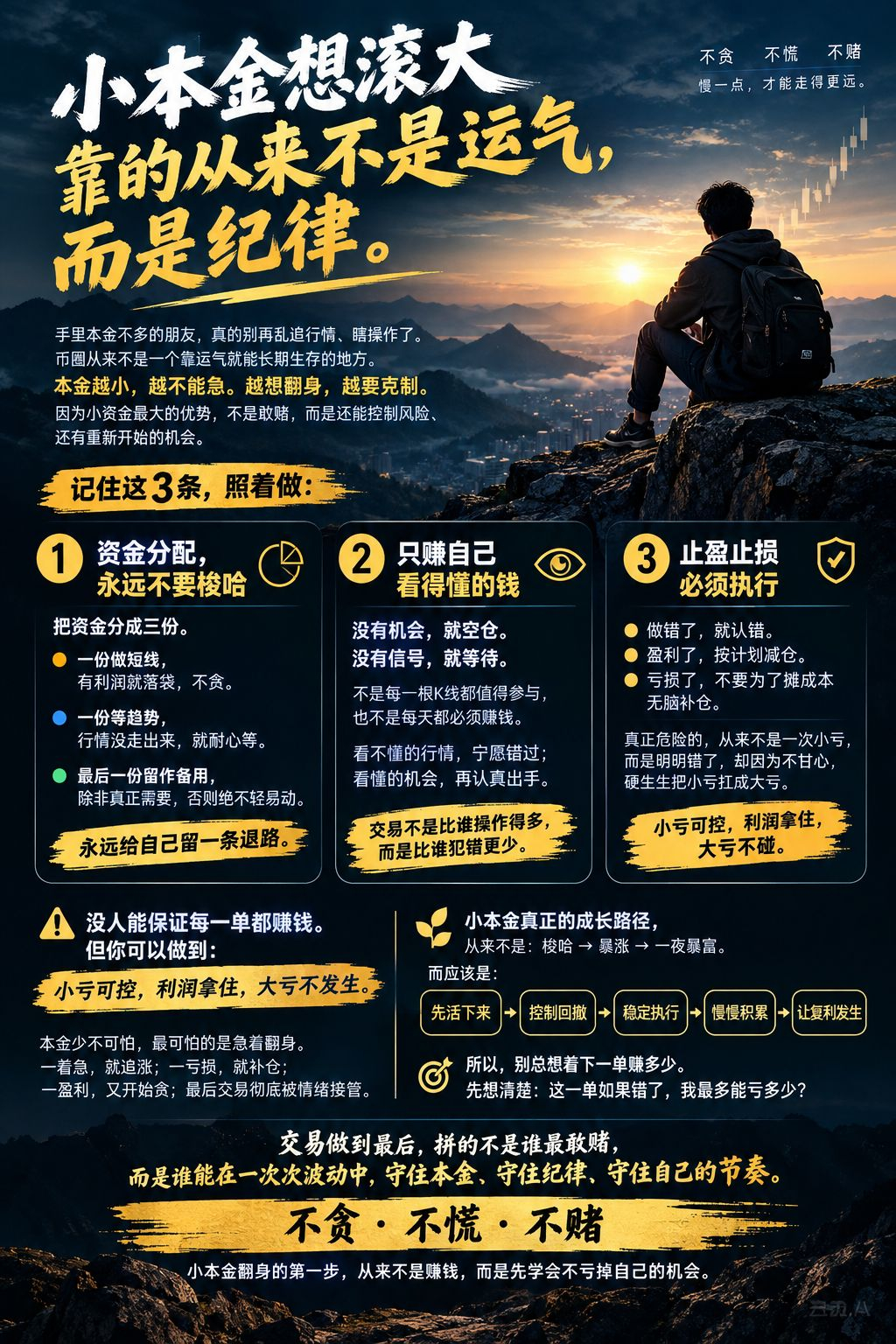
本金想滚大,靠的从来不是运气,而是纪律
如果手里本金不多的朋友,真的别再乱追行情、瞎操作了。
币圈从来不是一个靠运气就能长期生存的地方。
本金越小,越不能急。
越想翻身,越要克制。
因为小资金最大的优势,不是敢赌,而是还能控制风险、还有重新开始的机会。
记住这3条:
① 资金分配,永远不要梭哈
把资金分成三份。
一份做短线,有利润就落袋,不贪最后一段;
一份等趋势,行情没走出来,就耐心等;
最后一份留作备用,除非真正需要,否则绝不轻易动。
永远给自己留一条退路。
② 只赚自己看得懂的钱
没有机会,就空仓。
没有信号,就等待。
不是每一根K线都值得参与,
也不是每天都必须赚钱。
看不懂的行情,宁愿错过;
看懂的机会,再认真出手。
交易不是比谁操作得多,而是比谁犯错更少。
③ 止盈止损必须执行
做错了,就认错。
盈利了,按计划减仓。
亏损了,不要为了摊成本无脑补仓。
真正危险的,从来不是一次小亏。
而是明明错了,却因为不甘心,硬生生把小亏扛成大亏。
没人能保证每一单都赚钱。
但你可以做到:
小亏可控,利润拿住,大亏不碰。
本金少不可怕,
最可怕的是急着翻身。
一着急,就追涨;
一亏损,就补仓;
一盈利,又开始贪;
最后交易彻底被情绪接管。
小本金真正的成长路径,从来不是:
梭哈 → 暴涨 → 一夜暴富。
而应该是:
先活下来 → 控制回撤 → 稳定执行 → 慢慢积累 → 让复利发生。
所以,别总想着下一单赚多少。
先想清楚:
这一单如果错了,我最多能亏多少?
交易做到最后,拼的不是谁最敢赌,
而是谁能在一次次波动中,守住本金、守住纪律、守住自己的节奏。
不贪、不慌、不赌。
小本金翻身的第一步,从来不是赚钱,而是先学会不亏掉自己的机会。
如果手里本金不多的朋友,真的别再乱追行情、瞎操作了。
币圈从来不是一个靠运气就能长期生存的地方。
本金越小,越不能急。
越想翻身,越要克制。
因为小资金最大的优势,不是敢赌,而是还能控制风险、还有重新开始的机会。
记住这3条:
① 资金分配,永远不要梭哈
把资金分成三份。
一份做短线,有利润就落袋,不贪最后一段;
一份等趋势,行情没走出来,就耐心等;
最后一份留作备用,除非真正需要,否则绝不轻易动。
永远给自己留一条退路。
② 只赚自己看得懂的钱
没有机会,就空仓。
没有信号,就等待。
不是每一根K线都值得参与,
也不是每天都必须赚钱。
看不懂的行情,宁愿错过;
看懂的机会,再认真出手。
交易不是比谁操作得多,而是比谁犯错更少。
③ 止盈止损必须执行
做错了,就认错。
盈利了,按计划减仓。
亏损了,不要为了摊成本无脑补仓。
真正危险的,从来不是一次小亏。
而是明明错了,却因为不甘心,硬生生把小亏扛成大亏。
没人能保证每一单都赚钱。
但你可以做到:
小亏可控,利润拿住,大亏不碰。
本金少不可怕,
最可怕的是急着翻身。
一着急,就追涨;
一亏损,就补仓;
一盈利,又开始贪;
最后交易彻底被情绪接管。
小本金真正的成长路径,从来不是:
梭哈 → 暴涨 → 一夜暴富。
而应该是:
先活下来 → 控制回撤 → 稳定执行 → 慢慢积累 → 让复利发生。
所以,别总想着下一单赚多少。
先想清楚:
这一单如果错了,我最多能亏多少?
交易做到最后,拼的不是谁最敢赌,
而是谁能在一次次波动中,守住本金、守住纪律、守住自己的节奏。
不贪、不慌、不赌。
小本金翻身的第一步,从来不是赚钱,而是先学会不亏掉自己的机会。

Bilverse
·
--
🔥 25K FAM! WE DID IT! 🎉**
25,000 followers on Binance! 🧡₿
I’m celebrating this milestone by giving back to YOU — my amazing community. 🙏
🧧 BTC RED PACKET GIVEAWAY 🧧
Want to claim yours? It’s super simple:
👇 COMMENT “25K” BELOW 👇
That’s it. ❤️
No complicated steps. No forms. Just 25K in the comments.
Click here to DOUBLE your Rewards! 🧧🚀
Thank you for being part of this journey. 25K today… and we’re just getting started! 🚀
#BTC #CryptoCommunity #Bilverse #Giveaway
25,000 followers on Binance! 🧡₿
I’m celebrating this milestone by giving back to YOU — my amazing community. 🙏
🧧 BTC RED PACKET GIVEAWAY 🧧
Want to claim yours? It’s super simple:
👇 COMMENT “25K” BELOW 👇
That’s it. ❤️
No complicated steps. No forms. Just 25K in the comments.
Click here to DOUBLE your Rewards! 🧧🚀
Thank you for being part of this journey. 25K today… and we’re just getting started! 🚀
#BTC #CryptoCommunity #Bilverse #Giveaway


光明社区-亮总
·
--
自我修行,是一场与自己的博弈。
修心,稳住情绪;修性,减少执念;修格局,看淡得失。
不必向外证明,只求内心自洽。
万般经历,皆是淬炼。
修心,稳住情绪;修性,减少执念;修格局,看淡得失。
不必向外证明,只求内心自洽。
万般经历,皆是淬炼。



Triple_S
·
--
Go go get reward and save many
type👉3
type👉3

x_Rex
·
--
🧧Raiffeisen BANK just handed CRYPTO to 18 million people 👀🧧
Raiffeisen Bank will let its 18 million customers buy crypto, per Bloomberg.
The rollout is across 11 markets.
18 million bank customers.
Buying crypto through their existing bank app.
No new wallet.
No seed phrase. No KYC. They're already verified customers.
When PayPal opened crypto buying in October 2020, Bitcoin more than doubled by year end.
That's not a price prediction.
That's historical context.
Raiffeisen is one of Europe's largest banking groups.
Austria, Germany, Czech Republic, Poland, Hungary — all covered.
These are traditional savers who've never touched crypto.
Now it's one tap away inside their banking app.
Meanwhile Binance and Circle announced a five-year $100 million arrangement to expand USDC distribution.
NYSE and Blockchain.com are exploring 24/7 tokenized trading of US stocks.
$
The Clearing House selected Quant for its On-Chain Money Initiative.
Every week another piece of traditional finance plugs into crypto infrastructure.
The adoption story isn't coming. It's already happening quietly 👁️
Does traditional bank access to crypto change how you see the next cycle? 👇
$BTC
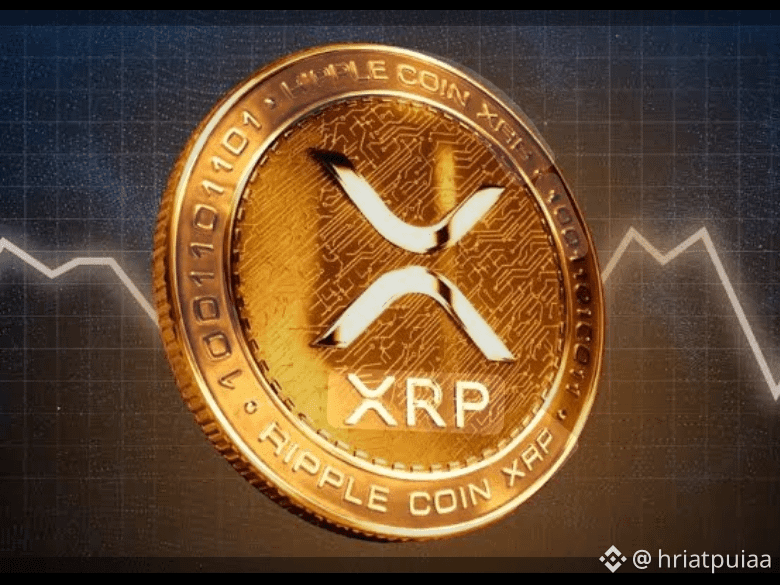
$XRP
#BinanceSquare #BinanceSquareTalks #crypto
Raiffeisen Bank will let its 18 million customers buy crypto, per Bloomberg.
The rollout is across 11 markets.
18 million bank customers.
Buying crypto through their existing bank app.
No new wallet.
No seed phrase. No KYC. They're already verified customers.
When PayPal opened crypto buying in October 2020, Bitcoin more than doubled by year end.
That's not a price prediction.
That's historical context.
Raiffeisen is one of Europe's largest banking groups.
Austria, Germany, Czech Republic, Poland, Hungary — all covered.
These are traditional savers who've never touched crypto.
Now it's one tap away inside their banking app.
Meanwhile Binance and Circle announced a five-year $100 million arrangement to expand USDC distribution.
NYSE and Blockchain.com are exploring 24/7 tokenized trading of US stocks.
$
The Clearing House selected Quant for its On-Chain Money Initiative.
Every week another piece of traditional finance plugs into crypto infrastructure.
The adoption story isn't coming. It's already happening quietly 👁️
Does traditional bank access to crypto change how you see the next cycle? 👇
$BTC
$XRP
#BinanceSquare #BinanceSquareTalks #crypto

Войдите, чтобы посмотреть больше материала