

木虫虫
2.2k Публикации

木虫虫
Отправить жалобу
Заблокировать пользователя
敢谒后淑贤者
Открытая сделка
Случайный трейдер
2 г
3 подписок(и/а)
174 подписчиков(а)
851 понравилось
Посты
Портфель
Все
Цитирования
Видео
Активно
·
--
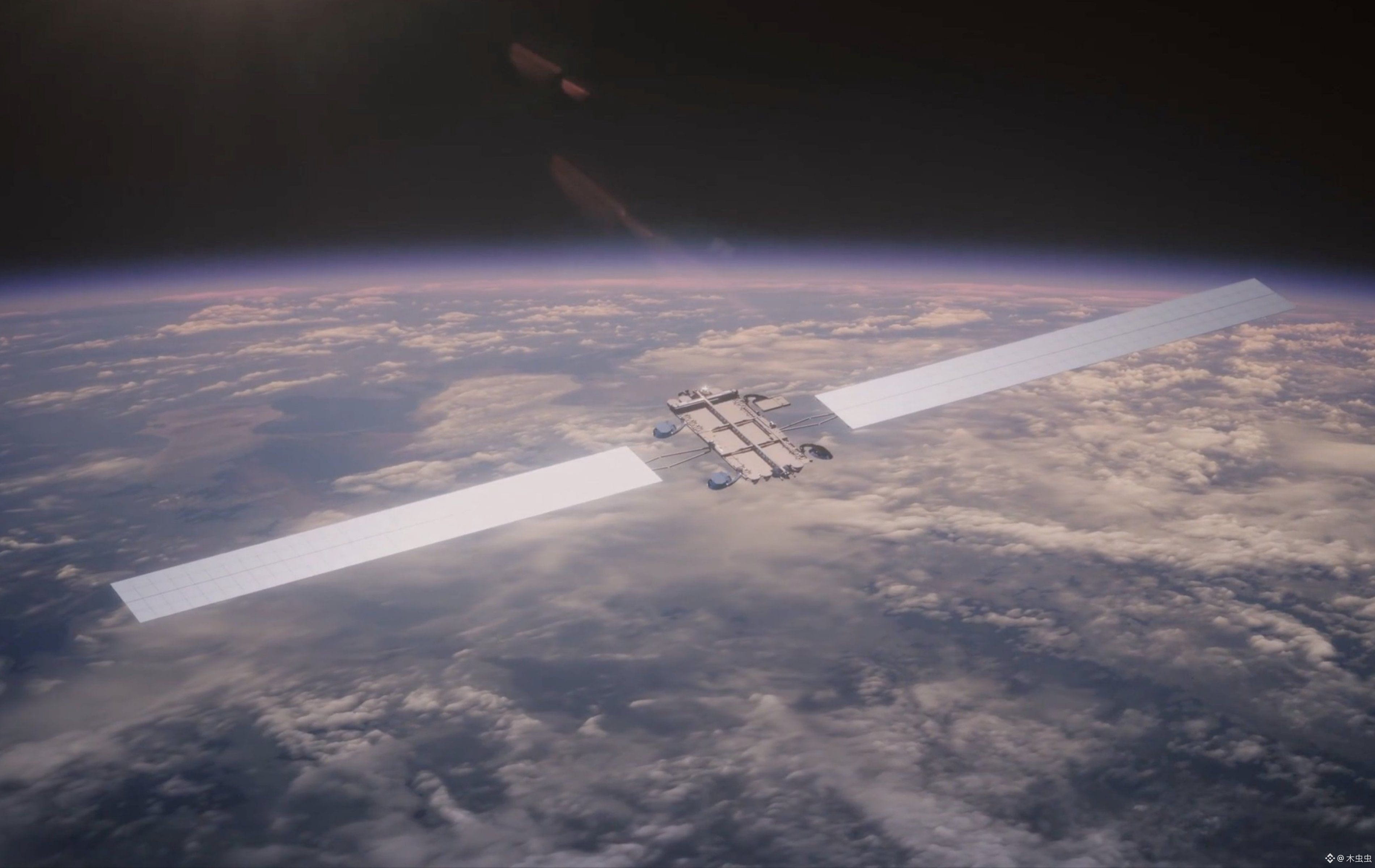
SpaceX just got a massive FCC green light for Starlink Mobile
The FCC has approved SpaceX to launch and operate up to 15,000 next-generation satellites built for direct-to-phone connectivity
The new system is designed to:
• Target peak speeds of up to 150 Mbps per user
• Connect ordinary cell phones directly from space
• Operate in very low orbit at roughly 326–335 km
• Use T-Mobile spectrum alongside spectrum SpaceX is acquiring from EchoStar
• Deliver orders of magnitude more capacity than the first-generation Starlink Mobile constellation
SpaceX currently has roughly 650 dedicated mobile satellites in orbit
The FCC also granted a waiver giving SpaceX a path to provide satellite wireless service without requiring a spectrum-leasing agreement with a terrestrial mobile operator
Starlink Mobile is moving far beyond basic dead-zone connectivity
SpaceX is building toward a full 5G cellular network in space
SpaceX just got a massive FCC green light for Starlink Mobile
The FCC has approved SpaceX to launch and operate up to 15,000 next-generation satellites built for direct-to-phone connectivity
The new system is designed to:
• Target peak speeds of up to 150 Mbps per user
• Connect ordinary cell phones directly from space
• Operate in very low orbit at roughly 326–335 km
• Use T-Mobile spectrum alongside spectrum SpaceX is acquiring from EchoStar
• Deliver orders of magnitude more capacity than the first-generation Starlink Mobile constellation
SpaceX currently has roughly 650 dedicated mobile satellites in orbit
The FCC also granted a waiver giving SpaceX a path to provide satellite wireless service without requiring a spectrum-leasing agreement with a terrestrial mobile operator
Starlink Mobile is moving far beyond basic dead-zone connectivity
SpaceX is building toward a full 5G cellular network in space
The FCC has approved SpaceX to launch and operate up to 15,000 next-generation satellites built for direct-to-phone connectivity
The new system is designed to:
• Target peak speeds of up to 150 Mbps per user
• Connect ordinary cell phones directly from space
• Operate in very low orbit at roughly 326–335 km
• Use T-Mobile spectrum alongside spectrum SpaceX is acquiring from EchoStar
• Deliver orders of magnitude more capacity than the first-generation Starlink Mobile constellation
SpaceX currently has roughly 650 dedicated mobile satellites in orbit
The FCC also granted a waiver giving SpaceX a path to provide satellite wireless service without requiring a spectrum-leasing agreement with a terrestrial mobile operator
Starlink Mobile is moving far beyond basic dead-zone connectivity
SpaceX is building toward a full 5G cellular network in space
26
·
--
Grok Bot has been shipping nonstop. In case you missed it, here's a full list of important updates:
• Slack: Team Bots read channels, reply in threads and post updates
• 1Password: sign in with your saved logins
• Gmail + Outlook: drafts emails for you to review and send
• GitHub, GitLab, Bitbucket and Azure DevOps: works in your repos
• Routines: recurring work on a schedule or triggered by events
• Cloud Agents and Projects: hand off big jobs that plan and run on their own
• Voice chats, voice input and voice memos
• Team Bots with shared skills, plugins and files
• Bot templates: share your workflows with anyone
And the newest: Main Bot. Pick one primary Bot that checks in on its own and coordinates all your other Bots
And here's the big one that dropped today: Elon announced that going forward, Grok Bot will use the BEST back-end model for any given task
That includes Claude Opus 5.5, Midjourney, Suno and other leading APIs
Whatever is most likely to give you the best outcome
Grok Bot has been shipping nonstop. In case you missed it, here's a full list of important updates:
• Slack: Team Bots read channels, reply in threads and post updates
• 1Password: sign in with your saved logins
• Gmail + Outlook: drafts emails for you to review and send
• GitHub, GitLab, Bitbucket and Azure DevOps: works in your repos
• Routines: recurring work on a schedule or triggered by events
• Cloud Agents and Projects: hand off big jobs that plan and run on their own
• Voice chats, voice input and voice memos
• Team Bots with shared skills, plugins and files
• Bot templates: share your workflows with anyone
And the newest: Main Bot. Pick one primary Bot that checks in on its own and coordinates all your other Bots
And here's the big one that dropped today: Elon announced that going forward, Grok Bot will use the BEST back-end model for any given task
That includes Claude Opus 5.5, Midjourney, Suno and other leading APIs
Whatever is most likely to give you the best outcome
• Slack: Team Bots read channels, reply in threads and post updates
• 1Password: sign in with your saved logins
• Gmail + Outlook: drafts emails for you to review and send
• GitHub, GitLab, Bitbucket and Azure DevOps: works in your repos
• Routines: recurring work on a schedule or triggered by events
• Cloud Agents and Projects: hand off big jobs that plan and run on their own
• Voice chats, voice input and voice memos
• Team Bots with shared skills, plugins and files
• Bot templates: share your workflows with anyone
And the newest: Main Bot. Pick one primary Bot that checks in on its own and coordinates all your other Bots
And here's the big one that dropped today: Elon announced that going forward, Grok Bot will use the BEST back-end model for any given task
That includes Claude Opus 5.5, Midjourney, Suno and other leading APIs
Whatever is most likely to give you the best outcome
1
·
--
An agent's first job creates an outcome.
Its second job depends on evidence.
Follow Mira, Agent #2049, through identity, authenticated context, onchain action and checked proof.
One illustrative job through the CARV stack: https://medium.com/@Carv/ac10e337561f
An agent's first job creates an outcome.
Its second job depends on evidence.
Follow Mira, Agent #2049, through identity, authenticated context, onchain action and checked proof.
One illustrative job through the CARV stack: https://medium.com/@Carv/ac10e337561f
Its second job depends on evidence.
Follow Mira, Agent #2049, through identity, authenticated context, onchain action and checked proof.
One illustrative job through the CARV stack: https://medium.com/@Carv/ac10e337561f
10
·
--
Crew-12 is coming home
Dragon just separated from the ISS after about eight months in orbit
Meir, Hathaway, Adenot, and Fedyaev spent 235 days aboard the station
Splashdown off the coast of California is targeted for Thursday
Crew-12 is coming home
Dragon just separated from the ISS after about eight months in orbit
Meir, Hathaway, Adenot, and Fedyaev spent 235 days aboard the station
Splashdown off the coast of California is targeted for Thursday
Dragon just separated from the ISS after about eight months in orbit
Meir, Hathaway, Adenot, and Fedyaev spent 235 days aboard the station
Splashdown off the coast of California is targeted for Thursday
4
·
--
Governments these days be like:
“Here’s our homemade sovereign crap rocket...absolutely no idea if it even makes it halfway without blowing the entire thing up”
“But SpaceX can launch it for a fraction of the cost...and more safely”
“Nah. Here’s a billion dollars...just go burn the money” 😂
Governments these days be like:
“Here’s our homemade sovereign crap rocket...absolutely no idea if it even makes it halfway without blowing the entire thing up”
“But SpaceX can launch it for a fraction of the cost...and more safely”
“Nah. Here’s a billion dollars...just go burn the money” 😂
“Here’s our homemade sovereign crap rocket...absolutely no idea if it even makes it halfway without blowing the entire thing up”
“But SpaceX can launch it for a fraction of the cost...and more safely”
“Nah. Here’s a billion dollars...just go burn the money” 😂
40
·
--
https://app.binance.com/uni-qr/cact26user/4?uc=app_square_share_link&us=copylink
https://app.binance.com/uni-qr/cact26user/4?uc=app_square_share_link&us=copylink
1
·
--
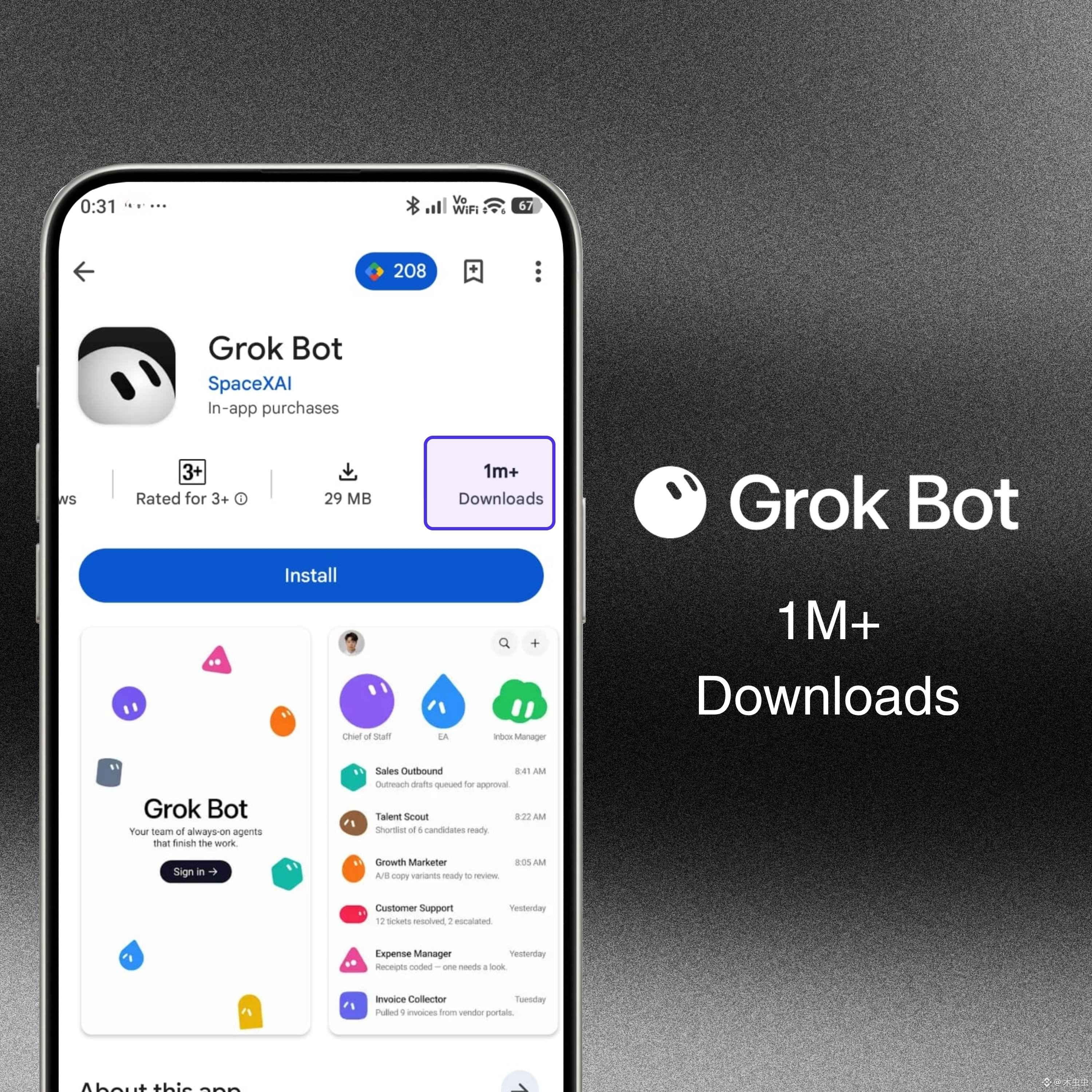
Grok Bot just hit a massive milestone:
1 MILLION+ downloads on Android Google Play Store
The app is scaling insanely fast....more and more people are using Grok Bot as a personal always-on AI agent for real work
Grok Bot just hit a massive milestone:
1 MILLION+ downloads on Android Google Play Store
The app is scaling insanely fast....more and more people are using Grok Bot as a personal always-on AI agent for real work
1 MILLION+ downloads on Android Google Play Store
The app is scaling insanely fast....more and more people are using Grok Bot as a personal always-on AI agent for real work
2
·
--
Important note regarding Grok @Bot:
Going forward, @SpaceX will use the best back end model for any given task, including Claude Opus 5.5, MidJourney, Suno and other leading APIs.
Whatever is most likely to give you the best outcome.
Important note regarding Grok @Bot:
Going forward, @SpaceX will use the best back end model for any given task, including Claude Opus 5.5, MidJourney, Suno and other leading APIs.
Whatever is most likely to give you the best outcome.
Going forward, @SpaceX will use the best back end model for any given task, including Claude Opus 5.5, MidJourney, Suno and other leading APIs.
Whatever is most likely to give you the best outcome.
3
·
--
10
·
--
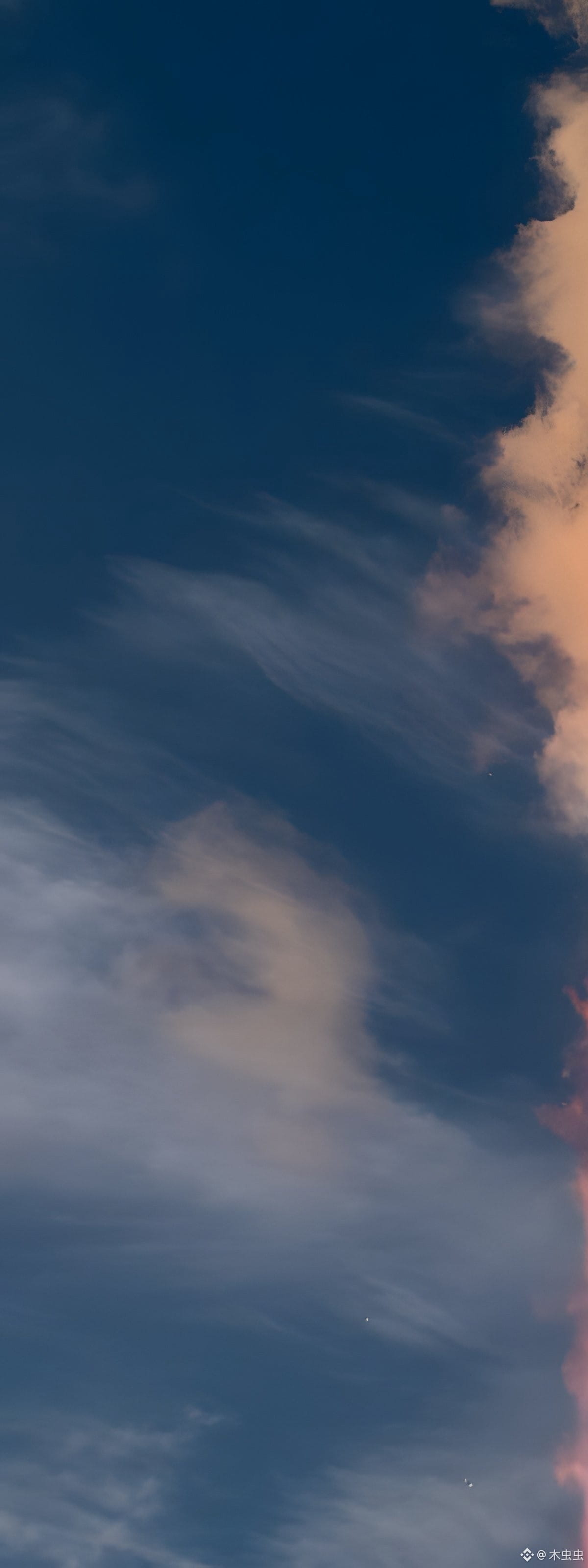
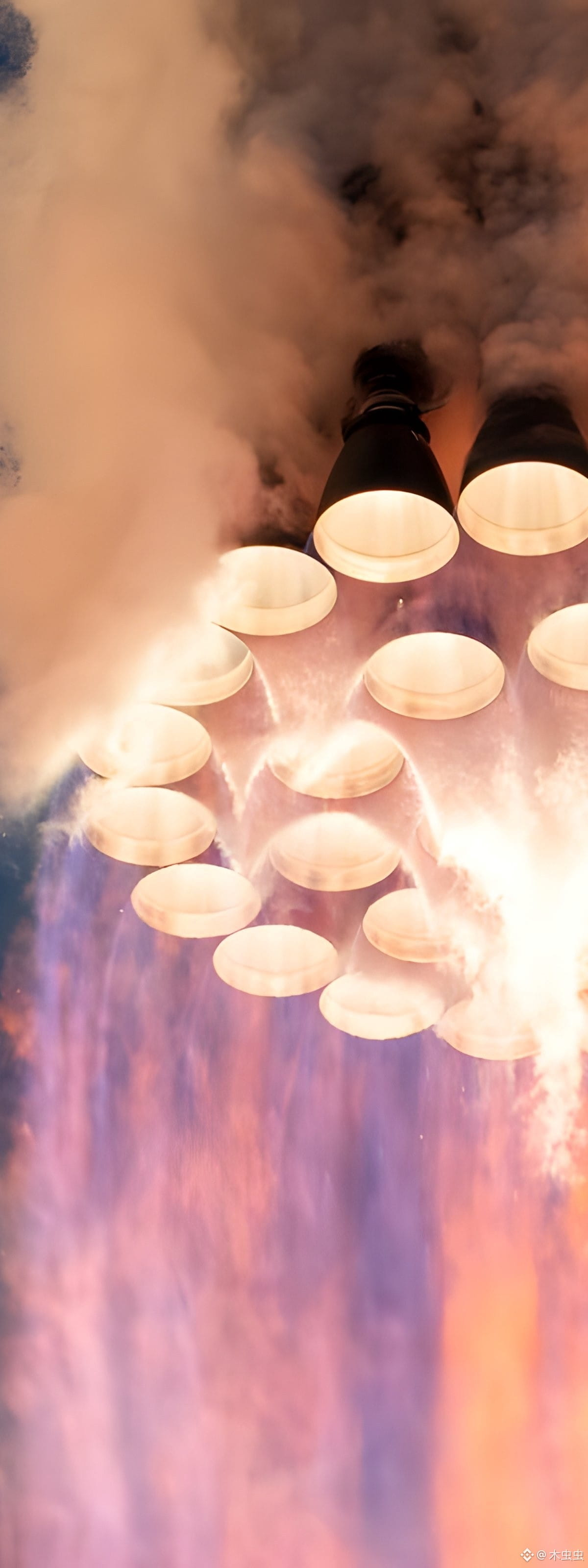
The engineering underneath Super Heavy is absolutely insane
It literally looks more like science fiction than rocket hardware
The engineering underneath Super Heavy is absolutely insane
It literally looks more like science fiction than rocket hardware
It literally looks more like science fiction than rocket hardware


69
·
--
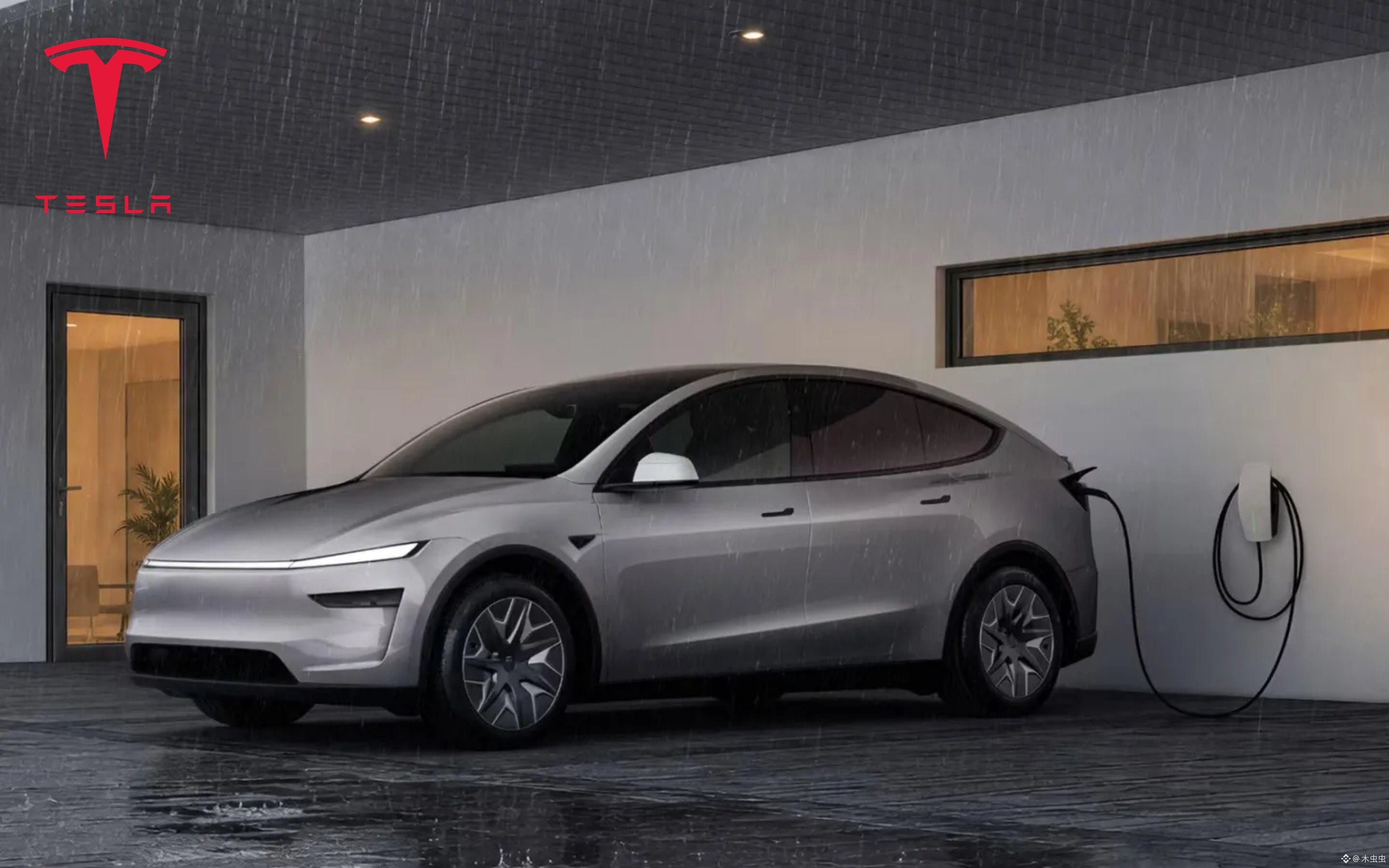
Tesla just turned new Model 3 and Model Y vehicles into giant backup batteries for your home
With Powerwall 3, they can now use Powershare Home Backup to keep a house powered during an outage
Premium and Performance variants can extend home backup by more than 2 days
Tesla’s ecosystem is really insane
Your car is becoming part of your home energy system, storing power and helping keep the lights on when the grid goes down
Tesla just turned new Model 3 and Model Y vehicles into giant backup batteries for your home
With Powerwall 3, they can now use Powershare Home Backup to keep a house powered during an outage
Premium and Performance variants can extend home backup by more than 2 days
Tesla’s ecosystem is really insane
Your car is becoming part of your home energy system, storing power and helping keep the lights on when the grid goes down
With Powerwall 3, they can now use Powershare Home Backup to keep a house powered during an outage
Premium and Performance variants can extend home backup by more than 2 days
Tesla’s ecosystem is really insane
Your car is becoming part of your home energy system, storing power and helping keep the lights on when the grid goes down
49
·
--
Cursor now lets you control agents running on your computer directly from the iOS app
You can:
• Check what an agent is doing
• Reply to it
• Start new tasks
• Keep directing the work from your phone
The agent keeps running on your computer while the phone acts like the remote control
So you can literally just walk away from your desk and keep coding from anywhere
Cursor now lets you control agents running on your computer directly from the iOS app
You can:
• Check what an agent is doing
• Reply to it
• Start new tasks
• Keep directing the work from your phone
The agent keeps running on your computer while the phone acts like the remote control
So you can literally just walk away from your desk and keep coding from anywhere
You can:
• Check what an agent is doing
• Reply to it
• Start new tasks
• Keep directing the work from your phone
The agent keeps running on your computer while the phone acts like the remote control
So you can literally just walk away from your desk and keep coding from anywhere
141
·
--
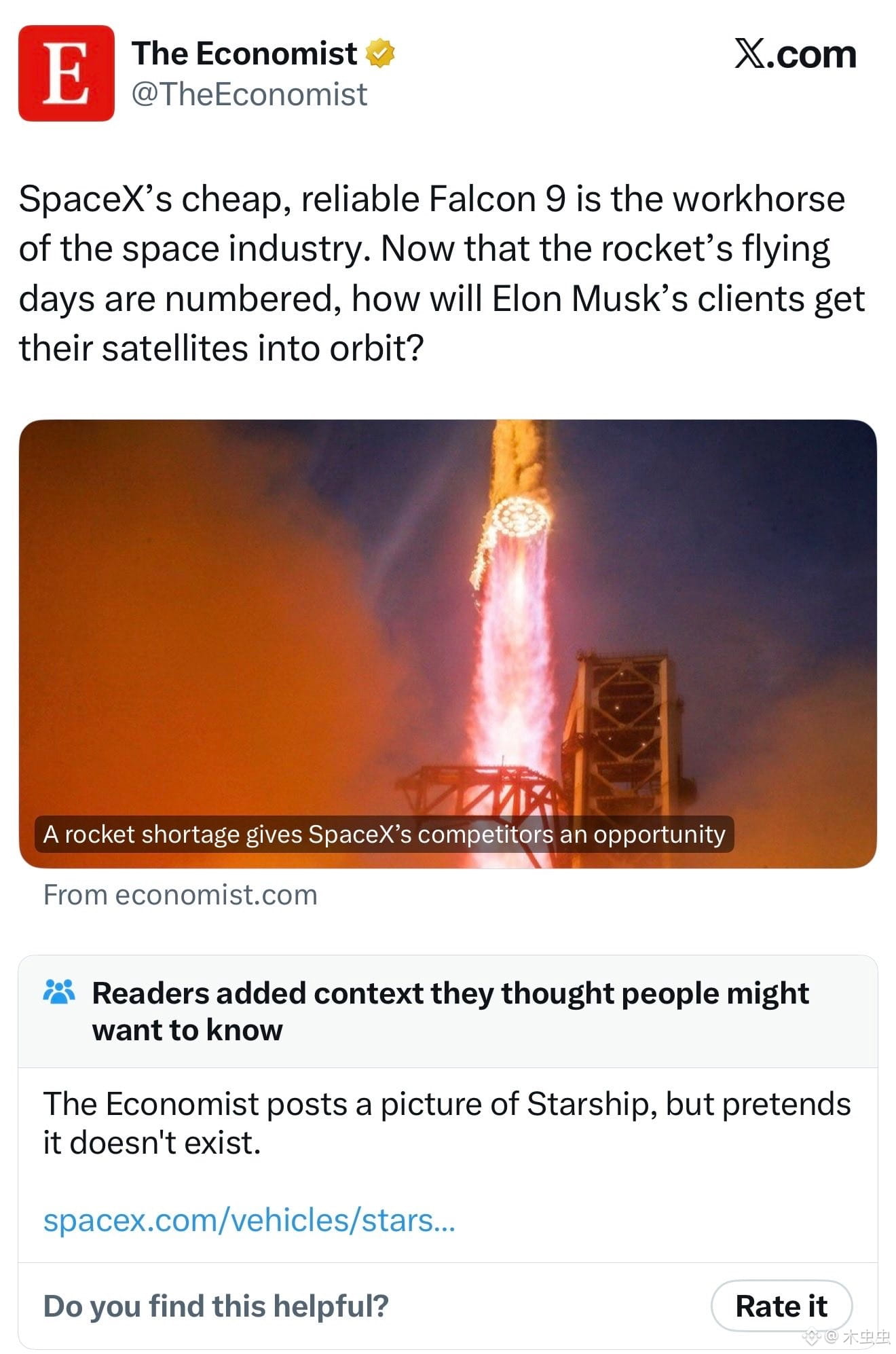
They should have this permanent label for The Economist:
“Name may be misleading. Understanding of economics not guaranteed” 😂
They should have this permanent label for The Economist:
“Name may be misleading. Understanding of economics not guaranteed” 😂
“Name may be misleading. Understanding of economics not guaranteed” 😂
344
·
--
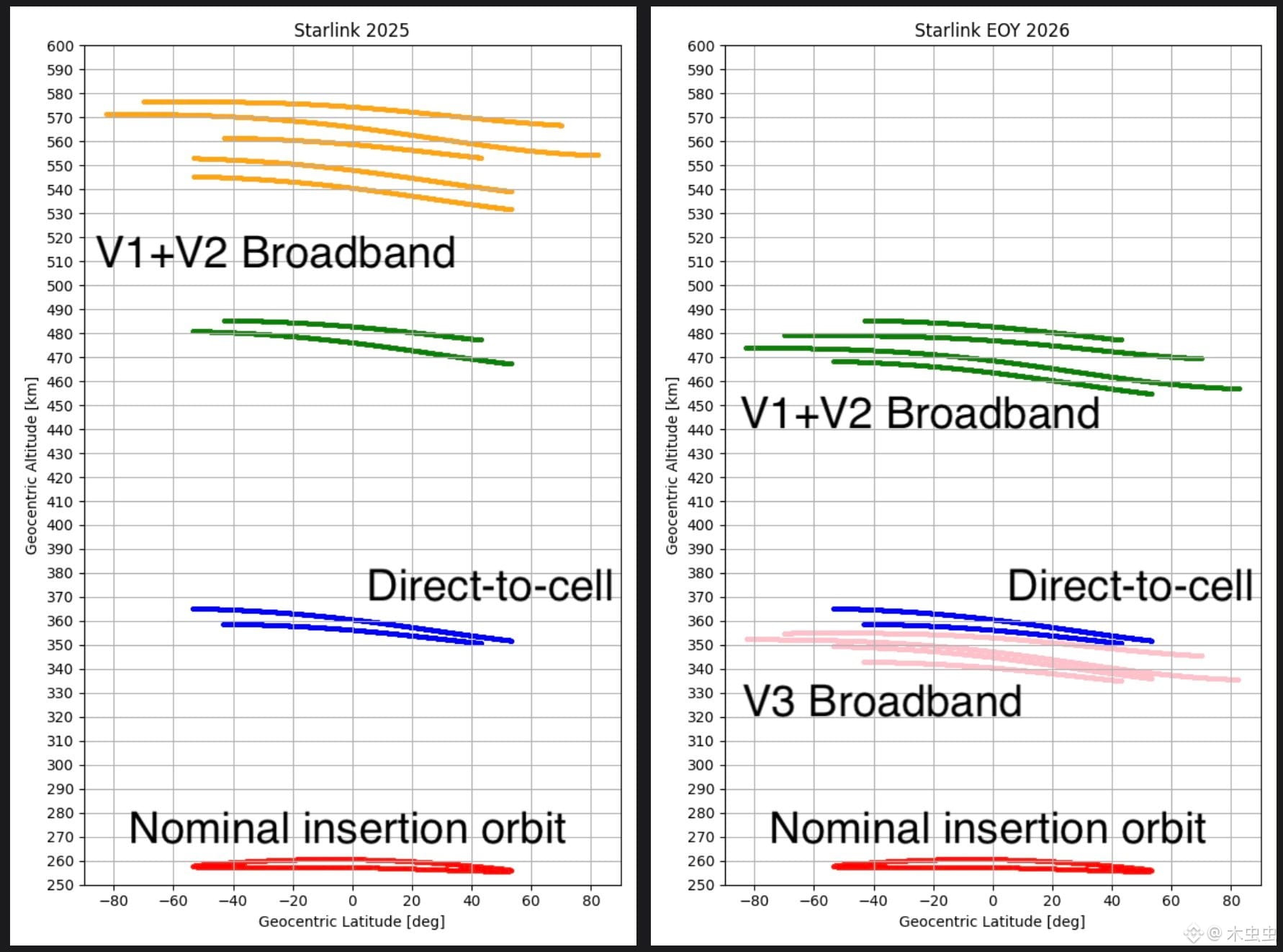
Starlink is lowering its remaining satellites above 500 km into lower shells by the end of 2026
Why it matters:
A failed satellite at ~550 km can linger for 4+ years during solar minimum. At ~480 km, ballistic decay time drops by more than 80% to just a few months
Retired Starlinks are normally deorbited using propulsion. If that fails, atmospheric drag becomes the backup
Lower altitude makes that backup much faster
With 11,000+ Starlinks in orbit, even a small safety gain scales massively
Starlink is lowering its remaining satellites above 500 km into lower shells by the end of 2026
Why it matters:
A failed satellite at ~550 km can linger for 4+ years during solar minimum. At ~480 km, ballistic decay time drops by more than 80% to just a few months
Retired Starlinks are normally deorbited using propulsion. If that fails, atmospheric drag becomes the backup
Lower altitude makes that backup much faster
With 11,000+ Starlinks in orbit, even a small safety gain scales massively
Why it matters:
A failed satellite at ~550 km can linger for 4+ years during solar minimum. At ~480 km, ballistic decay time drops by more than 80% to just a few months
Retired Starlinks are normally deorbited using propulsion. If that fails, atmospheric drag becomes the backup
Lower altitude makes that backup much faster
With 11,000+ Starlinks in orbit, even a small safety gain scales massively
135
·
--
Michael Nicolls just just laid out SpaceX's ambition for connectivity that extends beyond Earth
“We will connect the Moon with a constellation, and then we will connect Mars”
"Our goal, again, is to extend consciousness beyond this planet, and we want to go and connect the Moon and Mars
But before that on Starlink, we're creating the technologies to connect the Moon with very high-bandwidth connectivity systems, very high-bandwidth lasers
And we will connect the Moon with a constellation, and then we will connect Mars, and we will form an interplanetary mesh of connectivity that is fundamentally driven by the same technologies we're working on with Starlink
To make this happen, SpaceX needs to keep improving safety in LEO so everyone can operate and scale safely”
Build safe, coordinated infrastructure in LEO first then extend connectivity and human presence to the Moon, Mars, and beyond
Michael Nicolls just just laid out SpaceX's ambition for connectivity that extends beyond Earth
“We will connect the Moon with a constellation, and then we will connect Mars”
"Our goal, again, is to extend consciousness beyond this planet, and we want to go and connect the Moon and Mars
But before that on Starlink, we're creating the technologies to connect the Moon with very high-bandwidth connectivity systems, very high-bandwidth lasers
And we will connect the Moon with a constellation, and then we will connect Mars, and we will form an interplanetary mesh of connectivity that is fundamentally driven by the same technologies we're working on with Starlink
To make this happen, SpaceX needs to keep improving safety in LEO so everyone can operate and scale safely”
Build safe, coordinated infrastructure in LEO first then extend connectivity and human presence to the Moon, Mars, and beyond
“We will connect the Moon with a constellation, and then we will connect Mars”
"Our goal, again, is to extend consciousness beyond this planet, and we want to go and connect the Moon and Mars
But before that on Starlink, we're creating the technologies to connect the Moon with very high-bandwidth connectivity systems, very high-bandwidth lasers
And we will connect the Moon with a constellation, and then we will connect Mars, and we will form an interplanetary mesh of connectivity that is fundamentally driven by the same technologies we're working on with Starlink
To make this happen, SpaceX needs to keep improving safety in LEO so everyone can operate and scale safely”
Build safe, coordinated infrastructure in LEO first then extend connectivity and human presence to the Moon, Mars, and beyond
10
·
--
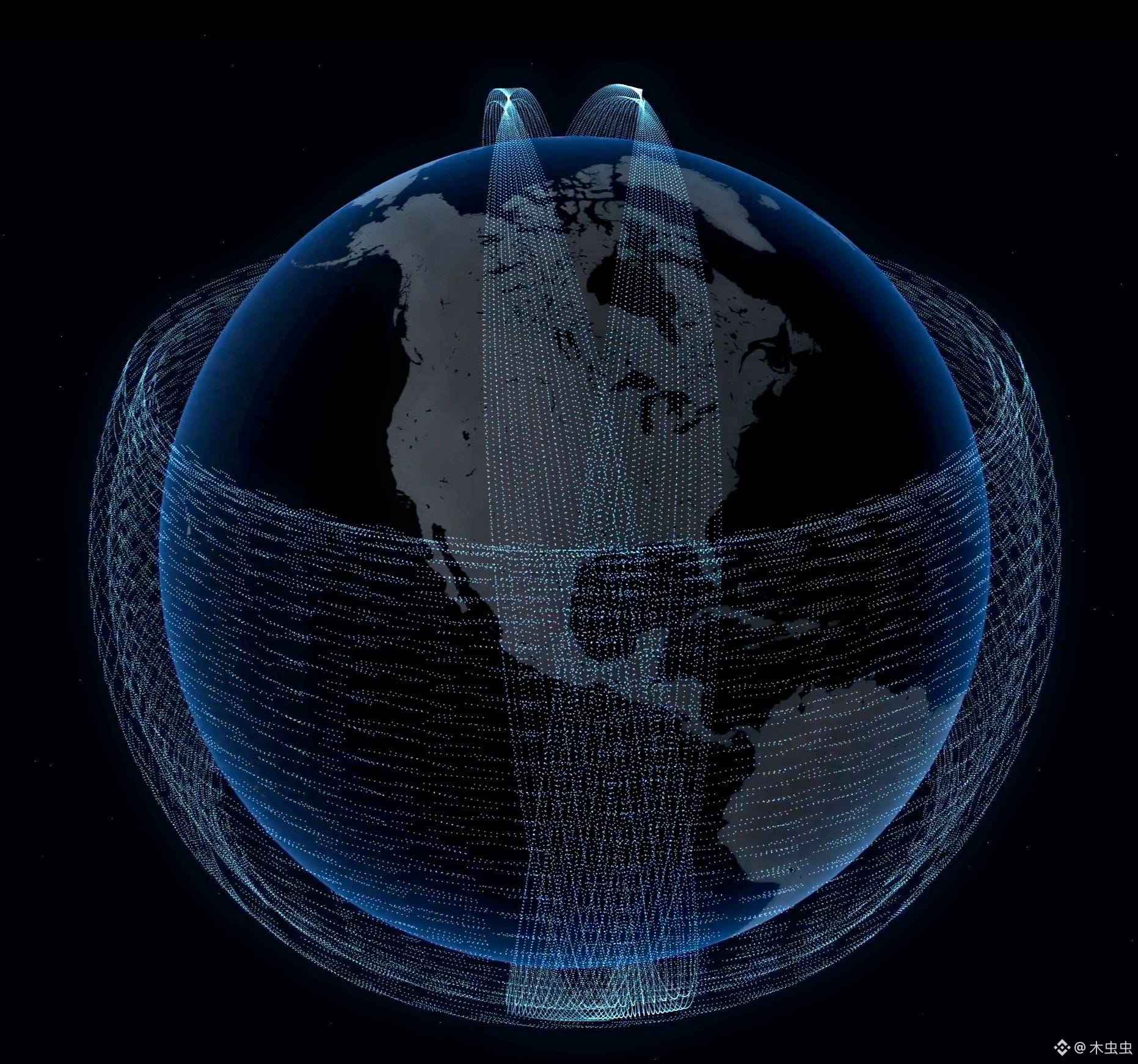
This is what SpaceX’s planetary-scale connectivity and Super Intelligence layers look like in orbit
This is what SpaceX’s planetary-scale connectivity and Super Intelligence layers look like in orbit
4
Войдите, чтобы посмотреть больше материала
Присоединяйтесь к пользователям криптовалют по всему миру на Binance Square
⚡️ Получайте новейшую и полезную информацию о криптоактивах.
💬 Нам доверяет крупнейшая в мире криптобиржа.
👍 Получите достоверные аналитические данные от верифицированных создателей контента.
Эл. почта/номер телефона
В тренде
FedMinutesFocusOnOctoberPause
Просмотров: 26,988
522 обсуждают
#fedminutesfocusonoctoberpause
🚨 OCTOBER FED HIKE ODDS COLLAPSE TO 21.6%… Is $BTC About to React? 👀
The Fed is about to give markets another major clue.
Investors are waiting for today’s FOMC minutes — and the biggest question is whether October brings another rate hike… or a pause.
Right now, the odds of a 25-basis-point October hike have fallen to just 21.6%.
That’s a huge shift in expectations.
But here’s what makes this interesting… 👀
The Fed raised rates to 3.75%–4.00% in September, but recent weakness in jobs data and softer inflation have made another immediate hike look less certain.
And for crypto, this matters.
A Fed pause could reduce pressure on financial conditions and potentially improve risk appetite.
That could become a tailwind for BTC
But there’s a catch…
Bitcoin is already under pressure as the dollar and Treasury yields move higher.
So tonight’s minutes could become a volatility trigger.
Dovish Fed → liquidity hopes → bullish .
BTC narrative?
Hawkish Fed → higher-rate fears → more pressure on risk assets?
The real question:
Is October becoming the pause Bitcoin bulls have been waiting for… or could the Fed surprise the market again? 👀
Watch BTC + Fed expectations + Treasury yields closely.
#FederalReserve #Fed #Crypto #InterestRates
$ETH
$SOL
Shae Cassler Sw9r
·Лайков: 17
·Просмотров: 35.7k
BinanceLaunchesBinanceIntelligence
Просмотров: 948,717
5,791 обсуждают
EvernorthDelaysNasdaqDebutToOct12
Просмотров: 106
32 обсуждают