
Regimanuel
8 Публикации

Regimanuel
Отправить жалобу
Заблокировать пользователя
Открытая сделка

Владелец BNB
Случайный трейдер
3.6 г
20 подписок(и/а)
30 подписчиков(а)
44 понравилось
Посты
Портфель
·
--
Happening live in Takoradi, Library and Office IMPC🎉✨
Happening live in Takoradi, Library and Office IMPC🎉✨


1
2
89
·
--
Is the U.S. Dollar Following the Path of the British Pound!!!?
Reserve currencies don’t collapse overnight.
They erode.
The British pound didn’t disappear when the U.S. rose to power.
It gradually lost dominance as debt increased, war costs mounted, and economic leadership shifted.
Today, the U.S. dollar still anchors global trade and reserves.
But we’re seeing late-cycle signals:
* Record sovereign debt
* Persistent fiscal deficits
* Rising geopolitical fragmentation
* Increasing alternative settlement systems
None of this means the dollar ends tomorrow.
It means structural dominance slowly faces competition.
Currency transitions take decades.
Smart capital doesn’t panic.
It prepares.
Diversification isn’t anti-dollar.
It’s pro-risk management.
The question isn’t “Will the dollar collapse?”
It’s:
"How do you position before structural shifts become obvious?"
$BNB $BTC
{spot}(BTCUSDT)
Is the U.S. Dollar Following the Path of the British Pound!!!?
Reserve currencies don’t collapse overnight.
They erode.
The British pound didn’t disappear when the U.S. rose to power.
It gradually lost dominance as debt increased, war costs mounted, and economic leadership shifted.
Today, the U.S. dollar still anchors global trade and reserves.
But we’re seeing late-cycle signals:
* Record sovereign debt
* Persistent fiscal deficits
* Rising geopolitical fragmentation
* Increasing alternative settlement systems
None of this means the dollar ends tomorrow.
It means structural dominance slowly faces competition.
Currency transitions take decades.
Smart capital doesn’t panic.
It prepares.
Diversification isn’t anti-dollar.
It’s pro-risk management.
The question isn’t “Will the dollar collapse?”
It’s:
"How do you position before structural shifts become obvious?"
$BNB $BTC
Reserve currencies don’t collapse overnight.
They erode.
The British pound didn’t disappear when the U.S. rose to power.
It gradually lost dominance as debt increased, war costs mounted, and economic leadership shifted.
Today, the U.S. dollar still anchors global trade and reserves.
But we’re seeing late-cycle signals:
* Record sovereign debt
* Persistent fiscal deficits
* Rising geopolitical fragmentation
* Increasing alternative settlement systems
None of this means the dollar ends tomorrow.
It means structural dominance slowly faces competition.
Currency transitions take decades.
Smart capital doesn’t panic.
It prepares.
Diversification isn’t anti-dollar.
It’s pro-risk management.
The question isn’t “Will the dollar collapse?”
It’s:
"How do you position before structural shifts become obvious?"
$BNB $BTC
2
109
·
--
Падение
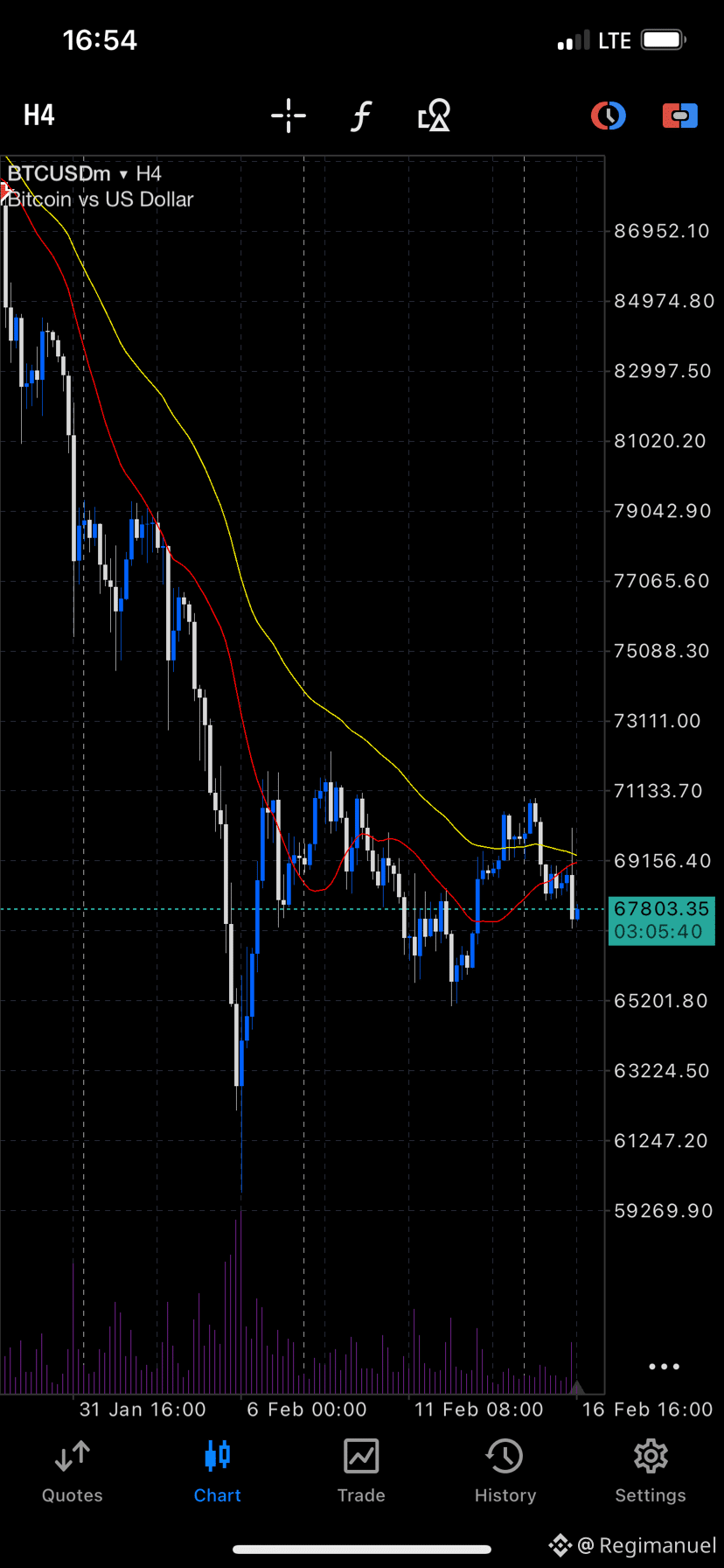
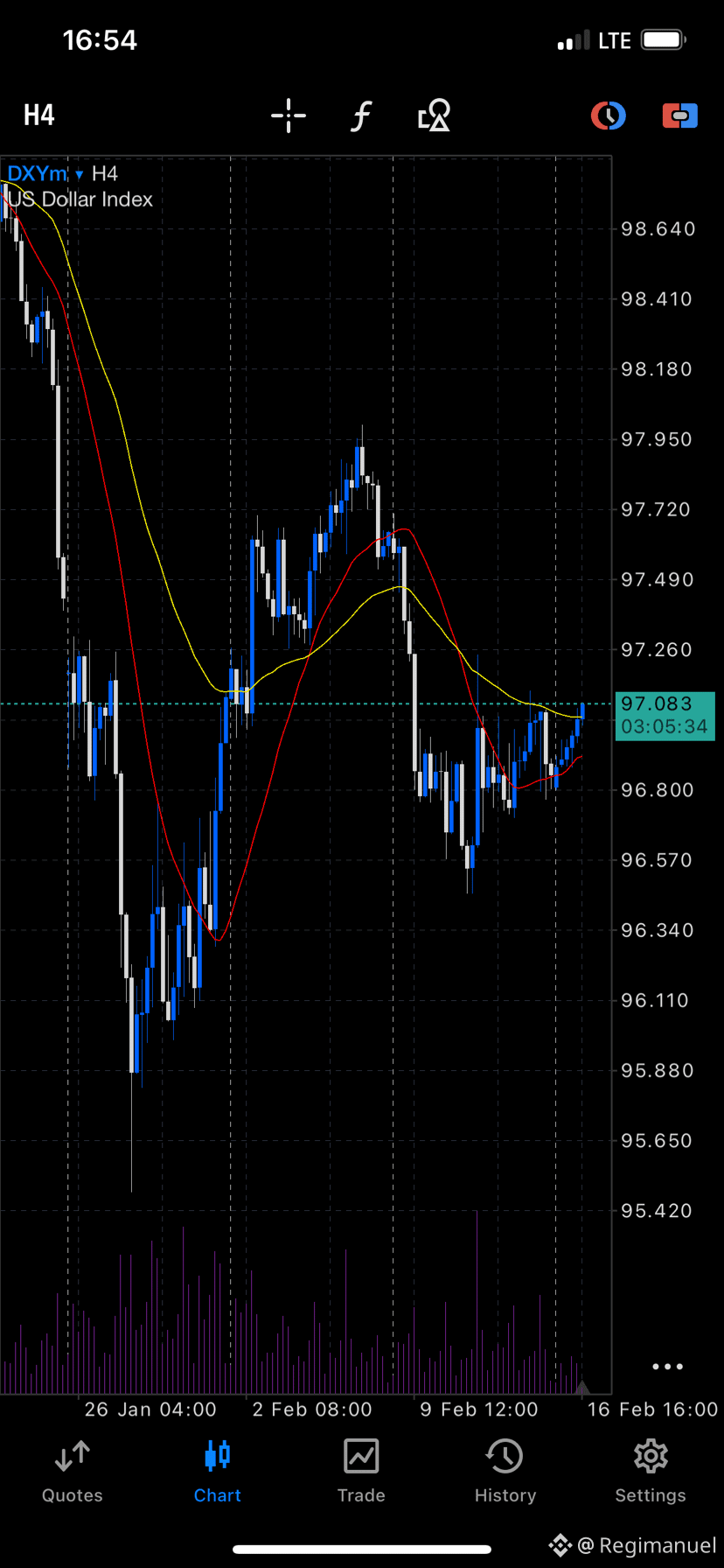
The correlation between dxy and btc.🥲❤️ You can simplify chart analysis by looking at what dxy is doing and relating it to other pairs. $BTC
{spot}(BTCUSDT)
The correlation between dxy and btc.🥲❤️ You can simplify chart analysis by looking at what dxy is doing and relating it to other pairs. $BTC
3
32
·
--
Nuclear Deadlines Are Closer Than Most Investors Think
NASA targeting a lunar reactor by 2030 isn’t science fiction.
It’s a procurement timeline.
And timelines change supply chains.
Here’s what matters:
The nuclear fuel cycle takes 18–24 months from uranium mining to finished fuel assemblies.
You don’t announce reactors with fixed deadlines and then figure out fuel later.
Contracts move first, headlines follow.
Now add this:
U.S. regulatory timelines are being compressed.
Advanced reactors are moving from proposal to mobilization.
China and Russia are scaling nuclear aggressively.
Data centers + AI are driving baseload power demand.
This isn’t about the moon.
It’s about time compression.
When governments accelerate infrastructure, bott!!$BTC
#DYOR🟢
Nuclear Deadlines Are Closer Than Most Investors Think
NASA targeting a lunar reactor by 2030 isn’t science fiction.
It’s a procurement timeline.
And timelines change supply chains.
Here’s what matters:
The nuclear fuel cycle takes 18–24 months from uranium mining to finished fuel assemblies.
You don’t announce reactors with fixed deadlines and then figure out fuel later.
Contracts move first, headlines follow.
Now add this:
U.S. regulatory timelines are being compressed.
Advanced reactors are moving from proposal to mobilization.
China and Russia are scaling nuclear aggressively.
Data centers + AI are driving baseload power demand.
This isn’t about the moon.
It’s about time compression.
When governments accelerate infrastructure, bott!!$BTC
#DYOR🟢
NASA targeting a lunar reactor by 2030 isn’t science fiction.
It’s a procurement timeline.
And timelines change supply chains.
Here’s what matters:
The nuclear fuel cycle takes 18–24 months from uranium mining to finished fuel assemblies.
You don’t announce reactors with fixed deadlines and then figure out fuel later.
Contracts move first, headlines follow.
Now add this:
U.S. regulatory timelines are being compressed.
Advanced reactors are moving from proposal to mobilization.
China and Russia are scaling nuclear aggressively.
Data centers + AI are driving baseload power demand.
This isn’t about the moon.
It’s about time compression.
When governments accelerate infrastructure, bott!!$BTC
#DYOR🟢
13
122
·
--
Падение
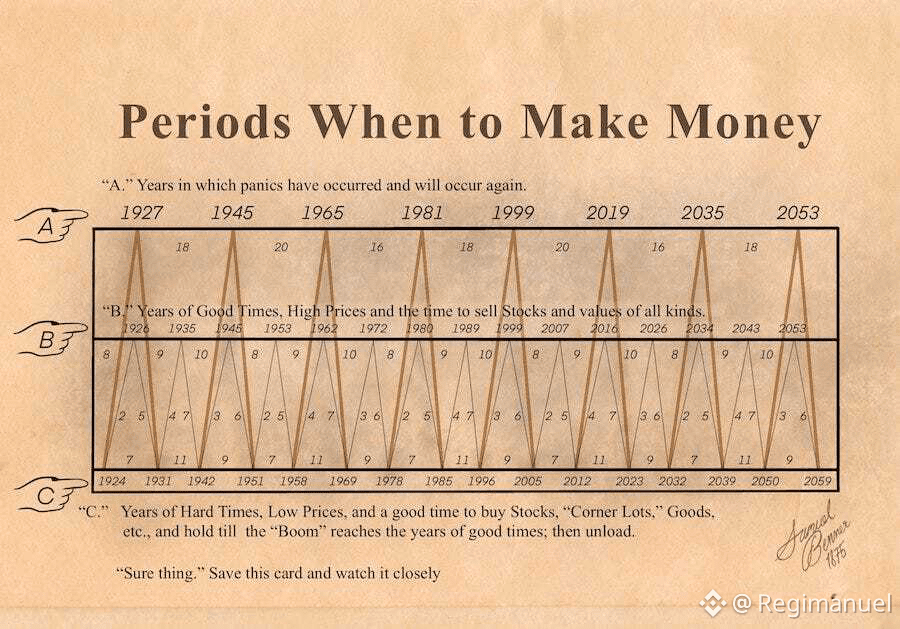
This vintage market timing card is attributed to W.D. Gann, a trader known for his cyclical market theories.
The chart divides market history into repeating phases:
* A – Panic Years**: Crisis periods that reset valuations
* B – Good Times / High Prices**: Distribution phases where smart money sells
* C – Hard Times / Low Prices**: Accumulation zones before the next expansion
Whether or not you believe in fixed-year cycles, the underlying principle remains powerful:
> Markets move in psychological and liquidity cycles; fear → recovery → euphoria → correction
I don’t treat historical cycle charts as deterministic forecasts. But they’re valuable reminders that:
* Extreme optimism often precedes corrections
* Deep pessimism often creates asymmetric opportunities
* Risk management matters more than prediction
In crypto markets especially, volatility compresses these cycles into shorter timeframes but human behavior doesn’t change.
The key isn’t predicting exact years.
It’s recognizing where we are in the cycle and positioning accordingly.
{spot}(BTCUSDT)
$BTC
This vintage market timing card is attributed to W.D. Gann, a trader known for his cyclical market theories.
The chart divides market history into repeating phases:
* A – Panic Years**: Crisis periods that reset valuations
* B – Good Times / High Prices**: Distribution phases where smart money sells
* C – Hard Times / Low Prices**: Accumulation zones before the next expansion
Whether or not you believe in fixed-year cycles, the underlying principle remains powerful:
> Markets move in psychological and liquidity cycles; fear → recovery → euphoria → correction
I don’t treat historical cycle charts as deterministic forecasts. But they’re valuable reminders that:
* Extreme optimism often precedes corrections
* Deep pessimism often creates asymmetric opportunities
* Risk management matters more than prediction
In crypto markets especially, volatility compresses these cycles into shorter timeframes but human behavior doesn’t change.
The key isn’t predicting exact years.
It’s recognizing where we are in the cycle and positioning accordingly.
$BTC
The chart divides market history into repeating phases:
* A – Panic Years**: Crisis periods that reset valuations
* B – Good Times / High Prices**: Distribution phases where smart money sells
* C – Hard Times / Low Prices**: Accumulation zones before the next expansion
Whether or not you believe in fixed-year cycles, the underlying principle remains powerful:
> Markets move in psychological and liquidity cycles; fear → recovery → euphoria → correction
I don’t treat historical cycle charts as deterministic forecasts. But they’re valuable reminders that:
* Extreme optimism often precedes corrections
* Deep pessimism often creates asymmetric opportunities
* Risk management matters more than prediction
In crypto markets especially, volatility compresses these cycles into shorter timeframes but human behavior doesn’t change.
The key isn’t predicting exact years.
It’s recognizing where we are in the cycle and positioning accordingly.
$BTC
13
210
·
--
#2025withBinance Start your crypto story with the @Binance Year in Review and share your highlights! #2025withBinance.
👉 Sign up with my link and get 100 USD rewards! https://www.binance.com/year-in-review/2025-with-binance?ref=576553195
#2025withBinance Start your crypto story with the @Binance Year in Review and share your highlights! #2025withBinance.
👉 Sign up with my link and get 100 USD rewards! https://www.binance.com/year-in-review/2025-with-binance?ref=576553195
👉 Sign up with my link and get 100 USD rewards! https://www.binance.com/year-in-review/2025-with-binance?ref=576553195
8
8
Войдите, чтобы посмотреть больше материала
Присоединяйтесь к пользователям криптовалют по всему миру на Binance Square
⚡️ Получайте новейшую и полезную информацию о криптоактивах.
💬 Нам доверяет крупнейшая в мире криптобиржа.
👍 Получите достоверные аналитические данные от верифицированных создателей контента.
Эл. почта/номер телефона
В тренде
BTCBreaks80K
Просмотров: 85,329
1,566 обсуждают
Te lo decía en directo, te lo decía en post y en muchas cosas mas que podría decirte.
Pero si $BTC no cambia la estructura entonces para que vas en contra? si ya #BTC Hizo una reversión en semanal y sigue manteniendo acumulación semanal, entonces por que entras en short? 🤷♂️
HAZ CLICK AQUI PARA ABRIR #BTC 👇👇👇👇👇
Parece simple decirlo ahora que ya hizo el movimiento, pero es que desde que cayo hasta los 74.900k yo les seguía nombrando que no marca ningún signo de caída en alguna parte del grafico.
Ojo no estoy diciendo que esto es algo igual a lo de $ZEC o $SOL .
Este movimiento que tiene #BTC responde a algo que les dije hace unos cuantos directos atrás, es la lateralización y acumulación de momentum para explotar y reventar resistencias actuales y pasadas.
La verdad no hay que ser experto para ver que es lo que esta ocurriendo con #BTC走势分析 sobre todo por como succiona cualquier short sea el precio que sea.
Me recuerdo cuando les dije que la lateralización de esta moneda es en parte este tipo de movimientos, contundentes en un momento determinado pero simples antes de que ocurran.
Marco semanal de #BTCBreaks80K sigue presentando acumulación por encima de la banda de bollinguer, marco diario realizo una reversión de la vela rebotando en un soporte y aun así hay gente diciendo que esta moneda va al suelo solamente por que quieren que caiga vete tu a saber por que xd.
Los vendedores son tan pocos en el grafico que literalmente ves como a pesar de que #BTC tiene prácticamente factor macroeconómico en contra y geopolítico también, aun así sigue subiendo cada vez mas.
Aun asi hay que ser excelenticos por que si lega a tocar los 82k o 86k y tiene rechazo contundente el futuro seria en ese caso en concreto mas bajista que otra cosa aun asi hoy por hoy no tiene nada bajista de momento ✍
Cortextrading
·Лайков: 6
·Просмотров: 2.2k
比特币突破8万
Просмотров: 74,412
254 обсуждают
BuffettBecomesBerkshireChairmanEmeritus
Просмотров: 21,771
544 обсуждают