
Sovereign Capital
665 Публикации

Sovereign Capital
Отправить жалобу
Заблокировать пользователя
SOVEREIGN CAPITAL. | Global Financial Markets. | Crypto | Forex | Stocks | Market Analysis | Trading Insights. | Power Through Precision. X: @SovCapHQ
Трейдер с регулярными сделками
2 г
6 подписок(и/а)
338 подписчиков(а)
590 понравилось
Посты
Все
Цитирования
Статья
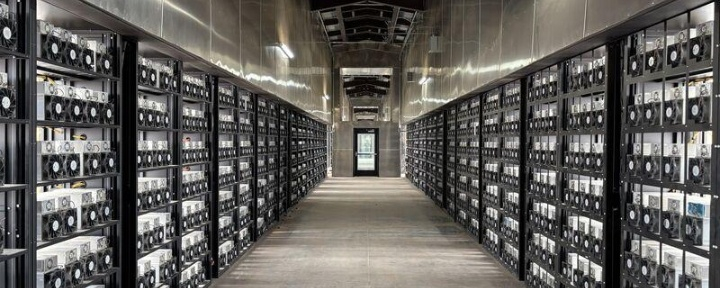
Bitcoin Mining Under Attack: Hackers Hijack Computing Power From More Than 1,000 Mining SitesBitcoin Mining Under Attack: Hackers Hijack Computing Power From More Than 1,000 Mining Sites
Published: November 29, 2026
Category: Bitcoin | Cybersecurity | Crypto News
1. What Happened?
Bitcoin mining pool operator Braiins issued a security alert on November 25, revealing that attackers had been redirecting mining traffic from legitimate Bitcoin mining pools to unauthorized servers.
According to Braiins, the attacks affected more than 1,000 mining sites in a single wave on November 20.
The attackers did not need to physically access mining equipment or compromise the mining pool itself. Instead, they manipulated internet routing to intercept communications between miners and their legitimate mining pools.
As a result, mining machines continued performing computational work, but that work was redirected to infrastructure controlled by the attackers.
This allowed the attackers to claim rewards generated by other people's mining equipment.
2. More Than 1,000 Mining Sites Were Affected
Braiins documented 24 incidents between November 7 and November 20, 2026.
The attacks reportedly expanded significantly over this period.
Key findings included:
- November 7–12: 19 incidents across Latin America, primarily Brazil and Argentina.
- November 16: Another incident was documented in Brazil.
- November 20: Four major incidents affected approximately 1,050–1,600 mining sites, mostly in Europe.
- Computing power affected: The largest reported incidents involved up to 1.9 exahashes per second (EH/s).
- Attack duration: Some of the November 20 incidents lasted between 6 and 49 minutes.
The scale of the incidents demonstrates how vulnerable unsecured mining connections can become when attackers manipulate internet traffic.
3. How Did Hackers Hijack Bitcoin Mining Power?
The attacks exploited weaknesses in the Stratum V1 mining protocol.
Stratum V1 is widely used to connect Bitcoin mining equipment with mining pools. However, its traditional unencrypted connections do not provide sufficient authentication to verify that the server communicating with a miner is genuinely the intended mining pool.
Attackers exploited this weakness through a technique involving Border Gateway Protocol (BGP) route manipulation.
Here's how the process worked:
Step 1: Traffic Interception
Attackers manipulated internet routing announcements to redirect mining traffic away from legitimate pool servers.
Step 2: Fake Server Connection
Affected mining equipment reconnected to an unauthorized server that impersonated the legitimate mining pool.
Step 3: Mining Continues Normally
The mining machines continued operating at full computational capacity, making the attack difficult to identify through equipment performance alone.
Step 4: Rewards Redirected
The attackers supplied mining jobs and submitted the resulting work through accounts they controlled at another mining pool.
Consequently, the legitimate miners consumed electricity and provided computing power without receiving the expected rewards.
4. Why Is Stratum V1 a Security Risk?
The traditional Stratum V1 protocol was introduced in 2012.
Its unencrypted communication design creates opportunities for attackers who can manipulate network routes between miners and their mining pools.
Braiins explained that the vulnerability does not necessarily require compromising mining hardware, mining pool accounts, or the pool's internal infrastructure.
Instead, the weakness exists in the communication layer connecting the two sides.
This is particularly concerning because many mining operations continue using traditional connections that lack proper encryption and authentication.
5. Braiins Recommends Immediate Security Upgrades
Following the investigation, Braiins recommended that mining operators strengthen their connection security.
The company highlighted three possible approaches:
Stratum V2
A newer mining communication protocol designed to provide encryption and authentication between miners and pools.
Encrypted Stratum V1
Operators can use Stratum V1 over TLS, provided their mining firmware properly verifies server certificates.
Braiins SV2 Proxy
For mining equipment that cannot directly support secure connections, Braiins introduced a proxy solution that allows miners to connect through Stratum V2.
The company also warned operators to check their backup pool configurations because unsecured backup connections can leave mining equipment vulnerable even when the primary connection is protected.
6. Does This Threaten the Bitcoin Network?
The incidents raise important questions about the security of Bitcoin mining infrastructure.
However, it is important to understand the difference between hijacking mining connections and attacking Bitcoin's underlying blockchain.
The reported incidents involved redirecting mining work and rewards. They do not establish that Bitcoin's blockchain consensus mechanism was compromised.
Nevertheless, the attacks demonstrate that vulnerabilities in mining infrastructure can create financial losses for operators and undermine confidence in the security of mining operations.
Mining companies and pool operators may need to reconsider how they authenticate connections, monitor unusual activity, and protect their infrastructure.
7. What Happens Next?
The coming weeks could be important for the Bitcoin mining industry as operators assess their exposure to unsecured mining connections.
Several developments deserve attention:
- Adoption of Stratum V2 across mining operations.
- Wider implementation of encrypted mining connections.
- Improved network-routing security.
- Stronger monitoring of mining pool activity.
- Greater awareness of backup connection vulnerabilities.
The incident could also accelerate investment in mining infrastructure security as operators look to protect their computing resources and revenue.
Final Thoughts
Bitcoin mining security is not only about protecting expensive hardware or cryptocurrency wallets.
The communication infrastructure connecting miners to mining pools is equally important.
The Braiins investigation has exposed how attackers can redirect enormous amounts of computing power without physically compromising mining equipment.
With more than 1,000 mining sites reportedly affected in a single wave, the incident serves as an important warning for the entire Bitcoin mining industry.
As Bitcoin adoption and mining operations continue to evolve, stronger security standards will be essential to protecting the infrastructure behind the world's largest cryptocurrency.
What do you think?
Should Bitcoin mining pools make encrypted connections mandatory to protect miners from attacks like this?
Share your opinion in the comments.
#bitcoin #BTC #Bitcoinmining #CryptoSecurity #CyberSecurity
Bitcoin Mining Under Attack: Hackers Hijack Computing Power From More Than 1,000 Mining Sites
Bitcoin Mining Under Attack: Hackers Hijack Computing Power From More Than 1,000 Mining Sites
Published: November 29, 2026
Category: Bitcoin | Cybersecurity | Crypto News
1. What Happened?
Bitcoin mining pool operator Braiins issued a security alert on November 25, revealing that attackers had been redirecting mining traffic from legitimate Bitcoin mining pools to unauthorized servers.
According to Braiins, the attacks affected more than 1,000 mining sites in a single wave on November 20.
The attackers did not need to physically access mining equipment or compromise the mining pool itself. Instead, they manipulated internet routing to intercept communications between miners and their legitimate mining pools.
As a result, mining machines continued performing computational work, but that work was redirected to infrastructure controlled by the attackers.
This allowed the attackers to claim rewards generated by other people's mining equipment.
2. More Than 1,000 Mining Sites Were Affected
Braiins documented 24 incidents between November 7 and November 20, 2026.
The attacks reportedly expanded significantly over this period.
Key findings included:
- November 7–12: 19 incidents across Latin America, primarily Brazil and Argentina.
- November 16: Another incident was documented in Brazil.
- November 20: Four major incidents affected approximately 1,050–1,600 mining sites, mostly in Europe.
- Computing power affected: The largest reported incidents involved up to 1.9 exahashes per second (EH/s).
- Attack duration: Some of the November 20 incidents lasted between 6 and 49 minutes.
The scale of the incidents demonstrates how vulnerable unsecured mining connections can become when attackers manipulate internet traffic.
3. How Did Hackers Hijack Bitcoin Mining Power?
The attacks exploited weaknesses in the Stratum V1 mining protocol.
Stratum V1 is widely used to connect Bitcoin mining equipment with mining pools. However, its traditional unencrypted connections do not provide sufficient authentication to verify that the server communicating with a miner is genuinely the intended mining pool.
Attackers exploited this weakness through a technique involving Border Gateway Protocol (BGP) route manipulation.
Here's how the process worked:
Step 1: Traffic Interception
Attackers manipulated internet routing announcements to redirect mining traffic away from legitimate pool servers.
Step 2: Fake Server Connection
Affected mining equipment reconnected to an unauthorized server that impersonated the legitimate mining pool.
Step 3: Mining Continues Normally
The mining machines continued operating at full computational capacity, making the attack difficult to identify through equipment performance alone.
Step 4: Rewards Redirected
The attackers supplied mining jobs and submitted the resulting work through accounts they controlled at another mining pool.
Consequently, the legitimate miners consumed electricity and provided computing power without receiving the expected rewards.
4. Why Is Stratum V1 a Security Risk?
The traditional Stratum V1 protocol was introduced in 2012.
Its unencrypted communication design creates opportunities for attackers who can manipulate network routes between miners and their mining pools.
Braiins explained that the vulnerability does not necessarily require compromising mining hardware, mining pool accounts, or the pool's internal infrastructure.
Instead, the weakness exists in the communication layer connecting the two sides.
This is particularly concerning because many mining operations continue using traditional connections that lack proper encryption and authentication.
5. Braiins Recommends Immediate Security Upgrades
Following the investigation, Braiins recommended that mining operators strengthen their connection security.
The company highlighted three possible approaches:
Stratum V2
A newer mining communication protocol designed to provide encryption and authentication between miners and pools.
Encrypted Stratum V1
Operators can use Stratum V1 over TLS, provided their mining firmware properly verifies server certificates.
Braiins SV2 Proxy
For mining equipment that cannot directly support secure connections, Braiins introduced a proxy solution that allows miners to connect through Stratum V2.
The company also warned operators to check their backup pool configurations because unsecured backup connections can leave mining equipment vulnerable even when the primary connection is protected.
6. Does This Threaten the Bitcoin Network?
The incidents raise important questions about the security of Bitcoin mining infrastructure.
However, it is important to understand the difference between hijacking mining connections and attacking Bitcoin's underlying blockchain.
The reported incidents involved redirecting mining work and rewards. They do not establish that Bitcoin's blockchain consensus mechanism was compromised.
Nevertheless, the attacks demonstrate that vulnerabilities in mining infrastructure can create financial losses for operators and undermine confidence in the security of mining operations.
Mining companies and pool operators may need to reconsider how they authenticate connections, monitor unusual activity, and protect their infrastructure.
7. What Happens Next?
The coming weeks could be important for the Bitcoin mining industry as operators assess their exposure to unsecured mining connections.
Several developments deserve attention:
- Adoption of Stratum V2 across mining operations.
- Wider implementation of encrypted mining connections.
- Improved network-routing security.
- Stronger monitoring of mining pool activity.
- Greater awareness of backup connection vulnerabilities.
The incident could also accelerate investment in mining infrastructure security as operators look to protect their computing resources and revenue.
Final Thoughts
Bitcoin mining security is not only about protecting expensive hardware or cryptocurrency wallets.
The communication infrastructure connecting miners to mining pools is equally important.
The Braiins investigation has exposed how attackers can redirect enormous amounts of computing power without physically compromising mining equipment.
With more than 1,000 mining sites reportedly affected in a single wave, the incident serves as an important warning for the entire Bitcoin mining industry.
As Bitcoin adoption and mining operations continue to evolve, stronger security standards will be essential to protecting the infrastructure behind the world's largest cryptocurrency.
What do you think?
Should Bitcoin mining pools make encrypted connections mandatory to protect miners from attacks like this?
Share your opinion in the comments.
#bitcoin #BTC #Bitcoinmining #CryptoSecurity #CyberSecurity
27
Статья
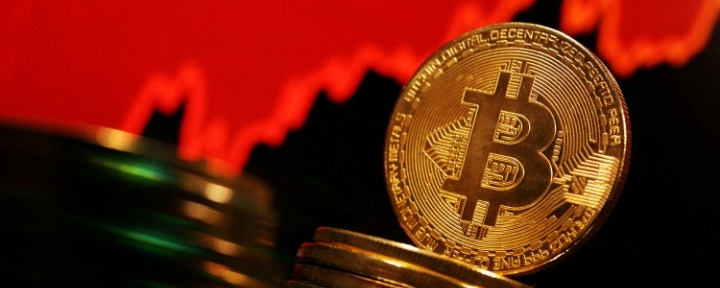
Bitcoin Below $60,000: Whales Are Buying the Dip While Billions Flow Out of ETFsBitcoin $BTC Below $60,000: Whales Are Buying the Dip While Billions Flow Out of ETFs
Published: November 29, 2026
Category: Bitcoin | Market Analysis | Institutional Investment
1. Bitcoin Struggles to Hold the $60,000 Level
Bitcoin's recent decline has intensified concerns across the cryptocurrency market. BTC briefly slipped below $59,000 during Saturday's trading session before recovering some losses.
According to market data reported by Investing.com, Bitcoin traded around $59,333 during Saturday's session, remaining significantly below its levels earlier in the week.
The decline has followed a period of persistent selling pressure, weakening institutional demand and increased uncertainty across global financial markets.
Bitcoin's inability to sustain higher prices has also affected investor confidence, with traders closely monitoring whether the $58,000–$60,000 region can provide meaningful support.
2. Bitcoin Whales Are Accumulating Despite the Decline
One of the most interesting developments during this downturn is the behavior of large Bitcoin holders.
According to CryptoQuant data cited by Investing.com, addresses holding between 1,000 and 10,000 BTC accumulated approximately 121,117 Bitcoin between September 30 and November 21, 2026.
Their combined holdings increased by approximately 4.29%, reaching 2.95 million BTC.
This accumulation occurred while Bitcoin's price declined approximately 29.5% during the measured period.
The development suggests that some large holders are taking advantage of lower prices rather than reducing their exposure.
However, whale accumulation does not automatically mean that Bitcoin has reached its market bottom.
3. Bitcoin ETFs Continue Experiencing Massive Outflows
While certain large holders are accumulating Bitcoin, institutional investment products are experiencing significant withdrawals.
U.S. spot Bitcoin ETFs recorded approximately $389 million in net outflows on Friday, November 27, extending their withdrawal streak to eight consecutive trading sessions.
Between November 13 and November 27, these funds experienced approximately $3.62 billion in net withdrawals across ten trading sessions.
The continued outflows indicate that institutional demand remains under pressure.
This creates an unusual market situation: some large crypto-native investors are accumulating BTC while investors in regulated exchange-traded products are withdrawing capital.
4. Why Is Bitcoin Falling?
Several factors are contributing to Bitcoin's recent weakness.
Institutional Selling Pressure
Persistent Bitcoin ETF withdrawals are reducing an important source of market demand.
Weak Market Sentiment
Investors are becoming increasingly cautious amid uncertainty surrounding interest rates, technology valuations and broader financial markets.
Derivatives Market Volatility
Large options expirations and leveraged liquidations can amplify short-term price movements.
Uncertainty Around Future Demand
Market participants are waiting for stronger evidence that institutional capital is returning to Bitcoin.
These factors are combining to create a challenging environment for cryptocurrency investors.
5. What Should Traders Watch Next?
Bitcoin's next major move may depend on whether buyers can absorb the ongoing selling pressure.
Some important developments to monitor include:
- Whether BTC can establish support around the $58,000–$60,000 region.
- Whether spot Bitcoin ETF outflows begin slowing.
- Whether large-holder accumulation continues.
- Whether institutional demand returns.
- Whether Bitcoin can recover important resistance levels.
A sustained recovery in ETF flows alongside continued whale accumulation could improve market conditions.
On the other hand, continued institutional withdrawals and weakening demand could increase downside risks.
6. Is This a Bitcoin Buying Opportunity?
The combination of declining prices and whale accumulation is attracting attention from long-term investors.
Historically, periods of extreme market fear have sometimes created attractive opportunities. However, accumulation during a downturn does not guarantee an immediate recovery.
Investors should avoid assuming that large holders always have perfect market timing.
Risk management, position sizing and patience remain essential during periods of extreme volatility.
Final Thoughts
Bitcoin's current market structure presents two conflicting signals.
On one side, institutional investors are withdrawing billions of dollars from spot Bitcoin ETFs. On the other, large Bitcoin holders are increasing their positions despite falling prices.
This divergence makes the coming weeks particularly important for the cryptocurrency market.
Whether whale accumulation becomes the foundation for a recovery or institutional selling continues to dominate remains uncertain.
One thing is clear: Bitcoin's next major move will be closely watched by traders, institutions and long-term investors worldwide.
What do you think?
Are Bitcoin whales preparing for the next major rally, or could BTC fall further before finding a bottom?
Share your analysis in the comments.
#bitcoin #BTC☀ #CryptoNews
Bitcoin Below $60,000: Whales Are Buying the Dip While Billions Flow Out of ETFs
Bitcoin $BTC Below $60,000: Whales Are Buying the Dip While Billions Flow Out of ETFs
Published: November 29, 2026
Category: Bitcoin | Market Analysis | Institutional Investment
1. Bitcoin Struggles to Hold the $60,000 Level
Bitcoin's recent decline has intensified concerns across the cryptocurrency market. BTC briefly slipped below $59,000 during Saturday's trading session before recovering some losses.
According to market data reported by Investing.com, Bitcoin traded around $59,333 during Saturday's session, remaining significantly below its levels earlier in the week.
The decline has followed a period of persistent selling pressure, weakening institutional demand and increased uncertainty across global financial markets.
Bitcoin's inability to sustain higher prices has also affected investor confidence, with traders closely monitoring whether the $58,000–$60,000 region can provide meaningful support.
2. Bitcoin Whales Are Accumulating Despite the Decline
One of the most interesting developments during this downturn is the behavior of large Bitcoin holders.
According to CryptoQuant data cited by Investing.com, addresses holding between 1,000 and 10,000 BTC accumulated approximately 121,117 Bitcoin between September 30 and November 21, 2026.
Their combined holdings increased by approximately 4.29%, reaching 2.95 million BTC.
This accumulation occurred while Bitcoin's price declined approximately 29.5% during the measured period.
The development suggests that some large holders are taking advantage of lower prices rather than reducing their exposure.
However, whale accumulation does not automatically mean that Bitcoin has reached its market bottom.
3. Bitcoin ETFs Continue Experiencing Massive Outflows
While certain large holders are accumulating Bitcoin, institutional investment products are experiencing significant withdrawals.
U.S. spot Bitcoin ETFs recorded approximately $389 million in net outflows on Friday, November 27, extending their withdrawal streak to eight consecutive trading sessions.
Between November 13 and November 27, these funds experienced approximately $3.62 billion in net withdrawals across ten trading sessions.
The continued outflows indicate that institutional demand remains under pressure.
This creates an unusual market situation: some large crypto-native investors are accumulating BTC while investors in regulated exchange-traded products are withdrawing capital.
4. Why Is Bitcoin Falling?
Several factors are contributing to Bitcoin's recent weakness.
Institutional Selling Pressure
Persistent Bitcoin ETF withdrawals are reducing an important source of market demand.
Weak Market Sentiment
Investors are becoming increasingly cautious amid uncertainty surrounding interest rates, technology valuations and broader financial markets.
Derivatives Market Volatility
Large options expirations and leveraged liquidations can amplify short-term price movements.
Uncertainty Around Future Demand
Market participants are waiting for stronger evidence that institutional capital is returning to Bitcoin.
These factors are combining to create a challenging environment for cryptocurrency investors.
5. What Should Traders Watch Next?
Bitcoin's next major move may depend on whether buyers can absorb the ongoing selling pressure.
Some important developments to monitor include:
- Whether BTC can establish support around the $58,000–$60,000 region.
- Whether spot Bitcoin ETF outflows begin slowing.
- Whether large-holder accumulation continues.
- Whether institutional demand returns.
- Whether Bitcoin can recover important resistance levels.
A sustained recovery in ETF flows alongside continued whale accumulation could improve market conditions.
On the other hand, continued institutional withdrawals and weakening demand could increase downside risks.
6. Is This a Bitcoin Buying Opportunity?
The combination of declining prices and whale accumulation is attracting attention from long-term investors.
Historically, periods of extreme market fear have sometimes created attractive opportunities. However, accumulation during a downturn does not guarantee an immediate recovery.
Investors should avoid assuming that large holders always have perfect market timing.
Risk management, position sizing and patience remain essential during periods of extreme volatility.
Final Thoughts
Bitcoin's current market structure presents two conflicting signals.
On one side, institutional investors are withdrawing billions of dollars from spot Bitcoin ETFs. On the other, large Bitcoin holders are increasing their positions despite falling prices.
This divergence makes the coming weeks particularly important for the cryptocurrency market.
Whether whale accumulation becomes the foundation for a recovery or institutional selling continues to dominate remains uncertain.
One thing is clear: Bitcoin's next major move will be closely watched by traders, institutions and long-term investors worldwide.
What do you think?
Are Bitcoin whales preparing for the next major rally, or could BTC fall further before finding a bottom?
Share your analysis in the comments.
#bitcoin #BTC☀ #CryptoNews
44
Проверено
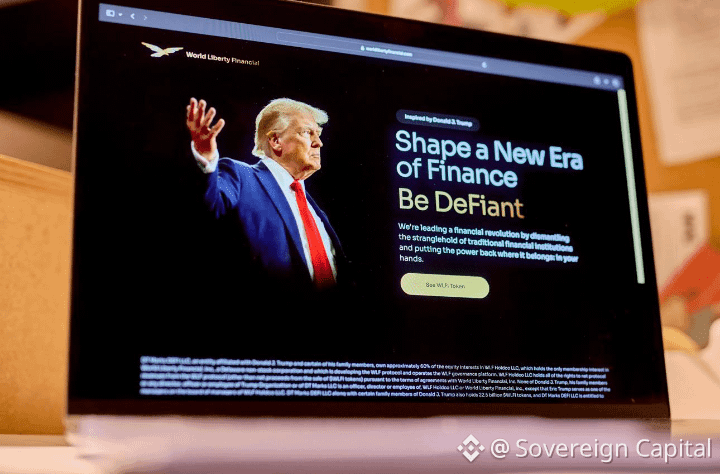
🚨 WLFI CRASHES 50%: BINANCE REVIEWS FUTURES TRADING CONTROVERSY
World Liberty Financial's (WLFI) token has suffered a massive overnight crash, losing approximately 50% of its value.
According to Reuters, WLFI dropped from around $0.039 to $0.018 by Saturday morning, extending its losses to more than 90% since trading began in September 2025.
What Happened?
📉 Massive Crash: WLFI lost approximately half its value overnight.
⚠️ Futures Controversy: World Liberty claimed Binance automatically settled and closed outstanding WLFI perpetual futures positions.
🔍 Binance Investigation: Binance confirmed that its team is reviewing market activity and trade execution data.
📊 Investor Concerns: The incident has raised questions about exchange mechanisms, liquidity and risk management.
Why Does This Matter?
This incident highlights how quickly leveraged crypto positions can be affected during extreme volatility.
It also raises important questions about transparency and investor protection in cryptocurrency derivatives markets.
Binance has not yet announced the findings of its review, so the exact circumstances behind the futures position closures remain unclear.
💬 What's your opinion?
Should exchanges provide greater transparency when automatically closing traders' positions during extreme market volatility?
Share your thoughts below!
#WLFI #Binance
329
·
--
Рост
🔥 A new opportunity is developing — check the key levels below!
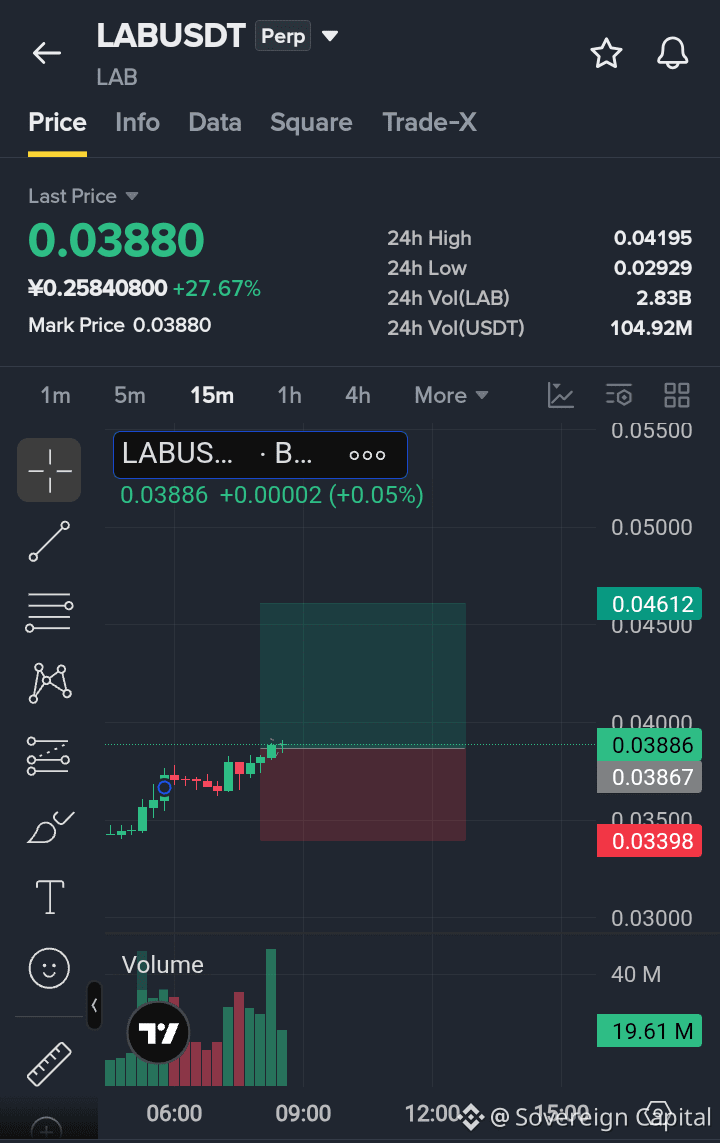
🟢 $LAB Long Setup
Reason: LAB is showing a bullish recovery after a strong pullback. Buyers are pushing price back toward the $0.040 resistance zone. A continuation move could target higher levels if momentum holds.
⚡Entry 1 - $0.03853 ⚡DCA - $0.03650
Targets 🎯: $0.04050 | $0.04200 | $0.04400 | $0.04600
Stop Loss ⛔ : $0.03400
TRADE here 👇:
{future}(LABUSDT)
Drop the coin name in the comments if you want me to analyze it next.
🚨 Trading Carries High Risk.
💬 Are you taking this trade? Comment LONG or SHORT!
🔥 A new opportunity is developing — check the key levels below!
🟢 $LAB Long Setup
Reason: LAB is showing a bullish recovery after a strong pullback. Buyers are pushing price back toward the $0.040 resistance zone. A continuation move could target higher levels if momentum holds.
⚡Entry 1 - $0.03853 ⚡DCA - $0.03650
Targets 🎯: $0.04050 | $0.04200 | $0.04400 | $0.04600
Stop Loss ⛔ : $0.03400
TRADE here 👇:
Drop the coin name in the comments if you want me to analyze it next.
🚨 Trading Carries High Risk.
💬 Are you taking this trade? Comment LONG or SHORT!
201
·
--
Падение
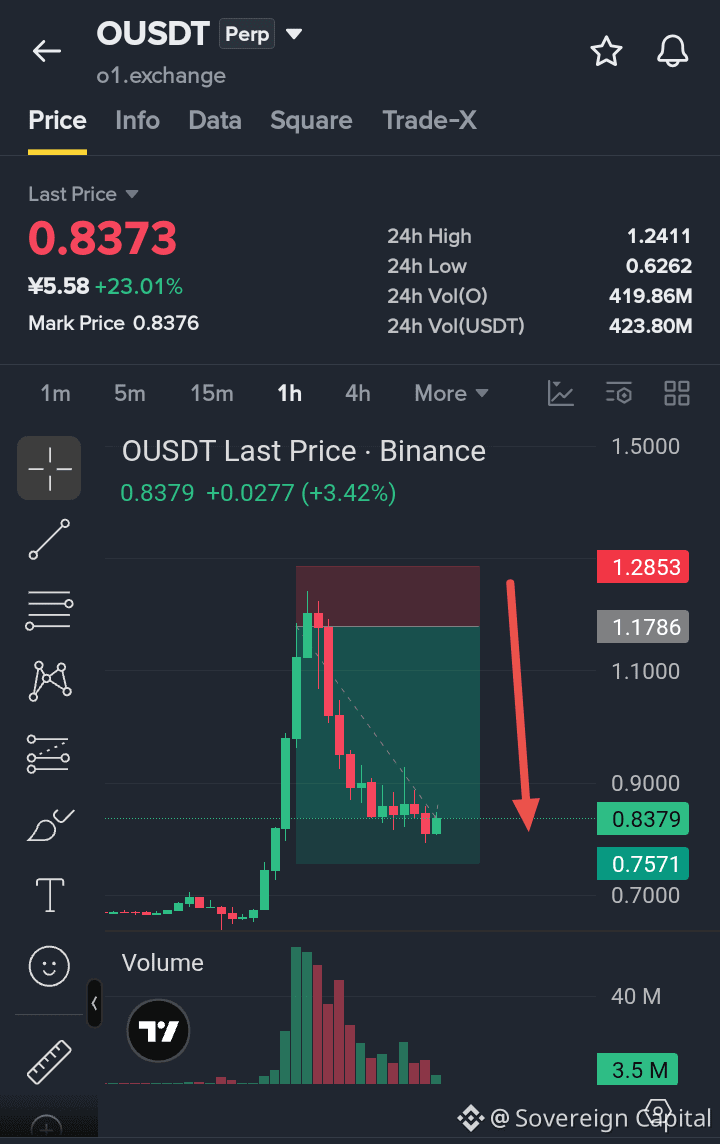
🚀 $O — Almost All Targets Hit!
Another strong move! 🔥 $O has delivered an impressive performance, with almost all take-profit targets successfully reached.
Great momentum and another setup moving in the right direction. Stay disciplined and manage your profits wisely!
Catch the momentum. Trade now 👇:
$O 🚀
Which coin should I analyze next for you?
Sovereign Capital
·
--
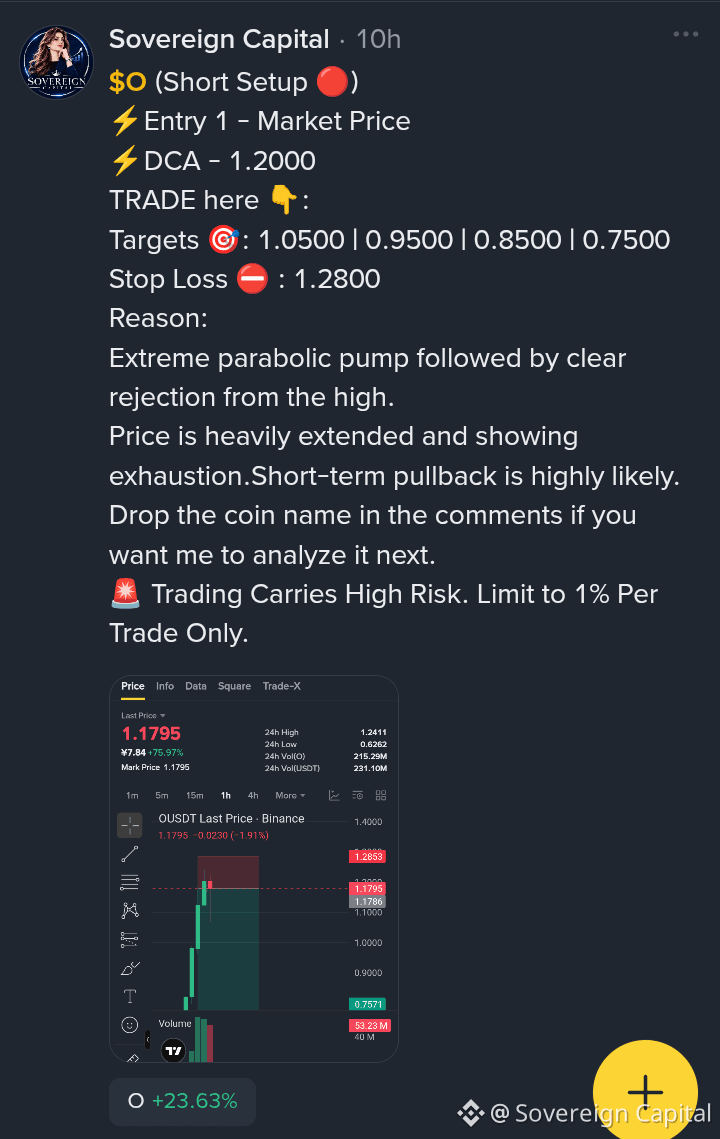
$O (Short Setup 🔴)
⚡Entry 1 - Market Price
⚡DCA - 1.2000
TRADE here 👇:
Targets 🎯: 1.0500 | 0.9500 | 0.8500 | 0.7500
Stop Loss ⛔ : 1.2800
Reason:
Extreme parabolic pump followed by clear rejection from the high.
Price is heavily extended and showing exhaustion.Short-term pullback is highly likely.
Drop the coin name in the comments if you want me to analyze it next.
🚨 Trading Carries High Risk. Limit to 1% Per Trade Only.
325
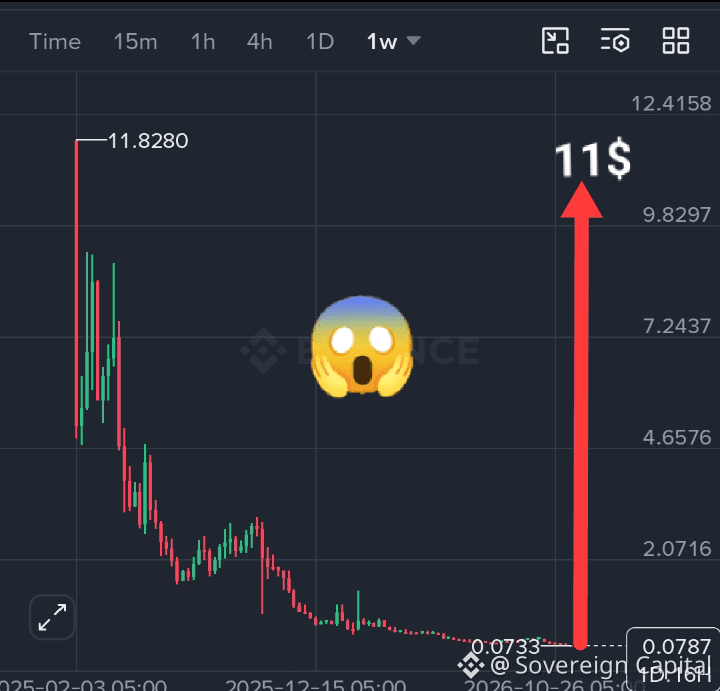
$BERA — From $11.82 to just $0.078
Target 🎯: $2 - $5 - $8 - $11
Take 10$ risk Profit 💸 5k$ 10k$ 💥💹
#EvolveAtBinanceBlockchainWeek #crypto
{future}(BERAUSDT)
$BERA — From $11.82 to just $0.078
Target 🎯: $2 - $5 - $8 - $11
Take 10$ risk Profit 💸 5k$ 10k$ 💥💹
#EvolveAtBinanceBlockchainWeek #crypto
Target 🎯: $2 - $5 - $8 - $11
Take 10$ risk Profit 💸 5k$ 10k$ 💥💹
#EvolveAtBinanceBlockchainWeek #crypto
14
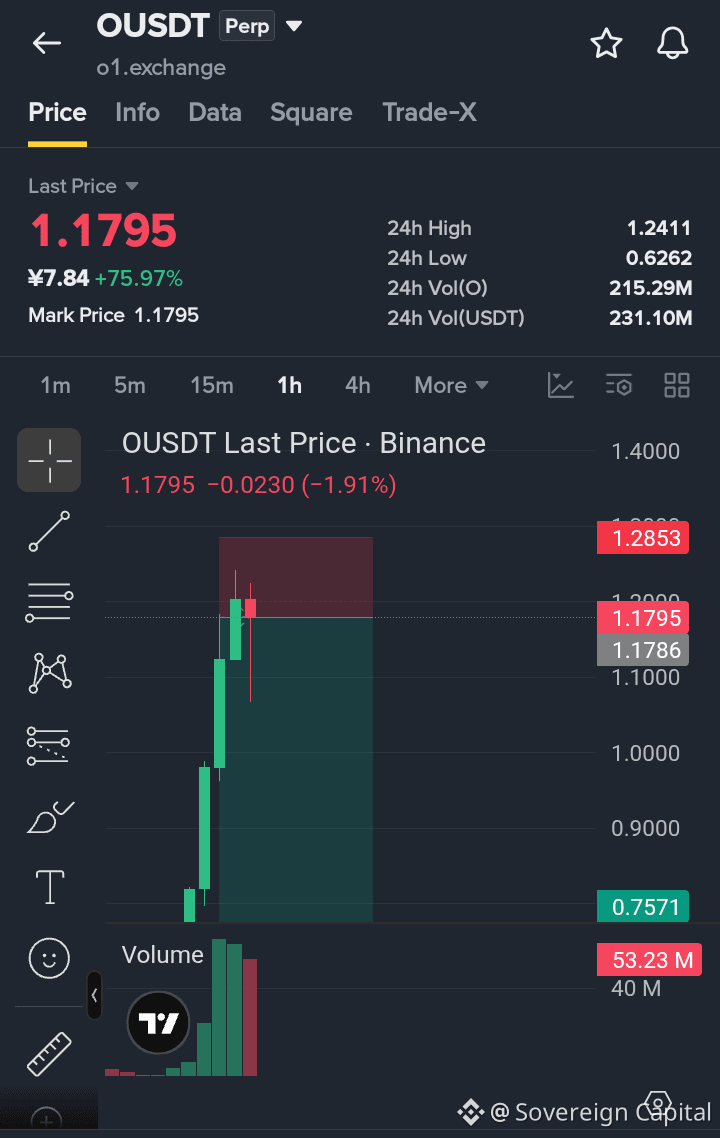
$O (Short Setup 🔴)
{future}(OUSDT)
⚡Entry 1 - Market Price
⚡DCA - 1.2000
TRADE here 👇:
Targets 🎯: 1.0500 | 0.9500 | 0.8500 | 0.7500
Stop Loss ⛔ : 1.2800
Reason:
Extreme parabolic pump followed by clear rejection from the high.
Price is heavily extended and showing exhaustion.Short-term pullback is highly likely.
Drop the coin name in the comments if you want me to analyze it next.
🚨 Trading Carries High Risk. Limit to 1% Per Trade Only.
$O (Short Setup 🔴)
⚡Entry 1 - Market Price
⚡DCA - 1.2000
TRADE here 👇:
Targets 🎯: 1.0500 | 0.9500 | 0.8500 | 0.7500
Stop Loss ⛔ : 1.2800
Reason:
Extreme parabolic pump followed by clear rejection from the high.
Price is heavily extended and showing exhaustion.Short-term pullback is highly likely.
Drop the coin name in the comments if you want me to analyze it next.
🚨 Trading Carries High Risk. Limit to 1% Per Trade Only.
1
13
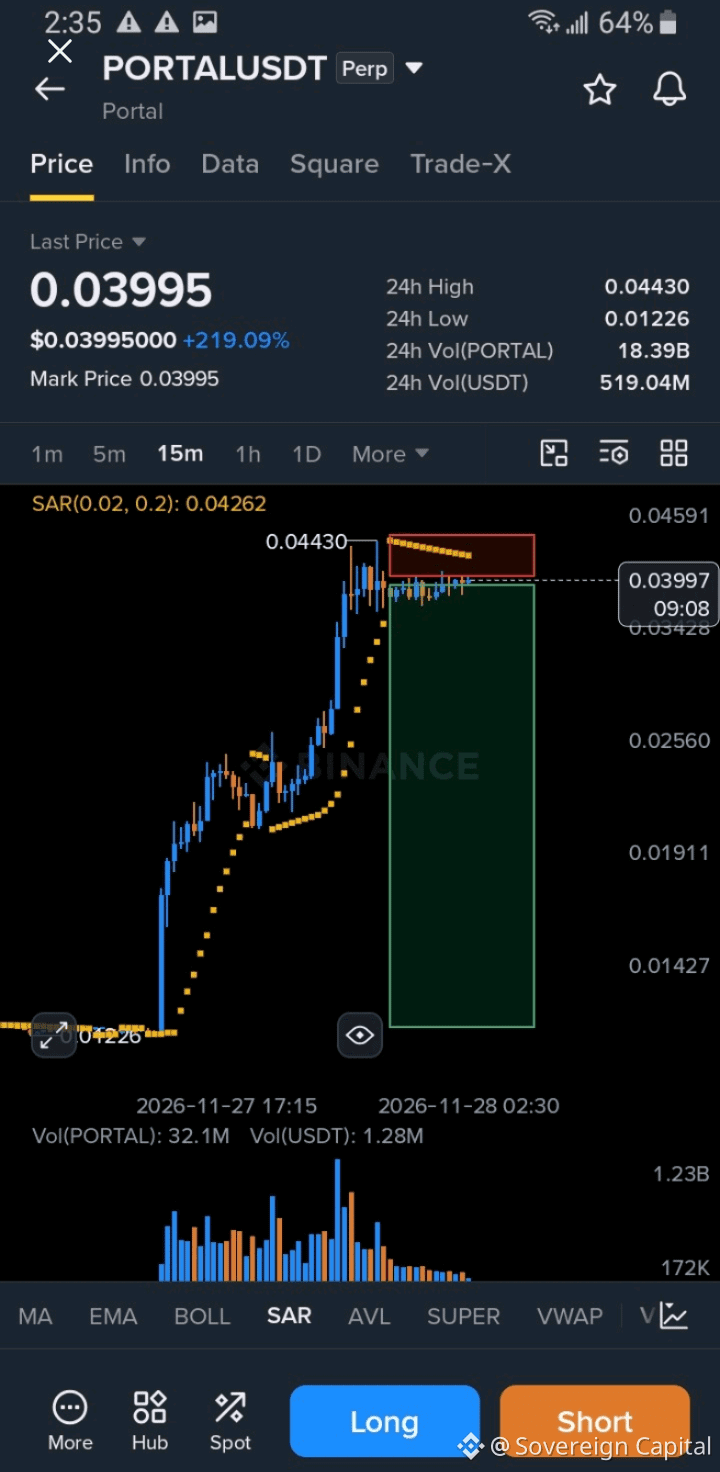
$PORTAL Short Time. Volume is too low than before. Dump expected soon. Remenber! It is highly risky coin so!
Only use 1x Leverage.
Note: DYOR
Funding Rate is also not to much. Also buyers seems exhausted because price gor stucked at this point. Grab the oppurtunity. High reward expected if go down. Only risk thee money that you can loose. Remember one thing it is higly volatile so it can go upto 0.05 or above more.
{future}(PORTALUSDT)
Keep patience and wait for the big reward.
#PORTALUSDT
$PORTAL Short Time. Volume is too low than before. Dump expected soon. Remenber! It is highly risky coin so!
Only use 1x Leverage.
Note: DYOR
Funding Rate is also not to much. Also buyers seems exhausted because price gor stucked at this point. Grab the oppurtunity. High reward expected if go down. Only risk thee money that you can loose. Remember one thing it is higly volatile so it can go upto 0.05 or above more.
Keep patience and wait for the big reward.
#PORTALUSDT
2
🚨 $BULLA — LONG TRADERS, THIS IS GETTING DANGEROUS!
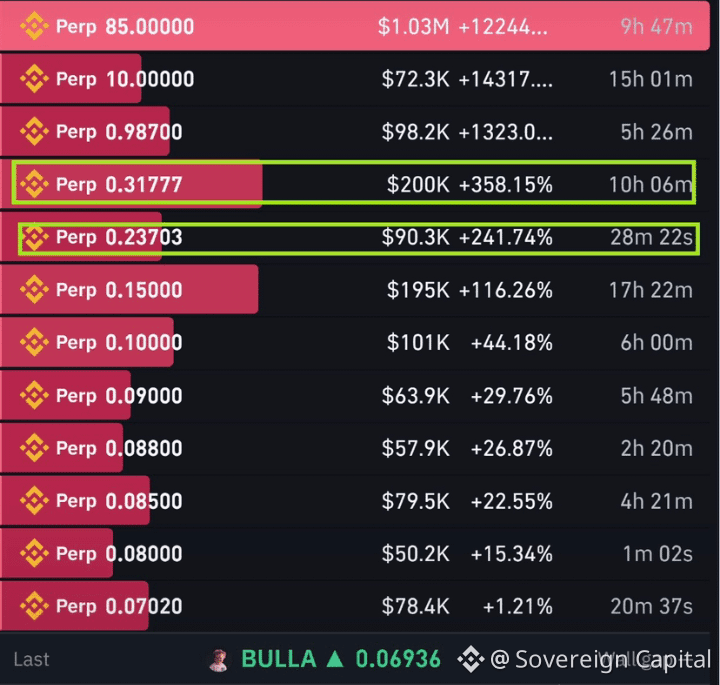
Someone has a massive $1.03M sell order sitting at $85 while BULLA trades around $0.069. That's over 1,200x above the current price. Pure fantasy or a whale's exit plan?
But the real danger is much closer.
{future}(BULLAUSDT)
$78K sell wall at $0.0702, $101K at $0.10, $195K at $0.15 and another $200K at $0.31777.
BULLA already rejected $0.086, with nearly $771M in 24H trading volume.
Funding is extremely positive, making leveraged longs expensive to hold.
No comparable buy wall is visible in this snapshot.
I wouldn't chase longs here. One strong rejection could trigger another brutal sell-off.
This is a profit-taking zone, not a place for blind FOMO.
🚨 $BULLA — LONG TRADERS, THIS IS GETTING DANGEROUS!
Someone has a massive $1.03M sell order sitting at $85 while BULLA trades around $0.069. That's over 1,200x above the current price. Pure fantasy or a whale's exit plan?
But the real danger is much closer.
$78K sell wall at $0.0702, $101K at $0.10, $195K at $0.15 and another $200K at $0.31777.
BULLA already rejected $0.086, with nearly $771M in 24H trading volume.
Funding is extremely positive, making leveraged longs expensive to hold.
No comparable buy wall is visible in this snapshot.
I wouldn't chase longs here. One strong rejection could trigger another brutal sell-off.
This is a profit-taking zone, not a place for blind FOMO.
50
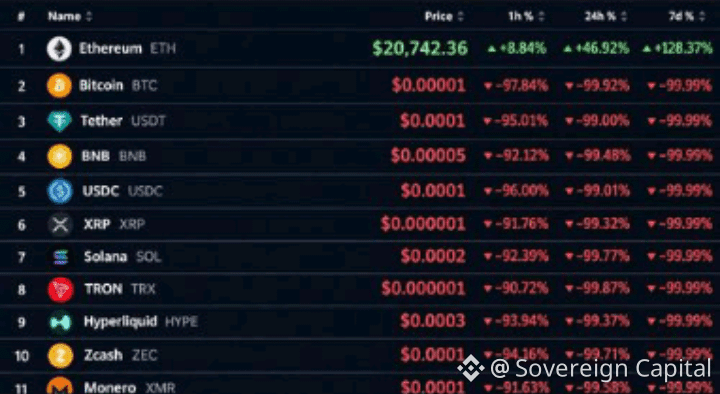
POV: You woke up in 2028 and a quantum attack happened overnight 😂#
POV: You woke up in 2028 and a quantum attack happened overnight 😂#
31
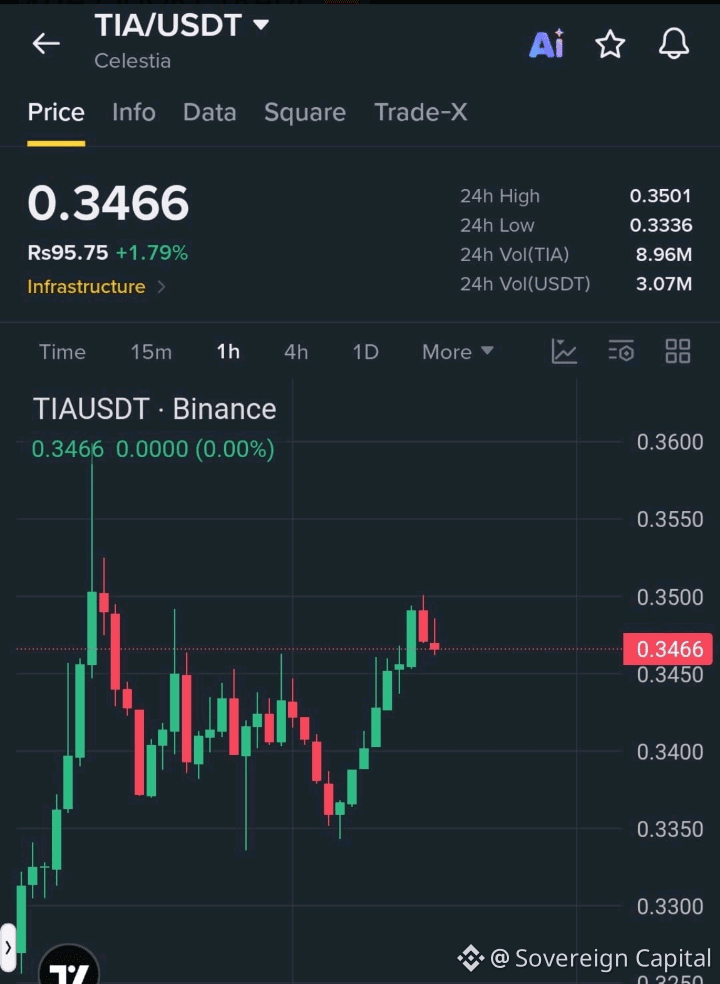
$TIA /SHORT TRADE 🛑
Entry Zone: 0.3460 – 0.3490
Stop Loss: 0.3520
TP1: 0.3440
TP2: 0.3400
TP3: 0.3360
{future}(TIAUSDT)
TIA is facing resistance around $0.3500 after a strong recovery. Recent rejection indicates possible selling pressure. A breakdown below $0.3450 could trigger further downside toward $0.3400 and $0.3360.
$TIA /SHORT TRADE 🛑
Entry Zone: 0.3460 – 0.3490
Stop Loss: 0.3520
TP1: 0.3440
TP2: 0.3400
TP3: 0.3360
TIA is facing resistance around $0.3500 after a strong recovery. Recent rejection indicates possible selling pressure. A breakdown below $0.3450 could trigger further downside toward $0.3400 and $0.3360.
Entry Zone: 0.3460 – 0.3490
Stop Loss: 0.3520
TP1: 0.3440
TP2: 0.3400
TP3: 0.3360
TIA is facing resistance around $0.3500 after a strong recovery. Recent rejection indicates possible selling pressure. A breakdown below $0.3450 could trigger further downside toward $0.3400 and $0.3360.
21
🐕 Can $SHIB Really Hit $1? Let’s Look at the Math! 🧮
Many investors dream of $SHIB reaching $1, which would turn small investments into millions. However, looking at the Circulating Supply (over 589 Trillion tokens), a $1 price tag would require a market cap larger than the entire global economy!
What is a Realistic Target?
Instead of $1, watch the Shibarium ecosystem growth and token burn rates. Even removing one or two zeros during a strong bull run can bring massive percentage gains for patient holders.
What is your realistic price target for $SHIB this cycle? Let’s discuss! 💬👇
#SHİB #memecoins #CryptoInvesting
{spot}(SHIBUSDT)
#Shibarium
🐕 Can $SHIB Really Hit $1? Let’s Look at the Math! 🧮
Many investors dream of $SHIB reaching $1, which would turn small investments into millions. However, looking at the Circulating Supply (over 589 Trillion tokens), a $1 price tag would require a market cap larger than the entire global economy!
What is a Realistic Target?
Instead of $1, watch the Shibarium ecosystem growth and token burn rates. Even removing one or two zeros during a strong bull run can bring massive percentage gains for patient holders.
What is your realistic price target for $SHIB this cycle? Let’s discuss! 💬👇
#SHİB #memecoins #CryptoInvesting
#Shibarium

25
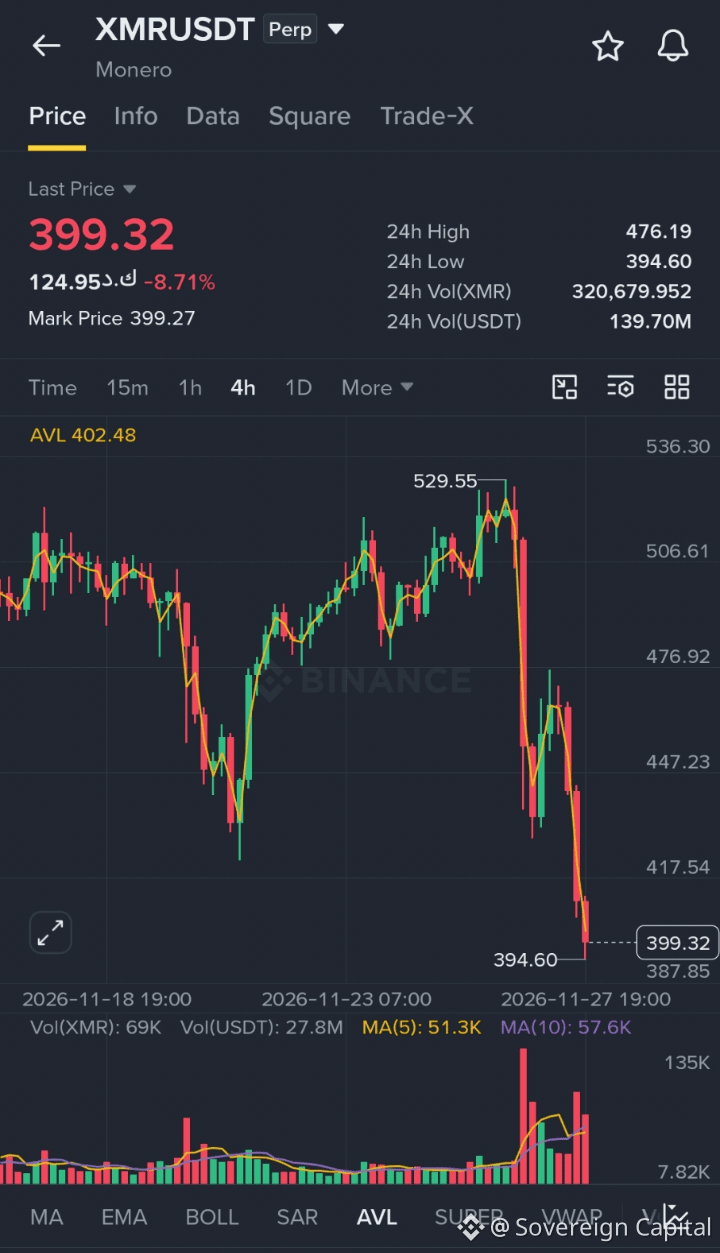
$XMR Has faced a sharp rejection after the Delisting announcement which will take place 30ᵗʰ November.
The coin might maintain the bearish state and maybe bounce back after the news fades.
#MoneroFalls13%OnDelistings you
$XMR Has faced a sharp rejection after the Delisting announcement which will take place 30ᵗʰ November.
The coin might maintain the bearish state and maybe bounce back after the news fades.
#MoneroFalls13%OnDelistings you
The coin might maintain the bearish state and maybe bounce back after the news fades.
#MoneroFalls13%OnDelistings you
13
Частичная правда
#PEPE 🐸 413.77 trillion (100% in circulation) has never had any token burns🔥 since its launch. Its community is just an army; on social media, it only posts memes on platform X
#Bonk 🐶~87.99 trillion 88.87 trillion has had token burns🔥 to reduce the supply. An active community around the world
{spot}(BONKUSDT)
publications and new projects for its ecosystem
the numbers are clear, I will keep accumulating BONK
#PEPE 🐸 413.77 trillion (100% in circulation) has never had any token burns🔥 since its launch. Its community is just an army; on social media, it only posts memes on platform X
#Bonk 🐶~87.99 trillion 88.87 trillion has had token burns🔥 to reduce the supply. An active community around the world
publications and new projects for its ecosystem
the numbers are clear, I will keep accumulating BONK
#Bonk 🐶~87.99 trillion 88.87 trillion has had token burns🔥 to reduce the supply. An active community around the world
publications and new projects for its ecosystem
the numbers are clear, I will keep accumulating BONK

2
2
480
·
--
Рост
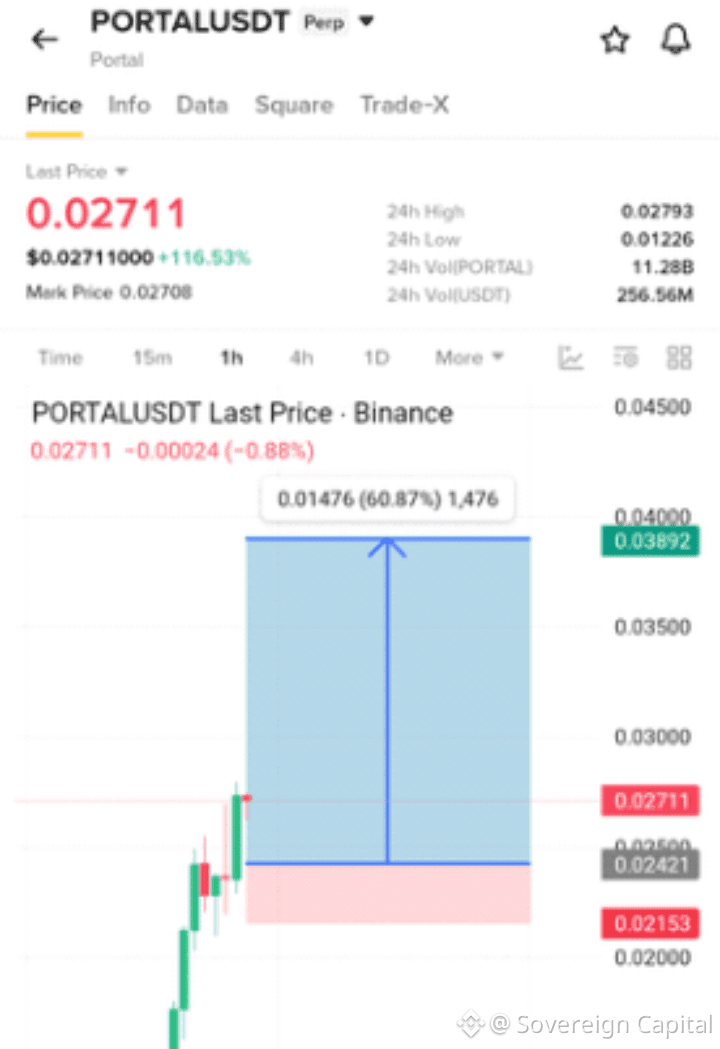
Guys, I Know You Are Planning To SHORT $PORTAL . Why? Just Because It Pumped Over 100%? Don't Do That, I'm Warning You 🚨
Guys, before opening a SHORT, look at the derivatives data. $PORTAL thas $38.95M open interest against a $21.97M market cap, with OI/MC at 177.33%. Futures volume is $353.8M versus $31.57M spot volume. Funding is -0.023%, and 81% of the $1.55M liquidations came from shorts. Short sellers are already under pressure.
{future}(PORTALUSDT)
Fresh 15M CVD is positive: futures +373.4M PORTAL and spot +60.1M. Futures and spot order-book deltas are also positive at +2.4M and +1M PORTAL.
The 12H liquidation heatmap shows overhead liquidity around $0.0275-$0.0285, followed by $0.029-$0.032. The $0.028 futures sell wall is the next important resistance. Downside liquidity also exists, including the $0.02182 long liquidation cluster.
Now look at spot and futures flows. Every timeframe from 5M to 24H shows aligned inflows. 24H futures inflow is $9.3M and spot inflow is $1.4M. Negative funding, short liquidations and positive flows give another squeeze room to develop. That's why I currently favour LONG over SHORT.
But PORTAL has already pumped over 100%, so a pullback before the next move is possible. High OI also means a sudden reversal could be aggressive. We should never ignore the downside risk.
MY PLAN — LONG ON CONFIRMATION
Current Entry: $0.0255-$0.0270
Recommended Entry: $0.0244-$0.0250
Maximum deeper Entry: $0.0225-$0.0230
TP1: $0.0280
TP2: $0.0320
TP3: $0.0350-$0.0380
SL: $0.0215
Once price reaches the entry zone, wait and watch the 15M CVD and spot flow. If spot CVD stays positive or starts growing, that's a good sign. For safer confirmation, wait for a 30M candle to hold the zone.
If spot turns to outflow and CVD starts dropping, don't go LONG, guys. Wait for my new plan instead.
A quick wick below the SL followed by a strong reclaim means the LONG plan can still remain valid. However, if the price stays below the SL and fails to reclaim it, the setup is invalidated. Don't force another entry
#Portal #PORTALUSDT
Guys, I Know You Are Planning To SHORT $PORTAL . Why? Just Because It Pumped Over 100%? Don't Do That, I'm Warning You 🚨
Guys, before opening a SHORT, look at the derivatives data. $PORTAL thas $38.95M open interest against a $21.97M market cap, with OI/MC at 177.33%. Futures volume is $353.8M versus $31.57M spot volume. Funding is -0.023%, and 81% of the $1.55M liquidations came from shorts. Short sellers are already under pressure.
Fresh 15M CVD is positive: futures +373.4M PORTAL and spot +60.1M. Futures and spot order-book deltas are also positive at +2.4M and +1M PORTAL.
The 12H liquidation heatmap shows overhead liquidity around $0.0275-$0.0285, followed by $0.029-$0.032. The $0.028 futures sell wall is the next important resistance. Downside liquidity also exists, including the $0.02182 long liquidation cluster.
Now look at spot and futures flows. Every timeframe from 5M to 24H shows aligned inflows. 24H futures inflow is $9.3M and spot inflow is $1.4M. Negative funding, short liquidations and positive flows give another squeeze room to develop. That's why I currently favour LONG over SHORT.
But PORTAL has already pumped over 100%, so a pullback before the next move is possible. High OI also means a sudden reversal could be aggressive. We should never ignore the downside risk.
MY PLAN — LONG ON CONFIRMATION
Current Entry: $0.0255-$0.0270
Recommended Entry: $0.0244-$0.0250
Maximum deeper Entry: $0.0225-$0.0230
TP1: $0.0280
TP2: $0.0320
TP3: $0.0350-$0.0380
SL: $0.0215
Once price reaches the entry zone, wait and watch the 15M CVD and spot flow. If spot CVD stays positive or starts growing, that's a good sign. For safer confirmation, wait for a 30M candle to hold the zone.
If spot turns to outflow and CVD starts dropping, don't go LONG, guys. Wait for my new plan instead.
A quick wick below the SL followed by a strong reclaim means the LONG plan can still remain valid. However, if the price stays below the SL and fails to reclaim it, the setup is invalidated. Don't force another entry
#Portal #PORTALUSDT
44
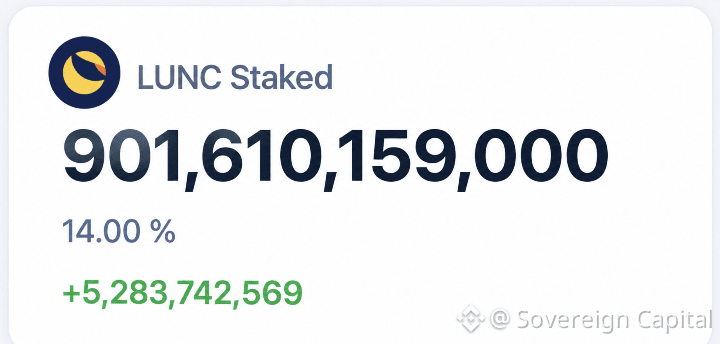
The amount of $LUNC staked on the Terra Classic chain is on the rise. Over the past week, more than 5 billion LUNC tokens have been added to staking.
The total amount of staked LUNC has reached 901.6 billion, meaning 14% of the total supply is now locked. As $LUNC burns continue and the number of staked tokens grows, the proportion of locked LUNC will also increase.
#TerraClassic #LUNC $1000LUNC #MoneroFalls13%OnDelistings
The total amount of staked LUNC has reached 901.6 billion, meaning 14% of the total supply is now locked. As $LUNC burns continue and the number of staked tokens grows, the proportion of locked LUNC will also increase.
#TerraClassic #LUNC $1000LUNC #MoneroFalls13%OnDelistings
1
52
·
--
Рост
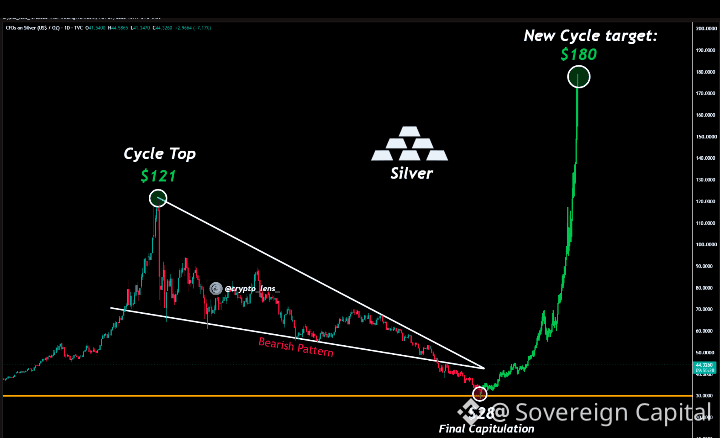
🚨 THIS SILVER PUMP WILL TRAP 99% OF PEOPLE
Two days ago, I warned you about the relief rally from $38 to $44.
Today, everything is playing out EXACTLY as I predicted.
One final capitulation remains before the next bull cycle.
My game plan remains unchanged:
$XAG
{future}(XAGUSDT)
$44 → $34 → $30 → $28 → New Cycle
Don't become exit liquidity for the whales.
Save this post now and compare it again in a few weeks.
Follow me and turn on notifications. Don’t be late.
Whatever update comes next, I’ll post it here first.
🚨 THIS SILVER PUMP WILL TRAP 99% OF PEOPLE
Two days ago, I warned you about the relief rally from $38 to $44.
Today, everything is playing out EXACTLY as I predicted.
One final capitulation remains before the next bull cycle.
My game plan remains unchanged:
$XAG
$44 → $34 → $30 → $28 → New Cycle
Don't become exit liquidity for the whales.
Save this post now and compare it again in a few weeks.
Follow me and turn on notifications. Don’t be late.
Whatever update comes next, I’ll post it here first.
72
$EVAA already breaks 2.5 our first target is about to hit
wait for the trend then you can take profit around 2.6
if 1.8 support remains today the second target is above $3 the whole week is left
and it looks after some consolidation it will breaks around 4.5 to 5 before This weekend close candle
$EVAA already breaks 2.5 our first target is about to hit
wait for the trend then you can take profit around 2.6
if 1.8 support remains today the second target is above $3 the whole week is left
and it looks after some consolidation it will breaks around 4.5 to 5 before This weekend close candle
wait for the trend then you can take profit around 2.6
if 1.8 support remains today the second target is above $3 the whole week is left
and it looks after some consolidation it will breaks around 4.5 to 5 before This weekend close candle
83
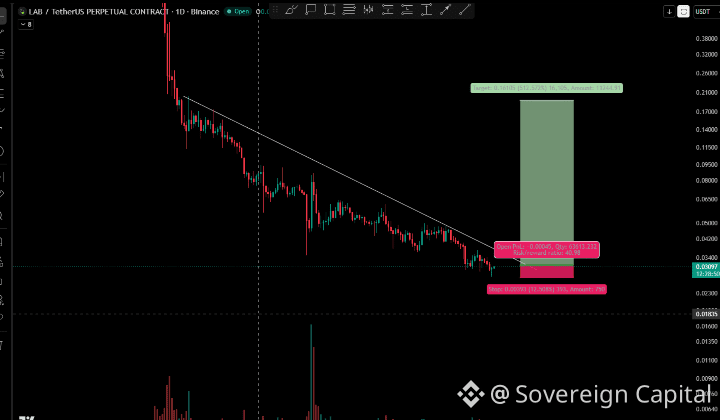
$LAB you are buity! !
You may go 2$ soon
you might be recover your losses
$LAB you are buity! !
You may go 2$ soon
you might be recover your losses
You may go 2$ soon
you might be recover your losses
64
Войдите, чтобы посмотреть больше материала
Присоединяйтесь к пользователям криптовалют по всему миру на Binance Square
⚡️ Получайте новейшую и полезную информацию о криптоактивах.
💬 Нам доверяет крупнейшая в мире криптобиржа.
👍 Получите достоверные аналитические данные от верифицированных создателей контента.
Эл. почта/номер телефона
В тренде
EvolveAtBinanceBlockchainWeek
Просмотров: 2.5M
20,716 обсуждают
Binance Blockchain Week is officially underway! 🌍
On November 28–29, whether you’re in Bangkok or joining from afar, tune in to the livestreams and join the conversation on Binance Square!
Here’s what’s in store 👇
📺 Watch the main stage live
Tune in throughout both days as industry speakers share their perspectives on this year’s theme, “Evolve” From technological innovation to real-world applications, explore what’s next for crypto.
⚔️ Watch two trading competitions
The Aster Open Qualifier and the Binance Trading Master Tournament will both be streamed live. Tune in to follow the traders in action.
🏆 Watch The Blockchain 100 Awards Ceremony
The Blockchain 100 list was selected by the community. Join us in celebrating the creators and the ideas they share!
💬 Join the community conversation
Use #EvolveAtBinanceBlockchainWeek in a post with a photo to share what you’re looking forward to, your views on the industry, or your favorite moments from the event.
The event page is now live! Subscribe to all livestreams with one click so you don’t miss a moment 👏
Binance Blockchain Week
·Лайков: 616
·Просмотров: 962.9k
WorldLibertyActsToCutLiquidationRisk
Просмотров: 38,908
402 обсуждают
IBSGovAccountMints1BTokensDrains5.71M
Просмотров: 2,393
41 обсуждают