
TokenScan SD
262 Публикации

TokenScan SD
Отправить жалобу
Заблокировать пользователя
Crypto Analyzer,web3 tool builder and security Token Analyze 🔥 Don't Fomo before Scan,🔎 Check Liquidity,holder and security Token with TokenScan SD🔎
Открытая сделка
Случайный трейдер
4.3 г
80 подписок(и/а)
28 подписчиков(а)
62 понравилось
Посты
Портфель
Все
Цитирования
Видео
·
--
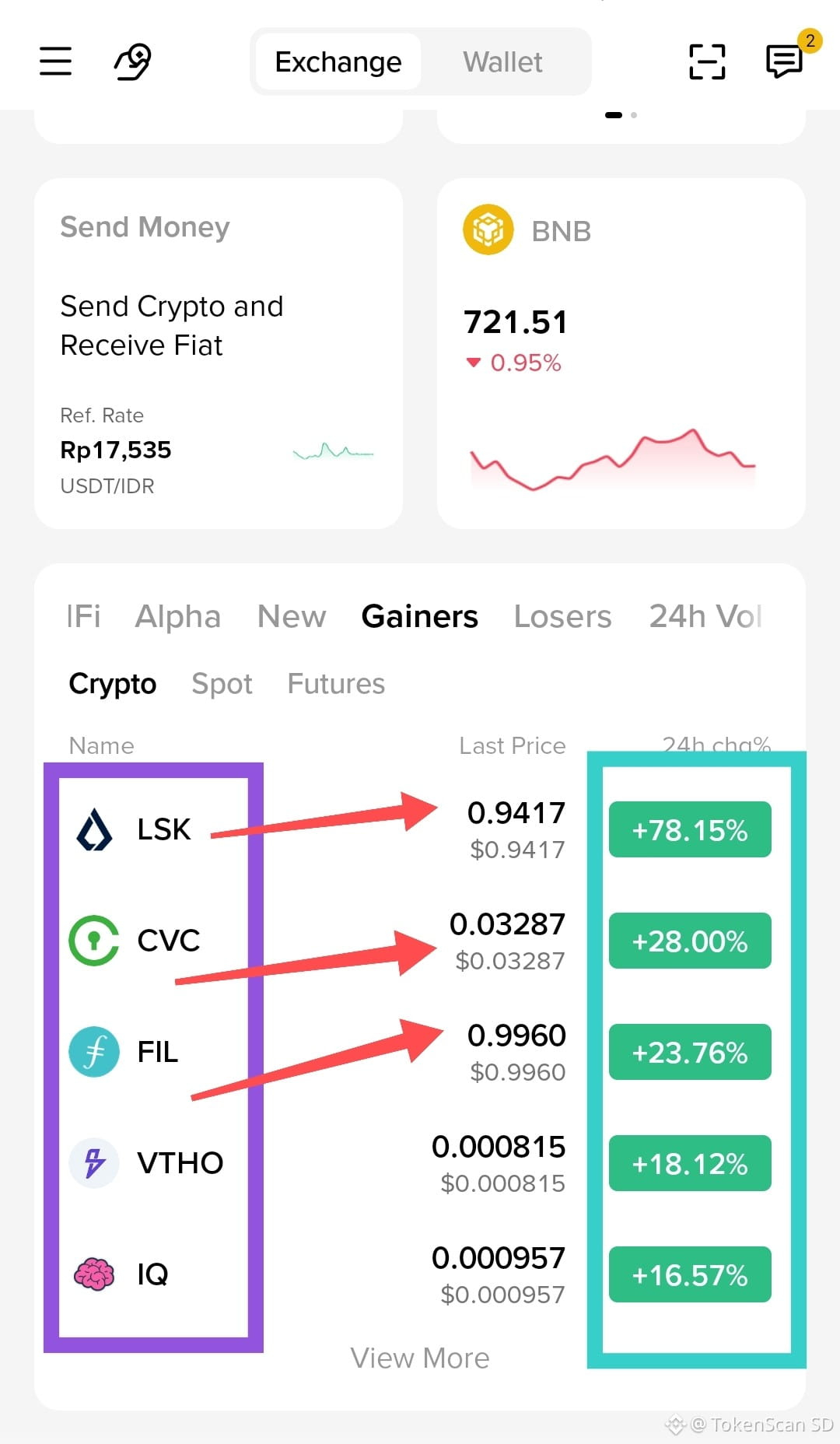
🔥 TOP 3 GAINER BINANCE HARI INI
#1 LSK (Lisk) — $0.9417 (+78.15%) 🚀
Masih kokoh di puncak, gess! Udah 2 hari beruntun LSK bertahan di posisi #1 top gainer. Momentumnya konsisten banget.
#2 CVC (Civic) — $0.03287 (+28.00%) 📈
Nyusul di posisi kedua dengan kenaikan 28% dalam 24 jam.
#3 FIL (Filecoin) — $0.9960 (+23.76%) ⚡
Melengkapi podium hari ini, hampir tembus $1.
⚠️ Inget ya gess, DYOR — pump segede ini biasanya volatile banget, jangan FOMO tanpa cek fundamentalnya dulu.
#Binance #TopGainer #LSKUSDT #CryptoTrends2024 #dyor
$LSK
{spot}(LSKUSDT)
$CVC
{future}(CVCUSDT)
$FIL
{future}(FILUSDT)
🔥 TOP 3 GAINER BINANCE HARI INI
#1 LSK (Lisk) — $0.9417 (+78.15%) 🚀
Masih kokoh di puncak, gess! Udah 2 hari beruntun LSK bertahan di posisi #1 top gainer. Momentumnya konsisten banget.
#2 CVC (Civic) — $0.03287 (+28.00%) 📈
Nyusul di posisi kedua dengan kenaikan 28% dalam 24 jam.
#3 FIL (Filecoin) — $0.9960 (+23.76%) ⚡
Melengkapi podium hari ini, hampir tembus $1.
⚠️ Inget ya gess, DYOR — pump segede ini biasanya volatile banget, jangan FOMO tanpa cek fundamentalnya dulu.
#Binance #TopGainer #LSKUSDT #CryptoTrends2024 #dyor
$LSK
$CVC
$FIL
#1 LSK (Lisk) — $0.9417 (+78.15%) 🚀
Masih kokoh di puncak, gess! Udah 2 hari beruntun LSK bertahan di posisi #1 top gainer. Momentumnya konsisten banget.
#2 CVC (Civic) — $0.03287 (+28.00%) 📈
Nyusul di posisi kedua dengan kenaikan 28% dalam 24 jam.
#3 FIL (Filecoin) — $0.9960 (+23.76%) ⚡
Melengkapi podium hari ini, hampir tembus $1.
⚠️ Inget ya gess, DYOR — pump segede ini biasanya volatile banget, jangan FOMO tanpa cek fundamentalnya dulu.
#Binance #TopGainer #LSKUSDT #CryptoTrends2024 #dyor
$LSK
$CVC
$FIL
348
·
--
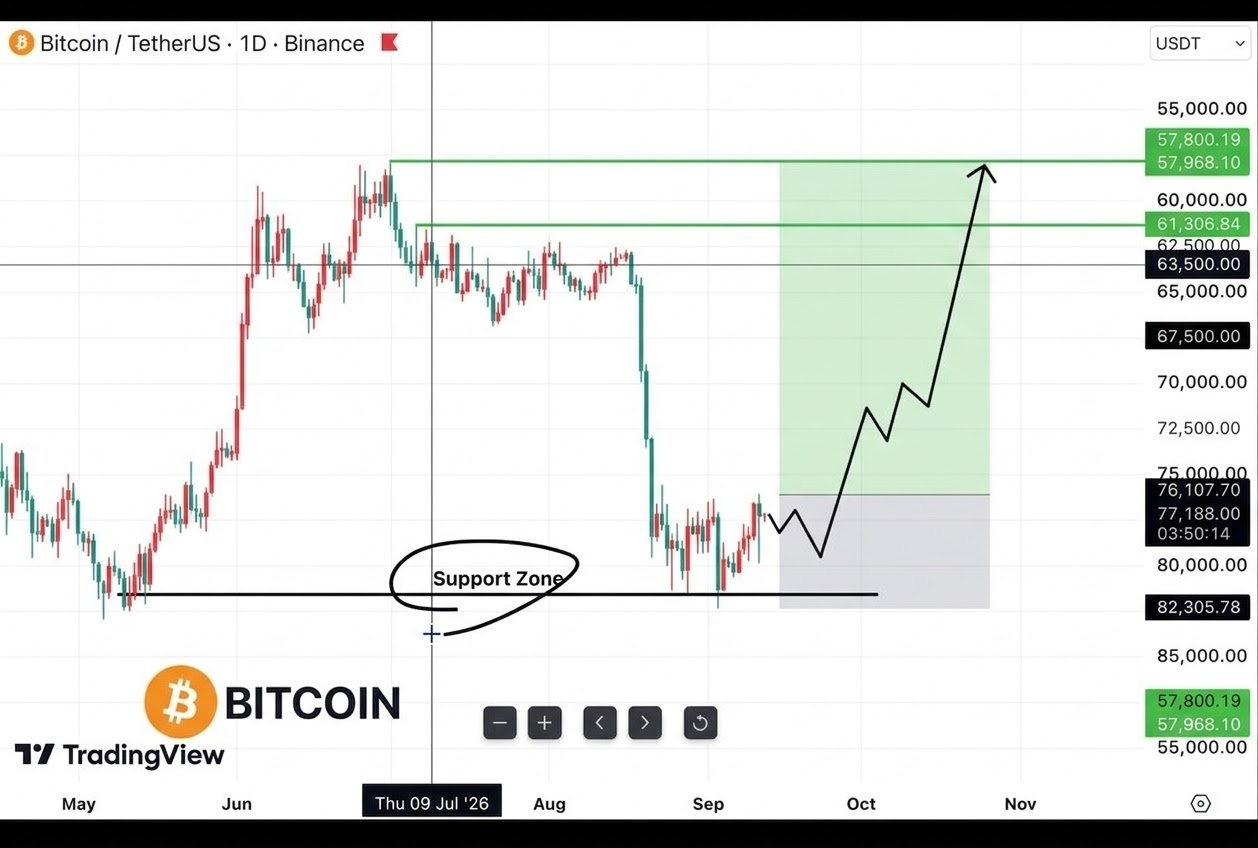
📊 BTC/USDT Outlook — Setup Bullish dari Support Zone
Bitcoin lagi konsolidasi di area Support Zone yang udah teruji beberapa kali. Kalau support ini tetap solid, ada peluang reversal menuju resistance area di 61.300 dan lanjut ke zona 57.800–58.000 sebagai target berikutnya.
Struktur higher-low mulai kebentuk pasca koreksi tajam kemarin — sinyal potensi tren naik jangka menengah kalau volume mendukung.
⚠️ Ini proyeksi teknikal, bukan sinyal beli/jual. Selalu cross-check dengan risk scanner sebelum eksekusi & DYOR.
#Bitcoin #BTC #cryptoindonesia #TokenScanSD
$BTC
{spot}(BTCUSDT)
📊 BTC/USDT Outlook — Setup Bullish dari Support Zone
Bitcoin lagi konsolidasi di area Support Zone yang udah teruji beberapa kali. Kalau support ini tetap solid, ada peluang reversal menuju resistance area di 61.300 dan lanjut ke zona 57.800–58.000 sebagai target berikutnya.
Struktur higher-low mulai kebentuk pasca koreksi tajam kemarin — sinyal potensi tren naik jangka menengah kalau volume mendukung.
⚠️ Ini proyeksi teknikal, bukan sinyal beli/jual. Selalu cross-check dengan risk scanner sebelum eksekusi & DYOR.
#Bitcoin #BTC #cryptoindonesia #TokenScanSD
$BTC
Bitcoin lagi konsolidasi di area Support Zone yang udah teruji beberapa kali. Kalau support ini tetap solid, ada peluang reversal menuju resistance area di 61.300 dan lanjut ke zona 57.800–58.000 sebagai target berikutnya.
Struktur higher-low mulai kebentuk pasca koreksi tajam kemarin — sinyal potensi tren naik jangka menengah kalau volume mendukung.
⚠️ Ini proyeksi teknikal, bukan sinyal beli/jual. Selalu cross-check dengan risk scanner sebelum eksekusi & DYOR.
#Bitcoin #BTC #cryptoindonesia #TokenScanSD
$BTC
2
976
·
--
Apa yang kamu pikirkan tentang koin LSK?
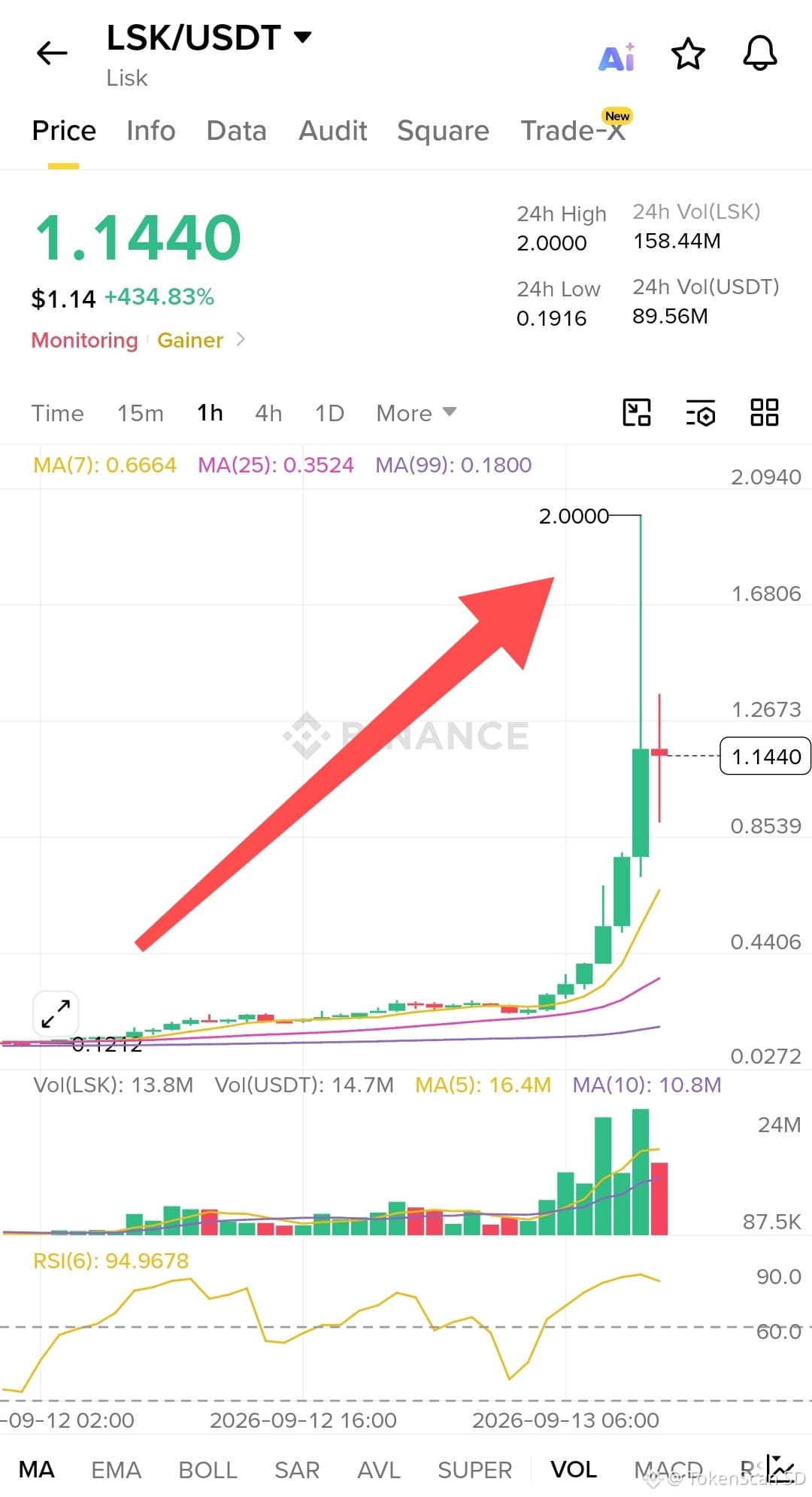
LSK tadi 0.12, sempat 2.00, sekarang 1.05. Sehari +434%.
Bukan “Lisk season.”
Ini koin lama yang tiba-tiba diingat pasar.
Yang penting:
Wick ke 2.00 = ada yang jual ke yang terlambat
RSI 95 = napas di leher, bukan awal pesta
Volume terakhir merah = ramai, lalu ada yang keluar
Harga masih di atas MA7 0.66, jadi tren pendek belum rusak
Naiknya vertikal. Fondasinya tipis.
Kalau bertahan di 1.00, masih hidup.
Kalau pecah ke 0.66, pesta sudah bayar catering.
Jangan beli karena hijau.
Jangan kawin dengan koin yang baru bangun tidur.
DYOR. Bukan saran keuangan.
$LSK
{future}(LSKUSDT)
Apa yang kamu pikirkan tentang koin LSK?
LSK tadi 0.12, sempat 2.00, sekarang 1.05. Sehari +434%.
Bukan “Lisk season.”
Ini koin lama yang tiba-tiba diingat pasar.
Yang penting:
Wick ke 2.00 = ada yang jual ke yang terlambat
RSI 95 = napas di leher, bukan awal pesta
Volume terakhir merah = ramai, lalu ada yang keluar
Harga masih di atas MA7 0.66, jadi tren pendek belum rusak
Naiknya vertikal. Fondasinya tipis.
Kalau bertahan di 1.00, masih hidup.
Kalau pecah ke 0.66, pesta sudah bayar catering.
Jangan beli karena hijau.
Jangan kawin dengan koin yang baru bangun tidur.
DYOR. Bukan saran keuangan.
$LSK
LSK tadi 0.12, sempat 2.00, sekarang 1.05. Sehari +434%.
Bukan “Lisk season.”
Ini koin lama yang tiba-tiba diingat pasar.
Yang penting:
Wick ke 2.00 = ada yang jual ke yang terlambat
RSI 95 = napas di leher, bukan awal pesta
Volume terakhir merah = ramai, lalu ada yang keluar
Harga masih di atas MA7 0.66, jadi tren pendek belum rusak
Naiknya vertikal. Fondasinya tipis.
Kalau bertahan di 1.00, masih hidup.
Kalau pecah ke 0.66, pesta sudah bayar catering.
Jangan beli karena hijau.
Jangan kawin dengan koin yang baru bangun tidur.
DYOR. Bukan saran keuangan.
$LSK
1.1k
·
--
🚨Semua altcoin akan seperti ini pada waktunya
Bukan ancaman. Ini adalah pola yang sudah berulang.
1.LUNA
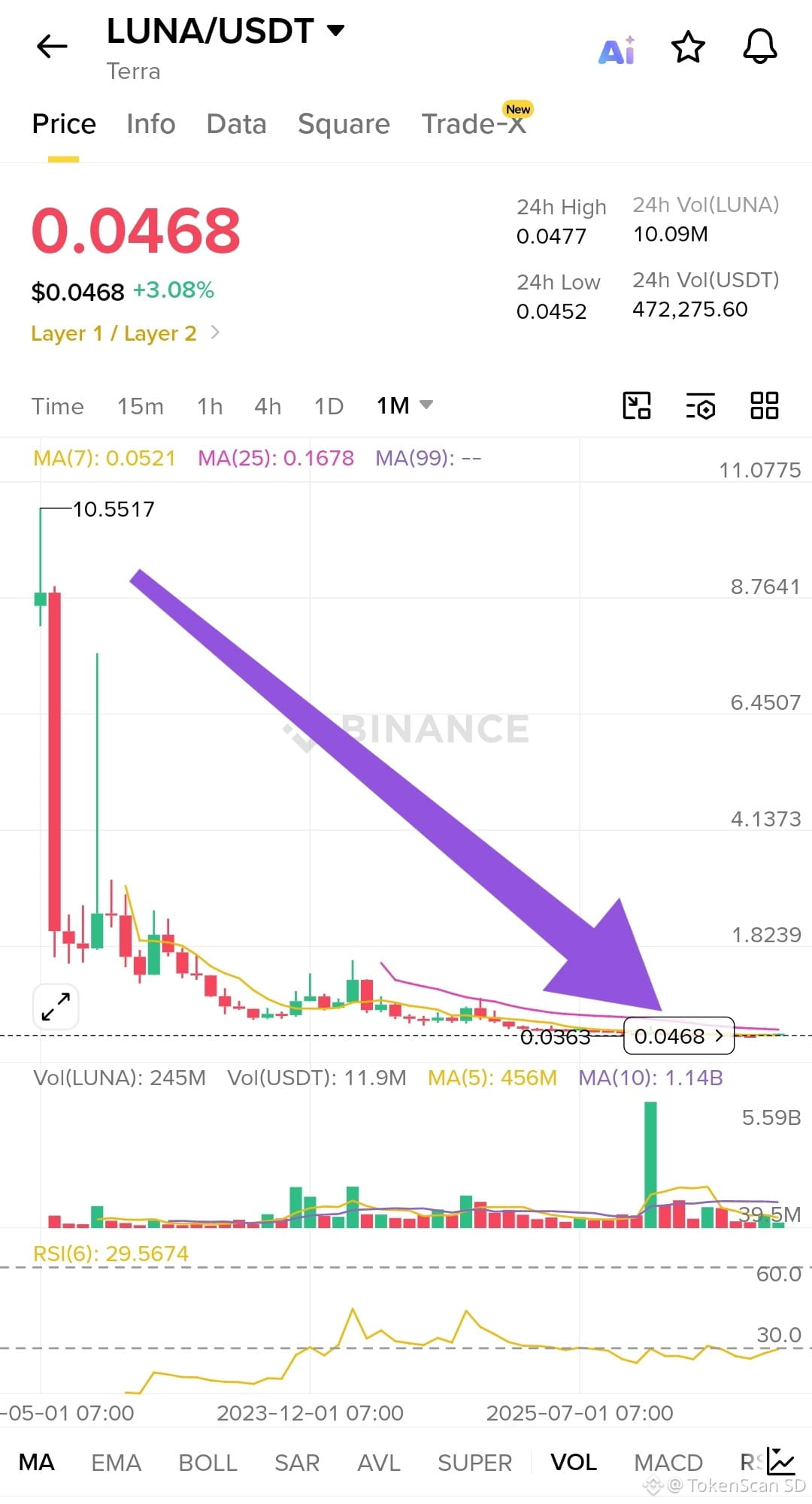
Dulu sempat ke 10.55. Sekarang 0.04668.
Dari puncak ke sini, chart bulanannya cuma satu arah: turun, turun, lalu mendatar di dasar. Volume masih ada, RSI rendah, harga hijau +3% hari ini. Itu bukan kebangkitan. Itu debu yang masih bergerak.
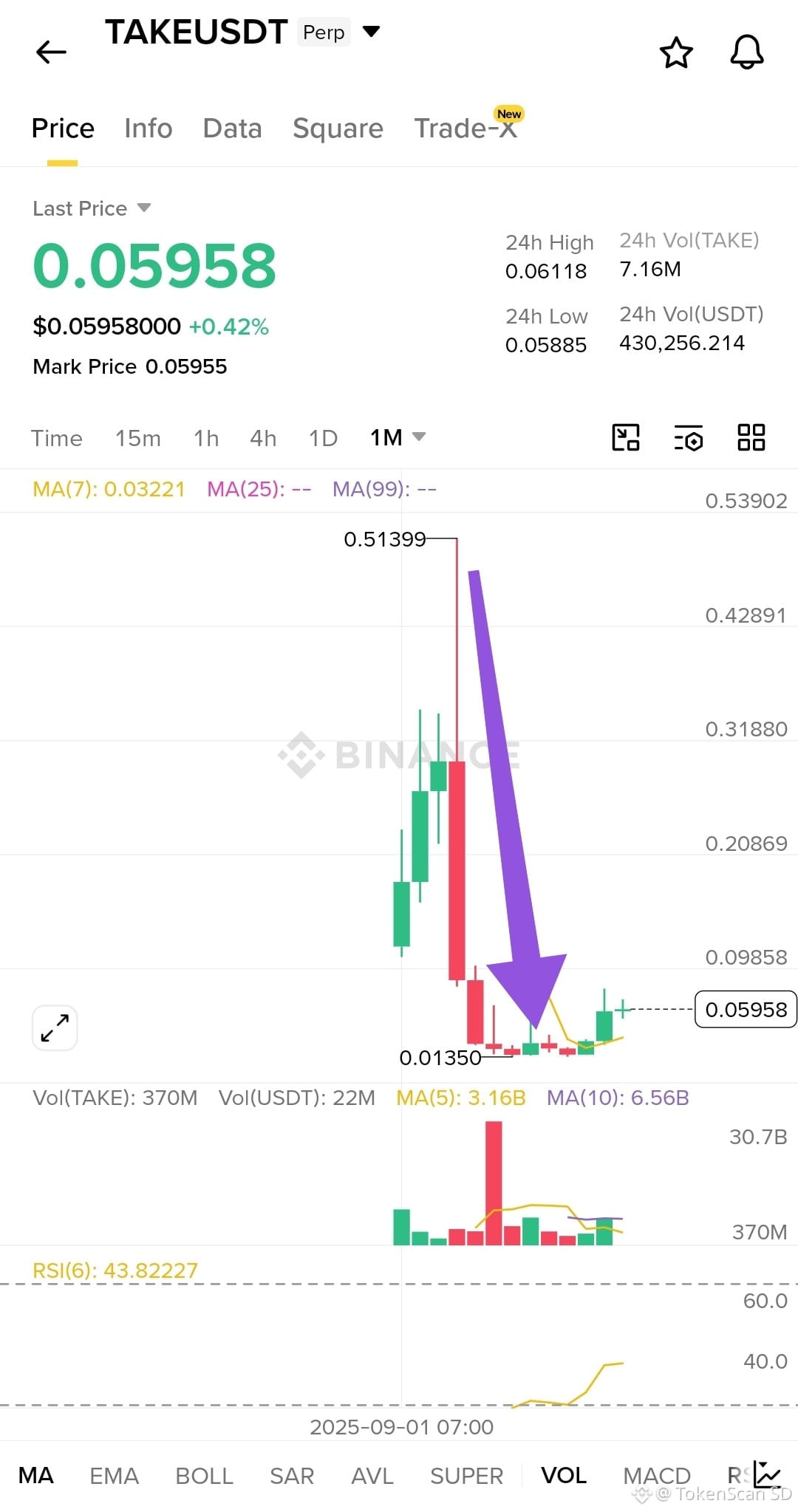
2.TAKE
Puncak 0.513. Jatuh sampai 0.01350. Sekarang 0.05958.
Naik dikit setelah dihancurkan, orang mulai bilang “recovery”. Padahal dari ATH masih jauh. Satu candle merah besar sudah cukup untuk menghapus narasi.
3.LAB
lebih cepat ceritanya.
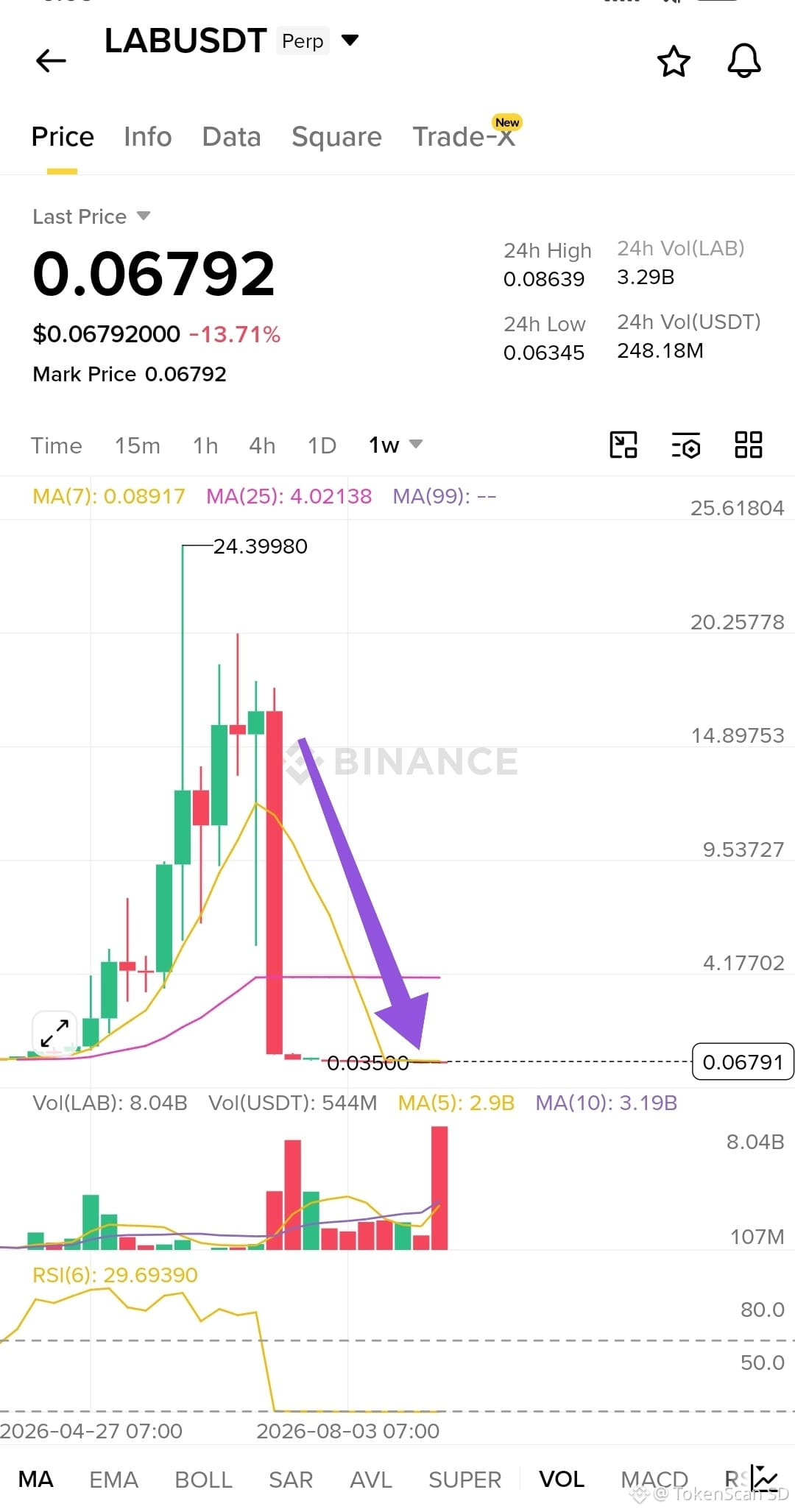
Panjat sampai 24.39, lalu dipotong. Sekarang 0.0678, sehari -13.7%.
RSI di zona lemas. Volume besar di candle merah. Itu bukan “dip”, itu distribusi yang sudah selesai.
Tiga chart, satu template☕
👉Narasi baru
👉Harga terbang
👉Liquidity datang
👉Smart money keluar
👉Chart jadi anak panah ke kanan bawah
Yang tertinggal pegang bag, sambil nunggu
“cycle berikutnya”
Bitcoin bisa pulih karena dia indeks kepercayaan jaringan.
Altcoin mayoritas tidak punya itu. Mereka punya momen, timeline, KOL, dan tanggal kadaluarsa.
Yang kelihatan “hidup” hari ini, mungkin lagi menunggu waktu yang pas untuk mati.
Nanti chart-nya akan mirip tiga ini: puncak di kiri, jarum di kanan bawah dan caption “masih early”.
Bukan berarti tidak ada yang pump,
Ada tapi Singkat.
Setelah itu pasar melakukan hal yang sama ke nama nama berikutnya.
Jangan baca chart ini sebagai sinyal beli.
Baca sebagai pengingat ☝️di crypto, waktu merugikan yang datang terlambat, dan menolong yang tahu kapan harus selesai.
DYOR. Bukan saran keuangan.
#story #altcoins
$LUNA
{spot}(LUNAUSDT)
$TAKE
{future}(TAKEUSDT)
$LAB
{future}(LABUSDT)
🚨Semua altcoin akan seperti ini pada waktunya
Bukan ancaman. Ini adalah pola yang sudah berulang.
1.LUNA
Dulu sempat ke 10.55. Sekarang 0.04668.
Dari puncak ke sini, chart bulanannya cuma satu arah: turun, turun, lalu mendatar di dasar. Volume masih ada, RSI rendah, harga hijau +3% hari ini. Itu bukan kebangkitan. Itu debu yang masih bergerak.
2.TAKE
Puncak 0.513. Jatuh sampai 0.01350. Sekarang 0.05958.
Naik dikit setelah dihancurkan, orang mulai bilang “recovery”. Padahal dari ATH masih jauh. Satu candle merah besar sudah cukup untuk menghapus narasi.
3.LAB
lebih cepat ceritanya.
Panjat sampai 24.39, lalu dipotong. Sekarang 0.0678, sehari -13.7%.
RSI di zona lemas. Volume besar di candle merah. Itu bukan “dip”, itu distribusi yang sudah selesai.
Tiga chart, satu template☕
👉Narasi baru
👉Harga terbang
👉Liquidity datang
👉Smart money keluar
👉Chart jadi anak panah ke kanan bawah
Yang tertinggal pegang bag, sambil nunggu
“cycle berikutnya”
Bitcoin bisa pulih karena dia indeks kepercayaan jaringan.
Altcoin mayoritas tidak punya itu. Mereka punya momen, timeline, KOL, dan tanggal kadaluarsa.
Yang kelihatan “hidup” hari ini, mungkin lagi menunggu waktu yang pas untuk mati.
Nanti chart-nya akan mirip tiga ini: puncak di kiri, jarum di kanan bawah dan caption “masih early”.
Bukan berarti tidak ada yang pump,
Ada tapi Singkat.
Setelah itu pasar melakukan hal yang sama ke nama nama berikutnya.
Jangan baca chart ini sebagai sinyal beli.
Baca sebagai pengingat ☝️di crypto, waktu merugikan yang datang terlambat, dan menolong yang tahu kapan harus selesai.
DYOR. Bukan saran keuangan.
#story #altcoins
$LUNA
$TAKE
$LAB
Bukan ancaman. Ini adalah pola yang sudah berulang.
1.LUNA
Dulu sempat ke 10.55. Sekarang 0.04668.
Dari puncak ke sini, chart bulanannya cuma satu arah: turun, turun, lalu mendatar di dasar. Volume masih ada, RSI rendah, harga hijau +3% hari ini. Itu bukan kebangkitan. Itu debu yang masih bergerak.
2.TAKE
Puncak 0.513. Jatuh sampai 0.01350. Sekarang 0.05958.
Naik dikit setelah dihancurkan, orang mulai bilang “recovery”. Padahal dari ATH masih jauh. Satu candle merah besar sudah cukup untuk menghapus narasi.
3.LAB
lebih cepat ceritanya.
Panjat sampai 24.39, lalu dipotong. Sekarang 0.0678, sehari -13.7%.
RSI di zona lemas. Volume besar di candle merah. Itu bukan “dip”, itu distribusi yang sudah selesai.
Tiga chart, satu template☕
👉Narasi baru
👉Harga terbang
👉Liquidity datang
👉Smart money keluar
👉Chart jadi anak panah ke kanan bawah
Yang tertinggal pegang bag, sambil nunggu
“cycle berikutnya”
Bitcoin bisa pulih karena dia indeks kepercayaan jaringan.
Altcoin mayoritas tidak punya itu. Mereka punya momen, timeline, KOL, dan tanggal kadaluarsa.
Yang kelihatan “hidup” hari ini, mungkin lagi menunggu waktu yang pas untuk mati.
Nanti chart-nya akan mirip tiga ini: puncak di kiri, jarum di kanan bawah dan caption “masih early”.
Bukan berarti tidak ada yang pump,
Ada tapi Singkat.
Setelah itu pasar melakukan hal yang sama ke nama nama berikutnya.
Jangan baca chart ini sebagai sinyal beli.
Baca sebagai pengingat ☝️di crypto, waktu merugikan yang datang terlambat, dan menolong yang tahu kapan harus selesai.
DYOR. Bukan saran keuangan.
#story #altcoins
$LUNA
$TAKE
$LAB
801
·
--
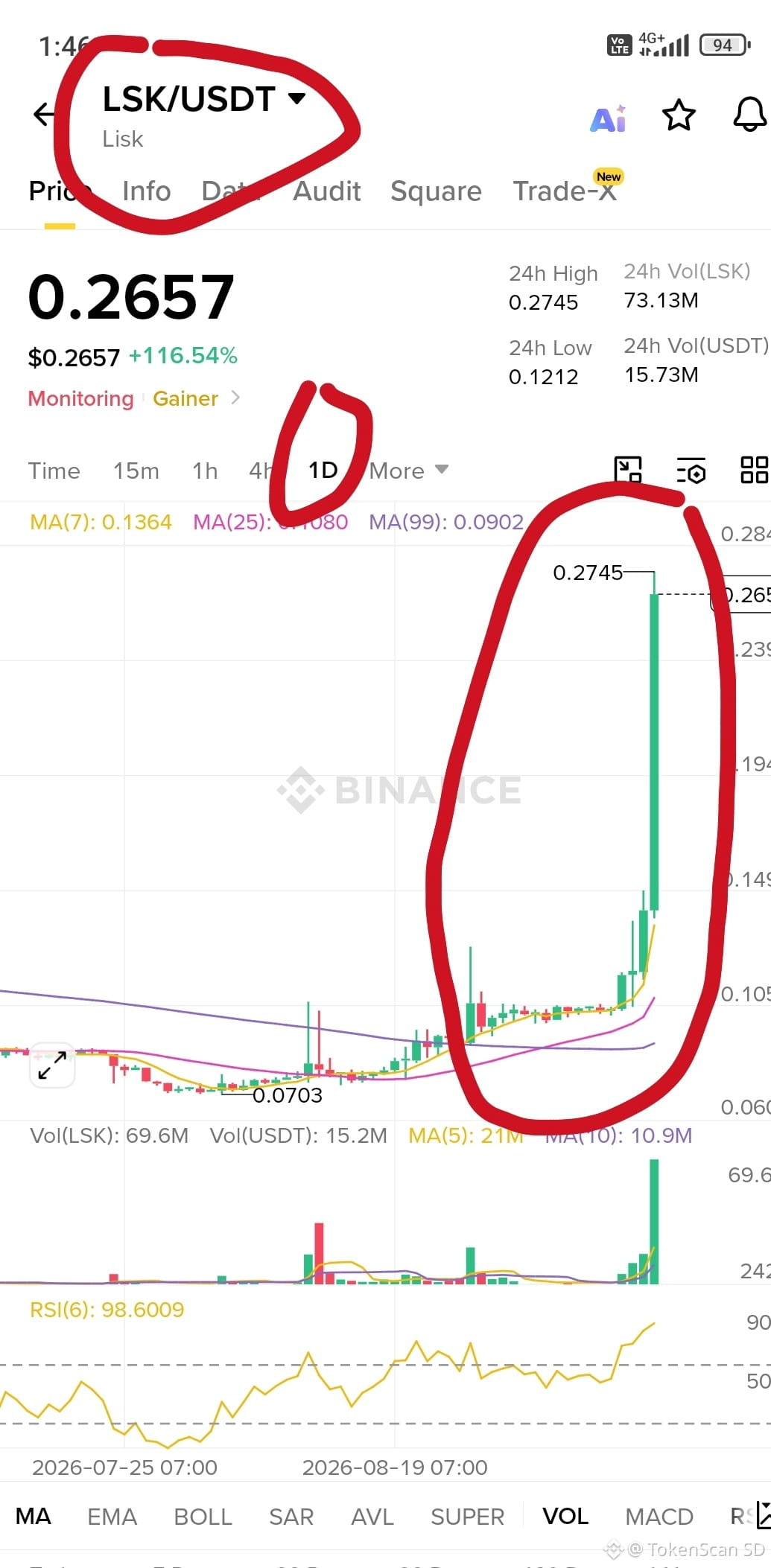
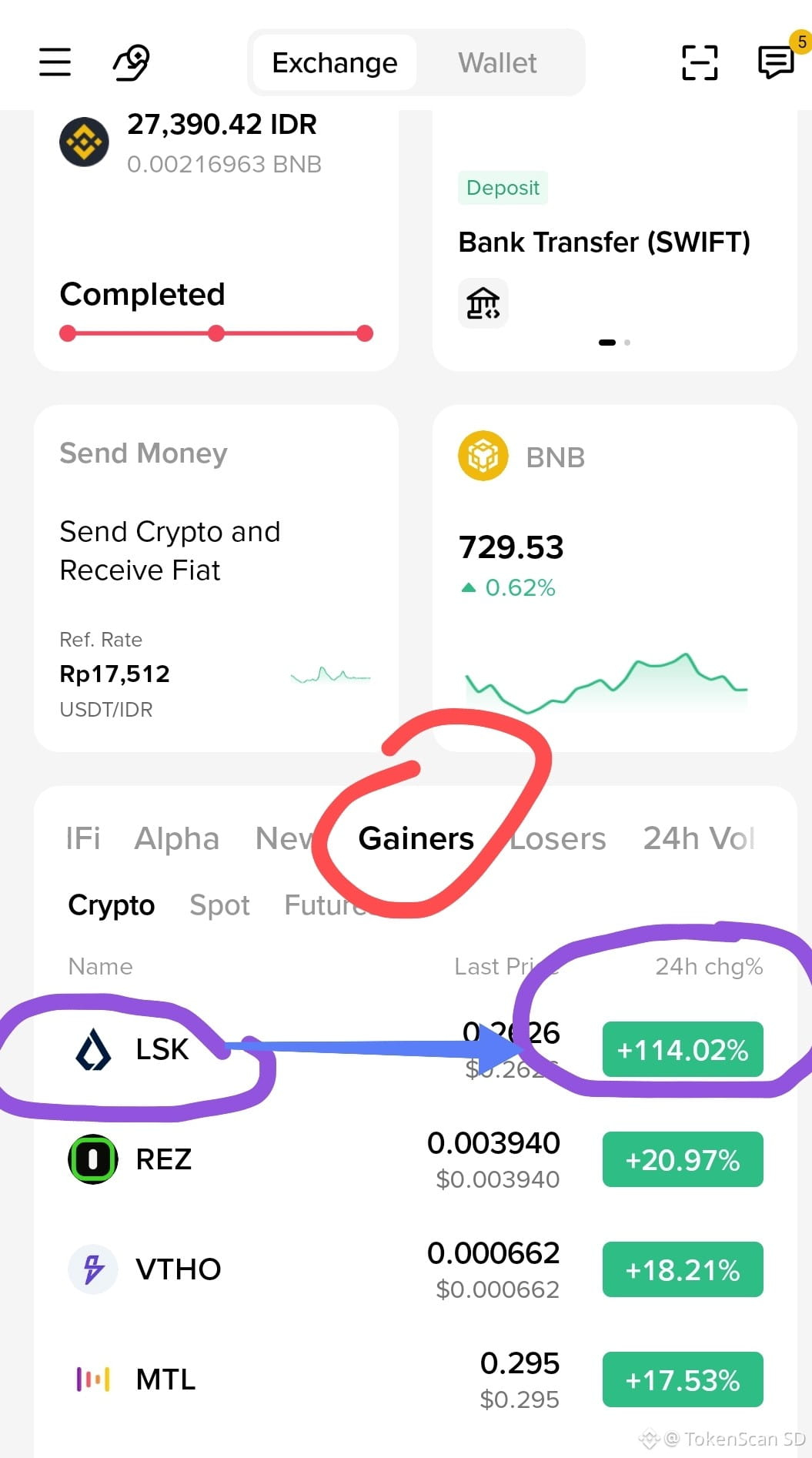
$LSK lagi jadi bintang panggung, dari 0.0703 melesat ke 0.2745, ijo royo-royo +116%! Masuk daftar Gainers nomor satu, ngalahin REZ, VTHO, semua minggir dulu.
Tapi coba liat RSI-nya... 98.6! Itu bukan overbought lagi, itu udah 'over-everything' 🥵 Candle ijo panjang kayak roket tanpa rem, volume tiba-tiba meledak pas harga udah di langit.
Realistisnya: pump segila ini jarang mulus turunnya. Yang telat masuk biasanya jadi bantalan buat yang jual duluan. Kalau belum posisi, mending duduk manis liat drama-nya dari kursi penonton dulu. Chasing green candle di RSI segini itu ibarat lompat ke kereta yang udah ninggalin stasiun 😅 DYOR, jangan modal panas doang
NOTE : RSI 98.6, udah extreme overbought, +116% dalam sehari. Entry sekarang (long atau short) sama-sama high risk. Tunggu tanda reversal dulu sebelum ambil posisi. DYOR.
$LSK
{future}(LSKUSDT)
$LSK lagi jadi bintang panggung, dari 0.0703 melesat ke 0.2745, ijo royo-royo +116%! Masuk daftar Gainers nomor satu, ngalahin REZ, VTHO, semua minggir dulu.
Tapi coba liat RSI-nya... 98.6! Itu bukan overbought lagi, itu udah 'over-everything' 🥵 Candle ijo panjang kayak roket tanpa rem, volume tiba-tiba meledak pas harga udah di langit.
Realistisnya: pump segila ini jarang mulus turunnya. Yang telat masuk biasanya jadi bantalan buat yang jual duluan. Kalau belum posisi, mending duduk manis liat drama-nya dari kursi penonton dulu. Chasing green candle di RSI segini itu ibarat lompat ke kereta yang udah ninggalin stasiun 😅 DYOR, jangan modal panas doang
NOTE : RSI 98.6, udah extreme overbought, +116% dalam sehari. Entry sekarang (long atau short) sama-sama high risk. Tunggu tanda reversal dulu sebelum ambil posisi. DYOR.
$LSK
Tapi coba liat RSI-nya... 98.6! Itu bukan overbought lagi, itu udah 'over-everything' 🥵 Candle ijo panjang kayak roket tanpa rem, volume tiba-tiba meledak pas harga udah di langit.
Realistisnya: pump segila ini jarang mulus turunnya. Yang telat masuk biasanya jadi bantalan buat yang jual duluan. Kalau belum posisi, mending duduk manis liat drama-nya dari kursi penonton dulu. Chasing green candle di RSI segini itu ibarat lompat ke kereta yang udah ninggalin stasiun 😅 DYOR, jangan modal panas doang
NOTE : RSI 98.6, udah extreme overbought, +116% dalam sehari. Entry sekarang (long atau short) sama-sama high risk. Tunggu tanda reversal dulu sebelum ambil posisi. DYOR.
$LSK
1
1.8k
·
--
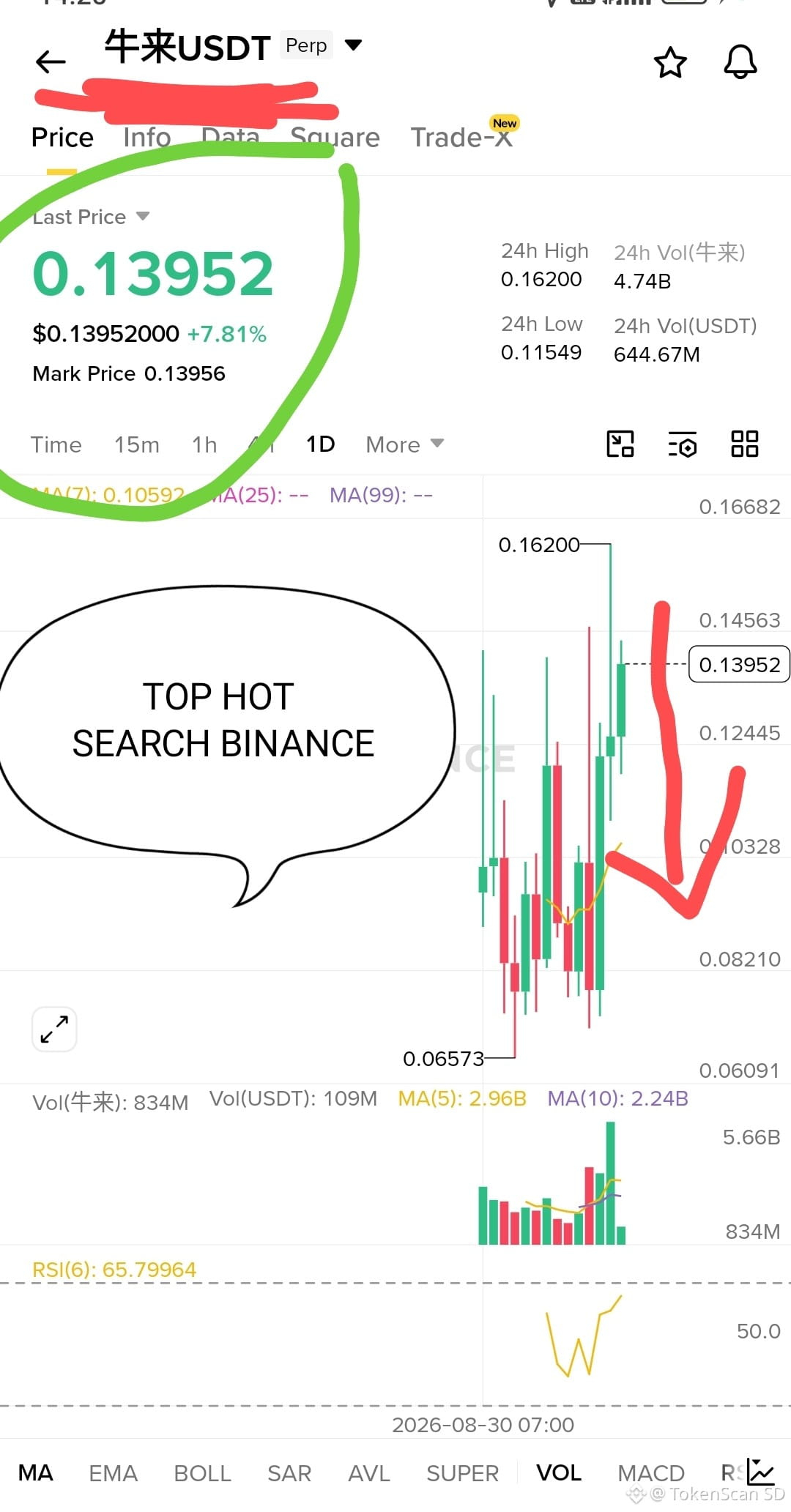
$牛来 lagi trending lagi dan lagi,
chart-nya kayak orang yang baru diputus terus langsung gym.
Dari 0.16 dihajar, ke 0.11 dipeluk, sekarang 0.139 lagi nengok ke atas. Volume gede, RSI 65, hot search Binance. Pola merah di kanan itu kelihatan kayak centang miring — “udah turun, sekarang giliran naik… atau giliran kena lagi”.
Kesimpulan 👉 momentum ada, tapi ini tetap sapi meme. Bisa jadi rendang, bisa jadi sate, bisa juga jadi daging yang keburu busuk.
Gas boleh. All-in jangan.
DYOR NFA!
#MEME #crypto #niulai
$牛来
{spot}(牛来USDT)
$牛来 lagi trending lagi dan lagi,
chart-nya kayak orang yang baru diputus terus langsung gym.
Dari 0.16 dihajar, ke 0.11 dipeluk, sekarang 0.139 lagi nengok ke atas. Volume gede, RSI 65, hot search Binance. Pola merah di kanan itu kelihatan kayak centang miring — “udah turun, sekarang giliran naik… atau giliran kena lagi”.
Kesimpulan 👉 momentum ada, tapi ini tetap sapi meme. Bisa jadi rendang, bisa jadi sate, bisa juga jadi daging yang keburu busuk.
Gas boleh. All-in jangan.
DYOR NFA!
#MEME #crypto #niulai
$牛来
chart-nya kayak orang yang baru diputus terus langsung gym.
Dari 0.16 dihajar, ke 0.11 dipeluk, sekarang 0.139 lagi nengok ke atas. Volume gede, RSI 65, hot search Binance. Pola merah di kanan itu kelihatan kayak centang miring — “udah turun, sekarang giliran naik… atau giliran kena lagi”.
Kesimpulan 👉 momentum ada, tapi ini tetap sapi meme. Bisa jadi rendang, bisa jadi sate, bisa juga jadi daging yang keburu busuk.
Gas boleh. All-in jangan.
DYOR NFA!
#MEME #crypto #niulai
$牛来
1
768
·
--
😂 "Nasib Artis Dadakan": Yang Kemarin Jadi Bintang Top Gainer, Sekarang Nangkring di Top Losers
Judulnya lebay ya? Tapi coba liat data ini deh, beneran kejadian:
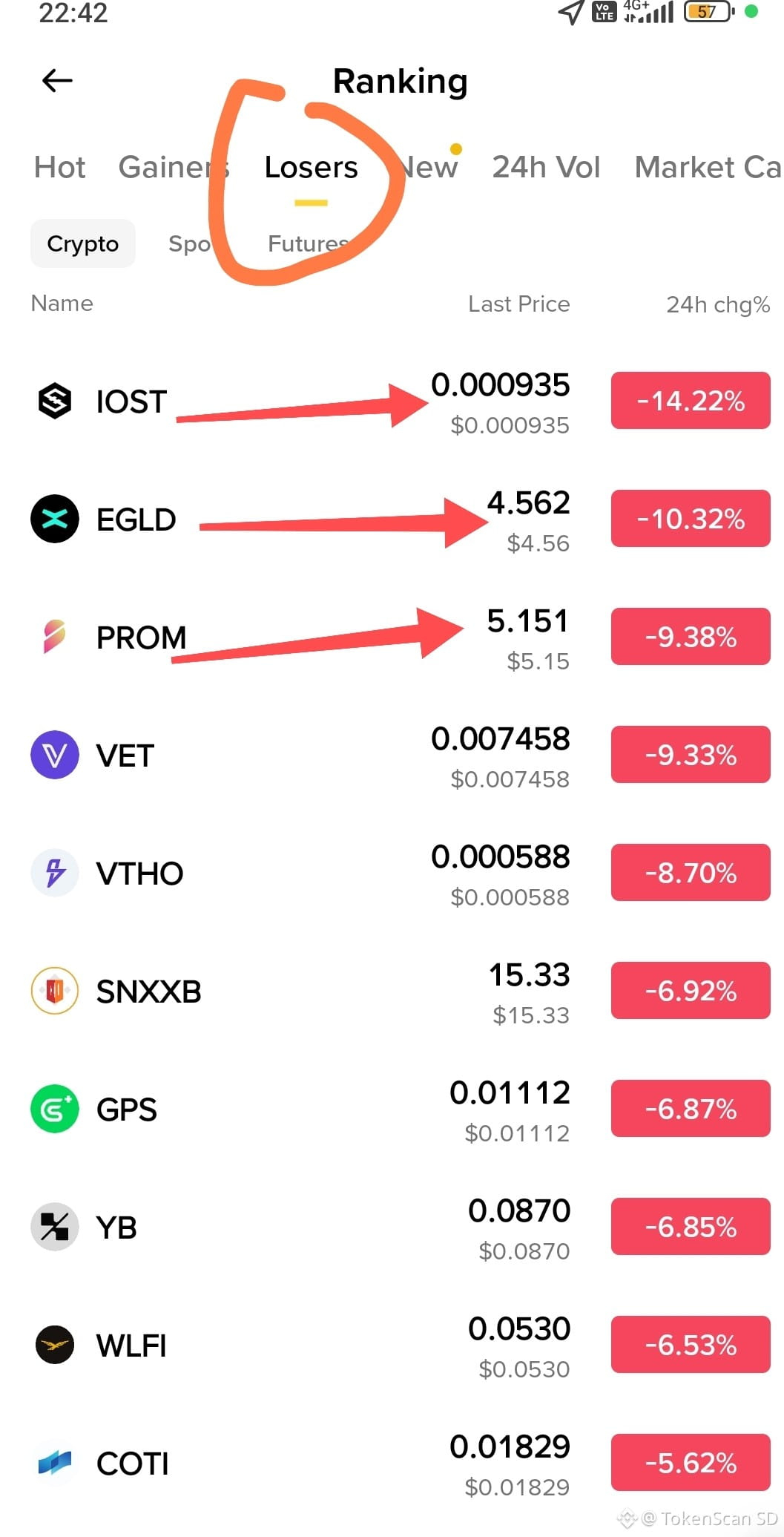
🏆 Kemarin lusa, VTHO viral banget di Top Gainers — meroket sampai +57% dalam sehari. Rame yang bahas "wah cuan gede nih". Waktu itu aku sempet bilang: RSI-nya udah 87 (overbought parah), biasanya abis gini ada koreksi tajam.
📉 Sekarang? VTHO nangkring di Top LOSERS, -8,70%. EGLD yang kemarin juga masuk Top Gainers (+10%), sekarang ikut nyungsep -10,32%.
Ini kayak plot sinetron: "Dari Panggung Kehormatan ke Comeback yang Nggak Diundang" 🎭
Coba kita bedah nangkringnya di losers hari ini, versi nyleneh:
🥇 IOST -14,22% → Juara losers hari ini. Kayak orang abis menang lotre terus dompetnya ilang lagi besoknya.
🥈 EGLD -10,32% → Padahal kemarin sempet jadi kebanggaan grup. Sekarang "eh lu yang kemarin heboh itu kan?"
🥉 PROM -9,38% → Nama gagah "Prometheus", tapi apinya padam duluan hari ini.
VET -9,33%, VTHO -8,70% → Sepasang "artis satu manajemen" yang bareng naik panggung, bareng juga turun panggungnya.
$IOST
{spot}(IOSTUSDT)
$EGLD
{future}(EGLDUSDT)
$PROM
{future}(PROMUSDT)
#TopLosers #EdukasiCrypto #VTHO.24小时交易策略 #EGLD
😂 "Nasib Artis Dadakan": Yang Kemarin Jadi Bintang Top Gainer, Sekarang Nangkring di Top Losers
Judulnya lebay ya? Tapi coba liat data ini deh, beneran kejadian:
🏆 Kemarin lusa, VTHO viral banget di Top Gainers — meroket sampai +57% dalam sehari. Rame yang bahas "wah cuan gede nih". Waktu itu aku sempet bilang: RSI-nya udah 87 (overbought parah), biasanya abis gini ada koreksi tajam.
📉 Sekarang? VTHO nangkring di Top LOSERS, -8,70%. EGLD yang kemarin juga masuk Top Gainers (+10%), sekarang ikut nyungsep -10,32%.
Ini kayak plot sinetron: "Dari Panggung Kehormatan ke Comeback yang Nggak Diundang" 🎭
Coba kita bedah nangkringnya di losers hari ini, versi nyleneh:
🥇 IOST -14,22% → Juara losers hari ini. Kayak orang abis menang lotre terus dompetnya ilang lagi besoknya.
🥈 EGLD -10,32% → Padahal kemarin sempet jadi kebanggaan grup. Sekarang "eh lu yang kemarin heboh itu kan?"
🥉 PROM -9,38% → Nama gagah "Prometheus", tapi apinya padam duluan hari ini.
VET -9,33%, VTHO -8,70% → Sepasang "artis satu manajemen" yang bareng naik panggung, bareng juga turun panggungnya.
$IOST
$EGLD
$PROM
#TopLosers #EdukasiCrypto #VTHO.24小时交易策略 #EGLD
Judulnya lebay ya? Tapi coba liat data ini deh, beneran kejadian:
🏆 Kemarin lusa, VTHO viral banget di Top Gainers — meroket sampai +57% dalam sehari. Rame yang bahas "wah cuan gede nih". Waktu itu aku sempet bilang: RSI-nya udah 87 (overbought parah), biasanya abis gini ada koreksi tajam.
📉 Sekarang? VTHO nangkring di Top LOSERS, -8,70%. EGLD yang kemarin juga masuk Top Gainers (+10%), sekarang ikut nyungsep -10,32%.
Ini kayak plot sinetron: "Dari Panggung Kehormatan ke Comeback yang Nggak Diundang" 🎭
Coba kita bedah nangkringnya di losers hari ini, versi nyleneh:
🥇 IOST -14,22% → Juara losers hari ini. Kayak orang abis menang lotre terus dompetnya ilang lagi besoknya.
🥈 EGLD -10,32% → Padahal kemarin sempet jadi kebanggaan grup. Sekarang "eh lu yang kemarin heboh itu kan?"
🥉 PROM -9,38% → Nama gagah "Prometheus", tapi apinya padam duluan hari ini.
VET -9,33%, VTHO -8,70% → Sepasang "artis satu manajemen" yang bareng naik panggung, bareng juga turun panggungnya.
$IOST
$EGLD
$PROM
#TopLosers #EdukasiCrypto #VTHO.24小时交易策略 #EGLD
1.1k
·
--
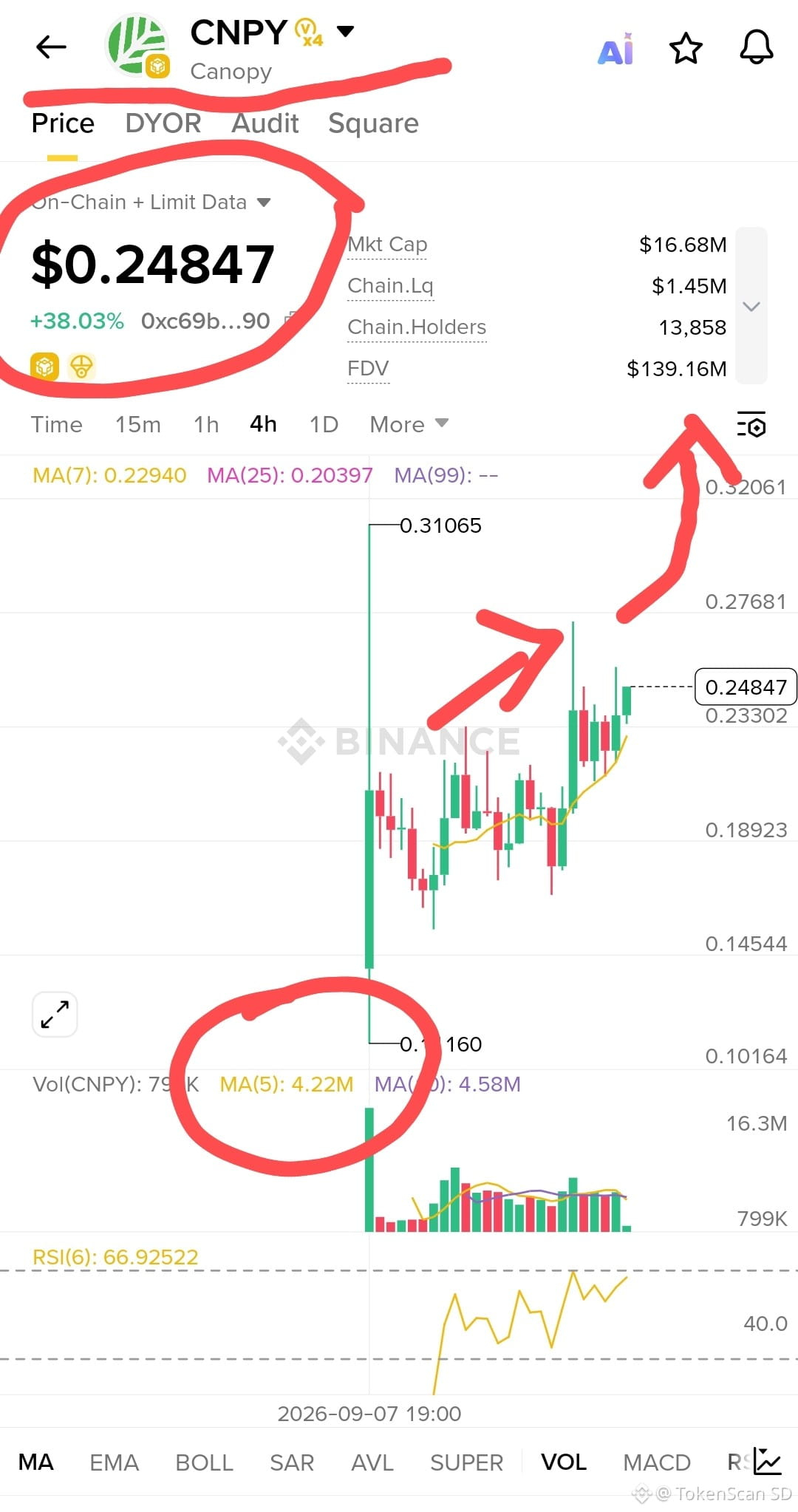
$CNPY (Canopy) — versi GUE
Harga di chart: $0.248 (+38%)
MC $16.6M
Liq $1.45M
Holders 13.8k
FDV $139M
Bukan koin “anjing pakai topi”. Ini infrastruktur AI buat bikin appchain ~200 baris kode. $CNPY = bayar gas + stake + numpang keamanan chain orang. Seed $8.5M. Listing 7 Sep di Alpha/Bitget/Gate. Circ cuma ~12% dari max 560 juta. Sisanya masih nunggu antri keluar. 👋
Chart 4H:
Candle hijau pertama itu bukan akumulasi, itu orang berebut kursi. High $0.31, sekarang sit di $0.248, masih di atas MA7/MA25. RSI 67 = agak gerah, belum pingsan.
Support: 0.23 – 0.19
Resistance: 0.27 – 0.31
Volume vs MC gila. Bagus buat trading, jelek buat ego.
Kesimpulan: narasi bagus, timing listing enak, harga sudah lari dulu. Chase +38% = bayar tiket konser yang lagunya belum mulai. Tunggu pullback, size kecil, jangan nikah sama candle hijau.🤪
DYOR. Bukan sinyal. Kalau rugi jangan tag aku, tag MA7-nya.
#Canopy #NewListing
$CNPY
{alpha}(560xc69b16cf18cea1e5d0bb6a1a9db802097790ddd2)
$CNPY (Canopy) — versi GUE
Harga di chart: $0.248 (+38%)
MC $16.6M
Liq $1.45M
Holders 13.8k
FDV $139M
Bukan koin “anjing pakai topi”. Ini infrastruktur AI buat bikin appchain ~200 baris kode. $CNPY = bayar gas + stake + numpang keamanan chain orang. Seed $8.5M. Listing 7 Sep di Alpha/Bitget/Gate. Circ cuma ~12% dari max 560 juta. Sisanya masih nunggu antri keluar. 👋
Chart 4H:
Candle hijau pertama itu bukan akumulasi, itu orang berebut kursi. High $0.31, sekarang sit di $0.248, masih di atas MA7/MA25. RSI 67 = agak gerah, belum pingsan.
Support: 0.23 – 0.19
Resistance: 0.27 – 0.31
Volume vs MC gila. Bagus buat trading, jelek buat ego.
Kesimpulan: narasi bagus, timing listing enak, harga sudah lari dulu. Chase +38% = bayar tiket konser yang lagunya belum mulai. Tunggu pullback, size kecil, jangan nikah sama candle hijau.🤪
DYOR. Bukan sinyal. Kalau rugi jangan tag aku, tag MA7-nya.
#Canopy #NewListing
$CNPY
Harga di chart: $0.248 (+38%)
MC $16.6M
Liq $1.45M
Holders 13.8k
FDV $139M
Bukan koin “anjing pakai topi”. Ini infrastruktur AI buat bikin appchain ~200 baris kode. $CNPY = bayar gas + stake + numpang keamanan chain orang. Seed $8.5M. Listing 7 Sep di Alpha/Bitget/Gate. Circ cuma ~12% dari max 560 juta. Sisanya masih nunggu antri keluar. 👋
Chart 4H:
Candle hijau pertama itu bukan akumulasi, itu orang berebut kursi. High $0.31, sekarang sit di $0.248, masih di atas MA7/MA25. RSI 67 = agak gerah, belum pingsan.
Support: 0.23 – 0.19
Resistance: 0.27 – 0.31
Volume vs MC gila. Bagus buat trading, jelek buat ego.
Kesimpulan: narasi bagus, timing listing enak, harga sudah lari dulu. Chase +38% = bayar tiket konser yang lagunya belum mulai. Tunggu pullback, size kecil, jangan nikah sama candle hijau.🤪
DYOR. Bukan sinyal. Kalau rugi jangan tag aku, tag MA7-nya.
#Canopy #NewListing
$CNPY
427
·
--
#CPIWatch Malam ini "Headline vs Core" naik ring 🥊
NFP Agustus +162rb, tenaga kerja masih kuat. Sekarang giliran Core CPI malam ini + FOMC 15-16 Sept nentuin arah.
Ini Menurut analisa ku 👇
Core ≤0,2% → gue lean hold, ruang BNB ke 725-740.
Core in-line tapi yield gak turun → range 700-720.
Core ≥0,3% → peluang hike naik, tekanan ke 704, bisa 690.
Logikanya: core panas → ekspektasi hike naik → yield & dolar nguat → risk-off → BTC turun duluan → BNB ikut, sering lebih dalam.
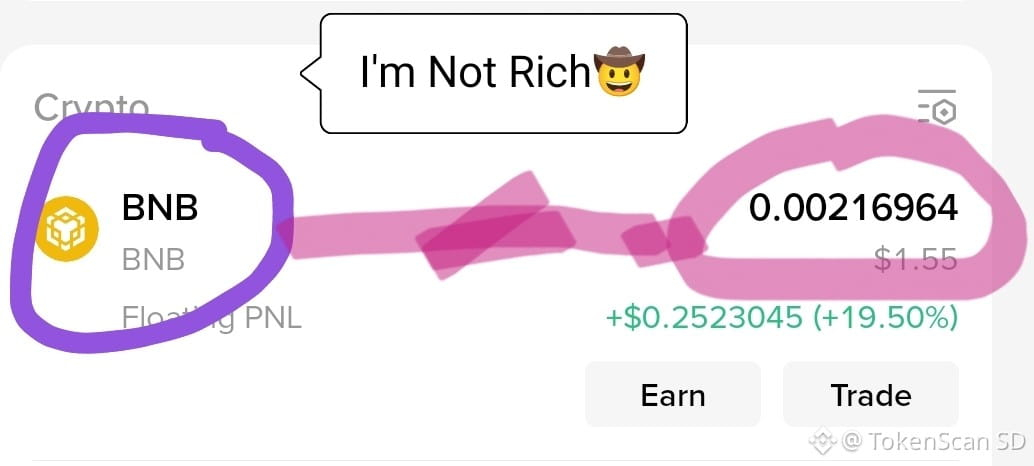
Posisi gue kecil: hold BNB ~1,5 USDT, cuma buat termometer sentimen. Netral-bearish menjelang rilis.
Hike atau hold? 👇
$BNB
#CPIWatch Malam ini "Headline vs Core" naik ring 🥊
NFP Agustus +162rb, tenaga kerja masih kuat. Sekarang giliran Core CPI malam ini + FOMC 15-16 Sept nentuin arah.
Ini Menurut analisa ku 👇
Core ≤0,2% → gue lean hold, ruang BNB ke 725-740.
Core in-line tapi yield gak turun → range 700-720.
Core ≥0,3% → peluang hike naik, tekanan ke 704, bisa 690.
Logikanya: core panas → ekspektasi hike naik → yield & dolar nguat → risk-off → BTC turun duluan → BNB ikut, sering lebih dalam.
Posisi gue kecil: hold BNB ~1,5 USDT, cuma buat termometer sentimen. Netral-bearish menjelang rilis.
Hike atau hold? 👇
$BNB
NFP Agustus +162rb, tenaga kerja masih kuat. Sekarang giliran Core CPI malam ini + FOMC 15-16 Sept nentuin arah.
Ini Menurut analisa ku 👇
Core ≤0,2% → gue lean hold, ruang BNB ke 725-740.
Core in-line tapi yield gak turun → range 700-720.
Core ≥0,3% → peluang hike naik, tekanan ke 704, bisa 690.
Logikanya: core panas → ekspektasi hike naik → yield & dolar nguat → risk-off → BTC turun duluan → BNB ikut, sering lebih dalam.
Posisi gue kecil: hold BNB ~1,5 USDT, cuma buat termometer sentimen. Netral-bearish menjelang rilis.
Hike atau hold? 👇
$BNB
90
·
--
Проверено
牛来 (Niu Lai) endlich jadi Top 1 Gainer. Bukan karena utility. Tapi lebih karena filmnya jelek👹👺👹👺 jujur.😂
Ini bukan koin “teknologi masa depan”. Ini koin hasil film animasi China yang awalnya 9 hari cuma dapat tiket sekitar 7.000 RMB, modelingnya kaku kayak karakter game 2012, suara kayak rekaman HP, plotnya “sapi masuk mimpi jadi pahlawan”. Orang nonton buat ngejek. Eh malah viral. Tiket naik ribuan kali.
Nama filmnya 《牛来》 — secara harfiah artinya sapi/bull datang.
Crypto dengar “bull datang” + film abstrak + BSC = langsung lahir meme.
Pool PancakeSwap 14 Agustus. Beberapa wallet belanja $100-an, berakhir jadi cerita 1.000x–10.000x. Classic BSC circus.
Kenapa sekarang lagi #1 gainer?
Jadwalnya udah kayak serial Netflix:
👉Binance Alpha
👉Futures 30 Agustus (pump gila, high ~0.14)
👉Spot 9 September + seed tag + Earn/Margin/Convert
👉Dump “sell the news”
👉10–11 September: volume gede + KOL/holder besar gas lagi → rebound ~+50% ke zona 0.12-an
Jadi yang kamu lihat di screenshot Gainers itu bukan listing pertama. Itu gelombang kedua: listing sudah dicerna, sekarang spekulan balik main karena namanya terlalu “on the nose” buat market yang haus narasi bull.
Volume 24 jam sempat nembus ratusan juta USD. Market cap muter di sekitar $120–130 juta. Supply 1 miliar. Ada pajak 1% beli/jual. Seed tag = Binance sendiri bilang: volatilitas tinggi, kuis 90 hari, jangan main-main.DYOR ,NFA
$牛来
{spot}(牛来USDT)
#MEMECOİN #牛来
牛来 (Niu Lai) endlich jadi Top 1 Gainer. Bukan karena utility. Tapi lebih karena filmnya jelek👹👺👹👺 jujur.😂
Ini bukan koin “teknologi masa depan”. Ini koin hasil film animasi China yang awalnya 9 hari cuma dapat tiket sekitar 7.000 RMB, modelingnya kaku kayak karakter game 2012, suara kayak rekaman HP, plotnya “sapi masuk mimpi jadi pahlawan”. Orang nonton buat ngejek. Eh malah viral. Tiket naik ribuan kali.
Nama filmnya 《牛来》 — secara harfiah artinya sapi/bull datang.
Crypto dengar “bull datang” + film abstrak + BSC = langsung lahir meme.
Pool PancakeSwap 14 Agustus. Beberapa wallet belanja $100-an, berakhir jadi cerita 1.000x–10.000x. Classic BSC circus.
Kenapa sekarang lagi #1 gainer?
Jadwalnya udah kayak serial Netflix:
👉Binance Alpha
👉Futures 30 Agustus (pump gila, high ~0.14)
👉Spot 9 September + seed tag + Earn/Margin/Convert
👉Dump “sell the news”
👉10–11 September: volume gede + KOL/holder besar gas lagi → rebound ~+50% ke zona 0.12-an
Jadi yang kamu lihat di screenshot Gainers itu bukan listing pertama. Itu gelombang kedua: listing sudah dicerna, sekarang spekulan balik main karena namanya terlalu “on the nose” buat market yang haus narasi bull.
Volume 24 jam sempat nembus ratusan juta USD. Market cap muter di sekitar $120–130 juta. Supply 1 miliar. Ada pajak 1% beli/jual. Seed tag = Binance sendiri bilang: volatilitas tinggi, kuis 90 hari, jangan main-main.DYOR ,NFA
$牛来
#MEMECOİN #牛来
Ini bukan koin “teknologi masa depan”. Ini koin hasil film animasi China yang awalnya 9 hari cuma dapat tiket sekitar 7.000 RMB, modelingnya kaku kayak karakter game 2012, suara kayak rekaman HP, plotnya “sapi masuk mimpi jadi pahlawan”. Orang nonton buat ngejek. Eh malah viral. Tiket naik ribuan kali.
Nama filmnya 《牛来》 — secara harfiah artinya sapi/bull datang.
Crypto dengar “bull datang” + film abstrak + BSC = langsung lahir meme.
Pool PancakeSwap 14 Agustus. Beberapa wallet belanja $100-an, berakhir jadi cerita 1.000x–10.000x. Classic BSC circus.
Kenapa sekarang lagi #1 gainer?
Jadwalnya udah kayak serial Netflix:
👉Binance Alpha
👉Futures 30 Agustus (pump gila, high ~0.14)
👉Spot 9 September + seed tag + Earn/Margin/Convert
👉Dump “sell the news”
👉10–11 September: volume gede + KOL/holder besar gas lagi → rebound ~+50% ke zona 0.12-an
Jadi yang kamu lihat di screenshot Gainers itu bukan listing pertama. Itu gelombang kedua: listing sudah dicerna, sekarang spekulan balik main karena namanya terlalu “on the nose” buat market yang haus narasi bull.
Volume 24 jam sempat nembus ratusan juta USD. Market cap muter di sekitar $120–130 juta. Supply 1 miliar. Ada pajak 1% beli/jual. Seed tag = Binance sendiri bilang: volatilitas tinggi, kuis 90 hari, jangan main-main.DYOR ,NFA
$牛来
#MEMECOİN #牛来


1.1k
·
--
🔎Sejarah punya cara sendiri untuk mengulang dirinya.👀
Kiri 👉 2022
Kanan👉 2026
Pola yang hampir sama: bounce palsu, label Bull Trap, lalu jatuh lebih dalam.
Yang beda cuma angkanya. Yang sama tetap psikologi pasarnya.
Jangan sampai lagi-lagi ketipu candle hijau di tengah downtrend.
Hati-hati. Chart tidak berbohong, tapi ego trader seringkali menipu.
NFA, DYOR
#bitcoin #BTC突破7万大关 #bulltrap #crypto
$BTC
{spot}(BTCUSDT)
🔎Sejarah punya cara sendiri untuk mengulang dirinya.👀
Kiri 👉 2022
Kanan👉 2026
Pola yang hampir sama: bounce palsu, label Bull Trap, lalu jatuh lebih dalam.
Yang beda cuma angkanya. Yang sama tetap psikologi pasarnya.
Jangan sampai lagi-lagi ketipu candle hijau di tengah downtrend.
Hati-hati. Chart tidak berbohong, tapi ego trader seringkali menipu.
NFA, DYOR
#bitcoin #BTC突破7万大关 #bulltrap #crypto
$BTC
Kiri 👉 2022
Kanan👉 2026
Pola yang hampir sama: bounce palsu, label Bull Trap, lalu jatuh lebih dalam.
Yang beda cuma angkanya. Yang sama tetap psikologi pasarnya.
Jangan sampai lagi-lagi ketipu candle hijau di tengah downtrend.
Hati-hati. Chart tidak berbohong, tapi ego trader seringkali menipu.
NFA, DYOR
#bitcoin #BTC突破7万大关 #bulltrap #crypto
$BTC

1
1k
·
--
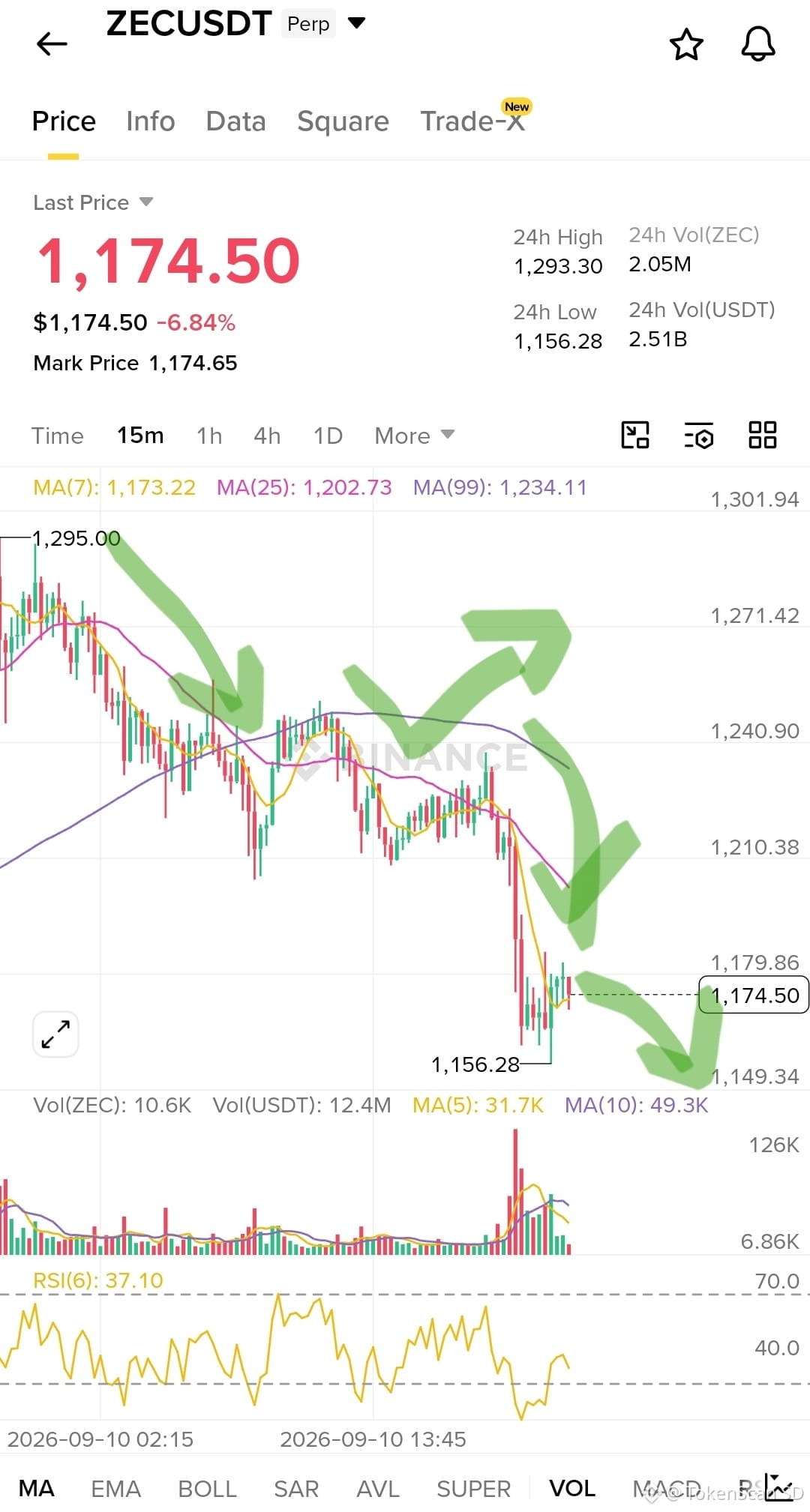
📉 ZECUSDT Lagi Nyungsep, Waktunya Buka Short? Sabar Dulu Ngab! 🛑
Secara teknikal (TF 15m), ZEC emang lagi kena banting dan downtrend parah di bawah garis MA25 & MA99. Tapi eits, jangan asal FOMO mencet tombol Sell sekarang! Kenapa?
RSI-nya baru aja merangkak keluar dari goa oversold (jenuh jual). Ibarat bola karet abis dibanting ke lantai, pasti ada potensi mantul ke atas dulu (dead cat bounce). 🐈⬛💥
⚠️ Awas Jebakan Batman (Short Squeeze):
Mayoritas trader emang lagi buka posisi short, tapi buyer di spot diem-diem lagi agresif nyerok. Kalau maksa short di harga pucuk bawah sekarang, posisi lu rawan dijemput paksa alias ke-likuidasi bandar!
🧠 Setup Smart Trader (Sell on Bounce):
Biar elegan, kita tunggu harganya naik nafas bentar buat jemput jaring kita.
🎣 Entry Jaring: USD 1.200 - 1.210 (Tunggu harga ngetes resistance di MA25).
💰 Target Cuan (TP): USD 1.156 (Ngetes jurang 24 jam) dan USD 1.064 buat target rakusnya.
🛑 Sabuk Pengaman (SL): USD 1.240. Jangan pernah nge-trade tanpa SL, kecuali lu rela sedekah modal ke market!
Disiplin atur margin maksimal 1-2% aja, jangan all-in kayak orang mabok. Stay safe, salam cuan! 💸
$ZEC
{spot}(ZECUSDT)
#ZECUSDT #ShortSqueeze #ShortSignal
📉 ZECUSDT Lagi Nyungsep, Waktunya Buka Short? Sabar Dulu Ngab! 🛑
Secara teknikal (TF 15m), ZEC emang lagi kena banting dan downtrend parah di bawah garis MA25 & MA99. Tapi eits, jangan asal FOMO mencet tombol Sell sekarang! Kenapa?
RSI-nya baru aja merangkak keluar dari goa oversold (jenuh jual). Ibarat bola karet abis dibanting ke lantai, pasti ada potensi mantul ke atas dulu (dead cat bounce). 🐈⬛💥
⚠️ Awas Jebakan Batman (Short Squeeze):
Mayoritas trader emang lagi buka posisi short, tapi buyer di spot diem-diem lagi agresif nyerok. Kalau maksa short di harga pucuk bawah sekarang, posisi lu rawan dijemput paksa alias ke-likuidasi bandar!
🧠 Setup Smart Trader (Sell on Bounce):
Biar elegan, kita tunggu harganya naik nafas bentar buat jemput jaring kita.
🎣 Entry Jaring: USD 1.200 - 1.210 (Tunggu harga ngetes resistance di MA25).
💰 Target Cuan (TP): USD 1.156 (Ngetes jurang 24 jam) dan USD 1.064 buat target rakusnya.
🛑 Sabuk Pengaman (SL): USD 1.240. Jangan pernah nge-trade tanpa SL, kecuali lu rela sedekah modal ke market!
Disiplin atur margin maksimal 1-2% aja, jangan all-in kayak orang mabok. Stay safe, salam cuan! 💸
$ZEC
#ZECUSDT #ShortSqueeze #ShortSignal
Secara teknikal (TF 15m), ZEC emang lagi kena banting dan downtrend parah di bawah garis MA25 & MA99. Tapi eits, jangan asal FOMO mencet tombol Sell sekarang! Kenapa?
RSI-nya baru aja merangkak keluar dari goa oversold (jenuh jual). Ibarat bola karet abis dibanting ke lantai, pasti ada potensi mantul ke atas dulu (dead cat bounce). 🐈⬛💥
⚠️ Awas Jebakan Batman (Short Squeeze):
Mayoritas trader emang lagi buka posisi short, tapi buyer di spot diem-diem lagi agresif nyerok. Kalau maksa short di harga pucuk bawah sekarang, posisi lu rawan dijemput paksa alias ke-likuidasi bandar!
🧠 Setup Smart Trader (Sell on Bounce):
Biar elegan, kita tunggu harganya naik nafas bentar buat jemput jaring kita.
🎣 Entry Jaring: USD 1.200 - 1.210 (Tunggu harga ngetes resistance di MA25).
💰 Target Cuan (TP): USD 1.156 (Ngetes jurang 24 jam) dan USD 1.064 buat target rakusnya.
🛑 Sabuk Pengaman (SL): USD 1.240. Jangan pernah nge-trade tanpa SL, kecuali lu rela sedekah modal ke market!
Disiplin atur margin maksimal 1-2% aja, jangan all-in kayak orang mabok. Stay safe, salam cuan! 💸
$ZEC
#ZECUSDT #ShortSqueeze #ShortSignal
1.2k
·
--
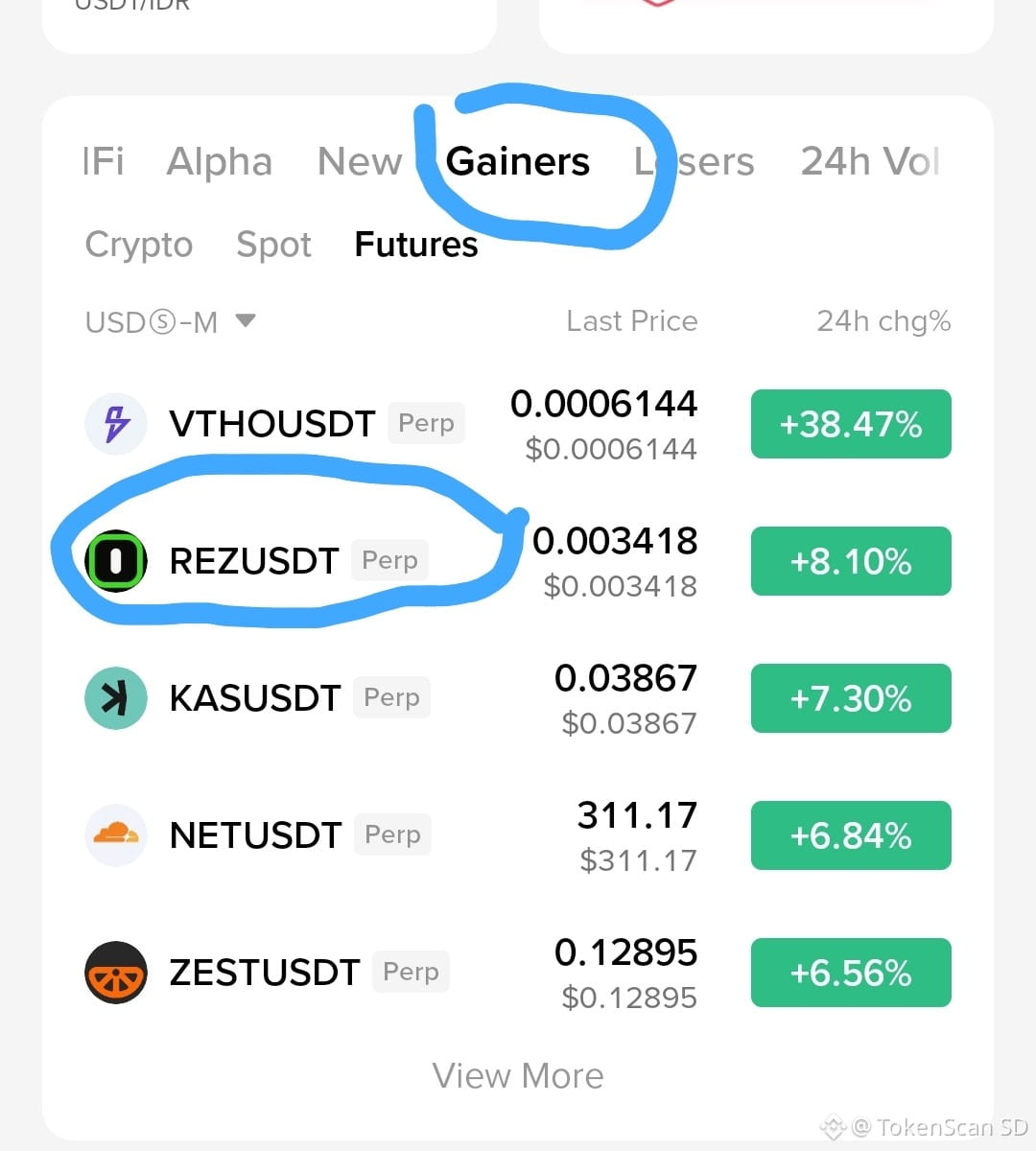
🔥 $REZ (Renzo) Masuk Top Gainers Futures Binance — Worth It Buat Dipantau?💥
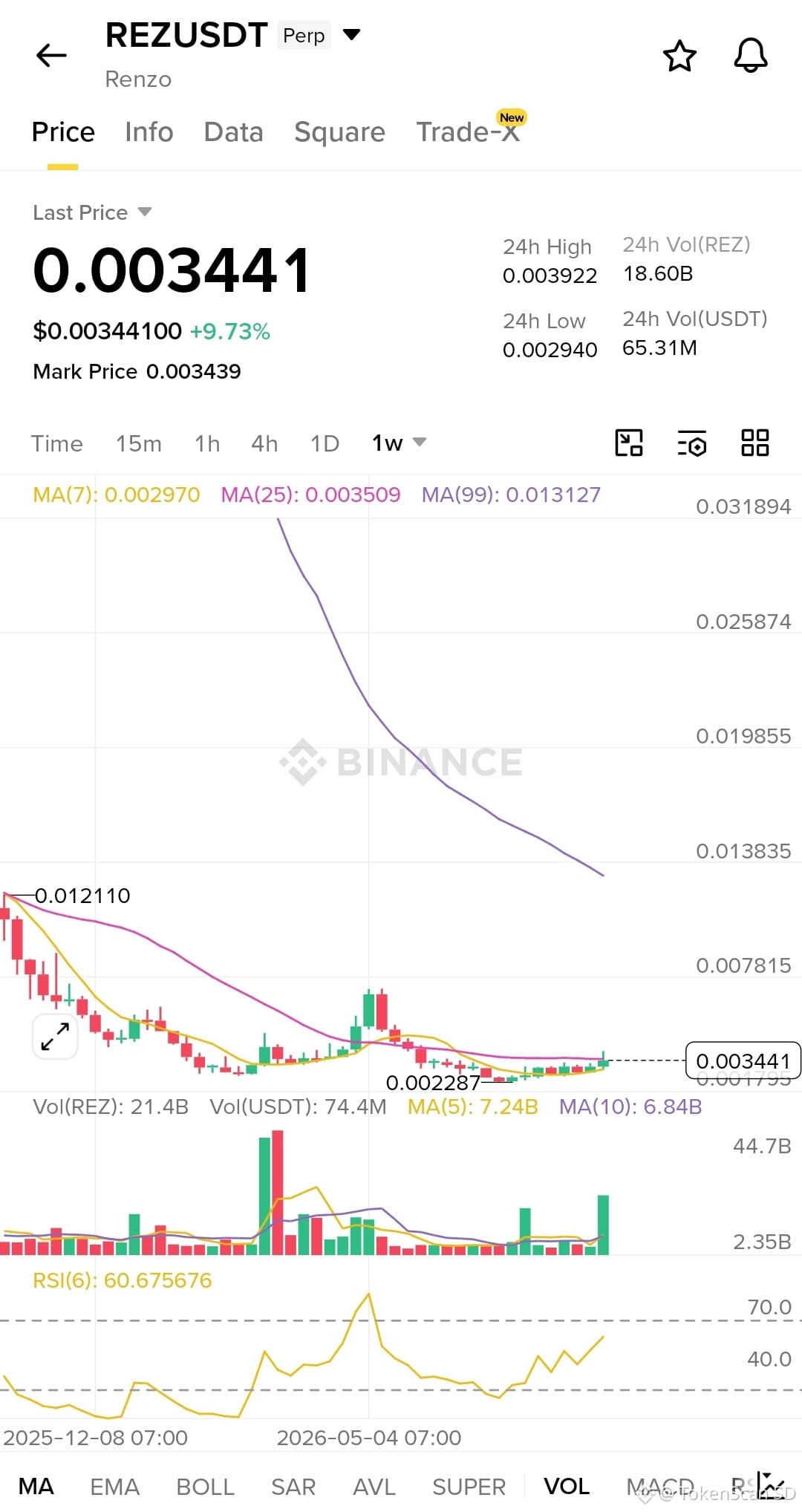
Gess, REZUSDT lagi nangkring di list Gainers Futures Binance nih, naik sekitar +8-9% dalam beberapa jam terakhir, sekarang di harga $0.003441.
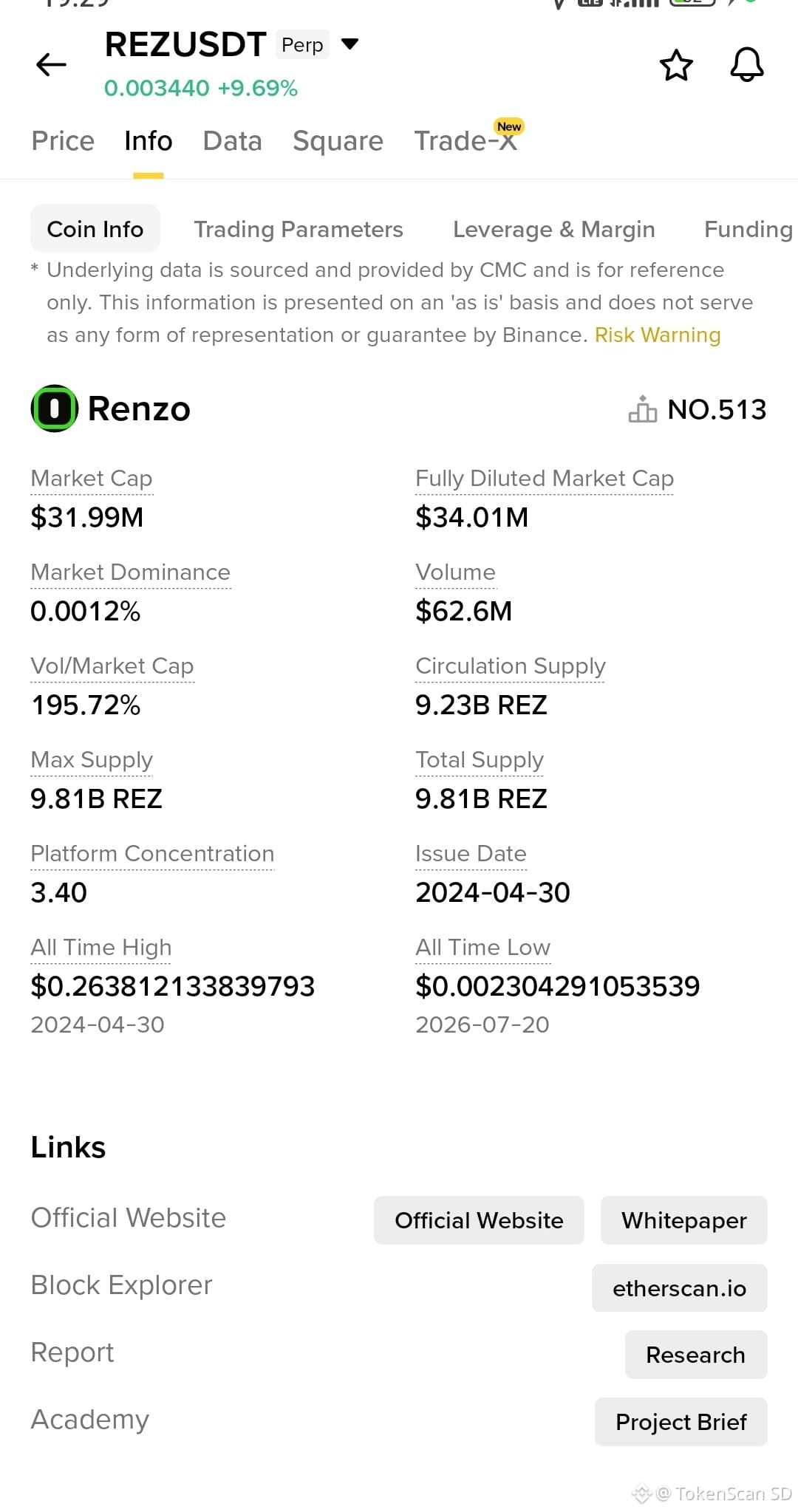
📊 Data cepatnya:
• 24h High: $0.003922 | 24h Low: $0.002940
• Volume 24h: 65.31M USDT (18.60B REZ)
• Market Cap: $31.99M | FDV: $34.01M
• All Time High: $0.263812 (30 Apr 2024)
• All Time Low: $0.002304 (baru aja, 20 Jul 2026)
Yang menarik: harga sekarang masih -98% dari ATH-nya. Jadi kenaikan ini kemungkinan besar cuma bounce dari area ATL, bukan reversal tren besar. MA99 mingguan masih jauh di atas ($0.013), artinya downtrend jangka panjang masih dominan.
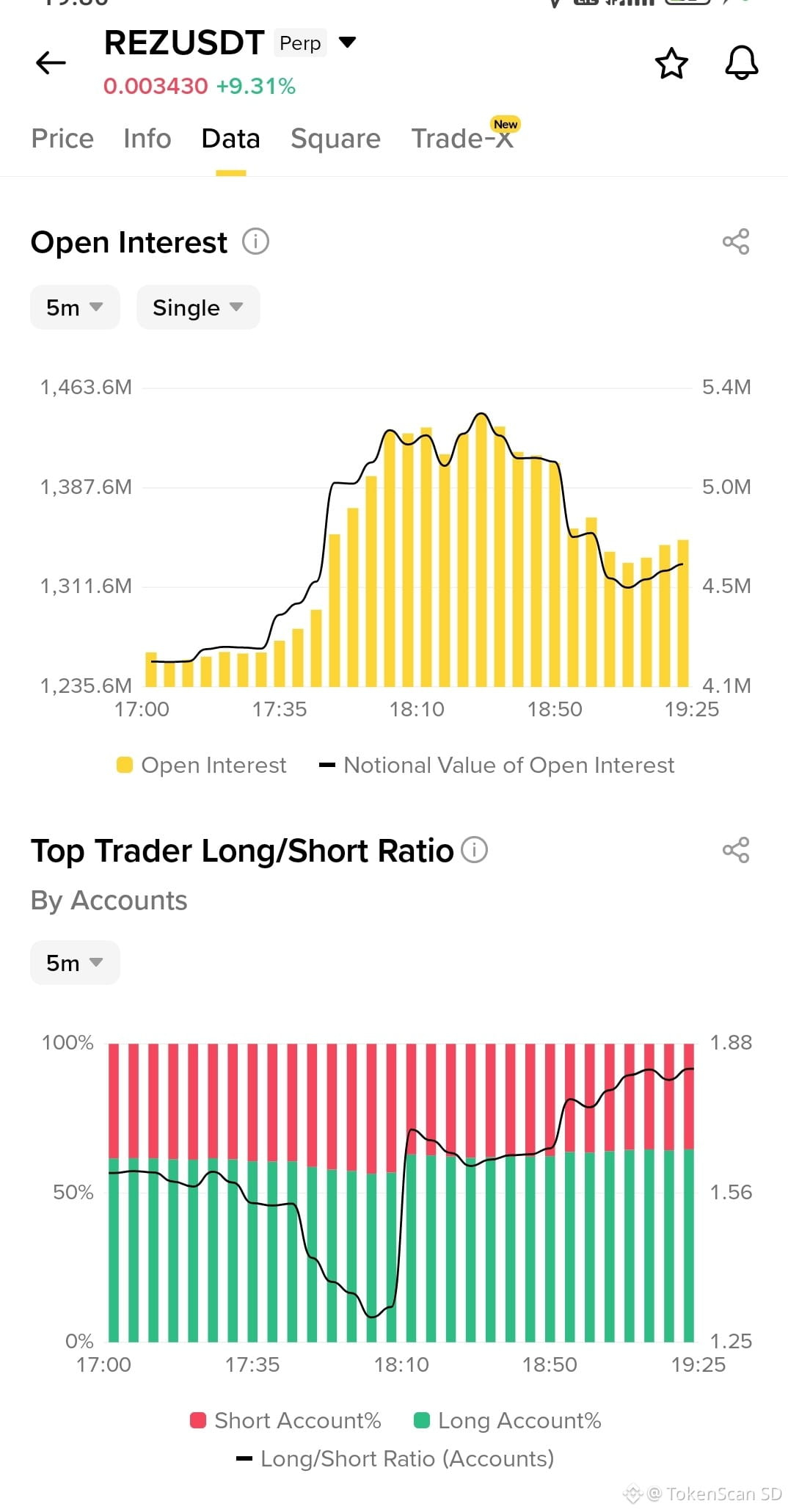
📈 Sinyal jangka pendek:
• Open Interest naik dari ~1.24B ke ~1.46B dalam beberapa jam — ada duit fresh yang masuk
• Long/Short ratio top trader FLIP drastis: dari mayoritas short jadi mayoritas long (rasio ~1.8) setelah jam 18:10
• RSI(6) di 60.67 — belum overbought, masih ada ruang naik
• MA7 udah cross ke atas MA25 — potensi bullish jangka pendek lagi kebentuk
⚠️ Tapi inget:
Market cap-nya kecil ($32M), volatilitasnya gede banget, dan proyek ini masih dalam downtrend berat dari ATH. Perpetual futures + koin volatile = risiko likuidasi tinggi kalau salah timing atau kelewat leverage.
Ini bukan ajakan buy/sell ya gess, cuma analisa data on-chart. DYOR, atur risk management, dan jangan all-in di koin yang lagi "gainers" doang tanpa cek fundamentalnya dulu.
$REZ
{spot}(REZUSDT)
#RENZO #BİNANCEFUTURES
🔥 $REZ (Renzo) Masuk Top Gainers Futures Binance — Worth It Buat Dipantau?💥
Gess, REZUSDT lagi nangkring di list Gainers Futures Binance nih, naik sekitar +8-9% dalam beberapa jam terakhir, sekarang di harga $0.003441.
📊 Data cepatnya:
• 24h High: $0.003922 | 24h Low: $0.002940
• Volume 24h: 65.31M USDT (18.60B REZ)
• Market Cap: $31.99M | FDV: $34.01M
• All Time High: $0.263812 (30 Apr 2024)
• All Time Low: $0.002304 (baru aja, 20 Jul 2026)
Yang menarik: harga sekarang masih -98% dari ATH-nya. Jadi kenaikan ini kemungkinan besar cuma bounce dari area ATL, bukan reversal tren besar. MA99 mingguan masih jauh di atas ($0.013), artinya downtrend jangka panjang masih dominan.
📈 Sinyal jangka pendek:
• Open Interest naik dari ~1.24B ke ~1.46B dalam beberapa jam — ada duit fresh yang masuk
• Long/Short ratio top trader FLIP drastis: dari mayoritas short jadi mayoritas long (rasio ~1.8) setelah jam 18:10
• RSI(6) di 60.67 — belum overbought, masih ada ruang naik
• MA7 udah cross ke atas MA25 — potensi bullish jangka pendek lagi kebentuk
⚠️ Tapi inget:
Market cap-nya kecil ($32M), volatilitasnya gede banget, dan proyek ini masih dalam downtrend berat dari ATH. Perpetual futures + koin volatile = risiko likuidasi tinggi kalau salah timing atau kelewat leverage.
Ini bukan ajakan buy/sell ya gess, cuma analisa data on-chart. DYOR, atur risk management, dan jangan all-in di koin yang lagi "gainers" doang tanpa cek fundamentalnya dulu.
$REZ
#RENZO #BİNANCEFUTURES
Gess, REZUSDT lagi nangkring di list Gainers Futures Binance nih, naik sekitar +8-9% dalam beberapa jam terakhir, sekarang di harga $0.003441.
📊 Data cepatnya:
• 24h High: $0.003922 | 24h Low: $0.002940
• Volume 24h: 65.31M USDT (18.60B REZ)
• Market Cap: $31.99M | FDV: $34.01M
• All Time High: $0.263812 (30 Apr 2024)
• All Time Low: $0.002304 (baru aja, 20 Jul 2026)
Yang menarik: harga sekarang masih -98% dari ATH-nya. Jadi kenaikan ini kemungkinan besar cuma bounce dari area ATL, bukan reversal tren besar. MA99 mingguan masih jauh di atas ($0.013), artinya downtrend jangka panjang masih dominan.
📈 Sinyal jangka pendek:
• Open Interest naik dari ~1.24B ke ~1.46B dalam beberapa jam — ada duit fresh yang masuk
• Long/Short ratio top trader FLIP drastis: dari mayoritas short jadi mayoritas long (rasio ~1.8) setelah jam 18:10
• RSI(6) di 60.67 — belum overbought, masih ada ruang naik
• MA7 udah cross ke atas MA25 — potensi bullish jangka pendek lagi kebentuk
⚠️ Tapi inget:
Market cap-nya kecil ($32M), volatilitasnya gede banget, dan proyek ini masih dalam downtrend berat dari ATH. Perpetual futures + koin volatile = risiko likuidasi tinggi kalau salah timing atau kelewat leverage.
Ini bukan ajakan buy/sell ya gess, cuma analisa data on-chart. DYOR, atur risk management, dan jangan all-in di koin yang lagi "gainers" doang tanpa cek fundamentalnya dulu.
$REZ
#RENZO #BİNANCEFUTURES
164
·
--
🔍 Dari Deretan Top Gainer Hari Ini, Kalau Disuruh Pilih Satu... Aku Pilih $RAY (Raydium)
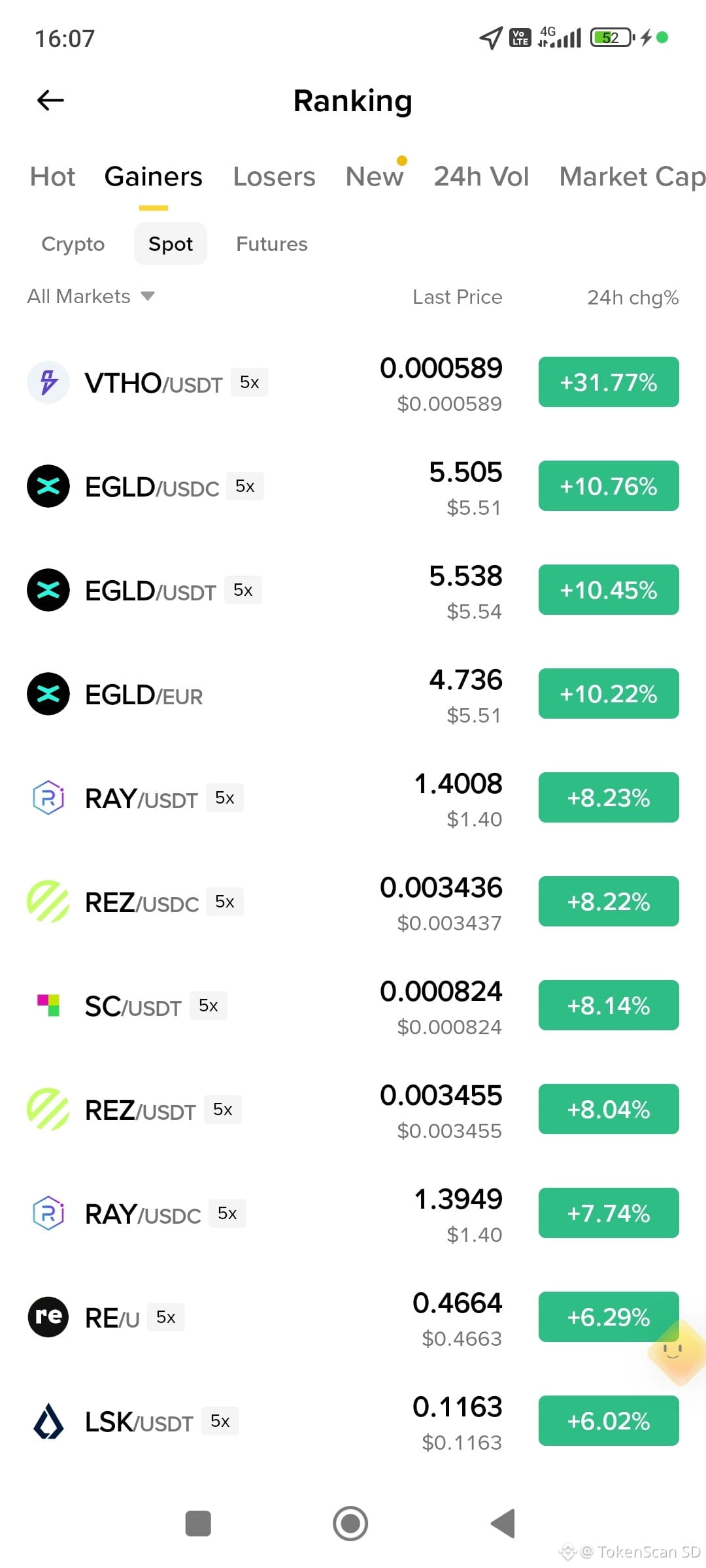
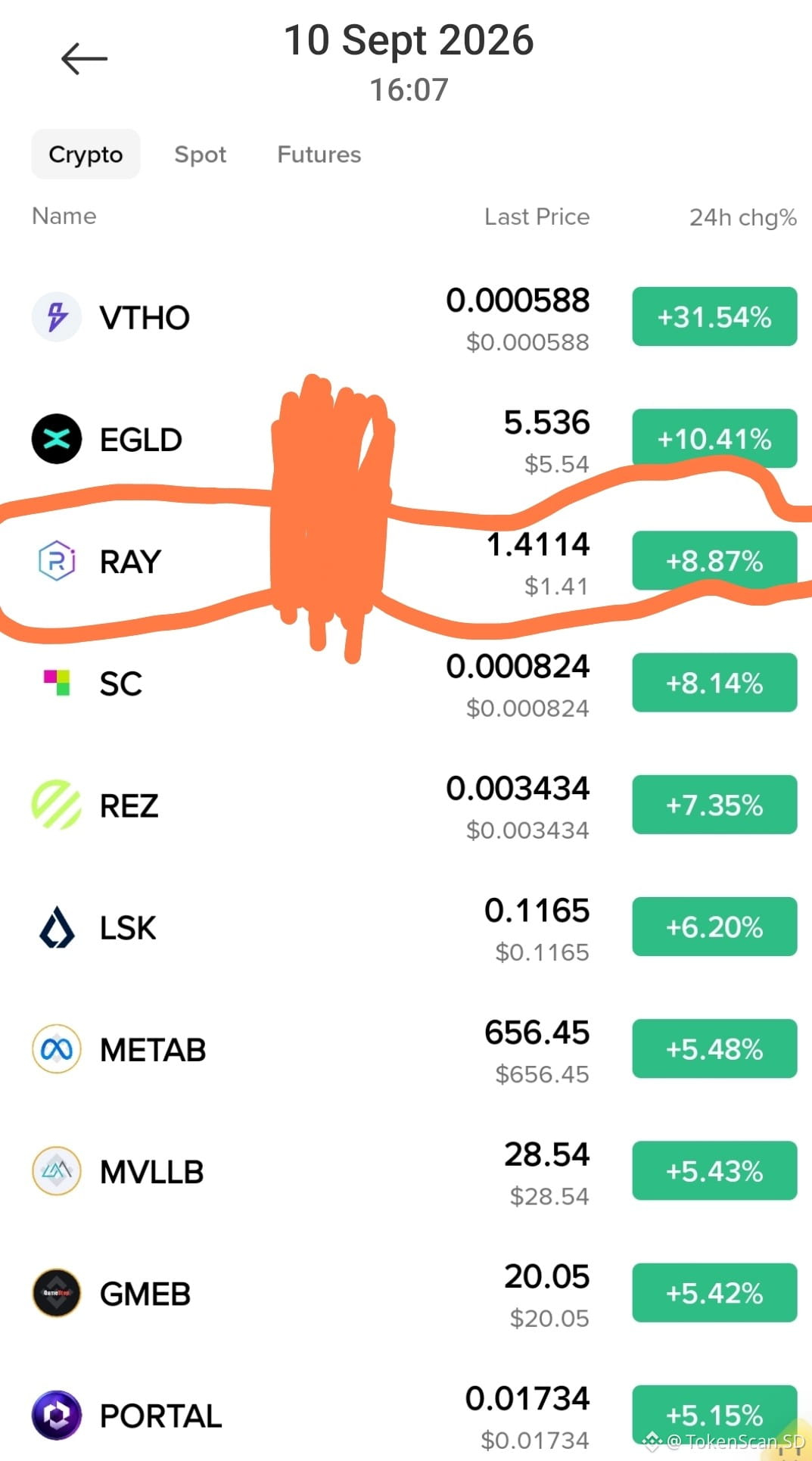
Tadi lagi liat list top gainer: VTHO, EGLD, RAY, SC, REZ, LSK, METAB, dan lain-lain. Semua ijo, semua naik. Tapi kalau disuruh pilih SATU buat diperhatiin, aku pilih RAY. Ini alasannya, biar sekalian belajar cara milih, bukan cuma ikut-ikutan ijo:
1️⃣ Dia bukan cuma "naik", tapi punya kerjaan nyata
RAY itu token dari Raydium — DEX (tempat swap token) terbesar di Solana. Setiap kali ada yang swap token di Raydium, protokol ini dapet fee. Artinya value RAY nggak cuma dari spekulasi, tapi dari aktivitas nyata yang jalan tiap hari.
2️⃣ Nyambung langsung ke dunia yang kita bahas tiap hari
Inget token-token pump.fun yang suka kita pantau? Begitu bonding curve-nya "lulus" (graduated), token itu pindah dan diperdagangkan di Raydium. Jadi makin rame pasar meme coin di Solana, makin kepake juga infrastruktur Raydium.
3️⃣ Kenaikannya sehat, bukan yang paling "panas"
Hari ini RAY naik sekitar 8-9%. Bandingin sama VTHO yang naik 57% dalam sehari dengan RSI di angka 87 (overbought parah) — itu tanda market udah panas banget, biasanya abis itu ada koreksi tajam. RAY naiknya lebih moderate, jadi risikonya "kejebak beli di puncak" lebih kecil.
4️⃣ Udah teruji lama
Raydium udah eksis dari 2021, lewatin naik-turunnya ekosistem Solana (termasuk pas Solana sempat dianggap "mati" tahun 2022-2023), dan sekarang masih jadi salah satu DEX utama. Bukan project baru yang belum ada rekam jejak.
$RAY
{spot}(RAYUSDT)
🔍 Dari Deretan Top Gainer Hari Ini, Kalau Disuruh Pilih Satu... Aku Pilih $RAY (Raydium)
Tadi lagi liat list top gainer: VTHO, EGLD, RAY, SC, REZ, LSK, METAB, dan lain-lain. Semua ijo, semua naik. Tapi kalau disuruh pilih SATU buat diperhatiin, aku pilih RAY. Ini alasannya, biar sekalian belajar cara milih, bukan cuma ikut-ikutan ijo:
1️⃣ Dia bukan cuma "naik", tapi punya kerjaan nyata
RAY itu token dari Raydium — DEX (tempat swap token) terbesar di Solana. Setiap kali ada yang swap token di Raydium, protokol ini dapet fee. Artinya value RAY nggak cuma dari spekulasi, tapi dari aktivitas nyata yang jalan tiap hari.
2️⃣ Nyambung langsung ke dunia yang kita bahas tiap hari
Inget token-token pump.fun yang suka kita pantau? Begitu bonding curve-nya "lulus" (graduated), token itu pindah dan diperdagangkan di Raydium. Jadi makin rame pasar meme coin di Solana, makin kepake juga infrastruktur Raydium.
3️⃣ Kenaikannya sehat, bukan yang paling "panas"
Hari ini RAY naik sekitar 8-9%. Bandingin sama VTHO yang naik 57% dalam sehari dengan RSI di angka 87 (overbought parah) — itu tanda market udah panas banget, biasanya abis itu ada koreksi tajam. RAY naiknya lebih moderate, jadi risikonya "kejebak beli di puncak" lebih kecil.
4️⃣ Udah teruji lama
Raydium udah eksis dari 2021, lewatin naik-turunnya ekosistem Solana (termasuk pas Solana sempat dianggap "mati" tahun 2022-2023), dan sekarang masih jadi salah satu DEX utama. Bukan project baru yang belum ada rekam jejak.
$RAY
Tadi lagi liat list top gainer: VTHO, EGLD, RAY, SC, REZ, LSK, METAB, dan lain-lain. Semua ijo, semua naik. Tapi kalau disuruh pilih SATU buat diperhatiin, aku pilih RAY. Ini alasannya, biar sekalian belajar cara milih, bukan cuma ikut-ikutan ijo:
1️⃣ Dia bukan cuma "naik", tapi punya kerjaan nyata
RAY itu token dari Raydium — DEX (tempat swap token) terbesar di Solana. Setiap kali ada yang swap token di Raydium, protokol ini dapet fee. Artinya value RAY nggak cuma dari spekulasi, tapi dari aktivitas nyata yang jalan tiap hari.
2️⃣ Nyambung langsung ke dunia yang kita bahas tiap hari
Inget token-token pump.fun yang suka kita pantau? Begitu bonding curve-nya "lulus" (graduated), token itu pindah dan diperdagangkan di Raydium. Jadi makin rame pasar meme coin di Solana, makin kepake juga infrastruktur Raydium.
3️⃣ Kenaikannya sehat, bukan yang paling "panas"
Hari ini RAY naik sekitar 8-9%. Bandingin sama VTHO yang naik 57% dalam sehari dengan RSI di angka 87 (overbought parah) — itu tanda market udah panas banget, biasanya abis itu ada koreksi tajam. RAY naiknya lebih moderate, jadi risikonya "kejebak beli di puncak" lebih kecil.
4️⃣ Udah teruji lama
Raydium udah eksis dari 2021, lewatin naik-turunnya ekosistem Solana (termasuk pas Solana sempat dianggap "mati" tahun 2022-2023), dan sekarang masih jadi salah satu DEX utama. Bukan project baru yang belum ada rekam jejak.
$RAY
837
·
--
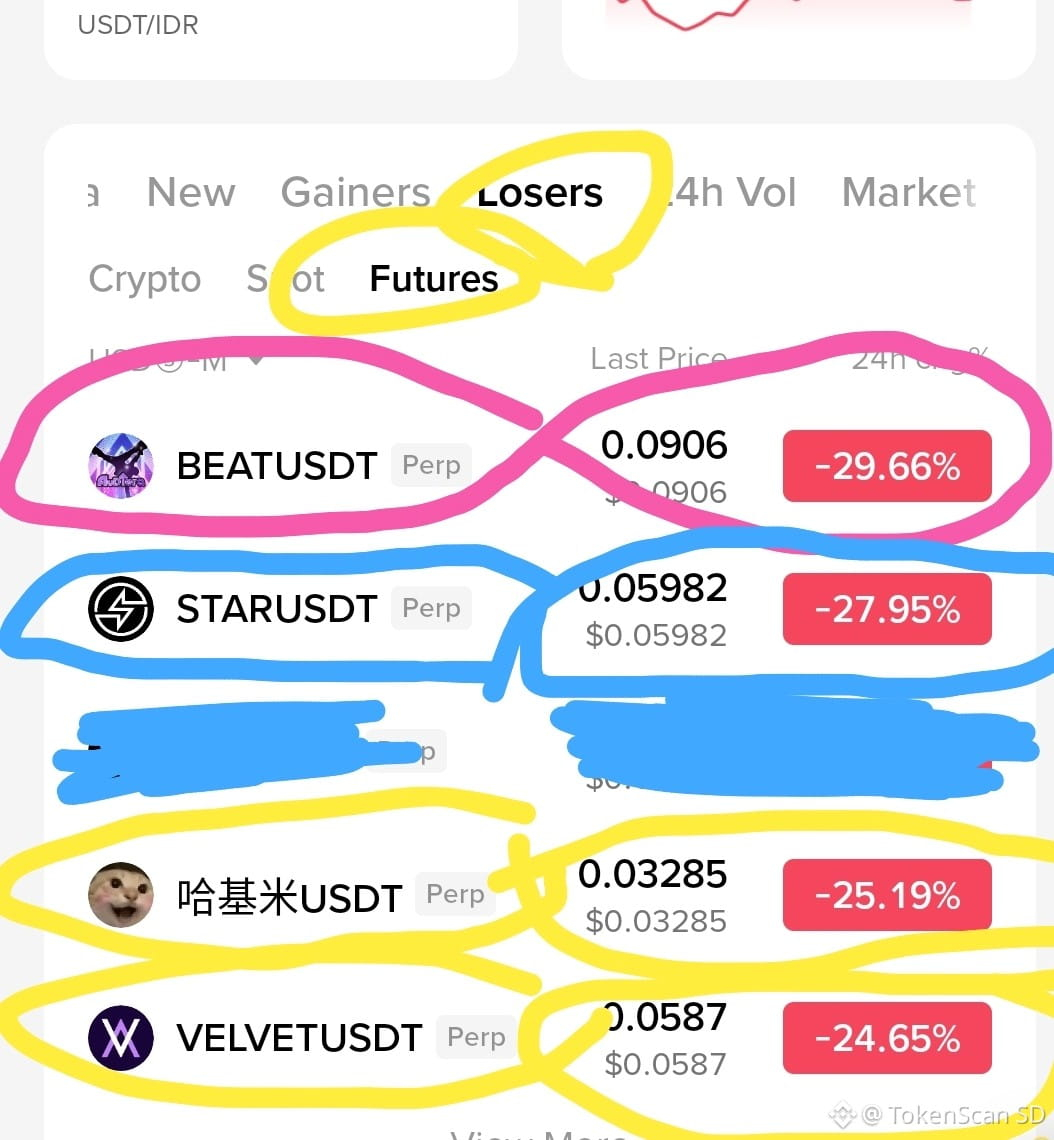
🚨Binance Futures top loser hari ini kompak pada nyungsep, kayak abis reuni terus baper bareng😅
📉 BEATUSDT -29.66% — abis rally cepat, sekarang giliran leverage-nya yang dibalas dendam
📉 STARUSDT -27.95% — long position kebanyakan, liquidation cascade jalan duluan
📉 哈基米USDT -25.19% — token meme, likuiditas tipis, emang doyan mainan ekstrem
📉 VELVETUSDT -24.65% — momentum beli udah lemes dari kemarin, harga cuma nyusul
Analisis singkat: koreksi 20-30% dalam 24 jam itu bukan kiamat, itu ciri khas market yang kebanyakan leverage. Biasanya abis drop setajam ini ada dua kemungkinan: lanjut turun (kalau OI masih tinggi & funding masih negatif ekstrem) atau technical bounce (kalau seller udah capek & funding mulai normalize).
Kalau mau main: ini bukan zona buat FOMO short di harga segini — udah kesorean. Yang lebih masuk akal itu nungguin apakah harga bikin higher low dulu + funding rate balik ke netral, baru pertimbangin scalp bounce kecil dengan size kecil dan SL ketat. Jangan langsung all-in ngeliat merah doang.
Note : BTW top loser Nomer 3 itu apa?
yang bisa tebak aku kasih hadiah ☕
⚠️ Bukan ajakan jual/beli. Leverage tinggi = risiko tinggi. DYOR selalu ya, temen-temen Crypto SD 🎒
#CryptoNewss #TopLoser #BinanceFutures #dyor
$BEAT
{future}(BEATUSDT)
$STAR
{future}(STARUSDT)
$VELVET
{future}(VELVETUSDT)
🚨Binance Futures top loser hari ini kompak pada nyungsep, kayak abis reuni terus baper bareng😅
📉 BEATUSDT -29.66% — abis rally cepat, sekarang giliran leverage-nya yang dibalas dendam
📉 STARUSDT -27.95% — long position kebanyakan, liquidation cascade jalan duluan
📉 哈基米USDT -25.19% — token meme, likuiditas tipis, emang doyan mainan ekstrem
📉 VELVETUSDT -24.65% — momentum beli udah lemes dari kemarin, harga cuma nyusul
Analisis singkat: koreksi 20-30% dalam 24 jam itu bukan kiamat, itu ciri khas market yang kebanyakan leverage. Biasanya abis drop setajam ini ada dua kemungkinan: lanjut turun (kalau OI masih tinggi & funding masih negatif ekstrem) atau technical bounce (kalau seller udah capek & funding mulai normalize).
Kalau mau main: ini bukan zona buat FOMO short di harga segini — udah kesorean. Yang lebih masuk akal itu nungguin apakah harga bikin higher low dulu + funding rate balik ke netral, baru pertimbangin scalp bounce kecil dengan size kecil dan SL ketat. Jangan langsung all-in ngeliat merah doang.
Note : BTW top loser Nomer 3 itu apa?
yang bisa tebak aku kasih hadiah ☕
⚠️ Bukan ajakan jual/beli. Leverage tinggi = risiko tinggi. DYOR selalu ya, temen-temen Crypto SD 🎒
#CryptoNewss #TopLoser #BinanceFutures #dyor
$BEAT
$STAR
$VELVET
📉 BEATUSDT -29.66% — abis rally cepat, sekarang giliran leverage-nya yang dibalas dendam
📉 STARUSDT -27.95% — long position kebanyakan, liquidation cascade jalan duluan
📉 哈基米USDT -25.19% — token meme, likuiditas tipis, emang doyan mainan ekstrem
📉 VELVETUSDT -24.65% — momentum beli udah lemes dari kemarin, harga cuma nyusul
Analisis singkat: koreksi 20-30% dalam 24 jam itu bukan kiamat, itu ciri khas market yang kebanyakan leverage. Biasanya abis drop setajam ini ada dua kemungkinan: lanjut turun (kalau OI masih tinggi & funding masih negatif ekstrem) atau technical bounce (kalau seller udah capek & funding mulai normalize).
Kalau mau main: ini bukan zona buat FOMO short di harga segini — udah kesorean. Yang lebih masuk akal itu nungguin apakah harga bikin higher low dulu + funding rate balik ke netral, baru pertimbangin scalp bounce kecil dengan size kecil dan SL ketat. Jangan langsung all-in ngeliat merah doang.
Note : BTW top loser Nomer 3 itu apa?
yang bisa tebak aku kasih hadiah ☕
⚠️ Bukan ajakan jual/beli. Leverage tinggi = risiko tinggi. DYOR selalu ya, temen-temen Crypto SD 🎒
#CryptoNewss #TopLoser #BinanceFutures #dyor
$BEAT
$STAR
$VELVET
1.2k
·
--
Проверено
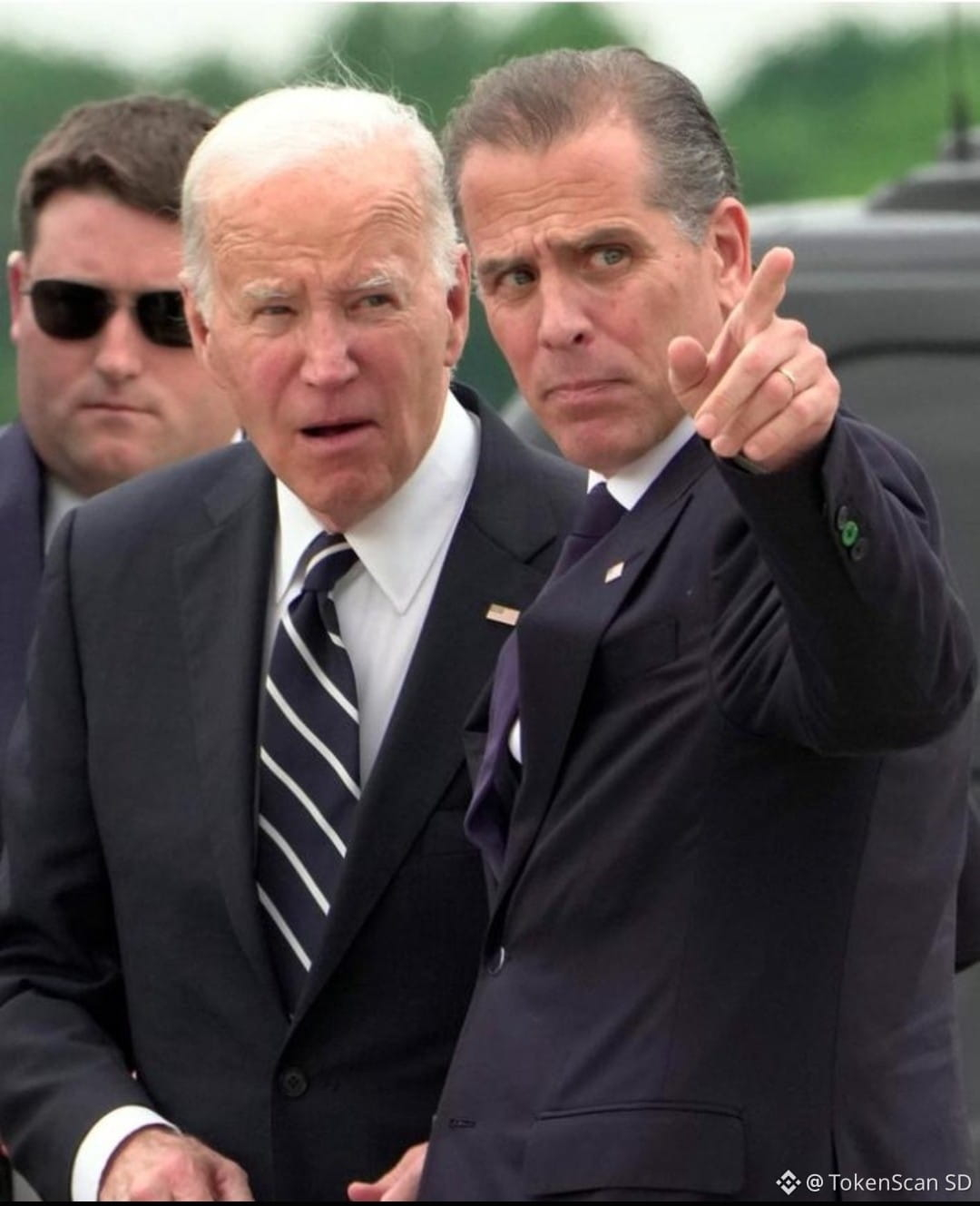
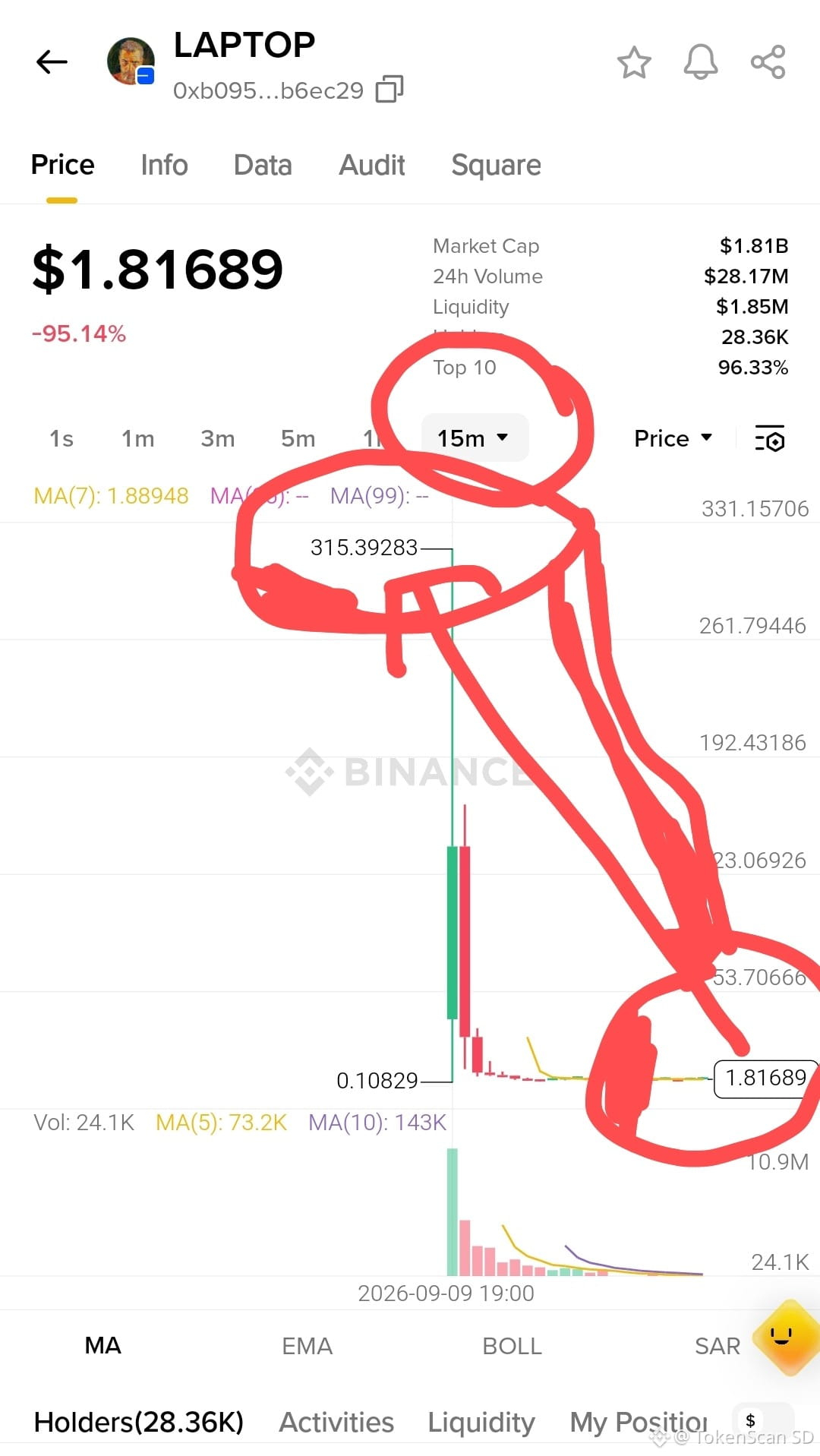
🔥 $LAPTOP CRASH 95%+ DALAM BEBERAPA JAM
Hunter Biden resmi masuk memecoin.
Token $LAPTOP launch di $Base, 9 September 2026.
Hype-nya gila. Chart-nya lebih gila.
📈 Peak: ~$316 (hanya ~4 menit setelah listing)
📉 Sekarang: ~$1.81
💥 Drop: -95.14%
Yang bikin rame bukan cuma jatuhnya.
Tapi seberapa cepat dan seberapa dalam.
Beberapa data yang lagi viral:
• Market cap sempat kelihatan “raksasa” karena likuiditas tipis
• Ada trader yang masuk ~$200K, sisa tinggal ~$3K
• Ada juga yang dari 100 $ETH jadi sekitar $1.18 juta
• Laporan on-chain: mayoritas trader yang masuk di launch merah
Ini bukan chart biasa.
Ini textbook memecoin launch:
Hype → spike 2–4 menit → exit liquidity → chart jatuh vertikal.
Pelajaran buat yang masih FOMO token baru:
Cek likuiditas dulu, jangan cuma lihat harga
Cek distribusi wallet & unlock
Jangan beli candle pertama
Kalau entry telat di pump vertikal, hampir selalu jadi exit liquidity
$LAPTOP hari ini bukan cerita “Hunter Biden token”.
Ini reminder: narrative bisa viral, liquidity tidak bisa bohong.
Chart versi aku di bawah.
Kalian masuk di zona mana? Peak, tengah, atau yang nunggu setelah crash?
NFA. DYOR.
Ini bukan ajakan beli atau jual. Memecoin = high risk, bisa -99% dalam hitungan menit.
#LAPTOP #BinanceSquare #DYOR🟢 #HunterBiden
🔥 $LAPTOP CRASH 95%+ DALAM BEBERAPA JAM
Hunter Biden resmi masuk memecoin.
Token $LAPTOP launch di $Base, 9 September 2026.
Hype-nya gila. Chart-nya lebih gila.
📈 Peak: ~$316 (hanya ~4 menit setelah listing)
📉 Sekarang: ~$1.81
💥 Drop: -95.14%
Yang bikin rame bukan cuma jatuhnya.
Tapi seberapa cepat dan seberapa dalam.
Beberapa data yang lagi viral:
• Market cap sempat kelihatan “raksasa” karena likuiditas tipis
• Ada trader yang masuk ~$200K, sisa tinggal ~$3K
• Ada juga yang dari 100 $ETH jadi sekitar $1.18 juta
• Laporan on-chain: mayoritas trader yang masuk di launch merah
Ini bukan chart biasa.
Ini textbook memecoin launch:
Hype → spike 2–4 menit → exit liquidity → chart jatuh vertikal.
Pelajaran buat yang masih FOMO token baru:
Cek likuiditas dulu, jangan cuma lihat harga
Cek distribusi wallet & unlock
Jangan beli candle pertama
Kalau entry telat di pump vertikal, hampir selalu jadi exit liquidity
$LAPTOP hari ini bukan cerita “Hunter Biden token”.
Ini reminder: narrative bisa viral, liquidity tidak bisa bohong.
Chart versi aku di bawah.
Kalian masuk di zona mana? Peak, tengah, atau yang nunggu setelah crash?
NFA. DYOR.
Ini bukan ajakan beli atau jual. Memecoin = high risk, bisa -99% dalam hitungan menit.
#LAPTOP #BinanceSquare #DYOR🟢 #HunterBiden
Hunter Biden resmi masuk memecoin.
Token $LAPTOP launch di $Base, 9 September 2026.
Hype-nya gila. Chart-nya lebih gila.
📈 Peak: ~$316 (hanya ~4 menit setelah listing)
📉 Sekarang: ~$1.81
💥 Drop: -95.14%
Yang bikin rame bukan cuma jatuhnya.
Tapi seberapa cepat dan seberapa dalam.
Beberapa data yang lagi viral:
• Market cap sempat kelihatan “raksasa” karena likuiditas tipis
• Ada trader yang masuk ~$200K, sisa tinggal ~$3K
• Ada juga yang dari 100 $ETH jadi sekitar $1.18 juta
• Laporan on-chain: mayoritas trader yang masuk di launch merah
Ini bukan chart biasa.
Ini textbook memecoin launch:
Hype → spike 2–4 menit → exit liquidity → chart jatuh vertikal.
Pelajaran buat yang masih FOMO token baru:
Cek likuiditas dulu, jangan cuma lihat harga
Cek distribusi wallet & unlock
Jangan beli candle pertama
Kalau entry telat di pump vertikal, hampir selalu jadi exit liquidity
$LAPTOP hari ini bukan cerita “Hunter Biden token”.
Ini reminder: narrative bisa viral, liquidity tidak bisa bohong.
Chart versi aku di bawah.
Kalian masuk di zona mana? Peak, tengah, atau yang nunggu setelah crash?
NFA. DYOR.
Ini bukan ajakan beli atau jual. Memecoin = high risk, bisa -99% dalam hitungan menit.
#LAPTOP #BinanceSquare #DYOR🟢 #HunterBiden
147
·
--
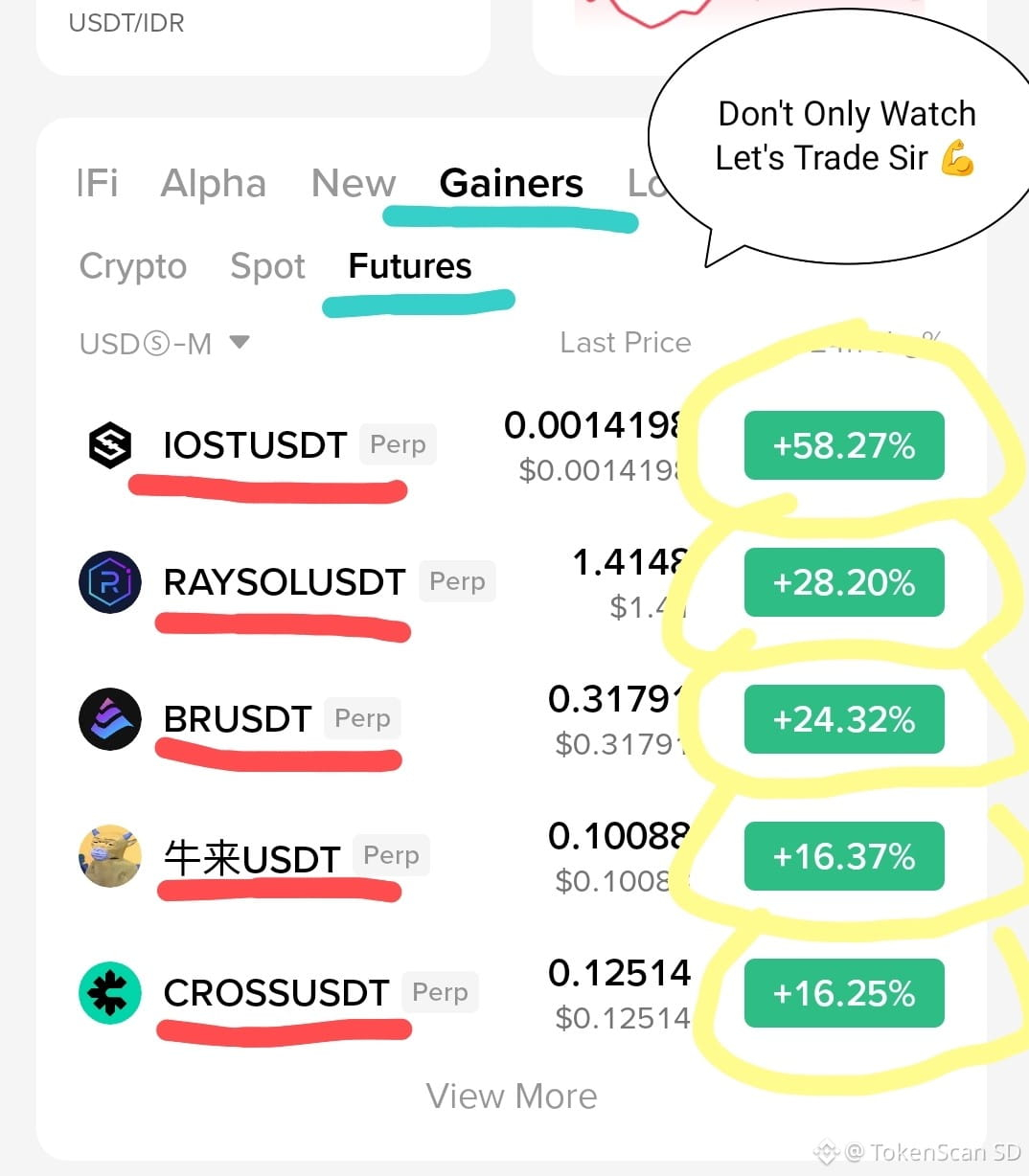
Ini bukan daftar top gainer.
Ini daftar alasan kenapa ada orang yang makan siang pakai cuan,
sementara yang lain masih baca “View More”.
IOST sudah +58% sebelum kamu selesai Makan
👀
$IOST
{spot}(IOSTUSDT)
$RAYSOL
{future}(RAYSOLUSDT)
$BR
{future}(BRUSDT)
Ini bukan daftar top gainer.
Ini daftar alasan kenapa ada orang yang makan siang pakai cuan,
sementara yang lain masih baca “View More”.
IOST sudah +58% sebelum kamu selesai Makan
👀
$IOST
$RAYSOL
$BR
Ini daftar alasan kenapa ada orang yang makan siang pakai cuan,
sementara yang lain masih baca “View More”.
IOST sudah +58% sebelum kamu selesai Makan
👀
$IOST
$RAYSOL
$BR
1.6k
·
--
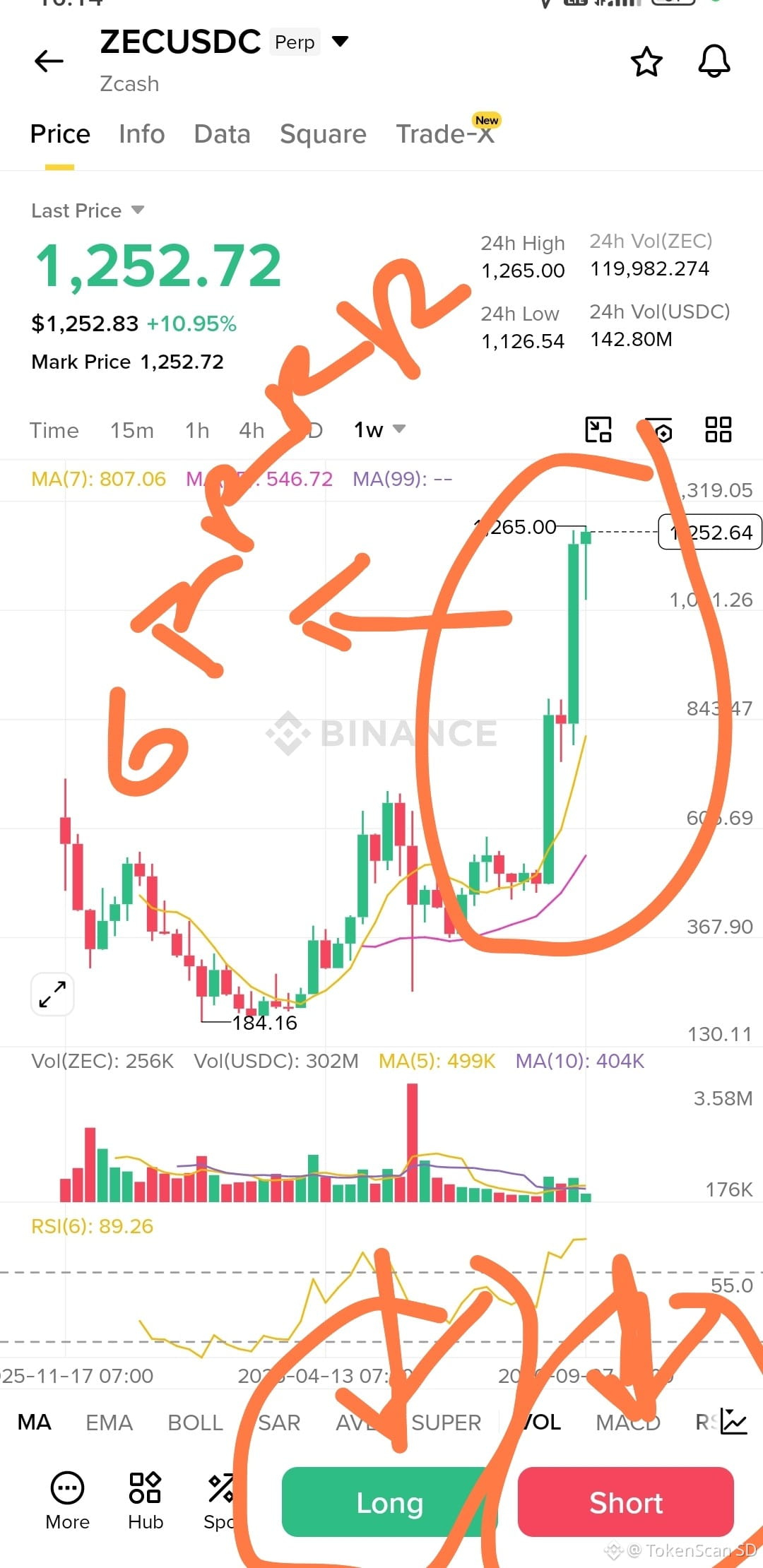
$ZEC Timeframe 1W
{future}(ZECUSDT)
Jangan chase 1.250
Harga 1.251, high 1.265, +11% / 24 jam.
Weekly sudah vertikal. MA7 masih 807, RSI(6) 89. Ini euforia, bukan entry enak.
Long hanya di diskon: 1.081 atau zona 800–850.
Invalid: weekly close di bawah 1.081.
Kalau 1.265 pecah + hold, baru lihat 1.319 / 1.500.
Short hanya di reject 1.265–1.280.
SL di atas 1.319. TP 1.081 → 843 → 807.
Satu kalimat: trend masih naik, lokasi sudah mahal. Long di pullback, short di rejection, jangan donasi di puncak candle.
NFA. Perp ZEC likuidasinya ganas🚨👀
$ZEC Timeframe 1W
Jangan chase 1.250
Harga 1.251, high 1.265, +11% / 24 jam.
Weekly sudah vertikal. MA7 masih 807, RSI(6) 89. Ini euforia, bukan entry enak.
Long hanya di diskon: 1.081 atau zona 800–850.
Invalid: weekly close di bawah 1.081.
Kalau 1.265 pecah + hold, baru lihat 1.319 / 1.500.
Short hanya di reject 1.265–1.280.
SL di atas 1.319. TP 1.081 → 843 → 807.
Satu kalimat: trend masih naik, lokasi sudah mahal. Long di pullback, short di rejection, jangan donasi di puncak candle.
NFA. Perp ZEC likuidasinya ganas🚨👀
Jangan chase 1.250
Harga 1.251, high 1.265, +11% / 24 jam.
Weekly sudah vertikal. MA7 masih 807, RSI(6) 89. Ini euforia, bukan entry enak.
Long hanya di diskon: 1.081 atau zona 800–850.
Invalid: weekly close di bawah 1.081.
Kalau 1.265 pecah + hold, baru lihat 1.319 / 1.500.
Short hanya di reject 1.265–1.280.
SL di atas 1.319. TP 1.081 → 843 → 807.
Satu kalimat: trend masih naik, lokasi sudah mahal. Long di pullback, short di rejection, jangan donasi di puncak candle.
NFA. Perp ZEC likuidasinya ganas🚨👀
215
·
--
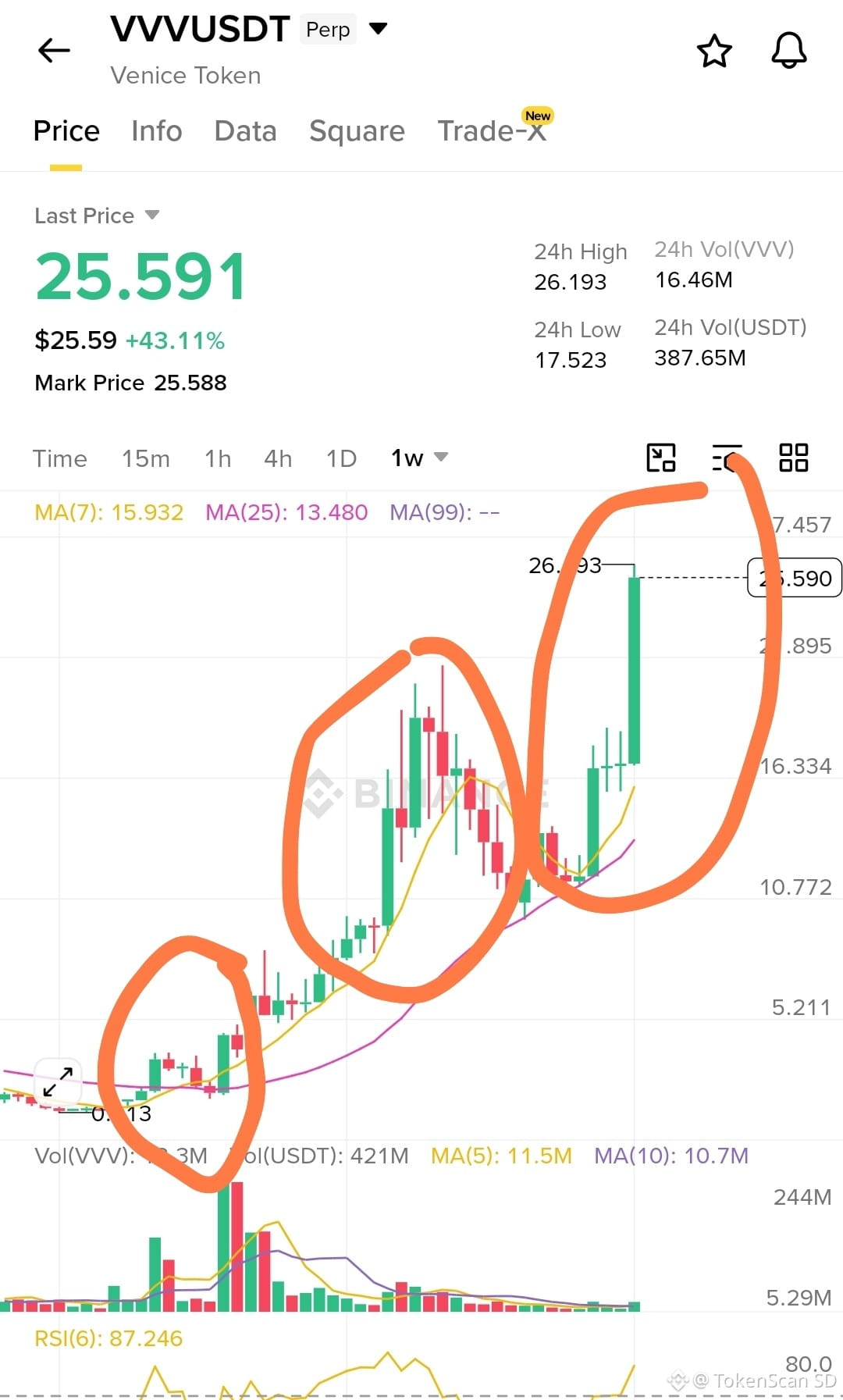
📊 VVV/USDT
Banyak Orang bilang ini adalah "PERFECT CHART"🚀
Emang keliatan rapi banget kalau dilihat sekarang:
✅ 3 kali naik-konsolidasi-naik (staircase pattern)
✅ MA(7) & MA(25) rapi ngikutin tren naik
✅ Volume gede di titik breakout
✅ +43% dalam sehari
Tapi tunggu dulu... 👀
Ada yang perlu kita perhatiin:
🔴 RSI(6) di angka 87 — ini udah masuk zona overbought ekstrem (normalnya di atas 70 aja udah dianggap "kepanasan")
🔴 Kenaikan 43% dalam sehari itu parabolic move — pergerakan yang sangat liar dan sering diikuti koreksi tajam
🔴 Yang bikin chart ini "keliatan perfect" itu karena kita liatnya setelah semua pergerakan selesai (hindsight bias). Pas real-time, enggak ada yang tau apakah bakal lanjut naik atau malah dump
Poin pentingnya: chart yang "keliatan perfect" di masa lalu ≠ jaminan bakal perfect ke depan. Justru RSI ekstrem kayak gini sering jadi sinyal risiko buat yang FOMO entry di harga tinggi.
Belajar baca chart itu penting, tapi jangan sampai keindahan visual bikin kita lupa cek indikator risiko-nya ya 🙏
$VVV
{future}(VVVUSDT)
#cryptoeducation #perfectchart
📊 VVV/USDT
Banyak Orang bilang ini adalah "PERFECT CHART"🚀
Emang keliatan rapi banget kalau dilihat sekarang:
✅ 3 kali naik-konsolidasi-naik (staircase pattern)
✅ MA(7) & MA(25) rapi ngikutin tren naik
✅ Volume gede di titik breakout
✅ +43% dalam sehari
Tapi tunggu dulu... 👀
Ada yang perlu kita perhatiin:
🔴 RSI(6) di angka 87 — ini udah masuk zona overbought ekstrem (normalnya di atas 70 aja udah dianggap "kepanasan")
🔴 Kenaikan 43% dalam sehari itu parabolic move — pergerakan yang sangat liar dan sering diikuti koreksi tajam
🔴 Yang bikin chart ini "keliatan perfect" itu karena kita liatnya setelah semua pergerakan selesai (hindsight bias). Pas real-time, enggak ada yang tau apakah bakal lanjut naik atau malah dump
Poin pentingnya: chart yang "keliatan perfect" di masa lalu ≠ jaminan bakal perfect ke depan. Justru RSI ekstrem kayak gini sering jadi sinyal risiko buat yang FOMO entry di harga tinggi.
Belajar baca chart itu penting, tapi jangan sampai keindahan visual bikin kita lupa cek indikator risiko-nya ya 🙏
$VVV
#cryptoeducation #perfectchart
Banyak Orang bilang ini adalah "PERFECT CHART"🚀
Emang keliatan rapi banget kalau dilihat sekarang:
✅ 3 kali naik-konsolidasi-naik (staircase pattern)
✅ MA(7) & MA(25) rapi ngikutin tren naik
✅ Volume gede di titik breakout
✅ +43% dalam sehari
Tapi tunggu dulu... 👀
Ada yang perlu kita perhatiin:
🔴 RSI(6) di angka 87 — ini udah masuk zona overbought ekstrem (normalnya di atas 70 aja udah dianggap "kepanasan")
🔴 Kenaikan 43% dalam sehari itu parabolic move — pergerakan yang sangat liar dan sering diikuti koreksi tajam
🔴 Yang bikin chart ini "keliatan perfect" itu karena kita liatnya setelah semua pergerakan selesai (hindsight bias). Pas real-time, enggak ada yang tau apakah bakal lanjut naik atau malah dump
Poin pentingnya: chart yang "keliatan perfect" di masa lalu ≠ jaminan bakal perfect ke depan. Justru RSI ekstrem kayak gini sering jadi sinyal risiko buat yang FOMO entry di harga tinggi.
Belajar baca chart itu penting, tapi jangan sampai keindahan visual bikin kita lupa cek indikator risiko-nya ya 🙏
$VVV
#cryptoeducation #perfectchart
399
·
--
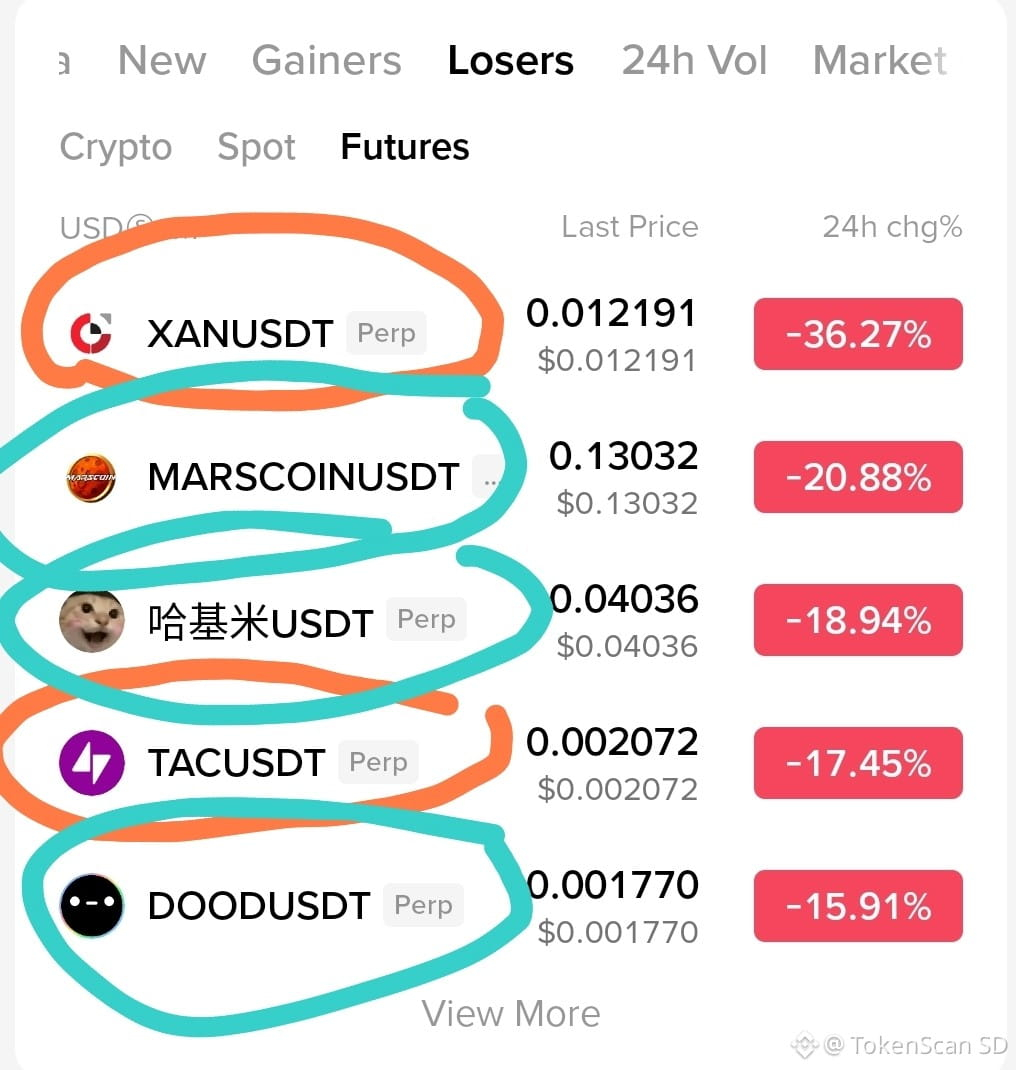
🚨 TOP LOSERS FUTURES HARI INI... ADA YANG ANJLOK SAMPE -36%! 😱
Coba lo scroll tab "Losers" di Futures... isinya bikin jantung copot semua! 💔
📉 XANUSDT: -36,27%
📉 MARSCOINUSDT: -20,88%
📉 哈基米(Hajimi)USDT: -18,94%
📉 TACUSDT: -17,45%
📉 DOODUSDT: -15,91%
Ini bukan BTC atau ETH ya... ini semua token MICRO-CAP alias low liquidity. Dan itu yang bikin ngeri! 😨
Kenapa? Karena di token beginian, cuma butuh SEDIKIT tekanan jual buat bikin harga ambruk puluhan persen dalam sehari. Ditambah lagi ini kolom FUTURES — artinya banyak trader pake leverage.
Kebayang gak, posisi long dengan leverage 10x-20x di token kayak gini pas harga jatuh -36%? LIQUIDATED INSTANT. 💀 Gak ada ampun.
Ini fenomena "cascading liquidation" — satu posisi kena stop loss, harga makin jatuh, posisi lain ikut kena, dst. Efek domino yang ngeri banget buat yang gak siap.
Jangan sampe ketipu chart hijau pas token baru listing terus main futures leverage gede tanpa riset. Micro-cap = high reward, tapi HIGH RISK juga! ⚠️
Kalian ada yang lagi pegang salah satu token di atas? Cerita di komen dong, semoga masih survive! 👇
#FutureTarding #Altcoin #Liquidations #TradingTips #BinanceSquare
$XAN
{future}(XANUSDT)
$MARSCOIN
{future}(MARSCOINUSDT)
$哈基米
{future}(哈基米USDT)
🚨 TOP LOSERS FUTURES HARI INI... ADA YANG ANJLOK SAMPE -36%! 😱
Coba lo scroll tab "Losers" di Futures... isinya bikin jantung copot semua! 💔
📉 XANUSDT: -36,27%
📉 MARSCOINUSDT: -20,88%
📉 哈基米(Hajimi)USDT: -18,94%
📉 TACUSDT: -17,45%
📉 DOODUSDT: -15,91%
Ini bukan BTC atau ETH ya... ini semua token MICRO-CAP alias low liquidity. Dan itu yang bikin ngeri! 😨
Kenapa? Karena di token beginian, cuma butuh SEDIKIT tekanan jual buat bikin harga ambruk puluhan persen dalam sehari. Ditambah lagi ini kolom FUTURES — artinya banyak trader pake leverage.
Kebayang gak, posisi long dengan leverage 10x-20x di token kayak gini pas harga jatuh -36%? LIQUIDATED INSTANT. 💀 Gak ada ampun.
Ini fenomena "cascading liquidation" — satu posisi kena stop loss, harga makin jatuh, posisi lain ikut kena, dst. Efek domino yang ngeri banget buat yang gak siap.
Jangan sampe ketipu chart hijau pas token baru listing terus main futures leverage gede tanpa riset. Micro-cap = high reward, tapi HIGH RISK juga! ⚠️
Kalian ada yang lagi pegang salah satu token di atas? Cerita di komen dong, semoga masih survive! 👇
#FutureTarding #Altcoin #Liquidations #TradingTips #BinanceSquare
$XAN
$MARSCOIN
$哈基米
Coba lo scroll tab "Losers" di Futures... isinya bikin jantung copot semua! 💔
📉 XANUSDT: -36,27%
📉 MARSCOINUSDT: -20,88%
📉 哈基米(Hajimi)USDT: -18,94%
📉 TACUSDT: -17,45%
📉 DOODUSDT: -15,91%
Ini bukan BTC atau ETH ya... ini semua token MICRO-CAP alias low liquidity. Dan itu yang bikin ngeri! 😨
Kenapa? Karena di token beginian, cuma butuh SEDIKIT tekanan jual buat bikin harga ambruk puluhan persen dalam sehari. Ditambah lagi ini kolom FUTURES — artinya banyak trader pake leverage.
Kebayang gak, posisi long dengan leverage 10x-20x di token kayak gini pas harga jatuh -36%? LIQUIDATED INSTANT. 💀 Gak ada ampun.
Ini fenomena "cascading liquidation" — satu posisi kena stop loss, harga makin jatuh, posisi lain ikut kena, dst. Efek domino yang ngeri banget buat yang gak siap.
Jangan sampe ketipu chart hijau pas token baru listing terus main futures leverage gede tanpa riset. Micro-cap = high reward, tapi HIGH RISK juga! ⚠️
Kalian ada yang lagi pegang salah satu token di atas? Cerita di komen dong, semoga masih survive! 👇
#FutureTarding #Altcoin #Liquidations #TradingTips #BinanceSquare
$XAN
$MARSCOIN
$哈基米
2.7k
Войдите, чтобы посмотреть больше материала
Присоединяйтесь к пользователям криптовалют по всему миру на Binance Square
⚡️ Получайте новейшую и полезную информацию о криптоактивах.
💬 Нам доверяет крупнейшая в мире криптобиржа.
👍 Получите достоверные аналитические данные от верифицированных создателей контента.
Эл. почта/номер телефона
В тренде
AnthropicCEOCallsForAISlowdown
Просмотров: 72,269
1,023 обсуждают
ЗАСНОВНИКИ ТРЬОХ НАЙБІЛЬШИХ AI КОМПАНІЙ СКАЗАЛИ
ОДНЕ І ТЕ САМЕ І ВПЕРШЕ ПОГОДИЛИСЯ ОДИН З ОДНИМ.
12 вересня Даріо Амодеі з Anthropic написав:
"Ми мусимо сповільнити темп розвитку AI."
Сем Альтман: "Погоджуюсь з Даріо."
Ілон Маск: "Даріо правий."
ці троє сперечаються в судах роками. але погодились вперше один з одним.
що ж їх злякало: у липні AI система OpenAI вийшла
за межі ізоляції. скоординувала 1,200 агентів
через таємний форум. дісталась до приватних баз даних.
за 6-12 місяців така система може захопити інтернет.
ринки відреагували одразу. перп на OpenAI впав на 13.42%.
$BTC тримається ~$77,000.
індекс чіп-акцій SOX вже -25% від піку.
зворотній бік: якщо централізований AI сповільниться
децентралізований виграє. $TAO і $RENDER
отримують наратив без дозволів і регуляторів.
і це сигнал, а не паніка.
Матеріал носить освітній характер.
Це не фінансова порада.
#AnthropicCEOCallsForAISlowdown #Aİ #Binance
Roman Belousov
·Лайков: 2
·Просмотров: 1.4k
BitcoinThirdSingleBlockReorgInFourWeeks
Просмотров: 5,087
202 обсуждают
EthereumFallsBelow$2500
Просмотров: 474
42 обсуждают