
Polovbot Crypto
141 Публикации

Polovbot Crypto
Отправить жалобу
Заблокировать пользователя
Трейдер с регулярными сделками
4.4 г
28 подписок(и/а)
76 подписчиков(а)
212 понравилось
Посты
PINNED
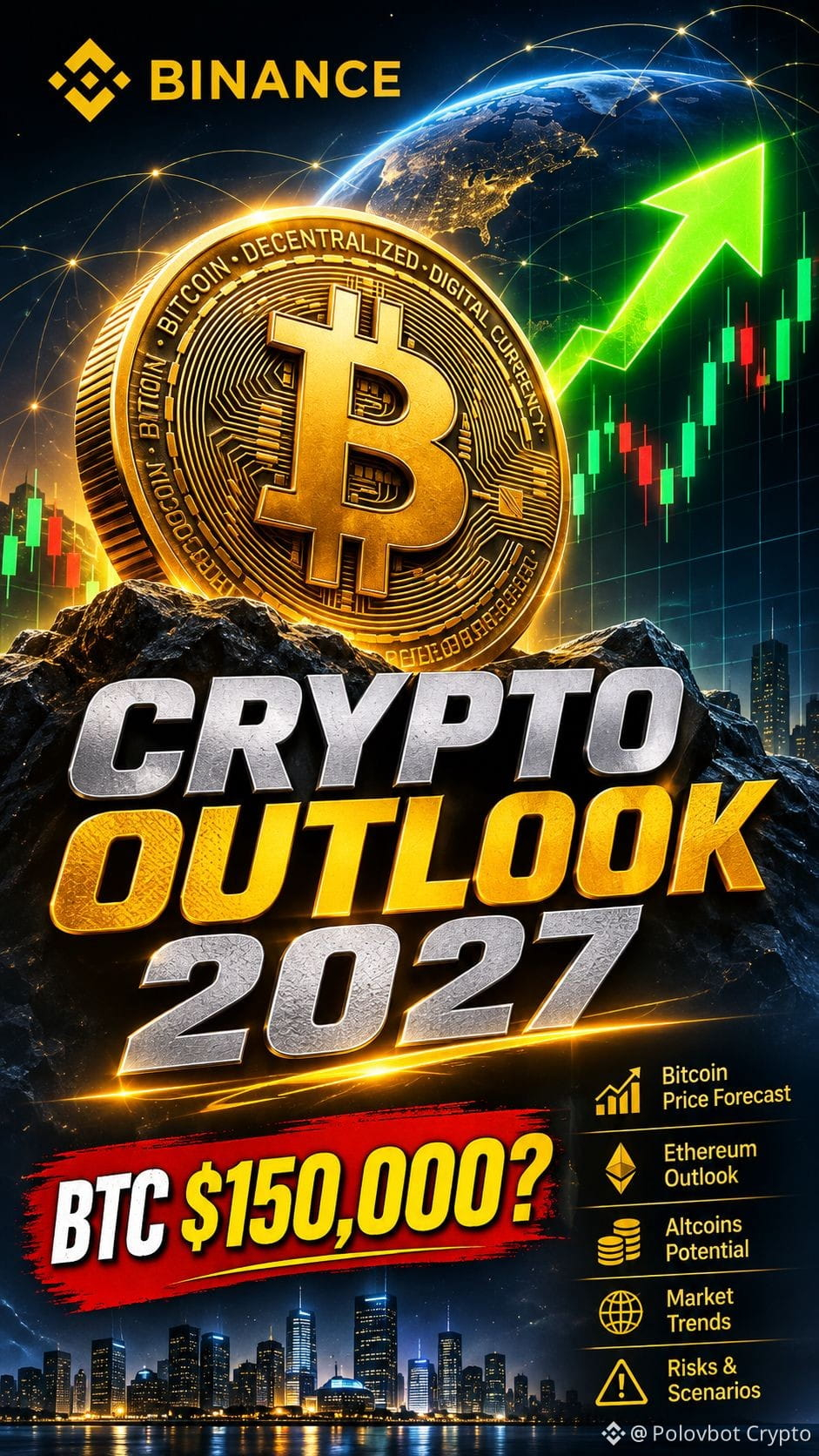
Crypto Outlook 2027: Bitcoin at $150,000?
2027 could be a pivotal year for crypto. Institutional adoption, global liquidity, monetary policy, and technological development will shape the next market cycle.
Bitcoin Forecast
Bitcoin's limited supply, institutional demand, and growing recognition as a digital store of value remain key long-term drivers.
My BTC price scenarios for 2027:
🔴 Bearish: $55K–$85K
🟡 Base case: $110K–$160K
🟢 Bullish: $180K–$230K
My personal target is $150,000 by the end of 2027. Reaching $200K+ is possible if liquidity improves and institutional demand accelerates.
Ethereum & Altcoins
Ethereum could benefit from DeFi growth, stablecoins, tokenization, and institutional adoption. Selected altcoins may outperform, but I don't expect the entire market to rise equally.
Sectors worth watching:
• AI and blockchain
• Real-world asset tokenization (RWA)
• DeFi
• Layer-2 networks
• Stablecoins and payments
• DePIN
Projects with real utility, active users, and sustainable demand may outperform speculative tokens.
Key Market Drivers
• Interest rates and global liquidity
• Institutional capital and ETF flows
• Regulation and adoption
• Stablecoin growth
• Tokenization
• Geopolitical and economic risks
Improving conditions could fuel a rally, while tighter liquidity or recession fears could trigger major corrections.
Three Scenarios
Bullish: BTC $180K–$230K, driven by strong inflows and favorable macro conditions.
Base case: BTC $110K–$160K, with a $150K year-end target.
Bearish: BTC $55K–$85K if economic conditions deteriorate.
Final Thoughts
2027 could bring significant opportunities, but the market may become more selective. Bitcoin remains my strongest long-term crypto bet, Ethereum could regain momentum, and promising altcoins may outperform.
The next cycle could reward fundamentals over hype.
My BTC target for 2027: $150,000.
This is my personal market outlook, not financial advice. Always DYOR.
#Bitcoin
1
97
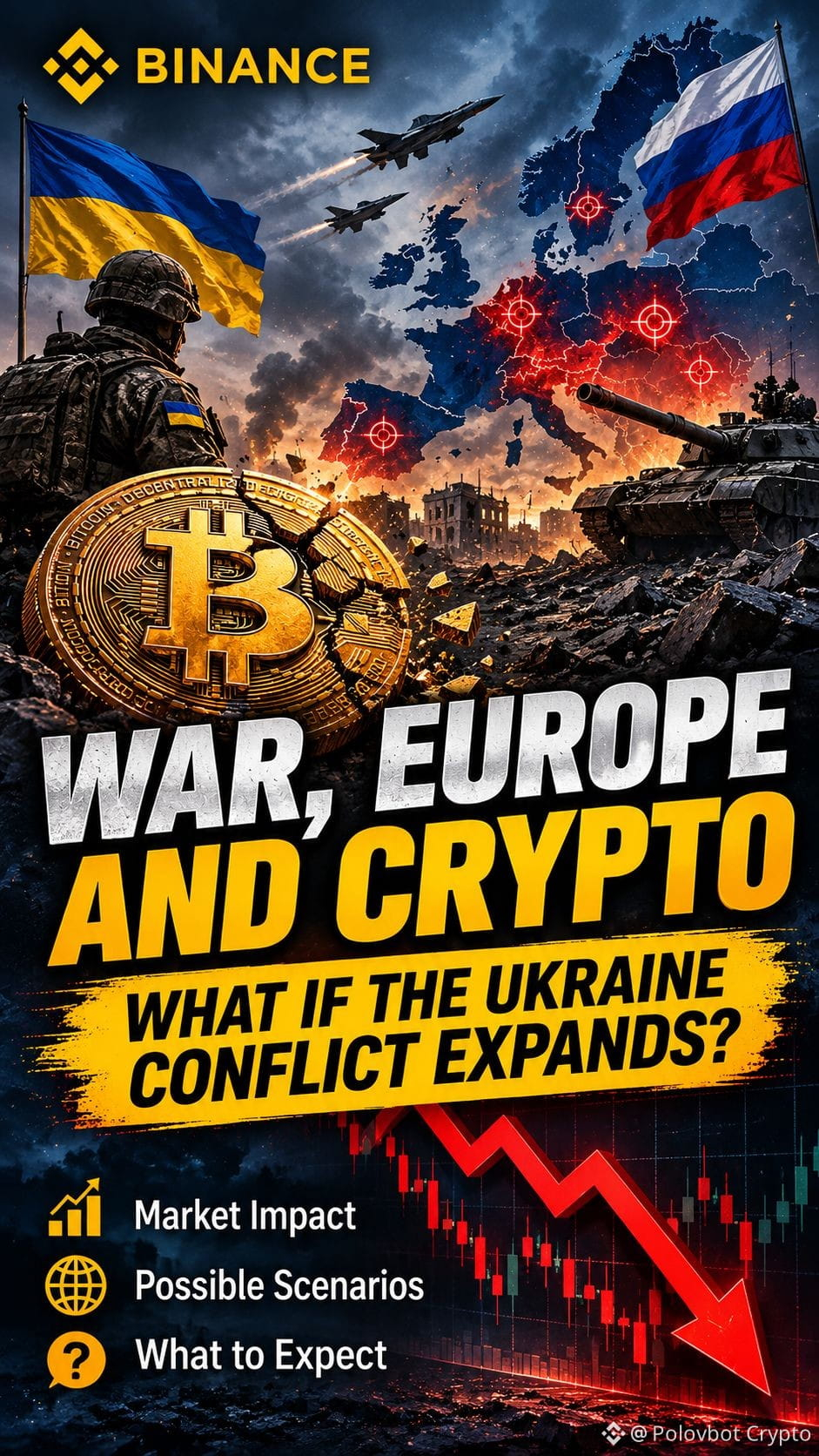
War, Europe & Crypto: What If the Conflict Expands?
Wars create uncertainty across global financial markets. Crypto is no exception. Despite Bitcoin's “digital gold” narrative, during major crises it often behaves like a risk asset.
How War Affects Crypto
• Risk aversion: Investors sell risky assets and seek cash or safe havens.
• Liquidity shocks: Panic can trigger sell-offs and mass liquidations.
• Inflation: Rising energy prices may affect interest rates and liquidity.
• Alternative demand: Bitcoin and stablecoins may become more attractive amid banking disruptions or currency instability.
What If the War Spreads Across Europe?
A wider conflict could trigger a major market shock. Bitcoin and altcoins might initially fall as investors reduce risk. European markets, energy prices, inflation, and global economic confidence could face serious pressure.
Possible Scenarios
Short-term: Panic, volatility, sell-offs, and potential crypto market decline.
Medium-term: Growing demand for Bitcoin and stablecoins as alternative financial tools.
Long-term: Increased interest in decentralized assets if trust in traditional systems weakens.
My Outlook
Bitcoin is not guaranteed to be a safe haven during war. A wider conflict could cause a significant initial decline. However, prolonged instability could strengthen the long-term case for decentralized assets.
In such conditions, risk management and patience may be more important than trying to predict the bottom.
War is a human tragedy first, not a financial opportunity.
This is not financial advice.
#Geopolitics #BTC #CryptoTrends2027 #Bitcoin2027
1
58
I used a free coupon. Do you think I can earn anything?
#XAU
I used a free coupon. Do you think I can earn anything?
#XAU
#XAU
1
127
Войдите, чтобы посмотреть больше материала
Присоединяйтесь к пользователям криптовалют по всему миру на Binance Square
⚡️ Получайте новейшую и полезную информацию о криптоактивах.
💬 Нам доверяет крупнейшая в мире криптобиржа.
👍 Получите достоверные аналитические данные от верифицированных создателей контента.
Эл. почта/номер телефона
В тренде
EvolveAtBinanceBlockchainWeek
Просмотров: 1.8M
17,983 обсуждают
Binance Blockchain Week is officially underway! 🌍
On November 28–29, whether you’re in Bangkok or joining from afar, tune in to the livestreams and join the conversation on Binance Square!
Here’s what’s in store 👇
📺 Watch the main stage live
Tune in throughout both days as industry speakers share their perspectives on this year’s theme, “Evolve” From technological innovation to real-world applications, explore what’s next for crypto.
⚔️ Watch two trading competitions
The Aster Open Qualifier and the Binance Trading Master Tournament will both be streamed live. Tune in to follow the traders in action.
🏆 Watch The Blockchain 100 Awards Ceremony
The Blockchain 100 list was selected by the community. Join us in celebrating the creators and the ideas they share!
💬 Join the community conversation
Use #EvolveAtBinanceBlockchainWeek in a post with a photo to share what you’re looking forward to, your views on the industry, or your favorite moments from the event.
The event page is now live! Subscribe to all livestreams with one click so you don’t miss a moment 👏
Binance Blockchain Week
·Лайков: 472
·Просмотров: 602.7k
BitcoinETFsExtendOutflowStreakToEightDays
Просмотров: 9,167
126 обсуждают
ColdcardFlawLeadsToTheftOfAtLeast1789BTC
Просмотров: 55,279
560 обсуждают