
OlivetreesReal
767 Публикации

OlivetreesReal
Crypto writer | Market insights, Trends, Simple Breakdowns. Making crypto easier to understand — one post at a time
Трейдер с регулярными сделками
6.3 г
65 подписок(и/а)
188 подписчиков(а)
900 понравилось
Посты
Все
Цитирования
Активно
PINNED

PINNED

OneWif_G
·
--
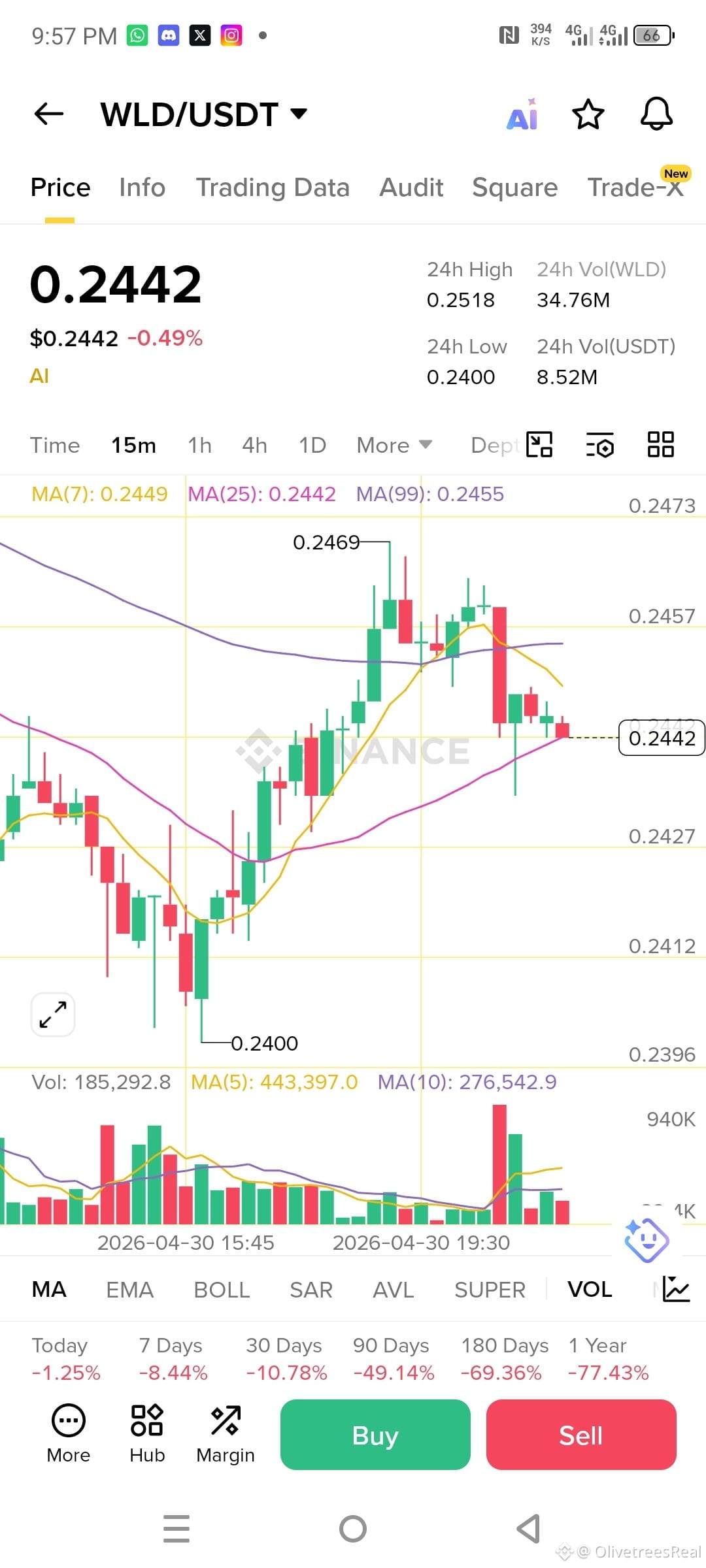
РостFor many days, I've been dissecting several areas on @BabylonLabs_io and I keep asking this question: What if a new blockchain could borrow Bitcoin’s economic strength instead of spending years building its own?
That’s the idea behind Bitcoin Supercharged Networks (BSNs).
BSNs are Layer 1s, Layer 2s, and rollups that can anchor their block finality to staked Bitcoin through Babylon @BabylonLabs_io .
Instead of relying heavily on an inflationary native token to bootstrap security, these networks can tap into Bitcoin’s massive economic weight from day one.
This is how the idea comes to life
Bitcoin holders can stake $BTC directly on Bitcoin using time-bound Taproot scripts. No wrapping. No bridging. No moving BTC to another chain.
At the same time, Finality Providers help secure transactions on the PoS network. Babylon’s cryptographic mechanisms, including EOTS, are designed to make dishonest signing punishable through slashing of delegated BTC.
So the model creates a two-way benefit:
-BSNs gain stronger economic security
-Bitcoin holders earn rewards for helping provide that security
My theory is simple:
Why build a new security system from scratch when Bitcoin already has one of the strongest economic foundations in crypto?
Could BSNs be the next evolution of blockchain security; where new networks borrow Bitcoin’s strength instead of trying to recreate it?
By the way, I hope you equally took a short position on $LDO when I called it yesterday (Lido DAO)?
#baby $BABY
That’s the idea behind Bitcoin Supercharged Networks (BSNs).
BSNs are Layer 1s, Layer 2s, and rollups that can anchor their block finality to staked Bitcoin through Babylon @BabylonLabs_io .
Instead of relying heavily on an inflationary native token to bootstrap security, these networks can tap into Bitcoin’s massive economic weight from day one.
This is how the idea comes to life
Bitcoin holders can stake $BTC directly on Bitcoin using time-bound Taproot scripts. No wrapping. No bridging. No moving BTC to another chain.
At the same time, Finality Providers help secure transactions on the PoS network. Babylon’s cryptographic mechanisms, including EOTS, are designed to make dishonest signing punishable through slashing of delegated BTC.
So the model creates a two-way benefit:
-BSNs gain stronger economic security
-Bitcoin holders earn rewards for helping provide that security
My theory is simple:
Why build a new security system from scratch when Bitcoin already has one of the strongest economic foundations in crypto?
Could BSNs be the next evolution of blockchain security; where new networks borrow Bitcoin’s strength instead of trying to recreate it?
By the way, I hope you equally took a short position on $LDO when I called it yesterday (Lido DAO)?
#baby $BABY
OneWif_G
·
--
РостBitcoin staking sounds simple until you ask one question: how do you actually make it work without changing Bitcoin?
That's where Babylon's architecture gets interesting.
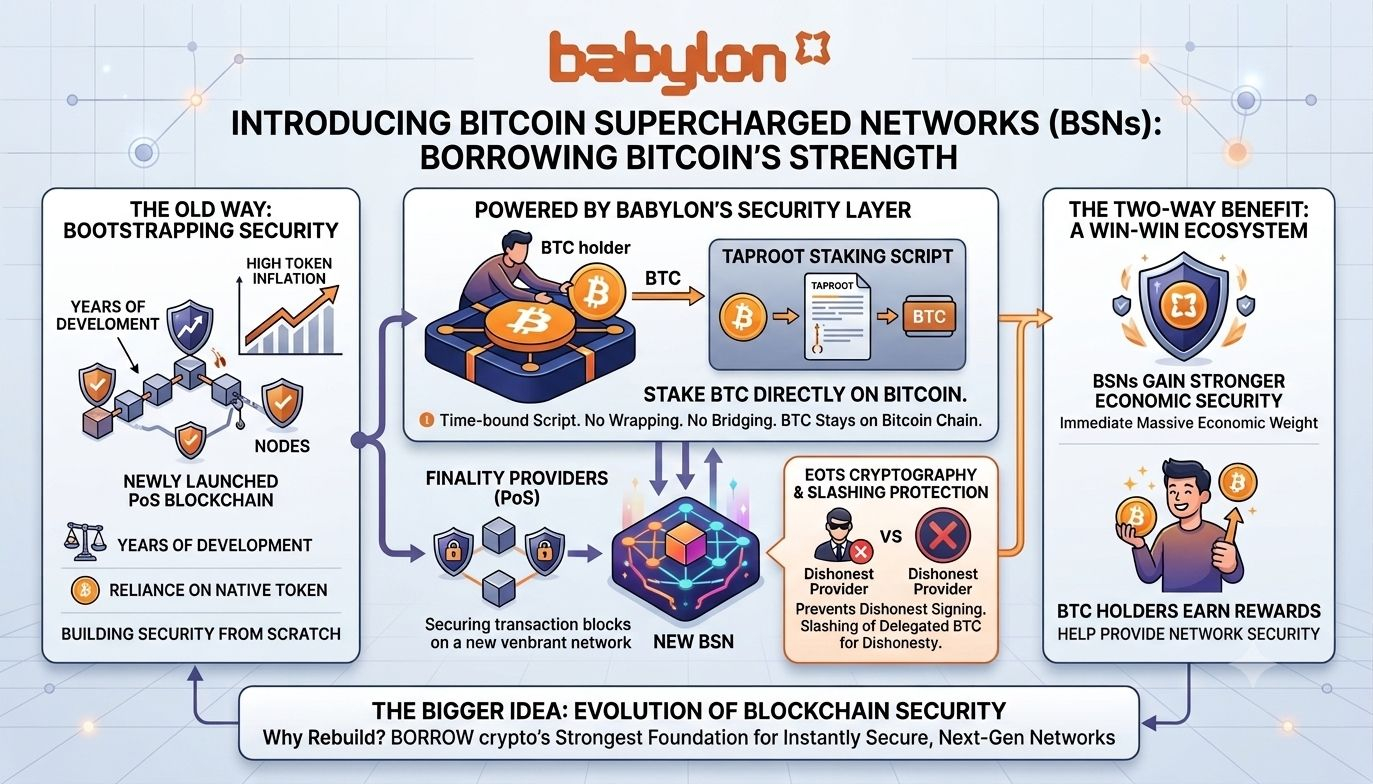
Three pieces do a lot of the heavy lifting: Taproot, time locks, and Finality Providers.
Taproot helps Babylon @BabylonLabs_io use Bitcoin's scripting capabilities more efficiently. Time locks introduce conditions around how staked BTC can be used and withdrawn, helping create the security guarantees needed for staking. Then Finality Providers coordinate with Proof-of-Stake chains to help provide additional economic security.
Put together, these mechanisms create a bridge between Bitcoin's native capabilities and the wider PoS economy without requiring Bitcoin itself to become a smart-contract chain.
And that's the bigger story.
While tokens like $LAB and $GIGGLE can suddenly attract attention when market narratives shift, Babylon @BabylonLabs_io is working on something much less flashy: infrastructure designed to make Bitcoin capital more useful.
The interesting question isn't whether Bitcoin can be productive.
It's how far this technology can take Bitcoin beyond simply being an asset you hold.
Could technical infrastructure like Babylon's become one of the most important Bitcoin narratives in the next halving?
#baby $BABY
That's where Babylon's architecture gets interesting.
Three pieces do a lot of the heavy lifting: Taproot, time locks, and Finality Providers.
Taproot helps Babylon @BabylonLabs_io use Bitcoin's scripting capabilities more efficiently. Time locks introduce conditions around how staked BTC can be used and withdrawn, helping create the security guarantees needed for staking. Then Finality Providers coordinate with Proof-of-Stake chains to help provide additional economic security.
Put together, these mechanisms create a bridge between Bitcoin's native capabilities and the wider PoS economy without requiring Bitcoin itself to become a smart-contract chain.
And that's the bigger story.
While tokens like $LAB and $GIGGLE can suddenly attract attention when market narratives shift, Babylon @BabylonLabs_io is working on something much less flashy: infrastructure designed to make Bitcoin capital more useful.
The interesting question isn't whether Bitcoin can be productive.
It's how far this technology can take Bitcoin beyond simply being an asset you hold.
Could technical infrastructure like Babylon's become one of the most important Bitcoin narratives in the next halving?
#baby $BABY
OneWif_G
·
--
Рост$BLESS just showed us how quickly capital can chase a narrative. But what happens when Bitcoin's massive capital base becomes productive?
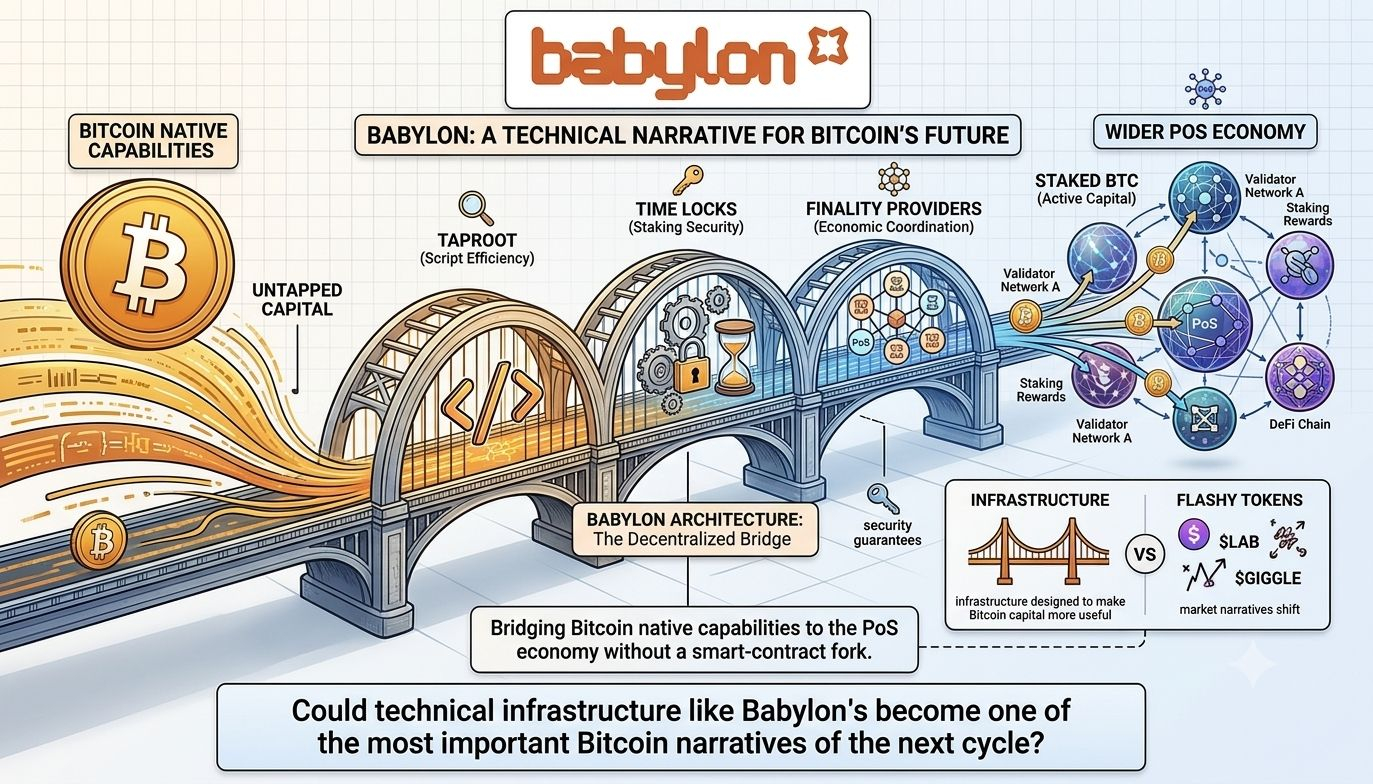
Yesterday's $BLESS upsurge was another reminder of how quickly liquidity can move when traders discover a compelling narrative early.
But I choose to see beyond the rush and hype of this weekend.
Bitcoin holds an enormous amount of the crypto market's value, yet much of that capital remains relatively inactive compared with ecosystems like Ethereum and Solana, where staking and DeFi have created more ways for capital to participate.
But with Babylon @BabylonLabs_io , things take a different turn:
Instead of treating Bitcoin as an asset that simply sits in a wallet, Babylon @BabylonLabs_io keeps exploring Bitcoin staking as a way to give BTC a more active economic role while keeping the asset native to the Bitcoin network.
That's a very different proposition from chasing the next token that suddenly catches fire.
BLESS can surge because traders discover a narrative or intense whale activities. But what happens to $Baby token if Bitcoin itself fully becomes part of this new economic narrative?
Would you rather chase the next explosive token, or see Bitcoin become productive capital for the next generation of crypto infrastructure?
#baby $BABY
Yesterday's $BLESS upsurge was another reminder of how quickly liquidity can move when traders discover a compelling narrative early.
But I choose to see beyond the rush and hype of this weekend.
Bitcoin holds an enormous amount of the crypto market's value, yet much of that capital remains relatively inactive compared with ecosystems like Ethereum and Solana, where staking and DeFi have created more ways for capital to participate.
But with Babylon @BabylonLabs_io , things take a different turn:
Instead of treating Bitcoin as an asset that simply sits in a wallet, Babylon @BabylonLabs_io keeps exploring Bitcoin staking as a way to give BTC a more active economic role while keeping the asset native to the Bitcoin network.
That's a very different proposition from chasing the next token that suddenly catches fire.
BLESS can surge because traders discover a narrative or intense whale activities. But what happens to $Baby token if Bitcoin itself fully becomes part of this new economic narrative?
Would you rather chase the next explosive token, or see Bitcoin become productive capital for the next generation of crypto infrastructure?
#baby $BABY
OneWif_G
·
--
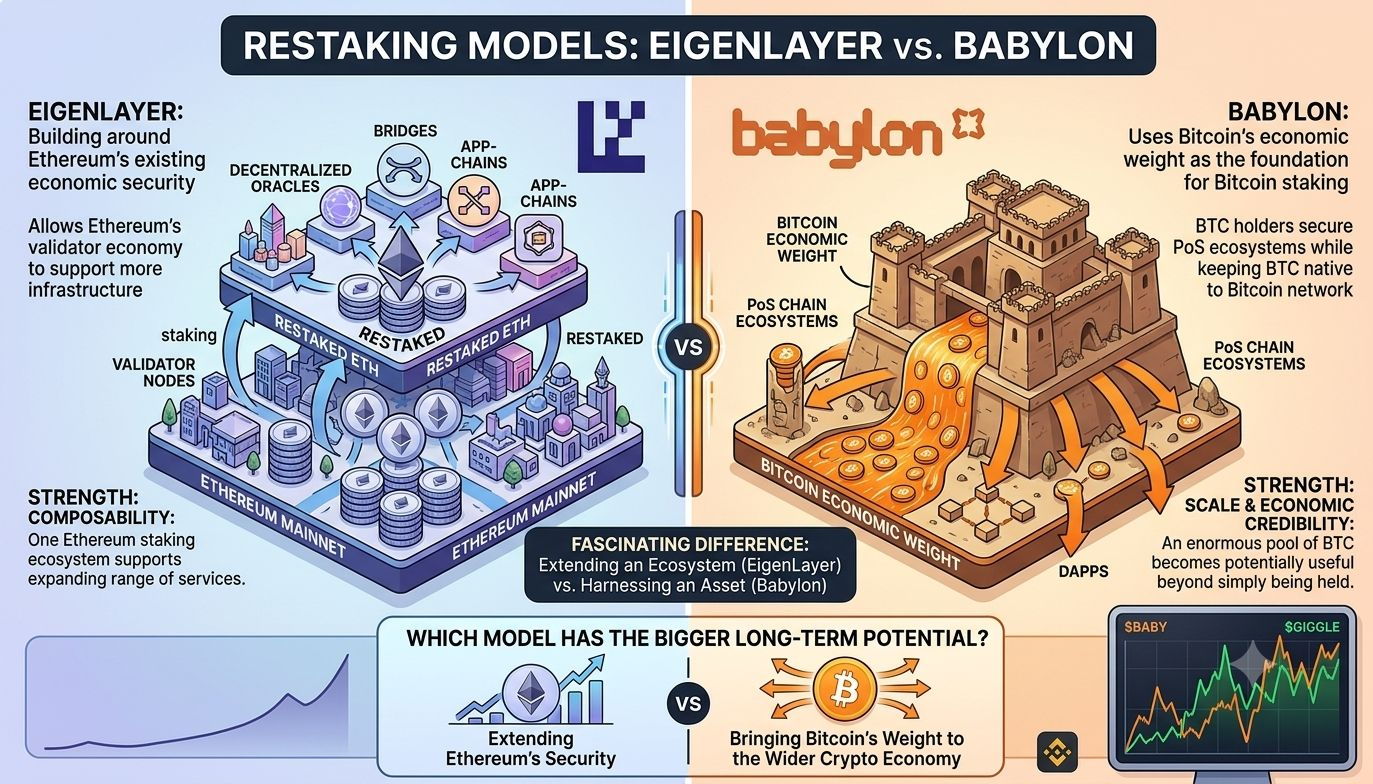
РостBitcoin restaking and Ethereum restaking sound similar. But Babylon and EigenLayer are actually building two very different security models.
EigenLayer builds around Ethereum's existing economic security. $ETH that is already staked can be restaked to help secure additional services, allowing Ethereum's validator economy to support more infrastructure without every new protocol having to bootstrap security from scratch.
Babylon approaches the problem from a different direction.
Instead of extending Ethereum's staking economy, Babylon @BabylonLabs_io uses Bitcoin's economic weight as the foundation for Bitcoin staking. BTC holders can participate in securing Proof-of-Stake ecosystems while keeping their Bitcoin native to the Bitcoin network.
The difference is fascinating.
EigenLayer's strength is composability: one Ethereum staking ecosystem can support an expanding range of services.
Babylon's strength is Bitcoin's scale and economic credibility: an enormous pool of BTC becomes potentially useful beyond simply being held.
So which model has the bigger long-term potential: extending Ethereum's security, or bringing Bitcoin's economic weight into the wider crypto economy?
Meanwhile, both $BABY and $GIGGLE had a wild run on their charts this weekend. Hope you traded at least one of them on Binance like I did?
#baby @BabylonLabs_io
EigenLayer builds around Ethereum's existing economic security. $ETH that is already staked can be restaked to help secure additional services, allowing Ethereum's validator economy to support more infrastructure without every new protocol having to bootstrap security from scratch.
Babylon approaches the problem from a different direction.
Instead of extending Ethereum's staking economy, Babylon @BabylonLabs_io uses Bitcoin's economic weight as the foundation for Bitcoin staking. BTC holders can participate in securing Proof-of-Stake ecosystems while keeping their Bitcoin native to the Bitcoin network.
The difference is fascinating.
EigenLayer's strength is composability: one Ethereum staking ecosystem can support an expanding range of services.
Babylon's strength is Bitcoin's scale and economic credibility: an enormous pool of BTC becomes potentially useful beyond simply being held.
So which model has the bigger long-term potential: extending Ethereum's security, or bringing Bitcoin's economic weight into the wider crypto economy?
Meanwhile, both $BABY and $GIGGLE had a wild run on their charts this weekend. Hope you traded at least one of them on Binance like I did?
#baby @BabylonLabs_io
OneWif_G
·
--
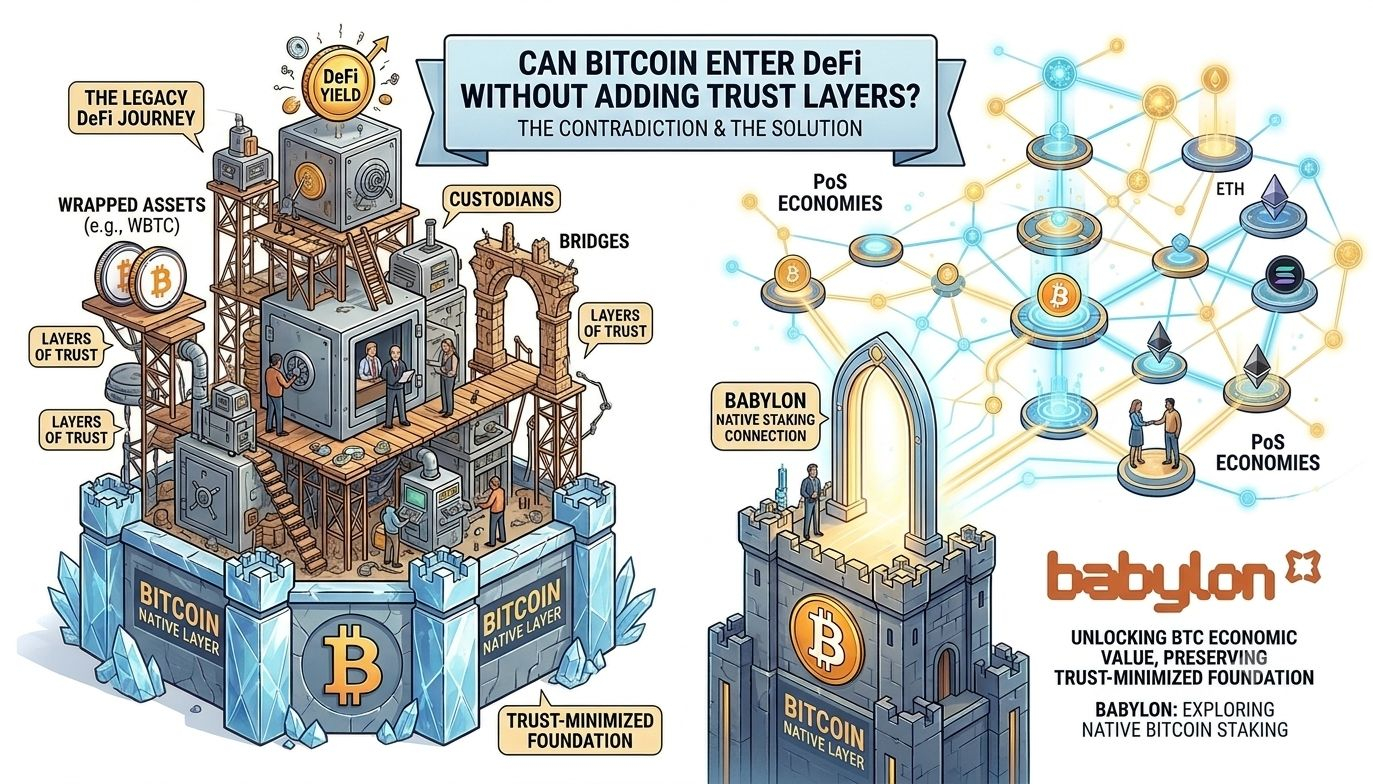
РостBitcoin was built to eliminate the need for trust. So why does putting BTC to work in DeFi often add new layers of it?
That's one of the biggest contradictions in Bitcoin's journey beyond simply holding the asset.
To use $BTC across many DeFi ecosystems, users have historically relied on mechanisms such as wrapped assets, bridges, custodians, or other infrastructure. Each approach can introduce additional assumptions that don't exist when Bitcoin stays on its native network.
And that's where Babylon @BabylonLabs_io gets interesting.
Rather than treating Bitcoin as an asset that must be moved into another environment before it can become useful, Babylon is exploring native Bitcoin staking as a way to connect BTC with the broader Proof-of-Stake economy.
The bigger idea isn't simply earning rewards from Bitcoin.
It's about finding ways to unlock Bitcoin's enormous economic value while preserving the trust-minimized foundation that made the asset valuable in the first place.
$ETH and Solana have shown how productive capital can strengthen blockchain ecosystems. Bitcoin has the capital. The question is how that capital can participate without sacrificing its unique properties.
Can Bitcoin enter DeFi without importing the very trust assumptions it was designed to remove?
#baby $BABY @BabylonLabs_io
That's one of the biggest contradictions in Bitcoin's journey beyond simply holding the asset.
To use $BTC across many DeFi ecosystems, users have historically relied on mechanisms such as wrapped assets, bridges, custodians, or other infrastructure. Each approach can introduce additional assumptions that don't exist when Bitcoin stays on its native network.
And that's where Babylon @BabylonLabs_io gets interesting.
Rather than treating Bitcoin as an asset that must be moved into another environment before it can become useful, Babylon is exploring native Bitcoin staking as a way to connect BTC with the broader Proof-of-Stake economy.
The bigger idea isn't simply earning rewards from Bitcoin.
It's about finding ways to unlock Bitcoin's enormous economic value while preserving the trust-minimized foundation that made the asset valuable in the first place.
$ETH and Solana have shown how productive capital can strengthen blockchain ecosystems. Bitcoin has the capital. The question is how that capital can participate without sacrificing its unique properties.
Can Bitcoin enter DeFi without importing the very trust assumptions it was designed to remove?
#baby $BABY @BabylonLabs_io
OneWif_G
·
--
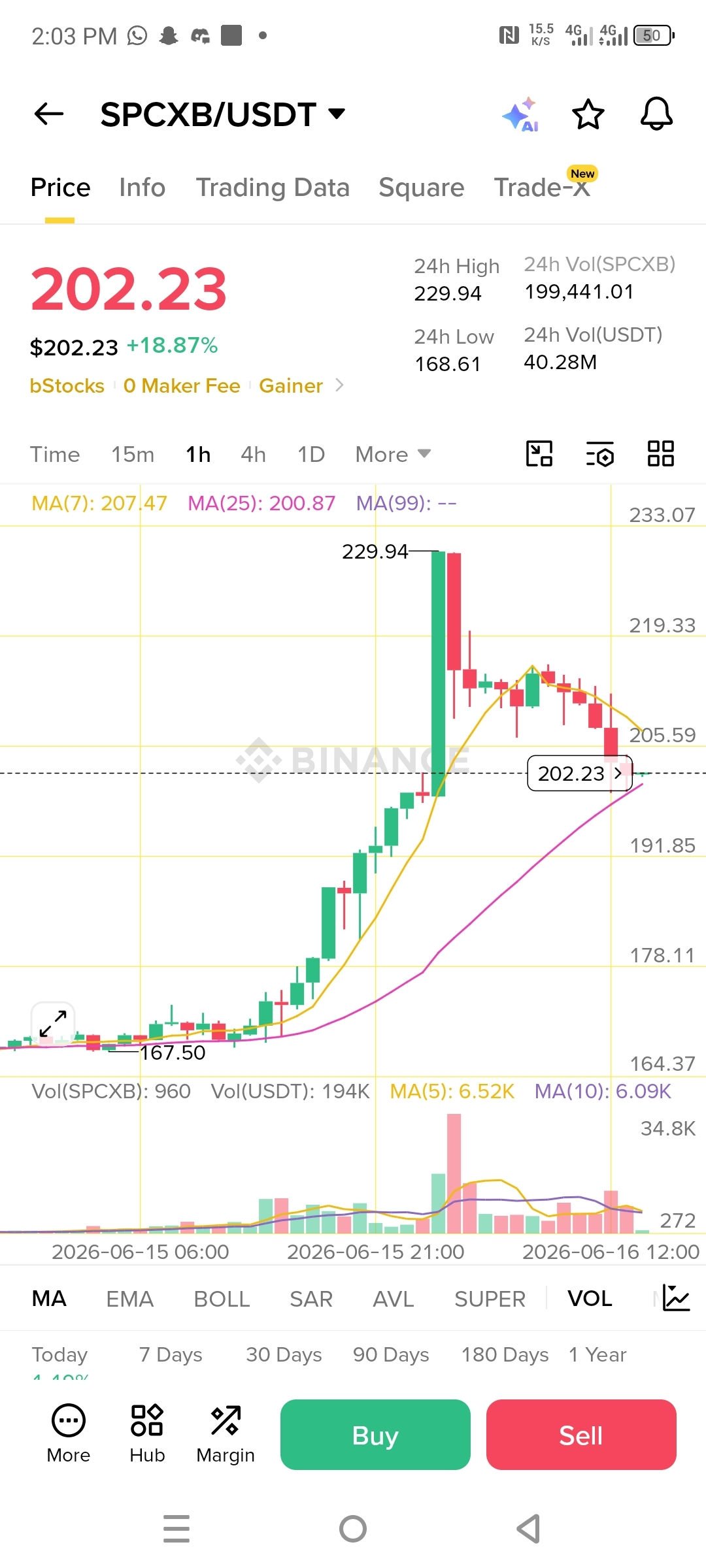
Рост$BABY on fire with over 10% increase even much more than $LAB today.
OneWif_G
·
--
РостWhat if Bitcoin's biggest role isn't just becoming the world's money... But becoming crypto's security layer?
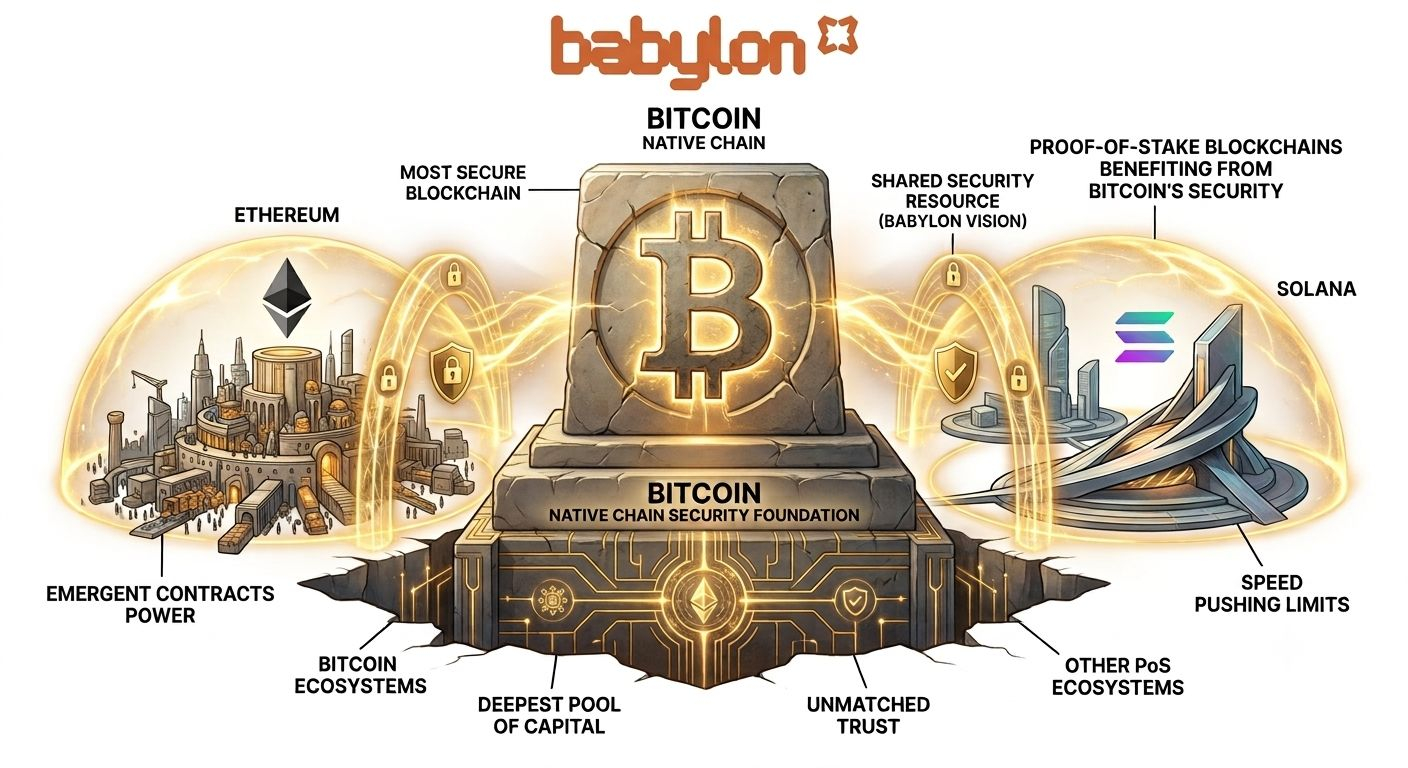
$ETH powers smart contracts, Solana is pushing limits of speed. But when it comes to trust and security, Bitcoin still stands in a league of it's own.
Bitcoin is the most secure blockchain ever built, backed by the largest network and the deepest pool of capital in crypto. Yet, most of that security only protects the Bitcoin network itself, while other ecosystems continue building their own security from scratch.
Babylon @BabylonLabs_io sees the future quite differently.
Instead of asking Bitcoin holders to bridge or wrap their $BTC , Babylon wants Bitcoin's security to become a shared resource for Proof-of-Stake blockchains.
Imagine networks like Ethereum, Solana and other PoS ecosystems benefiting from Bitcoin's unmatched security while Bitcoin itself never leaves its native chain.
If this vision succeeds, Bitcoin won't just be digital gold. It could become the security foundation of the entire crypto economy, quietly protecting the next generation of blockchain innovation.
Is Bitcoin destined to be more than a store of value, or should its role stop there?
#baby $BABY @BabylonLabs_io
$ETH powers smart contracts, Solana is pushing limits of speed. But when it comes to trust and security, Bitcoin still stands in a league of it's own.
Bitcoin is the most secure blockchain ever built, backed by the largest network and the deepest pool of capital in crypto. Yet, most of that security only protects the Bitcoin network itself, while other ecosystems continue building their own security from scratch.
Babylon @BabylonLabs_io sees the future quite differently.
Instead of asking Bitcoin holders to bridge or wrap their $BTC , Babylon wants Bitcoin's security to become a shared resource for Proof-of-Stake blockchains.
Imagine networks like Ethereum, Solana and other PoS ecosystems benefiting from Bitcoin's unmatched security while Bitcoin itself never leaves its native chain.
If this vision succeeds, Bitcoin won't just be digital gold. It could become the security foundation of the entire crypto economy, quietly protecting the next generation of blockchain innovation.
Is Bitcoin destined to be more than a store of value, or should its role stop there?
#baby $BABY @BabylonLabs_io
OneWif_G
·
--
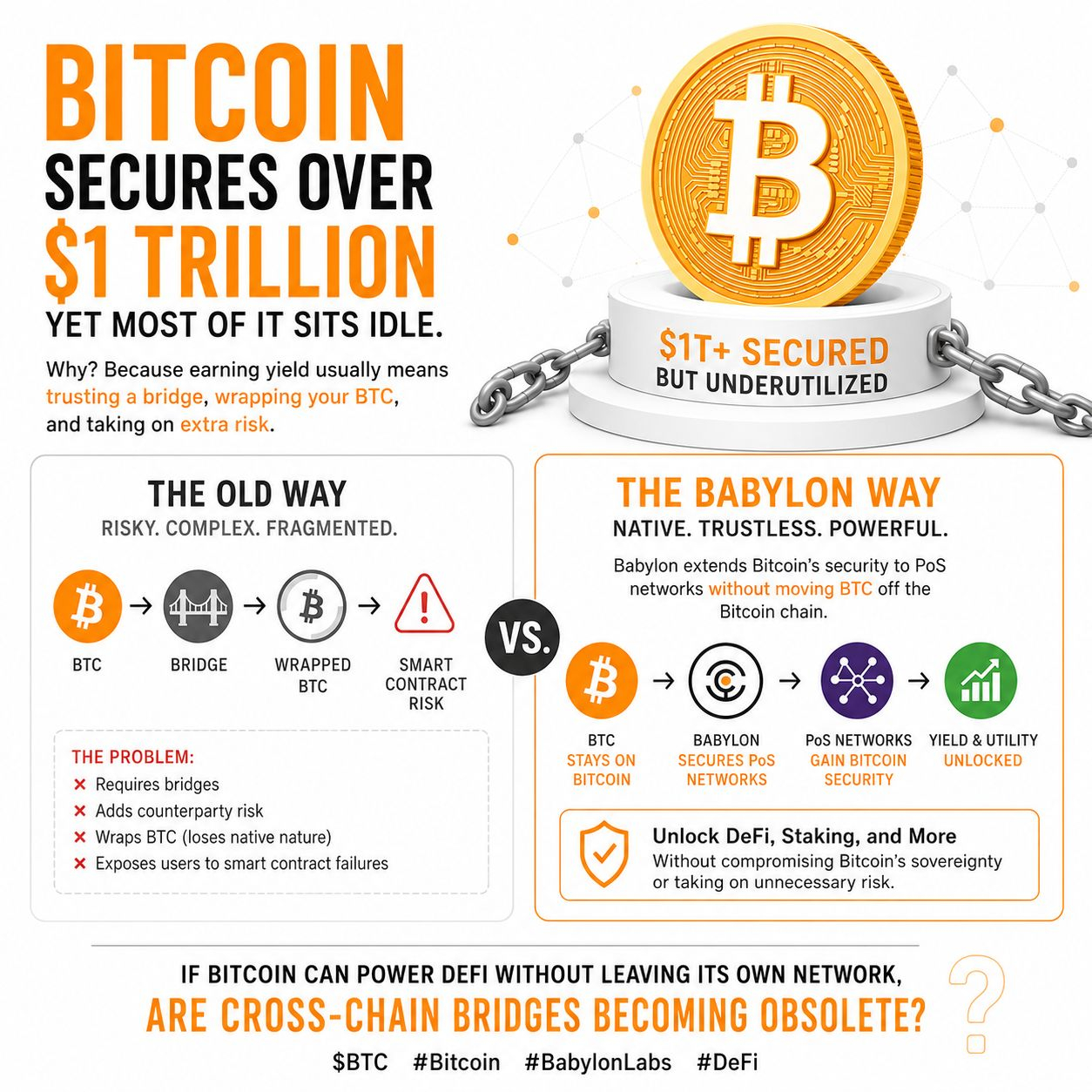
РостBitcoin secures over $1T in value, yet most of it sits idle. Why? Because earning yield usually means trusting a bridge, wrapping your $BTC , and taking on extra risk.
Babylon @BabylonLabs_io changes that equation. It extends Bitcoin's security to PoS networks without moving $BTC off the Bitcoin chain, unlocking utility while preserving what makes Bitcoin valuable in the first place.
If Bitcoin can power DeFi without leaving its own network, are cross-chain bridges becoming obsolete?
#baby $BABY @BabylonLabs_io
Babylon @BabylonLabs_io changes that equation. It extends Bitcoin's security to PoS networks without moving $BTC off the Bitcoin chain, unlocking utility while preserving what makes Bitcoin valuable in the first place.
If Bitcoin can power DeFi without leaving its own network, are cross-chain bridges becoming obsolete?
#baby $BABY @BabylonLabs_io
OneWif_G
·
--
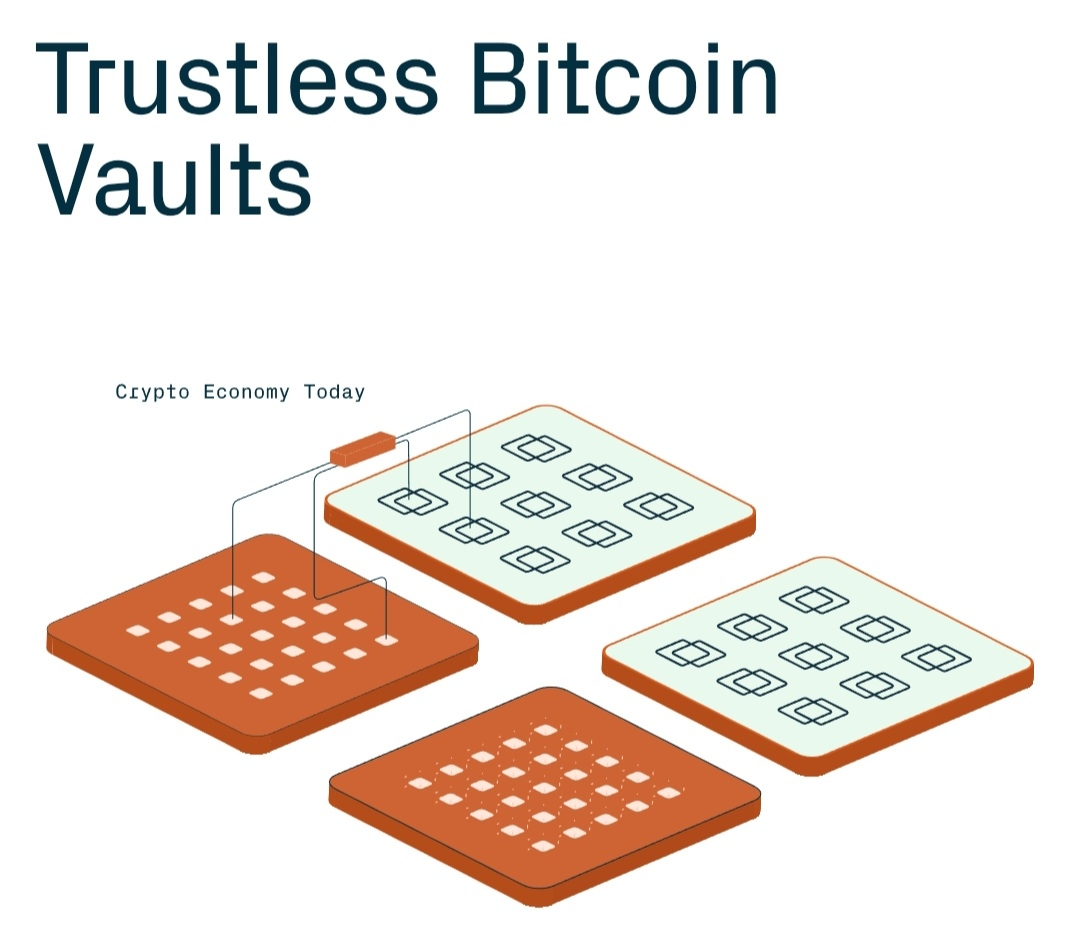
РостThis is exactly how Trustless Bitcoin Vaults + Aave v4 works on Babylon @BabylonLabs_io
1. DEPOSIT NATIVE $BTC
-Lock BTC into a Trustless Bitcoin Vault.
2. ACTIVATE COLLATERAL
-Collateral state becomes verifiable on
Ethereum.
3. BORROW LIQUIDITY
-Access stablecoins through Aave v4.
4. REPAY ANYTIME
-Unlock BTC after repayment.
#baby $BABY
Give it a try today.
1. DEPOSIT NATIVE $BTC
-Lock BTC into a Trustless Bitcoin Vault.
2. ACTIVATE COLLATERAL
-Collateral state becomes verifiable on
Ethereum.
3. BORROW LIQUIDITY
-Access stablecoins through Aave v4.
4. REPAY ANYTIME
-Unlock BTC after repayment.
#baby $BABY
Give it a try today.





Войдите, чтобы посмотреть больше материала