

Mr Blaze 110
2 Публикации

Mr Blaze 110
Отправить жалобу
Заблокировать пользователя
1 подписок(и/а)
0 подписчиков(а)
0 понравилось
Посты
·
--
$BTC
{spot}(BTCUSDT)
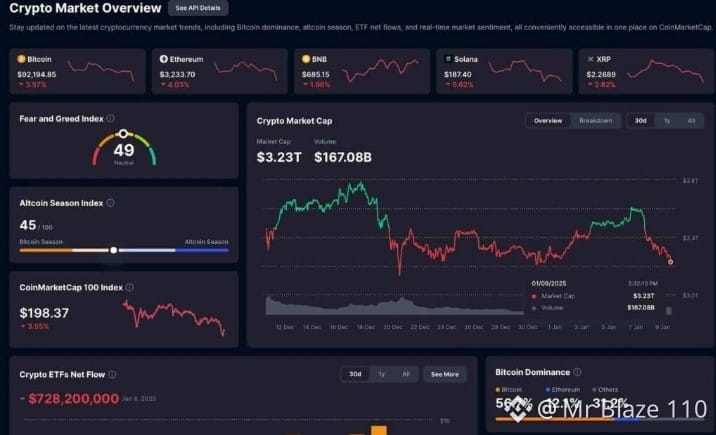
remains one of the strongest assets in the crypto market, trading around the mid-$80,000 range after a significant recovery over recent months. Institutional interest remains strong, with continued inflows into Bitcoin investment products and ongoing corporate accumulation. �
Investopedia +1
Technical Outlook:
Trend: Bullish in the long term.
Support Zone: Around $80,000.
Resistance Zone: Around $87,000–$90,000.
Key Drivers: ETF inflows, institutional demand, and broader market sentiment. �
Barron's +1
Conclusion:
Bitcoin's long-term structure remains positive, but short-term volatility is likely as investors react to interest rates, economic data, and profit-taking near resistance levels. �
marketwatch.com +1
#EarningsSeason #ECBToTestAIAgentsInDigitalEuroPayments #JapanFSABacksFourthStablecoinTradeSettlementPilot #BitgetHackerFailsToMoveStolenFunds
$BTC
remains one of the strongest assets in the crypto market, trading around the mid-$80,000 range after a significant recovery over recent months. Institutional interest remains strong, with continued inflows into Bitcoin investment products and ongoing corporate accumulation. �
Investopedia +1
Technical Outlook:
Trend: Bullish in the long term.
Support Zone: Around $80,000.
Resistance Zone: Around $87,000–$90,000.
Key Drivers: ETF inflows, institutional demand, and broader market sentiment. �
Barron's +1
Conclusion:
Bitcoin's long-term structure remains positive, but short-term volatility is likely as investors react to interest rates, economic data, and profit-taking near resistance levels. �
marketwatch.com +1
#EarningsSeason #ECBToTestAIAgentsInDigitalEuroPayments #JapanFSABacksFourthStablecoinTradeSettlementPilot #BitgetHackerFailsToMoveStolenFunds
remains one of the strongest assets in the crypto market, trading around the mid-$80,000 range after a significant recovery over recent months. Institutional interest remains strong, with continued inflows into Bitcoin investment products and ongoing corporate accumulation. �
Investopedia +1
Technical Outlook:
Trend: Bullish in the long term.
Support Zone: Around $80,000.
Resistance Zone: Around $87,000–$90,000.
Key Drivers: ETF inflows, institutional demand, and broader market sentiment. �
Barron's +1
Conclusion:
Bitcoin's long-term structure remains positive, but short-term volatility is likely as investors react to interest rates, economic data, and profit-taking near resistance levels. �
marketwatch.com +1
#EarningsSeason #ECBToTestAIAgentsInDigitalEuroPayments #JapanFSABacksFourthStablecoinTradeSettlementPilot #BitgetHackerFailsToMoveStolenFunds
33
·
--
$BTC
{spot}(BTCUSDT)
$BTC is consolidating in the $82,000 – $85,000 range following recent swings. The overall market structure remains cautious yet constructive across key indicators:
Technical Breakdown
Metric / Indicator Current Level / Reading Interpretation
Current Price ~$82,700 – $84,200 Ranging after testing overhead resistance near $85,000–$87,000.
Primary Support $79,200 – $81,000 Crucial short-term floor; holding above invalidates immediate downside risk.
Major Resistance $85,400 / $87,400 Key technical levels required to trigger a continuation toward $90,000+.
RSI (14-Day) ~55 – 68 Neutral-to-bullish momentum; room to expand without being overbought.
Moving Averages Above 200-day EMA (~$70,700) Keeps the macro uptrend firmly intact.
Core Drivers
Institutional Inflows: Spot ETF flows continue to act as a primary demand baseline, absorbing market pullbacks and dampening downside volatility.
Macro Environment: Geopolitical friction and fluctuating energy prices have caused temporary headwinds, leading to short-term ranging behaviorBitcoin (BTC) is currently navigating a key consolidation phase, with price action characterized by high sensitivity to macroeconomic indicators and shifting institutional flows.
Key Technical & Market Factors
Price Action & Key Levels: Bitcoin is holding within a defined consolidation range. Immediate support rests in the $58,000 – $60,000 zone, which acts as a crucial line of defense for bulls. A sustained break below this area
#ChainlinkLaunchesCCIP2WithEnterpriseVerification #QNTFallsOver40%FromMorningHigh #KospiFalls2.7%SamsungSKHynixDropOver5% #BitgetDetailsSecurityIncidentTimeline
$BTC
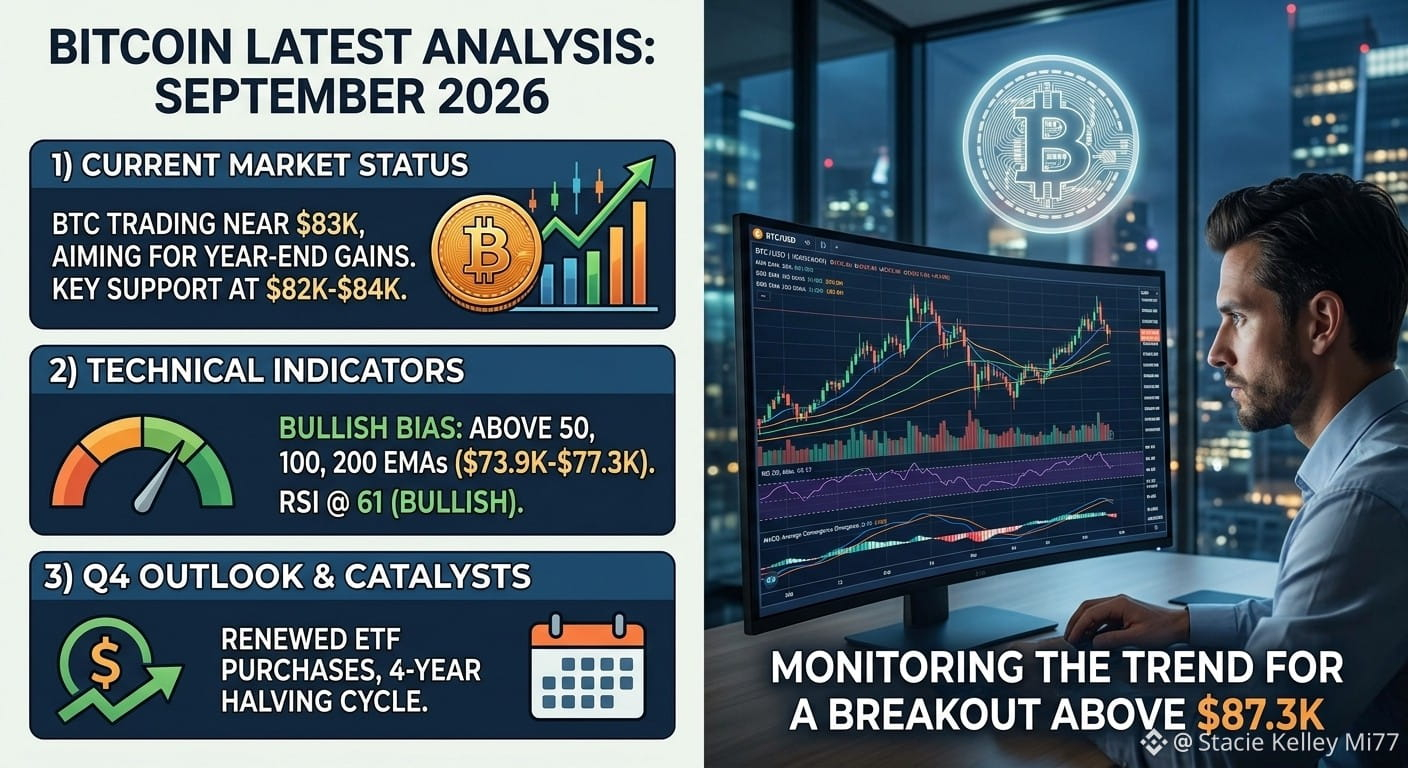
$BTC is consolidating in the $82,000 – $85,000 range following recent swings. The overall market structure remains cautious yet constructive across key indicators:
Technical Breakdown
Metric / Indicator Current Level / Reading Interpretation
Current Price ~$82,700 – $84,200 Ranging after testing overhead resistance near $85,000–$87,000.
Primary Support $79,200 – $81,000 Crucial short-term floor; holding above invalidates immediate downside risk.
Major Resistance $85,400 / $87,400 Key technical levels required to trigger a continuation toward $90,000+.
RSI (14-Day) ~55 – 68 Neutral-to-bullish momentum; room to expand without being overbought.
Moving Averages Above 200-day EMA (~$70,700) Keeps the macro uptrend firmly intact.
Core Drivers
Institutional Inflows: Spot ETF flows continue to act as a primary demand baseline, absorbing market pullbacks and dampening downside volatility.
Macro Environment: Geopolitical friction and fluctuating energy prices have caused temporary headwinds, leading to short-term ranging behaviorBitcoin (BTC) is currently navigating a key consolidation phase, with price action characterized by high sensitivity to macroeconomic indicators and shifting institutional flows.
Key Technical & Market Factors
Price Action & Key Levels: Bitcoin is holding within a defined consolidation range. Immediate support rests in the $58,000 – $60,000 zone, which acts as a crucial line of defense for bulls. A sustained break below this area
#ChainlinkLaunchesCCIP2WithEnterpriseVerification #QNTFallsOver40%FromMorningHigh #KospiFalls2.7%SamsungSKHynixDropOver5% #BitgetDetailsSecurityIncidentTimeline
$BTC is consolidating in the $82,000 – $85,000 range following recent swings. The overall market structure remains cautious yet constructive across key indicators:
Technical Breakdown
Metric / Indicator Current Level / Reading Interpretation
Current Price ~$82,700 – $84,200 Ranging after testing overhead resistance near $85,000–$87,000.
Primary Support $79,200 – $81,000 Crucial short-term floor; holding above invalidates immediate downside risk.
Major Resistance $85,400 / $87,400 Key technical levels required to trigger a continuation toward $90,000+.
RSI (14-Day) ~55 – 68 Neutral-to-bullish momentum; room to expand without being overbought.
Moving Averages Above 200-day EMA (~$70,700) Keeps the macro uptrend firmly intact.
Core Drivers
Institutional Inflows: Spot ETF flows continue to act as a primary demand baseline, absorbing market pullbacks and dampening downside volatility.
Macro Environment: Geopolitical friction and fluctuating energy prices have caused temporary headwinds, leading to short-term ranging behaviorBitcoin (BTC) is currently navigating a key consolidation phase, with price action characterized by high sensitivity to macroeconomic indicators and shifting institutional flows.
Key Technical & Market Factors
Price Action & Key Levels: Bitcoin is holding within a defined consolidation range. Immediate support rests in the $58,000 – $60,000 zone, which acts as a crucial line of defense for bulls. A sustained break below this area
#ChainlinkLaunchesCCIP2WithEnterpriseVerification #QNTFallsOver40%FromMorningHigh #KospiFalls2.7%SamsungSKHynixDropOver5% #BitgetDetailsSecurityIncidentTimeline
82
Войдите, чтобы посмотреть больше материала
Присоединяйтесь к пользователям криптовалют по всему миру на Binance Square
⚡️ Получайте новейшую и полезную информацию о криптоактивах.
💬 Нам доверяет крупнейшая в мире криптобиржа.
👍 Получите достоверные аналитические данные от верифицированных создателей контента.
Эл. почта/номер телефона
В тренде
BinanceKZ
Просмотров: 9,185
52 обсуждают
Как я потерял 180 000 тенге на «менеджере Binance» из WhatsApp — и почему всё равно остался в крипте
phpdead
·Лайков: 6
·Просмотров: 2.3k
EarningsSeason
Просмотров: 103,794
1,006 обсуждают
ECBToTestAIAgentsInDigitalEuroPayments
Просмотров: 2,754
181 обсуждают