


mkeshari
Blockchain | AI | Web3 - Software Developer @mkeshari on X. I’m not giving financial advice. Always DYOR and consider your risk tolerance.
Открытая сделка
Трейдер с частыми сделками
5.4 г
17 подписок(и/а)
3.7K+ подписчиков(а)
3.9K+ понравилось
Посты
Портфель
Все
Цитирования
Видео

mkeshari
·
--
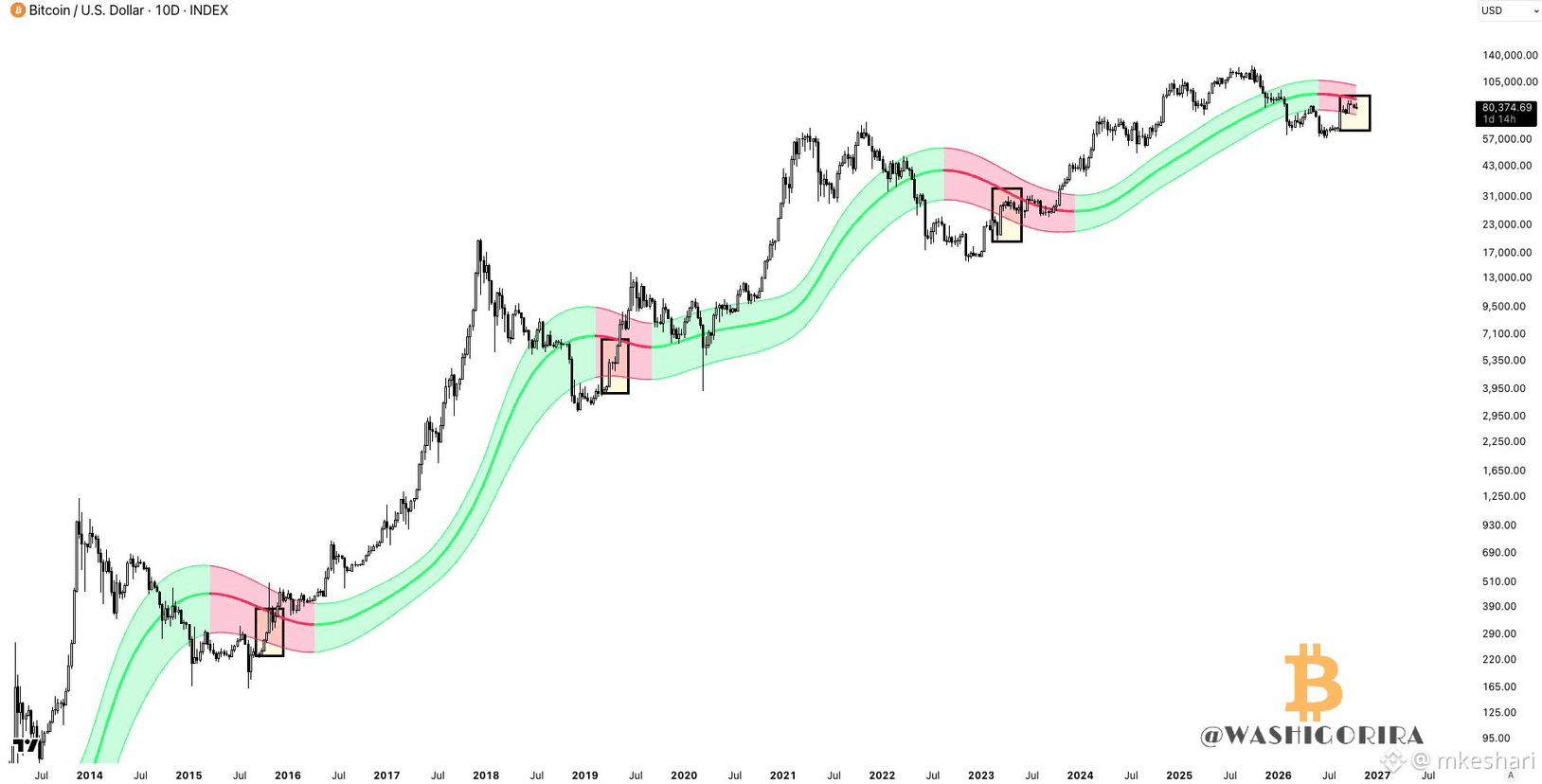
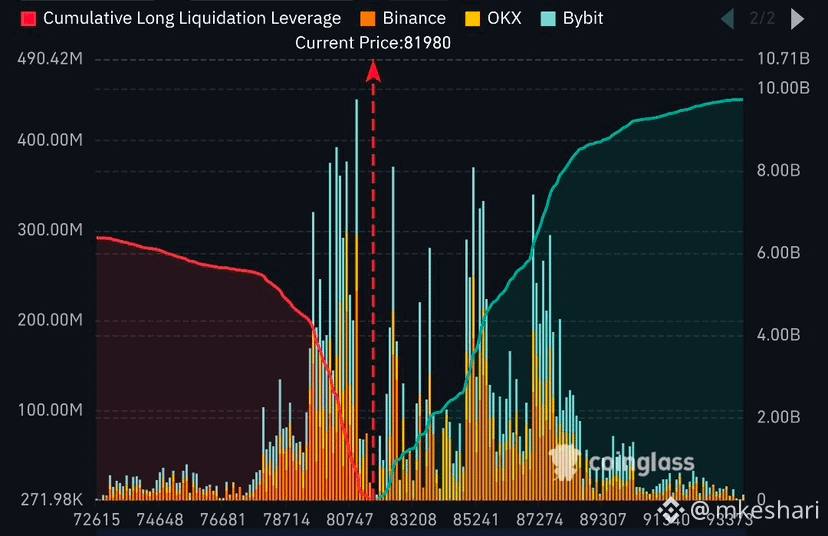
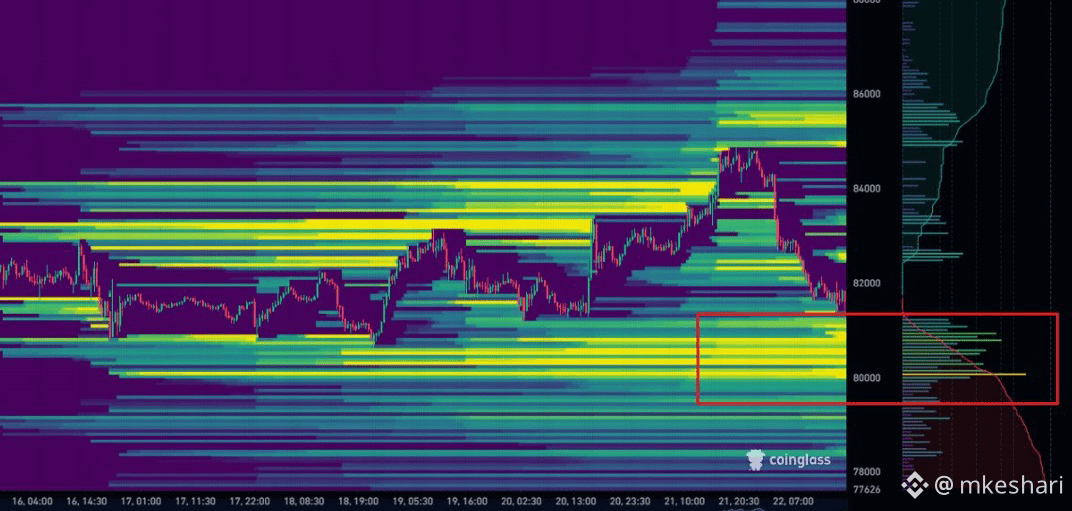
🚨 DUMP BELOW $75,000 WILL BE BRUTAL for $BTC 🚨
Right now Bitcoin is hanging around the low $81Ks… but make no mistake.
$75K isn’t just another number.
It’s the last major line of defense.
Break it cleanly and we’re looking at:
- Cascading liquidations
- Alts getting absolutely wrecked
- Weak hands getting flushed hard
- Sentiment flipping from “mild correction” to full panic mode
We’ve already seen how brutal these moves can get. Once the big support zones crack, the next stop is rarely gentle.
This isn’t FUD - this is risk management.
The market doesn’t care about your feelings or your average buy price.
Stay sharp.
Protect your capital.
And remember… the real money is usually made on the other side of the bloodbath.
Who’s watching that $75K level like a hawk? 👀
#Bitcoin #BTC
Проверено
mkeshari
·
--
US SUI ETFs Just Logged Five Straight Weeks of Inflows - Is Quiet Accumulation Underway?
While $SUI has spent recent weeks grinding sideways near the $1 level - far from the explosive moves of earlier bull phases—regulated products have been quietly stacking the token.
US-listed SUI staking ETFs, including Grayscale’s GSUI along with peers like Canary’s SUIS and 21Shares’ TSUI, recorded five consecutive weeks of net inflows. Analysts tracking the products put the total accumulation at roughly 14 million SUI over that stretch. That is steady buying pressure from traditional investment vehicles, not speculative crypto-native flows.
The timing is notable. Price action has stayed range-bound, with repeated tests of support around $0.98–$1.00 and limited follow-through above nearby resistance near $1.05. Retail participation appears muted relative to prior runs, yet the institutional channel keeps adding exposure.
In-kind options just made it easier
Grayscale recently expanded in-kind creations for GSUI (and several other products). Eligible investors can now deliver SUI tokens directly in exchange for shares instead of first selling for cash and then buying the ETF. This reduces execution friction, avoids some market impact, and lowers the operational burden of self-custody for larger holders. Minimums are still meaningful (around $148,000 for GSUI at recent levels), so this is primarily a tool for institutions, advisors, and bigger allocators—not typical retail.
When institutional vehicles can absorb tokens more efficiently while the spot price stays quiet, it strengthens the case for “smart money” accumulation. The question is whether sustained inflows eventually tighten available supply enough to matter once broader demand returns - or whether the range simply continues until clearer catalysts appear.
Smart money vs. retail
This is the classic setup that sparks debate: institutions steadily building positions through regulated products while retail waits for a clearer breakout or higher volume. History in crypto shows both outcomes - sometimes the quiet buying precedes a move, and sometimes it sits there for months without immediate price impact.
Do you see the five-week inflow streak as meaningful accumulation that could support the next leg higher, or just background noise while price remains range-bound near $1?
Drop your take below - smart money leading, or retail still needed to move the needle?
$SUI #SUI🔥 #EFT

Войдите, чтобы посмотреть больше материала