

Goldie抓住金龙版
374 Публикации
 LIVE
LIVEGoldie抓住金龙版
Отправить жалобу
Заблокировать пользователя
44 подписок(и/а)
13.6K+ подписчиков(а)
3.2K+ понравилось
Посты
Все
Цитирования
Активно
PINNED
·
--
Same 2M USDT traded in 24h. One moved 6 percent. The other did not move at all.
$PEOPLE ran 0.00863 to 0.00958. $CFX sat inside a 0.05256 to 0.05458 band and closed flat. Identical turnover, opposite reaction.
That is not a narrative gap. That is order book depth. PEOPLE is thin and sentiment driven, so the same size that barely nudges CFX sends it 6 percent. Neither is better. They fail differently, and your position size should know that.
What I am watching is whether PEOPLE keeps the volume tomorrow. Sentiment moves that lose turnover within a day rarely build a base worth trusting.
Live now. Both charts, depth, and where each setup invalidates.
NFA. DYOR.
Same 2M USDT traded in 24h. One moved 6 percent. The other did not move at all.
$PEOPLE ran 0.00863 to 0.00958. $CFX sat inside a 0.05256 to 0.05458 band and closed flat. Identical turnover, opposite reaction.
That is not a narrative gap. That is order book depth. PEOPLE is thin and sentiment driven, so the same size that barely nudges CFX sends it 6 percent. Neither is better. They fail differently, and your position size should know that.
What I am watching is whether PEOPLE keeps the volume tomorrow. Sentiment moves that lose turnover within a day rarely build a base worth trusting.
Live now. Both charts, depth, and where each setup invalidates.
NFA. DYOR.
$PEOPLE ran 0.00863 to 0.00958. $CFX sat inside a 0.05256 to 0.05458 band and closed flat. Identical turnover, opposite reaction.
That is not a narrative gap. That is order book depth. PEOPLE is thin and sentiment driven, so the same size that barely nudges CFX sends it 6 percent. Neither is better. They fail differently, and your position size should know that.
What I am watching is whether PEOPLE keeps the volume tomorrow. Sentiment moves that lose turnover within a day rarely build a base worth trusting.
Live now. Both charts, depth, and where each setup invalidates.
NFA. DYOR.
1
657

·
--
Рост
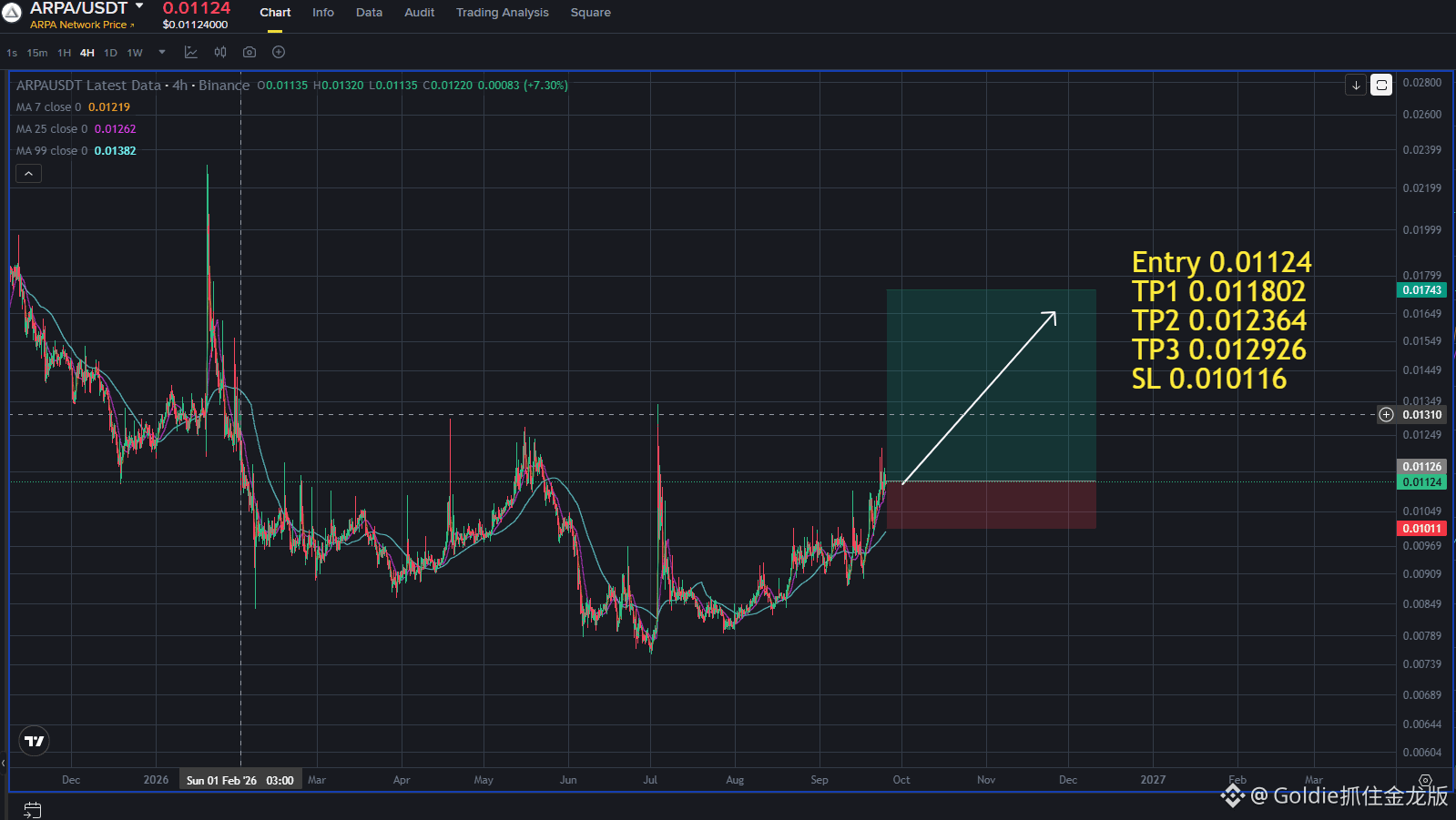
$ARPA is ARPA Network, MPC infrastructure serving threshold signatures and verifiable randomness (Randcast) across chains. Sits in the infra and privacy computing narrative.
What stands out in the tokenomics: the unlock is mostly done, circulating sits around 1.51B out of a 2B total, and FDV is close to market cap, so dilution pressure is low. The catch is liquidity. Liq to market cap is around 0.25%, which is thin, so short term swings are violent and wicks are common.
Entry 0.01124
TP1 0.011802
TP2 0.012364
TP3 0.012926
SL 0.010116
{future}(ARPAUSDT)
$ARPA is ARPA Network, MPC infrastructure serving threshold signatures and verifiable randomness (Randcast) across chains. Sits in the infra and privacy computing narrative.
What stands out in the tokenomics: the unlock is mostly done, circulating sits around 1.51B out of a 2B total, and FDV is close to market cap, so dilution pressure is low. The catch is liquidity. Liq to market cap is around 0.25%, which is thin, so short term swings are violent and wicks are common.
Entry 0.01124
TP1 0.011802
TP2 0.012364
TP3 0.012926
SL 0.010116
What stands out in the tokenomics: the unlock is mostly done, circulating sits around 1.51B out of a 2B total, and FDV is close to market cap, so dilution pressure is low. The catch is liquidity. Liq to market cap is around 0.25%, which is thin, so short term swings are violent and wicks are common.
Entry 0.01124
TP1 0.011802
TP2 0.012364
TP3 0.012926
SL 0.010116
1
255
·
--
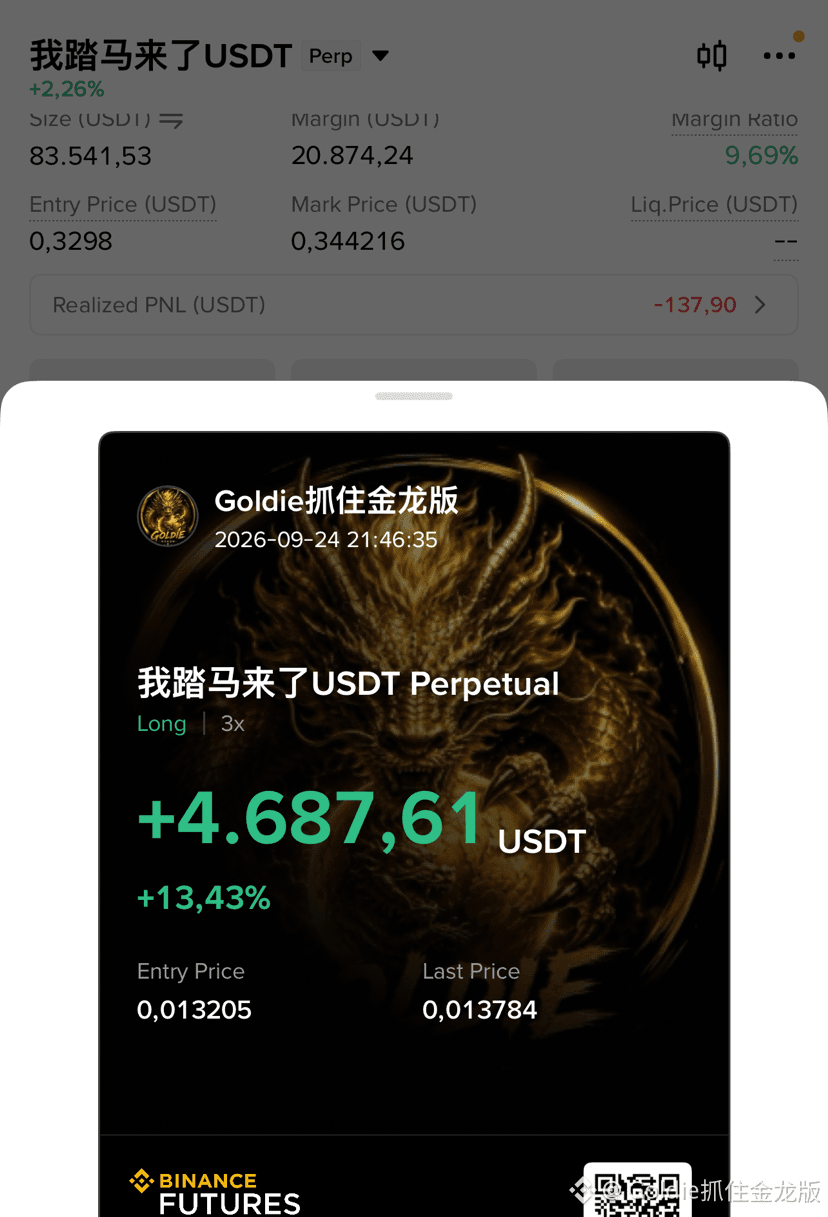
$我踏马来了 sl entry—-> hold tp 2-3
{future}(我踏马来了USDT)
$我踏马来了 sl entry—-> hold tp 2-3
Goldie抓住金龙版
·
--
Рост$我踏马来了 bullish
Entry 0.013391
TP1 0.014061
TP2 0.014730
TP3 0.015400
SL 0.012052
Entry 0.013391
TP1 0.014061
TP2 0.014730
TP3 0.015400
SL 0.012052
1
571
·
--
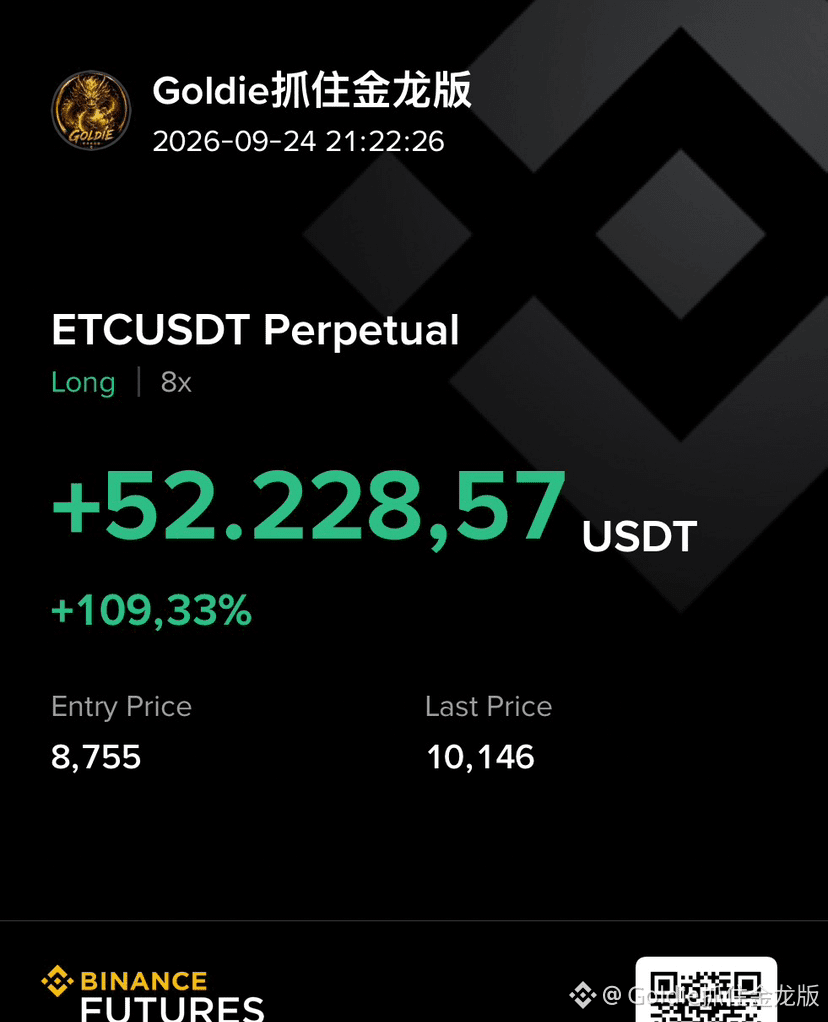
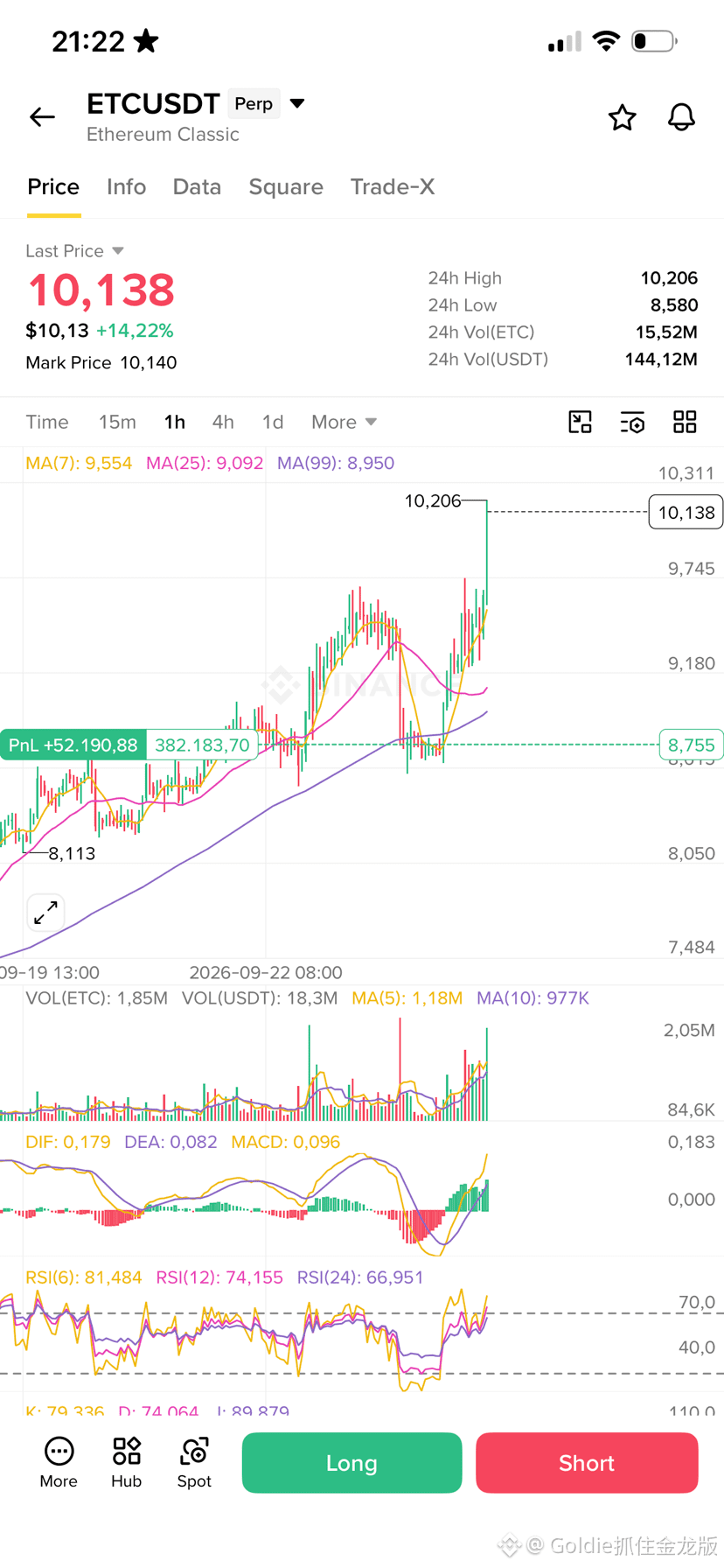
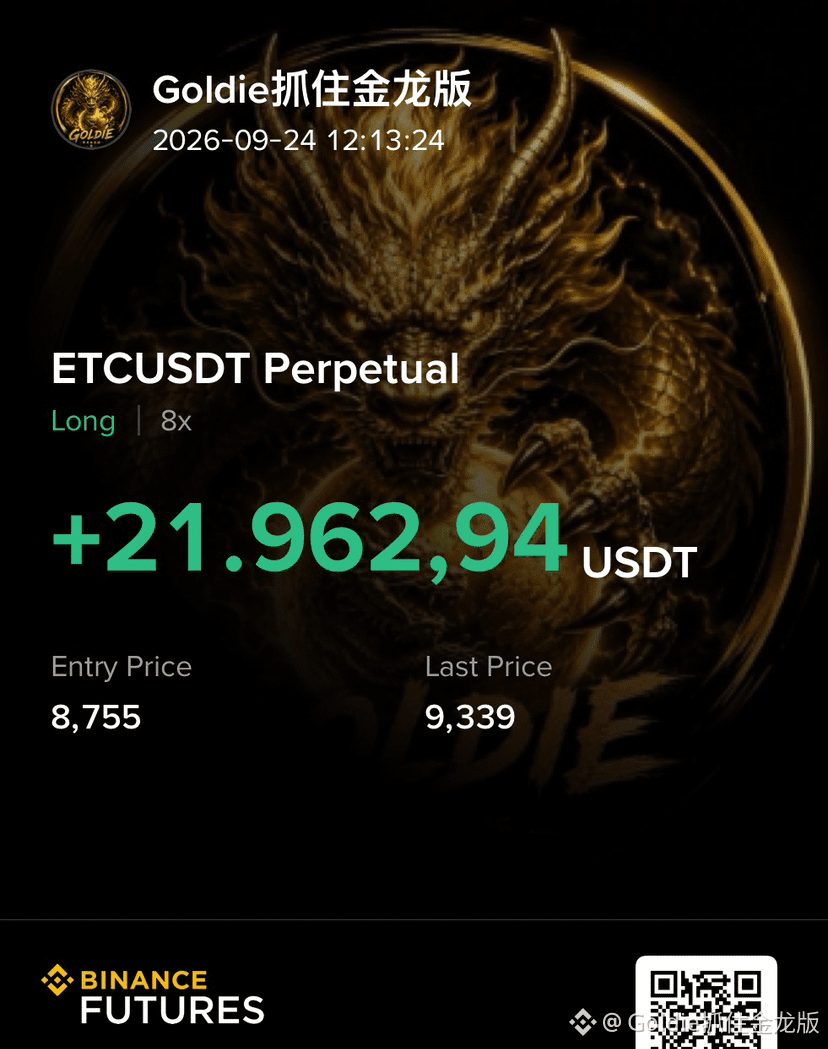
$ETC hit tp 3 . Done signal$
$ETC hit tp 3 . Done signal$
Goldie抓住金龙版
·
--
[Повтор] 🎙️ ETC BULLISH
05 ч 59 мин 59 сек · Слушатели: 406
210
·
--
Рост
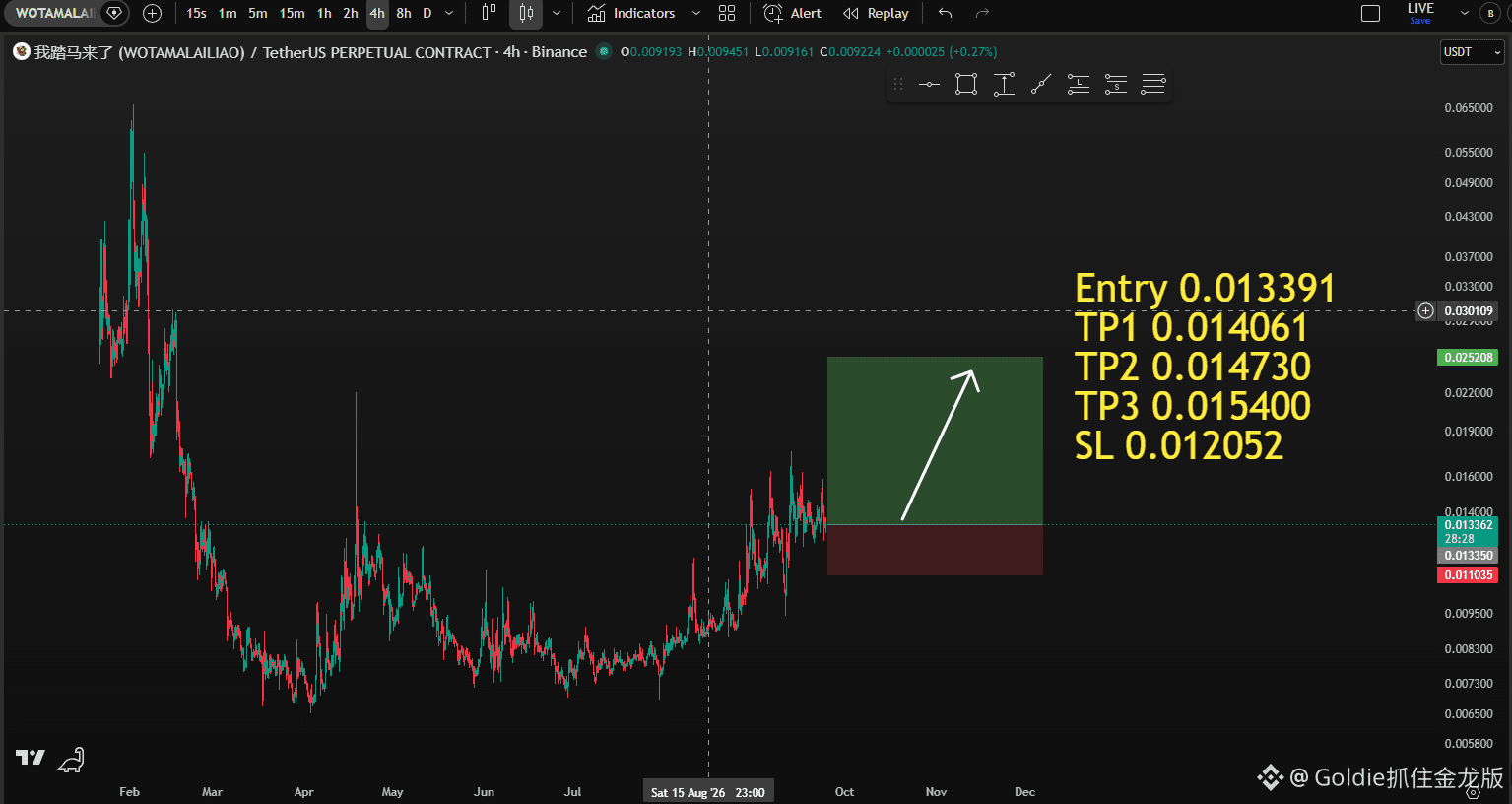
$我踏马来了 bullish
Entry 0.013391
TP1 0.014061
TP2 0.014730
TP3 0.015400
SL 0.012052
$我踏马来了 bullish
Entry 0.013391
TP1 0.014061
TP2 0.014730
TP3 0.015400
SL 0.012052
Entry 0.013391
TP1 0.014061
TP2 0.014730
TP3 0.015400
SL 0.012052
1
372
·
--
Рост
$ETC pump.
For me, whenever the market corrects, it’s a great opportunity to enter a trade. What about you?
{future}(ETCUSDT)
$ETC pump.
For me, whenever the market corrects, it’s a great opportunity to enter a trade. What about you?
For me, whenever the market corrects, it’s a great opportunity to enter a trade. What about you?
Goldie抓住金龙版
·
--
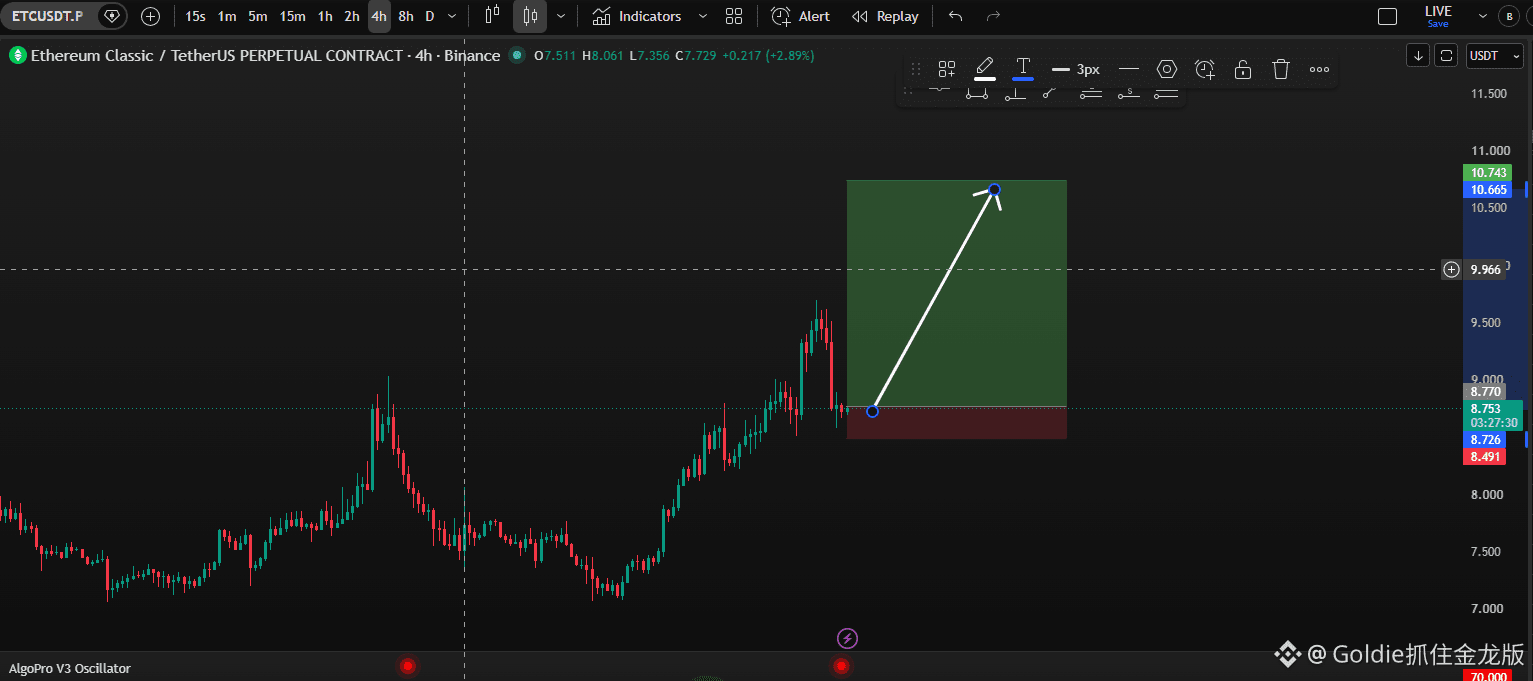
$ETC is Ethereum Classic, the PoW chain that split from Ethereum after the 2016 DAO fork. It trades on the PoW and store of value narrative and usually moves with BTC and the PoW basket like LTC and BCH. It also tends to catch bids when money rotates back into legacy coins. Watch the volume here.
Entry 8.728
TP1 9.164
TP2 9.601
TP3 10.037
SL 7.855
Entry 8.728
TP1 9.164
TP2 9.601
TP3 10.037
SL 7.855
1
196
·
--
☀️ DAILY REPORT — Thu 24 Sep 9:00 (GMT+8)
Total mcap: $2.9T (-4.86% 24h)
BTC dom: 58.8% ETH: 11.4%
Fear & Greed: 71 Greed ▓▓▓▓▓▓▓░░░
BTC $84,404.01 -2.06%
ETH $2,685.25 -2.44%
Breadth 24h: 🟢 55 (11%) 🔴 439 (88%) avg -4.36% (496 pairs)
🚀 Top gainers (Futures 24h)
TAKE +56.53% $0.09531
NIL +54.09% $0.12618
龙虾 +20.02% $0.16795
SAGA +17.77% $0.04779
BTW +15.39% $1.0375
📉 Top losers
MUBARAK -32.77% $0.05292
FOLKS -23.32% $2.289
ONE -21.16% $0.002582
4 -19.63% $0.022046
FLOCK -18.54% $0.07085
🗂 Zones (24h, mcap-weighted)
🟢 NEWLISTING +2.65%
🟢 STABLECOIN +0.00%
🟢 BSTOCKS -1.35%
🔴 INNOVATION-ZON -9.37%
🔴 MEME -8.29%
🔴 GAMING -7.66%
📰 Red news today
🔴 08:30 AUD Employment Change
🔴 08:30 AUD Unemployment Rate
🔴 14:30 CHF SNB Monetary Policy Assessment
🔴 14:30 CHF SNB Policy Rate
🔴 15:00 CHF SNB Press Conference
🔔 Pending alerts in this chat: 2
🔁 BTC > $87,505.01
🔁 BTC < $77,507.30
☀️ DAILY REPORT — Thu 24 Sep 9:00 (GMT+8)
Total mcap: $2.9T (-4.86% 24h)
BTC dom: 58.8% ETH: 11.4%
Fear & Greed: 71 Greed ▓▓▓▓▓▓▓░░░
BTC $84,404.01 -2.06%
ETH $2,685.25 -2.44%
Breadth 24h: 🟢 55 (11%) 🔴 439 (88%) avg -4.36% (496 pairs)
🚀 Top gainers (Futures 24h)
TAKE +56.53% $0.09531
NIL +54.09% $0.12618
龙虾 +20.02% $0.16795
SAGA +17.77% $0.04779
BTW +15.39% $1.0375
📉 Top losers
MUBARAK -32.77% $0.05292
FOLKS -23.32% $2.289
ONE -21.16% $0.002582
4 -19.63% $0.022046
FLOCK -18.54% $0.07085
🗂 Zones (24h, mcap-weighted)
🟢 NEWLISTING +2.65%
🟢 STABLECOIN +0.00%
🟢 BSTOCKS -1.35%
🔴 INNOVATION-ZON -9.37%
🔴 MEME -8.29%
🔴 GAMING -7.66%
📰 Red news today
🔴 08:30 AUD Employment Change
🔴 08:30 AUD Unemployment Rate
🔴 14:30 CHF SNB Monetary Policy Assessment
🔴 14:30 CHF SNB Policy Rate
🔴 15:00 CHF SNB Press Conference
🔔 Pending alerts in this chat: 2
🔁 BTC > $87,505.01
🔁 BTC < $77,507.30
Total mcap: $2.9T (-4.86% 24h)
BTC dom: 58.8% ETH: 11.4%
Fear & Greed: 71 Greed ▓▓▓▓▓▓▓░░░
BTC $84,404.01 -2.06%
ETH $2,685.25 -2.44%
Breadth 24h: 🟢 55 (11%) 🔴 439 (88%) avg -4.36% (496 pairs)
🚀 Top gainers (Futures 24h)
TAKE +56.53% $0.09531
NIL +54.09% $0.12618
龙虾 +20.02% $0.16795
SAGA +17.77% $0.04779
BTW +15.39% $1.0375
📉 Top losers
MUBARAK -32.77% $0.05292
FOLKS -23.32% $2.289
ONE -21.16% $0.002582
4 -19.63% $0.022046
FLOCK -18.54% $0.07085
🗂 Zones (24h, mcap-weighted)
🟢 NEWLISTING +2.65%
🟢 STABLECOIN +0.00%
🟢 BSTOCKS -1.35%
🔴 INNOVATION-ZON -9.37%
🔴 MEME -8.29%
🔴 GAMING -7.66%
📰 Red news today
🔴 08:30 AUD Employment Change
🔴 08:30 AUD Unemployment Rate
🔴 14:30 CHF SNB Monetary Policy Assessment
🔴 14:30 CHF SNB Policy Rate
🔴 15:00 CHF SNB Press Conference
🔔 Pending alerts in this chat: 2
🔁 BTC > $87,505.01
🔁 BTC < $77,507.30
1
143
·
--
$ETC is Ethereum Classic, the PoW chain that split from Ethereum after the 2016 DAO fork. It trades on the PoW and store of value narrative and usually moves with BTC and the PoW basket like LTC and BCH. It also tends to catch bids when money rotates back into legacy coins. Watch the volume here.
Entry 8.728
TP1 9.164
TP2 9.601
TP3 10.037
SL 7.855
{future}(ETCUSDT)
$ETC is Ethereum Classic, the PoW chain that split from Ethereum after the 2016 DAO fork. It trades on the PoW and store of value narrative and usually moves with BTC and the PoW basket like LTC and BCH. It also tends to catch bids when money rotates back into legacy coins. Watch the volume here.
Entry 8.728
TP1 9.164
TP2 9.601
TP3 10.037
SL 7.855
Entry 8.728
TP1 9.164
TP2 9.601
TP3 10.037
SL 7.855
3
1
1
994
·
--
Рост
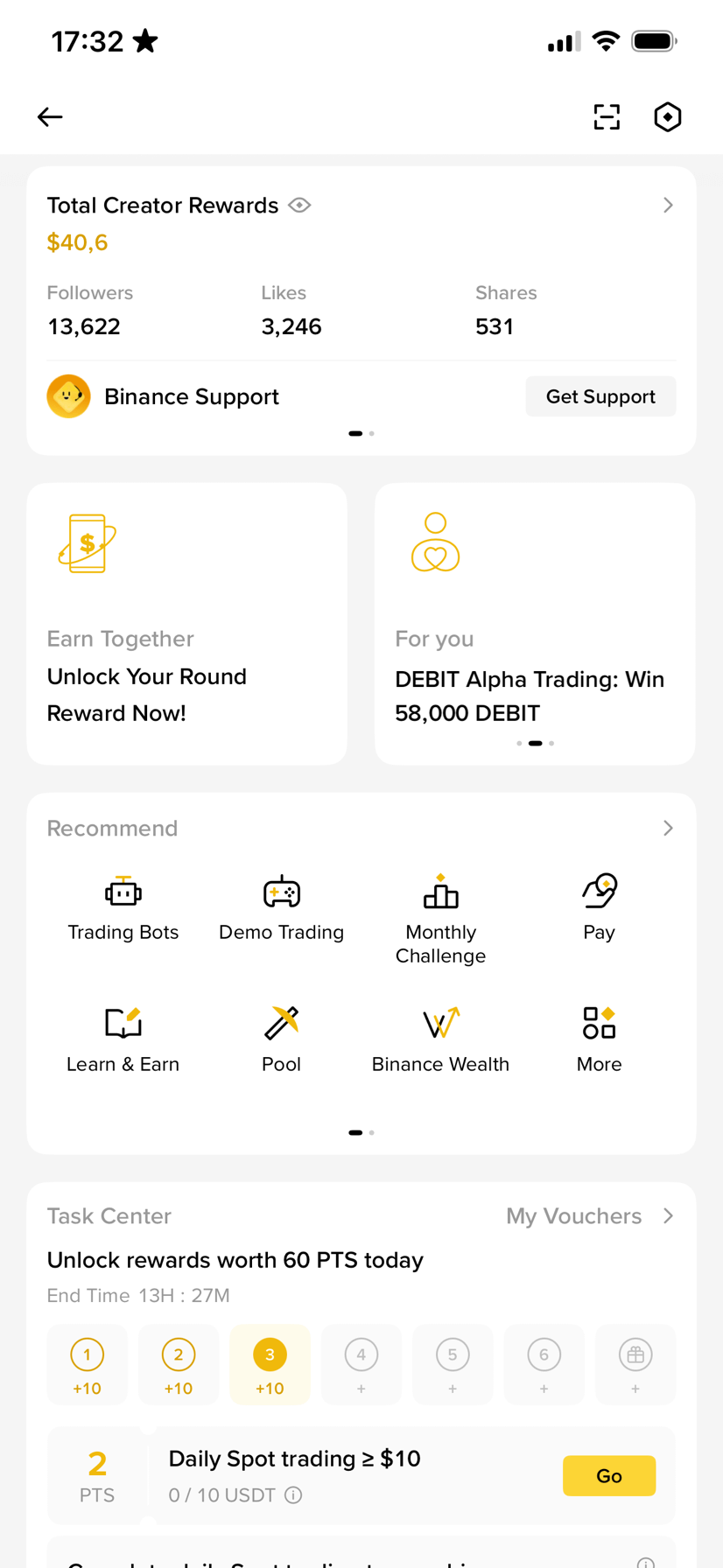
My creator rewards came to about $40. Not a large number, but it came from people who actually stayed and read.
I am passing all of it back to the community as lucky money.
No conditions. You do not need to follow me, you do not need to comment, and you do not need to send anything to claim it. I will send it out through Binance's official Red Packet in my next post.
📌📌
Thank you for the time you gave this. That is the part I cannot pay back.
#binancesquare
My creator rewards came to about $40. Not a large number, but it came from people who actually stayed and read.
I am passing all of it back to the community as lucky money.
No conditions. You do not need to follow me, you do not need to comment, and you do not need to send anything to claim it. I will send it out through Binance's official Red Packet in my next post.
📌📌
Thank you for the time you gave this. That is the part I cannot pay back.
#binancesquare
I am passing all of it back to the community as lucky money.
No conditions. You do not need to follow me, you do not need to comment, and you do not need to send anything to claim it. I will send it out through Binance's official Red Packet in my next post.
📌📌
Thank you for the time you gave this. That is the part I cannot pay back.
#binancesquare
17
2
5
150
·
--
Рост
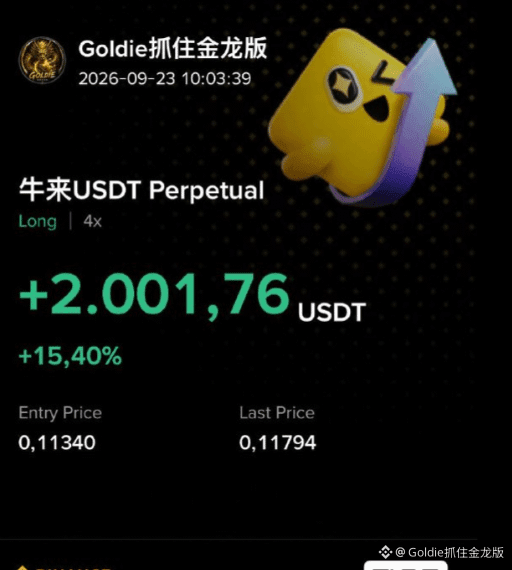
$牛来 hit tp 1 sl entry hold tp 2 3
👉👉👉Did you miss it?
{future}(牛来USDT)
$牛来 hit tp 1 sl entry hold tp 2 3
👉👉👉Did you miss it?
👉👉👉Did you miss it?
Goldie抓住金龙版
·
--
$牛来
BNB Chinese memes are green again.
$牛来 still flat. 👀
Which one do you think runs next?
Entry 0.1110
TP1 0.11655
TP2 0.1221
TP3 0.12765
SL 0.0999
Month old coin near ATH. Brutal volatility. Size accordingly.
NFA. DYOR.
$牛来 #BNBChain #memecoin #binancesquare
BNB Chinese memes are green again.
$牛来 still flat. 👀
Which one do you think runs next?
Entry 0.1110
TP1 0.11655
TP2 0.1221
TP3 0.12765
SL 0.0999
Month old coin near ATH. Brutal volatility. Size accordingly.
NFA. DYOR.
$牛来 #BNBChain #memecoin #binancesquare
359
·
--
Рост
🔥 SCALPING GOLDEN RULE ⚡
As soon as your scalp hits +3% 📈
👉 Move SL to break-even instantly
👉 Trail / raise TP
👉Or just close and lock the profit 💰🔒
👉In scalping, speed kills hesitation.
👉Protect capital first small wins compound, one bad give-back wrecks the session.
📌📌Risk management > Ego 🧠🛡️
@CZ @Binance_Square_Official @cryptorider
🔥 SCALPING GOLDEN RULE ⚡
As soon as your scalp hits +3% 📈
👉 Move SL to break-even instantly
👉 Trail / raise TP
👉Or just close and lock the profit 💰🔒
👉In scalping, speed kills hesitation.
👉Protect capital first small wins compound, one bad give-back wrecks the session.
📌📌Risk management > Ego 🧠🛡️
@CZ @Binance Square Official @CoinQuest
As soon as your scalp hits +3% 📈
👉 Move SL to break-even instantly
👉 Trail / raise TP
👉Or just close and lock the profit 💰🔒
👉In scalping, speed kills hesitation.
👉Protect capital first small wins compound, one bad give-back wrecks the session.
📌📌Risk management > Ego 🧠🛡️
@CZ @Binance Square Official @CoinQuest
Goldie抓住金龙版
·
--
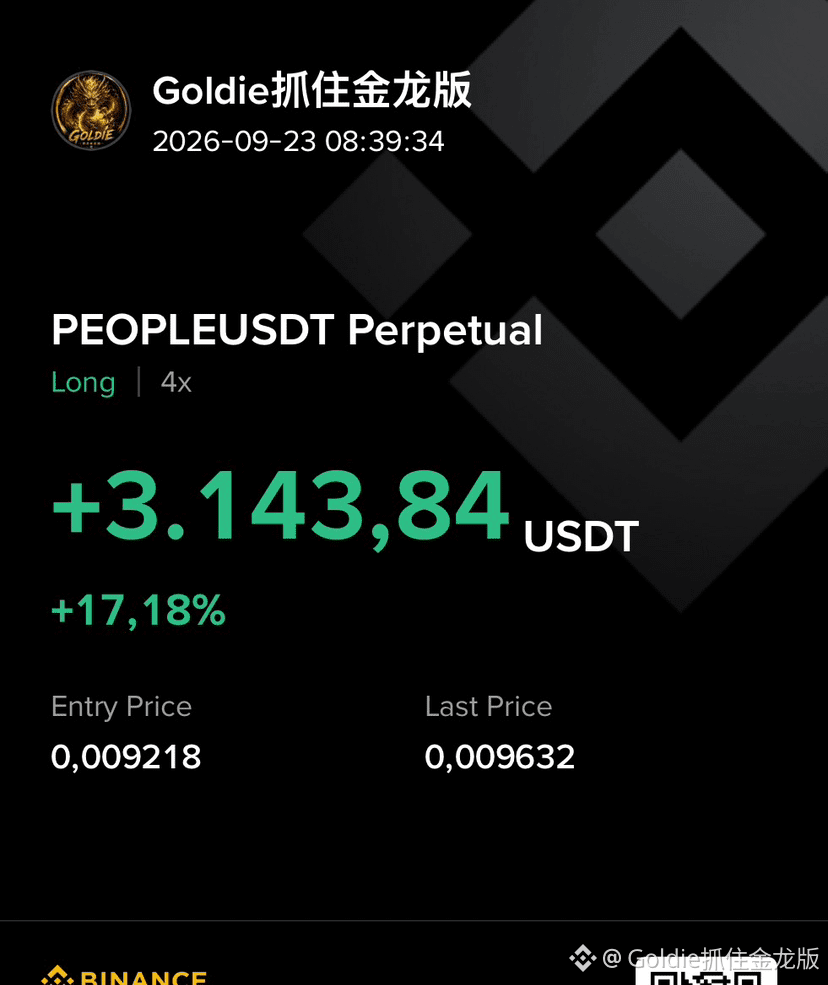
$PEOPLE is the ConstitutionDAO token, sitting in the meme and DAO corner on Ethereum. It trades purely on sentiment and usually moves with DOGE, PEPE and SHIB when money rotates back into memes. Chart is basing, a move could follow if meme season heats up. Watch the volume.
Entry 0.00922
TP1 0.009681
TP2 0.010142
TP3 0.010603
SL 0.008298
NFA. DYOR.
#BinanceSquare #Ethereum
Entry 0.00922
TP1 0.009681
TP2 0.010142
TP3 0.010603
SL 0.008298
NFA. DYOR.
#BinanceSquare #Ethereum
1
490
·
--
Рост
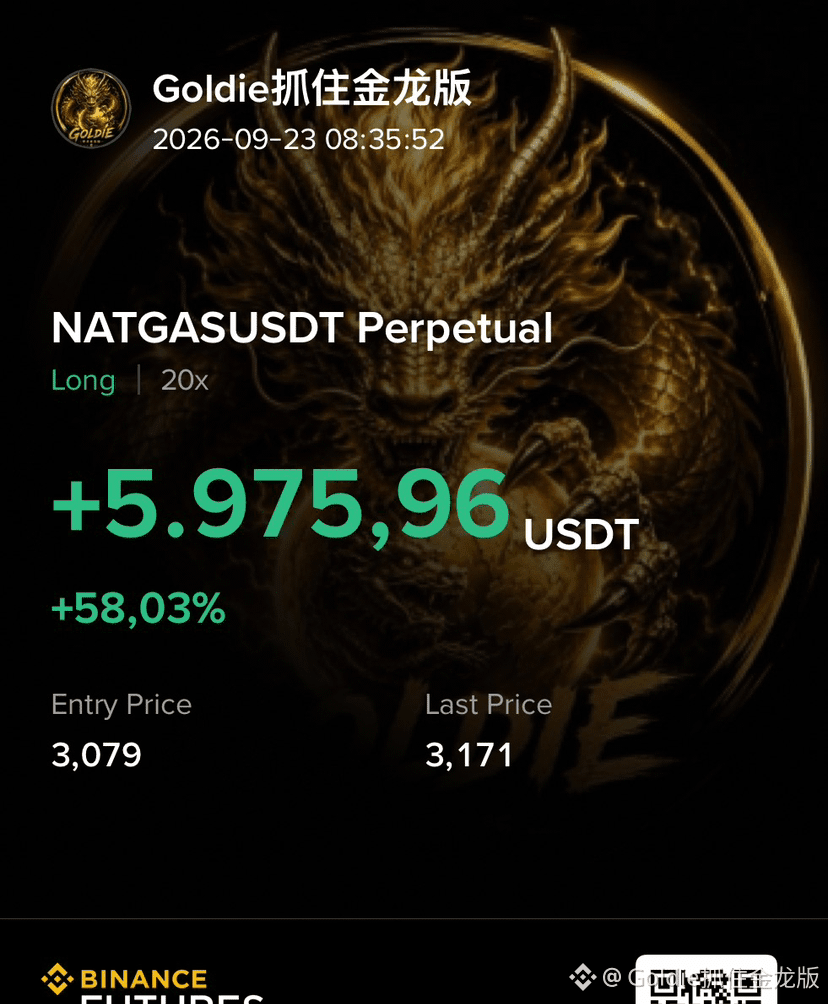
$NATGAS stoploss entry —-> hold tp 3.521
{future}(NATGASUSDT)
$NATGAS stoploss entry —-> hold tp 3.521
Goldie抓住金龙版
·
--
РостFOMO ahead of the news🐉🐉🐉
$NATGAS LONG
Entry: $3.081
SL: $2.831
TP1: $3.227
TP2: $3.521
TP3: $4.108
TP4: $4.694
TP5: $5.868
$NATGAS LONG
Entry: $3.081
SL: $2.831
TP1: $3.227
TP2: $3.521
TP3: $4.108
TP4: $4.694
TP5: $5.868
136
·
--
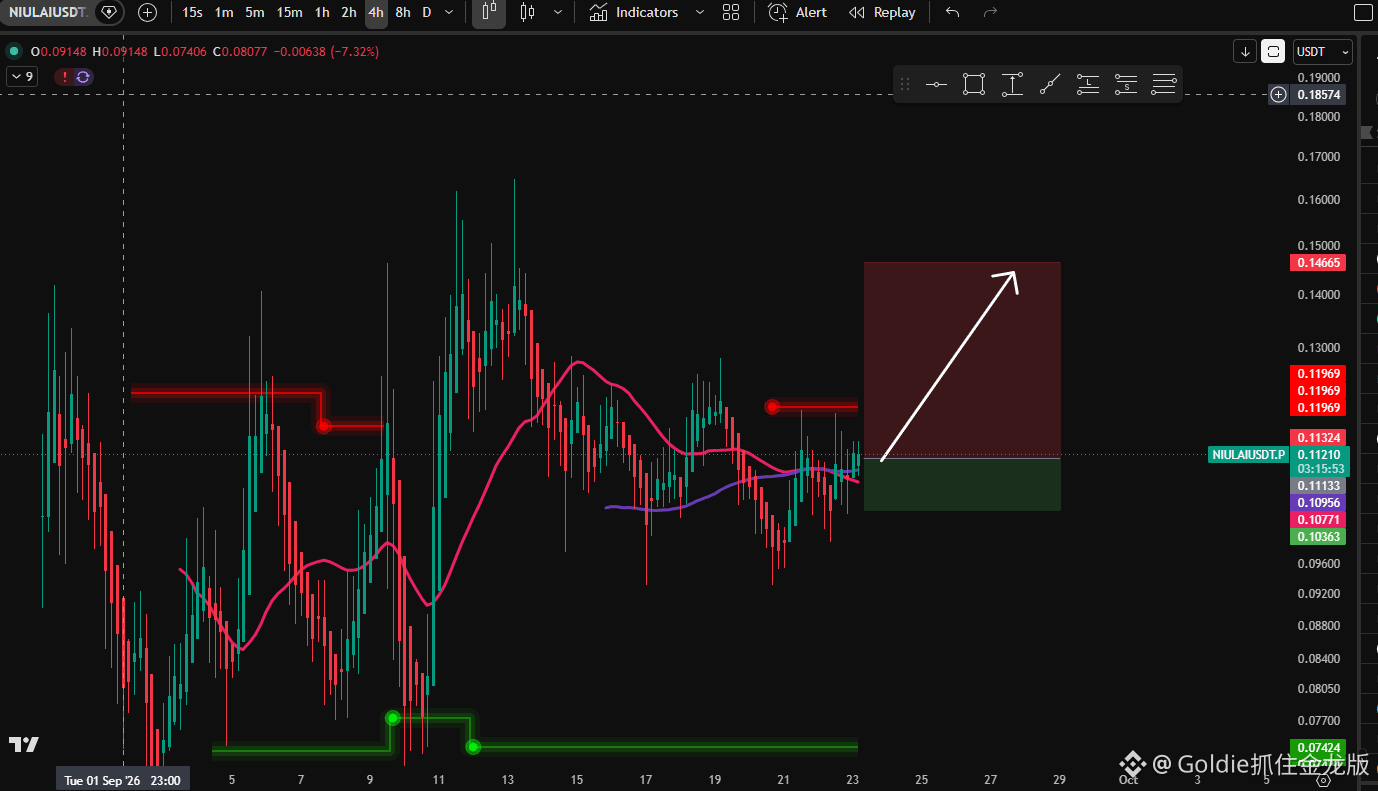
$牛来
BNB Chinese memes are green again.
$牛来 still flat. 👀
Which one do you think runs next?
Entry 0.1110
TP1 0.11655
TP2 0.1221
TP3 0.12765
SL 0.0999
Month old coin near ATH. Brutal volatility. Size accordingly.
NFA. DYOR.
$牛来 #BNBChain #memecoin #binancesquare
$牛来
BNB Chinese memes are green again.
$牛来 still flat. 👀
Which one do you think runs next?
Entry 0.1110
TP1 0.11655
TP2 0.1221
TP3 0.12765
SL 0.0999
Month old coin near ATH. Brutal volatility. Size accordingly.
NFA. DYOR.
$牛来 #BNBChain #memecoin #binancesquare
BNB Chinese memes are green again.
$牛来 still flat. 👀
Which one do you think runs next?
Entry 0.1110
TP1 0.11655
TP2 0.1221
TP3 0.12765
SL 0.0999
Month old coin near ATH. Brutal volatility. Size accordingly.
NFA. DYOR.
$牛来 #BNBChain #memecoin #binancesquare
2
1
1
671
·
--
A useful thing happened on this timeline this morning, and it is worth writing down.
An on-chain dashboard published a wallet as a smart trader: four trades, all bitcoin longs, a 100 percent win rate, 9.26 million in profit. Ninety minutes later the same dashboard published that the same wallet had been liquidated four times in fourteen hours, with 375.8 BTC of shorts wiped out. The winning record was long. The liquidations were short. Same address, opposite side.
The easy reading is the wrong one. This is not a story about one trader being bad. It is a story about what four observations can and cannot tell you.
Four trades winning is a one in sixteen outcome under a coin flip, about six percent. Dashboards track tens of thousands of active addresses, so a screen like that surfaces hundreds of perfect records by chance alone. And they get surfaced precisely because they are winning, which means the sample is chosen on the outcome you are trying to explain. The published record is a high-water mark by construction. That is why the gap between the celebration and the liquidation tends to be short.
The window matters as much as the record. Bitcoin ran from the high 70s to nearly 87,000 in a week. Four long trades across that stretch describe beta, not skill. Almost everyone who was long won.
Here is the part most commentary skips: the four liquidations do not establish the absence of skill either. A small sample says nothing in either direction. That was the whole point, and it cuts both ways. The honest sample for separating skill from variance is closer to fifty trades, across conditions that were not all the same.
If you are thinking about following an address, the numbers that would actually help are not win rate and not PNL. They are position size relative to the wallet's own balance, behaviour through the worst drawdown, and performance across a full cycle rather than one directional week.
What would you need to see from an address before you were willing to size behind it?
A useful thing happened on this timeline this morning, and it is worth writing down.
An on-chain dashboard published a wallet as a smart trader: four trades, all bitcoin longs, a 100 percent win rate, 9.26 million in profit. Ninety minutes later the same dashboard published that the same wallet had been liquidated four times in fourteen hours, with 375.8 BTC of shorts wiped out. The winning record was long. The liquidations were short. Same address, opposite side.
The easy reading is the wrong one. This is not a story about one trader being bad. It is a story about what four observations can and cannot tell you.
Four trades winning is a one in sixteen outcome under a coin flip, about six percent. Dashboards track tens of thousands of active addresses, so a screen like that surfaces hundreds of perfect records by chance alone. And they get surfaced precisely because they are winning, which means the sample is chosen on the outcome you are trying to explain. The published record is a high-water mark by construction. That is why the gap between the celebration and the liquidation tends to be short.
The window matters as much as the record. Bitcoin ran from the high 70s to nearly 87,000 in a week. Four long trades across that stretch describe beta, not skill. Almost everyone who was long won.
Here is the part most commentary skips: the four liquidations do not establish the absence of skill either. A small sample says nothing in either direction. That was the whole point, and it cuts both ways. The honest sample for separating skill from variance is closer to fifty trades, across conditions that were not all the same.
If you are thinking about following an address, the numbers that would actually help are not win rate and not PNL. They are position size relative to the wallet's own balance, behaviour through the worst drawdown, and performance across a full cycle rather than one directional week.
What would you need to see from an address before you were willing to size behind it?
An on-chain dashboard published a wallet as a smart trader: four trades, all bitcoin longs, a 100 percent win rate, 9.26 million in profit. Ninety minutes later the same dashboard published that the same wallet had been liquidated four times in fourteen hours, with 375.8 BTC of shorts wiped out. The winning record was long. The liquidations were short. Same address, opposite side.
The easy reading is the wrong one. This is not a story about one trader being bad. It is a story about what four observations can and cannot tell you.
Four trades winning is a one in sixteen outcome under a coin flip, about six percent. Dashboards track tens of thousands of active addresses, so a screen like that surfaces hundreds of perfect records by chance alone. And they get surfaced precisely because they are winning, which means the sample is chosen on the outcome you are trying to explain. The published record is a high-water mark by construction. That is why the gap between the celebration and the liquidation tends to be short.
The window matters as much as the record. Bitcoin ran from the high 70s to nearly 87,000 in a week. Four long trades across that stretch describe beta, not skill. Almost everyone who was long won.
Here is the part most commentary skips: the four liquidations do not establish the absence of skill either. A small sample says nothing in either direction. That was the whole point, and it cuts both ways. The honest sample for separating skill from variance is closer to fifty trades, across conditions that were not all the same.
If you are thinking about following an address, the numbers that would actually help are not win rate and not PNL. They are position size relative to the wallet's own balance, behaviour through the worst drawdown, and performance across a full cycle rather than one directional week.
What would you need to see from an address before you were willing to size behind it?
145
Войдите, чтобы посмотреть больше материала
Присоединяйтесь к пользователям криптовалют по всему миру на Binance Square
⚡️ Получайте новейшую и полезную информацию о криптоактивах.
💬 Нам доверяет крупнейшая в мире криптобиржа.
👍 Получите достоверные аналитические данные от верифицированных создателей контента.
Эл. почта/номер телефона
В тренде
BinanceKZ
Просмотров: 5,831
40 обсуждают
Как я потерял 180 000 тенге на «менеджере Binance» из WhatsApp — и почему всё равно остался в крипте
phpdead
·Лайков: 5
·Просмотров: 749
BitcoinSpotETFsNetInflow$191M
Просмотров: 5
8 обсуждают
CFTCUpdatesGuidanceOnTokenizedAssets
Просмотров: 3,000
188 обсуждают