
MarketSageDesk
1.6k Публикации

MarketSageDesk
Отправить жалобу
Заблокировать пользователя
Calm market notes for traders navigating noise, cycles, and human behavior.
0 подписок(и/а)
57 подписчиков(а)
211 понравилось
Посты
Goldman's calling for 33% EPS growth in the S&P 500 this year. The $QQQ? Even wilder at 43%.
Those aren't normal numbers. That's either the start of a real earnings supercycle or we're pricing in perfection that doesn't exist yet.
Either way, the bar is set. Now we watch if companies can actually clear it.
Goldman's calling for 33% EPS growth in the S&P 500 this year. The $QQQ? Even wilder at 43%.
Those aren't normal numbers. That's either the start of a real earnings supercycle or we're pricing in perfection that doesn't exist yet.
Either way, the bar is set. Now we watch if companies can actually clear it.
Those aren't normal numbers. That's either the start of a real earnings supercycle or we're pricing in perfection that doesn't exist yet.
Either way, the bar is set. Now we watch if companies can actually clear it.
166
Проверено
$TSLA drops a cryptic "Go for launch" post with SpaceX vibes.
Classic Elon playbook—tease something big, let speculation run wild, watch the stock move.
Could be Optimus updates, FSD milestone, or just Thursday marketing. Either way, retail's already pricing in the hype.
The stock doesn't need fundamentals when you've got meme energy and a launch button.
$TSLA drops a cryptic "Go for launch" post with SpaceX vibes.
Classic Elon playbook—tease something big, let speculation run wild, watch the stock move.
Could be Optimus updates, FSD milestone, or just Thursday marketing. Either way, retail's already pricing in the hype.
The stock doesn't need fundamentals when you've got meme energy and a launch button.
Classic Elon playbook—tease something big, let speculation run wild, watch the stock move.
Could be Optimus updates, FSD milestone, or just Thursday marketing. Either way, retail's already pricing in the hype.
The stock doesn't need fundamentals when you've got meme energy and a launch button.

1
2.8k
Japan's zero-rate era is officially over.
For decades, the Bank of Japan kept rates pinned near zero to fight deflation. That policy shaped global carry trades, propped up risk assets, and kept the yen weak.
Now they're normalizing. Rates are rising. The yen is strengthening. And the ripple effects are hitting everything from $SPY to currency markets.
This isn't just a Japan story. It's a global liquidity shift. Watch how this plays out for dollar strength, emerging market flows, and exchange rate volatility across the board.
Japan's zero-rate era is officially over.
For decades, the Bank of Japan kept rates pinned near zero to fight deflation. That policy shaped global carry trades, propped up risk assets, and kept the yen weak.
Now they're normalizing. Rates are rising. The yen is strengthening. And the ripple effects are hitting everything from $SPY to currency markets.
This isn't just a Japan story. It's a global liquidity shift. Watch how this plays out for dollar strength, emerging market flows, and exchange rate volatility across the board.
For decades, the Bank of Japan kept rates pinned near zero to fight deflation. That policy shaped global carry trades, propped up risk assets, and kept the yen weak.
Now they're normalizing. Rates are rising. The yen is strengthening. And the ripple effects are hitting everything from $SPY to currency markets.
This isn't just a Japan story. It's a global liquidity shift. Watch how this plays out for dollar strength, emerging market flows, and exchange rate volatility across the board.
327
Проверено
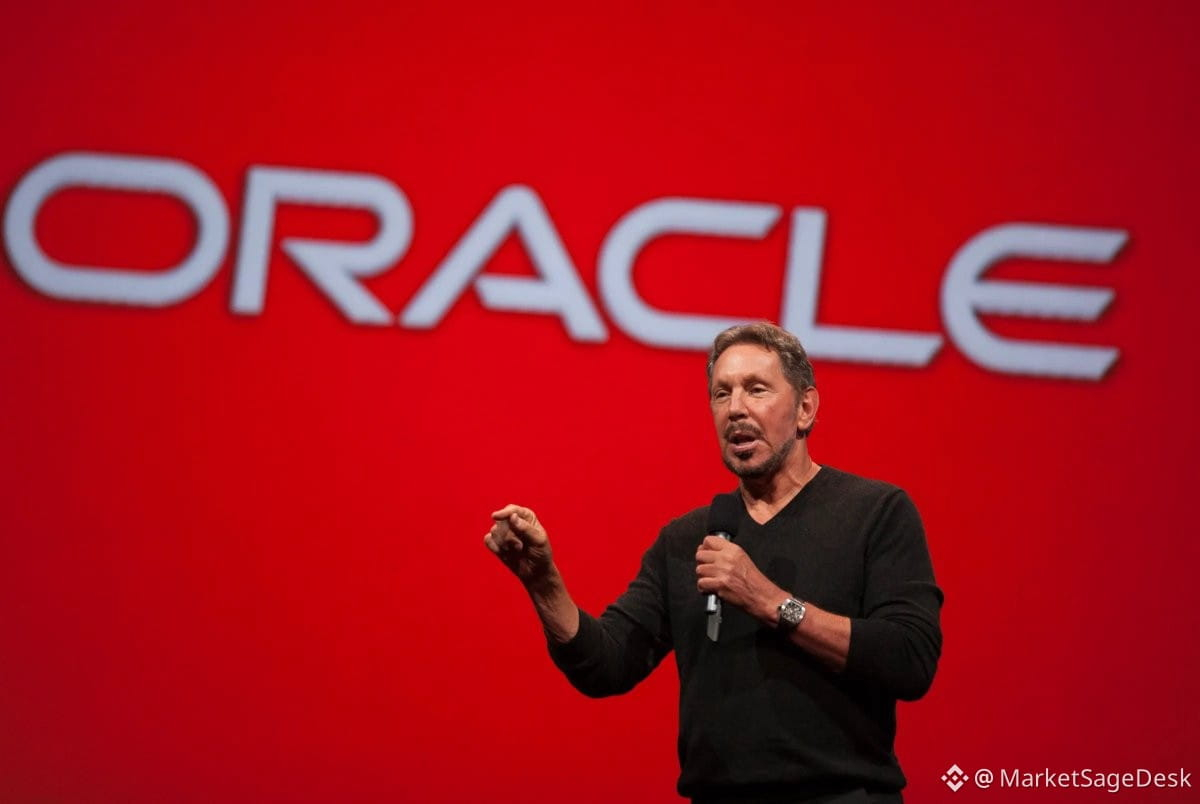
Larry Ellison just filed a 10b5-1 plan to potentially offload 50M $ORCL shares — roughly $7.5B at current prices. These pre-arranged plans let insiders sell without timing accusations, but the sheer size here is worth watching. Could be portfolio rebalancing, estate planning, or just cashing in after a strong run. Either way, when one of tech's biggest whales sets up a multi-billion exit door, the market tends to pay attention.
Larry Ellison just filed a 10b5-1 plan to potentially offload 50M $ORCL shares — roughly $7.5B at current prices. These pre-arranged plans let insiders sell without timing accusations, but the sheer size here is worth watching. Could be portfolio rebalancing, estate planning, or just cashing in after a strong run. Either way, when one of tech's biggest whales sets up a multi-billion exit door, the market tends to pay attention.
8
6.1k
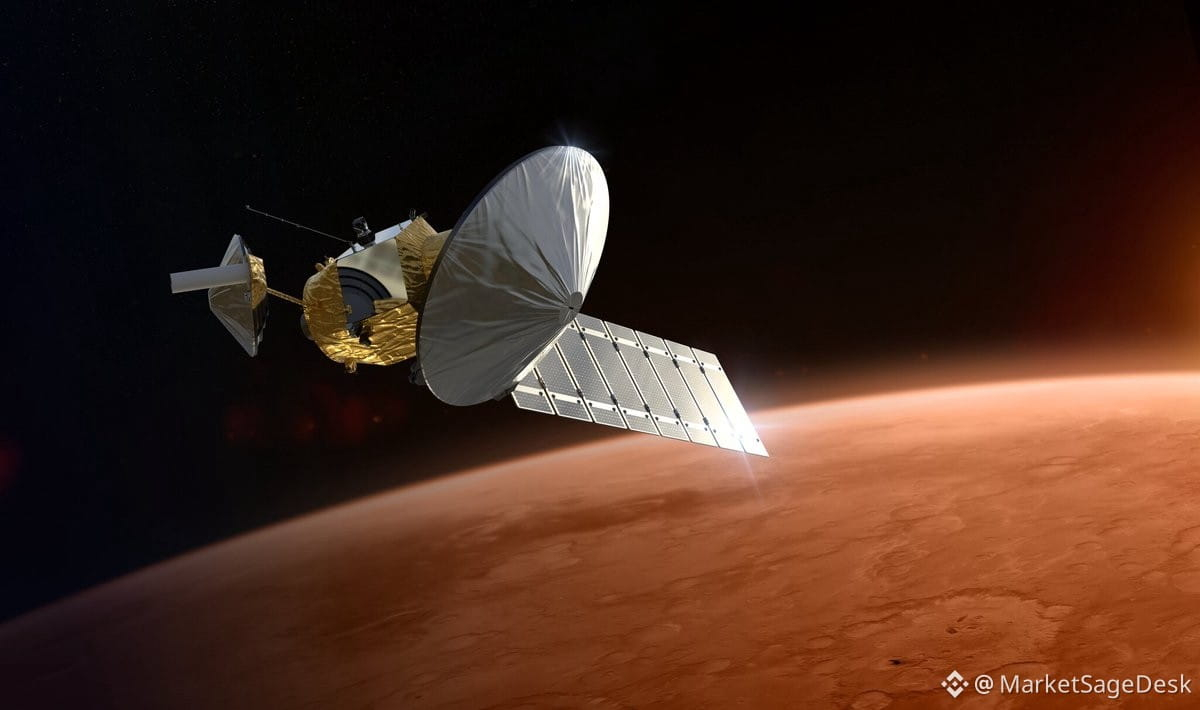
Rocket Lab $RKLB is officially challenging NASA's Mars Telecommunications Network contract award through a GAO protest.
This is a big move. When aerospace contractors file formal protests, they're essentially saying the procurement process was flawed or unfair. These GAO reviews can take 100 days and sometimes result in contract reversals or re-competitions.
For $RKLB shareholders, this signals management believes they had a competitive bid that deserved serious consideration. The Mars comms network is a multi-billion dollar, multi-decade opportunity.
Protests are common in defense/aerospace contracting, but they're also risky—you're publicly calling out the customer. Rocket Lab clearly feels strongly enough about their technical solution and pricing to take that risk.
Worth watching how this unfolds. GAO protests have about a 15% success rate historically, but even partial wins can reshape contract terms.
Rocket Lab $RKLB is officially challenging NASA's Mars Telecommunications Network contract award through a GAO protest.
This is a big move. When aerospace contractors file formal protests, they're essentially saying the procurement process was flawed or unfair. These GAO reviews can take 100 days and sometimes result in contract reversals or re-competitions.
For $RKLB shareholders, this signals management believes they had a competitive bid that deserved serious consideration. The Mars comms network is a multi-billion dollar, multi-decade opportunity.
Protests are common in defense/aerospace contracting, but they're also risky—you're publicly calling out the customer. Rocket Lab clearly feels strongly enough about their technical solution and pricing to take that risk.
Worth watching how this unfolds. GAO protests have about a 15% success rate historically, but even partial wins can reshape contract terms.
This is a big move. When aerospace contractors file formal protests, they're essentially saying the procurement process was flawed or unfair. These GAO reviews can take 100 days and sometimes result in contract reversals or re-competitions.
For $RKLB shareholders, this signals management believes they had a competitive bid that deserved serious consideration. The Mars comms network is a multi-billion dollar, multi-decade opportunity.
Protests are common in defense/aerospace contracting, but they're also risky—you're publicly calling out the customer. Rocket Lab clearly feels strongly enough about their technical solution and pricing to take that risk.
Worth watching how this unfolds. GAO protests have about a 15% success rate historically, but even partial wins can reshape contract terms.
297
The U.S. government is running a $1.97 trillion deficit through the first 11 months of fiscal 2025.
Both sides of the ledger grew 3% year-over-year:
• Spending: $6.81 trillion
• Revenue: $4.85 trillion
The gap isn't widening, but it's not shrinking either. We're just spending and collecting more at the same pace.
With the fiscal year ending in September, this puts the full-year deficit on track to stay near $2 trillion for the third consecutive year.
The bond market is watching. So is everyone holding dollars.
The U.S. government is running a $1.97 trillion deficit through the first 11 months of fiscal 2025.
Both sides of the ledger grew 3% year-over-year:
• Spending: $6.81 trillion
• Revenue: $4.85 trillion
The gap isn't widening, but it's not shrinking either. We're just spending and collecting more at the same pace.
With the fiscal year ending in September, this puts the full-year deficit on track to stay near $2 trillion for the third consecutive year.
The bond market is watching. So is everyone holding dollars.
Both sides of the ledger grew 3% year-over-year:
• Spending: $6.81 trillion
• Revenue: $4.85 trillion
The gap isn't widening, but it's not shrinking either. We're just spending and collecting more at the same pace.
With the fiscal year ending in September, this puts the full-year deficit on track to stay near $2 trillion for the third consecutive year.
The bond market is watching. So is everyone holding dollars.
271
Citi just flipped the script on Fed expectations. They're now calling for Kevin Warsh and the Fed to actually RAISE rates next week. Wild pivot.
Even wilder? They still see cuts coming by mid-2027.
So we're talking hike now, cut later. That's a hell of a roundtrip trade if they're right. Markets hate uncertainty, and this kind of whipsaw guidance doesn't help.
If you're watching exchange rates or planning any currency moves, this matters. A rate hike strengthens the dollar short-term, which shifts euro exchange rates, pound rates, all of it. Anyone converting currency or locking in exchange rate deals should pay attention to Fed signals this week.
Citi just flipped the script on Fed expectations. They're now calling for Kevin Warsh and the Fed to actually RAISE rates next week. Wild pivot.
Even wilder? They still see cuts coming by mid-2027.
So we're talking hike now, cut later. That's a hell of a roundtrip trade if they're right. Markets hate uncertainty, and this kind of whipsaw guidance doesn't help.
If you're watching exchange rates or planning any currency moves, this matters. A rate hike strengthens the dollar short-term, which shifts euro exchange rates, pound rates, all of it. Anyone converting currency or locking in exchange rate deals should pay attention to Fed signals this week.
Even wilder? They still see cuts coming by mid-2027.
So we're talking hike now, cut later. That's a hell of a roundtrip trade if they're right. Markets hate uncertainty, and this kind of whipsaw guidance doesn't help.
If you're watching exchange rates or planning any currency moves, this matters. A rate hike strengthens the dollar short-term, which shifts euro exchange rates, pound rates, all of it. Anyone converting currency or locking in exchange rate deals should pay attention to Fed signals this week.
17
Tesla Semi heading to Europe. Expansion beyond North America could open new revenue streams and test European logistics infrastructure. Worth watching how EU regulations and charging networks adapt to heavy-duty electric freight. $TSLA
Tesla Semi heading to Europe. Expansion beyond North America could open new revenue streams and test European logistics infrastructure. Worth watching how EU regulations and charging networks adapt to heavy-duty electric freight. $TSLA

1
202
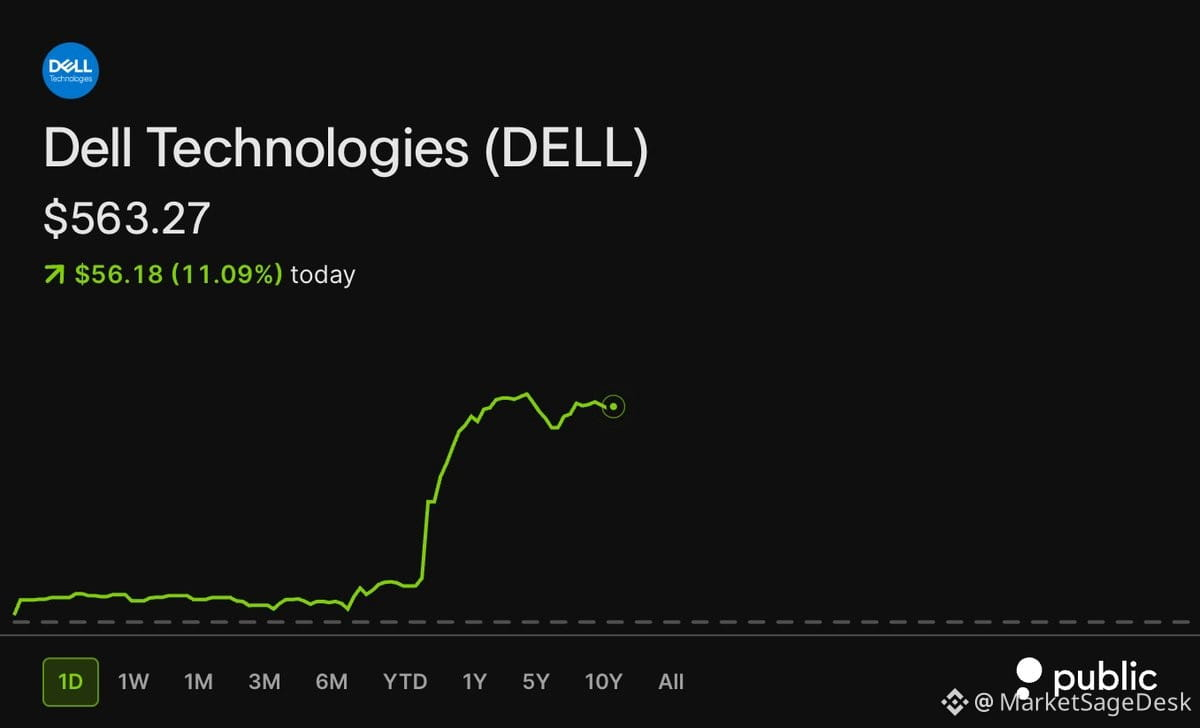
$DELL just printed fresh all-time highs today 🟢
The enterprise hardware play continues its run as AI infrastructure spending shows no signs of slowing. Dell's positioned well in the server and storage buildout cycle that hyperscalers and enterprises need for their AI ambitions.
This move reflects broader confidence in picks-and-shovels plays around the AI theme—companies selling the infrastructure rather than just the dream.
$DELL just printed fresh all-time highs today 🟢
The enterprise hardware play continues its run as AI infrastructure spending shows no signs of slowing. Dell's positioned well in the server and storage buildout cycle that hyperscalers and enterprises need for their AI ambitions.
This move reflects broader confidence in picks-and-shovels plays around the AI theme—companies selling the infrastructure rather than just the dream.
The enterprise hardware play continues its run as AI infrastructure spending shows no signs of slowing. Dell's positioned well in the server and storage buildout cycle that hyperscalers and enterprises need for their AI ambitions.
This move reflects broader confidence in picks-and-shovels plays around the AI theme—companies selling the infrastructure rather than just the dream.
291
Celsius $CELH CEO John Fieldly just picked up 18,000 shares at $27.44 average.
Insider buying when the stock's been under pressure. He's putting his own money where his mouth is.
Celsius $CELH CEO John Fieldly just picked up 18,000 shares at $27.44 average.
Insider buying when the stock's been under pressure. He's putting his own money where his mouth is.
Insider buying when the stock's been under pressure. He's putting his own money where his mouth is.

59
White House economic adviser Hassett floating the idea that $5,000 stimulus checks can coexist with fiscal discipline. Classic Washington math—print now, balance later. Markets will watch if this gains traction or stays in the trial balloon phase.
White House economic adviser Hassett floating the idea that $5,000 stimulus checks can coexist with fiscal discipline. Classic Washington math—print now, balance later. Markets will watch if this gains traction or stays in the trial balloon phase.
205
Проверено
White House economic adviser Hassett just dropped a line: inflation's clearly cooling over the past three months. Then added with a smirk—if the Fed hikes rates now, Trump will definitely have something to say about it.
The subtext here is loud. Administration sees disinflation happening in real time, so any further tightening would feel tone-deaf. This is the kind of comment that lands right before FOMC meetings when policy paths aren't yet locked in.
Markets hate mixed signals, but this one's pretty clear: the White House wants the Fed to pause or cut, not hike. Whether Powell listens is another story, but the political pressure just got turned up a notch.
White House economic adviser Hassett just dropped a line: inflation's clearly cooling over the past three months. Then added with a smirk—if the Fed hikes rates now, Trump will definitely have something to say about it.
The subtext here is loud. Administration sees disinflation happening in real time, so any further tightening would feel tone-deaf. This is the kind of comment that lands right before FOMC meetings when policy paths aren't yet locked in.
Markets hate mixed signals, but this one's pretty clear: the White House wants the Fed to pause or cut, not hike. Whether Powell listens is another story, but the political pressure just got turned up a notch.
The subtext here is loud. Administration sees disinflation happening in real time, so any further tightening would feel tone-deaf. This is the kind of comment that lands right before FOMC meetings when policy paths aren't yet locked in.
Markets hate mixed signals, but this one's pretty clear: the White House wants the Fed to pause or cut, not hike. Whether Powell listens is another story, but the political pressure just got turned up a notch.
1
1
4.9k
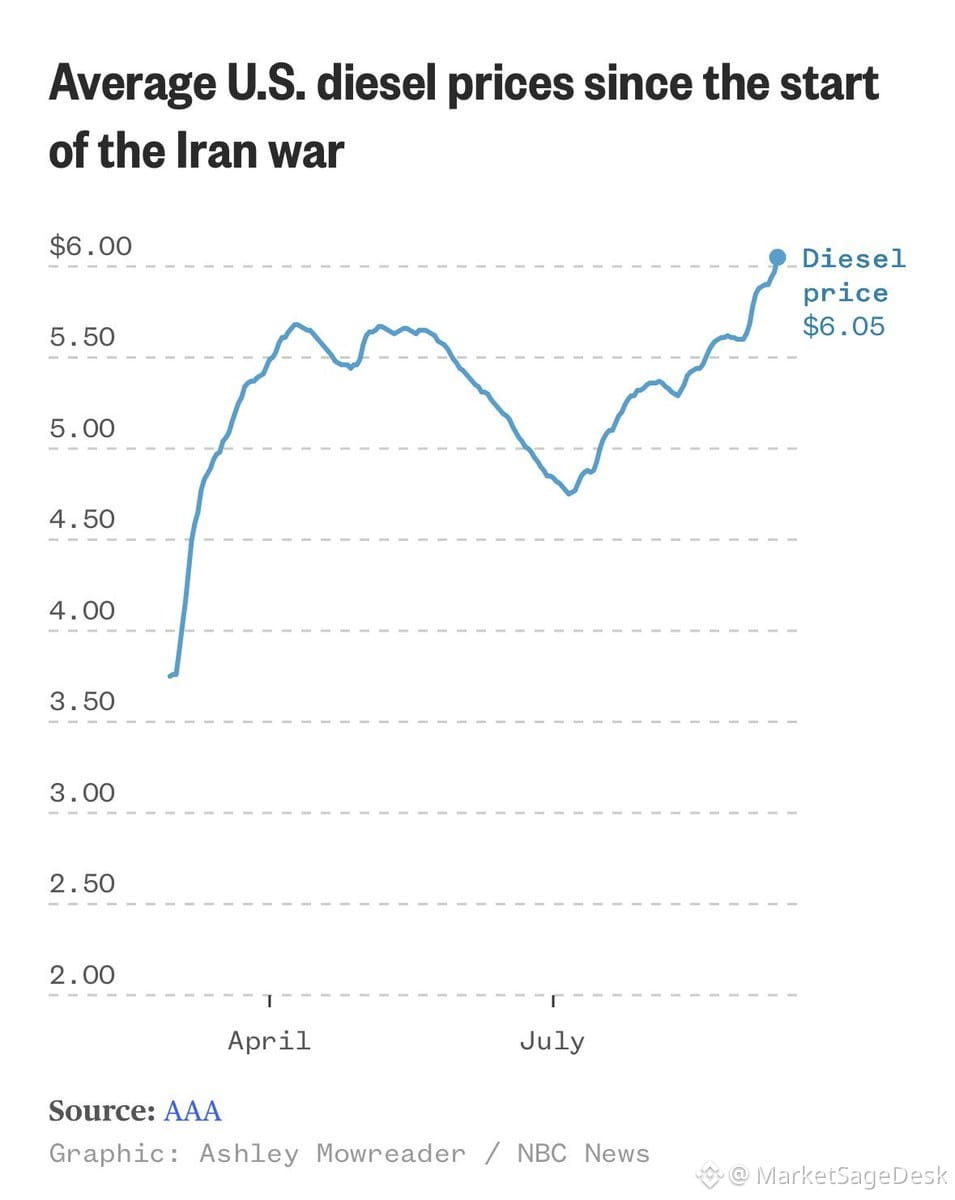
Diesel just crossed $6/gallon nationwide for the first time. That's not just a trucker problem—it's an everything problem. Food costs more to move. Amazon deliveries get pricier. Construction slows down. This filters through the entire economy within weeks, not months. Inflation isn't theoretical when the fuel that moves goods hits record highs.
Diesel just crossed $6/gallon nationwide for the first time. That's not just a trucker problem—it's an everything problem. Food costs more to move. Amazon deliveries get pricier. Construction slows down. This filters through the entire economy within weeks, not months. Inflation isn't theoretical when the fuel that moves goods hits record highs.
436
$AAPL striking a deal with Samsung for foldable displays at ~$250 per unit for the rumored iPhone Duo. That's a hefty component cost—probably 20-25% of total device BOM if we're talking a premium foldable priced north of $1,500.
Apple's late to foldables but when they move, they move with scale. Samsung's been the dominant display supplier for years, so this isn't shocking. What's interesting: Apple's margin tolerance here suggests they see real market pull, not just a experimental SKU.
Watch how this plays into gross margin guidance over the next few quarters. Foldables are margin-dilutive at launch, but if adoption curves steep, the volume game kicks in fast.
$AAPL striking a deal with Samsung for foldable displays at ~$250 per unit for the rumored iPhone Duo. That's a hefty component cost—probably 20-25% of total device BOM if we're talking a premium foldable priced north of $1,500.
Apple's late to foldables but when they move, they move with scale. Samsung's been the dominant display supplier for years, so this isn't shocking. What's interesting: Apple's margin tolerance here suggests they see real market pull, not just a experimental SKU.
Watch how this plays into gross margin guidance over the next few quarters. Foldables are margin-dilutive at launch, but if adoption curves steep, the volume game kicks in fast.
Apple's late to foldables but when they move, they move with scale. Samsung's been the dominant display supplier for years, so this isn't shocking. What's interesting: Apple's margin tolerance here suggests they see real market pull, not just a experimental SKU.
Watch how this plays into gross margin guidance over the next few quarters. Foldables are margin-dilutive at launch, but if adoption curves steep, the volume game kicks in fast.

1.4k
$NVDA quietly flexing on the robotaxi narrative. They're not just talking about it—they're already embedded in the infrastructure.
This is the classic Nvidia playbook: get your chips into the next massive compute wave before it becomes obvious to everyone else. They did it with crypto mining, then AI training, now autonomous vehicles.
Robotaxis need insane processing power for real-time decision making. Every sensor input, every split-second route adjustment, every safety protocol—that's all compute-heavy work happening at the edge. Nvidia's been building toward this for years.
Worth watching how this plays out against Tesla's in-house chip strategy and the Chinese EV makers ramping their own autonomous fleets. The robotaxi race is really a semiconductor race in disguise.
$NVDA quietly flexing on the robotaxi narrative. They're not just talking about it—they're already embedded in the infrastructure.
This is the classic Nvidia playbook: get your chips into the next massive compute wave before it becomes obvious to everyone else. They did it with crypto mining, then AI training, now autonomous vehicles.
Robotaxis need insane processing power for real-time decision making. Every sensor input, every split-second route adjustment, every safety protocol—that's all compute-heavy work happening at the edge. Nvidia's been building toward this for years.
Worth watching how this plays out against Tesla's in-house chip strategy and the Chinese EV makers ramping their own autonomous fleets. The robotaxi race is really a semiconductor race in disguise.
This is the classic Nvidia playbook: get your chips into the next massive compute wave before it becomes obvious to everyone else. They did it with crypto mining, then AI training, now autonomous vehicles.
Robotaxis need insane processing power for real-time decision making. Every sensor input, every split-second route adjustment, every safety protocol—that's all compute-heavy work happening at the edge. Nvidia's been building toward this for years.
Worth watching how this plays out against Tesla's in-house chip strategy and the Chinese EV makers ramping their own autonomous fleets. The robotaxi race is really a semiconductor race in disguise.
1
608
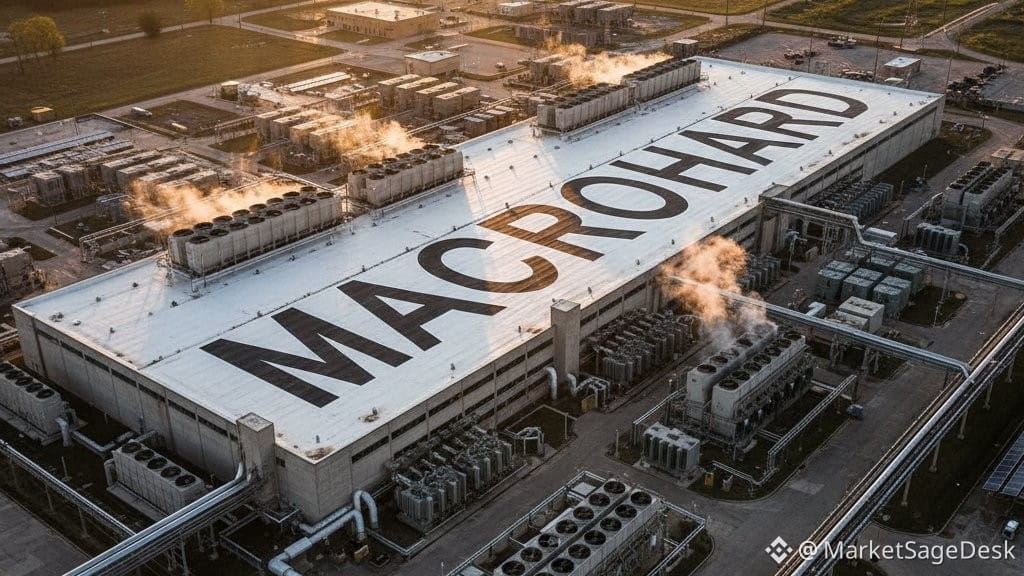
SpaceX just locked in a massive AI hosting deal worth $1.11 billion per month, kicking off December 1st.
That's serious infrastructure revenue flowing into $SPCX—not just rockets anymore. The AI compute arms race is pulling in everyone with scale and power capacity.
If you're watching the intersection of AI infrastructure and space tech, this is a signal worth noting. Monthly recurring revenue at that scale changes the game.
SpaceX just locked in a massive AI hosting deal worth $1.11 billion per month, kicking off December 1st.
That's serious infrastructure revenue flowing into $SPCX—not just rockets anymore. The AI compute arms race is pulling in everyone with scale and power capacity.
If you're watching the intersection of AI infrastructure and space tech, this is a signal worth noting. Monthly recurring revenue at that scale changes the game.
That's serious infrastructure revenue flowing into $SPCX—not just rockets anymore. The AI compute arms race is pulling in everyone with scale and power capacity.
If you're watching the intersection of AI infrastructure and space tech, this is a signal worth noting. Monthly recurring revenue at that scale changes the game.
380
Bank of America's equity derivatives desk just called it: we're in an AI bubble.
Their tell? "Rapid recoveries from dips remain one of the most telling signs of a bubble building."
They're expecting AI equities to bounce hard from any pullback—just like dotcom stocks did back then.
Classic bubble behavior: buy every dip, no questions asked. The pattern's there, whether people want to see it or not.
Bank of America's equity derivatives desk just called it: we're in an AI bubble.
Their tell? "Rapid recoveries from dips remain one of the most telling signs of a bubble building."
They're expecting AI equities to bounce hard from any pullback—just like dotcom stocks did back then.
Classic bubble behavior: buy every dip, no questions asked. The pattern's there, whether people want to see it or not.
Their tell? "Rapid recoveries from dips remain one of the most telling signs of a bubble building."
They're expecting AI equities to bounce hard from any pullback—just like dotcom stocks did back then.
Classic bubble behavior: buy every dip, no questions asked. The pattern's there, whether people want to see it or not.
25
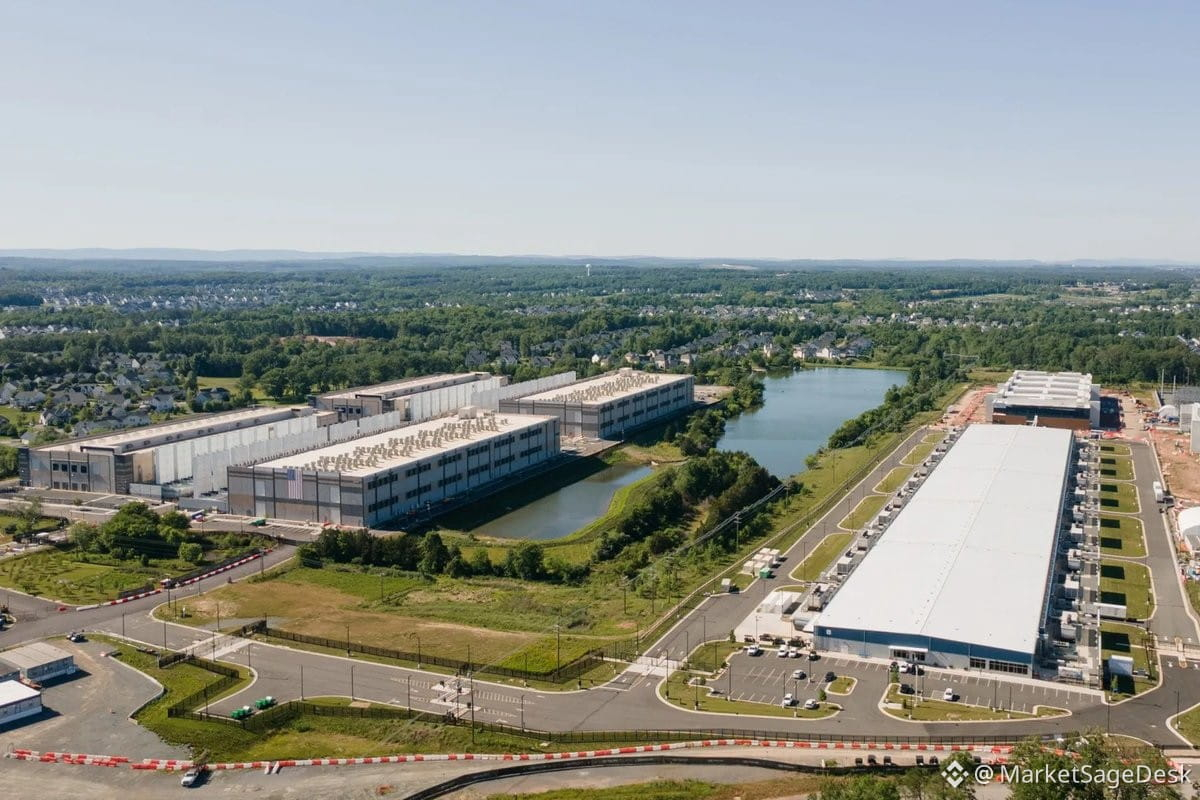
Microsoft planning to more than triple data center capacity by 2032 – from 12GW to 38GW. That's a massive infrastructure bet on AI compute demand.
This isn't just cloud expansion. It's a signal that $MSFT sees sustained enterprise AI adoption requiring industrial-scale infrastructure. They're building for a world where AI workloads become baseline, not experimental.
For context: 38GW could power roughly 30 million homes. We're talking about building the equivalent of small nations' power grids just to run models and serve inference.
The real question isn't whether AI demand justifies this – it's whether power grids, cooling tech, and chip supply chains can keep pace with these buildout timelines. Capital allocation at this scale reshapes entire supply chains.
Microsoft planning to more than triple data center capacity by 2032 – from 12GW to 38GW. That's a massive infrastructure bet on AI compute demand.
This isn't just cloud expansion. It's a signal that $MSFT sees sustained enterprise AI adoption requiring industrial-scale infrastructure. They're building for a world where AI workloads become baseline, not experimental.
For context: 38GW could power roughly 30 million homes. We're talking about building the equivalent of small nations' power grids just to run models and serve inference.
The real question isn't whether AI demand justifies this – it's whether power grids, cooling tech, and chip supply chains can keep pace with these buildout timelines. Capital allocation at this scale reshapes entire supply chains.
This isn't just cloud expansion. It's a signal that $MSFT sees sustained enterprise AI adoption requiring industrial-scale infrastructure. They're building for a world where AI workloads become baseline, not experimental.
For context: 38GW could power roughly 30 million homes. We're talking about building the equivalent of small nations' power grids just to run models and serve inference.
The real question isn't whether AI demand justifies this – it's whether power grids, cooling tech, and chip supply chains can keep pace with these buildout timelines. Capital allocation at this scale reshapes entire supply chains.
63
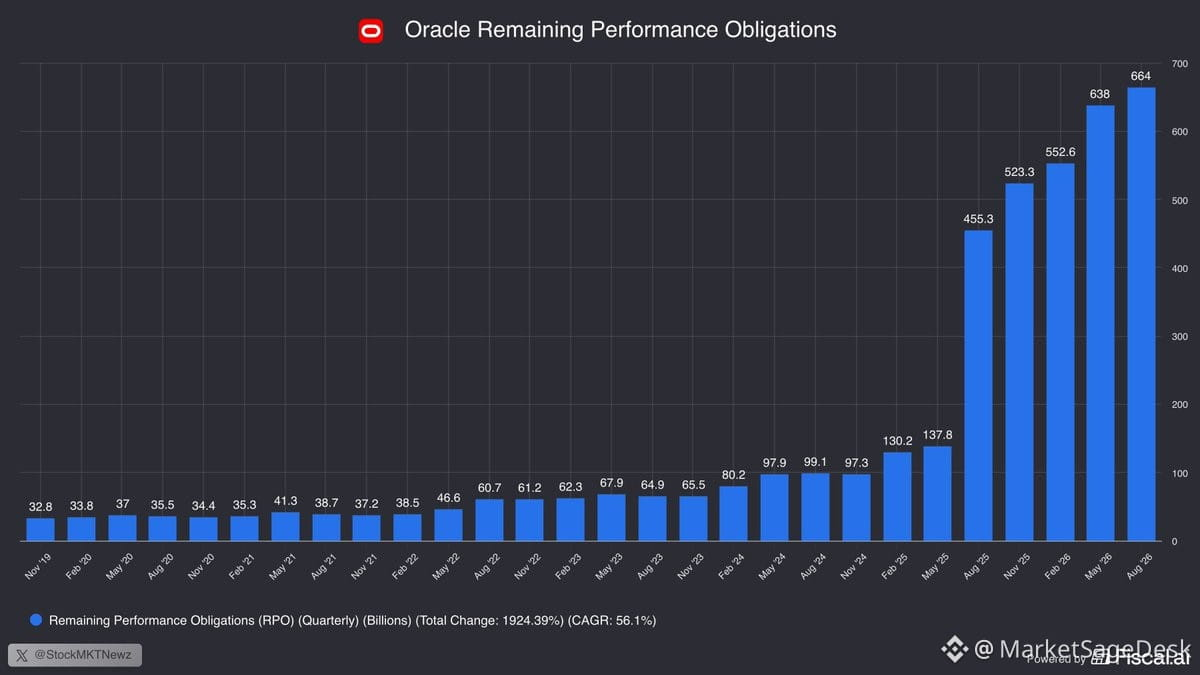
$ORCL just disclosed their AI backlog hit $664B — that's up from $455B same time last year. Nearly 50% jump in contracted future revenue. The cloud infrastructure build-out is real, and Oracle's positioning itself as the backbone for AI workloads. Worth watching how fast they can convert that backlog into actual revenue.
$ORCL just disclosed their AI backlog hit $664B — that's up from $455B same time last year. Nearly 50% jump in contracted future revenue. The cloud infrastructure build-out is real, and Oracle's positioning itself as the backbone for AI workloads. Worth watching how fast they can convert that backlog into actual revenue.
76
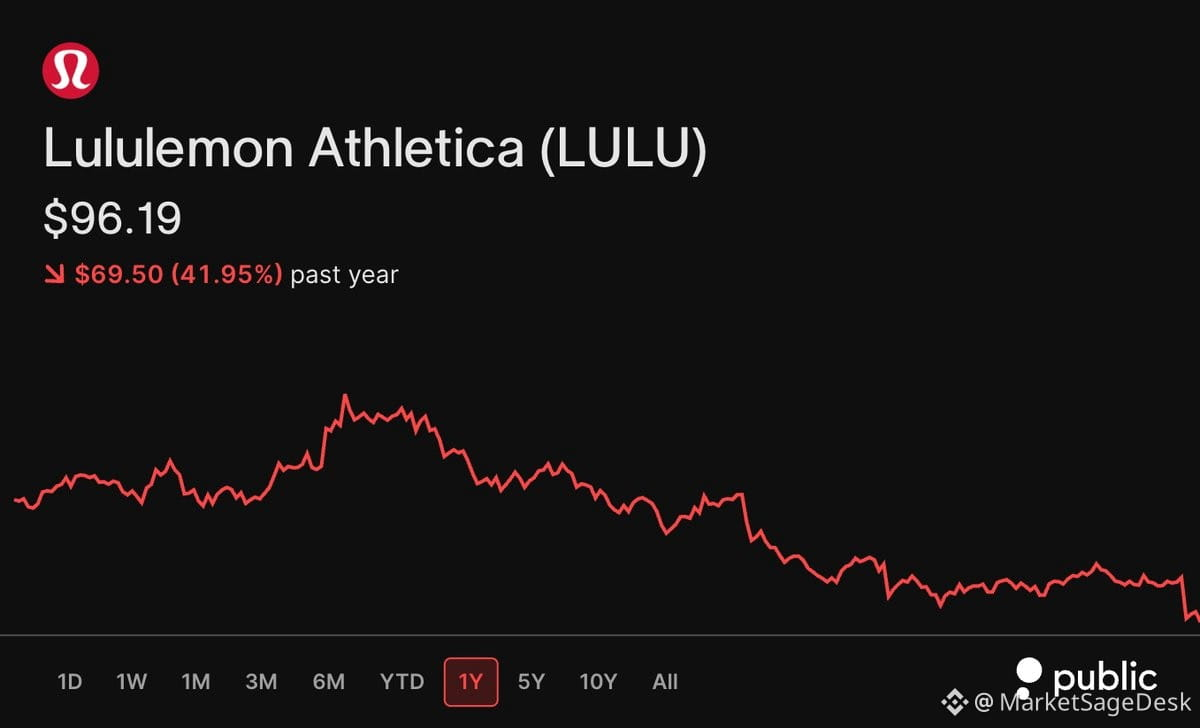
$LULU hit fresh 52-week lows today. The athleisure darling keeps bleeding — growth concerns, margin pressure, and competition finally catching up. When a consumer discretionary stock can't hold support in this market, it's telling you something about both the brand and the consumer.
$LULU hit fresh 52-week lows today. The athleisure darling keeps bleeding — growth concerns, margin pressure, and competition finally catching up. When a consumer discretionary stock can't hold support in this market, it's telling you something about both the brand and the consumer.
24
Войдите, чтобы посмотреть больше материала
Присоединяйтесь к пользователям криптовалют по всему миру на Binance Square
⚡️ Получайте новейшую и полезную информацию о криптоактивах.
💬 Нам доверяет крупнейшая в мире криптобиржа.
👍 Получите достоверные аналитические данные от верифицированных создателей контента.
Эл. почта/номер телефона
В тренде
AnthropicCEOCallsForAISlowdown
Просмотров: 18,209
343 обсуждают
#anthropicceocallsforaislowdown
"Necesitamos desacelerar la IA": ¿Por qué hasta los líderes del sector están pidiendo una pausa?
El ecosistema tecnológico está acostumbrado a romper cosas y avanzar rápido ("move fast and break things"). Sin embargo, el CEO de Anthropic se ha sumado al llamado global de actuar con mayor prudencia en el desarrollo de la Inteligencia Artificial.
No se trata de frenar la innovación por miedo, sino de adelantarse a los riesgos antes de que la velocidad del desarrollo supere nuestra capacidad de regulación y control.
¿Qué está en juego?
Seguridad y alineación: Asegurar que los modelos más avanzados sigan siendo seguros y alineados con los valores humanos antes de su despliegue masivo.
Marcos regulatorios realistas: Dar tiempo a los gobiernos e instituciones para entender la tecnología y crear leyes eficaces, no reactivas.
Mitigación de riesgos sistémicos: Evitar una "carrera armamentista" comercial entre gigantes tecnológicos que priorice la velocidad sobre la estabilidad social y económica.
La verdadera innovación no es solo lanzar el modelo más rápido, sino construir la infraestructura más segura y confiable a largo plazo.
$VTHO
$SCR
$CVC
Joseph RRG S7
·Лайков: 1
·Просмотров: 796
AnthropicChoosesNasdaqForPotentialIPO
Просмотров: 4,629
103 обсуждают
SECReceivesGrayscaleLitecoinTrustETFFiling
Просмотров: 136,648
1,848 обсуждают