

ALPHA-BNB
28.3k Публикации

ALPHA-BNB
 Square Verified+
Crypto market, charts, trading steup, news and market insights. No hype just what i see.
Трейдер с частыми сделками
2.3 г
1.7K+ подписок(и/а)
34.5K+ подписчиков(а)
39.7K+ понравилось
Посты
Все
Цитирования
Видео
Активно
MrStar
·
--
[Повтор] 🎙️ #BNB Binance Talks | Square Rewards | Marvin 1101 | Bear or Bull RUN ?
02 ч 04 мин 28 сек · Слушатели: 4.4k
·
--
🎙️ #BNB Binance Talks | Square Rewards | Marvin 1101 | Bear or Bull RUN ?
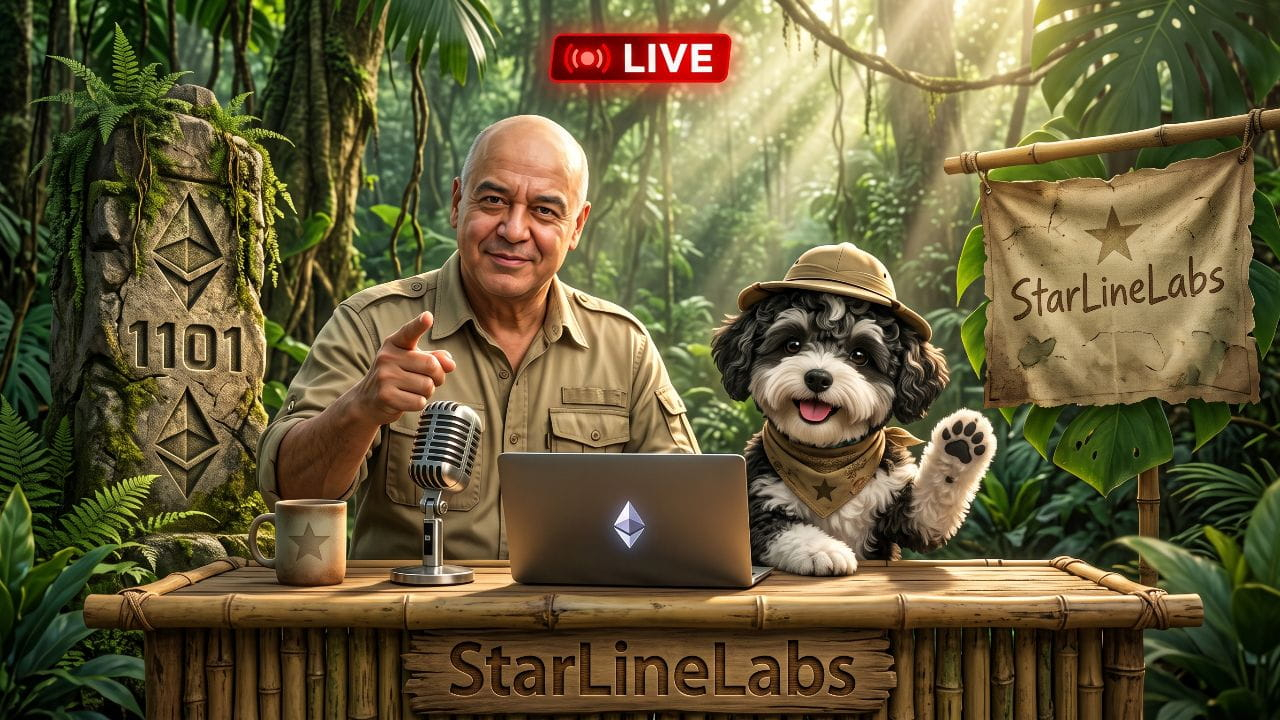
Завершено
02 ч 04 мин 28 сек
4.1k
19

Manta 甜心
·
--
真是乌烟瘴气到了极致。现在发币门槛有多低?只要有个段子,哪怕是个烂梗,哪怕抠字眼抠出个假酒概念,就敢建池子喊单。群魔乱舞,镰刀互砍。
最让我觉得讽刺的是什么?
像那种有社区建设的Meme,你不玩,你嫌它慢,你嫌它不拉盘。
看到这种“假酒事件”套个AI外壳的盘子,你却两眼放光,梭哈冲锋,生怕错过了神话,最后被挂在山顶喝西北风。
真信仰的老马社区,和这些“抠字眼发币”的烂盘子,最大的区别就是:前者在建设,后者在演戏。
前者把Meme当事业,后者把你当提款机。
$牛来 $ETH $ZEC
最让我觉得讽刺的是什么?
像那种有社区建设的Meme,你不玩,你嫌它慢,你嫌它不拉盘。
看到这种“假酒事件”套个AI外壳的盘子,你却两眼放光,梭哈冲锋,生怕错过了神话,最后被挂在山顶喝西北风。
真信仰的老马社区,和这些“抠字眼发币”的烂盘子,最大的区别就是:前者在建设,后者在演戏。
前者把Meme当事业,后者把你当提款机。
$牛来 $ETH $ZEC
Manta 甜心
·
--
白西装红衬衫,MJ本人来了都得愣3秒
别人的二创是换皮,这支是连灵魂都改编了。
节奏一响,谁还管K线是什么颜色。🎵
$ETH $BTC $BNB
#Web3创作
别人的二创是换皮,这支是连灵魂都改编了。
节奏一响,谁还管K线是什么颜色。🎵
$ETH $BTC $BNB
#Web3创作
Проверено
MrStar
·
--
[Повтор] 🎙️ $BNB #Binance Futures | #CryptoTalks | MemeCoins | Marvin 1101 | $ETH
02 ч 06 мин 14 сек · Слушатели: 5k
·
--
🎙️ $BNB #Binance Futures | #CryptoTalks | MemeCoins | Marvin 1101 | $ETH
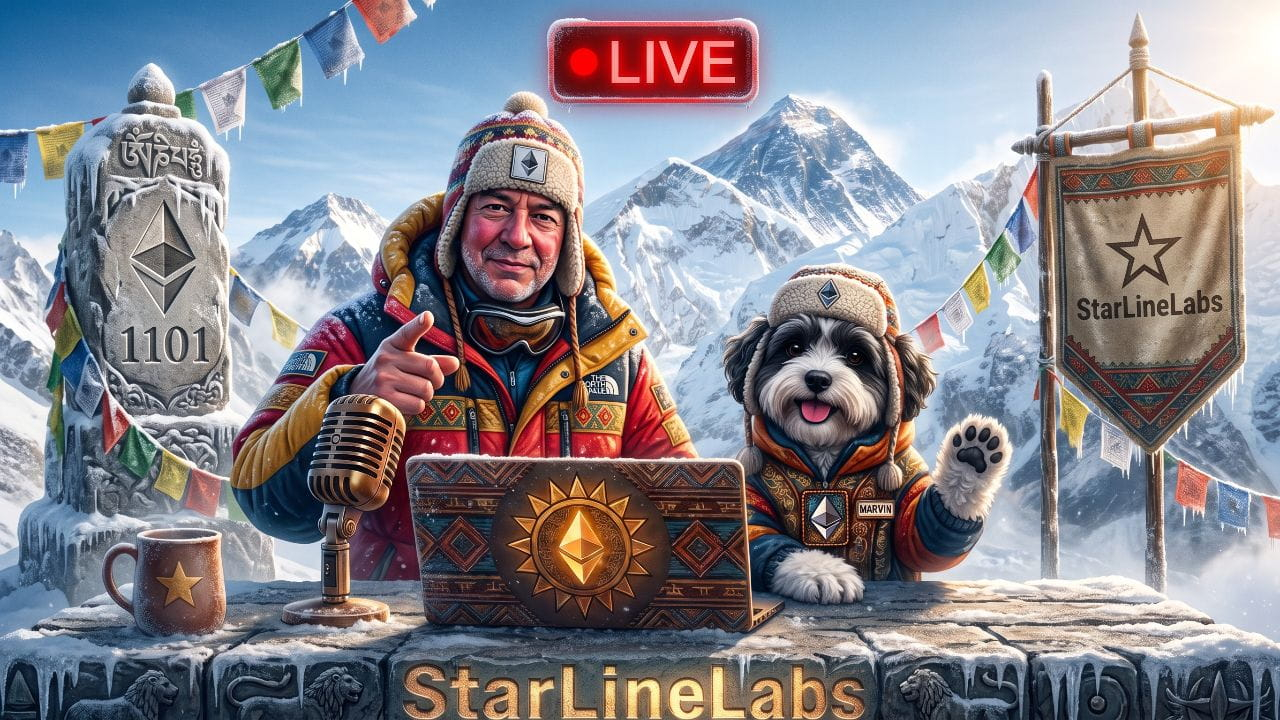
Завершено
02 ч 06 мин 14 сек
4.6k
17
MrStar
·
--
[Повтор] 🎙️ $BNB #Binance | Weekly Datas | Square Rewards | Marvin 1101 | Web 3
02 ч 14 мин 23 сек · Слушатели: 5.5k
·
--
🎙️ $BNB #Binance | Weekly Datas | Square Rewards | Marvin 1101 | Web 3
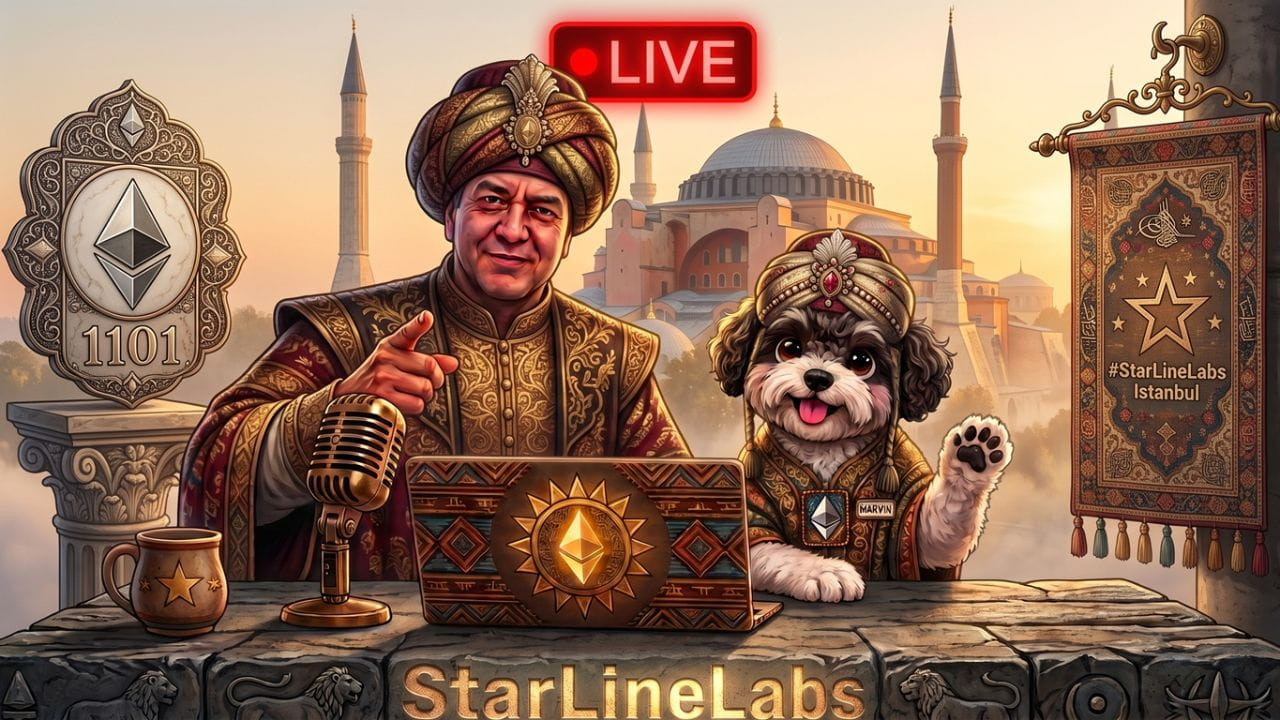
Завершено
02 ч 14 мин 23 сек
5.2k
23
MrStar
·
--
[Повтор] 🎙️ $BNB #Binance | Weekly Datas | Square Rewards | Marvin 1101 | $ETH
02 ч 50 мин 34 сек · Слушатели: 8.5k
·
--
🎙️ $BNB #Binance | Weekly Datas | Square Rewards | Marvin 1101 | $ETH
Завершено
02 ч 50 мин 34 сек
8.2k
24
Manta 甜心
·
--
这几天 $BTC 在 80,000 到 87,000 之间玩蹦极,打开 DexScreener,满屏是"ElonDogeMoon69"和"火星猫",生命周期 6 小时,剧本一模一样:发射、拉盘、出货、归零。
但有一个家不一样。他们没有Fomo,没有画路线图,他们干一件事——给一只真实的哈瓦那犬写歌、拍 MV、做短剧。
你有多久没见过meme币有文化输出了?
不是复制粘贴的文案,不是盗图的头像,是真实的音乐、真实的视觉、真实的手搓。
就像一姐前几天说的Ai短视频是流量风口,当其他项目还在抠字眼、蹭热度、跟不上节奏的时候,他们早已把老马养了12年的那只狗,做成了一整套文化符号。
老马发一条X的成本是零,而一条X对市场的影响,比一次加息更大。
毕竟,Doge 和 Shib 证明了狗币可以走多远,而这只🐕🦺是他亲自养的那一只。
一级市场唯一真正在做文化输出的🐕🦺,留下的是歌单和回忆。
$ETH $ZEC
但有一个家不一样。他们没有Fomo,没有画路线图,他们干一件事——给一只真实的哈瓦那犬写歌、拍 MV、做短剧。
你有多久没见过meme币有文化输出了?
不是复制粘贴的文案,不是盗图的头像,是真实的音乐、真实的视觉、真实的手搓。
就像一姐前几天说的Ai短视频是流量风口,当其他项目还在抠字眼、蹭热度、跟不上节奏的时候,他们早已把老马养了12年的那只狗,做成了一整套文化符号。
老马发一条X的成本是零,而一条X对市场的影响,比一次加息更大。
毕竟,Doge 和 Shib 证明了狗币可以走多远,而这只🐕🦺是他亲自养的那一只。
一级市场唯一真正在做文化输出的🐕🦺,留下的是歌单和回忆。
$ETH $ZEC
Проверено
Real-world car rentals 🚗
75%
Token buyback plan 💰
13%
Presale opportunity 🚀
0%
Long-term growth 📈
12%
8 проголосовали • Голосование закрыто

CryptoMinerz
·
--
thanks for everything #XRPRises8% #AppleGoogleSeekStablecoinTokenizedDepositTalent #AgoraGetsPreliminaryOCCApprovalForTrustBank #NEARRisesNearly80%InAWeek #MultiversXPlansHardForkRecovery $BTC
$ETH
$DOGE
$ETH
$DOGE
MrStar
·
--
[Повтор] 🎙️ Weekly Datas | Binance Rewards $BNB | Bears come back? | Marvin
01 ч 56 мин 22 сек · Слушатели: 5.7k
·
--
🎙️ Weekly Datas | Binance Rewards $BNB | Bears come back? | Marvin
Завершено
01 ч 56 мин 22 сек
5.2k
26
Войдите, чтобы посмотреть больше материала