

KOPTRXID
29 Публикации

KOPTRXID
TRX fanboy
Открытая сделка
Случайный трейдер
3.4 г
7 подписок(и/а)
48 подписчиков(а)
105 понравилось
Посты
Портфель
Все
Цитирования

ELIZEH_SOL
·
--
РостGUYSS I INVESTED 8100$ 💸 IN $AVNT TWO DAYS AGO WHEN IT LAUNCHED AT 0.81$ CURRENTLY I AM IN PROFIT OF 4700$ 🤑 . TELL ME WHAT SHOULD I DO NOW 🙏🙏



Sunrising
·
--
The main thing is will it cause a crash?

mulyadi73
·
--
modal brp boss?


Ragnar_defi
·
--
Рост🚀 Free 135M $PENGU Airdrop Alert! 🎁
Did you buy PENGU during this 37-minute window? If yes, you might be eligible for a slice of 135,000,000 PENGU tokens! Here’s everything you need to know:
---
What Happened?
📌 Binance discovered a delay in updating PENGU’s market data on CoinMarketCap during its listing on Binance Spot.
🔄 They worked swiftly with CMC to resolve the issue and, as a goodwill gesture, are giving back to the community with this massive PENGU airdrop!
---
Key Airdrop Details
📅 Snapshot Period:
2024-12-17 | 14:00 - 14:37 (UTC)
👤 Who’s Eligible?
Users who bought PENGU during the snapshot window.
Excludes market makers and VIP 4-9 users.
---
How Are Tokens Distributed?
Your share depends on how much PENGU you bought during the snapshot.
Formula:
(Your PENGU purchased / Total PENGU purchased by eligible users) x 135,000,000
💡 Example:
If you bought 10 PENGU:
(10 / Total Eligible PENGU) x 135M = Your Airdrop Amount
---
When Will You Receive It?
⏳ Tokens will hit eligible accounts within 72 hours after the snapshot.
---
Binance’s Commitment
Binance is stepping up efforts to improve market data accuracy and appreciates your trust and patience. 🙌
--
🎯 Don’t Miss Out:
Check your eligibility and keep an eye on your Binance wallet for the free PENGU tokens!
#BTCNewATH #PENGUOpening #BinanceAirdropsCATandPENGU #ETHHits4KAgain
Did you buy PENGU during this 37-minute window? If yes, you might be eligible for a slice of 135,000,000 PENGU tokens! Here’s everything you need to know:
---
What Happened?
📌 Binance discovered a delay in updating PENGU’s market data on CoinMarketCap during its listing on Binance Spot.
🔄 They worked swiftly with CMC to resolve the issue and, as a goodwill gesture, are giving back to the community with this massive PENGU airdrop!
---
Key Airdrop Details
📅 Snapshot Period:
2024-12-17 | 14:00 - 14:37 (UTC)
👤 Who’s Eligible?
Users who bought PENGU during the snapshot window.
Excludes market makers and VIP 4-9 users.
---
How Are Tokens Distributed?
Your share depends on how much PENGU you bought during the snapshot.
Formula:
(Your PENGU purchased / Total PENGU purchased by eligible users) x 135,000,000
💡 Example:
If you bought 10 PENGU:
(10 / Total Eligible PENGU) x 135M = Your Airdrop Amount
---
When Will You Receive It?
⏳ Tokens will hit eligible accounts within 72 hours after the snapshot.
---
Binance’s Commitment
Binance is stepping up efforts to improve market data accuracy and appreciates your trust and patience. 🙌
--
🎯 Don’t Miss Out:
Check your eligibility and keep an eye on your Binance wallet for the free PENGU tokens!
#BTCNewATH #PENGUOpening #BinanceAirdropsCATandPENGU #ETHHits4KAgain

Ragnar_defi
·
--
Рост🚀 Free 135M $PENGU Airdrop Alert! 🎁
Did you buy PENGU during this 37-minute window? If yes, you might be eligible for a slice of 135,000,000 PENGU tokens! Here’s everything you need to know:
---
What Happened?
📌 Binance discovered a delay in updating PENGU’s market data on CoinMarketCap during its listing on Binance Spot.
🔄 They worked swiftly with CMC to resolve the issue and, as a goodwill gesture, are giving back to the community with this massive PENGU airdrop!
---
Key Airdrop Details
📅 Snapshot Period:
2024-12-17 | 14:00 - 14:37 (UTC)
👤 Who’s Eligible?
Users who bought PENGU during the snapshot window.
Excludes market makers and VIP 4-9 users.
---
How Are Tokens Distributed?
Your share depends on how much PENGU you bought during the snapshot.
Formula:
(Your PENGU purchased / Total PENGU purchased by eligible users) x 135,000,000
💡 Example:
If you bought 10 PENGU:
(10 / Total Eligible PENGU) x 135M = Your Airdrop Amount
---
When Will You Receive It?
⏳ Tokens will hit eligible accounts within 72 hours after the snapshot.
---
Binance’s Commitment
Binance is stepping up efforts to improve market data accuracy and appreciates your trust and patience. 🙌
--
🎯 Don’t Miss Out:
Check your eligibility and keep an eye on your Binance wallet for the free PENGU tokens!
#BTCNewATH #PENGUOpening #BinanceAirdropsCATandPENGU #ETHHits4KAgain
Did you buy PENGU during this 37-minute window? If yes, you might be eligible for a slice of 135,000,000 PENGU tokens! Here’s everything you need to know:
---
What Happened?
📌 Binance discovered a delay in updating PENGU’s market data on CoinMarketCap during its listing on Binance Spot.
🔄 They worked swiftly with CMC to resolve the issue and, as a goodwill gesture, are giving back to the community with this massive PENGU airdrop!
---
Key Airdrop Details
📅 Snapshot Period:
2024-12-17 | 14:00 - 14:37 (UTC)
👤 Who’s Eligible?
Users who bought PENGU during the snapshot window.
Excludes market makers and VIP 4-9 users.
---
How Are Tokens Distributed?
Your share depends on how much PENGU you bought during the snapshot.
Formula:
(Your PENGU purchased / Total PENGU purchased by eligible users) x 135,000,000
💡 Example:
If you bought 10 PENGU:
(10 / Total Eligible PENGU) x 135M = Your Airdrop Amount
---
When Will You Receive It?
⏳ Tokens will hit eligible accounts within 72 hours after the snapshot.
---
Binance’s Commitment
Binance is stepping up efforts to improve market data accuracy and appreciates your trust and patience. 🙌
--
🎯 Don’t Miss Out:
Check your eligibility and keep an eye on your Binance wallet for the free PENGU tokens!
#BTCNewATH #PENGUOpening #BinanceAirdropsCATandPENGU #ETHHits4KAgain
Bullish
100%
Bearish
0%
I don't know
0%
1 проголосовали • Голосование закрыто


Blockchain Rex
·
--
5 Coins Under $1 That Could Explode 1000X in 2025 🚀
The crypto market is a treasure trove of opportunities, especially with low-cost gems poised for exponential growth. Here are five undervalued projects priced under $1 that could deliver massive returns by 2025:
1. CYBRO
A multi-chain, AI-powered DeFi platform that’s nearing its Token Generation Event (TGE) and exchange listing. Having already raised $7M in presale, CYBRO’s price surged from $0.01 to $0.055, with a listing set at $0.06. Its cutting-edge AI tools simplify DeFi investments, promising automation and high yields. CYBRO is a strong candidate for explosive growth as it bridges AI and blockchain innovations.
2. Kaspa (KAS)
Kaspa’s unique GHOSTDAG protocol enables parallel block processing, offering unrivaled transaction speed and security. With 1-second block speeds and plans to scale to 100, Kaspa is a standout project with robust scalability and long-term growth potential.
3. TRON (TRX)
TRON empowers decentralized content creation and distribution with support for dApps and smart contracts. Its cost-efficient decentralized rewards model makes it a strong contender as blockchain adoption accelerates, positioning it for significant gains in the next bull run.
4. Terra Classic (LUNC)
Blending Bitcoin’s censorship resistance with stablecoin innovation, LUNC focuses on global payment solutions. As its ecosystem evolves, LUNC’s potential during the altcoin season cannot be underestimated.
5. VeChain (VET)
VeChain revolutionizes supply chains with blockchain technology, forming partnerships with global giants like Walmart and BMW. Its adoption-driven efficiency solutions solidify its position as a promising long-term project.
Why CYBRO Stands Out
While Kaspa, TRON, LUNC, and VeChain are strong players, CYBRO leads the pack with its groundbreaking AI-driven DeFi ecosystem. By automating complex investments and maximizing yields, CYBRO aligns with the booming AI and blockchain sectors, making it an unparalleled opportunity for early investors.
📌 Remember, crypto investments carry risks. Always DYOR!
#CryptoGems #1000X #DeFiInnovation #Altcoinseason2024
1. CYBRO
A multi-chain, AI-powered DeFi platform that’s nearing its Token Generation Event (TGE) and exchange listing. Having already raised $7M in presale, CYBRO’s price surged from $0.01 to $0.055, with a listing set at $0.06. Its cutting-edge AI tools simplify DeFi investments, promising automation and high yields. CYBRO is a strong candidate for explosive growth as it bridges AI and blockchain innovations.
2. Kaspa (KAS)
Kaspa’s unique GHOSTDAG protocol enables parallel block processing, offering unrivaled transaction speed and security. With 1-second block speeds and plans to scale to 100, Kaspa is a standout project with robust scalability and long-term growth potential.
3. TRON (TRX)
TRON empowers decentralized content creation and distribution with support for dApps and smart contracts. Its cost-efficient decentralized rewards model makes it a strong contender as blockchain adoption accelerates, positioning it for significant gains in the next bull run.
4. Terra Classic (LUNC)
Blending Bitcoin’s censorship resistance with stablecoin innovation, LUNC focuses on global payment solutions. As its ecosystem evolves, LUNC’s potential during the altcoin season cannot be underestimated.
5. VeChain (VET)
VeChain revolutionizes supply chains with blockchain technology, forming partnerships with global giants like Walmart and BMW. Its adoption-driven efficiency solutions solidify its position as a promising long-term project.
Why CYBRO Stands Out
While Kaspa, TRON, LUNC, and VeChain are strong players, CYBRO leads the pack with its groundbreaking AI-driven DeFi ecosystem. By automating complex investments and maximizing yields, CYBRO aligns with the booming AI and blockchain sectors, making it an unparalleled opportunity for early investors.
📌 Remember, crypto investments carry risks. Always DYOR!
#CryptoGems #1000X #DeFiInnovation #Altcoinseason2024



BullishBanter
·
--
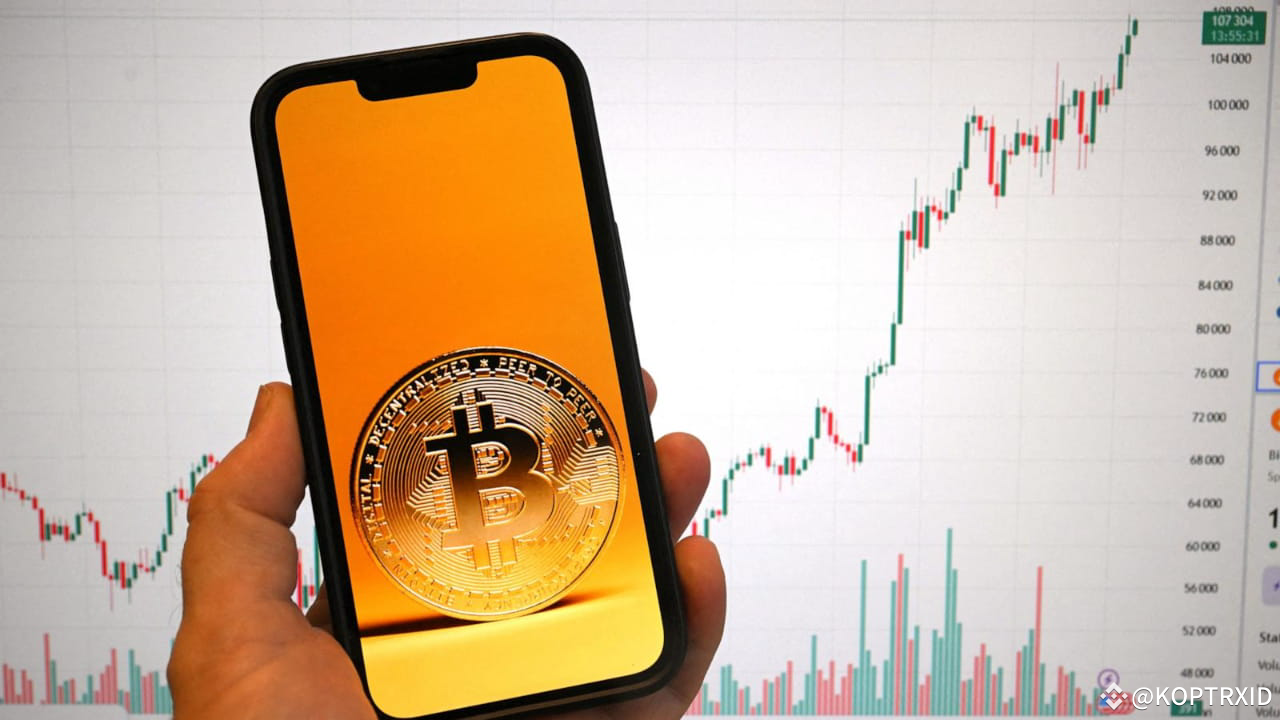
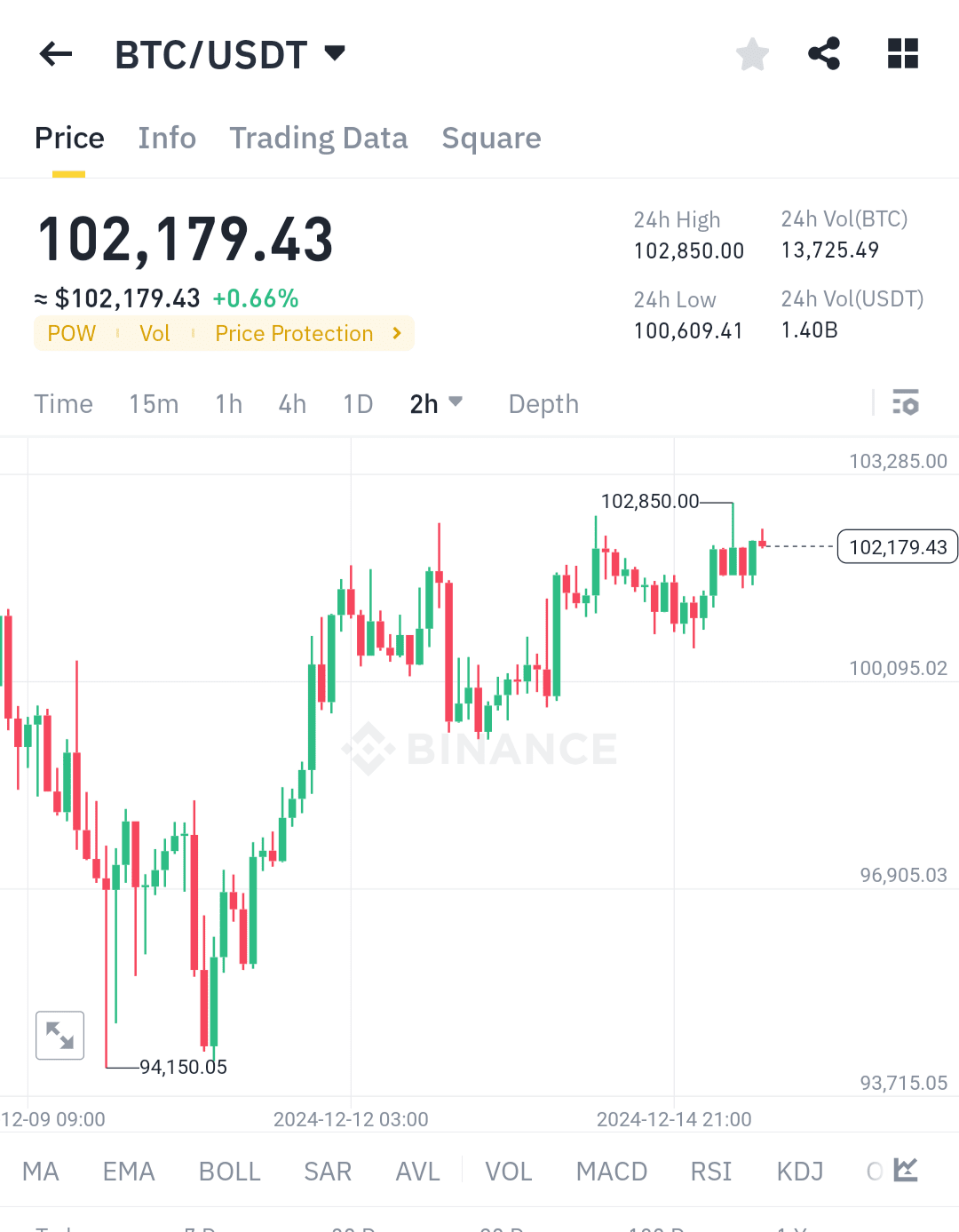
Bitcoin ($BTC ) has been stuck in an extended phase of tight consolidation, an unusual state of stability that’s now signaling the potential for a massive price shift. The market is bracing for significant volatility, and the question on everyone’s mind is: will BTC soar to $115,000 or $130,000, or will it tumble to $90,000, plunging further into the $80,000 range?
A Critical Phase for BTC
The current consolidation, accompanied by low trading volumes, is a telltale sign of an impending big move. Analysts relying on historical trends to predict BTC’s future are doing a disservice to traders;
Many altcoins have shown brief rebounds only to slide back down, frustrating investors. If you’re buying the dips but not securing profits during rallies, you’re exposing yourself to unnecessary risk.
Avoid the Traps
Steer clear of hyped-up projects like $EOS or other underperforming altcoins that lack strong fundamentals. When the majority is bullish and piling in, consider stepping back and reevaluating your position.
Instead, focus on lesser-known assets with solid potential. These hidden gems might not ride the hype waves but often deliver consistent profits.
The Key BTC Levels to Watch
The $BTC chart tells a story of reduced trading activity and prolonged consolidation, which could result in a deceptive breakout. If Bitcoin fails to hold above $108,000 for a sustained period (around 16 hours),
In such scenarios, we might see a sharp surge to trap late buyers, followed by a sudden pullback. A minor rebound could lure in optimistic traders, but if momentum fails, the price might gradually descend to the $85,000 range.
Is a Bull Market on the Horizon?
A genuine bull market defies expectations with unprecedented, aggressive price action. While Bitcoin might embark on such a rally, it doesn’t guarantee that altcoins will follow suit.
Final Thoughts
For traders, the message is clear: have a plan. Take partial profits when prices surge, avoid holding without a clear exit strategy, and don’t fall for the majority’s optimism.
#Write2Earn!
A Critical Phase for BTC
The current consolidation, accompanied by low trading volumes, is a telltale sign of an impending big move. Analysts relying on historical trends to predict BTC’s future are doing a disservice to traders;
Many altcoins have shown brief rebounds only to slide back down, frustrating investors. If you’re buying the dips but not securing profits during rallies, you’re exposing yourself to unnecessary risk.
Avoid the Traps
Steer clear of hyped-up projects like $EOS or other underperforming altcoins that lack strong fundamentals. When the majority is bullish and piling in, consider stepping back and reevaluating your position.
Instead, focus on lesser-known assets with solid potential. These hidden gems might not ride the hype waves but often deliver consistent profits.
The Key BTC Levels to Watch
The $BTC chart tells a story of reduced trading activity and prolonged consolidation, which could result in a deceptive breakout. If Bitcoin fails to hold above $108,000 for a sustained period (around 16 hours),
In such scenarios, we might see a sharp surge to trap late buyers, followed by a sudden pullback. A minor rebound could lure in optimistic traders, but if momentum fails, the price might gradually descend to the $85,000 range.
Is a Bull Market on the Horizon?
A genuine bull market defies expectations with unprecedented, aggressive price action. While Bitcoin might embark on such a rally, it doesn’t guarantee that altcoins will follow suit.
Final Thoughts
For traders, the message is clear: have a plan. Take partial profits when prices surge, avoid holding without a clear exit strategy, and don’t fall for the majority’s optimism.
#Write2Earn!
Цитируемый контент удален
Войдите, чтобы посмотреть больше материала