
DeFi Jaydar
21 Публикации

DeFi Jaydar
Отправить жалобу
Заблокировать пользователя
Rekt LUNAtic
5 подписок(и/а)
20 подписчиков(а)
45 понравилось
Посты
Все
Цитирования
·
--
I can't believe I watched this trade run from +85% to this. fucked up man
I can't believe I watched this trade run from +85% to this. fucked up man
1
13
·
--
Can someone explain to me why a pair getting delisted tomorrow is mooning hard?
$YALA
Can someone explain to me why a pair getting delisted tomorrow is mooning hard?
$YALA
$YALA
1
1
1
139
·
--
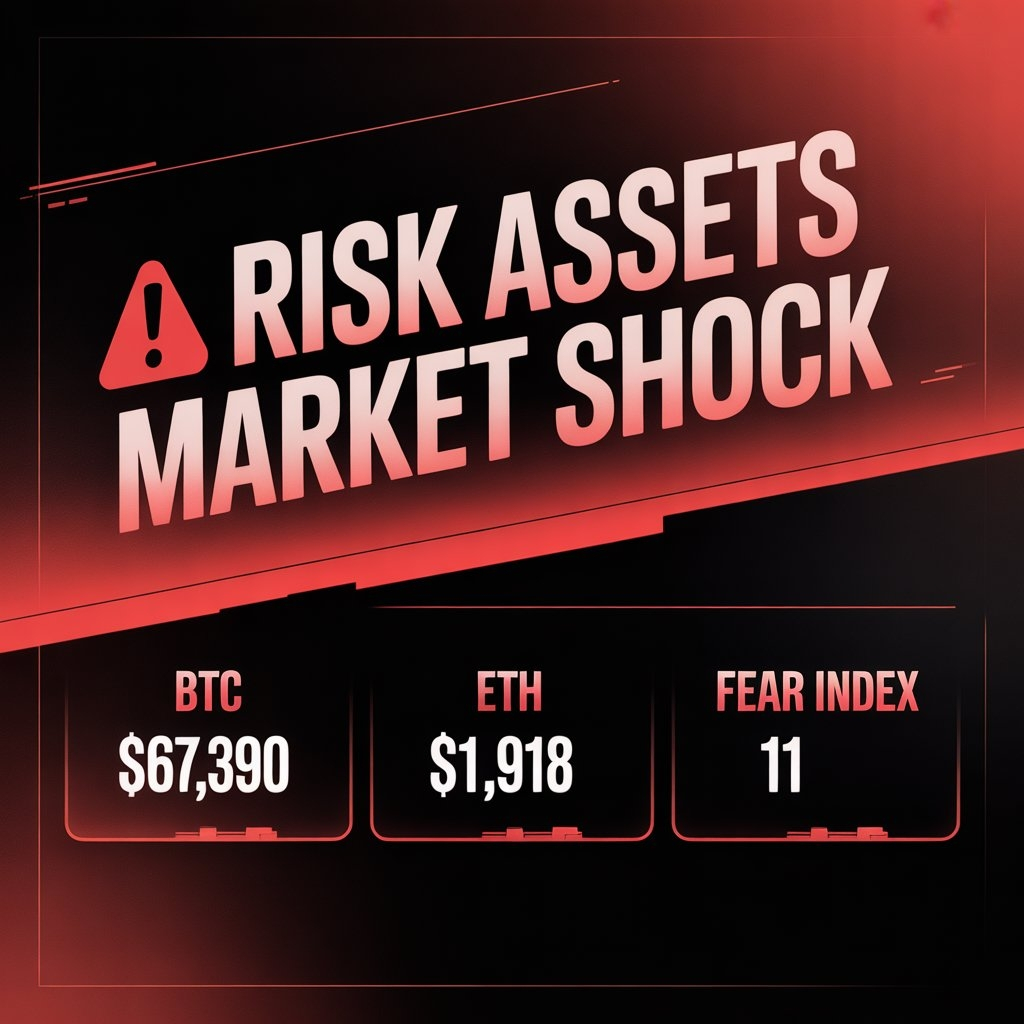
🚨 When Everything Bleeds Together
The #RiskAssetsMarketShock is hitting HARD.
Right Now:
- BTC: $67,390 (-26% from Jan)
- ETH: $1,918
- Fear Index: 11 (extreme panic)
- $775M liquidations in 24hrs
This isn't just crypto. Stocks, tech, everything risk-on is getting crushed.
Here's what I know:
When fear hits 11 and everyone's panicking, you're usually closer to a bounce than another crash. Not saying we've bottomed—we could go lower. But extreme fear = opportunity zones historically.
Well I'm Cash ready, watching $65K $BTC and $1,850 $ETH . Not panic selling. Staying disciplined.
Dearest gentle reader... are you Panic selling? DCAing the dip? or Sitting in cash?
Remember that markets reward patience and punish panic. This will pass.
#bitcoin #Ethereum #CryptoMarketMoves
{spot}(ETHUSDT)
{spot}(BTCUSDT)
🚨 When Everything Bleeds Together
The #RiskAssetsMarketShock is hitting HARD.
Right Now:
- BTC: $67,390 (-26% from Jan)
- ETH: $1,918
- Fear Index: 11 (extreme panic)
- $775M liquidations in 24hrs
This isn't just crypto. Stocks, tech, everything risk-on is getting crushed.
Here's what I know:
When fear hits 11 and everyone's panicking, you're usually closer to a bounce than another crash. Not saying we've bottomed—we could go lower. But extreme fear = opportunity zones historically.
Well I'm Cash ready, watching $65K $BTC and $1,850 $ETH . Not panic selling. Staying disciplined.
Dearest gentle reader... are you Panic selling? DCAing the dip? or Sitting in cash?
Remember that markets reward patience and punish panic. This will pass.
#bitcoin #Ethereum #CryptoMarketMoves
The #RiskAssetsMarketShock is hitting HARD.
Right Now:
- BTC: $67,390 (-26% from Jan)
- ETH: $1,918
- Fear Index: 11 (extreme panic)
- $775M liquidations in 24hrs
This isn't just crypto. Stocks, tech, everything risk-on is getting crushed.
Here's what I know:
When fear hits 11 and everyone's panicking, you're usually closer to a bounce than another crash. Not saying we've bottomed—we could go lower. But extreme fear = opportunity zones historically.
Well I'm Cash ready, watching $65K $BTC and $1,850 $ETH . Not panic selling. Staying disciplined.
Dearest gentle reader... are you Panic selling? DCAing the dip? or Sitting in cash?
Remember that markets reward patience and punish panic. This will pass.
#bitcoin #Ethereum #CryptoMarketMoves
33
·
--
Crypto Market Reality Check: We're in Full Capitulation ModeGM fam, let's talk about the elephant in the room: the market is BLEEDING.
Current State:
- Bitcoin → $67,390 (down from $91K start of year)
- Ethereum → $1,961 (just broke below $2K - critical level lost)
- Market cap → $2.57T (lost $400B+ since January)
- Fear & Greed Index → 11 (extreme fear, lowest since November 2025)
We just had $775M in liquidations in a single day. $BTC crashed below $68K for the first time since November 2024. $ETH just lost the $2K psychological support that held for months.
What's causing this bloodbath?
🔴 Fed Chair Kevin Warsh appointment = hawkish policy expectations
🔴 Institutional outflows (BlackRock pulled $373M from BTC ETFs)
🔴 Four consecutive red months for BTC (worst since 2018)
🔴 Strong dollar (DXY above 97.5) = crypto pressure
But here's the thing...
DeFi TVL is still ticking higher. Funding rates are neutral. Global liquidity is quietly improving (US M2 up 4.6% YoY).
I think this is a classic oversold bounce setup. When fear hits 11 and everyone's capitulating, that's usually when smart money accumulates. Not saying we've bottomed, but these conditions historically precede bounces.
Key levels to watch:
- BTC: $70K resistance to reclaim, $65K if it breaks lower
- ETH: $2,100 to flip back bullish, $1,850 next support
Dearest gentle reader... are you panic selling, accumulating, or sitting on your hands?
#CryptoMarket #WhenWillBTCRebound #WarshFedPolicyOutlook #JPMorganSaysBTCOverGold
{spot}(BTCUSDT)
{spot}(ETHUSDT)
Crypto Market Reality Check: We're in Full Capitulation Mode
GM fam, let's talk about the elephant in the room: the market is BLEEDING.
Current State:
- Bitcoin → $67,390 (down from $91K start of year)
- Ethereum → $1,961 (just broke below $2K - critical level lost)
- Market cap → $2.57T (lost $400B+ since January)
- Fear & Greed Index → 11 (extreme fear, lowest since November 2025)
We just had $775M in liquidations in a single day. $BTC crashed below $68K for the first time since November 2024. $ETH just lost the $2K psychological support that held for months.
What's causing this bloodbath?
🔴 Fed Chair Kevin Warsh appointment = hawkish policy expectations
🔴 Institutional outflows (BlackRock pulled $373M from BTC ETFs)
🔴 Four consecutive red months for BTC (worst since 2018)
🔴 Strong dollar (DXY above 97.5) = crypto pressure
But here's the thing...
DeFi TVL is still ticking higher. Funding rates are neutral. Global liquidity is quietly improving (US M2 up 4.6% YoY).
I think this is a classic oversold bounce setup. When fear hits 11 and everyone's capitulating, that's usually when smart money accumulates. Not saying we've bottomed, but these conditions historically precede bounces.
Key levels to watch:
- BTC: $70K resistance to reclaim, $65K if it breaks lower
- ETH: $2,100 to flip back bullish, $1,850 next support
Dearest gentle reader... are you panic selling, accumulating, or sitting on your hands?
#CryptoMarket #WhenWillBTCRebound #WarshFedPolicyOutlook #JPMorganSaysBTCOverGold
Current State:
- Bitcoin → $67,390 (down from $91K start of year)
- Ethereum → $1,961 (just broke below $2K - critical level lost)
- Market cap → $2.57T (lost $400B+ since January)
- Fear & Greed Index → 11 (extreme fear, lowest since November 2025)
We just had $775M in liquidations in a single day. $BTC crashed below $68K for the first time since November 2024. $ETH just lost the $2K psychological support that held for months.
What's causing this bloodbath?
🔴 Fed Chair Kevin Warsh appointment = hawkish policy expectations
🔴 Institutional outflows (BlackRock pulled $373M from BTC ETFs)
🔴 Four consecutive red months for BTC (worst since 2018)
🔴 Strong dollar (DXY above 97.5) = crypto pressure
But here's the thing...
DeFi TVL is still ticking higher. Funding rates are neutral. Global liquidity is quietly improving (US M2 up 4.6% YoY).
I think this is a classic oversold bounce setup. When fear hits 11 and everyone's capitulating, that's usually when smart money accumulates. Not saying we've bottomed, but these conditions historically precede bounces.
Key levels to watch:
- BTC: $70K resistance to reclaim, $65K if it breaks lower
- ETH: $2,100 to flip back bullish, $1,850 next support
Dearest gentle reader... are you panic selling, accumulating, or sitting on your hands?
#CryptoMarket #WhenWillBTCRebound #WarshFedPolicyOutlook #JPMorganSaysBTCOverGold
52
·
--
thanks for keeping us updated
thanks for keeping us updated

DuckTradingpro
·
--
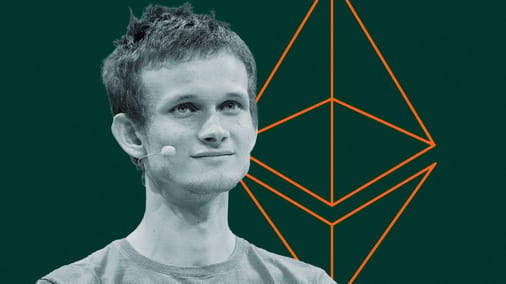
⚡️ JUST IN: VITALIK MOVES ETH — $500K TRANSACTION FLAGGED
On-chain tracker LookOnChain reports that Vitalik Buterin sold 211.84 $ETH for roughly $500,000 USDC about an hour ago.
• Proceeds: 500K USDC
• ETH sold: 211.84 ETG
• Funds transferred to Kanro (Vitalik’s long-known charitable organization)
IMPORTANT CONTEXT:
Vitalik has repeatedly stated he sells ETH primarily for donations, grants, and $ZAMA operational funding, not trading or market timing. $BNB
BOTTOM LINE:
Small relative to holdings.
Likely charity-related.
Narrative > size — but context matters.
#Vitalik #GoldSilverRebound #StrategyBTCPurchase
On-chain tracker LookOnChain reports that Vitalik Buterin sold 211.84 $ETH for roughly $500,000 USDC about an hour ago.
• Proceeds: 500K USDC
• ETH sold: 211.84 ETG
• Funds transferred to Kanro (Vitalik’s long-known charitable organization)
IMPORTANT CONTEXT:
Vitalik has repeatedly stated he sells ETH primarily for donations, grants, and $ZAMA operational funding, not trading or market timing. $BNB
BOTTOM LINE:
Small relative to holdings.
Likely charity-related.
Narrative > size — but context matters.
#Vitalik #GoldSilverRebound #StrategyBTCPurchase
·
--
I Cracked the Binance Square Algorithm!🎯
Been watching the 200 BNB Surprise Drop winners, and I noticed something interesting...
What DOESN'T work:
- AI-generated content (they're hunting this down aggressively)
- Generic "crypto is great!" posts
- Spam posting 20x per day
- Copy-pasting from other sources
- Engagement farming with "nice post!" comments
What DOES work:
- Authentic voice with personality
- Actual insights (not just regurgitated facts)
- Real engagement in comments (not just posting and running)
- Videos and livestreams
- Showing real trades with actual PNL
- Catching trending topics EARLY
The winners aren't always the biggest accounts. They're the ones creating genuinely valuable content.
Here's my theory: Binance is prioritizing quality over everything else because they're tired of AI spam clogging the feed.
Kindly Enlighten me if I'm missing a few points. What's your strategy for standing out on Binance Square?
And what type of content do YOU actually enjoy reading? Let's learn from each other!
#BinanceSquare $BNB @Binance_Square_Official #CryptoCreators #WriteToEarn #ContentStrategy
I Cracked the Binance Square Algorithm!🎯
Been watching the 200 BNB Surprise Drop winners, and I noticed something interesting...
What DOESN'T work:
- AI-generated content (they're hunting this down aggressively)
- Generic "crypto is great!" posts
- Spam posting 20x per day
- Copy-pasting from other sources
- Engagement farming with "nice post!" comments
What DOES work:
- Authentic voice with personality
- Actual insights (not just regurgitated facts)
- Real engagement in comments (not just posting and running)
- Videos and livestreams
- Showing real trades with actual PNL
- Catching trending topics EARLY
The winners aren't always the biggest accounts. They're the ones creating genuinely valuable content.
Here's my theory: Binance is prioritizing quality over everything else because they're tired of AI spam clogging the feed.
Kindly Enlighten me if I'm missing a few points. What's your strategy for standing out on Binance Square?
And what type of content do YOU actually enjoy reading? Let's learn from each other!
#BinanceSquare $BNB @Binance Square Official #CryptoCreators #WriteToEarn #ContentStrategy
Been watching the 200 BNB Surprise Drop winners, and I noticed something interesting...
What DOESN'T work:
- AI-generated content (they're hunting this down aggressively)
- Generic "crypto is great!" posts
- Spam posting 20x per day
- Copy-pasting from other sources
- Engagement farming with "nice post!" comments
What DOES work:
- Authentic voice with personality
- Actual insights (not just regurgitated facts)
- Real engagement in comments (not just posting and running)
- Videos and livestreams
- Showing real trades with actual PNL
- Catching trending topics EARLY
The winners aren't always the biggest accounts. They're the ones creating genuinely valuable content.
Here's my theory: Binance is prioritizing quality over everything else because they're tired of AI spam clogging the feed.
Kindly Enlighten me if I'm missing a few points. What's your strategy for standing out on Binance Square?
And what type of content do YOU actually enjoy reading? Let's learn from each other!
#BinanceSquare $BNB @Binance Square Official #CryptoCreators #WriteToEarn #ContentStrategy
3
35
·
--
Рост
Your NFT Might Disappear And You Don't Even Know It
True story: Someone paid $10k for an NFT. Six months later, the image was gone.
Why? Because the jpeg was stored on a centralized server. Company shut down. Image gone forever. They owned... a broken link.
This is the dirty secret of Web3: Most "decentralized" projects store their data on AWS, Google Cloud, or some other centralized service.
The blockchain part? Decentralized. The actual data? Sitting on Jeff Bezos's servers.
@WalrusProtocol is fixing this by building truly decentralized storage infrastructure. Your data gets:
- Split into encrypted pieces
- Distributed across thousands of nodes
- Made permanent (no "oops we shut down" moments)
It's not as sexy as 100x moonshots, but it's essential infrastructure for Web3 to actually work.
Now I ask; Have you ever lost data because a service shut down? Or had an NFT image disappear?
#Walrus $WAL #DecentralizedStorage #Web3 #CryptoInfrastructure
{spot}(WALUSDT)
Your NFT Might Disappear And You Don't Even Know It
True story: Someone paid $10k for an NFT. Six months later, the image was gone.
Why? Because the jpeg was stored on a centralized server. Company shut down. Image gone forever. They owned... a broken link.
This is the dirty secret of Web3: Most "decentralized" projects store their data on AWS, Google Cloud, or some other centralized service.
The blockchain part? Decentralized. The actual data? Sitting on Jeff Bezos's servers.
@Walrus 🦭/acc is fixing this by building truly decentralized storage infrastructure. Your data gets:
- Split into encrypted pieces
- Distributed across thousands of nodes
- Made permanent (no "oops we shut down" moments)
It's not as sexy as 100x moonshots, but it's essential infrastructure for Web3 to actually work.
Now I ask; Have you ever lost data because a service shut down? Or had an NFT image disappear?
#Walrus $WAL #DecentralizedStorage #Web3 #CryptoInfrastructure
True story: Someone paid $10k for an NFT. Six months later, the image was gone.
Why? Because the jpeg was stored on a centralized server. Company shut down. Image gone forever. They owned... a broken link.
This is the dirty secret of Web3: Most "decentralized" projects store their data on AWS, Google Cloud, or some other centralized service.
The blockchain part? Decentralized. The actual data? Sitting on Jeff Bezos's servers.
@Walrus 🦭/acc is fixing this by building truly decentralized storage infrastructure. Your data gets:
- Split into encrypted pieces
- Distributed across thousands of nodes
- Made permanent (no "oops we shut down" moments)
It's not as sexy as 100x moonshots, but it's essential infrastructure for Web3 to actually work.
Now I ask; Have you ever lost data because a service shut down? Or had an NFT image disappear?
#Walrus $WAL #DecentralizedStorage #Web3 #CryptoInfrastructure
1
37
·
--
that's some bs campaign😂😂
I knew it was only gonna benefit the whales
that's some bs campaign😂😂
I knew it was only gonna benefit the whales
I knew it was only gonna benefit the whales

Crypto Ser
·
--
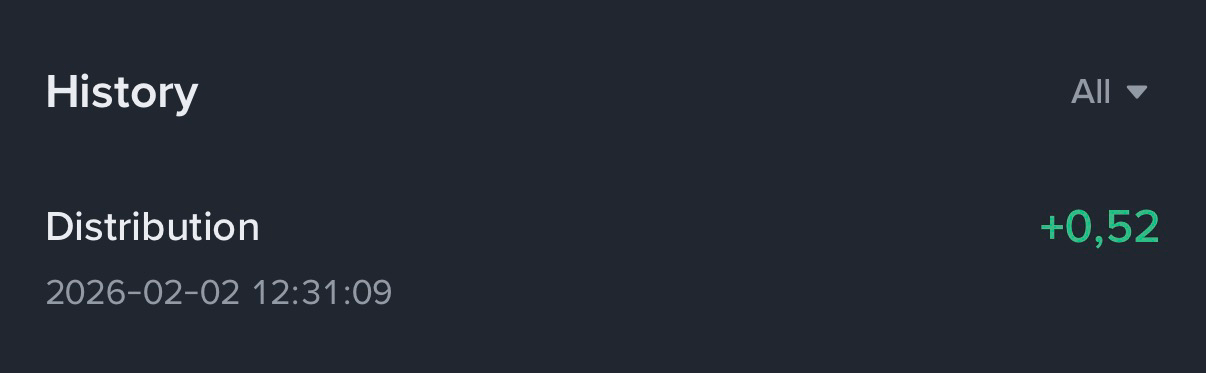
Holding 2k $USD1 for 0.52 $WLFI TOKENS?
Wtf 40M airdrop campaign 😂😂
Wtf 40M airdrop campaign 😂😂
·
--
Рост
Stop Paying $50 Gas Fees Challenge 🚫💸
GM and Happy New Month Crypto fam.
I just tried to swap $30 worth of tokens on mainnet Ethereum.
Gas fee? $47. I literally paid more for the transaction than the actual trade. That's not DeFi, that's highway robbery.
This is exactly why Layer-2 solutions like @Plasma XPL exist. Same Ethereum security, but gas fees that won't make you cry into your ramen.
Here's what changed for me:
- Swaps that cost cents, not an arm and a leg
- Transactions that confirm in seconds
- Actually being able to AFFORD to yield farm
- Testing strategies without risking my rent money on fees
If you're still doing all your DeFi on mainnet, you're literally burning money. Layer-2 isn't optional anymore... it's essential.
$XPL is making Ethereum actually usable for normal people (not just whales with infinite ETH).
Now before you scroll up, I'd like to hear from you. What's the worst gas fee you've ever paid? Drop it in the comments and let's share the pain! 😭
#Plasma #XPL #WhenWillBTCRebound #MarketCorrection
{spot}(XPLUSDT)
Stop Paying $50 Gas Fees Challenge 🚫💸
GM and Happy New Month Crypto fam.
I just tried to swap $30 worth of tokens on mainnet Ethereum.
Gas fee? $47. I literally paid more for the transaction than the actual trade. That's not DeFi, that's highway robbery.
This is exactly why Layer-2 solutions like @Plasma XPL exist. Same Ethereum security, but gas fees that won't make you cry into your ramen.
Here's what changed for me:
- Swaps that cost cents, not an arm and a leg
- Transactions that confirm in seconds
- Actually being able to AFFORD to yield farm
- Testing strategies without risking my rent money on fees
If you're still doing all your DeFi on mainnet, you're literally burning money. Layer-2 isn't optional anymore... it's essential.
$XPL is making Ethereum actually usable for normal people (not just whales with infinite ETH).
Now before you scroll up, I'd like to hear from you. What's the worst gas fee you've ever paid? Drop it in the comments and let's share the pain! 😭
#Plasma #XPL #WhenWillBTCRebound #MarketCorrection
GM and Happy New Month Crypto fam.
I just tried to swap $30 worth of tokens on mainnet Ethereum.
Gas fee? $47. I literally paid more for the transaction than the actual trade. That's not DeFi, that's highway robbery.
This is exactly why Layer-2 solutions like @Plasma XPL exist. Same Ethereum security, but gas fees that won't make you cry into your ramen.
Here's what changed for me:
- Swaps that cost cents, not an arm and a leg
- Transactions that confirm in seconds
- Actually being able to AFFORD to yield farm
- Testing strategies without risking my rent money on fees
If you're still doing all your DeFi on mainnet, you're literally burning money. Layer-2 isn't optional anymore... it's essential.
$XPL is making Ethereum actually usable for normal people (not just whales with infinite ETH).
Now before you scroll up, I'd like to hear from you. What's the worst gas fee you've ever paid? Drop it in the comments and let's share the pain! 😭
#Plasma #XPL #WhenWillBTCRebound #MarketCorrection
1
34
·
--
Рост
Is Privacy in Crypto Paranoid or Practical? 🕵️♂️
Most of crypto is LESS private than traditional banking.
Every transaction you make is permanently recorded on a public ledger. Your wallet balance? Public. Your trading strategy? Public. That embarrassing meme coin you bought at 3am? Also public.
Banks don't even share this much information.
Now imagine you're a business. You DON'T want competitors seeing:
- Your supply chain transactions
- Your treasury management
- Your payment flows
- Your entire financial strategy
This is where @Dusk_Foundation Network comes in. Zero-knowledge proofs let you prove transactions happened without revealing the details. It's like showing you're 21+ without showing your entire ID.
Here's my question for you Dearest Gentle Reader: Do you care about privacy in your crypto transactions?
And I don't mean "because you're doing something illegal." I mean basic financial privacy—the kind you'd expect from a bank account.
Or am I overthinking this and nobody actually cares?
Let me know your honest take i n the comments!
#DuskNetwork #DUSK $DUSK
{spot}(DUSKUSDT)
#CryptoPrivacy #DeFi #ZeroKnowledge
Is Privacy in Crypto Paranoid or Practical? 🕵️♂️
Most of crypto is LESS private than traditional banking.
Every transaction you make is permanently recorded on a public ledger. Your wallet balance? Public. Your trading strategy? Public. That embarrassing meme coin you bought at 3am? Also public.
Banks don't even share this much information.
Now imagine you're a business. You DON'T want competitors seeing:
- Your supply chain transactions
- Your treasury management
- Your payment flows
- Your entire financial strategy
This is where @Dusk Network comes in. Zero-knowledge proofs let you prove transactions happened without revealing the details. It's like showing you're 21+ without showing your entire ID.
Here's my question for you Dearest Gentle Reader: Do you care about privacy in your crypto transactions?
And I don't mean "because you're doing something illegal." I mean basic financial privacy—the kind you'd expect from a bank account.
Or am I overthinking this and nobody actually cares?
Let me know your honest take i n the comments!
#DuskNetwork #DUSK $DUSK
#CryptoPrivacy #DeFi #ZeroKnowledge
Most of crypto is LESS private than traditional banking.
Every transaction you make is permanently recorded on a public ledger. Your wallet balance? Public. Your trading strategy? Public. That embarrassing meme coin you bought at 3am? Also public.
Banks don't even share this much information.
Now imagine you're a business. You DON'T want competitors seeing:
- Your supply chain transactions
- Your treasury management
- Your payment flows
- Your entire financial strategy
This is where @Dusk Network comes in. Zero-knowledge proofs let you prove transactions happened without revealing the details. It's like showing you're 21+ without showing your entire ID.
Here's my question for you Dearest Gentle Reader: Do you care about privacy in your crypto transactions?
And I don't mean "because you're doing something illegal." I mean basic financial privacy—the kind you'd expect from a bank account.
Or am I overthinking this and nobody actually cares?
Let me know your honest take i n the comments!
#DuskNetwork #DUSK $DUSK
#CryptoPrivacy #DeFi #ZeroKnowledge
3
28
·
--
Dusk Network: Privacy-Focused DeFi That Doesn't CompromiseGM Crypto fam!
Let's talk about something that most blockchain projects treat like an awkward family secret: privacy. Sure, everyone says they care about it, but when push comes to shove, most chains are about as private as posting your bank statement on Instagram.
Enter @Dusk_Foundation Network – the blockchain that actually takes privacy seriously while still letting you do all the cool DeFi stuff you love.
The Privacy Paradox in Crypto
Here's the irony: crypto was supposed to give us financial privacy, right? But then you realize that every transaction you make is permanently recorded on a public ledger that anyone can see forever. It's like having a glass house – sure, you own it, but everybody can see what you're doing inside.
For regular transactions, maybe you don't care. But what about:
- Your business transactions (don't want competitors seeing your moves)
- Your salary (nobody's business)
- Your investment strategy (stop copying my trades!)
- Your entire financial history (seriously, creepy)
This is where Dusk comes in clutch.
What Makes Dusk Different?
Dusk uses something called Zero-Knowledge Proofs (stay with me, I promise this won't hurt):
Think of it like this: You want to prove you're old enough to buy alcohol without showing the bouncer your entire ID with your address, height, organ donor status, and that terrible photo from 2019. Zero-knowledge proofs let you prove something (you're 21+) without revealing everything else (literally everything else on your ID).
Applied to blockchain:
- Transactions happen
- They're verified and secure
- But the details stay private
It's like having your cake, eating it too, and nobody knowing what flavor it was.
Privacy Meets DeFi (The Best Crossover Episode)
Now here's where it gets spicy for us DeFi enthusiasts:
• Private Trading: Imagine doing DeFi without everyone front-running your trades or copying your strategy. No more bots sniping your transactions. No more watching your alpha leak to every copy trader on the block.
• Confidential Smart Contracts: Your DeFi positions stay YOUR business. Provide liquidity? Your choice to share or not. Yield farming? Your business, literally.
• Compliance + Privacy: And here's the kicker – Dusk is building this for REGULATED financial instruments. That means real-world assets, securities, bonds – all the traditional finance stuff, but on-chain and private. This is HUGE for institutional adoption.
The $DUSK Token: More Than Just Privacy
The $DUSK token powers the entire ecosystem:
- Network transaction fees (private transactions cost a premium, and rightfully so)
- Staking rewards (secure the network, earn passive income – we love this)
- Governance (vote on protocol changes while staying anonymous – very spy-movie)
Why This Matters for Beginners
If you're new to crypto, you might be thinking: "Why do I need privacy? I'm not doing anything wrong!"
Fair point! But consider:
- Do you share your bank balance with everyone you meet?
- Do you publish your salary online?
- Do you want your neighbor knowing exactly how much crypto you hold?
Privacy isn't about hiding illegal activity – it's about basic financial dignity. It's the difference between living in a glass house and having curtains.
Real-World Use Cases (Not Just Theory)
• Securities and Bonds: Traditional finance is watching. Dusk is building the infrastructure for tokenized securities that are compliant with regulations but still private.
• DeFi Without Surveillance: Lending, borrowing, trading – all the DeFi primitives you love, minus the public spectacle.
• Business Transactions: Companies can actually use blockchain for payments without revealing their entire supply chain to competitors.
The Challenges (Because We Keep It Real)
Let's be honest – privacy coins have historically struggled with:
1. Regulatory pressure (governments get nervous)
2. Liquidity issues (smaller markets)
3. Adoption (privacy features can be complex)
But Dusk is tackling this head-on by:
- Building for compliance from day one
- Focusing on institutional use cases
- Making privacy user-friendly (not requiring a PhD in cryptography)
My Take (For What It's Worth)
Privacy in crypto isn't optional anymore – it's essential. As the space matures and real money flows in, people will realize that having every transaction public is actually insane.
Dusk is positioning itself at the intersection of privacy, DeFi, and traditional finance. That's a powerful combination. Will it work? Time will tell. But the thesis is solid, and the need is definitely there.
For beginners: Start by understanding WHY privacy matters, even if you think you have "nothing to hide." Once that clicks, projects like Dusk make a lot more sense.
For DeFi users: Imagine your current strategies but without showing your cards to everyone at the table. That's the future Dusk is building.
Bottom Line
We're at a weird crossroads in crypto where everything is public by default. Dusk is building the alternate path where privacy is the default and transparency is the choice.
As more institutional money enters crypto (and it's coming, like it or not), privacy infrastructure will be non-negotiable. Dusk is building that infrastructure now.
Not financial advice, but definitely food for thought. What's your take on privacy in crypto? Too paranoid or not paranoid enough? Let me know in the comments!
---
Disclaimer: This is educational content, not financial advice. Always DYOR. Your privacy is your responsibility.
#DuskNetwork #DUSK #PrivacyCoins #defi $DUSK #CryptoEducation💡🚀
{spot}(DUSKUSDT)
Dusk Network: Privacy-Focused DeFi That Doesn't Compromise
GM Crypto fam!
Let's talk about something that most blockchain projects treat like an awkward family secret: privacy. Sure, everyone says they care about it, but when push comes to shove, most chains are about as private as posting your bank statement on Instagram.
Enter @Dusk Network – the blockchain that actually takes privacy seriously while still letting you do all the cool DeFi stuff you love.
The Privacy Paradox in Crypto
Here's the irony: crypto was supposed to give us financial privacy, right? But then you realize that every transaction you make is permanently recorded on a public ledger that anyone can see forever. It's like having a glass house – sure, you own it, but everybody can see what you're doing inside.
For regular transactions, maybe you don't care. But what about:
- Your business transactions (don't want competitors seeing your moves)
- Your salary (nobody's business)
- Your investment strategy (stop copying my trades!)
- Your entire financial history (seriously, creepy)
This is where Dusk comes in clutch.
What Makes Dusk Different?
Dusk uses something called Zero-Knowledge Proofs (stay with me, I promise this won't hurt):
Think of it like this: You want to prove you're old enough to buy alcohol without showing the bouncer your entire ID with your address, height, organ donor status, and that terrible photo from 2019. Zero-knowledge proofs let you prove something (you're 21+) without revealing everything else (literally everything else on your ID).
Applied to blockchain:
- Transactions happen
- They're verified and secure
- But the details stay private
It's like having your cake, eating it too, and nobody knowing what flavor it was.
Privacy Meets DeFi (The Best Crossover Episode)
Now here's where it gets spicy for us DeFi enthusiasts:
• Private Trading: Imagine doing DeFi without everyone front-running your trades or copying your strategy. No more bots sniping your transactions. No more watching your alpha leak to every copy trader on the block.
• Confidential Smart Contracts: Your DeFi positions stay YOUR business. Provide liquidity? Your choice to share or not. Yield farming? Your business, literally.
• Compliance + Privacy: And here's the kicker – Dusk is building this for REGULATED financial instruments. That means real-world assets, securities, bonds – all the traditional finance stuff, but on-chain and private. This is HUGE for institutional adoption.
The $DUSK Token: More Than Just Privacy
The $DUSK token powers the entire ecosystem:
- Network transaction fees (private transactions cost a premium, and rightfully so)
- Staking rewards (secure the network, earn passive income – we love this)
- Governance (vote on protocol changes while staying anonymous – very spy-movie)
Why This Matters for Beginners
If you're new to crypto, you might be thinking: "Why do I need privacy? I'm not doing anything wrong!"
Fair point! But consider:
- Do you share your bank balance with everyone you meet?
- Do you publish your salary online?
- Do you want your neighbor knowing exactly how much crypto you hold?
Privacy isn't about hiding illegal activity – it's about basic financial dignity. It's the difference between living in a glass house and having curtains.
Real-World Use Cases (Not Just Theory)
• Securities and Bonds: Traditional finance is watching. Dusk is building the infrastructure for tokenized securities that are compliant with regulations but still private.
• DeFi Without Surveillance: Lending, borrowing, trading – all the DeFi primitives you love, minus the public spectacle.
• Business Transactions: Companies can actually use blockchain for payments without revealing their entire supply chain to competitors.
The Challenges (Because We Keep It Real)
Let's be honest – privacy coins have historically struggled with:
1. Regulatory pressure (governments get nervous)
2. Liquidity issues (smaller markets)
3. Adoption (privacy features can be complex)
But Dusk is tackling this head-on by:
- Building for compliance from day one
- Focusing on institutional use cases
- Making privacy user-friendly (not requiring a PhD in cryptography)
My Take (For What It's Worth)
Privacy in crypto isn't optional anymore – it's essential. As the space matures and real money flows in, people will realize that having every transaction public is actually insane.
Dusk is positioning itself at the intersection of privacy, DeFi, and traditional finance. That's a powerful combination. Will it work? Time will tell. But the thesis is solid, and the need is definitely there.
For beginners: Start by understanding WHY privacy matters, even if you think you have "nothing to hide." Once that clicks, projects like Dusk make a lot more sense.
For DeFi users: Imagine your current strategies but without showing your cards to everyone at the table. That's the future Dusk is building.
Bottom Line
We're at a weird crossroads in crypto where everything is public by default. Dusk is building the alternate path where privacy is the default and transparency is the choice.
As more institutional money enters crypto (and it's coming, like it or not), privacy infrastructure will be non-negotiable. Dusk is building that infrastructure now.
Not financial advice, but definitely food for thought. What's your take on privacy in crypto? Too paranoid or not paranoid enough? Let me know in the comments!
---
Disclaimer: This is educational content, not financial advice. Always DYOR. Your privacy is your responsibility.
#DuskNetwork #DUSK #PrivacyCoins #defi $DUSK #CryptoEducation💡🚀
Let's talk about something that most blockchain projects treat like an awkward family secret: privacy. Sure, everyone says they care about it, but when push comes to shove, most chains are about as private as posting your bank statement on Instagram.
Enter @Dusk Network – the blockchain that actually takes privacy seriously while still letting you do all the cool DeFi stuff you love.
The Privacy Paradox in Crypto
Here's the irony: crypto was supposed to give us financial privacy, right? But then you realize that every transaction you make is permanently recorded on a public ledger that anyone can see forever. It's like having a glass house – sure, you own it, but everybody can see what you're doing inside.
For regular transactions, maybe you don't care. But what about:
- Your business transactions (don't want competitors seeing your moves)
- Your salary (nobody's business)
- Your investment strategy (stop copying my trades!)
- Your entire financial history (seriously, creepy)
This is where Dusk comes in clutch.
What Makes Dusk Different?
Dusk uses something called Zero-Knowledge Proofs (stay with me, I promise this won't hurt):
Think of it like this: You want to prove you're old enough to buy alcohol without showing the bouncer your entire ID with your address, height, organ donor status, and that terrible photo from 2019. Zero-knowledge proofs let you prove something (you're 21+) without revealing everything else (literally everything else on your ID).
Applied to blockchain:
- Transactions happen
- They're verified and secure
- But the details stay private
It's like having your cake, eating it too, and nobody knowing what flavor it was.
Privacy Meets DeFi (The Best Crossover Episode)
Now here's where it gets spicy for us DeFi enthusiasts:
• Private Trading: Imagine doing DeFi without everyone front-running your trades or copying your strategy. No more bots sniping your transactions. No more watching your alpha leak to every copy trader on the block.
• Confidential Smart Contracts: Your DeFi positions stay YOUR business. Provide liquidity? Your choice to share or not. Yield farming? Your business, literally.
• Compliance + Privacy: And here's the kicker – Dusk is building this for REGULATED financial instruments. That means real-world assets, securities, bonds – all the traditional finance stuff, but on-chain and private. This is HUGE for institutional adoption.
The $DUSK Token: More Than Just Privacy
The $DUSK token powers the entire ecosystem:
- Network transaction fees (private transactions cost a premium, and rightfully so)
- Staking rewards (secure the network, earn passive income – we love this)
- Governance (vote on protocol changes while staying anonymous – very spy-movie)
Why This Matters for Beginners
If you're new to crypto, you might be thinking: "Why do I need privacy? I'm not doing anything wrong!"
Fair point! But consider:
- Do you share your bank balance with everyone you meet?
- Do you publish your salary online?
- Do you want your neighbor knowing exactly how much crypto you hold?
Privacy isn't about hiding illegal activity – it's about basic financial dignity. It's the difference between living in a glass house and having curtains.
Real-World Use Cases (Not Just Theory)
• Securities and Bonds: Traditional finance is watching. Dusk is building the infrastructure for tokenized securities that are compliant with regulations but still private.
• DeFi Without Surveillance: Lending, borrowing, trading – all the DeFi primitives you love, minus the public spectacle.
• Business Transactions: Companies can actually use blockchain for payments without revealing their entire supply chain to competitors.
The Challenges (Because We Keep It Real)
Let's be honest – privacy coins have historically struggled with:
1. Regulatory pressure (governments get nervous)
2. Liquidity issues (smaller markets)
3. Adoption (privacy features can be complex)
But Dusk is tackling this head-on by:
- Building for compliance from day one
- Focusing on institutional use cases
- Making privacy user-friendly (not requiring a PhD in cryptography)
My Take (For What It's Worth)
Privacy in crypto isn't optional anymore – it's essential. As the space matures and real money flows in, people will realize that having every transaction public is actually insane.
Dusk is positioning itself at the intersection of privacy, DeFi, and traditional finance. That's a powerful combination. Will it work? Time will tell. But the thesis is solid, and the need is definitely there.
For beginners: Start by understanding WHY privacy matters, even if you think you have "nothing to hide." Once that clicks, projects like Dusk make a lot more sense.
For DeFi users: Imagine your current strategies but without showing your cards to everyone at the table. That's the future Dusk is building.
Bottom Line
We're at a weird crossroads in crypto where everything is public by default. Dusk is building the alternate path where privacy is the default and transparency is the choice.
As more institutional money enters crypto (and it's coming, like it or not), privacy infrastructure will be non-negotiable. Dusk is building that infrastructure now.
Not financial advice, but definitely food for thought. What's your take on privacy in crypto? Too paranoid or not paranoid enough? Let me know in the comments!
---
Disclaimer: This is educational content, not financial advice. Always DYOR. Your privacy is your responsibility.
#DuskNetwork #DUSK #PrivacyCoins #defi $DUSK #CryptoEducation💡🚀
2
22
·
--
Walrus: Decentralized Storage That Actually Makes Sense (For Once!)What's up crypto fam!
Let's talk about something everybody needs but nobody wants to think about: data storage. I know, I know – not as sexy as 100x moonshots or DeFi yields. But stick with me, because decentralized storage is about to become WAY more important than you think.
The Cloud Storage Reality Check
Right now, your photos, documents, and that embarrassing video from 2015 are probably living on: Amazon Web Services (AWS), Google Cloud, Microsoft Azure or some other centralized giant
These companies are basically the landlords of the internet. They control: What you can store, How much it costs, Whether your data stays accessible - Oh and they can read everything!
It's like renting an apartment where the landlord has keys to every room and can raise rent whenever they feel like it. Not ideal, right?
Enter Walrus: The Decentralized Storage Hero
@WalrusProtocol is building decentralized storage infrastructure that doesn't require you to trust a single company with your data. Think of it as Airbnb for data storage – instead of one landlord, you have a network of hosts, and no single one can kick you out or snoop through your stuff.
Here's the magic:
- Your data gets split into pieces (sharding)
- Each piece is stored across multiple nodes
- It's encrypted, so nobody can read your stuff
- The network ensures redundancy (your data won't disappear)
It's like taking a jigsaw puzzle, splitting it up, and hiding the pieces with different friends. Even if one friend loses their piece, you can still complete the puzzle. And nobody can see the full picture unless they have access to all pieces.
Why Should DeFi Enthusiasts Care?
Great question! Here's where it gets interesting:
• NFT Storage: Remember when NFTs were all the rage? Well, many NFT images were stored on centralized servers. Some disappeared when companies shut down. Walrus provides permanent, decentralized storage for NFT metadata. Your jpeg of a monkey is safe forever.
• DeFi Data: DeFi protocols need to store data – transaction histories, oracle data, protocol parameters. Storing this on-chain is expensive. Walrus offers a cheaper, decentralized alternative.
• Web3 Applications: Want to build a truly decentralized app? You need decentralized storage. Otherwise, you're just building a regular app with a blockchain bolt-on. Walrus completes the decentralization stack.
• DAO Documents: Where should DAOs store their proposals, voting records, and governance documents? Centralized cloud? Nah. Walrus provides censorship-resistant storage for DAO operations.
The Tech Behind the Tusks (Because Walruses Have Tusks, Get It?)
• Erasure Coding: Fancy term for "we split your data cleverly so you only need a fraction of pieces to reconstruct it." It's more efficient than just copying everything multiple times.
• Redundancy Without Waste: Traditional cloud storage = multiple full copies. Walrus = smart splitting. You get security without paying for 10x the storage.
• Incentivized Network: Storage providers earn tokens for hosting data. Users pay tokens for storage. It's a marketplace, baby! Free market forces keep prices competitive.
Breaking Down the Token Economics
The $WAL token (or whatever Walrus's token is) powers the ecosystem:
- Pay for storage: Users spend tokens to store data
- Earn from hosting: Providers earn tokens for providing storage
- Governance: Vote on protocol upgrades and parameters
As more Web3 apps need storage → more demand for Walrus → more value in the ecosystem. It's basic supply and demand, but make it blockchain.
For the Beginners: Why This Matters
If you're new to crypto, you might think: "I have Google Drive, why do I need this?"
Fair question! Here's why:
• Censorship Resistance: Google can't delete your data on Walrus. Governments can't pressure one company to remove content. It's truly permissionless.
• Cost: Competition among storage providers should drive prices down over time. AWS doesn't have much competition. Walrus has thousands of competing nodes.
• Privacy: Your data is encrypted and sharded. It's not sitting in a datacenter where some intern might access it.
• Future-Proofing: As Web3 grows, centralized storage becomes the bottleneck. Walrus removes that bottleneck.
Real Talk: The Challenges
Let's keep it real – decentralized storage faces a few hurdles:
• Speed: Centralized clouds are FAST. Decentralized networks are getting there but aren't as snappy yet.
• User Experience: Most people don't want to think about storage. They want it to "just work." Walrus needs to make this seamless.
• Cost Competitiveness: AWS has economies of scale. Decentralized networks need to prove they can compete on price.
But technology improves, and these challenges are being tackled. Early internet was slow too – now look at us streaming 4K videos while doing backflips. (Okay, maybe just the streaming part.)
My Hot Take
Decentralized storage is one of those "boring but crucial" infrastructure pieces. It's not flashy. It won't 100x overnight. But it's absolutely necessary for Web3 to actually work.
Walrus is positioning itself as serious infrastructure for the decentralized future. If Web3 takes off (and I think it will), projects like Walrus become essential plumbing.
For beginners: Think of this as investing in the internet infrastructure of the 1990s. Not exciting at parties, but potentially very valuable long-term.
For DeFi users: Keep an eye on how protocols start integrating decentralized storage. It might not affect your yield farming today, but it matters for the ecosystem's long-term health.
The Bottom Line
We can't build a truly decentralized future on centralized storage. That's like building a house on sand – it looks good until the tide comes in.
Walrus (and projects like it) are building the foundation for Web3 infrastructure. Not glamorous, but absolutely necessary.
Is it going to moon tomorrow? Probably not. Is it solving a real problem? Absolutely. And sometimes, that's better than empty promises and hype.
Dearest gentle reader, I would love to hear your thoughts on decentralized storage. Necessary infrastructure or overhyped? Let me know in the comments!
---
This is educational content, not financial advice. Do your own research. Store your data responsibly.
#walrus #DecentralizedStorage #Web3 #defi #CryptoEducation💡🚀 $WAL
{spot}(WALUSDT)
Walrus: Decentralized Storage That Actually Makes Sense (For Once!)
What's up crypto fam!
Let's talk about something everybody needs but nobody wants to think about: data storage. I know, I know – not as sexy as 100x moonshots or DeFi yields. But stick with me, because decentralized storage is about to become WAY more important than you think.
The Cloud Storage Reality Check
Right now, your photos, documents, and that embarrassing video from 2015 are probably living on: Amazon Web Services (AWS), Google Cloud, Microsoft Azure or some other centralized giant
These companies are basically the landlords of the internet. They control: What you can store, How much it costs, Whether your data stays accessible - Oh and they can read everything!
It's like renting an apartment where the landlord has keys to every room and can raise rent whenever they feel like it. Not ideal, right?
Enter Walrus: The Decentralized Storage Hero
@Walrus 🦭/acc is building decentralized storage infrastructure that doesn't require you to trust a single company with your data. Think of it as Airbnb for data storage – instead of one landlord, you have a network of hosts, and no single one can kick you out or snoop through your stuff.
Here's the magic:
- Your data gets split into pieces (sharding)
- Each piece is stored across multiple nodes
- It's encrypted, so nobody can read your stuff
- The network ensures redundancy (your data won't disappear)
It's like taking a jigsaw puzzle, splitting it up, and hiding the pieces with different friends. Even if one friend loses their piece, you can still complete the puzzle. And nobody can see the full picture unless they have access to all pieces.
Why Should DeFi Enthusiasts Care?
Great question! Here's where it gets interesting:
• NFT Storage: Remember when NFTs were all the rage? Well, many NFT images were stored on centralized servers. Some disappeared when companies shut down. Walrus provides permanent, decentralized storage for NFT metadata. Your jpeg of a monkey is safe forever.
• DeFi Data: DeFi protocols need to store data – transaction histories, oracle data, protocol parameters. Storing this on-chain is expensive. Walrus offers a cheaper, decentralized alternative.
• Web3 Applications: Want to build a truly decentralized app? You need decentralized storage. Otherwise, you're just building a regular app with a blockchain bolt-on. Walrus completes the decentralization stack.
• DAO Documents: Where should DAOs store their proposals, voting records, and governance documents? Centralized cloud? Nah. Walrus provides censorship-resistant storage for DAO operations.
The Tech Behind the Tusks (Because Walruses Have Tusks, Get It?)
• Erasure Coding: Fancy term for "we split your data cleverly so you only need a fraction of pieces to reconstruct it." It's more efficient than just copying everything multiple times.
• Redundancy Without Waste: Traditional cloud storage = multiple full copies. Walrus = smart splitting. You get security without paying for 10x the storage.
• Incentivized Network: Storage providers earn tokens for hosting data. Users pay tokens for storage. It's a marketplace, baby! Free market forces keep prices competitive.
Breaking Down the Token Economics
The $WAL token (or whatever Walrus's token is) powers the ecosystem:
- Pay for storage: Users spend tokens to store data
- Earn from hosting: Providers earn tokens for providing storage
- Governance: Vote on protocol upgrades and parameters
As more Web3 apps need storage → more demand for Walrus → more value in the ecosystem. It's basic supply and demand, but make it blockchain.
For the Beginners: Why This Matters
If you're new to crypto, you might think: "I have Google Drive, why do I need this?"
Fair question! Here's why:
• Censorship Resistance: Google can't delete your data on Walrus. Governments can't pressure one company to remove content. It's truly permissionless.
• Cost: Competition among storage providers should drive prices down over time. AWS doesn't have much competition. Walrus has thousands of competing nodes.
• Privacy: Your data is encrypted and sharded. It's not sitting in a datacenter where some intern might access it.
• Future-Proofing: As Web3 grows, centralized storage becomes the bottleneck. Walrus removes that bottleneck.
Real Talk: The Challenges
Let's keep it real – decentralized storage faces a few hurdles:
• Speed: Centralized clouds are FAST. Decentralized networks are getting there but aren't as snappy yet.
• User Experience: Most people don't want to think about storage. They want it to "just work." Walrus needs to make this seamless.
• Cost Competitiveness: AWS has economies of scale. Decentralized networks need to prove they can compete on price.
But technology improves, and these challenges are being tackled. Early internet was slow too – now look at us streaming 4K videos while doing backflips. (Okay, maybe just the streaming part.)
My Hot Take
Decentralized storage is one of those "boring but crucial" infrastructure pieces. It's not flashy. It won't 100x overnight. But it's absolutely necessary for Web3 to actually work.
Walrus is positioning itself as serious infrastructure for the decentralized future. If Web3 takes off (and I think it will), projects like Walrus become essential plumbing.
For beginners: Think of this as investing in the internet infrastructure of the 1990s. Not exciting at parties, but potentially very valuable long-term.
For DeFi users: Keep an eye on how protocols start integrating decentralized storage. It might not affect your yield farming today, but it matters for the ecosystem's long-term health.
The Bottom Line
We can't build a truly decentralized future on centralized storage. That's like building a house on sand – it looks good until the tide comes in.
Walrus (and projects like it) are building the foundation for Web3 infrastructure. Not glamorous, but absolutely necessary.
Is it going to moon tomorrow? Probably not. Is it solving a real problem? Absolutely. And sometimes, that's better than empty promises and hype.
Dearest gentle reader, I would love to hear your thoughts on decentralized storage. Necessary infrastructure or overhyped? Let me know in the comments!
---
This is educational content, not financial advice. Do your own research. Store your data responsibly.
#walrus #DecentralizedStorage #Web3 #defi #CryptoEducation💡🚀 $WAL
Let's talk about something everybody needs but nobody wants to think about: data storage. I know, I know – not as sexy as 100x moonshots or DeFi yields. But stick with me, because decentralized storage is about to become WAY more important than you think.
The Cloud Storage Reality Check
Right now, your photos, documents, and that embarrassing video from 2015 are probably living on: Amazon Web Services (AWS), Google Cloud, Microsoft Azure or some other centralized giant
These companies are basically the landlords of the internet. They control: What you can store, How much it costs, Whether your data stays accessible - Oh and they can read everything!
It's like renting an apartment where the landlord has keys to every room and can raise rent whenever they feel like it. Not ideal, right?
Enter Walrus: The Decentralized Storage Hero
@Walrus 🦭/acc is building decentralized storage infrastructure that doesn't require you to trust a single company with your data. Think of it as Airbnb for data storage – instead of one landlord, you have a network of hosts, and no single one can kick you out or snoop through your stuff.
Here's the magic:
- Your data gets split into pieces (sharding)
- Each piece is stored across multiple nodes
- It's encrypted, so nobody can read your stuff
- The network ensures redundancy (your data won't disappear)
It's like taking a jigsaw puzzle, splitting it up, and hiding the pieces with different friends. Even if one friend loses their piece, you can still complete the puzzle. And nobody can see the full picture unless they have access to all pieces.
Why Should DeFi Enthusiasts Care?
Great question! Here's where it gets interesting:
• NFT Storage: Remember when NFTs were all the rage? Well, many NFT images were stored on centralized servers. Some disappeared when companies shut down. Walrus provides permanent, decentralized storage for NFT metadata. Your jpeg of a monkey is safe forever.
• DeFi Data: DeFi protocols need to store data – transaction histories, oracle data, protocol parameters. Storing this on-chain is expensive. Walrus offers a cheaper, decentralized alternative.
• Web3 Applications: Want to build a truly decentralized app? You need decentralized storage. Otherwise, you're just building a regular app with a blockchain bolt-on. Walrus completes the decentralization stack.
• DAO Documents: Where should DAOs store their proposals, voting records, and governance documents? Centralized cloud? Nah. Walrus provides censorship-resistant storage for DAO operations.
The Tech Behind the Tusks (Because Walruses Have Tusks, Get It?)
• Erasure Coding: Fancy term for "we split your data cleverly so you only need a fraction of pieces to reconstruct it." It's more efficient than just copying everything multiple times.
• Redundancy Without Waste: Traditional cloud storage = multiple full copies. Walrus = smart splitting. You get security without paying for 10x the storage.
• Incentivized Network: Storage providers earn tokens for hosting data. Users pay tokens for storage. It's a marketplace, baby! Free market forces keep prices competitive.
Breaking Down the Token Economics
The $WAL token (or whatever Walrus's token is) powers the ecosystem:
- Pay for storage: Users spend tokens to store data
- Earn from hosting: Providers earn tokens for providing storage
- Governance: Vote on protocol upgrades and parameters
As more Web3 apps need storage → more demand for Walrus → more value in the ecosystem. It's basic supply and demand, but make it blockchain.
For the Beginners: Why This Matters
If you're new to crypto, you might think: "I have Google Drive, why do I need this?"
Fair question! Here's why:
• Censorship Resistance: Google can't delete your data on Walrus. Governments can't pressure one company to remove content. It's truly permissionless.
• Cost: Competition among storage providers should drive prices down over time. AWS doesn't have much competition. Walrus has thousands of competing nodes.
• Privacy: Your data is encrypted and sharded. It's not sitting in a datacenter where some intern might access it.
• Future-Proofing: As Web3 grows, centralized storage becomes the bottleneck. Walrus removes that bottleneck.
Real Talk: The Challenges
Let's keep it real – decentralized storage faces a few hurdles:
• Speed: Centralized clouds are FAST. Decentralized networks are getting there but aren't as snappy yet.
• User Experience: Most people don't want to think about storage. They want it to "just work." Walrus needs to make this seamless.
• Cost Competitiveness: AWS has economies of scale. Decentralized networks need to prove they can compete on price.
But technology improves, and these challenges are being tackled. Early internet was slow too – now look at us streaming 4K videos while doing backflips. (Okay, maybe just the streaming part.)
My Hot Take
Decentralized storage is one of those "boring but crucial" infrastructure pieces. It's not flashy. It won't 100x overnight. But it's absolutely necessary for Web3 to actually work.
Walrus is positioning itself as serious infrastructure for the decentralized future. If Web3 takes off (and I think it will), projects like Walrus become essential plumbing.
For beginners: Think of this as investing in the internet infrastructure of the 1990s. Not exciting at parties, but potentially very valuable long-term.
For DeFi users: Keep an eye on how protocols start integrating decentralized storage. It might not affect your yield farming today, but it matters for the ecosystem's long-term health.
The Bottom Line
We can't build a truly decentralized future on centralized storage. That's like building a house on sand – it looks good until the tide comes in.
Walrus (and projects like it) are building the foundation for Web3 infrastructure. Not glamorous, but absolutely necessary.
Is it going to moon tomorrow? Probably not. Is it solving a real problem? Absolutely. And sometimes, that's better than empty promises and hype.
Dearest gentle reader, I would love to hear your thoughts on decentralized storage. Necessary infrastructure or overhyped? Let me know in the comments!
---
This is educational content, not financial advice. Do your own research. Store your data responsibly.
#walrus #DecentralizedStorage #Web3 #defi #CryptoEducation💡🚀 $WAL
10
10
·
--
Vanar Chain: When AI Meets Blockchain (And They Actually Get Along!)Alright crypto fam, let's talk about something that sounds like sci-fi but is happening right now: AI-powered blockchain infrastructure. And no, this isn't another "AI" project slapping the buzzword on everything – @Vanar is actually building the real deal.
The Problem Nobody's Talking About
Here's the thing: most blockchains today are trying to add AI features like you'd add sprinkles to a cupcake – as an afterthought. It's like trying to turn your old Nokia phone into a smartphone by gluing an iPhone screen to it. Technically something is happening, but... is it really working?
Vanar Chain asked a better question: What if we built the blockchain FOR AI from day one?
What Makes Vanar "AI-First"?
Imagine you're building a house. Most blockchains built the house first, then tried to fit AI in the guest bedroom. Vanar built the entire house with AI in mind – the foundation, the walls, the plumbing, everything.
Here's what that actually means:
• Native Intelligence: AI isn't a feature bolted on top – it's baked into the infrastructure. Think of it like the difference between using Google Translate in your browser vs. your phone having multilingual support built into the OS.
• Memory That Actually Works: AI agents on Vanar have native memory (thanks to myNeutron). This means they can remember what they did yesterday, last week, last month. It's like the difference between talking to someone with amnesia vs. your best friend who remembers that embarrassing thing you did in 2018.
• Cross-Chain Availability: Vanar plays well with others, especially Base. It's like being able to speak multiple languages – suddenly, you can go way more places and talk to way more people.
Breaking Down the Tech (In Human Speak)
1. myNeutron – The Brain: This gives AI agents memory. Without it, every AI interaction is like the movie "Groundhog Day" – starting fresh every single time. With it? Your AI actually learns and improves. Mind = blown.
2. Kayon – The Explainer: Ever wonder why an AI made a decision? Kayon provides on-chain reasoning. It's like having an AI that can show its work, like your math teacher always wanted you to do. Transparency for the win!
3. Flows – The Executor: Safe, automated execution. This means AI can actually do stuff on the blockchain without going rogue. Think of it as giving your AI a driver's license instead of just letting it steal your car keys.
The DeFi Connection (Why You Should Care)
Here's where it gets exciting for us DeFi enthusiasts:
• AI-Powered Trading: Imagine having an AI assistant that actually understands DeFi protocols, can execute strategies, and doesn't need you to manually approve every single transaction. That's the future Vanar is building.
• Automated Yield Optimization: AI that can move your assets between protocols to maximize yields without you lifting a finger? Yes please!
• Smart Payments: The infrastructure treats payments as a core primitive, not an afterthought. This is HUGE for real-world adoption.
Why $VANRY Token Matters
The $VANRY token isn't just another speculative asset (though we all love a good moon mission). It's the fuel that powers this AI-first ecosystem:
- Powers transactions across the network
- Enables AI agents to interact and settle
- Gives you access to cutting-edge AI infrastructure
As more AI agents use the network, demand for $VANRY increases. It's basic tokenomics, but with actual utility – imagine that!
The "So What?" Factor
Look, we've all seen a million blockchain projects promise to change the world. Most of them are still trying to figure out their own product-market fit.
Vanar is different because:
1. It's already working – real products, real usage
2. It solves actual problems – AI needs different infrastructure than humans
3. It's positioned for the future – as AI adoption grows, so does the need for AI-native infrastructure
For the Beginners Out There
If you're new to crypto and this all sounds like gibberish, here's the TLDR:
- AI is getting smarter
- AI needs blockchain infrastructure that's built specifically for it
- Vanar built that infrastructure
- As AI grows, platforms like Vanar become more valuable
Think of it like investing in the internet infrastructure companies in the 1990s. Except this time, we actually know the internet (AI) is coming.
Final Thoughts
Vanar Chain isn't trying to be everything to everyone. It's laser-focused on building the best AI-first blockchain infrastructure. And in a world where everyone's retrofitting AI onto old systems, being purpose-built from the ground up is a massive advantage.
Is it risky? Sure, it's crypto – everything is risky. But it's also one of the most exciting projects tackling a real, growing problem. And that's way better than another dog-themed memecoin (no offense to the dog coins, we love you too).
Let me know in the comments if you Are bullish on AI + blockchain?
---
Not financial advice. DYOR. I'm just here for the tech and the memes.
#VanarChain #VANRY #AIBlockchain #DeFi #CryptoEducation
{future}(VANRYUSDT)
Vanar Chain: When AI Meets Blockchain (And They Actually Get Along!)
Alright crypto fam, let's talk about something that sounds like sci-fi but is happening right now: AI-powered blockchain infrastructure. And no, this isn't another "AI" project slapping the buzzword on everything – @Vanar is actually building the real deal.
The Problem Nobody's Talking About
Here's the thing: most blockchains today are trying to add AI features like you'd add sprinkles to a cupcake – as an afterthought. It's like trying to turn your old Nokia phone into a smartphone by gluing an iPhone screen to it. Technically something is happening, but... is it really working?
Vanar Chain asked a better question: What if we built the blockchain FOR AI from day one?
What Makes Vanar "AI-First"?
Imagine you're building a house. Most blockchains built the house first, then tried to fit AI in the guest bedroom. Vanar built the entire house with AI in mind – the foundation, the walls, the plumbing, everything.
Here's what that actually means:
• Native Intelligence: AI isn't a feature bolted on top – it's baked into the infrastructure. Think of it like the difference between using Google Translate in your browser vs. your phone having multilingual support built into the OS.
• Memory That Actually Works: AI agents on Vanar have native memory (thanks to myNeutron). This means they can remember what they did yesterday, last week, last month. It's like the difference between talking to someone with amnesia vs. your best friend who remembers that embarrassing thing you did in 2018.
• Cross-Chain Availability: Vanar plays well with others, especially Base. It's like being able to speak multiple languages – suddenly, you can go way more places and talk to way more people.
Breaking Down the Tech (In Human Speak)
1. myNeutron – The Brain: This gives AI agents memory. Without it, every AI interaction is like the movie "Groundhog Day" – starting fresh every single time. With it? Your AI actually learns and improves. Mind = blown.
2. Kayon – The Explainer: Ever wonder why an AI made a decision? Kayon provides on-chain reasoning. It's like having an AI that can show its work, like your math teacher always wanted you to do. Transparency for the win!
3. Flows – The Executor: Safe, automated execution. This means AI can actually do stuff on the blockchain without going rogue. Think of it as giving your AI a driver's license instead of just letting it steal your car keys.
The DeFi Connection (Why You Should Care)
Here's where it gets exciting for us DeFi enthusiasts:
• AI-Powered Trading: Imagine having an AI assistant that actually understands DeFi protocols, can execute strategies, and doesn't need you to manually approve every single transaction. That's the future Vanar is building.
• Automated Yield Optimization: AI that can move your assets between protocols to maximize yields without you lifting a finger? Yes please!
• Smart Payments: The infrastructure treats payments as a core primitive, not an afterthought. This is HUGE for real-world adoption.
Why $VANRY Token Matters
The $VANRY token isn't just another speculative asset (though we all love a good moon mission). It's the fuel that powers this AI-first ecosystem:
- Powers transactions across the network
- Enables AI agents to interact and settle
- Gives you access to cutting-edge AI infrastructure
As more AI agents use the network, demand for $VANRY increases. It's basic tokenomics, but with actual utility – imagine that!
The "So What?" Factor
Look, we've all seen a million blockchain projects promise to change the world. Most of them are still trying to figure out their own product-market fit.
Vanar is different because:
1. It's already working – real products, real usage
2. It solves actual problems – AI needs different infrastructure than humans
3. It's positioned for the future – as AI adoption grows, so does the need for AI-native infrastructure
For the Beginners Out There
If you're new to crypto and this all sounds like gibberish, here's the TLDR:
- AI is getting smarter
- AI needs blockchain infrastructure that's built specifically for it
- Vanar built that infrastructure
- As AI grows, platforms like Vanar become more valuable
Think of it like investing in the internet infrastructure companies in the 1990s. Except this time, we actually know the internet (AI) is coming.
Final Thoughts
Vanar Chain isn't trying to be everything to everyone. It's laser-focused on building the best AI-first blockchain infrastructure. And in a world where everyone's retrofitting AI onto old systems, being purpose-built from the ground up is a massive advantage.
Is it risky? Sure, it's crypto – everything is risky. But it's also one of the most exciting projects tackling a real, growing problem. And that's way better than another dog-themed memecoin (no offense to the dog coins, we love you too).
Let me know in the comments if you Are bullish on AI + blockchain?
---
Not financial advice. DYOR. I'm just here for the tech and the memes.
#VanarChain #VANRY #AIBlockchain #DeFi #CryptoEducation
The Problem Nobody's Talking About
Here's the thing: most blockchains today are trying to add AI features like you'd add sprinkles to a cupcake – as an afterthought. It's like trying to turn your old Nokia phone into a smartphone by gluing an iPhone screen to it. Technically something is happening, but... is it really working?
Vanar Chain asked a better question: What if we built the blockchain FOR AI from day one?
What Makes Vanar "AI-First"?
Imagine you're building a house. Most blockchains built the house first, then tried to fit AI in the guest bedroom. Vanar built the entire house with AI in mind – the foundation, the walls, the plumbing, everything.
Here's what that actually means:
• Native Intelligence: AI isn't a feature bolted on top – it's baked into the infrastructure. Think of it like the difference between using Google Translate in your browser vs. your phone having multilingual support built into the OS.
• Memory That Actually Works: AI agents on Vanar have native memory (thanks to myNeutron). This means they can remember what they did yesterday, last week, last month. It's like the difference between talking to someone with amnesia vs. your best friend who remembers that embarrassing thing you did in 2018.
• Cross-Chain Availability: Vanar plays well with others, especially Base. It's like being able to speak multiple languages – suddenly, you can go way more places and talk to way more people.
Breaking Down the Tech (In Human Speak)
1. myNeutron – The Brain: This gives AI agents memory. Without it, every AI interaction is like the movie "Groundhog Day" – starting fresh every single time. With it? Your AI actually learns and improves. Mind = blown.
2. Kayon – The Explainer: Ever wonder why an AI made a decision? Kayon provides on-chain reasoning. It's like having an AI that can show its work, like your math teacher always wanted you to do. Transparency for the win!
3. Flows – The Executor: Safe, automated execution. This means AI can actually do stuff on the blockchain without going rogue. Think of it as giving your AI a driver's license instead of just letting it steal your car keys.
The DeFi Connection (Why You Should Care)
Here's where it gets exciting for us DeFi enthusiasts:
• AI-Powered Trading: Imagine having an AI assistant that actually understands DeFi protocols, can execute strategies, and doesn't need you to manually approve every single transaction. That's the future Vanar is building.
• Automated Yield Optimization: AI that can move your assets between protocols to maximize yields without you lifting a finger? Yes please!
• Smart Payments: The infrastructure treats payments as a core primitive, not an afterthought. This is HUGE for real-world adoption.
Why $VANRY Token Matters
The $VANRY token isn't just another speculative asset (though we all love a good moon mission). It's the fuel that powers this AI-first ecosystem:
- Powers transactions across the network
- Enables AI agents to interact and settle
- Gives you access to cutting-edge AI infrastructure
As more AI agents use the network, demand for $VANRY increases. It's basic tokenomics, but with actual utility – imagine that!
The "So What?" Factor
Look, we've all seen a million blockchain projects promise to change the world. Most of them are still trying to figure out their own product-market fit.
Vanar is different because:
1. It's already working – real products, real usage
2. It solves actual problems – AI needs different infrastructure than humans
3. It's positioned for the future – as AI adoption grows, so does the need for AI-native infrastructure
For the Beginners Out There
If you're new to crypto and this all sounds like gibberish, here's the TLDR:
- AI is getting smarter
- AI needs blockchain infrastructure that's built specifically for it
- Vanar built that infrastructure
- As AI grows, platforms like Vanar become more valuable
Think of it like investing in the internet infrastructure companies in the 1990s. Except this time, we actually know the internet (AI) is coming.
Final Thoughts
Vanar Chain isn't trying to be everything to everyone. It's laser-focused on building the best AI-first blockchain infrastructure. And in a world where everyone's retrofitting AI onto old systems, being purpose-built from the ground up is a massive advantage.
Is it risky? Sure, it's crypto – everything is risky. But it's also one of the most exciting projects tackling a real, growing problem. And that's way better than another dog-themed memecoin (no offense to the dog coins, we love you too).
Let me know in the comments if you Are bullish on AI + blockchain?
---
Not financial advice. DYOR. I'm just here for the tech and the memes.
#VanarChain #VANRY #AIBlockchain #DeFi #CryptoEducation
10
10
Войдите, чтобы посмотреть больше материала
Присоединяйтесь к пользователям криптовалют по всему миру на Binance Square
⚡️ Получайте новейшую и полезную информацию о криптоактивах.
💬 Нам доверяет крупнейшая в мире криптобиржа.
👍 Получите достоверные аналитические данные от верифицированных создателей контента.
Эл. почта/номер телефона
В тренде
AppleDebutsFoldablePhone
Просмотров: 49,813
979 обсуждают
Apple just dropped the foldable iPhone — and the market is paying attention. This isn't just another product cycle; it's a new product category, a new CEO on stage, and a $1,999 price tag that pushes $AAPL further into ultra-premium territory. Foldables are the narrative, and Apple is now the headline.
#appledebutsfoldablephone #EUExtendsCentralContactPointToCASPs #US10YTreasuryYieldHitsHighestSinceNov2023 #BrentCrudeTops$100 #USTreasuryToBuyBackUpTo$6BLongDatedDebt
KimHotbae
·Лайков: 2
·Просмотров: 3k
TSMCAugustRevenueUp53.3%YoY
Просмотров: 11,930
342 обсуждают
IranSaysReadyToEscalateWarWithUS
Просмотров: 15,163
349 обсуждают