

Jamal 656
4.5k Публикации

Jamal 656
*Crypto Predictor *Market Analysis *Fundamentals Learning Never Stops X @JamalNasir2640
Открытая сделка
Трейдер с частыми сделками
2.8 г
688 подписок(и/а)
28.9K+ подписчиков(а)
12.1K+ понравилось
Посты
Портфель
Все
Цитирования
Видео
Активно
PINNED


В эфире:
@听澜321
[В ЭФИРЕ] 🎙️ 建设币安广场,持有BNB|新的周一,会有好的行情吗?来聊聊~
Слушатели: 11.9k


Elena神话MUA
·
--
#MUA
📈盘面:$BNB
跟随BTC联动震荡,现价767美元附近,近期冲高遇阻回落,资金观望情绪加重,行情高度依赖大盘BTC带动。
🔍核心驱动
✅利多:BNB Chain生态RWA业务活跃,定期代币销毁持续减少流通量;作为平台币,交易所手续费、生态应用需求带来底层支撑
❌利空:大盘BTC高位波动拖累;770美元附近抛压集中,短期上攻动能不足;宏观利率预期扰动,市场风险偏好容易快速切换
📊技术区间
▫️支撑:745–735美元,守住该区间维持震荡格局
▫️压力:770–785美元,放量突破才有机会打开上行空间
💡日内观点
联动BTC为主,独立行情偏弱。770关口反复测试,短线优先看区间震荡,不盲目追涨;若大盘出现快速回调,BNB回撤速度会加快,注意仓位风险。
📈盘面:$BNB
跟随BTC联动震荡,现价767美元附近,近期冲高遇阻回落,资金观望情绪加重,行情高度依赖大盘BTC带动。
🔍核心驱动
✅利多:BNB Chain生态RWA业务活跃,定期代币销毁持续减少流通量;作为平台币,交易所手续费、生态应用需求带来底层支撑
❌利空:大盘BTC高位波动拖累;770美元附近抛压集中,短期上攻动能不足;宏观利率预期扰动,市场风险偏好容易快速切换
📊技术区间
▫️支撑:745–735美元,守住该区间维持震荡格局
▫️压力:770–785美元,放量突破才有机会打开上行空间
💡日内观点
联动BTC为主,独立行情偏弱。770关口反复测试,短线优先看区间震荡,不盲目追涨;若大盘出现快速回调,BNB回撤速度会加快,注意仓位风险。

Deepak_XBT
·
--
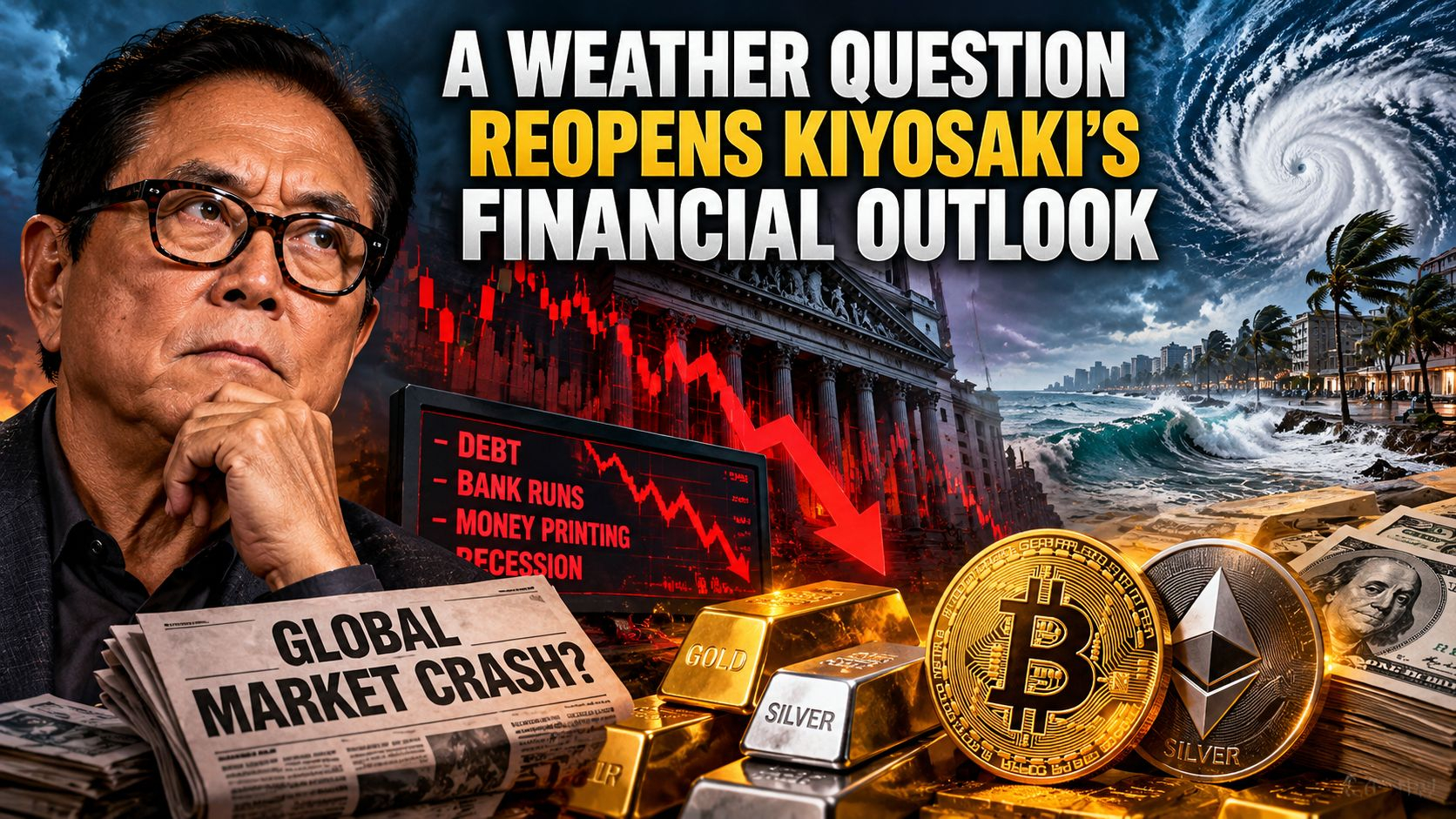
Robert Kiyosaki’s latest post got attention for an unusual reason: he connected America’s bad weather with a question about the country’s financial future.
But weather isn’t evidence of a financial crisis.
His broader warning is much more specific. Kiyosaki has argued that debt, market speculation, war and other pressures could trigger a major crash, followed by panic, bank runs and renewed money printing.
He has also predicted extreme future targets for Bitcoin, Ethereum, gold and silver—but those targets depend on his hypothetical crash scenario actually unfolding.
The interesting part isn’t whether one prediction sounds dramatic. It’s whether the sequence he describes actually happens: market stress → financial pressure → policy response → asset repricing.
#Binance
But weather isn’t evidence of a financial crisis.
His broader warning is much more specific. Kiyosaki has argued that debt, market speculation, war and other pressures could trigger a major crash, followed by panic, bank runs and renewed money printing.
He has also predicted extreme future targets for Bitcoin, Ethereum, gold and silver—but those targets depend on his hypothetical crash scenario actually unfolding.
The interesting part isn’t whether one prediction sounds dramatic. It’s whether the sequence he describes actually happens: market stress → financial pressure → policy response → asset repricing.
#Binance

Bobbypk
·
--
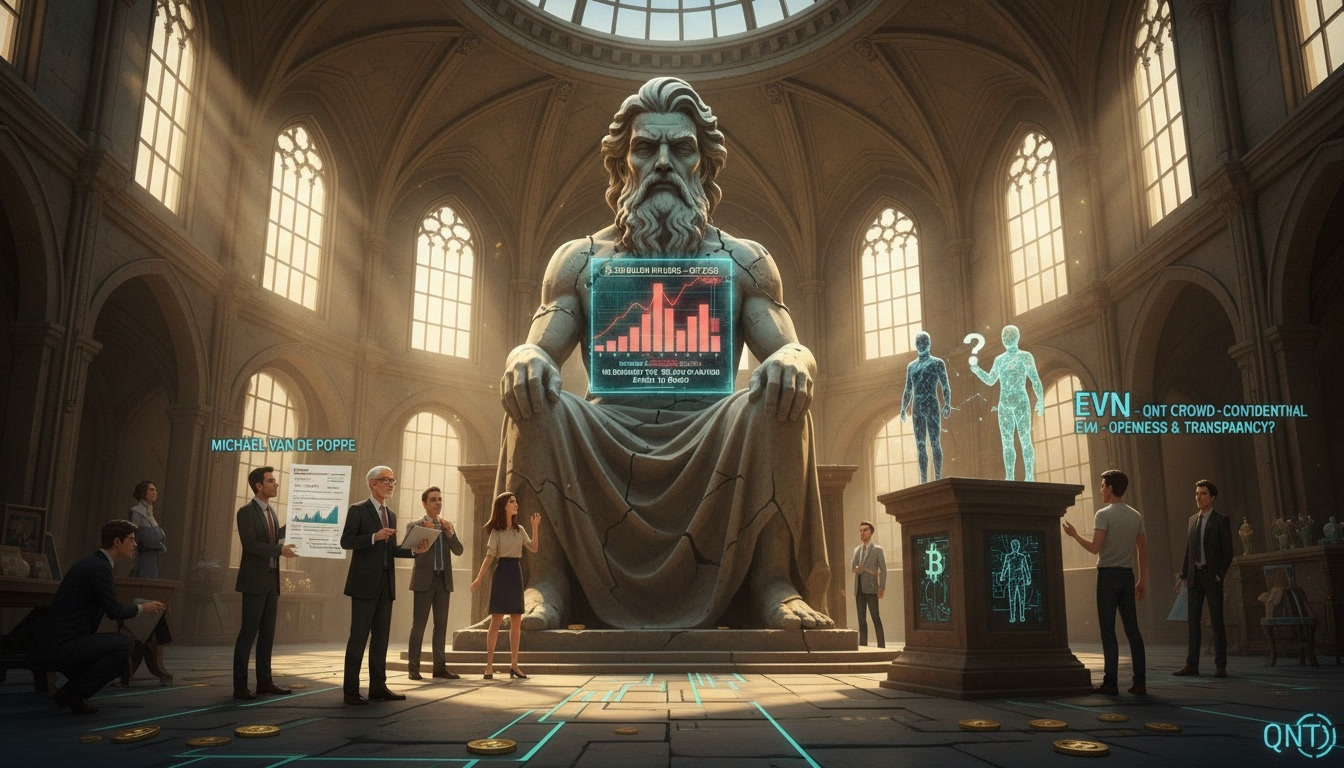
Рост🚨 Bitcoin just logged its biggest ETF inflows since October 2025, $2.39 billion poured in, even though that momentum fizzled by Friday, dropping off nearly 90%. Price action is still stuck just below resistance, so there’s no real breakout yet.
Michaël van de Poppe’s got his eyes on $84,800. If Bitcoin punches through that level, $90,000 isn’t far off. Miss it, and we’re stuck in sideways action.
Everyone’s waiting on the PCE data coming out September 30. Tom Lee says a tweak in the calculation could finally bring core inflation closer to 3%. If that happens, the Fed might take its foot off the brake. It’s a bullish outlook, but we need the data to confirm it.
Bitcoin folks seem to agree on where this is headed, but not on when.
For the QNT crowd: as more institutions step in, what matters more confidential compliance, or sticking with transparent EVM? Is privacy about to have its moment, or does openness stay king? Chime in below.
#QNT
#BTC
Michaël van de Poppe’s got his eyes on $84,800. If Bitcoin punches through that level, $90,000 isn’t far off. Miss it, and we’re stuck in sideways action.
Everyone’s waiting on the PCE data coming out September 30. Tom Lee says a tweak in the calculation could finally bring core inflation closer to 3%. If that happens, the Fed might take its foot off the brake. It’s a bullish outlook, but we need the data to confirm it.
Bitcoin folks seem to agree on where this is headed, but not on when.
For the QNT crowd: as more institutions step in, what matters more confidential compliance, or sticking with transparent EVM? Is privacy about to have its moment, or does openness stay king? Chime in below.
#QNT
#BTC

帮帮Bonnie
·
--
怀孤勇奔赴前路,守淡然看待得失。
March forward with solitary courage, view gains and losses calmly.
#Circle与Tether冻结Bitget黑客钱包
March forward with solitary courage, view gains and losses calmly.
#Circle与Tether冻结Bitget黑客钱包


慢就是快Mike8
·
--
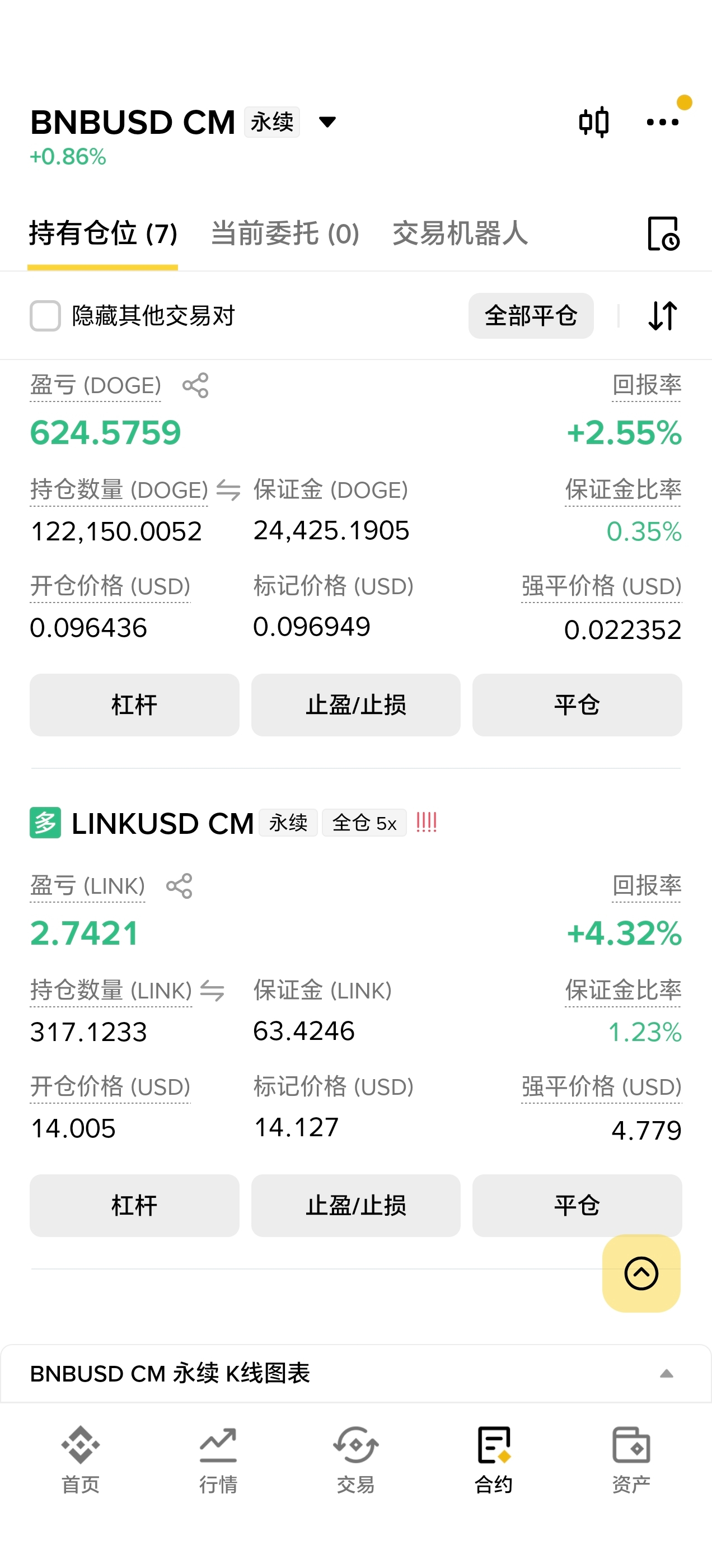
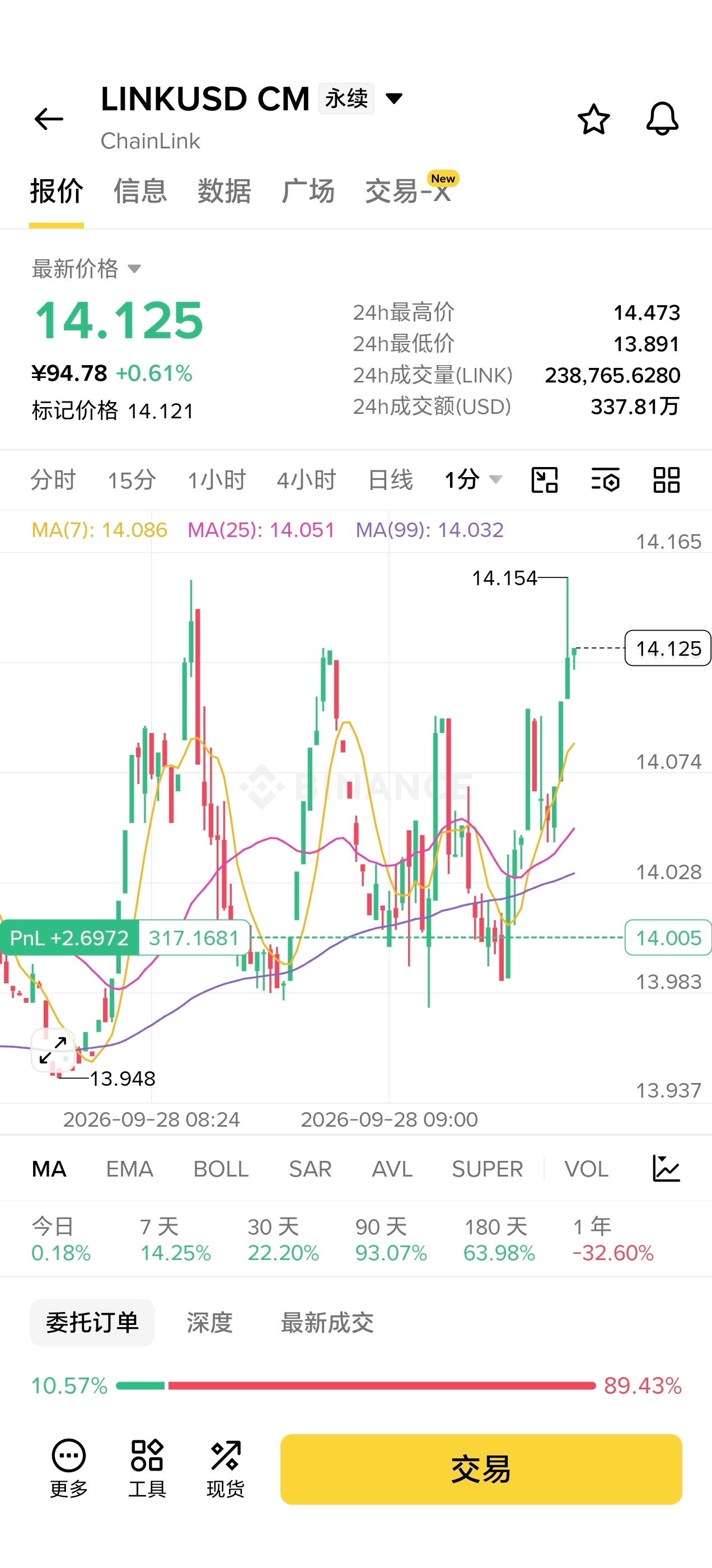
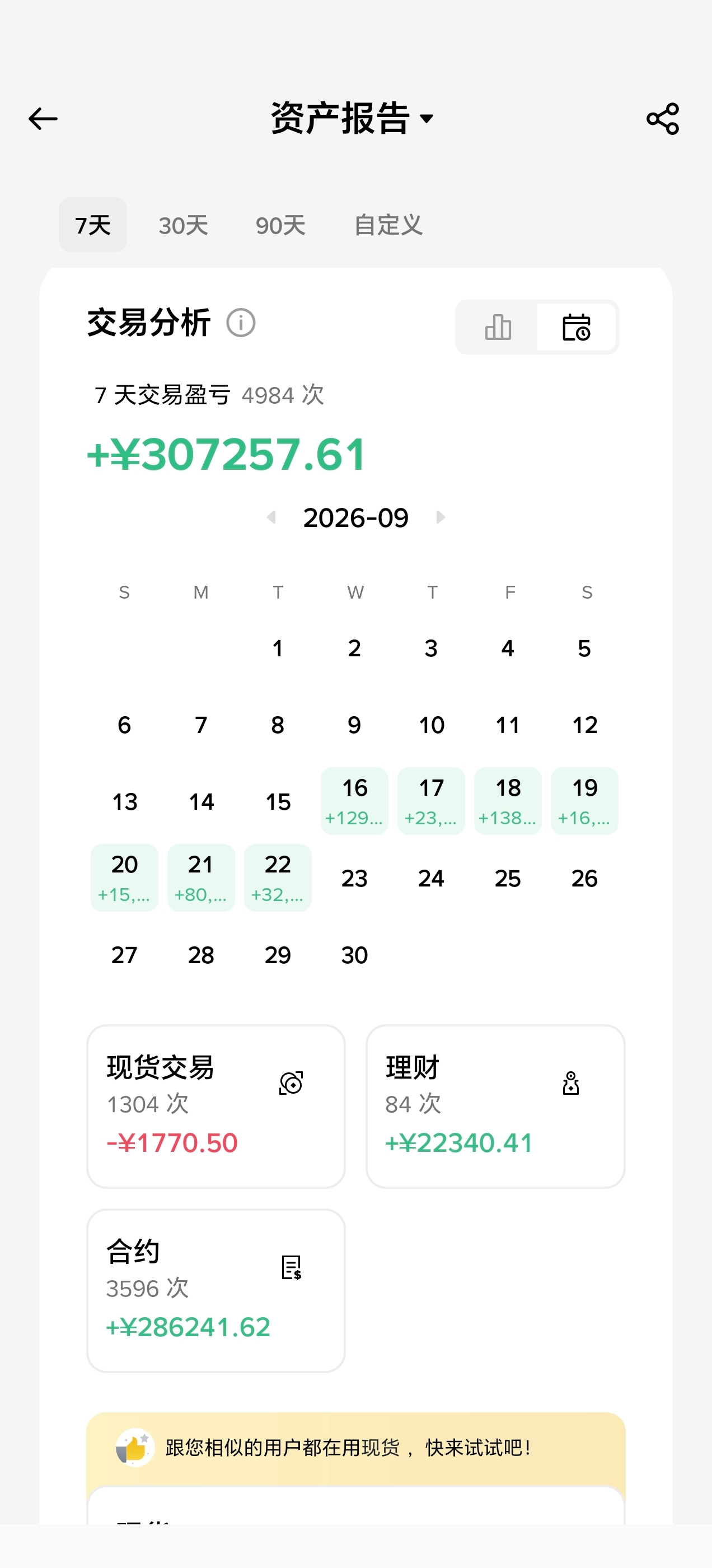
$LINK 经济越来越差了,很少有挣钱效应了,这可能是我们能把握的最后一个超级大牛市了,且行且珍惜!!!

兰汐kyL
·
--
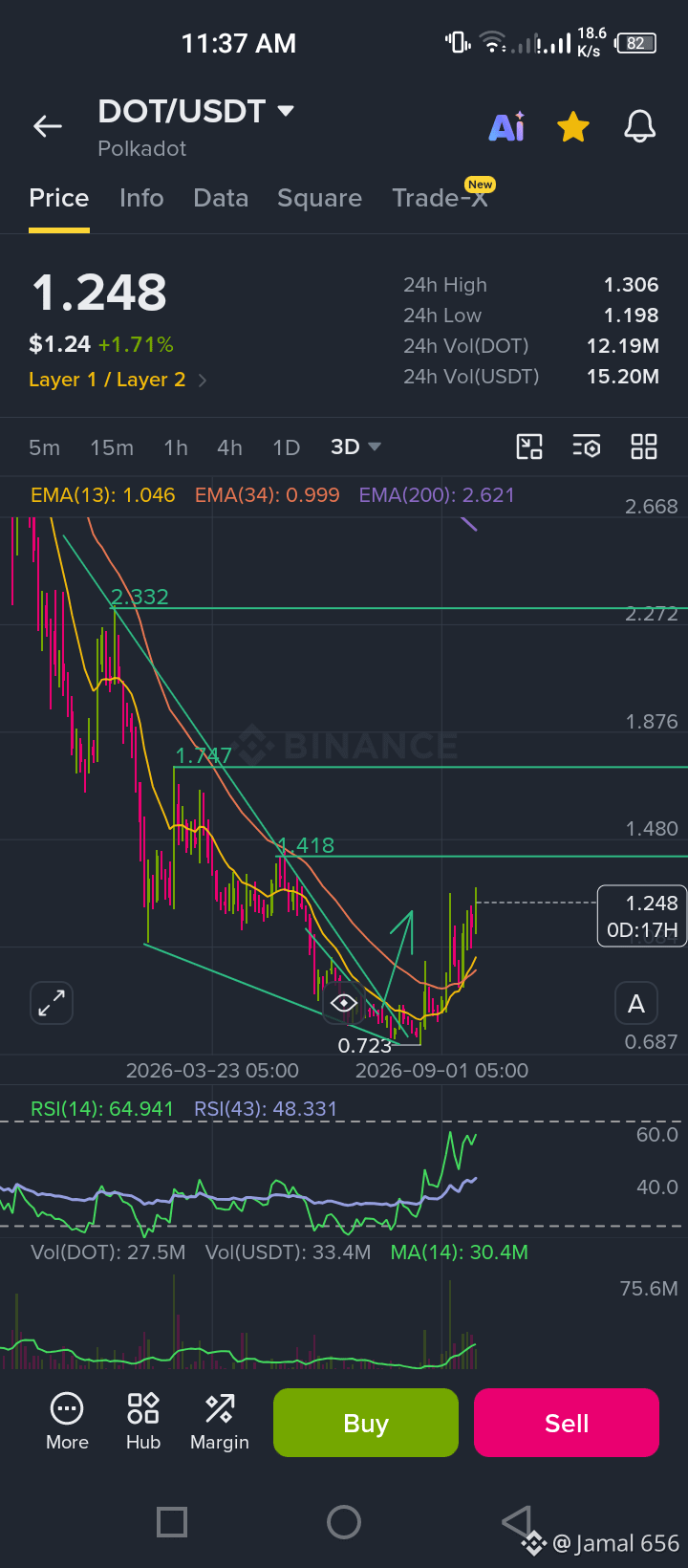
$ETH 中美达成八点共识这件事,很多币圈朋友还没反应过来,这可是影响盘面的大消息!
宏观环境缓和,市场避险情绪直接降温,资金的风险偏好会慢慢抬升。之前大家最怕的就是局势持续紧张,资金不敢进场,大盘一直磨底。现在这个消息落地,对加密市场属于利好信号。💥
但大家千万别头脑一热直接满仓冲!这种消息带来的行情,很多都是短期脉冲式上涨,涨一波很容易出现获利盘砸盘回落。老玩家都懂,消息面刺激的行情持续性往往不强,不能当成大牛市启动的信号。💥
比特币和山寨币会有分化,大饼会先带动大盘反弹,小币种看着涨得猛,回撤的时候跌起来也狠。操作上建议轻仓参与,不要追高。如果已经有持仓,可以借着反弹,把高位套牢的仓位适当减一点,做好止盈。💥
记住,消息只是催化剂,决定大趋势的还是美联储政策。利好出来不代表单边一直涨,盘面随时会反转。币圈永远风险第一,保住本金才有机会抓住下一波行情💥#Circle与Tether冻结Bitget黑客钱包 #中美达成300亿美元关税削减共识 #
宏观环境缓和,市场避险情绪直接降温,资金的风险偏好会慢慢抬升。之前大家最怕的就是局势持续紧张,资金不敢进场,大盘一直磨底。现在这个消息落地,对加密市场属于利好信号。💥
但大家千万别头脑一热直接满仓冲!这种消息带来的行情,很多都是短期脉冲式上涨,涨一波很容易出现获利盘砸盘回落。老玩家都懂,消息面刺激的行情持续性往往不强,不能当成大牛市启动的信号。💥
比特币和山寨币会有分化,大饼会先带动大盘反弹,小币种看着涨得猛,回撤的时候跌起来也狠。操作上建议轻仓参与,不要追高。如果已经有持仓,可以借着反弹,把高位套牢的仓位适当减一点,做好止盈。💥
记住,消息只是催化剂,决定大趋势的还是美联储政策。利好出来不代表单边一直涨,盘面随时会反转。币圈永远风险第一,保住本金才有机会抓住下一波行情💥#Circle与Tether冻结Bitget黑客钱包 #中美达成300亿美元关税削减共识 #



Hoorain_X
·
--
🎁 RED PACKET GIVEAWAY! ❤️
Lucky gifts are dropping! 🔥
Who’s ready to grab one?
Comment “RED PACKET” below and join the fun! 🎉
Lucky gifts are dropping! 🔥
Who’s ready to grab one?
Comment “RED PACKET” below and join the fun! 🎉


Ahli Hidaya
·
--
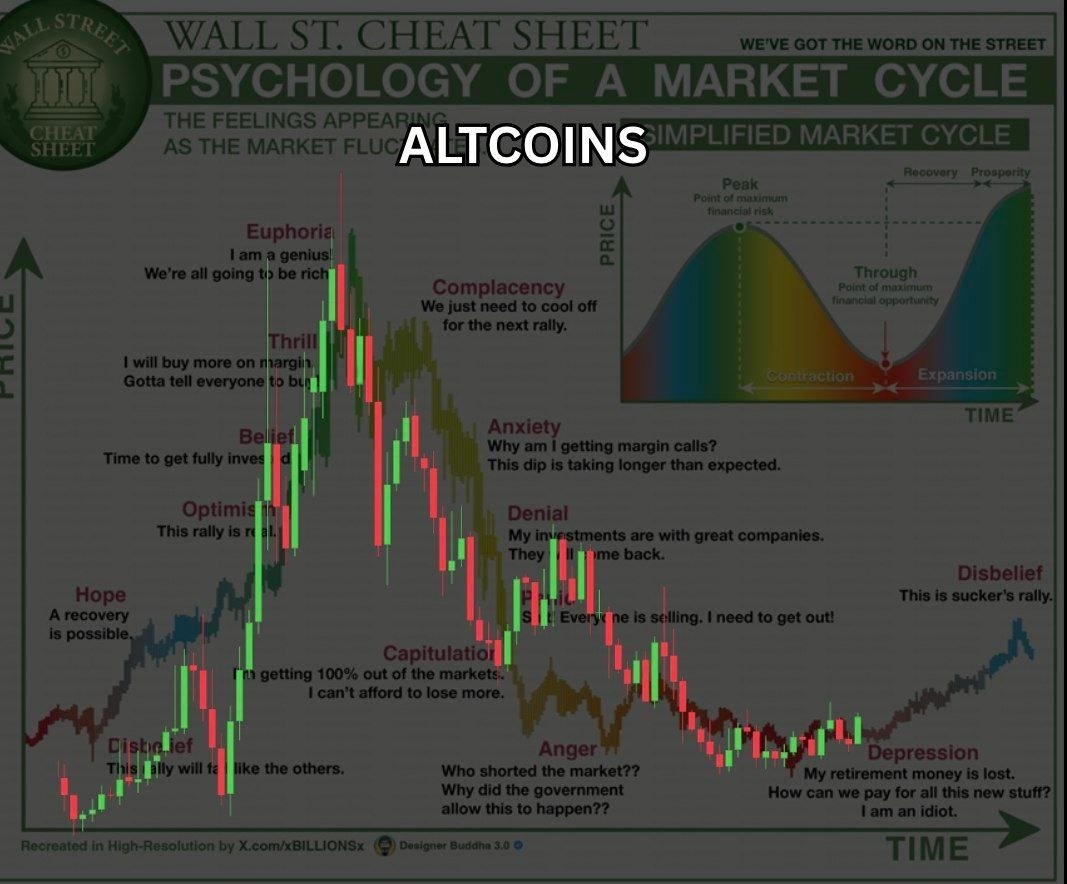
Рост🚀 The Next Cycle Might Already Be Loading... Are You Ready? 🔥
Smart money doesn't wait for the mainstream headlines to scream "Bull Run"—they position themselves quietly while the charts are consolidating and building momentum. 📊✨
Looking at recent market behavior, strong institutional accumulation, steady ETF inflows, and shifting macro dynamics, the groundwork for the next massive wave is happening right in front of our eyes. History doesn't always repeat itself identically, but it certainly rhymes.
💡 What to Focus on Right Now:
Accumulation Phases: Price dips and consolidation zones are historically where the biggest generational gains are built.
Strong Fundamentals: Projects with real utility, strong holder bases, and solid community backing are quietly preparing for the rotation of capital.
Patience & Strategy: Having a clear entry and exit plan is what separates profitable traders from emotional chasers.
Is this quiet accumulation the final setup before the next explosive leg up? Drop your thoughts and your top bags for this cycle below! Let's discuss! 👇📉📈
#BinanceSquare #CryptoCycle #BullRun #MarketAnalysis #Web3 #HODL$SOL $XRP $RAY $usdc
#dyor
Smart money doesn't wait for the mainstream headlines to scream "Bull Run"—they position themselves quietly while the charts are consolidating and building momentum. 📊✨
Looking at recent market behavior, strong institutional accumulation, steady ETF inflows, and shifting macro dynamics, the groundwork for the next massive wave is happening right in front of our eyes. History doesn't always repeat itself identically, but it certainly rhymes.
💡 What to Focus on Right Now:
Accumulation Phases: Price dips and consolidation zones are historically where the biggest generational gains are built.
Strong Fundamentals: Projects with real utility, strong holder bases, and solid community backing are quietly preparing for the rotation of capital.
Patience & Strategy: Having a clear entry and exit plan is what separates profitable traders from emotional chasers.
Is this quiet accumulation the final setup before the next explosive leg up? Drop your thoughts and your top bags for this cycle below! Let's discuss! 👇📉📈
#BinanceSquare #CryptoCycle #BullRun #MarketAnalysis #Web3 #HODL$SOL $XRP $RAY $usdc
#dyor

Zuby - PK
·
--
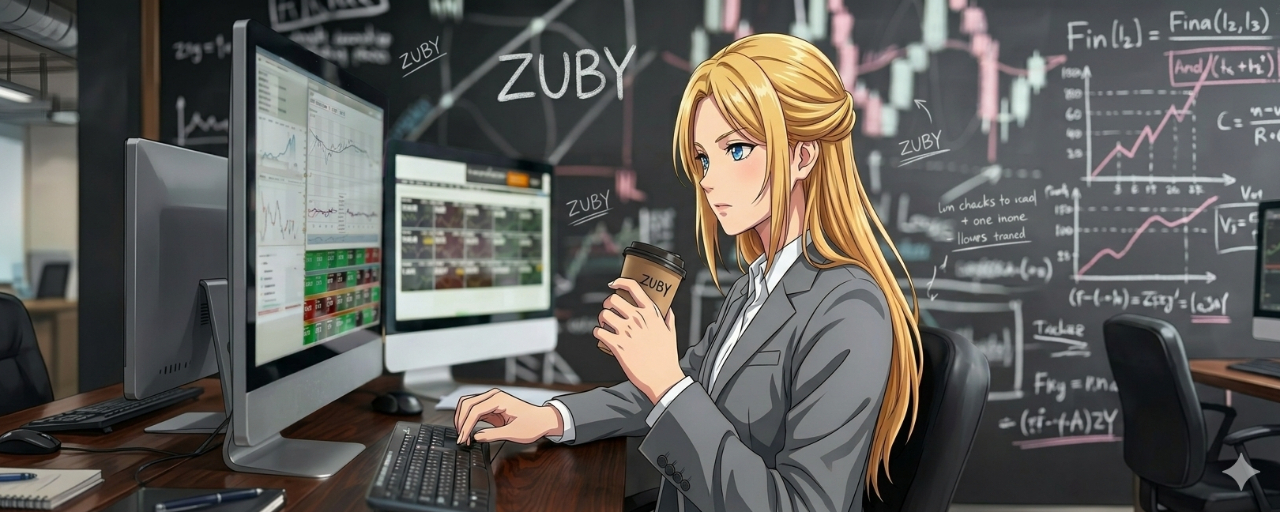
Daily Crypto Spotlight: Top Performing Altcoins and Meme Coins on Binance
📊 Overview: Cryptocurrency Market Analysis
🌐 The global cryptocurrency market capitalisation remains solid, fluctuating firmly between $2.7 trillion and $2.8 trillion.
📈 While the market continues its broader structural consolidation, major digital assets are displaying high levels of support, indicating robust underlying demand and a selective risk-on environment.
📉 A significant shift is happening under the surface: Bitcoin dominance has recently slipped below 60%.
🔄 Even as Bitcoin's price climbs, capital is rapidly rotating into major altcoins and speculative mid-cap sectors during weekend sessions, signalling high retail and institutional engagement.
Top 5 Altcoin Gainers (Binance)
📈 Quant (QNT) — Up +12.99% with a price of $172.27 and 24-hour volume of $343.45M.
🐮 CoW Protocol (COW) — Up +8.31% with a price of $0.1656 and 24-hour volume of $28.95M.
🐼 BENGI (QI) — Up +6.91% with a price of $0.003173 and 24-hour volume of $16.08M.
🪱 Wormhole (W) — Up +6.06% with a price of $0.01383 and 24-hour volume of $46.74M.
⚡ THORChain (RUNE) — Up +5.93% with a price of $0.804 and 24-hour volume of $98.85M.
Top 5 Meme Coin Gainers (Binance)
🔴 MarsCoin (MARSCOIN) — Up +8.82% with a price of $0.1283 and 24-hour volume of $73.57M.
🐶 Dogs (DOGS) — Up +6.34% with a price of $0.00005164 and 24-hour volume of $8.60M.
🪙 1000*SATS (1000HOUR) — Up +3.68% with a price of $0.00001267 and 24-hour volume of $6.60M.
🐱 1000*Simons Cat (1000CAT) — Up +3.53% with a price of $0.002377 and 24-hour volume of $1.54M.
🎉 Happy (MUBARAK) — Up +2.25% with a price of $0.05675 and 24-hour volume of $117.82M.
🧠 Market Sentiment & Capital Rotation
⚖️ The overall market environment highlights a strong appetite for risk as capital begins to spread out across the ecosystem.
🚀 Altcoin Rebounds: Seven large-cap altcoins have recently outperformed Bitcoin, led by aggressive expansions such as Litecoin (LTC) surging 23.7% in a brief window.
🏛️ Regulatory Catalysts: Project-specific milestones are adding fuel to mid-cap assets. A prime example is Cronos (CRO) climbing over 3.2% following Crypto.com's regulatory move to list equity perpetual futures with the U.S. CFTC.
⚡ Weekend Speculation: High-velocity retail liquidity continues to favor speculative sectors, causing quick, isolated rallies in meme coins and trending tokens when standard equity markets are closed.
#CryptocurrencyMarket #BinanceGainers #TopAltcoins #MemeCoinSeason #CryptoMarketAnalysis
$QNT $COW $W
🌐 The global cryptocurrency market capitalisation remains solid, fluctuating firmly between $2.7 trillion and $2.8 trillion.
📈 While the market continues its broader structural consolidation, major digital assets are displaying high levels of support, indicating robust underlying demand and a selective risk-on environment.
📉 A significant shift is happening under the surface: Bitcoin dominance has recently slipped below 60%.
🔄 Even as Bitcoin's price climbs, capital is rapidly rotating into major altcoins and speculative mid-cap sectors during weekend sessions, signalling high retail and institutional engagement.
Top 5 Altcoin Gainers (Binance)
📈 Quant (QNT) — Up +12.99% with a price of $172.27 and 24-hour volume of $343.45M.
🐮 CoW Protocol (COW) — Up +8.31% with a price of $0.1656 and 24-hour volume of $28.95M.
🐼 BENGI (QI) — Up +6.91% with a price of $0.003173 and 24-hour volume of $16.08M.
🪱 Wormhole (W) — Up +6.06% with a price of $0.01383 and 24-hour volume of $46.74M.
⚡ THORChain (RUNE) — Up +5.93% with a price of $0.804 and 24-hour volume of $98.85M.
Top 5 Meme Coin Gainers (Binance)
🔴 MarsCoin (MARSCOIN) — Up +8.82% with a price of $0.1283 and 24-hour volume of $73.57M.
🐶 Dogs (DOGS) — Up +6.34% with a price of $0.00005164 and 24-hour volume of $8.60M.
🪙 1000*SATS (1000HOUR) — Up +3.68% with a price of $0.00001267 and 24-hour volume of $6.60M.
🐱 1000*Simons Cat (1000CAT) — Up +3.53% with a price of $0.002377 and 24-hour volume of $1.54M.
🎉 Happy (MUBARAK) — Up +2.25% with a price of $0.05675 and 24-hour volume of $117.82M.
🧠 Market Sentiment & Capital Rotation
⚖️ The overall market environment highlights a strong appetite for risk as capital begins to spread out across the ecosystem.
🚀 Altcoin Rebounds: Seven large-cap altcoins have recently outperformed Bitcoin, led by aggressive expansions such as Litecoin (LTC) surging 23.7% in a brief window.
🏛️ Regulatory Catalysts: Project-specific milestones are adding fuel to mid-cap assets. A prime example is Cronos (CRO) climbing over 3.2% following Crypto.com's regulatory move to list equity perpetual futures with the U.S. CFTC.
⚡ Weekend Speculation: High-velocity retail liquidity continues to favor speculative sectors, causing quick, isolated rallies in meme coins and trending tokens when standard equity markets are closed.
#CryptocurrencyMarket #BinanceGainers #TopAltcoins #MemeCoinSeason #CryptoMarketAnalysis
$QNT $COW $W

Bilverse
·
--
🚀 $ETH GIVEAWAY IS LIVE! 💎🔥
Ethereum lovers, this one’s for YOU. 👀💜
We’re celebrating the #Bilverse community with an ETH giveaway! 🎁⚡
Want to join? It takes seconds:
1️⃣ Follow @Bilverse
2️⃣ Comment “ETH” below 👇
3️⃣ Leave a ❤️ for this post.
🔥 Bring your squad.
💎 Join the conversation.
🚀 Show some love to our amazing community.
Think you’ve got what it takes to claim the reward? 👀
👇 Comment “ETH” and tag your crypto buddy!
#ETH #CryptoCommunity
Ethereum lovers, this one’s for YOU. 👀💜
We’re celebrating the #Bilverse community with an ETH giveaway! 🎁⚡
Want to join? It takes seconds:
1️⃣ Follow @Bilverse
2️⃣ Comment “ETH” below 👇
3️⃣ Leave a ❤️ for this post.
🔥 Bring your squad.
💎 Join the conversation.
🚀 Show some love to our amazing community.
Think you’ve got what it takes to claim the reward? 👀
👇 Comment “ETH” and tag your crypto buddy!
#ETH #CryptoCommunity

Elena神话MUA
·
--
#MUA
📈盘面:$BNB
跟随BTC联动震荡,现价767美元附近,近期冲高遇阻回落,资金观望情绪加重,行情高度依赖大盘BTC带动。
🔍核心驱动
✅利多:BNB Chain生态RWA业务活跃,定期代币销毁持续减少流通量;作为平台币,交易所手续费、生态应用需求带来底层支撑
❌利空:大盘BTC高位波动拖累;770美元附近抛压集中,短期上攻动能不足;宏观利率预期扰动,市场风险偏好容易快速切换
📊技术区间
▫️支撑:745–735美元,守住该区间维持震荡格局
▫️压力:770–785美元,放量突破才有机会打开上行空间
💡日内观点
联动BTC为主,独立行情偏弱。770关口反复测试,短线优先看区间震荡,不盲目追涨;若大盘出现快速回调,BNB回撤速度会加快,注意仓位风险。
📈盘面:$BNB
跟随BTC联动震荡,现价767美元附近,近期冲高遇阻回落,资金观望情绪加重,行情高度依赖大盘BTC带动。
🔍核心驱动
✅利多:BNB Chain生态RWA业务活跃,定期代币销毁持续减少流通量;作为平台币,交易所手续费、生态应用需求带来底层支撑
❌利空:大盘BTC高位波动拖累;770美元附近抛压集中,短期上攻动能不足;宏观利率预期扰动,市场风险偏好容易快速切换
📊技术区间
▫️支撑:745–735美元,守住该区间维持震荡格局
▫️压力:770–785美元,放量突破才有机会打开上行空间
💡日内观点
联动BTC为主,独立行情偏弱。770关口反复测试,短线优先看区间震荡,不盲目追涨;若大盘出现快速回调,BNB回撤速度会加快,注意仓位风险。

慢就是快Mike
·
--
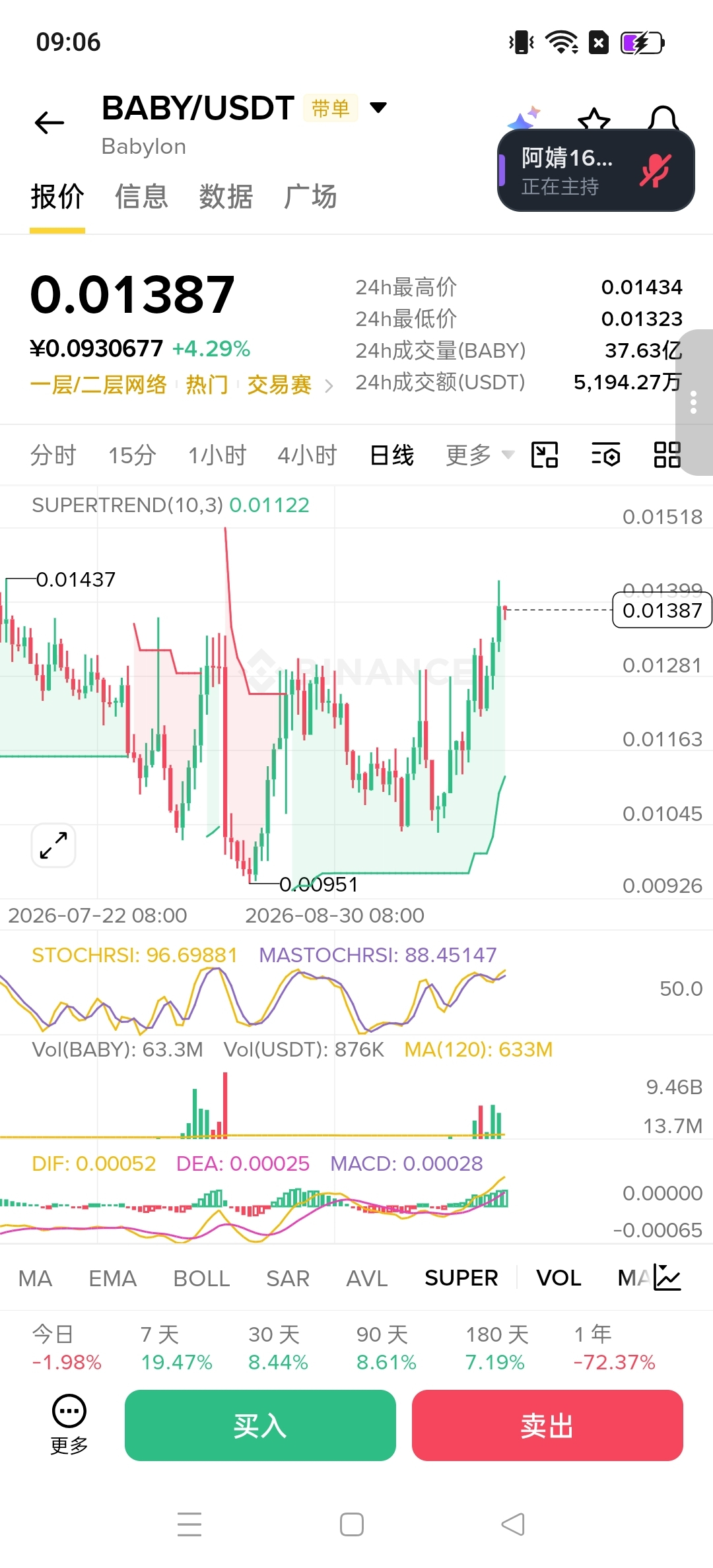
$BABY 即将启动,速速上车!

Mystic 影月
·
--
🧧🎁 RED PACKET GIVEAWAY🧧
Thankuu my dear Binance family 💝for all the support, likes, comments & positive vibes🎀 🫶...
To claim your reward ;
🎁Like 💝 this post
❤️ Drop “hi” in the comments
✨ Repost this post
Good luck, everyone 🍀💰
May your next trade be green and your wallet even greener! 📈💎
#BTTCtothemoon $BTC $BTTC #BinanceSquareFamily #CFTCUpdatesGuidanceOnTokenizedAssets #BinanceWillListHyperliquid(HYPE) #BitgetBreachForgedRequestsNotStolenKeys
Thankuu my dear Binance family 💝for all the support, likes, comments & positive vibes🎀 🫶...
To claim your reward ;
🎁Like 💝 this post
❤️ Drop “hi” in the comments
✨ Repost this post
Good luck, everyone 🍀💰
May your next trade be green and your wallet even greener! 📈💎
#BTTCtothemoon $BTC $BTTC #BinanceSquareFamily #CFTCUpdatesGuidanceOnTokenizedAssets #BinanceWillListHyperliquid(HYPE) #BitgetBreachForgedRequestsNotStolenKeys


Sara_ k
·
--
$SOL $BNB $PONS .
.
claim here 🧧🧧🧧👈
.
.claim 2 🧧🧧🧧👈
.
.
claim here 🧧🧧🧧👈
.
.claim 2 🧧🧧🧧👈
.

Войдите, чтобы посмотреть больше материала