
Grossbel12
406 Публикации

Grossbel12
Отправить жалобу
Заблокировать пользователя
KOL and CM of Suiecosystem
Открытая сделка
3.7 г
14 подписок(и/а)
19 подписчиков(а)
80 понравилось
Посты
Портфель
Все
Цитирования
·
--
$HAEDAL daily | Bullish only after a reclaim of $0.02344.
Wait for a daily close above $0.02344, then a retest that holds the $0.02336–$0.02344 zone. An illustrative entry at $0.02350 with a $0.02225 stop gives 2.53R to $0.02666 before costs. EMA20 at $0.02448 and the prior close at $0.02521 are nearer hurdles. If the retest fails or price runs without one, pass. A daily close below $0.02236 invalidates the rebound thesis.
Spot is $0.02242 (-13.13%), near the bottom of its $0.02236–$0.02586 24h range, with 1.09M USDT turnover. $SUI is down 1.55% at $0.8029. The quoted $HAEDAL spread was about 0.09%; check depth at your size.
On the last closed daily candle, RSI(14) was 53.8 and MACD was below signal (+0.001220 vs +0.001519). Spot is below EMA20 and testing EMA50 ($0.02239). Daily ATR(14) is $0.00317; the example stop is only 0.39 ATR. Keep account risk at or below 0.5% and skip a volatile retest.
NFA. #HAEDAL #Haedal
1
1
397
·
--
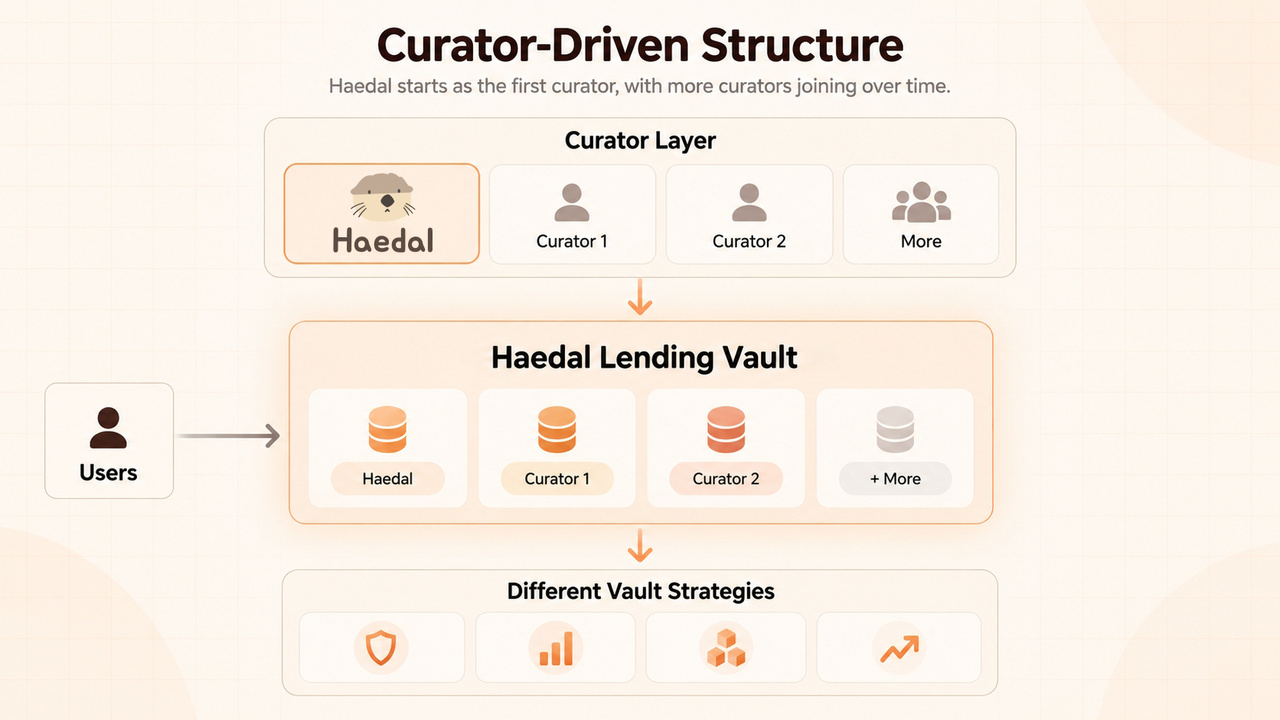
Why might Haedal Lending Vault put the next deposit into a market with a lower displayed rate?
Imagine two lending markets quoting 10% and 8%. If a large allocation increases supply in the first market while borrowing stays flat, the rate available after deployment could fall. The second market could then deliver a better outcome for part of the allocation. These numbers are illustrative, not live vault rates.
The relevant comparison is the expected return after deploying capital at the intended size. It also depends on how readily the strategy can move that capital again if borrowing demand changes.
For $HAEDAL watchers, this is a useful way to evaluate managed lending on $SUI: ask where the next unit of capital can earn a competitive return without taking on disproportionate concentration. NFA.
#HAEDAL #Haedal @HaedalProtocol
Why might Haedal Lending Vault put the next deposit into a market with a lower displayed rate?
Imagine two lending markets quoting 10% and 8%. If a large allocation increases supply in the first market while borrowing stays flat, the rate available after deployment could fall. The second market could then deliver a better outcome for part of the allocation. These numbers are illustrative, not live vault rates.
The relevant comparison is the expected return after deploying capital at the intended size. It also depends on how readily the strategy can move that capital again if borrowing demand changes.
For $HAEDAL watchers, this is a useful way to evaluate managed lending on $SUI : ask where the next unit of capital can earn a competitive return without taking on disproportionate concentration. NFA.
#HAEDAL #Haedal @HaedalProtocol
139
·
--
$HAEDAL daily | Bullish bias: buy a confirmed pullback.
Entry plan: wait for a dip into $0.02440–$0.02470 and a daily close back above $0.02470. Then look for an entry near $0.02465–$0.02475 on the retest. If price runs without a retest, skip this entry.
At an illustrative $0.02470 entry, a $0.02325 stop and $0.02862 target give 2.70R before costs. $0.02698 is the first resistance and a potential partial exit. Cap account risk at 0.5%. A daily close below $0.02336 invalidates the bullish setup.
The case for a long: the last daily close ($0.02570) was above EMA20 ($0.02441) and EMA50 ($0.02227), with RSI(14) at 55.2. The MACD histogram improved to -0.000280 but remains negative, and daily turnover was only 26% of its prior 20-session average. That favors waiting for support confirmation.
Spot is $0.02597 (+2.73% over 24h), with a $0.02416–$0.02643 range and 903K USDT turnover. Daily ATR is $0.00328, more than twice the example stop distance. If the retest is volatile, pass rather than widen the stop.
NFA. #HAEDAL #Haedal
104
·
--
$HAEDAL daily | The rebound has reclaimed EMA20, but volume is still light.
Spot: $0.02600 (+2.65% over 24h). Range: $0.02416–$0.02643. Turnover: 902K USDT. The last completed daily candle closed at $0.02570 on 26% of its prior 20-session average turnover.
Daily RSI(14) is 55.2. The close is above EMA20 ($0.02441) and EMA50 ($0.02227). MACD(12,26,9) remains positive but below its signal (+0.001314 vs +0.001594). The negative histogram narrowed slightly to -0.000280: downside momentum eased, but there is no bullish crossover. Daily ATR(14) is $0.00328, about 12.6% of spot.
A daily close above $0.02698 with stronger volume would bring $0.02799 and $0.02862 into focus. Rejection keeps $0.02416–$0.02441 in play. A daily close below $0.02336 invalidates the recovery thesis.
Illustrative daily pullback: $0.02465 entry after a confirmed bounce, $0.02325 stop, $0.02862 target (2.84R before costs). The stop is less than half a daily ATR, so use smaller size or pass if the retest is volatile. Cap account risk at 0.5%.
NFA. #HAEDAL #Haedal
90
·
--
$HAEDAL 1H | Will buyers defend $0.02550?
Spot: $0.02601 (+2.48% over 24h). Range: $0.02416–$0.02643. Spot turnover: 903K USDT. The quoted spread was 0.08%; check available depth before sizing.
The last closed 1H candle traded at 2.62x its prior 20-bar average turnover and closed at $0.02587, below its $0.02598 open. Activity picked up on a down candle, so the volume spike alone is weak evidence for continuation.
RSI(14) is 59.6. MACD(12,26,9) is positive and above signal (+0.000307 vs +0.000286), but the histogram is only +0.000022. EMA20 ($0.02555) sits above EMA50 ($0.02520). The 24h VWAP is $0.02548, and 1H ATR(14) is $0.00047.
The pullback zone is $0.02548–$0.02555. If it holds on a retest, $0.02615 and $0.02643 are the next tests. A rejection at $0.02615 can send price back toward VWAP; an hourly close below $0.02548 cancels the pullback setup. A close above $0.02643 puts $0.02698 in focus.
Illustrative entry after a confirmed hold: $0.02560, stop $0.02520, target $0.02643 (2.08R before costs). Risk up to 0.5% of equity. NFA.
#HAEDAL #Haedal
114
·
--
$HAEDAL 4H: momentum is improving, but the breakout still needs volume.
Spot: $0.02580 (+1.10% in 24h). Range: $0.02416–$0.02643. Turnover: 902K USDT. $SUI is at $0.8193 (-1.22%), so $HAEDAL is showing relative strength in this snapshot.
Closed 4H candles: RSI(14) 53.6. MACD(12,26,9) is above its signal (-0.000033 vs -0.000230), but both remain below zero. The positive histogram expanded to +0.000198. Price is above EMA20 ($0.02525) and EMA50 ($0.02539), though EMA20 still trails EMA50. The last closed candle traded at 0.62× its preceding 20-bar average turnover. ATR(14) is $0.00123, roughly 4.8% of spot.
$0.02525–$0.02548 is the first support zone, including 24h VWAP near $0.02548. A 4H close above $0.02643 with stronger volume and a held retest opens $0.02698, then $0.02799. Rejection at $0.02643 puts support back in play. A sustained break below $0.02416 invalidates the recovery thesis.
Illustrative breakout: $0.02648 entry, $0.02585 stop, $0.02799 target (2.4R before costs). The stop is only about half an ATR, so skip if the retest is noisy. Cap account risk at 0.5%.
Haedal Lending Vault connects $SUI capital to managed lending; vault adoption is a separate thesis from this setup. NFA.
#HAEDAL #Haedal
179
·
--
$HAEDAL is up on the day, but buyers have yet to reclaim the middle of the range.
Spot is $0.02456 (+1.91%). The 24-hour range is $0.02410–$0.02555, with about 721K USDT in turnover and a quoted spread near 0.08%. $SUI trades at $0.8290 (-0.81%), so the relative strength is positive but unconfirmed.
The $0.02474–$0.02483 zone combines rolling VWAP and the range midpoint. A break above it followed by a held retest would put $0.02555 in focus, then $0.02586. Rejection keeps $0.02443 and $0.02410 in play. A sustained break below $0.02410 invalidates the intraday long thesis and exposes $0.02336–$0.02344.
Illustrative setup: entry $0.02485 after confirmation, stop $0.02455, target $0.02555: 2.33R before costs. Cap account risk at 0.5% and check depth before sizing.
Haedal Lending Vault gives $SUI holders access to managed lending allocations; adoption is a separate thesis from this trade. NFA.
#HAEDAL #Haedal
237
·
--
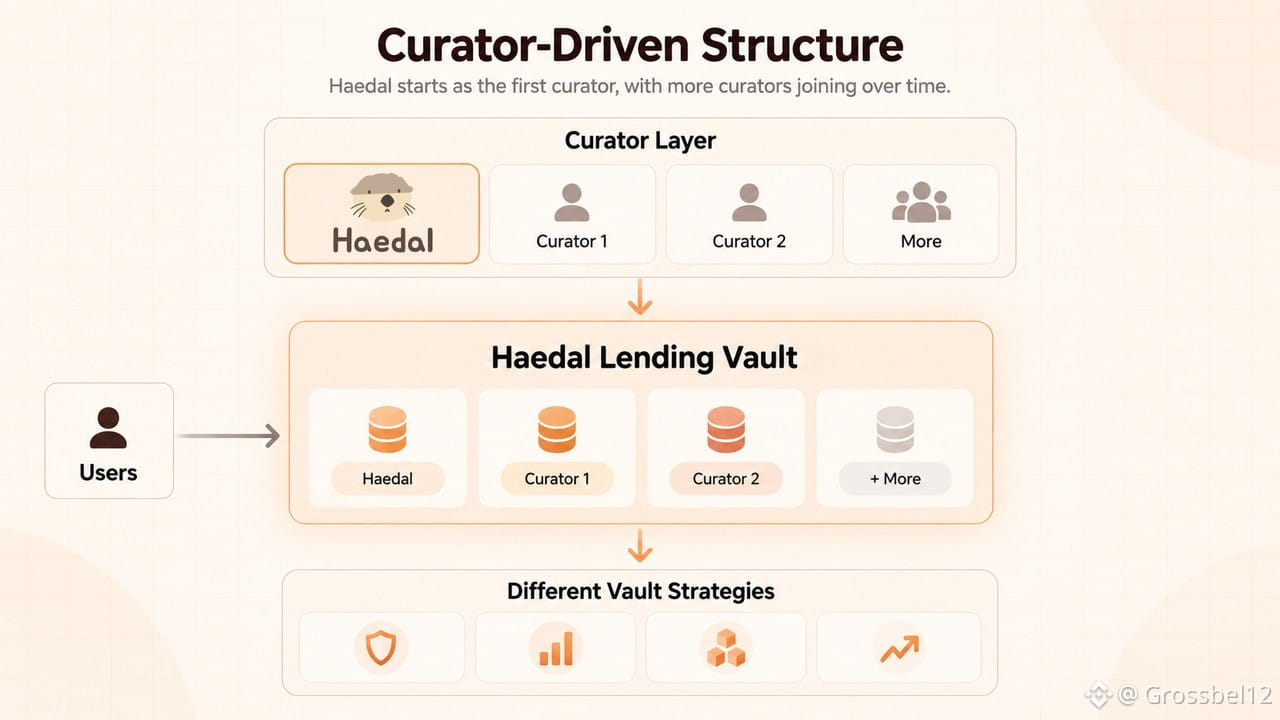
대출 시장에 손실이 생기면 볼트에는 어떻게 전달될까요?
Haedal Lending Vault는 여러 대출 시장에 자금을 배분할 수 있습니다. 기초 시장에서 담보 청산으로 대출금을 전부 회수하지 못하면 부실채권이 남을 수 있습니다. 해당 시장의 손실이 예치자에게 돌아가는 구조라면 볼트도 배분한 금액만큼 영향을 받을 수 있습니다.
가령 한 시장에 볼트 자산의 20%가 배치돼 있고 그 포지션에서 5%의 손실이 발생하면, 다른 조건이 같을 때 볼트 전체에 미치는 영향은 약 1%입니다. 이는 현재 배분이나 실제 손실을 나타내는 수치가 아닙니다.
$SUI 생태계에서 $HAEDAL의 볼트를 비교할 때는 수익률뿐 아니라 기초 시장의 담보 구성, 청산 방식, 손실 부담 순서를 확인해 보세요. 시장별 비중은 손실이 전체 포지션에 얼마나 전달될지 판단하는 출발점입니다.
투자 조언이 아닙니다. #HAEDAL #Haedal @HaedalProtocol
대출 시장에 손실이 생기면 볼트에는 어떻게 전달될까요?
Haedal Lending Vault는 여러 대출 시장에 자금을 배분할 수 있습니다. 기초 시장에서 담보 청산으로 대출금을 전부 회수하지 못하면 부실채권이 남을 수 있습니다. 해당 시장의 손실이 예치자에게 돌아가는 구조라면 볼트도 배분한 금액만큼 영향을 받을 수 있습니다.
가령 한 시장에 볼트 자산의 20%가 배치돼 있고 그 포지션에서 5%의 손실이 발생하면, 다른 조건이 같을 때 볼트 전체에 미치는 영향은 약 1%입니다. 이는 현재 배분이나 실제 손실을 나타내는 수치가 아닙니다.
$SUI 생태계에서 $HAEDAL 의 볼트를 비교할 때는 수익률뿐 아니라 기초 시장의 담보 구성, 청산 방식, 손실 부담 순서를 확인해 보세요. 시장별 비중은 손실이 전체 포지션에 얼마나 전달될지 판단하는 출발점입니다.
투자 조언이 아닙니다. #HAEDAL #Haedal @HaedalProtocol
70
·
--
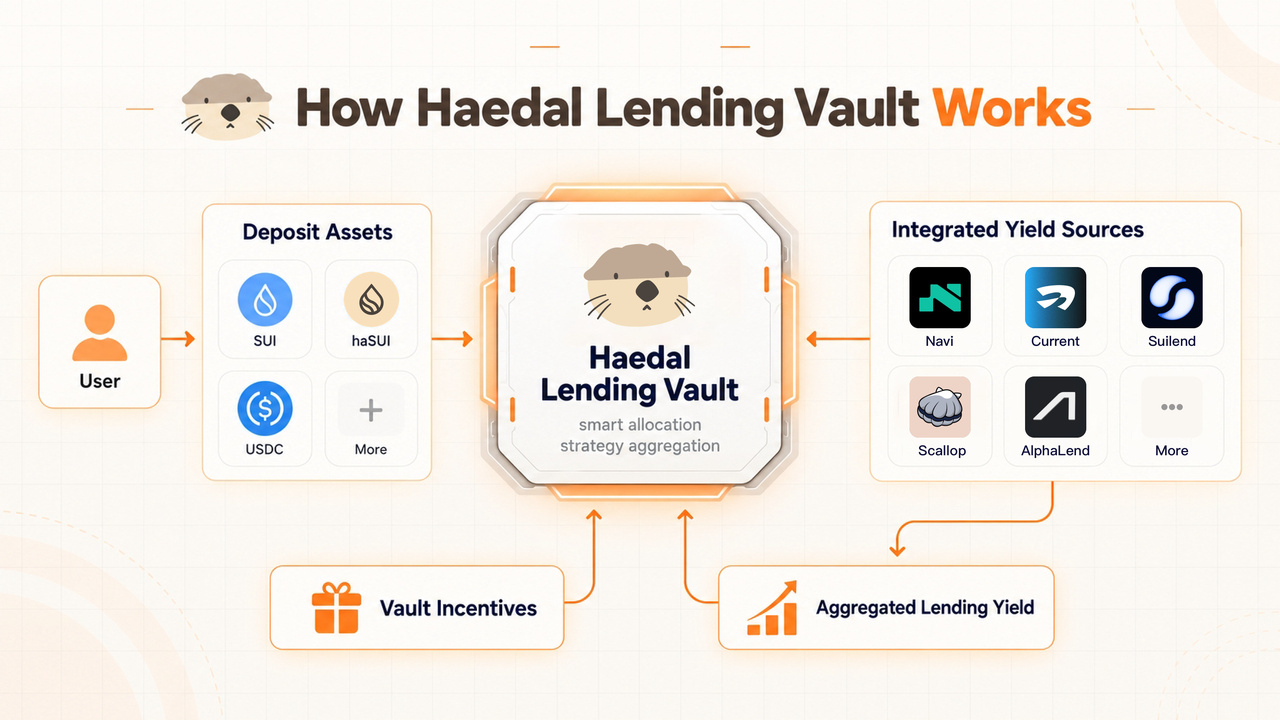
A new deposit should grow a vault without changing what each existing share represents.
Consider a simplified Haedal Lending Vault example. If a vault holds 10,000 USDC against 8,000 shares, each share represents 1.25 USDC. A new deposit of 1,250 USDC at that ratio would mint 1,000 shares. Total assets rise to 11,250 USDC and shares rise to 9,000, while value per share stays at 1.25 USDC. This example excludes fees and rounding and does not describe a live vault.
That is why share count alone tells you little. Two users depositing the same amount at different times can receive different numbers of shares. To compare positions, start with the assets represented by those shares.
For traders following $HAEDAL and managed lending on $SUI, the distinction is useful: new deposits can make a vault bigger without generating a return for existing holders. NFA.
#HAEDAL #Haedal @HaedalProtocol
A new deposit should grow a vault without changing what each existing share represents.
Consider a simplified Haedal Lending Vault example. If a vault holds 10,000 USDC against 8,000 shares, each share represents 1.25 USDC. A new deposit of 1,250 USDC at that ratio would mint 1,000 shares. Total assets rise to 11,250 USDC and shares rise to 9,000, while value per share stays at 1.25 USDC. This example excludes fees and rounding and does not describe a live vault.
That is why share count alone tells you little. Two users depositing the same amount at different times can receive different numbers of shares. To compare positions, start with the assets represented by those shares.
For traders following $HAEDAL and managed lending on $SUI , the distinction is useful: new deposits can make a vault bigger without generating a return for existing holders. NFA.
#HAEDAL #Haedal @HaedalProtocol
183
·
--
$HAEDAL gave back its spike while $SUI held a daily gain.
$HAEDAL is near $0.02366 (-4.06%), close to the bottom of its $0.02336–$0.02862 24-hour range. Spot turnover was about 1.91M USDT, with a quoted spread near 0.04%. $SUI was $0.8507 (+5.08%). Strong turnover did not keep $HAEDAL near the highs; check executable depth before sizing.
The $0.02336–$0.02344 cluster is immediate support. A sustained break below it invalidates the bounce setup. If support holds, a reclaim of $0.02466 can open a test of $0.02559–$0.02586. Rejection at $0.02466 would favor another test of the lows. $0.02862 remains the spike high, not the first upside target.
Illustrative reclaim: entry $0.02470, stop $0.02425, target $0.02586, about 2.58R before costs. Risk no more than 0.5% of equity and skip if slippage materially reduces the payoff.
Haedal's lending vaults provide managed exposure across $SUI lending markets. Product adoption is a separate thesis from today's relative weakness. NFA.
#HAEDAL #Haedal
231
·
--
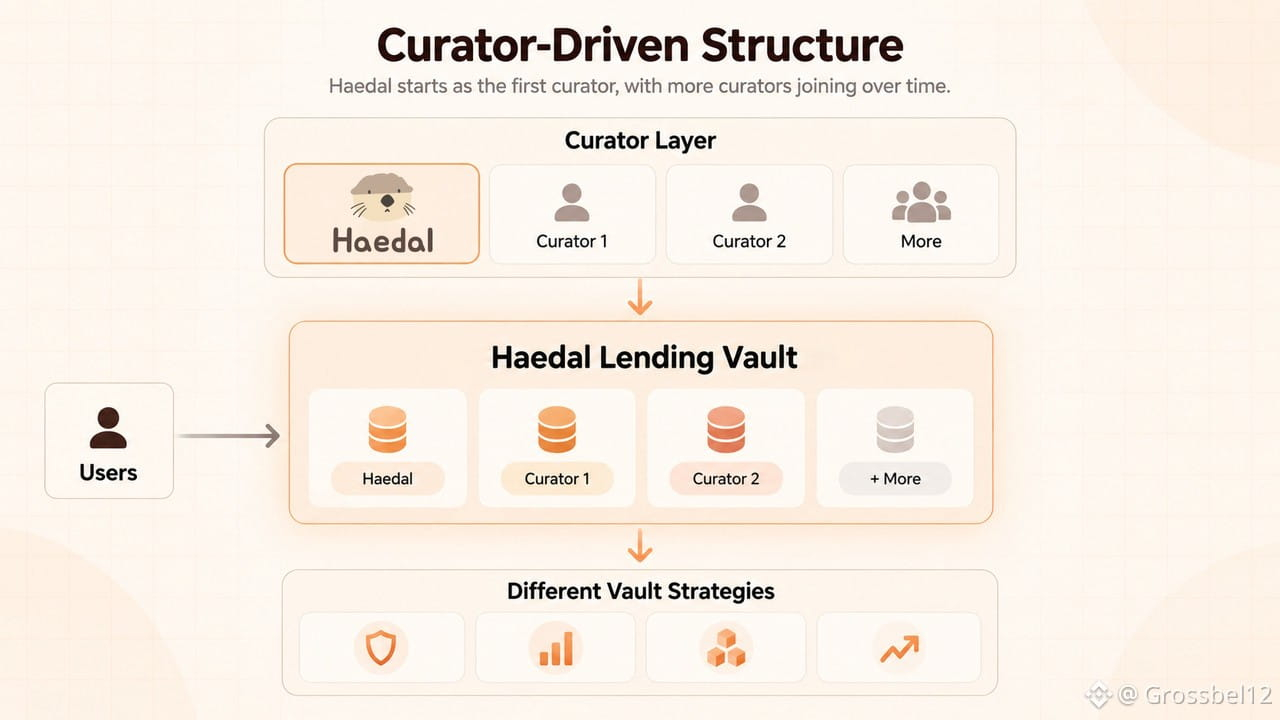
Haedal Lending Vault의 순유입이 작아도 자금 이동은 활발할 수 있습니다.
예를 들어 한 주 동안 100만 USDC가 예치되고 90만 USDC가 출금되면 순유입은 10만 USDC입니다. 10만 USDC가 들어오고 출금이 없었던 경우와 순유입은 같지만, 두 볼트에서 실제로 이동한 자금 규모는 크게 다릅니다. 이는 설명을 위한 가상 수치입니다.
그래서 볼트의 이용 흐름을 볼 때는 순유입과 함께 총예치액과 총출금액을 따로 확인하는 것이 좋습니다. 또 사용자가 넣고 뺀 자금과 큐레이터가 기초 대출 시장 사이에서 옮긴 자금을 구분해야 합니다. 두 종류의 거래를 섞으면 이용자 수요를 과대평가할 수 있습니다.
$SUI 생태계에서 $HAEDAL의 볼트가 얼마나 쓰이는지 보려면, 잔액 변화뿐 아니라 실제로 어떤 자금이 이동했는지 살펴보세요. 투자 조언이 아닙니다.
#HAEDAL #Haedal @HaedalProtocol
Haedal Lending Vault의 순유입이 작아도 자금 이동은 활발할 수 있습니다.
예를 들어 한 주 동안 100만 USDC가 예치되고 90만 USDC가 출금되면 순유입은 10만 USDC입니다. 10만 USDC가 들어오고 출금이 없었던 경우와 순유입은 같지만, 두 볼트에서 실제로 이동한 자금 규모는 크게 다릅니다. 이는 설명을 위한 가상 수치입니다.
그래서 볼트의 이용 흐름을 볼 때는 순유입과 함께 총예치액과 총출금액을 따로 확인하는 것이 좋습니다. 또 사용자가 넣고 뺀 자금과 큐레이터가 기초 대출 시장 사이에서 옮긴 자금을 구분해야 합니다. 두 종류의 거래를 섞으면 이용자 수요를 과대평가할 수 있습니다.
$SUI 생태계에서 $HAEDAL 의 볼트가 얼마나 쓰이는지 보려면, 잔액 변화뿐 아니라 실제로 어떤 자금이 이동했는지 살펴보세요. 투자 조언이 아닙니다.
#HAEDAL #Haedal @HaedalProtocol
172
·
--
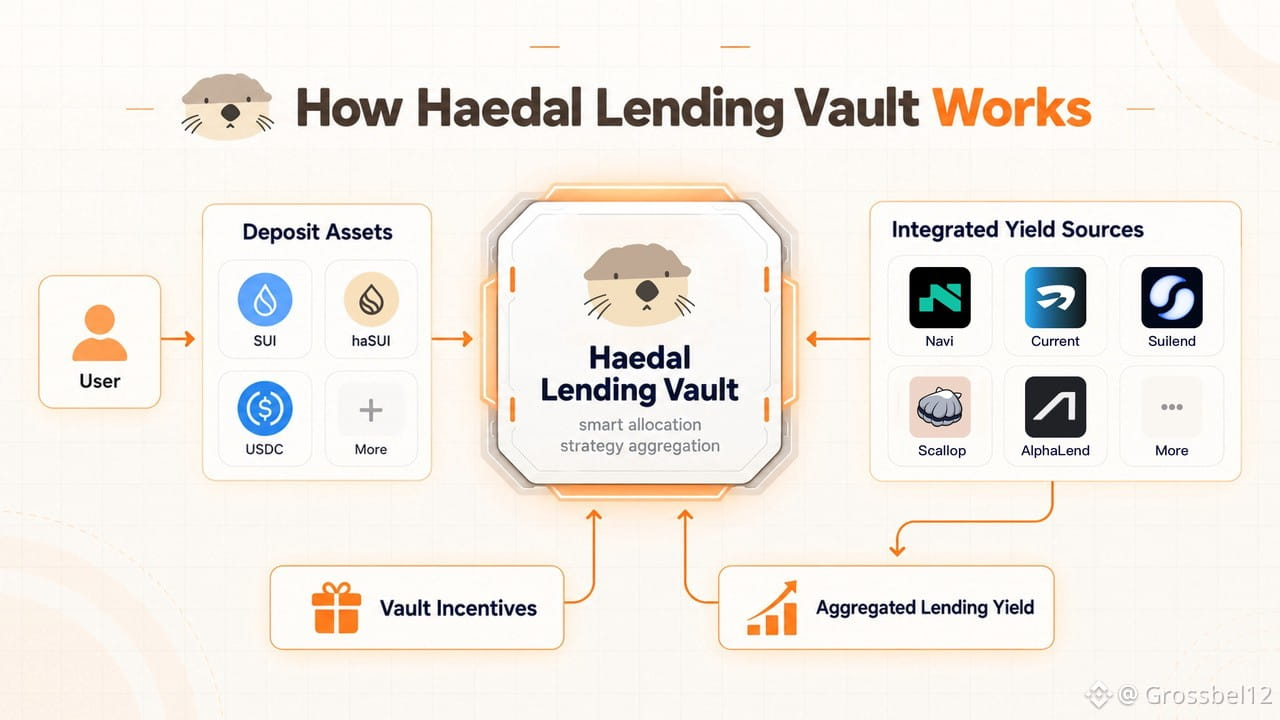
A single deposit asset can give you exposure to several lending markets.
Haedal Lending Vault separates the asset you deposit from the markets that put it to work. A USDC deposit, for example, can represent exposure to several underlying lending positions without requiring you to manage each position separately.
That distinction changes how to read the vault page. The deposit asset tells you how to measure your balance. The strategy allocation tells you where that balance is deployed. Two USDC vaults can therefore have very different sources of yield and different dependencies, even though both report returns in USDC.
A useful comparison starts with the largest underlying allocations and asks what happens if one market becomes unavailable. The answer depends on how much capital is deployed there and how readily it can be withdrawn or redirected.
For $HAEDAL traders, this is the concrete product proposition on $SUI: one position gives access to a managed allocation. NFA.
#HAEDAL #Haedal @HaedalProtocol
A single deposit asset can give you exposure to several lending markets.
Haedal Lending Vault separates the asset you deposit from the markets that put it to work. A USDC deposit, for example, can represent exposure to several underlying lending positions without requiring you to manage each position separately.
That distinction changes how to read the vault page. The deposit asset tells you how to measure your balance. The strategy allocation tells you where that balance is deployed. Two USDC vaults can therefore have very different sources of yield and different dependencies, even though both report returns in USDC.
A useful comparison starts with the largest underlying allocations and asks what happens if one market becomes unavailable. The answer depends on how much capital is deployed there and how readily it can be withdrawn or redirected.
For $HAEDAL traders, this is the concrete product proposition on $SUI : one position gives access to a managed allocation. NFA.
#HAEDAL #Haedal @HaedalProtocol
177
·
--
$HAEDAL: the first hurdle is the prior daily close, not the top of the range.
Spot is near $0.02468 (-3.56%), with a 24-hour range of $0.02344–$0.02698 and about 1.04M USDT in spot turnover. $SUI is also weaker at $0.8218 (-3.62%). A quoted spread near 0.08% does not guarantee depth at size.
$0.02451 is immediate support. Below it, watch $0.02344. A close back above $0.02506 and a higher low on the retest would favor a move toward $0.02556, the rolling VWAP, then $0.02586. Rejection at $0.02506 keeps the downside test in play. Sustained trade below $0.02344 invalidates the rebound thesis.
Illustrative reclaim: $0.02510 entry, $0.02480 stop, $0.02586 target, about 2.53R before costs. Cap account risk at 0.5% and skip if the spread widens.
Haedal's lending vaults give $SUI holders access to managed on-chain lending. Watch vault adoption separately from the immediate trade. NFA.
$HAEDAL : the first hurdle is the prior daily close, not the top of the range.
Spot is near $0.02468 (-3.56%), with a 24-hour range of $0.02344–$0.02698 and about 1.04M USDT in spot turnover. $SUI is also weaker at $0.8218 (-3.62%). A quoted spread near 0.08% does not guarantee depth at size.
$0.02451 is immediate support. Below it, watch $0.02344. A close back above $0.02506 and a higher low on the retest would favor a move toward $0.02556, the rolling VWAP, then $0.02586. Rejection at $0.02506 keeps the downside test in play. Sustained trade below $0.02344 invalidates the rebound thesis.
Illustrative reclaim: $0.02510 entry, $0.02480 stop, $0.02586 target, about 2.53R before costs. Cap account risk at 0.5% and skip if the spread widens.
Haedal's lending vaults give $SUI holders access to managed on-chain lending. Watch vault adoption separately from the immediate trade. NFA.
234
·
--
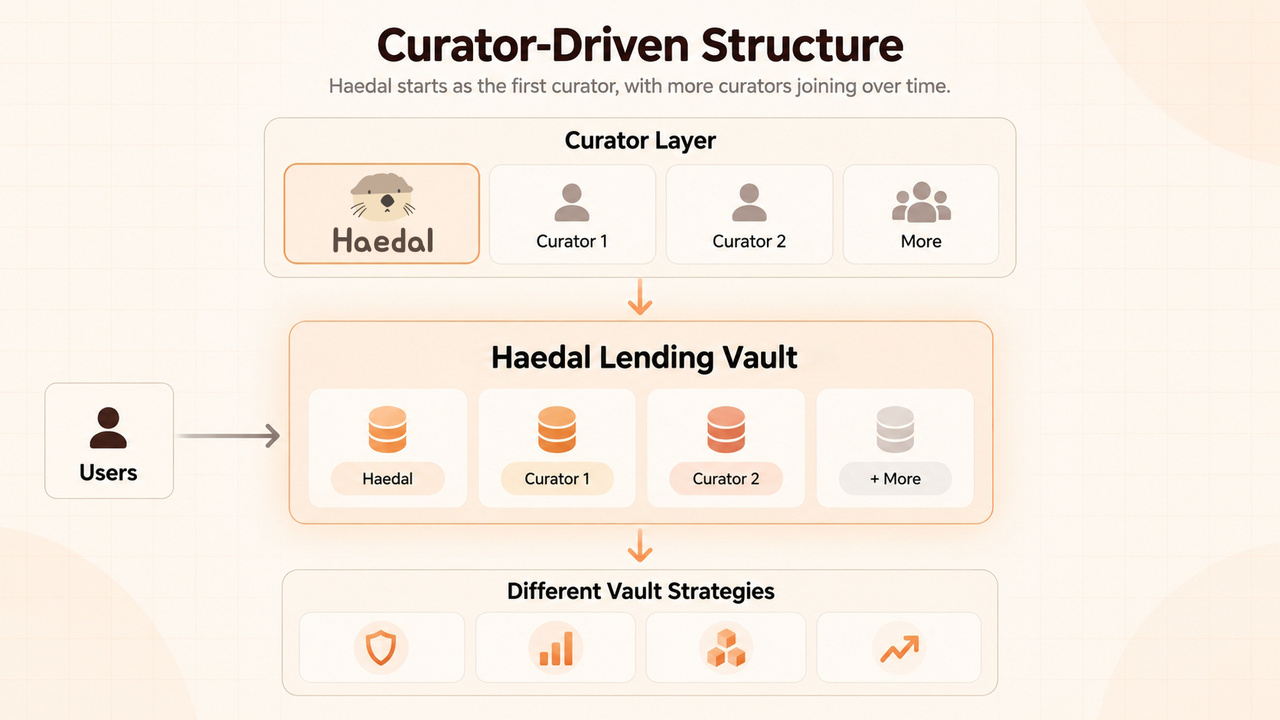
Haedal Lending Vault의 배분표를 읽을 때는 목표 비중과 실제 비중을 구분해야 합니다.
가령 두 대출 시장의 목표 비중이 각각 50%인 가상의 볼트에서 실제 비중이 55%와 45%로 표시될 수 있습니다. 수익이 쌓이는 속도가 다르거나 자금 이동이 진행 중이라면 비중 차이가 생길 수 있습니다. 이 숫자는 현재 볼트의 배분을 뜻하지 않습니다.
한 시점의 비중만으로 큐레이터의 판단을 단정하기보다는 시간에 따른 배분 변화와 온체인 이동을 함께 확인하세요. 실제 비중이 기존 목표에서 벗어난 것인지, 목표 자체가 바뀐 것인지에 따라 해석이 달라집니다.
$SUI 생태계에서 $HAEDAL의 볼트를 평가할 때 이 구분은 특히 중요합니다. 목표 비중은 운용 방향을 보여주고, 실제 비중은 지금 어떤 시장에 노출돼 있는지 보여줍니다.
투자 조언이 아닙니다. #HAEDAL #Haedal @HaedalProtocol
Haedal Lending Vault의 배분표를 읽을 때는 목표 비중과 실제 비중을 구분해야 합니다.
가령 두 대출 시장의 목표 비중이 각각 50%인 가상의 볼트에서 실제 비중이 55%와 45%로 표시될 수 있습니다. 수익이 쌓이는 속도가 다르거나 자금 이동이 진행 중이라면 비중 차이가 생길 수 있습니다. 이 숫자는 현재 볼트의 배분을 뜻하지 않습니다.
한 시점의 비중만으로 큐레이터의 판단을 단정하기보다는 시간에 따른 배분 변화와 온체인 이동을 함께 확인하세요. 실제 비중이 기존 목표에서 벗어난 것인지, 목표 자체가 바뀐 것인지에 따라 해석이 달라집니다.
$SUI 생태계에서 $HAEDAL 의 볼트를 평가할 때 이 구분은 특히 중요합니다. 목표 비중은 운용 방향을 보여주고, 실제 비중은 지금 어떤 시장에 노출돼 있는지 보여줍니다.
투자 조언이 아닙니다. #HAEDAL #Haedal @HaedalProtocol
94
·
--
$HAEDAL is lagging $SUI. Watch for confirmation before trading a catch-up move.
$HAEDAL spot: $0.02645 (-2.00%), 24h range $0.02590–$0.02744, turnover about 826K USDT. $SUI is at $0.8701 (+1.51%), within $0.8499–$0.8819. The divergence favors waiting for $HAEDAL to show independent strength.
The first test is $0.02693. A break and hold above it puts $0.02744 in play; clearing that level opens a test of $0.02799. A rejection below $0.02693 brings $0.02607 back into focus. Sustained acceptance below $0.02590 invalidates the local recovery and exposes $0.02460.
Illustrative breakout setup: $0.02695 entry after a held retest, $0.02650 stop and $0.02799 target, about 2.3R before costs. Cap account risk at 0.5% and check depth. A $SUI rally by itself is insufficient confirmation.
Haedal's haSUI gives staked $SUI a role in DeFi; that product thesis and this short-term setup have different time horizons. NFA.
$HAEDAL is lagging $SUI . Watch for confirmation before trading a catch-up move.
$HAEDAL spot: $0.02645 (-2.00%), 24h range $0.02590–$0.02744, turnover about 826K USDT. $SUI is at $0.8701 (+1.51%), within $0.8499–$0.8819. The divergence favors waiting for $HAEDAL to show independent strength.
The first test is $0.02693. A break and hold above it puts $0.02744 in play; clearing that level opens a test of $0.02799. A rejection below $0.02693 brings $0.02607 back into focus. Sustained acceptance below $0.02590 invalidates the local recovery and exposes $0.02460.
Illustrative breakout setup: $0.02695 entry after a held retest, $0.02650 stop and $0.02799 target, about 2.3R before costs. Cap account risk at 0.5% and check depth. A $SUI rally by itself is insufficient confirmation.
Haedal's haSUI gives staked $SUI a role in DeFi; that product thesis and this short-term setup have different time horizons. NFA.
217
·
--
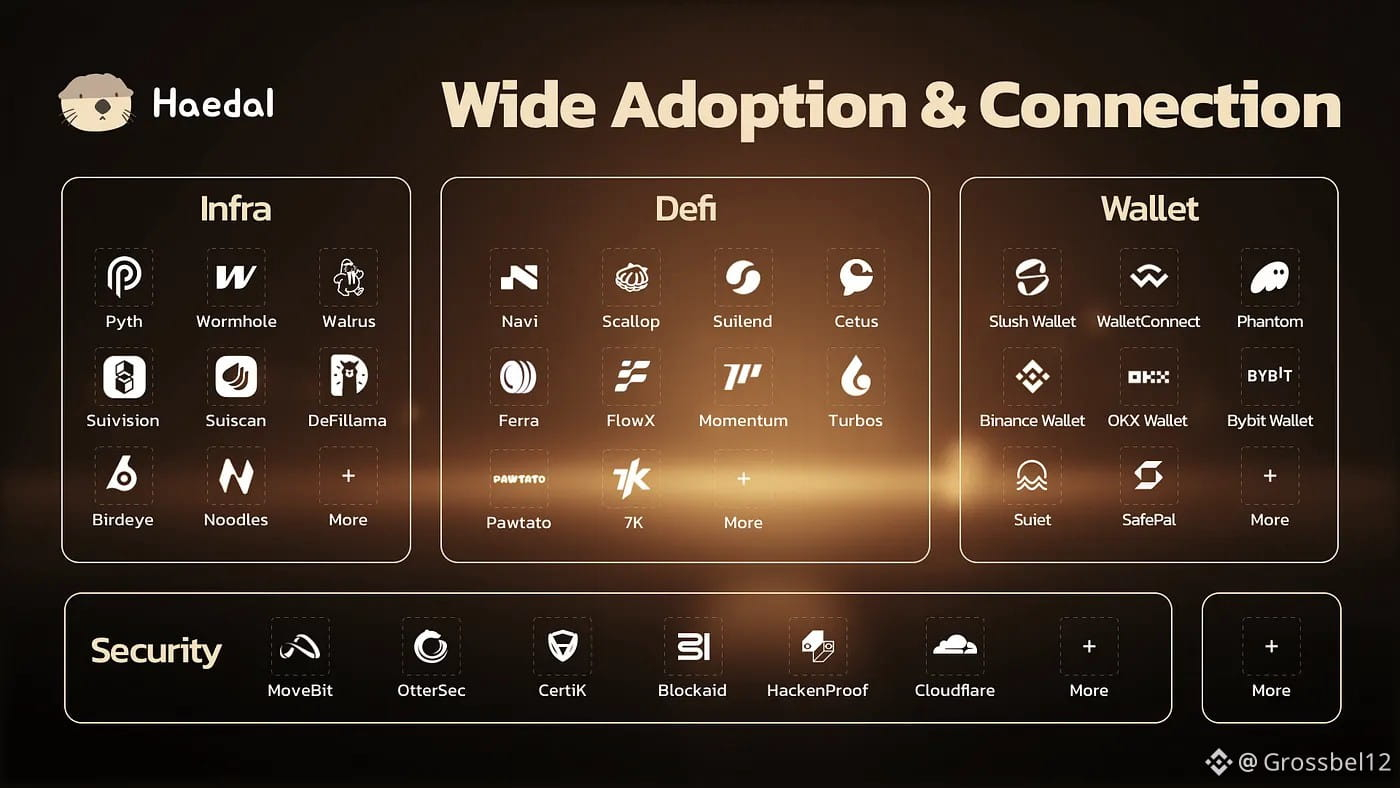
Haedal의 이용이 늘었는지 보려면 어떤 지표를 봐야 할까요?
haSUI의 달러 기준 예치 가치가 늘었다면 먼저 $SUI 가격 변화와 예치 수량 변화를 구분해야 합니다. 토큰 수량이 그대로여도 가격이 오르면 달러 기준 규모는 커질 수 있습니다.
다음으로 발행과 상환을 함께 살펴보세요. 발행량이 늘어도 상환량이 비슷하게 증가했다면 순유입은 제한적일 수 있습니다. 반대로 시장 가격이 하락하는 동안에도 순유입이 이어진다면 제품 수요를 해석하는 데 도움이 됩니다.
보유 주소 수만으로 사용자를 단정하기도 어렵습니다. 한 사용자가 여러 주소를 쓸 수 있고, 여러 사용자의 자산이 하나의 서비스 주소에 모일 수도 있습니다. 잔액 변화와 반복 사용을 함께 보는 편이 유용합니다.
$HAEDAL을 추적하는 트레이더라면 제품 사용 지표와 토큰 가격을 별도로 기록해 두 흐름이 실제로 함께 움직이는지 확인할 수 있습니다. 투자 조언이 아닙니다.
#HAEDAL #Haedal @HaedalProtocol
Haedal의 이용이 늘었는지 보려면 어떤 지표를 봐야 할까요?
haSUI의 달러 기준 예치 가치가 늘었다면 먼저 $SUI 가격 변화와 예치 수량 변화를 구분해야 합니다. 토큰 수량이 그대로여도 가격이 오르면 달러 기준 규모는 커질 수 있습니다.
다음으로 발행과 상환을 함께 살펴보세요. 발행량이 늘어도 상환량이 비슷하게 증가했다면 순유입은 제한적일 수 있습니다. 반대로 시장 가격이 하락하는 동안에도 순유입이 이어진다면 제품 수요를 해석하는 데 도움이 됩니다.
보유 주소 수만으로 사용자를 단정하기도 어렵습니다. 한 사용자가 여러 주소를 쓸 수 있고, 여러 사용자의 자산이 하나의 서비스 주소에 모일 수도 있습니다. 잔액 변화와 반복 사용을 함께 보는 편이 유용합니다.
$HAEDAL 을 추적하는 트레이더라면 제품 사용 지표와 토큰 가격을 별도로 기록해 두 흐름이 실제로 함께 움직이는지 확인할 수 있습니다. 투자 조언이 아닙니다.
#HAEDAL #Haedal @HaedalProtocol
279
·
--
$HAEDAL tokenomics: circulating supply is the starting point.
Market cap measures the value of tokens in circulation. Fully diluted valuation applies the same market price to a broader supply figure. The gap helps frame potential dilution, but it does not tell you when additional tokens can trade or whether recipients will sell.
For $HAEDAL, a practical supply review tracks the unlock schedule, recipient categories and spot liquidity around each event. An unlock makes tokens eligible to circulate; actual market pressure depends on what holders do and how much demand is available.
Keep the product thesis separate. Growth in haSUI usage can strengthen Haedal's position in $SUI DeFi, but traders still need to assess how that growth translates into demand for $HAEDAL. Compare supply changes with actual usage and volume rather than treating either metric as a standalone signal. NFA.
#HAEDAL #Haedal @HaedalProtocol
$HAEDAL tokenomics: circulating supply is the starting point.
Market cap measures the value of tokens in circulation. Fully diluted valuation applies the same market price to a broader supply figure. The gap helps frame potential dilution, but it does not tell you when additional tokens can trade or whether recipients will sell.
For $HAEDAL , a practical supply review tracks the unlock schedule, recipient categories and spot liquidity around each event. An unlock makes tokens eligible to circulate; actual market pressure depends on what holders do and how much demand is available.
Keep the product thesis separate. Growth in haSUI usage can strengthen Haedal's position in $SUI DeFi, but traders still need to assess how that growth translates into demand for $HAEDAL . Compare supply changes with actual usage and volume rather than treating either metric as a standalone signal. NFA.
#HAEDAL #Haedal @HaedalProtocol

246
·
--
$HAEDAL is holding above its rolling 24-hour VWAP after recovering from $0.02460.
Spot is near $0.02682 (+0.22%), with a $0.02460–$0.02799 daily range and roughly $1.42M in spot quote turnover. The quoted spread is about 0.075%; available depth still determines execution quality.
$0.02665 is immediate support, followed by $0.02607 VWAP. Holding this area would preserve the intraday recovery. Resistance begins at $0.02799; a close above it and successful retest would improve the bullish case toward $0.02943–$0.02953.
If $HAEDAL loses VWAP and cannot reclaim it, monitor $0.02583 and the $0.02460 floor. Sustained acceptance below $0.02460 invalidates the local recovery thesis.
Illustrative support setup: $0.02610 entry after confirmation, $0.02570 stop, $0.02799 target—approximately 4.7R before fees and slippage. Cap account risk at 0.5%; a favorable ratio does not establish a high win probability.
Haedal's staking and trading infrastructure provides a longer-term research thesis, while this trade needs price confirmation. NFA.
#HAEDAL #Haedal
121
·
--
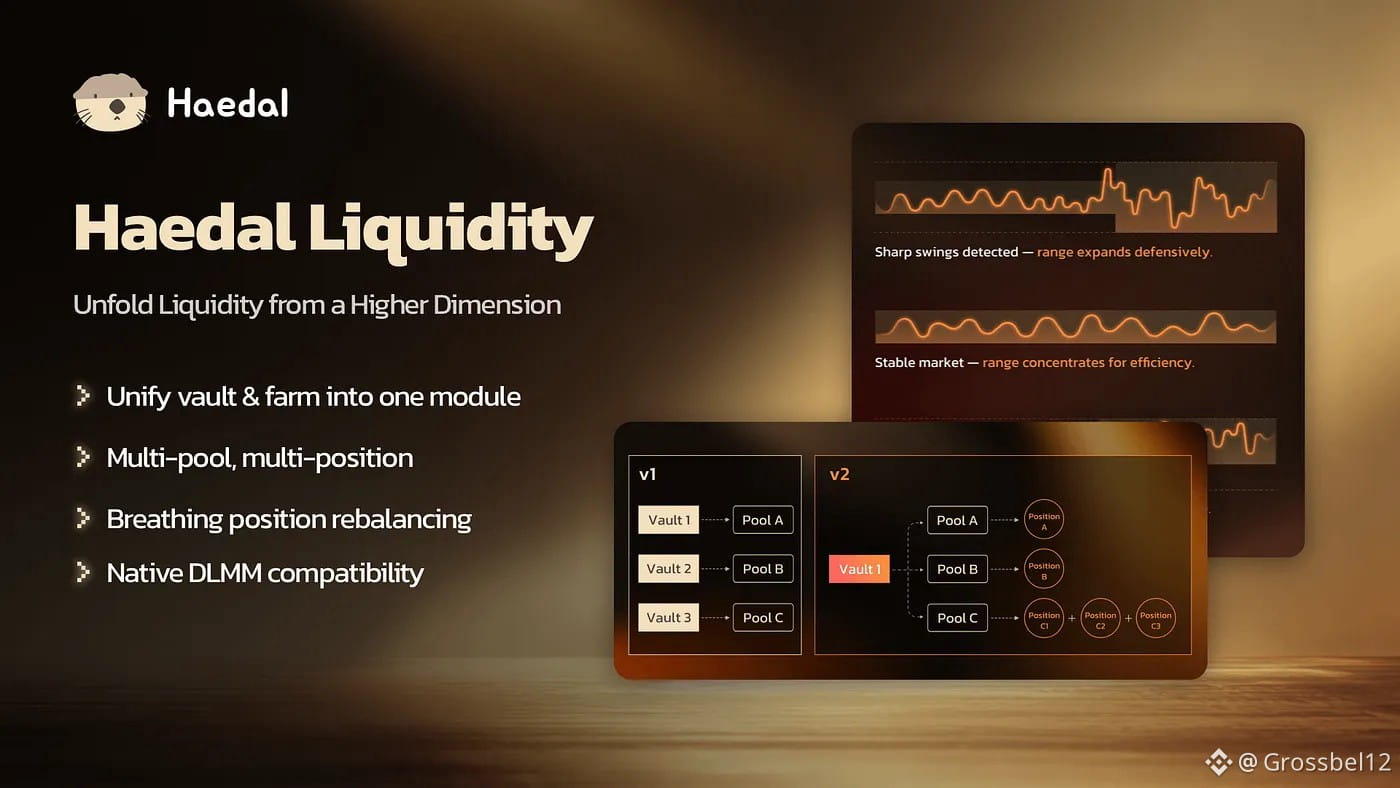
Haedal의 Lending Vault와 Liquidity Vault는 수익 구조가 다릅니다.
Lending Vault는 여러 대출 시장에 자금을 배분하는 운용을 중심으로 합니다. 평가할 때는 차입 수요, 대출 금리, 인센티브와 출금 유동성을 살펴야 합니다.
Liquidity Vault는 거래 유동성 포지션의 운용을 중심으로 봐야 합니다. Haedal Liquidity Vault v2는 시장 상황에 따라 포지션을 재조정하는 전략을 설명하고 있습니다. 이 경우 거래 수수료뿐 아니라 가격 범위, 자산 비중의 변화와 재조정 비용도 결과에 영향을 줄 수 있습니다.
트레이더는 두 상품의 APY를 같은 조건의 수익으로 해석해서는 안 됩니다. 어떤 자산으로 수익을 계산하는지, 가격 변화에 어떻게 노출되는지, 비용 차감 후 결과가 어떤지 각각 확인하는 것이 좋습니다.
$HAEDAL의 제품군은 $SUI 생태계의 서로 다른 활동과 연결됩니다. 상품 이름보다 실제 수익 원천을 이해하면 자신의 투자 목적에 맞는 전략을 선택하기 쉽습니다.
투자 판단과 책임은 본인에게 있습니다.
#HAEDAL #Haedal @HaedalProtocol
Haedal의 Lending Vault와 Liquidity Vault는 수익 구조가 다릅니다.
Lending Vault는 여러 대출 시장에 자금을 배분하는 운용을 중심으로 합니다. 평가할 때는 차입 수요, 대출 금리, 인센티브와 출금 유동성을 살펴야 합니다.
Liquidity Vault는 거래 유동성 포지션의 운용을 중심으로 봐야 합니다. Haedal Liquidity Vault v2는 시장 상황에 따라 포지션을 재조정하는 전략을 설명하고 있습니다. 이 경우 거래 수수료뿐 아니라 가격 범위, 자산 비중의 변화와 재조정 비용도 결과에 영향을 줄 수 있습니다.
트레이더는 두 상품의 APY를 같은 조건의 수익으로 해석해서는 안 됩니다. 어떤 자산으로 수익을 계산하는지, 가격 변화에 어떻게 노출되는지, 비용 차감 후 결과가 어떤지 각각 확인하는 것이 좋습니다.
$HAEDAL 의 제품군은 $SUI 생태계의 서로 다른 활동과 연결됩니다. 상품 이름보다 실제 수익 원천을 이해하면 자신의 투자 목적에 맞는 전략을 선택하기 쉽습니다.
투자 판단과 책임은 본인에게 있습니다.
#HAEDAL #Haedal @HaedalProtocol
66
·
--
Haedal Market Maker connects liquidity management with the broader staking economy.
HMM uses dynamic liquidity concentration, oracle-based pricing and inventory management. Concentrating capital near active trading prices can improve its utilization; adjusting inventory helps manage the asset balance as trades arrive.
For $HAEDAL watchers, this adds a different product dimension from lending: market making serves trading flow, while lending serves borrowing demand.
Evaluate HMM through execution quality, inventory exposure and net results across changing market conditions. Trading volume alone cannot establish profitability. This is a useful part of the Haedal thesis to research alongside haSUI adoption.
NFA. #HAEDAL #Haedal @HaedalProtocol

132
Войдите, чтобы посмотреть больше материала
Присоединяйтесь к пользователям криптовалют по всему миру на Binance Square
⚡️ Получайте новейшую и полезную информацию о криптоактивах.
💬 Нам доверяет крупнейшая в мире криптобиржа.
👍 Получите достоверные аналитические данные от верифицированных создателей контента.
Эл. почта/номер телефона
В тренде
USPPIMissMayEaseBTCPressure
Просмотров: 5,069
238 обсуждают
US PPI Rises 6.5% a Year in October, Slightly Below 6.6% Forecast
Binance News
·Лайков: 10
·Просмотров: 7.8k
BitcoinCoreDisclosesTorTrafficVulnerability
Просмотров: 89
50 обсуждают
WhatWillDriveCryptoandStocks’NextRebound?
Просмотров: 94,659
1,249 обсуждают