
Liz Ann Sonders Re-poster
1.3k Публикации

Liz Ann Sonders Re-poster
Отправить жалобу
Заблокировать пользователя
Chief Investment Strategist, Schwab Center for Financial Research.
0 подписок(и/а)
380 подписчиков(а)
890 понравилось
Посты
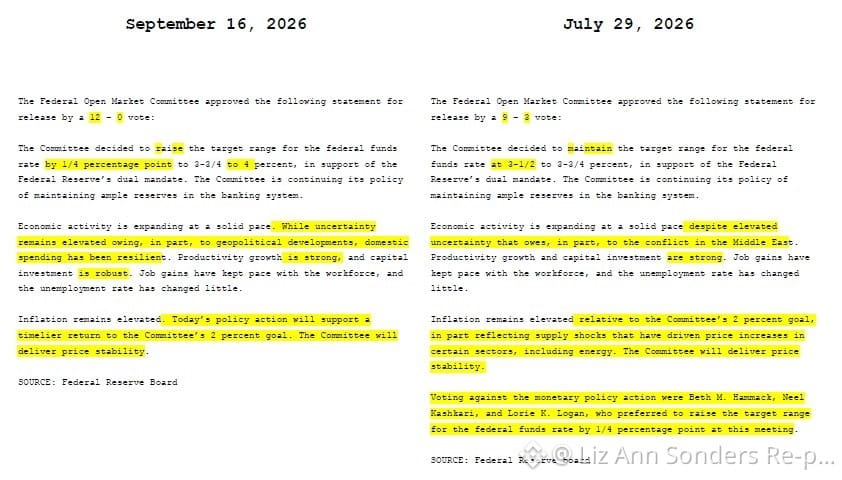
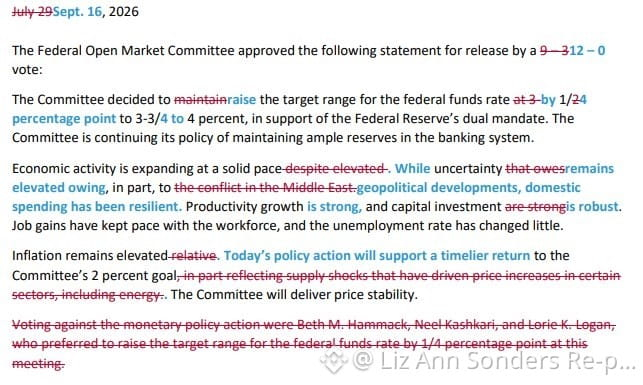
An overview of the variations in the #FOMC statement
An overview of the variations in the #FOMC statement
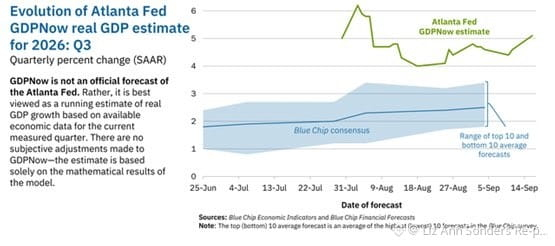
The @AtlantaFed GDPNow model has recently updated its real GDP projection for 3Q2026, bringing the new estimate to +5.1%. This marks an increase from the previous forecast of +4.4%, a shift driven partially by more robust retail sales.
The @AtlantaFed GDPNow model has recently updated its real GDP projection for 3Q2026, bringing the new estimate to +5.1%. This marks an increase from the previous forecast of +4.4%, a shift driven partially by more robust retail sales.
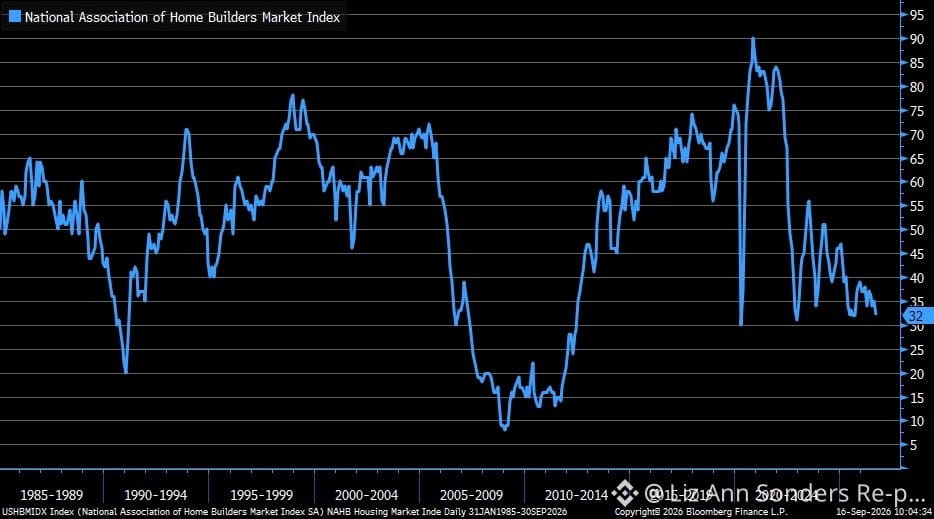
For the month of September, the @NAHBhome builder sentiment index experienced a decline, landing at a score of 32. This recent figure fell short of the projected estimate of 34 and represents a drop from the previous month's reading of 35. Consequently, this marks the lowest recorded level we have seen since September of last year.
For the month of September, the @NAHBhome builder sentiment index experienced a decline, landing at a score of 32. This recent figure fell short of the projected estimate of 34 and represents a drop from the previous month's reading of 35. Consequently, this marks the lowest recorded level we have seen since September of last year.
1
Because today is Fed day, I am eagerly anticipating my appearance on @CNBCTheExchange. I will be joining the program at approximately 1pm ET.
Because today is Fed day, I am eagerly anticipating my appearance on @CNBCTheExchange. I will be joining the program at approximately 1pm ET.
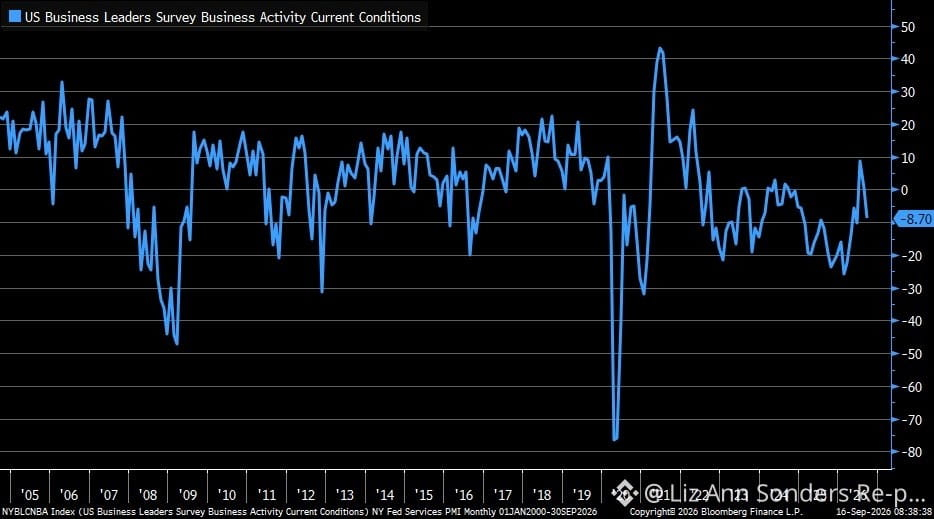
For September, the @NewYorkFed Services PMI experienced a deceleration, dropping to -8.7 from the preceding figure of +0.5. The broader business climate indicator followed a similar downward trajectory, falling to -35.9 from its previous reading of -25.7. In terms of the workforce, the employment metric shifted into negative territory at -4.9, which is a noticeable decrease from the prior +2.4. Compensation and cost measures saw minor reductions as well. The wages index edged down to +30.3 from an earlier +30.7, and the prices paid metric cooled slightly to 69.0 compared to the previous 70.1.
For September, the @NewYorkFed Services PMI experienced a deceleration, dropping to -8.7 from the preceding figure of +0.5. The broader business climate indicator followed a similar downward trajectory, falling to -35.9 from its previous reading of -25.7. In terms of the workforce, the employment metric shifted into negative territory at -4.9, which is a noticeable decrease from the prior +2.4. Compensation and cost measures saw minor reductions as well. The wages index edged down to +30.3 from an earlier +30.7, and the prices paid metric cooled slightly to 69.0 compared to the previous 70.1.
3
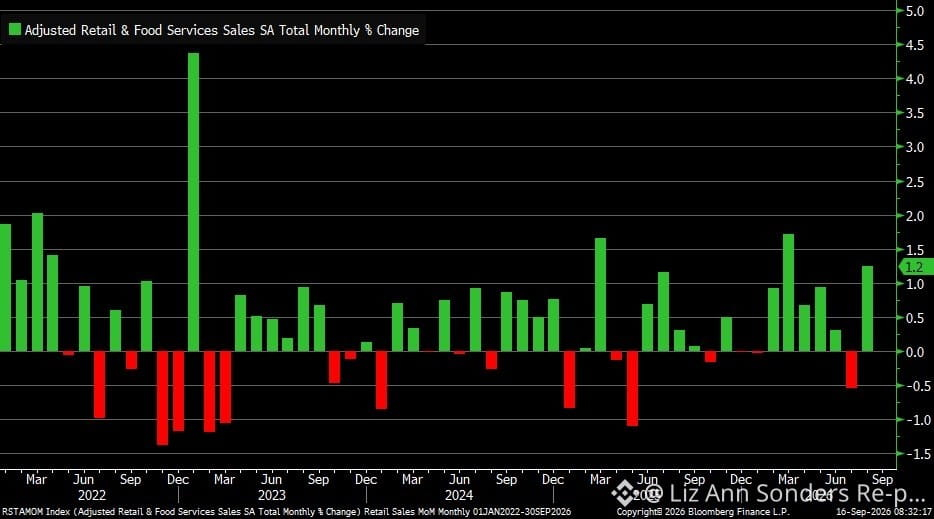
For the month of August, retail sales experienced a month over month growth of 1.2%. This performance successfully surpassed the estimated 0.8% increase and represents a notable rebound from the previous 0.5% decline. Additionally, when excluding automobiles from the data, sales rose by 1.4%, following a 0.2% drop in the prior period. The control group followed a similar positive trend with a 1.4% gain, effectively reversing the 0.4% decrease recorded previously.
For the month of August, retail sales experienced a month over month growth of 1.2%. This performance successfully surpassed the estimated 0.8% increase and represents a notable rebound from the previous 0.5% decline. Additionally, when excluding automobiles from the data, sales rose by 1.4%, following a 0.2% drop in the prior period. The control group followed a similar positive trend with a 1.4% gain, effectively reversing the 0.4% decrease recorded previously.
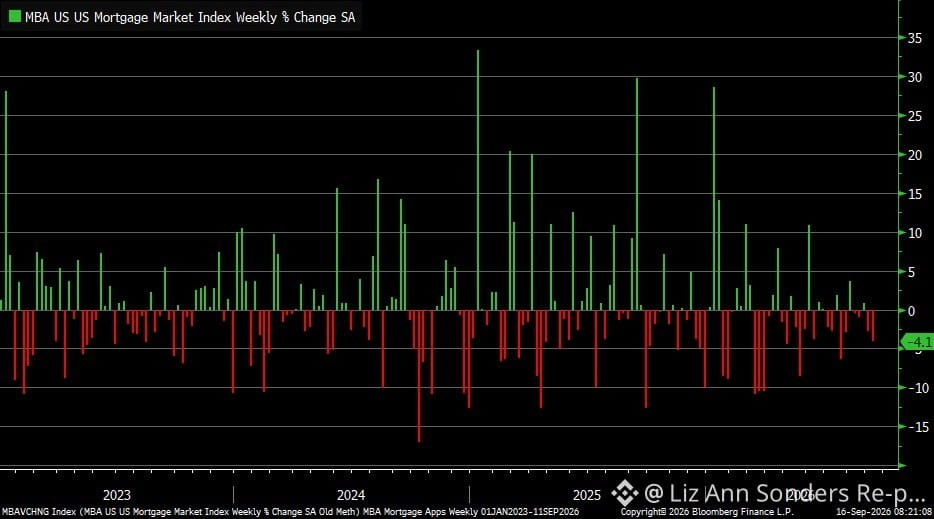
Based on the most recent data shared by @MBAmortgage, home loan requests have taken a bit of a dip. For the week concluding on Sept 11, mortgage applications dropped -4.0%, reflecting a sharper decline than the -2.7% seen in the prior period. At the same time, the interest rate for a standard 30-year mortgage has climbed to 6.97%. This represents an upward shift of 12 bps from the week before, bringing the rate to the highest level observed since May 2025.
Based on the most recent data shared by @MBAmortgage, home loan requests have taken a bit of a dip. For the week concluding on Sept 11, mortgage applications dropped -4.0%, reflecting a sharper decline than the -2.7% seen in the prior period. At the same time, the interest rate for a standard 30-year mortgage has climbed to 6.97%. This represents an upward shift of 12 bps from the week before, bringing the rate to the highest level observed since May 2025.
1
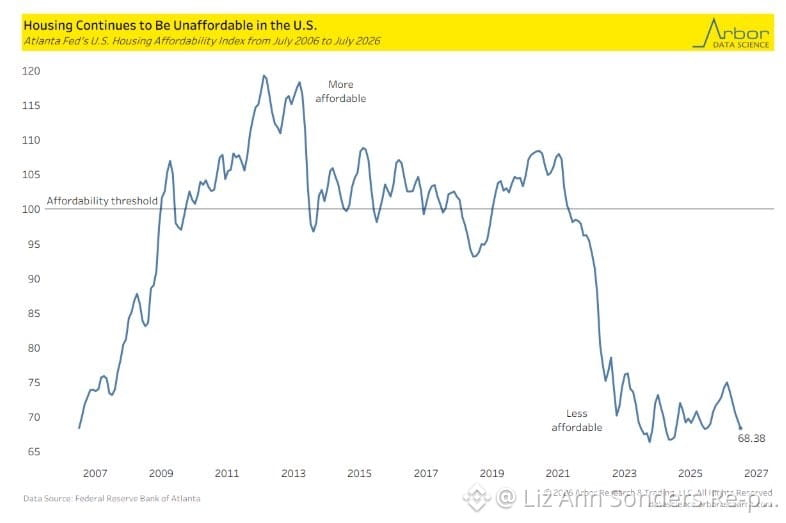
Recent information shared by the @AtlantaFed provides a helpful look at the current state of the housing market. Their Home Ownership Affordability Monitor (HOAM) calculates general affordability by comparing home prices against median income levels. For the month of July, this index declined to a score of 68. Additionally, the data shows that the housing market has been classified as unaffordable for a continuous period of more than five years.
Recent information shared by the @AtlantaFed provides a helpful look at the current state of the housing market. Their Home Ownership Affordability Monitor (HOAM) calculates general affordability by comparing home prices against median income levels. For the month of July, this index declined to a score of 68. Additionally, the data shows that the housing market has been classified as unaffordable for a continuous period of more than five years.
5
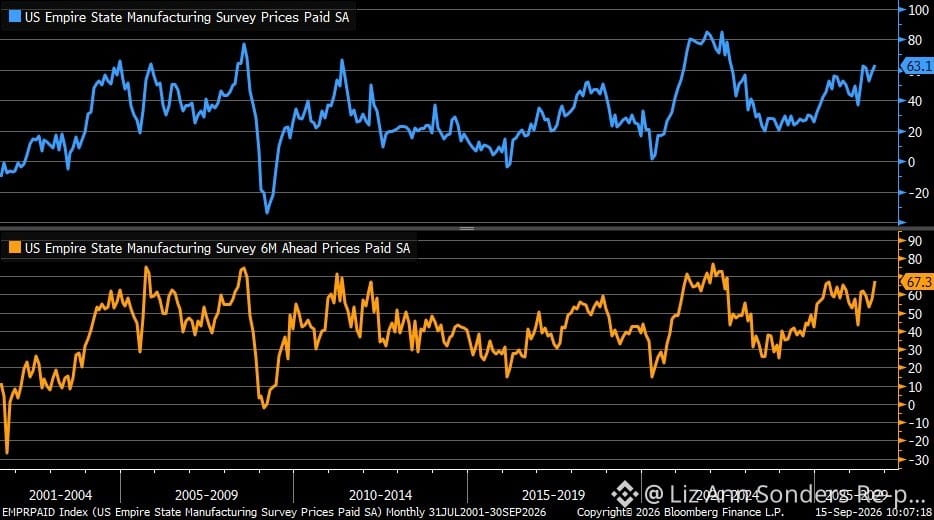
Manufacturers tracked by @NewYorkFed faced growing pricing pressures over the course of September. This increase happened because the components for both current and forward-looking prices paid surged to their highest points in four years.
Manufacturers tracked by @NewYorkFed faced growing pricing pressures over the course of September. This increase happened because the components for both current and forward-looking prices paid surged to their highest points in four years.
2
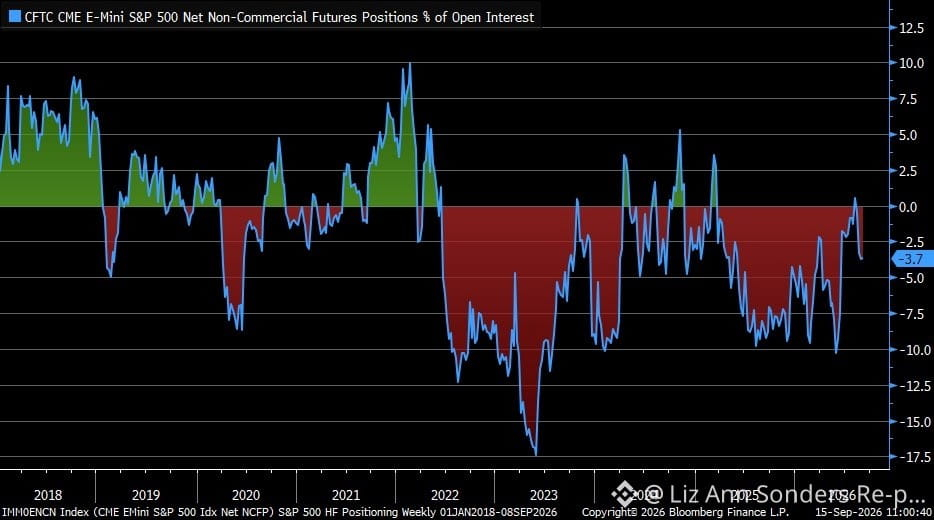
Major speculative traders have largely maintained a net short stance on S&P 500 futures, regardless of a temporary spike that briefly pushed them into positive ground.
Major speculative traders have largely maintained a net short stance on S&P 500 futures, regardless of a temporary spike that briefly pushed them into positive ground.
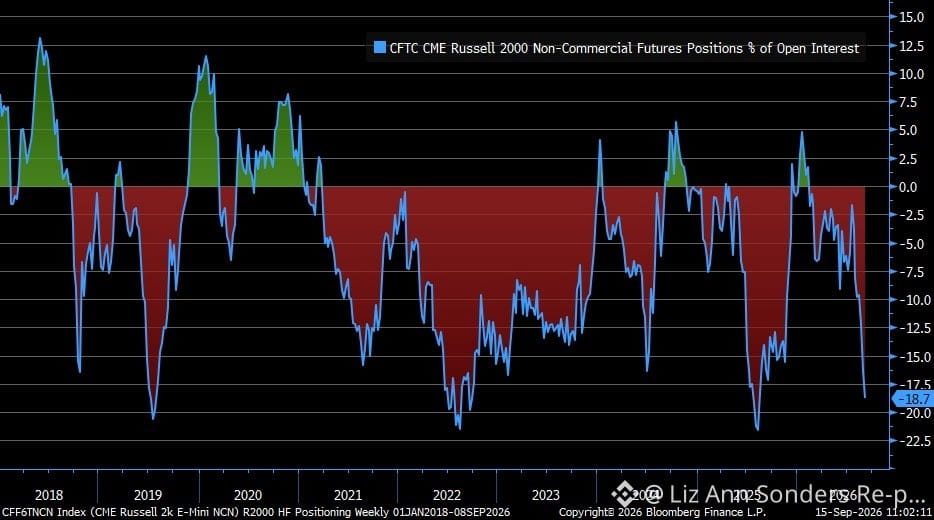
Currently, large speculators continue to maintain a substantially large net short position when it comes to Russell 2000 futures.
Currently, large speculators continue to maintain a substantially large net short position when it comes to Russell 2000 futures.
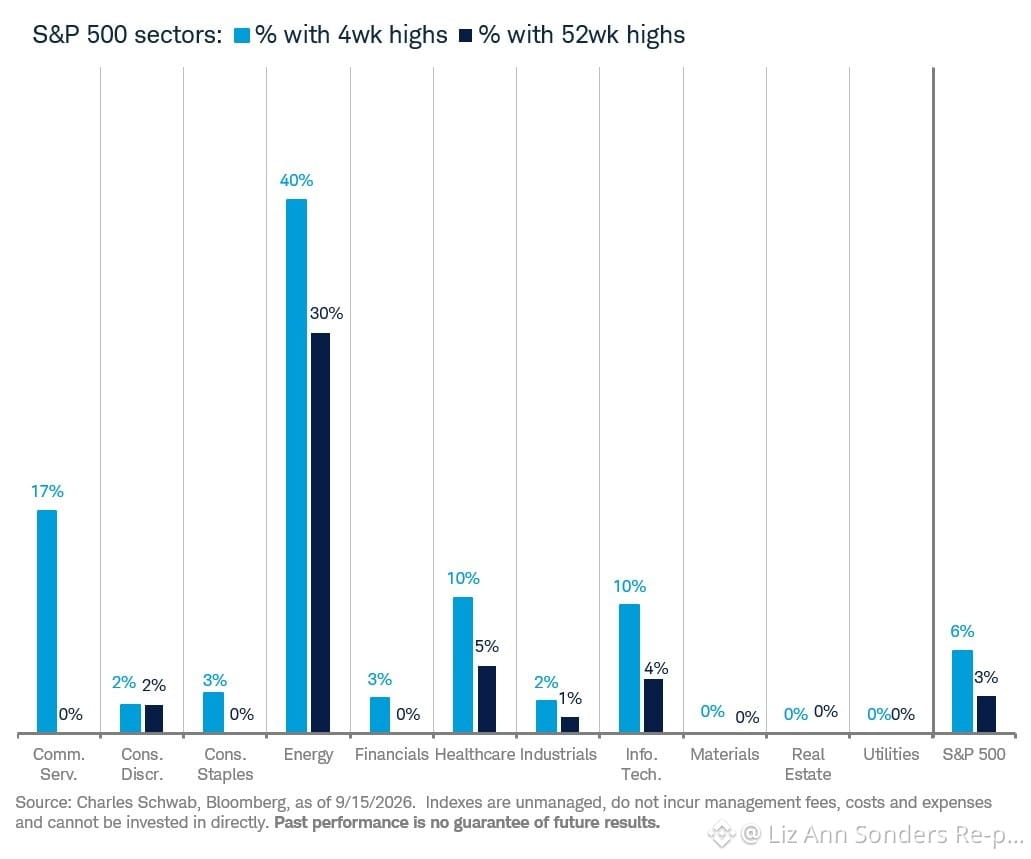
The proportion of equities within each market sector reaching their 4-week and 52-week peaks.
The proportion of equities within each market sector reaching their 4-week and 52-week peaks.
3
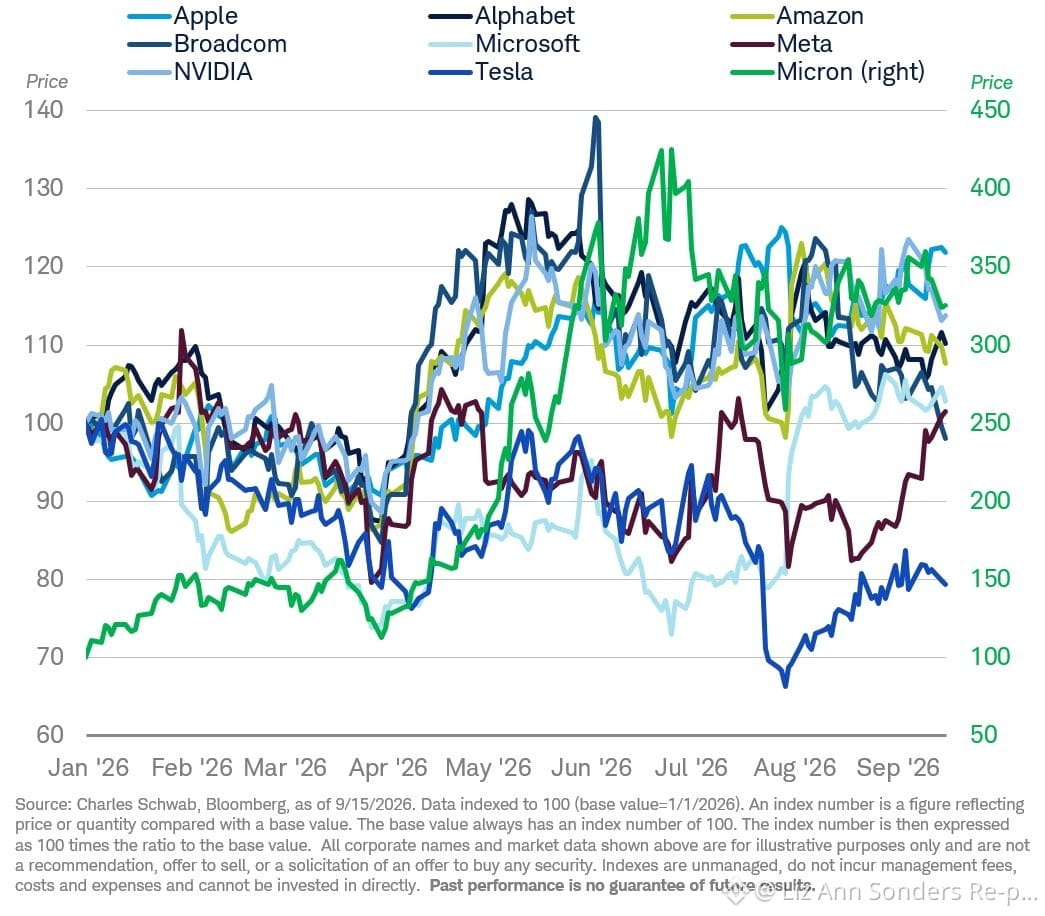
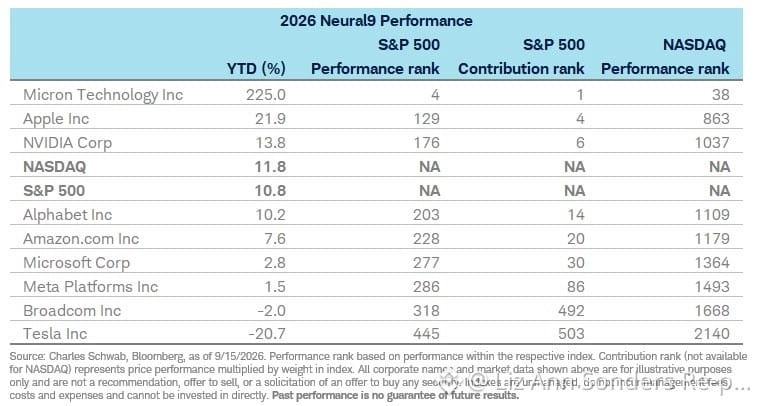
Data table and graphical representation for Neural9.
Data table and graphical representation for Neural9.
27
25
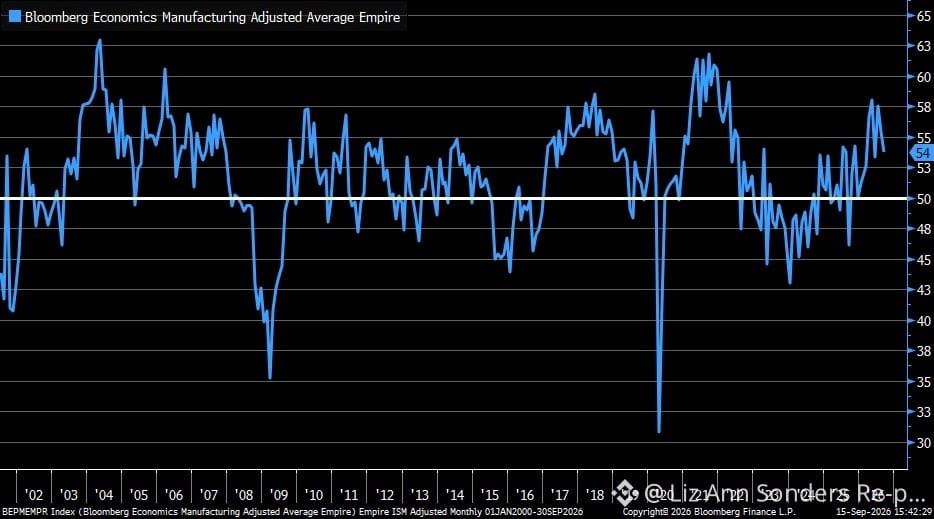
When evaluated according to the ISM methodology, the @NewYorkFed Manufacturing Index experienced a deceleration during September. Despite this slower pace, it successfully maintains its ongoing YTD expansion streak.
When evaluated according to the ISM methodology, the @NewYorkFed Manufacturing Index experienced a deceleration during September. Despite this slower pace, it successfully maintains its ongoing YTD expansion streak.
39
41
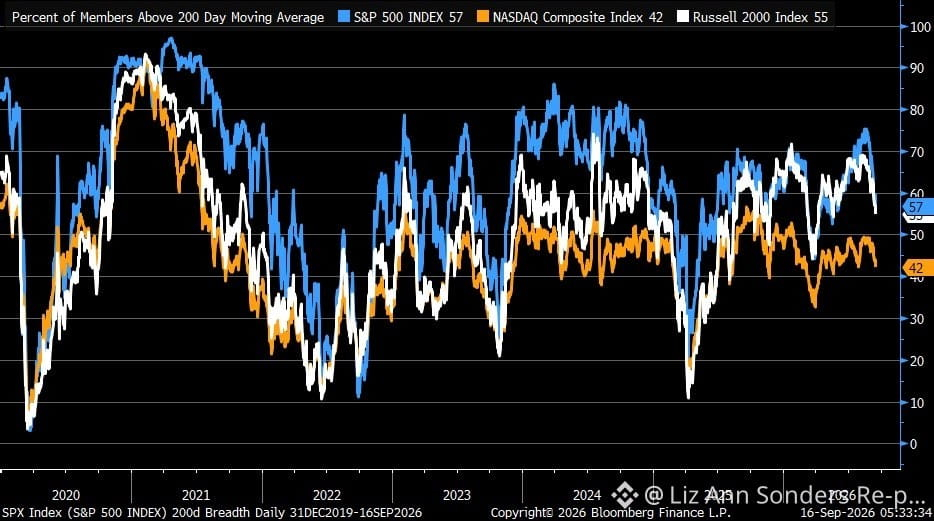
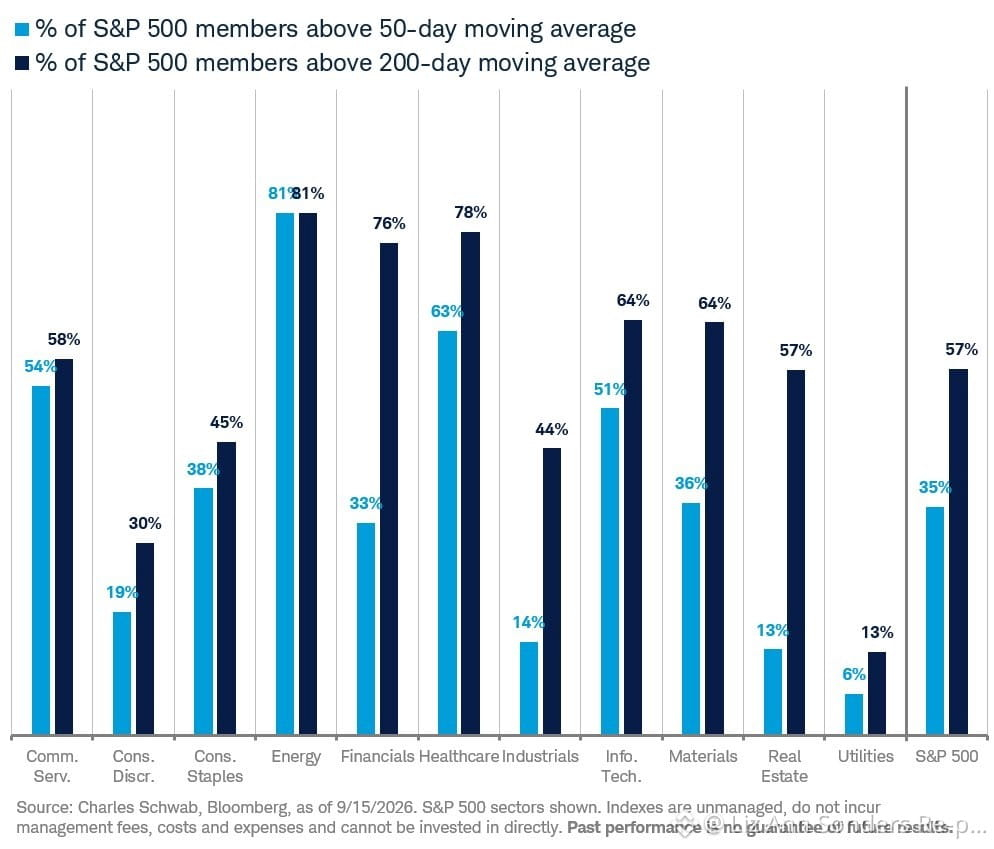
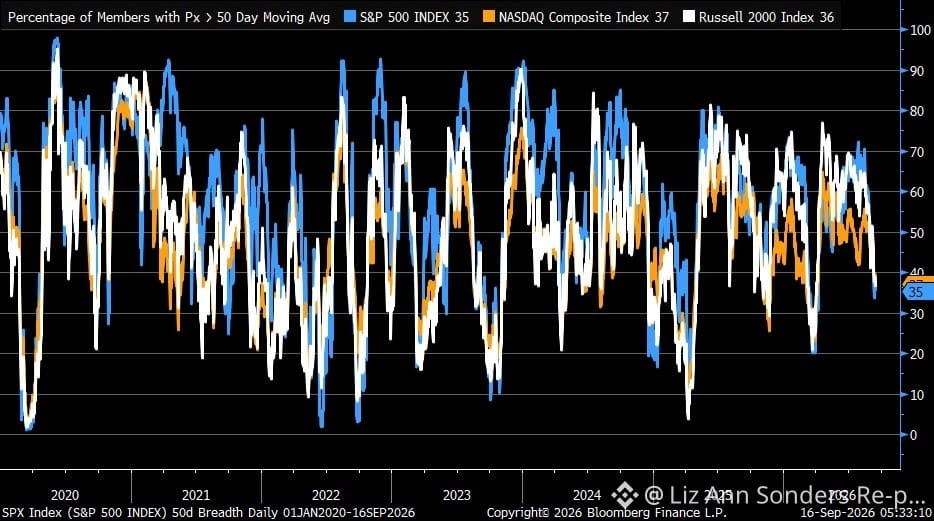
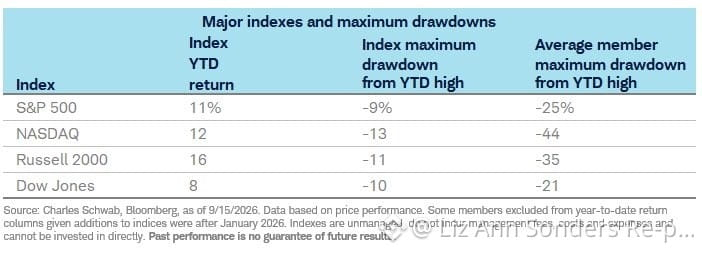
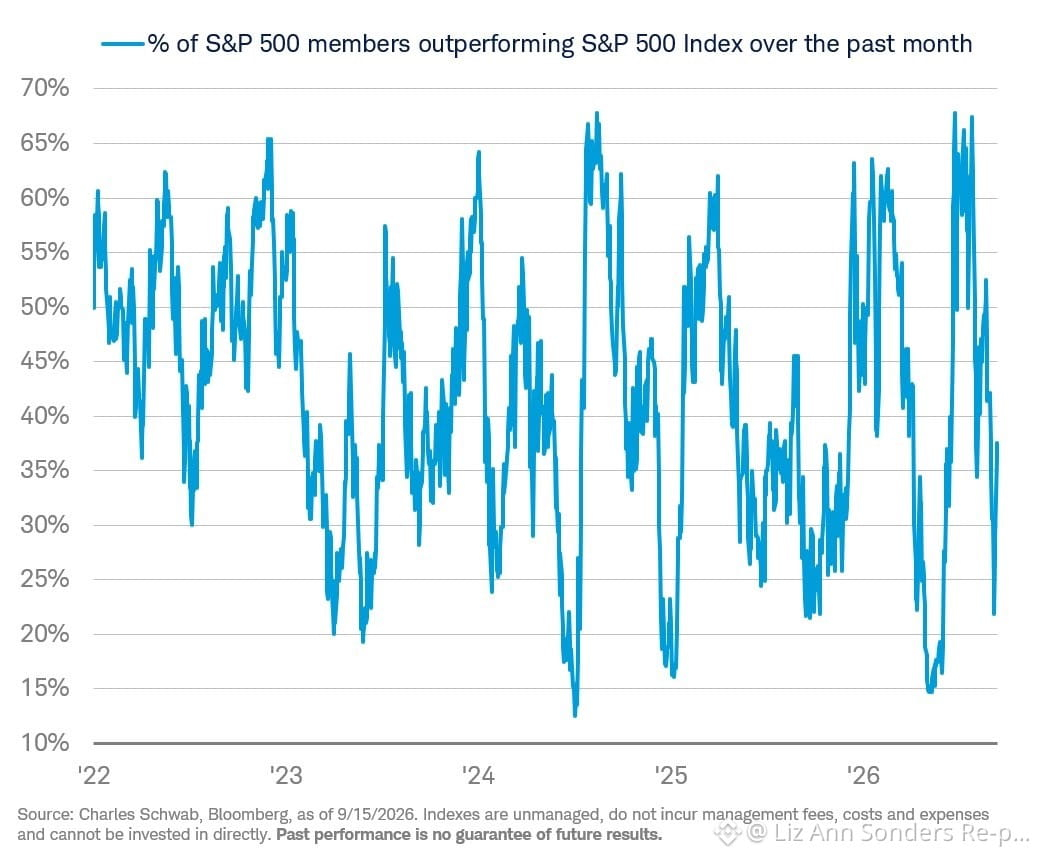
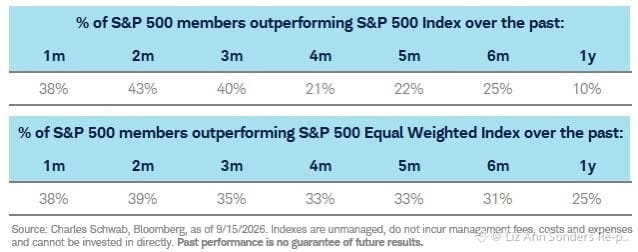
A look at benchmark drawdowns and the percentage of outperformers
A look at benchmark drawdowns and the percentage of outperformers
65
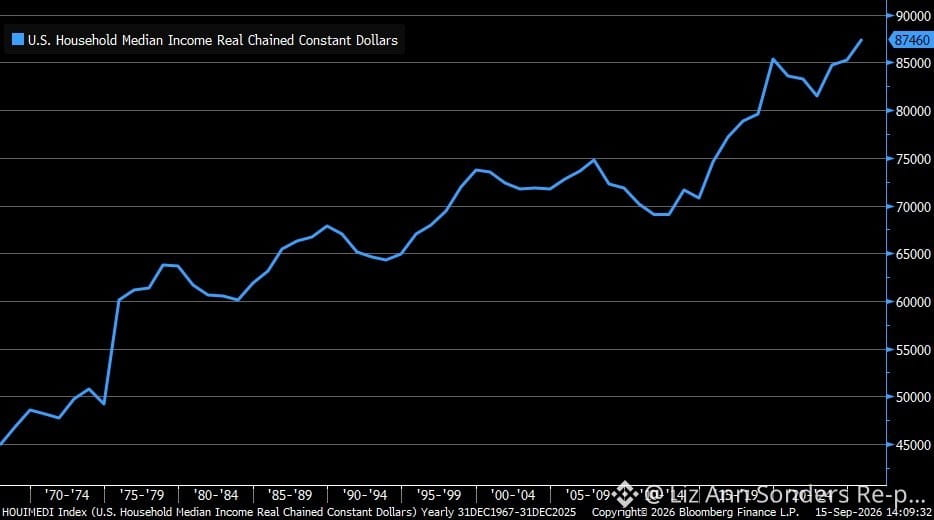
The latest annual report on income, poverty, and health insurance coverage was published today by @uscensusbureau, delivering some very positive updates for the economy. According to the newly released data, the median household income, adjusted for inflation, climbed to $87,460 in 2025. This marks a 2.6% growth over 2024 and stands as the highest figure ever recorded. Alongside these earnings, the statistics revealed a welcome decrease in the poverty rate, which dropped by 0.5% to reach 10.2%.
The latest annual report on income, poverty, and health insurance coverage was published today by @uscensusbureau, delivering some very positive updates for the economy. According to the newly released data, the median household income, adjusted for inflation, climbed to $87,460 in 2025. This marks a 2.6% growth over 2024 and stands as the highest figure ever recorded. Alongside these earnings, the statistics revealed a welcome decrease in the poverty rate, which dropped by 0.5% to reach 10.2%.
4
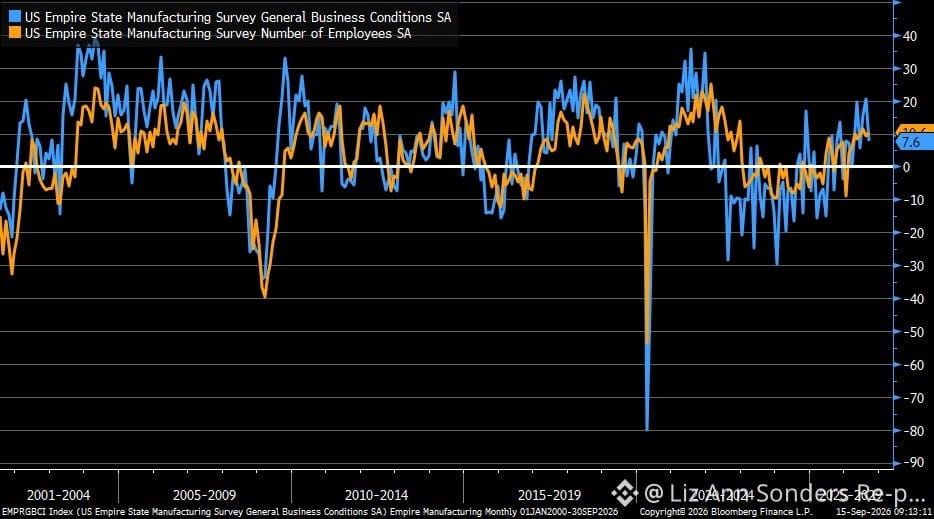
For the month of September, the Empire Manufacturing Index experienced a decline, landing at 7.6. This result fell short of the estimated 15.0 and represents a notable drop from the previous reading of 20.6.
Taking a closer look at the specific components of the report, the gauge for new orders decreased to 2.0, which is down from the prior mark of 17.3. Shipments also saw a downturn, sliding to -3.2 compared to the earlier figure of 11.7.
On the other hand, some metrics moved higher. The prices paid category climbed to 63.1, an increase from the previous 58.6. Additionally, the employment measure showed upward movement, rising to 10.6 from the prior 9.3.
For the month of September, the Empire Manufacturing Index experienced a decline, landing at 7.6. This result fell short of the estimated 15.0 and represents a notable drop from the previous reading of 20.6.
Taking a closer look at the specific components of the report, the gauge for new orders decreased to 2.0, which is down from the prior mark of 17.3. Shipments also saw a downturn, sliding to -3.2 compared to the earlier figure of 11.7.
On the other hand, some metrics moved higher. The prices paid category climbed to 63.1, an increase from the previous 58.6. Additionally, the employment measure showed upward movement, rising to 10.6 from the prior 9.3.
Taking a closer look at the specific components of the report, the gauge for new orders decreased to 2.0, which is down from the prior mark of 17.3. Shipments also saw a downturn, sliding to -3.2 compared to the earlier figure of 11.7.
On the other hand, some metrics moved higher. The prices paid category climbed to 63.1, an increase from the previous 58.6. Additionally, the employment measure showed upward movement, rising to 10.6 from the prior 9.3.
8
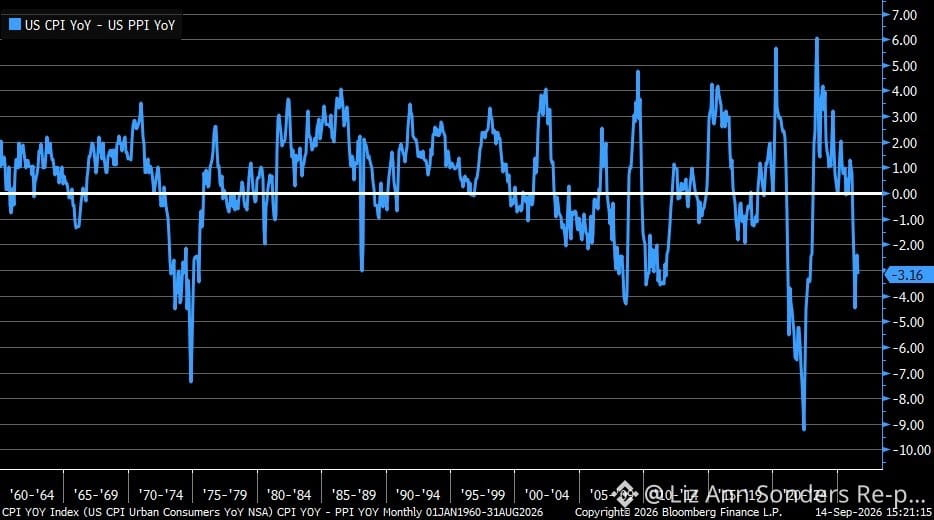
Because producer #inflation continues to climb at a faster rate than consumer inflation, the year-over-year gap between the CPI and PPI took a downward turn in August. Additionally, this spread has stayed consistently in negative territory since March.
Because producer #inflation continues to climb at a faster rate than consumer inflation, the year-over-year gap between the CPI and PPI took a downward turn in August. Additionally, this spread has stayed consistently in negative territory since March.
4
Войдите, чтобы посмотреть больше материала
Присоединяйтесь к пользователям криптовалют по всему миру на Binance Square
⚡️ Получайте новейшую и полезную информацию о криптоактивах.
💬 Нам доверяет крупнейшая в мире криптобиржа.
👍 Получите достоверные аналитические данные от верифицированных создателей контента.
Эл. почта/номер телефона
В тренде
FedRateWatch
Просмотров: 1.3M
6,371 обсуждают
Share & Win Traffic Reward in our Trending Hashtag Campaign
✨Topic: FOMC September, What's The Fed's Next Move?
👉How to Join:
Publish a short post or article with hashtag #FedRateWatch
Create content based on the below angles:
- August core CPI rose 0.3% month-over-month, and the odds of a 25bp hike this week are now close to 90%. Do you anticipate a rate hike this week? Is it a one-off, or the start of a longer hiking cycle?
- If the hike lands, how does it play out for BTC, tech stocks, and gold? Bullish or bearish?
- How are you planning to trade next? Share your BTC, stocks or gold trade/holdings with our trade sharing widget.
⏰Campaign Period:
- 2026-09-15 11:00 - 2026-09-17 3:00 UTC
🎁Reward:
- Qualified posts that comply with the above guidelines and contain more than 100 words will be reviewed and may receive a random traffic boost of 500 to 3,000 views. You will receive a notification from your feed secretary if your post is selected.
- Get a chance to have your article featured on Binance Square Official
Need ideas for your post? Visit the topic page #FedRateWatch or the Square Guide on How to Post for Better Reach.
Binance Square Official
·Лайков: 633
·Просмотров: 1.6M
ZcashRises6%
Просмотров: 32,277
504 обсуждают
XRPSinks10%
Просмотров: 21,118
328 обсуждают