
For-Exx Kripto
1.4k Публикации

For-Exx Kripto
Отправить жалобу
Заблокировать пользователя
Technical and Fundamental Analysis of Cryptocurrencies,Stocks and Financial Instruments
/// Youtube / Twitter : @ForExxKripto
1 подписок(и/а)
1.1K+ подписчиков(а)
3.9K+ понравилось
Посты
Все
Цитирования
Видео
Статья
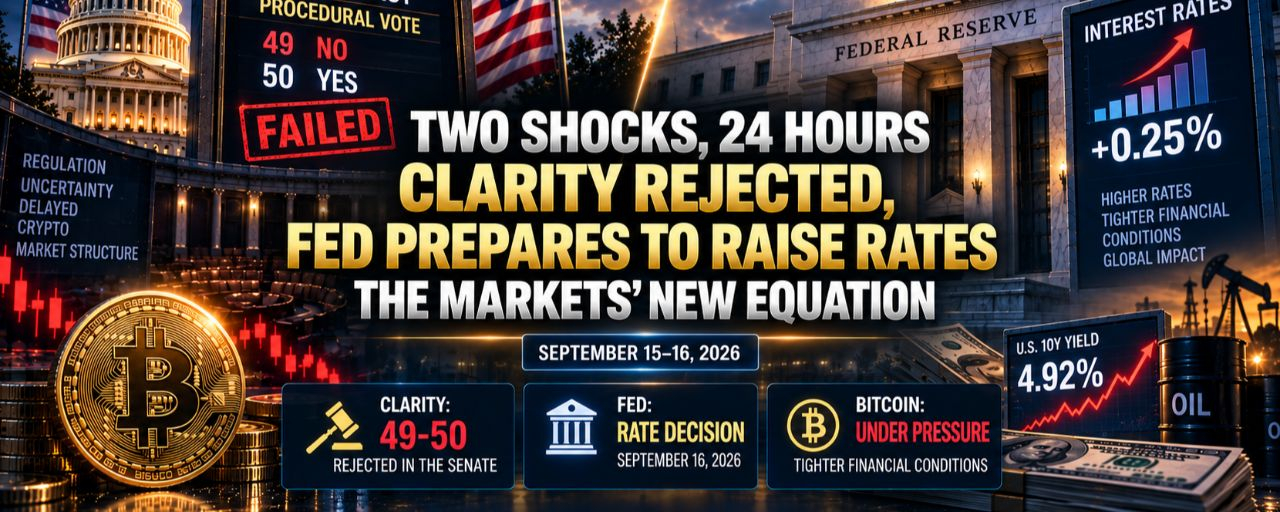
Two Shocks, Twenty-Four Hours: CLARITY Rejected, Fed Raises Rates — The Markets’ New EquationIntroduction
Markets rarely have to absorb two major uncertainties within the same twenty-four-hour period. This week, that is exactly what happened.
On Tuesday evening, September 15, the U.S. Senate rejected moving forward with the CLARITY Act, which the crypto sector had been waiting for years to advance with hundreds of millions of dollars in lobbying budgets. More than forty senators voted against it, and the bill failed to clear the 60-vote threshold. This outcome effectively ends Senate work on market-structure legislation for 2026.
Less than twenty-four hours later, on Wednesday, September 16, the Fed opens its doors. And this time, the issue on the table is not a rate cut, but a rate hike. According to the futures market, the probability of a 25-basis-point hike has risen to the 91–93% range; this would be the first hike in more than three years.
In other words, the market has to digest two things at once: the postponement of crypto’s institutional legitimacy timeline by at least a year, and potentially longer, and the official reversal in the direction of global liquidity.
We examined the scenarios surrounding whether the Fed would hike rates in detail in our article titled The Fed Dilemma on September 16. In this article, we focus on a different question: Once the decision is made, how will each asset adapt to the new environment?
Why Is This Hike Not a “Normal” Rate Hike?
A classic rate hike is implemented in response to an overheating economy. Demand is strong, employment is tight, and the central bank gradually applies the brakes. That is not the situation in this cycle.
This time, what is pushing inflation higher is not demand, but a supply-side energy shock. After Saudi Arabia shut down its strategic East-West pipeline following drone attacks, Brent approached $110, while prices remained elevated amid new attacks in the Middle East. Brent is currently trading around $108, while WTI is around $104. Diesel, the lifeblood of the economy, has surpassed $6 per gallon at the retail level, further intensifying inflation concerns.
Here we face the most painful reality of central banking: A rate hike does not produce oil. It does not repair a pipeline or get a tanker through the Strait of Hormuz. The only thing the Fed can do is prevent this supply shock from becoming embedded in price expectations. In other words, the hike is not being implemented to lower inflation, but to prevent inflation expectations from becoming unanchored. This distinction is the key to understanding how the decision will affect markets.
The market has not fully priced in this distinction. Most investors are still operating with the 2022–2023 reflex: “The Fed hikes, inflation falls, then it cuts.” But this time, the impact of the hike on inflation will be limited, while its impact on growth will be direct. The word stagflation may sound exaggerated, but “a 1970s-style oil shock” accurately summarizes the framework in investors’ minds.
Asset-by-Asset Outlook
Bonds: The Real Story Is Here
The real story of this cycle is not in equities, but in bonds. The 10-year U.S. Treasury yield rose to 5.04%, reaching its highest level since July 2007, while the 30-year yield also reached its highest level since June 2007. In other words, the market is entering an interest-rate environment it has not experienced in nineteen years.
The critical point is that Fed expectations are not the only reason yields are rising. Among the factors pushing long-term yields higher are massive bond issuances by artificial intelligence companies; these issuances are tightening capital allocation among primary dealers and other financial institutions. Add rising government borrowing needs and an energy-driven inflation premium, and the result is a long end of the curve that the Fed cannot control.
The key thing to watch tomorrow is not the number, but the reaction of the curve. If the Fed hikes and long-term yields decline, the market is effectively saying, “The Fed has inflation under control and its credibility remains intact.” That would be the healthy scenario. A move this week could restore the Fed’s inflation-fighting credibility and ease upward pressure on long-term yields. But if the 10-year remains above 5% despite the hike, or rises further, the message becomes much more uncomfortable: The market is no longer pricing the Fed’s rate, but the risk premium of the United States.
The level to watch: the 5.00% threshold on the 10-year. A sustained move above this level after the decision would mean the foundation for all risk assets is shifting.
Dollar: Strong, but Is It “Safe”?
Rising yields and expectations of a rate hike are supporting the dollar; the dollar extended its gains on Tuesday. According to classical theory, a rate hike plus a hawkish tone equals a stronger dollar.
However, the dollar’s story has two layers in this cycle. In the short term, interest-rate differentials support the dollar. In the medium term, what will determine the dollar is the perception of Fed independence. Every decision made under explicit pressure from the White House is being filtered through a political-risk lens by foreign central banks and institutional investors holding dollar reserves. Dollar strength and dollar credibility are not the same thing; this distinction will be discussed more frequently in the coming months.
Gold: The Cause of the Decline Matters More Than the Decline Itself
Gold traded around $4,300 on Tuesday, near five-week lows, remaining under pressure as rising oil prices strengthened expectations that the Fed would raise rates this week.
At first glance, this makes sense: rising real yields represent an opportunity cost for gold, which does not generate interest income. But the picture needs to be viewed from the opposite direction. Despite bond yields reaching their highest levels in nineteen years and the dollar strengthening, gold has only managed to fall to a five-week low. In other words, this is a correction, not a collapse.
The reason is that gold is carrying two different sources of demand during this period: the traditional real-yield equation and an institutional trust premium. The first is pulling gold lower, while the second is holding the floor. Central-bank purchases, geopolitical risk, and the debate over Fed independence are supporting the second side.
The distinction to watch after the decision is clear: If gold slides toward $4,200 following a hike and a clearly hawkish message, but then quickly recovers, the trust premium is working. If the decline continues without a recovery, the market is genuinely interpreting the situation as “the Fed remains in control” — and that is the truly bearish scenario for gold.
Equities: Valuations Collide With Interest Rates
Indexes are defensive ahead of the decision. The S&P 500 and Nasdaq declined amid rising oil prices and bond yields reaching 2007 highs. Oil above $100, elevated bond yields, and renewed questions surrounding the artificial intelligence trade are creating a difficult environment for risk assets.
The real vulnerability lies here: The stock-market rally of the past two years has largely been built around the promise of long-term cash flows from the artificial intelligence theme. Long-term cash-flow expectations are the type of asset valuation most sensitive to the discount rate. When the 10-year yield rises from 4% to 5%, stocks priced primarily on future earnings rather than current profits mathematically experience the greatest loss in value.
Moreover, AI companies issuing bonds and pushing long-term yields higher is creating a self-reinforcing cycle: AI investment → borrowing → higher yields → pressure on AI stock valuations. From a sector-rotation perspective, energy and banking could remain more resilient compared with long-duration technology.
Oil: The Independent Variable in the Equation
The only true independent variable in this picture is oil. The Fed’s decision does not affect oil; oil determines the Fed’s decision.
The international benchmark has gained approximately 9% since the latest escalation in the Middle East, increasing concerns that disrupted energy routes could remove significant volumes from global supply. As long as the pipeline remains closed and risks around the Strait of Hormuz and the Red Sea persist, the inflation floor will remain elevated.
This means that the first indicator investors should watch is not the Fed, but Brent. If Brent falls sustainably below $100, expectations of a second hike in December would quickly fade, Treasury yields would decline, and all risk assets would get relief. If Brent moves toward $120, the Fed may not be able to stop at a single hike, and all of the balances described in this article would have to be recalculated.
Crypto: The Only Asset Class Taking Both Shocks at Once
Crypto was hit from both the macro and regulatory fronts this week. Bitcoin deepened its losses following the bill’s rejection, falling to $75,850 and declining 4.2% over the past 24 hours. The Fibonacci levels between the June low of $68,858 and the September high of $82,281 tell the story clearly: Bitcoin broke decisively below $79,113 and is testing just above the 50% retracement level at $75,569. A daily close below this level would open the door toward $73,986, and in a deeper liquidation event, toward the 78.6% retracement at $71,731.
Positioning is also cautious: Put options on Bitcoin have once again become slightly more expensive than calls, while U.S. spot Bitcoin ETFs experienced $462.73 million in outflows last week, ending a three-week streak of inflows. Bitcoin trading at a discount on Coinbase compared with Binance indicates that U.S. buyers are waiting on the sidelines.
However, there is a nuance here that the market has not yet fully digested.
The Rejection of CLARITY: Disaster or Delay?
The headline is emotional: “Crypto has lost its biggest legislative bet.” The consequences, however, are more layered.
There is a real short-term loss. The division of authority between the SEC and CFTC will continue to be determined through agency interpretation rather than legislation. That means a commodity classification granted by one agency today could be reversed by another administration tomorrow. What institutional capital is looking for is not high returns, but an irreversible legal foundation. The legislation would have provided that. It did not.
The hardest hit were business models directly tied to U.S. regulation; crypto-linked stocks such as Circle, Bullish, and Coinbase extended their losses following the vote.
But the sector has a Plan B ready. Coinbase management stated that if the bill fails, it sees a path through the SEC and CFTC, with both agencies accelerating their institutional regulatory efforts. Leading figures in the sector had described this week as a two-track process, emphasizing that even if the vote failed, the SEC and CFTC were prepared to publish regulations.
In other words, crypto regulation has not died; it has shifted from the legislative arena to the administrative arena. This is a transition that slows the process without changing its direction. Failure leaves U.S. companies operating under the existing SEC-CFTC framework and could postpone product launches into 2027–2028 rather than shelving them indefinitely.
The risky side is the political calendar. With expectations that Congress could move into divided party control next year, it remains uncertain when lawmakers will return to market-structure regulation; one of the bill’s leading supporters warned that missing the opportunity in this Congress could postpone the next serious chance for comprehensive reform for years.
The practical consequence for investors: Assets with the highest degree of classification uncertainty — altcoins, particularly tokens with disputed legal status — are likely to bear the heaviest cost of this decision. It is also important to remember that Bitcoin has the weakest connection to CLARITY; most of Bitcoin’s decline this week is not coming from regulation, but from bond yields approaching 5% and Brent at $108.
Warsh Caught Between Trump and the Market
This is where the real story lies.
Trump demanded that the Fed cut interest rates by threatening to cut trade with countries with which the United States runs trade deficits, and told reporters in Ireland that the U.S. should pay the lowest interest rates in the world regardless of what the formulas say. Senior administration officials, including Vice President JD Vance, have also openly called on the Fed to avoid hiking or to cut rates. One figure from the administration’s economic team described a potential hike as “reckless” and sharply criticized FOMC members.
The irony here is uncomfortably large. No president had ever pressured the Fed so openly to cut rates; yet the path toward the rate hike that appears inevitable on Wednesday runs directly through Trump’s own policies. Tariffs create cost-push inflation. The war in Iran is pushing oil higher. Both are pushing prices higher and forcing the Fed toward tighter policy. The president has effectively built the biggest obstacle to the low rates he wants with his own hands.
The second irony runs even deeper. By demanding rate cuts so openly and appointing a Fed chair whom he implied would agree with him on cuts, Trump damaged the credibility of his own chosen Fed chair from the very first day. Warsh has therefore fallen into a classic trap: If he demonstrates loyalty, he risks his credibility with markets; if he demonstrates independence, he risks his position at the White House. Central bankers are caught between absorbing the president’s anger and weakening their credibility with markets — a situation in which there is no easy win.
That is why the significance of this hike extends beyond 25 basis points. If Warsh hikes, even if he does so for economic reasons, the market will interpret the decision as an independence test. The test the Fed chair must pass is proving to markets that, regardless of which party is in power, he is willing to stand against the administration and accept the risk of economic slowdown in order to fight inflation.
Politics and Reality: Who Pays the Difference?
Let’s dedicate the final section to the most practical question for investors: What happens when political rhetoric conflicts with market reality?
The answer is always the same: The bond market is the referee, and it does not ask politicians for permission before making its decision.
Politics can say, “Rates should fall.” The bond market prices through inflation expectations, supply and demand, and credibility. The Fed determines the short-term interest rate, but the 10-year yield determines mortgages, corporate borrowing, consumer credit, and ultimately equity valuations — and the Fed does not determine it; the market does. The fact that the 10-year is currently at its highest level since 2007 is precisely evidence of this distinction.
The same logic applies to crypto. For months, the narrative that “altcoins will fly if CLARITY passes” was priced into the market. It did not pass. But prices had already been reflecting the weakening probability of that outcome for months; prediction markets had reduced the probability of passage in 2026 from approximately 70% in May to 31%, and on the day of the vote, it fell as low as 11%. In other words, the market learned faster than politics.
The takeaway for investors is clear: Watch not the political promise, but the degree to which that political promise has already been priced in. A piece of news only makes money when it turns out differently from expectations.
Conclusion: What Comes Next?
The number announced on September 16 will most likely not be a surprise. The surprise is hidden in three details surrounding the number:
1. The dot plot and forward guidance. Is this a one-off insurance hike, or the beginning of a campaign? The futures market is already pricing in at least two hikes through the end of the year; if Warsh confirms that expectation, risk assets could face a second wave of selling.
2. The reaction of long-term yields. If the 10-year declines after the hike, credibility has been restored; if it remains above 5%, the market is pricing the U.S. risk premium rather than the Fed.
3. The White House’s reaction. Political statements during the first 48 hours after the decision could be more important than the decision itself for the medium-term direction of the dollar and gold.
On the crypto side, the focus is no longer Congress, but the agencies. Regulatory proposals published by the SEC and CFTC will become the real catalysts for altcoin valuations over the coming months. This is not as solid a foundation as legislation would have provided, but it is not an empty space either.
In this environment, the biggest risk is not making a directional call, but making a directional call with leverage. In a week where two binary events have been compressed into twenty-four hours, position sizing becomes more important than the accuracy of the forecast.
Two Shocks, Twenty-Four Hours: CLARITY Rejected, Fed Raises Rates — The Markets’ New Equation
Introduction
Markets rarely have to absorb two major uncertainties within the same twenty-four-hour period. This week, that is exactly what happened.
On Tuesday evening, September 15, the U.S. Senate rejected moving forward with the CLARITY Act, which the crypto sector had been waiting for years to advance with hundreds of millions of dollars in lobbying budgets. More than forty senators voted against it, and the bill failed to clear the 60-vote threshold. This outcome effectively ends Senate work on market-structure legislation for 2026.
Less than twenty-four hours later, on Wednesday, September 16, the Fed opens its doors. And this time, the issue on the table is not a rate cut, but a rate hike. According to the futures market, the probability of a 25-basis-point hike has risen to the 91–93% range; this would be the first hike in more than three years.
In other words, the market has to digest two things at once: the postponement of crypto’s institutional legitimacy timeline by at least a year, and potentially longer, and the official reversal in the direction of global liquidity.
We examined the scenarios surrounding whether the Fed would hike rates in detail in our article titled The Fed Dilemma on September 16. In this article, we focus on a different question: Once the decision is made, how will each asset adapt to the new environment?
Why Is This Hike Not a “Normal” Rate Hike?
A classic rate hike is implemented in response to an overheating economy. Demand is strong, employment is tight, and the central bank gradually applies the brakes. That is not the situation in this cycle.
This time, what is pushing inflation higher is not demand, but a supply-side energy shock. After Saudi Arabia shut down its strategic East-West pipeline following drone attacks, Brent approached $110, while prices remained elevated amid new attacks in the Middle East. Brent is currently trading around $108, while WTI is around $104. Diesel, the lifeblood of the economy, has surpassed $6 per gallon at the retail level, further intensifying inflation concerns.
Here we face the most painful reality of central banking: A rate hike does not produce oil. It does not repair a pipeline or get a tanker through the Strait of Hormuz. The only thing the Fed can do is prevent this supply shock from becoming embedded in price expectations. In other words, the hike is not being implemented to lower inflation, but to prevent inflation expectations from becoming unanchored. This distinction is the key to understanding how the decision will affect markets.
The market has not fully priced in this distinction. Most investors are still operating with the 2022–2023 reflex: “The Fed hikes, inflation falls, then it cuts.” But this time, the impact of the hike on inflation will be limited, while its impact on growth will be direct. The word stagflation may sound exaggerated, but “a 1970s-style oil shock” accurately summarizes the framework in investors’ minds.
Asset-by-Asset Outlook
Bonds: The Real Story Is Here
The real story of this cycle is not in equities, but in bonds. The 10-year U.S. Treasury yield rose to 5.04%, reaching its highest level since July 2007, while the 30-year yield also reached its highest level since June 2007. In other words, the market is entering an interest-rate environment it has not experienced in nineteen years.
The critical point is that Fed expectations are not the only reason yields are rising. Among the factors pushing long-term yields higher are massive bond issuances by artificial intelligence companies; these issuances are tightening capital allocation among primary dealers and other financial institutions. Add rising government borrowing needs and an energy-driven inflation premium, and the result is a long end of the curve that the Fed cannot control.
The key thing to watch tomorrow is not the number, but the reaction of the curve. If the Fed hikes and long-term yields decline, the market is effectively saying, “The Fed has inflation under control and its credibility remains intact.” That would be the healthy scenario. A move this week could restore the Fed’s inflation-fighting credibility and ease upward pressure on long-term yields. But if the 10-year remains above 5% despite the hike, or rises further, the message becomes much more uncomfortable: The market is no longer pricing the Fed’s rate, but the risk premium of the United States.
The level to watch: the 5.00% threshold on the 10-year. A sustained move above this level after the decision would mean the foundation for all risk assets is shifting.
Dollar: Strong, but Is It “Safe”?
Rising yields and expectations of a rate hike are supporting the dollar; the dollar extended its gains on Tuesday. According to classical theory, a rate hike plus a hawkish tone equals a stronger dollar.
However, the dollar’s story has two layers in this cycle. In the short term, interest-rate differentials support the dollar. In the medium term, what will determine the dollar is the perception of Fed independence. Every decision made under explicit pressure from the White House is being filtered through a political-risk lens by foreign central banks and institutional investors holding dollar reserves. Dollar strength and dollar credibility are not the same thing; this distinction will be discussed more frequently in the coming months.
Gold: The Cause of the Decline Matters More Than the Decline Itself
Gold traded around $4,300 on Tuesday, near five-week lows, remaining under pressure as rising oil prices strengthened expectations that the Fed would raise rates this week.
At first glance, this makes sense: rising real yields represent an opportunity cost for gold, which does not generate interest income. But the picture needs to be viewed from the opposite direction. Despite bond yields reaching their highest levels in nineteen years and the dollar strengthening, gold has only managed to fall to a five-week low. In other words, this is a correction, not a collapse.
The reason is that gold is carrying two different sources of demand during this period: the traditional real-yield equation and an institutional trust premium. The first is pulling gold lower, while the second is holding the floor. Central-bank purchases, geopolitical risk, and the debate over Fed independence are supporting the second side.
The distinction to watch after the decision is clear: If gold slides toward $4,200 following a hike and a clearly hawkish message, but then quickly recovers, the trust premium is working. If the decline continues without a recovery, the market is genuinely interpreting the situation as “the Fed remains in control” — and that is the truly bearish scenario for gold.
Equities: Valuations Collide With Interest Rates
Indexes are defensive ahead of the decision. The S&P 500 and Nasdaq declined amid rising oil prices and bond yields reaching 2007 highs. Oil above $100, elevated bond yields, and renewed questions surrounding the artificial intelligence trade are creating a difficult environment for risk assets.
The real vulnerability lies here: The stock-market rally of the past two years has largely been built around the promise of long-term cash flows from the artificial intelligence theme. Long-term cash-flow expectations are the type of asset valuation most sensitive to the discount rate. When the 10-year yield rises from 4% to 5%, stocks priced primarily on future earnings rather than current profits mathematically experience the greatest loss in value.
Moreover, AI companies issuing bonds and pushing long-term yields higher is creating a self-reinforcing cycle: AI investment → borrowing → higher yields → pressure on AI stock valuations. From a sector-rotation perspective, energy and banking could remain more resilient compared with long-duration technology.
Oil: The Independent Variable in the Equation
The only true independent variable in this picture is oil. The Fed’s decision does not affect oil; oil determines the Fed’s decision.
The international benchmark has gained approximately 9% since the latest escalation in the Middle East, increasing concerns that disrupted energy routes could remove significant volumes from global supply. As long as the pipeline remains closed and risks around the Strait of Hormuz and the Red Sea persist, the inflation floor will remain elevated.
This means that the first indicator investors should watch is not the Fed, but Brent. If Brent falls sustainably below $100, expectations of a second hike in December would quickly fade, Treasury yields would decline, and all risk assets would get relief. If Brent moves toward $120, the Fed may not be able to stop at a single hike, and all of the balances described in this article would have to be recalculated.
Crypto: The Only Asset Class Taking Both Shocks at Once
Crypto was hit from both the macro and regulatory fronts this week. Bitcoin deepened its losses following the bill’s rejection, falling to $75,850 and declining 4.2% over the past 24 hours. The Fibonacci levels between the June low of $68,858 and the September high of $82,281 tell the story clearly: Bitcoin broke decisively below $79,113 and is testing just above the 50% retracement level at $75,569. A daily close below this level would open the door toward $73,986, and in a deeper liquidation event, toward the 78.6% retracement at $71,731.
Positioning is also cautious: Put options on Bitcoin have once again become slightly more expensive than calls, while U.S. spot Bitcoin ETFs experienced $462.73 million in outflows last week, ending a three-week streak of inflows. Bitcoin trading at a discount on Coinbase compared with Binance indicates that U.S. buyers are waiting on the sidelines.
However, there is a nuance here that the market has not yet fully digested.
The Rejection of CLARITY: Disaster or Delay?
The headline is emotional: “Crypto has lost its biggest legislative bet.” The consequences, however, are more layered.
There is a real short-term loss. The division of authority between the SEC and CFTC will continue to be determined through agency interpretation rather than legislation. That means a commodity classification granted by one agency today could be reversed by another administration tomorrow. What institutional capital is looking for is not high returns, but an irreversible legal foundation. The legislation would have provided that. It did not.
The hardest hit were business models directly tied to U.S. regulation; crypto-linked stocks such as Circle, Bullish, and Coinbase extended their losses following the vote.
But the sector has a Plan B ready. Coinbase management stated that if the bill fails, it sees a path through the SEC and CFTC, with both agencies accelerating their institutional regulatory efforts. Leading figures in the sector had described this week as a two-track process, emphasizing that even if the vote failed, the SEC and CFTC were prepared to publish regulations.
In other words, crypto regulation has not died; it has shifted from the legislative arena to the administrative arena. This is a transition that slows the process without changing its direction. Failure leaves U.S. companies operating under the existing SEC-CFTC framework and could postpone product launches into 2027–2028 rather than shelving them indefinitely.
The risky side is the political calendar. With expectations that Congress could move into divided party control next year, it remains uncertain when lawmakers will return to market-structure regulation; one of the bill’s leading supporters warned that missing the opportunity in this Congress could postpone the next serious chance for comprehensive reform for years.
The practical consequence for investors: Assets with the highest degree of classification uncertainty — altcoins, particularly tokens with disputed legal status — are likely to bear the heaviest cost of this decision. It is also important to remember that Bitcoin has the weakest connection to CLARITY; most of Bitcoin’s decline this week is not coming from regulation, but from bond yields approaching 5% and Brent at $108.
Warsh Caught Between Trump and the Market
This is where the real story lies.
Trump demanded that the Fed cut interest rates by threatening to cut trade with countries with which the United States runs trade deficits, and told reporters in Ireland that the U.S. should pay the lowest interest rates in the world regardless of what the formulas say. Senior administration officials, including Vice President JD Vance, have also openly called on the Fed to avoid hiking or to cut rates. One figure from the administration’s economic team described a potential hike as “reckless” and sharply criticized FOMC members.
The irony here is uncomfortably large. No president had ever pressured the Fed so openly to cut rates; yet the path toward the rate hike that appears inevitable on Wednesday runs directly through Trump’s own policies. Tariffs create cost-push inflation. The war in Iran is pushing oil higher. Both are pushing prices higher and forcing the Fed toward tighter policy. The president has effectively built the biggest obstacle to the low rates he wants with his own hands.
The second irony runs even deeper. By demanding rate cuts so openly and appointing a Fed chair whom he implied would agree with him on cuts, Trump damaged the credibility of his own chosen Fed chair from the very first day. Warsh has therefore fallen into a classic trap: If he demonstrates loyalty, he risks his credibility with markets; if he demonstrates independence, he risks his position at the White House. Central bankers are caught between absorbing the president’s anger and weakening their credibility with markets — a situation in which there is no easy win.
That is why the significance of this hike extends beyond 25 basis points. If Warsh hikes, even if he does so for economic reasons, the market will interpret the decision as an independence test. The test the Fed chair must pass is proving to markets that, regardless of which party is in power, he is willing to stand against the administration and accept the risk of economic slowdown in order to fight inflation.
Politics and Reality: Who Pays the Difference?
Let’s dedicate the final section to the most practical question for investors: What happens when political rhetoric conflicts with market reality?
The answer is always the same: The bond market is the referee, and it does not ask politicians for permission before making its decision.
Politics can say, “Rates should fall.” The bond market prices through inflation expectations, supply and demand, and credibility. The Fed determines the short-term interest rate, but the 10-year yield determines mortgages, corporate borrowing, consumer credit, and ultimately equity valuations — and the Fed does not determine it; the market does. The fact that the 10-year is currently at its highest level since 2007 is precisely evidence of this distinction.
The same logic applies to crypto. For months, the narrative that “altcoins will fly if CLARITY passes” was priced into the market. It did not pass. But prices had already been reflecting the weakening probability of that outcome for months; prediction markets had reduced the probability of passage in 2026 from approximately 70% in May to 31%, and on the day of the vote, it fell as low as 11%. In other words, the market learned faster than politics.
The takeaway for investors is clear: Watch not the political promise, but the degree to which that political promise has already been priced in. A piece of news only makes money when it turns out differently from expectations.
Conclusion: What Comes Next?
The number announced on September 16 will most likely not be a surprise. The surprise is hidden in three details surrounding the number:
1. The dot plot and forward guidance. Is this a one-off insurance hike, or the beginning of a campaign? The futures market is already pricing in at least two hikes through the end of the year; if Warsh confirms that expectation, risk assets could face a second wave of selling.
2. The reaction of long-term yields. If the 10-year declines after the hike, credibility has been restored; if it remains above 5%, the market is pricing the U.S. risk premium rather than the Fed.
3. The White House’s reaction. Political statements during the first 48 hours after the decision could be more important than the decision itself for the medium-term direction of the dollar and gold.
On the crypto side, the focus is no longer Congress, but the agencies. Regulatory proposals published by the SEC and CFTC will become the real catalysts for altcoin valuations over the coming months. This is not as solid a foundation as legislation would have provided, but it is not an empty space either.
In this environment, the biggest risk is not making a directional call, but making a directional call with leverage. In a week where two binary events have been compressed into twenty-four hours, position sizing becomes more important than the accuracy of the forecast.
Markets rarely have to absorb two major uncertainties within the same twenty-four-hour period. This week, that is exactly what happened.
On Tuesday evening, September 15, the U.S. Senate rejected moving forward with the CLARITY Act, which the crypto sector had been waiting for years to advance with hundreds of millions of dollars in lobbying budgets. More than forty senators voted against it, and the bill failed to clear the 60-vote threshold. This outcome effectively ends Senate work on market-structure legislation for 2026.
Less than twenty-four hours later, on Wednesday, September 16, the Fed opens its doors. And this time, the issue on the table is not a rate cut, but a rate hike. According to the futures market, the probability of a 25-basis-point hike has risen to the 91–93% range; this would be the first hike in more than three years.
In other words, the market has to digest two things at once: the postponement of crypto’s institutional legitimacy timeline by at least a year, and potentially longer, and the official reversal in the direction of global liquidity.
We examined the scenarios surrounding whether the Fed would hike rates in detail in our article titled The Fed Dilemma on September 16. In this article, we focus on a different question: Once the decision is made, how will each asset adapt to the new environment?
Why Is This Hike Not a “Normal” Rate Hike?
A classic rate hike is implemented in response to an overheating economy. Demand is strong, employment is tight, and the central bank gradually applies the brakes. That is not the situation in this cycle.
This time, what is pushing inflation higher is not demand, but a supply-side energy shock. After Saudi Arabia shut down its strategic East-West pipeline following drone attacks, Brent approached $110, while prices remained elevated amid new attacks in the Middle East. Brent is currently trading around $108, while WTI is around $104. Diesel, the lifeblood of the economy, has surpassed $6 per gallon at the retail level, further intensifying inflation concerns.
Here we face the most painful reality of central banking: A rate hike does not produce oil. It does not repair a pipeline or get a tanker through the Strait of Hormuz. The only thing the Fed can do is prevent this supply shock from becoming embedded in price expectations. In other words, the hike is not being implemented to lower inflation, but to prevent inflation expectations from becoming unanchored. This distinction is the key to understanding how the decision will affect markets.
The market has not fully priced in this distinction. Most investors are still operating with the 2022–2023 reflex: “The Fed hikes, inflation falls, then it cuts.” But this time, the impact of the hike on inflation will be limited, while its impact on growth will be direct. The word stagflation may sound exaggerated, but “a 1970s-style oil shock” accurately summarizes the framework in investors’ minds.
Asset-by-Asset Outlook
Bonds: The Real Story Is Here
The real story of this cycle is not in equities, but in bonds. The 10-year U.S. Treasury yield rose to 5.04%, reaching its highest level since July 2007, while the 30-year yield also reached its highest level since June 2007. In other words, the market is entering an interest-rate environment it has not experienced in nineteen years.
The critical point is that Fed expectations are not the only reason yields are rising. Among the factors pushing long-term yields higher are massive bond issuances by artificial intelligence companies; these issuances are tightening capital allocation among primary dealers and other financial institutions. Add rising government borrowing needs and an energy-driven inflation premium, and the result is a long end of the curve that the Fed cannot control.
The key thing to watch tomorrow is not the number, but the reaction of the curve. If the Fed hikes and long-term yields decline, the market is effectively saying, “The Fed has inflation under control and its credibility remains intact.” That would be the healthy scenario. A move this week could restore the Fed’s inflation-fighting credibility and ease upward pressure on long-term yields. But if the 10-year remains above 5% despite the hike, or rises further, the message becomes much more uncomfortable: The market is no longer pricing the Fed’s rate, but the risk premium of the United States.
The level to watch: the 5.00% threshold on the 10-year. A sustained move above this level after the decision would mean the foundation for all risk assets is shifting.
Dollar: Strong, but Is It “Safe”?
Rising yields and expectations of a rate hike are supporting the dollar; the dollar extended its gains on Tuesday. According to classical theory, a rate hike plus a hawkish tone equals a stronger dollar.
However, the dollar’s story has two layers in this cycle. In the short term, interest-rate differentials support the dollar. In the medium term, what will determine the dollar is the perception of Fed independence. Every decision made under explicit pressure from the White House is being filtered through a political-risk lens by foreign central banks and institutional investors holding dollar reserves. Dollar strength and dollar credibility are not the same thing; this distinction will be discussed more frequently in the coming months.
Gold: The Cause of the Decline Matters More Than the Decline Itself
Gold traded around $4,300 on Tuesday, near five-week lows, remaining under pressure as rising oil prices strengthened expectations that the Fed would raise rates this week.
At first glance, this makes sense: rising real yields represent an opportunity cost for gold, which does not generate interest income. But the picture needs to be viewed from the opposite direction. Despite bond yields reaching their highest levels in nineteen years and the dollar strengthening, gold has only managed to fall to a five-week low. In other words, this is a correction, not a collapse.
The reason is that gold is carrying two different sources of demand during this period: the traditional real-yield equation and an institutional trust premium. The first is pulling gold lower, while the second is holding the floor. Central-bank purchases, geopolitical risk, and the debate over Fed independence are supporting the second side.
The distinction to watch after the decision is clear: If gold slides toward $4,200 following a hike and a clearly hawkish message, but then quickly recovers, the trust premium is working. If the decline continues without a recovery, the market is genuinely interpreting the situation as “the Fed remains in control” — and that is the truly bearish scenario for gold.
Equities: Valuations Collide With Interest Rates
Indexes are defensive ahead of the decision. The S&P 500 and Nasdaq declined amid rising oil prices and bond yields reaching 2007 highs. Oil above $100, elevated bond yields, and renewed questions surrounding the artificial intelligence trade are creating a difficult environment for risk assets.
The real vulnerability lies here: The stock-market rally of the past two years has largely been built around the promise of long-term cash flows from the artificial intelligence theme. Long-term cash-flow expectations are the type of asset valuation most sensitive to the discount rate. When the 10-year yield rises from 4% to 5%, stocks priced primarily on future earnings rather than current profits mathematically experience the greatest loss in value.
Moreover, AI companies issuing bonds and pushing long-term yields higher is creating a self-reinforcing cycle: AI investment → borrowing → higher yields → pressure on AI stock valuations. From a sector-rotation perspective, energy and banking could remain more resilient compared with long-duration technology.
Oil: The Independent Variable in the Equation
The only true independent variable in this picture is oil. The Fed’s decision does not affect oil; oil determines the Fed’s decision.
The international benchmark has gained approximately 9% since the latest escalation in the Middle East, increasing concerns that disrupted energy routes could remove significant volumes from global supply. As long as the pipeline remains closed and risks around the Strait of Hormuz and the Red Sea persist, the inflation floor will remain elevated.
This means that the first indicator investors should watch is not the Fed, but Brent. If Brent falls sustainably below $100, expectations of a second hike in December would quickly fade, Treasury yields would decline, and all risk assets would get relief. If Brent moves toward $120, the Fed may not be able to stop at a single hike, and all of the balances described in this article would have to be recalculated.
Crypto: The Only Asset Class Taking Both Shocks at Once
Crypto was hit from both the macro and regulatory fronts this week. Bitcoin deepened its losses following the bill’s rejection, falling to $75,850 and declining 4.2% over the past 24 hours. The Fibonacci levels between the June low of $68,858 and the September high of $82,281 tell the story clearly: Bitcoin broke decisively below $79,113 and is testing just above the 50% retracement level at $75,569. A daily close below this level would open the door toward $73,986, and in a deeper liquidation event, toward the 78.6% retracement at $71,731.
Positioning is also cautious: Put options on Bitcoin have once again become slightly more expensive than calls, while U.S. spot Bitcoin ETFs experienced $462.73 million in outflows last week, ending a three-week streak of inflows. Bitcoin trading at a discount on Coinbase compared with Binance indicates that U.S. buyers are waiting on the sidelines.
However, there is a nuance here that the market has not yet fully digested.
The Rejection of CLARITY: Disaster or Delay?
The headline is emotional: “Crypto has lost its biggest legislative bet.” The consequences, however, are more layered.
There is a real short-term loss. The division of authority between the SEC and CFTC will continue to be determined through agency interpretation rather than legislation. That means a commodity classification granted by one agency today could be reversed by another administration tomorrow. What institutional capital is looking for is not high returns, but an irreversible legal foundation. The legislation would have provided that. It did not.
The hardest hit were business models directly tied to U.S. regulation; crypto-linked stocks such as Circle, Bullish, and Coinbase extended their losses following the vote.
But the sector has a Plan B ready. Coinbase management stated that if the bill fails, it sees a path through the SEC and CFTC, with both agencies accelerating their institutional regulatory efforts. Leading figures in the sector had described this week as a two-track process, emphasizing that even if the vote failed, the SEC and CFTC were prepared to publish regulations.
In other words, crypto regulation has not died; it has shifted from the legislative arena to the administrative arena. This is a transition that slows the process without changing its direction. Failure leaves U.S. companies operating under the existing SEC-CFTC framework and could postpone product launches into 2027–2028 rather than shelving them indefinitely.
The risky side is the political calendar. With expectations that Congress could move into divided party control next year, it remains uncertain when lawmakers will return to market-structure regulation; one of the bill’s leading supporters warned that missing the opportunity in this Congress could postpone the next serious chance for comprehensive reform for years.
The practical consequence for investors: Assets with the highest degree of classification uncertainty — altcoins, particularly tokens with disputed legal status — are likely to bear the heaviest cost of this decision. It is also important to remember that Bitcoin has the weakest connection to CLARITY; most of Bitcoin’s decline this week is not coming from regulation, but from bond yields approaching 5% and Brent at $108.
Warsh Caught Between Trump and the Market
This is where the real story lies.
Trump demanded that the Fed cut interest rates by threatening to cut trade with countries with which the United States runs trade deficits, and told reporters in Ireland that the U.S. should pay the lowest interest rates in the world regardless of what the formulas say. Senior administration officials, including Vice President JD Vance, have also openly called on the Fed to avoid hiking or to cut rates. One figure from the administration’s economic team described a potential hike as “reckless” and sharply criticized FOMC members.
The irony here is uncomfortably large. No president had ever pressured the Fed so openly to cut rates; yet the path toward the rate hike that appears inevitable on Wednesday runs directly through Trump’s own policies. Tariffs create cost-push inflation. The war in Iran is pushing oil higher. Both are pushing prices higher and forcing the Fed toward tighter policy. The president has effectively built the biggest obstacle to the low rates he wants with his own hands.
The second irony runs even deeper. By demanding rate cuts so openly and appointing a Fed chair whom he implied would agree with him on cuts, Trump damaged the credibility of his own chosen Fed chair from the very first day. Warsh has therefore fallen into a classic trap: If he demonstrates loyalty, he risks his credibility with markets; if he demonstrates independence, he risks his position at the White House. Central bankers are caught between absorbing the president’s anger and weakening their credibility with markets — a situation in which there is no easy win.
That is why the significance of this hike extends beyond 25 basis points. If Warsh hikes, even if he does so for economic reasons, the market will interpret the decision as an independence test. The test the Fed chair must pass is proving to markets that, regardless of which party is in power, he is willing to stand against the administration and accept the risk of economic slowdown in order to fight inflation.
Politics and Reality: Who Pays the Difference?
Let’s dedicate the final section to the most practical question for investors: What happens when political rhetoric conflicts with market reality?
The answer is always the same: The bond market is the referee, and it does not ask politicians for permission before making its decision.
Politics can say, “Rates should fall.” The bond market prices through inflation expectations, supply and demand, and credibility. The Fed determines the short-term interest rate, but the 10-year yield determines mortgages, corporate borrowing, consumer credit, and ultimately equity valuations — and the Fed does not determine it; the market does. The fact that the 10-year is currently at its highest level since 2007 is precisely evidence of this distinction.
The same logic applies to crypto. For months, the narrative that “altcoins will fly if CLARITY passes” was priced into the market. It did not pass. But prices had already been reflecting the weakening probability of that outcome for months; prediction markets had reduced the probability of passage in 2026 from approximately 70% in May to 31%, and on the day of the vote, it fell as low as 11%. In other words, the market learned faster than politics.
The takeaway for investors is clear: Watch not the political promise, but the degree to which that political promise has already been priced in. A piece of news only makes money when it turns out differently from expectations.
Conclusion: What Comes Next?
The number announced on September 16 will most likely not be a surprise. The surprise is hidden in three details surrounding the number:
1. The dot plot and forward guidance. Is this a one-off insurance hike, or the beginning of a campaign? The futures market is already pricing in at least two hikes through the end of the year; if Warsh confirms that expectation, risk assets could face a second wave of selling.
2. The reaction of long-term yields. If the 10-year declines after the hike, credibility has been restored; if it remains above 5%, the market is pricing the U.S. risk premium rather than the Fed.
3. The White House’s reaction. Political statements during the first 48 hours after the decision could be more important than the decision itself for the medium-term direction of the dollar and gold.
On the crypto side, the focus is no longer Congress, but the agencies. Regulatory proposals published by the SEC and CFTC will become the real catalysts for altcoin valuations over the coming months. This is not as solid a foundation as legislation would have provided, but it is not an empty space either.
In this environment, the biggest risk is not making a directional call, but making a directional call with leverage. In a week where two binary events have been compressed into twenty-four hours, position sizing becomes more important than the accuracy of the forecast.
7
Статья
END-OF-DAY MARKET REPORT — September 15, 2026🔐 END-OF-DAY MARKET REPORT — September 15, 2026
🌐 TOP HEADLINES OF THE DAY
The critical cloture vote for the CLARITY Act (H.R. 3633) is taking place today at 2:15 PM ET (9:15 PM TRT) — this procedural test, requiring 60 votes, will determine the bill’s fate; if it fails, the legislation will effectively be dead for 2026, while Senator Lummis warned that the next realistic opportunity may not come until 2030
The White House reached an agreement on new language regarding ethics ahead of the vote — the provision restricting federal officials, including the president, from issuing or sponsoring digital assets was a prerequisite for the support of seven Democratic senators; however, the difference between “promising to enforce” and “writing it into law” remains the main point where negotiations have stalled
Three critical disputes in the CLARITY Act remain on the table: ethics rules targeting Trump’s $1.4 billion in crypto income, Section 604 DeFi developer liability, and the stablecoin yield provision that puts Coinbase’s $1.35 billion in annual USDC rewards revenue at risk; opposition from Rand Paul, Josh Hawley, and potentially Thom Tillis on the Republican side is forcing leadership to seek 10+ Democratic votes
Trump continues to pressure the Fed for a rate cut following his weekend golf remarks in Doonbeg, Ireland — arguing that the U.S. should pay “the lowest interest rates in the world” regardless of what the data shows; according to CME FedWatch, the probability of a rate hike on September 16 stands at 86.2%, which, if it occurs, would be the first hike in three years (3.5–3.75%)
Oil continues climbing toward $110 amid shipping disruptions in the Middle East and the postponement of the planned Iran-Gulf meeting — keeping inflationary pressure alive ahead of the Fed decision
━━━
₿ BITCOIN
BTC is trading around $76,870 this morning (September 15, 4:53 AM ET), fluctuating between $76,142 and $79,530 over the past 24 hours — after rising as high as $79,530 last night, it pulled back ahead of the CLARITY vote and the Fed decision. The price remains in a bullish structure above EMA20 ($77,097), EMA50 ($73,382), and EMA200 ($72,287), but the daily MACD histogram is showing negative divergence at -717, pointing to momentum fatigue. The $76,780 pivot support is the key level on the downside, while $78,392 is the critical resistance; a weekly close above this level could open the way toward $80,000. If a rate hike occurs, a stronger dollar could push BTC toward the $76,000 support, while a surprise “hold” could create room above $80,000. Net outflows on the ETF side are limiting upside momentum, while large whale cross-chain purchases continue to provide support.
━━━
🔷 ETHEREUM & ALTCOINS
ETH is trading around $2,500, while XRP is hovering around $1.39. The broader market is showing cautious positioning ahead of two consecutive critical events (the CLARITY vote and the FOMC); total crypto market capitalization has remained under pressure over the past 24 hours as expectations for a rate hike strengthened. There is no clear divergence across the altcoin market — the broader market is waiting for the outcome of the macroeconomic and political agenda.
━━━
📋 KEY CRYPTOCURRENCY NEWS
The cloture vote is not the final passage of the bill, but only a 60-vote procedural test required to move into debate; even if successful, the bill would still have to go through debate, amendments, and a separate final vote — the House’s recess shortly after the vote is making the timing more difficult
The vote count itself will also be important: a narrow loss such as 57–59 could indicate that the bill may pass in 2027 with minor changes, while a wide loss could put the legislation on the shelf for an extended period; Galaxy Research has lowered the probability of the bill becoming law in 2026 to around 10%
Even if the CLARITY Act fails to pass, the “Regulation Crypto Assets” framework proposed by the SEC in August and the CFTC’s own processes can continue without requiring congressional approval — however, such agency rules do not provide permanent legal protection against future administrative changes
━━━
🔓 TOKEN UNLOCKS
Connex (CONX)
September 15, 2026 (today)
Amount: ~$13.21 million (1.41% of circulating supply) — 1.32 million tokens
Selling pressure: 🟡
Arbitrum (ARB)
September 16, 2026
Amount: ~$8.94 million (0.93% of circulating supply) — 92.63 million tokens
Recipient profile: Team & Advisors + Investors (equal split, four-year vesting)
Selling pressure: 🟡
Note: The largest single unlock of the month in dollar terms; it takes place on the same day as the FOMC decision.
━━━
🔭 OUTLOOK AND EVENTS AHEAD
Today’s CLARITY Act cloture vote at 9:15 PM TRT and tomorrow’s FOMC rate decision create the most intense 48-hour risk window of the year for the crypto market. Although the White House’s last-minute agreement on the ethics language has slightly increased the chances of passage, three fundamental disputes and potential losses on the Republican side continue to threaten the 60-vote threshold — market pricing currently sees failure as more likely. On the FOMC side, the rate hike priced at an 86% probability is already largely reflected in expectations, meaning the main volatility could come less from the decision itself and more from Warsh’s tone during the press conference. Whether BTC can hold the $76,780 pivot support and break through the $78,392 resistance will be the most critical technical levels to watch throughout these two events. The September 16 ARB unlock coinciding with the FOMC could make the day even more volatile.
END-OF-DAY MARKET REPORT — September 15, 2026
🔐 END-OF-DAY MARKET REPORT — September 15, 2026
🌐 TOP HEADLINES OF THE DAY
The critical cloture vote for the CLARITY Act (H.R. 3633) is taking place today at 2:15 PM ET (9:15 PM TRT) — this procedural test, requiring 60 votes, will determine the bill’s fate; if it fails, the legislation will effectively be dead for 2026, while Senator Lummis warned that the next realistic opportunity may not come until 2030
The White House reached an agreement on new language regarding ethics ahead of the vote — the provision restricting federal officials, including the president, from issuing or sponsoring digital assets was a prerequisite for the support of seven Democratic senators; however, the difference between “promising to enforce” and “writing it into law” remains the main point where negotiations have stalled
Three critical disputes in the CLARITY Act remain on the table: ethics rules targeting Trump’s $1.4 billion in crypto income, Section 604 DeFi developer liability, and the stablecoin yield provision that puts Coinbase’s $1.35 billion in annual USDC rewards revenue at risk; opposition from Rand Paul, Josh Hawley, and potentially Thom Tillis on the Republican side is forcing leadership to seek 10+ Democratic votes
Trump continues to pressure the Fed for a rate cut following his weekend golf remarks in Doonbeg, Ireland — arguing that the U.S. should pay “the lowest interest rates in the world” regardless of what the data shows; according to CME FedWatch, the probability of a rate hike on September 16 stands at 86.2%, which, if it occurs, would be the first hike in three years (3.5–3.75%)
Oil continues climbing toward $110 amid shipping disruptions in the Middle East and the postponement of the planned Iran-Gulf meeting — keeping inflationary pressure alive ahead of the Fed decision
━━━
₿ BITCOIN
BTC is trading around $76,870 this morning (September 15, 4:53 AM ET), fluctuating between $76,142 and $79,530 over the past 24 hours — after rising as high as $79,530 last night, it pulled back ahead of the CLARITY vote and the Fed decision. The price remains in a bullish structure above EMA20 ($77,097), EMA50 ($73,382), and EMA200 ($72,287), but the daily MACD histogram is showing negative divergence at -717, pointing to momentum fatigue. The $76,780 pivot support is the key level on the downside, while $78,392 is the critical resistance; a weekly close above this level could open the way toward $80,000. If a rate hike occurs, a stronger dollar could push BTC toward the $76,000 support, while a surprise “hold” could create room above $80,000. Net outflows on the ETF side are limiting upside momentum, while large whale cross-chain purchases continue to provide support.
━━━
🔷 ETHEREUM & ALTCOINS
ETH is trading around $2,500, while XRP is hovering around $1.39. The broader market is showing cautious positioning ahead of two consecutive critical events (the CLARITY vote and the FOMC); total crypto market capitalization has remained under pressure over the past 24 hours as expectations for a rate hike strengthened. There is no clear divergence across the altcoin market — the broader market is waiting for the outcome of the macroeconomic and political agenda.
━━━
📋 KEY CRYPTOCURRENCY NEWS
The cloture vote is not the final passage of the bill, but only a 60-vote procedural test required to move into debate; even if successful, the bill would still have to go through debate, amendments, and a separate final vote — the House’s recess shortly after the vote is making the timing more difficult
The vote count itself will also be important: a narrow loss such as 57–59 could indicate that the bill may pass in 2027 with minor changes, while a wide loss could put the legislation on the shelf for an extended period; Galaxy Research has lowered the probability of the bill becoming law in 2026 to around 10%
Even if the CLARITY Act fails to pass, the “Regulation Crypto Assets” framework proposed by the SEC in August and the CFTC’s own processes can continue without requiring congressional approval — however, such agency rules do not provide permanent legal protection against future administrative changes
━━━
🔓 TOKEN UNLOCKS
Connex (CONX)
September 15, 2026 (today)
Amount: ~$13.21 million (1.41% of circulating supply) — 1.32 million tokens
Selling pressure: 🟡
Arbitrum (ARB)
September 16, 2026
Amount: ~$8.94 million (0.93% of circulating supply) — 92.63 million tokens
Recipient profile: Team & Advisors + Investors (equal split, four-year vesting)
Selling pressure: 🟡
Note: The largest single unlock of the month in dollar terms; it takes place on the same day as the FOMC decision.
━━━
🔭 OUTLOOK AND EVENTS AHEAD
Today’s CLARITY Act cloture vote at 9:15 PM TRT and tomorrow’s FOMC rate decision create the most intense 48-hour risk window of the year for the crypto market. Although the White House’s last-minute agreement on the ethics language has slightly increased the chances of passage, three fundamental disputes and potential losses on the Republican side continue to threaten the 60-vote threshold — market pricing currently sees failure as more likely. On the FOMC side, the rate hike priced at an 86% probability is already largely reflected in expectations, meaning the main volatility could come less from the decision itself and more from Warsh’s tone during the press conference. Whether BTC can hold the $76,780 pivot support and break through the $78,392 resistance will be the most critical technical levels to watch throughout these two events. The September 16 ARB unlock coinciding with the FOMC could make the day even more volatile.
🌐 TOP HEADLINES OF THE DAY
The critical cloture vote for the CLARITY Act (H.R. 3633) is taking place today at 2:15 PM ET (9:15 PM TRT) — this procedural test, requiring 60 votes, will determine the bill’s fate; if it fails, the legislation will effectively be dead for 2026, while Senator Lummis warned that the next realistic opportunity may not come until 2030
The White House reached an agreement on new language regarding ethics ahead of the vote — the provision restricting federal officials, including the president, from issuing or sponsoring digital assets was a prerequisite for the support of seven Democratic senators; however, the difference between “promising to enforce” and “writing it into law” remains the main point where negotiations have stalled
Three critical disputes in the CLARITY Act remain on the table: ethics rules targeting Trump’s $1.4 billion in crypto income, Section 604 DeFi developer liability, and the stablecoin yield provision that puts Coinbase’s $1.35 billion in annual USDC rewards revenue at risk; opposition from Rand Paul, Josh Hawley, and potentially Thom Tillis on the Republican side is forcing leadership to seek 10+ Democratic votes
Trump continues to pressure the Fed for a rate cut following his weekend golf remarks in Doonbeg, Ireland — arguing that the U.S. should pay “the lowest interest rates in the world” regardless of what the data shows; according to CME FedWatch, the probability of a rate hike on September 16 stands at 86.2%, which, if it occurs, would be the first hike in three years (3.5–3.75%)
Oil continues climbing toward $110 amid shipping disruptions in the Middle East and the postponement of the planned Iran-Gulf meeting — keeping inflationary pressure alive ahead of the Fed decision
━━━
₿ BITCOIN
BTC is trading around $76,870 this morning (September 15, 4:53 AM ET), fluctuating between $76,142 and $79,530 over the past 24 hours — after rising as high as $79,530 last night, it pulled back ahead of the CLARITY vote and the Fed decision. The price remains in a bullish structure above EMA20 ($77,097), EMA50 ($73,382), and EMA200 ($72,287), but the daily MACD histogram is showing negative divergence at -717, pointing to momentum fatigue. The $76,780 pivot support is the key level on the downside, while $78,392 is the critical resistance; a weekly close above this level could open the way toward $80,000. If a rate hike occurs, a stronger dollar could push BTC toward the $76,000 support, while a surprise “hold” could create room above $80,000. Net outflows on the ETF side are limiting upside momentum, while large whale cross-chain purchases continue to provide support.
━━━
🔷 ETHEREUM & ALTCOINS
ETH is trading around $2,500, while XRP is hovering around $1.39. The broader market is showing cautious positioning ahead of two consecutive critical events (the CLARITY vote and the FOMC); total crypto market capitalization has remained under pressure over the past 24 hours as expectations for a rate hike strengthened. There is no clear divergence across the altcoin market — the broader market is waiting for the outcome of the macroeconomic and political agenda.
━━━
📋 KEY CRYPTOCURRENCY NEWS
The cloture vote is not the final passage of the bill, but only a 60-vote procedural test required to move into debate; even if successful, the bill would still have to go through debate, amendments, and a separate final vote — the House’s recess shortly after the vote is making the timing more difficult
The vote count itself will also be important: a narrow loss such as 57–59 could indicate that the bill may pass in 2027 with minor changes, while a wide loss could put the legislation on the shelf for an extended period; Galaxy Research has lowered the probability of the bill becoming law in 2026 to around 10%
Even if the CLARITY Act fails to pass, the “Regulation Crypto Assets” framework proposed by the SEC in August and the CFTC’s own processes can continue without requiring congressional approval — however, such agency rules do not provide permanent legal protection against future administrative changes
━━━
🔓 TOKEN UNLOCKS
Connex (CONX)
September 15, 2026 (today)
Amount: ~$13.21 million (1.41% of circulating supply) — 1.32 million tokens
Selling pressure: 🟡
Arbitrum (ARB)
September 16, 2026
Amount: ~$8.94 million (0.93% of circulating supply) — 92.63 million tokens
Recipient profile: Team & Advisors + Investors (equal split, four-year vesting)
Selling pressure: 🟡
Note: The largest single unlock of the month in dollar terms; it takes place on the same day as the FOMC decision.
━━━
🔭 OUTLOOK AND EVENTS AHEAD
Today’s CLARITY Act cloture vote at 9:15 PM TRT and tomorrow’s FOMC rate decision create the most intense 48-hour risk window of the year for the crypto market. Although the White House’s last-minute agreement on the ethics language has slightly increased the chances of passage, three fundamental disputes and potential losses on the Republican side continue to threaten the 60-vote threshold — market pricing currently sees failure as more likely. On the FOMC side, the rate hike priced at an 86% probability is already largely reflected in expectations, meaning the main volatility could come less from the decision itself and more from Warsh’s tone during the press conference. Whether BTC can hold the $76,780 pivot support and break through the $78,392 resistance will be the most critical technical levels to watch throughout these two events. The September 16 ARB unlock coinciding with the FOMC could make the day even more volatile.
14
Статья
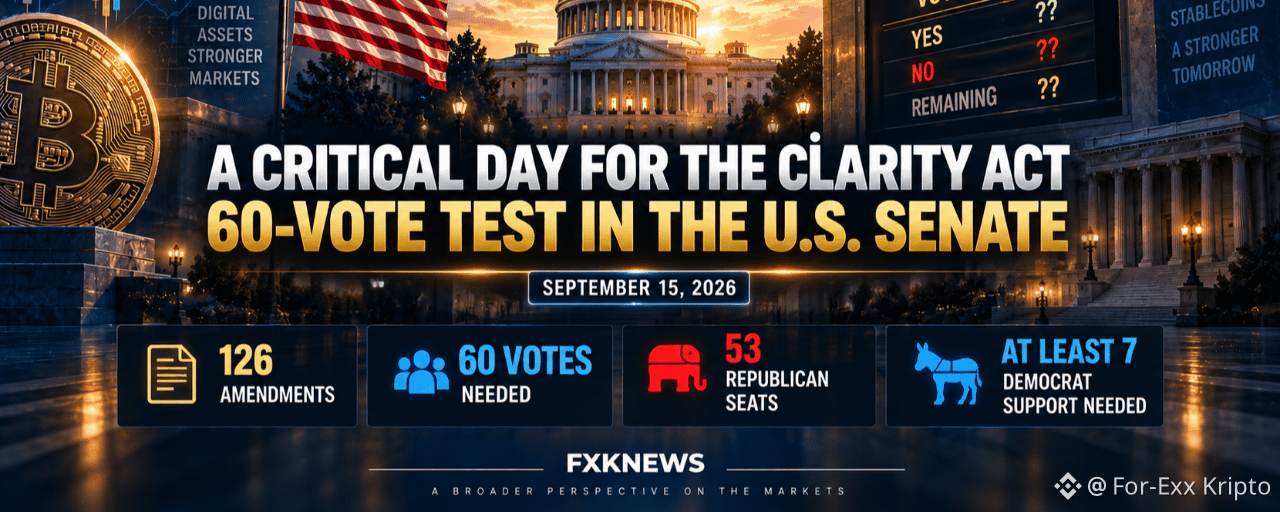
CLARITY Act Critical Day: Can the U.S. Senate Clear the 60-Vote Threshold?CLARITY Act Critical Day: Can the U.S. Senate Clear the 60-Vote Threshold?
The U.S. Senate is preparing for a critical vote today regarding the future of the crypto market. However, it is important to emphasize that the vote does not mean the bill itself will be directly approved.
Senators will hold a procedural vote (cloture) on the CLARITY Act today. 60 votes are required for the bill to officially move into the debate stage.
If this threshold is cleared, the process will continue, with further amendments and a final vote on the bill to follow. If 60 votes cannot be secured, the chances of the CLARITY Act advancing in 2026 will weaken significantly.
RESHAPED WITH 126 AMENDMENTS
The latest version prepared by Senate Republicans includes 126 significant changes made in response to Democratic demands.
A significant portion of the changes strengthens rules concerning the benefits public officials could receive from crypto assets and potential conflicts of interest.
The new version also proposes giving state attorneys general greater authority to enforce certain ethics and conflict-of-interest rules.
However, one of the most important obstacles facing the bill has not been completely resolved.
STABLECOIN REWARDS CLASH WITH BANKS
The banking sector is particularly opposed to regulations concerning stablecoin rewards.
Banks argue that yield-generating stablecoin products could pull money away from traditional bank deposits and put pressure on their lending capacity.
As a result, the CLARITY Act is no longer simply a matter of negotiations between crypto companies and political parties. Some provisions of the bill could directly affect competition with the banking system and the structure of deposits.
AT LEAST 7 DEMOCRATS ARE NEEDED FOR 60 VOTES
The Senate’s seat distribution clearly shows why the vote is so critical.
Republicans hold 53 seats. The opposing bloc, consisting of Democrats and independents who caucus with them, holds 47 seats.
Therefore, even if every Republican supports the bill, the CLARITY Act still needs the support of at least 7 Democratic senators or independents aligned with Democrats to pass the procedural vote.
If any Republican senator votes against the bill, the required Democratic support would increase further.
CHANCES OF THE BILL BECOMING LAW HAVE DECLINED
Expectations in prediction markets regarding the CLARITY Act becoming law in 2026 have also fallen significantly throughout the year.
The probability, which stood at approximately 82% in February, has fallen to around 16% in September.
The decline has been driven by prolonged political negotiations, the failure to hold a vote during the August recess, and the tightening legislative calendar ahead of the upcoming U.S. midterm elections.
Expectations briefly increased following the latest amendments, but uncertainty has risen again ahead of today’s vote.
BITCOIN AND THE CRYPTO MARKET ARE WATCHING THE VOTE
The CLARITY Act aims to establish a clearer framework for determining which agency will oversee digital assets in the United States.
In particular, strengthening the CFTC’s role in spot digital commodity markets is viewed as an important step toward the regulatory clarity the crypto industry has been waiting for.
For this reason, today’s vote is expected to serve as an important catalyst not only for the political process in Washington, but also for the Bitcoin and altcoin markets.
Clearing the 60-vote threshold will not mean that the bill has been immediately approved. However, from the market’s perspective, it could send a strong signal that crypto regulation in the United States is moving forward.
Conversely, failure to pass the vote could significantly reduce the chances of the CLARITY Act advancing during the current Congress.
A NEW THRESHOLD FOR THE CRYPTO MARKET
Despite 126 amendments, the bill has still not reached the final stage of political compromise.
The real significance of today’s vote is that, before determining whether the CLARITY Act will become law, it will establish whether the bill can officially move into the Senate debate stage.
If 60 votes are secured, the battle will move into a new phase.
If they are not, the wait for a comprehensive U.S. crypto market structure could become significantly longer.
For the crypto market, the most important number to watch today is just one:
60 VOTES.
$BTC
CLARITY Act Critical Day: Can the U.S. Senate Clear the 60-Vote Threshold?
CLARITY Act Critical Day: Can the U.S. Senate Clear the 60-Vote Threshold?
The U.S. Senate is preparing for a critical vote today regarding the future of the crypto market. However, it is important to emphasize that the vote does not mean the bill itself will be directly approved.
Senators will hold a procedural vote (cloture) on the CLARITY Act today. 60 votes are required for the bill to officially move into the debate stage.
If this threshold is cleared, the process will continue, with further amendments and a final vote on the bill to follow. If 60 votes cannot be secured, the chances of the CLARITY Act advancing in 2026 will weaken significantly.
RESHAPED WITH 126 AMENDMENTS
The latest version prepared by Senate Republicans includes 126 significant changes made in response to Democratic demands.
A significant portion of the changes strengthens rules concerning the benefits public officials could receive from crypto assets and potential conflicts of interest.
The new version also proposes giving state attorneys general greater authority to enforce certain ethics and conflict-of-interest rules.
However, one of the most important obstacles facing the bill has not been completely resolved.
STABLECOIN REWARDS CLASH WITH BANKS
The banking sector is particularly opposed to regulations concerning stablecoin rewards.
Banks argue that yield-generating stablecoin products could pull money away from traditional bank deposits and put pressure on their lending capacity.
As a result, the CLARITY Act is no longer simply a matter of negotiations between crypto companies and political parties. Some provisions of the bill could directly affect competition with the banking system and the structure of deposits.
AT LEAST 7 DEMOCRATS ARE NEEDED FOR 60 VOTES
The Senate’s seat distribution clearly shows why the vote is so critical.
Republicans hold 53 seats. The opposing bloc, consisting of Democrats and independents who caucus with them, holds 47 seats.
Therefore, even if every Republican supports the bill, the CLARITY Act still needs the support of at least 7 Democratic senators or independents aligned with Democrats to pass the procedural vote.
If any Republican senator votes against the bill, the required Democratic support would increase further.
CHANCES OF THE BILL BECOMING LAW HAVE DECLINED
Expectations in prediction markets regarding the CLARITY Act becoming law in 2026 have also fallen significantly throughout the year.
The probability, which stood at approximately 82% in February, has fallen to around 16% in September.
The decline has been driven by prolonged political negotiations, the failure to hold a vote during the August recess, and the tightening legislative calendar ahead of the upcoming U.S. midterm elections.
Expectations briefly increased following the latest amendments, but uncertainty has risen again ahead of today’s vote.
BITCOIN AND THE CRYPTO MARKET ARE WATCHING THE VOTE
The CLARITY Act aims to establish a clearer framework for determining which agency will oversee digital assets in the United States.
In particular, strengthening the CFTC’s role in spot digital commodity markets is viewed as an important step toward the regulatory clarity the crypto industry has been waiting for.
For this reason, today’s vote is expected to serve as an important catalyst not only for the political process in Washington, but also for the Bitcoin and altcoin markets.
Clearing the 60-vote threshold will not mean that the bill has been immediately approved. However, from the market’s perspective, it could send a strong signal that crypto regulation in the United States is moving forward.
Conversely, failure to pass the vote could significantly reduce the chances of the CLARITY Act advancing during the current Congress.
A NEW THRESHOLD FOR THE CRYPTO MARKET
Despite 126 amendments, the bill has still not reached the final stage of political compromise.
The real significance of today’s vote is that, before determining whether the CLARITY Act will become law, it will establish whether the bill can officially move into the Senate debate stage.
If 60 votes are secured, the battle will move into a new phase.
If they are not, the wait for a comprehensive U.S. crypto market structure could become significantly longer.
For the crypto market, the most important number to watch today is just one:
60 VOTES.
$BTC
The U.S. Senate is preparing for a critical vote today regarding the future of the crypto market. However, it is important to emphasize that the vote does not mean the bill itself will be directly approved.
Senators will hold a procedural vote (cloture) on the CLARITY Act today. 60 votes are required for the bill to officially move into the debate stage.
If this threshold is cleared, the process will continue, with further amendments and a final vote on the bill to follow. If 60 votes cannot be secured, the chances of the CLARITY Act advancing in 2026 will weaken significantly.
RESHAPED WITH 126 AMENDMENTS
The latest version prepared by Senate Republicans includes 126 significant changes made in response to Democratic demands.
A significant portion of the changes strengthens rules concerning the benefits public officials could receive from crypto assets and potential conflicts of interest.
The new version also proposes giving state attorneys general greater authority to enforce certain ethics and conflict-of-interest rules.
However, one of the most important obstacles facing the bill has not been completely resolved.
STABLECOIN REWARDS CLASH WITH BANKS
The banking sector is particularly opposed to regulations concerning stablecoin rewards.
Banks argue that yield-generating stablecoin products could pull money away from traditional bank deposits and put pressure on their lending capacity.
As a result, the CLARITY Act is no longer simply a matter of negotiations between crypto companies and political parties. Some provisions of the bill could directly affect competition with the banking system and the structure of deposits.
AT LEAST 7 DEMOCRATS ARE NEEDED FOR 60 VOTES
The Senate’s seat distribution clearly shows why the vote is so critical.
Republicans hold 53 seats. The opposing bloc, consisting of Democrats and independents who caucus with them, holds 47 seats.
Therefore, even if every Republican supports the bill, the CLARITY Act still needs the support of at least 7 Democratic senators or independents aligned with Democrats to pass the procedural vote.
If any Republican senator votes against the bill, the required Democratic support would increase further.
CHANCES OF THE BILL BECOMING LAW HAVE DECLINED
Expectations in prediction markets regarding the CLARITY Act becoming law in 2026 have also fallen significantly throughout the year.
The probability, which stood at approximately 82% in February, has fallen to around 16% in September.
The decline has been driven by prolonged political negotiations, the failure to hold a vote during the August recess, and the tightening legislative calendar ahead of the upcoming U.S. midterm elections.
Expectations briefly increased following the latest amendments, but uncertainty has risen again ahead of today’s vote.
BITCOIN AND THE CRYPTO MARKET ARE WATCHING THE VOTE
The CLARITY Act aims to establish a clearer framework for determining which agency will oversee digital assets in the United States.
In particular, strengthening the CFTC’s role in spot digital commodity markets is viewed as an important step toward the regulatory clarity the crypto industry has been waiting for.
For this reason, today’s vote is expected to serve as an important catalyst not only for the political process in Washington, but also for the Bitcoin and altcoin markets.
Clearing the 60-vote threshold will not mean that the bill has been immediately approved. However, from the market’s perspective, it could send a strong signal that crypto regulation in the United States is moving forward.
Conversely, failure to pass the vote could significantly reduce the chances of the CLARITY Act advancing during the current Congress.
A NEW THRESHOLD FOR THE CRYPTO MARKET
Despite 126 amendments, the bill has still not reached the final stage of political compromise.
The real significance of today’s vote is that, before determining whether the CLARITY Act will become law, it will establish whether the bill can officially move into the Senate debate stage.
If 60 votes are secured, the battle will move into a new phase.
If they are not, the wait for a comprehensive U.S. crypto market structure could become significantly longer.
For the crypto market, the most important number to watch today is just one:
60 VOTES.
$BTC
76

Статья
As Rates Rise, Stablecoins and Tokenized Treasuries Are Becoming Crypto’s WinnersAs Rates Rise, Stablecoins and Tokenized Treasuries Are Becoming Crypto’s Winners
During periods of rising U.S. Treasury yields, pressure on Bitcoin and other crypto assets that do not generate interest income increases, while the stablecoin economy benefits from the same environment in a different way.
Because stablecoin issuers hold a significant portion of the reserves backing their tokens in short-term interest-bearing instruments such as U.S. Treasury securities and repos, they generate direct income when interest rates remain high.
Tether’s $1.5 Billion Interest-Supported Profit
Tether reported approximately $1.5 billion in net operating profit in the second quarter of the year. A significant portion of this performance came from income generated through investments in U.S. Treasury securities and repos.
This highlights an important feature of the stablecoin model:
While Bitcoin does not pay interest, some of the largest dollar-denominated instruments in the Bitcoin ecosystem generate income from a high-interest-rate environment.
Therefore, rising Treasury yields do not affect the entire crypto market in the same way. While financial conditions tighten for riskier crypto assets, the reserve yields earned by stablecoin issuers can strengthen.
Circle’s USDC Circulation Reaches $73.3 Billion
Circle also reported $701 million in revenue and reserve income during the same period. The circulating supply of USDC reached $73.3 billion.
Circle’s performance highlights the importance of two factors in the stablecoin economy: interest income and the amount of tokens in circulation.
When interest rates remain high, income generated from reserves is supported, while increased usage and circulation of stablecoins such as USDC also expands issuers’ revenue base.
For this reason, growth in the stablecoin market depends not only on crypto prices, but also on the amount of tokens in circulation and the interest rates at which reserves are invested.
Major Surge in Tokenized U.S. Treasuries
Crypto’s connection to the U.S. Treasury market is not limited to stablecoins.
The market for tokenized assets representing U.S. Treasury securities or financial products backed by those securities on blockchain networks is also growing rapidly.
The tokenized U.S. Treasury market, which stood at approximately $300 million in 2023, surpassed $9 billion by the end of 2025. As of August, its total size had reached approximately $15 billion.
This growth shows that demand is increasing for assets that allow investors to earn dollar-denominated returns without leaving the blockchain infrastructure.
From the perspective of traditional finance, these products perform functions similar to Treasury securities and money market instruments, while from the crypto market’s perspective, they represent yield-generating on-chain liquidity instruments.
The Picture Is Different for Bitcoin
The impact of higher Treasury yields on Bitcoin, however, is moving in the opposite direction.
When U.S. Treasury yields rise, the returns investors can earn from lower-risk, dollar-denominated assets increase. This can reduce the relative attractiveness of assets such as Bitcoin, which do not pay a fixed interest rate or generate regular cash flow in the traditional sense.
In particular, rising long-term Treasury yields can strengthen the following chain:
higher discount rates → tighter financial conditions → lower risk appetite → pressure on Bitcoin and high-beta crypto assets
Therefore, a high-interest-rate environment does not create a one-directional story for the crypto market.
The result is a negative environment for Bitcoin, a positive environment for stablecoin issuers, and a supportive environment for the tokenization sector.
“Yield” Could Become Crypto’s New Growth Area
The bigger story here is that the crypto market should not be evaluated solely through the price of Bitcoin.
Stablecoins, tokenized Treasury securities, and on-chain money market products are bringing traditional finance’s interest-generating assets onto blockchain infrastructure.
Therefore, while high interest rates create a source of pressure for Bitcoin, the same environment could accelerate the tokenization of real-world assets and the development of yield-generating financial products on-chain.
In the period ahead, the critical question may not be when interest rates will fall, but rather:
How quickly will the trillions of dollars of interest-generating assets in traditional finance be tokenized on blockchain networks?
If this transformation accelerates, the high-interest-rate era could represent not only a period of liquidity pressure for the crypto market, but also the beginning of a new growth cycle for stablecoins, tokenization, and blockchain-based financial infrastructure.
As Rates Rise, Stablecoins and Tokenized Treasuries Are Becoming Crypto’s Winners
As Rates Rise, Stablecoins and Tokenized Treasuries Are Becoming Crypto’s Winners
During periods of rising U.S. Treasury yields, pressure on Bitcoin and other crypto assets that do not generate interest income increases, while the stablecoin economy benefits from the same environment in a different way.
Because stablecoin issuers hold a significant portion of the reserves backing their tokens in short-term interest-bearing instruments such as U.S. Treasury securities and repos, they generate direct income when interest rates remain high.
Tether’s $1.5 Billion Interest-Supported Profit
Tether reported approximately $1.5 billion in net operating profit in the second quarter of the year. A significant portion of this performance came from income generated through investments in U.S. Treasury securities and repos.
This highlights an important feature of the stablecoin model:
While Bitcoin does not pay interest, some of the largest dollar-denominated instruments in the Bitcoin ecosystem generate income from a high-interest-rate environment.
Therefore, rising Treasury yields do not affect the entire crypto market in the same way. While financial conditions tighten for riskier crypto assets, the reserve yields earned by stablecoin issuers can strengthen.
Circle’s USDC Circulation Reaches $73.3 Billion
Circle also reported $701 million in revenue and reserve income during the same period. The circulating supply of USDC reached $73.3 billion.
Circle’s performance highlights the importance of two factors in the stablecoin economy: interest income and the amount of tokens in circulation.
When interest rates remain high, income generated from reserves is supported, while increased usage and circulation of stablecoins such as USDC also expands issuers’ revenue base.
For this reason, growth in the stablecoin market depends not only on crypto prices, but also on the amount of tokens in circulation and the interest rates at which reserves are invested.
Major Surge in Tokenized U.S. Treasuries
Crypto’s connection to the U.S. Treasury market is not limited to stablecoins.
The market for tokenized assets representing U.S. Treasury securities or financial products backed by those securities on blockchain networks is also growing rapidly.
The tokenized U.S. Treasury market, which stood at approximately $300 million in 2023, surpassed $9 billion by the end of 2025. As of August, its total size had reached approximately $15 billion.
This growth shows that demand is increasing for assets that allow investors to earn dollar-denominated returns without leaving the blockchain infrastructure.
From the perspective of traditional finance, these products perform functions similar to Treasury securities and money market instruments, while from the crypto market’s perspective, they represent yield-generating on-chain liquidity instruments.
The Picture Is Different for Bitcoin
The impact of higher Treasury yields on Bitcoin, however, is moving in the opposite direction.
When U.S. Treasury yields rise, the returns investors can earn from lower-risk, dollar-denominated assets increase. This can reduce the relative attractiveness of assets such as Bitcoin, which do not pay a fixed interest rate or generate regular cash flow in the traditional sense.
In particular, rising long-term Treasury yields can strengthen the following chain:
higher discount rates → tighter financial conditions → lower risk appetite → pressure on Bitcoin and high-beta crypto assets
Therefore, a high-interest-rate environment does not create a one-directional story for the crypto market.
The result is a negative environment for Bitcoin, a positive environment for stablecoin issuers, and a supportive environment for the tokenization sector.
“Yield” Could Become Crypto’s New Growth Area
The bigger story here is that the crypto market should not be evaluated solely through the price of Bitcoin.
Stablecoins, tokenized Treasury securities, and on-chain money market products are bringing traditional finance’s interest-generating assets onto blockchain infrastructure.
Therefore, while high interest rates create a source of pressure for Bitcoin, the same environment could accelerate the tokenization of real-world assets and the development of yield-generating financial products on-chain.
In the period ahead, the critical question may not be when interest rates will fall, but rather:
How quickly will the trillions of dollars of interest-generating assets in traditional finance be tokenized on blockchain networks?
If this transformation accelerates, the high-interest-rate era could represent not only a period of liquidity pressure for the crypto market, but also the beginning of a new growth cycle for stablecoins, tokenization, and blockchain-based financial infrastructure.
During periods of rising U.S. Treasury yields, pressure on Bitcoin and other crypto assets that do not generate interest income increases, while the stablecoin economy benefits from the same environment in a different way.
Because stablecoin issuers hold a significant portion of the reserves backing their tokens in short-term interest-bearing instruments such as U.S. Treasury securities and repos, they generate direct income when interest rates remain high.
Tether’s $1.5 Billion Interest-Supported Profit
Tether reported approximately $1.5 billion in net operating profit in the second quarter of the year. A significant portion of this performance came from income generated through investments in U.S. Treasury securities and repos.
This highlights an important feature of the stablecoin model:
While Bitcoin does not pay interest, some of the largest dollar-denominated instruments in the Bitcoin ecosystem generate income from a high-interest-rate environment.
Therefore, rising Treasury yields do not affect the entire crypto market in the same way. While financial conditions tighten for riskier crypto assets, the reserve yields earned by stablecoin issuers can strengthen.
Circle’s USDC Circulation Reaches $73.3 Billion
Circle also reported $701 million in revenue and reserve income during the same period. The circulating supply of USDC reached $73.3 billion.
Circle’s performance highlights the importance of two factors in the stablecoin economy: interest income and the amount of tokens in circulation.
When interest rates remain high, income generated from reserves is supported, while increased usage and circulation of stablecoins such as USDC also expands issuers’ revenue base.
For this reason, growth in the stablecoin market depends not only on crypto prices, but also on the amount of tokens in circulation and the interest rates at which reserves are invested.
Major Surge in Tokenized U.S. Treasuries
Crypto’s connection to the U.S. Treasury market is not limited to stablecoins.
The market for tokenized assets representing U.S. Treasury securities or financial products backed by those securities on blockchain networks is also growing rapidly.
The tokenized U.S. Treasury market, which stood at approximately $300 million in 2023, surpassed $9 billion by the end of 2025. As of August, its total size had reached approximately $15 billion.
This growth shows that demand is increasing for assets that allow investors to earn dollar-denominated returns without leaving the blockchain infrastructure.
From the perspective of traditional finance, these products perform functions similar to Treasury securities and money market instruments, while from the crypto market’s perspective, they represent yield-generating on-chain liquidity instruments.
The Picture Is Different for Bitcoin
The impact of higher Treasury yields on Bitcoin, however, is moving in the opposite direction.
When U.S. Treasury yields rise, the returns investors can earn from lower-risk, dollar-denominated assets increase. This can reduce the relative attractiveness of assets such as Bitcoin, which do not pay a fixed interest rate or generate regular cash flow in the traditional sense.
In particular, rising long-term Treasury yields can strengthen the following chain:
higher discount rates → tighter financial conditions → lower risk appetite → pressure on Bitcoin and high-beta crypto assets
Therefore, a high-interest-rate environment does not create a one-directional story for the crypto market.
The result is a negative environment for Bitcoin, a positive environment for stablecoin issuers, and a supportive environment for the tokenization sector.
“Yield” Could Become Crypto’s New Growth Area
The bigger story here is that the crypto market should not be evaluated solely through the price of Bitcoin.
Stablecoins, tokenized Treasury securities, and on-chain money market products are bringing traditional finance’s interest-generating assets onto blockchain infrastructure.
Therefore, while high interest rates create a source of pressure for Bitcoin, the same environment could accelerate the tokenization of real-world assets and the development of yield-generating financial products on-chain.
In the period ahead, the critical question may not be when interest rates will fall, but rather:
How quickly will the trillions of dollars of interest-generating assets in traditional finance be tokenized on blockchain networks?
If this transformation accelerates, the high-interest-rate era could represent not only a period of liquidity pressure for the crypto market, but also the beginning of a new growth cycle for stablecoins, tokenization, and blockchain-based financial infrastructure.
78
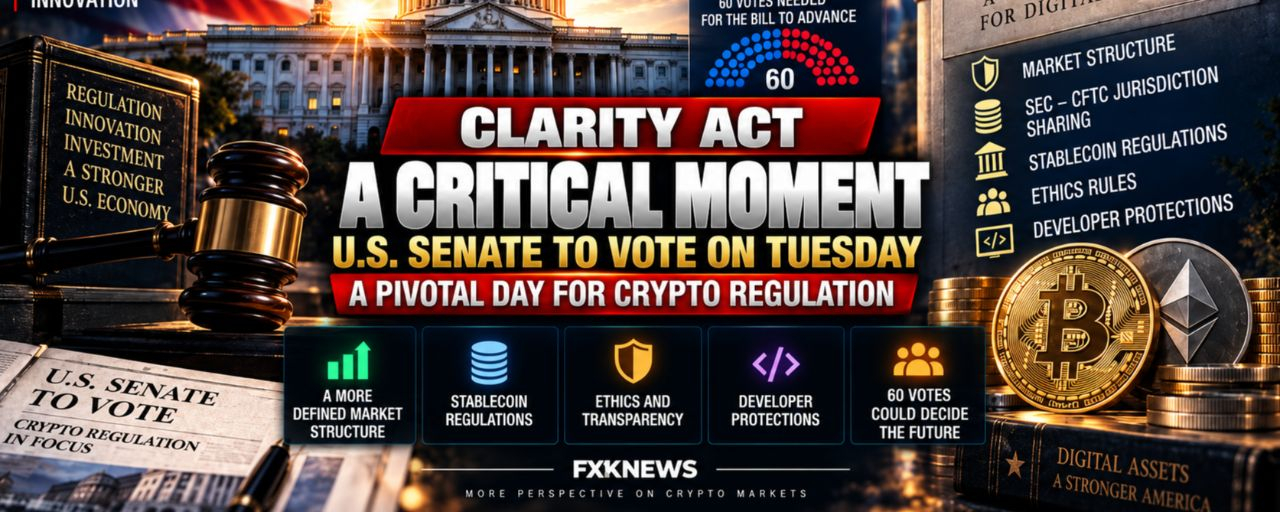
Статья
A Critical Day for the CLARITY Act: Fate of US Crypto Bill to Be Decided in the SenateCritical Day for the CLARITY Act: The Fate of the U.S. Crypto Bill Will Be Decided in the Senate on Tuesday
The U.S. Senate is preparing for a critical procedural vote on Tuesday on the CLARITY Act, which aims to establish a comprehensive federal regulatory framework for the cryptocurrency market. However, despite significant changes made by Republicans to the latest draft, it remains uncertain whether the bill has the 60 votes needed to advance.
Senate Republicans released a new and “final” draft late Sunday that incorporates a significant portion of Democrats’ demands. After nearly a year of negotiations, the text includes changes on particularly contentious issues such as ethics rules, stablecoin rewards, and the legal status of software developers.
However, the new provisions have not eliminated all disagreements between the two sides.
The First Test Requires 60 Votes
Tuesday’s vote is not the final vote to enact the CLARITY Act into law.
The Senate will first vote on the procedural step that would clear the way for the bill to be debated. This requires the support of 60 senators.
Republicans hold 53 seats in the Senate. Therefore, even if every Republican supports the bill, it still needs at least 7 Democratic or independent senators to back it.
That is where the main problem begins.
Some Democrats believe the new ethics provisions address part of their demands, while others argue that the rules are not strong enough, particularly because of President Donald Trump’s crypto ties.
Trump’s Crypto Interests at the Center of the Debate
One of the most important issues in the CLARITY Act negotiations has been the Trump administration’s relationship with the crypto sector.
The Trump family’s connections to crypto ventures such as World Liberty Financial, the USD1 stablecoin, and the TRUMP memecoin have drawn strong criticism from Democrats over whether the new regulations could create conflicts of interest.
In addition to ethics provisions limiting public officials and their spouses from issuing or promoting certain crypto assets, the new draft also gives state attorneys general a role in enforcing these rules.
This was one of the Democrats’ key demands.
However, Democratic Senator Elizabeth Warren and several others argue that state attorneys general may not have sufficient enforcement authority against federal officials, including the president.
As a result, the changes to the ethics provisions have not completely resolved the dispute.
Stablecoin Rewards Worry Banks
The second major battle in the bill concerns stablecoins.
Crypto companies argue that offering certain rewards to stablecoin users is important for competition and innovation in the sector, while banks warn that these practices could pull deposits away from the traditional banking system.
The new draft gives the Treasury Secretary significant authority.
If payment stablecoins cause substantial deposit outflows from community banks, the Treasury Secretary could use a temporary “circuit breaker” mechanism lasting up to 18 months on stablecoin rewards.
The purpose of the provision is to limit potential financial pressure if stablecoins begin pulling large amounts of deposits away from traditional banks.
However, the banking sector does not consider this sufficient.
Banks argue that the circuit breaker could only be activated after a significant amount of deposits has already left the system, and are calling for stablecoin rewards to be restricted from the outset.
Debate Over Protections for Software Developers
Another important change in the bill concerns planned legal protections for software developers under the Blockchain Regulatory Certainty Act.
While the new text retains provisions limiting the classification of certain developers as money transmission businesses, it removes some language that would have protected developers who do not have control from federal criminal liability.
Some figures in the crypto sector are unhappy with this change.
The main concern is that software developers who do not control a centralized company or user funds could face financial-related criminal charges simply for developing open-source code.
This issue is particularly important for DeFi and decentralized applications.
How developers’ legal liability is defined could directly affect the future of the decentralized finance ecosystem in the United States.
Why Is the CLARITY Act So Important?
The core objective of the CLARITY Act is to establish, for the first time, a comprehensive federal market structure for crypto assets in the United States.
The bill aims to create a clearer framework for determining which agency oversees digital assets, particularly regarding the division of authority between the SEC and CFTC.
Reducing uncertainty over which tokens should be classified as securities, commodities, or another category of digital asset has long been an anticipated development for the industry.
For this reason, the bill’s progress in the Senate is more than just a political development in Washington.
It could represent a turning point in determining the regulatory framework under which the U.S. crypto market operates in the coming years.
Why Is Passage This Year So Difficult?
Even if the 60-vote threshold is cleared on Tuesday, the process will not be complete.
The Senate must first hold debate, consider amendments, and conduct a final vote. The Senate version would then also have to pass the House of Representatives.
Moreover, the congressional calendar is becoming increasingly compressed because of the election schedule.
As the November midterm elections approach, Congress’s legislative calendar is tightening. Therefore, if the CLARITY Act fails to become law this year, the process could be significantly delayed.
Some Republican senators have also warned that if the bill does not pass during this Congress, the legislation could be delayed for years.
The Critical Point for the Market
From the perspective of the crypto market, the outcome of Tuesday’s vote could create two different scenarios.
If 60 votes are secured and the bill advances: The market could view this as the beginning of a more predictable regulatory era for crypto in the United States. A reduction in regulatory uncertainty could be welcomed, particularly by U.S.-based crypto companies, exchanges, and related financial products.
If 60 votes cannot be secured: The bill would suffer a serious setback. However, this would not mean the end of crypto regulation in the United States. Regulatory efforts could continue under the existing authorities of the SEC and CFTC.
The main risk is that Congress’s failure to establish a comprehensive market structure could push the industry back toward interagency jurisdictional disputes and litigation.
Another Critical Week for Markets
The CLARITY Act vote is not happening in isolation.
The Senate’s critical vote on Tuesday will be followed immediately by the Fed’s rate decision on Wednesday.
As a result, the crypto market will have to price both political risk surrounding U.S. crypto regulation and monetary policy risk from the Fed during the same week.
This could create an important divergence for markets between the CLARITY Act’s progress and a potentially more hawkish Fed stance.
The most positive scenario for crypto would be for the CLARITY Act to advance, reducing regulatory uncertainty, while the Fed delivers a softer-than-expected policy message.
Conversely, the bill becoming stalled in the Senate while the Fed adopts a hawkish stance could create dual pressure on crypto assets, particularly in the short term.
Conclusion
The CLARITY Act is no longer merely a crypto regulatory bill; it has become a test of the United States’ future approach to the digital asset sector.
Republicans attempted to increase the bill’s chances of clearing the 60-vote threshold by addressing some of the Democrats’ demands in the latest draft. However, disagreements over ethics provisions, stablecoin rewards, bank deposits, and developer protections remain unresolved.
Whether 60 votes can be secured in Tuesday’s vote will not guarantee that the bill becomes law. However, if the threshold cannot be cleared, the chances of the CLARITY Act becoming law during this Congress will weaken significantly.
For the crypto market, the critical question is:
Will the United States finally establish clear rules for crypto, or will the industry once again remain trapped in regulatory uncertainty?
$BTC
A Critical Day for the CLARITY Act: Fate of US Crypto Bill to Be Decided in the Senate
Critical Day for the CLARITY Act: The Fate of the U.S. Crypto Bill Will Be Decided in the Senate on Tuesday
The U.S. Senate is preparing for a critical procedural vote on Tuesday on the CLARITY Act, which aims to establish a comprehensive federal regulatory framework for the cryptocurrency market. However, despite significant changes made by Republicans to the latest draft, it remains uncertain whether the bill has the 60 votes needed to advance.
Senate Republicans released a new and “final” draft late Sunday that incorporates a significant portion of Democrats’ demands. After nearly a year of negotiations, the text includes changes on particularly contentious issues such as ethics rules, stablecoin rewards, and the legal status of software developers.
However, the new provisions have not eliminated all disagreements between the two sides.
The First Test Requires 60 Votes
Tuesday’s vote is not the final vote to enact the CLARITY Act into law.
The Senate will first vote on the procedural step that would clear the way for the bill to be debated. This requires the support of 60 senators.
Republicans hold 53 seats in the Senate. Therefore, even if every Republican supports the bill, it still needs at least 7 Democratic or independent senators to back it.
That is where the main problem begins.
Some Democrats believe the new ethics provisions address part of their demands, while others argue that the rules are not strong enough, particularly because of President Donald Trump’s crypto ties.
Trump’s Crypto Interests at the Center of the Debate
One of the most important issues in the CLARITY Act negotiations has been the Trump administration’s relationship with the crypto sector.
The Trump family’s connections to crypto ventures such as World Liberty Financial, the USD1 stablecoin, and the TRUMP memecoin have drawn strong criticism from Democrats over whether the new regulations could create conflicts of interest.
In addition to ethics provisions limiting public officials and their spouses from issuing or promoting certain crypto assets, the new draft also gives state attorneys general a role in enforcing these rules.
This was one of the Democrats’ key demands.
However, Democratic Senator Elizabeth Warren and several others argue that state attorneys general may not have sufficient enforcement authority against federal officials, including the president.
As a result, the changes to the ethics provisions have not completely resolved the dispute.
Stablecoin Rewards Worry Banks
The second major battle in the bill concerns stablecoins.
Crypto companies argue that offering certain rewards to stablecoin users is important for competition and innovation in the sector, while banks warn that these practices could pull deposits away from the traditional banking system.
The new draft gives the Treasury Secretary significant authority.
If payment stablecoins cause substantial deposit outflows from community banks, the Treasury Secretary could use a temporary “circuit breaker” mechanism lasting up to 18 months on stablecoin rewards.
The purpose of the provision is to limit potential financial pressure if stablecoins begin pulling large amounts of deposits away from traditional banks.
However, the banking sector does not consider this sufficient.
Banks argue that the circuit breaker could only be activated after a significant amount of deposits has already left the system, and are calling for stablecoin rewards to be restricted from the outset.
Debate Over Protections for Software Developers
Another important change in the bill concerns planned legal protections for software developers under the Blockchain Regulatory Certainty Act.
While the new text retains provisions limiting the classification of certain developers as money transmission businesses, it removes some language that would have protected developers who do not have control from federal criminal liability.
Some figures in the crypto sector are unhappy with this change.
The main concern is that software developers who do not control a centralized company or user funds could face financial-related criminal charges simply for developing open-source code.
This issue is particularly important for DeFi and decentralized applications.
How developers’ legal liability is defined could directly affect the future of the decentralized finance ecosystem in the United States.
Why Is the CLARITY Act So Important?
The core objective of the CLARITY Act is to establish, for the first time, a comprehensive federal market structure for crypto assets in the United States.
The bill aims to create a clearer framework for determining which agency oversees digital assets, particularly regarding the division of authority between the SEC and CFTC.
Reducing uncertainty over which tokens should be classified as securities, commodities, or another category of digital asset has long been an anticipated development for the industry.
For this reason, the bill’s progress in the Senate is more than just a political development in Washington.
It could represent a turning point in determining the regulatory framework under which the U.S. crypto market operates in the coming years.
Why Is Passage This Year So Difficult?
Even if the 60-vote threshold is cleared on Tuesday, the process will not be complete.
The Senate must first hold debate, consider amendments, and conduct a final vote. The Senate version would then also have to pass the House of Representatives.
Moreover, the congressional calendar is becoming increasingly compressed because of the election schedule.
As the November midterm elections approach, Congress’s legislative calendar is tightening. Therefore, if the CLARITY Act fails to become law this year, the process could be significantly delayed.
Some Republican senators have also warned that if the bill does not pass during this Congress, the legislation could be delayed for years.
The Critical Point for the Market
From the perspective of the crypto market, the outcome of Tuesday’s vote could create two different scenarios.
If 60 votes are secured and the bill advances: The market could view this as the beginning of a more predictable regulatory era for crypto in the United States. A reduction in regulatory uncertainty could be welcomed, particularly by U.S.-based crypto companies, exchanges, and related financial products.
If 60 votes cannot be secured: The bill would suffer a serious setback. However, this would not mean the end of crypto regulation in the United States. Regulatory efforts could continue under the existing authorities of the SEC and CFTC.
The main risk is that Congress’s failure to establish a comprehensive market structure could push the industry back toward interagency jurisdictional disputes and litigation.
Another Critical Week for Markets
The CLARITY Act vote is not happening in isolation.
The Senate’s critical vote on Tuesday will be followed immediately by the Fed’s rate decision on Wednesday.
As a result, the crypto market will have to price both political risk surrounding U.S. crypto regulation and monetary policy risk from the Fed during the same week.
This could create an important divergence for markets between the CLARITY Act’s progress and a potentially more hawkish Fed stance.
The most positive scenario for crypto would be for the CLARITY Act to advance, reducing regulatory uncertainty, while the Fed delivers a softer-than-expected policy message.
Conversely, the bill becoming stalled in the Senate while the Fed adopts a hawkish stance could create dual pressure on crypto assets, particularly in the short term.
Conclusion
The CLARITY Act is no longer merely a crypto regulatory bill; it has become a test of the United States’ future approach to the digital asset sector.
Republicans attempted to increase the bill’s chances of clearing the 60-vote threshold by addressing some of the Democrats’ demands in the latest draft. However, disagreements over ethics provisions, stablecoin rewards, bank deposits, and developer protections remain unresolved.
Whether 60 votes can be secured in Tuesday’s vote will not guarantee that the bill becomes law. However, if the threshold cannot be cleared, the chances of the CLARITY Act becoming law during this Congress will weaken significantly.
For the crypto market, the critical question is:
Will the United States finally establish clear rules for crypto, or will the industry once again remain trapped in regulatory uncertainty?
$BTC
The U.S. Senate is preparing for a critical procedural vote on Tuesday on the CLARITY Act, which aims to establish a comprehensive federal regulatory framework for the cryptocurrency market. However, despite significant changes made by Republicans to the latest draft, it remains uncertain whether the bill has the 60 votes needed to advance.
Senate Republicans released a new and “final” draft late Sunday that incorporates a significant portion of Democrats’ demands. After nearly a year of negotiations, the text includes changes on particularly contentious issues such as ethics rules, stablecoin rewards, and the legal status of software developers.
However, the new provisions have not eliminated all disagreements between the two sides.
The First Test Requires 60 Votes
Tuesday’s vote is not the final vote to enact the CLARITY Act into law.
The Senate will first vote on the procedural step that would clear the way for the bill to be debated. This requires the support of 60 senators.
Republicans hold 53 seats in the Senate. Therefore, even if every Republican supports the bill, it still needs at least 7 Democratic or independent senators to back it.
That is where the main problem begins.
Some Democrats believe the new ethics provisions address part of their demands, while others argue that the rules are not strong enough, particularly because of President Donald Trump’s crypto ties.
Trump’s Crypto Interests at the Center of the Debate
One of the most important issues in the CLARITY Act negotiations has been the Trump administration’s relationship with the crypto sector.
The Trump family’s connections to crypto ventures such as World Liberty Financial, the USD1 stablecoin, and the TRUMP memecoin have drawn strong criticism from Democrats over whether the new regulations could create conflicts of interest.
In addition to ethics provisions limiting public officials and their spouses from issuing or promoting certain crypto assets, the new draft also gives state attorneys general a role in enforcing these rules.
This was one of the Democrats’ key demands.
However, Democratic Senator Elizabeth Warren and several others argue that state attorneys general may not have sufficient enforcement authority against federal officials, including the president.
As a result, the changes to the ethics provisions have not completely resolved the dispute.
Stablecoin Rewards Worry Banks
The second major battle in the bill concerns stablecoins.
Crypto companies argue that offering certain rewards to stablecoin users is important for competition and innovation in the sector, while banks warn that these practices could pull deposits away from the traditional banking system.
The new draft gives the Treasury Secretary significant authority.
If payment stablecoins cause substantial deposit outflows from community banks, the Treasury Secretary could use a temporary “circuit breaker” mechanism lasting up to 18 months on stablecoin rewards.
The purpose of the provision is to limit potential financial pressure if stablecoins begin pulling large amounts of deposits away from traditional banks.
However, the banking sector does not consider this sufficient.
Banks argue that the circuit breaker could only be activated after a significant amount of deposits has already left the system, and are calling for stablecoin rewards to be restricted from the outset.
Debate Over Protections for Software Developers
Another important change in the bill concerns planned legal protections for software developers under the Blockchain Regulatory Certainty Act.
While the new text retains provisions limiting the classification of certain developers as money transmission businesses, it removes some language that would have protected developers who do not have control from federal criminal liability.
Some figures in the crypto sector are unhappy with this change.
The main concern is that software developers who do not control a centralized company or user funds could face financial-related criminal charges simply for developing open-source code.
This issue is particularly important for DeFi and decentralized applications.
How developers’ legal liability is defined could directly affect the future of the decentralized finance ecosystem in the United States.
Why Is the CLARITY Act So Important?
The core objective of the CLARITY Act is to establish, for the first time, a comprehensive federal market structure for crypto assets in the United States.
The bill aims to create a clearer framework for determining which agency oversees digital assets, particularly regarding the division of authority between the SEC and CFTC.
Reducing uncertainty over which tokens should be classified as securities, commodities, or another category of digital asset has long been an anticipated development for the industry.
For this reason, the bill’s progress in the Senate is more than just a political development in Washington.
It could represent a turning point in determining the regulatory framework under which the U.S. crypto market operates in the coming years.
Why Is Passage This Year So Difficult?
Even if the 60-vote threshold is cleared on Tuesday, the process will not be complete.
The Senate must first hold debate, consider amendments, and conduct a final vote. The Senate version would then also have to pass the House of Representatives.
Moreover, the congressional calendar is becoming increasingly compressed because of the election schedule.
As the November midterm elections approach, Congress’s legislative calendar is tightening. Therefore, if the CLARITY Act fails to become law this year, the process could be significantly delayed.
Some Republican senators have also warned that if the bill does not pass during this Congress, the legislation could be delayed for years.
The Critical Point for the Market
From the perspective of the crypto market, the outcome of Tuesday’s vote could create two different scenarios.
If 60 votes are secured and the bill advances: The market could view this as the beginning of a more predictable regulatory era for crypto in the United States. A reduction in regulatory uncertainty could be welcomed, particularly by U.S.-based crypto companies, exchanges, and related financial products.
If 60 votes cannot be secured: The bill would suffer a serious setback. However, this would not mean the end of crypto regulation in the United States. Regulatory efforts could continue under the existing authorities of the SEC and CFTC.
The main risk is that Congress’s failure to establish a comprehensive market structure could push the industry back toward interagency jurisdictional disputes and litigation.
Another Critical Week for Markets
The CLARITY Act vote is not happening in isolation.
The Senate’s critical vote on Tuesday will be followed immediately by the Fed’s rate decision on Wednesday.
As a result, the crypto market will have to price both political risk surrounding U.S. crypto regulation and monetary policy risk from the Fed during the same week.
This could create an important divergence for markets between the CLARITY Act’s progress and a potentially more hawkish Fed stance.
The most positive scenario for crypto would be for the CLARITY Act to advance, reducing regulatory uncertainty, while the Fed delivers a softer-than-expected policy message.
Conversely, the bill becoming stalled in the Senate while the Fed adopts a hawkish stance could create dual pressure on crypto assets, particularly in the short term.
Conclusion
The CLARITY Act is no longer merely a crypto regulatory bill; it has become a test of the United States’ future approach to the digital asset sector.
Republicans attempted to increase the bill’s chances of clearing the 60-vote threshold by addressing some of the Democrats’ demands in the latest draft. However, disagreements over ethics provisions, stablecoin rewards, bank deposits, and developer protections remain unresolved.
Whether 60 votes can be secured in Tuesday’s vote will not guarantee that the bill becomes law. However, if the threshold cannot be cleared, the chances of the CLARITY Act becoming law during this Congress will weaken significantly.
For the crypto market, the critical question is:
Will the United States finally establish clear rules for crypto, or will the industry once again remain trapped in regulatory uncertainty?
$BTC
1
395
Статья
END-OF-DAY MARKET REPORT — September 14, 2026🔐 END-OF-DAY MARKET REPORT — September 14, 2026
🌐 TOP HEADLINES OF THE DAY
Speaking to reporters at his golf resort in Doonbeg, Ireland, Trump said he does not know what the Fed’s decision will be this week, but argued that the U.S. “should pay the lowest interest rate in the world regardless of what the inflation and economic data show” — he reiterated that the country has the world’s best credit rating and that, if necessary, it could “end trade in two minutes” with countries with which it runs trade deficits; the remarks came at a time when rate-hike expectations were being further strengthened following Friday’s highest CPI increase in four months
Trump also announced on Truth Social that Ukraine and Russia had agreed not to strike each other’s energy targets — saying, “The main reason for the rise in diesel prices around the world is not Iran, it is the Russia/Ukraine War”; the average U.S. diesel price reached $6 per gallon for the first time on Friday
According to CME FedWatch, the probability of a 25-basis-point rate hike on September 16 rose to 86.2% — if it happens, it would be the first rate hike in three years; the target rate range would rise to 3.5%-3.75%, while the market is pricing in two hikes during the year
One day before the September 15 2:15 p.m. ET cloture vote on the CLARITY Act (H.R. 3633), the probability of passage is at 25%-26% on Polymarket and 24%-26% on Kalshi; seven Democratic senators issued a joint statement calling the draft insufficient, while only two Democrats offered conditional support — leaving the bill 7-9 votes short of the 60-vote threshold, with the ethics provision, DeFi developer liability, and yield restrictions remaining the main points of disagreement
Oil climbed toward $110 as shipping disruptions in the Middle East deepened and a planned Iran-Gulf meeting was postponed — creating fresh inflationary pressure ahead of the Fed decision; the closure of a Saudi pipeline also supported prices
Bitcoin Suisse has decided to cut up to half of its Swiss workforce by relocating as many as 60 positions from Zug to Bratislava or Vietnam as it transitions from its Swiss crypto-specialist model toward global wealth management
━━━
₿ BITCOIN
BTC rose as high as $79,002 during the day (September 15 at 02:56 TRT, Binance USDT), recovering from the morning’s $76,806 opening to gain 2.16% over 24 hours — rising despite AI-driven selling in technology stocks. The intraday range was $76,439-$79,002. Price is maintaining its stacked bullish structure above EMA20 ($77,097), EMA50 ($73,382), and EMA200 ($72,287); however, the daily MACD histogram remains negative at -717.91, indicating that momentum has been weakening for some time. The $75,426 cost-basis cluster immediately below is a critical support level, while $82,814 is being watched as the next major resistance. The absence of a clear crypto-specific catalyst behind BTC’s rise suggests that the move is driven less by strong buying appetite and more by the crypto market remaining insulated from the forces weighing on other risk assets. BTC, which declined approximately 1.84% last week, remains up approximately 23% on a monthly basis.
━━━
🔷 ETHEREUM & ALTCOINS
ETH opened at $2,476 today and rose into the $2,509-$2,514 range, up approximately 1.4% on the day. XRP gained 3.59% to $1.37, while Solana is around $101. BTC’s divergence from the sell-off in technology stocks indicates that the crypto market has become more sensitive to this week’s macro/political agenda (FOMC and CLARITY Act) and is moving relatively independently from the AI-driven risk-off wave.
━━━
📋 KEY CRYPTOCURRENCY NEWS
Trump’s pressure on interest rates and market pricing are moving in opposite directions — while the president is calling for cuts, strong employment data and hot core CPI have pushed the market toward pricing an 86% probability of a hike; Wharton’s Jeremy Siegel said pressure from the midterm elections is one of the few factors that could prevent a hike
Regardless of which direction the Fed’s September 16 decision takes, strong volatility is expected in the market: a hike in line with expectations could escalate Trump’s attacks on the Fed, while a surprise “hold” could undermine confidence in central bank independence and roil markets
The CLARITY Act cloture vote is not final passage of the bill, but a procedural test requiring 60 votes to move forward to debate; Solana Policy Institute CEO assessed the probability of the legislation becoming law before the midterm elections at 10% — if the vote fails, the SEC/CFTC’s independent regulatory processes will continue
━━━
🔓 TOKEN UNLOCKS
Connex (CONX) September 15, 2026 Amount: ~$13.21 million (1.41% of circulating supply) — 1.32 million tokens Selling pressure: 🟡
Arbitrum (ARB) September 16, 2026 Amount: ~$8.94 million (0.93% of circulating supply) — 92.63 million tokens Recipient profile: Team & Advisors + Investors (equal allocation, four-year vesting) Selling pressure: 🟡 Note: The largest individual unlock of the month in dollar terms; it takes place on the same day as the FOMC decision.
━━━
🔭 OUTLOOK AND UPCOMING EVENTS
The next 48 hours represent the most critical window of the year for the crypto market: tomorrow (September 15) at 2:15 p.m. ET, the CLARITY Act cloture vote will take place, followed the next day (September 16) by the FOMC rate decision. On the FOMC side, the market is pricing an 86% probability of the first rate hike in three years — a hike in line with expectations could put short-term pressure on BTC, but the fact that it is already largely priced in could limit the severity of the reaction; a surprise “hold,” meanwhile, could trigger a strong relief rally. Oil climbing toward $110 and Trump’s pressure for rate cuts alongside his Russia-Ukraine energy ceasefire announcement are creating multidirectional uncertainty for the inflation outlook and risk appetite. The CLARITY vote is being priced with a high probability of failure (approximately 25% probability of passage). Whether BTC can sustainably break above the $79,000 resistance and whether it can hold the $75,426 cost-basis support are the most critical technical thresholds ahead of these two events. The September 16 ARB unlock coinciding with the FOMC decision will make the day even more event-heavy.
END-OF-DAY MARKET REPORT — September 14, 2026
🔐 END-OF-DAY MARKET REPORT — September 14, 2026
🌐 TOP HEADLINES OF THE DAY
Speaking to reporters at his golf resort in Doonbeg, Ireland, Trump said he does not know what the Fed’s decision will be this week, but argued that the U.S. “should pay the lowest interest rate in the world regardless of what the inflation and economic data show” — he reiterated that the country has the world’s best credit rating and that, if necessary, it could “end trade in two minutes” with countries with which it runs trade deficits; the remarks came at a time when rate-hike expectations were being further strengthened following Friday’s highest CPI increase in four months
Trump also announced on Truth Social that Ukraine and Russia had agreed not to strike each other’s energy targets — saying, “The main reason for the rise in diesel prices around the world is not Iran, it is the Russia/Ukraine War”; the average U.S. diesel price reached $6 per gallon for the first time on Friday
According to CME FedWatch, the probability of a 25-basis-point rate hike on September 16 rose to 86.2% — if it happens, it would be the first rate hike in three years; the target rate range would rise to 3.5%-3.75%, while the market is pricing in two hikes during the year
One day before the September 15 2:15 p.m. ET cloture vote on the CLARITY Act (H.R. 3633), the probability of passage is at 25%-26% on Polymarket and 24%-26% on Kalshi; seven Democratic senators issued a joint statement calling the draft insufficient, while only two Democrats offered conditional support — leaving the bill 7-9 votes short of the 60-vote threshold, with the ethics provision, DeFi developer liability, and yield restrictions remaining the main points of disagreement
Oil climbed toward $110 as shipping disruptions in the Middle East deepened and a planned Iran-Gulf meeting was postponed — creating fresh inflationary pressure ahead of the Fed decision; the closure of a Saudi pipeline also supported prices
Bitcoin Suisse has decided to cut up to half of its Swiss workforce by relocating as many as 60 positions from Zug to Bratislava or Vietnam as it transitions from its Swiss crypto-specialist model toward global wealth management
━━━
₿ BITCOIN
BTC rose as high as $79,002 during the day (September 15 at 02:56 TRT, Binance USDT), recovering from the morning’s $76,806 opening to gain 2.16% over 24 hours — rising despite AI-driven selling in technology stocks. The intraday range was $76,439-$79,002. Price is maintaining its stacked bullish structure above EMA20 ($77,097), EMA50 ($73,382), and EMA200 ($72,287); however, the daily MACD histogram remains negative at -717.91, indicating that momentum has been weakening for some time. The $75,426 cost-basis cluster immediately below is a critical support level, while $82,814 is being watched as the next major resistance. The absence of a clear crypto-specific catalyst behind BTC’s rise suggests that the move is driven less by strong buying appetite and more by the crypto market remaining insulated from the forces weighing on other risk assets. BTC, which declined approximately 1.84% last week, remains up approximately 23% on a monthly basis.
━━━
🔷 ETHEREUM & ALTCOINS
ETH opened at $2,476 today and rose into the $2,509-$2,514 range, up approximately 1.4% on the day. XRP gained 3.59% to $1.37, while Solana is around $101. BTC’s divergence from the sell-off in technology stocks indicates that the crypto market has become more sensitive to this week’s macro/political agenda (FOMC and CLARITY Act) and is moving relatively independently from the AI-driven risk-off wave.
━━━
📋 KEY CRYPTOCURRENCY NEWS
Trump’s pressure on interest rates and market pricing are moving in opposite directions — while the president is calling for cuts, strong employment data and hot core CPI have pushed the market toward pricing an 86% probability of a hike; Wharton’s Jeremy Siegel said pressure from the midterm elections is one of the few factors that could prevent a hike
Regardless of which direction the Fed’s September 16 decision takes, strong volatility is expected in the market: a hike in line with expectations could escalate Trump’s attacks on the Fed, while a surprise “hold” could undermine confidence in central bank independence and roil markets
The CLARITY Act cloture vote is not final passage of the bill, but a procedural test requiring 60 votes to move forward to debate; Solana Policy Institute CEO assessed the probability of the legislation becoming law before the midterm elections at 10% — if the vote fails, the SEC/CFTC’s independent regulatory processes will continue
━━━
🔓 TOKEN UNLOCKS
Connex (CONX) September 15, 2026 Amount: ~$13.21 million (1.41% of circulating supply) — 1.32 million tokens Selling pressure: 🟡
Arbitrum (ARB) September 16, 2026 Amount: ~$8.94 million (0.93% of circulating supply) — 92.63 million tokens Recipient profile: Team & Advisors + Investors (equal allocation, four-year vesting) Selling pressure: 🟡 Note: The largest individual unlock of the month in dollar terms; it takes place on the same day as the FOMC decision.
━━━
🔭 OUTLOOK AND UPCOMING EVENTS
The next 48 hours represent the most critical window of the year for the crypto market: tomorrow (September 15) at 2:15 p.m. ET, the CLARITY Act cloture vote will take place, followed the next day (September 16) by the FOMC rate decision. On the FOMC side, the market is pricing an 86% probability of the first rate hike in three years — a hike in line with expectations could put short-term pressure on BTC, but the fact that it is already largely priced in could limit the severity of the reaction; a surprise “hold,” meanwhile, could trigger a strong relief rally. Oil climbing toward $110 and Trump’s pressure for rate cuts alongside his Russia-Ukraine energy ceasefire announcement are creating multidirectional uncertainty for the inflation outlook and risk appetite. The CLARITY vote is being priced with a high probability of failure (approximately 25% probability of passage). Whether BTC can sustainably break above the $79,000 resistance and whether it can hold the $75,426 cost-basis support are the most critical technical thresholds ahead of these two events. The September 16 ARB unlock coinciding with the FOMC decision will make the day even more event-heavy.
🌐 TOP HEADLINES OF THE DAY
Speaking to reporters at his golf resort in Doonbeg, Ireland, Trump said he does not know what the Fed’s decision will be this week, but argued that the U.S. “should pay the lowest interest rate in the world regardless of what the inflation and economic data show” — he reiterated that the country has the world’s best credit rating and that, if necessary, it could “end trade in two minutes” with countries with which it runs trade deficits; the remarks came at a time when rate-hike expectations were being further strengthened following Friday’s highest CPI increase in four months
Trump also announced on Truth Social that Ukraine and Russia had agreed not to strike each other’s energy targets — saying, “The main reason for the rise in diesel prices around the world is not Iran, it is the Russia/Ukraine War”; the average U.S. diesel price reached $6 per gallon for the first time on Friday
According to CME FedWatch, the probability of a 25-basis-point rate hike on September 16 rose to 86.2% — if it happens, it would be the first rate hike in three years; the target rate range would rise to 3.5%-3.75%, while the market is pricing in two hikes during the year
One day before the September 15 2:15 p.m. ET cloture vote on the CLARITY Act (H.R. 3633), the probability of passage is at 25%-26% on Polymarket and 24%-26% on Kalshi; seven Democratic senators issued a joint statement calling the draft insufficient, while only two Democrats offered conditional support — leaving the bill 7-9 votes short of the 60-vote threshold, with the ethics provision, DeFi developer liability, and yield restrictions remaining the main points of disagreement
Oil climbed toward $110 as shipping disruptions in the Middle East deepened and a planned Iran-Gulf meeting was postponed — creating fresh inflationary pressure ahead of the Fed decision; the closure of a Saudi pipeline also supported prices
Bitcoin Suisse has decided to cut up to half of its Swiss workforce by relocating as many as 60 positions from Zug to Bratislava or Vietnam as it transitions from its Swiss crypto-specialist model toward global wealth management
━━━
₿ BITCOIN
BTC rose as high as $79,002 during the day (September 15 at 02:56 TRT, Binance USDT), recovering from the morning’s $76,806 opening to gain 2.16% over 24 hours — rising despite AI-driven selling in technology stocks. The intraday range was $76,439-$79,002. Price is maintaining its stacked bullish structure above EMA20 ($77,097), EMA50 ($73,382), and EMA200 ($72,287); however, the daily MACD histogram remains negative at -717.91, indicating that momentum has been weakening for some time. The $75,426 cost-basis cluster immediately below is a critical support level, while $82,814 is being watched as the next major resistance. The absence of a clear crypto-specific catalyst behind BTC’s rise suggests that the move is driven less by strong buying appetite and more by the crypto market remaining insulated from the forces weighing on other risk assets. BTC, which declined approximately 1.84% last week, remains up approximately 23% on a monthly basis.
━━━
🔷 ETHEREUM & ALTCOINS
ETH opened at $2,476 today and rose into the $2,509-$2,514 range, up approximately 1.4% on the day. XRP gained 3.59% to $1.37, while Solana is around $101. BTC’s divergence from the sell-off in technology stocks indicates that the crypto market has become more sensitive to this week’s macro/political agenda (FOMC and CLARITY Act) and is moving relatively independently from the AI-driven risk-off wave.
━━━
📋 KEY CRYPTOCURRENCY NEWS
Trump’s pressure on interest rates and market pricing are moving in opposite directions — while the president is calling for cuts, strong employment data and hot core CPI have pushed the market toward pricing an 86% probability of a hike; Wharton’s Jeremy Siegel said pressure from the midterm elections is one of the few factors that could prevent a hike
Regardless of which direction the Fed’s September 16 decision takes, strong volatility is expected in the market: a hike in line with expectations could escalate Trump’s attacks on the Fed, while a surprise “hold” could undermine confidence in central bank independence and roil markets
The CLARITY Act cloture vote is not final passage of the bill, but a procedural test requiring 60 votes to move forward to debate; Solana Policy Institute CEO assessed the probability of the legislation becoming law before the midterm elections at 10% — if the vote fails, the SEC/CFTC’s independent regulatory processes will continue
━━━
🔓 TOKEN UNLOCKS
Connex (CONX) September 15, 2026 Amount: ~$13.21 million (1.41% of circulating supply) — 1.32 million tokens Selling pressure: 🟡
Arbitrum (ARB) September 16, 2026 Amount: ~$8.94 million (0.93% of circulating supply) — 92.63 million tokens Recipient profile: Team & Advisors + Investors (equal allocation, four-year vesting) Selling pressure: 🟡 Note: The largest individual unlock of the month in dollar terms; it takes place on the same day as the FOMC decision.
━━━
🔭 OUTLOOK AND UPCOMING EVENTS
The next 48 hours represent the most critical window of the year for the crypto market: tomorrow (September 15) at 2:15 p.m. ET, the CLARITY Act cloture vote will take place, followed the next day (September 16) by the FOMC rate decision. On the FOMC side, the market is pricing an 86% probability of the first rate hike in three years — a hike in line with expectations could put short-term pressure on BTC, but the fact that it is already largely priced in could limit the severity of the reaction; a surprise “hold,” meanwhile, could trigger a strong relief rally. Oil climbing toward $110 and Trump’s pressure for rate cuts alongside his Russia-Ukraine energy ceasefire announcement are creating multidirectional uncertainty for the inflation outlook and risk appetite. The CLARITY vote is being priced with a high probability of failure (approximately 25% probability of passage). Whether BTC can sustainably break above the $79,000 resistance and whether it can hold the $75,426 cost-basis support are the most critical technical thresholds ahead of these two events. The September 16 ARB unlock coinciding with the FOMC decision will make the day even more event-heavy.
4
Traders’ expectations that the Fed will raise interest rates on Wednesday **surged above 92% today.**
Markets continue to pressure the Fed to raise interest rates.
$BTC
Traders’ expectations that the Fed will raise interest rates on Wednesday **surged above 92% today.**
Markets continue to pressure the Fed to raise interest rates.
$BTC
Markets continue to pressure the Fed to raise interest rates.
$BTC
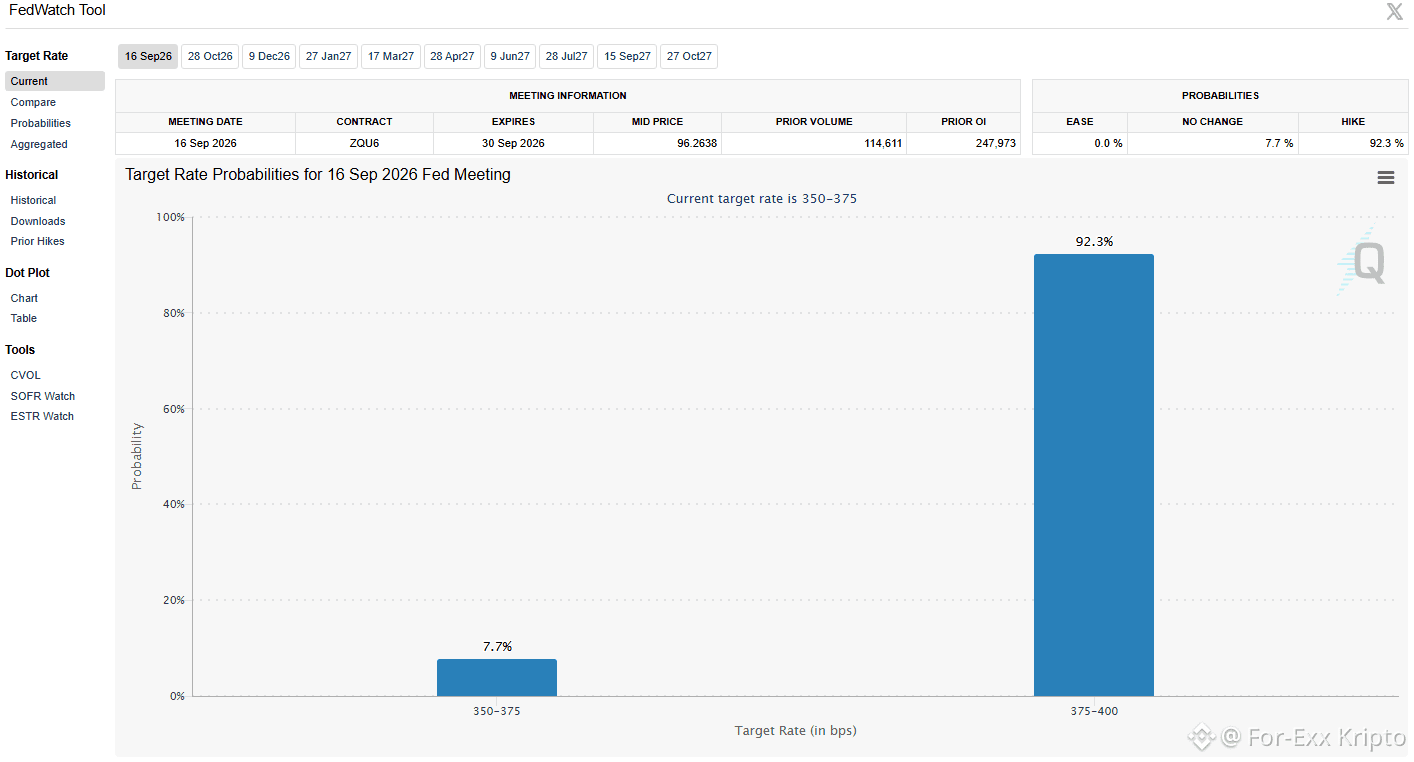
1
70
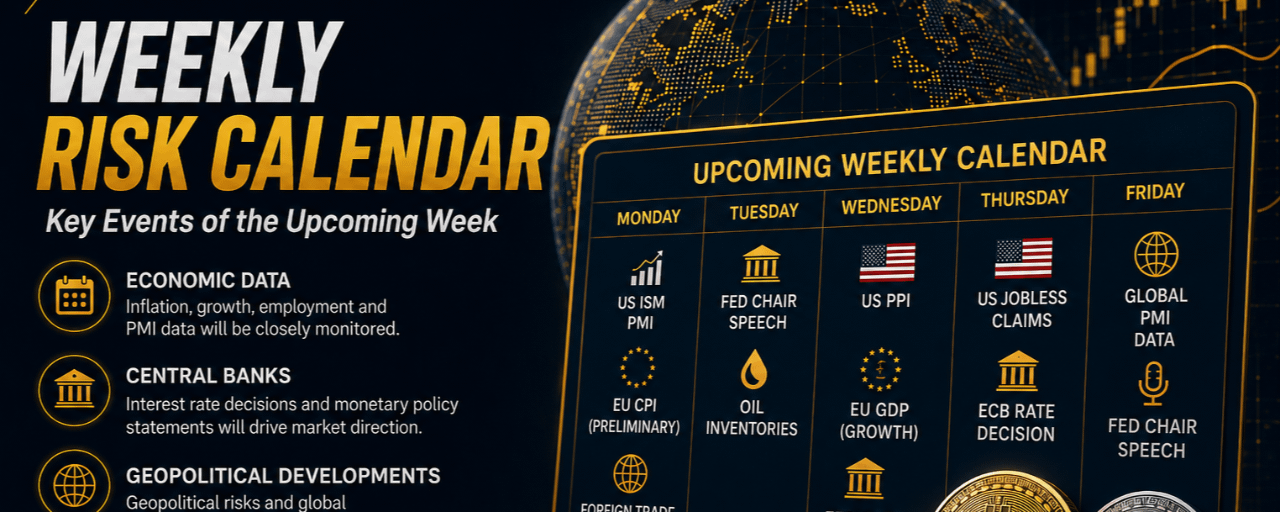
Статья
September 14–18, 2026 | Weekly Risk Calendar (TRT)September 14–18, 2026 | Weekly Risk Calendar (TRT)
🎯 The Week’s Main Theme
The busiest central bank week of the year: the FOMC, BoE, and BoJ are announcing their decisions one after another. Last week’s August CPI showed monthly core inflation at 0.3% instead of the expected 0.2% — this single data point sent the market’s probability of an FOMC hike from 70% to 90%. With the Fed avoiding forward guidance, every data release is being priced more heavily than usual. At the BoE, three members voted for a hike at the previous meeting (6-3), while inflation rose to 2.9% — keeping the risk of a hike alive. The BoJ remains TBA, having previously held rates with divided votes such as 8-1 and 6-3. The fact that all three central banks are simultaneously under pressure to tighten creates a risk of the global interest-rate environment moving higher in unison.
📅 Economic Calendar
Monday – September 14
🇨🇦 During the day — Canada CPI, August 2026
The market expects a 0.1% monthly decline but a 3.0% annual increase. A background data point for the BoC.
Tuesday – September 15
🇨🇳 During the day — China Industrial Production & Retail Sales, August 2026
🇬🇧 During the day — UK Employment Data, July
🇩🇪 During the day — Germany ZEW Survey, September
Wednesday – September 16
🇺🇸 21:00 TRT — FOMC Rate Decision + SEP (Summary of Economic Projections) + Dot Plot
21:30 TRT — Fed Chair Warsh Press Conference
Confirmed by the Fed’s official calendar (2:00 p.m. ET decision, two-day meeting on September 15-16). The central event of the week. Following August’s hot core CPI, the market is now pricing a 90% probability of a hike — a sharp upward revision from the 70% level just a few weeks ago. Since this is a quarterly projection meeting, the dot plot and SEP will be released simultaneously; whether Warsh restores the forward guidance he removed in June will be critical.
🇺🇸 15:30 TRT — Retail Sales (Advance), August 2026
The Chicago Fed’s preliminary estimate points to a 0.5% increase excluding autos (versus -0.3% in July). Because it is released on the same day as the FOMC decision, it will shape the market’s assessment of growth immediately before the Fed decision.
🇬🇧 09:00 TRT — UK CPI, August 2026
🇪🇺 During the day — Eurozone Industrial Production, July
Thursday – September 17
🇬🇧 15:00 TRT — BoE Rate Decision + MPC Vote
Confirmed by the official source: 12:00 UK time (15:00 TRT). Three members already voted for a hike when rates were held at 3.75% by a 6-3 vote in July; inflation has since risen to 2.9%. A shift of just two additional votes toward a hike could change the situation — the market is pricing this meeting as a rate-hike risk that is “two votes away.”
🇺🇸 15:30 TRT — Philadelphia Fed Manufacturing Index, September
🇺🇸 15:30 TRT — Weekly Jobless Claims
Friday – September 18
🇯🇵 Morning — BoJ Rate Decision (between 11:30 a.m.-12:30 p.m. JST, ~05:30-06:30 TRT)
~09:30 TRT — Governor Ueda Press Conference
The two-day meeting is scheduled for September 17-18; the outcome remains uncertain (TBA) until the meeting. Previous meetings have seen holds with divided votes such as 8-1 and 6-3 — the timing of the decision announcement can also vary depending on the intensity of the debate.
🇬🇧 09:00 TRT — UK Retail Sales, August
🇯🇵 During the day — Japan CPI, August
⚡ Crypto & Market Risks
FOMC (Wednesday 21:00): Since the market is already pricing a 90% probability of a hike, an actual hike is the “expected” scenario — the real volatility will come from the dot plot. If the new dot plot points to additional hikes, the dollar could strengthen sharply and crypto deleveraging could accelerate. If the Fed delivers a one-off hike + a “wait-and-see” signal, the move is already priced in, so a “sell the news” reaction followed by a relief-driven short-term rebound could emerge.
BoE (Thursday 15:00): A surprise hike — a low but still live possibility — would reinforce the global narrative that “central banks are tightening simultaneously,” potentially strengthening both GBP and the dollar while pressuring risk assets. A hold + hawkish vote (such as a narrower 4-5 margin) would keep expectations for a November hike alive.
BoJ (Friday morning): If a hawkish surprise emerges (a hike or a strong signal), the yen could strengthen sharply and carry-trade positions could unwind — with Friday’s thin liquidity, this could be the highest-risk moment for a sudden downside wick in BTC/ETH. A hold + cautious language, meanwhile, would allow existing carry-trade flows to continue.
Three Central Banks in the Same Week: FOMC Wednesday, BoE Thursday, BoJ Friday — three consecutive days of hawkish risk from three different continents. If all three central banks pull their messaging in the same direction (tightening), the global dollar/rate environment could cumulatively tighten throughout the week; for crypto, this could build sustained downside pressure over the course of the week.
$BTC $XRP
September 14–18, 2026 | Weekly Risk Calendar (TRT)
September 14–18, 2026 | Weekly Risk Calendar (TRT)
🎯 The Week’s Main Theme
The busiest central bank week of the year: the FOMC, BoE, and BoJ are announcing their decisions one after another. Last week’s August CPI showed monthly core inflation at 0.3% instead of the expected 0.2% — this single data point sent the market’s probability of an FOMC hike from 70% to 90%. With the Fed avoiding forward guidance, every data release is being priced more heavily than usual. At the BoE, three members voted for a hike at the previous meeting (6-3), while inflation rose to 2.9% — keeping the risk of a hike alive. The BoJ remains TBA, having previously held rates with divided votes such as 8-1 and 6-3. The fact that all three central banks are simultaneously under pressure to tighten creates a risk of the global interest-rate environment moving higher in unison.
📅 Economic Calendar
Monday – September 14
🇨🇦 During the day — Canada CPI, August 2026
The market expects a 0.1% monthly decline but a 3.0% annual increase. A background data point for the BoC.
Tuesday – September 15
🇨🇳 During the day — China Industrial Production & Retail Sales, August 2026
🇬🇧 During the day — UK Employment Data, July
🇩🇪 During the day — Germany ZEW Survey, September
Wednesday – September 16
🇺🇸 21:00 TRT — FOMC Rate Decision + SEP (Summary of Economic Projections) + Dot Plot
21:30 TRT — Fed Chair Warsh Press Conference
Confirmed by the Fed’s official calendar (2:00 p.m. ET decision, two-day meeting on September 15-16). The central event of the week. Following August’s hot core CPI, the market is now pricing a 90% probability of a hike — a sharp upward revision from the 70% level just a few weeks ago. Since this is a quarterly projection meeting, the dot plot and SEP will be released simultaneously; whether Warsh restores the forward guidance he removed in June will be critical.
🇺🇸 15:30 TRT — Retail Sales (Advance), August 2026
The Chicago Fed’s preliminary estimate points to a 0.5% increase excluding autos (versus -0.3% in July). Because it is released on the same day as the FOMC decision, it will shape the market’s assessment of growth immediately before the Fed decision.
🇬🇧 09:00 TRT — UK CPI, August 2026
🇪🇺 During the day — Eurozone Industrial Production, July
Thursday – September 17
🇬🇧 15:00 TRT — BoE Rate Decision + MPC Vote
Confirmed by the official source: 12:00 UK time (15:00 TRT). Three members already voted for a hike when rates were held at 3.75% by a 6-3 vote in July; inflation has since risen to 2.9%. A shift of just two additional votes toward a hike could change the situation — the market is pricing this meeting as a rate-hike risk that is “two votes away.”
🇺🇸 15:30 TRT — Philadelphia Fed Manufacturing Index, September
🇺🇸 15:30 TRT — Weekly Jobless Claims
Friday – September 18
🇯🇵 Morning — BoJ Rate Decision (between 11:30 a.m.-12:30 p.m. JST, ~05:30-06:30 TRT)
~09:30 TRT — Governor Ueda Press Conference
The two-day meeting is scheduled for September 17-18; the outcome remains uncertain (TBA) until the meeting. Previous meetings have seen holds with divided votes such as 8-1 and 6-3 — the timing of the decision announcement can also vary depending on the intensity of the debate.
🇬🇧 09:00 TRT — UK Retail Sales, August
🇯🇵 During the day — Japan CPI, August
⚡ Crypto & Market Risks
FOMC (Wednesday 21:00): Since the market is already pricing a 90% probability of a hike, an actual hike is the “expected” scenario — the real volatility will come from the dot plot. If the new dot plot points to additional hikes, the dollar could strengthen sharply and crypto deleveraging could accelerate. If the Fed delivers a one-off hike + a “wait-and-see” signal, the move is already priced in, so a “sell the news” reaction followed by a relief-driven short-term rebound could emerge.
BoE (Thursday 15:00): A surprise hike — a low but still live possibility — would reinforce the global narrative that “central banks are tightening simultaneously,” potentially strengthening both GBP and the dollar while pressuring risk assets. A hold + hawkish vote (such as a narrower 4-5 margin) would keep expectations for a November hike alive.
BoJ (Friday morning): If a hawkish surprise emerges (a hike or a strong signal), the yen could strengthen sharply and carry-trade positions could unwind — with Friday’s thin liquidity, this could be the highest-risk moment for a sudden downside wick in BTC/ETH. A hold + cautious language, meanwhile, would allow existing carry-trade flows to continue.
Three Central Banks in the Same Week: FOMC Wednesday, BoE Thursday, BoJ Friday — three consecutive days of hawkish risk from three different continents. If all three central banks pull their messaging in the same direction (tightening), the global dollar/rate environment could cumulatively tighten throughout the week; for crypto, this could build sustained downside pressure over the course of the week.
$BTC $XRP
🎯 The Week’s Main Theme
The busiest central bank week of the year: the FOMC, BoE, and BoJ are announcing their decisions one after another. Last week’s August CPI showed monthly core inflation at 0.3% instead of the expected 0.2% — this single data point sent the market’s probability of an FOMC hike from 70% to 90%. With the Fed avoiding forward guidance, every data release is being priced more heavily than usual. At the BoE, three members voted for a hike at the previous meeting (6-3), while inflation rose to 2.9% — keeping the risk of a hike alive. The BoJ remains TBA, having previously held rates with divided votes such as 8-1 and 6-3. The fact that all three central banks are simultaneously under pressure to tighten creates a risk of the global interest-rate environment moving higher in unison.
📅 Economic Calendar
Monday – September 14
🇨🇦 During the day — Canada CPI, August 2026
The market expects a 0.1% monthly decline but a 3.0% annual increase. A background data point for the BoC.
Tuesday – September 15
🇨🇳 During the day — China Industrial Production & Retail Sales, August 2026
🇬🇧 During the day — UK Employment Data, July
🇩🇪 During the day — Germany ZEW Survey, September
Wednesday – September 16
🇺🇸 21:00 TRT — FOMC Rate Decision + SEP (Summary of Economic Projections) + Dot Plot
21:30 TRT — Fed Chair Warsh Press Conference
Confirmed by the Fed’s official calendar (2:00 p.m. ET decision, two-day meeting on September 15-16). The central event of the week. Following August’s hot core CPI, the market is now pricing a 90% probability of a hike — a sharp upward revision from the 70% level just a few weeks ago. Since this is a quarterly projection meeting, the dot plot and SEP will be released simultaneously; whether Warsh restores the forward guidance he removed in June will be critical.
🇺🇸 15:30 TRT — Retail Sales (Advance), August 2026
The Chicago Fed’s preliminary estimate points to a 0.5% increase excluding autos (versus -0.3% in July). Because it is released on the same day as the FOMC decision, it will shape the market’s assessment of growth immediately before the Fed decision.
🇬🇧 09:00 TRT — UK CPI, August 2026
🇪🇺 During the day — Eurozone Industrial Production, July
Thursday – September 17
🇬🇧 15:00 TRT — BoE Rate Decision + MPC Vote
Confirmed by the official source: 12:00 UK time (15:00 TRT). Three members already voted for a hike when rates were held at 3.75% by a 6-3 vote in July; inflation has since risen to 2.9%. A shift of just two additional votes toward a hike could change the situation — the market is pricing this meeting as a rate-hike risk that is “two votes away.”
🇺🇸 15:30 TRT — Philadelphia Fed Manufacturing Index, September
🇺🇸 15:30 TRT — Weekly Jobless Claims
Friday – September 18
🇯🇵 Morning — BoJ Rate Decision (between 11:30 a.m.-12:30 p.m. JST, ~05:30-06:30 TRT)
~09:30 TRT — Governor Ueda Press Conference
The two-day meeting is scheduled for September 17-18; the outcome remains uncertain (TBA) until the meeting. Previous meetings have seen holds with divided votes such as 8-1 and 6-3 — the timing of the decision announcement can also vary depending on the intensity of the debate.
🇬🇧 09:00 TRT — UK Retail Sales, August
🇯🇵 During the day — Japan CPI, August
⚡ Crypto & Market Risks
FOMC (Wednesday 21:00): Since the market is already pricing a 90% probability of a hike, an actual hike is the “expected” scenario — the real volatility will come from the dot plot. If the new dot plot points to additional hikes, the dollar could strengthen sharply and crypto deleveraging could accelerate. If the Fed delivers a one-off hike + a “wait-and-see” signal, the move is already priced in, so a “sell the news” reaction followed by a relief-driven short-term rebound could emerge.
BoE (Thursday 15:00): A surprise hike — a low but still live possibility — would reinforce the global narrative that “central banks are tightening simultaneously,” potentially strengthening both GBP and the dollar while pressuring risk assets. A hold + hawkish vote (such as a narrower 4-5 margin) would keep expectations for a November hike alive.
BoJ (Friday morning): If a hawkish surprise emerges (a hike or a strong signal), the yen could strengthen sharply and carry-trade positions could unwind — with Friday’s thin liquidity, this could be the highest-risk moment for a sudden downside wick in BTC/ETH. A hold + cautious language, meanwhile, would allow existing carry-trade flows to continue.
Three Central Banks in the Same Week: FOMC Wednesday, BoE Thursday, BoJ Friday — three consecutive days of hawkish risk from three different continents. If all three central banks pull their messaging in the same direction (tightening), the global dollar/rate environment could cumulatively tighten throughout the week; for crypto, this could build sustained downside pressure over the course of the week.
$BTC $XRP
2
15

Статья
END-OF-DAY MARKET REPORT — September 11, 2026🔐 END-OF-DAY MARKET REPORT — September 11, 2026
🌐 TOP HEADLINES OF THE DAY
The August CPI report was released today — it came exactly in line with expectations at 0.4% month-over-month and 3.4% year-over-year (CPI had risen 0.1% month-over-month in July); more than one-third of the increase was driven by a 3.9% jump in gasoline prices, while housing costs also rose 0.3%, marking their highest increase in three months
Core CPI came in at 0.3% month-over-month, as hot as only 9 of 73 economists had forecast — a surge in wireless telephone services, along with increases ranging from airline fares and used vehicles to education prices, contributed to the reading; annual core CPI came in at 2.4%, in line with expectations, and remained at its lowest level since spring 2021
Computer software and accessories recorded a record annual increase of 25.4% — interpreted as the impact of the artificial intelligence investment boom showing up in price data; economists said the report strengthens the case for the Fed to raise rates on September 16, while the “share of categories showing elevated increases” metric emphasized by Chair Warsh did not retreat this month
The 10-year U.S. Treasury yield climbed as high as 4.97% — with four days remaining before the Fed enters its pre-meeting blackout period, the market is largely forced to price the decision on its own
According to CME FedWatch, the probability of a rate hike on September 16 is fluctuating between 62% and 69%; BTC, which held above $81,000 last week, fell to a two-week low this morning ahead of CPI
Spot Ethereum ETFs saw only $29 million in outflows today, a much calmer reaction compared with BTC; gold is heading toward its third consecutive weekly decline and fell below its 200-day moving average
━━━
₿ BITCOIN
BTC opened at $76,536 this morning, down 2.2% from yesterday’s opening — at a two-week low and down approximately 6% on the week. Immediately after the CPI release, BTC sharply fell to $76,500, then recovered into the $77,500-$78,000 range once it became clear that the data was largely in line with expectations. The market reaction was paradoxical: with inflation still elevated and last week’s strong employment data showing no signs of cooling, the initial reaction was to assume a rate hike was effectively certain — yet the data itself was not hawkish, but exactly at expectations. Holding above $76,800 could open the door to a move toward the $80,000-$83,000 range if CPI comes in soft; slipping below this level could bring the $73,000 area into focus. Following three consecutive weeks of strong ETF inflows, this decline is testing whether the market is experiencing a pause or the beginning of a trend reversal.
━━━
🔷 ETHEREUM & ALTCOINS
ETH remained in the $2,468-$2,500 range and reacted more calmly than BTC, with limited daily movement; the $29 million outflow from spot ETH ETFs remained well below the volatility seen in institutional flows into BTC. Solana is holding around $100, down 2.5% on the day; the 20-day moving average at $98.79 is being watched as critical support — losing this level could open the way toward $90. XRP fell to $1.36. Gold also fell below its 200-day moving average, losing some of its appeal as a geopolitical hedge amid the same rate uncertainty weighing on the crypto market.
━━━
📋 KEY CRYPTOCURRENCY NEWS
Economists assess that despite headline CPI coming in line with expectations, the unexpectedly hot core inflation reading and the lack of decline in Warsh’s “broad-based price increases” metric provide additional justification for a rate hike on September 16
With the Fed entering its four-day pre-meeting blackout period, the market will now head into the decision without receiving any new verbal guidance — meaning the decision will largely depend on the Fed’s internal assessment
The September 15 CLARITY Act cloture vote remains the second critical agenda item alongside the FOMC decision this week, with the Democratic-Republican dispute (including the vertical integration provision) still unresolved
━━━
🔓 TOKEN UNLOCKS
Cheelee (CHEEL)
September 13, 2026
Amount: ~$2.24 million (0.79% of circulating supply) — 6.42 million tokens
Recipient profile: Reserve Fund $3.4M + Team $2.78M + Advisors $208K + Private Round $28K
Selling pressure: 🟢
Unitas Labs (UP)
September 12, 2026
Amount: ~$11.16 million (18.7% of market capitalization)
Selling pressure: 🔴
Note: Extremely high relative to market capitalization — one of the month’s most dilutive individual unlocks.
━━━
🔭 OUTLOOK AND UPCOMING EVENTS
Following today’s CPI report, the market is now focused directly on the September 16 FOMC decision — CME FedWatch is pricing a 62%-69% probability of a rate hike; the Fed’s entry into its four-day blackout period means there will be no new verbal signal before the decision. Meanwhile, the September 15 CLARITY Act cloture vote will be the second critical test of the week — the probability of failure is still considered high. Whether BTC can hold above $76,800 is the most critical short-term technical threshold; if successful, a move toward the $80,000-$83,000 range is possible as post-CPI relief sets in, while failure would put the $73,000 area at risk. The UP and CHEEL unlocks on September 12-13 stand out as relatively small-scale test points amid the major macro agenda.
END-OF-DAY MARKET REPORT — September 11, 2026
🔐 END-OF-DAY MARKET REPORT — September 11, 2026
🌐 TOP HEADLINES OF THE DAY
The August CPI report was released today — it came exactly in line with expectations at 0.4% month-over-month and 3.4% year-over-year (CPI had risen 0.1% month-over-month in July); more than one-third of the increase was driven by a 3.9% jump in gasoline prices, while housing costs also rose 0.3%, marking their highest increase in three months
Core CPI came in at 0.3% month-over-month, as hot as only 9 of 73 economists had forecast — a surge in wireless telephone services, along with increases ranging from airline fares and used vehicles to education prices, contributed to the reading; annual core CPI came in at 2.4%, in line with expectations, and remained at its lowest level since spring 2021
Computer software and accessories recorded a record annual increase of 25.4% — interpreted as the impact of the artificial intelligence investment boom showing up in price data; economists said the report strengthens the case for the Fed to raise rates on September 16, while the “share of categories showing elevated increases” metric emphasized by Chair Warsh did not retreat this month
The 10-year U.S. Treasury yield climbed as high as 4.97% — with four days remaining before the Fed enters its pre-meeting blackout period, the market is largely forced to price the decision on its own
According to CME FedWatch, the probability of a rate hike on September 16 is fluctuating between 62% and 69%; BTC, which held above $81,000 last week, fell to a two-week low this morning ahead of CPI
Spot Ethereum ETFs saw only $29 million in outflows today, a much calmer reaction compared with BTC; gold is heading toward its third consecutive weekly decline and fell below its 200-day moving average
━━━
₿ BITCOIN
BTC opened at $76,536 this morning, down 2.2% from yesterday’s opening — at a two-week low and down approximately 6% on the week. Immediately after the CPI release, BTC sharply fell to $76,500, then recovered into the $77,500-$78,000 range once it became clear that the data was largely in line with expectations. The market reaction was paradoxical: with inflation still elevated and last week’s strong employment data showing no signs of cooling, the initial reaction was to assume a rate hike was effectively certain — yet the data itself was not hawkish, but exactly at expectations. Holding above $76,800 could open the door to a move toward the $80,000-$83,000 range if CPI comes in soft; slipping below this level could bring the $73,000 area into focus. Following three consecutive weeks of strong ETF inflows, this decline is testing whether the market is experiencing a pause or the beginning of a trend reversal.
━━━
🔷 ETHEREUM & ALTCOINS
ETH remained in the $2,468-$2,500 range and reacted more calmly than BTC, with limited daily movement; the $29 million outflow from spot ETH ETFs remained well below the volatility seen in institutional flows into BTC. Solana is holding around $100, down 2.5% on the day; the 20-day moving average at $98.79 is being watched as critical support — losing this level could open the way toward $90. XRP fell to $1.36. Gold also fell below its 200-day moving average, losing some of its appeal as a geopolitical hedge amid the same rate uncertainty weighing on the crypto market.
━━━
📋 KEY CRYPTOCURRENCY NEWS
Economists assess that despite headline CPI coming in line with expectations, the unexpectedly hot core inflation reading and the lack of decline in Warsh’s “broad-based price increases” metric provide additional justification for a rate hike on September 16
With the Fed entering its four-day pre-meeting blackout period, the market will now head into the decision without receiving any new verbal guidance — meaning the decision will largely depend on the Fed’s internal assessment
The September 15 CLARITY Act cloture vote remains the second critical agenda item alongside the FOMC decision this week, with the Democratic-Republican dispute (including the vertical integration provision) still unresolved
━━━
🔓 TOKEN UNLOCKS
Cheelee (CHEEL)
September 13, 2026
Amount: ~$2.24 million (0.79% of circulating supply) — 6.42 million tokens
Recipient profile: Reserve Fund $3.4M + Team $2.78M + Advisors $208K + Private Round $28K
Selling pressure: 🟢
Unitas Labs (UP)
September 12, 2026
Amount: ~$11.16 million (18.7% of market capitalization)
Selling pressure: 🔴
Note: Extremely high relative to market capitalization — one of the month’s most dilutive individual unlocks.
━━━
🔭 OUTLOOK AND UPCOMING EVENTS
Following today’s CPI report, the market is now focused directly on the September 16 FOMC decision — CME FedWatch is pricing a 62%-69% probability of a rate hike; the Fed’s entry into its four-day blackout period means there will be no new verbal signal before the decision. Meanwhile, the September 15 CLARITY Act cloture vote will be the second critical test of the week — the probability of failure is still considered high. Whether BTC can hold above $76,800 is the most critical short-term technical threshold; if successful, a move toward the $80,000-$83,000 range is possible as post-CPI relief sets in, while failure would put the $73,000 area at risk. The UP and CHEEL unlocks on September 12-13 stand out as relatively small-scale test points amid the major macro agenda.
🌐 TOP HEADLINES OF THE DAY
The August CPI report was released today — it came exactly in line with expectations at 0.4% month-over-month and 3.4% year-over-year (CPI had risen 0.1% month-over-month in July); more than one-third of the increase was driven by a 3.9% jump in gasoline prices, while housing costs also rose 0.3%, marking their highest increase in three months
Core CPI came in at 0.3% month-over-month, as hot as only 9 of 73 economists had forecast — a surge in wireless telephone services, along with increases ranging from airline fares and used vehicles to education prices, contributed to the reading; annual core CPI came in at 2.4%, in line with expectations, and remained at its lowest level since spring 2021
Computer software and accessories recorded a record annual increase of 25.4% — interpreted as the impact of the artificial intelligence investment boom showing up in price data; economists said the report strengthens the case for the Fed to raise rates on September 16, while the “share of categories showing elevated increases” metric emphasized by Chair Warsh did not retreat this month
The 10-year U.S. Treasury yield climbed as high as 4.97% — with four days remaining before the Fed enters its pre-meeting blackout period, the market is largely forced to price the decision on its own
According to CME FedWatch, the probability of a rate hike on September 16 is fluctuating between 62% and 69%; BTC, which held above $81,000 last week, fell to a two-week low this morning ahead of CPI
Spot Ethereum ETFs saw only $29 million in outflows today, a much calmer reaction compared with BTC; gold is heading toward its third consecutive weekly decline and fell below its 200-day moving average
━━━
₿ BITCOIN
BTC opened at $76,536 this morning, down 2.2% from yesterday’s opening — at a two-week low and down approximately 6% on the week. Immediately after the CPI release, BTC sharply fell to $76,500, then recovered into the $77,500-$78,000 range once it became clear that the data was largely in line with expectations. The market reaction was paradoxical: with inflation still elevated and last week’s strong employment data showing no signs of cooling, the initial reaction was to assume a rate hike was effectively certain — yet the data itself was not hawkish, but exactly at expectations. Holding above $76,800 could open the door to a move toward the $80,000-$83,000 range if CPI comes in soft; slipping below this level could bring the $73,000 area into focus. Following three consecutive weeks of strong ETF inflows, this decline is testing whether the market is experiencing a pause or the beginning of a trend reversal.
━━━
🔷 ETHEREUM & ALTCOINS
ETH remained in the $2,468-$2,500 range and reacted more calmly than BTC, with limited daily movement; the $29 million outflow from spot ETH ETFs remained well below the volatility seen in institutional flows into BTC. Solana is holding around $100, down 2.5% on the day; the 20-day moving average at $98.79 is being watched as critical support — losing this level could open the way toward $90. XRP fell to $1.36. Gold also fell below its 200-day moving average, losing some of its appeal as a geopolitical hedge amid the same rate uncertainty weighing on the crypto market.
━━━
📋 KEY CRYPTOCURRENCY NEWS
Economists assess that despite headline CPI coming in line with expectations, the unexpectedly hot core inflation reading and the lack of decline in Warsh’s “broad-based price increases” metric provide additional justification for a rate hike on September 16
With the Fed entering its four-day pre-meeting blackout period, the market will now head into the decision without receiving any new verbal guidance — meaning the decision will largely depend on the Fed’s internal assessment
The September 15 CLARITY Act cloture vote remains the second critical agenda item alongside the FOMC decision this week, with the Democratic-Republican dispute (including the vertical integration provision) still unresolved
━━━
🔓 TOKEN UNLOCKS
Cheelee (CHEEL)
September 13, 2026
Amount: ~$2.24 million (0.79% of circulating supply) — 6.42 million tokens
Recipient profile: Reserve Fund $3.4M + Team $2.78M + Advisors $208K + Private Round $28K
Selling pressure: 🟢
Unitas Labs (UP)
September 12, 2026
Amount: ~$11.16 million (18.7% of market capitalization)
Selling pressure: 🔴
Note: Extremely high relative to market capitalization — one of the month’s most dilutive individual unlocks.
━━━
🔭 OUTLOOK AND UPCOMING EVENTS
Following today’s CPI report, the market is now focused directly on the September 16 FOMC decision — CME FedWatch is pricing a 62%-69% probability of a rate hike; the Fed’s entry into its four-day blackout period means there will be no new verbal signal before the decision. Meanwhile, the September 15 CLARITY Act cloture vote will be the second critical test of the week — the probability of failure is still considered high. Whether BTC can hold above $76,800 is the most critical short-term technical threshold; if successful, a move toward the $80,000-$83,000 range is possible as post-CPI relief sets in, while failure would put the $73,000 area at risk. The UP and CHEEL unlocks on September 12-13 stand out as relatively small-scale test points amid the major macro agenda.
1
147

Статья
The Fed Dilemma on September 16: If Warsh Hikes or Holds — Scenario-Based Market AnalysisFollowing the August CPI report, the market pushed the probability of a 25-basis-point rate hike at the September 16 FOMC meeting toward 90%. Despite this high pricing, the actual outcome remains uncertain because the issue is no longer simply about economic data, but also about the political equation Fed Chair Kevin Warsh finds himself trapped in. In this article, we examine two scenarios — Warsh following expectations and raising rates, and Warsh breaking expectations and holding rates steady — along with the potential impact of each scenario on gold, the dollar, Treasuries, stocks, and crypto.
Warsh’s Dilemma: Trump or Market Confidence?
Two opposing theses dominate the market.
The first thesis is as follows: Warsh is a Trump appointee. Trump brought him in with pressure for rate cuts, just as he had pressured Powell; Trump had even said in the past, “If I wanted rate hikes, I wouldn’t have picked Warsh.” Trump and his vice president, JD Vance, have openly called for lower interest rates, while Trump has even intensified the pressure through trade threats. According to this view, Warsh will remain aligned with the White House and avoid raising rates.
The second thesis is the exact opposite: Warsh has kept rates unchanged at every meeting since taking office and personally opened the door to a hike at Jackson Hole by saying, “There has not been enough improvement in inflation, and we may have more work to do.” According to this view, Warsh will raise rates despite Trump in order to win the confidence of the market and a divided FOMC (three members had dissented in favor of a hike in July). As Adam Posen of the Peterson Institute pointed out: “If you don’t hike in September, people will start asking, ‘What’s going on?’” In other words, Warsh has tied his own credibility to expectations of a hike; backing down carries the risk of a “credibility shock.”
This is precisely why, despite the 90% pricing, the decision represents a genuine fork in the road: political loyalty on one side, institutional credibility on the other.
SCENARIO 1 — Warsh Breaks Expectations and Holds Rates Steady (Surprise “Hold”)
Because the market is pricing in a 90% probability of a hike, a decision to hold would create a major surprise shock. When expectations are so heavily concentrated in one direction, a reversal can trigger the kind of development that produces the sharpest price movements.
Treasuries: The initial reaction would likely be a sharp decline in yields (a rise in bond prices); short-term yields would price out the hike. However, there is an important caveat: as Bank of America has warned, avoiding a hike while inflation is hot could create the perception that “the Fed is not controlling inflation.” In that case, long-term yields (10-30 years) could instead surge — meaning the curve would steepen. If the market concludes that “the Fed backed down under political pressure and inflation has been allowed to run free,” the 10-year yield, already approaching 5%, could break above that threshold. This is the most dangerous sub-scenario.
Dollar: Sharp selling in the short term. Dollar positions established on expectations of a hike would unwind, the DXY would decline, and USD/JPY could fall below 154. However, if the loss of confidence in Fed independence deepens, the dollar’s safe-haven status could be damaged and its weakness could become more persistent.
Gold: The clearest beneficiary scenario. Both the absence of a rate hike (reducing pressure from real yields) and concerns over Fed independence would act as dual catalysts for gold. A sharp rebound from the one-week low around $4,310 and attempts at new highs would come into play. Historically, periods when confidence in the Fed is shaken have been among gold’s strongest environments.
Stocks: The initial reaction would most likely be upward — rate-sensitive growth and technology stocks would attract buying on relief that “rates were not raised.” However, the rally may not last; if long-term yields begin to rise due to concerns that “the Fed has lost control,” the stock market’s initial relief could quickly reverse. In other words, a short-term jump could give way to medium-term vulnerability.
Crypto: This is where risk appetite would likely recover most rapidly. No rate hike and a weaker dollar would be directly positive for Bitcoin and altcoins; liquidations of leveraged short positions could create a sudden upside wick. However, the same warning applies here: a lasting loss of confidence in Fed independence could raise risk premiums over the longer term and hurt all risk assets, including crypto. Short-term euphoria, medium-term caution.
SCENARIO 2 — Warsh Meets Expectations and Hikes 25 Basis Points (“Hawkish Hike”)
Because this scenario is already priced at around 90%, the hike itself would not create a major shock; the key factor would be the tone of the decision and Warsh’s messaging. The critical distinction is whether this is a “one-off insurance hike” or “the beginning of a prolonged tightening campaign.”
Treasuries: Because the hike is already priced in, the initial reaction could be limited. However, if Warsh signals that “we could also hike in December if necessary” (Barclays and UBS expect two hikes), short-term yields would rise further and the curve would flatten. If the message is “one and done,” yields could ease. In this scenario, the direction of Treasuries would be determined by the wording, not the rate decision itself.
Dollar: A rate hike combined with a hawkish tone would support the dollar; the DXY would remain strong, while USD/JPY could hold above 154 and attempt to move higher. If the message is softened with a “one-off” framing, the dollar’s upside could remain limited. A potentially harsh reaction from Trump could serve as an offsetting factor, pressuring the dollar through political risk.
Gold: The initial reaction would be downward — rising yields and a stronger dollar would put selling pressure on gold; the $4,300 support could be tested, and if it breaks, there is a risk of a move toward $4,200. However, two balancing factors remain powerful: geopolitical risks such as tensions around the Strait of Hormuz and Brent trading above $108, as well as the possibility of a rebound if a “one-off hike” message provides relief that “the uncertainty is over.” In other words, the decline could be shallow and temporary.
Stocks: Rate-sensitive growth and technology stocks would come under pressure, particularly if Warsh adopts a hawkish tone, with a stronger reaction likely in Nasdaq-heavy indexes. If the message is “one final hike, followed by a wait-and-see approach,” markets could interpret this as the removal of an uncertainty and recover. Banks and energy stocks could remain more resilient than long-duration technology stocks.
Crypto: The most vulnerable segment. A rate hike, rising yields, and a strengthening dollar would create a negative backdrop for crypto; for a market attempting to price in an early rate-cut scenario, this would be disappointing. A hawkish tone could trigger selling in Bitcoin and altcoins and liquidations of leveraged long positions. However, because the hike is already largely priced in, a “sell the news, then buy” reaction could lead to a recovery after the initial decline — once again, Warsh’s forward guidance will be decisive.
In Summary: The Real Issue Is Not the Number, but Confidence
Both scenarios ultimately come down to a single question: the Fed’s credibility. If Warsh hikes (Scenario 2), he preserves market confidence but enters into an open conflict with Trump; after short-term volatility, markets could interpret this as an “independent Fed” and regain stability. If he does not hike (Scenario 1), he satisfies Trump but triggers the deepest concerns over Fed independence by creating the perception that “the Fed bowed to political pressure” — potentially leading to a much more dangerous path in which long-term yields and gold surge, while the dollar and eventually all risk assets suffer from a loss of confidence.
In short, the healthiest outcome for the market is often for the “expected” outcome to materialize. Despite the 90% pricing, the possibility of a surprise being on the table makes September 16 a candidate for one of the most volatile sessions of the year. In this environment, investors should exercise caution with leveraged positions and focus not on the initial reaction after the decision, but on the tone of Warsh’s press conference.
$BTC
The Fed Dilemma on September 16: If Warsh Hikes or Holds — Scenario-Based Market Analysis
Following the August CPI report, the market pushed the probability of a 25-basis-point rate hike at the September 16 FOMC meeting toward 90%. Despite this high pricing, the actual outcome remains uncertain because the issue is no longer simply about economic data, but also about the political equation Fed Chair Kevin Warsh finds himself trapped in. In this article, we examine two scenarios — Warsh following expectations and raising rates, and Warsh breaking expectations and holding rates steady — along with the potential impact of each scenario on gold, the dollar, Treasuries, stocks, and crypto.
Warsh’s Dilemma: Trump or Market Confidence?
Two opposing theses dominate the market.
The first thesis is as follows: Warsh is a Trump appointee. Trump brought him in with pressure for rate cuts, just as he had pressured Powell; Trump had even said in the past, “If I wanted rate hikes, I wouldn’t have picked Warsh.” Trump and his vice president, JD Vance, have openly called for lower interest rates, while Trump has even intensified the pressure through trade threats. According to this view, Warsh will remain aligned with the White House and avoid raising rates.
The second thesis is the exact opposite: Warsh has kept rates unchanged at every meeting since taking office and personally opened the door to a hike at Jackson Hole by saying, “There has not been enough improvement in inflation, and we may have more work to do.” According to this view, Warsh will raise rates despite Trump in order to win the confidence of the market and a divided FOMC (three members had dissented in favor of a hike in July). As Adam Posen of the Peterson Institute pointed out: “If you don’t hike in September, people will start asking, ‘What’s going on?’” In other words, Warsh has tied his own credibility to expectations of a hike; backing down carries the risk of a “credibility shock.”
This is precisely why, despite the 90% pricing, the decision represents a genuine fork in the road: political loyalty on one side, institutional credibility on the other.
SCENARIO 1 — Warsh Breaks Expectations and Holds Rates Steady (Surprise “Hold”)
Because the market is pricing in a 90% probability of a hike, a decision to hold would create a major surprise shock. When expectations are so heavily concentrated in one direction, a reversal can trigger the kind of development that produces the sharpest price movements.
Treasuries: The initial reaction would likely be a sharp decline in yields (a rise in bond prices); short-term yields would price out the hike. However, there is an important caveat: as Bank of America has warned, avoiding a hike while inflation is hot could create the perception that “the Fed is not controlling inflation.” In that case, long-term yields (10-30 years) could instead surge — meaning the curve would steepen. If the market concludes that “the Fed backed down under political pressure and inflation has been allowed to run free,” the 10-year yield, already approaching 5%, could break above that threshold. This is the most dangerous sub-scenario.
Dollar: Sharp selling in the short term. Dollar positions established on expectations of a hike would unwind, the DXY would decline, and USD/JPY could fall below 154. However, if the loss of confidence in Fed independence deepens, the dollar’s safe-haven status could be damaged and its weakness could become more persistent.
Gold: The clearest beneficiary scenario. Both the absence of a rate hike (reducing pressure from real yields) and concerns over Fed independence would act as dual catalysts for gold. A sharp rebound from the one-week low around $4,310 and attempts at new highs would come into play. Historically, periods when confidence in the Fed is shaken have been among gold’s strongest environments.
Stocks: The initial reaction would most likely be upward — rate-sensitive growth and technology stocks would attract buying on relief that “rates were not raised.” However, the rally may not last; if long-term yields begin to rise due to concerns that “the Fed has lost control,” the stock market’s initial relief could quickly reverse. In other words, a short-term jump could give way to medium-term vulnerability.
Crypto: This is where risk appetite would likely recover most rapidly. No rate hike and a weaker dollar would be directly positive for Bitcoin and altcoins; liquidations of leveraged short positions could create a sudden upside wick. However, the same warning applies here: a lasting loss of confidence in Fed independence could raise risk premiums over the longer term and hurt all risk assets, including crypto. Short-term euphoria, medium-term caution.
SCENARIO 2 — Warsh Meets Expectations and Hikes 25 Basis Points (“Hawkish Hike”)
Because this scenario is already priced at around 90%, the hike itself would not create a major shock; the key factor would be the tone of the decision and Warsh’s messaging. The critical distinction is whether this is a “one-off insurance hike” or “the beginning of a prolonged tightening campaign.”
Treasuries: Because the hike is already priced in, the initial reaction could be limited. However, if Warsh signals that “we could also hike in December if necessary” (Barclays and UBS expect two hikes), short-term yields would rise further and the curve would flatten. If the message is “one and done,” yields could ease. In this scenario, the direction of Treasuries would be determined by the wording, not the rate decision itself.
Dollar: A rate hike combined with a hawkish tone would support the dollar; the DXY would remain strong, while USD/JPY could hold above 154 and attempt to move higher. If the message is softened with a “one-off” framing, the dollar’s upside could remain limited. A potentially harsh reaction from Trump could serve as an offsetting factor, pressuring the dollar through political risk.
Gold: The initial reaction would be downward — rising yields and a stronger dollar would put selling pressure on gold; the $4,300 support could be tested, and if it breaks, there is a risk of a move toward $4,200. However, two balancing factors remain powerful: geopolitical risks such as tensions around the Strait of Hormuz and Brent trading above $108, as well as the possibility of a rebound if a “one-off hike” message provides relief that “the uncertainty is over.” In other words, the decline could be shallow and temporary.
Stocks: Rate-sensitive growth and technology stocks would come under pressure, particularly if Warsh adopts a hawkish tone, with a stronger reaction likely in Nasdaq-heavy indexes. If the message is “one final hike, followed by a wait-and-see approach,” markets could interpret this as the removal of an uncertainty and recover. Banks and energy stocks could remain more resilient than long-duration technology stocks.
Crypto: The most vulnerable segment. A rate hike, rising yields, and a strengthening dollar would create a negative backdrop for crypto; for a market attempting to price in an early rate-cut scenario, this would be disappointing. A hawkish tone could trigger selling in Bitcoin and altcoins and liquidations of leveraged long positions. However, because the hike is already largely priced in, a “sell the news, then buy” reaction could lead to a recovery after the initial decline — once again, Warsh’s forward guidance will be decisive.
In Summary: The Real Issue Is Not the Number, but Confidence
Both scenarios ultimately come down to a single question: the Fed’s credibility. If Warsh hikes (Scenario 2), he preserves market confidence but enters into an open conflict with Trump; after short-term volatility, markets could interpret this as an “independent Fed” and regain stability. If he does not hike (Scenario 1), he satisfies Trump but triggers the deepest concerns over Fed independence by creating the perception that “the Fed bowed to political pressure” — potentially leading to a much more dangerous path in which long-term yields and gold surge, while the dollar and eventually all risk assets suffer from a loss of confidence.
In short, the healthiest outcome for the market is often for the “expected” outcome to materialize. Despite the 90% pricing, the possibility of a surprise being on the table makes September 16 a candidate for one of the most volatile sessions of the year. In this environment, investors should exercise caution with leveraged positions and focus not on the initial reaction after the decision, but on the tone of Warsh’s press conference.
$BTC
Warsh’s Dilemma: Trump or Market Confidence?
Two opposing theses dominate the market.
The first thesis is as follows: Warsh is a Trump appointee. Trump brought him in with pressure for rate cuts, just as he had pressured Powell; Trump had even said in the past, “If I wanted rate hikes, I wouldn’t have picked Warsh.” Trump and his vice president, JD Vance, have openly called for lower interest rates, while Trump has even intensified the pressure through trade threats. According to this view, Warsh will remain aligned with the White House and avoid raising rates.
The second thesis is the exact opposite: Warsh has kept rates unchanged at every meeting since taking office and personally opened the door to a hike at Jackson Hole by saying, “There has not been enough improvement in inflation, and we may have more work to do.” According to this view, Warsh will raise rates despite Trump in order to win the confidence of the market and a divided FOMC (three members had dissented in favor of a hike in July). As Adam Posen of the Peterson Institute pointed out: “If you don’t hike in September, people will start asking, ‘What’s going on?’” In other words, Warsh has tied his own credibility to expectations of a hike; backing down carries the risk of a “credibility shock.”
This is precisely why, despite the 90% pricing, the decision represents a genuine fork in the road: political loyalty on one side, institutional credibility on the other.
SCENARIO 1 — Warsh Breaks Expectations and Holds Rates Steady (Surprise “Hold”)
Because the market is pricing in a 90% probability of a hike, a decision to hold would create a major surprise shock. When expectations are so heavily concentrated in one direction, a reversal can trigger the kind of development that produces the sharpest price movements.
Treasuries: The initial reaction would likely be a sharp decline in yields (a rise in bond prices); short-term yields would price out the hike. However, there is an important caveat: as Bank of America has warned, avoiding a hike while inflation is hot could create the perception that “the Fed is not controlling inflation.” In that case, long-term yields (10-30 years) could instead surge — meaning the curve would steepen. If the market concludes that “the Fed backed down under political pressure and inflation has been allowed to run free,” the 10-year yield, already approaching 5%, could break above that threshold. This is the most dangerous sub-scenario.
Dollar: Sharp selling in the short term. Dollar positions established on expectations of a hike would unwind, the DXY would decline, and USD/JPY could fall below 154. However, if the loss of confidence in Fed independence deepens, the dollar’s safe-haven status could be damaged and its weakness could become more persistent.
Gold: The clearest beneficiary scenario. Both the absence of a rate hike (reducing pressure from real yields) and concerns over Fed independence would act as dual catalysts for gold. A sharp rebound from the one-week low around $4,310 and attempts at new highs would come into play. Historically, periods when confidence in the Fed is shaken have been among gold’s strongest environments.
Stocks: The initial reaction would most likely be upward — rate-sensitive growth and technology stocks would attract buying on relief that “rates were not raised.” However, the rally may not last; if long-term yields begin to rise due to concerns that “the Fed has lost control,” the stock market’s initial relief could quickly reverse. In other words, a short-term jump could give way to medium-term vulnerability.
Crypto: This is where risk appetite would likely recover most rapidly. No rate hike and a weaker dollar would be directly positive for Bitcoin and altcoins; liquidations of leveraged short positions could create a sudden upside wick. However, the same warning applies here: a lasting loss of confidence in Fed independence could raise risk premiums over the longer term and hurt all risk assets, including crypto. Short-term euphoria, medium-term caution.
SCENARIO 2 — Warsh Meets Expectations and Hikes 25 Basis Points (“Hawkish Hike”)
Because this scenario is already priced at around 90%, the hike itself would not create a major shock; the key factor would be the tone of the decision and Warsh’s messaging. The critical distinction is whether this is a “one-off insurance hike” or “the beginning of a prolonged tightening campaign.”
Treasuries: Because the hike is already priced in, the initial reaction could be limited. However, if Warsh signals that “we could also hike in December if necessary” (Barclays and UBS expect two hikes), short-term yields would rise further and the curve would flatten. If the message is “one and done,” yields could ease. In this scenario, the direction of Treasuries would be determined by the wording, not the rate decision itself.
Dollar: A rate hike combined with a hawkish tone would support the dollar; the DXY would remain strong, while USD/JPY could hold above 154 and attempt to move higher. If the message is softened with a “one-off” framing, the dollar’s upside could remain limited. A potentially harsh reaction from Trump could serve as an offsetting factor, pressuring the dollar through political risk.
Gold: The initial reaction would be downward — rising yields and a stronger dollar would put selling pressure on gold; the $4,300 support could be tested, and if it breaks, there is a risk of a move toward $4,200. However, two balancing factors remain powerful: geopolitical risks such as tensions around the Strait of Hormuz and Brent trading above $108, as well as the possibility of a rebound if a “one-off hike” message provides relief that “the uncertainty is over.” In other words, the decline could be shallow and temporary.
Stocks: Rate-sensitive growth and technology stocks would come under pressure, particularly if Warsh adopts a hawkish tone, with a stronger reaction likely in Nasdaq-heavy indexes. If the message is “one final hike, followed by a wait-and-see approach,” markets could interpret this as the removal of an uncertainty and recover. Banks and energy stocks could remain more resilient than long-duration technology stocks.
Crypto: The most vulnerable segment. A rate hike, rising yields, and a strengthening dollar would create a negative backdrop for crypto; for a market attempting to price in an early rate-cut scenario, this would be disappointing. A hawkish tone could trigger selling in Bitcoin and altcoins and liquidations of leveraged long positions. However, because the hike is already largely priced in, a “sell the news, then buy” reaction could lead to a recovery after the initial decline — once again, Warsh’s forward guidance will be decisive.
In Summary: The Real Issue Is Not the Number, but Confidence
Both scenarios ultimately come down to a single question: the Fed’s credibility. If Warsh hikes (Scenario 2), he preserves market confidence but enters into an open conflict with Trump; after short-term volatility, markets could interpret this as an “independent Fed” and regain stability. If he does not hike (Scenario 1), he satisfies Trump but triggers the deepest concerns over Fed independence by creating the perception that “the Fed bowed to political pressure” — potentially leading to a much more dangerous path in which long-term yields and gold surge, while the dollar and eventually all risk assets suffer from a loss of confidence.
In short, the healthiest outcome for the market is often for the “expected” outcome to materialize. Despite the 90% pricing, the possibility of a surprise being on the table makes September 16 a candidate for one of the most volatile sessions of the year. In this environment, investors should exercise caution with leveraged positions and focus not on the initial reaction after the decision, but on the tone of Warsh’s press conference.
$BTC
1
206

Статья
U.S. August CPI: Headline Calm, Core Hot — Rate Hike Probability Surges to 90%The U.S. Bureau of Labor Statistics (BLS), part of the U.S. Department of Labor, released the August Consumer Price Index (CPI) data at 3:30 p.m. Türkiye time. While the headline figures came in line with expectations, the monthly increase in core inflation exceeded expectations and sharply pushed up rate-hike pricing in the market.
The Numbers
Annual CPI came in at 3.4%, in line with expectations (unrounded 3.397%; previous 3.365% — indicating a slight upward acceleration). Monthly CPI met consensus at 0.4%, but this represents a sharp acceleration from the previous month; the monthly increase in July was only 0.1% (unrounded 0.396% versus 0.074%).
On the core side, the annual increase came in at 2.4%, in line with expectations and down from the previous 2.5%. However, the key figure was monthly core CPI: it came in at 0.3%, above the 0.2% expectation (unrounded 0.318%; previous 0.215%). In other words, beneath the headline “in-line” picture, there is a clear signal that underlying price pressures have accelerated.
Divergence in the Details: Housing Cools, Services and Energy Heat Up
The critical point in the data is where the acceleration in core inflation came from. Housing actually provided some relief: owners’ equivalent rent (OER) fell to 0.2% (previously 0.3%), while rent of primary residence also declined to 0.2% (previously 0.3%). As the traditionally stickiest component of inflation, cooling housing would normally be a dovish signal.
However, this relief was more than offset by the surge in services and energy. Supercore, which measures core services excluding housing, jumped 0.511% month-over-month, its highest level since January (previous 0.189%); annual Supercore also rose to 3.022% (previous 2.843%). This surge in Supercore, one of the measures the Fed watches most closely for underlying inflation, suggests that the core surprise was not temporary “goods-price” noise but rather persistent services-driven pressure.
Energy was the main component pushing the headline higher: it rose 2.1% month-over-month (previous -1.5%), while gasoline alone jumped 3.9% (previous -2.9%) and accounted for 0.140 percentage points of the 0.4% headline increase by itself. Based on the trajectory, this contribution is expected to be much higher in September. Other notable moves included lodging away from home at +2.4% (previous -2.8%), airline fares at +2.7%, and wireless telephone services at +5.9%, the largest increase on record. Meanwhile, apparel at 0.0%, medical care services at -0.2%, and motor vehicle insurance at -0.8% remained on the offsetting side; on an annual basis, motor vehicle insurance fell 5.1%, its lowest level since November 2020, while health insurance stood at -8.5%. Real weekly earnings were slightly positive at +0.2% (previously 0.0%, revised to +0.1%).
Markets Price in a Rate Hike: From 68% to 90%
Before the report, markets were pricing a 68% probability of a rate hike at the September meeting and 43.7 basis points of hikes for the full year; USD/JPY stood at 154.01. Following the data, the initial reaction was direct dollar buying due to the hot core reading. On CME FedWatch, the probability of a 25-basis-point hike at the September 15-16 meeting initially jumped to 82% and climbed toward 90% as the session progressed. The market is now largely pricing in rates moving from the 3.50%-3.75% range to 3.75%-4.00% as effectively certain.
The Waller Factor: “If It Comes in Hot, I’ll Consider a Hike”
Behind this sharp repricing are not only the figures themselves, but also the fact that undecided votes within the Fed had been closely focused on this data. Fed Governor Christopher Waller had drawn a clear line one week before the release: “If progress toward 2 continues, I would support holding rates at the current level; but if inflation comes in hot, I would consider a rate hike.” Waller also said that the current level of interest rates was only “mildly restrictive” for demand and that there might not need to be much acceleration to “push” him toward a hike.
The fact that core CPI, and especially Supercore, fit precisely into this definition of “hot” was interpreted as a development bringing undecided members such as Waller closer to the hawkish camp. Combined with Fed Chair Kevin Warsh’s message at Jackson Hole that “there has not been enough improvement in inflation, and we may have more work to do,” the rate-hike scenario has become the dominant one for markets.
What Could the Fed Do?
Two possibilities stand out at the meeting. The first, and now heavily priced scenario, is a 25-basis-point rate hike, likely balanced with a message that “this is not the beginning of a prolonged tightening campaign.” The second possibility is leaving rates unchanged while maintaining a “the fight against inflation is not over, we will move if necessary” tone — a “hawkish hold.” As a counterargument, Treasury Secretary Scott Bessent’s camp argues that current inflation is an energy-driven supply shock and that, according to conventional theory, rates should not be raised in response to a supply shock; however, the surge in Supercore while housing cools strengthens the hawkish argument that the pressure is not purely supply-driven.
Impact on Markets
Dollar: The rise in the rate-hike probability to 90% provides strong support for the dollar. The initial reaction was direct dollar buying, with USD/JPY extending its move above 154. Rising yields, combined with the ECB’s hawkish rate hike, could keep the DXY elevated in the short term.
Gold: Spot gold had fallen to a one-week low around $4,310 before the data amid pressure from rising yields and a stronger dollar. The hotter core reading and the 10-year Treasury yield approaching 5% represent short-term selling pressure for gold. Nevertheless, geopolitical risks such as tensions around the Strait of Hormuz and Brent trading above $108 continue to provide an offsetting factor by keeping safe-haven demand alive; if a hike takes place at the meeting and the Fed delivers a “one-and-done” message, a sharp rebound in gold remains on the table.
Stocks: Wall Street was already under pressure for a fourth consecutive day ahead of the data due to rising oil prices and Treasury yields. The near-certainty of a hike could intensify the reaction in rate-sensitive growth and technology stocks; if yields surge significantly, the impact would be more visible in Nasdaq-heavy indexes. Cooling housing inflation is the only positive medium-term nuance, but in the short term, the direction is being determined by rate expectations.
Crypto: Bitcoin and altcoins are among the most vulnerable segments in this environment. The rate-hike scenario, rising Treasury yields, and a strengthening dollar typically create a negative backdrop for crypto; the market, which is sensitive to risk appetite and dollar liquidity, is directly affected by weakening expectations for looser monetary policy. The acceleration in core and Supercore inflation pushes the early rate-cut scenario that the crypto market had been trying to price in even further into the future. Until the meeting, caution is warranted regarding volatility and sudden liquidations in leveraged positions.
In Summary
The August CPI was calm on the headline, but hot on core inflation and especially Supercore; that was the decisive factor for markets. While housing cooled, the prominence of services and energy pressures triggered Waller’s “if it comes in hot, I’ll hike” framework and pushed the rate-hike probability from 68% to 90%. All eyes are now on the FOMC decision on September 16; whether the Fed approves a 25-basis-point hike and the tone of its message will determine the direction of the dollar, gold, stocks, and crypto markets over the coming weeks.
$BTC
U.S. August CPI: Headline Calm, Core Hot — Rate Hike Probability Surges to 90%
The U.S. Bureau of Labor Statistics (BLS), part of the U.S. Department of Labor, released the August Consumer Price Index (CPI) data at 3:30 p.m. Türkiye time. While the headline figures came in line with expectations, the monthly increase in core inflation exceeded expectations and sharply pushed up rate-hike pricing in the market.
The Numbers
Annual CPI came in at 3.4%, in line with expectations (unrounded 3.397%; previous 3.365% — indicating a slight upward acceleration). Monthly CPI met consensus at 0.4%, but this represents a sharp acceleration from the previous month; the monthly increase in July was only 0.1% (unrounded 0.396% versus 0.074%).
On the core side, the annual increase came in at 2.4%, in line with expectations and down from the previous 2.5%. However, the key figure was monthly core CPI: it came in at 0.3%, above the 0.2% expectation (unrounded 0.318%; previous 0.215%). In other words, beneath the headline “in-line” picture, there is a clear signal that underlying price pressures have accelerated.
Divergence in the Details: Housing Cools, Services and Energy Heat Up
The critical point in the data is where the acceleration in core inflation came from. Housing actually provided some relief: owners’ equivalent rent (OER) fell to 0.2% (previously 0.3%), while rent of primary residence also declined to 0.2% (previously 0.3%). As the traditionally stickiest component of inflation, cooling housing would normally be a dovish signal.
However, this relief was more than offset by the surge in services and energy. Supercore, which measures core services excluding housing, jumped 0.511% month-over-month, its highest level since January (previous 0.189%); annual Supercore also rose to 3.022% (previous 2.843%). This surge in Supercore, one of the measures the Fed watches most closely for underlying inflation, suggests that the core surprise was not temporary “goods-price” noise but rather persistent services-driven pressure.
Energy was the main component pushing the headline higher: it rose 2.1% month-over-month (previous -1.5%), while gasoline alone jumped 3.9% (previous -2.9%) and accounted for 0.140 percentage points of the 0.4% headline increase by itself. Based on the trajectory, this contribution is expected to be much higher in September. Other notable moves included lodging away from home at +2.4% (previous -2.8%), airline fares at +2.7%, and wireless telephone services at +5.9%, the largest increase on record. Meanwhile, apparel at 0.0%, medical care services at -0.2%, and motor vehicle insurance at -0.8% remained on the offsetting side; on an annual basis, motor vehicle insurance fell 5.1%, its lowest level since November 2020, while health insurance stood at -8.5%. Real weekly earnings were slightly positive at +0.2% (previously 0.0%, revised to +0.1%).
Markets Price in a Rate Hike: From 68% to 90%
Before the report, markets were pricing a 68% probability of a rate hike at the September meeting and 43.7 basis points of hikes for the full year; USD/JPY stood at 154.01. Following the data, the initial reaction was direct dollar buying due to the hot core reading. On CME FedWatch, the probability of a 25-basis-point hike at the September 15-16 meeting initially jumped to 82% and climbed toward 90% as the session progressed. The market is now largely pricing in rates moving from the 3.50%-3.75% range to 3.75%-4.00% as effectively certain.
The Waller Factor: “If It Comes in Hot, I’ll Consider a Hike”
Behind this sharp repricing are not only the figures themselves, but also the fact that undecided votes within the Fed had been closely focused on this data. Fed Governor Christopher Waller had drawn a clear line one week before the release: “If progress toward 2 continues, I would support holding rates at the current level; but if inflation comes in hot, I would consider a rate hike.” Waller also said that the current level of interest rates was only “mildly restrictive” for demand and that there might not need to be much acceleration to “push” him toward a hike.
The fact that core CPI, and especially Supercore, fit precisely into this definition of “hot” was interpreted as a development bringing undecided members such as Waller closer to the hawkish camp. Combined with Fed Chair Kevin Warsh’s message at Jackson Hole that “there has not been enough improvement in inflation, and we may have more work to do,” the rate-hike scenario has become the dominant one for markets.
What Could the Fed Do?
Two possibilities stand out at the meeting. The first, and now heavily priced scenario, is a 25-basis-point rate hike, likely balanced with a message that “this is not the beginning of a prolonged tightening campaign.” The second possibility is leaving rates unchanged while maintaining a “the fight against inflation is not over, we will move if necessary” tone — a “hawkish hold.” As a counterargument, Treasury Secretary Scott Bessent’s camp argues that current inflation is an energy-driven supply shock and that, according to conventional theory, rates should not be raised in response to a supply shock; however, the surge in Supercore while housing cools strengthens the hawkish argument that the pressure is not purely supply-driven.
Impact on Markets
Dollar: The rise in the rate-hike probability to 90% provides strong support for the dollar. The initial reaction was direct dollar buying, with USD/JPY extending its move above 154. Rising yields, combined with the ECB’s hawkish rate hike, could keep the DXY elevated in the short term.
Gold: Spot gold had fallen to a one-week low around $4,310 before the data amid pressure from rising yields and a stronger dollar. The hotter core reading and the 10-year Treasury yield approaching 5% represent short-term selling pressure for gold. Nevertheless, geopolitical risks such as tensions around the Strait of Hormuz and Brent trading above $108 continue to provide an offsetting factor by keeping safe-haven demand alive; if a hike takes place at the meeting and the Fed delivers a “one-and-done” message, a sharp rebound in gold remains on the table.
Stocks: Wall Street was already under pressure for a fourth consecutive day ahead of the data due to rising oil prices and Treasury yields. The near-certainty of a hike could intensify the reaction in rate-sensitive growth and technology stocks; if yields surge significantly, the impact would be more visible in Nasdaq-heavy indexes. Cooling housing inflation is the only positive medium-term nuance, but in the short term, the direction is being determined by rate expectations.
Crypto: Bitcoin and altcoins are among the most vulnerable segments in this environment. The rate-hike scenario, rising Treasury yields, and a strengthening dollar typically create a negative backdrop for crypto; the market, which is sensitive to risk appetite and dollar liquidity, is directly affected by weakening expectations for looser monetary policy. The acceleration in core and Supercore inflation pushes the early rate-cut scenario that the crypto market had been trying to price in even further into the future. Until the meeting, caution is warranted regarding volatility and sudden liquidations in leveraged positions.
In Summary
The August CPI was calm on the headline, but hot on core inflation and especially Supercore; that was the decisive factor for markets. While housing cooled, the prominence of services and energy pressures triggered Waller’s “if it comes in hot, I’ll hike” framework and pushed the rate-hike probability from 68% to 90%. All eyes are now on the FOMC decision on September 16; whether the Fed approves a 25-basis-point hike and the tone of its message will determine the direction of the dollar, gold, stocks, and crypto markets over the coming weeks.
$BTC
The Numbers
Annual CPI came in at 3.4%, in line with expectations (unrounded 3.397%; previous 3.365% — indicating a slight upward acceleration). Monthly CPI met consensus at 0.4%, but this represents a sharp acceleration from the previous month; the monthly increase in July was only 0.1% (unrounded 0.396% versus 0.074%).
On the core side, the annual increase came in at 2.4%, in line with expectations and down from the previous 2.5%. However, the key figure was monthly core CPI: it came in at 0.3%, above the 0.2% expectation (unrounded 0.318%; previous 0.215%). In other words, beneath the headline “in-line” picture, there is a clear signal that underlying price pressures have accelerated.
Divergence in the Details: Housing Cools, Services and Energy Heat Up
The critical point in the data is where the acceleration in core inflation came from. Housing actually provided some relief: owners’ equivalent rent (OER) fell to 0.2% (previously 0.3%), while rent of primary residence also declined to 0.2% (previously 0.3%). As the traditionally stickiest component of inflation, cooling housing would normally be a dovish signal.
However, this relief was more than offset by the surge in services and energy. Supercore, which measures core services excluding housing, jumped 0.511% month-over-month, its highest level since January (previous 0.189%); annual Supercore also rose to 3.022% (previous 2.843%). This surge in Supercore, one of the measures the Fed watches most closely for underlying inflation, suggests that the core surprise was not temporary “goods-price” noise but rather persistent services-driven pressure.
Energy was the main component pushing the headline higher: it rose 2.1% month-over-month (previous -1.5%), while gasoline alone jumped 3.9% (previous -2.9%) and accounted for 0.140 percentage points of the 0.4% headline increase by itself. Based on the trajectory, this contribution is expected to be much higher in September. Other notable moves included lodging away from home at +2.4% (previous -2.8%), airline fares at +2.7%, and wireless telephone services at +5.9%, the largest increase on record. Meanwhile, apparel at 0.0%, medical care services at -0.2%, and motor vehicle insurance at -0.8% remained on the offsetting side; on an annual basis, motor vehicle insurance fell 5.1%, its lowest level since November 2020, while health insurance stood at -8.5%. Real weekly earnings were slightly positive at +0.2% (previously 0.0%, revised to +0.1%).
Markets Price in a Rate Hike: From 68% to 90%
Before the report, markets were pricing a 68% probability of a rate hike at the September meeting and 43.7 basis points of hikes for the full year; USD/JPY stood at 154.01. Following the data, the initial reaction was direct dollar buying due to the hot core reading. On CME FedWatch, the probability of a 25-basis-point hike at the September 15-16 meeting initially jumped to 82% and climbed toward 90% as the session progressed. The market is now largely pricing in rates moving from the 3.50%-3.75% range to 3.75%-4.00% as effectively certain.
The Waller Factor: “If It Comes in Hot, I’ll Consider a Hike”
Behind this sharp repricing are not only the figures themselves, but also the fact that undecided votes within the Fed had been closely focused on this data. Fed Governor Christopher Waller had drawn a clear line one week before the release: “If progress toward 2 continues, I would support holding rates at the current level; but if inflation comes in hot, I would consider a rate hike.” Waller also said that the current level of interest rates was only “mildly restrictive” for demand and that there might not need to be much acceleration to “push” him toward a hike.
The fact that core CPI, and especially Supercore, fit precisely into this definition of “hot” was interpreted as a development bringing undecided members such as Waller closer to the hawkish camp. Combined with Fed Chair Kevin Warsh’s message at Jackson Hole that “there has not been enough improvement in inflation, and we may have more work to do,” the rate-hike scenario has become the dominant one for markets.
What Could the Fed Do?
Two possibilities stand out at the meeting. The first, and now heavily priced scenario, is a 25-basis-point rate hike, likely balanced with a message that “this is not the beginning of a prolonged tightening campaign.” The second possibility is leaving rates unchanged while maintaining a “the fight against inflation is not over, we will move if necessary” tone — a “hawkish hold.” As a counterargument, Treasury Secretary Scott Bessent’s camp argues that current inflation is an energy-driven supply shock and that, according to conventional theory, rates should not be raised in response to a supply shock; however, the surge in Supercore while housing cools strengthens the hawkish argument that the pressure is not purely supply-driven.
Impact on Markets
Dollar: The rise in the rate-hike probability to 90% provides strong support for the dollar. The initial reaction was direct dollar buying, with USD/JPY extending its move above 154. Rising yields, combined with the ECB’s hawkish rate hike, could keep the DXY elevated in the short term.
Gold: Spot gold had fallen to a one-week low around $4,310 before the data amid pressure from rising yields and a stronger dollar. The hotter core reading and the 10-year Treasury yield approaching 5% represent short-term selling pressure for gold. Nevertheless, geopolitical risks such as tensions around the Strait of Hormuz and Brent trading above $108 continue to provide an offsetting factor by keeping safe-haven demand alive; if a hike takes place at the meeting and the Fed delivers a “one-and-done” message, a sharp rebound in gold remains on the table.
Stocks: Wall Street was already under pressure for a fourth consecutive day ahead of the data due to rising oil prices and Treasury yields. The near-certainty of a hike could intensify the reaction in rate-sensitive growth and technology stocks; if yields surge significantly, the impact would be more visible in Nasdaq-heavy indexes. Cooling housing inflation is the only positive medium-term nuance, but in the short term, the direction is being determined by rate expectations.
Crypto: Bitcoin and altcoins are among the most vulnerable segments in this environment. The rate-hike scenario, rising Treasury yields, and a strengthening dollar typically create a negative backdrop for crypto; the market, which is sensitive to risk appetite and dollar liquidity, is directly affected by weakening expectations for looser monetary policy. The acceleration in core and Supercore inflation pushes the early rate-cut scenario that the crypto market had been trying to price in even further into the future. Until the meeting, caution is warranted regarding volatility and sudden liquidations in leveraged positions.
In Summary
The August CPI was calm on the headline, but hot on core inflation and especially Supercore; that was the decisive factor for markets. While housing cooled, the prominence of services and energy pressures triggered Waller’s “if it comes in hot, I’ll hike” framework and pushed the rate-hike probability from 68% to 90%. All eyes are now on the FOMC decision on September 16; whether the Fed approves a 25-basis-point hike and the tone of its message will determine the direction of the dollar, gold, stocks, and crypto markets over the coming weeks.
$BTC
1
126

Статья
END-OF-DAY MARKET REPORT — September 10, 2026🔐 END-OF-DAY MARKET REPORT — September 10, 2026
🌐 TOP HEADLINES OF THE DAY
The August PPI report was released today — it came in line with expectations with a monthly increase of 0.4%, but rose to 5.4% year-over-year, signaling that wholesale inflation has moved back above 5%; sharp increases in energy and diesel prices were the main drivers — the reading is being interpreted as a hawkish leading signal ahead of tomorrow’s CPI
A new dispute has emerged over the CLARITY Act — according to Politico, Democrats are insisting on adding a provision introducing new regulatory standards to prevent conflicts of interest for vertically integrated crypto companies, while Republicans are resisting; with five days remaining until the critical September 15 cloture vote, the list of disagreements continues to grow
Coinbase CEO Brian Armstrong said in an interview with CNBC that U.S. crypto markets are moving toward greater regulatory clarity regardless of the CLARITY Act’s fate in the Senate — “If it passes, great, we’ll have a law; if it doesn’t, the SEC and CFTC are already moving forward with their own rulemaking processes,” he said
U.S.-Iran tensions and rising Brent crude oil prices (near the $100 threshold) continue to fuel inflation concerns and suppress risk appetite; today’s hot PPI reading further reinforced this picture
Zcash (ZEC) entered consolidation this morning after reaching a $1,290 peak yesterday, and remains at its strongest levels since November 2016 — institutional interest in privacy-focused crypto assets continues
━━━
₿ BITCOIN
BTC opened at $78,292 this morning, down 0.2% from yesterday’s opening; during the morning hours, it declined into the $77,941-$77,971 range. On the daily chart, price is still holding above EMA20 ($77,130), EMA50 ($72,759), and EMA200 ($72,302), maintaining its bullish structure, but the daily MACD has turned bearish with a -585.5 histogram, signaling a loss of momentum. On the hourly chart, price is below its EMA20/50/200 cluster and has also slipped below the lower Bollinger Band, showing a short-term oversold outlook. Today’s hot PPI reading increased concerns that tomorrow’s CPI could also come in similarly strong. The $77,000-$77,600 range is being monitored as near-term support, while the $80,000-$82,000 range represents the main resistance zone; ahead of CPI, consolidation within a narrow $77,000-$82,000 range is considered the base-case scenario, while a close below $77,000 could increase selling pressure.
━━━
🔷 ETHEREUM & ALTCOINS
The overall crypto market declined 4.27% over the past 24 hours, while BTC dominance rose to 58.57% — signaling a rotation of capital from altcoins into the large-cap asset (BTC). ETH and other major altcoins were hit harder than BTC by this pullback. Zcash is taking a breather today following yesterday’s sharp rally, while profit-taking is being seen across privacy tokens.
━━━
📋 KEY CRYPTOCURRENCY NEWS
Today’s hot PPI reading, driven by energy prices, pushed expectations for tomorrow’s CPI higher as well — the market now expects a monthly reading of 0.4%, with core CPI around 2.4% year-over-year; a hotter-than-expected result could strengthen rate-hike pricing ahead of the September 15-16 FOMC decision
According to analysis of the CLARITY Act, the legislation determines whether a digital asset is classified as a “security” or a “digital commodity” based on a 20% insider-control threshold — Bitcoin, Ethereum, Solana, XRP, and 12 major tokens could officially fall into the “digital commodity” category under this framework and come under CFTC oversight
Industry analysts envision two scenarios for September 15: the vote falling just short of the 60-vote threshold, or sufficient Democratic support creating a “jailbreak” effect that could bring undecided senators on board; the ethics provisions, which are linked to Trump’s crypto interests, are still viewed as the biggest risk factor
━━━
🔓 TOKEN UNLOCKS
Aptos (APT) September 11, 2026 Amount: ~$7.09 million (0.65% of circulating supply) — 11.31 million tokens Recipient profile: Core contributors 3.96M + Community 3.21M + Investors 2.81M + Foundation 1.33M Selling pressure: 🟡
Cheelee (CHEEL) September 13, 2026 Amount: ~$2.24 million (0.79% of circulating supply) — 6.42 million tokens Selling pressure: 🟢
━━━
🔭 OUTLOOK AND UPCOMING EVENTS
The week’s most critical agenda item is tomorrow’s (September 11) August CPI report — following today’s hot PPI reading and last week’s strong NFP, the market is now pricing in a rate hike; a hot CPI would reinforce this scenario and could create additional pressure on BTC ahead of the September 15-16 FOMC decision, while a cooler reading could provide short-term relief. The September 15 CLARITY Act cloture vote has also become even more uncertain as the Democratic-Republican dispute deepens — failure is viewed as highly likely, although the SEC/CFTC’s own regulatory processes will continue independently. BTC is expected to consolidate within the $77,000-$82,000 range ahead of CPI; a close below $77,000 could increase selling pressure. The September 11 APT unlock stands out as a relatively small-scale test point ahead of the major macro agenda.
END-OF-DAY MARKET REPORT — September 10, 2026
🔐 END-OF-DAY MARKET REPORT — September 10, 2026
🌐 TOP HEADLINES OF THE DAY
The August PPI report was released today — it came in line with expectations with a monthly increase of 0.4%, but rose to 5.4% year-over-year, signaling that wholesale inflation has moved back above 5%; sharp increases in energy and diesel prices were the main drivers — the reading is being interpreted as a hawkish leading signal ahead of tomorrow’s CPI
A new dispute has emerged over the CLARITY Act — according to Politico, Democrats are insisting on adding a provision introducing new regulatory standards to prevent conflicts of interest for vertically integrated crypto companies, while Republicans are resisting; with five days remaining until the critical September 15 cloture vote, the list of disagreements continues to grow
Coinbase CEO Brian Armstrong said in an interview with CNBC that U.S. crypto markets are moving toward greater regulatory clarity regardless of the CLARITY Act’s fate in the Senate — “If it passes, great, we’ll have a law; if it doesn’t, the SEC and CFTC are already moving forward with their own rulemaking processes,” he said
U.S.-Iran tensions and rising Brent crude oil prices (near the $100 threshold) continue to fuel inflation concerns and suppress risk appetite; today’s hot PPI reading further reinforced this picture
Zcash (ZEC) entered consolidation this morning after reaching a $1,290 peak yesterday, and remains at its strongest levels since November 2016 — institutional interest in privacy-focused crypto assets continues
━━━
₿ BITCOIN
BTC opened at $78,292 this morning, down 0.2% from yesterday’s opening; during the morning hours, it declined into the $77,941-$77,971 range. On the daily chart, price is still holding above EMA20 ($77,130), EMA50 ($72,759), and EMA200 ($72,302), maintaining its bullish structure, but the daily MACD has turned bearish with a -585.5 histogram, signaling a loss of momentum. On the hourly chart, price is below its EMA20/50/200 cluster and has also slipped below the lower Bollinger Band, showing a short-term oversold outlook. Today’s hot PPI reading increased concerns that tomorrow’s CPI could also come in similarly strong. The $77,000-$77,600 range is being monitored as near-term support, while the $80,000-$82,000 range represents the main resistance zone; ahead of CPI, consolidation within a narrow $77,000-$82,000 range is considered the base-case scenario, while a close below $77,000 could increase selling pressure.
━━━
🔷 ETHEREUM & ALTCOINS
The overall crypto market declined 4.27% over the past 24 hours, while BTC dominance rose to 58.57% — signaling a rotation of capital from altcoins into the large-cap asset (BTC). ETH and other major altcoins were hit harder than BTC by this pullback. Zcash is taking a breather today following yesterday’s sharp rally, while profit-taking is being seen across privacy tokens.
━━━
📋 KEY CRYPTOCURRENCY NEWS
Today’s hot PPI reading, driven by energy prices, pushed expectations for tomorrow’s CPI higher as well — the market now expects a monthly reading of 0.4%, with core CPI around 2.4% year-over-year; a hotter-than-expected result could strengthen rate-hike pricing ahead of the September 15-16 FOMC decision
According to analysis of the CLARITY Act, the legislation determines whether a digital asset is classified as a “security” or a “digital commodity” based on a 20% insider-control threshold — Bitcoin, Ethereum, Solana, XRP, and 12 major tokens could officially fall into the “digital commodity” category under this framework and come under CFTC oversight
Industry analysts envision two scenarios for September 15: the vote falling just short of the 60-vote threshold, or sufficient Democratic support creating a “jailbreak” effect that could bring undecided senators on board; the ethics provisions, which are linked to Trump’s crypto interests, are still viewed as the biggest risk factor
━━━
🔓 TOKEN UNLOCKS
Aptos (APT) September 11, 2026 Amount: ~$7.09 million (0.65% of circulating supply) — 11.31 million tokens Recipient profile: Core contributors 3.96M + Community 3.21M + Investors 2.81M + Foundation 1.33M Selling pressure: 🟡
Cheelee (CHEEL) September 13, 2026 Amount: ~$2.24 million (0.79% of circulating supply) — 6.42 million tokens Selling pressure: 🟢
━━━
🔭 OUTLOOK AND UPCOMING EVENTS
The week’s most critical agenda item is tomorrow’s (September 11) August CPI report — following today’s hot PPI reading and last week’s strong NFP, the market is now pricing in a rate hike; a hot CPI would reinforce this scenario and could create additional pressure on BTC ahead of the September 15-16 FOMC decision, while a cooler reading could provide short-term relief. The September 15 CLARITY Act cloture vote has also become even more uncertain as the Democratic-Republican dispute deepens — failure is viewed as highly likely, although the SEC/CFTC’s own regulatory processes will continue independently. BTC is expected to consolidate within the $77,000-$82,000 range ahead of CPI; a close below $77,000 could increase selling pressure. The September 11 APT unlock stands out as a relatively small-scale test point ahead of the major macro agenda.
🌐 TOP HEADLINES OF THE DAY
The August PPI report was released today — it came in line with expectations with a monthly increase of 0.4%, but rose to 5.4% year-over-year, signaling that wholesale inflation has moved back above 5%; sharp increases in energy and diesel prices were the main drivers — the reading is being interpreted as a hawkish leading signal ahead of tomorrow’s CPI
A new dispute has emerged over the CLARITY Act — according to Politico, Democrats are insisting on adding a provision introducing new regulatory standards to prevent conflicts of interest for vertically integrated crypto companies, while Republicans are resisting; with five days remaining until the critical September 15 cloture vote, the list of disagreements continues to grow
Coinbase CEO Brian Armstrong said in an interview with CNBC that U.S. crypto markets are moving toward greater regulatory clarity regardless of the CLARITY Act’s fate in the Senate — “If it passes, great, we’ll have a law; if it doesn’t, the SEC and CFTC are already moving forward with their own rulemaking processes,” he said
U.S.-Iran tensions and rising Brent crude oil prices (near the $100 threshold) continue to fuel inflation concerns and suppress risk appetite; today’s hot PPI reading further reinforced this picture
Zcash (ZEC) entered consolidation this morning after reaching a $1,290 peak yesterday, and remains at its strongest levels since November 2016 — institutional interest in privacy-focused crypto assets continues
━━━
₿ BITCOIN
BTC opened at $78,292 this morning, down 0.2% from yesterday’s opening; during the morning hours, it declined into the $77,941-$77,971 range. On the daily chart, price is still holding above EMA20 ($77,130), EMA50 ($72,759), and EMA200 ($72,302), maintaining its bullish structure, but the daily MACD has turned bearish with a -585.5 histogram, signaling a loss of momentum. On the hourly chart, price is below its EMA20/50/200 cluster and has also slipped below the lower Bollinger Band, showing a short-term oversold outlook. Today’s hot PPI reading increased concerns that tomorrow’s CPI could also come in similarly strong. The $77,000-$77,600 range is being monitored as near-term support, while the $80,000-$82,000 range represents the main resistance zone; ahead of CPI, consolidation within a narrow $77,000-$82,000 range is considered the base-case scenario, while a close below $77,000 could increase selling pressure.
━━━
🔷 ETHEREUM & ALTCOINS
The overall crypto market declined 4.27% over the past 24 hours, while BTC dominance rose to 58.57% — signaling a rotation of capital from altcoins into the large-cap asset (BTC). ETH and other major altcoins were hit harder than BTC by this pullback. Zcash is taking a breather today following yesterday’s sharp rally, while profit-taking is being seen across privacy tokens.
━━━
📋 KEY CRYPTOCURRENCY NEWS
Today’s hot PPI reading, driven by energy prices, pushed expectations for tomorrow’s CPI higher as well — the market now expects a monthly reading of 0.4%, with core CPI around 2.4% year-over-year; a hotter-than-expected result could strengthen rate-hike pricing ahead of the September 15-16 FOMC decision
According to analysis of the CLARITY Act, the legislation determines whether a digital asset is classified as a “security” or a “digital commodity” based on a 20% insider-control threshold — Bitcoin, Ethereum, Solana, XRP, and 12 major tokens could officially fall into the “digital commodity” category under this framework and come under CFTC oversight
Industry analysts envision two scenarios for September 15: the vote falling just short of the 60-vote threshold, or sufficient Democratic support creating a “jailbreak” effect that could bring undecided senators on board; the ethics provisions, which are linked to Trump’s crypto interests, are still viewed as the biggest risk factor
━━━
🔓 TOKEN UNLOCKS
Aptos (APT) September 11, 2026 Amount: ~$7.09 million (0.65% of circulating supply) — 11.31 million tokens Recipient profile: Core contributors 3.96M + Community 3.21M + Investors 2.81M + Foundation 1.33M Selling pressure: 🟡
Cheelee (CHEEL) September 13, 2026 Amount: ~$2.24 million (0.79% of circulating supply) — 6.42 million tokens Selling pressure: 🟢
━━━
🔭 OUTLOOK AND UPCOMING EVENTS
The week’s most critical agenda item is tomorrow’s (September 11) August CPI report — following today’s hot PPI reading and last week’s strong NFP, the market is now pricing in a rate hike; a hot CPI would reinforce this scenario and could create additional pressure on BTC ahead of the September 15-16 FOMC decision, while a cooler reading could provide short-term relief. The September 15 CLARITY Act cloture vote has also become even more uncertain as the Democratic-Republican dispute deepens — failure is viewed as highly likely, although the SEC/CFTC’s own regulatory processes will continue independently. BTC is expected to consolidate within the $77,000-$82,000 range ahead of CPI; a close below $77,000 could increase selling pressure. The September 11 APT unlock stands out as a relatively small-scale test point ahead of the major macro agenda.
1
441
Проверено

Статья
Ethereum Classic (ETC): From Ethereum’s Fork to a Loss of More Than 90% in ValueEthereum Classic (ETC) emerged following one of the most controversial splits in cryptocurrency history and remained in Ethereum’s shadow for years.
Once at the center of major debates over the future of the Ethereum ecosystem, ETC returned to a market capitalization of billions of dollars during the 2021 bull market. However, the sharp decline that followed left a significant portion of investors facing substantial losses.
Today, although Ethereum Classic remains an operating blockchain, its price is still far below its previous peak.
What Is Ethereum Classic?
Ethereum Classic emerged in 2016 following a major attack on the Ethereum blockchain.
At the time, a decentralized investment project called The DAO, which operated on Ethereum, was attacked, and approximately 3.6 million ETH came under the attacker’s control.
Following the incident, the Ethereum community made a controversial decision.
The majority supported a hard fork that would alter specific transactions in the blockchain’s history in order to reverse the effects of the attack and recover the stolen funds.
However, not everyone in the community accepted the decision.
The group that argued blockchain transactions should remain immutable continued on the original chain.
This original chain later became known as Ethereum Classic.
The new chain continued under the name Ethereum, as we know it today.
The “Code Is Law” Philosophy
Ethereum Classic’s core identity was largely built around the “Code Is Law” philosophy.
This approach argued that the outcomes of transactions on a blockchain should not be altered afterward.
Therefore, from the perspective of the Ethereum Classic community, the 2016 DAO attack was not merely a hack, but also a major philosophical debate over how far the fundamental principles of blockchain technology should be taken.
For this reason, ETC became more than simply an alternative blockchain that split from Ethereum; it became the product of one of the most important ideological divisions in Ethereum’s history.
How Did ETC’s Price Explode?
Ethereum Classic remained well behind Ethereum for years.
However, during the major bull wave that swept through the crypto market in 2021, ETC also experienced an extraordinary rally.
ETC, which was trading at around $5 in early 2021, surged to above $170 in May.
This move represented an increase of more than 3,000% within just a few months.
Ethereum Classic’s market capitalization also reached billions of dollars during this period.
While some investors viewed ETC as the older and more “pure” version of Ethereum, others considered the rally largely speculative.
Ethereum’s Merge Put ETC Back in the Spotlight
Ethereum’s transition from Proof-of-Work to Proof-of-Stake was also a major turning point for Ethereum Classic.
Following The Merge in 2022, Ethereum mining came to an end.
This development raised the possibility that Ethereum’s Proof-of-Work miners could move to alternative networks.
Because Ethereum Classic was one of the Proof-of-Work networks technically closest to Ethereum, expectations emerged that miners could migrate to ETC.
These expectations triggered another rally in ETC’s price.
However, the anticipated sustained growth did not materialize.
Major Security Issues
One of Ethereum Classic’s biggest problems has also been the 51% attacks it experienced in the past.
In 2019, the Ethereum Classic network was hit by a major 51% attack.
In 2020, the network faced multiple additional 51% attacks.
A 51% attack occurs when an actor controls the majority of a blockchain network’s hashing power and can reorganize certain transactions.
Such attacks can raise serious concerns about the security and decentralization of a blockchain.
The attacks Ethereum Classic experienced in the past also damaged the project’s reputation.
Why Has Ethereum Classic Fallen Behind Ethereum?
One of Ethereum Classic’s biggest disadvantages has been the widening development gap between it and Ethereum.
While Ethereum has evolved into a massive ecosystem encompassing DeFi, NFTs, stablecoins, Layer-2 networks, and smart contract ecosystems, Ethereum Classic has remained home to a much smaller ecosystem.
As the number of developers and users on Ethereum grew, the gap between the two networks continued to widen.
Although one of ETC’s primary use cases remains its role as a Proof-of-Work-based smart contract blockchain, this sector has become highly competitive.
A Major Disappointment for Investors
Ethereum Classic’s rise above $170 in 2021 created expectations among investors for significantly higher prices.
However, following its peak, ETC entered a prolonged downtrend.
The price fell by more than 90% from its peak.
This resulted in major losses, particularly for investors who purchased ETC after following its 2021 rally.
Once viewed by some as the “older version” of Ethereum that could rise again, ETC struggled in the following years to close the gap with Ethereum.
Is Ethereum Classic Completely Finished?
No.
Ethereum Classic remains an operating blockchain network today.
It continues to use a Proof-of-Work consensus mechanism and supports smart contracts.
Therefore, ETC’s story is not one of a cryptocurrency that has completely disappeared.
The real problem is that a project originating from the same roots as Ethereum has, over the years, fallen far behind Ethereum in terms of market capitalization, developer ecosystem, use cases, and user interest.
Conclusion
Ethereum Classic’s story represents one of the most interesting forks in cryptocurrency history.
The ideological split triggered by a DAO attack caused Ethereum and Ethereum Classic to go their separate ways as two different blockchains.
Years later, ETC experienced an extraordinary rally during the 2021 bull market, climbing above $170.
However, this rally did not last.
The sharp decline that followed caused investors who bought near the peak to suffer substantial losses.
Although Ethereum Classic is still alive today, the story that began as Ethereum’s original chain has gradually evolved into an increasingly wide gap in competition and use cases compared with Ethereum.
And the biggest question surrounding ETC’s story remains the same:
Will Ethereum Classic, which emerged to preserve blockchain immutability, continue to fall behind Ethereum in the technology race?
Ethereum Classic (ETC): From Ethereum’s Fork to a Loss of More Than 90% in Value
Ethereum Classic (ETC) emerged following one of the most controversial splits in cryptocurrency history and remained in Ethereum’s shadow for years.
Once at the center of major debates over the future of the Ethereum ecosystem, ETC returned to a market capitalization of billions of dollars during the 2021 bull market. However, the sharp decline that followed left a significant portion of investors facing substantial losses.
Today, although Ethereum Classic remains an operating blockchain, its price is still far below its previous peak.
What Is Ethereum Classic?
Ethereum Classic emerged in 2016 following a major attack on the Ethereum blockchain.
At the time, a decentralized investment project called The DAO, which operated on Ethereum, was attacked, and approximately 3.6 million ETH came under the attacker’s control.
Following the incident, the Ethereum community made a controversial decision.
The majority supported a hard fork that would alter specific transactions in the blockchain’s history in order to reverse the effects of the attack and recover the stolen funds.
However, not everyone in the community accepted the decision.
The group that argued blockchain transactions should remain immutable continued on the original chain.
This original chain later became known as Ethereum Classic.
The new chain continued under the name Ethereum, as we know it today.
The “Code Is Law” Philosophy
Ethereum Classic’s core identity was largely built around the “Code Is Law” philosophy.
This approach argued that the outcomes of transactions on a blockchain should not be altered afterward.
Therefore, from the perspective of the Ethereum Classic community, the 2016 DAO attack was not merely a hack, but also a major philosophical debate over how far the fundamental principles of blockchain technology should be taken.
For this reason, ETC became more than simply an alternative blockchain that split from Ethereum; it became the product of one of the most important ideological divisions in Ethereum’s history.
How Did ETC’s Price Explode?
Ethereum Classic remained well behind Ethereum for years.
However, during the major bull wave that swept through the crypto market in 2021, ETC also experienced an extraordinary rally.
ETC, which was trading at around $5 in early 2021, surged to above $170 in May.
This move represented an increase of more than 3,000% within just a few months.
Ethereum Classic’s market capitalization also reached billions of dollars during this period.
While some investors viewed ETC as the older and more “pure” version of Ethereum, others considered the rally largely speculative.
Ethereum’s Merge Put ETC Back in the Spotlight
Ethereum’s transition from Proof-of-Work to Proof-of-Stake was also a major turning point for Ethereum Classic.
Following The Merge in 2022, Ethereum mining came to an end.
This development raised the possibility that Ethereum’s Proof-of-Work miners could move to alternative networks.
Because Ethereum Classic was one of the Proof-of-Work networks technically closest to Ethereum, expectations emerged that miners could migrate to ETC.
These expectations triggered another rally in ETC’s price.
However, the anticipated sustained growth did not materialize.
Major Security Issues
One of Ethereum Classic’s biggest problems has also been the 51% attacks it experienced in the past.
In 2019, the Ethereum Classic network was hit by a major 51% attack.
In 2020, the network faced multiple additional 51% attacks.
A 51% attack occurs when an actor controls the majority of a blockchain network’s hashing power and can reorganize certain transactions.
Such attacks can raise serious concerns about the security and decentralization of a blockchain.
The attacks Ethereum Classic experienced in the past also damaged the project’s reputation.
Why Has Ethereum Classic Fallen Behind Ethereum?
One of Ethereum Classic’s biggest disadvantages has been the widening development gap between it and Ethereum.
While Ethereum has evolved into a massive ecosystem encompassing DeFi, NFTs, stablecoins, Layer-2 networks, and smart contract ecosystems, Ethereum Classic has remained home to a much smaller ecosystem.
As the number of developers and users on Ethereum grew, the gap between the two networks continued to widen.
Although one of ETC’s primary use cases remains its role as a Proof-of-Work-based smart contract blockchain, this sector has become highly competitive.
A Major Disappointment for Investors
Ethereum Classic’s rise above $170 in 2021 created expectations among investors for significantly higher prices.
However, following its peak, ETC entered a prolonged downtrend.
The price fell by more than 90% from its peak.
This resulted in major losses, particularly for investors who purchased ETC after following its 2021 rally.
Once viewed by some as the “older version” of Ethereum that could rise again, ETC struggled in the following years to close the gap with Ethereum.
Is Ethereum Classic Completely Finished?
No.
Ethereum Classic remains an operating blockchain network today.
It continues to use a Proof-of-Work consensus mechanism and supports smart contracts.
Therefore, ETC’s story is not one of a cryptocurrency that has completely disappeared.
The real problem is that a project originating from the same roots as Ethereum has, over the years, fallen far behind Ethereum in terms of market capitalization, developer ecosystem, use cases, and user interest.
Conclusion
Ethereum Classic’s story represents one of the most interesting forks in cryptocurrency history.
The ideological split triggered by a DAO attack caused Ethereum and Ethereum Classic to go their separate ways as two different blockchains.
Years later, ETC experienced an extraordinary rally during the 2021 bull market, climbing above $170.
However, this rally did not last.
The sharp decline that followed caused investors who bought near the peak to suffer substantial losses.
Although Ethereum Classic is still alive today, the story that began as Ethereum’s original chain has gradually evolved into an increasingly wide gap in competition and use cases compared with Ethereum.
And the biggest question surrounding ETC’s story remains the same:
Will Ethereum Classic, which emerged to preserve blockchain immutability, continue to fall behind Ethereum in the technology race?
Once at the center of major debates over the future of the Ethereum ecosystem, ETC returned to a market capitalization of billions of dollars during the 2021 bull market. However, the sharp decline that followed left a significant portion of investors facing substantial losses.
Today, although Ethereum Classic remains an operating blockchain, its price is still far below its previous peak.
What Is Ethereum Classic?
Ethereum Classic emerged in 2016 following a major attack on the Ethereum blockchain.
At the time, a decentralized investment project called The DAO, which operated on Ethereum, was attacked, and approximately 3.6 million ETH came under the attacker’s control.
Following the incident, the Ethereum community made a controversial decision.
The majority supported a hard fork that would alter specific transactions in the blockchain’s history in order to reverse the effects of the attack and recover the stolen funds.
However, not everyone in the community accepted the decision.
The group that argued blockchain transactions should remain immutable continued on the original chain.
This original chain later became known as Ethereum Classic.
The new chain continued under the name Ethereum, as we know it today.
The “Code Is Law” Philosophy
Ethereum Classic’s core identity was largely built around the “Code Is Law” philosophy.
This approach argued that the outcomes of transactions on a blockchain should not be altered afterward.
Therefore, from the perspective of the Ethereum Classic community, the 2016 DAO attack was not merely a hack, but also a major philosophical debate over how far the fundamental principles of blockchain technology should be taken.
For this reason, ETC became more than simply an alternative blockchain that split from Ethereum; it became the product of one of the most important ideological divisions in Ethereum’s history.
How Did ETC’s Price Explode?
Ethereum Classic remained well behind Ethereum for years.
However, during the major bull wave that swept through the crypto market in 2021, ETC also experienced an extraordinary rally.
ETC, which was trading at around $5 in early 2021, surged to above $170 in May.
This move represented an increase of more than 3,000% within just a few months.
Ethereum Classic’s market capitalization also reached billions of dollars during this period.
While some investors viewed ETC as the older and more “pure” version of Ethereum, others considered the rally largely speculative.
Ethereum’s Merge Put ETC Back in the Spotlight
Ethereum’s transition from Proof-of-Work to Proof-of-Stake was also a major turning point for Ethereum Classic.
Following The Merge in 2022, Ethereum mining came to an end.
This development raised the possibility that Ethereum’s Proof-of-Work miners could move to alternative networks.
Because Ethereum Classic was one of the Proof-of-Work networks technically closest to Ethereum, expectations emerged that miners could migrate to ETC.
These expectations triggered another rally in ETC’s price.
However, the anticipated sustained growth did not materialize.
Major Security Issues
One of Ethereum Classic’s biggest problems has also been the 51% attacks it experienced in the past.
In 2019, the Ethereum Classic network was hit by a major 51% attack.
In 2020, the network faced multiple additional 51% attacks.
A 51% attack occurs when an actor controls the majority of a blockchain network’s hashing power and can reorganize certain transactions.
Such attacks can raise serious concerns about the security and decentralization of a blockchain.
The attacks Ethereum Classic experienced in the past also damaged the project’s reputation.
Why Has Ethereum Classic Fallen Behind Ethereum?
One of Ethereum Classic’s biggest disadvantages has been the widening development gap between it and Ethereum.
While Ethereum has evolved into a massive ecosystem encompassing DeFi, NFTs, stablecoins, Layer-2 networks, and smart contract ecosystems, Ethereum Classic has remained home to a much smaller ecosystem.
As the number of developers and users on Ethereum grew, the gap between the two networks continued to widen.
Although one of ETC’s primary use cases remains its role as a Proof-of-Work-based smart contract blockchain, this sector has become highly competitive.
A Major Disappointment for Investors
Ethereum Classic’s rise above $170 in 2021 created expectations among investors for significantly higher prices.
However, following its peak, ETC entered a prolonged downtrend.
The price fell by more than 90% from its peak.
This resulted in major losses, particularly for investors who purchased ETC after following its 2021 rally.
Once viewed by some as the “older version” of Ethereum that could rise again, ETC struggled in the following years to close the gap with Ethereum.
Is Ethereum Classic Completely Finished?
No.
Ethereum Classic remains an operating blockchain network today.
It continues to use a Proof-of-Work consensus mechanism and supports smart contracts.
Therefore, ETC’s story is not one of a cryptocurrency that has completely disappeared.
The real problem is that a project originating from the same roots as Ethereum has, over the years, fallen far behind Ethereum in terms of market capitalization, developer ecosystem, use cases, and user interest.
Conclusion
Ethereum Classic’s story represents one of the most interesting forks in cryptocurrency history.
The ideological split triggered by a DAO attack caused Ethereum and Ethereum Classic to go their separate ways as two different blockchains.
Years later, ETC experienced an extraordinary rally during the 2021 bull market, climbing above $170.
However, this rally did not last.
The sharp decline that followed caused investors who bought near the peak to suffer substantial losses.
Although Ethereum Classic is still alive today, the story that began as Ethereum’s original chain has gradually evolved into an increasingly wide gap in competition and use cases compared with Ethereum.
And the biggest question surrounding ETC’s story remains the same:
Will Ethereum Classic, which emerged to preserve blockchain immutability, continue to fall behind Ethereum in the technology race?
21

Статья
PPI Shock Rocks Markets: Energy-Driven Inflation Sends Rate-Hike Expectations to a Peak Ahead of CPIWhat Did the PPI Data Show?
The U.S. Bureau of Labor Statistics’ August Producer Price Index (PPI), released today, confirmed that price pressures on the producer side have accelerated again.
Final demand PPI rose 0.4% month over month, accelerating significantly from July’s 0.1% increase and recording its strongest monthly gain in three months. On an annual basis, wholesale prices rose 5.4%, slightly above the 5.3% expectation.
The composition of the data was even more striking than the headline figure:
Final demand goods prices rose 1.1% month over month after declining for two consecutive monthsMore than three-quarters of this increase came from energy, with energy prices rising 4.2%Diesel fuel prices jumped 24.1% in a single monthThe index excluding food, energy, and trade services rose 0.3% month over month and 4.7% year over yearProcessed intermediate goods prices rose 11.5% year over year, with two-thirds of the increase linked to diesel
The only positive detail was that service prices rose just 0.1%. This indicates that the pressure has not yet broadly spread into the services sector.
What Does the Data Mean: Can We Call It “Temporary”?
The key question is this: how much does an energy-driven producer inflation shock alter the Fed’s reaction function?
The conventional central-banking approach recommends “looking through” supply shocks. If an increase in energy prices is not demand-driven, intervening with higher interest rates can unnecessarily slow the economy. From this perspective, the 24% jump in diesel prices would not be expected to trigger a direct Fed response.
However, three factors are disrupting that mechanism in this cycle:
First, the source of the shock is signaling persistence. The U.S.-Iran tensions developing around the Strait of Hormuz are not a one-off event, but an ongoing structural risk. Brent crude settling above $100 indicates that the market is also pricing this premium as persistent.
Second, accumulation throughout the intermediate-goods chain. The annual increase in processed intermediate goods prices to 11.5% indicates that significant cost pressure has accumulated higher up the production chain. This pressure has the potential to pass through to consumer prices with a lag — this is the risk of a second-round effect and is the primary concern for central banks.
Third, inflation is already above target. The Fed is confronting this shock at a point when inflation has not yet been brought back to its 2% target. The risk of inflation expectations becoming unanchored removes much of the Fed’s ability to simply “look through” the supply shock.
Bond Market: The Real Story Is Here
The most critical development of recent weeks has occurred in the bond market, and this is the most important indicator for understanding the picture ahead of CPI.
The U.S. 10-year Treasury yield climbed to 4.83%, reaching its highest level since November 2023. The 30-year yield is above 5.25%, near multi-decade highs. The 2-year yield is around 4.37%, its highest level since January 2025.
There are three separate drivers behind this move, each pointing to a different layer of risk:
Inflation premium: The oil shock is pushing long-term inflation expectations higher, increasing the compensation investors demand to hold long-duration bonds.
Policy-rate expectations: The rise in short-term yields is being driven directly by rate-hike pricing.
Term premium and debt concerns: This is the least discussed but perhaps most important channel. The rise in yields is occurring globally in a synchronized manner — the same selling pressure is visible in Japanese, U.K., and euro-area bonds. The U.S. Treasury’s $6 billion long-term bond buyback operation failing to satisfy the market has exposed investor concerns over public debt sustainability.
The spread between the 10-year and 2-year yields is currently around 0.40 percentage points. The yield curve remains positively sloped, but if tightening expectations strengthen, the short end could rapidly converge toward the long end, raising the risk of flattening.
In addition, the 10-year TIPS yield, or inflation-adjusted real yield, has risen to 2.46%, directly increasing the opportunity-cost pressure on non-yielding assets such as gold.
Rate-Hike Expectations: How Did We Get Here?
The chronology of the shift in expectations shows how rapidly the market has changed direction:
Early August: Following weak employment data, the probability of a hike was around 35%Jackson Hole (August 28): Fed Chair Kevin Warsh’s statement that “we need to be confident that core inflation is moving toward target at a sufficient pace, otherwise there is work to do” sent the probability of a hike from 35.4% to 57.5% in a single daySeptember 4: August nonfarm payrolls of 162,000, exceeding expectations, strengthened the rate-hike thesisToday: CME FedWatch is pricing a 62–65% probability of a hike, while the probability of a rate cut has effectively been reduced to zero
There is a notable divergence here: most economists surveyed by Reuters expect the Fed to keep rates unchanged through the end of the year. In other words, there is a significant gap between market pricing and the economist consensus. Such divergences can amplify the magnitude of market moves following economic data releases.
The Situation Ahead of Tomorrow’s CPI
The August CPI report will be released Friday at 15:30 TRT, with expectations for annual inflation at 3.4% and monthly inflation at 0.4%.
The PPI data provides two-way information for these expectations:
The upside-risk case: The surge in energy and intermediate-goods costs has the potential to pass through to consumer prices. The probability of headline CPI exceeding expectations has increased.
The reassuring factor: The fact that service prices in the PPI rose only 0.1% is a critical detail. The pressure is concentrated primarily in goods and energy rather than spreading into services. This suggests that core inflation could remain relatively moderate in the CPI data.
For this reason, the key distinction to watch tomorrow is the gap between headline and core CPI:
ScenarioPotential Market InterpretationHeadline high, core moderate“Temporary energy shock” — room for the Fed to look through the shock remains, with only a limited increase in rate-hike expectationsHeadline and core both highMost severe scenario — rate-hike pricing moves toward 75–80%, while the bond sell-off deepensBoth remain moderateThe least-priced-in scenario — significant upside potential as positions are unwound
Outlook by Asset Class
Gold: It enters the period ahead of PPI with a weakened technical picture. It has lost more than $100 over three sessions and fallen below its 55-day and 200-day moving averages — with the 200-day moving average around $4,534 now acting as resistance. Holding around the $4,400 area represents a technical rebound driven by a weaker dollar, rather than a trend reversal. The main factor weighing on gold is the rise in real yields (TIPS). However, geopolitical demand and central-bank purchases, including the PBoC’s uninterrupted buying streak extending to 22 months, remain structural supports limiting downside.
Equities: Risk appetite has deteriorated significantly. The Fear & Greed Index has fallen to 42, in the Fear zone, from 52 last week (Neutral) and 59 last month (Greed). Rising yields, higher energy costs, and rate-hike risk are applying pressure to valuations through three separate channels.
Crypto: Bitcoin remains trapped around the $79,000 level. It has recently shown a tendency to decouple from risk assets and move in line with gold — tomorrow’s data will test whether this behavior is structural or temporary. Rising real yields historically create an unfavorable environment for crypto assets.
Oil: Brent is above $100, while WTI is around $96. Oil remains the key variable in the inflation equation and continues to respond to Middle East developments independently of the CPI report.
Dollar: Although it weakened somewhat ahead of the PPI release, the dollar has the potential to strengthen again if rate-hike pricing intensifies.
Conclusion
The PPI data clarified the source of the inflation pressure: the problem is not demand, but energy supply. However, this does not change the fact that the Fed’s room for maneuver is constrained toward tightening — because a supply shock arriving while inflation is already above target carries the risk of unanchoring expectations.
Tomorrow’s CPI will be the final major data point before the September 15–16 FOMC meeting. The market is clearly positioned toward the rate-hike side, meaning surprise risk is concentrated in a downside inflation reading. A core inflation figure below expectations could produce a move amplified by forced position unwinding.
Conversely, if core inflation also surprises to the upside, a deeper bond sell-off and a second wave of pressure on risk assets could emerge. The speed at which the yield curve flattens will be the most important indicator to monitor under this scenario.
$BTC $XRP
PPI Shock Rocks Markets: Energy-Driven Inflation Sends Rate-Hike Expectations to a Peak Ahead of CPI
What Did the PPI Data Show?
The U.S. Bureau of Labor Statistics’ August Producer Price Index (PPI), released today, confirmed that price pressures on the producer side have accelerated again.
Final demand PPI rose 0.4% month over month, accelerating significantly from July’s 0.1% increase and recording its strongest monthly gain in three months. On an annual basis, wholesale prices rose 5.4%, slightly above the 5.3% expectation.
The composition of the data was even more striking than the headline figure:
Final demand goods prices rose 1.1% month over month after declining for two consecutive monthsMore than three-quarters of this increase came from energy, with energy prices rising 4.2%Diesel fuel prices jumped 24.1% in a single monthThe index excluding food, energy, and trade services rose 0.3% month over month and 4.7% year over yearProcessed intermediate goods prices rose 11.5% year over year, with two-thirds of the increase linked to diesel
The only positive detail was that service prices rose just 0.1%. This indicates that the pressure has not yet broadly spread into the services sector.
What Does the Data Mean: Can We Call It “Temporary”?
The key question is this: how much does an energy-driven producer inflation shock alter the Fed’s reaction function?
The conventional central-banking approach recommends “looking through” supply shocks. If an increase in energy prices is not demand-driven, intervening with higher interest rates can unnecessarily slow the economy. From this perspective, the 24% jump in diesel prices would not be expected to trigger a direct Fed response.
However, three factors are disrupting that mechanism in this cycle:
First, the source of the shock is signaling persistence. The U.S.-Iran tensions developing around the Strait of Hormuz are not a one-off event, but an ongoing structural risk. Brent crude settling above $100 indicates that the market is also pricing this premium as persistent.
Second, accumulation throughout the intermediate-goods chain. The annual increase in processed intermediate goods prices to 11.5% indicates that significant cost pressure has accumulated higher up the production chain. This pressure has the potential to pass through to consumer prices with a lag — this is the risk of a second-round effect and is the primary concern for central banks.
Third, inflation is already above target. The Fed is confronting this shock at a point when inflation has not yet been brought back to its 2% target. The risk of inflation expectations becoming unanchored removes much of the Fed’s ability to simply “look through” the supply shock.
Bond Market: The Real Story Is Here
The most critical development of recent weeks has occurred in the bond market, and this is the most important indicator for understanding the picture ahead of CPI.
The U.S. 10-year Treasury yield climbed to 4.83%, reaching its highest level since November 2023. The 30-year yield is above 5.25%, near multi-decade highs. The 2-year yield is around 4.37%, its highest level since January 2025.
There are three separate drivers behind this move, each pointing to a different layer of risk:
Inflation premium: The oil shock is pushing long-term inflation expectations higher, increasing the compensation investors demand to hold long-duration bonds.
Policy-rate expectations: The rise in short-term yields is being driven directly by rate-hike pricing.
Term premium and debt concerns: This is the least discussed but perhaps most important channel. The rise in yields is occurring globally in a synchronized manner — the same selling pressure is visible in Japanese, U.K., and euro-area bonds. The U.S. Treasury’s $6 billion long-term bond buyback operation failing to satisfy the market has exposed investor concerns over public debt sustainability.
The spread between the 10-year and 2-year yields is currently around 0.40 percentage points. The yield curve remains positively sloped, but if tightening expectations strengthen, the short end could rapidly converge toward the long end, raising the risk of flattening.
In addition, the 10-year TIPS yield, or inflation-adjusted real yield, has risen to 2.46%, directly increasing the opportunity-cost pressure on non-yielding assets such as gold.
Rate-Hike Expectations: How Did We Get Here?
The chronology of the shift in expectations shows how rapidly the market has changed direction:
Early August: Following weak employment data, the probability of a hike was around 35%Jackson Hole (August 28): Fed Chair Kevin Warsh’s statement that “we need to be confident that core inflation is moving toward target at a sufficient pace, otherwise there is work to do” sent the probability of a hike from 35.4% to 57.5% in a single daySeptember 4: August nonfarm payrolls of 162,000, exceeding expectations, strengthened the rate-hike thesisToday: CME FedWatch is pricing a 62–65% probability of a hike, while the probability of a rate cut has effectively been reduced to zero
There is a notable divergence here: most economists surveyed by Reuters expect the Fed to keep rates unchanged through the end of the year. In other words, there is a significant gap between market pricing and the economist consensus. Such divergences can amplify the magnitude of market moves following economic data releases.
The Situation Ahead of Tomorrow’s CPI
The August CPI report will be released Friday at 15:30 TRT, with expectations for annual inflation at 3.4% and monthly inflation at 0.4%.
The PPI data provides two-way information for these expectations:
The upside-risk case: The surge in energy and intermediate-goods costs has the potential to pass through to consumer prices. The probability of headline CPI exceeding expectations has increased.
The reassuring factor: The fact that service prices in the PPI rose only 0.1% is a critical detail. The pressure is concentrated primarily in goods and energy rather than spreading into services. This suggests that core inflation could remain relatively moderate in the CPI data.
For this reason, the key distinction to watch tomorrow is the gap between headline and core CPI:
ScenarioPotential Market InterpretationHeadline high, core moderate“Temporary energy shock” — room for the Fed to look through the shock remains, with only a limited increase in rate-hike expectationsHeadline and core both highMost severe scenario — rate-hike pricing moves toward 75–80%, while the bond sell-off deepensBoth remain moderateThe least-priced-in scenario — significant upside potential as positions are unwound
Outlook by Asset Class
Gold: It enters the period ahead of PPI with a weakened technical picture. It has lost more than $100 over three sessions and fallen below its 55-day and 200-day moving averages — with the 200-day moving average around $4,534 now acting as resistance. Holding around the $4,400 area represents a technical rebound driven by a weaker dollar, rather than a trend reversal. The main factor weighing on gold is the rise in real yields (TIPS). However, geopolitical demand and central-bank purchases, including the PBoC’s uninterrupted buying streak extending to 22 months, remain structural supports limiting downside.
Equities: Risk appetite has deteriorated significantly. The Fear & Greed Index has fallen to 42, in the Fear zone, from 52 last week (Neutral) and 59 last month (Greed). Rising yields, higher energy costs, and rate-hike risk are applying pressure to valuations through three separate channels.
Crypto: Bitcoin remains trapped around the $79,000 level. It has recently shown a tendency to decouple from risk assets and move in line with gold — tomorrow’s data will test whether this behavior is structural or temporary. Rising real yields historically create an unfavorable environment for crypto assets.
Oil: Brent is above $100, while WTI is around $96. Oil remains the key variable in the inflation equation and continues to respond to Middle East developments independently of the CPI report.
Dollar: Although it weakened somewhat ahead of the PPI release, the dollar has the potential to strengthen again if rate-hike pricing intensifies.
Conclusion
The PPI data clarified the source of the inflation pressure: the problem is not demand, but energy supply. However, this does not change the fact that the Fed’s room for maneuver is constrained toward tightening — because a supply shock arriving while inflation is already above target carries the risk of unanchoring expectations.
Tomorrow’s CPI will be the final major data point before the September 15–16 FOMC meeting. The market is clearly positioned toward the rate-hike side, meaning surprise risk is concentrated in a downside inflation reading. A core inflation figure below expectations could produce a move amplified by forced position unwinding.
Conversely, if core inflation also surprises to the upside, a deeper bond sell-off and a second wave of pressure on risk assets could emerge. The speed at which the yield curve flattens will be the most important indicator to monitor under this scenario.
$BTC $XRP
The U.S. Bureau of Labor Statistics’ August Producer Price Index (PPI), released today, confirmed that price pressures on the producer side have accelerated again.
Final demand PPI rose 0.4% month over month, accelerating significantly from July’s 0.1% increase and recording its strongest monthly gain in three months. On an annual basis, wholesale prices rose 5.4%, slightly above the 5.3% expectation.
The composition of the data was even more striking than the headline figure:
Final demand goods prices rose 1.1% month over month after declining for two consecutive monthsMore than three-quarters of this increase came from energy, with energy prices rising 4.2%Diesel fuel prices jumped 24.1% in a single monthThe index excluding food, energy, and trade services rose 0.3% month over month and 4.7% year over yearProcessed intermediate goods prices rose 11.5% year over year, with two-thirds of the increase linked to diesel
The only positive detail was that service prices rose just 0.1%. This indicates that the pressure has not yet broadly spread into the services sector.
What Does the Data Mean: Can We Call It “Temporary”?
The key question is this: how much does an energy-driven producer inflation shock alter the Fed’s reaction function?
The conventional central-banking approach recommends “looking through” supply shocks. If an increase in energy prices is not demand-driven, intervening with higher interest rates can unnecessarily slow the economy. From this perspective, the 24% jump in diesel prices would not be expected to trigger a direct Fed response.
However, three factors are disrupting that mechanism in this cycle:
First, the source of the shock is signaling persistence. The U.S.-Iran tensions developing around the Strait of Hormuz are not a one-off event, but an ongoing structural risk. Brent crude settling above $100 indicates that the market is also pricing this premium as persistent.
Second, accumulation throughout the intermediate-goods chain. The annual increase in processed intermediate goods prices to 11.5% indicates that significant cost pressure has accumulated higher up the production chain. This pressure has the potential to pass through to consumer prices with a lag — this is the risk of a second-round effect and is the primary concern for central banks.
Third, inflation is already above target. The Fed is confronting this shock at a point when inflation has not yet been brought back to its 2% target. The risk of inflation expectations becoming unanchored removes much of the Fed’s ability to simply “look through” the supply shock.
Bond Market: The Real Story Is Here
The most critical development of recent weeks has occurred in the bond market, and this is the most important indicator for understanding the picture ahead of CPI.
The U.S. 10-year Treasury yield climbed to 4.83%, reaching its highest level since November 2023. The 30-year yield is above 5.25%, near multi-decade highs. The 2-year yield is around 4.37%, its highest level since January 2025.
There are three separate drivers behind this move, each pointing to a different layer of risk:
Inflation premium: The oil shock is pushing long-term inflation expectations higher, increasing the compensation investors demand to hold long-duration bonds.
Policy-rate expectations: The rise in short-term yields is being driven directly by rate-hike pricing.
Term premium and debt concerns: This is the least discussed but perhaps most important channel. The rise in yields is occurring globally in a synchronized manner — the same selling pressure is visible in Japanese, U.K., and euro-area bonds. The U.S. Treasury’s $6 billion long-term bond buyback operation failing to satisfy the market has exposed investor concerns over public debt sustainability.
The spread between the 10-year and 2-year yields is currently around 0.40 percentage points. The yield curve remains positively sloped, but if tightening expectations strengthen, the short end could rapidly converge toward the long end, raising the risk of flattening.
In addition, the 10-year TIPS yield, or inflation-adjusted real yield, has risen to 2.46%, directly increasing the opportunity-cost pressure on non-yielding assets such as gold.
Rate-Hike Expectations: How Did We Get Here?
The chronology of the shift in expectations shows how rapidly the market has changed direction:
Early August: Following weak employment data, the probability of a hike was around 35%Jackson Hole (August 28): Fed Chair Kevin Warsh’s statement that “we need to be confident that core inflation is moving toward target at a sufficient pace, otherwise there is work to do” sent the probability of a hike from 35.4% to 57.5% in a single daySeptember 4: August nonfarm payrolls of 162,000, exceeding expectations, strengthened the rate-hike thesisToday: CME FedWatch is pricing a 62–65% probability of a hike, while the probability of a rate cut has effectively been reduced to zero
There is a notable divergence here: most economists surveyed by Reuters expect the Fed to keep rates unchanged through the end of the year. In other words, there is a significant gap between market pricing and the economist consensus. Such divergences can amplify the magnitude of market moves following economic data releases.
The Situation Ahead of Tomorrow’s CPI
The August CPI report will be released Friday at 15:30 TRT, with expectations for annual inflation at 3.4% and monthly inflation at 0.4%.
The PPI data provides two-way information for these expectations:
The upside-risk case: The surge in energy and intermediate-goods costs has the potential to pass through to consumer prices. The probability of headline CPI exceeding expectations has increased.
The reassuring factor: The fact that service prices in the PPI rose only 0.1% is a critical detail. The pressure is concentrated primarily in goods and energy rather than spreading into services. This suggests that core inflation could remain relatively moderate in the CPI data.
For this reason, the key distinction to watch tomorrow is the gap between headline and core CPI:
ScenarioPotential Market InterpretationHeadline high, core moderate“Temporary energy shock” — room for the Fed to look through the shock remains, with only a limited increase in rate-hike expectationsHeadline and core both highMost severe scenario — rate-hike pricing moves toward 75–80%, while the bond sell-off deepensBoth remain moderateThe least-priced-in scenario — significant upside potential as positions are unwound
Outlook by Asset Class
Gold: It enters the period ahead of PPI with a weakened technical picture. It has lost more than $100 over three sessions and fallen below its 55-day and 200-day moving averages — with the 200-day moving average around $4,534 now acting as resistance. Holding around the $4,400 area represents a technical rebound driven by a weaker dollar, rather than a trend reversal. The main factor weighing on gold is the rise in real yields (TIPS). However, geopolitical demand and central-bank purchases, including the PBoC’s uninterrupted buying streak extending to 22 months, remain structural supports limiting downside.
Equities: Risk appetite has deteriorated significantly. The Fear & Greed Index has fallen to 42, in the Fear zone, from 52 last week (Neutral) and 59 last month (Greed). Rising yields, higher energy costs, and rate-hike risk are applying pressure to valuations through three separate channels.
Crypto: Bitcoin remains trapped around the $79,000 level. It has recently shown a tendency to decouple from risk assets and move in line with gold — tomorrow’s data will test whether this behavior is structural or temporary. Rising real yields historically create an unfavorable environment for crypto assets.
Oil: Brent is above $100, while WTI is around $96. Oil remains the key variable in the inflation equation and continues to respond to Middle East developments independently of the CPI report.
Dollar: Although it weakened somewhat ahead of the PPI release, the dollar has the potential to strengthen again if rate-hike pricing intensifies.
Conclusion
The PPI data clarified the source of the inflation pressure: the problem is not demand, but energy supply. However, this does not change the fact that the Fed’s room for maneuver is constrained toward tightening — because a supply shock arriving while inflation is already above target carries the risk of unanchoring expectations.
Tomorrow’s CPI will be the final major data point before the September 15–16 FOMC meeting. The market is clearly positioned toward the rate-hike side, meaning surprise risk is concentrated in a downside inflation reading. A core inflation figure below expectations could produce a move amplified by forced position unwinding.
Conversely, if core inflation also surprises to the upside, a deeper bond sell-off and a second wave of pressure on risk assets could emerge. The speed at which the yield curve flattens will be the most important indicator to monitor under this scenario.
$BTC $XRP
1
74
Статья
U.S. August CPI Ahead: Potential Market Scenarios for Gold, Equities, Crypto, Bonds and OilImportance of the Data and Market Backdrop
The U.S. August CPI report, due Friday, September 11 at 15:30 TRT, is expected to come in at 3.4% year over year and 0.4% month over month. Annual inflation was also reported at 3.4% in the previous month.
What makes this inflation cycle different from a standard CPI release is the way the market is positioned around the Fed. Ahead of the September 15–16 FOMC meeting, market pricing has reversed from the usual pattern: the focus is not on a rate cut, but on the possibility of a rate hike. Futures and prediction markets are pricing a 55–63% probability of a hike for the meeting, while the probability of a cut has fallen to marginal levels. The hawkish tone of the new Fed Chair is reinforcing this perception.
In addition, a new escalation is unfolding in U.S.-Iran tensions, while concerns over energy supply security have triggered a sharp move higher in oil prices. This geopolitical premium represents an additional layer that is already affecting inflation expectations and risk appetite independently of the CPI report.
Against this backdrop, three scenarios stand out:
Scenario 1 — CPI Comes in Above Expectations (Hot Data)
Mechanism: The probability of a rate hike strengthens, while the dominant interpretation becomes “a hawkish Fed on top of an oil shock.”
Dollar Index: Upward pressure — driven by both hawkish rate expectations and safe-haven demandGold: A two-way reaction is possible. Higher real-yield expectations could create short-term pressure, but geopolitical demand and the need for inflation protection could limit declines. Overall picture: volatile, without a clear one-directional moveEquities: Selling pressure could dominate — rate-hike risk, higher oil costs, and concerns over profit margins could reinforce one another. Growth and technology stocks stand out as the most rate-sensitive segmentsCrypto: The initial reaction could be negative; however, Bitcoin’s recent tendency to decouple from risk assets and move more in line with gold will be one of the most important dynamics to watch in this scenarioBonds: Yields move higher, with the short end likely to react more stronglyOil: Already carrying a geopolitical premium; a hot CPI reading would not directly trigger another move higher, but concerns over weakening global demand could eventually limit prices
Scenario 2 — CPI Comes in Line With Expectations
Mechanism: The outcome already priced in by the market materializes, shifting the focus toward the FOMC meeting.
Overall impact: The initial reaction remains limited, with the main volatility spreading across the period leading up to the FOMCGold: Sideways to slightly positive; geopolitical risk remains the dominant factorEquities: Short-term relief as uncertainty clears, but upside could remain limited by FOMC expectationsCrypto: Sideways trading, with greater sensitivity to geopolitical news flowBonds / Dollar: Minimal movement
Scenario 3 — CPI Comes in Below Expectations (Cool Data)
Mechanism: The least-priced-in scenario, and therefore the one with the potential for the strongest reaction. Rate-hike expectations retreat rapidly.
Equities: Strong upside reaction — reduced rate-hike risk could revive risk appetite despite the oil shockGold: Falling real yields support gold, although much of the recent rally has been driven by geopolitical factors, meaning some profit-taking could emerge alongside a recovery in risk appetite — positive, but potentially less sharp than the reaction in Scenario 1Crypto: Potentially the strongest positive reaction among asset classes in this scenario; both a recovery in risk appetite and reduced rate-hike risk provide supportDollar Index: Weakens as rate-hike pricing retreatsBonds: Yields decline, particularly at the short end
Overall Assessment
The key difference in this cycle is that the classic “lower inflation = expect easing = risk assets rise” reaction has effectively been amplified: a softer-than-expected reading would mean both the elimination of rate-hike risk and a reduction in inflation concerns — two positive factors reinforcing each other. A hotter reading would have the opposite effect, reinforcing rate-hike expectations and weighing on risk appetite.
In addition, geopolitical risk centered on oil and the Strait of Hormuz remains an independent variable. Regardless of the direction of the CPI surprise, a new geopolitical development during the day — such as an attack, mediation effort, or other escalation — could quickly invalidate the technical scenario.
The week leading into the September 15–16 FOMC meeting therefore stands out as a period of elevated expected volatility, shaped by the intersection of CPI data, geopolitical developments, and comments from Fed officials.
$BTC $XRP
U.S. August CPI Ahead: Potential Market Scenarios for Gold, Equities, Crypto, Bonds and Oil
Importance of the Data and Market Backdrop
The U.S. August CPI report, due Friday, September 11 at 15:30 TRT, is expected to come in at 3.4% year over year and 0.4% month over month. Annual inflation was also reported at 3.4% in the previous month.
What makes this inflation cycle different from a standard CPI release is the way the market is positioned around the Fed. Ahead of the September 15–16 FOMC meeting, market pricing has reversed from the usual pattern: the focus is not on a rate cut, but on the possibility of a rate hike. Futures and prediction markets are pricing a 55–63% probability of a hike for the meeting, while the probability of a cut has fallen to marginal levels. The hawkish tone of the new Fed Chair is reinforcing this perception.
In addition, a new escalation is unfolding in U.S.-Iran tensions, while concerns over energy supply security have triggered a sharp move higher in oil prices. This geopolitical premium represents an additional layer that is already affecting inflation expectations and risk appetite independently of the CPI report.
Against this backdrop, three scenarios stand out:
Scenario 1 — CPI Comes in Above Expectations (Hot Data)
Mechanism: The probability of a rate hike strengthens, while the dominant interpretation becomes “a hawkish Fed on top of an oil shock.”
Dollar Index: Upward pressure — driven by both hawkish rate expectations and safe-haven demandGold: A two-way reaction is possible. Higher real-yield expectations could create short-term pressure, but geopolitical demand and the need for inflation protection could limit declines. Overall picture: volatile, without a clear one-directional moveEquities: Selling pressure could dominate — rate-hike risk, higher oil costs, and concerns over profit margins could reinforce one another. Growth and technology stocks stand out as the most rate-sensitive segmentsCrypto: The initial reaction could be negative; however, Bitcoin’s recent tendency to decouple from risk assets and move more in line with gold will be one of the most important dynamics to watch in this scenarioBonds: Yields move higher, with the short end likely to react more stronglyOil: Already carrying a geopolitical premium; a hot CPI reading would not directly trigger another move higher, but concerns over weakening global demand could eventually limit prices
Scenario 2 — CPI Comes in Line With Expectations
Mechanism: The outcome already priced in by the market materializes, shifting the focus toward the FOMC meeting.
Overall impact: The initial reaction remains limited, with the main volatility spreading across the period leading up to the FOMCGold: Sideways to slightly positive; geopolitical risk remains the dominant factorEquities: Short-term relief as uncertainty clears, but upside could remain limited by FOMC expectationsCrypto: Sideways trading, with greater sensitivity to geopolitical news flowBonds / Dollar: Minimal movement
Scenario 3 — CPI Comes in Below Expectations (Cool Data)
Mechanism: The least-priced-in scenario, and therefore the one with the potential for the strongest reaction. Rate-hike expectations retreat rapidly.
Equities: Strong upside reaction — reduced rate-hike risk could revive risk appetite despite the oil shockGold: Falling real yields support gold, although much of the recent rally has been driven by geopolitical factors, meaning some profit-taking could emerge alongside a recovery in risk appetite — positive, but potentially less sharp than the reaction in Scenario 1Crypto: Potentially the strongest positive reaction among asset classes in this scenario; both a recovery in risk appetite and reduced rate-hike risk provide supportDollar Index: Weakens as rate-hike pricing retreatsBonds: Yields decline, particularly at the short end
Overall Assessment
The key difference in this cycle is that the classic “lower inflation = expect easing = risk assets rise” reaction has effectively been amplified: a softer-than-expected reading would mean both the elimination of rate-hike risk and a reduction in inflation concerns — two positive factors reinforcing each other. A hotter reading would have the opposite effect, reinforcing rate-hike expectations and weighing on risk appetite.
In addition, geopolitical risk centered on oil and the Strait of Hormuz remains an independent variable. Regardless of the direction of the CPI surprise, a new geopolitical development during the day — such as an attack, mediation effort, or other escalation — could quickly invalidate the technical scenario.
The week leading into the September 15–16 FOMC meeting therefore stands out as a period of elevated expected volatility, shaped by the intersection of CPI data, geopolitical developments, and comments from Fed officials.
$BTC $XRP
The U.S. August CPI report, due Friday, September 11 at 15:30 TRT, is expected to come in at 3.4% year over year and 0.4% month over month. Annual inflation was also reported at 3.4% in the previous month.
What makes this inflation cycle different from a standard CPI release is the way the market is positioned around the Fed. Ahead of the September 15–16 FOMC meeting, market pricing has reversed from the usual pattern: the focus is not on a rate cut, but on the possibility of a rate hike. Futures and prediction markets are pricing a 55–63% probability of a hike for the meeting, while the probability of a cut has fallen to marginal levels. The hawkish tone of the new Fed Chair is reinforcing this perception.
In addition, a new escalation is unfolding in U.S.-Iran tensions, while concerns over energy supply security have triggered a sharp move higher in oil prices. This geopolitical premium represents an additional layer that is already affecting inflation expectations and risk appetite independently of the CPI report.
Against this backdrop, three scenarios stand out:
Scenario 1 — CPI Comes in Above Expectations (Hot Data)
Mechanism: The probability of a rate hike strengthens, while the dominant interpretation becomes “a hawkish Fed on top of an oil shock.”
Dollar Index: Upward pressure — driven by both hawkish rate expectations and safe-haven demandGold: A two-way reaction is possible. Higher real-yield expectations could create short-term pressure, but geopolitical demand and the need for inflation protection could limit declines. Overall picture: volatile, without a clear one-directional moveEquities: Selling pressure could dominate — rate-hike risk, higher oil costs, and concerns over profit margins could reinforce one another. Growth and technology stocks stand out as the most rate-sensitive segmentsCrypto: The initial reaction could be negative; however, Bitcoin’s recent tendency to decouple from risk assets and move more in line with gold will be one of the most important dynamics to watch in this scenarioBonds: Yields move higher, with the short end likely to react more stronglyOil: Already carrying a geopolitical premium; a hot CPI reading would not directly trigger another move higher, but concerns over weakening global demand could eventually limit prices
Scenario 2 — CPI Comes in Line With Expectations
Mechanism: The outcome already priced in by the market materializes, shifting the focus toward the FOMC meeting.
Overall impact: The initial reaction remains limited, with the main volatility spreading across the period leading up to the FOMCGold: Sideways to slightly positive; geopolitical risk remains the dominant factorEquities: Short-term relief as uncertainty clears, but upside could remain limited by FOMC expectationsCrypto: Sideways trading, with greater sensitivity to geopolitical news flowBonds / Dollar: Minimal movement
Scenario 3 — CPI Comes in Below Expectations (Cool Data)
Mechanism: The least-priced-in scenario, and therefore the one with the potential for the strongest reaction. Rate-hike expectations retreat rapidly.
Equities: Strong upside reaction — reduced rate-hike risk could revive risk appetite despite the oil shockGold: Falling real yields support gold, although much of the recent rally has been driven by geopolitical factors, meaning some profit-taking could emerge alongside a recovery in risk appetite — positive, but potentially less sharp than the reaction in Scenario 1Crypto: Potentially the strongest positive reaction among asset classes in this scenario; both a recovery in risk appetite and reduced rate-hike risk provide supportDollar Index: Weakens as rate-hike pricing retreatsBonds: Yields decline, particularly at the short end
Overall Assessment
The key difference in this cycle is that the classic “lower inflation = expect easing = risk assets rise” reaction has effectively been amplified: a softer-than-expected reading would mean both the elimination of rate-hike risk and a reduction in inflation concerns — two positive factors reinforcing each other. A hotter reading would have the opposite effect, reinforcing rate-hike expectations and weighing on risk appetite.
In addition, geopolitical risk centered on oil and the Strait of Hormuz remains an independent variable. Regardless of the direction of the CPI surprise, a new geopolitical development during the day — such as an attack, mediation effort, or other escalation — could quickly invalidate the technical scenario.
The week leading into the September 15–16 FOMC meeting therefore stands out as a period of elevated expected volatility, shaped by the intersection of CPI data, geopolitical developments, and comments from Fed officials.
$BTC $XRP
80

Статья
Cyberattack Warning for Trezor Users: Fake Security Emails in CirculationBitcoin hardware wallet manufacturer Trezor announced that its third-party email provider had been compromised in a cyberattack and that attackers were using the infrastructure to send fake security alerts to users.
The company warned users that emails particularly carrying the subject “Critical Security Alert: STM32 Entropy Vulnerability” were not created by Trezor and constituted a phishing attempt.
Trezor also announced that it had disabled the domain used in the attack and was investigating how the attackers gained access to the email infrastructure.
What Did the Fake Email Claim?
The fraudulent message claimed that a critical hardware security vulnerability had been discovered in the STM32 microcontrollers used in Trezor devices.
The email alleged that the vulnerability could weaken the level of randomness used when generating recovery phrases on certain devices and potentially put users’ assets at risk.
The apparent objective was to create anxiety among users and direct them toward fraudulent links.
Trezor stated that the email was not legitimate and urged users not to click on any links.
The Real Risk Is Phishing, Not the Hardware
The critical point here is that the incident does not mean Trezor devices themselves were directly compromised.
The fact that the attack centered on the company’s third-party email infrastructure indicates that the primary threat to users is phishing and social engineering.
The attackers’ objective is to create the impression that a genuine security problem exists, persuade users to take action, and ultimately obtain their recovery phrases.
If a recovery phrase for a crypto wallet is compromised, attackers can control the user’s assets without physically accessing the device itself.
BitBox Users Were Also Targeted
There are also indications that the incident may not have been limited to Trezor.
Nick Neuman, co-founder and CEO of Casa, stated that BitBox users had also received messages with similar content.
Bitcoin security researcher Jameson Lopp pointed to the possibility that the email providers used by Trezor and BitBox may have been targeted by attackers.
If this possibility proves correct, it could indicate that the attack was not simply a campaign against a single hardware wallet manufacturer, but rather a broader attack targeting the email and marketing infrastructure used by crypto companies.
Coldcard Vulnerability Turned Into an Opportunity
The timing of the attack is also noteworthy.
Following the recent emergence of security vulnerabilities affecting Coldcard hardware wallets, concerns among crypto users regarding hardware wallet security had increased.
Attackers appear to have exploited this environment by turning a genuine security discussion into a fraudulent warning.
The basic method is quite simple: reference a real security issue, create a sense of urgency, and direct the user toward a fraudulent link.
Trezor Had Previously Warned of a Data Breach
This is not the only security risk Trezor has faced.
In August, the company reported that a security breach at logistics service provider ShipMonk had exposed data belonging to 80,689 customers.
The exposed information reportedly included names, email addresses, phone numbers, and shipping addresses.
While this information alone cannot be used to take control of a wallet, it could make it easier for attackers to create more targeted and convincing phishing messages.
What Could Be the Biggest Mistake Users Make?
The most important security rule for hardware wallet users remains unchanged:
A recovery phrase should never be provided to a website, email form, or another person under any circumstances.
The fact that a message appears to come from an official company address is not sufficient on its own. Attackers can compromise third-party email systems and create highly convincing messages.
Messages that ask users to re-enter or verify their recovery phrase, or to recover their wallet through a link, should be treated as serious warning signs.
A New Front in Crypto Security
The Trezor incident demonstrates that security risks in the crypto industry are not limited to blockchain or hardware vulnerabilities.
Email services, logistics companies, and other third-party service providers are also becoming targets for attackers.
As a result, focusing security efforts solely on the wallet device may no longer be sufficient. Security across the entire chain — from systems storing user data to companies’ communication infrastructure — has become critical.
The Trezor incident also highlights an important reality: in attacks targeting crypto users, creating fear and a sense of urgency has become just as powerful a weapon as a technical vulnerability.
Cyberattack Warning for Trezor Users: Fake Security Emails in Circulation
Bitcoin hardware wallet manufacturer Trezor announced that its third-party email provider had been compromised in a cyberattack and that attackers were using the infrastructure to send fake security alerts to users.
The company warned users that emails particularly carrying the subject “Critical Security Alert: STM32 Entropy Vulnerability” were not created by Trezor and constituted a phishing attempt.
Trezor also announced that it had disabled the domain used in the attack and was investigating how the attackers gained access to the email infrastructure.
What Did the Fake Email Claim?
The fraudulent message claimed that a critical hardware security vulnerability had been discovered in the STM32 microcontrollers used in Trezor devices.
The email alleged that the vulnerability could weaken the level of randomness used when generating recovery phrases on certain devices and potentially put users’ assets at risk.
The apparent objective was to create anxiety among users and direct them toward fraudulent links.
Trezor stated that the email was not legitimate and urged users not to click on any links.
The Real Risk Is Phishing, Not the Hardware
The critical point here is that the incident does not mean Trezor devices themselves were directly compromised.
The fact that the attack centered on the company’s third-party email infrastructure indicates that the primary threat to users is phishing and social engineering.
The attackers’ objective is to create the impression that a genuine security problem exists, persuade users to take action, and ultimately obtain their recovery phrases.
If a recovery phrase for a crypto wallet is compromised, attackers can control the user’s assets without physically accessing the device itself.
BitBox Users Were Also Targeted
There are also indications that the incident may not have been limited to Trezor.
Nick Neuman, co-founder and CEO of Casa, stated that BitBox users had also received messages with similar content.
Bitcoin security researcher Jameson Lopp pointed to the possibility that the email providers used by Trezor and BitBox may have been targeted by attackers.
If this possibility proves correct, it could indicate that the attack was not simply a campaign against a single hardware wallet manufacturer, but rather a broader attack targeting the email and marketing infrastructure used by crypto companies.
Coldcard Vulnerability Turned Into an Opportunity
The timing of the attack is also noteworthy.
Following the recent emergence of security vulnerabilities affecting Coldcard hardware wallets, concerns among crypto users regarding hardware wallet security had increased.
Attackers appear to have exploited this environment by turning a genuine security discussion into a fraudulent warning.
The basic method is quite simple: reference a real security issue, create a sense of urgency, and direct the user toward a fraudulent link.
Trezor Had Previously Warned of a Data Breach
This is not the only security risk Trezor has faced.
In August, the company reported that a security breach at logistics service provider ShipMonk had exposed data belonging to 80,689 customers.
The exposed information reportedly included names, email addresses, phone numbers, and shipping addresses.
While this information alone cannot be used to take control of a wallet, it could make it easier for attackers to create more targeted and convincing phishing messages.
What Could Be the Biggest Mistake Users Make?
The most important security rule for hardware wallet users remains unchanged:
A recovery phrase should never be provided to a website, email form, or another person under any circumstances.
The fact that a message appears to come from an official company address is not sufficient on its own. Attackers can compromise third-party email systems and create highly convincing messages.
Messages that ask users to re-enter or verify their recovery phrase, or to recover their wallet through a link, should be treated as serious warning signs.
A New Front in Crypto Security
The Trezor incident demonstrates that security risks in the crypto industry are not limited to blockchain or hardware vulnerabilities.
Email services, logistics companies, and other third-party service providers are also becoming targets for attackers.
As a result, focusing security efforts solely on the wallet device may no longer be sufficient. Security across the entire chain — from systems storing user data to companies’ communication infrastructure — has become critical.
The Trezor incident also highlights an important reality: in attacks targeting crypto users, creating fear and a sense of urgency has become just as powerful a weapon as a technical vulnerability.
The company warned users that emails particularly carrying the subject “Critical Security Alert: STM32 Entropy Vulnerability” were not created by Trezor and constituted a phishing attempt.
Trezor also announced that it had disabled the domain used in the attack and was investigating how the attackers gained access to the email infrastructure.
What Did the Fake Email Claim?
The fraudulent message claimed that a critical hardware security vulnerability had been discovered in the STM32 microcontrollers used in Trezor devices.
The email alleged that the vulnerability could weaken the level of randomness used when generating recovery phrases on certain devices and potentially put users’ assets at risk.
The apparent objective was to create anxiety among users and direct them toward fraudulent links.
Trezor stated that the email was not legitimate and urged users not to click on any links.
The Real Risk Is Phishing, Not the Hardware
The critical point here is that the incident does not mean Trezor devices themselves were directly compromised.
The fact that the attack centered on the company’s third-party email infrastructure indicates that the primary threat to users is phishing and social engineering.
The attackers’ objective is to create the impression that a genuine security problem exists, persuade users to take action, and ultimately obtain their recovery phrases.
If a recovery phrase for a crypto wallet is compromised, attackers can control the user’s assets without physically accessing the device itself.
BitBox Users Were Also Targeted
There are also indications that the incident may not have been limited to Trezor.
Nick Neuman, co-founder and CEO of Casa, stated that BitBox users had also received messages with similar content.
Bitcoin security researcher Jameson Lopp pointed to the possibility that the email providers used by Trezor and BitBox may have been targeted by attackers.
If this possibility proves correct, it could indicate that the attack was not simply a campaign against a single hardware wallet manufacturer, but rather a broader attack targeting the email and marketing infrastructure used by crypto companies.
Coldcard Vulnerability Turned Into an Opportunity
The timing of the attack is also noteworthy.
Following the recent emergence of security vulnerabilities affecting Coldcard hardware wallets, concerns among crypto users regarding hardware wallet security had increased.
Attackers appear to have exploited this environment by turning a genuine security discussion into a fraudulent warning.
The basic method is quite simple: reference a real security issue, create a sense of urgency, and direct the user toward a fraudulent link.
Trezor Had Previously Warned of a Data Breach
This is not the only security risk Trezor has faced.
In August, the company reported that a security breach at logistics service provider ShipMonk had exposed data belonging to 80,689 customers.
The exposed information reportedly included names, email addresses, phone numbers, and shipping addresses.
While this information alone cannot be used to take control of a wallet, it could make it easier for attackers to create more targeted and convincing phishing messages.
What Could Be the Biggest Mistake Users Make?
The most important security rule for hardware wallet users remains unchanged:
A recovery phrase should never be provided to a website, email form, or another person under any circumstances.
The fact that a message appears to come from an official company address is not sufficient on its own. Attackers can compromise third-party email systems and create highly convincing messages.
Messages that ask users to re-enter or verify their recovery phrase, or to recover their wallet through a link, should be treated as serious warning signs.
A New Front in Crypto Security
The Trezor incident demonstrates that security risks in the crypto industry are not limited to blockchain or hardware vulnerabilities.
Email services, logistics companies, and other third-party service providers are also becoming targets for attackers.
As a result, focusing security efforts solely on the wallet device may no longer be sufficient. Security across the entire chain — from systems storing user data to companies’ communication infrastructure — has become critical.
The Trezor incident also highlights an important reality: in attacks targeting crypto users, creating fear and a sense of urgency has become just as powerful a weapon as a technical vulnerability.
51
Ahead of Friday’s CPI data, the probability of a **rate hike** at the September 16 meeting is currently around 62%. Today’s PPI data at 15:30 TRT could serve as a preview of tomorrow’s CPI report, and the market could react sharply to today’s figure as well.
Markets are now pricing **three Fed rate hikes across 2026–2027**, whereas just last week the expectation was for a total of only one rate hike.
Pricing has been extremely aggressive because the environment remains highly uncertain, and this uncertainty is driving elevated volatility across markets.
$BTC
Ahead of Friday’s CPI data, the probability of a **rate hike** at the September 16 meeting is currently around 62%. Today’s PPI data at 15:30 TRT could serve as a preview of tomorrow’s CPI report, and the market could react sharply to today’s figure as well.
Markets are now pricing **three Fed rate hikes across 2026–2027**, whereas just last week the expectation was for a total of only one rate hike.
Pricing has been extremely aggressive because the environment remains highly uncertain, and this uncertainty is driving elevated volatility across markets.
$BTC
Markets are now pricing **three Fed rate hikes across 2026–2027**, whereas just last week the expectation was for a total of only one rate hike.
Pricing has been extremely aggressive because the environment remains highly uncertain, and this uncertainty is driving elevated volatility across markets.
$BTC
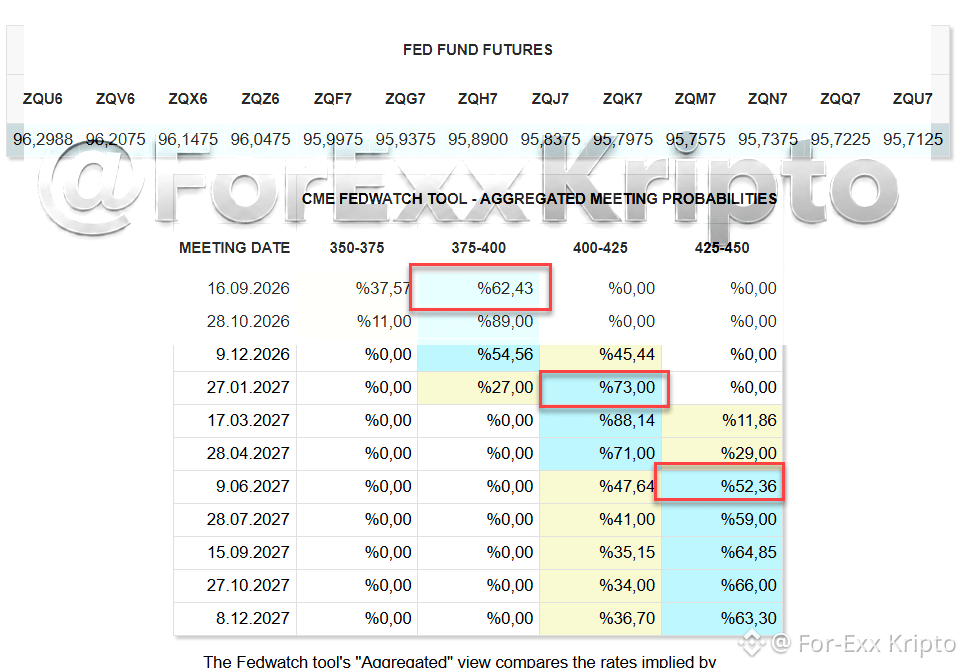
65
Does anyone remember the Luna Coin crash between May 8–12, 2022?
$65–68 → $30 → $17 → $ 1 → $0.00005
If this had been an upward move instead of a decline, the magnitude of the move would have been equivalent to a 136 million% increase.
The Terra-LUNA collapse wiped out roughly $50–60 billion in market value and triggered a much broader wave of selling across the crypto market.
Approximately 4 years, 3 months, and 28 days have passed since May 12, 2022.
$LUNC $USTC
Does anyone remember the Luna Coin crash between May 8–12, 2022?
$65–68 → $30 → $17 → $ 1 → $0.00005
If this had been an upward move instead of a decline, the magnitude of the move would have been equivalent to a 136 million% increase.
The Terra-LUNA collapse wiped out roughly $50–60 billion in market value and triggered a much broader wave of selling across the crypto market.
Approximately 4 years, 3 months, and 28 days have passed since May 12, 2022.
$LUNC $USTC
$65–68 → $30 → $17 → $ 1 → $0.00005
If this had been an upward move instead of a decline, the magnitude of the move would have been equivalent to a 136 million% increase.
The Terra-LUNA collapse wiped out roughly $50–60 billion in market value and triggered a much broader wave of selling across the crypto market.
Approximately 4 years, 3 months, and 28 days have passed since May 12, 2022.
$LUNC $USTC
1
3
1.2k
Статья
END-OF-DAY MARKET REPORT — SEPTEMBER 9, 2026🔐 END-OF-DAY MARKET REPORT — SEPTEMBER 9, 2026
🌐 TOP STORIES OF THE DAY
Zcash (ZEC) climbed as high as $1,290 today in a rally fueled by Grayscale’s ZCSH ETF, reaching its highest level since November 2016 — gaining 57% over the past week, more than 138% over the past month, and approximately 2,400% over the past year; ZCSH options also began trading on the NYSE, while the ETF’s net assets reached $463 million
The Liquid Network attacker returned 3,400 BTC — approximately 85% of the 4,000 BTC withdrawn — to the federation address on September 7; 598.5 BTC (~$47 million) remains unrecovered and the network is still suspended — Ledger CTO Charles Guillemet stated that retaining the remaining amount is inconsistent with a genuine “white-hat” bug bounty agreement and is closer to “extortion”
The U.S.-Iran conflict continued yesterday with attacks from both sides; oil prices approached $100 per barrel, while expectations for a 25-basis-point rate hike are strengthening one week before the Fed concludes its two-day policy meeting
BTC formed a “golden cross” pattern this week — the short-term moving average crossing above the long-term moving average, improving the trend structure but considered a lagging signal
━━━
₿ BITCOIN
BTC opened this morning at $78,446, down 0.8% from yesterday’s open; during the morning, it recovered toward the $78,800–$78,900 range. The price remains tightly trapped around $78,600 and below the $79,500 resistance — a four-hour close above this level, as highlighted by one trader, could reopen the path toward the $82,000 area; otherwise, the $70,500 level followed by the $67,200 range remains at risk. Despite the golden cross formation, a breakout has not yet been confirmed; ETF demand remains strong, while there is limited evidence of increasing selling pressure from large wallets. Yesterday, BTC declined from $79,113 to $78,455 (~0.8%), while the September 8 intraday range remained between $77,666 and $79,475.
━━━
🔷 ETHEREUM & ALTCOINS
ETH opened this morning at $2,485, down 0.2% from yesterday. Zcash remains the standout cryptocurrency of the week — the ETF catalyst combined with a sharp increase in open interest indicates that the rally is being driven not only by spot buying but also by growing derivatives-market interest; analysts view the $1,435–$1,500 range as the next test zone. The broader market remains cautious due to geopolitical tensions related to Iran and rising oil prices.
━━━
📋 TOP CRYPTO NEWS
Liquid Network’s federation reserve has fallen from approximately 4,200 BTC before the incident to around 197 BTC; Blockstream stated that it has deployed the patched software and that federation members are preparing for a coordinated restart, but there is still no publicly announced timeline for the return of normal peg-out operations
Analysts believe the incident could trigger new independent audits across the industry focusing on how total-supply verification is performed in sidechain and bridge architectures
The combination of Zcash’s privacy-pool technology and institutional ETF demand continues to set a precedent for the integration of privacy-focused crypto assets into regulated products
━━━
🔓 TOKEN UNLOCKS
Linea (LINEA)
September 10, 2026
Amount: ~$2.75 million (3% of circulating supply) — 960.13 million tokens
Recipient profile: Linea Consortium (long-term alignment) + Linea Consortium (Ignition), split equally
Selling pressure: 🟡
Aptos (APT)
September 11, 2026
Amount: ~$7.09 million (0.65% of circulating supply) — 11.31 million tokens
Selling pressure: 🟡
━━━
🔭 OUTLOOK & UPCOMING EVENTS
The most critical event of the week is the August CPI report on September 11 — following the strong NFP, the market is now pricing the possibility of a rate hike, and a hot CPI reading could reinforce this scenario and create additional pressure on BTC ahead of the FOMC decision on September 15–16. The fate of the 598.5 BTC still unrecovered from the Liquid Network incident and the timeline for the network’s reopening will be closely monitored in the short term; the impact of the conflict in Iran on oil prices also continues to complicate the inflation outlook. Whether BTC can break the $79,500 resistance and confirm the golden cross signal will be the week’s most critical technical test; failure could leave the $70,500–$67,200 range at risk. Zcash’s rally toward the $1,435–$1,500 target and the September 10–11 LINEA/APT unlocks stand out as separate but smaller-scale test points.
END-OF-DAY MARKET REPORT — SEPTEMBER 9, 2026
🔐 END-OF-DAY MARKET REPORT — SEPTEMBER 9, 2026
🌐 TOP STORIES OF THE DAY
Zcash (ZEC) climbed as high as $1,290 today in a rally fueled by Grayscale’s ZCSH ETF, reaching its highest level since November 2016 — gaining 57% over the past week, more than 138% over the past month, and approximately 2,400% over the past year; ZCSH options also began trading on the NYSE, while the ETF’s net assets reached $463 million
The Liquid Network attacker returned 3,400 BTC — approximately 85% of the 4,000 BTC withdrawn — to the federation address on September 7; 598.5 BTC (~$47 million) remains unrecovered and the network is still suspended — Ledger CTO Charles Guillemet stated that retaining the remaining amount is inconsistent with a genuine “white-hat” bug bounty agreement and is closer to “extortion”
The U.S.-Iran conflict continued yesterday with attacks from both sides; oil prices approached $100 per barrel, while expectations for a 25-basis-point rate hike are strengthening one week before the Fed concludes its two-day policy meeting
BTC formed a “golden cross” pattern this week — the short-term moving average crossing above the long-term moving average, improving the trend structure but considered a lagging signal
━━━
₿ BITCOIN
BTC opened this morning at $78,446, down 0.8% from yesterday’s open; during the morning, it recovered toward the $78,800–$78,900 range. The price remains tightly trapped around $78,600 and below the $79,500 resistance — a four-hour close above this level, as highlighted by one trader, could reopen the path toward the $82,000 area; otherwise, the $70,500 level followed by the $67,200 range remains at risk. Despite the golden cross formation, a breakout has not yet been confirmed; ETF demand remains strong, while there is limited evidence of increasing selling pressure from large wallets. Yesterday, BTC declined from $79,113 to $78,455 (~0.8%), while the September 8 intraday range remained between $77,666 and $79,475.
━━━
🔷 ETHEREUM & ALTCOINS
ETH opened this morning at $2,485, down 0.2% from yesterday. Zcash remains the standout cryptocurrency of the week — the ETF catalyst combined with a sharp increase in open interest indicates that the rally is being driven not only by spot buying but also by growing derivatives-market interest; analysts view the $1,435–$1,500 range as the next test zone. The broader market remains cautious due to geopolitical tensions related to Iran and rising oil prices.
━━━
📋 TOP CRYPTO NEWS
Liquid Network’s federation reserve has fallen from approximately 4,200 BTC before the incident to around 197 BTC; Blockstream stated that it has deployed the patched software and that federation members are preparing for a coordinated restart, but there is still no publicly announced timeline for the return of normal peg-out operations
Analysts believe the incident could trigger new independent audits across the industry focusing on how total-supply verification is performed in sidechain and bridge architectures
The combination of Zcash’s privacy-pool technology and institutional ETF demand continues to set a precedent for the integration of privacy-focused crypto assets into regulated products
━━━
🔓 TOKEN UNLOCKS
Linea (LINEA)
September 10, 2026
Amount: ~$2.75 million (3% of circulating supply) — 960.13 million tokens
Recipient profile: Linea Consortium (long-term alignment) + Linea Consortium (Ignition), split equally
Selling pressure: 🟡
Aptos (APT)
September 11, 2026
Amount: ~$7.09 million (0.65% of circulating supply) — 11.31 million tokens
Selling pressure: 🟡
━━━
🔭 OUTLOOK & UPCOMING EVENTS
The most critical event of the week is the August CPI report on September 11 — following the strong NFP, the market is now pricing the possibility of a rate hike, and a hot CPI reading could reinforce this scenario and create additional pressure on BTC ahead of the FOMC decision on September 15–16. The fate of the 598.5 BTC still unrecovered from the Liquid Network incident and the timeline for the network’s reopening will be closely monitored in the short term; the impact of the conflict in Iran on oil prices also continues to complicate the inflation outlook. Whether BTC can break the $79,500 resistance and confirm the golden cross signal will be the week’s most critical technical test; failure could leave the $70,500–$67,200 range at risk. Zcash’s rally toward the $1,435–$1,500 target and the September 10–11 LINEA/APT unlocks stand out as separate but smaller-scale test points.
🌐 TOP STORIES OF THE DAY
Zcash (ZEC) climbed as high as $1,290 today in a rally fueled by Grayscale’s ZCSH ETF, reaching its highest level since November 2016 — gaining 57% over the past week, more than 138% over the past month, and approximately 2,400% over the past year; ZCSH options also began trading on the NYSE, while the ETF’s net assets reached $463 million
The Liquid Network attacker returned 3,400 BTC — approximately 85% of the 4,000 BTC withdrawn — to the federation address on September 7; 598.5 BTC (~$47 million) remains unrecovered and the network is still suspended — Ledger CTO Charles Guillemet stated that retaining the remaining amount is inconsistent with a genuine “white-hat” bug bounty agreement and is closer to “extortion”
The U.S.-Iran conflict continued yesterday with attacks from both sides; oil prices approached $100 per barrel, while expectations for a 25-basis-point rate hike are strengthening one week before the Fed concludes its two-day policy meeting
BTC formed a “golden cross” pattern this week — the short-term moving average crossing above the long-term moving average, improving the trend structure but considered a lagging signal
━━━
₿ BITCOIN
BTC opened this morning at $78,446, down 0.8% from yesterday’s open; during the morning, it recovered toward the $78,800–$78,900 range. The price remains tightly trapped around $78,600 and below the $79,500 resistance — a four-hour close above this level, as highlighted by one trader, could reopen the path toward the $82,000 area; otherwise, the $70,500 level followed by the $67,200 range remains at risk. Despite the golden cross formation, a breakout has not yet been confirmed; ETF demand remains strong, while there is limited evidence of increasing selling pressure from large wallets. Yesterday, BTC declined from $79,113 to $78,455 (~0.8%), while the September 8 intraday range remained between $77,666 and $79,475.
━━━
🔷 ETHEREUM & ALTCOINS
ETH opened this morning at $2,485, down 0.2% from yesterday. Zcash remains the standout cryptocurrency of the week — the ETF catalyst combined with a sharp increase in open interest indicates that the rally is being driven not only by spot buying but also by growing derivatives-market interest; analysts view the $1,435–$1,500 range as the next test zone. The broader market remains cautious due to geopolitical tensions related to Iran and rising oil prices.
━━━
📋 TOP CRYPTO NEWS
Liquid Network’s federation reserve has fallen from approximately 4,200 BTC before the incident to around 197 BTC; Blockstream stated that it has deployed the patched software and that federation members are preparing for a coordinated restart, but there is still no publicly announced timeline for the return of normal peg-out operations
Analysts believe the incident could trigger new independent audits across the industry focusing on how total-supply verification is performed in sidechain and bridge architectures
The combination of Zcash’s privacy-pool technology and institutional ETF demand continues to set a precedent for the integration of privacy-focused crypto assets into regulated products
━━━
🔓 TOKEN UNLOCKS
Linea (LINEA)
September 10, 2026
Amount: ~$2.75 million (3% of circulating supply) — 960.13 million tokens
Recipient profile: Linea Consortium (long-term alignment) + Linea Consortium (Ignition), split equally
Selling pressure: 🟡
Aptos (APT)
September 11, 2026
Amount: ~$7.09 million (0.65% of circulating supply) — 11.31 million tokens
Selling pressure: 🟡
━━━
🔭 OUTLOOK & UPCOMING EVENTS
The most critical event of the week is the August CPI report on September 11 — following the strong NFP, the market is now pricing the possibility of a rate hike, and a hot CPI reading could reinforce this scenario and create additional pressure on BTC ahead of the FOMC decision on September 15–16. The fate of the 598.5 BTC still unrecovered from the Liquid Network incident and the timeline for the network’s reopening will be closely monitored in the short term; the impact of the conflict in Iran on oil prices also continues to complicate the inflation outlook. Whether BTC can break the $79,500 resistance and confirm the golden cross signal will be the week’s most critical technical test; failure could leave the $70,500–$67,200 range at risk. Zcash’s rally toward the $1,435–$1,500 target and the September 10–11 LINEA/APT unlocks stand out as separate but smaller-scale test points.
1
302
Статья
END-OF-DAY MARKET REPORT — SEPTEMBER 8, 2026🔐 END-OF-DAY MARKET REPORT — SEPTEMBER 8, 2026
🌐 TOP STORIES OF THE DAY
Liquid Network (Blockstream’s Bitcoin sidechain) confirmed that approximately 4,000 BTC ($320 million) was withdrawn from its federation wallet on September 6 due to a rangeproof caching bug in the Elements software — attackers generated L-BTC not backed by real BTC and cashed it out through SideSwap as if it were a legitimate peg-out transaction, without stealing private keys; attackers claiming to be “white hats” returned 3,400 BTC, while 598.5 BTC (~$47 million) remains unrecovered, and the network remains suspended
A fix for the vulnerability had been publicly uploaded to the Elements main repository on GitHub on September 1 — the attacker may have reverse-engineered and exploited the open-source patch; the Bitcoin mainnet was not affected by the incident
The U.S.-Iran conflict continues with military activity over the weekend, while oil prices are approaching $100 again — fueling inflation concerns one week before the Fed meeting where interest-rate policy will be discussed
The crypto market failed to reclaim the $80,000 resistance on Monday amid low liquidity due to the U.S. Labor Day holiday; French company Capital B purchased 376 BTC for $29 million, bringing its treasury holdings to 3,521 BTC, while Strive viewed the decline as a buying opportunity
Short-term whales are still holding approximately $9.07 billion in unrealized profits — being monitored as a potential source of profit-taking pressure
Ahead of the consecutive CLARITY Act cloture vote and FOMC interest-rate decision on September 15–16, today’s and tomorrow’s macro data — including the September 11 CPI report — remain the market’s focus
━━━
₿ BITCOIN
$BTC opened this morning at $79,100, down 1.6% from Monday’s open; during the morning, it declined into the $78,170–$78,700 range. Rising Treasury yields following the strong August NFP report and geopolitical tensions related to Iran are putting pressure on risk assets by strengthening rate-hike expectations. The price is approximately 2.5% below the September 4 high of $81,167 and has fallen below the 50-week moving average (~$79,725), failing to hold this level at Sunday’s weekly close. Low liquidity during the holiday triggered $55 million in BTC long liquidations and $208 million in long liquidations across the broader crypto market. Critical support is in the $78,000–$78,500 range, with the $80,000–$80,500 resistance zone above; the 30-day change remains strongly positive at approximately 22%.
━━━
🔷 ETHEREUM & ALTCOINS
$ETH opened this morning at $2,490, down 1% from yesterday. Solana declined 2.4% to the $103–$104 range, with hourly momentum turning bearish; XRP fell 1.8% to $1.40. The broader market is in risk-reduction mode due to the combination of the confidence shock caused by the Liquid Network hack and macroeconomic pressure; meanwhile, large funds continue to maintain steady buying beneath the surface.
━━━
📋 TOP CRYPTO NEWS
Analysts emphasize that despite the “white-hat” claim, the Liquid Network incident highlights the need for an industry-wide review of sidechain security architecture, particularly total-supply verification under Confidential Transactions
Approximately 136–140 million dollars was lost across around 50 separate crypto hacks in August — the Liquid Network incident alone is more than twice that total and stands out as the largest security incident of the second half of the year
The market is now focused on the September 11 CPI report, followed by the CLARITY Act vote and FOMC decision on September 15–16 — this highly concentrated calendar over the next three weeks creates an unusually high risk of volatility in crypto pricing
━━━
🔓 TOKEN UNLOCKS
Aptos ($APT)
September 11, 2026
Amount: ~$7.09 million (0.65% of circulating supply) — 11.31 million tokens
Selling pressure: 🟡
Linea (LINEA)
September 10, 2026
Amount: ~$2.75 million (3% of circulating supply) — 960.13 million tokens
Recipient profile: Linea Consortium (long-term alignment) + Linea Consortium (Ignition), split equally
Selling pressure: 🟡
According to Tokenomist, approximately $325.6 million in total unlocks are expected during the second week of the month, including APT, LINEA, and CHEEL.
━━━
🔭 OUTLOOK & UPCOMING EVENTS
The August CPI report to be released this week — not tomorrow, September 11 — will be the final major data point ahead of the consecutive CLARITY Act cloture vote and FOMC decision on September 15–16. A hot reading could reinforce already-strengthening rate-hike expectations following the strong NFP. The fate of the 598.5 BTC that remains unrecovered from the Liquid Network incident and when the network will reopen will be closely monitored in the short term; similar sidechain security concerns could spread to other bridge projects. Whether BTC can hold the $78,000–$78,500 support zone will be critical for an attempt to reclaim the 50-week moving average. The September 10–11 LINEA and APT unlocks stand out as relatively small-scale test points ahead of the major macroeconomic events.
END-OF-DAY MARKET REPORT — SEPTEMBER 8, 2026
🔐 END-OF-DAY MARKET REPORT — SEPTEMBER 8, 2026
🌐 TOP STORIES OF THE DAY
Liquid Network (Blockstream’s Bitcoin sidechain) confirmed that approximately 4,000 BTC ($320 million) was withdrawn from its federation wallet on September 6 due to a rangeproof caching bug in the Elements software — attackers generated L-BTC not backed by real BTC and cashed it out through SideSwap as if it were a legitimate peg-out transaction, without stealing private keys; attackers claiming to be “white hats” returned 3,400 BTC, while 598.5 BTC (~$47 million) remains unrecovered, and the network remains suspended
A fix for the vulnerability had been publicly uploaded to the Elements main repository on GitHub on September 1 — the attacker may have reverse-engineered and exploited the open-source patch; the Bitcoin mainnet was not affected by the incident
The U.S.-Iran conflict continues with military activity over the weekend, while oil prices are approaching $100 again — fueling inflation concerns one week before the Fed meeting where interest-rate policy will be discussed
The crypto market failed to reclaim the $80,000 resistance on Monday amid low liquidity due to the U.S. Labor Day holiday; French company Capital B purchased 376 BTC for $29 million, bringing its treasury holdings to 3,521 BTC, while Strive viewed the decline as a buying opportunity
Short-term whales are still holding approximately $9.07 billion in unrealized profits — being monitored as a potential source of profit-taking pressure
Ahead of the consecutive CLARITY Act cloture vote and FOMC interest-rate decision on September 15–16, today’s and tomorrow’s macro data — including the September 11 CPI report — remain the market’s focus
━━━
₿ BITCOIN
$BTC opened this morning at $79,100, down 1.6% from Monday’s open; during the morning, it declined into the $78,170–$78,700 range. Rising Treasury yields following the strong August NFP report and geopolitical tensions related to Iran are putting pressure on risk assets by strengthening rate-hike expectations. The price is approximately 2.5% below the September 4 high of $81,167 and has fallen below the 50-week moving average (~$79,725), failing to hold this level at Sunday’s weekly close. Low liquidity during the holiday triggered $55 million in BTC long liquidations and $208 million in long liquidations across the broader crypto market. Critical support is in the $78,000–$78,500 range, with the $80,000–$80,500 resistance zone above; the 30-day change remains strongly positive at approximately 22%.
━━━
🔷 ETHEREUM & ALTCOINS
$ETH opened this morning at $2,490, down 1% from yesterday. Solana declined 2.4% to the $103–$104 range, with hourly momentum turning bearish; XRP fell 1.8% to $1.40. The broader market is in risk-reduction mode due to the combination of the confidence shock caused by the Liquid Network hack and macroeconomic pressure; meanwhile, large funds continue to maintain steady buying beneath the surface.
━━━
📋 TOP CRYPTO NEWS
Analysts emphasize that despite the “white-hat” claim, the Liquid Network incident highlights the need for an industry-wide review of sidechain security architecture, particularly total-supply verification under Confidential Transactions
Approximately 136–140 million dollars was lost across around 50 separate crypto hacks in August — the Liquid Network incident alone is more than twice that total and stands out as the largest security incident of the second half of the year
The market is now focused on the September 11 CPI report, followed by the CLARITY Act vote and FOMC decision on September 15–16 — this highly concentrated calendar over the next three weeks creates an unusually high risk of volatility in crypto pricing
━━━
🔓 TOKEN UNLOCKS
Aptos ($APT)
September 11, 2026
Amount: ~$7.09 million (0.65% of circulating supply) — 11.31 million tokens
Selling pressure: 🟡
Linea (LINEA)
September 10, 2026
Amount: ~$2.75 million (3% of circulating supply) — 960.13 million tokens
Recipient profile: Linea Consortium (long-term alignment) + Linea Consortium (Ignition), split equally
Selling pressure: 🟡
According to Tokenomist, approximately $325.6 million in total unlocks are expected during the second week of the month, including APT, LINEA, and CHEEL.
━━━
🔭 OUTLOOK & UPCOMING EVENTS
The August CPI report to be released this week — not tomorrow, September 11 — will be the final major data point ahead of the consecutive CLARITY Act cloture vote and FOMC decision on September 15–16. A hot reading could reinforce already-strengthening rate-hike expectations following the strong NFP. The fate of the 598.5 BTC that remains unrecovered from the Liquid Network incident and when the network will reopen will be closely monitored in the short term; similar sidechain security concerns could spread to other bridge projects. Whether BTC can hold the $78,000–$78,500 support zone will be critical for an attempt to reclaim the 50-week moving average. The September 10–11 LINEA and APT unlocks stand out as relatively small-scale test points ahead of the major macroeconomic events.
🌐 TOP STORIES OF THE DAY
Liquid Network (Blockstream’s Bitcoin sidechain) confirmed that approximately 4,000 BTC ($320 million) was withdrawn from its federation wallet on September 6 due to a rangeproof caching bug in the Elements software — attackers generated L-BTC not backed by real BTC and cashed it out through SideSwap as if it were a legitimate peg-out transaction, without stealing private keys; attackers claiming to be “white hats” returned 3,400 BTC, while 598.5 BTC (~$47 million) remains unrecovered, and the network remains suspended
A fix for the vulnerability had been publicly uploaded to the Elements main repository on GitHub on September 1 — the attacker may have reverse-engineered and exploited the open-source patch; the Bitcoin mainnet was not affected by the incident
The U.S.-Iran conflict continues with military activity over the weekend, while oil prices are approaching $100 again — fueling inflation concerns one week before the Fed meeting where interest-rate policy will be discussed
The crypto market failed to reclaim the $80,000 resistance on Monday amid low liquidity due to the U.S. Labor Day holiday; French company Capital B purchased 376 BTC for $29 million, bringing its treasury holdings to 3,521 BTC, while Strive viewed the decline as a buying opportunity
Short-term whales are still holding approximately $9.07 billion in unrealized profits — being monitored as a potential source of profit-taking pressure
Ahead of the consecutive CLARITY Act cloture vote and FOMC interest-rate decision on September 15–16, today’s and tomorrow’s macro data — including the September 11 CPI report — remain the market’s focus
━━━
₿ BITCOIN
$BTC opened this morning at $79,100, down 1.6% from Monday’s open; during the morning, it declined into the $78,170–$78,700 range. Rising Treasury yields following the strong August NFP report and geopolitical tensions related to Iran are putting pressure on risk assets by strengthening rate-hike expectations. The price is approximately 2.5% below the September 4 high of $81,167 and has fallen below the 50-week moving average (~$79,725), failing to hold this level at Sunday’s weekly close. Low liquidity during the holiday triggered $55 million in BTC long liquidations and $208 million in long liquidations across the broader crypto market. Critical support is in the $78,000–$78,500 range, with the $80,000–$80,500 resistance zone above; the 30-day change remains strongly positive at approximately 22%.
━━━
🔷 ETHEREUM & ALTCOINS
$ETH opened this morning at $2,490, down 1% from yesterday. Solana declined 2.4% to the $103–$104 range, with hourly momentum turning bearish; XRP fell 1.8% to $1.40. The broader market is in risk-reduction mode due to the combination of the confidence shock caused by the Liquid Network hack and macroeconomic pressure; meanwhile, large funds continue to maintain steady buying beneath the surface.
━━━
📋 TOP CRYPTO NEWS
Analysts emphasize that despite the “white-hat” claim, the Liquid Network incident highlights the need for an industry-wide review of sidechain security architecture, particularly total-supply verification under Confidential Transactions
Approximately 136–140 million dollars was lost across around 50 separate crypto hacks in August — the Liquid Network incident alone is more than twice that total and stands out as the largest security incident of the second half of the year
The market is now focused on the September 11 CPI report, followed by the CLARITY Act vote and FOMC decision on September 15–16 — this highly concentrated calendar over the next three weeks creates an unusually high risk of volatility in crypto pricing
━━━
🔓 TOKEN UNLOCKS
Aptos ($APT)
September 11, 2026
Amount: ~$7.09 million (0.65% of circulating supply) — 11.31 million tokens
Selling pressure: 🟡
Linea (LINEA)
September 10, 2026
Amount: ~$2.75 million (3% of circulating supply) — 960.13 million tokens
Recipient profile: Linea Consortium (long-term alignment) + Linea Consortium (Ignition), split equally
Selling pressure: 🟡
According to Tokenomist, approximately $325.6 million in total unlocks are expected during the second week of the month, including APT, LINEA, and CHEEL.
━━━
🔭 OUTLOOK & UPCOMING EVENTS
The August CPI report to be released this week — not tomorrow, September 11 — will be the final major data point ahead of the consecutive CLARITY Act cloture vote and FOMC decision on September 15–16. A hot reading could reinforce already-strengthening rate-hike expectations following the strong NFP. The fate of the 598.5 BTC that remains unrecovered from the Liquid Network incident and when the network will reopen will be closely monitored in the short term; similar sidechain security concerns could spread to other bridge projects. Whether BTC can hold the $78,000–$78,500 support zone will be critical for an attempt to reclaim the 50-week moving average. The September 10–11 LINEA and APT unlocks stand out as relatively small-scale test points ahead of the major macroeconomic events.
159
Войдите, чтобы посмотреть больше материала
Присоединяйтесь к пользователям криптовалют по всему миру на Binance Square
⚡️ Получайте новейшую и полезную информацию о криптоактивах.
💬 Нам доверяет крупнейшая в мире криптобиржа.
👍 Получите достоверные аналитические данные от верифицированных создателей контента.
Эл. почта/номер телефона
В тренде
FedRateWatch
Просмотров: 1.3M
6,396 обсуждают
Share & Win Traffic Reward in our Trending Hashtag Campaign
✨Topic: FOMC September, What's The Fed's Next Move?
👉How to Join:
Publish a short post or article with hashtag #FedRateWatch
Create content based on the below angles:
- August core CPI rose 0.3% month-over-month, and the odds of a 25bp hike this week are now close to 90%. Do you anticipate a rate hike this week? Is it a one-off, or the start of a longer hiking cycle?
- If the hike lands, how does it play out for BTC, tech stocks, and gold? Bullish or bearish?
- How are you planning to trade next? Share your BTC, stocks or gold trade/holdings with our trade sharing widget.
⏰Campaign Period:
- 2026-09-15 11:00 - 2026-09-17 3:00 UTC
🎁Reward:
- Qualified posts that comply with the above guidelines and contain more than 100 words will be reviewed and may receive a random traffic boost of 500 to 3,000 views. You will receive a notification from your feed secretary if your post is selected.
- Get a chance to have your article featured on Binance Square Official
Need ideas for your post? Visit the topic page #FedRateWatch or the Square Guide on How to Post for Better Reach.
Binance Square Official
·Лайков: 633
·Просмотров: 1.6M
ZcashRises6%
Просмотров: 32,277
504 обсуждают
XRPSinks10%
Просмотров: 21,118
328 обсуждают