
CryptoPulse_GLBL
122 Публикации

CryptoPulse_GLBL
CryptoPulse: AI-powered Web3 socialFi platform & crypto news hub. Own decentralized data, earn from social value, going to Web4.0 era
1 подписок(и/а)
33 подписчиков(а)
22 понравилось
Посты

CryptoPulse Digital Asset Red Envelopes: Connecting Community Value at Every Step
As the Web3 ecosystem matures, CryptoPulse continues to refine the community interaction experience, creating a diversified incentive system that encompasses digital asset red envelopes, points-based growth, and more. The platform currently supports red envelopes denominated in various mainstream digital assets, offering flexible applications across scenarios such as community events, user rewards, and promotional campaigns; this facilitates the seamless flow of value and further energizes the community. Simultaneously, the points system is continuously evolving; users earn points through activities like daily check-ins, interactions, sharing content, and participating in community building. Future updates will unlock additional privileges and use cases, further enhancing the value of these points.
CryptoPulse upholds the development philosophy of "connecting value, incentivizing co-creation, and sharing growth," effectively integrating short-term incentives with long-term ecosystem development. The red envelope mechanism boosts community interaction efficiency, while the points system tracks every user contribution, transforming active participation into accumulated ecosystem benefits. This fosters a stronger sense of belonging among users and drives a healthier, more open, and sustainable development cycle for the community.
For users, CryptoPulse delivers a more relaxed and efficient Web3 interaction experience, ensuring that every act of participation yields immediate feedback and opportunities for long-term growth. For project teams, the platform provides an integrated ecosystem support solution covering community operations, user incentives, and brand promotion. Looking ahead, CryptoPulse will continue to expand red envelope use cases and enrich the value of its points ecosystem, joining hands with partners and community members to build a vibrant, mutually beneficial Web3 ecosystem.
As the Web3 ecosystem matures, CryptoPulse continues to refine the community interaction experience, creating a diversified incentive system that encompasses digital asset red envelopes, points-based growth, and more. The platform currently supports red envelopes denominated in various mainstream digital assets, offering flexible applications across scenarios such as community events, user rewards, and promotional campaigns; this facilitates the seamless flow of value and further energizes the community. Simultaneously, the points system is continuously evolving; users earn points through activities like daily check-ins, interactions, sharing content, and participating in community building. Future updates will unlock additional privileges and use cases, further enhancing the value of these points.
CryptoPulse upholds the development philosophy of "connecting value, incentivizing co-creation, and sharing growth," effectively integrating short-term incentives with long-term ecosystem development. The red envelope mechanism boosts community interaction efficiency, while the points system tracks every user contribution, transforming active participation into accumulated ecosystem benefits. This fosters a stronger sense of belonging among users and drives a healthier, more open, and sustainable development cycle for the community.
For users, CryptoPulse delivers a more relaxed and efficient Web3 interaction experience, ensuring that every act of participation yields immediate feedback and opportunities for long-term growth. For project teams, the platform provides an integrated ecosystem support solution covering community operations, user incentives, and brand promotion. Looking ahead, CryptoPulse will continue to expand red envelope use cases and enrich the value of its points ecosystem, joining hands with partners and community members to build a vibrant, mutually beneficial Web3 ecosystem.

The Next-Generation Crypto Community Model: CryptoPulse’s Integrated Solution
In the highly fragmented landscape of the crypto world, CryptoPulse seeks to redefine the meaning of "social." It is far more than a mere content aggregation platform; it is an all-in-one infrastructure built around information, community, and growth. By integrating news, discussions, and interactive workflows, CryptoPulse minimizes the friction of switching between multiple applications, ensuring valuable information reaches users faster and enabling meaningful discussions to emerge organically.
At the level of corporate culture, CryptoPulse prioritizes "connection over traffic" and "structure over noise." It holds that a truly vibrant community is not defined by engagement metrics driven by short-term incentives, but by a long-term network built on enduring consensus and authentic participation. Consequently, both product design and feature evolution focus on reducing complexity and enhancing collaborative efficiency.
For users, it serves as a streamlined gateway to information; for project teams, it offers a comprehensive system for community management. CryptoPulse aims to create not just a product, but a more organized and sustainable model for Web3 communities.
In the highly fragmented landscape of the crypto world, CryptoPulse seeks to redefine the meaning of "social." It is far more than a mere content aggregation platform; it is an all-in-one infrastructure built around information, community, and growth. By integrating news, discussions, and interactive workflows, CryptoPulse minimizes the friction of switching between multiple applications, ensuring valuable information reaches users faster and enabling meaningful discussions to emerge organically.
At the level of corporate culture, CryptoPulse prioritizes "connection over traffic" and "structure over noise." It holds that a truly vibrant community is not defined by engagement metrics driven by short-term incentives, but by a long-term network built on enduring consensus and authentic participation. Consequently, both product design and feature evolution focus on reducing complexity and enhancing collaborative efficiency.
For users, it serves as a streamlined gateway to information; for project teams, it offers a comprehensive system for community management. CryptoPulse aims to create not just a product, but a more organized and sustainable model for Web3 communities.

#Today's Headlines
1. BTC falls below $64,000
2. Digital RMB International Operations Center upgrades three major platforms—including blockchain services and digital assets—to "ShuBiDa"
3. Taiko: Chain state verification mechanism compromised; users advised to immediately withdraw funds from relevant cross-chain bridges
4. A specific address opens a $39.1 million long position on WTI crude oil (CL), becoming the largest crude oil position on Hyperliquid
5. Crypto wallet provider Exodus increases BTC holdings to 656 coins and SOL holdings to over 20,000 coins
6. Ionic Digital sold no BTC in May; total Bitcoin holdings increased to 2,861 coins
7. Forbes: Crypto Super PAC funds have begun flowing into the 2026 US primary elections
8. A specific address opens a $39.1 million long position on WTI crude oil (CL), becoming the largest crude oil position on Hyperliquid
9. Satoshi Nakamoto's response from 16 years ago regarding lost coins: Lost Bitcoin is a donation to all other coin holders
10. Michael Saylor posts Bitcoin tracker update again; data on increased holdings may be disclosed next week
1. BTC falls below $64,000
2. Digital RMB International Operations Center upgrades three major platforms—including blockchain services and digital assets—to "ShuBiDa"
3. Taiko: Chain state verification mechanism compromised; users advised to immediately withdraw funds from relevant cross-chain bridges
4. A specific address opens a $39.1 million long position on WTI crude oil (CL), becoming the largest crude oil position on Hyperliquid
5. Crypto wallet provider Exodus increases BTC holdings to 656 coins and SOL holdings to over 20,000 coins
6. Ionic Digital sold no BTC in May; total Bitcoin holdings increased to 2,861 coins
7. Forbes: Crypto Super PAC funds have begun flowing into the 2026 US primary elections
8. A specific address opens a $39.1 million long position on WTI crude oil (CL), becoming the largest crude oil position on Hyperliquid
9. Satoshi Nakamoto's response from 16 years ago regarding lost coins: Lost Bitcoin is a donation to all other coin holders
10. Michael Saylor posts Bitcoin tracker update again; data on increased holdings may be disclosed next week

CryptoPulse: An On-Chain Content and Value Network for the AI Era
At the intersection where AI reshapes content creation and Web3 redefines value ownership, CryptoPulse is striving to define the next generation of social paradigms. It is more than just an on-chain social platform; it is a crypto-native content ecosystem that integrates AI-driven content generation, community collaboration, and on-chain incentive mechanisms. Here, information is not merely consumed but co-created and co-owned.
CryptoPulse’s core strength lies in establishing a closed loop that connects content, distribution, and value. By leveraging AI capabilities to lower the barrier to content creation, it enables every user to express themselves and participate efficiently. Simultaneously, it utilizes on-chain mechanisms to transform actions—such as likes, interactions, and original content creation—into quantifiable value assets, ensuring that influence truly belongs to the users rather than centralized platforms.
Crucially, CryptoPulse is building a network structure centered on community consensus, where AI agents and real users collaborate on content creation and distribution. It serves not only as an information platform but also as a gateway for traffic and a layer for value distribution within the future crypto landscape. At a time when SocialFi has yet to fully explode, CryptoPulse aims to define the answer ahead of the curve.
At the intersection where AI reshapes content creation and Web3 redefines value ownership, CryptoPulse is striving to define the next generation of social paradigms. It is more than just an on-chain social platform; it is a crypto-native content ecosystem that integrates AI-driven content generation, community collaboration, and on-chain incentive mechanisms. Here, information is not merely consumed but co-created and co-owned.
CryptoPulse’s core strength lies in establishing a closed loop that connects content, distribution, and value. By leveraging AI capabilities to lower the barrier to content creation, it enables every user to express themselves and participate efficiently. Simultaneously, it utilizes on-chain mechanisms to transform actions—such as likes, interactions, and original content creation—into quantifiable value assets, ensuring that influence truly belongs to the users rather than centralized platforms.
Crucially, CryptoPulse is building a network structure centered on community consensus, where AI agents and real users collaborate on content creation and distribution. It serves not only as an information platform but also as a gateway for traffic and a layer for value distribution within the future crypto landscape. At a time when SocialFi has yet to fully explode, CryptoPulse aims to define the answer ahead of the curve.

CryptoPulse's Rise: Empowering Every User as a Growth Node
Against the backdrop of the ongoing evolution of the Web3 ecosystem, the crypto community is shifting from an "information exchange arena" to a "value production network." However, the inefficiencies, data fragmentation, and user retention difficulties of traditional operating models are becoming increasingly prominent. CryptoPulse, an AI-driven crypto social platform, not only reshapes the growth model for projects but also changes the role of ordinary users within the community—from passive information receivers to participants in content dissemination and value co-creation.
Through AI technology, CryptoPulse achieves a profound restructuring of the community: providing projects with user profiling, behavioral analysis, and risk warning capabilities, enabling operations to shift from experience-based judgment to data-driven decision-making; simultaneously, providing users with personalized content streams and precise information matching mechanisms, reducing information noise, improving the efficiency of obtaining effective information, and enhancing the participation and influence of ordinary users through UGC incentive mechanisms, making every interaction potentially transform into dissemination and value contribution.
On a broader level, CryptoPulse is changing the growth path of the crypto industry. Project teams can achieve cold start and global expansion at a lower cost, while users gain a greater sense of participation and potential benefits in content production, community interaction, and dissemination. AI-driven community networks make "discovering users, understanding users, and connecting users" a system capability that can be continuously optimized, thus ushering in an era of intelligent growth for encrypted social networking.
Against the backdrop of the ongoing evolution of the Web3 ecosystem, the crypto community is shifting from an "information exchange arena" to a "value production network." However, the inefficiencies, data fragmentation, and user retention difficulties of traditional operating models are becoming increasingly prominent. CryptoPulse, an AI-driven crypto social platform, not only reshapes the growth model for projects but also changes the role of ordinary users within the community—from passive information receivers to participants in content dissemination and value co-creation.
Through AI technology, CryptoPulse achieves a profound restructuring of the community: providing projects with user profiling, behavioral analysis, and risk warning capabilities, enabling operations to shift from experience-based judgment to data-driven decision-making; simultaneously, providing users with personalized content streams and precise information matching mechanisms, reducing information noise, improving the efficiency of obtaining effective information, and enhancing the participation and influence of ordinary users through UGC incentive mechanisms, making every interaction potentially transform into dissemination and value contribution.
On a broader level, CryptoPulse is changing the growth path of the crypto industry. Project teams can achieve cold start and global expansion at a lower cost, while users gain a greater sense of participation and potential benefits in content production, community interaction, and dissemination. AI-driven community networks make "discovering users, understanding users, and connecting users" a system capability that can be continuously optimized, thus ushering in an era of intelligent growth for encrypted social networking.

#Today's Headlines
1. BTC breaks $67,000
2. Mexico's fintech industry pushes for "Fintech 2.0" reform, aiming to clarify regulatory rules for crypto assets
3. Elon Musk's wealth increases by nearly $140 billion in a single day, exceeding $1.11 trillion
4. The US CFTC Chairman appoints an Officer of Data Innovation and a Senior Advisor to strengthen innovation and compliance regulation
5. Standard Chartered Bank: Uniswap's UNI token may increase 40 times to $100 by 2030
6. Bitcoin mining company Mara buys 1,000 BTC from FalconX, worth $66.7 million
7. Nasdaq confirms BlackRock Bitcoin Premium Income ETF BITA will be listed on June 16th.
8. Hyperliquid's SPCX perpetual contracts saw $1.4 billion in trading volume on the first day of SpaceX's listing.
9. A new wallet bet on upsets in the World Cup and profited $9.06 million.
10. An OTC whale deposited 29,000 ETH into FalconX and profited $6.41 million.
1. BTC breaks $67,000
2. Mexico's fintech industry pushes for "Fintech 2.0" reform, aiming to clarify regulatory rules for crypto assets
3. Elon Musk's wealth increases by nearly $140 billion in a single day, exceeding $1.11 trillion
4. The US CFTC Chairman appoints an Officer of Data Innovation and a Senior Advisor to strengthen innovation and compliance regulation
5. Standard Chartered Bank: Uniswap's UNI token may increase 40 times to $100 by 2030
6. Bitcoin mining company Mara buys 1,000 BTC from FalconX, worth $66.7 million
7. Nasdaq confirms BlackRock Bitcoin Premium Income ETF BITA will be listed on June 16th.
8. Hyperliquid's SPCX perpetual contracts saw $1.4 billion in trading volume on the first day of SpaceX's listing.
9. A new wallet bet on upsets in the World Cup and profited $9.06 million.
10. An OTC whale deposited 29,000 ETH into FalconX and profited $6.41 million.

#Today's Headlines
1. BTC breaks $66,000
2. US CFTC is considering blocking CME from launching all-weather crude oil contracts
3. Musk's net worth reaches $1.1 trillion, exceeding the GDP of 80% of the world's countries
4. Crypto funds generally believe Bitcoin has not yet bottomed out; no one expects it to break $100,000 by the end of the year
5. Ark Invest bought over $500 million worth of SpaceX stock on its first day of trading
6. a16z officially establishes a Seoul office, initially focusing on the crypto sector
7. A certain Ethereum ICO whale borrowed 10 million USDe to buy 5,817 ETH during a certain period
8. Gate.com launches Hong Kong stock trading functionality, initially covering over 1,000 Hong Kong-listed stocks
9. A new wallet has cumulatively bought 85,000 HYPE from Bybit in the past 3 days, worth $5.6 million
10. A whale opened a long position of approximately 32,000 ETH with 5x leverage, worth $54.98 million
1. BTC breaks $66,000
2. US CFTC is considering blocking CME from launching all-weather crude oil contracts
3. Musk's net worth reaches $1.1 trillion, exceeding the GDP of 80% of the world's countries
4. Crypto funds generally believe Bitcoin has not yet bottomed out; no one expects it to break $100,000 by the end of the year
5. Ark Invest bought over $500 million worth of SpaceX stock on its first day of trading
6. a16z officially establishes a Seoul office, initially focusing on the crypto sector
7. A certain Ethereum ICO whale borrowed 10 million USDe to buy 5,817 ETH during a certain period
8. Gate.com launches Hong Kong stock trading functionality, initially covering over 1,000 Hong Kong-listed stocks
9. A new wallet has cumulatively bought 85,000 HYPE from Bybit in the past 3 days, worth $5.6 million
10. A whale opened a long position of approximately 32,000 ETH with 5x leverage, worth $54.98 million

CryptoPulse, Driven by AI: Ushering in a New Era of Crypto Social Media
In the crypto industry, communities are not only channels for information dissemination but also the core battleground for project value accumulation and user consensus formation. CryptoPulse, as a next-generation AI-driven crypto social media platform, is redefining Web3 community operations.
CryptoPulse deeply integrates artificial intelligence and blockchain technology, providing projects, KOLs, and users with a one-stop solution for community management and interaction. The platform supports intelligent content generation, automated user operations, data analysis, task incentives, and community growth management, significantly reducing operating costs while improving user activity and conversion efficiency.
Unlike traditional social platforms, CryptoPulse not only solves the "communication" problem but also focuses on "growth" and "value capture." AI can analyze community sentiment in real time, identify core users, optimize content distribution, and help projects accurately reach their target audience.
In the crypto industry, communities are not only channels for information dissemination but also the core battleground for project value accumulation and user consensus formation. CryptoPulse, as a next-generation AI-driven crypto social media platform, is redefining Web3 community operations.
CryptoPulse deeply integrates artificial intelligence and blockchain technology, providing projects, KOLs, and users with a one-stop solution for community management and interaction. The platform supports intelligent content generation, automated user operations, data analysis, task incentives, and community growth management, significantly reducing operating costs while improving user activity and conversion efficiency.
Unlike traditional social platforms, CryptoPulse not only solves the "communication" problem but also focuses on "growth" and "value capture." AI can analyze community sentiment in real time, identify core users, optimize content distribution, and help projects accurately reach their target audience.

Futu Expands Crypto Data Boundaries, Moomoo Supports Perpetual Contract Monitoring
June 15th news: According to official disclosures, Futu's app Moomoo has integrated Hyperliquid on-chain perpetual contract market data since June 11th. Users only need to upgrade the app to the specified version, enter SPCX or SPCX-USDC in the search bar, and select the result marked "Perp" to add the relevant contract to their watchlist for real-time market data.
The core of this update is "data visualization access," allowing users to view Hyperliquid perpetual contract prices and implied valuations within Moomoo without switching on the on-chain platform. However, the official statement also notes that this data is sourced solely from Hyperliquid and is for reference only, not constituting investment advice. Furthermore, the platform itself does not provide perpetual contract trading services.
With the increasing activity in on-chain derivatives trading, traditional financial information platforms are accelerating their expansion into crypto data. Moomoo's integration reflects the trend of data layer convergence, which involves incorporating on-chain market information into traditional market terminals to improve users' efficiency in observing assets across multiple markets, while also emphasizing risk isolation and functional boundaries.
June 15th news: According to official disclosures, Futu's app Moomoo has integrated Hyperliquid on-chain perpetual contract market data since June 11th. Users only need to upgrade the app to the specified version, enter SPCX or SPCX-USDC in the search bar, and select the result marked "Perp" to add the relevant contract to their watchlist for real-time market data.
The core of this update is "data visualization access," allowing users to view Hyperliquid perpetual contract prices and implied valuations within Moomoo without switching on the on-chain platform. However, the official statement also notes that this data is sourced solely from Hyperliquid and is for reference only, not constituting investment advice. Furthermore, the platform itself does not provide perpetual contract trading services.
With the increasing activity in on-chain derivatives trading, traditional financial information platforms are accelerating their expansion into crypto data. Moomoo's integration reflects the trend of data layer convergence, which involves incorporating on-chain market information into traditional market terminals to improve users' efficiency in observing assets across multiple markets, while also emphasizing risk isolation and functional boundaries.

#Today's Headlines
1. BTC breaks $65,000
2. a16z Crypto Operating Partner: Cash Flow is the Moat, Crypto Entrepreneurs Have Abundant Opportunities
3. Futu's Moomoo App Integrates Hyperliquid Market Data
4. Kraken Becomes the Official Crypto Exchange for the 2026 FIFA World Cup
5. WISeKey's SEALCOIN Receives $4 Million Strategic Investment to Develop Blockchain Infrastructure for the Space Economy
6. Coinbase CEO: Remains Bullish on Bitcoin, Holding a Long Position
7. Michael Saylor Releases Bitcoin Tracker Information Again, May Disclose Increased Holdings Next Week
8. Nasdaq-listed Tron Inc. Discloses TRX Holdings Exceeding 700 Million
9. "White-Haired Stock God" Serenity: Traders Should Return to Fundamentals and Capital Structure, Not "Chart Faith"
10. A New Address Shorted $39.03 Million of ETH, Closing Positions and Profiting $184,000
1. BTC breaks $65,000
2. a16z Crypto Operating Partner: Cash Flow is the Moat, Crypto Entrepreneurs Have Abundant Opportunities
3. Futu's Moomoo App Integrates Hyperliquid Market Data
4. Kraken Becomes the Official Crypto Exchange for the 2026 FIFA World Cup
5. WISeKey's SEALCOIN Receives $4 Million Strategic Investment to Develop Blockchain Infrastructure for the Space Economy
6. Coinbase CEO: Remains Bullish on Bitcoin, Holding a Long Position
7. Michael Saylor Releases Bitcoin Tracker Information Again, May Disclose Increased Holdings Next Week
8. Nasdaq-listed Tron Inc. Discloses TRX Holdings Exceeding 700 Million
9. "White-Haired Stock God" Serenity: Traders Should Return to Fundamentals and Capital Structure, Not "Chart Faith"
10. A New Address Shorted $39.03 Million of ETH, Closing Positions and Profiting $184,000

#Hot Topic Analysis
SpaceX's Strong IPO: Risk Asset Sentiment Spreads to the Crypto Market
SpaceX's debut on Nasdaq on Friday went smoothly, quickly gaining strength after the opening bell. Intraday gains reached 15%-30% at one point, closing up approximately 19%, pushing its market capitalization above $2 trillion, with trading volume around $80 billion. The transaction attracted participation from both large institutions and retail investors, with overall market sentiment leaning towards optimism.
This high-market-cap IPO reinforced market expectations of a "risk asset expansion cycle," simultaneously boosting sentiment in the crypto market. Mainstream assets like Bitcoin and Ethereum may receive support due to the spillover effect of liquidity, while some high-risk tokens and memes may experience amplified short-term volatility due to heightened speculative sentiment.
After a prolonged IPO lull, the market is now welcoming expectations of IPOs from tech giants like Anthropic and OpenAI, with funds flowing back into growth assets. Analysts believe that when risk appetite rises in traditional equity markets, crypto assets, as high-beta assets, often benefit, but volatility will also increase accordingly.
SpaceX's Strong IPO: Risk Asset Sentiment Spreads to the Crypto Market
SpaceX's debut on Nasdaq on Friday went smoothly, quickly gaining strength after the opening bell. Intraday gains reached 15%-30% at one point, closing up approximately 19%, pushing its market capitalization above $2 trillion, with trading volume around $80 billion. The transaction attracted participation from both large institutions and retail investors, with overall market sentiment leaning towards optimism.
This high-market-cap IPO reinforced market expectations of a "risk asset expansion cycle," simultaneously boosting sentiment in the crypto market. Mainstream assets like Bitcoin and Ethereum may receive support due to the spillover effect of liquidity, while some high-risk tokens and memes may experience amplified short-term volatility due to heightened speculative sentiment.
After a prolonged IPO lull, the market is now welcoming expectations of IPOs from tech giants like Anthropic and OpenAI, with funds flowing back into growth assets. Analysts believe that when risk appetite rises in traditional equity markets, crypto assets, as high-beta assets, often benefit, but volatility will also increase accordingly.

#Today's Headlines
1. BTC breaks $64,000
2. Elon Musk becomes the world's first trillionaire
3. The US invests $2 billion in quantum computing, accelerating the quantum threat's approach to Bitcoin's crypto system
4. A HYPE genesis whale deposits approximately 576,000 tokens into Coinbase, potentially realizing over $44.34 million in profit upon sale
5. Tron chain's daily transaction volume surpasses 14.3 million, setting a new record
6. Standard Chartered analyst: The crypto market has reached the bottom of its cycle; Bitcoin is expected to return to $100,000 by the end of the year
7. SpaceX rises 19% on its first day of trading, surpassing $2 trillion in market capitalization and becoming the sixth largest company in the US
8. The AI industry raised 8.6 billion yuan in May, a year-on-year increase of 145%, but a month-on-month decrease of 58%
9. Blockworks acquires crypto data platform Messari for over $10 million
10. An address increases its xyz:SPCX long position to 202,305 tokens, with a notional value of approximately $35.14 million.
1. BTC breaks $64,000
2. Elon Musk becomes the world's first trillionaire
3. The US invests $2 billion in quantum computing, accelerating the quantum threat's approach to Bitcoin's crypto system
4. A HYPE genesis whale deposits approximately 576,000 tokens into Coinbase, potentially realizing over $44.34 million in profit upon sale
5. Tron chain's daily transaction volume surpasses 14.3 million, setting a new record
6. Standard Chartered analyst: The crypto market has reached the bottom of its cycle; Bitcoin is expected to return to $100,000 by the end of the year
7. SpaceX rises 19% on its first day of trading, surpassing $2 trillion in market capitalization and becoming the sixth largest company in the US
8. The AI industry raised 8.6 billion yuan in May, a year-on-year increase of 145%, but a month-on-month decrease of 58%
9. Blockworks acquires crypto data platform Messari for over $10 million
10. An address increases its xyz:SPCX long position to 202,305 tokens, with a notional value of approximately $35.14 million.

#Today's Headlines
1. BTC falls below $63,000
2. Former SEC Chairman Gary Gensler: Prediction markets cannot override state government regulations
3. Circle issues 1 billion USDC on Solana in the past 24 hours
4. Binance will support the rebranding of Toncoin (TON) as Gram (GRAM)
5. A whale bought 73,000 HYPE from Gate in the past 24 hours, worth $4.34 million
6. Platform X will allow users to trade SPCX through brokers such as Coinbase and Robinhood
7. Coinbase CEO: The platform handles nearly $1 trillion in stablecoin flows annually
8. EIP-8182 proposes to introduce Ethereum's native privacy transfer in the Hegotá hard fork
9. An address bought 10,800 ETH with approximately 17.94 million USDC in the past 3 days
10. A whale with the "set 10 big targets" strategy has closed out nearly 2,783 BTC long positions, profiting $9.895 million.
1. BTC falls below $63,000
2. Former SEC Chairman Gary Gensler: Prediction markets cannot override state government regulations
3. Circle issues 1 billion USDC on Solana in the past 24 hours
4. Binance will support the rebranding of Toncoin (TON) as Gram (GRAM)
5. A whale bought 73,000 HYPE from Gate in the past 24 hours, worth $4.34 million
6. Platform X will allow users to trade SPCX through brokers such as Coinbase and Robinhood
7. Coinbase CEO: The platform handles nearly $1 trillion in stablecoin flows annually
8. EIP-8182 proposes to introduce Ethereum's native privacy transfer in the Hegotá hard fork
9. An address bought 10,800 ETH with approximately 17.94 million USDC in the past 3 days
10. A whale with the "set 10 big targets" strategy has closed out nearly 2,783 BTC long positions, profiting $9.895 million.

#Hot Topic Analysis
7 Million Bitcoins at Risk of Quantum Attacks: Developers Need to Take Action
On June 12th, Coinbase's Quantum Advisory Committee released a report urging blockchain developers to immediately prepare for quantum-safe migration. The report indicates that approximately 7 million Bitcoins are potentially at risk of quantum attacks due to public key exposure and address reuse. While no quantum computer can currently break blockchain encryption, such computers may emerge around 2030.
The report proposes three solutions for dealing with tokens not migrated to quantum-safe addresses: freezing or destroying them after a deadline, leaving it entirely to the users, or taking a compromise to limit the number of vulnerable tokens that can be moved per block. The Ethereum Foundation has established a team to advance the quantum-safe transition, and Vitalik Buterin has developed a quantum upgrade roadmap. The Stellar Development Foundation has also announced specific plans for users to migrate to quantum-safe encryption. These actions help mitigate the future threat of quantum computing to blockchain security.
The development of quantum computing is accelerating, potentially posing a significant challenge to existing public-key encryption algorithms. The security of blockchain assets relies on cryptographic strength, and the emergence of quantum computers could break this security barrier. Therefore, planning ahead for quantum-safe migration has become an urgent task for blockchain developers and foundations to ensure the long-term security of digital assets.
7 Million Bitcoins at Risk of Quantum Attacks: Developers Need to Take Action
On June 12th, Coinbase's Quantum Advisory Committee released a report urging blockchain developers to immediately prepare for quantum-safe migration. The report indicates that approximately 7 million Bitcoins are potentially at risk of quantum attacks due to public key exposure and address reuse. While no quantum computer can currently break blockchain encryption, such computers may emerge around 2030.
The report proposes three solutions for dealing with tokens not migrated to quantum-safe addresses: freezing or destroying them after a deadline, leaving it entirely to the users, or taking a compromise to limit the number of vulnerable tokens that can be moved per block. The Ethereum Foundation has established a team to advance the quantum-safe transition, and Vitalik Buterin has developed a quantum upgrade roadmap. The Stellar Development Foundation has also announced specific plans for users to migrate to quantum-safe encryption. These actions help mitigate the future threat of quantum computing to blockchain security.
The development of quantum computing is accelerating, potentially posing a significant challenge to existing public-key encryption algorithms. The security of blockchain assets relies on cryptographic strength, and the emergence of quantum computers could break this security barrier. Therefore, planning ahead for quantum-safe migration has become an urgent task for blockchain developers and foundations to ensure the long-term security of digital assets.

#Today's Headlines
1. BTC falls below $61,000
2. Net asset value of US spot Bitcoin ETF falls back to levels seen in early November 2024 when Trump won the election
3. New York State Department of Financial Services releases proposed stablecoin rules, aligning with the federal GENIUS Act
4. Analysts: $12 billion flowed out of the Bitcoin network in the past month, with loss-making trades dominating the market
5. Bitcoin mining company Keel Infrastructure completes $458 million convertible senior notes issuance
6. Korea's Kookmin Bank issues $100 million blockchain digital bonds
7. Huobi HTX updates June Merkel Tree proof-of-reserves: Mainstream asset reserve ratio continues to exceed 100%
8. BitFuFu's May Bitcoin production was 177, with total holdings of 1855
9. USDC Treasury mints 250 million new USDC on the Solana chain
10. A whale spent 16.87 million DAI to buy 10,400 ETH 12 hours ago.
1. BTC falls below $61,000
2. Net asset value of US spot Bitcoin ETF falls back to levels seen in early November 2024 when Trump won the election
3. New York State Department of Financial Services releases proposed stablecoin rules, aligning with the federal GENIUS Act
4. Analysts: $12 billion flowed out of the Bitcoin network in the past month, with loss-making trades dominating the market
5. Bitcoin mining company Keel Infrastructure completes $458 million convertible senior notes issuance
6. Korea's Kookmin Bank issues $100 million blockchain digital bonds
7. Huobi HTX updates June Merkel Tree proof-of-reserves: Mainstream asset reserve ratio continues to exceed 100%
8. BitFuFu's May Bitcoin production was 177, with total holdings of 1855
9. USDC Treasury mints 250 million new USDC on the Solana chain
10. A whale spent 16.87 million DAI to buy 10,400 ETH 12 hours ago.

#Hot Topic Analysis
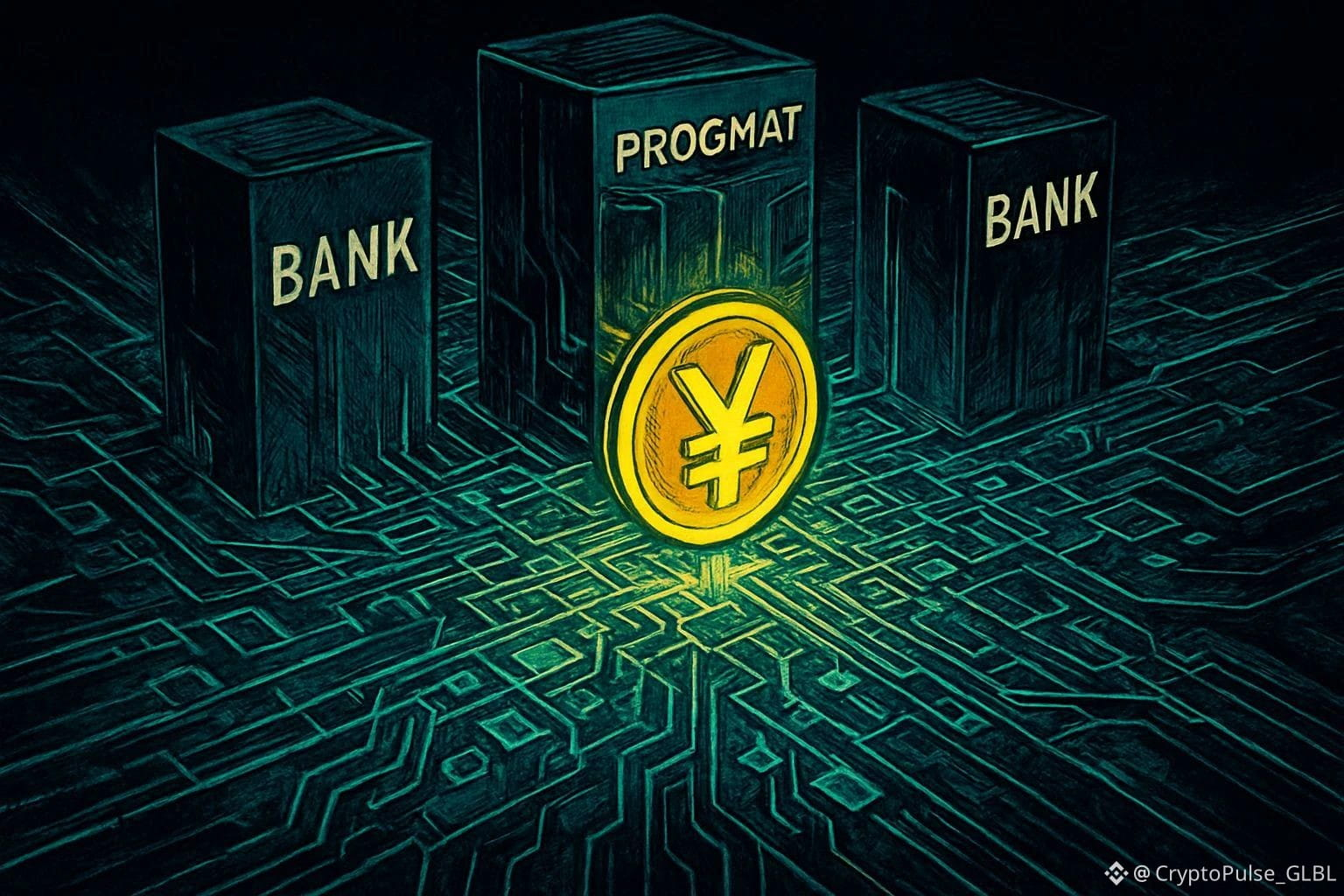
Blockchain Payments Take Another Step Forward: Japan's Three Major Banks Join Forces
On June 10th, Japan's three major banking groups—Mitsubishi UFJ Financial Group, Sumitomo Mitsui Financial Group, and Mizuho Financial Group—planned to jointly issue a stablecoin by March 2027. The three banks will establish a special committee to study the operational framework and prepare for the stablecoin's issuance. This project has received support from Japan's Financial Services Agency.
This joint issuance of a stablecoin is expected to drive the digital upgrade of Japan's payment system. Stablecoins are pegged to fiat currencies, ensuring relatively stable prices and improving the efficiency of cross-border payments and daily transactions while reducing payment costs. At the same time, the participation of the three major banks is expected to enhance market confidence and promote the application and development of blockchain technology in the financial sector.
It is understood that the Japanese government has been actively promoting fintech innovation in recent years, hoping to leverage blockchain technology to improve the efficiency and competitiveness of the payment system. As part of a pilot project, the Japanese startup JPYC began issuing a yen-pegged stablecoin last October, accumulating experience in related practices. This joint effort by the three major banks to advance the stablecoin project demonstrates Japan's continued commitment to investing in the digital finance sector.
Blockchain Payments Take Another Step Forward: Japan's Three Major Banks Join Forces
On June 10th, Japan's three major banking groups—Mitsubishi UFJ Financial Group, Sumitomo Mitsui Financial Group, and Mizuho Financial Group—planned to jointly issue a stablecoin by March 2027. The three banks will establish a special committee to study the operational framework and prepare for the stablecoin's issuance. This project has received support from Japan's Financial Services Agency.
This joint issuance of a stablecoin is expected to drive the digital upgrade of Japan's payment system. Stablecoins are pegged to fiat currencies, ensuring relatively stable prices and improving the efficiency of cross-border payments and daily transactions while reducing payment costs. At the same time, the participation of the three major banks is expected to enhance market confidence and promote the application and development of blockchain technology in the financial sector.
It is understood that the Japanese government has been actively promoting fintech innovation in recent years, hoping to leverage blockchain technology to improve the efficiency and competitiveness of the payment system. As part of a pilot project, the Japanese startup JPYC began issuing a yen-pegged stablecoin last October, accumulating experience in related practices. This joint effort by the three major banks to advance the stablecoin project demonstrates Japan's continued commitment to investing in the digital finance sector.
#Today's Headlines
1. US House of Representatives holds hearings on crypto tax bill, with bipartisan lawmakers questioning details of the draft.
2. Russian State Duma passes first reading of cryptocurrency tax reform bill.
3. Axios: Wall Street accelerates its embrace of crypto assets and tokenization markets.
4. SpaceX IPO demand exceeds $250 billion, oversubscribed by approximately four times.
5. Coinbase adds Arcium (ARX) and Re (RE) to its listing roadmap.
6. CZ: Bitcoin won't be "dead" for long.
7. Databricks is in talks for a new round of funding, targeting a valuation exceeding $165 billion.
8. Securitize CEO: Tokenized stocks could drive the RWA market size to $5 trillion.
9. OKX Wallet becomes a co-author of the ERC-8183 standard, participating in defining on-chain business rules for AI Agents.
10. A wallet withdraws 100,000 HYPE tokens from Coinbase, worth $5.9 million.
1. US House of Representatives holds hearings on crypto tax bill, with bipartisan lawmakers questioning details of the draft.
2. Russian State Duma passes first reading of cryptocurrency tax reform bill.
3. Axios: Wall Street accelerates its embrace of crypto assets and tokenization markets.
4. SpaceX IPO demand exceeds $250 billion, oversubscribed by approximately four times.
5. Coinbase adds Arcium (ARX) and Re (RE) to its listing roadmap.
6. CZ: Bitcoin won't be "dead" for long.
7. Databricks is in talks for a new round of funding, targeting a valuation exceeding $165 billion.
8. Securitize CEO: Tokenized stocks could drive the RWA market size to $5 trillion.
9. OKX Wallet becomes a co-author of the ERC-8183 standard, participating in defining on-chain business rules for AI Agents.
10. A wallet withdraws 100,000 HYPE tokens from Coinbase, worth $5.9 million.

#Today's Headlines
1. Bitcoin spot ETFs saw a net outflow of $91.3736 million yesterday.
2. The US FDIC plans to clarify that stablecoin holders are not covered by deposit insurance.
3. Gate launches a direct IPO pathway for SpaceX, enabling "instant allocation upon listing and direct access to accounts."
4. Circle: cirBTC is now listed on Ethereum, providing institutional DeFi with 1:1 Bitcoin-backed collateral.
5. Analysis: Crypto market bets on strong performance after SpaceX's IPO.
6. Bithumb will list its CTR token in the Korean Won market.
7. Coinbase and Cardless jointly launch a stablecoin-backed credit card.
8. Humanity hackers minted another 100 million H tokens on the BSC chain, still holding 111 million H tokens for sale.
9. A new wallet received 62.68 million H tokens from BitGo, possibly belonging to Framework Ventures.
10. Binance Futures will launch 5 USDT-margined TradFi perpetual contracts today.
1. Bitcoin spot ETFs saw a net outflow of $91.3736 million yesterday.
2. The US FDIC plans to clarify that stablecoin holders are not covered by deposit insurance.
3. Gate launches a direct IPO pathway for SpaceX, enabling "instant allocation upon listing and direct access to accounts."
4. Circle: cirBTC is now listed on Ethereum, providing institutional DeFi with 1:1 Bitcoin-backed collateral.
5. Analysis: Crypto market bets on strong performance after SpaceX's IPO.
6. Bithumb will list its CTR token in the Korean Won market.
7. Coinbase and Cardless jointly launch a stablecoin-backed credit card.
8. Humanity hackers minted another 100 million H tokens on the BSC chain, still holding 111 million H tokens for sale.
9. A new wallet received 62.68 million H tokens from BitGo, possibly belonging to Framework Ventures.
10. Binance Futures will launch 5 USDT-margined TradFi perpetual contracts today.

#Hot Topic Analysis
Tokenized Stocks: A New Trend Breaking Down IPO Barriers
On June 9th, it was reported that the market capitalization of tokenized stocks grew from $2.23 billion at the beginning of the year to $5.5 billion, a six-month increase of approximately 147%, making it the fourth largest RWA category. Kraken and Bybit decided to natively offer the SpaceX IPO on their platforms, allowing users to participate without leaving the crypto ecosystem. Binance also offers perpetual stock products for non-US users, allowing more retail investors to access the historically restricted US stock market.
This growth reflects a strong structural demand from crypto users to enter the stock market. Tokenized stocks lower the barriers to entry for traditional pre-IPO and IPOs, enabling individual investors to participate in opportunities previously only available to institutions. The SpaceX case particularly highlights this market potential, while also driving exchanges to routinely embed stock products into their platforms, gradually evolving tokenized stocks from a speculative concept into a sustainable product line.
Traditional stock markets typically rely on institutional relationships or secondary market brokers for IPO and pre-IPO access, creating high barriers to entry. Tokenized stocks, through blockchain technology, digitize assets, making stock trading more convenient and open. This trend also suggests that tokenized stocks are likely to continue to grow in the RWA category, meeting the long-term demand for stock investment from global crypto users.
Tokenized Stocks: A New Trend Breaking Down IPO Barriers
On June 9th, it was reported that the market capitalization of tokenized stocks grew from $2.23 billion at the beginning of the year to $5.5 billion, a six-month increase of approximately 147%, making it the fourth largest RWA category. Kraken and Bybit decided to natively offer the SpaceX IPO on their platforms, allowing users to participate without leaving the crypto ecosystem. Binance also offers perpetual stock products for non-US users, allowing more retail investors to access the historically restricted US stock market.
This growth reflects a strong structural demand from crypto users to enter the stock market. Tokenized stocks lower the barriers to entry for traditional pre-IPO and IPOs, enabling individual investors to participate in opportunities previously only available to institutions. The SpaceX case particularly highlights this market potential, while also driving exchanges to routinely embed stock products into their platforms, gradually evolving tokenized stocks from a speculative concept into a sustainable product line.
Traditional stock markets typically rely on institutional relationships or secondary market brokers for IPO and pre-IPO access, creating high barriers to entry. Tokenized stocks, through blockchain technology, digitize assets, making stock trading more convenient and open. This trend also suggests that tokenized stocks are likely to continue to grow in the RWA category, meeting the long-term demand for stock investment from global crypto users.

Войдите, чтобы посмотреть больше материала