

CoinVision110
10k Публикации

CoinVision110
Friendly, professional freelancer providing real-time market analysis.
1.7K+ подписок(и/а)
12.4K+ подписчиков(а)
6.8K+ понравилось
Посты
Все
Цитирования
Активно
PINNED



燕寶Melissa
·
--
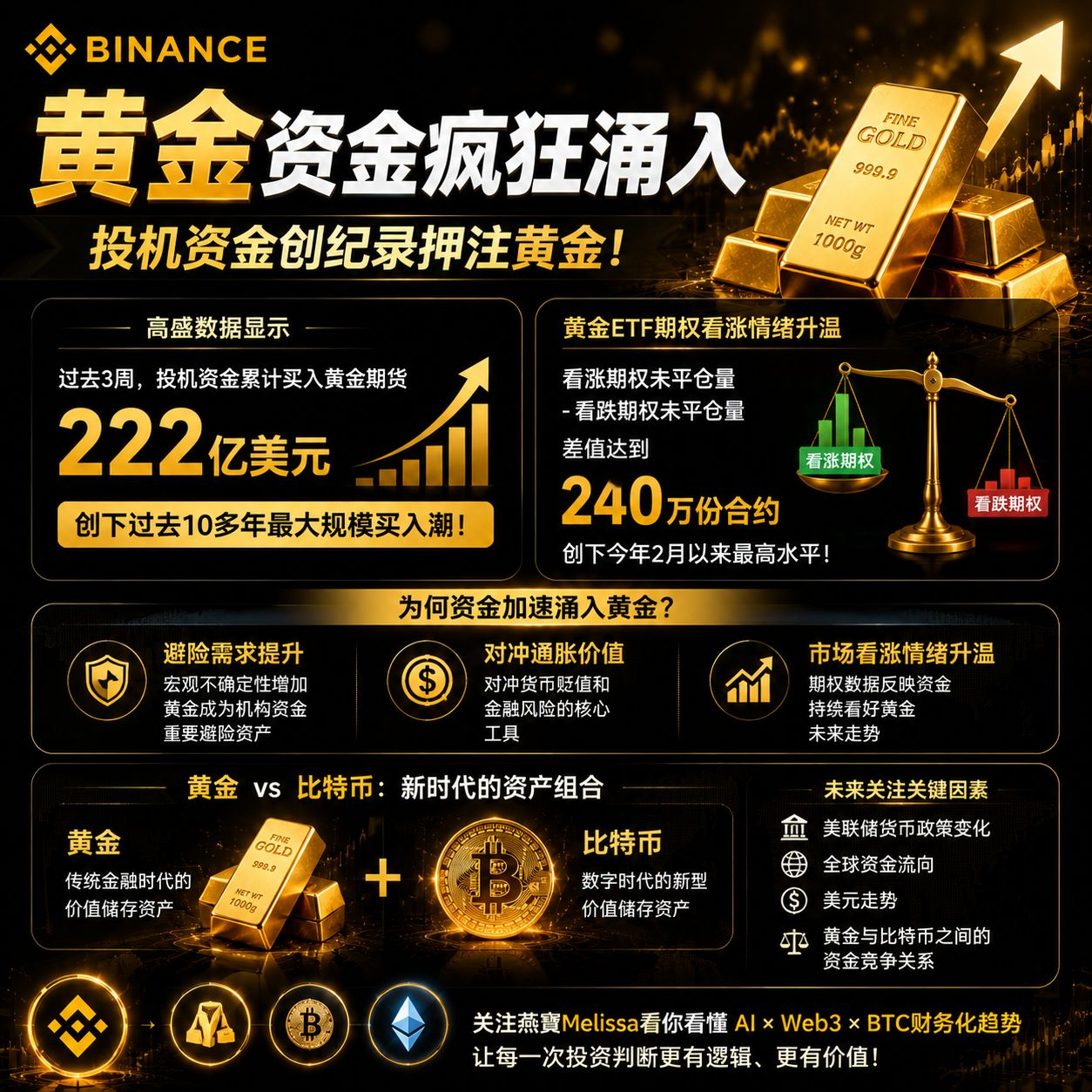
Падение🥇 黄金正在成为全球资金的新焦点!
当市场关注加密资产、AI和科技股时,另一场资金迁移正在发生:
📊 高盛数据显示:
过去 3周内,投机资金累计买入黄金期货约 222亿美元!
这是:
🔥 过去10多年最大规模的黄金期货买入潮!
为什么资金正在加速涌入黄金?
核心原因可能来自几个方向:
🌍 1. 全球避险需求提升
在宏观不确定性增加的环境下,黄金再次成为机构资金配置的重要资产。
💰 2. 资金正在寻找抗通胀价值
黄金长期被视为对冲货币贬值和金融风险的重要工具。
📈 3. 市场看涨情绪明显升温
数据显示:
黄金ETF看涨期权未平仓量
与看跌期权未平仓量的差值达到约:
🔥 240万份合约
创下今年2月以来最高水平。
这意味着越来越多资金正在押注黄金继续上涨。
过去几十年:
黄金代表传统金融时代的价值储存。
而比特币正在成为数字时代的新型价值资产。
未来的资产配置,可能不再是“黄金 vs 比特币”的选择,而是:
🌐 传统避险资产 + 数字资产的组合时代。
#美联储9月加息概率升至57%
$BTC
$ETH
$BNB
当市场关注加密资产、AI和科技股时,另一场资金迁移正在发生:
📊 高盛数据显示:
过去 3周内,投机资金累计买入黄金期货约 222亿美元!
这是:
🔥 过去10多年最大规模的黄金期货买入潮!
为什么资金正在加速涌入黄金?
核心原因可能来自几个方向:
🌍 1. 全球避险需求提升
在宏观不确定性增加的环境下,黄金再次成为机构资金配置的重要资产。
💰 2. 资金正在寻找抗通胀价值
黄金长期被视为对冲货币贬值和金融风险的重要工具。
📈 3. 市场看涨情绪明显升温
数据显示:
黄金ETF看涨期权未平仓量
与看跌期权未平仓量的差值达到约:
🔥 240万份合约
创下今年2月以来最高水平。
这意味着越来越多资金正在押注黄金继续上涨。
过去几十年:
黄金代表传统金融时代的价值储存。
而比特币正在成为数字时代的新型价值资产。
未来的资产配置,可能不再是“黄金 vs 比特币”的选择,而是:
🌐 传统避险资产 + 数字资产的组合时代。
#美联储9月加息概率升至57%
$BTC
$ETH
$BNB
SNM Khan
·
--
$BNB Rewards Boxes 🎁🧧🎁 Like Share This Post & Claim Surprise $BNB Thankyou 🌱🌱

M R T
·
--
Follow Me 🚀
Repost & Support ❤️
Claim the USDC Reward 🎁
Repost & Support ❤️
Claim the USDC Reward 🎁

Цитируемый контент удален
Цитируемый контент удален
Цитируемый контент удален
Cryptology_7
·
--
𝐂𝐫𝐲𝐩𝐭𝐨 𝐫𝐞𝐰𝐚𝐫𝐝𝐬 𝐭𝐡𝐨𝐬𝐞 𝐰𝐡𝐨 𝐬𝐮𝐫𝐯𝐢𝐯𝐞 𝐥𝐨𝐧𝐠 𝐞𝐧𝐨𝐮𝐠𝐡 𝐭𝐨 𝐥𝐞𝐚𝐫𝐧, 𝐚𝐝𝐚𝐩𝐭, 𝐚𝐧𝐝 𝐠𝐫𝐨𝐰. 🤍🌱
$O $ETH
#Ethereum #CryptoPatience
#Cryptology_7
$O $ETH
#Ethereum #CryptoPatience
#Cryptology_7
JANNAT BM_
·
--
$BTC Again 80k soon 🚀🚀🚀🚀
Цитируемый контент удален
Цитируемый контент удален

Leo - F0
·
--
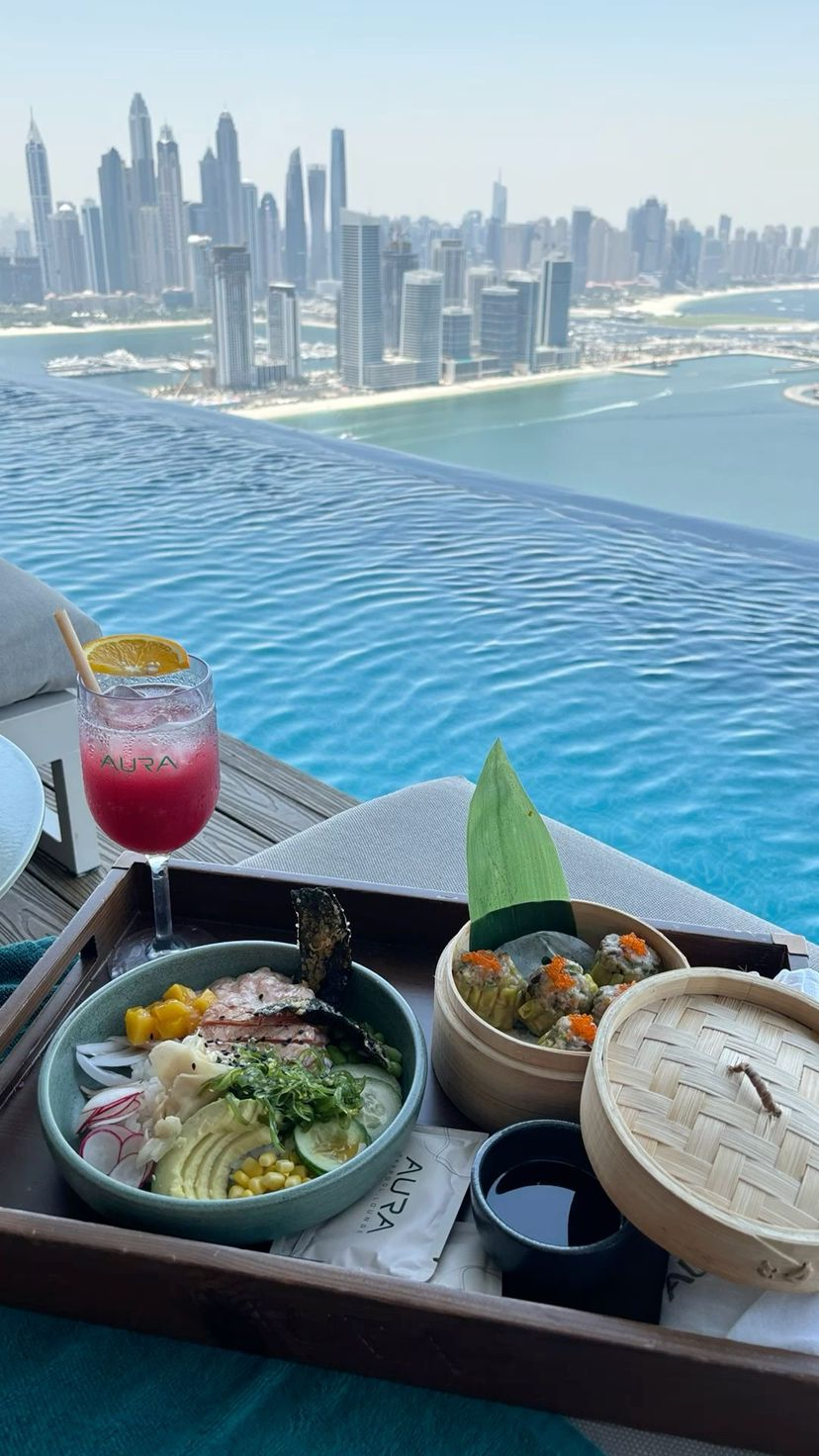
Рост🔥🧧🧧GREETINGS TO MY FAMILY FROM DUBAİ WITH A RED GIFT PACKAGE.🧧🧧🔥
"Shed your worries under the palm tree shade. Chasing the paradise your dreams have made." 🏝️🍹🛥️
$BTC 🔥🔥🧧🧧 #Dubai_Crypto_Group
#金价升破4400美元创两月高
$BNB $ETH
#1688家族family 💚 @周周1688
#xrp #Binance
"Shed your worries under the palm tree shade. Chasing the paradise your dreams have made." 🏝️🍹🛥️
$BTC 🔥🔥🧧🧧 #Dubai_Crypto_Group
#金价升破4400美元创两月高
$BNB $ETH
#1688家族family 💚 @周周1688
#xrp #Binance
Цитируемый контент удален
Цитируемый контент удален

GLOW_PK
·
--
SOL red packet dropped ❤️🩹🧧
and suddenly nobody🫀✨️
needs sleep anymore 😂🎁
Everyone refreshing nonstop🎁🧧
like their salary depends on it 🤣💸🚀
Clim it Fast 🎁🤗💞🔐
$NVDAB $AAPLB $SOL
#Claim #Redpaicket #SECSendsCryptoCustodyRuleToWhiteHouse #SECSendsCryptoCustodyRuleToWhiteHouse #XRPRallies44%InAWeek
and suddenly nobody🫀✨️
needs sleep anymore 😂🎁
Everyone refreshing nonstop🎁🧧
like their salary depends on it 🤣💸🚀
Clim it Fast 🎁🤗💞🔐
$NVDAB $AAPLB $SOL
#Claim #Redpaicket #SECSendsCryptoCustodyRuleToWhiteHouse #SECSendsCryptoCustodyRuleToWhiteHouse #XRPRallies44%InAWeek

艾伦Eren1688
·
--
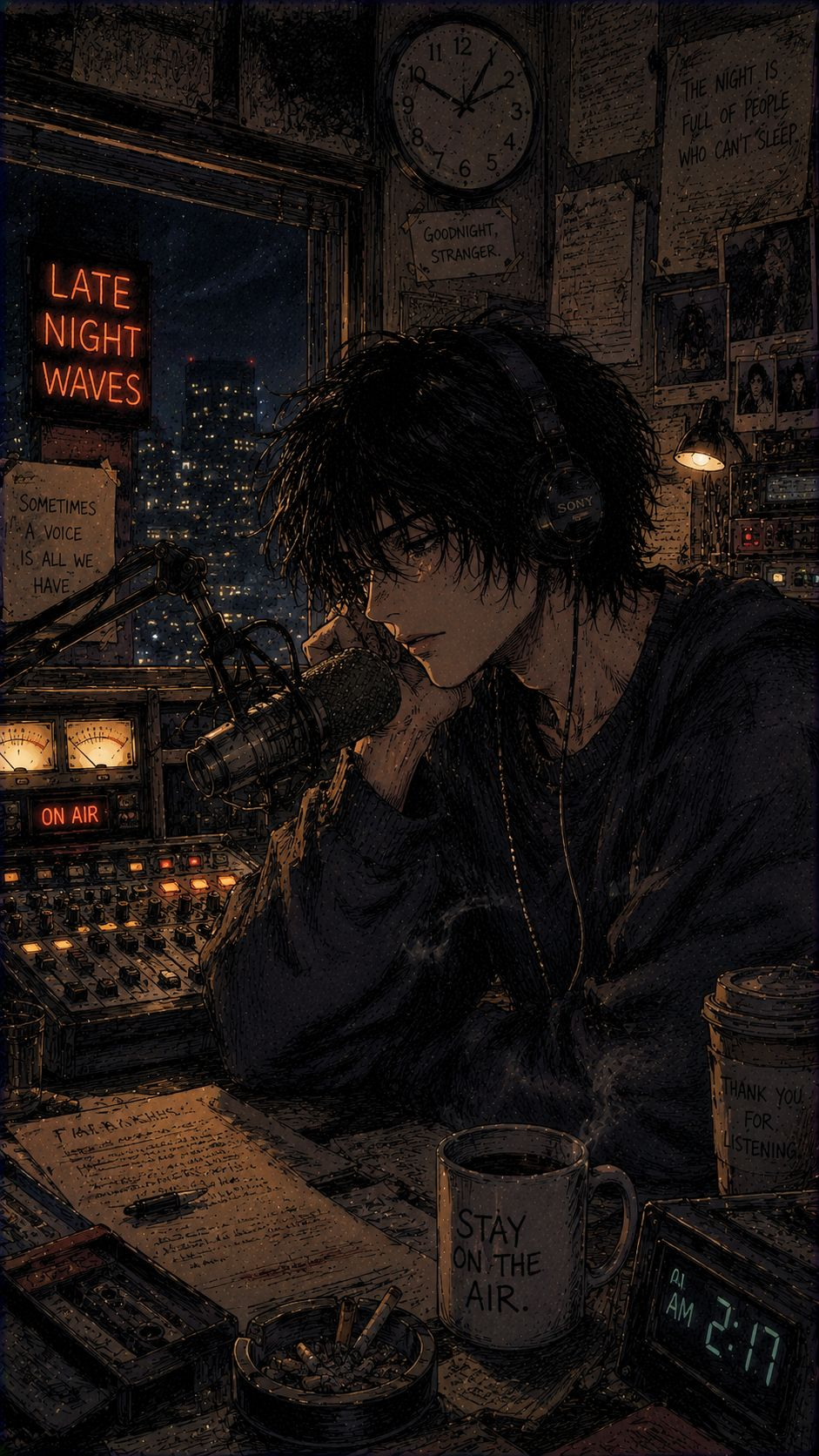
Рост*深夜的电波,清晨的胜果* 🎙️🌙
凌晨 2:17。城市已入梦乡。麦克风开启,咖啡尚温。 “这漫漫长夜里,总有人辗转难眠。”
这是无人可见的默默耕耘:研读、分析、在尚无人聆听时坚持发声。
这就是“持之以恒”的模样——在万籁俱寂之时,依然坚守阵地。
因为重大的突破并非诞生于喧嚣之中,而是源自深夜里那份精心的筹备与积淀 💎
交易亦是如此。当别人在漫无目的地刷屏时,我们在潜心研读;当别人在盲目猜测时,我们在精准预判。
我正将这份自律投入到 *Predict Token* 之中——在这里,你可以基于真实事件为自己的信念下注,磨练判断力,将深夜的研究转化为实实在在的成果。洞察局势,果断决策 📈
保持发声,保持在场。 感谢家人们的支持——向着 2 万粉丝的目标进发!🙏
今晚是什么让你彻夜未眠:是行情图表、既定目标,还是心中梦想?在下方留言告诉我吧 👇
answer:1
回答 :1
#1688家族family #prediction...
凌晨 2:17。城市已入梦乡。麦克风开启,咖啡尚温。 “这漫漫长夜里,总有人辗转难眠。”
这是无人可见的默默耕耘:研读、分析、在尚无人聆听时坚持发声。
这就是“持之以恒”的模样——在万籁俱寂之时,依然坚守阵地。
因为重大的突破并非诞生于喧嚣之中,而是源自深夜里那份精心的筹备与积淀 💎
交易亦是如此。当别人在漫无目的地刷屏时,我们在潜心研读;当别人在盲目猜测时,我们在精准预判。
我正将这份自律投入到 *Predict Token* 之中——在这里,你可以基于真实事件为自己的信念下注,磨练判断力,将深夜的研究转化为实实在在的成果。洞察局势,果断决策 📈
保持发声,保持在场。 感谢家人们的支持——向着 2 万粉丝的目标进发!🙏
今晚是什么让你彻夜未眠:是行情图表、既定目标,还是心中梦想?在下方留言告诉我吧 👇
answer:1
回答 :1
#1688家族family #prediction...

Muzamil Abbas⁷⁵ 穆扎米尔_阿巴斯
·
--
Рост🎁 $SHIB GIVEAWAY WORTH $100 🎁
I’m giving away SHIB Gift Boxes to 3,000 lucky people! 🐕🔥
To participate:
❤️ Like this post ✅
🔁 Repost this post ✅
💬 Comment “1” below ✅
🎁 Claim your Gift Box ✅
Good luck everyone🚀✨
#SHIB #Giveaway #Binance #CryptoGiveaway

Ahli Hidaya ALLAH Raman
·
--
Рост✨ 10K FOLLOWERS — THANK YOU! 🤍
Alhamdulillah, we’ve reached 10,000 followers! 🥹✨
This milestone wouldn’t have been possible without the incredible support, encouragement, and trust from each one of you. 🙏🏻❤️
Every follow, like, comment, repost, and kind message has meant more than you know. 🫶🏻
I’m truly grateful to everyone who has been part of this journey — whether you’ve been here from the beginning or just joined recently. 🌸
10K is a milestone, but the real achievement is the community we’re building together. 🤝🏻✨
Thank you for believing in my content and for being here. 💫
Grateful for 10K. Excited for what’s next. 🚀❤️
#10KFollowers #Grateful #BinanceSquare #CryptoCommunity #ThankYou
Alhamdulillah, we’ve reached 10,000 followers! 🥹✨
This milestone wouldn’t have been possible without the incredible support, encouragement, and trust from each one of you. 🙏🏻❤️
Every follow, like, comment, repost, and kind message has meant more than you know. 🫶🏻
I’m truly grateful to everyone who has been part of this journey — whether you’ve been here from the beginning or just joined recently. 🌸
10K is a milestone, but the real achievement is the community we’re building together. 🤝🏻✨
Thank you for believing in my content and for being here. 💫
Grateful for 10K. Excited for what’s next. 🚀❤️
#10KFollowers #Grateful #BinanceSquare #CryptoCommunity #ThankYou
Войдите, чтобы посмотреть больше материала