

LearnToEarn
19k Публикации

LearnToEarn
 Square Verified+
Отправить жалобу
Заблокировать пользователя
Signals hub • Your risk • your call •Market News •Projects •Content Creator • Awarded Creator🏆 | X/Twitter: @LearnToEarn_K

Creator Awards 2024

Traders League Badge Expert

#BinanceTurns7 task 2
Открытая сделка

Владелец XAUT
Трейдер с регулярными сделками
2.8 г
143 подписок(и/а)
104.9K+ подписчиков(а)
73.9K+ понравилось
4 Значки
Посты
Портфель
Все
Цитирования
Видео
Активно
PINNED
·
--
🎁 DAY 8 OF RED PACKETS IS HERE! 🎁🔥
Another day, another chance to grab a little reward! ❤️ Don't miss out! 👀
Here's how to get your Red Packet 👇
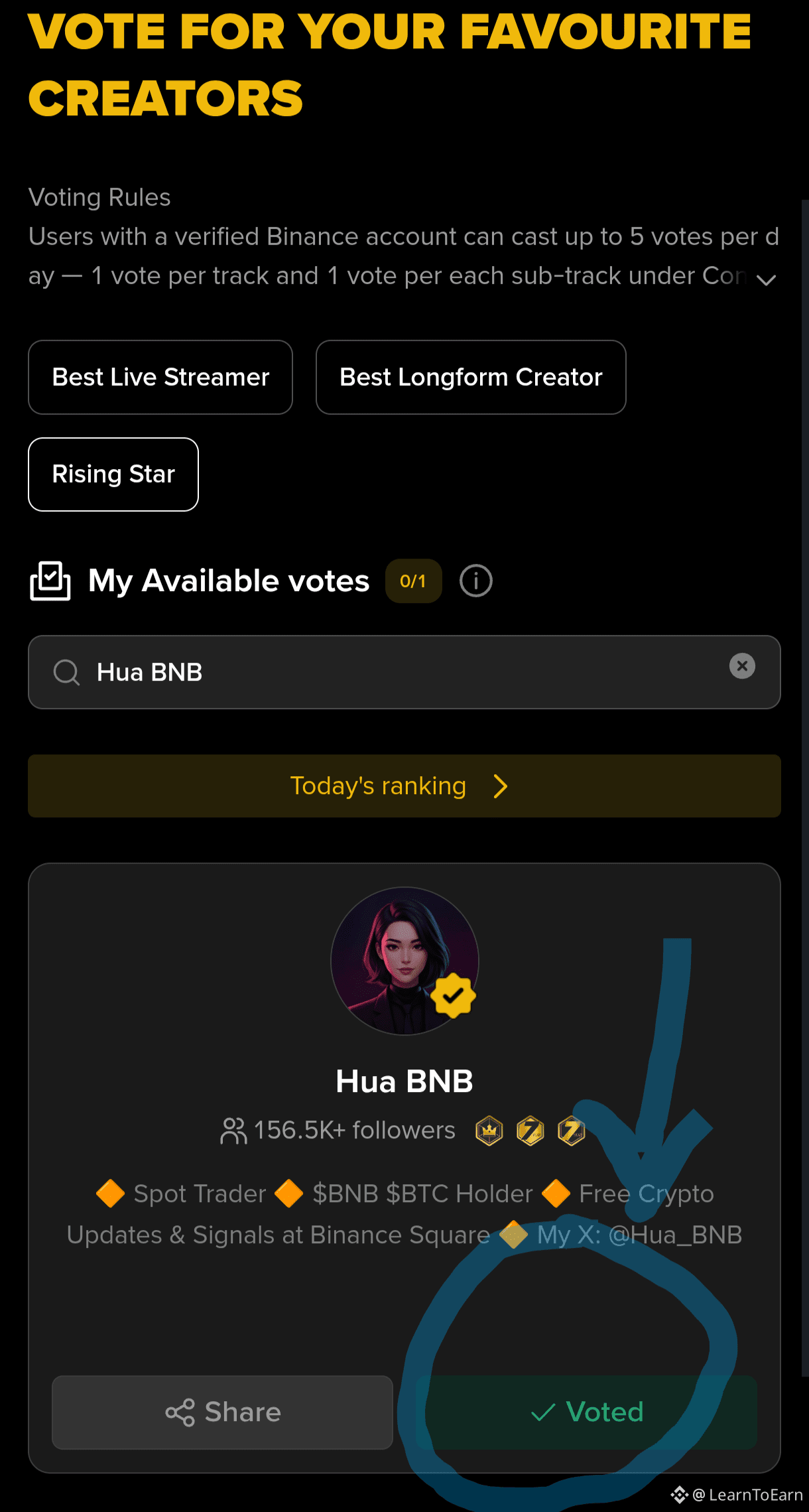
1️⃣ [VOTE HERE ❤️](https://app.binance.com/uni-qr/cact26user/652?uc=app_square_share_link&us=copylink)
Show your love and support for our deserving creator @Hua_BNB 🔥💛
2️⃣ Drop a ss of your vote in the replies 📸
3️⃣ Find the correct answer to the question and get your reward! 🎁
4️⃣ Couldn't find the right answer? No worries! I'll reply to your ss comment with the correct answer so you can still get your Red Packet. ❤️
🔥 DAY 8 IS LIVE! Follow the steps, support our creator, and don't miss your chance to grab a Red Packet! 🎁🚀💛
🎁 DAY 8 OF RED PACKETS IS HERE! 🎁🔥
Another day, another chance to grab a little reward! ❤️ Don't miss out! 👀
Here's how to get your Red Packet 👇
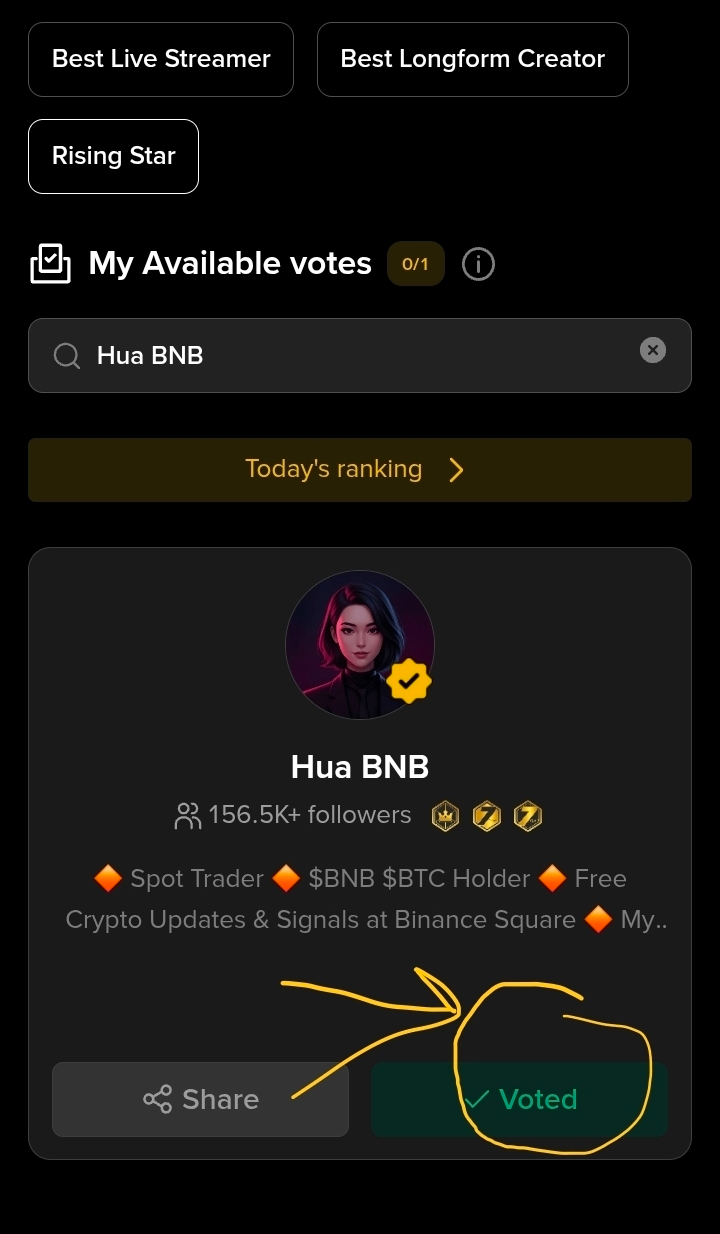
1️⃣ VOTE HERE ❤️
Show your love and support for our deserving creator @Hua BNB 🔥💛
2️⃣ Drop a ss of your vote in the replies 📸
3️⃣ Find the correct answer to the question and get your reward! 🎁
4️⃣ Couldn't find the right answer? No worries! I'll reply to your ss comment with the correct answer so you can still get your Red Packet. ❤️
🔥 DAY 8 IS LIVE! Follow the steps, support our creator, and don't miss your chance to grab a Red Packet! 🎁🚀💛

57
8
3
123
·
--
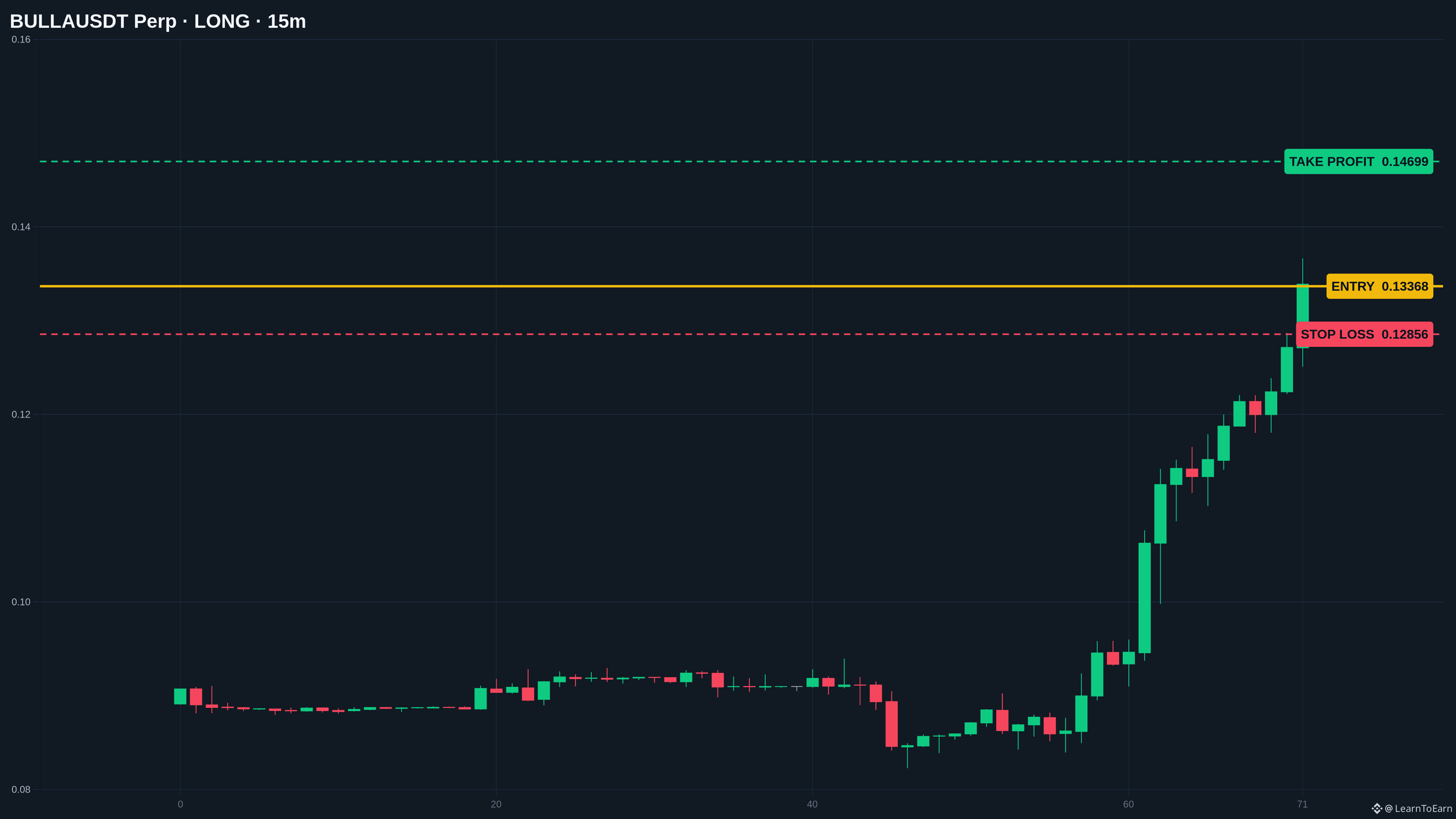
Price action is pressing on $BULLA ‼: the move is still early enough to define risk tightly.
Entry: 0.132720 - 0.134640
Stop: 0.128562
TP1: 0.138798
TP2: 0.142892
TP3: 0.146986
Plan the trade, then let the market work.
Price action is pressing on $BULLA ‼: the move is still early enough to define risk tightly.
Entry: 0.132720 - 0.134640
Stop: 0.128562
TP1: 0.138798
TP2: 0.142892
TP3: 0.146986
Plan the trade, then let the market work.
Entry: 0.132720 - 0.134640
Stop: 0.128562
TP1: 0.138798
TP2: 0.142892
TP3: 0.146986
Plan the trade, then let the market work.
6
·
--
Go fast don't Miss 🎁👇🎁
Go fast don't Miss 🎁👇🎁
LearnToEarn
·
--
🎁 DAY 8 OF RED PACKETS IS HERE! 🎁🔥
Another day, another chance to grab a little reward! ❤️ Don't miss out! 👀
Here's how to get your Red Packet 👇
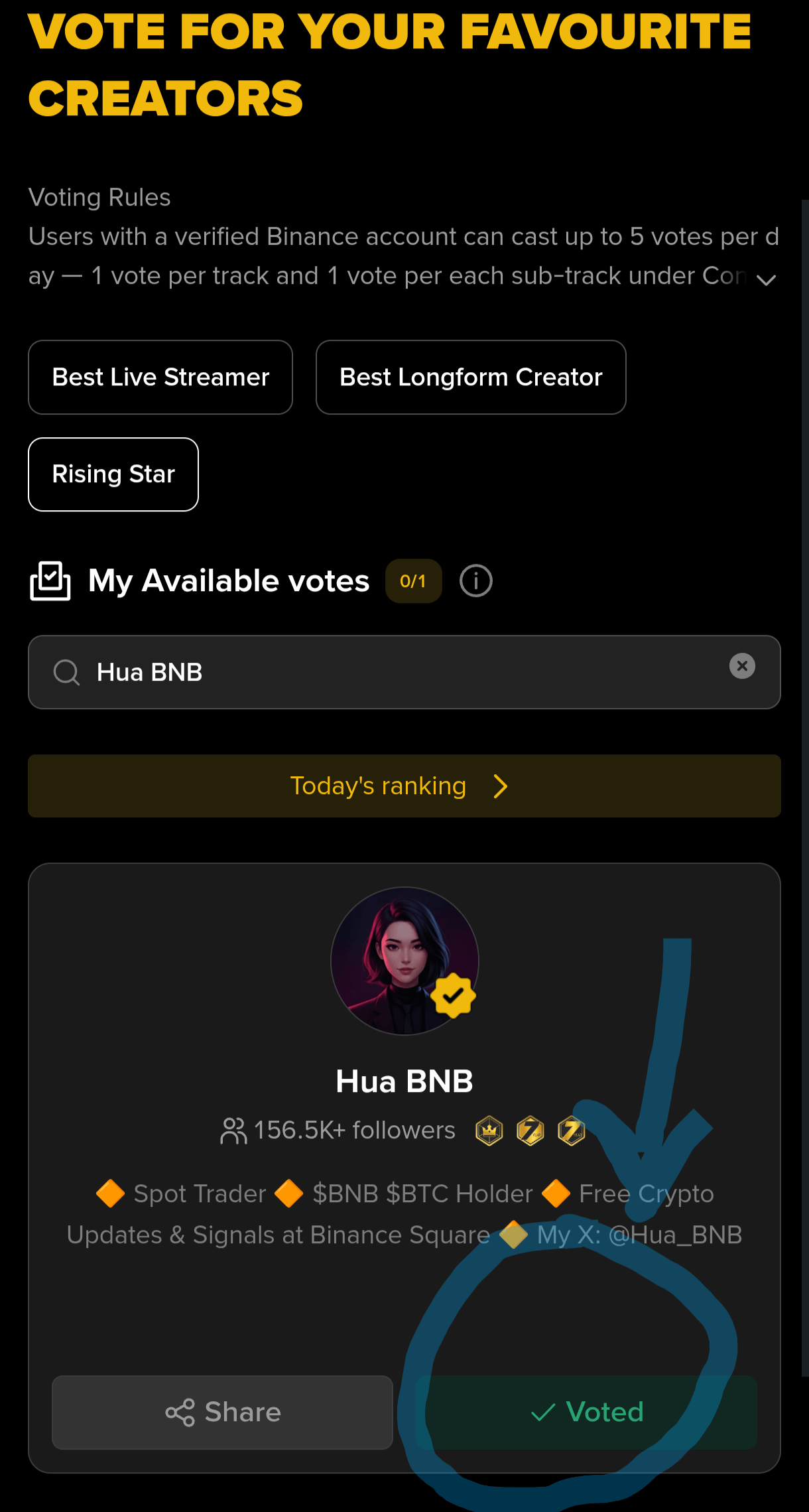
1️⃣ VOTE HERE ❤️
Show your love and support for our deserving creator @Hua BNB 🔥💛
2️⃣ Drop a ss of your vote in the replies 📸
3️⃣ Find the correct answer to the question and get your reward! 🎁
4️⃣ Couldn't find the right answer? No worries! I'll reply to your ss comment with the correct answer so you can still get your Red Packet. ❤️
🔥 DAY 8 IS LIVE! Follow the steps, support our creator, and don't miss your chance to grab a Red Packet! 🎁🚀💛
Another day, another chance to grab a little reward! ❤️ Don't miss out! 👀
Here's how to get your Red Packet 👇
1️⃣ VOTE HERE ❤️
Show your love and support for our deserving creator @Hua BNB 🔥💛
2️⃣ Drop a ss of your vote in the replies 📸
3️⃣ Find the correct answer to the question and get your reward! 🎁
4️⃣ Couldn't find the right answer? No worries! I'll reply to your ss comment with the correct answer so you can still get your Red Packet. ❤️
🔥 DAY 8 IS LIVE! Follow the steps, support our creator, and don't miss your chance to grab a Red Packet! 🎁🚀💛

1
77
·
--
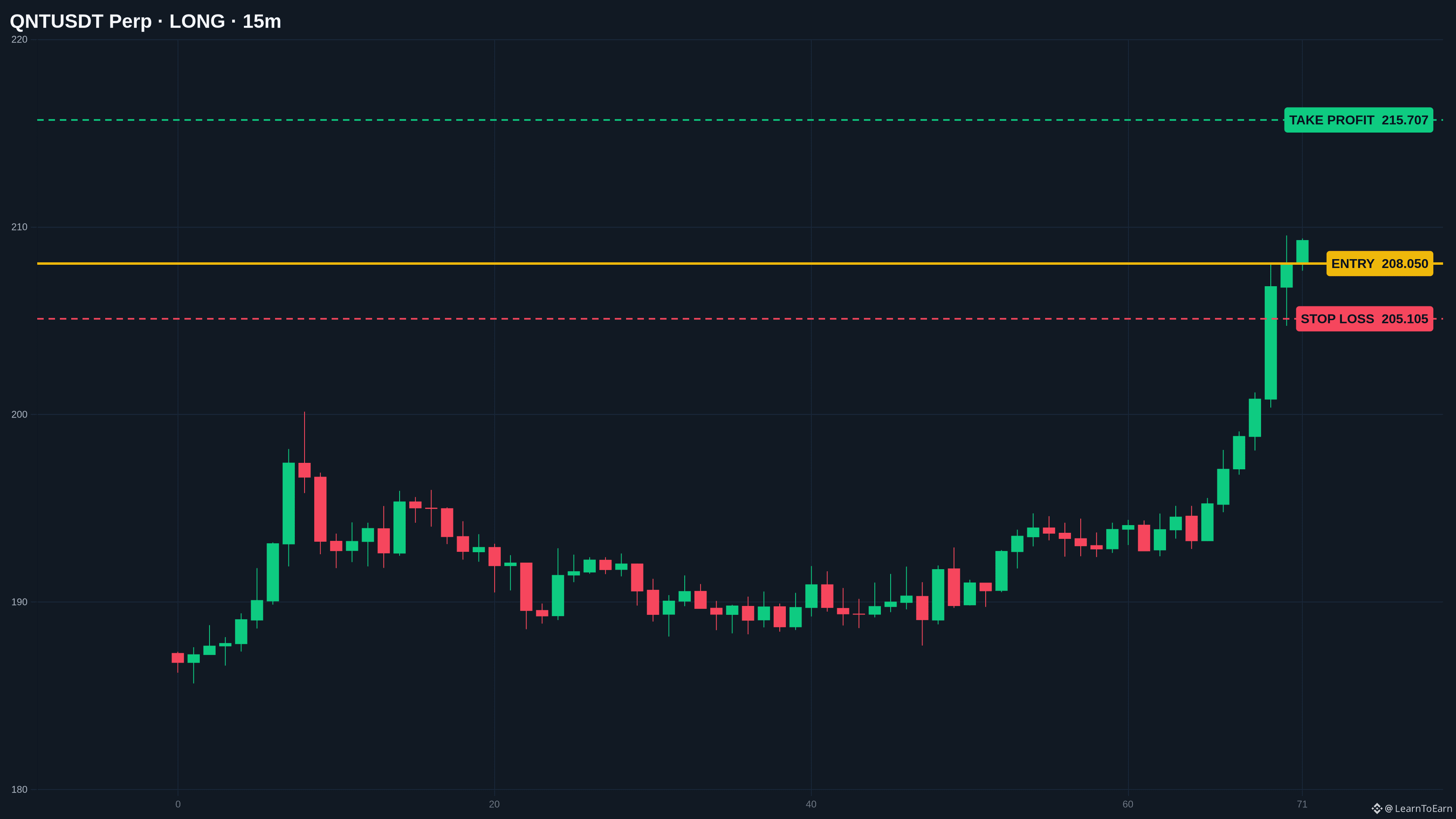
The tape is leaning with $QNT ‼: the 15m structure is holding with early 5m confirmation.
Entry: 207.4978 - 208.6022
Stop: 205.1049
TP1: 210.9951
TP2: 213.3513
TP3: 215.7074
Risk first; let price confirm.
The tape is leaning with $QNT ‼: the 15m structure is holding with early 5m confirmation.
Entry: 207.4978 - 208.6022
Stop: 205.1049
TP1: 210.9951
TP2: 213.3513
TP3: 215.7074
Risk first; let price confirm.
Entry: 207.4978 - 208.6022
Stop: 205.1049
TP1: 210.9951
TP2: 213.3513
TP3: 215.7074
Risk first; let price confirm.
286
·
--
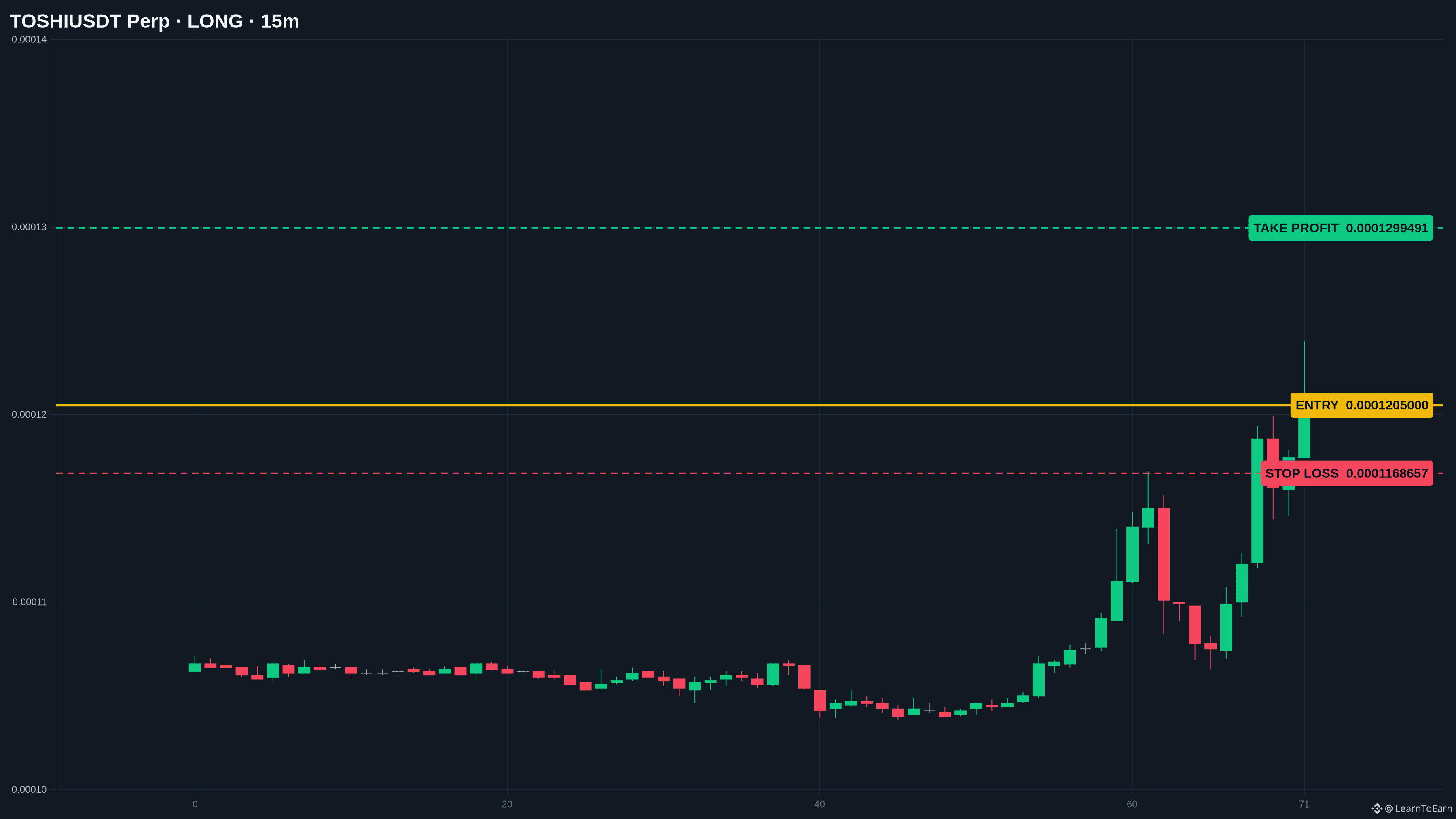
Momentum is building on $TOSHI ‼: volume is expanding while the 9/21/50 EMA stack stays aligned.
Entry: 0.000119819 - 0.000121181
Stop: 0.000116866
TP1: 0.000124134
TP2: 0.000127042
TP3: 0.000129949
Watching the levels closely.
Momentum is building on $TOSHI ‼: volume is expanding while the 9/21/50 EMA stack stays aligned.
Entry: 0.000119819 - 0.000121181
Stop: 0.000116866
TP1: 0.000124134
TP2: 0.000127042
TP3: 0.000129949
Watching the levels closely.
Entry: 0.000119819 - 0.000121181
Stop: 0.000116866
TP1: 0.000124134
TP2: 0.000127042
TP3: 0.000129949
Watching the levels closely.
131
·
--
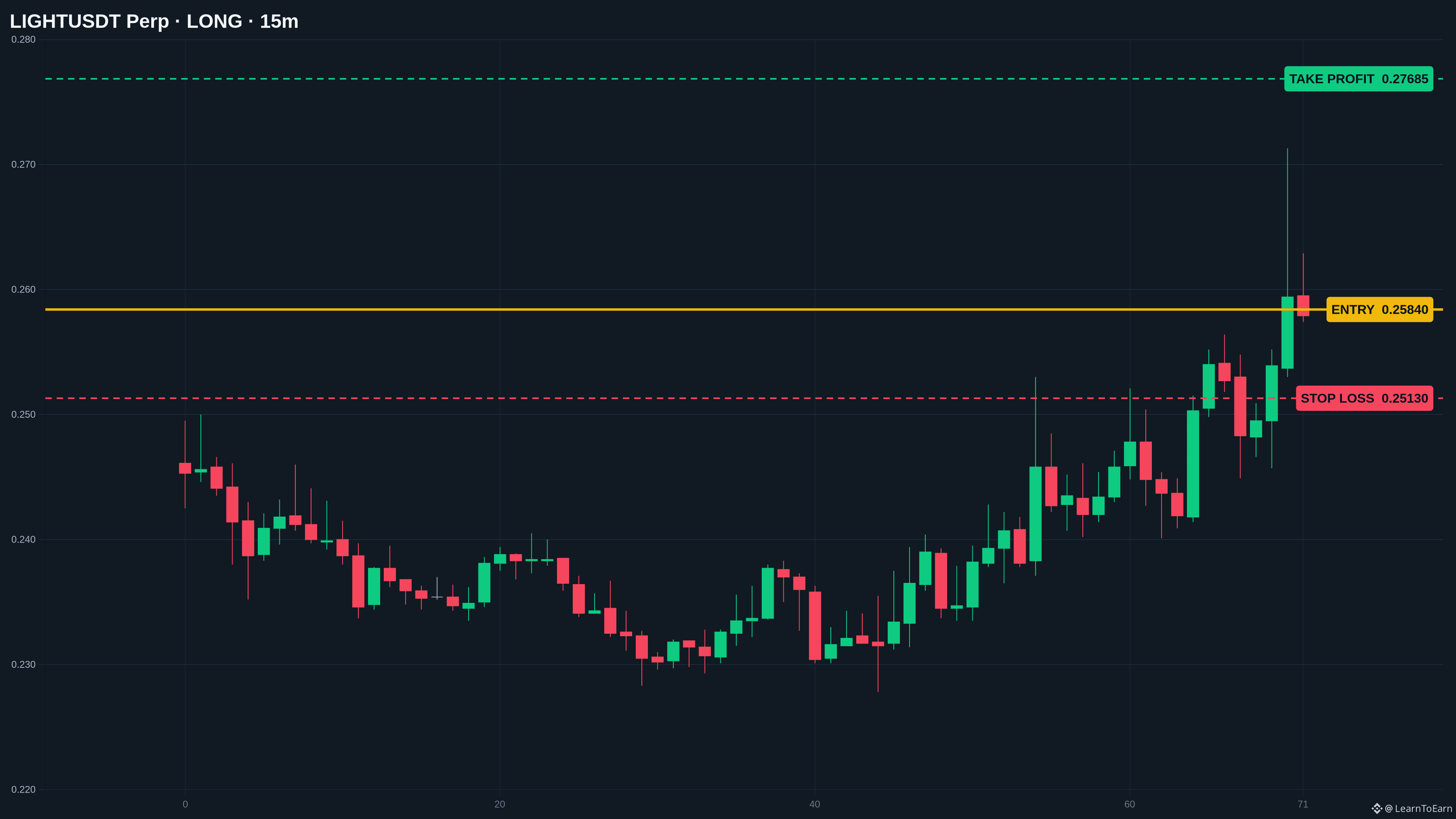
Price action is pressing on $LIGHT ‼: the move is still early enough to define risk tightly.
Entry: 0.257069 - 0.259731
Stop: 0.251303
TP1: 0.265497
TP2: 0.271175
TP3: 0.276853
Plan the trade, then let the market work.
Price action is pressing on $LIGHT ‼: the move is still early enough to define risk tightly.
Entry: 0.257069 - 0.259731
Stop: 0.251303
TP1: 0.265497
TP2: 0.271175
TP3: 0.276853
Plan the trade, then let the market work.
Entry: 0.257069 - 0.259731
Stop: 0.251303
TP1: 0.265497
TP2: 0.271175
TP3: 0.276853
Plan the trade, then let the market work.
74
·
--
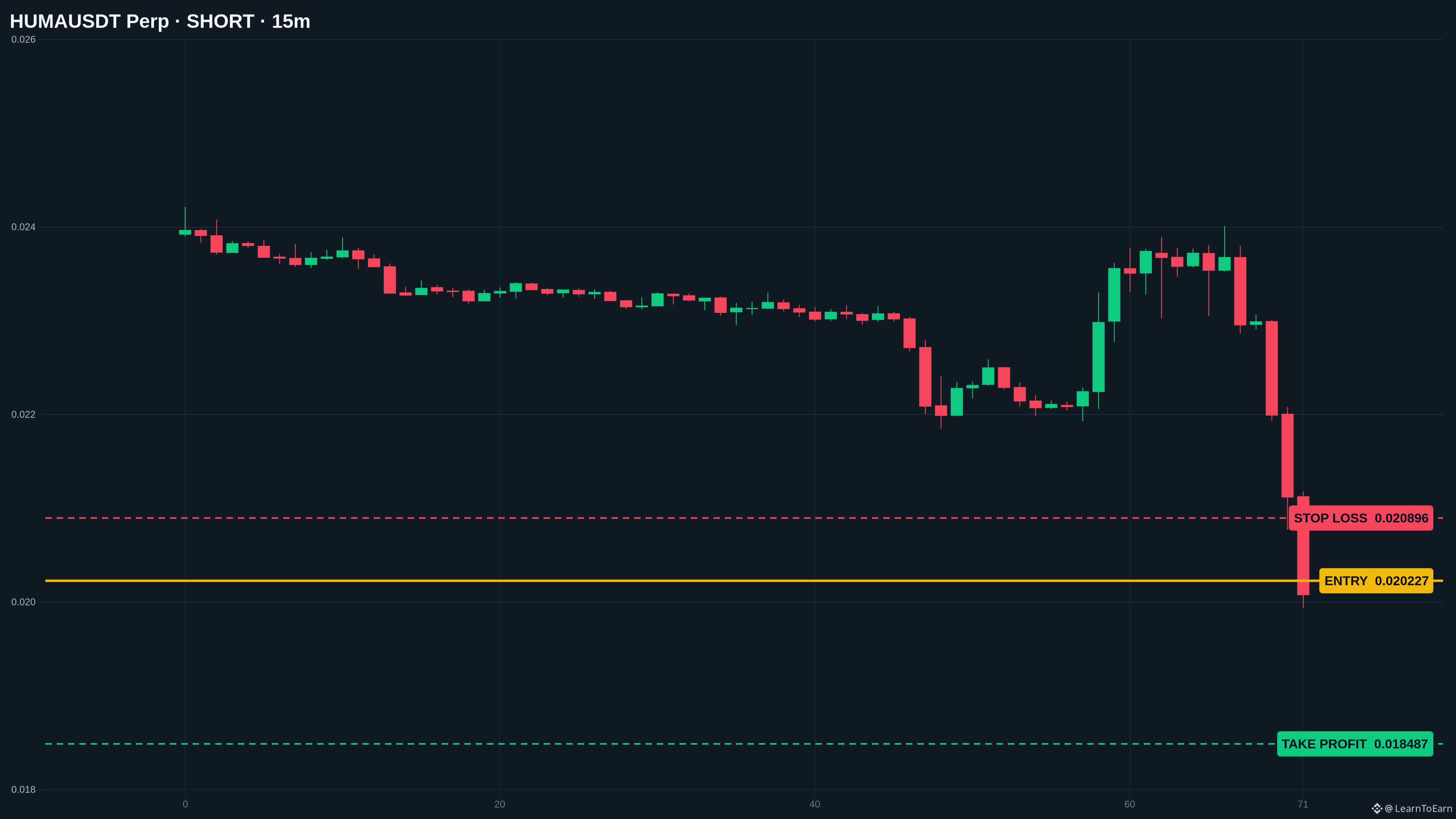
A clean momentum setup is forming on $HUMA ‼: buyers and sellers are showing a clear directional edge.
Entry: 0.0201015 - 0.0203525
Stop: 0.0208961
TP1: 0.0195579
TP2: 0.0190225
TP3: 0.0184872
No chase — levels matter.
A clean momentum setup is forming on $HUMA ‼: buyers and sellers are showing a clear directional edge.
Entry: 0.0201015 - 0.0203525
Stop: 0.0208961
TP1: 0.0195579
TP2: 0.0190225
TP3: 0.0184872
No chase — levels matter.
Entry: 0.0201015 - 0.0203525
Stop: 0.0208961
TP1: 0.0195579
TP2: 0.0190225
TP3: 0.0184872
No chase — levels matter.
77
·
--
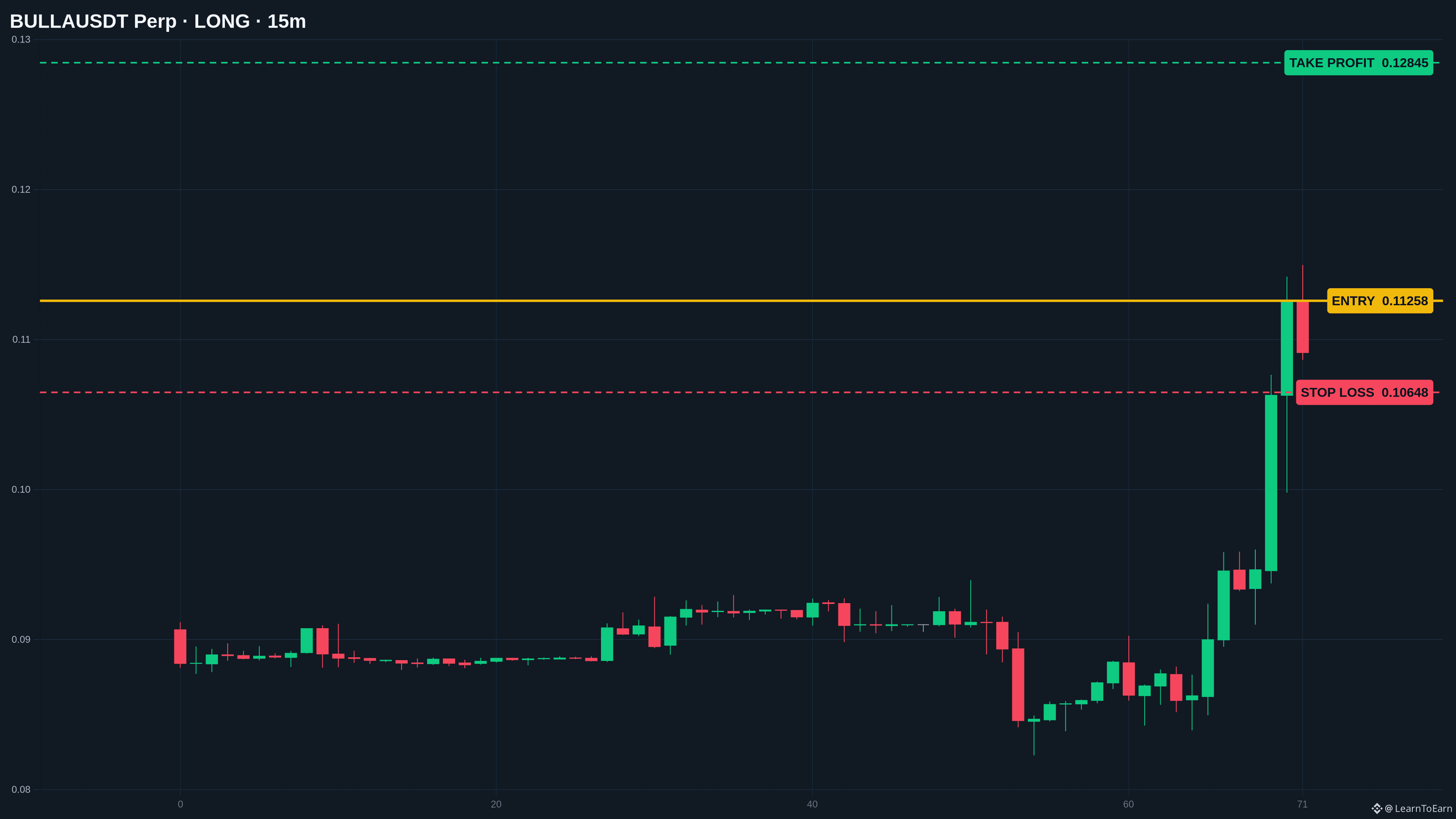
The tape is leaning with $BULLA ‼: the 15m structure is holding with early 5m confirmation.
Entry: 0.111435 - 0.113725
Stop: 0.106476
TP1: 0.118684
TP2: 0.123567
TP3: 0.128450
Risk first; let price confirm.
The tape is leaning with $BULLA ‼: the 15m structure is holding with early 5m confirmation.
Entry: 0.111435 - 0.113725
Stop: 0.106476
TP1: 0.118684
TP2: 0.123567
TP3: 0.128450
Risk first; let price confirm.
Entry: 0.111435 - 0.113725
Stop: 0.106476
TP1: 0.118684
TP2: 0.123567
TP3: 0.128450
Risk first; let price confirm.
90
·
--
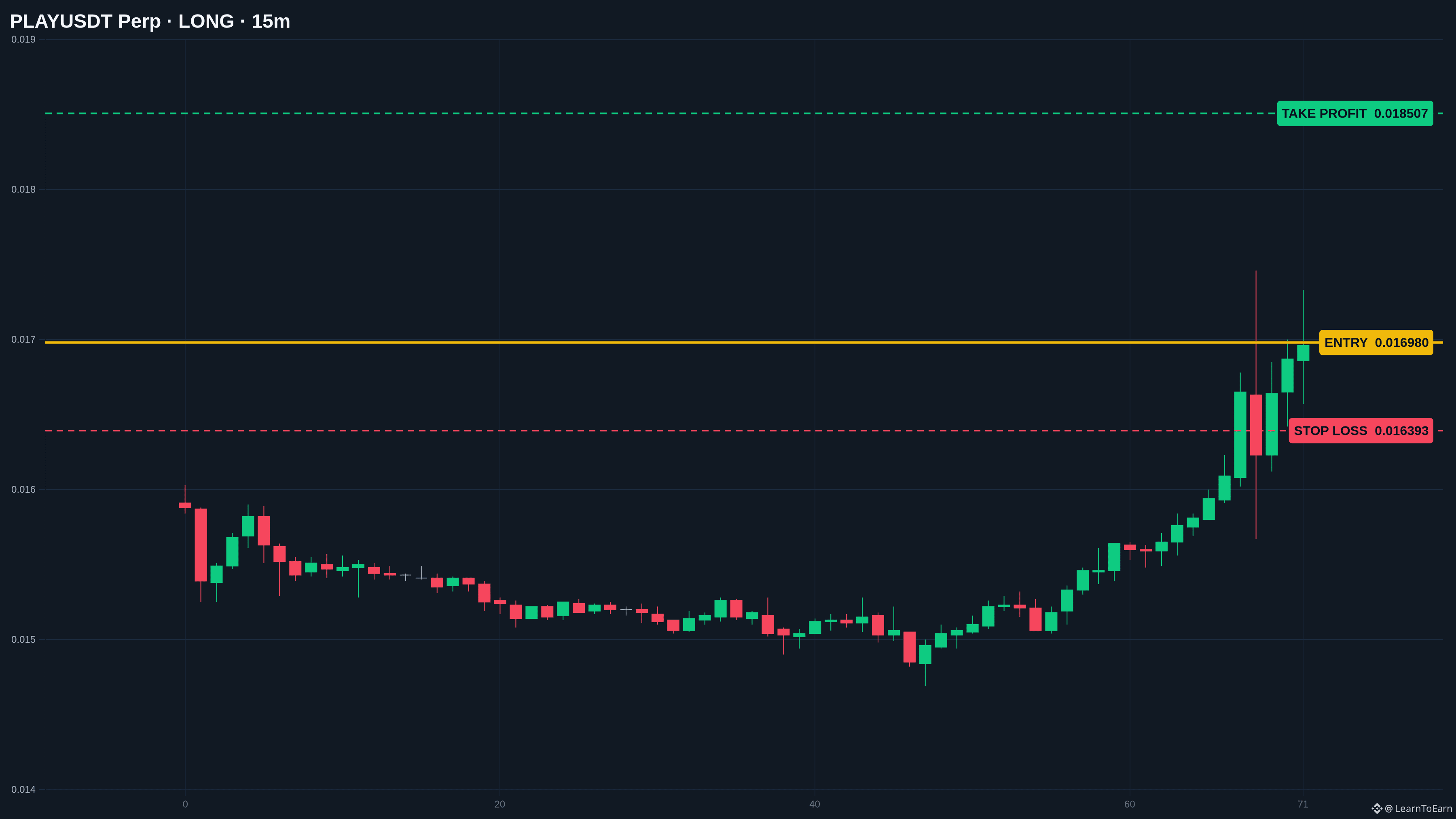
Price action is pressing on $PLAY ‼: the move is still early enough to define risk tightly.
Entry: 0.0168699 - 0.0170901
Stop: 0.0163926
TP1: 0.0175674
TP2: 0.0180374
TP3: 0.0185073
Plan the trade, then let the market work.
Price action is pressing on $PLAY ‼: the move is still early enough to define risk tightly.
Entry: 0.0168699 - 0.0170901
Stop: 0.0163926
TP1: 0.0175674
TP2: 0.0180374
TP3: 0.0185073
Plan the trade, then let the market work.
Entry: 0.0168699 - 0.0170901
Stop: 0.0163926
TP1: 0.0175674
TP2: 0.0180374
TP3: 0.0185073
Plan the trade, then let the market work.
98
·
--
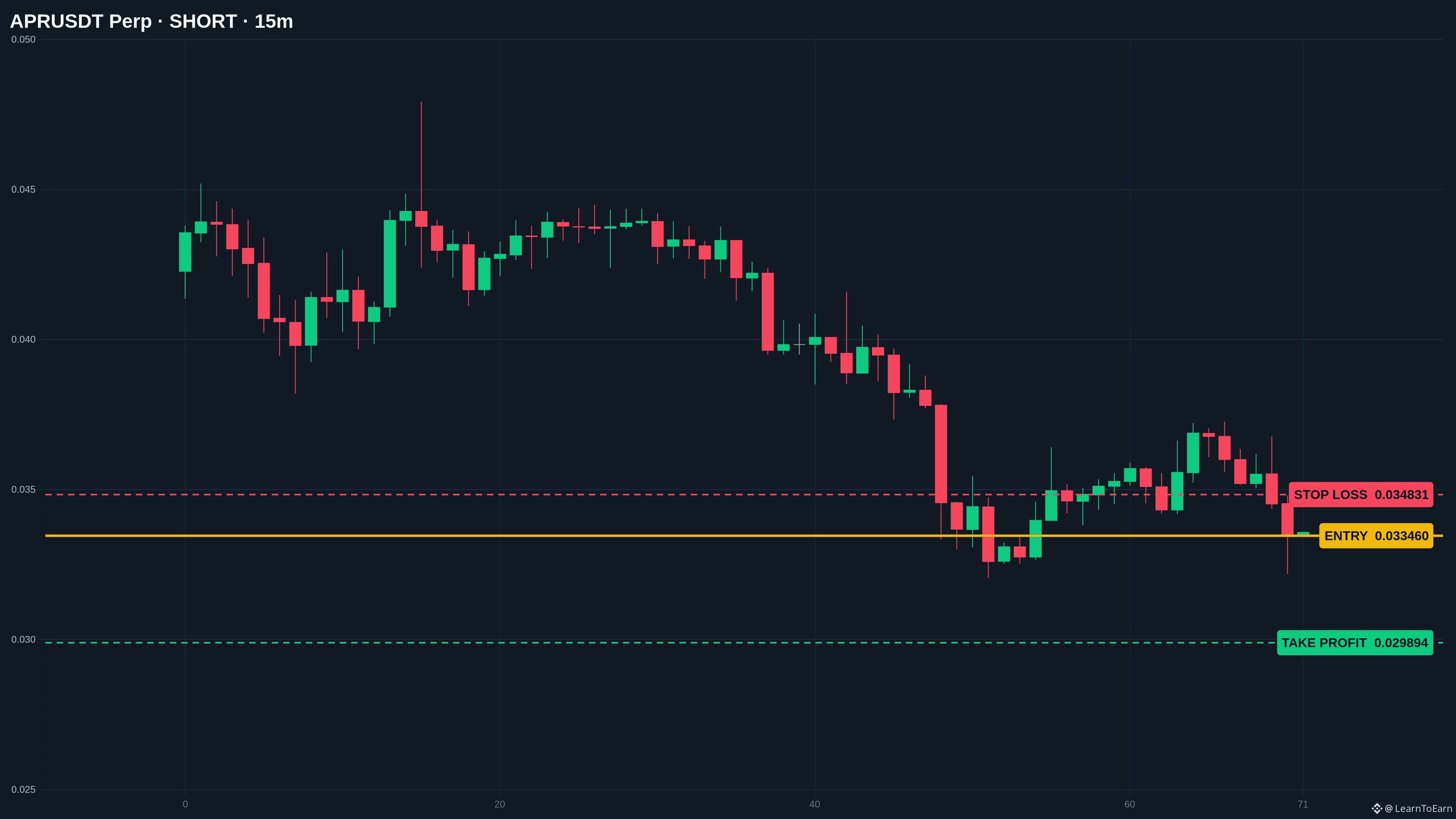
The tape is leaning with $APR ‼: the 15m structure is holding with early 5m confirmation.
Entry: 0.0332029 - 0.0337171
Stop: 0.0348314
TP1: 0.0320886
TP2: 0.0309914
TP3: 0.0298943
Risk first; let price confirm.
The tape is leaning with $APR ‼: the 15m structure is holding with early 5m confirmation.
Entry: 0.0332029 - 0.0337171
Stop: 0.0348314
TP1: 0.0320886
TP2: 0.0309914
TP3: 0.0298943
Risk first; let price confirm.
Entry: 0.0332029 - 0.0337171
Stop: 0.0348314
TP1: 0.0320886
TP2: 0.0309914
TP3: 0.0298943
Risk first; let price confirm.
1
153
·
--
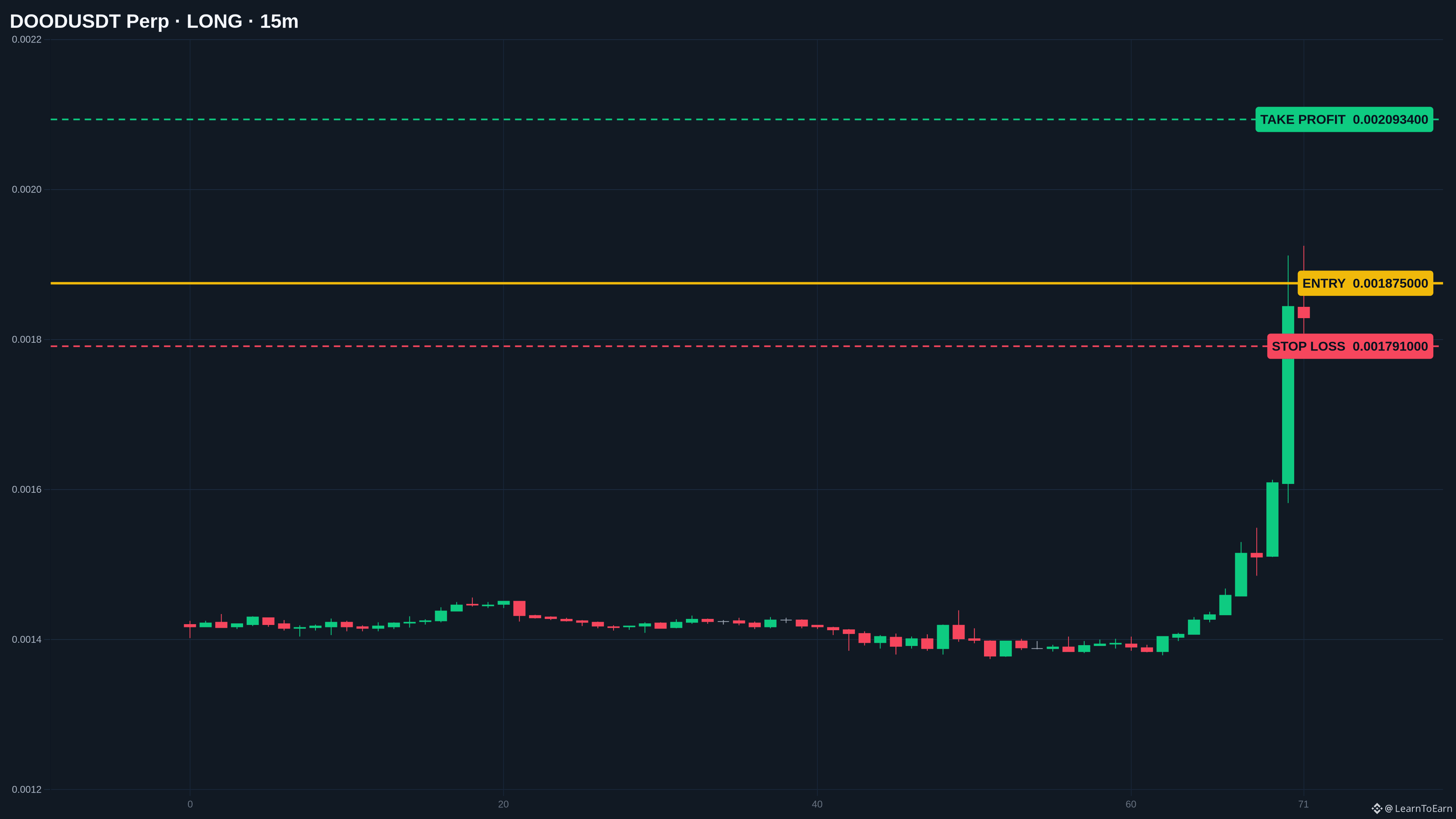
Price action is pressing on $DOOD ‼: the move is still early enough to define risk tightly.
Entry: 0.00185925 - 0.00189075
Stop: 0.00179100
TP1: 0.00195900
TP2: 0.00202620
TP3: 0.00209340
Plan the trade, then let the market work.
Price action is pressing on $DOOD ‼: the move is still early enough to define risk tightly.
Entry: 0.00185925 - 0.00189075
Stop: 0.00179100
TP1: 0.00195900
TP2: 0.00202620
TP3: 0.00209340
Plan the trade, then let the market work.
Entry: 0.00185925 - 0.00189075
Stop: 0.00179100
TP1: 0.00195900
TP2: 0.00202620
TP3: 0.00209340
Plan the trade, then let the market work.
1
2
157
·
--
🔎 $BTC — SIMPLE TECHNICAL ANALYSIS
24H Volume: $7.17B
24H Change: -0.66%
Price: 80061.60
Trend: Range / mixed
RSI(14): 73.6
EMA 9 / 21 / 50: 80049.82 / 79988.46 / 80107.65
Support: 79321.80 (0.92% away)
Resistance: 80280.60 (0.27% away)
Simple read: Trend is not fully aligned; confirmation around support/resistance matters.
#Crypto #TechnicalAnalysis $BTC
108
·
--
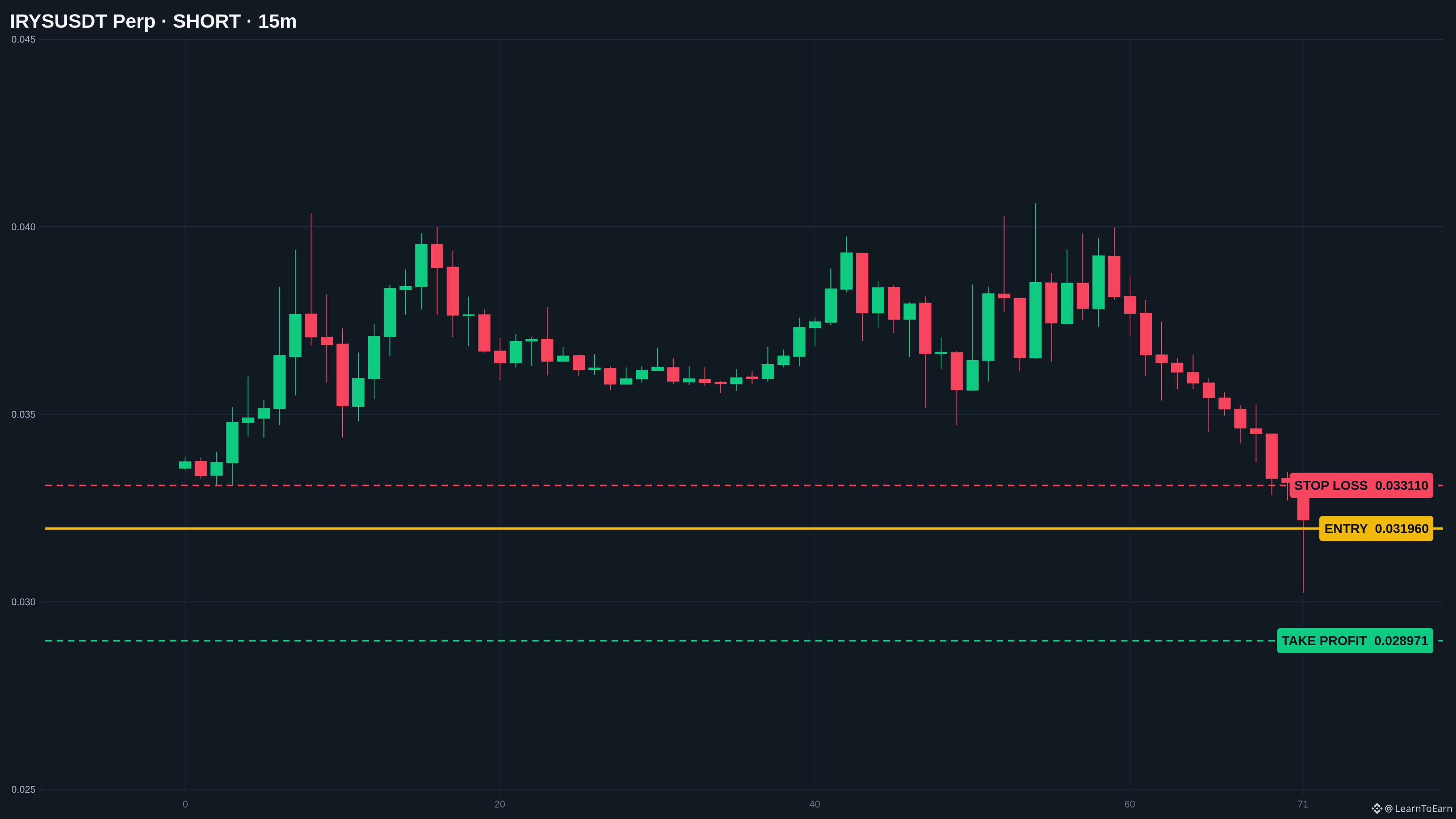
A clean momentum setup is forming on $IRYS ‼: buyers and sellers are showing a clear directional edge.
Entry: 0.0317444 - 0.0321756
Stop: 0.0331097
TP1: 0.0308103
TP2: 0.0298905
TP3: 0.0289707
No chase — levels matter.
A clean momentum setup is forming on $IRYS ‼: buyers and sellers are showing a clear directional edge.
Entry: 0.0317444 - 0.0321756
Stop: 0.0331097
TP1: 0.0308103
TP2: 0.0298905
TP3: 0.0289707
No chase — levels matter.
Entry: 0.0317444 - 0.0321756
Stop: 0.0331097
TP1: 0.0308103
TP2: 0.0298905
TP3: 0.0289707
No chase — levels matter.
122
·
--
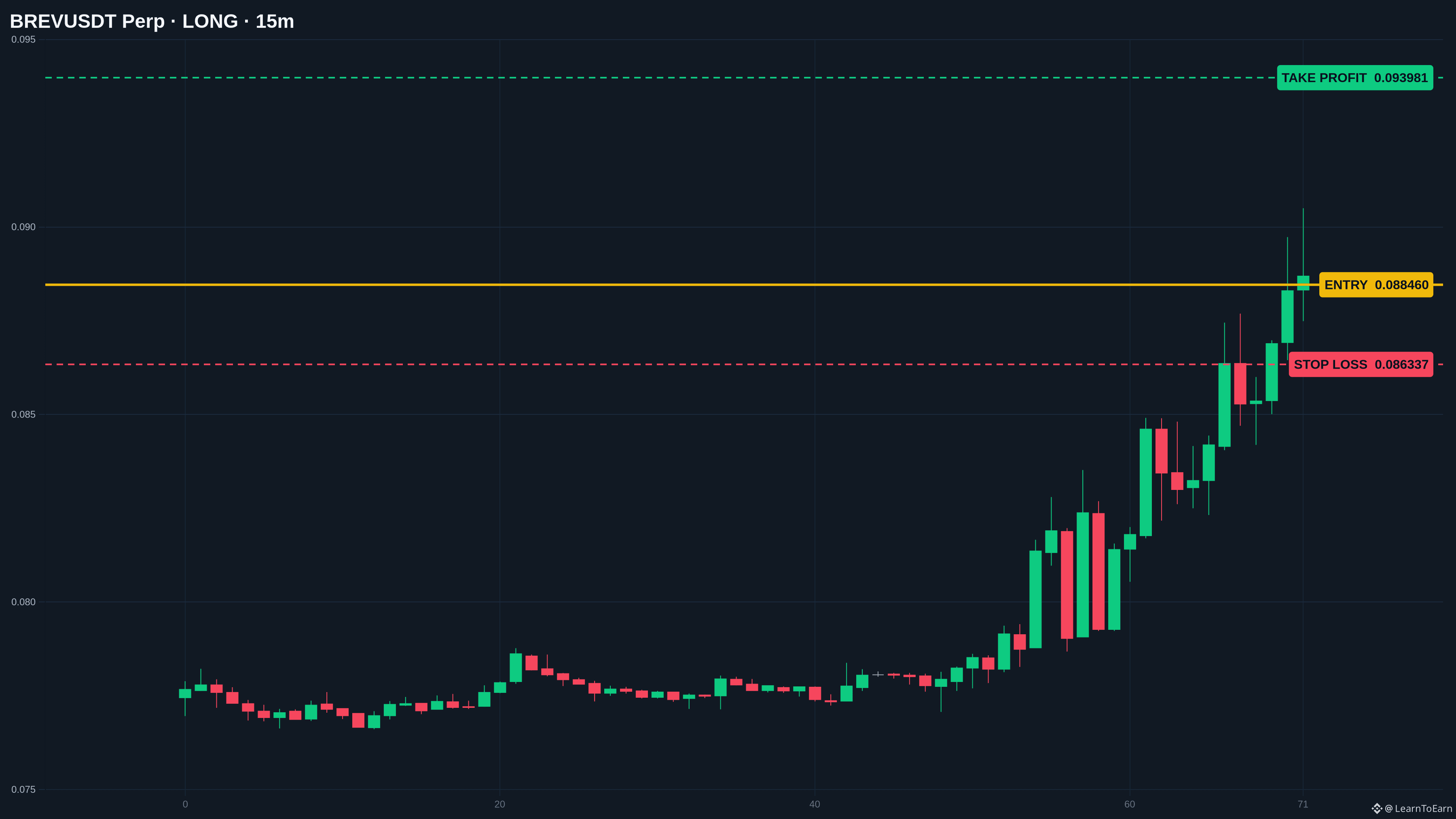
Momentum is building on $BREV ‼: volume is expanding while the 9/21/50 EMA stack stays aligned.
Entry: 0.0880619 - 0.0888581
Stop: 0.0863366
TP1: 0.0905834
TP2: 0.0922822
TP3: 0.0939809
Watching the levels closely.
Momentum is building on $BREV ‼: volume is expanding while the 9/21/50 EMA stack stays aligned.
Entry: 0.0880619 - 0.0888581
Stop: 0.0863366
TP1: 0.0905834
TP2: 0.0922822
TP3: 0.0939809
Watching the levels closely.
Entry: 0.0880619 - 0.0888581
Stop: 0.0863366
TP1: 0.0905834
TP2: 0.0922822
TP3: 0.0939809
Watching the levels closely.
141
·
--
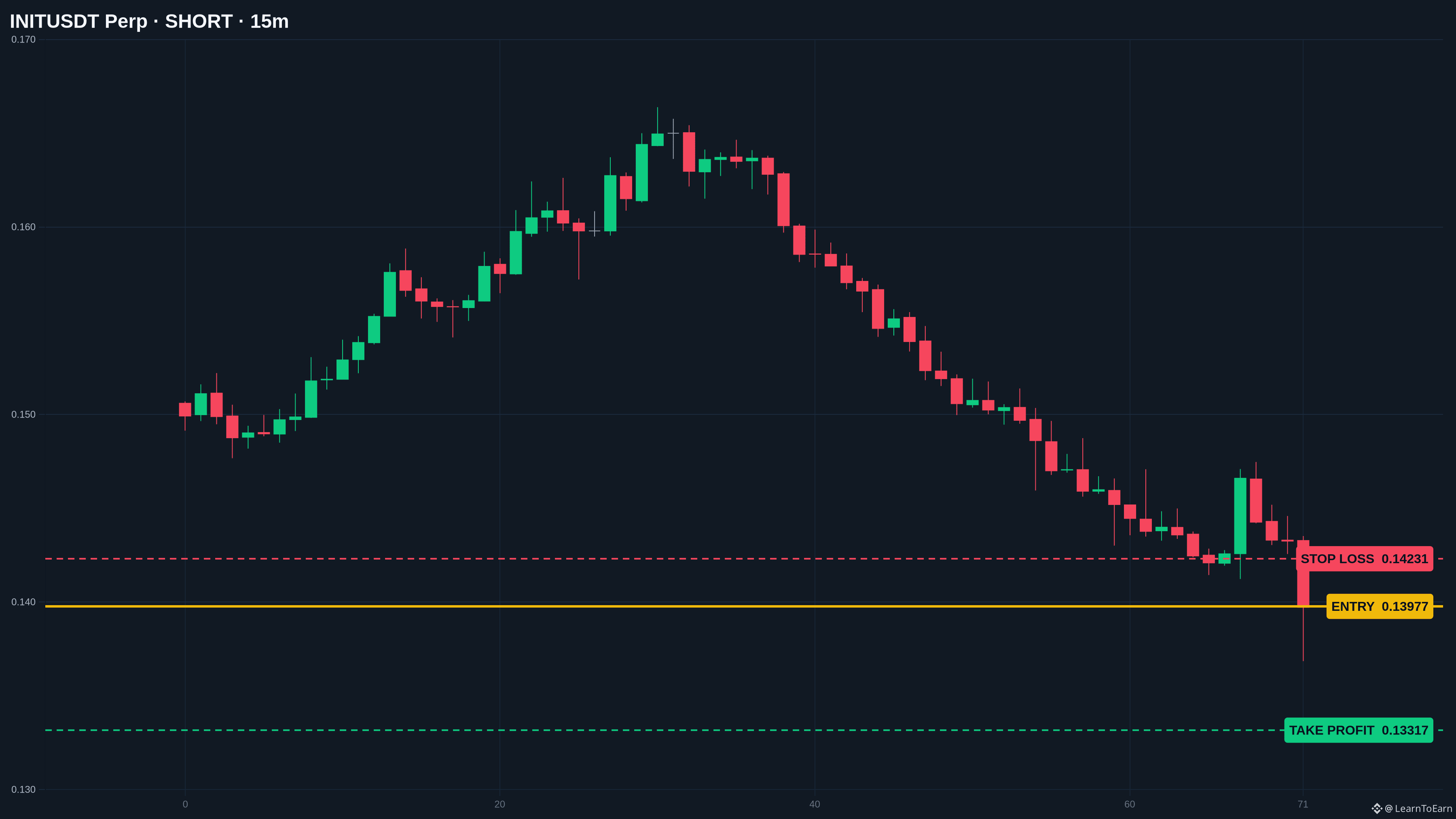
Price action is pressing on $INIT ‼: the move is still early enough to define risk tightly.
Entry: 0.139294 - 0.140246
Stop: 0.142309
TP1: 0.137231
TP2: 0.135199
TP3: 0.133167
Plan the trade, then let the market work.
Price action is pressing on $INIT ‼: the move is still early enough to define risk tightly.
Entry: 0.139294 - 0.140246
Stop: 0.142309
TP1: 0.137231
TP2: 0.135199
TP3: 0.133167
Plan the trade, then let the market work.
Entry: 0.139294 - 0.140246
Stop: 0.142309
TP1: 0.137231
TP2: 0.135199
TP3: 0.133167
Plan the trade, then let the market work.
119
·
--
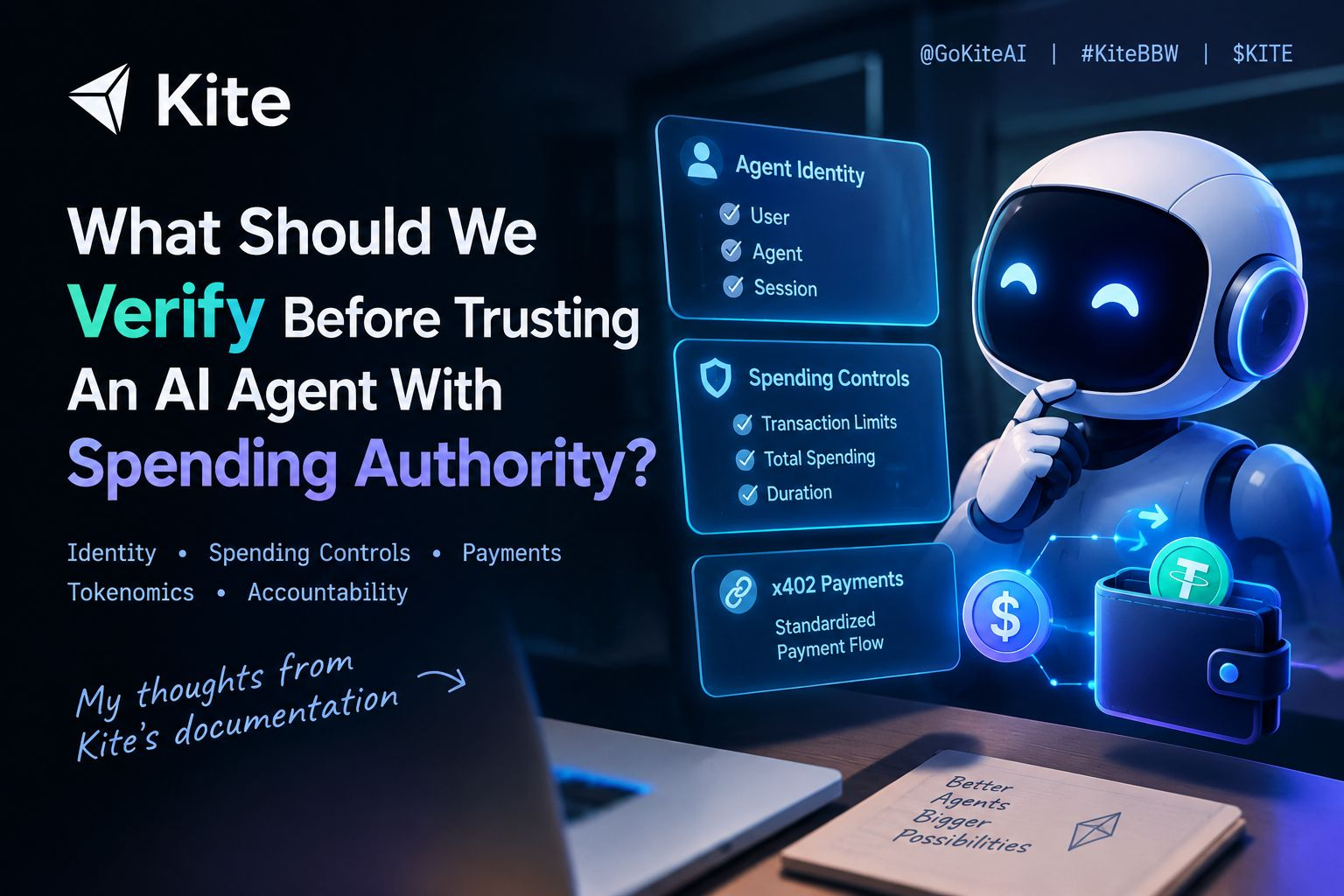
I went back through Kite’s documentation to understand a question that matters more to me than another AI narrative: what happens when an autonomous agent gets permission to spend money?
Kite’s three-layer identity model separates the user, agent and session. What caught my attention was the spending session: users can approve limits on transaction amounts, total spending and session duration before an agent pays for a service. With x402, services can request payment through a standardized HTTP-based flow.
This makes the real question less about whether an agent can transact and more about how much authority it should receive.
I also looked at Kite’s tokenomics. Its continuous reward mechanism lets participants accumulate KITE emissions, but claiming and selling those accumulated rewards permanently ends future emissions for that address. It’s an interesting incentive design, though I think its long-term effects deserve scrutiny rather than assumptions.
Will this encourage longer-term participation, or make participants reluctant to access their own rewards? And beyond the payment experience, how transparent will validator participation and governance become as the network develops?
For me, the agent economy will be worth watching when its safeguards, incentives and accountability can be examined as carefully as its capabilities.
What would you want to verify first before trusting an AI agent with spending authority?
@GoKiteAI $KITE #KiteBBW
I went back through Kite’s documentation to understand a question that matters more to me than another AI narrative: what happens when an autonomous agent gets permission to spend money?
Kite’s three-layer identity model separates the user, agent and session. What caught my attention was the spending session: users can approve limits on transaction amounts, total spending and session duration before an agent pays for a service. With x402, services can request payment through a standardized HTTP-based flow.
This makes the real question less about whether an agent can transact and more about how much authority it should receive.
I also looked at Kite’s tokenomics. Its continuous reward mechanism lets participants accumulate KITE emissions, but claiming and selling those accumulated rewards permanently ends future emissions for that address. It’s an interesting incentive design, though I think its long-term effects deserve scrutiny rather than assumptions.
Will this encourage longer-term participation, or make participants reluctant to access their own rewards? And beyond the payment experience, how transparent will validator participation and governance become as the network develops?
For me, the agent economy will be worth watching when its safeguards, incentives and accountability can be examined as carefully as its capabilities.
What would you want to verify first before trusting an AI agent with spending authority?
@KITE AI 中文 $KITE #KiteBBW
2
115
·
--
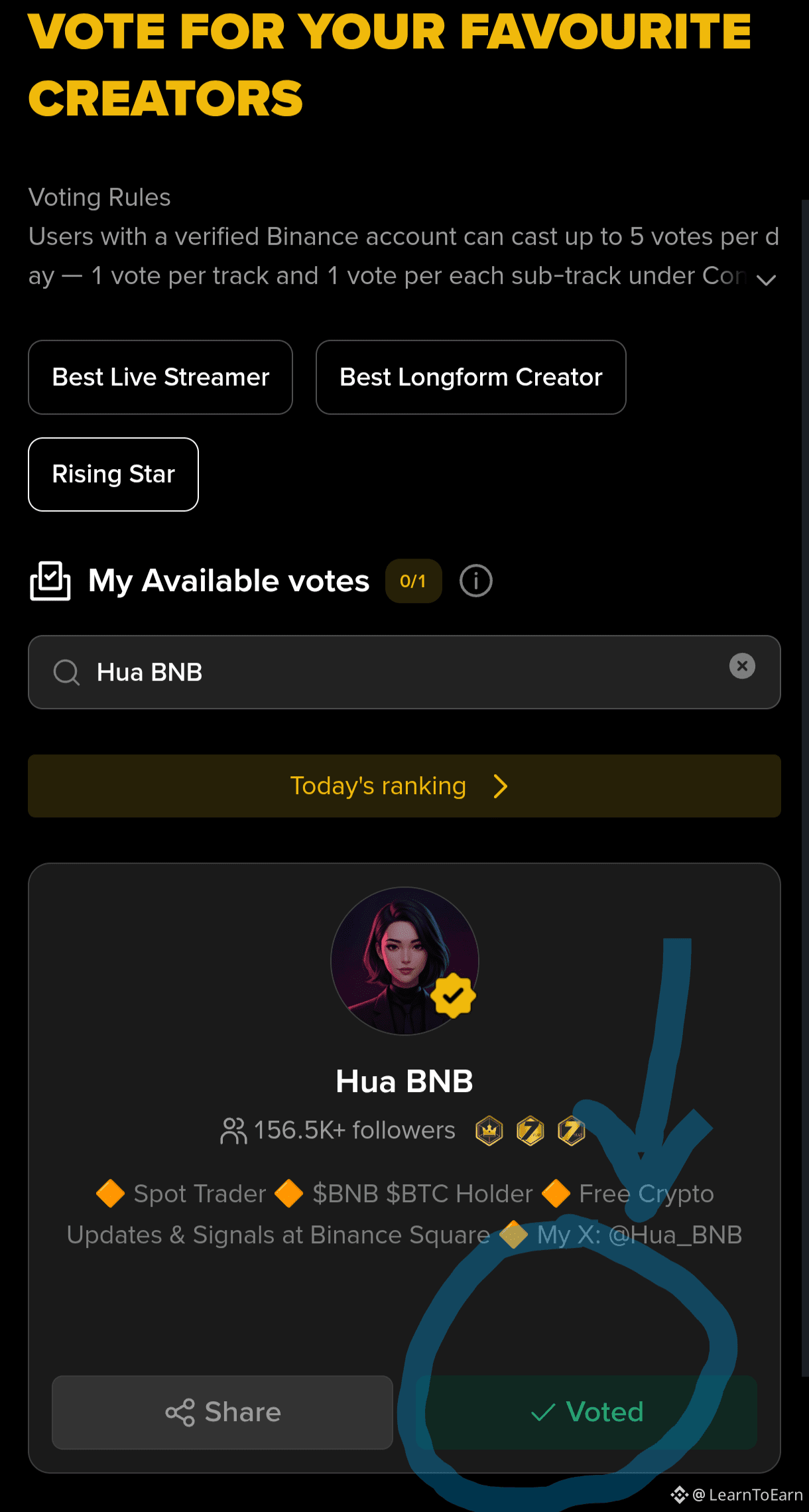
DAY 8 iS HERE!
Another day, another chance to win! Don't miss your opportunity ❤️
👇
1️⃣ VOTE HERE ❤️
Show your support for our deserving creator @Hua_BNB 🔥💛
2️⃣ Drop a ss of your vote in the reply 📸
DAY 8 iS HERE!
Another day, another chance to win! Don't miss your opportunity ❤️
👇
1️⃣ VOTE HERE ❤️
Show your support for our deserving creator @Hua BNB 🔥💛
2️⃣ Drop a ss of your vote in the reply 📸
Another day, another chance to win! Don't miss your opportunity ❤️
👇
1️⃣ VOTE HERE ❤️
Show your support for our deserving creator @Hua BNB 🔥💛
2️⃣ Drop a ss of your vote in the reply 📸
LearnToEarn
·
--
DAY 7 IS HERE!
Another day, another chance to win! Don't miss your opportunity ❤️
Here's how to get little reward 👇
1️⃣ VOTE HERE ❤️
Show your support for our deserving creator @Hua BNB 🔥💛
2️⃣ Drop a ss of your vote in the reply 📸
Another day, another chance to win! Don't miss your opportunity ❤️
Here's how to get little reward 👇
1️⃣ VOTE HERE ❤️
Show your support for our deserving creator @Hua BNB 🔥💛
2️⃣ Drop a ss of your vote in the reply 📸
58
4
235
·
--
go go few time left 🎁🎁👇👇
go go few time left 🎁🎁👇👇
LearnToEarn
·
--
DAY 7 IS HERE!
Another day, another chance to win! Don't miss your opportunity ❤️
Here's how to get little reward 👇
1️⃣ VOTE HERE ❤️
Show your support for our deserving creator @Hua BNB 🔥💛
2️⃣ Drop a ss of your vote in the reply 📸
Another day, another chance to win! Don't miss your opportunity ❤️
Here's how to get little reward 👇
1️⃣ VOTE HERE ❤️
Show your support for our deserving creator @Hua BNB 🔥💛
2️⃣ Drop a ss of your vote in the reply 📸
1
106
·
--
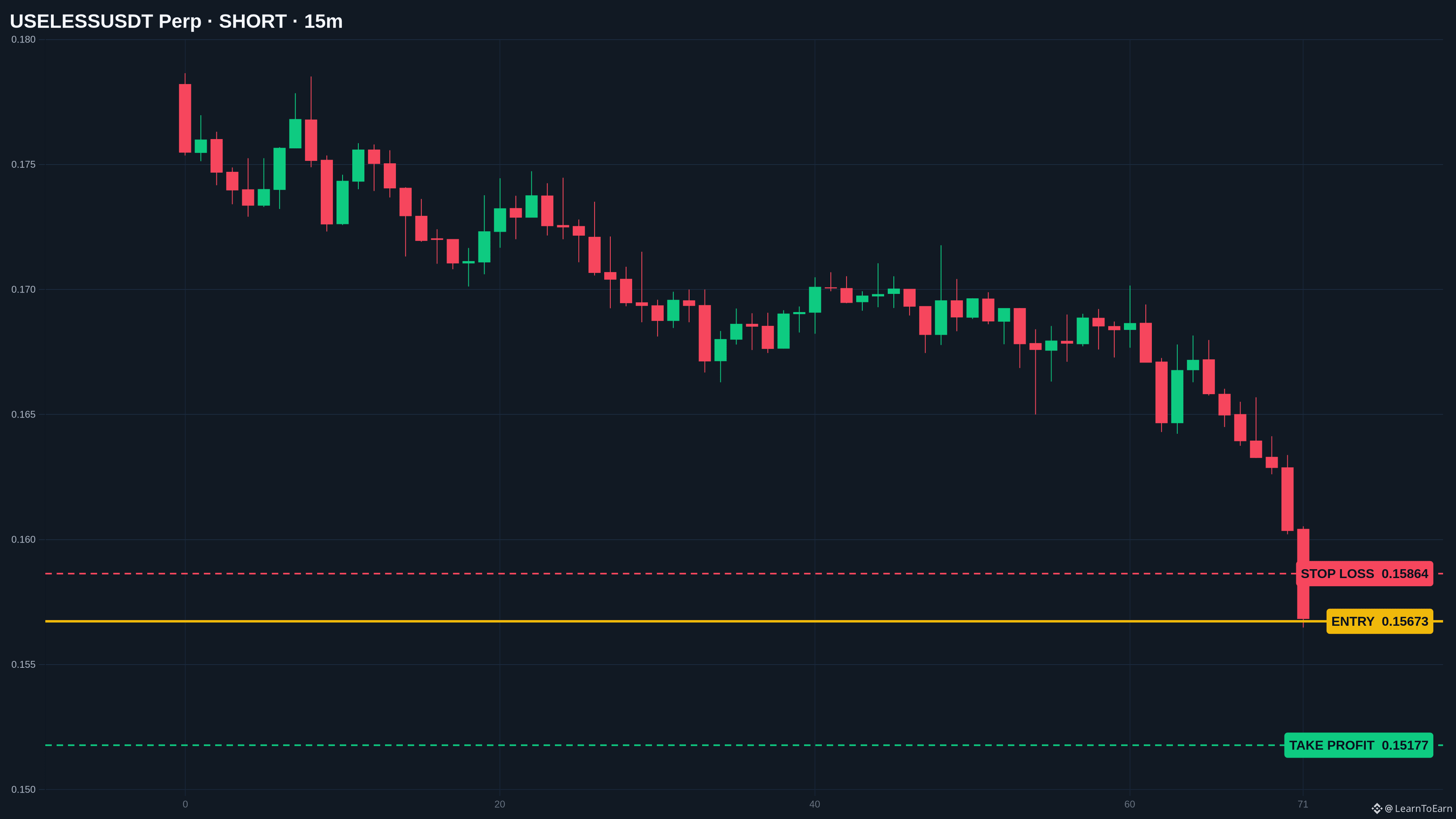
Price action is pressing on $USELESS ‼: the move is still early enough to define risk tightly.
Entry: 0.156373 - 0.157087
Stop: 0.158636
TP1: 0.154824
TP2: 0.153299
TP3: 0.151774
Plan the trade, then let the market work.
Price action is pressing on $USELESS ‼: the move is still early enough to define risk tightly.
Entry: 0.156373 - 0.157087
Stop: 0.158636
TP1: 0.154824
TP2: 0.153299
TP3: 0.151774
Plan the trade, then let the market work.
Entry: 0.156373 - 0.157087
Stop: 0.158636
TP1: 0.154824
TP2: 0.153299
TP3: 0.151774
Plan the trade, then let the market work.
1
126
·
--
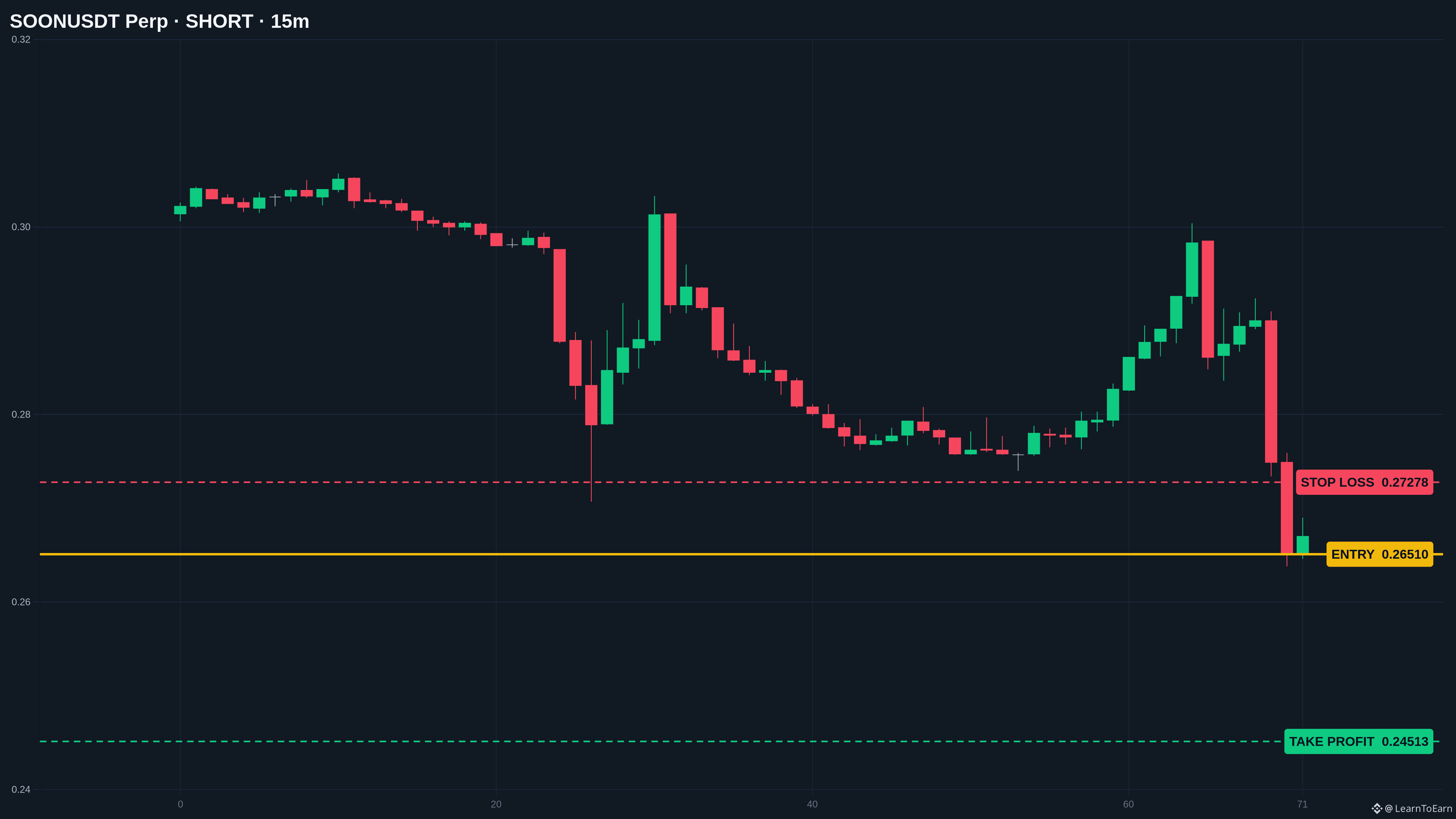
The tape is leaning with $SOON ‼: the 15m structure is holding with early 5m confirmation.
Entry: 0.263660 - 0.266540
Stop: 0.272780
TP1: 0.257420
TP2: 0.251276
TP3: 0.245132
Risk first; let price confirm.
The tape is leaning with $SOON ‼: the 15m structure is holding with early 5m confirmation.
Entry: 0.263660 - 0.266540
Stop: 0.272780
TP1: 0.257420
TP2: 0.251276
TP3: 0.245132
Risk first; let price confirm.
Entry: 0.263660 - 0.266540
Stop: 0.272780
TP1: 0.257420
TP2: 0.251276
TP3: 0.245132
Risk first; let price confirm.
1
155
Войдите, чтобы посмотреть больше материала
Присоединяйтесь к пользователям криптовалют по всему миру на Binance Square
⚡️ Получайте новейшую и полезную информацию о криптоактивах.
💬 Нам доверяет крупнейшая в мире криптобиржа.
👍 Получите достоверные аналитические данные от верифицированных создателей контента.
Эл. почта/номер телефона
В тренде
BinancekzWin
Просмотров: 32,386
93 обсуждают
МЕН ЧАТТА ЖАЙ ҒАНА ОТЫРЫП, 10 BNB ҰТЫП АЛДЫМ 😭🔥
Деп айтқым келеді, бірақ бұл шындық емес, Бірақ шындықтың өзі де керемет 💅
Жеңіл, танымдық, қызықты белсенділіктерге қатысып, қомақты сыйлықтар ұтып алу? Оңай, Binance KZ мүмкіндікке толы!
Чатта үнемі розыгрыштар болып тұрады, мен де жиі ұтып аламын. Бірақ ең басты жеңіс- өзіңе жайлы, адекватты комьюнити табу. Араласу барысында көп пайдалы нәрсе үйренесің, саудада көмектесетін білім аласың.
Тегін $50 алу приятно, ал сол білімнің арқасында оны көбейту ол менің жеңісім 💅
#BinancekzWin
Cabbage hater
·Лайков: 0
·Просмотров: 60
BinancePick
Просмотров: 2.6M
140,919 обсуждают
EarningsSeason
Просмотров: 5M
24,292 обсуждают