

A L I A N S A R I
4.7k Публикации

A L I A N S A R I
Master of Forex & Crypto Liquidity 💎 | Making the complex look simple 💸 | X:ansari_ali76454 Early to the trade, late to the noise.
373 подписок(и/а)
22.1K+ подписчиков(а)
13.0K+ понравилось
Посты
Все
Цитирования
Активно
PINNED

xRAMAD
·
--
To my amazing Binance Family! 💛
The time has come, and I’m taking a big step today. The Binance Blockchain 100 Awards for 2026 are officially live, and I need your incredible backing! 🚀
It would be a massive honor if you chose to nominate me for:
👉🏼 Content Creator of the Year – Rising Star 🌟
Taking just 60 seconds to cast your vote will leave a lasting impact on my journey. Here is a quick guide to make it super easy for you 👇
🔗 Start here:
https://www.binance.com/en/survey/34eb566781064baaacc531a8df169327
📋 How to fill out the form:
1️⃣ Are you nominating yourself? ➡️ Select: NO
2️⃣ Are you representing a person/company? ➡️ Select: YES (Type: RMAAD)
3️⃣ Who do you wish to nominate? ➡️ Type: RMAAD
4️⃣ Social Media Profiles ➡️ Copy & Paste my links:
X: https://x.com/xRMAAD
Square: https://app.binance.com/uni-qr/cpro/RMAAD?l=en&r=LK8JJR0U](https://app.binance.com/uni-qr/cpro/RMAAD?l=en&r=LK8JJR0U
5️⃣ Which category? ➡️ Select: Content Creator of the Year – Rising Star (it's the last option)
6️⃣ Why nominate me? ➡️ A short sentence about how my Web3 guides or security tips helped you would be amazing! ✨
7️⃣ & 8️⃣ ➡️ Skip these (leave them blank)
9️⃣ Nominee's contact info ➡️ Check the X (Twitter) box and paste: https://x.com/xRMAAD
For the final two questions (10 & 11), simply add your own preferred details
Being a Binance Angel and creating educational content for this space is my absolute passion. My goal is always to bring you real value, simplify Web3, and keep our community safe. Having your vote proves that we are growing stronger together 💛😇
Thank you for believing in me! 🙏✨
#Binance_Blockchain_100 #Blockchain100 #RisingStar #Binance #BinanceSquare $BNB
The time has come, and I’m taking a big step today. The Binance Blockchain 100 Awards for 2026 are officially live, and I need your incredible backing! 🚀
It would be a massive honor if you chose to nominate me for:
👉🏼 Content Creator of the Year – Rising Star 🌟
Taking just 60 seconds to cast your vote will leave a lasting impact on my journey. Here is a quick guide to make it super easy for you 👇
🔗 Start here:
https://www.binance.com/en/survey/34eb566781064baaacc531a8df169327
📋 How to fill out the form:
1️⃣ Are you nominating yourself? ➡️ Select: NO
2️⃣ Are you representing a person/company? ➡️ Select: YES (Type: RMAAD)
3️⃣ Who do you wish to nominate? ➡️ Type: RMAAD
4️⃣ Social Media Profiles ➡️ Copy & Paste my links:
X: https://x.com/xRMAAD
Square: https://app.binance.com/uni-qr/cpro/RMAAD?l=en&r=LK8JJR0U](https://app.binance.com/uni-qr/cpro/RMAAD?l=en&r=LK8JJR0U
5️⃣ Which category? ➡️ Select: Content Creator of the Year – Rising Star (it's the last option)
6️⃣ Why nominate me? ➡️ A short sentence about how my Web3 guides or security tips helped you would be amazing! ✨
7️⃣ & 8️⃣ ➡️ Skip these (leave them blank)
9️⃣ Nominee's contact info ➡️ Check the X (Twitter) box and paste: https://x.com/xRMAAD
For the final two questions (10 & 11), simply add your own preferred details
Being a Binance Angel and creating educational content for this space is my absolute passion. My goal is always to bring you real value, simplify Web3, and keep our community safe. Having your vote proves that we are growing stronger together 💛😇
Thank you for believing in me! 🙏✨
#Binance_Blockchain_100 #Blockchain100 #RisingStar #Binance #BinanceSquare $BNB


天宇-DarkShadow
·
--
Binance word of the day 👽🏆
☝️click or participate ☝️🏆👇 Comment or Claim Reward 🎁👇
☝️click or participate ☝️🏆👇 Comment or Claim Reward 🎁👇

E L E X A
·
--
🚨 IT’S LIVE 🚨
Watching is simple… but winners take action 👀
🎁 Want FREE $USDT?
💬 Comment 888
❤️ Like
🔁 Share
➕ Follow
⏳ Don’t miss your chance — spots are limited!
Drop 888 below and join now 🚀
#Crypto #USDT #Giveaway
Watching is simple… but winners take action 👀
🎁 Want FREE $USDT?
💬 Comment 888
❤️ Like
🔁 Share
➕ Follow
⏳ Don’t miss your chance — spots are limited!
Drop 888 below and join now 🚀
#Crypto #USDT #Giveaway

分析师尤斯1688
·
--
Comment to claim your bonus. 🧧🎁

Flora Firdos
·
--
🔥 $USDT PALA giveaway time! 💸👀
One lucky person from our amazing community is getting a little reward. 🎁💚
Want in? Just:
💬 Comment 999
❤️ Hit like
🔄 Repost this post
➕ Follow me
Finish all the steps and you’re entered! 🚀🍀
Who’s feeling lucky today? 👀💰
One lucky person from our amazing community is getting a little reward. 🎁💚
Want in? Just:
💬 Comment 999
❤️ Hit like
🔄 Repost this post
➕ Follow me
Finish all the steps and you’re entered! 🚀🍀
Who’s feeling lucky today? 👀💰
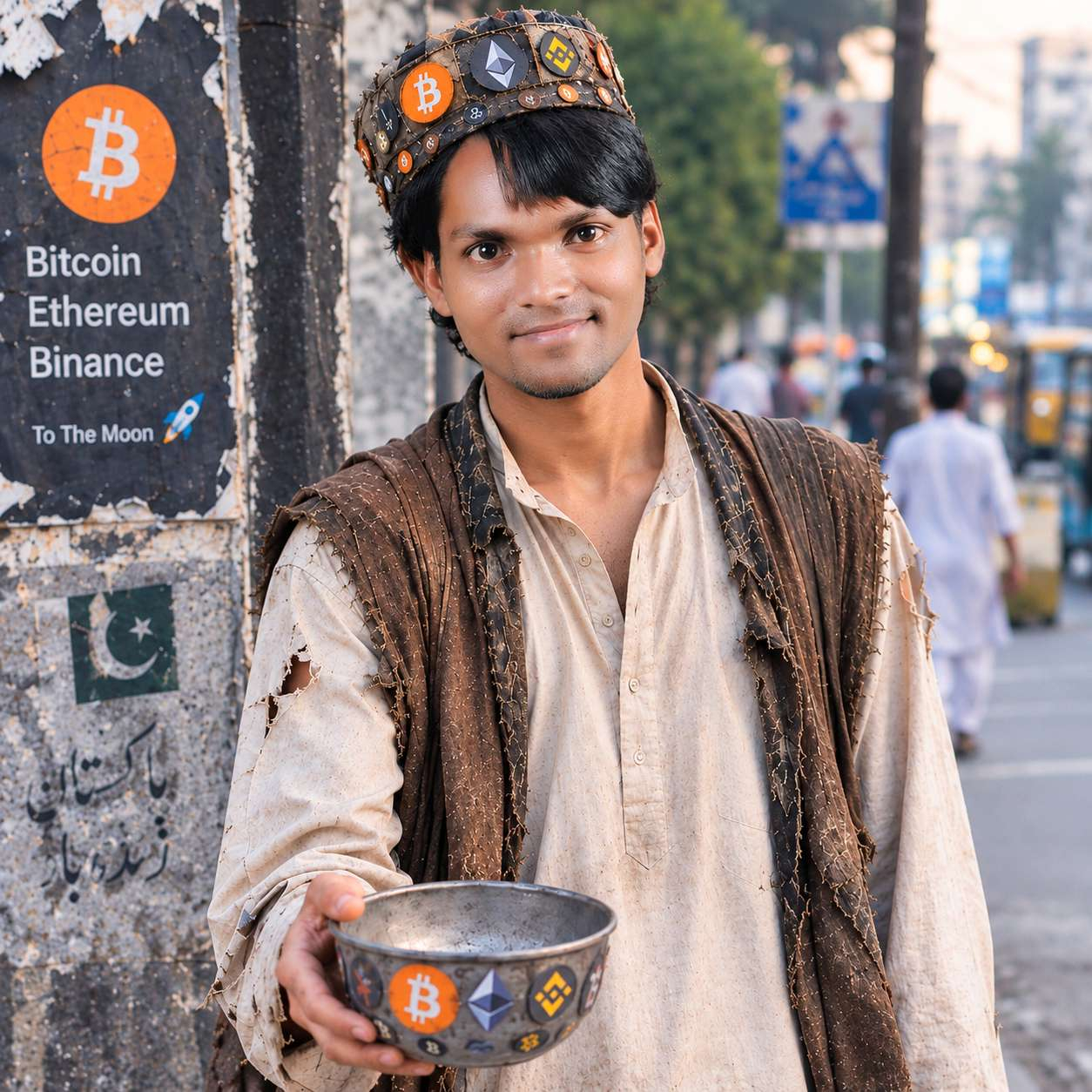
ETHcryptohub
·
--
Content Creator of the Year - Rising Star Category (ETHcryptohub )
Цитируемый контент удален
ETHcryptohub
·
--
🎁🎁🎁🎁Free Gifts for Everyone 🎁🎁🎁🎁
Comment: Yes
🚀🚀🚀🚀🚀🚀🚀🚀🚀🚀🚀🚀🚀🚀🚀
💖💖💖Like 💖💖💖 Repost 💖💖💖
#Ethcryptohub
$LUMIA $BTC
Comment: Yes
🚀🚀🚀🚀🚀🚀🚀🚀🚀🚀🚀🚀🚀🚀🚀
💖💖💖Like 💖💖💖 Repost 💖💖💖
#Ethcryptohub
$LUMIA $BTC
E L E X A
·
--
🚨 IT’S LIVE 🚨
Watching is simple… but winners take action 👀
🎁 Want FREE $USDT?
💬 Comment 888
❤️ Like
🔁 Share
➕ Follow
⏳ Don’t miss your chance — spots are limited!
Drop 888 below and join now 🚀
#Crypto #USDT #Giveaway
Watching is simple… but winners take action 👀
🎁 Want FREE $USDT?
💬 Comment 888
❤️ Like
🔁 Share
➕ Follow
⏳ Don’t miss your chance — spots are limited!
Drop 888 below and join now 🚀
#Crypto #USDT #Giveaway
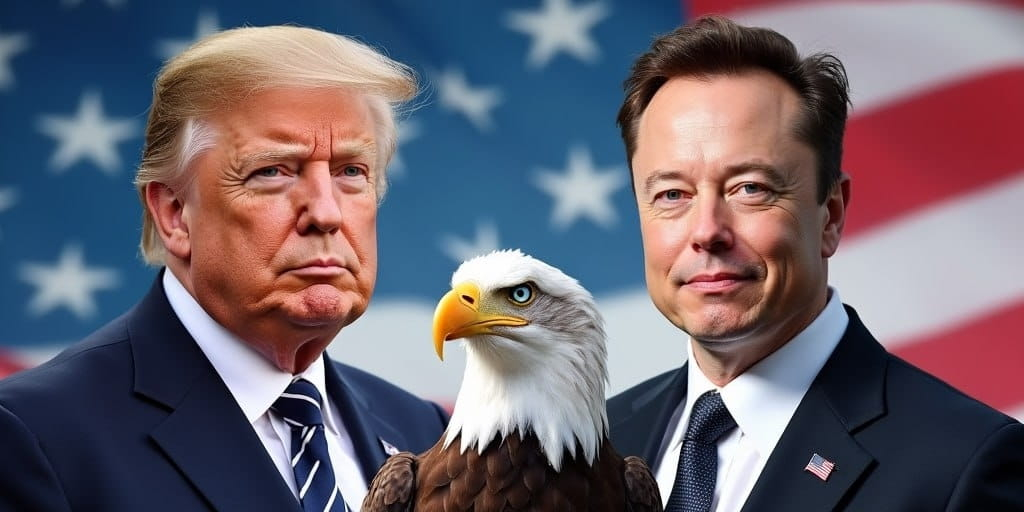
🎙️ Hawk白头鹰特朗普宠物,马斯克发推赋能,拜登立法为国鸟!维护生态平衡,传播自由理念!绝世好币,值得长期持有!
Завершено
03 ч 08 мин 37 сек
3.1k
63


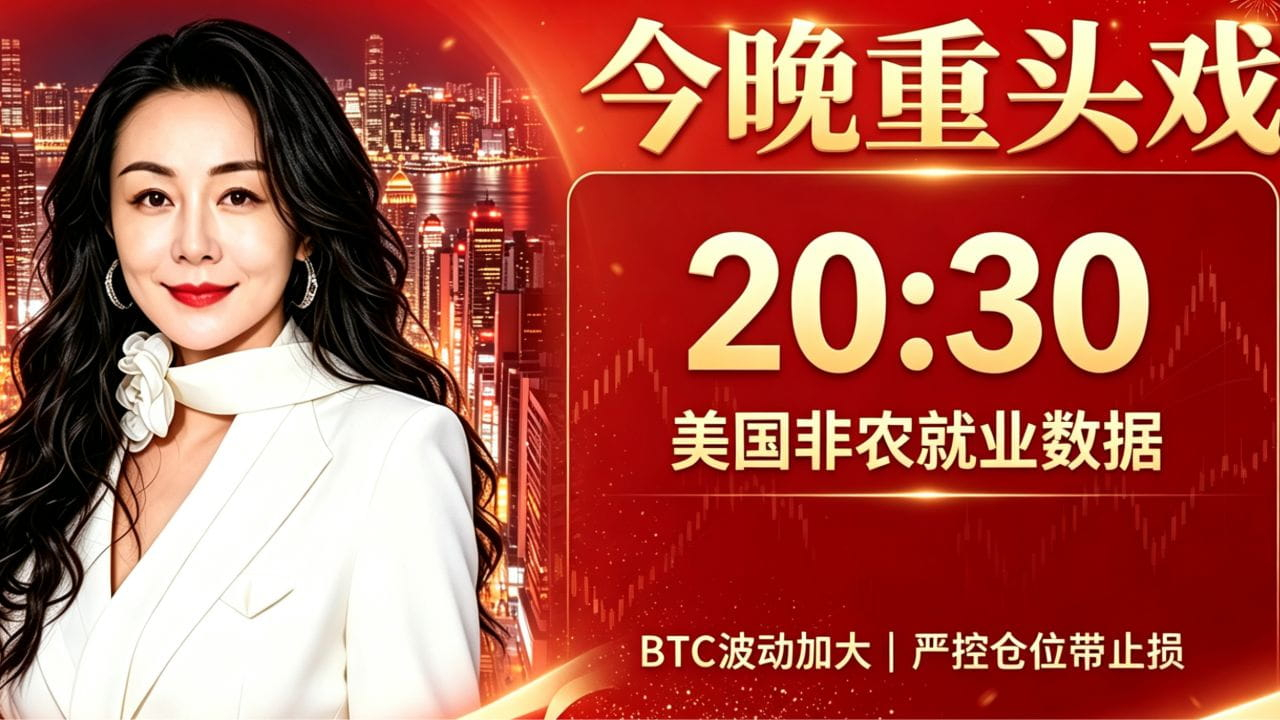
🎙️ 🔥今晚重头戏:20:30美国非农就业数据!
就业数据强弱直接影响美联储降息预期,BTC会迎来大波动
Завершено
04 ч 12 мин 59 сек
2.1k
6


Войдите, чтобы посмотреть больше материала