
Nix
834 Публикации
Nix
Отправить жалобу
Заблокировать пользователя
FACTS: The money in your bank is not yours. if you can't handle this, learn or leave. #Bitcoin ain't for tourists.
227 подписок(и/а)
446 подписчиков(а)
902 понравилось
Посты
Все
Цитирования
Видео
PINNED
·
--
Here’s a comparison of approximate banknote printing costs for major currencies
Cheapest per note: Low-denomination US and Indian notes are among the lowest in absolute cost.
• Euro notes: Average around 10 euro cents, higher than the US $1 but still very low relative to face value.
US $1/$2
4.1 cents
US $100
11.3 cents
Indian 500
$2.29 (~2.7 US cents*)
Recent
Indian $200
2.37
Euro (average)
~10 euro cents
Euro €5
~5 cents
Euro €100-€200
12-16 cents
Higher
UK £5 / £10 / £20
(polymer)
~7-8 pence
Bank o
Australian (average)
~32 Australian cents
Note P
Canadian polymer notes
~23-27 Canadian cents
Here’s a comparison of approximate banknote printing costs for major currencies
Cheapest per note: Low-denomination US and Indian notes are among the lowest in absolute cost.
• Euro notes: Average around 10 euro cents, higher than the US $1 but still very low relative to face value.
US $1/$2
4.1 cents
US $100
11.3 cents
Indian 500
$2.29 (~2.7 US cents*)
Recent
Indian $200
2.37
Euro (average)
~10 euro cents
Euro €5
~5 cents
Euro €100-€200
12-16 cents
Higher
UK £5 / £10 / £20
(polymer)
~7-8 pence
Bank o
Australian (average)
~32 Australian cents
Note P
Canadian polymer notes
~23-27 Canadian cents
Cheapest per note: Low-denomination US and Indian notes are among the lowest in absolute cost.
• Euro notes: Average around 10 euro cents, higher than the US $1 but still very low relative to face value.
US $1/$2
4.1 cents
US $100
11.3 cents
Indian 500
$2.29 (~2.7 US cents*)
Recent
Indian $200
2.37
Euro (average)
~10 euro cents
Euro €5
~5 cents
Euro €100-€200
12-16 cents
Higher
UK £5 / £10 / £20
(polymer)
~7-8 pence
Bank o
Australian (average)
~32 Australian cents
Note P
Canadian polymer notes
~23-27 Canadian cents
76
·
--
$XAUT China-related factors have contributed to the gold price decline in 2026
Gold peaked near $5,500–$5,600/oz in late January 2026 and has since fallen roughly 25–28%, trading around $4,050–$4,070/oz as of late July 2026.
Cooling retail and investment demand: China’s gold market, a major pillar of the earlier multi-year rally, cooled markedly. Shanghai Gold Exchange (SGE) withdrawals (a proxy for wholesale/physical demand) hit multi-year or decade lows in periods such as May 2026 (around 63–64 tonnes). Jewelry demand weakened due to high prices hurting affordability, and investment interest faded amid volatility and a shift toward equities.
Large gold ETF outflows: Chinese gold ETFs saw significant or record outflows (e.g., about US$2.91 billion in June 2026 alone). Investors took profits and rotated into stocks as risk appetite improved and the yuan strengthened (which amplified local gold price weakness in RMB terms).
Restrictions and shutdown of retail paper/leveraged gold trading: Major Chinese banks (including ICBC) ended or restricted individual “paper gold” products linked to the SGE, with a key deadline around July 24, 2026. This followed sharp price swings (gold dropped ~30% from the January peak),
In short, weaker Chinese retail/investment demand, ETF outflows, speculative unwinding, and the paper-trading restrictions have been meaningful contributors to the pullback, alongside global macro factors. Prices have shown some stabilization near $4,000 levels recently
$XAUT China-related factors have contributed to the gold price decline in 2026
Gold peaked near $5,500–$5,600/oz in late January 2026 and has since fallen roughly 25–28%, trading around $4,050–$4,070/oz as of late July 2026.
Cooling retail and investment demand: China’s gold market, a major pillar of the earlier multi-year rally, cooled markedly. Shanghai Gold Exchange (SGE) withdrawals (a proxy for wholesale/physical demand) hit multi-year or decade lows in periods such as May 2026 (around 63–64 tonnes). Jewelry demand weakened due to high prices hurting affordability, and investment interest faded amid volatility and a shift toward equities.
Large gold ETF outflows: Chinese gold ETFs saw significant or record outflows (e.g., about US$2.91 billion in June 2026 alone). Investors took profits and rotated into stocks as risk appetite improved and the yuan strengthened (which amplified local gold price weakness in RMB terms).
Restrictions and shutdown of retail paper/leveraged gold trading: Major Chinese banks (including ICBC) ended or restricted individual “paper gold” products linked to the SGE, with a key deadline around July 24, 2026. This followed sharp price swings (gold dropped ~30% from the January peak),
In short, weaker Chinese retail/investment demand, ETF outflows, speculative unwinding, and the paper-trading restrictions have been meaningful contributors to the pullback, alongside global macro factors. Prices have shown some stabilization near $4,000 levels recently
Gold peaked near $5,500–$5,600/oz in late January 2026 and has since fallen roughly 25–28%, trading around $4,050–$4,070/oz as of late July 2026.
Cooling retail and investment demand: China’s gold market, a major pillar of the earlier multi-year rally, cooled markedly. Shanghai Gold Exchange (SGE) withdrawals (a proxy for wholesale/physical demand) hit multi-year or decade lows in periods such as May 2026 (around 63–64 tonnes). Jewelry demand weakened due to high prices hurting affordability, and investment interest faded amid volatility and a shift toward equities.
Large gold ETF outflows: Chinese gold ETFs saw significant or record outflows (e.g., about US$2.91 billion in June 2026 alone). Investors took profits and rotated into stocks as risk appetite improved and the yuan strengthened (which amplified local gold price weakness in RMB terms).
Restrictions and shutdown of retail paper/leveraged gold trading: Major Chinese banks (including ICBC) ended or restricted individual “paper gold” products linked to the SGE, with a key deadline around July 24, 2026. This followed sharp price swings (gold dropped ~30% from the January peak),
In short, weaker Chinese retail/investment demand, ETF outflows, speculative unwinding, and the paper-trading restrictions have been meaningful contributors to the pullback, alongside global macro factors. Prices have shown some stabilization near $4,000 levels recently
169
·
--
Частичная правда
$ZEC ZEC Falls to $516 as Russia Bars Professionals From Privacy Coins
Zcash is trading at $516.54 as of July 22, 2026, down 5.43% over the past 24 hours and down 6.54% over the past week, pulling back sharply from highs near $573-600 seen earlier in July. The drop follows news that Russia’s State Duma has moved to bar professional investors from buying privacy coins like ZEC as part of a broader crypto law set to take effect September 1, 2026 — a headwind for the sector just as Zcash approaches its most important technical event of the year, the Ironwood network upgrade, targeted for activation on July 28.
$ZEC ZEC Falls to $516 as Russia Bars Professionals From Privacy Coins
Zcash is trading at $516.54 as of July 22, 2026, down 5.43% over the past 24 hours and down 6.54% over the past week, pulling back sharply from highs near $573-600 seen earlier in July. The drop follows news that Russia’s State Duma has moved to bar professional investors from buying privacy coins like ZEC as part of a broader crypto law set to take effect September 1, 2026 — a headwind for the sector just as Zcash approaches its most important technical event of the year, the Ironwood network upgrade, targeted for activation on July 28.
Zcash is trading at $516.54 as of July 22, 2026, down 5.43% over the past 24 hours and down 6.54% over the past week, pulling back sharply from highs near $573-600 seen earlier in July. The drop follows news that Russia’s State Duma has moved to bar professional investors from buying privacy coins like ZEC as part of a broader crypto law set to take effect September 1, 2026 — a headwind for the sector just as Zcash approaches its most important technical event of the year, the Ironwood network upgrade, targeted for activation on July 28.
1
1
711
·
--
Ostium loses $18M to its own oracle
Ostium is a perp DEX on Arbitrum, offering real-world assets, up to 200x leverage on S&P futures, and gold. It has over $50 billion in volume, raised $27.8 million from investors like General Catalyst, Jump Crypto, Coinbase Ventures, Wintermute, and GSR, and has multiple audits.
On July 15, an attacker drained roughly $18 million in USDC from its liquidity vault. That's around 28% of the vault's $63 million TVL, gone in one session.
The attacker compromised an Oracle signer private key, used a registered PriceUpKeep forwarder for future-dated price reports, and executed about 20 tied trades via delegated actions, creating artificial profits and cashing them out without market exposure or risk.
Ostium loses $18M to its own oracle
Ostium is a perp DEX on Arbitrum, offering real-world assets, up to 200x leverage on S&P futures, and gold. It has over $50 billion in volume, raised $27.8 million from investors like General Catalyst, Jump Crypto, Coinbase Ventures, Wintermute, and GSR, and has multiple audits.
On July 15, an attacker drained roughly $18 million in USDC from its liquidity vault. That's around 28% of the vault's $63 million TVL, gone in one session.
The attacker compromised an Oracle signer private key, used a registered PriceUpKeep forwarder for future-dated price reports, and executed about 20 tied trades via delegated actions, creating artificial profits and cashing them out without market exposure or risk.
Ostium is a perp DEX on Arbitrum, offering real-world assets, up to 200x leverage on S&P futures, and gold. It has over $50 billion in volume, raised $27.8 million from investors like General Catalyst, Jump Crypto, Coinbase Ventures, Wintermute, and GSR, and has multiple audits.
On July 15, an attacker drained roughly $18 million in USDC from its liquidity vault. That's around 28% of the vault's $63 million TVL, gone in one session.
The attacker compromised an Oracle signer private key, used a registered PriceUpKeep forwarder for future-dated price reports, and executed about 20 tied trades via delegated actions, creating artificial profits and cashing them out without market exposure or risk.
115
·
--
Частичная правда
$XAUT "Gold and silver just lost around $700B in market value in a single day. A brutal reminder that even traditional safe-haven assets can get hit hard when liquidity disappears,"
$XAUT "Gold and silver just lost around $700B in market value in a single day. A brutal reminder that even traditional safe-haven assets can get hit hard when liquidity disappears,"
1
1
1.8k
·
--
Падение
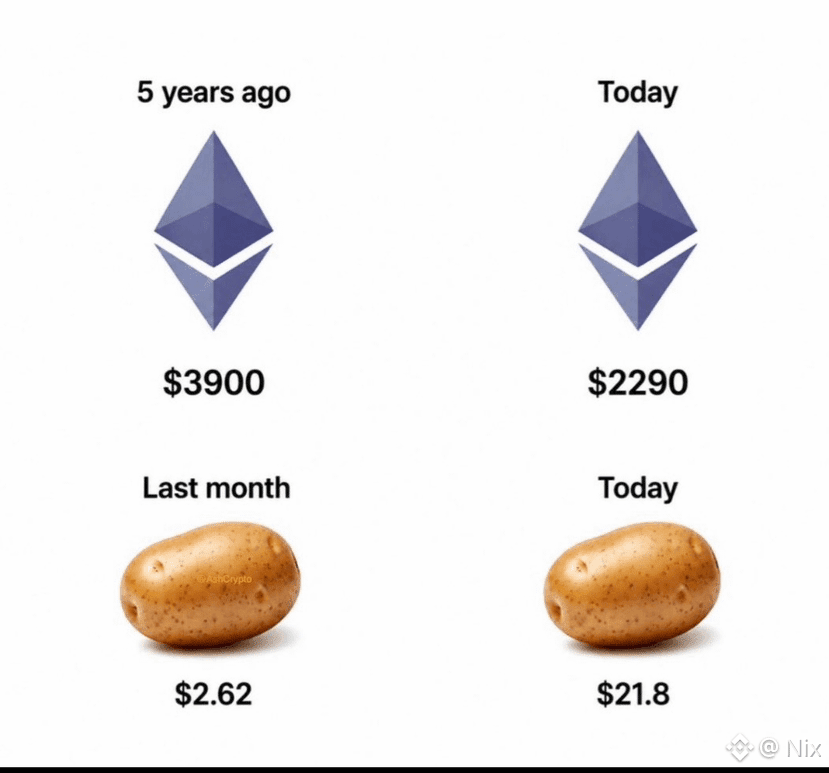
$ETH $125,000 invested in $ETH 5 years ago is now worth $73,400.
$125,000 invested in Potatoes 1 month ago is now worth $1,000,000.
ETH is getting outperformed by Potatoes.
$ETH $125,000 invested in $ETH 5 years ago is now worth $73,400.
$125,000 invested in Potatoes 1 month ago is now worth $1,000,000.
ETH is getting outperformed by Potatoes.
$125,000 invested in Potatoes 1 month ago is now worth $1,000,000.
ETH is getting outperformed by Potatoes.
74
·
--
$BTC These are the 3 $BTC levels large traders are betting on by Q3 2026:
$100,000: $287,000,000 in call notional value
$60,000: $266,000,000 in put notional value
$50,000: $252,000,000 in put notional value
Where do you think Bitcoin will go first?
$BTC These are the 3 $BTC levels large traders are betting on by Q3 2026:
$100,000: $287,000,000 in call notional value
$60,000: $266,000,000 in put notional value
$50,000: $252,000,000 in put notional value
Where do you think Bitcoin will go first?
$100,000: $287,000,000 in call notional value
$60,000: $266,000,000 in put notional value
$50,000: $252,000,000 in put notional value
Where do you think Bitcoin will go first?
94
·
--
$XRP Ripple CTO Reveals He Sold 26 Million XRP For Bitcoin, Only Holds Ripple Stock To 'Sleep Better At Night'
David Schwartz of Ripple said he sold 26 million of the company's crypto token for Bitcoin to cut direct crypto exposure and manage risk.
He said he prefers a conservative strategy, accepting the risk of missing upside to
"sleep better at night."
4 This comes as Ripple unlocked its 1 billion tokens from escrow last week.
$XRP Ripple CTO Reveals He Sold 26 Million XRP For Bitcoin, Only Holds Ripple Stock To 'Sleep Better At Night'
David Schwartz of Ripple said he sold 26 million of the company's crypto token for Bitcoin to cut direct crypto exposure and manage risk.
He said he prefers a conservative strategy, accepting the risk of missing upside to
"sleep better at night."
4 This comes as Ripple unlocked its 1 billion tokens from escrow last week.
David Schwartz of Ripple said he sold 26 million of the company's crypto token for Bitcoin to cut direct crypto exposure and manage risk.
He said he prefers a conservative strategy, accepting the risk of missing upside to
"sleep better at night."
4 This comes as Ripple unlocked its 1 billion tokens from escrow last week.
134
·
--
Sell in May and go away” is a classic stock market adage. Here’s what it means and why traders follow it:
The Phrase’s Origin
The full saying is: “Sell in May and go away, come back on St. Leger Day” (a British horse racing event in September). It suggests selling stocks in May and staying out of the market during summer months, then returning in the fall.
Historical Basis
The concept is based on observed seasonal patterns:
• Summer weakness: Historically, stock markets have shown weaker performance from May through September in the Northern Hemisphere
Seasonal trading volume: Lower trading volume during summer vacation periods can lead to thinner markets and increased volatility
• Post-earnings season: Much of the earnings season ends by May, reducing catalysts for upward movement
• Weather and psychology: Summer holidays reduce institutional trading activity and investor engagement
Sell in May and go away” is a classic stock market adage. Here’s what it means and why traders follow it:
The Phrase’s Origin
The full saying is: “Sell in May and go away, come back on St. Leger Day” (a British horse racing event in September). It suggests selling stocks in May and staying out of the market during summer months, then returning in the fall.
Historical Basis
The concept is based on observed seasonal patterns:
• Summer weakness: Historically, stock markets have shown weaker performance from May through September in the Northern Hemisphere
Seasonal trading volume: Lower trading volume during summer vacation periods can lead to thinner markets and increased volatility
• Post-earnings season: Much of the earnings season ends by May, reducing catalysts for upward movement
• Weather and psychology: Summer holidays reduce institutional trading activity and investor engagement
The Phrase’s Origin
The full saying is: “Sell in May and go away, come back on St. Leger Day” (a British horse racing event in September). It suggests selling stocks in May and staying out of the market during summer months, then returning in the fall.
Historical Basis
The concept is based on observed seasonal patterns:
• Summer weakness: Historically, stock markets have shown weaker performance from May through September in the Northern Hemisphere
Seasonal trading volume: Lower trading volume during summer vacation periods can lead to thinner markets and increased volatility
• Post-earnings season: Much of the earnings season ends by May, reducing catalysts for upward movement
• Weather and psychology: Summer holidays reduce institutional trading activity and investor engagement
2
138
·
--
$BTC $BTC liquidation clusters are building up into the FOMC tomorrow
$2,770,000,000 in long liquidation at $75K level
$4,000,000,000 in short liquidation at $80K level
Where will Bitcoin go or will it grab both?
$BTC $BTC liquidation clusters are building up into the FOMC tomorrow
$2,770,000,000 in long liquidation at $75K level
$4,000,000,000 in short liquidation at $80K level
Where will Bitcoin go or will it grab both?
$2,770,000,000 in long liquidation at $75K level
$4,000,000,000 in short liquidation at $80K level
Where will Bitcoin go or will it grab both?
1
1
110
·
--
$6,140,000,000 in long liquidation at $73K BTC.
Do you think this liquidity will get grabbed in 2026?
Interesting how the degens are so careless about profit taking.
Bull trap incoming?
3 of 5 elements of the fractal are already in place:
1 - Price trading within an ascending channel ✔️
2 - Break of structure ✔️
3 - Rejection at daily FVG ✔️
4 - Reintegration below broken structure⏳
5 - Potential channel breakdown⏳
$6,140,000,000 in long liquidation at $73K BTC.
Do you think this liquidity will get grabbed in 2026?
Interesting how the degens are so careless about profit taking.
Bull trap incoming?
3 of 5 elements of the fractal are already in place:
1 - Price trading within an ascending channel ✔️
2 - Break of structure ✔️
3 - Rejection at daily FVG ✔️
4 - Reintegration below broken structure⏳
5 - Potential channel breakdown⏳
Do you think this liquidity will get grabbed in 2026?
Interesting how the degens are so careless about profit taking.
Bull trap incoming?
3 of 5 elements of the fractal are already in place:
1 - Price trading within an ascending channel ✔️
2 - Break of structure ✔️
3 - Rejection at daily FVG ✔️
4 - Reintegration below broken structure⏳
5 - Potential channel breakdown⏳
211
·
--
$BTC just tapped $78,000.
81,898 traders were liquidated, the total liquidations came in at $171.52 million.
The liquidity map is loaded on both sides.
There are 2.5 billion dollars in long liquidations sitting below down to 75,000.
There are 1.54 billion dollars in short liquidations stacked above up to 82,000.
Which side does the market maker decide to harvest next?
$BTC just tapped $78,000.
81,898 traders were liquidated, the total liquidations came in at $171.52 million.
The liquidity map is loaded on both sides.
There are 2.5 billion dollars in long liquidations sitting below down to 75,000.
There are 1.54 billion dollars in short liquidations stacked above up to 82,000.
Which side does the market maker decide to harvest next?
81,898 traders were liquidated, the total liquidations came in at $171.52 million.
The liquidity map is loaded on both sides.
There are 2.5 billion dollars in long liquidations sitting below down to 75,000.
There are 1.54 billion dollars in short liquidations stacked above up to 82,000.
Which side does the market maker decide to harvest next?
322
·
--
Рост
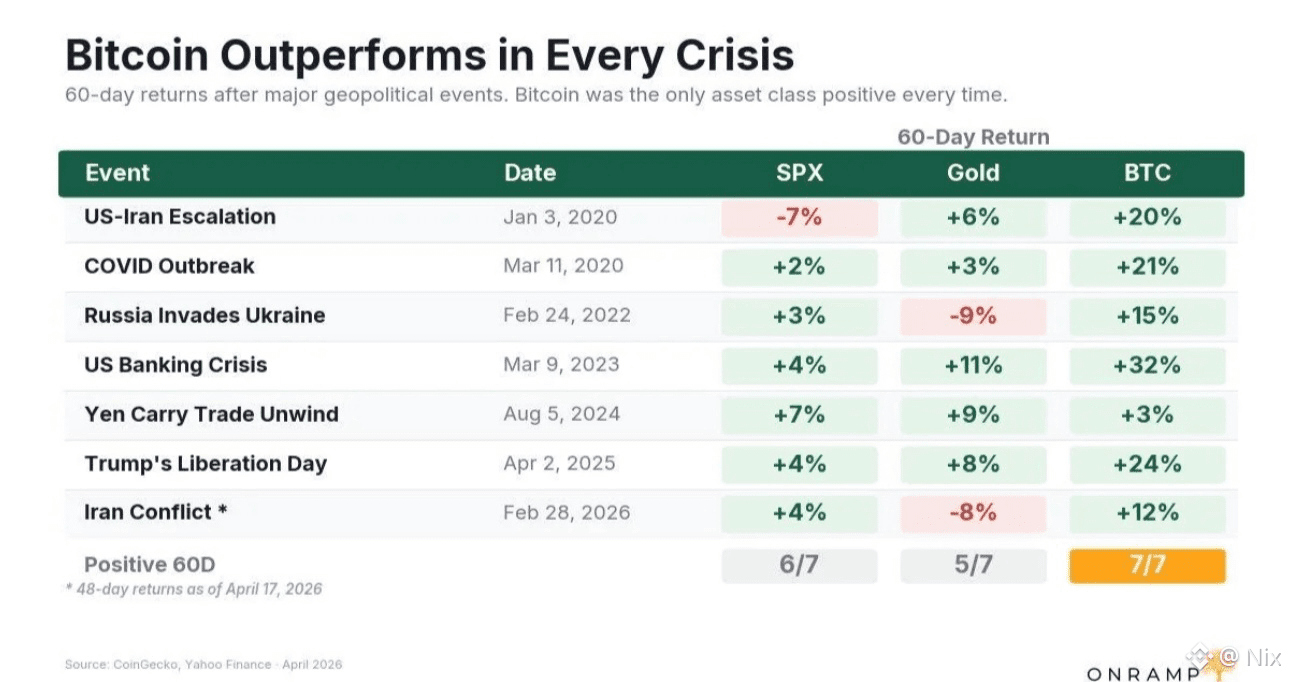
113
·
--
$TAO Bittensor Co-Founder Apologizes as Covenant AI Exit Sends $TAO Crashing
Steeves addressed $TAO holders directly, acknowledging the financial and emotional damage caused by the crisis. He described the events as deeply personal, calling Dare a former trusted colleague and friend. His statement was candid and notably free of corporate deflection.
$TAO Bittensor Co-Founder Apologizes as Covenant AI Exit Sends $TAO Crashing
Steeves addressed $TAO holders directly, acknowledging the financial and emotional damage caused by the crisis. He described the events as deeply personal, calling Dare a former trusted colleague and friend. His statement was candid and notably free of corporate deflection.
Steeves addressed $TAO holders directly, acknowledging the financial and emotional damage caused by the crisis. He described the events as deeply personal, calling Dare a former trusted colleague and friend. His statement was candid and notably free of corporate deflection.
171
·
--
Iran wants to be paid in Bitcoin.
Interesting.
Isn't $XRP faster than banks?
Isn't $SOL faster than VISA?
Isn't $ETH programmable and cheap?
Isn't $USDC stable and fast?
Maybe "speed" is just marketing.
Maybe "finality" is what matters when it comes to money (and thus freedom).
Money is worthless if it can be sanctioned, censored, confiscated, have a network hiccup, have issuers who black-list wallets, or exchanges delist them.
Iran doesn't care how fast your money is if they can't reliably receive it, hang on to it, and spend it in the future.
It's that simple.
Iran wants to be paid in Bitcoin.
Interesting.
Isn't $XRP faster than banks?
Isn't $SOL faster than VISA?
Isn't $ETH programmable and cheap?
Isn't $USDC stable and fast?
Maybe "speed" is just marketing.
Maybe "finality" is what matters when it comes to money (and thus freedom).
Money is worthless if it can be sanctioned, censored, confiscated, have a network hiccup, have issuers who black-list wallets, or exchanges delist them.
Iran doesn't care how fast your money is if they can't reliably receive it, hang on to it, and spend it in the future.
It's that simple.
Interesting.
Isn't $XRP faster than banks?
Isn't $SOL faster than VISA?
Isn't $ETH programmable and cheap?
Isn't $USDC stable and fast?
Maybe "speed" is just marketing.
Maybe "finality" is what matters when it comes to money (and thus freedom).
Money is worthless if it can be sanctioned, censored, confiscated, have a network hiccup, have issuers who black-list wallets, or exchanges delist them.
Iran doesn't care how fast your money is if they can't reliably receive it, hang on to it, and spend it in the future.
It's that simple.
1
197
·
--
Падение
$TAO Covenant AI Leaves Bittensor and Accuses Founder of Centralized Control
Will TAO Price Crash More Ahead?
Covenant AI founder Sam Dare accuses Bittensor founder Jacob Steeves of controlling the network, quoting the governance as “decentralization theatre.”
Jacob Steeves maintains effective control over the triumvirate, resists any meaningful transfer of authority, and deploys changes unilaterally whenever he chooses, without process and without consensus,” said Dare.
Notably, decentralized, permissionless AI training is not a Bittensor feature.
Covenant AI founder Sam Dare has sold all of his subnet holdings, effectively rugging Bittensor. He held more than 37,000 TAO tokens in this wallet.
Save your Money
$TAO Covenant AI Leaves Bittensor and Accuses Founder of Centralized Control
Will TAO Price Crash More Ahead?
Covenant AI founder Sam Dare accuses Bittensor founder Jacob Steeves of controlling the network, quoting the governance as “decentralization theatre.”
Jacob Steeves maintains effective control over the triumvirate, resists any meaningful transfer of authority, and deploys changes unilaterally whenever he chooses, without process and without consensus,” said Dare.
Notably, decentralized, permissionless AI training is not a Bittensor feature.
Covenant AI founder Sam Dare has sold all of his subnet holdings, effectively rugging Bittensor. He held more than 37,000 TAO tokens in this wallet.
Save your Money
Will TAO Price Crash More Ahead?
Covenant AI founder Sam Dare accuses Bittensor founder Jacob Steeves of controlling the network, quoting the governance as “decentralization theatre.”
Jacob Steeves maintains effective control over the triumvirate, resists any meaningful transfer of authority, and deploys changes unilaterally whenever he chooses, without process and without consensus,” said Dare.
Notably, decentralized, permissionless AI training is not a Bittensor feature.
Covenant AI founder Sam Dare has sold all of his subnet holdings, effectively rugging Bittensor. He held more than 37,000 TAO tokens in this wallet.
Save your Money
1
334
Войдите, чтобы посмотреть больше материала
Присоединяйтесь к пользователям криптовалют по всему миру на Binance Square
⚡️ Получайте новейшую и полезную информацию о криптоактивах.
💬 Нам доверяет крупнейшая в мире криптобиржа.
👍 Получите достоверные аналитические данные от верифицированных создателей контента.
Эл. почта/номер телефона
В тренде
BOJRaisesRatesTo31YearHigh
Просмотров: 161,137
2,483 обсуждают
#BOJRaisesRatesTo31YearHigh
#BOJRaisesRatesTo31YearHigh 🇯🇵📈
The Bank of Japan has taken another major step by raising interest rates to their highest level in 31 years, putting global markets on alert. The move signals a continued shift away from Japan’s long-standing ultra-loose monetary policy. Higher Japanese rates could strengthen the yen, influence global bond yields, and potentially impact capital flows across financial markets. Crypto and risk assets may also react as investors reassess liquidity and risk exposure. Traders are now watching the BOJ’s next statements closely for clues about future rate decisions. Volatility could increase as markets digest the policy change and its potential global impact. #BOJ #Japan #Crypto #Markets #InterestRates $NVDAB
maqsoodahmed1
·Лайков: 1
·Просмотров: 315
BuffettStepsDownAsBerkshireChairman
Просмотров: 77,276
1,267 обсуждают
XRPExchangeReservesHitSevenYearLow
Просмотров: 84,454
1,138 обсуждают