

BlockchainCreator
18.5k Публикации

BlockchainCreator
Отправить жалобу
Заблокировать пользователя
Exploring the Future of Crypto | Deep Dives | Market Stories | DYOR 📈 | X: @BlockCreatorX🔷
Открытая сделка
Случайный трейдер
5 г
6.9K+ подписок(и/а)
24.2K+ подписчиков(а)
13.6K+ понравилось
Посты
Портфель
Все
Цитирования
Видео
PINNED
The real problem with public blockchains isn't always what people can see. It's what they can learn before an action happens.
Think about placing a stop-loss order or submitting a bid in an auction. If your intentions become visible too early, someone else may use that information against you. Transparency is useful for verification, but it can be costly when every move reveals part of your strategy.
This is the problem I find interesting about Nillion.
Instead of focusing only on hiding transaction data, Nillion is exploring how to keep the instructions behind an action private until the right conditions are met. Its Covenants concept could make that possible without abandoning public blockchain settlement.
The first release, Dusk, is now live on Ethereum mainnet, introducing price- and time-based conditions. That creates some practical possibilities: conditional trading instructions, sealed bids, and payments that execute at a specified time.
Still, a mainnet launch is a starting point, not proof of long-term adoption.
The harder questions come with real usage. Can these instructions execute reliably? Are the costs reasonable? Can developers integrate them without adding unnecessary complexity? And how will applications balance confidentiality with compliance and accountability?
These details matter more than the vision alone.
Dusk represents the first era of Nillion's seven-era roadmap. Future developments may expand what Covenants can support, but the value will depend on what actually works in production.
My take: Nillion is addressing a genuine weakness in transparent markets. If it can make private instructions practical, affordable, and dependable, developers may have a compelling reason to adopt it.
The technology is worth watching, but execution will decide its place.
@nillionnetwork $NIL #NIL
The real problem with public blockchains isn't always what people can see. It's what they can learn before an action happens.
Think about placing a stop-loss order or submitting a bid in an auction. If your intentions become visible too early, someone else may use that information against you. Transparency is useful for verification, but it can be costly when every move reveals part of your strategy.
This is the problem I find interesting about Nillion.
Instead of focusing only on hiding transaction data, Nillion is exploring how to keep the instructions behind an action private until the right conditions are met. Its Covenants concept could make that possible without abandoning public blockchain settlement.
The first release, Dusk, is now live on Ethereum mainnet, introducing price- and time-based conditions. That creates some practical possibilities: conditional trading instructions, sealed bids, and payments that execute at a specified time.
Still, a mainnet launch is a starting point, not proof of long-term adoption.
The harder questions come with real usage. Can these instructions execute reliably? Are the costs reasonable? Can developers integrate them without adding unnecessary complexity? And how will applications balance confidentiality with compliance and accountability?
These details matter more than the vision alone.
Dusk represents the first era of Nillion's seven-era roadmap. Future developments may expand what Covenants can support, but the value will depend on what actually works in production.
My take: Nillion is addressing a genuine weakness in transparent markets. If it can make private instructions practical, affordable, and dependable, developers may have a compelling reason to adopt it.
The technology is worth watching, but execution will decide its place.
@Nillion $NIL #NIL
Think about placing a stop-loss order or submitting a bid in an auction. If your intentions become visible too early, someone else may use that information against you. Transparency is useful for verification, but it can be costly when every move reveals part of your strategy.
This is the problem I find interesting about Nillion.
Instead of focusing only on hiding transaction data, Nillion is exploring how to keep the instructions behind an action private until the right conditions are met. Its Covenants concept could make that possible without abandoning public blockchain settlement.
The first release, Dusk, is now live on Ethereum mainnet, introducing price- and time-based conditions. That creates some practical possibilities: conditional trading instructions, sealed bids, and payments that execute at a specified time.
Still, a mainnet launch is a starting point, not proof of long-term adoption.
The harder questions come with real usage. Can these instructions execute reliably? Are the costs reasonable? Can developers integrate them without adding unnecessary complexity? And how will applications balance confidentiality with compliance and accountability?
These details matter more than the vision alone.
Dusk represents the first era of Nillion's seven-era roadmap. Future developments may expand what Covenants can support, but the value will depend on what actually works in production.
My take: Nillion is addressing a genuine weakness in transparent markets. If it can make private instructions practical, affordable, and dependable, developers may have a compelling reason to adopt it.
The technology is worth watching, but execution will decide its place.
@Nillion $NIL #NIL
4
4
104
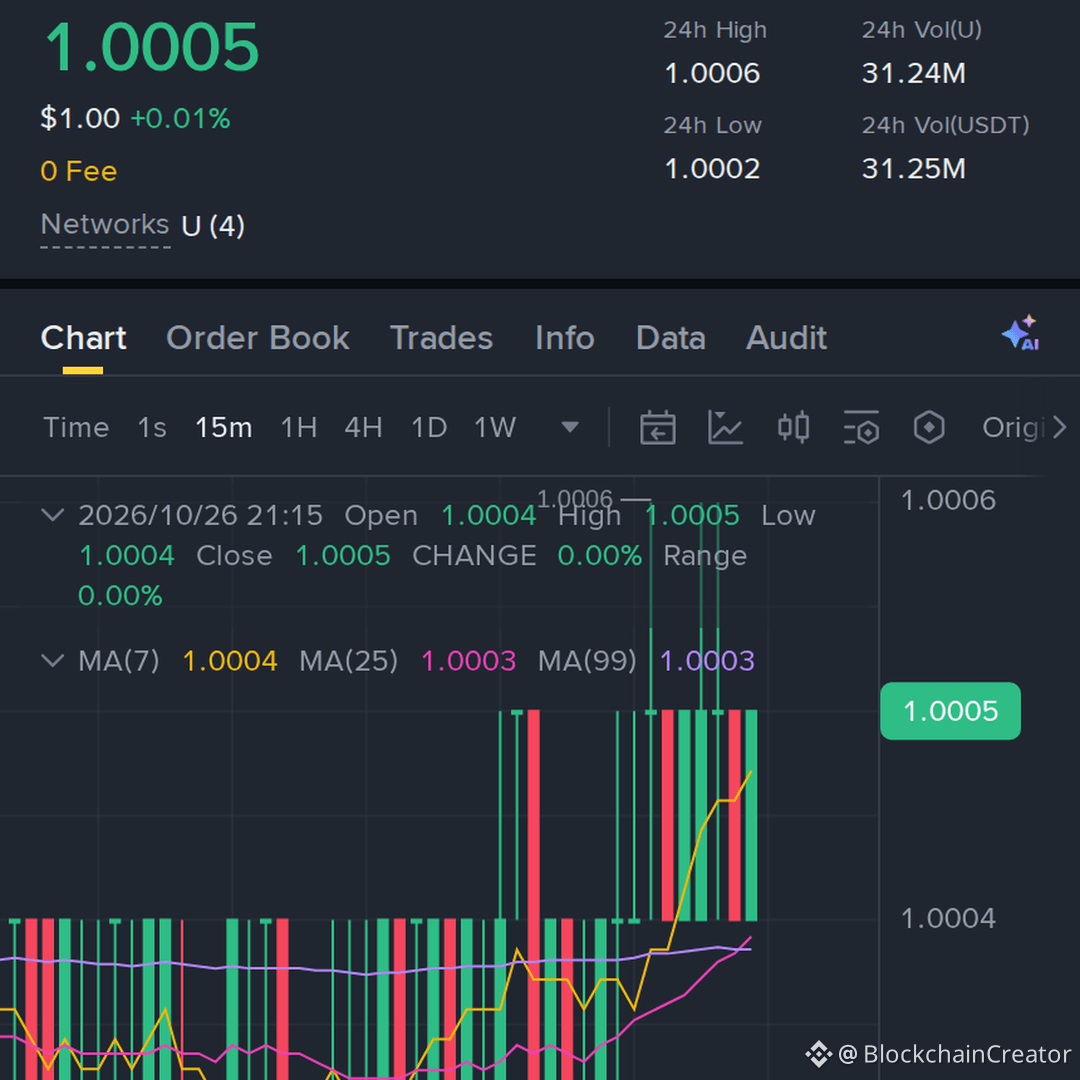
looks like $U, keeping leverage around 43x, is finding buyers again around the pullback zone
Entry: 1.0005–1.0005
TP1: 1.023 → TP2: 1.0416 → TP3: 1.0672
Stop Loss: 0.9845
looks like $U , keeping leverage around 43x, is finding buyers again around the pullback zone
Entry: 1.0005–1.0005
TP1: 1.023 → TP2: 1.0416 → TP3: 1.0672
Stop Loss: 0.9845
Entry: 1.0005–1.0005
TP1: 1.023 → TP2: 1.0416 → TP3: 1.0672
Stop Loss: 0.9845
1
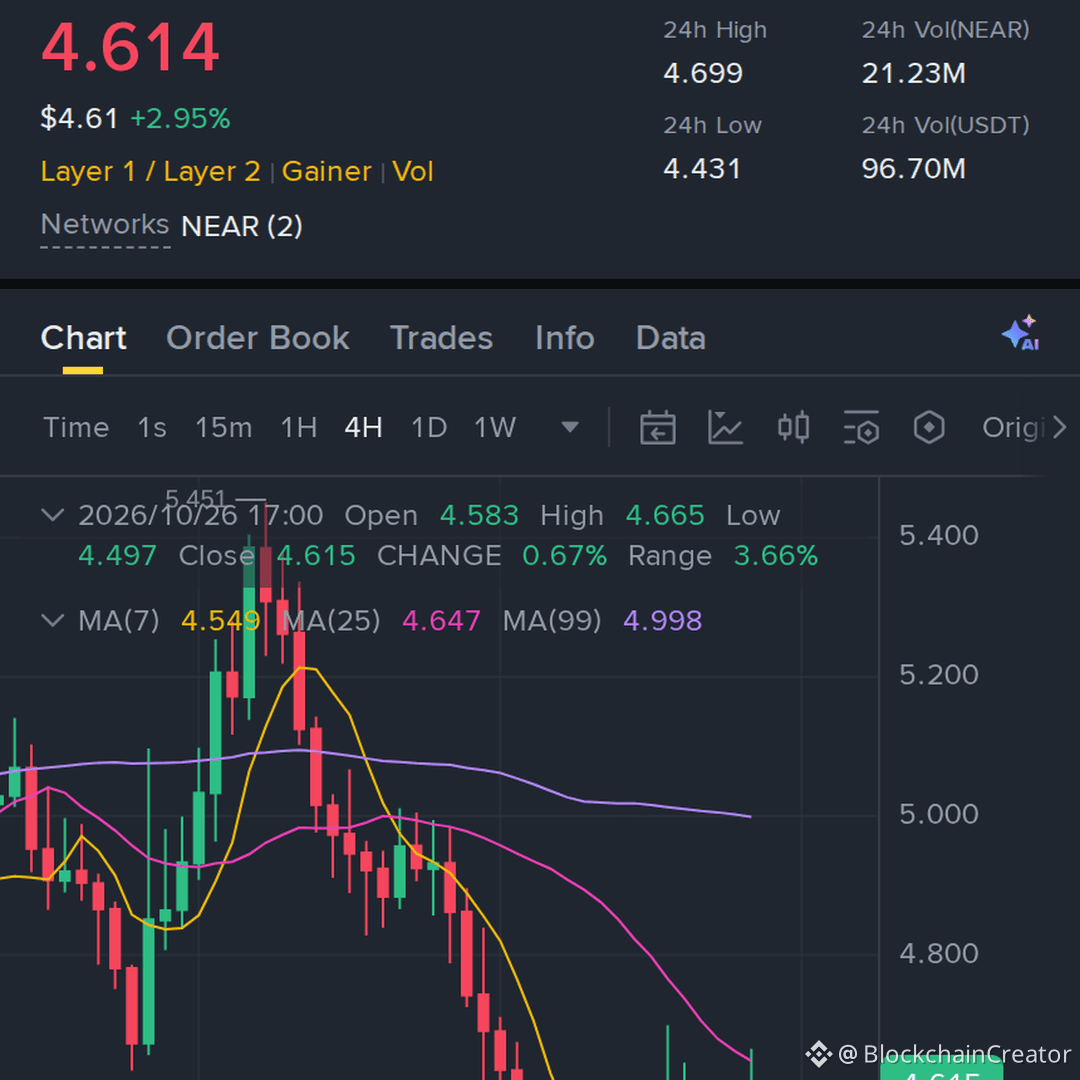
price action on $NEAR, is building again after the rebound
Entry: 4.576–4.622 | Stop Loss: 4.318
TP1: 4.829 / TP2: 5.036 / TP3: 5.243
price action on $NEAR , is building again after the rebound
Entry: 4.576–4.622 | Stop Loss: 4.318
TP1: 4.829 / TP2: 5.036 / TP3: 5.243
Entry: 4.576–4.622 | Stop Loss: 4.318
TP1: 4.829 / TP2: 5.036 / TP3: 5.243
115
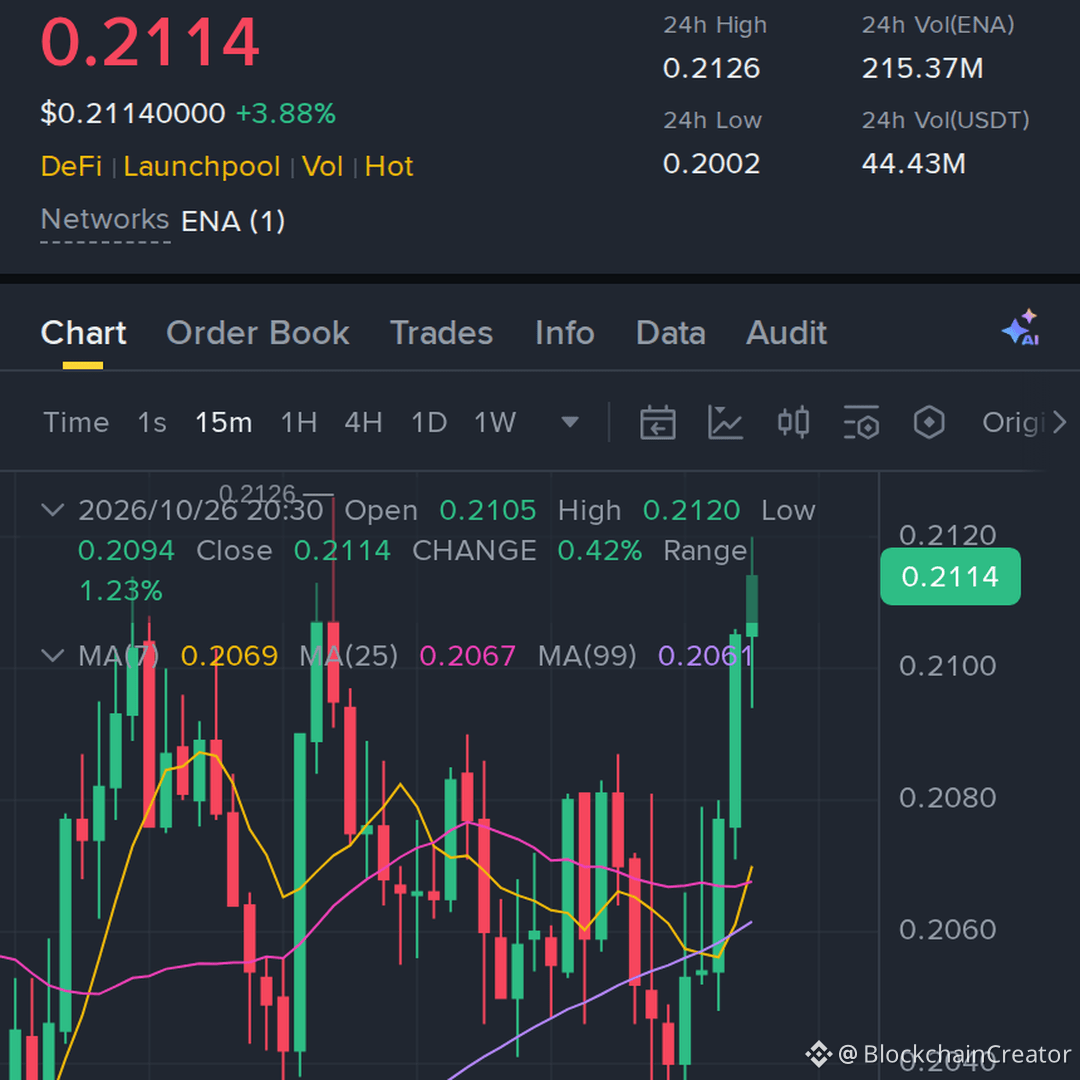
the reaction on $ENA, keeping leverage around 43x, just pushed through the level and buyers are still holding it
Entry: 0.2108–0.2116 | TP1: 0.2175 / TP2: 0.2228 / TP3: 0.2281 | Stop Loss: 0.2014
the reaction on $ENA , keeping leverage around 43x, just pushed through the level and buyers are still holding it
Entry: 0.2108–0.2116 | TP1: 0.2175 / TP2: 0.2228 / TP3: 0.2281 | Stop Loss: 0.2014
Entry: 0.2108–0.2116 | TP1: 0.2175 / TP2: 0.2228 / TP3: 0.2281 | Stop Loss: 0.2014
54
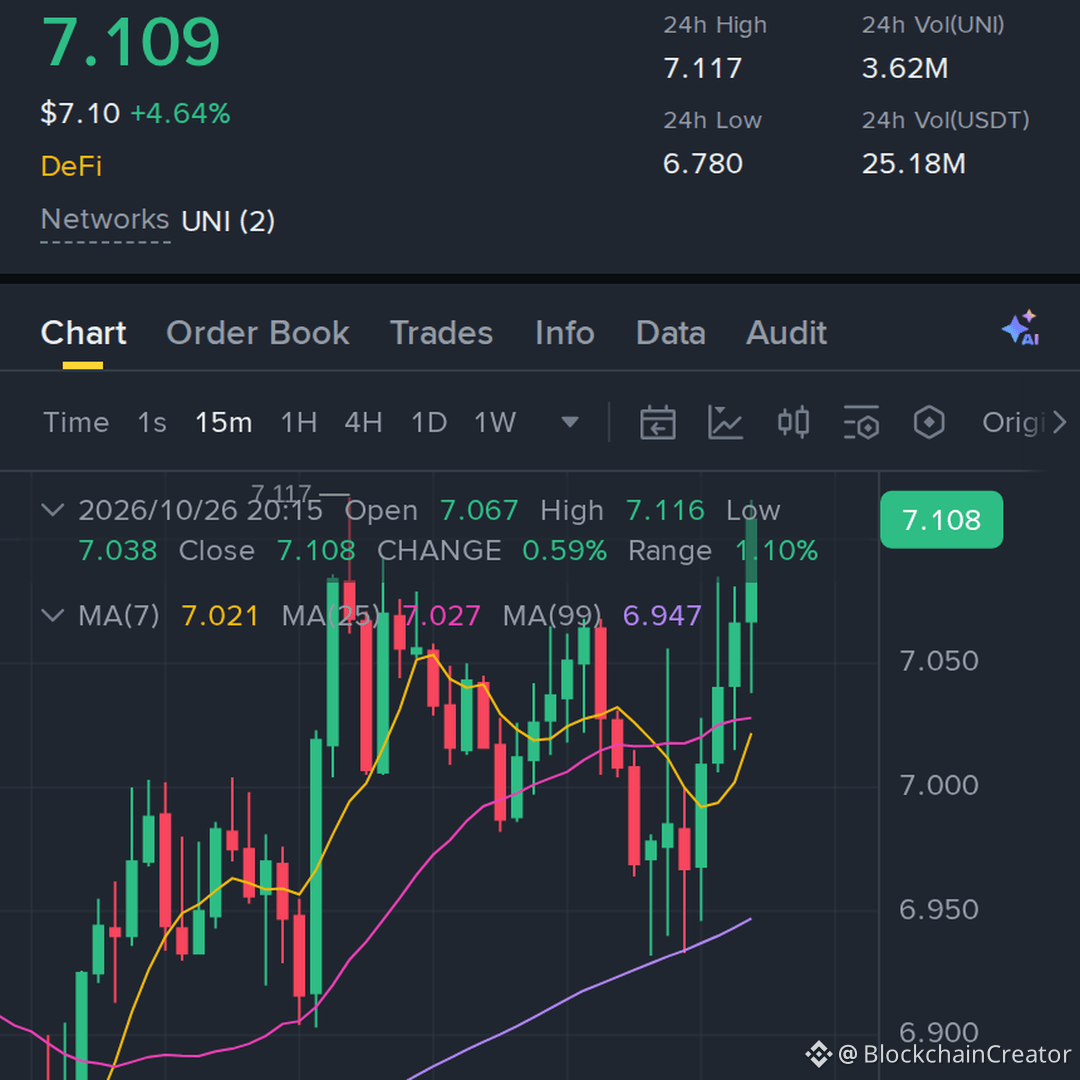
the reaction on $UNI, with a 23x leverage plan, is holding above the breakout and momentum is staying firm
Entry: 7.097–7.116
TP1: 7.32 → TP2: 7.497 → TP3: 7.675
Stop Loss: 6.918
the reaction on $UNI , with a 23x leverage plan, is holding above the breakout and momentum is staying firm
Entry: 7.097–7.116
TP1: 7.32 → TP2: 7.497 → TP3: 7.675
Stop Loss: 6.918
Entry: 7.097–7.116
TP1: 7.32 → TP2: 7.497 → TP3: 7.675
Stop Loss: 6.918
109
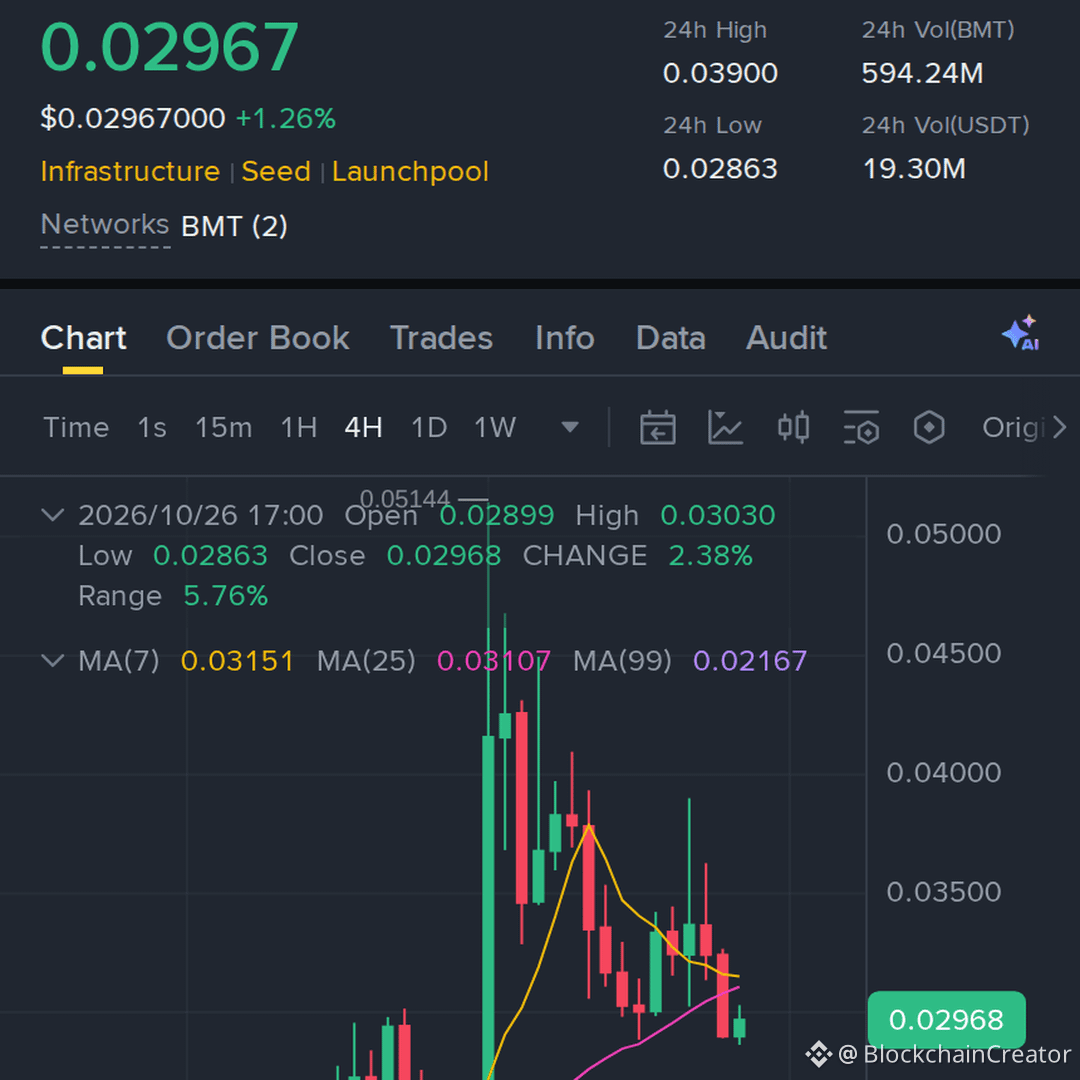
that rejection on $BMT, with leverage near 48x, gave a controlled pullback and the trend is trying to continue
Entry: 0.02848–0.02992 | TP1: 0.03066 / TP2: 0.03197 / TP3: 0.03329 | Stop Loss: 0.02757
that rejection on $BMT , with leverage near 48x, gave a controlled pullback and the trend is trying to continue
Entry: 0.02848–0.02992 | TP1: 0.03066 / TP2: 0.03197 / TP3: 0.03329 | Stop Loss: 0.02757
Entry: 0.02848–0.02992 | TP1: 0.03066 / TP2: 0.03197 / TP3: 0.03329 | Stop Loss: 0.02757
73
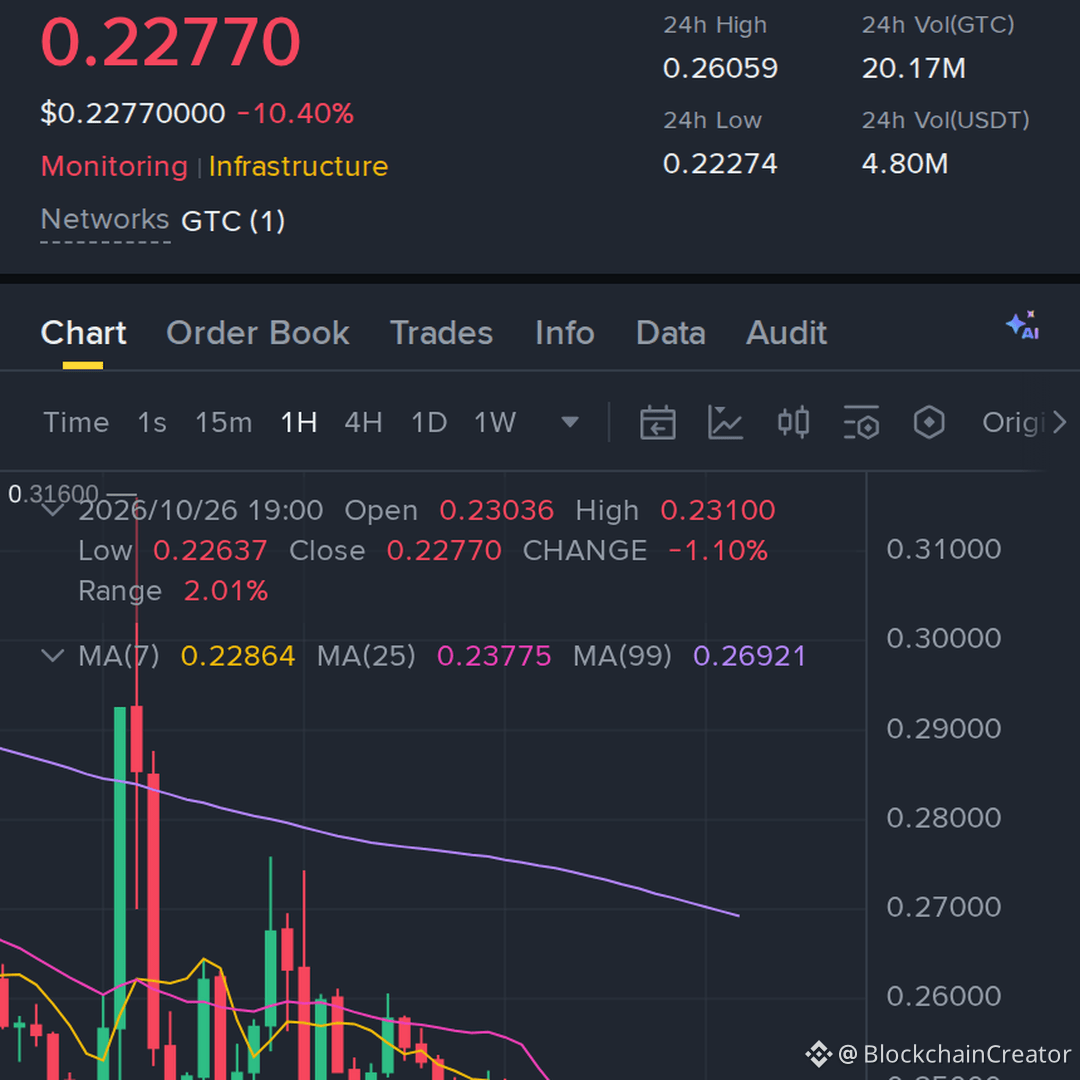
momentum on $GTC, bounced into resistance and sellers showed up again
Entry: 0.22662–0.22841
TP1: 0.21955 / TP2: 0.21273 / TP3: 0.20476
Stop Loss: 0.23521
momentum on $GTC , bounced into resistance and sellers showed up again
Entry: 0.22662–0.22841
TP1: 0.21955 / TP2: 0.21273 / TP3: 0.20476
Stop Loss: 0.23521
Entry: 0.22662–0.22841
TP1: 0.21955 / TP2: 0.21273 / TP3: 0.20476
Stop Loss: 0.23521
107
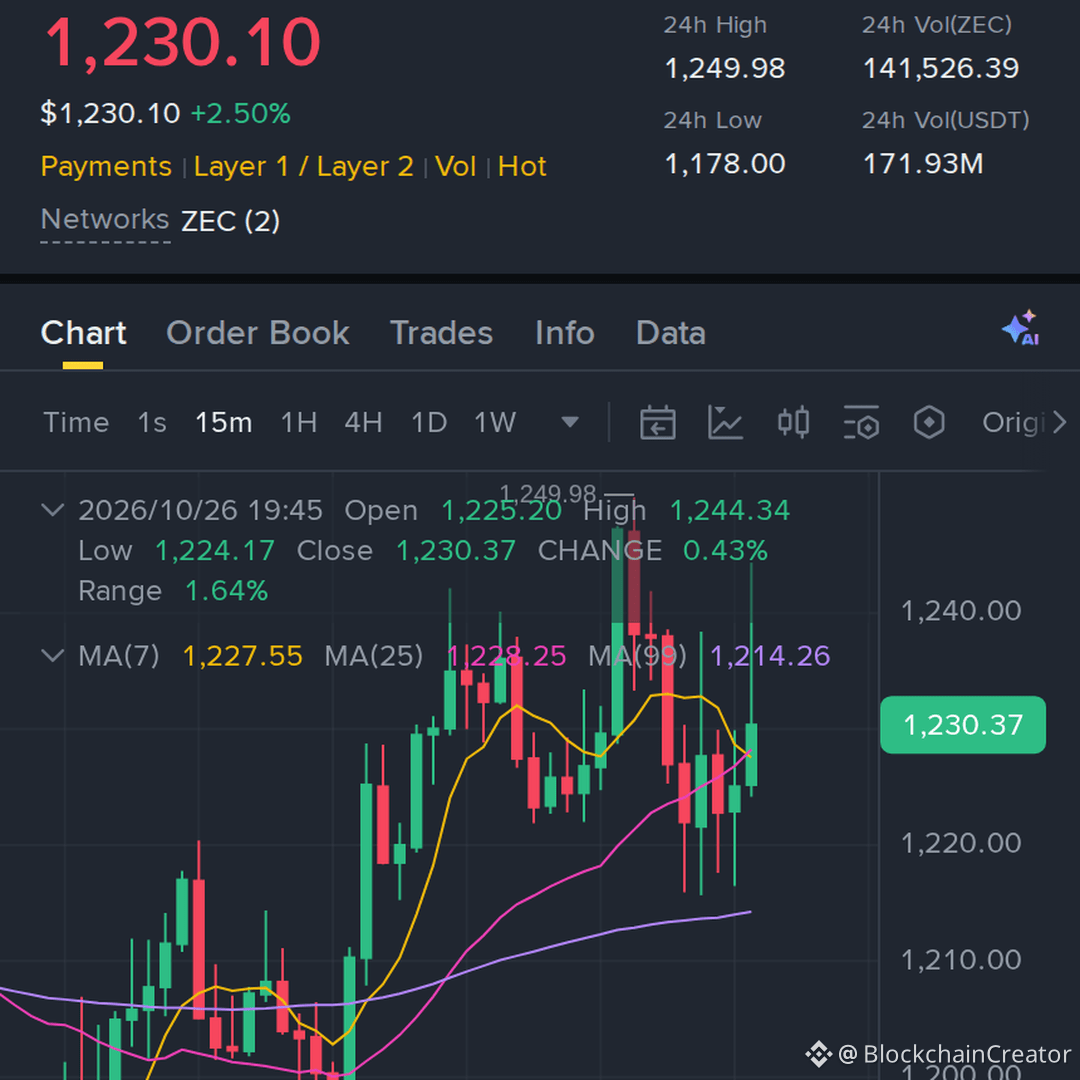
momentum on $ZEC, pulled back without breaking structure and buyers are stepping back in
Entry: 1226.52–1230.67 | TP1: 1257.05 / TP2: 1285.39 / TP3: 1318.17 | Stop Loss: 1208.94
momentum on $ZEC , pulled back without breaking structure and buyers are stepping back in
Entry: 1226.52–1230.67 | TP1: 1257.05 / TP2: 1285.39 / TP3: 1318.17 | Stop Loss: 1208.94
Entry: 1226.52–1230.67 | TP1: 1257.05 / TP2: 1285.39 / TP3: 1318.17 | Stop Loss: 1208.94
65
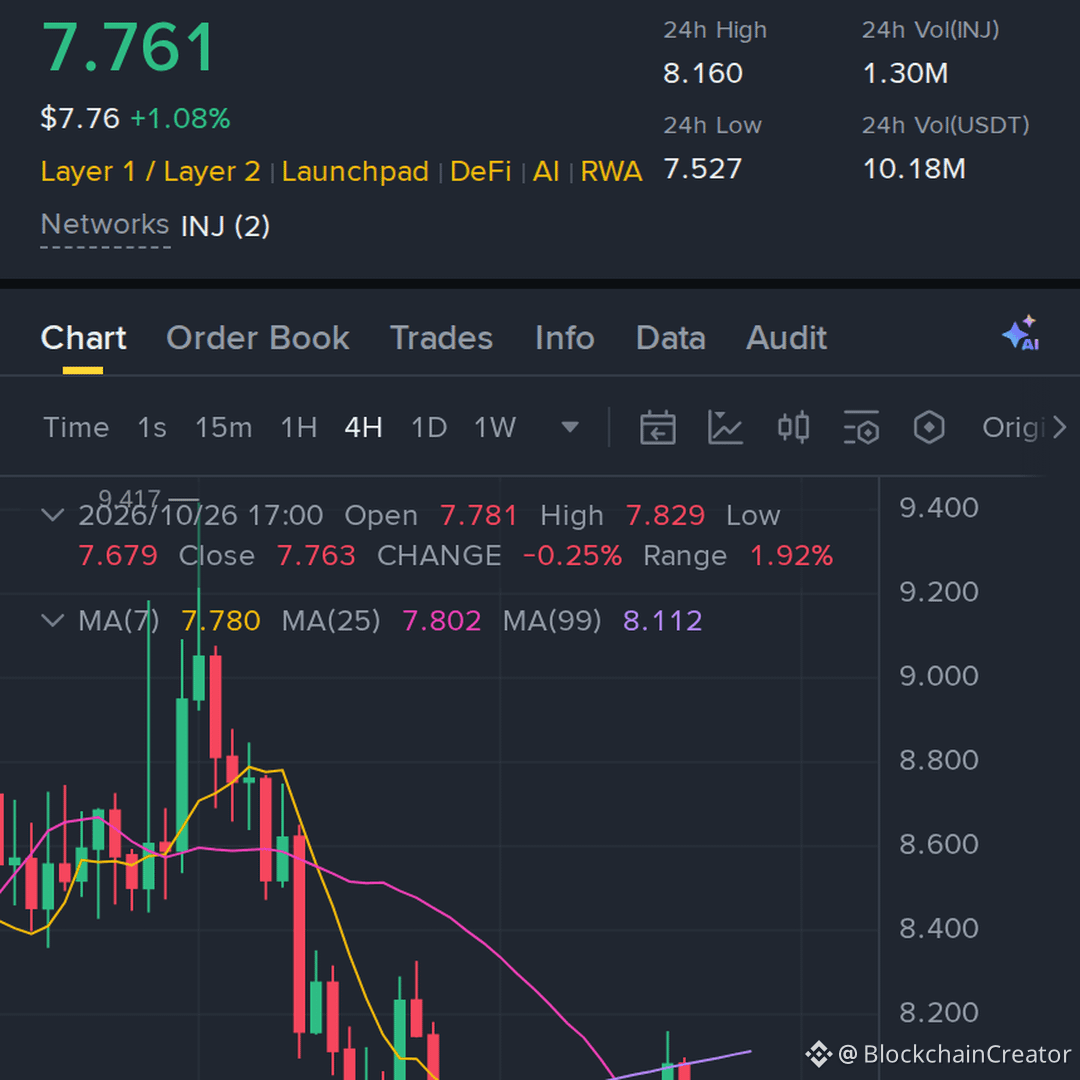
that move on $INJ, while I keep leverage near 35x, bounced into resistance and sellers showed up again
Entry: 7.752–7.824 • Stop Loss: 8.213
TP1: 7.399 | TP2: 7.048 | TP3: 6.698
that move on $INJ , while I keep leverage near 35x, bounced into resistance and sellers showed up again
Entry: 7.752–7.824 • Stop Loss: 8.213
TP1: 7.399 | TP2: 7.048 | TP3: 6.698
Entry: 7.752–7.824 • Stop Loss: 8.213
TP1: 7.399 | TP2: 7.048 | TP3: 6.698
121
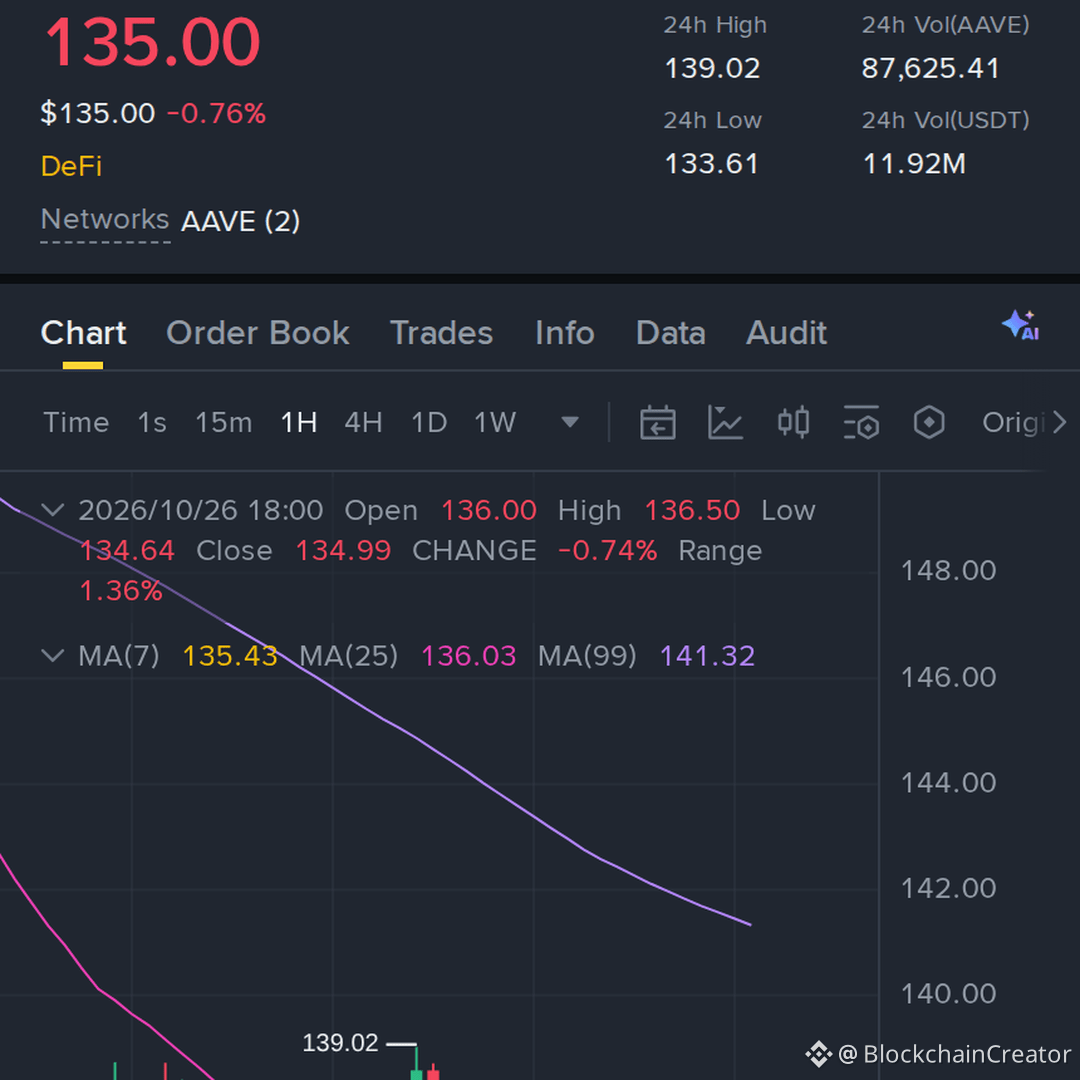
that move on $AAVE, while I keep leverage near 33x, tried to recover but the bounce is losing energy again
Entry: 134.97–135.4
TP1: 131.98 → TP2: 129.36 → TP3: 125.15
Stop Loss: 137.35
that move on $AAVE , while I keep leverage near 33x, tried to recover but the bounce is losing energy again
Entry: 134.97–135.4
TP1: 131.98 → TP2: 129.36 → TP3: 125.15
Stop Loss: 137.35
Entry: 134.97–135.4
TP1: 131.98 → TP2: 129.36 → TP3: 125.15
Stop Loss: 137.35
26
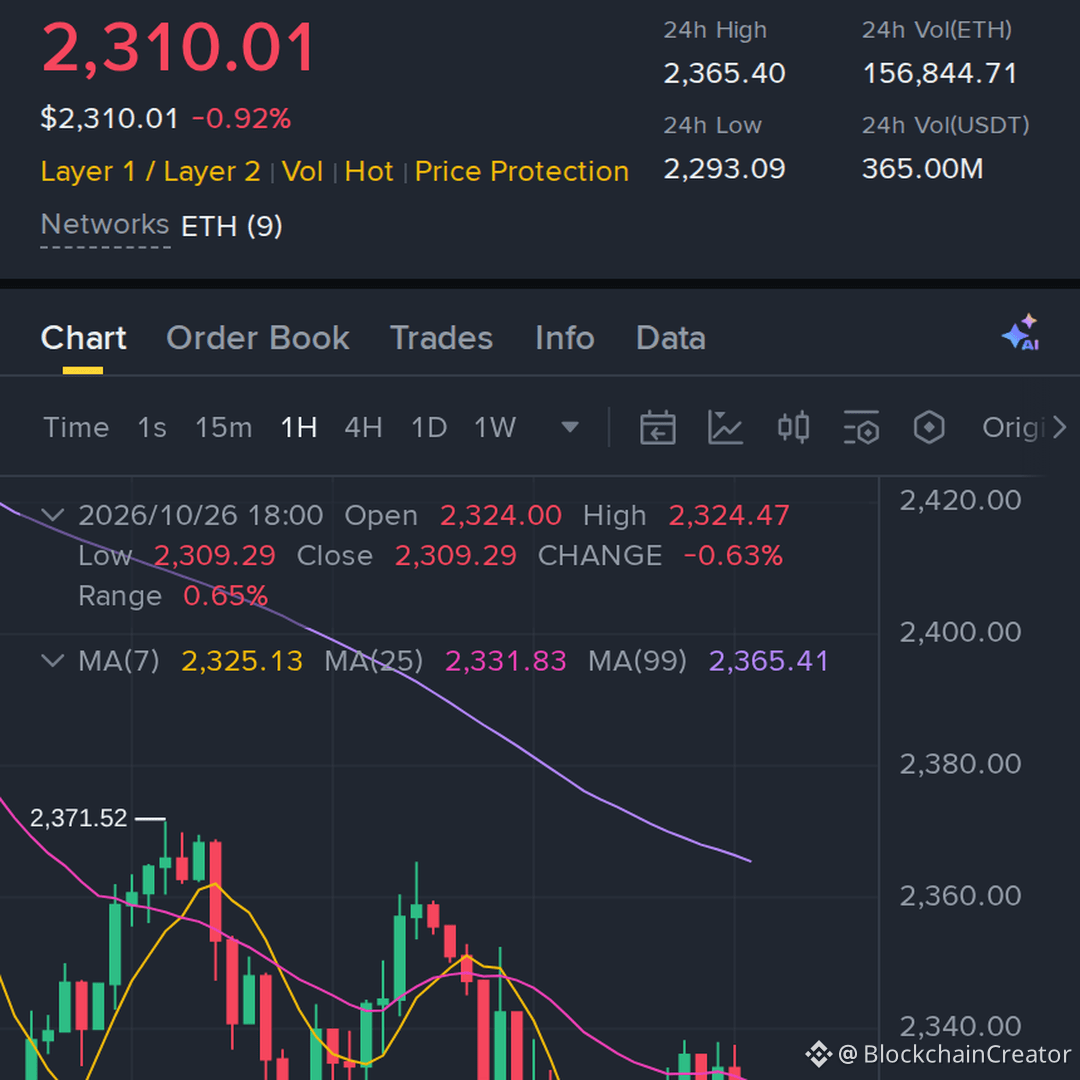
momentum on $ETH, with 45x as the working leverage, is struggling to hold the recovery
Entry: 2309.80–2314.72
TP1: 2258.12 / TP2: 2210.59 / TP3: 2148.91
Stop Loss: 2349.26
momentum on $ETH , with 45x as the working leverage, is struggling to hold the recovery
Entry: 2309.80–2314.72
TP1: 2258.12 / TP2: 2210.59 / TP3: 2148.91
Stop Loss: 2349.26
Entry: 2309.80–2314.72
TP1: 2258.12 / TP2: 2210.59 / TP3: 2148.91
Stop Loss: 2349.26
44
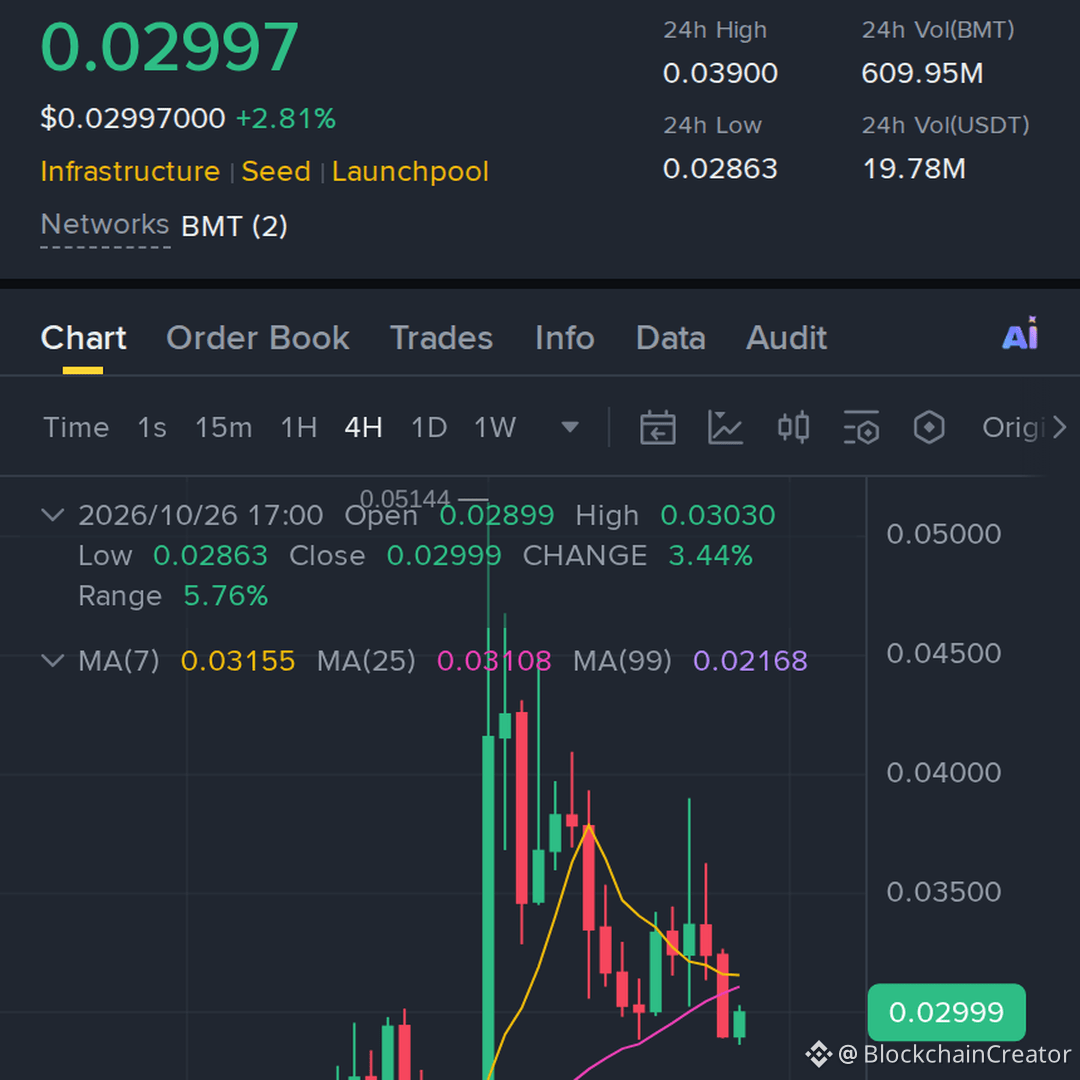
that rejection on $BMT, with leverage near 48x, gave a controlled pullback and the trend is trying to continue
Entry: 0.02874–0.03018 | TP1: 0.03093 / TP2: 0.03226 / TP3: 0.03358 | Stop Loss: 0.02757
that rejection on $BMT , with leverage near 48x, gave a controlled pullback and the trend is trying to continue
Entry: 0.02874–0.03018 | TP1: 0.03093 / TP2: 0.03226 / TP3: 0.03358 | Stop Loss: 0.02757
Entry: 0.02874–0.03018 | TP1: 0.03093 / TP2: 0.03226 / TP3: 0.03358 | Stop Loss: 0.02757
34
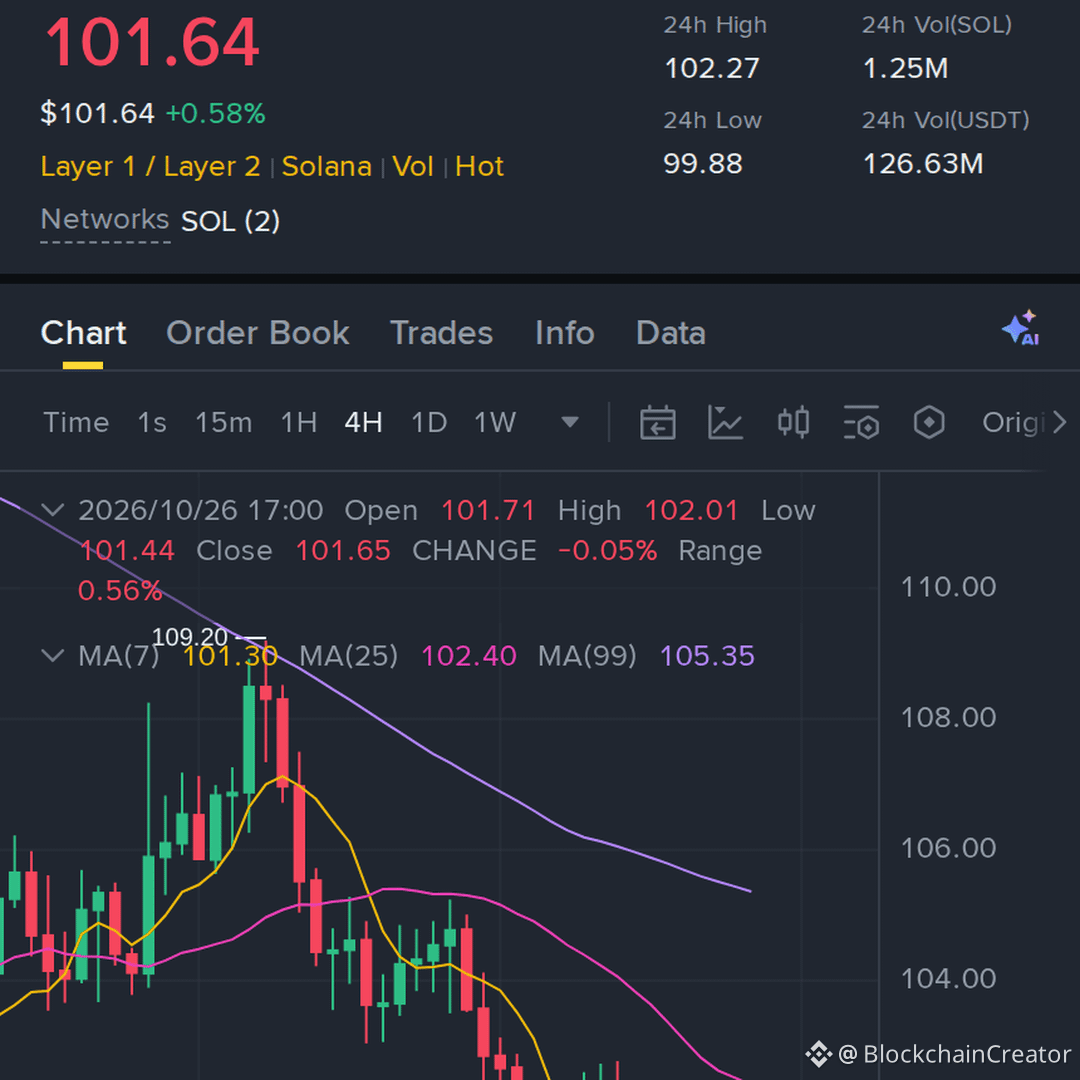
price action on $SOL, with leverage sitting around 35x, keeps rejecting the same area, so the short side is worth watching
Entry: 101.58–102
TP1: 99.24 / TP2: 97.29 / TP3: 94.69
Stop Loss: 103.42
price action on $SOL , with leverage sitting around 35x, keeps rejecting the same area, so the short side is worth watching
Entry: 101.58–102
TP1: 99.24 / TP2: 97.29 / TP3: 94.69
Stop Loss: 103.42
Entry: 101.58–102
TP1: 99.24 / TP2: 97.29 / TP3: 94.69
Stop Loss: 103.42
22
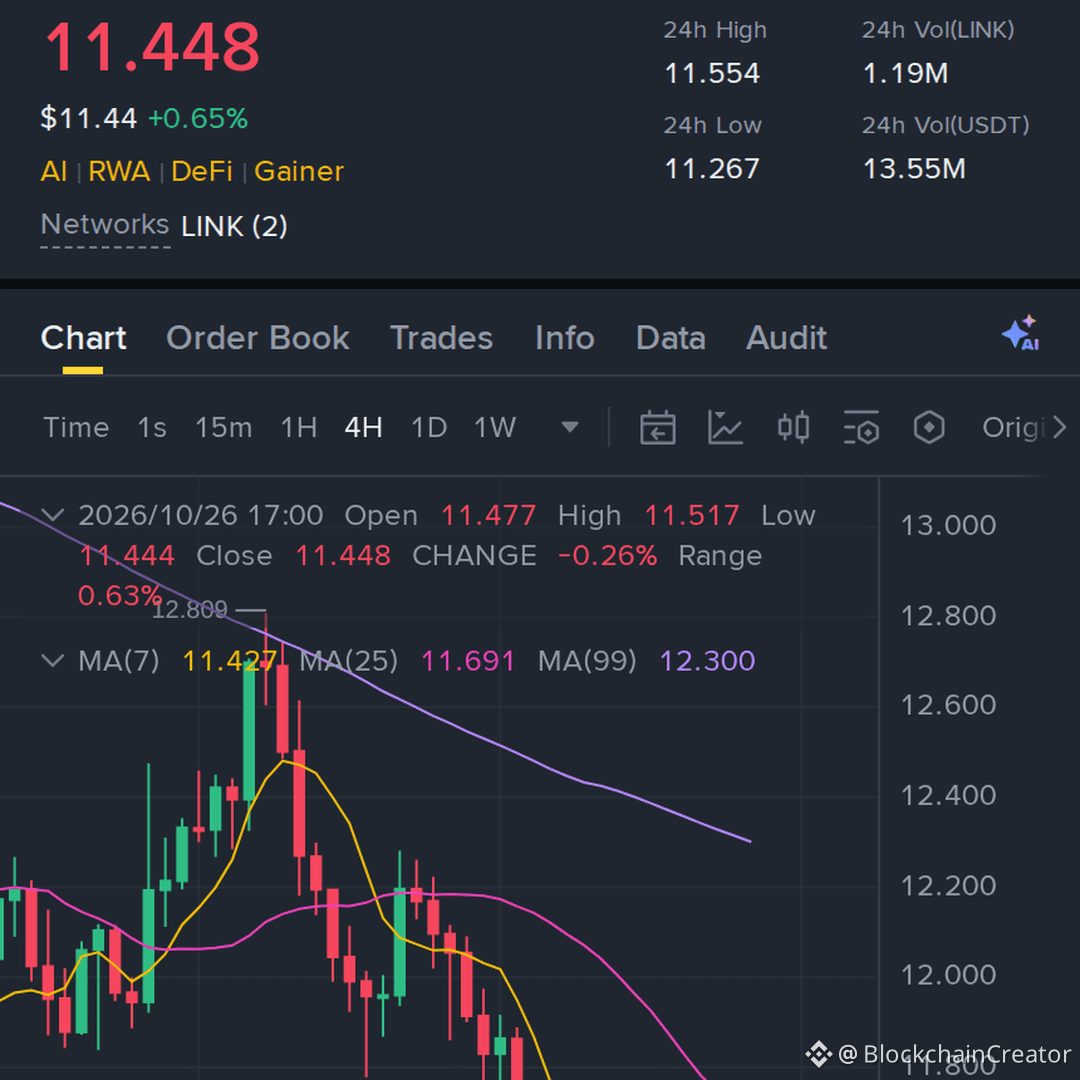
this bounce on $LINK, with a 47x leverage plan, keeps rejecting the same area, so the short side is worth watching
Entry: 11.439–11.495 | Stop Loss: 11.692
TP1: 11.129 / TP2: 10.883 / TP3: 10.529
this bounce on $LINK , with a 47x leverage plan, keeps rejecting the same area, so the short side is worth watching
Entry: 11.439–11.495 | Stop Loss: 11.692
TP1: 11.129 / TP2: 10.883 / TP3: 10.529
Entry: 11.439–11.495 | Stop Loss: 11.692
TP1: 11.129 / TP2: 10.883 / TP3: 10.529
63
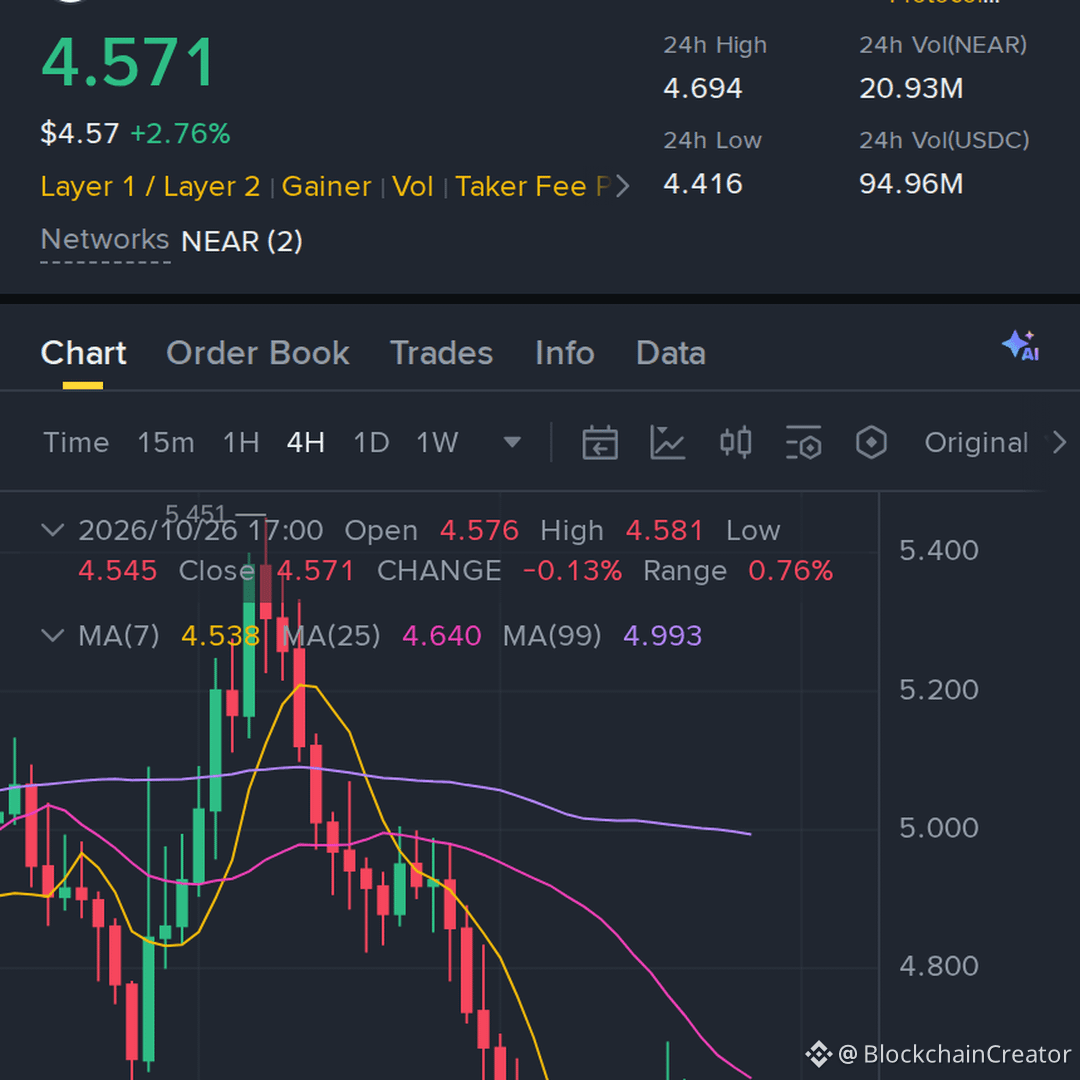
momentum on $NEAR, with roughly 47x on the setup, bounced into resistance and sellers showed up again
Entry: 4.567–4.607
TP1: 4.37 | TP2: 4.209 | TP3: 3.947
Stop Loss: 4.723
momentum on $NEAR , with roughly 47x on the setup, bounced into resistance and sellers showed up again
Entry: 4.567–4.607
TP1: 4.37 | TP2: 4.209 | TP3: 3.947
Stop Loss: 4.723
Entry: 4.567–4.607
TP1: 4.37 | TP2: 4.209 | TP3: 3.947
Stop Loss: 4.723
173
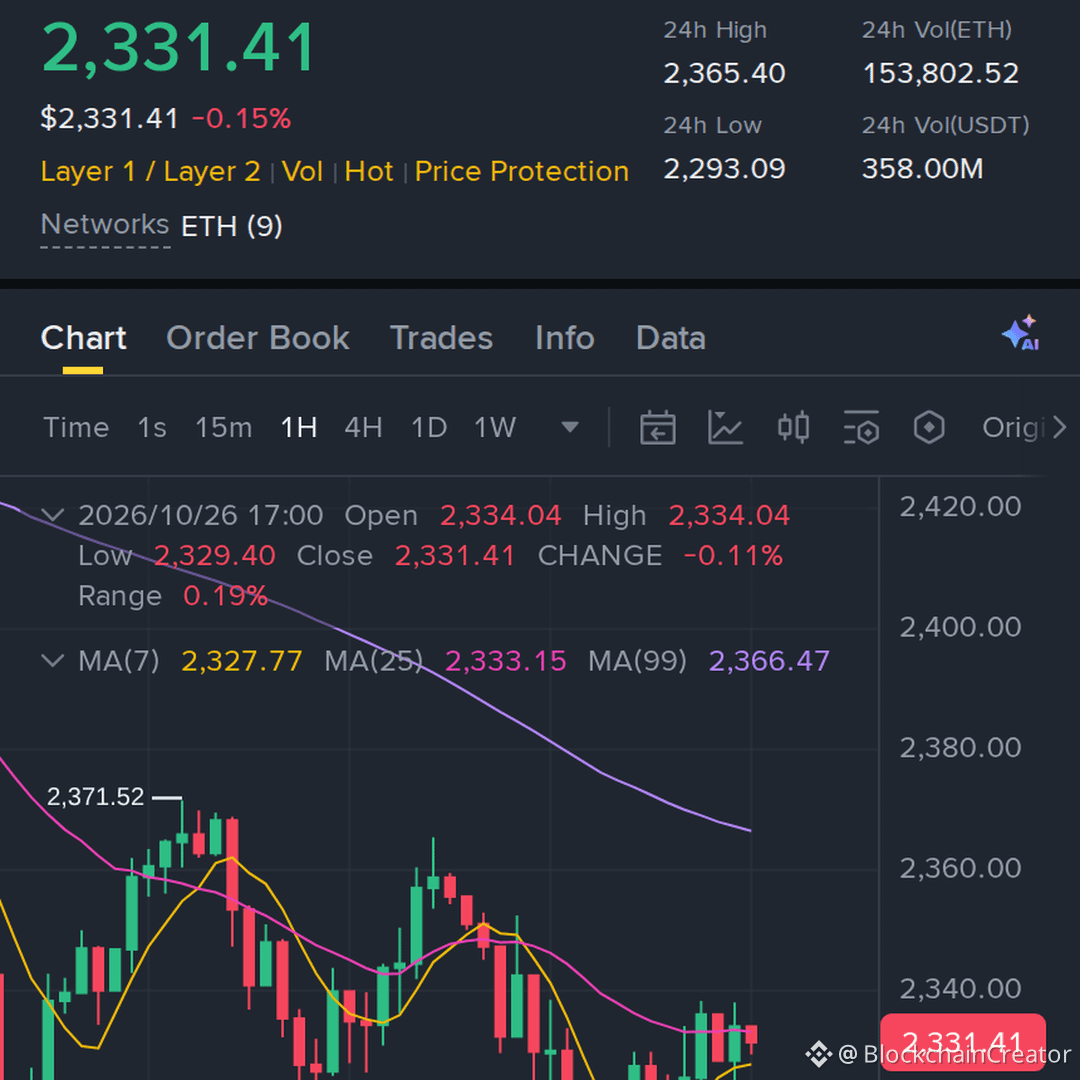
looks like $ETH, with leverage sitting around 70x, tried to recover but the bounce is losing energy again
Entry: 2330.63–2335.23 • Stop Loss: 2370.26
TP1: 2277.70 | TP2: 2233.78 | TP3: 2172.33
looks like $ETH , with leverage sitting around 70x, tried to recover but the bounce is losing energy again
Entry: 2330.63–2335.23 • Stop Loss: 2370.26
TP1: 2277.70 | TP2: 2233.78 | TP3: 2172.33
Entry: 2330.63–2335.23 • Stop Loss: 2370.26
TP1: 2277.70 | TP2: 2233.78 | TP3: 2172.33
22
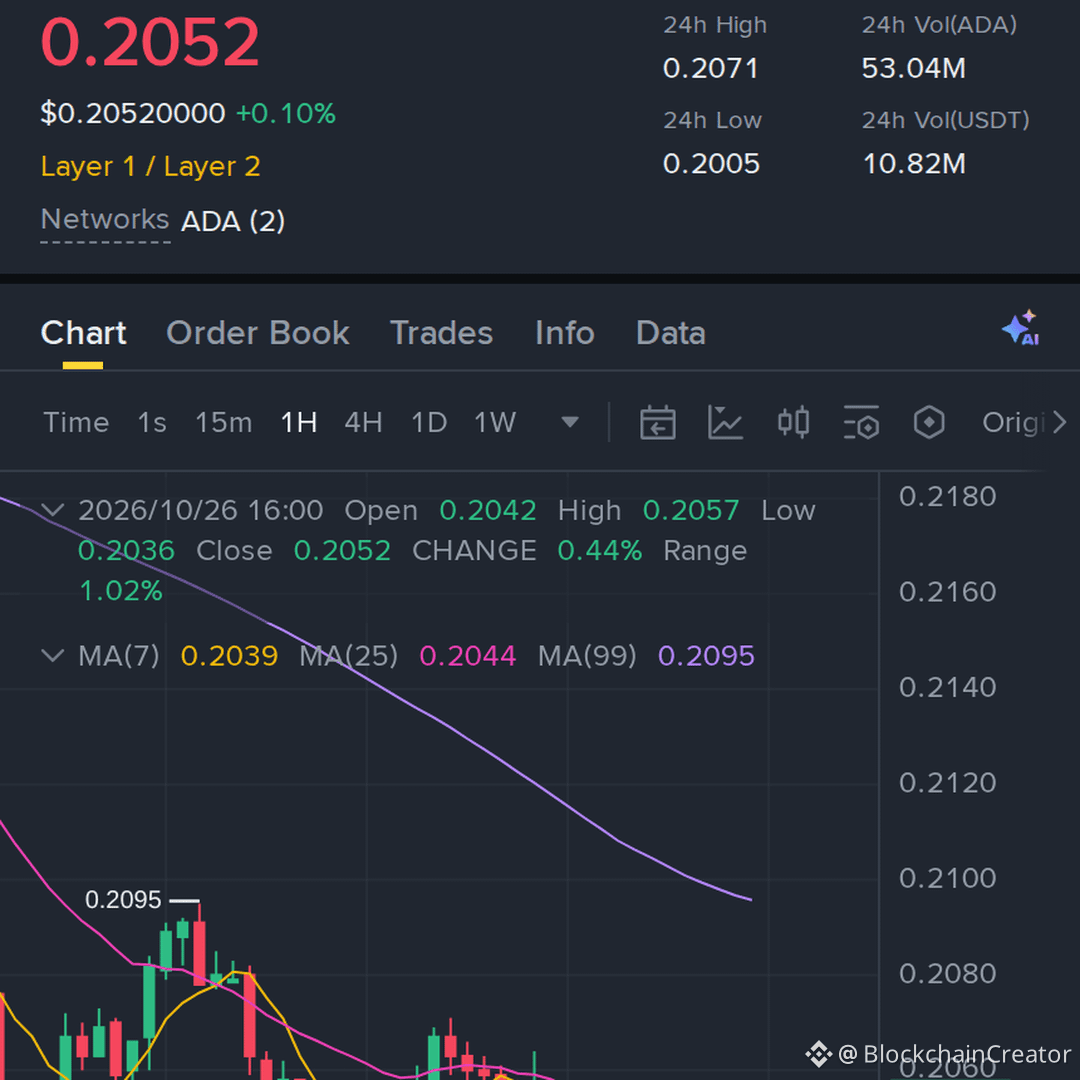
that rejection on $ADA, keeping leverage around 27x, is starting to recover after defending the lower zone
Entry: 0.2047–0.2053
TP1: 0.2122 | TP2: 0.2178 | TP3: 0.225
Stop Loss: 0.2
that rejection on $ADA , keeping leverage around 27x, is starting to recover after defending the lower zone
Entry: 0.2047–0.2053
TP1: 0.2122 | TP2: 0.2178 | TP3: 0.225
Stop Loss: 0.2
Entry: 0.2047–0.2053
TP1: 0.2122 | TP2: 0.2178 | TP3: 0.225
Stop Loss: 0.2
31
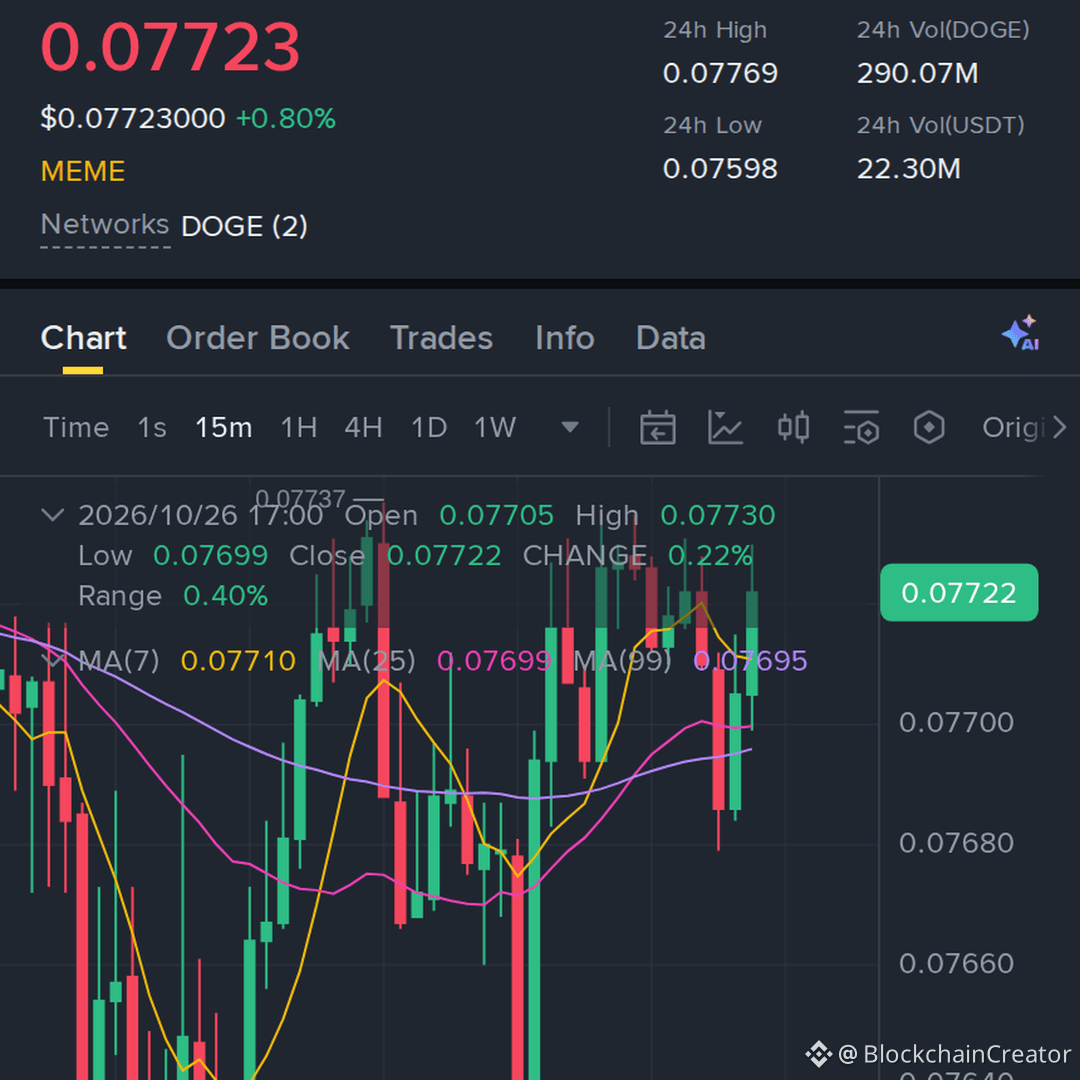
that move on $DOGE, with the setup mapped around 31x, pulled back without breaking structure and buyers are stepping back in
Entry: 0.07716–0.07724 • Stop Loss: 0.07597
TP1: 0.07911 | TP2: 0.08049 | TP3: 0.08257
that move on $DOGE , with the setup mapped around 31x, pulled back without breaking structure and buyers are stepping back in
Entry: 0.07716–0.07724 • Stop Loss: 0.07597
TP1: 0.07911 | TP2: 0.08049 | TP3: 0.08257
Entry: 0.07716–0.07724 • Stop Loss: 0.07597
TP1: 0.07911 | TP2: 0.08049 | TP3: 0.08257
52
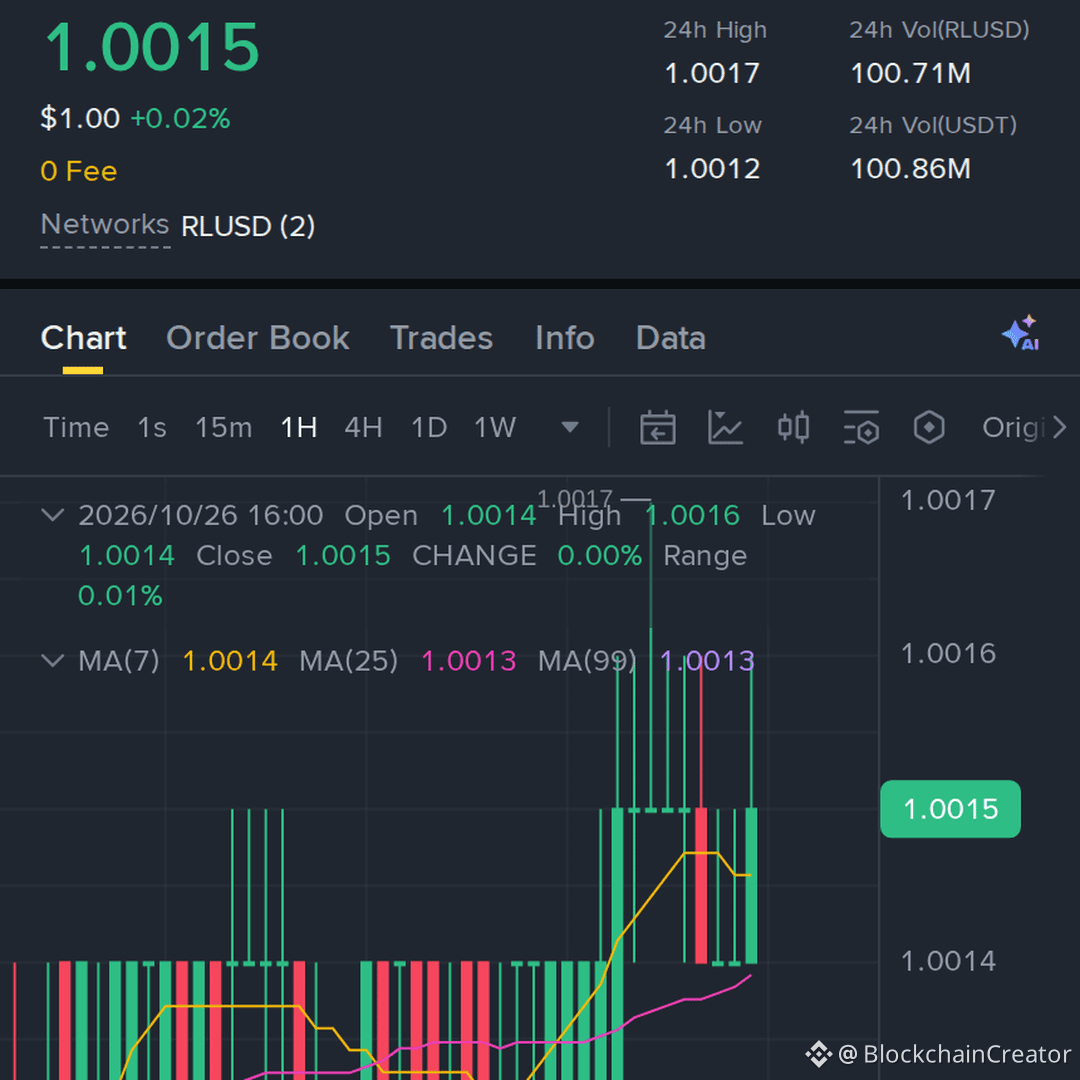
price action on $RLUSD, with a 43x leverage plan, pulled back without breaking structure and buyers are stepping back in
Entry: 1.0015–1.0015 | Stop Loss: 0.9855
TP1: 1.0254 / TP2: 1.0463 / TP3: 1.0725
price action on $RLUSD , with a 43x leverage plan, pulled back without breaking structure and buyers are stepping back in
Entry: 1.0015–1.0015 | Stop Loss: 0.9855
TP1: 1.0254 / TP2: 1.0463 / TP3: 1.0725
Entry: 1.0015–1.0015 | Stop Loss: 0.9855
TP1: 1.0254 / TP2: 1.0463 / TP3: 1.0725
34
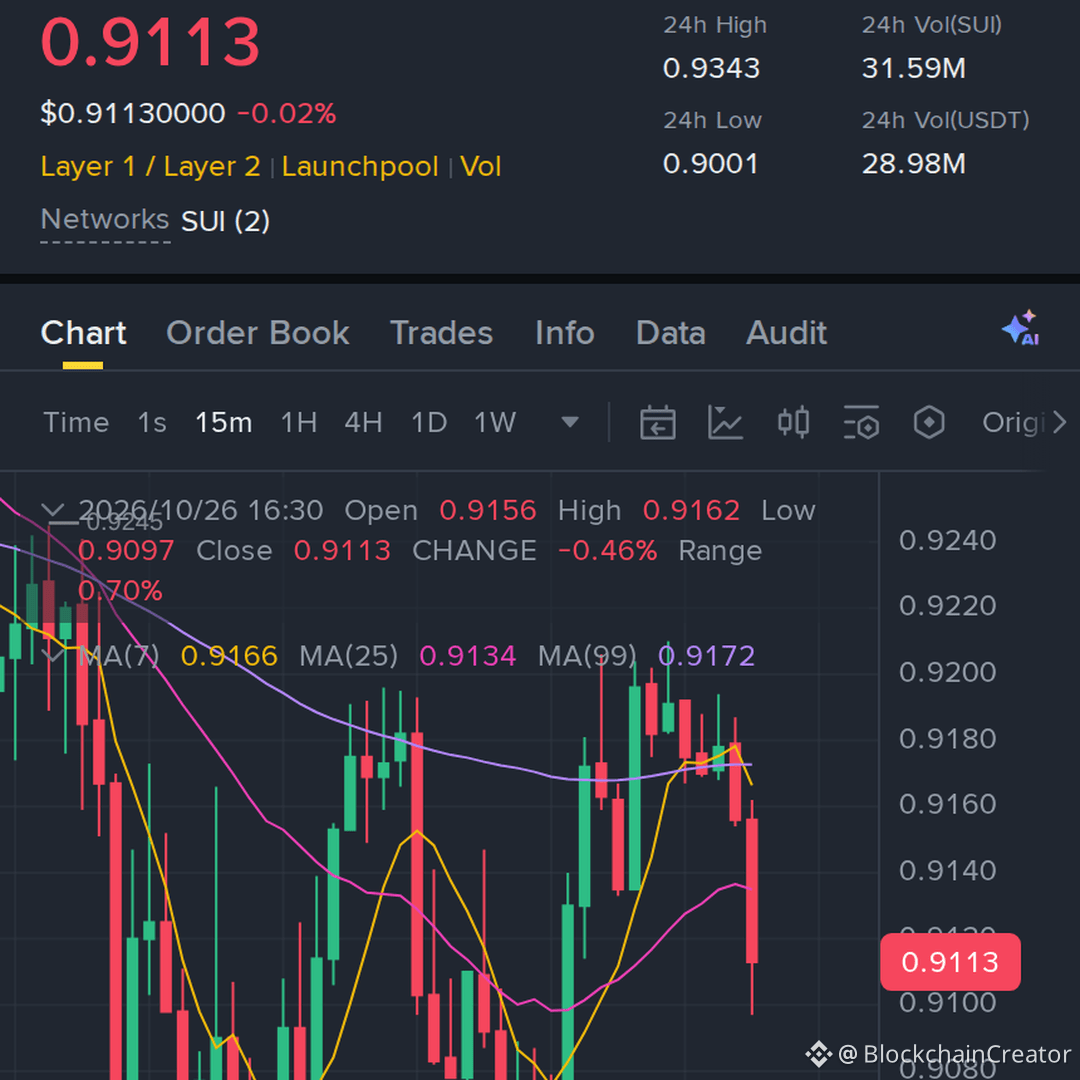
that move on $SUI, with roughly 37x on the setup, bounced into resistance and sellers showed up again
Entry: 0.9108–0.9121 | Stop Loss: 0.926
TP1: 0.8884 / TP2: 0.8704 / TP3: 0.8449
that move on $SUI , with roughly 37x on the setup, bounced into resistance and sellers showed up again
Entry: 0.9108–0.9121 | Stop Loss: 0.926
TP1: 0.8884 / TP2: 0.8704 / TP3: 0.8449
Entry: 0.9108–0.9121 | Stop Loss: 0.926
TP1: 0.8884 / TP2: 0.8704 / TP3: 0.8449
77
Войдите, чтобы посмотреть больше материала
Присоединяйтесь к пользователям криптовалют по всему миру на Binance Square
⚡️ Получайте новейшую и полезную информацию о криптоактивах.
💬 Нам доверяет крупнейшая в мире криптобиржа.
👍 Получите достоверные аналитические данные от верифицированных создателей контента.
Эл. почта/номер телефона
В тренде
BinancekzWin
Просмотров: 32,428
94 обсуждают
МЕН ЧАТТА ЖАЙ ҒАНА ОТЫРЫП, 10 BNB ҰТЫП АЛДЫМ 😭🔥
Деп айтқым келеді, бірақ бұл шындық емес, Бірақ шындықтың өзі де керемет 💅
Жеңіл, танымдық, қызықты белсенділіктерге қатысып, қомақты сыйлықтар ұтып алу? Оңай, Binance KZ мүмкіндікке толы!
Чатта үнемі розыгрыштар болып тұрады, мен де жиі ұтып аламын. Бірақ ең басты жеңіс- өзіңе жайлы, адекватты комьюнити табу. Араласу барысында көп пайдалы нәрсе үйренесің, саудада көмектесетін білім аласың.
Тегін $50 алу приятно, ал сол білімнің арқасында оны көбейту ол менің жеңісім 💅
#BinancekzWin
Cabbage hater
·Лайков: 0
·Просмотров: 65
BinancePick
Просмотров: 2.8M
147,821 обсуждают
EarningsSeason
Просмотров: 5.1M
25,250 обсуждают