

0xMohamed 1
550 Публикации

0xMohamed 1
Отправить жалобу
Заблокировать пользователя
Web3 Community Manager | Content Creator | Crypto Project Ambassador linktr.ee/0xmohamed
0 подписок(и/а)
30 подписчиков(а)
61 понравилось
Посты
·
--
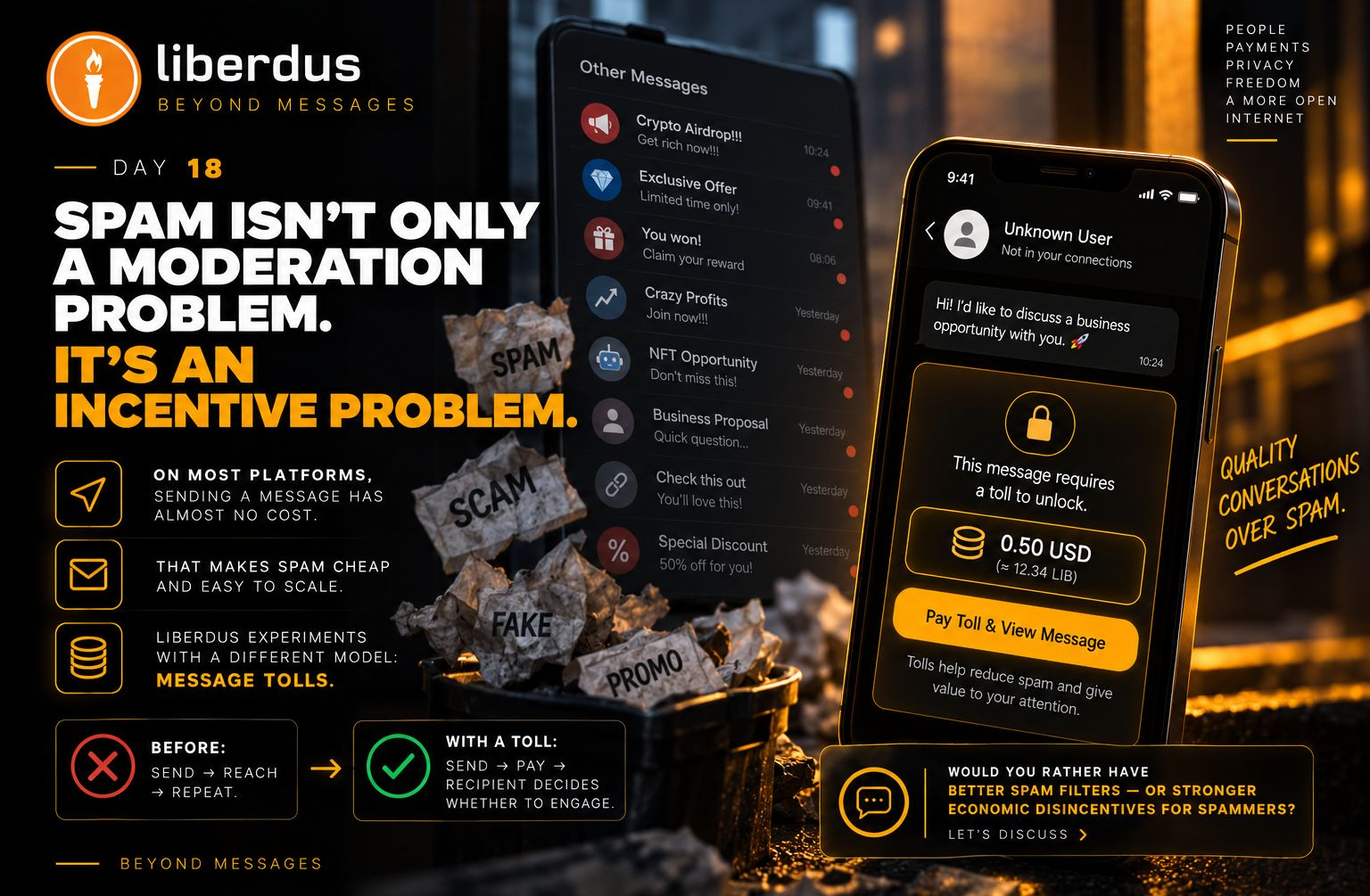
Spam isn’t only a moderation problem. It’s an incentive problem. On most platforms, sending another person a message has almost no economic friction. That makes it cheap to send the same message to thousands of people. Liberdus experiments with a different mechanism: message tolls. If someone isn’t your Friend or Connection, a toll can be required before they message you. The amount is set by the recipient and can also be disabled entirely. The interesting part isn't the fee itself. It’s the change in incentives: Before: Send → reach → repeat. With a toll: Send → pay → recipient decides whether to engage. And the system can return the unused toll if the recipient never interacts. So maybe the bigger question for Web3 messaging isn't how do we filter more spam? But, how do we make spam less economically attractive in the first place? That’s a very different way of thinking about digital communication. Would you rather have better spam filters or stronger economic disincentives for spammers? @Liberdus #liberdus #SOL $SOL
Spam isn’t only a moderation problem. It’s an incentive problem. On most platforms, sending another person a message has almost no economic friction. That makes it cheap to send the same message to thousands of people. Liberdus experiments with a different mechanism: message tolls. If someone isn’t your Friend or Connection, a toll can be required before they message you. The amount is set by the recipient and can also be disabled entirely. The interesting part isn't the fee itself. It’s the change in incentives: Before: Send → reach → repeat. With a toll: Send → pay → recipient decides whether to engage. And the system can return the unused toll if the recipient never interacts. So maybe the bigger question for Web3 messaging isn't how do we filter more spam? But, how do we make spam less economically attractive in the first place? That’s a very different way of thinking about digital communication. Would you rather have better spam filters or stronger economic disincentives for spammers? @Liberdus #liberdus #SOL $SOL
23
·
--
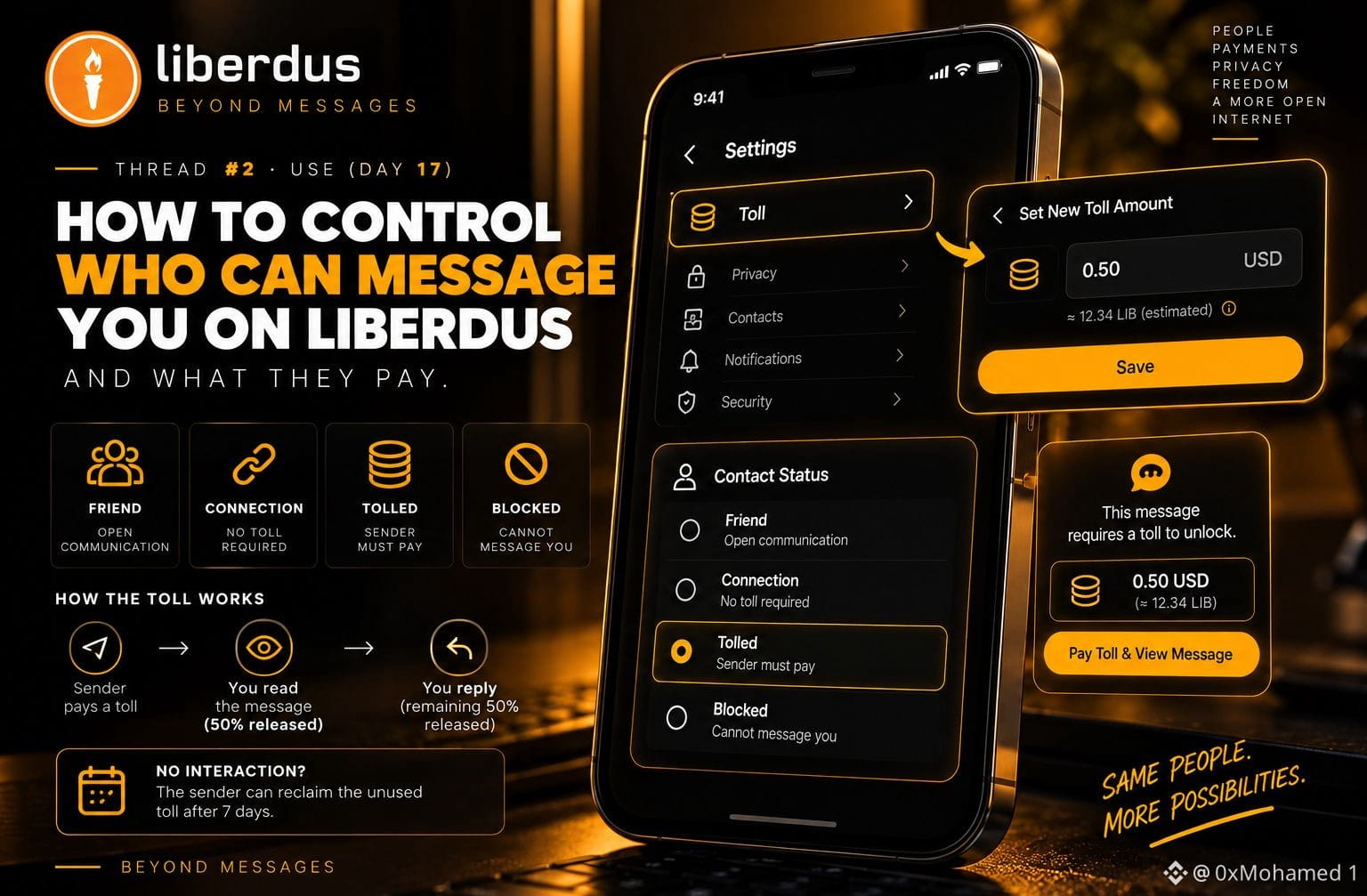
How to control who can message you on Liberdus and what they pay. Not every message has to have the same rules. On Liberdus, you can decide how different contacts interact with you including whether a toll applies. Here’s how it works. Open your Contacts and choose a relationship status: • Friend → open communication • Connection → no toll required • Tolled → sender must pay • Blocked → cannot message you Your contact status changes the messaging rules. You can also set your Toll amount. Go to, Settings → Toll → Set New Toll Amount You enter the amount in USD, and Liberdus converts it to LIB automatically. There’s a minimum toll of $0.10. But you can also set it to $0 if you want open messaging with no toll requirement. And there’s an interesting mechanism behind it. When someone pays a toll to message you, read → 50% and reply → remaining 50% So the system is designed around actual interaction, not simply receiving a message. What if they never reply? The sender can reclaim the unused toll after 7 days. If the message was never read or replied to, the current documentation says the sender can reclaim 100%. So the feature isn't simply, pay me to talk to me. It creates another layer of control, who can contact me? under what conditions? what happens when they do? That’s what I find interesting about Web3 design. Instead of treating spam purely as a moderation problem, Liberdus experiments with an economic mechanism around access to attention. It’s a small feature. But it raises a much bigger question, should users have more control over the economic value of their attention online? That’s the part worth discussing. #liberdus @Liberdus $PI
How to control who can message you on Liberdus and what they pay. Not every message has to have the same rules. On Liberdus, you can decide how different contacts interact with you including whether a toll applies. Here’s how it works. Open your Contacts and choose a relationship status: • Friend → open communication • Connection → no toll required • Tolled → sender must pay • Blocked → cannot message you Your contact status changes the messaging rules. You can also set your Toll amount. Go to, Settings → Toll → Set New Toll Amount You enter the amount in USD, and Liberdus converts it to LIB automatically. There’s a minimum toll of $0.10. But you can also set it to $0 if you want open messaging with no toll requirement. And there’s an interesting mechanism behind it. When someone pays a toll to message you, read → 50% and reply → remaining 50% So the system is designed around actual interaction, not simply receiving a message. What if they never reply? The sender can reclaim the unused toll after 7 days. If the message was never read or replied to, the current documentation says the sender can reclaim 100%. So the feature isn't simply, pay me to talk to me. It creates another layer of control, who can contact me? under what conditions? what happens when they do? That’s what I find interesting about Web3 design. Instead of treating spam purely as a moderation problem, Liberdus experiments with an economic mechanism around access to attention. It’s a small feature. But it raises a much bigger question, should users have more control over the economic value of their attention online? That’s the part worth discussing. #liberdus @Liberdus $PI
77
·
--
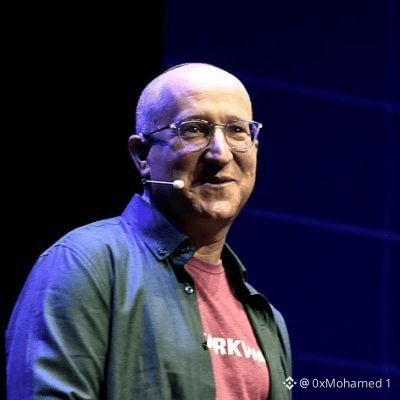
Zcash cofounder Eli Ben-Sasson says he still feels on track for his $5K $ZEC year-end prediction. #ZEC
Zcash cofounder Eli Ben-Sasson says he still feels on track for his $5K $ZEC year-end prediction. #ZEC
76
·
--
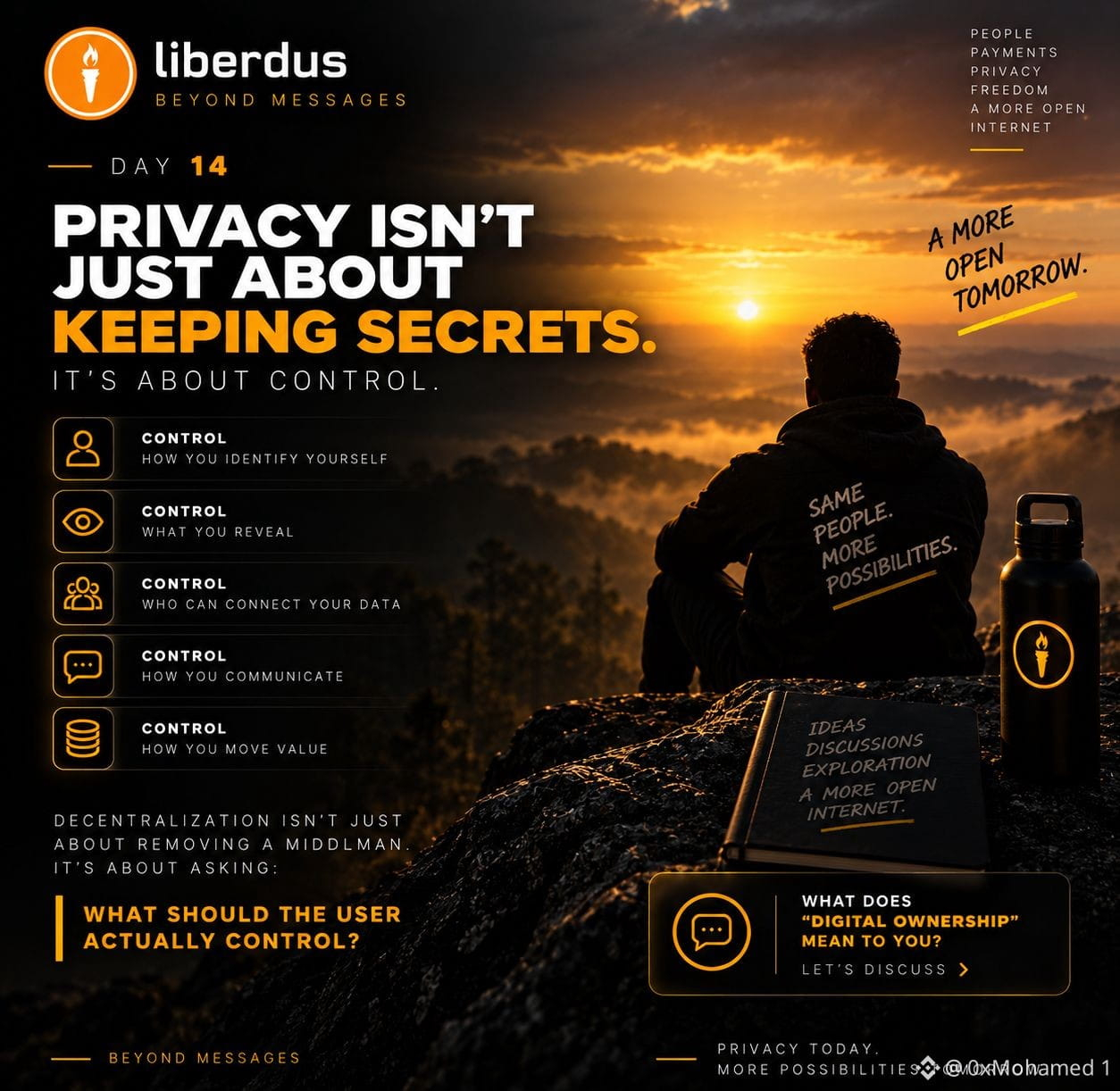
I used to think privacy was mostly about keeping secrets. The more I explore Web3, the more I see it differently. Privacy is also about control. Control over, how you identify yourself, what you reveal, who can connect your data, how you communicate, how you move value. And that’s what makes decentralization interesting to me. It’s not just about removing a middleman. It’s about asking, what should the user actually control? That’s the question I want to keep exploring here. Less hype More understanding More proof More uncomfortable questions What does digital ownership mean to you? @Liberdus #BNB $BNB
I used to think privacy was mostly about keeping secrets. The more I explore Web3, the more I see it differently. Privacy is also about control. Control over, how you identify yourself, what you reveal, who can connect your data, how you communicate, how you move value. And that’s what makes decentralization interesting to me. It’s not just about removing a middleman. It’s about asking, what should the user actually control? That’s the question I want to keep exploring here. Less hype More understanding More proof More uncomfortable questions What does digital ownership mean to you? @Liberdus #BNB $BNB
1
169
·
--
HYPE hit a new all-time high above $95. #HYPE $HYPE
HYPE hit a new all-time high above $95. #HYPE $HYPE

44
·
--
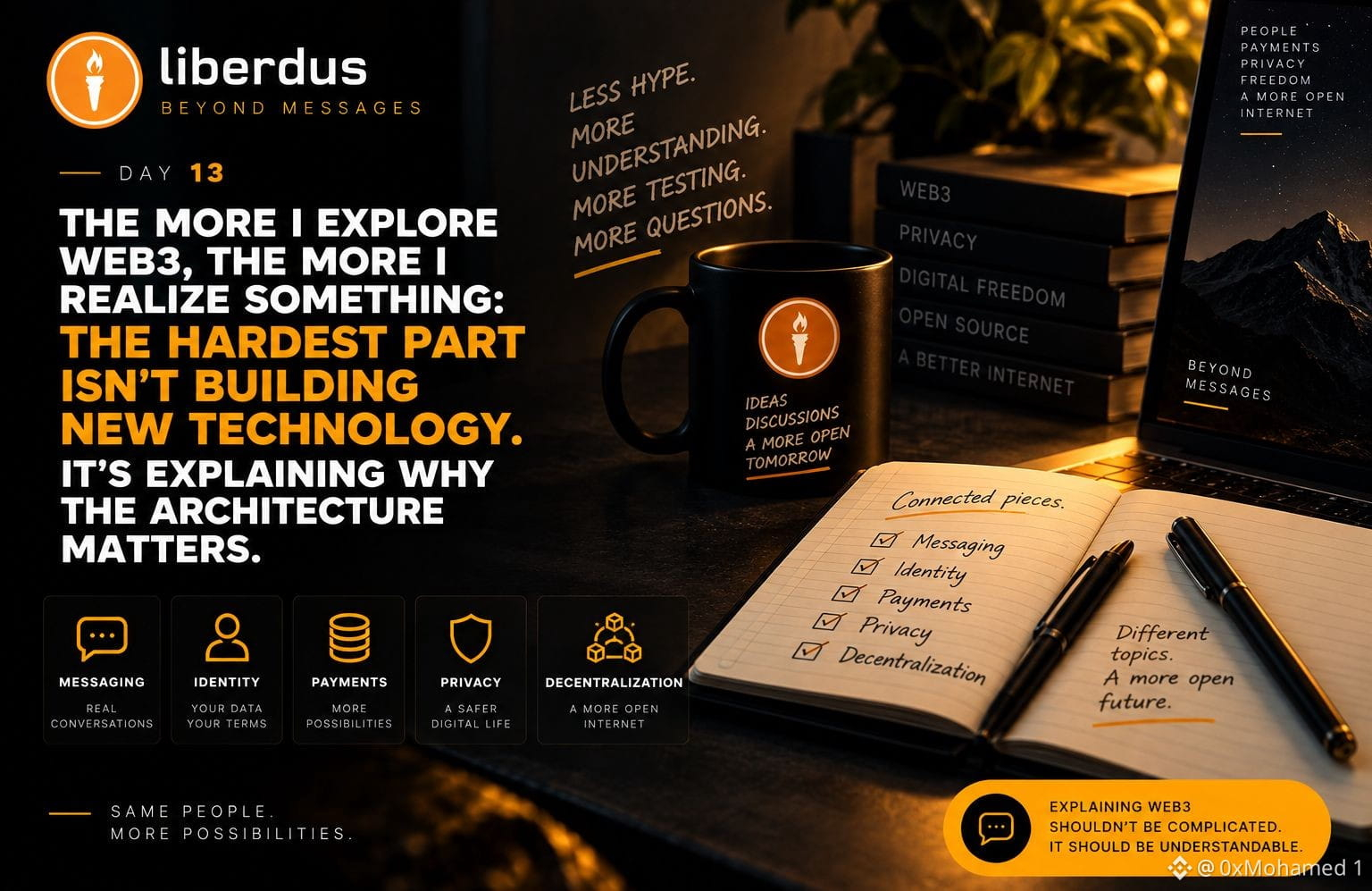
The more I explore Web3, the more I realize something, the hardest part isn’t building new technology. It’s explaining why the architecture matters. Messaging, identity, payments, privacy and decentralization. They can look like separate topics. But they’re increasingly connected. That’s what I find interesting about projects like Liberdus. Not just what the app does, but what changes when these pieces are designed to work together. And that’s the kind of Web3 content I want to keep exploring: Less hype, more understanding, more testing and more questions. Because explaining Web3 shouldn’t mean making it sound complicated. It should mean making the complexity understandable. #liberdus #zec $ZEC
The more I explore Web3, the more I realize something, the hardest part isn’t building new technology. It’s explaining why the architecture matters. Messaging, identity, payments, privacy and decentralization. They can look like separate topics. But they’re increasingly connected. That’s what I find interesting about projects like Liberdus. Not just what the app does, but what changes when these pieces are designed to work together. And that’s the kind of Web3 content I want to keep exploring: Less hype, more understanding, more testing and more questions. Because explaining Web3 shouldn’t mean making it sound complicated. It should mean making the complexity understandable. #liberdus #zec $ZEC
96
·
--
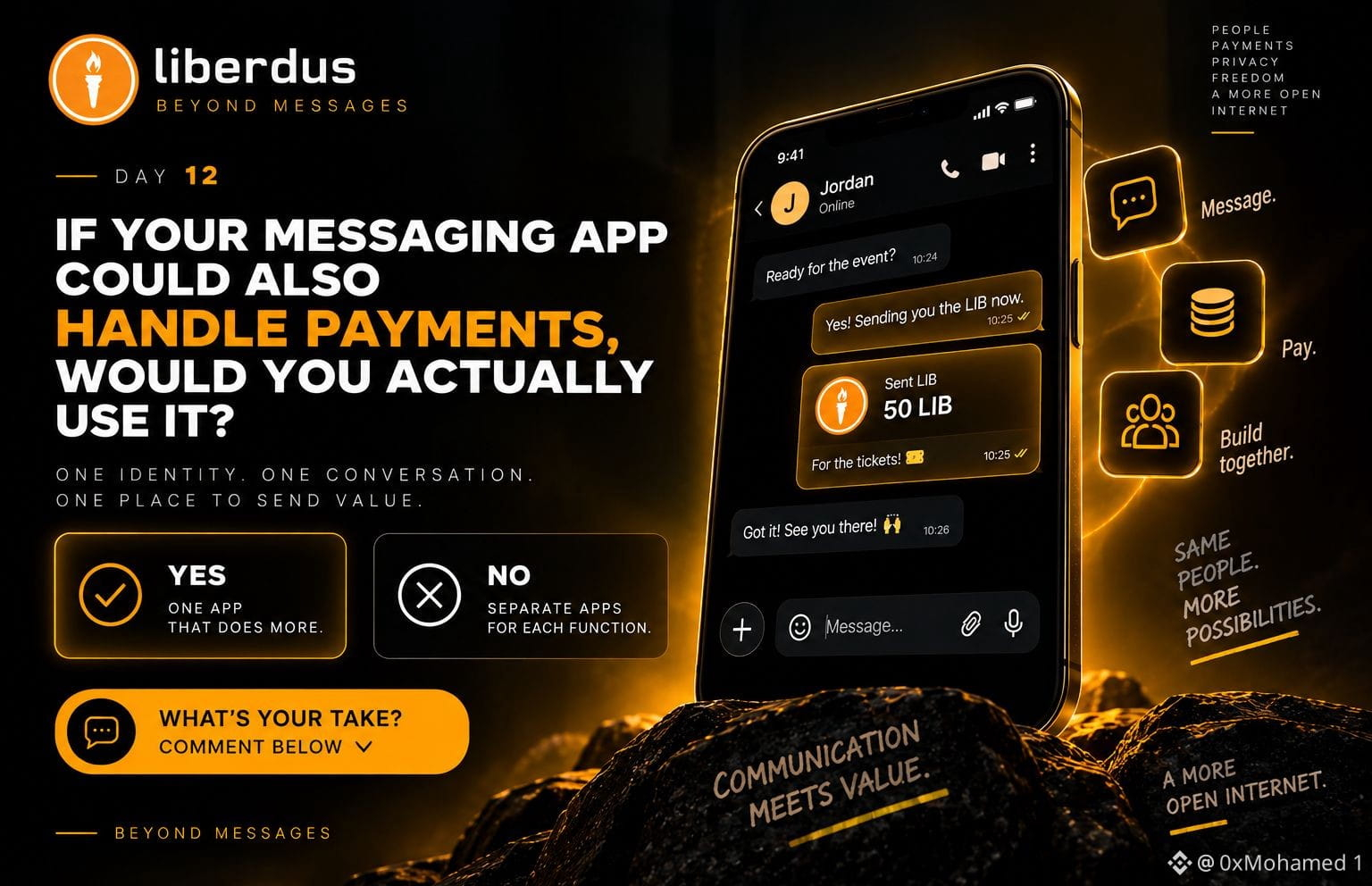
If your messaging app could also handle payments, would you actually use it? Not because it’s Web3. Just because it might be simpler. One identity, one conversation and one place to send value. But there’s another side, more functionality in one place can also mean more responsibility. Especially when your identity, conversations and transactions are connected. So I’m curious, would you rather have one app that does more or separate apps for each function? Why? #Liberdus $ZANO #ZANO
If your messaging app could also handle payments, would you actually use it? Not because it’s Web3. Just because it might be simpler. One identity, one conversation and one place to send value. But there’s another side, more functionality in one place can also mean more responsibility. Especially when your identity, conversations and transactions are connected. So I’m curious, would you rather have one app that does more or separate apps for each function? Why? #Liberdus $ZANO #ZANO
59
·
--
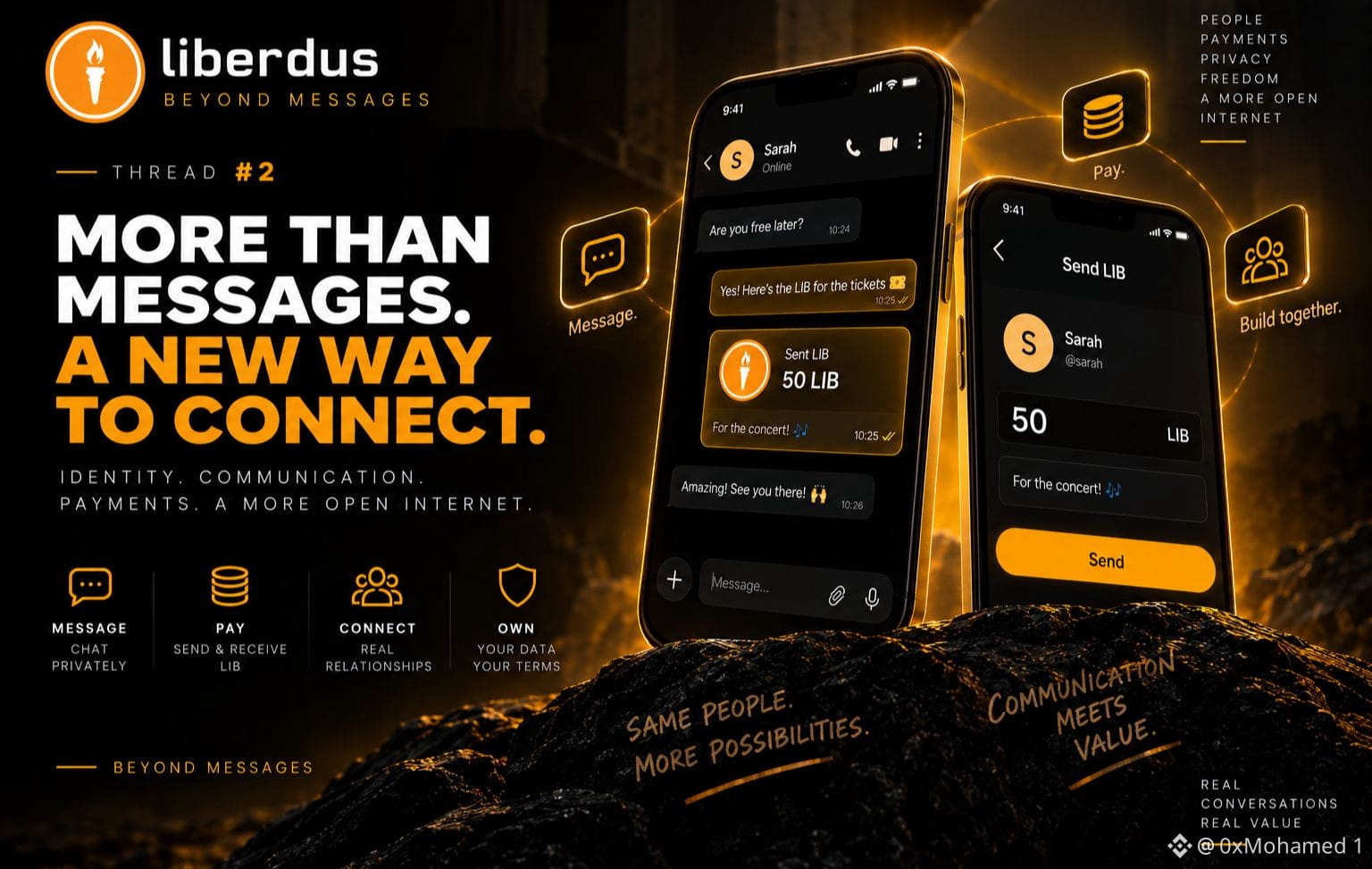
The interesting part about crypto payments isn’t the payment. It’s what happens when money becomes part of the communication layer. For years, we’ve treated messaging and payments as two completely different things. You talk in one app, you pay in another, you manage your wallet somewhere else. But Web3 makes another model possible. Liberdus combines messaging and LIB payments in the same ecosystem. You can send LIB directly from a conversation, with the recipient already selected from the chat. That sounds simple, but the architecture behind it is more interesting. Think about the layers: Identity → Communication → Value The same username can be used for messaging and payments, while being mapped to a Liberdus wallet address. One identity layer can therefore connect different interactions. That changes the meaning of a messaging app. It’s no longer only, how do I send a message? It becomes, what can I do with someone I’m already connected to? Message, pay, receive value, interact. But there’s an important trade-off. Combining identity, communication and payments also means you need to understand what information each layer exposes. For example, Liberdus states that LIB transactions are not anonymous and contain transaction metadata. That’s why I think privacy needs more precise conversations. No phone number ≠ anonymous transactions. Decentralized ≠ invisible. Self-custody ≠ no responsibility. The interesting questions are in the details. And that’s where Web3 becomes more than a collection of tokens. It becomes an experiment in redesigning how we identify → communicate → exchange value. The question I keep coming back to, should money be a separate layer from our digital relationships or should they eventually work together? @Liberdus #FIRO $FIRO
The interesting part about crypto payments isn’t the payment. It’s what happens when money becomes part of the communication layer. For years, we’ve treated messaging and payments as two completely different things. You talk in one app, you pay in another, you manage your wallet somewhere else. But Web3 makes another model possible. Liberdus combines messaging and LIB payments in the same ecosystem. You can send LIB directly from a conversation, with the recipient already selected from the chat. That sounds simple, but the architecture behind it is more interesting. Think about the layers: Identity → Communication → Value The same username can be used for messaging and payments, while being mapped to a Liberdus wallet address. One identity layer can therefore connect different interactions. That changes the meaning of a messaging app. It’s no longer only, how do I send a message? It becomes, what can I do with someone I’m already connected to? Message, pay, receive value, interact. But there’s an important trade-off. Combining identity, communication and payments also means you need to understand what information each layer exposes. For example, Liberdus states that LIB transactions are not anonymous and contain transaction metadata. That’s why I think privacy needs more precise conversations. No phone number ≠ anonymous transactions. Decentralized ≠ invisible. Self-custody ≠ no responsibility. The interesting questions are in the details. And that’s where Web3 becomes more than a collection of tokens. It becomes an experiment in redesigning how we identify → communicate → exchange value. The question I keep coming back to, should money be a separate layer from our digital relationships or should they eventually work together? @Liberdus #FIRO $FIRO
54
·
--
Bitcoin surpasses Tesla in market cap $BTC has overtaken Tesla in market capitalization, moving up to the 14th-largest asset by market value worldwide. The milestone highlights Bitcoin’s growing position among the world’s largest financial assets. #BTC continues to climb the global market-cap rankings.
Bitcoin surpasses Tesla in market cap $BTC has overtaken Tesla in market capitalization, moving up to the 14th-largest asset by market value worldwide. The milestone highlights Bitcoin’s growing position among the world’s largest financial assets. #BTC continues to climb the global market-cap rankings.

63
·
--
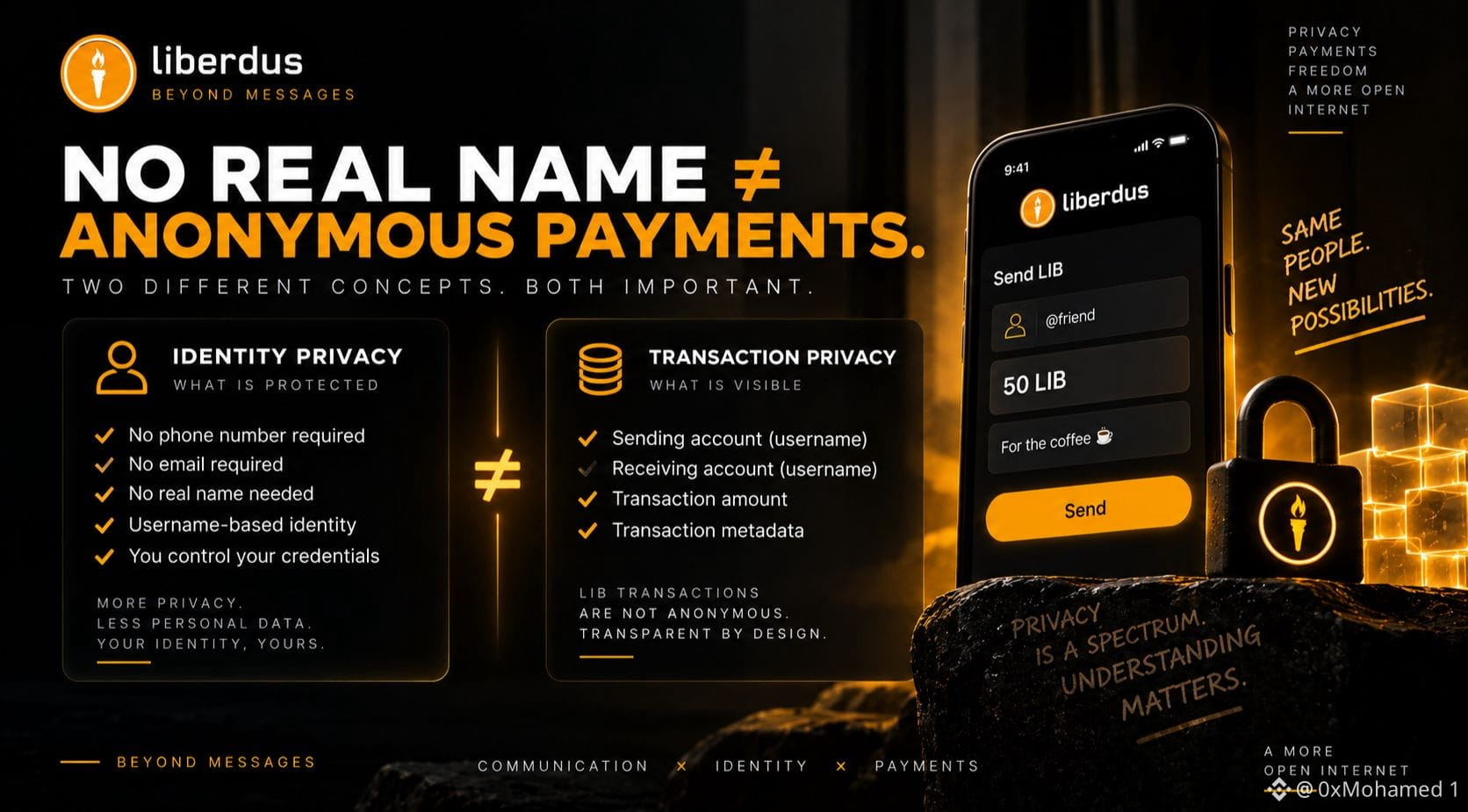
No real name ≠ anonymous payments. That distinction matters. With @Liberdus , you can create an account without a phone number or email, and your username can be mapped to a wallet address. But LIB transactions are not anonymous. The project’s own documentation says transaction metadata can include the sending account, receiving account and amount. So there are two different concepts, identity privacy ≠ transaction privacy. And honestly, this is the kind of distinction more Web3 conversations should make. Because privacy isn't about throwing the word anonymous everywhere. It's about understanding exactly what is protected and what isn't. Where do you draw the line between identity privacy and transaction privacy? #Liberdus #XRP $XRP
No real name ≠ anonymous payments. That distinction matters. With @Liberdus , you can create an account without a phone number or email, and your username can be mapped to a wallet address. But LIB transactions are not anonymous. The project’s own documentation says transaction metadata can include the sending account, receiving account and amount. So there are two different concepts, identity privacy ≠ transaction privacy. And honestly, this is the kind of distinction more Web3 conversations should make. Because privacy isn't about throwing the word anonymous everywhere. It's about understanding exactly what is protected and what isn't. Where do you draw the line between identity privacy and transaction privacy? #Liberdus #XRP $XRP
24
·
--
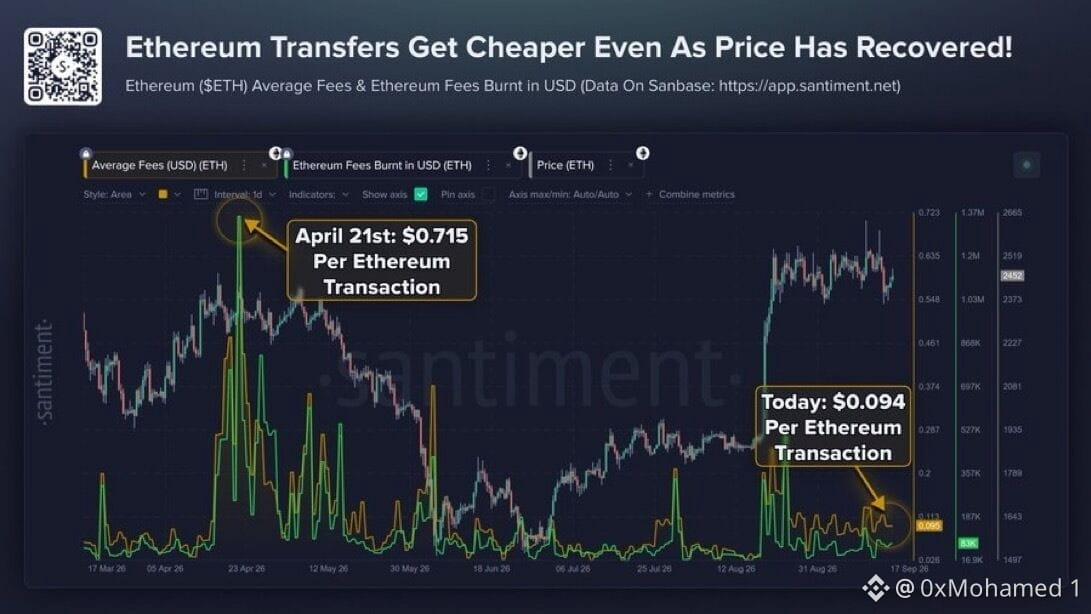
Ethereum transaction fees have plunged 87% from April’s $0.72 peak to just $0.095 today, even as $ETH trades higher. #ETH
Ethereum transaction fees have plunged 87% from April’s $0.72 peak to just $0.095 today, even as $ETH trades higher. #ETH
58
·
--
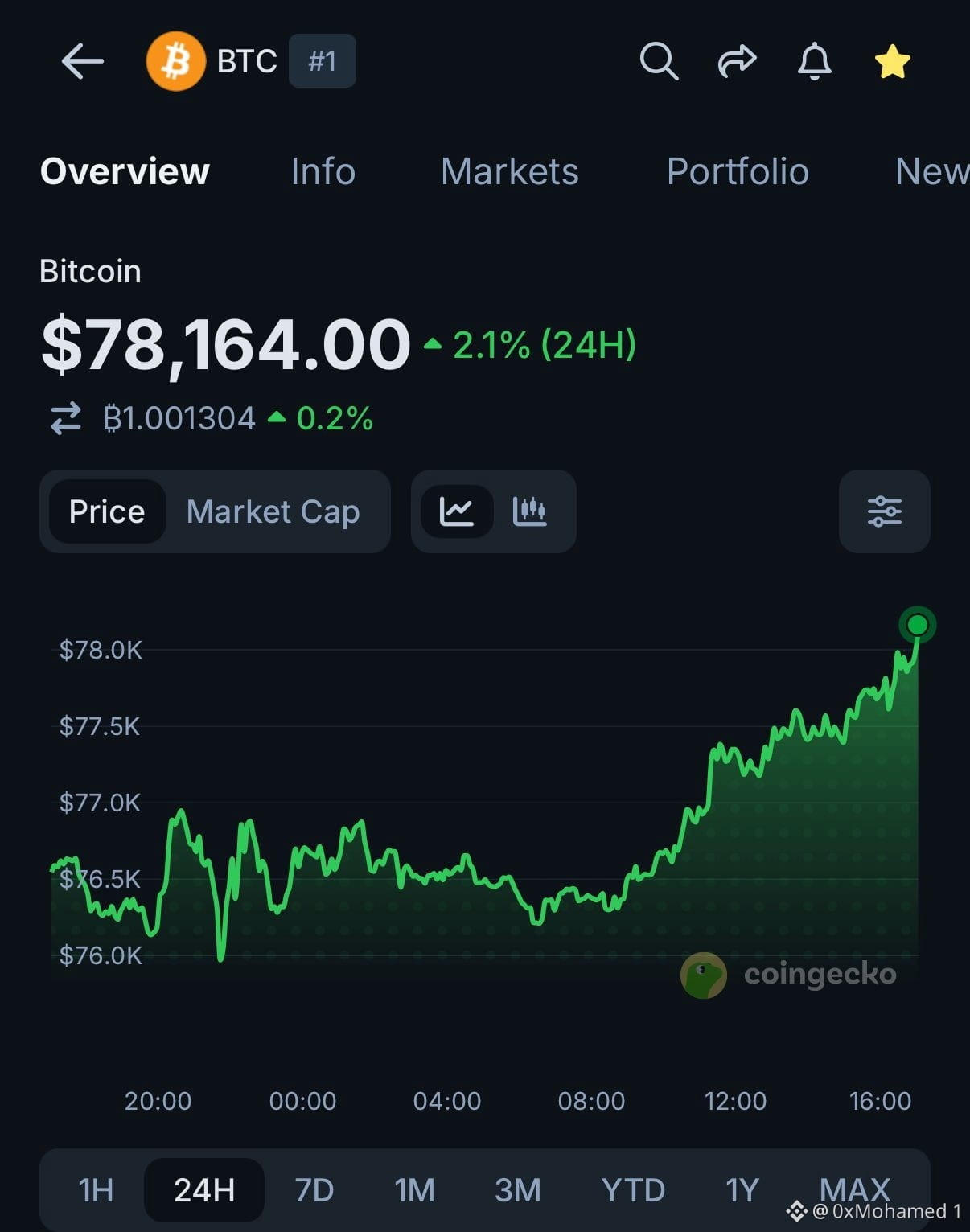
Bitcoin reclaims $78,000. Will it hit $80,000 before the week ends? #BTC $BTC
Bitcoin reclaims $78,000. Will it hit $80,000 before the week ends? #BTC $BTC
68
·
--
Aave to launch an RWA lending market on Avalanche, letting institutions borrow stablecoins against tokenized assets. $AVAX $AAVE #AVAX #aave
Aave to launch an RWA lending market on Avalanche, letting institutions borrow stablecoins against tokenized assets. $AVAX $AAVE #AVAX #aave

64
·
--
Zcash holders vote to cut block times from 75 to 25 seconds and retain the network’s Bitcoin-style halving schedule. #ZEC $ZEC
Zcash holders vote to cut block times from 75 to 25 seconds and retain the network’s Bitcoin-style halving schedule. #ZEC $ZEC
7
·
--
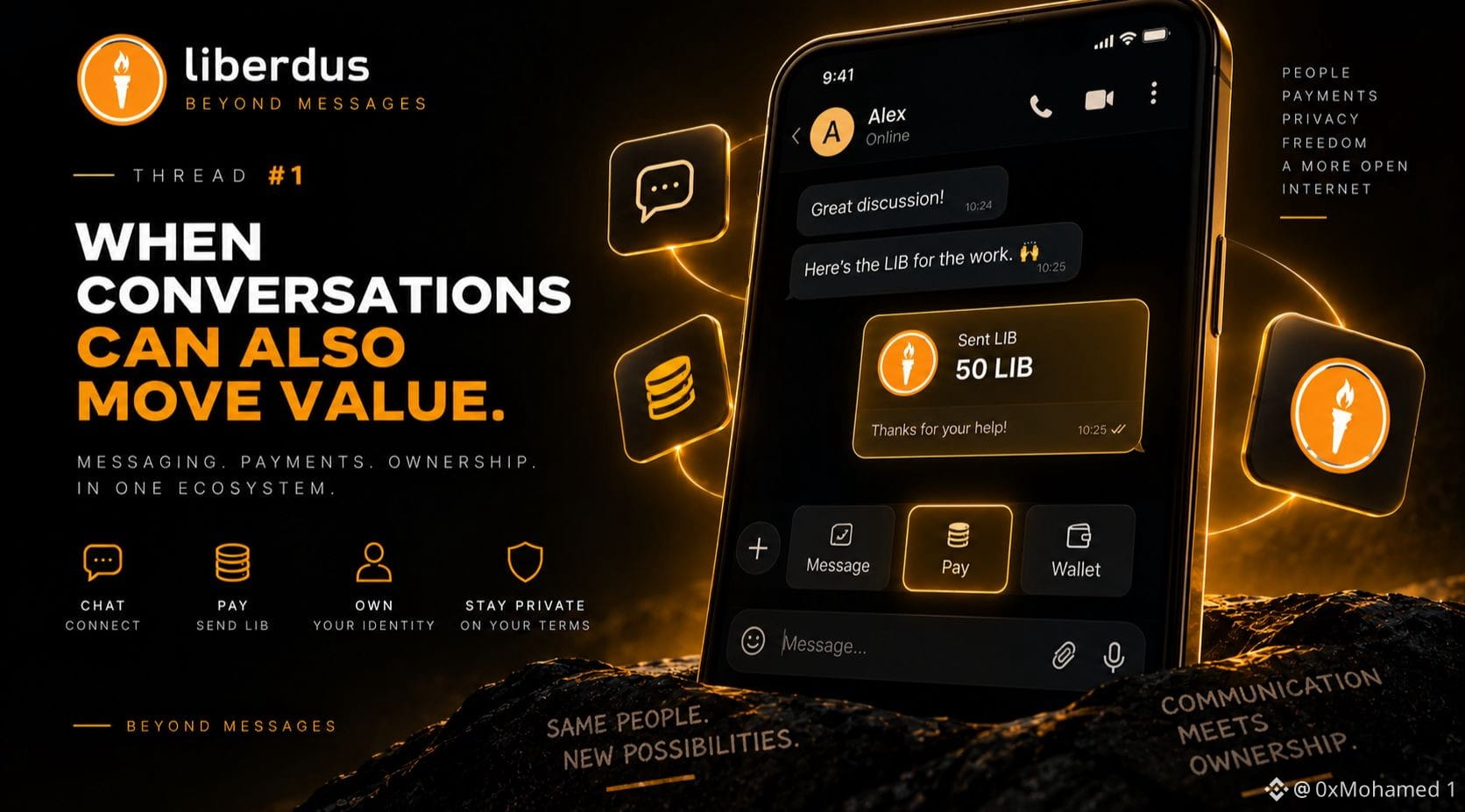
Understand Liberdus Most messaging apps separate conversation from payments. One app for chatting. Another for sending money. Another wallet to manage crypto. Liberdus takes a different approach. What happens when messaging and payments exist in the same ecosystem? Liberdus has a built-in wallet that lets users send and receive LIB directly inside the app. So payments aren't treated as a completely separate experience. They can happen alongside communication. For example, when you're already chatting with someone, you can open the payment option, enter the amount, optionally add a memo, review the transaction and confirm it. The transaction then appears in the conversation. You can also send LIB directly from the wallet. The recipient can be specified using: → their username → a QR code → or a wallet address The transaction can also include an optional memo. Why does this matter? Because a username can serve as more than a way to find someone. Liberdus documents that usernames can be used for both messaging and payments, and are mapped to wallet addresses. That creates an interesting model, Identity → Communication → Payment instead of treating each as a completely separate layer. Your conversation can become the starting point for an interaction that also includes value transfer. But there's an important privacy detail. LIB transactions are not anonymous. Liberdus says transaction metadata can include the sending account, receiving account and amount. So no phone number ≠ anonymous transactions. That's an important distinction. And that's what makes this architecture interesting to me. It's not simply about adding a wallet to a messaging app. It's about asking what should communication + identity + payments look like when they're designed together? The bigger Web3 question, if messaging and payments can share the same identity layer does the wallet become part of how we communicate online? That's a conversation worth having. #Liberdus #AVAX $AVAX
Understand Liberdus Most messaging apps separate conversation from payments. One app for chatting. Another for sending money. Another wallet to manage crypto. Liberdus takes a different approach. What happens when messaging and payments exist in the same ecosystem? Liberdus has a built-in wallet that lets users send and receive LIB directly inside the app. So payments aren't treated as a completely separate experience. They can happen alongside communication. For example, when you're already chatting with someone, you can open the payment option, enter the amount, optionally add a memo, review the transaction and confirm it. The transaction then appears in the conversation. You can also send LIB directly from the wallet. The recipient can be specified using: → their username → a QR code → or a wallet address The transaction can also include an optional memo. Why does this matter? Because a username can serve as more than a way to find someone. Liberdus documents that usernames can be used for both messaging and payments, and are mapped to wallet addresses. That creates an interesting model, Identity → Communication → Payment instead of treating each as a completely separate layer. Your conversation can become the starting point for an interaction that also includes value transfer. But there's an important privacy detail. LIB transactions are not anonymous. Liberdus says transaction metadata can include the sending account, receiving account and amount. So no phone number ≠ anonymous transactions. That's an important distinction. And that's what makes this architecture interesting to me. It's not simply about adding a wallet to a messaging app. It's about asking what should communication + identity + payments look like when they're designed together? The bigger Web3 question, if messaging and payments can share the same identity layer does the wallet become part of how we communicate online? That's a conversation worth having. #Liberdus #AVAX $AVAX
61
·
--
The more I learn about digital identity, the less I think it should be about identification. We’ve built the internet around usernames, emails, phone numbers and accounts. But we rarely stop to ask who actually controls the identity behind all of this? That question is becoming more important as Web3 evolves. Maybe digital ownership isn't only about owning assets. Maybe it starts with owning how you exist online. #Liberdus @Liberdus #BTC $BTC
The more I learn about digital identity, the less I think it should be about identification. We’ve built the internet around usernames, emails, phone numbers and accounts. But we rarely stop to ask who actually controls the identity behind all of this? That question is becoming more important as Web3 evolves. Maybe digital ownership isn't only about owning assets. Maybe it starts with owning how you exist online. #Liberdus @Liberdus #BTC $BTC

38
·
--
Standard Chartered sees 70x upside for Arbitrum’s $ARB by 2030. The bank initiated coverage with a $10 target, citing tokenized assets and Robinhood Chain growth as key catalysts, with Arbitrum’s monthly revenue projected to reach about $5 million in September. #ARB
Standard Chartered sees 70x upside for Arbitrum’s $ARB by 2030. The bank initiated coverage with a $10 target, citing tokenized assets and Robinhood Chain growth as key catalysts, with Arbitrum’s monthly revenue projected to reach about $5 million in September. #ARB

46
·
--
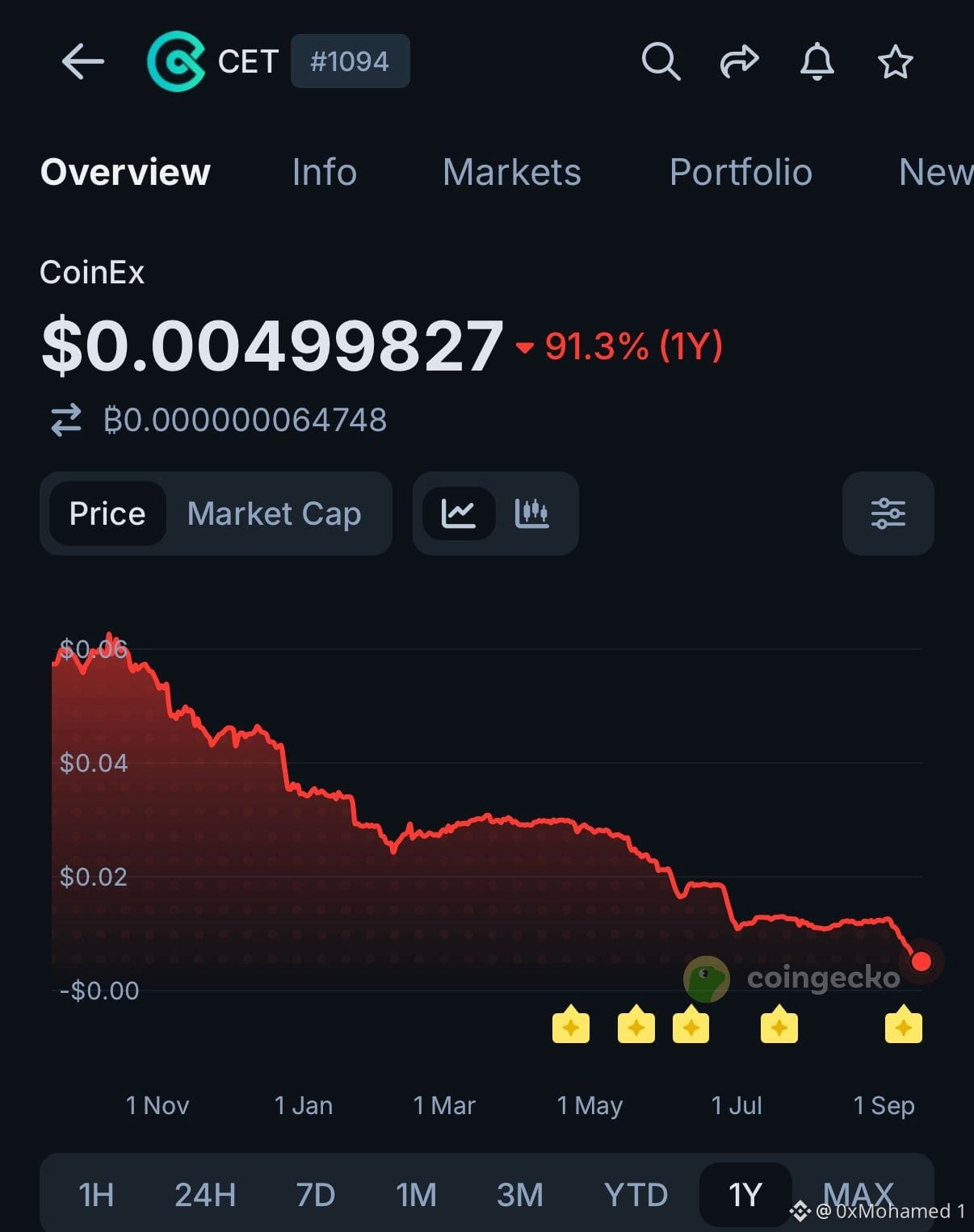
Crypto exchange CoinEx to shut down after 9 years, citing low liquidity and rising compliance costs. Its native token, $CET , is down 91.3% over the past year. #CET
Crypto exchange CoinEx to shut down after 9 years, citing low liquidity and rising compliance costs. Its native token, $CET , is down 91.3% over the past year. #CET
62
·
--
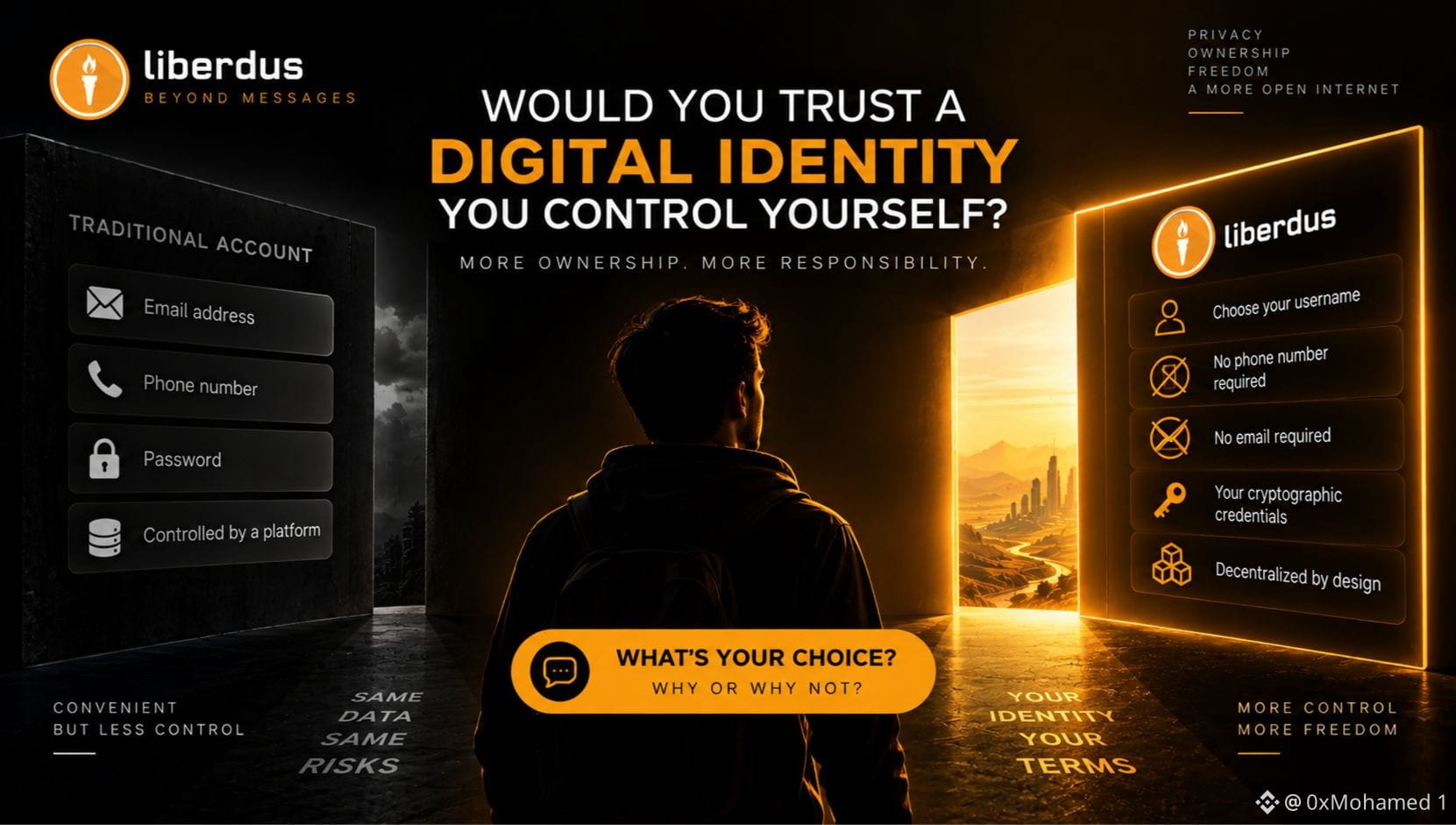
Would you trust a digital identity you control yourself? No phone number, no email required, no central account recovery. Instead, your account is tied to cryptographic credentials you control. More ownership sounds great. But it also means more responsibility. Would you choose that model over the traditional email + password system? Why or why not? #Liberdus @Liberdus #XRP $XRP
Would you trust a digital identity you control yourself? No phone number, no email required, no central account recovery. Instead, your account is tied to cryptographic credentials you control. More ownership sounds great. But it also means more responsibility. Would you choose that model over the traditional email + password system? Why or why not? #Liberdus @Liberdus #XRP $XRP
46
·
--
BitMine Immersion purchases another 27,180 Ethereum, now holds over 5.96M $ETH . #ETH
BitMine Immersion purchases another 27,180 Ethereum, now holds over 5.96M $ETH . #ETH
55
Войдите, чтобы посмотреть больше материала
Присоединяйтесь к пользователям криптовалют по всему миру на Binance Square
⚡️ Получайте новейшую и полезную информацию о криптоактивах.
💬 Нам доверяет крупнейшая в мире криптобиржа.
👍 Получите достоверные аналитические данные от верифицированных создателей контента.
Эл. почта/номер телефона
В тренде
BinanceKZ
Просмотров: 8,757
50 обсуждают
Как я потерял 180 000 тенге на «менеджере Binance» из WhatsApp — и почему всё равно остался в крипте
phpdead
·Лайков: 5
·Просмотров: 1.8k
BTCFallsBelow$83000
Просмотров: 4,718
73 обсуждают
BitgetDetailsSecurityIncidentTimeline
Просмотров: 543
56 обсуждают