

Qamar Alali Richmama
149 Публикации

Qamar Alali Richmama
Отправить жалобу
Заблокировать пользователя
Crypto & forex expert with 7+ years experience, MSc in Info Systems, advisor at Iktifa, and content creator with 350K+ followers in the Arabic-speaking world.
0 подписок(и/а)
3 подписчиков(а)
4 понравилось
Посты
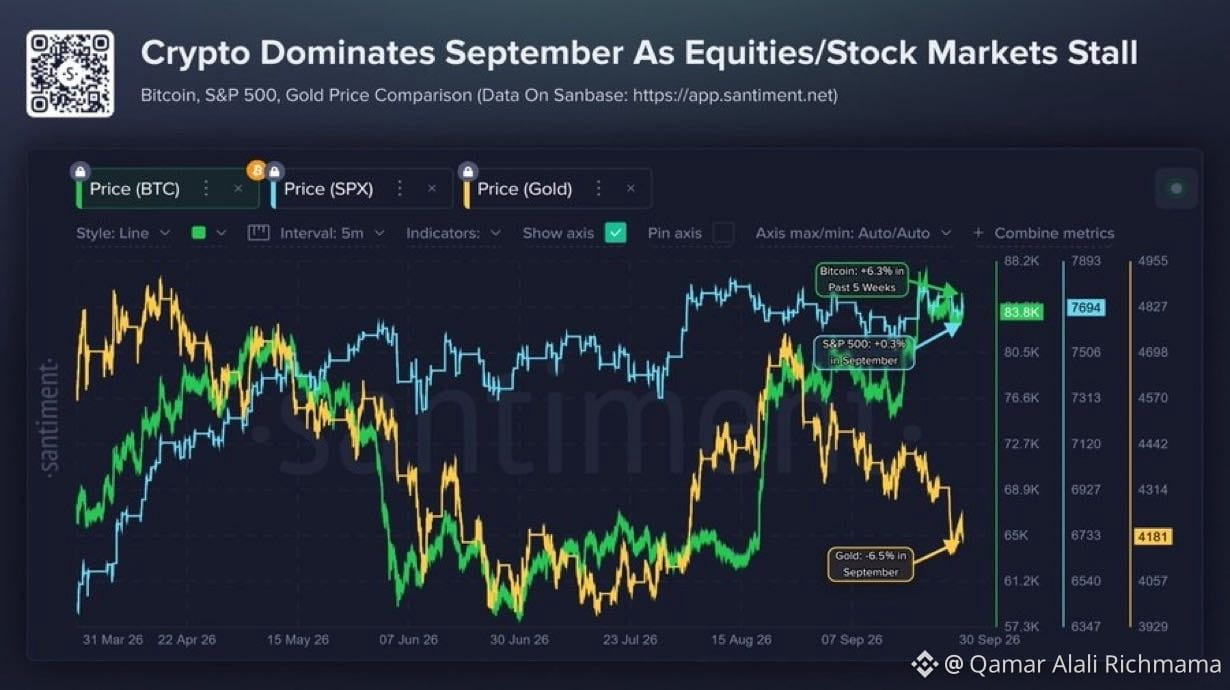
🚀 Bitcoin Outperformed Stocks & Gold in September
Bitcoin gained around 7% in September, outperforming both traditional assets. Meanwhile, the S&P 500 remained nearly flat, while gold dropped more than 6%, according to Santiment.
#Bitcoin #Crypto #BTC
🚀 Bitcoin Outperformed Stocks & Gold in September
Bitcoin gained around 7% in September, outperforming both traditional assets. Meanwhile, the S&P 500 remained nearly flat, while gold dropped more than 6%, according to Santiment.
#Bitcoin #Crypto #BTC
Bitcoin gained around 7% in September, outperforming both traditional assets. Meanwhile, the S&P 500 remained nearly flat, while gold dropped more than 6%, according to Santiment.
#Bitcoin #Crypto #BTC
54
🚨 Sovereign Wealth Funds Are Selling Gold to Buy Bitcoin
Bitwise Head of Research Ryan Rasmussen says major institutions are increasingly holding Bitcoin alongside gold as a hedge against currency debasement.
🔹 Bitwise’s first institutional survey found that none of the 15 major institutions interviewed sold their crypto holdings as Bitcoin fell from around $125K to $60K.
🔹 Several institutions actually bought more during the decline.
🔹 One sovereign wealth fund revealed it was funding its crypto allocation by selling foreign exchange and gold reserves.
🔹 Rasmussen believes $60K was Bitcoin’s bottom.
#Bitcoin #BTC #Crypto #Gold
🚨 Sovereign Wealth Funds Are Selling Gold to Buy Bitcoin
Bitwise Head of Research Ryan Rasmussen says major institutions are increasingly holding Bitcoin alongside gold as a hedge against currency debasement.
🔹 Bitwise’s first institutional survey found that none of the 15 major institutions interviewed sold their crypto holdings as Bitcoin fell from around $125K to $60K.
🔹 Several institutions actually bought more during the decline.
🔹 One sovereign wealth fund revealed it was funding its crypto allocation by selling foreign exchange and gold reserves.
🔹 Rasmussen believes $60K was Bitcoin’s bottom.
#Bitcoin #BTC #Crypto #Gold
Bitwise Head of Research Ryan Rasmussen says major institutions are increasingly holding Bitcoin alongside gold as a hedge against currency debasement.
🔹 Bitwise’s first institutional survey found that none of the 15 major institutions interviewed sold their crypto holdings as Bitcoin fell from around $125K to $60K.
🔹 Several institutions actually bought more during the decline.
🔹 One sovereign wealth fund revealed it was funding its crypto allocation by selling foreign exchange and gold reserves.
🔹 Rasmussen believes $60K was Bitcoin’s bottom.
#Bitcoin #BTC #Crypto #Gold

65
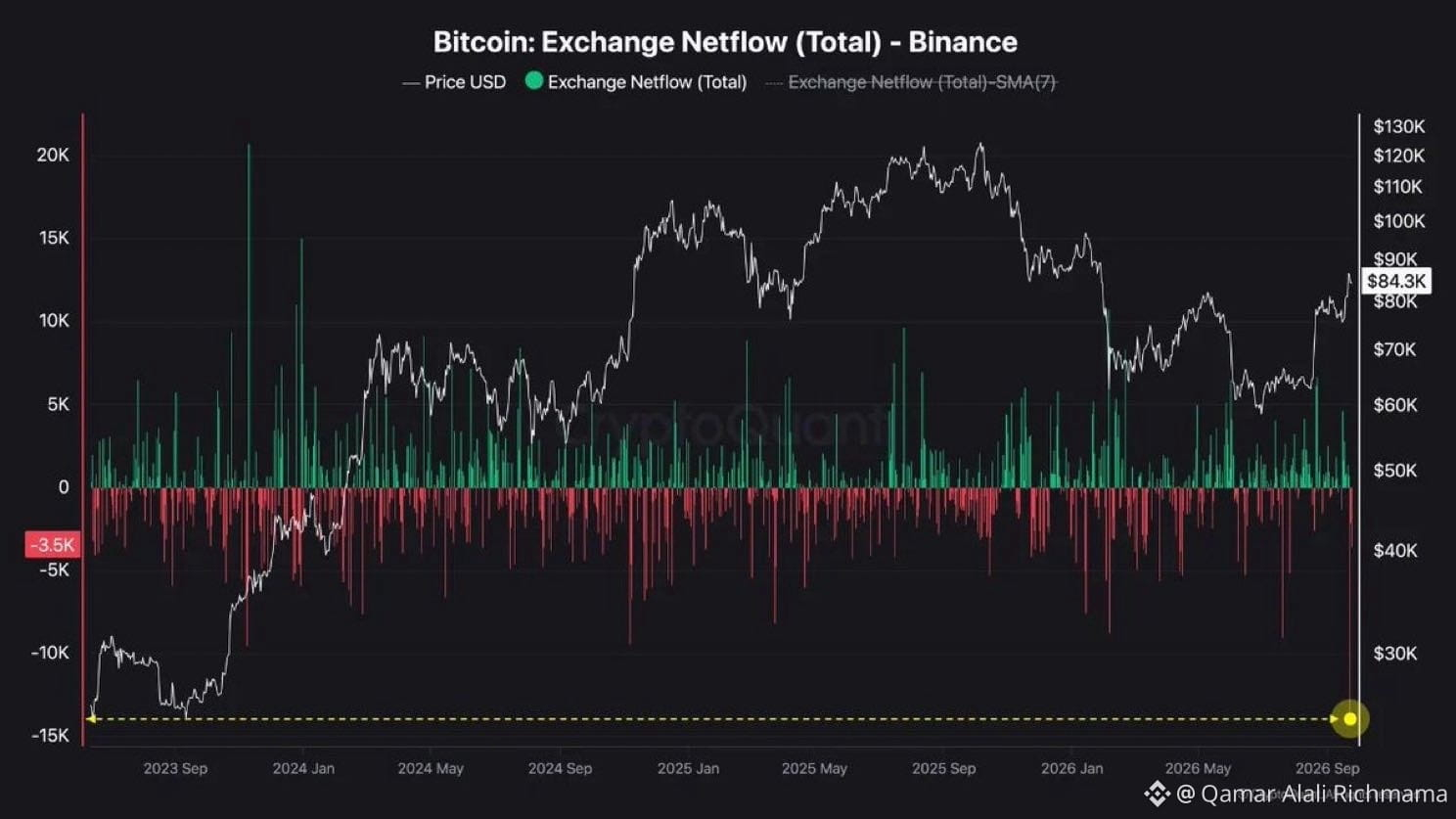
Bitcoin Sees Its Biggest Binance Outflow Since 2023
Binance recorded its largest single-day net Bitcoin outflow since 2023, with more than 13,800 BTC leaving the exchange, according to CryptoQuant.
🔹 Binance holds around 30% of the Bitcoin on exchanges accessible to investors.
🔹 Its reserves dropped by 20,000 BTC in just four days, from 705,000 to 685,000 BTC.
📌 The withdrawals suggest more investors are moving BTC into self-custody, a trend often associated with long-term holding and potentially lower selling pressure.
👀 Meanwhile, investors who were waiting for lower prices may now be experiencing FOMO, fearing they could miss the next move.
#Bitcoin #BTC #Crypto #Binance
Bitcoin Sees Its Biggest Binance Outflow Since 2023
Binance recorded its largest single-day net Bitcoin outflow since 2023, with more than 13,800 BTC leaving the exchange, according to CryptoQuant.
🔹 Binance holds around 30% of the Bitcoin on exchanges accessible to investors.
🔹 Its reserves dropped by 20,000 BTC in just four days, from 705,000 to 685,000 BTC.
📌 The withdrawals suggest more investors are moving BTC into self-custody, a trend often associated with long-term holding and potentially lower selling pressure.
👀 Meanwhile, investors who were waiting for lower prices may now be experiencing FOMO, fearing they could miss the next move.
#Bitcoin #BTC #Crypto #Binance
Binance recorded its largest single-day net Bitcoin outflow since 2023, with more than 13,800 BTC leaving the exchange, according to CryptoQuant.
🔹 Binance holds around 30% of the Bitcoin on exchanges accessible to investors.
🔹 Its reserves dropped by 20,000 BTC in just four days, from 705,000 to 685,000 BTC.
📌 The withdrawals suggest more investors are moving BTC into self-custody, a trend often associated with long-term holding and potentially lower selling pressure.
👀 Meanwhile, investors who were waiting for lower prices may now be experiencing FOMO, fearing they could miss the next move.
#Bitcoin #BTC #Crypto #Binance

71
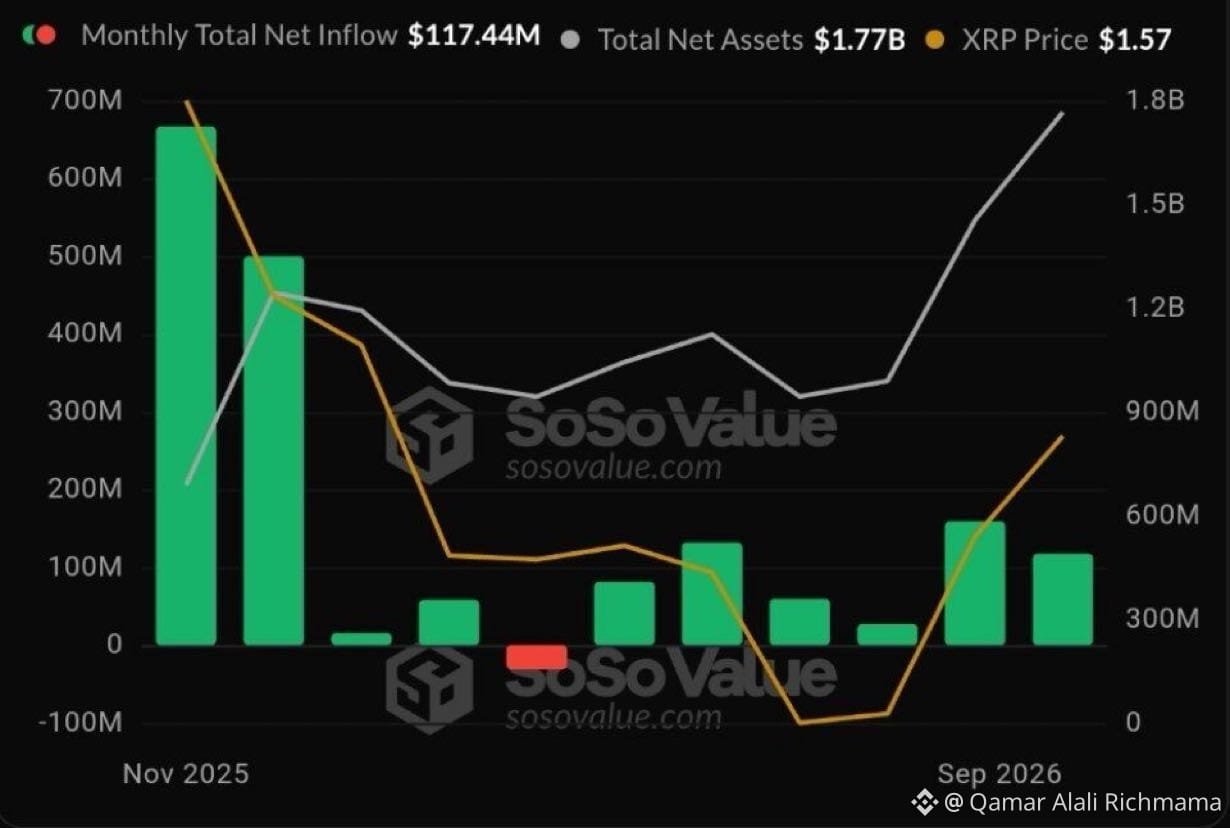
📊 Crypto ETFs Continue to See Strong Inflows
$BTC , $ETH , $SOL , and $XRP ETFs have recorded net monthly inflows for at least 3 consecutive months.
🔥 $XRP ETFs stand out with 6 consecutive months of net inflows, signaling sustained investor demand.
#Bitcoin #Ethereum #Solana
📊 Crypto ETFs Continue to See Strong Inflows
$BTC , $ETH , $SOL , and $XRP ETFs have recorded net monthly inflows for at least 3 consecutive months.
🔥 $XRP ETFs stand out with 6 consecutive months of net inflows, signaling sustained investor demand.
#Bitcoin #Ethereum #Solana
$BTC , $ETH , $SOL , and $XRP ETFs have recorded net monthly inflows for at least 3 consecutive months.
🔥 $XRP ETFs stand out with 6 consecutive months of net inflows, signaling sustained investor demand.
#Bitcoin #Ethereum #Solana
59
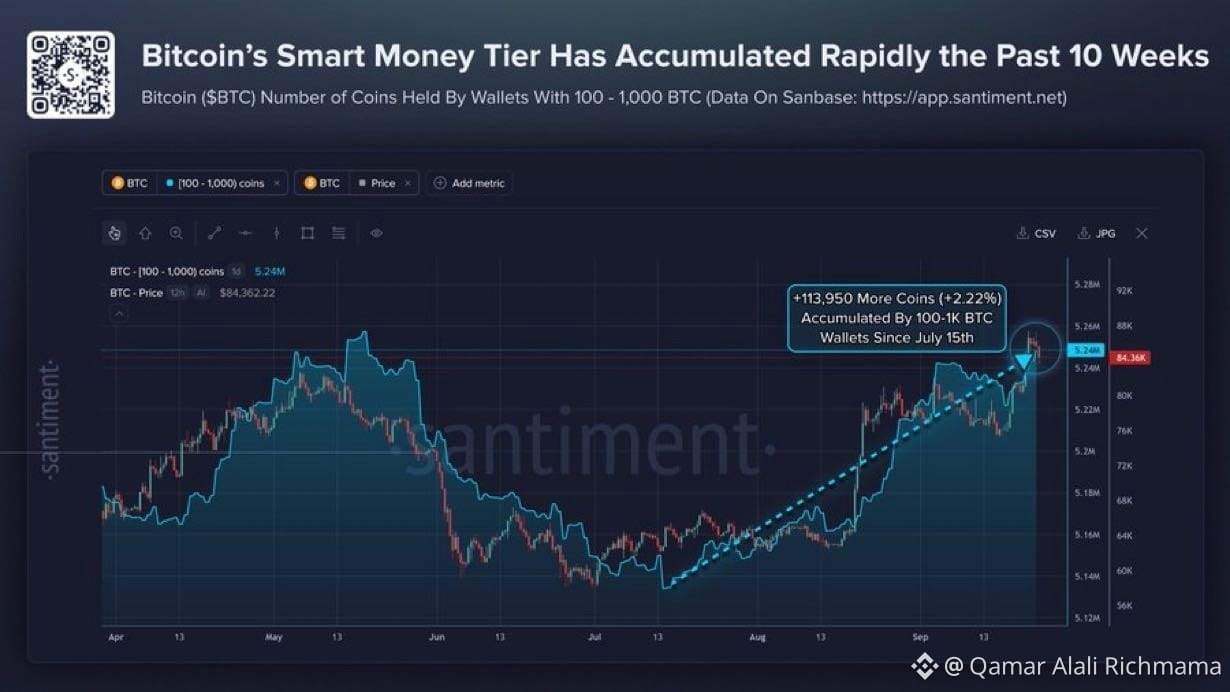
🐋 Bitcoin whales are accumulating.
Wallets holding 100–1,000 BTC have added around 113,950 BTC since mid-July, bringing their total holdings to approximately 5.24 million BTC, according to Santiment.
#Bitcoin #BTC #Crypto #Whales
🐋 Bitcoin whales are accumulating.
Wallets holding 100–1,000 BTC have added around 113,950 BTC since mid-July, bringing their total holdings to approximately 5.24 million BTC, according to Santiment.
#Bitcoin #BTC #Crypto #Whales
Wallets holding 100–1,000 BTC have added around 113,950 BTC since mid-July, bringing their total holdings to approximately 5.24 million BTC, according to Santiment.
#Bitcoin #BTC #Crypto #Whales
58
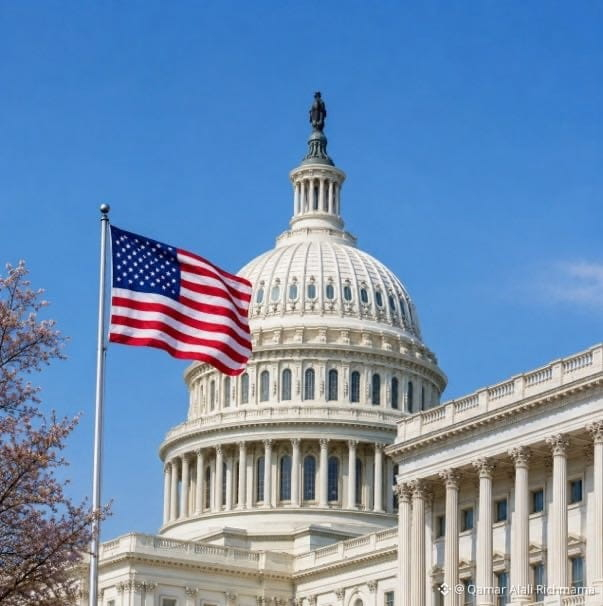
White House: Big Banks Blocked the CLARITY Act
White House crypto adviser Patrick Witt says major banks opposed the bill over concerns that stablecoins could drain their deposits. He also said Trump was willing to place his crypto assets in a blind trust to address ethics concerns.
#CLARITYAct #Stablecoins #Crypto
White House: Big Banks Blocked the CLARITY Act
White House crypto adviser Patrick Witt says major banks opposed the bill over concerns that stablecoins could drain their deposits. He also said Trump was willing to place his crypto assets in a blind trust to address ethics concerns.
#CLARITYAct #Stablecoins #Crypto
White House crypto adviser Patrick Witt says major banks opposed the bill over concerns that stablecoins could drain their deposits. He also said Trump was willing to place his crypto assets in a blind trust to address ethics concerns.
#CLARITYAct #Stablecoins #Crypto

69
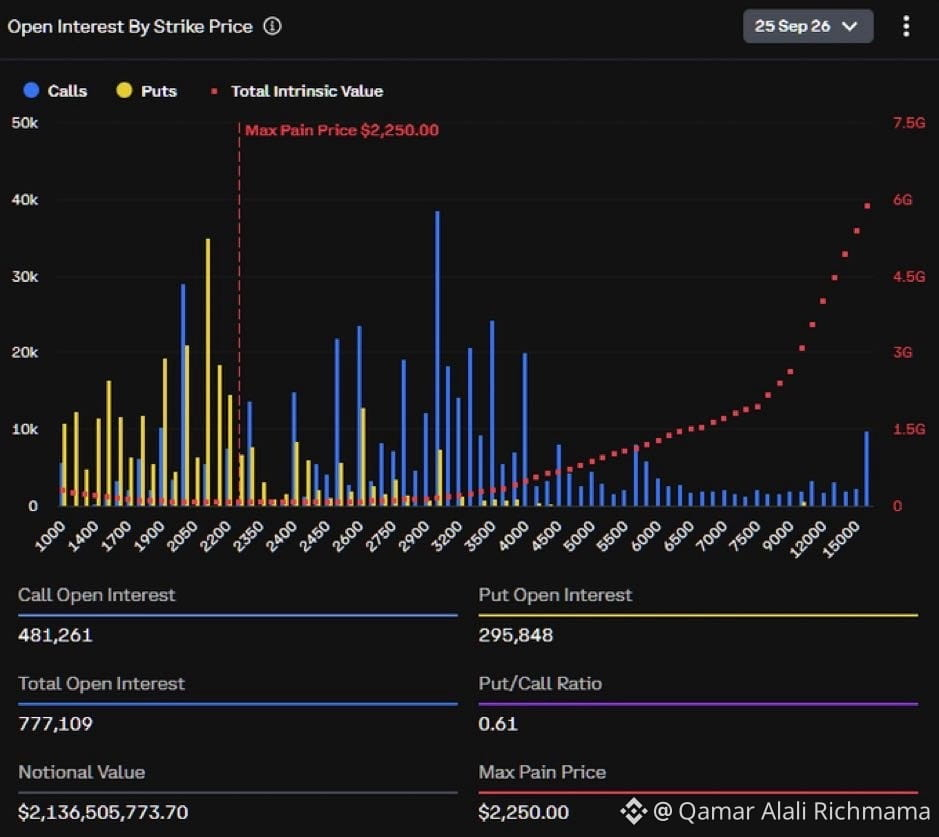
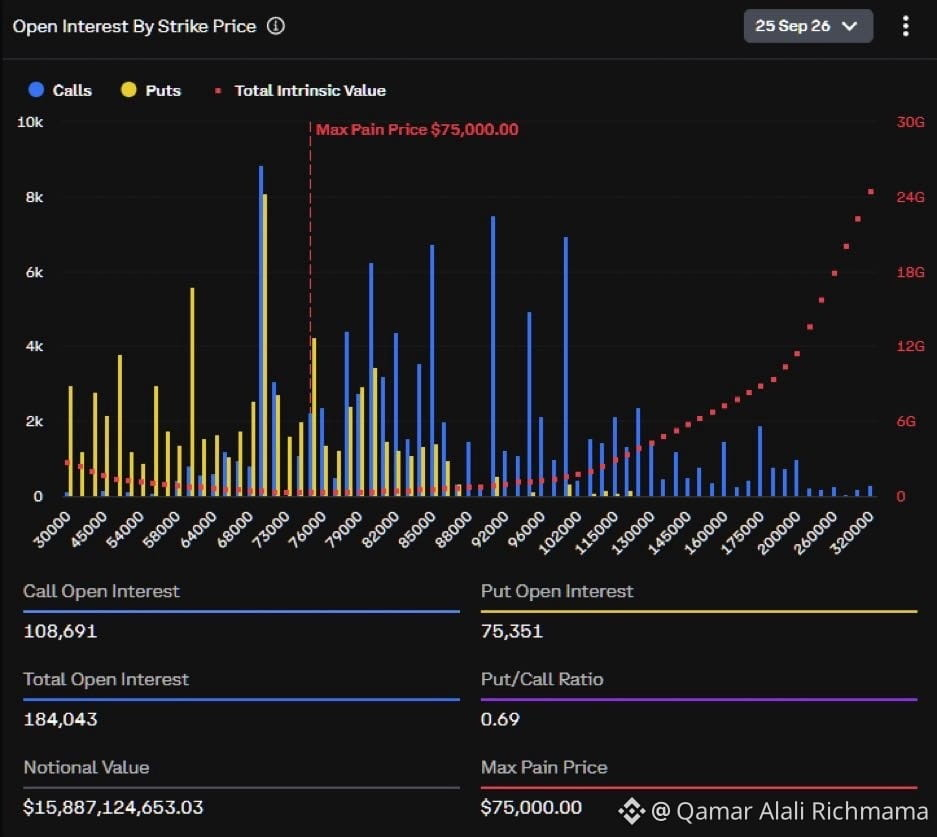
🚨 $18B in Bitcoin & Ethereum options expire this Friday — the largest expiry of 2026.
🔸 Bitcoin (BTC)
• $15.9B in options
• Max Pain: $75K
• Calls: $9.4B vs. Puts: $6.5B
• Key levels: $90K & $100K
🔸 Ethereum (ETH)
• $2.1B in options
• Max Pain: $2.25K
• Calls: $1.32B vs. Puts: $813M
• Key range: $3K–$4K
📊 A major options expiry is approaching, with call contracts outweighing puts for both BTC and ETH.
#Bitcoin #Ethereum #Crypto
🚨 $18B in Bitcoin & Ethereum options expire this Friday — the largest expiry of 2026.
🔸 Bitcoin (BTC)
• $15.9B in options
• Max Pain: $75K
• Calls: $9.4B vs. Puts: $6.5B
• Key levels: $90K & $100K
🔸 Ethereum (ETH)
• $2.1B in options
• Max Pain: $2.25K
• Calls: $1.32B vs. Puts: $813M
• Key range: $3K–$4K
📊 A major options expiry is approaching, with call contracts outweighing puts for both BTC and ETH.
#Bitcoin #Ethereum #Crypto
🔸 Bitcoin (BTC)
• $15.9B in options
• Max Pain: $75K
• Calls: $9.4B vs. Puts: $6.5B
• Key levels: $90K & $100K
🔸 Ethereum (ETH)
• $2.1B in options
• Max Pain: $2.25K
• Calls: $1.32B vs. Puts: $813M
• Key range: $3K–$4K
📊 A major options expiry is approaching, with call contracts outweighing puts for both BTC and ETH.
#Bitcoin #Ethereum #Crypto
69
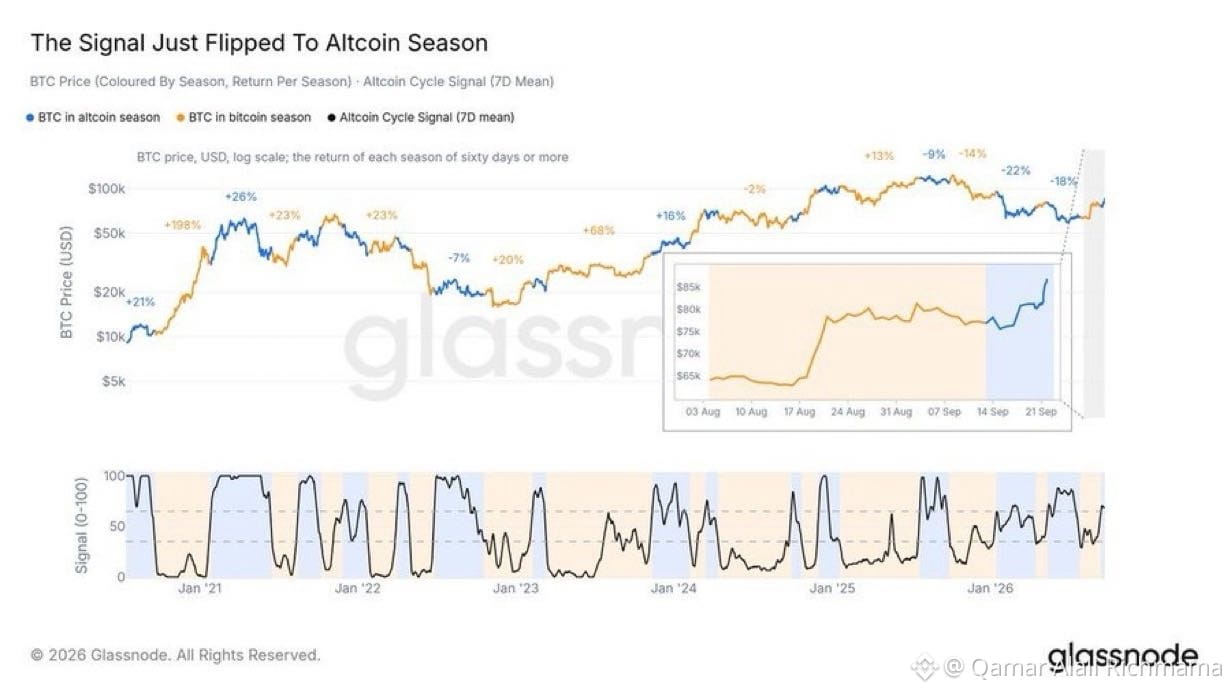
🚨 Altcoin Season Signal Flips!
The latest market rally is spreading beyond Bitcoin, with broader strength across the altcoin market.
📊 According to Glassnode, the cycle signal has now shifted from Bitcoin dominance to Altcoin Season.
🔥 Altcoins are starting to take the spotlight.
#AltcoinSeason #Altcoins #Crypto
🚨 Altcoin Season Signal Flips!
The latest market rally is spreading beyond Bitcoin, with broader strength across the altcoin market.
📊 According to Glassnode, the cycle signal has now shifted from Bitcoin dominance to Altcoin Season.
🔥 Altcoins are starting to take the spotlight.
#AltcoinSeason #Altcoins #Crypto
The latest market rally is spreading beyond Bitcoin, with broader strength across the altcoin market.
📊 According to Glassnode, the cycle signal has now shifted from Bitcoin dominance to Altcoin Season.
🔥 Altcoins are starting to take the spotlight.
#AltcoinSeason #Altcoins #Crypto
48
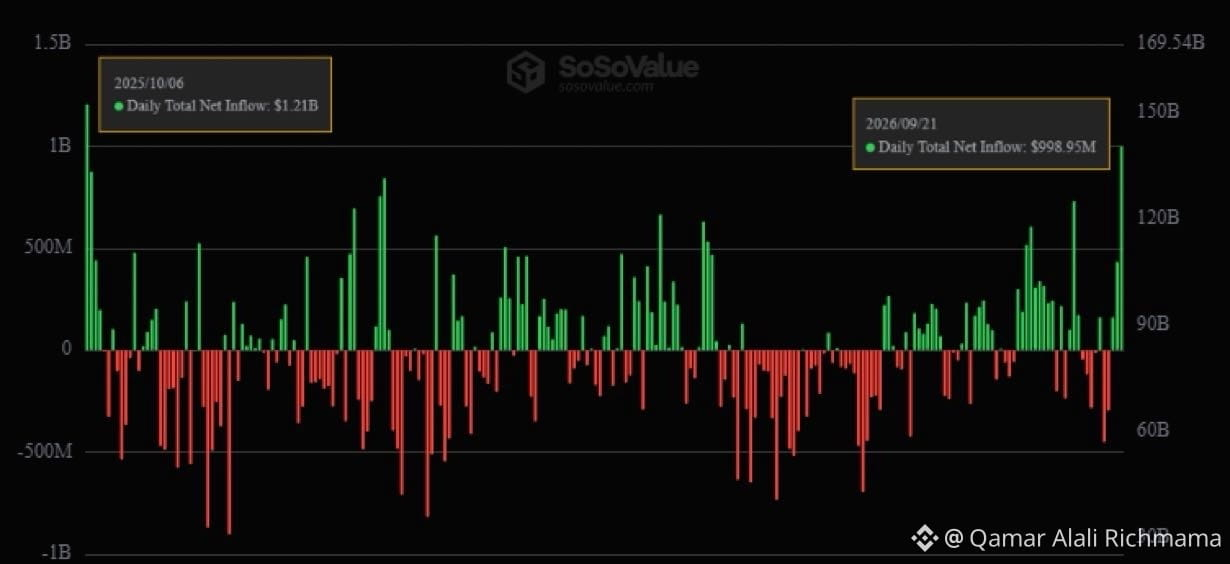
🚨 Crypto ETFs Just Recorded Their Biggest Inflows Since the October 10 Crash!
🇺🇸 U.S. Spot Bitcoin ETFs saw $999M in inflows, while Ethereum ETFs attracted $270M — both hitting their highest levels in 11 months.
📈 The surge came as BTC climbed above $86K and ETH broke above $2.7K, reaching their highest levels in 8 months.
🔥 Institutional demand is heating up again.
#Bitcoin #Ethereum #Crypto
🚨 Crypto ETFs Just Recorded Their Biggest Inflows Since the October 10 Crash!
🇺🇸 U.S. Spot Bitcoin ETFs saw $999M in inflows, while Ethereum ETFs attracted $270M — both hitting their highest levels in 11 months.
📈 The surge came as BTC climbed above $86K and ETH broke above $2.7K, reaching their highest levels in 8 months.
🔥 Institutional demand is heating up again.
#Bitcoin #Ethereum #Crypto
🇺🇸 U.S. Spot Bitcoin ETFs saw $999M in inflows, while Ethereum ETFs attracted $270M — both hitting their highest levels in 11 months.
📈 The surge came as BTC climbed above $86K and ETH broke above $2.7K, reaching their highest levels in 8 months.
🔥 Institutional demand is heating up again.
#Bitcoin #Ethereum #Crypto
48
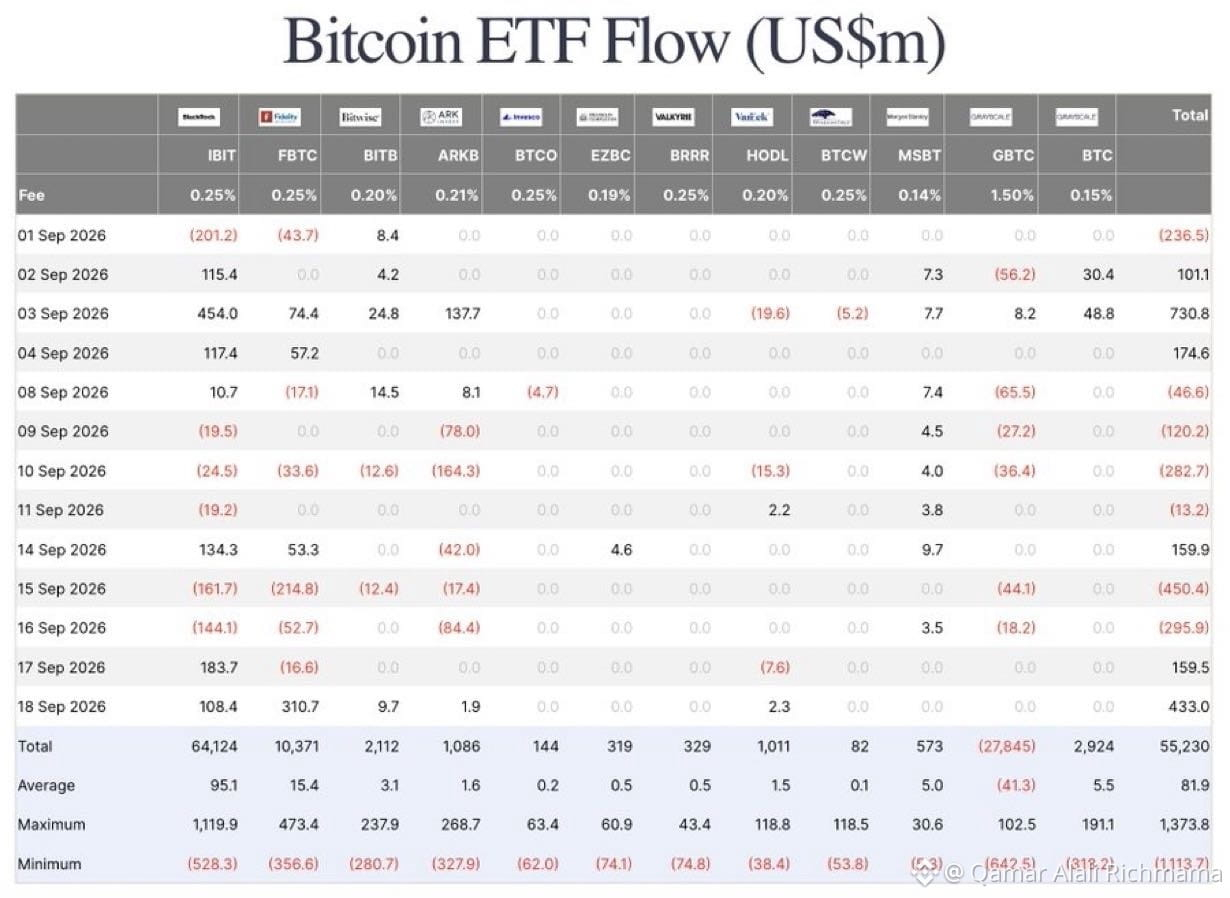
📊 Spot Bitcoin ETFs are seeing more money flowing in than out this month.
From September 1–18, positive-flow days brought in $1.76B, while negative-flow days saw $1.45B in outflows.
💰 That puts the month-to-date net inflow at $313.4M, showing continued positive capital flow into Bitcoin ETFs.
#Bitcoin #BitcoinETF #BTC #Crypto
📊 Spot Bitcoin ETFs are seeing more money flowing in than out this month.
From September 1–18, positive-flow days brought in $1.76B, while negative-flow days saw $1.45B in outflows.
💰 That puts the month-to-date net inflow at $313.4M, showing continued positive capital flow into Bitcoin ETFs.
#Bitcoin #BitcoinETF #BTC #Crypto
From September 1–18, positive-flow days brought in $1.76B, while negative-flow days saw $1.45B in outflows.
💰 That puts the month-to-date net inflow at $313.4M, showing continued positive capital flow into Bitcoin ETFs.
#Bitcoin #BitcoinETF #BTC #Crypto
61
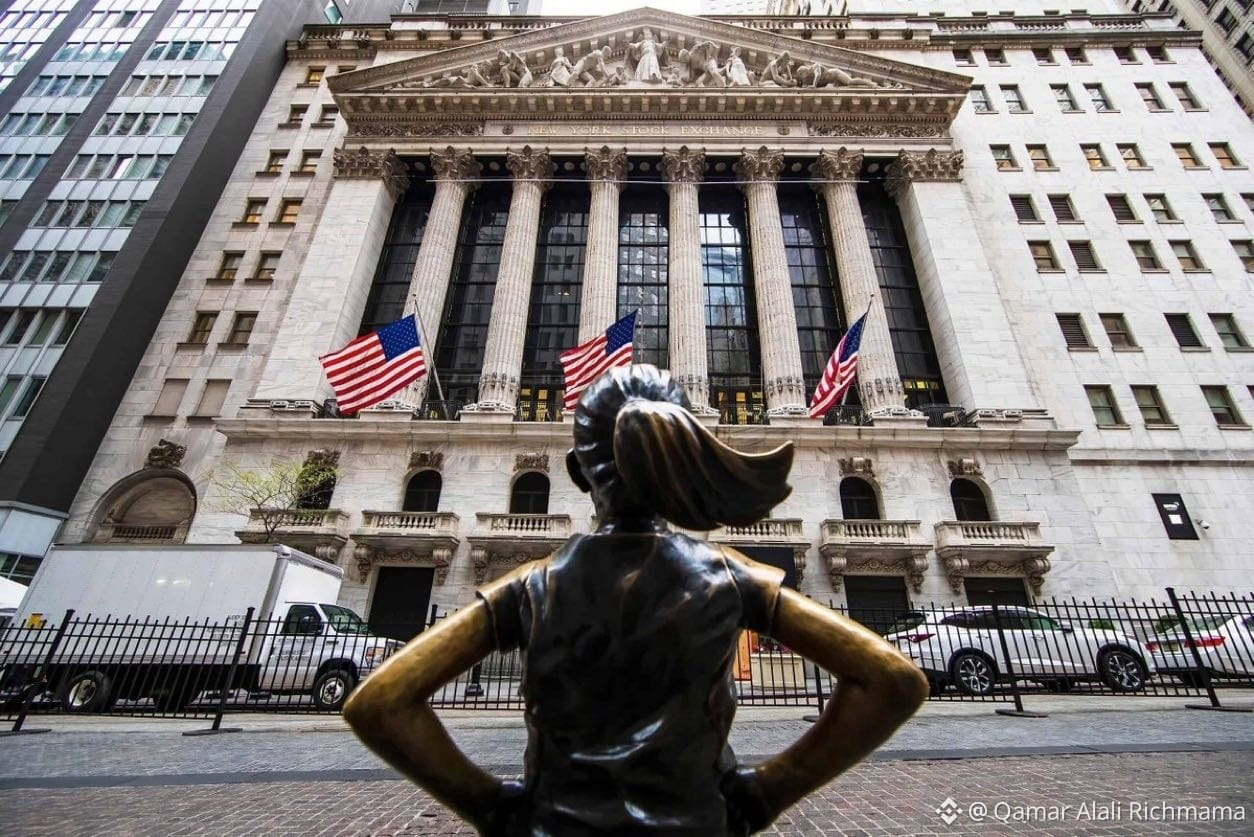
🚨 U.S. STOCK MARKETS ARE GOING 23/5! 🇺🇸📈
Starting December 6, U.S. stock markets are set to trade 23 hours a day, 5 days a week, from Sunday evening through Friday evening, with a one-hour daily maintenance break.
Nasdaq and NYSE Arca are preparing for extended trading hours, while the regular 9:30 AM–4:00 PM session remains unchanged.
⚠️ Extended hours could bring thinner liquidity, wider spreads, and higher volatility, with 24/7 trading potentially coming later.
#StockMarket #USStocks #Nasdaq
🚨 U.S. STOCK MARKETS ARE GOING 23/5! 🇺🇸📈
Starting December 6, U.S. stock markets are set to trade 23 hours a day, 5 days a week, from Sunday evening through Friday evening, with a one-hour daily maintenance break.
Nasdaq and NYSE Arca are preparing for extended trading hours, while the regular 9:30 AM–4:00 PM session remains unchanged.
⚠️ Extended hours could bring thinner liquidity, wider spreads, and higher volatility, with 24/7 trading potentially coming later.
#StockMarket #USStocks #Nasdaq
Starting December 6, U.S. stock markets are set to trade 23 hours a day, 5 days a week, from Sunday evening through Friday evening, with a one-hour daily maintenance break.
Nasdaq and NYSE Arca are preparing for extended trading hours, while the regular 9:30 AM–4:00 PM session remains unchanged.
⚠️ Extended hours could bring thinner liquidity, wider spreads, and higher volatility, with 24/7 trading potentially coming later.
#StockMarket #USStocks #Nasdaq

52
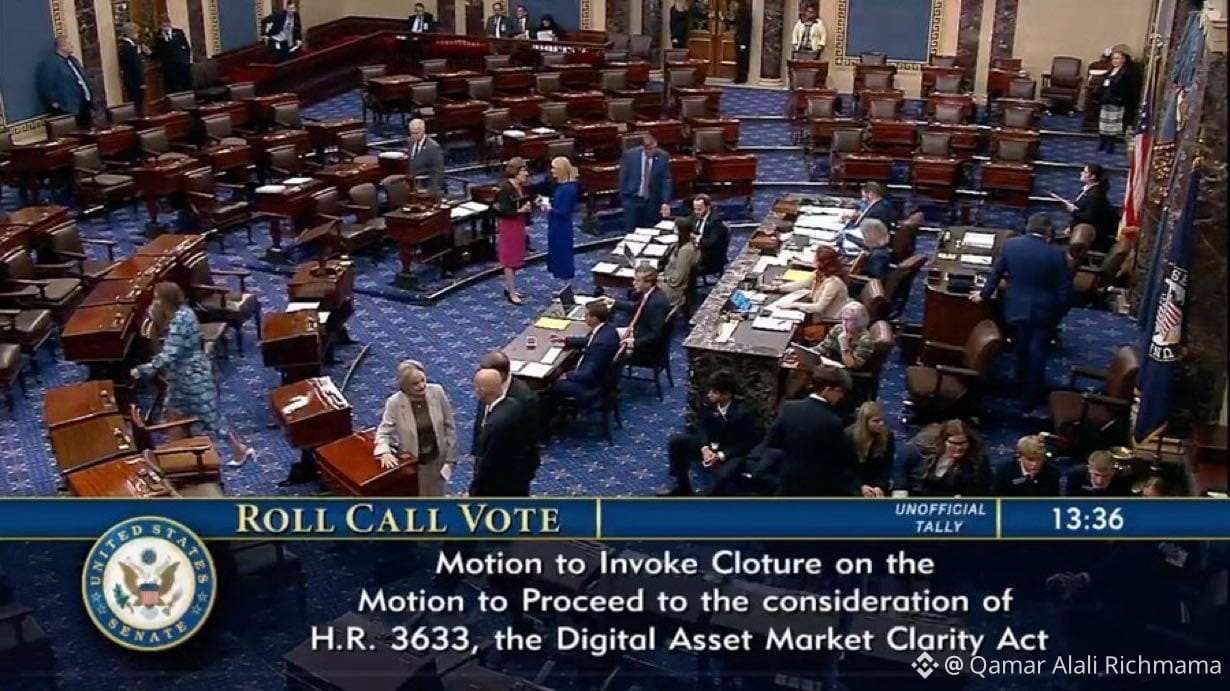
🚨 BREAKING: CLARITY Act Fails to Advance in the U.S. Senate
The CLARITY Act failed to secure the 60 votes required to advance, marking a major setback for U.S. crypto regulation.
The bill aims to establish a clearer regulatory framework for digital assets and the broader crypto industry.
#CLARITYAct #Crypto #Bitcoin #Ethereum
🚨 BREAKING: CLARITY Act Fails to Advance in the U.S. Senate
The CLARITY Act failed to secure the 60 votes required to advance, marking a major setback for U.S. crypto regulation.
The bill aims to establish a clearer regulatory framework for digital assets and the broader crypto industry.
#CLARITYAct #Crypto #Bitcoin #Ethereum
The CLARITY Act failed to secure the 60 votes required to advance, marking a major setback for U.S. crypto regulation.
The bill aims to establish a clearer regulatory framework for digital assets and the broader crypto industry.
#CLARITYAct #Crypto #Bitcoin #Ethereum
63
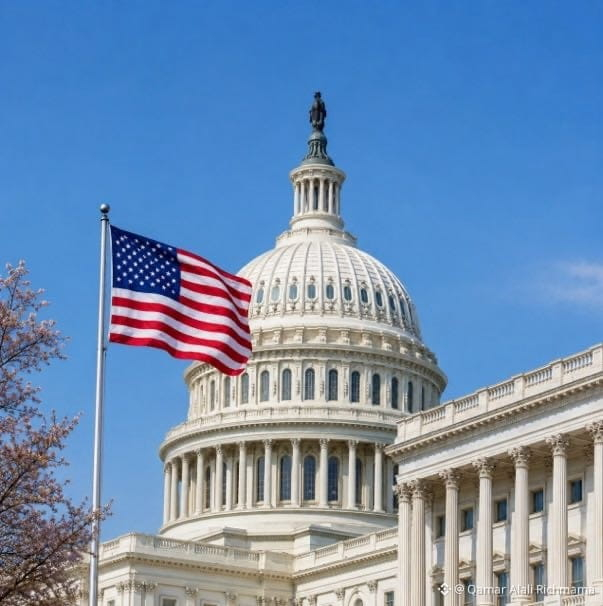
🔥 Republicans make their final push on the CLARITY Act.
Just ahead of Tuesday’s crucial vote, Senate Republicans released what they call their “last, best and final” offer.
The new version includes changes to DeFi, stablecoin yields, crypto ethics rules, and digital commodity markets.
🎯 But the biggest question remains:
Can they secure the 60 votes needed to move the bill forward?
#CLARITYAct #CryptoRegulation
🔥 Republicans make their final push on the CLARITY Act.
Just ahead of Tuesday’s crucial vote, Senate Republicans released what they call their “last, best and final” offer.
The new version includes changes to DeFi, stablecoin yields, crypto ethics rules, and digital commodity markets.
🎯 But the biggest question remains:
Can they secure the 60 votes needed to move the bill forward?
#CLARITYAct #CryptoRegulation
Just ahead of Tuesday’s crucial vote, Senate Republicans released what they call their “last, best and final” offer.
The new version includes changes to DeFi, stablecoin yields, crypto ethics rules, and digital commodity markets.
🎯 But the biggest question remains:
Can they secure the 60 votes needed to move the bill forward?
#CLARITYAct #CryptoRegulation

67
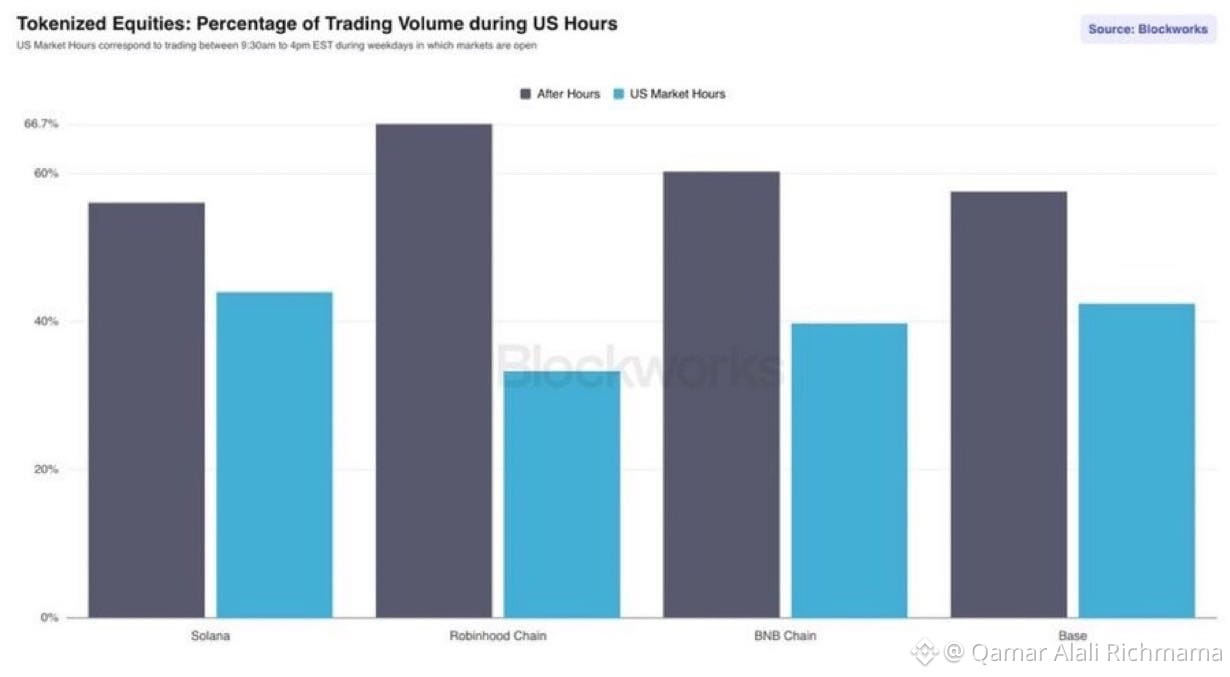
On-chain stock trading is seeing its strongest activity outside U.S. market hours.
📈 Solana, Robinhood, BNB Chain, and Base are all recording higher trading volumes during after-hours.
#OnChain #StockTrading
On-chain stock trading is seeing its strongest activity outside U.S. market hours.
📈 Solana, Robinhood, BNB Chain, and Base are all recording higher trading volumes during after-hours.
#OnChain #StockTrading
📈 Solana, Robinhood, BNB Chain, and Base are all recording higher trading volumes during after-hours.
#OnChain #StockTrading
82
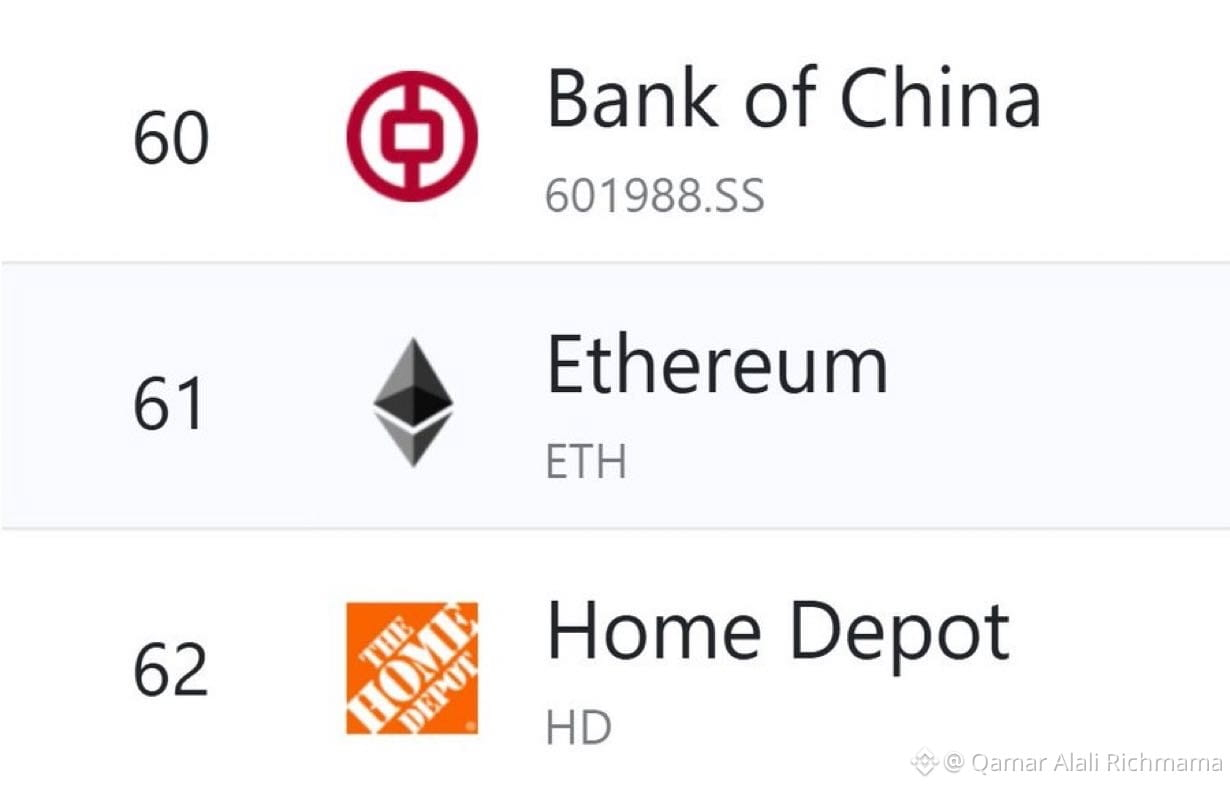
🚀 Ethereum is climbing the global asset rankings!
ETH has surged from #100 to #61 among the world’s largest assets by market capitalization in just a few months. 📈
A major move that highlights Ethereum’s growing market value and strength. 🔥
#Ethereum #ETH #Crypto
🚀 Ethereum is climbing the global asset rankings!
ETH has surged from #100 to #61 among the world’s largest assets by market capitalization in just a few months. 📈
A major move that highlights Ethereum’s growing market value and strength. 🔥
#Ethereum #ETH #Crypto
ETH has surged from #100 to #61 among the world’s largest assets by market capitalization in just a few months. 📈
A major move that highlights Ethereum’s growing market value and strength. 🔥
#Ethereum #ETH #Crypto
61
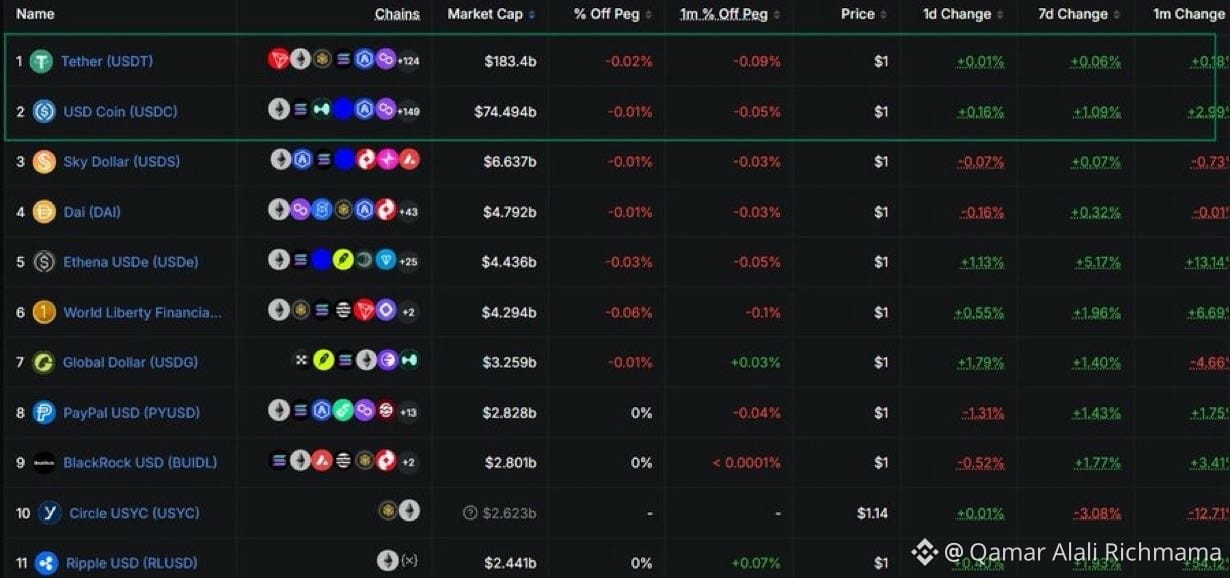
🚨 JUST TWO STABLECOINS CONTROL $258 BILLION
USDT and USDC now dominate the stablecoin market, holding more than all other stablecoins combined.
🔴 Tether’s USDT: $183.4B
That’s roughly 60% of the entire stablecoin market.
🔵 Circle’s USDC: $74.5B
Leaving less than $53B for every other competitor combined.
Even PayPal, Ethena, and DAI combined are still smaller than USDC alone.
🇺🇸 And quietly sitting at #6: Trump-backed World Liberty Financial’s stablecoin, now at $4.3B — already larger than PayPal’s.
#Crypto #Stablecoins #USDT
🚨 JUST TWO STABLECOINS CONTROL $258 BILLION
USDT and USDC now dominate the stablecoin market, holding more than all other stablecoins combined.
🔴 Tether’s USDT: $183.4B
That’s roughly 60% of the entire stablecoin market.
🔵 Circle’s USDC: $74.5B
Leaving less than $53B for every other competitor combined.
Even PayPal, Ethena, and DAI combined are still smaller than USDC alone.
🇺🇸 And quietly sitting at #6: Trump-backed World Liberty Financial’s stablecoin, now at $4.3B — already larger than PayPal’s.
#Crypto #Stablecoins #USDT
USDT and USDC now dominate the stablecoin market, holding more than all other stablecoins combined.
🔴 Tether’s USDT: $183.4B
That’s roughly 60% of the entire stablecoin market.
🔵 Circle’s USDC: $74.5B
Leaving less than $53B for every other competitor combined.
Even PayPal, Ethena, and DAI combined are still smaller than USDC alone.
🇺🇸 And quietly sitting at #6: Trump-backed World Liberty Financial’s stablecoin, now at $4.3B — already larger than PayPal’s.
#Crypto #Stablecoins #USDT
177
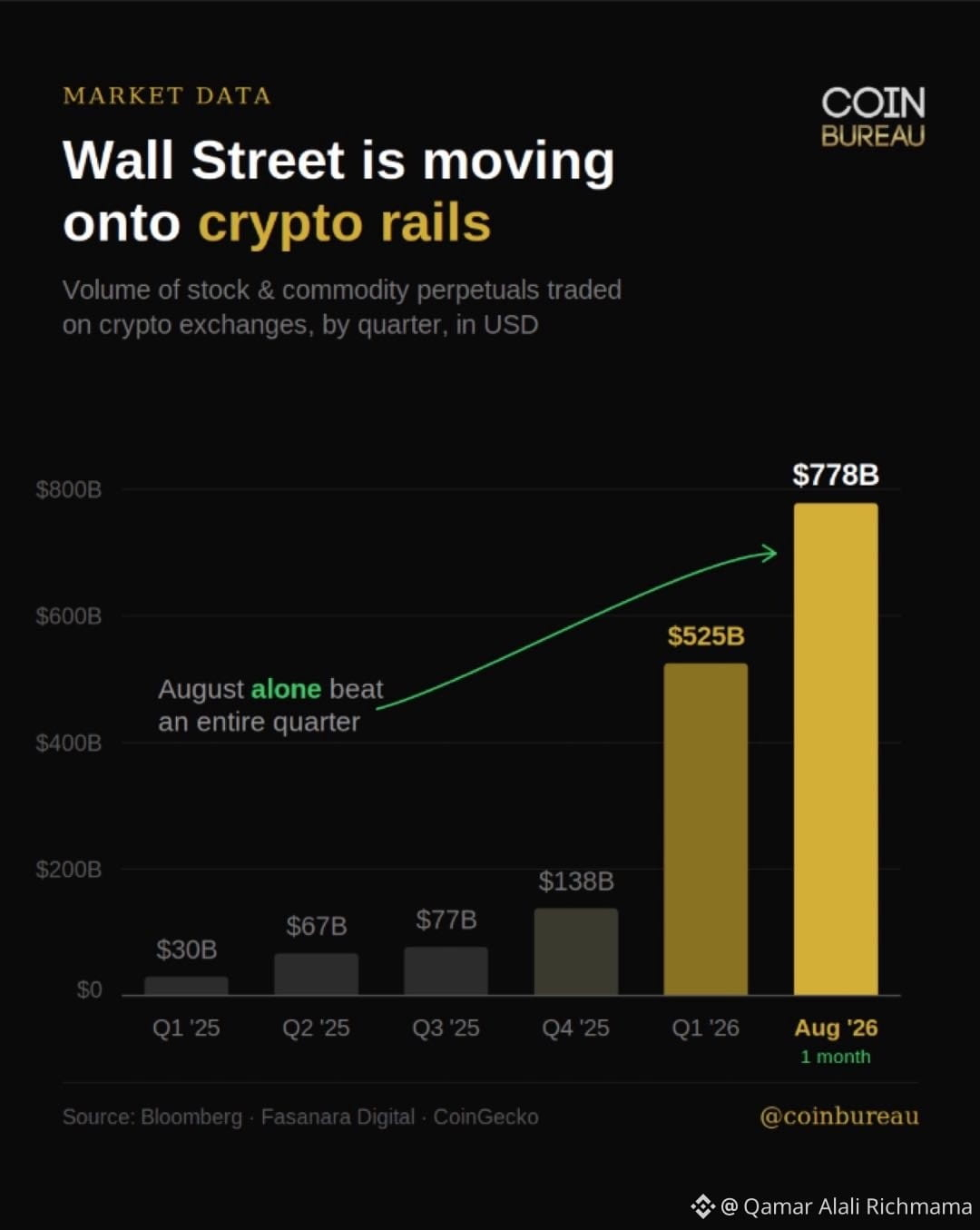
🚨 $778 BILLION flowed into stocks and commodities through crypto exchanges in August alone.
📈 August’s trading volume surpassed the entire first quarter of 2026 and was 33× higher than last November.
⚡ The reason? Some stocks are now more volatile than Bitcoin, pushing traders to use crypto platforms to trade Nvidia, Tesla, gold and oil with leverage — 24/7 and without actually owning the underlying assets.
📊 These contracts now account for nearly 25% of perpetual futures volume on major crypto exchanges, up from just 0.5% nine months ago, according to Bloomberg.
#Crypto #Bitcoin #Trading #Stocks
🚨 $778 BILLION flowed into stocks and commodities through crypto exchanges in August alone.
📈 August’s trading volume surpassed the entire first quarter of 2026 and was 33× higher than last November.
⚡ The reason? Some stocks are now more volatile than Bitcoin, pushing traders to use crypto platforms to trade Nvidia, Tesla, gold and oil with leverage — 24/7 and without actually owning the underlying assets.
📊 These contracts now account for nearly 25% of perpetual futures volume on major crypto exchanges, up from just 0.5% nine months ago, according to Bloomberg.
#Crypto #Bitcoin #Trading #Stocks
📈 August’s trading volume surpassed the entire first quarter of 2026 and was 33× higher than last November.
⚡ The reason? Some stocks are now more volatile than Bitcoin, pushing traders to use crypto platforms to trade Nvidia, Tesla, gold and oil with leverage — 24/7 and without actually owning the underlying assets.
📊 These contracts now account for nearly 25% of perpetual futures volume on major crypto exchanges, up from just 0.5% nine months ago, according to Bloomberg.
#Crypto #Bitcoin #Trading #Stocks
67
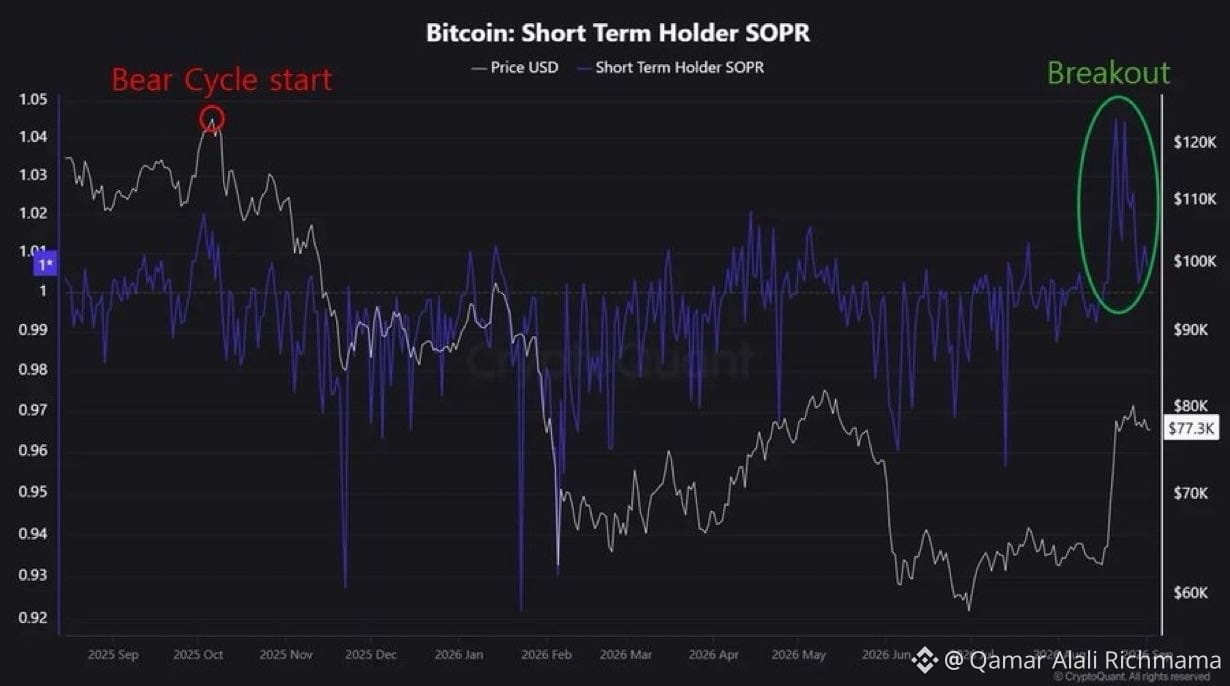
📊 Bitcoin’s SOPR has broken an 11-month downtrend, potentially signaling a bullish reversal, according to CryptoQuant analyst Crypto Dan.
#Bitcoin #BTC #Crypto #CryptoQuant
📊 Bitcoin’s SOPR has broken an 11-month downtrend, potentially signaling a bullish reversal, according to CryptoQuant analyst Crypto Dan.
#Bitcoin #BTC #Crypto #CryptoQuant
#Bitcoin #BTC #Crypto #CryptoQuant
76
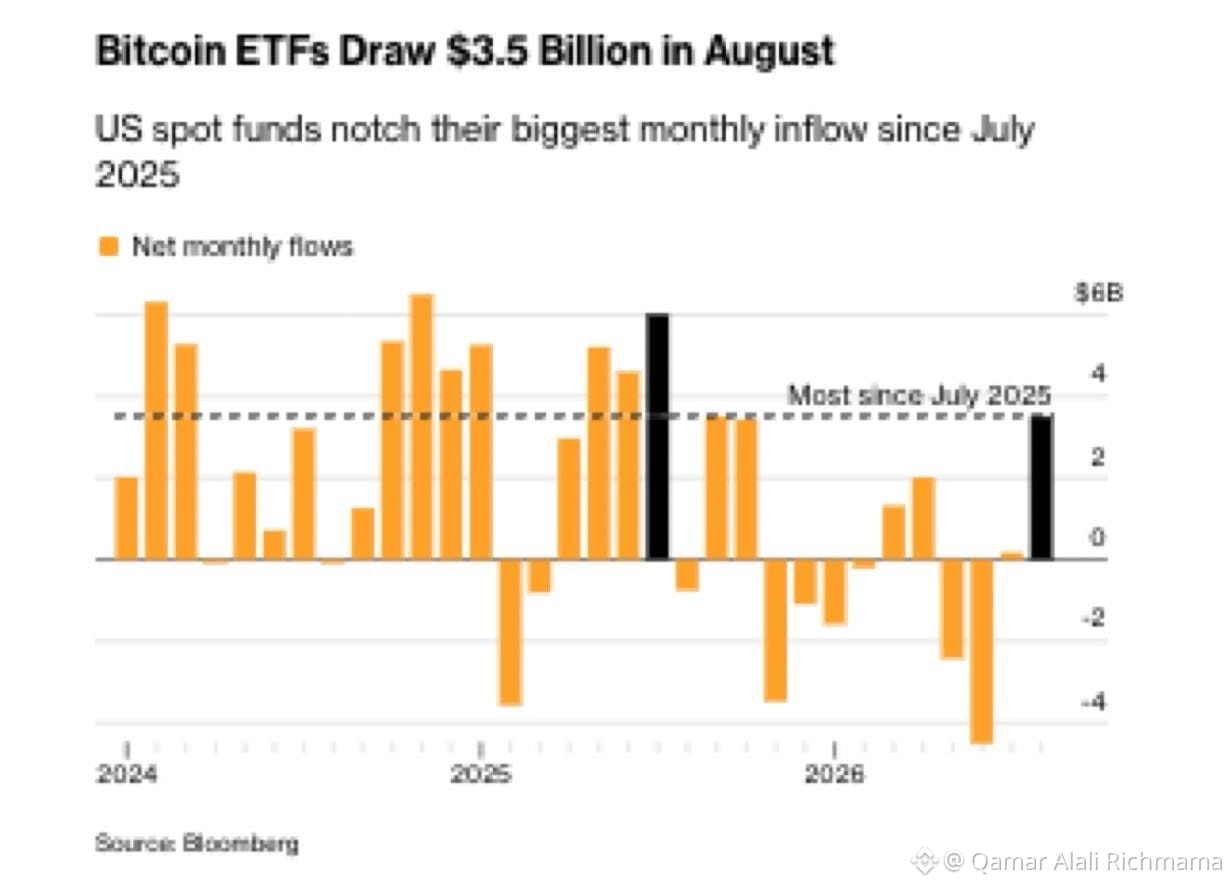
₿ Bitcoin ETFs See Strongest Monthly Inflows in Over a Year
Spot Bitcoin ETFs attracted $3.5 billion in inflows in August, marking their largest monthly inflow since July 2025, according to Bloomberg.
#Bitcoin #BitcoinETF
₿ Bitcoin ETFs See Strongest Monthly Inflows in Over a Year
Spot Bitcoin ETFs attracted $3.5 billion in inflows in August, marking their largest monthly inflow since July 2025, according to Bloomberg.
#Bitcoin #BitcoinETF
Spot Bitcoin ETFs attracted $3.5 billion in inflows in August, marking their largest monthly inflow since July 2025, according to Bloomberg.
#Bitcoin #BitcoinETF
60
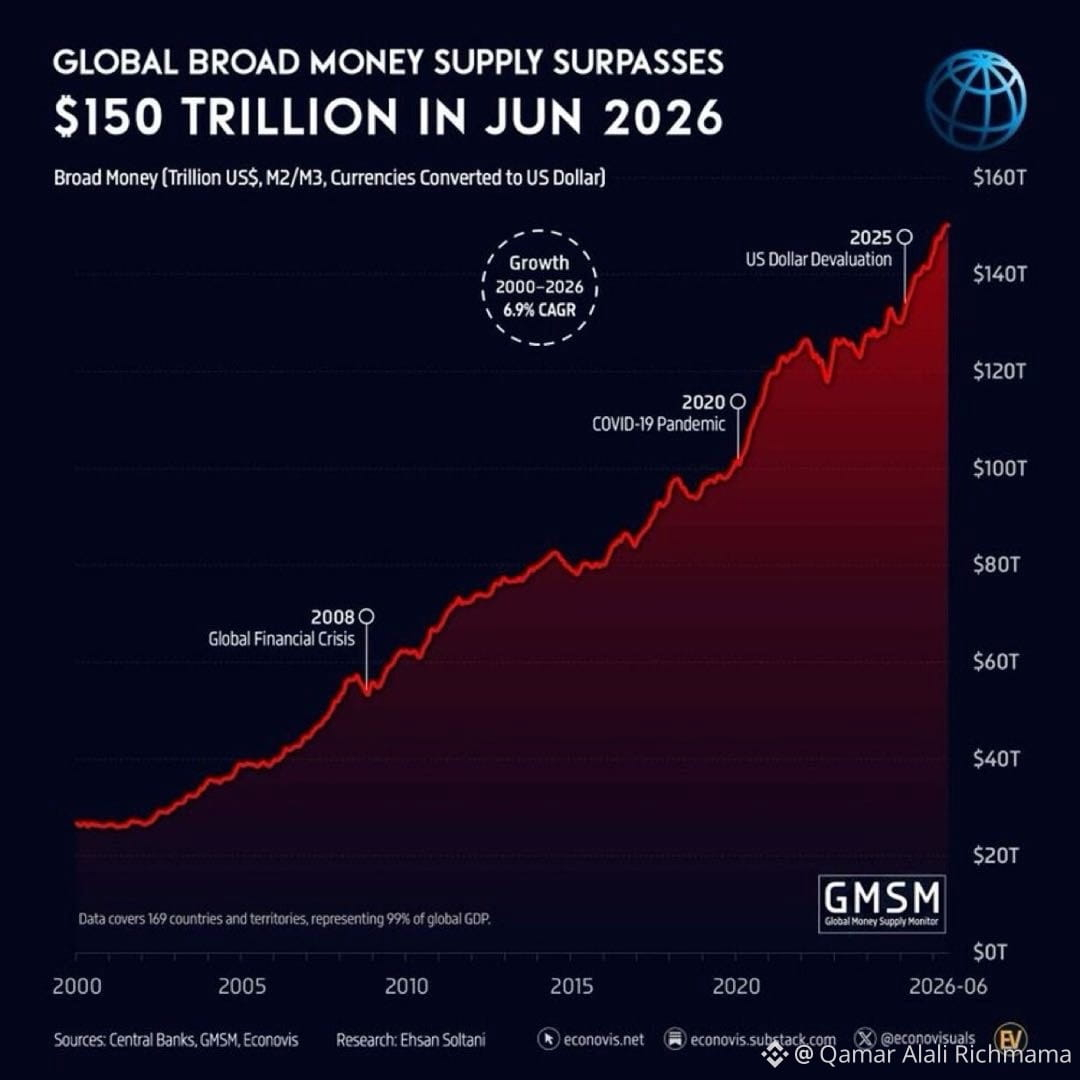
🌍 Global Broad Money Supply Hits Record High
Global broad money supply reached a record $150 trillion in June, rising by $10.7 trillion year-over-year.
This marks the 9th consecutive quarter of annual growth above 7%.
#GlobalLiquidity
🌍 Global Broad Money Supply Hits Record High
Global broad money supply reached a record $150 trillion in June, rising by $10.7 trillion year-over-year.
This marks the 9th consecutive quarter of annual growth above 7%.
#GlobalLiquidity
Global broad money supply reached a record $150 trillion in June, rising by $10.7 trillion year-over-year.
This marks the 9th consecutive quarter of annual growth above 7%.
#GlobalLiquidity
69
Войдите, чтобы посмотреть больше материала
Присоединяйтесь к пользователям криптовалют по всему миру на Binance Square
⚡️ Получайте новейшую и полезную информацию о криптоактивах.
💬 Нам доверяет крупнейшая в мире криптобиржа.
👍 Получите достоверные аналитические данные от верифицированных создателей контента.
Эл. почта/номер телефона
В тренде
BinanceKZ
Просмотров: 30,312
74 обсуждают
Как я потерял 180 000 тенге на «менеджере Binance» из WhatsApp — и почему всё равно остался в крипте
phpdead
·Лайков: 6
·Просмотров: 2.4k
EtherGains70.9%InQ3
Просмотров: 22,885
333 обсуждают
TreasuryLetsStatesFileStablecoinCertificationsEarly
Просмотров: 126
12 обсуждают