
Bitcoin Bilir
2k Публикации

Bitcoin Bilir
Отправить жалобу
Заблокировать пользователя
Crypto news, simple tips, and blockchain insights—cutting through the noise, one post at a time. Bitcoin Bilir

Топ-трейдеры за 30 дн. по объему
Открытая сделка

Владелец BROCCOLI714
Трейдер с регулярными сделками
7.5 г
1 подписок(и/а)
10.1K+ подписчиков(а)
13.3K+ понравилось
1 Значки
Посты
Портфель
Все
Цитирования
Видео
PINNED
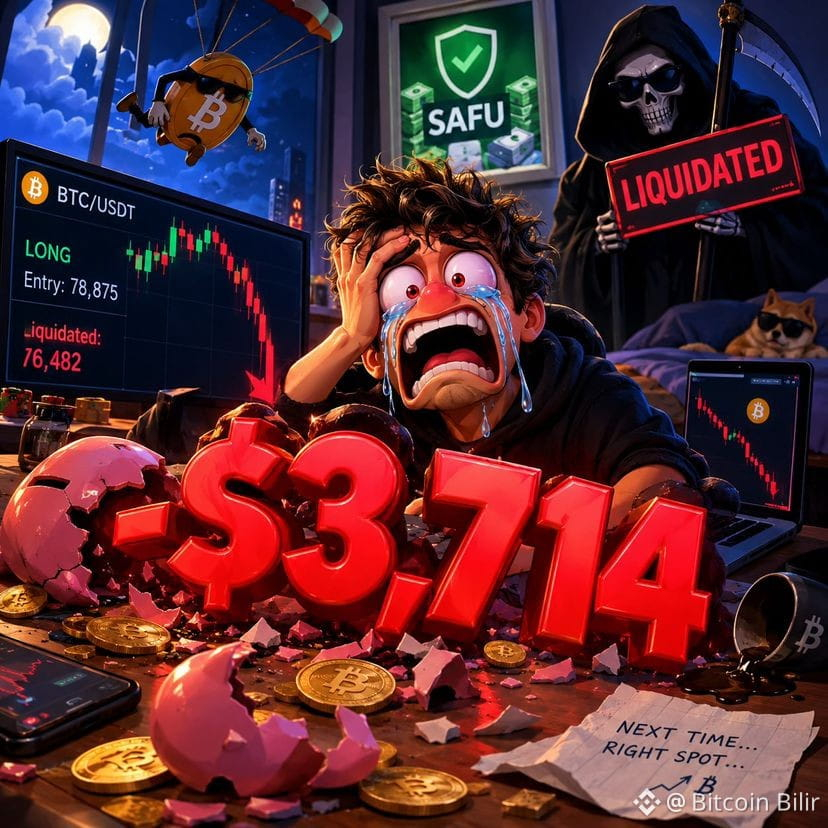
THE $BTC DROP LIQUIDATED ME!
Following yesterday’s hacking incidents, I opened a LONG position in the area where I expected a rebound.
I entered this position at the $78,875 level. The drop deepened even further. Even though the hacking incident was officially clarified and the funds were deemed “SAFU,” the drop was still inevitable.
My position automatically closed at the $76,482 level, and I was liquidated. This isn’t the end for me. I’ll wait for the right moment and re-enter the market from the right spot—but it really hit me hard.
#$1.5BInLeveragedCryptoBetsLiquidated
Do you think I’ll be able to make a profit on my next position?
39
4
105
72.4k
Проверено
🚨 $NVDA RIPS 30%
Less than two weeks after resigning, Jensen Huang is reinstated as Nvidia CEO, president and board member. Unanimous board vote, and the board says US government input left it confident there's no national security risk. Six days ago they said he wasn't coming back.
#NVIDIAReinstatesJensenHuangasCEO
Market loved it: $NVDA +30%, CoreWeave and Nebius up to 30%, Dow, S&P and Nasdaq all green.
My take: I flagged the CEO exit as the real risk. My $100 dip call didn't play out, I was wrong. Leadership risk is gone, but a 30% one-day pump on news is not a trend yet.
For #Bitcoin , risk-on helps, but 62K is still the wall and core PCE lands Wednesday.
Chase it or wait? DYOR!

9
717

Статья
Binance Spot vs Futures (2026): Which One Should You Choose?Should you trade Spot or Futures on Binance? It's one of the most common questions new traders ask. Both let you trade crypto, but they work very differently and carry very different risks. In this guide, we compare Binance Spot vs Futures side by side, including fees, risks and use cases, so you can decide which one fits you. We'll also show you how to save up to 20% on both with Binance referral code REF2027.
👉 Official REF2027 page: [https://www.binance.com/en/events/referralcode](https://www.binance.com/en/events/referralcode)
What Is Spot Trading on Binance?
Spot trading means buying and selling the actual coins. When you buy BTC on Spot, the BTC goes into your wallet and it's yours. You can hold it, transfer it or sell it whenever you want.
•✅ You own the asset
•✅ No liquidation risk
•✅ Simple and beginner-friendly
•❌ You only profit when the price goes up
What Is Futures Trading on Binance?
Futures trading means trading contracts that follow the price of a coin. You don't own the coin itself. On Binance, most traders use perpetual futures, which have no expiry date.
•✅ Profit when the price goes up (long) ordown (short)
•✅ Use leverage to open larger positions
•❌ Liquidation risk if the market moves against you
•❌ Funding fees on open positions
Spot vs Futures: Key Differences
🔹 Ownership: On Spot, you own the coins. On Futures, you trade contracts and don't own the coin.
🔹 Profit when price falls: Spot only profits when the price goes up. Futures lets you go short and profit when the price falls.
🔹 Leverage: Spot has no leverage. Futures lets you open larger positions with leverage.
🔹 Liquidation risk: None on Spot. On Futures, your position can be liquidated if the market moves against you.
🔹 Funding fees: None on Spot. Futures positions pay or receive funding fees while they're open.
🔹 Best for: Spot suits long-term holding. Futures suits active trading.
Binance Spot vs Futures Fees
For regular users (VIP 0), Binance charges:
•Spot: 0.10% maker / 0.10% taker
•Futures (USDⓈ-M): 0.02% maker / 0.05% taker
On a $1,000 trade, here's what you pay with the full 20% REF2027 discount:
•Spot: $1.00 → $0.80
•Futures maker (limit order): $0.20 → $0.16
•Futures taker (market order): $0.50 → $0.40
Futures look cheaper per trade, but leverage makes your position size larger, and fees are charged on the full position, not just your margin. A $100 margin at 10x means you pay fees on $1,000.
Which One Should You Choose?
Choose Spot if:
•You're new to crypto
•You want to buy and hold long term
•You don't want liquidation risk
Choose Futures if:
•You already have trading experience
•You want to profit from both rising and falling markets
•You follow strict risk management (stop-loss, low leverage, small position size)
💡 Many traders use both: Spot for long-term holdings and Futures for short-term trades or hedging.
Save Up to 20% on Both With REF2027
Whether you choose Spot, Futures or both, fees will be part of every trade. Sign up with Binance referral code REF2027 to get up to 20% off qualifying Spot and Futures trading fees.
How to use it:
1Open the official page: [https://www.binance.com/en/events/referralcode](https://www.binance.com/en/events/referralcode)
2Tap "Register" and enter REF2027 in the "Referral ID (Optional)" field
3Complete KYC verification
4Check that the referral is linked in your account, then start trading
⚠️ The code should be entered at sign-up. Existing accounts generally can't add a referral code later.
FAQ
Is Spot or Futures better for beginners?
Spot is usually better for beginners because there's no leverage and no liquidation risk.
Are Binance Futures fees lower than Spot fees?
Per trade, yes. But leverage increases your position size, so total fees can end up higher.
Can I lose more than I invest in Futures?
On Binance Futures, your loss is generally limited to the margin in your position (Isolated) or your Futures wallet balance (Cross). Liquidation can wipe out that margin quickly.
Does REF2027 work for both Spot and Futures?
Yes. REF2027 gives up to 20% off qualifying Spot and Futures trading fees.
Can I add REF2027 to an existing account?
Usually not. Binance only allows it in limited cases, for example for very new accounts with no previous referrer or trading activity. It's best to enter the code when you sign up.
Final Thoughts
There's no single "better" option. Spot is simpler and safer for long-term investors, while Futures gives experienced traders more flexibility, with much higher risk. Pick the one that matches your experience and goals, and cut your trading costs from day one with REF2027.
🔑 Binance Referral Code: REF2027
👉 [https://www.binance.com/en/events/referralcode](https://www.binance.com/en/events/referralcode)
Disclaimer: Futures trading with leverage carries a high risk of loss. Fee rates and discounts may vary by VIP level, region and trading pair. This content is for educational purposes only and is not financial advice. Always DYOR.
#Binance #REF2027
Binance Spot vs Futures (2026): Which One Should You Choose?
Should you trade Spot or Futures on Binance? It's one of the most common questions new traders ask. Both let you trade crypto, but they work very differently and carry very different risks. In this guide, we compare Binance Spot vs Futures side by side, including fees, risks and use cases, so you can decide which one fits you. We'll also show you how to save up to 20% on both with Binance referral code REF2027.
👉 Official REF2027 page: https://www.binance.com/en/events/referralcode
What Is Spot Trading on Binance?
Spot trading means buying and selling the actual coins. When you buy BTC on Spot, the BTC goes into your wallet and it's yours. You can hold it, transfer it or sell it whenever you want.
•✅ You own the asset
•✅ No liquidation risk
•✅ Simple and beginner-friendly
•❌ You only profit when the price goes up
What Is Futures Trading on Binance?
Futures trading means trading contracts that follow the price of a coin. You don't own the coin itself. On Binance, most traders use perpetual futures, which have no expiry date.
•✅ Profit when the price goes up (long) ordown (short)
•✅ Use leverage to open larger positions
•❌ Liquidation risk if the market moves against you
•❌ Funding fees on open positions
Spot vs Futures: Key Differences
🔹 Ownership: On Spot, you own the coins. On Futures, you trade contracts and don't own the coin.
🔹 Profit when price falls: Spot only profits when the price goes up. Futures lets you go short and profit when the price falls.
🔹 Leverage: Spot has no leverage. Futures lets you open larger positions with leverage.
🔹 Liquidation risk: None on Spot. On Futures, your position can be liquidated if the market moves against you.
🔹 Funding fees: None on Spot. Futures positions pay or receive funding fees while they're open.
🔹 Best for: Spot suits long-term holding. Futures suits active trading.
Binance Spot vs Futures Fees
For regular users (VIP 0), Binance charges:
•Spot: 0.10% maker / 0.10% taker
•Futures (USDⓈ-M): 0.02% maker / 0.05% taker
On a $1,000 trade, here's what you pay with the full 20% REF2027 discount:
•Spot: $1.00 → $0.80
•Futures maker (limit order): $0.20 → $0.16
•Futures taker (market order): $0.50 → $0.40
Futures look cheaper per trade, but leverage makes your position size larger, and fees are charged on the full position, not just your margin. A $100 margin at 10x means you pay fees on $1,000.
Which One Should You Choose?
Choose Spot if:
•You're new to crypto
•You want to buy and hold long term
•You don't want liquidation risk
Choose Futures if:
•You already have trading experience
•You want to profit from both rising and falling markets
•You follow strict risk management (stop-loss, low leverage, small position size)
💡 Many traders use both: Spot for long-term holdings and Futures for short-term trades or hedging.
Save Up to 20% on Both With REF2027
Whether you choose Spot, Futures or both, fees will be part of every trade. Sign up with Binance referral code REF2027 to get up to 20% off qualifying Spot and Futures trading fees.
How to use it:
1Open the official page: https://www.binance.com/en/events/referralcode
2Tap "Register" and enter REF2027 in the "Referral ID (Optional)" field
3Complete KYC verification
4Check that the referral is linked in your account, then start trading
⚠️ The code should be entered at sign-up. Existing accounts generally can't add a referral code later.
FAQ
Is Spot or Futures better for beginners?
Spot is usually better for beginners because there's no leverage and no liquidation risk.
Are Binance Futures fees lower than Spot fees?
Per trade, yes. But leverage increases your position size, so total fees can end up higher.
Can I lose more than I invest in Futures?
On Binance Futures, your loss is generally limited to the margin in your position (Isolated) or your Futures wallet balance (Cross). Liquidation can wipe out that margin quickly.
Does REF2027 work for both Spot and Futures?
Yes. REF2027 gives up to 20% off qualifying Spot and Futures trading fees.
Can I add REF2027 to an existing account?
Usually not. Binance only allows it in limited cases, for example for very new accounts with no previous referrer or trading activity. It's best to enter the code when you sign up.
Final Thoughts
There's no single "better" option. Spot is simpler and safer for long-term investors, while Futures gives experienced traders more flexibility, with much higher risk. Pick the one that matches your experience and goals, and cut your trading costs from day one with REF2027.
🔑 Binance Referral Code: REF2027
👉 https://www.binance.com/en/events/referralcode
Disclaimer: Futures trading with leverage carries a high risk of loss. Fee rates and discounts may vary by VIP level, region and trading pair. This content is for educational purposes only and is not financial advice. Always DYOR.
#Binance #REF2027
1
36
420
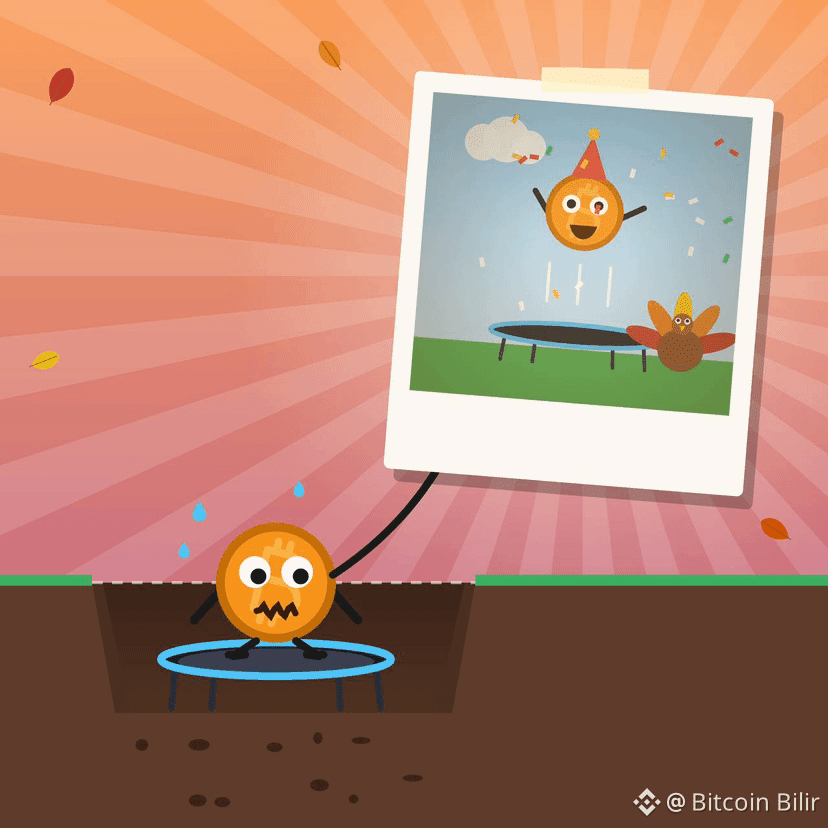
LAST THANKSGIVING LOOKED EXACTLY LIKE THIS! 👀
Rewind one year. In November 2025, #Bitcoin crashed to $81K, fear was everywhere, and everyone expected more pain. Then right before Thanksgiving, it bounced 12% back above $90K.
#WillMarketsStageAThanksgivingReliefRally?
Now look at today. $BTC just touched $55K, stocks are in a correction, and a popular fear gauge sits at 10 out of 100.
One analyst even says the S&P 500 setup looks a lot like last year’s, right before a 5% holiday-week rally.
So yes, a relief rally is possible. Thin holiday trading makes moves bigger in both directions.
But here’s the part nobody mentions: a year after that bounce, BTC is about 30% lower.
Will history repeat this week? DYOR!
5
1
23
8.6k
Частичная правда
🚨 WALL STREET IS DUMPING AI, SOLANA IS GOING ALL IN! 👀
This week Nvidia lost $2.7 trillion and AI stocks are bleeding. Right in the middle of it, Solana's 2027 roadmap says: let's run AI models fully on-chain.
#SolanaSets2027RoadmapToDoubleComputeCapacity
The plan adds vector processing, the kind of math AI models run on, directly into the network. And compute capacity doubles to 500M units per second to make room for it.
Think about the timing. Either Solana is late to a fading trend, or it's building early while everyone else panics.
I lean toward the second. The best infrastructure usually gets built when nobody is watching. But remember, these are 2027 goals, not live features.
DYOR!

1
18
9.5k
Проверено
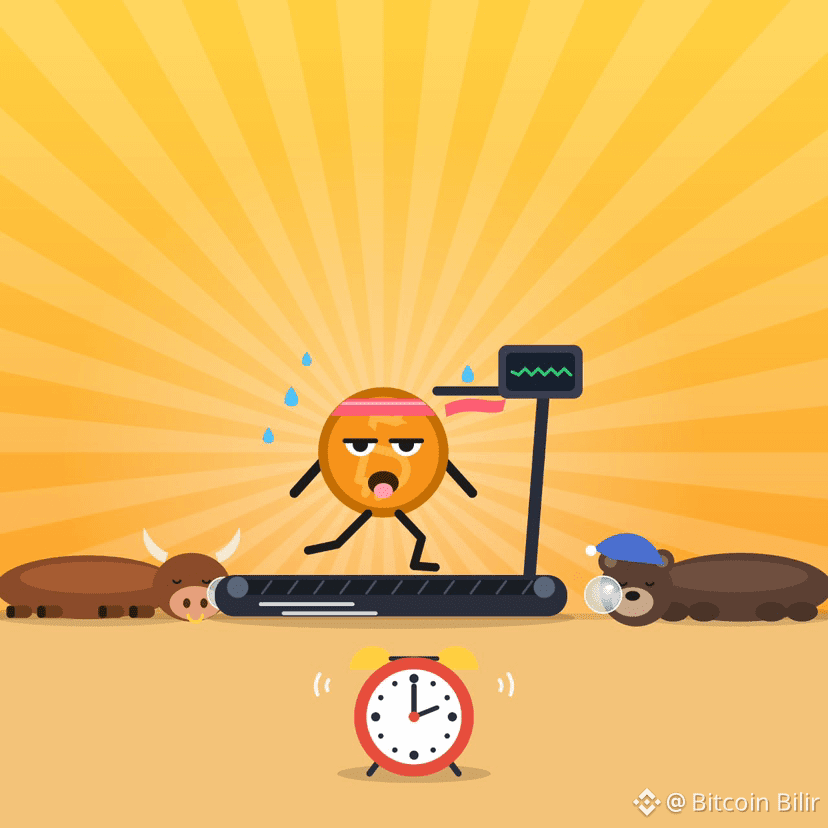
$BTC ABOVE $60K AGAIN! NOW THE BORING PART BEGINS 👀
#Bitcoin bounced over 9% from $55.1K. Bulls are calling the bottom, bears are calling 50K. I think both will have to wait.
#BTCReboundsAbove$60KAmidWhaleDipBuying
Here's why. $1.8B in positions just got wiped out, $1.3B of them longs. Most of the leverage is gone. After a flush like this, price usually needs time to rebuild before the next big move.
The range I'm watching: $55K below, $62K above. $55K is the two-year low, $62K is where the price broke down.
My take expect some chop between these levels. The Fed decision on December 9 is the most likely trigger to break it.
Long, short, or wait? DYOR!
36
1
91
58.7k
Проверено
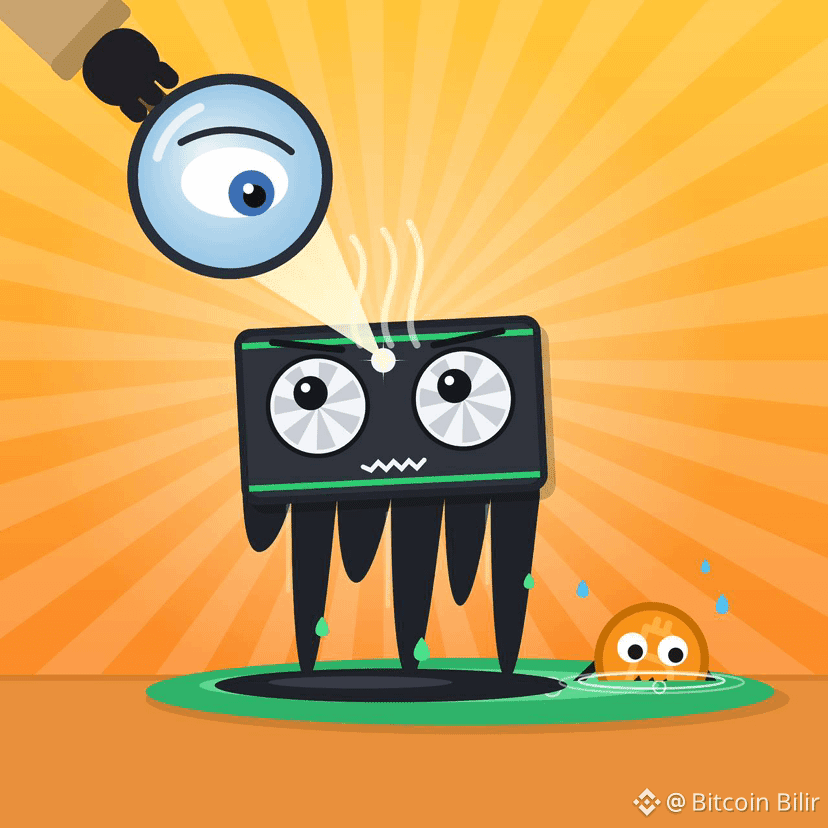
🚨 $NVDA LOST $2.7 TRILLION IN 6 WEEKS! THAT’S A WHOLE AMAZON 👀
#Nvidia is down 47.5% from its October 6 peak. Friday alone: -14%, its worst day in almost two years. This week: -23%, the worst week since 2008.
#NvidiaLoses$2.7TrillionInMonthAndAHalf
Remember my post after the earnings? Everyone celebrated the beat. I said the CEO exit and the margin drop worried me, and that the report “buys time, it doesn’t change the trend.” A few days later, here we are.
The latest hit: Reuters reported the SEC is looking into Nvidia’s accounting. Nothing is proven, but the market didn’t wait.
Why it matters for us: Nvidia was the engine of the AI trade, and #Bitcoin has been falling right next to it.
Bottom for AI, or just halftime? DYOR!
4
19
14.2k
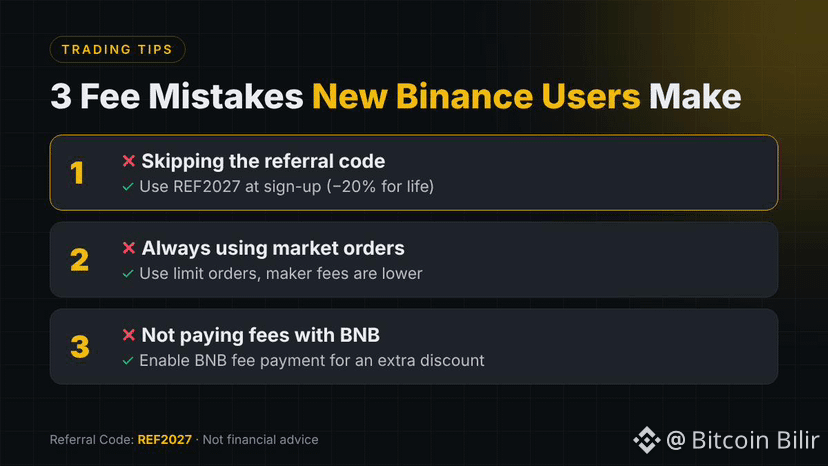
Fee Mistakes New Binance Users Make
Most new traders lose money on fees without even noticing. Avoid these:
❌ Mistake 1: Skipping the referral code
The referral code can only be added at sign-up. Miss it and you pay full fees forever.
✅ Fix: Use REF2027 for a lifetime 20% discount on Spot & Futures.
❌ Mistake 2: Always using market orders
Market (taker) orders cost more. On Futures, taker fees are 2.5x maker fees.
✅ Fix: Use limit orders whenever you can.
❌ Mistake 3: Not paying fees with BNB
Binance gives an extra discount when you pay fees with BNB.
✅ Fix: Turn on BNB fee payment in your settings.
Small fees add up fast. Fix all three and keep more of your profits. 💰
🔑 Binance Referral Code: REF2027
⚠️ Not financial advice. DYOR.
#Binance #REF2027 #BinanceReferralCode
4
41
6.1k
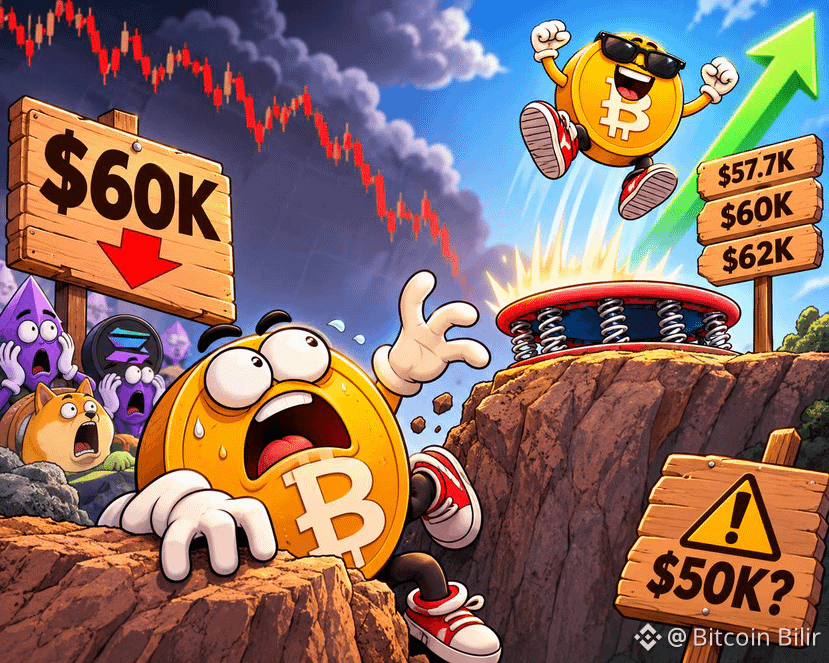
🚨 CAN BITCOIN REALLY BOUNCE BACK AFTER LOSING $60K? 👀
#CanBTCReboundAfterFallingBelow60K?
Bitcoin just hit $55,800, its lowest level since September 2024. That’s an almost 18% drop in just 7 days. And this isn’t just a normal correction.
Spot BTC ETFs recorded $582.3M in outflows on November 19, while nearly $495M in Bitcoin long positions were liquidated on November 20. AI stock weakness and Fed uncertainty are adding even more pressure.
But here’s what I’m watching: $BTC is showing deeply oversold conditions. A reclaim of $57.7K could be the first recovery signal, followed by $60K and $62K.
However, losing $55K could open the door toward $50K.
A bounce is possible, but I want to see real buying pressure before calling a bottom.
Not Financial Advice. DYOR!
7
24
3.8k
Частичная правда
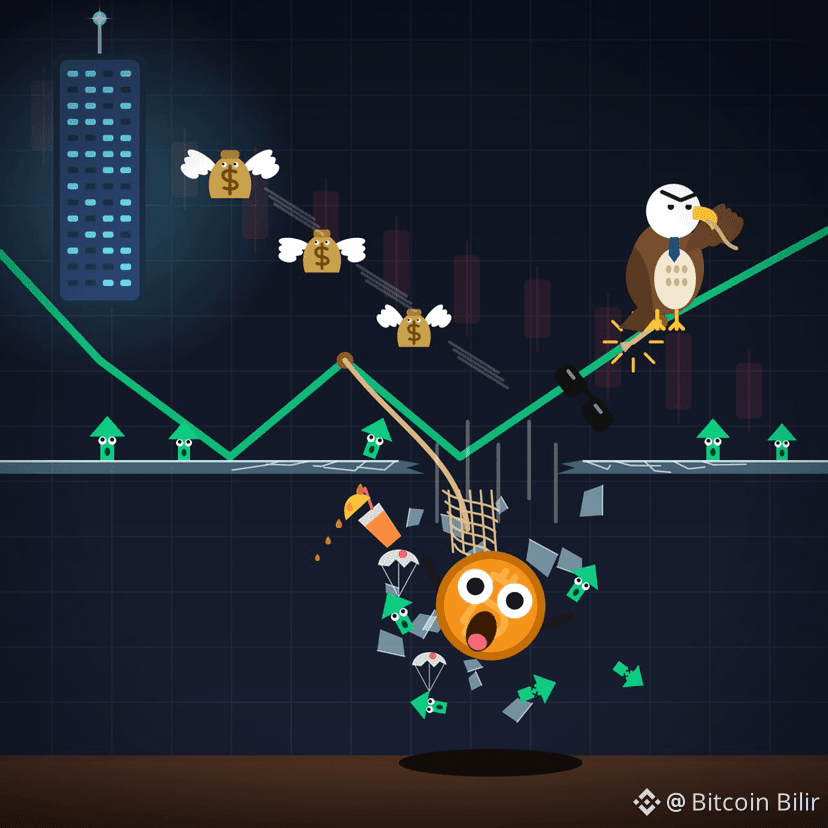
🚨 $BTC BROKE $62K! DOUBLE BOTTOM FAILED 👀
Yesterday I said if $62K breaks, the pattern fails. It broke. #Bitcoin hit $58500 its lowest since July. That's 25% down from the $81.8K peak in October.
#BTCBelow$62KAmidHikeFearsAndShiftToAnthropic
Two things hit at once. Fed officials keep talking about bigger rate hikes. And on Anthropic's debut day, tech stocks fell 2% and crypto went down with them. Some say investors sold crypto to buy ANT, but there's no clear proof yet.
$770M in longs got wiped out.
My take: $62K is now resistance. If we can't reclaim it fast, $58–59K is the next stop. I'm setting up new trades.
Capitulation, or just the start? DYOR!
30
3
115
178.8k
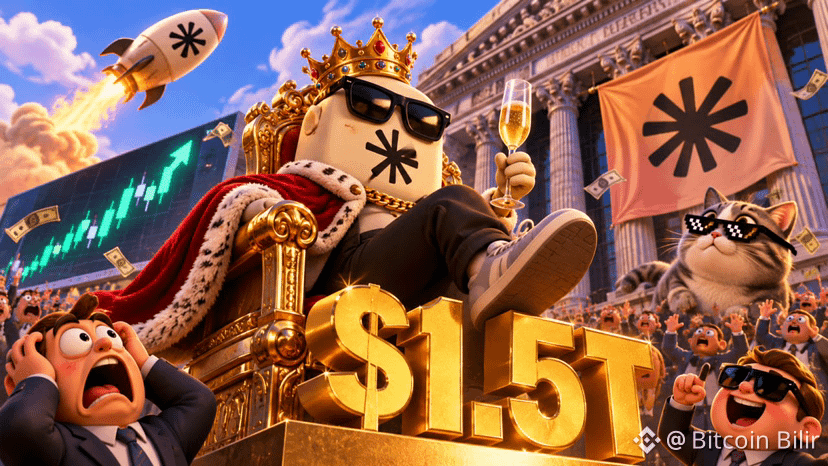
🚨 IS ANTHROPIC’S $1.5 TRILLION VALUATION JUSTIFIED?
Anthropic has officially entered the trillion-dollar club, and the numbers are getting wild.
The company behind Claude raised $81.3 BILLION in its historic IPO, pricing shares at $83 and reaching a $1.5T valuation. Shares closed their first trading day at $97.17, pushing its fully diluted valuation toward $1.8T.
#IsAnthropic’s$1.5TMarketCapJustified?
But here's the real question: Can its business justify this price?
Anthropic's annualized revenue has already reached $81 BILLION, with demand for Claude and Claude Code accelerating. However, massive computing costs, infrastructure spending and profitability concerns remain major risks. $ANTB $ANT
AI could become the biggest technology revolution of our generation, but even great companies can become overpriced investments.
3
1
20
11.9k
🚨 CRYPTO PRICED ANTHROPIC BEFORE WALL STREET DID! 👀
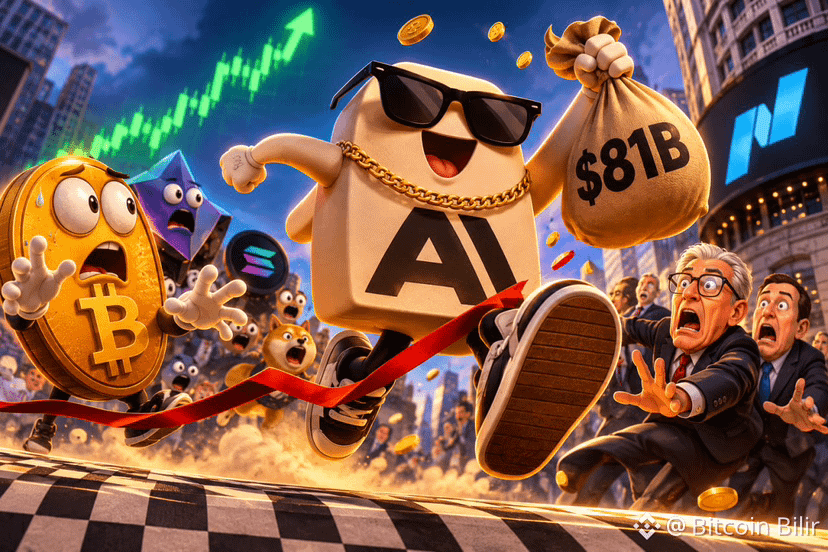
Anthropic, the company behind Claude, priced its IPO at $83, above the $70–78 range. It raised $81B, the biggest IPO ever, and $ANT starts trading on Nasdaq today.
Here's the part that matters for us. Crypto traders have been trading it for months. Binance listed a pre-IPO perp back in June, and on Hyperliquid it closed near $104 while Wall Street was still talking about $78.
#AnthropicToDebutAfter$83IPOPricing
With Cerebras, a Hyperliquid perp priced the debut within 1.3% of the opening price. Now we'll see if crypto gets it right again.
My take: an $81B raise shows money is still chasing AI. Good for risk appetite, but that's also $81B that didn't go into #Bitcoin.
Will ANT open above $100? DYOR!
23
4
88
100.8k
🚨 $BTC REMAINS UNDER PRESSURE! THE FED ISN’T BACKING DOWN 👀
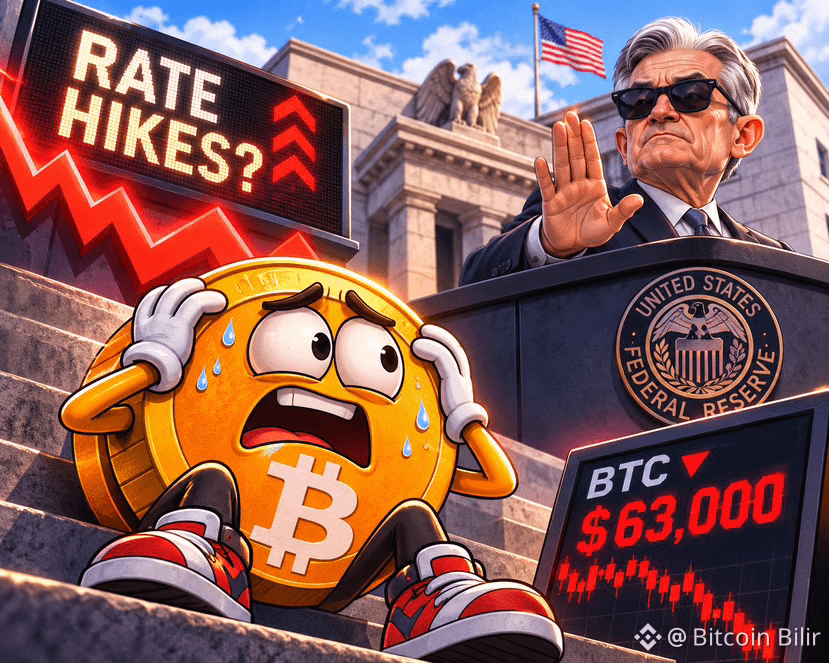
The latest FOMC minutes delivered another hawkish surprise. Almost every Fed official believes further rate hikes will be necessary, and some even discussed a move larger than 25 basis points in December.
#BTCRemainsUnderPressureAfterHawkishFOMCMinutes
Things got even more interesting after Christopher Waller suggested a 50bp hike could be on the table unless the Fed signals further tightening in January. The US dollar is strengthening, and Bitcoin has already slipped below $63K.
In my view, this is a difficult environment for risk assets. Higher rates mean tighter liquidity, and crypto is unlikely to escape that pressure easily. I’m watching Fed communication and BTC’s reaction closely before making any major move.
Not Financial Advice. DYOR!
1
11
525
Проверено
🚨 RUSSIA IS BRINGING BIG BANKS INTO CRYPTO!
The Central Bank of Russia has added Alfa-Bank, the country's largest privately owned bank, to its official crypto exchange register.
This authorization allows Alfa-Bank to buy and sell digital currencies with both individuals and corporate clients.
But this is bigger than just one bank getting approval.
#RussiaCentralBankAddsAlfaBankToCryptoExchangeRegister
Russia has been steadily building a regulated crypto infrastructure since its new digital asset legislation took effect on September 1. Sberbank and VTB have also secured positions in the country's expanding crypto ecosystem.
The direction is becoming clear: Russia wants traditional banking institutions to become part of its crypto market rather than keeping digital assets outside the financial system.
Institutional adoption is no longer just about buying $BTC .It's also about building the infrastructure to trade, hold and manage digital assets.

5
4.2k

Статья
Binance Futures for Beginners (2026): How to Start Trading Futures Step by StepBinance Futures is one of the most popular ways to trade crypto, but it’s also one of the riskiest if you don’t understand how it works.
In this Binance Futures guide for beginners, you’ll learn what Futures trading is, how long and short positions work, what leverage really does, and how to protect your account.
You’ll also see how to save 20% on Futures fees for life with Binance referral code REF2027.
What Is Binance Futures Trading?
Futures trading lets you trade the price movement of a crypto asset without owning the asset itself. On Binance, the most popular products are USDⓈ-M Perpetual Futures.
These contracts have no expiry date, so you can hold a position as long as your margin allows.
The two big differences from Spot trading:
•You can profit when the price goes up or down
•You can use leverage to open bigger positions with less capital
Long vs Short: How to Profit Both Ways
•Long: You open a long position if you think the price will rise. If BTC goes from $100,000 to $105,000, you profit.
•Short: You open a short position if you think the price will fall. If BTC drops from $100,000 to $95,000, you profit.
If the market moves against your position, you lose money, and leverage makes those losses bigger.
What Is Leverage on Binance Futures?
Leverage multiplies your position size. With $100 and 10x leverage, you control a $1,000 position.
•A +5% move gives you +$50, a 50% gain on your margin.
•A −5% move costs you −$50, a 50% loss on your margin.
•At 20x, a 5% move against you can wipe out your entire margin. This is called liquidation.
👉 Higher leverage = higher risk of liquidation. Most experienced traders recommend beginners stay between 2x and 5x.
How to Start Trading Binance Futures (Step-by-Step)
Create a Binance account and enter referral code REF2027 during sign-up to get a lifetime 20% discount on Futures fees. Complete KYC verification. Open your Futures account from the Binance app (Derivatives → Futures) and pass the short knowledge quiz. Transfer USDT from your Spot wallet to your Futures wallet. Choose a pair, for example BTCUSDT Perpetual. Set your margin mode (Isolated is recommended for beginners) and leverage. Place your order (Limit or Market), then set your Stop-Loss and Take-Profit.
Risk Management Rules for Futures Beginners
Start with low leverage: stick to 2x–5x while you’re learning.
Always set a stop-loss: plan your exit before you enter a trade. Use Isolated Margin: this limits your risk to a single position. Risk only 1–2% per trade: never put your whole account on one idea. Practice first: start with small position sizes. Cut your fees: sign up with REF2027 and save 20% on every trade.
Why Fees Matter More in Futures
Futures traders usually open larger positions and trade more often, so fees add up quickly. Binance’s standard Futures fees for regular users are 0.02% maker and 0.05% taker. With REF2027, your effective rates drop to around 0.016% maker and 0.04% taker, for life.
Example: On $100,000 of monthly taker volume, that’s about $120 saved per year. The more you trade, the more you save.
FAQ
Is Binance Futures good for beginners?
It can be, as long as you start with low leverage, small position sizes and strict stop-losses. Futures are much riskier than Spot trading.
What leverage should a beginner use?
Most traders recommend 2x–5x while learning. High leverage like 50x or 100x can liquidate a position with a very small price move.
What is liquidation on Binance Futures?
Liquidation happens when your losses use up your margin and Binance automatically closes your position.
How can I reduce Binance Futures fees?
Sign up with referral code REF2027 for a lifetime 20% fee discount, use limit (maker) orders, and pay fees with BNB for an extra discount.
Final Thoughts
Binance Futures can be a powerful tool, but only if you respect the risk. Learn the basics, use low leverage, always set a stop-loss, and keep your costs low from day one.
🔑 Binance Referral Code: REF2027 (lifetime 20% off Spot & Futures fees)
Disclaimer: Futures trading with leverage carries a high risk of loss and is not suitable for everyone. This content is for educational purposes only and is not financial advice. Always DYOR and check that Binance Futures is available in your country.
#Binance #BinanceFutures #REF2027
Binance Futures for Beginners (2026): How to Start Trading Futures Step by Step
Binance Futures is one of the most popular ways to trade crypto, but it’s also one of the riskiest if you don’t understand how it works.
In this Binance Futures guide for beginners, you’ll learn what Futures trading is, how long and short positions work, what leverage really does, and how to protect your account.
You’ll also see how to save 20% on Futures fees for life with Binance referral code REF2027.
What Is Binance Futures Trading?
Futures trading lets you trade the price movement of a crypto asset without owning the asset itself. On Binance, the most popular products are USDⓈ-M Perpetual Futures.
These contracts have no expiry date, so you can hold a position as long as your margin allows.
The two big differences from Spot trading:
•You can profit when the price goes up or down
•You can use leverage to open bigger positions with less capital
Long vs Short: How to Profit Both Ways
•Long: You open a long position if you think the price will rise. If BTC goes from $100,000 to $105,000, you profit.
•Short: You open a short position if you think the price will fall. If BTC drops from $100,000 to $95,000, you profit.
If the market moves against your position, you lose money, and leverage makes those losses bigger.
What Is Leverage on Binance Futures?
Leverage multiplies your position size. With $100 and 10x leverage, you control a $1,000 position.
•A +5% move gives you +$50, a 50% gain on your margin.
•A −5% move costs you −$50, a 50% loss on your margin.
•At 20x, a 5% move against you can wipe out your entire margin. This is called liquidation.
👉 Higher leverage = higher risk of liquidation. Most experienced traders recommend beginners stay between 2x and 5x.
How to Start Trading Binance Futures (Step-by-Step)
Create a Binance account and enter referral code REF2027 during sign-up to get a lifetime 20% discount on Futures fees. Complete KYC verification. Open your Futures account from the Binance app (Derivatives → Futures) and pass the short knowledge quiz. Transfer USDT from your Spot wallet to your Futures wallet. Choose a pair, for example BTCUSDT Perpetual. Set your margin mode (Isolated is recommended for beginners) and leverage. Place your order (Limit or Market), then set your Stop-Loss and Take-Profit.
Risk Management Rules for Futures Beginners
Start with low leverage: stick to 2x–5x while you’re learning.
Always set a stop-loss: plan your exit before you enter a trade. Use Isolated Margin: this limits your risk to a single position. Risk only 1–2% per trade: never put your whole account on one idea. Practice first: start with small position sizes. Cut your fees: sign up with REF2027 and save 20% on every trade.
Why Fees Matter More in Futures
Futures traders usually open larger positions and trade more often, so fees add up quickly. Binance’s standard Futures fees for regular users are 0.02% maker and 0.05% taker. With REF2027, your effective rates drop to around 0.016% maker and 0.04% taker, for life.
Example: On $100,000 of monthly taker volume, that’s about $120 saved per year. The more you trade, the more you save.
FAQ
Is Binance Futures good for beginners?
It can be, as long as you start with low leverage, small position sizes and strict stop-losses. Futures are much riskier than Spot trading.
What leverage should a beginner use?
Most traders recommend 2x–5x while learning. High leverage like 50x or 100x can liquidate a position with a very small price move.
What is liquidation on Binance Futures?
Liquidation happens when your losses use up your margin and Binance automatically closes your position.
How can I reduce Binance Futures fees?
Sign up with referral code REF2027 for a lifetime 20% fee discount, use limit (maker) orders, and pay fees with BNB for an extra discount.
Final Thoughts
Binance Futures can be a powerful tool, but only if you respect the risk. Learn the basics, use low leverage, always set a stop-loss, and keep your costs low from day one.
🔑 Binance Referral Code: REF2027 (lifetime 20% off Spot & Futures fees)
Disclaimer: Futures trading with leverage carries a high risk of loss and is not suitable for everyone. This content is for educational purposes only and is not financial advice. Always DYOR and check that Binance Futures is available in your country.
#Binance #BinanceFutures #REF2027
2
32
6.3k
🚨 NVIDIA CRUSHED IT! SO WHY AM I NOT EXCITED? 👀
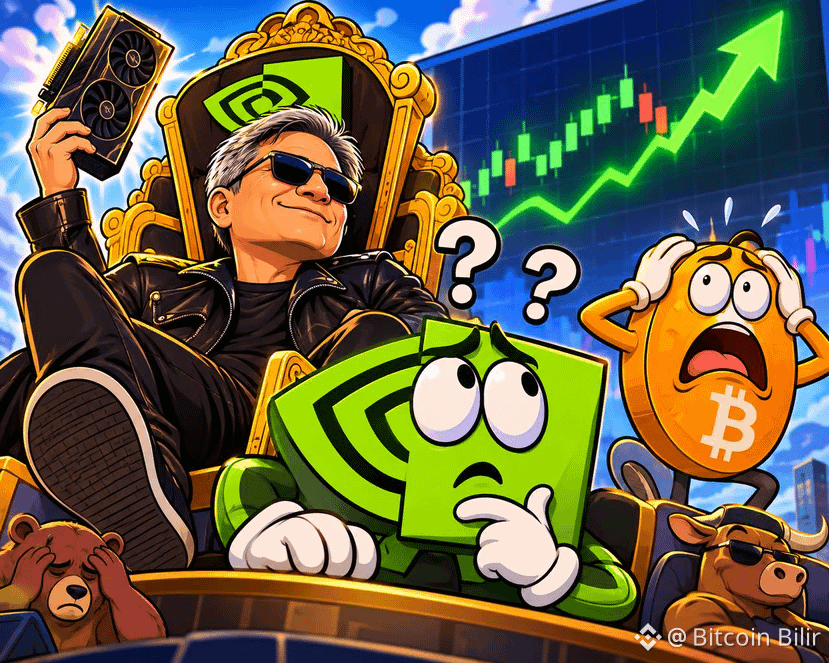
Revenue came in at $115.8B vs $109B expected, and next quarter's guidance is $130B vs $125B expected. On paper, a perfect report.
But two things caught my eye. This was the first report without Jensen Huang, who resigned last week. And gross margin guidance drops to 71–72% from 74.8%.
#NvidiaBeatsEstimatesWith$130BQ4Outlook
The stock rose about 3% after hours. This week #Bitcoin struggled to hold $65K partly on AI nerves, so a strong Nvidia gives risk assets some breathing room.
My take: this report buys time, it doesn't change the trend. If tech can't hold these gains, crypto won't either.
Did Nvidia save the market, or just delay the drop? DYOR!
2
19
1.5k
🚨 ANTHROPIC IS GOING PUBLIC! $ANT 👀
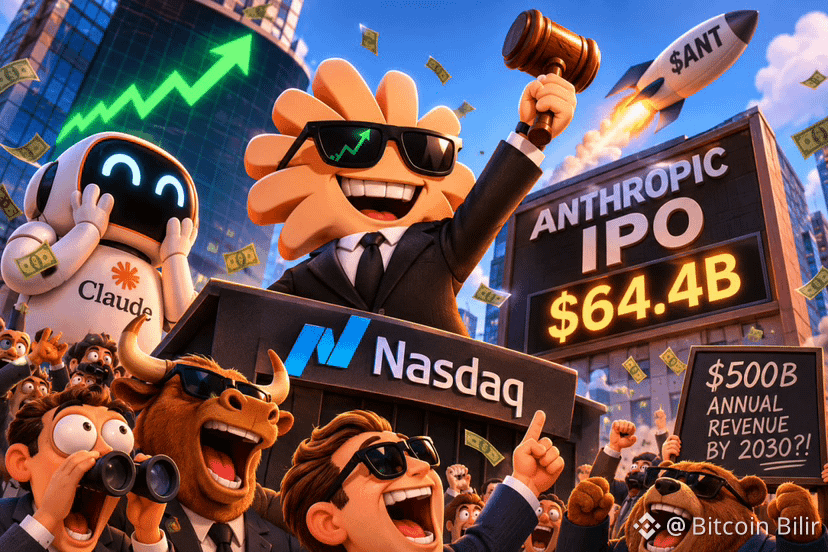
The company behind Claude AI has officially received approval to list on Nasdaq, with trading expected to begin on November 19.
The IPO could raise up to $64.4 BILLION, making it one of the biggest public offerings ever.
#AnthropicClearedToListOnNasdaqAsANT
But here's the interesting part: New Street Research expects Anthropic's annual revenue to exceed $500 BILLION by 2030.
AI is no longer just a technology race. It's becoming one of Wall Street's biggest investment battles.
Could $ANT become the next giant AI stock? 🔥
Keep your eyes on November 19!
1
7
3k
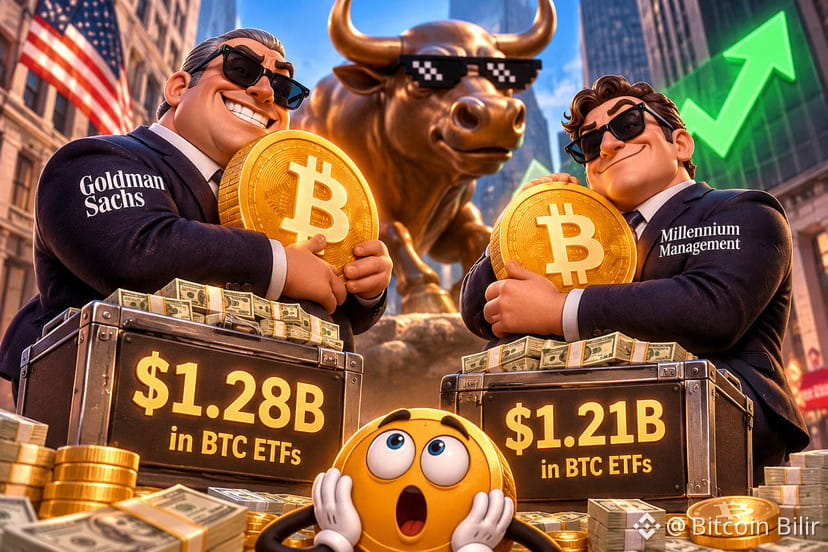
🚨 WALL STREET IS BUYING BITCOIN. BUT WHAT DOES THAT TELL US?
Goldman Sachs holds approximately $1.28 BILLION in #Bitcoin ETFs, while Millennium Management holds another $1.21 BILLION.
Even more interesting? Both increased their positions during Q3 after reducing exposure in the previous quarter.
#GoldmanSachsAndMillenniumEachHeldOver$1.2BInBitcoinETFs
Big money is clearly not walking away from Bitcoin. But there’s one thing to remember: these figures reflect September 30 holdings, not today’s positions.
With billions flowing out of Bitcoin ETFs recently, the real question is whether institutions are buying the dip or preparing for another move.
Wall Street is watching $BTC .Are we watching Wall Street closely enough?
3
27
22.1k
🚨 $BTC 6 WEEKS OF RED. HOW MUCH MORE CAN WE TAKE? 😭
#Bitcoin has now extended its losing streak to six consecutive weeks, and the market is starting to feel like an endless liquidation machine.
Every bounce looks like a recovery, every dip brings another wave of liquidations, and traders are slowly running out of patience.
#BitcoinExtendsLosingStreakToSixWeeks
Honestly, at this point, I don't even know whether to open another position or just watch the charts in silence. The problem is, I don't have enough money left to buy the dip anymore.
How many more dips are we supposed to buy before this thing finally turns around?

8
575
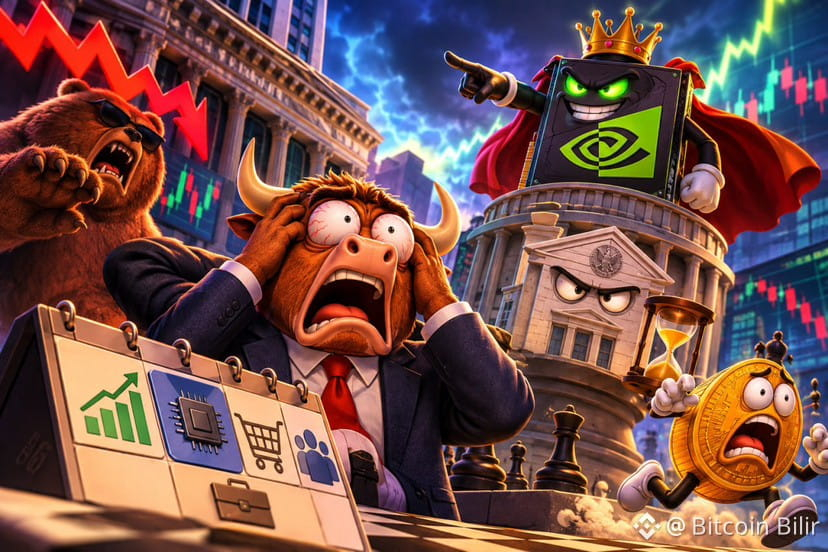
🚨WALL STREET FACES A MAJOR MARKET TEST THIS WEEK!
Markets are heading into a packed week as major corporate earnings and critical economic data could determine the next direction for stocks and crypto.
All eyes will be on $NVDA on November 17. Its earnings will be a major test of AI demand, semiconductor growth and whether the massive AI trade can maintain its momentum.
#A Packed Week of Earnings and Data Tests Markets
But that's not all. US Retail Sales on Tuesday will reveal the strength of consumer spending, while Wednesday's FOMC minutes could offer fresh clues about the Fed's next move following hotter-than-expected inflation.
Investors will also watch jobless claims and Friday's consumer sentiment data.
For crypto, the combination matters. Strong economic data could reinforce a higher-for-longer rate outlook, while weaker numbers may revive hopes for monetary easing.
One week, multiple catalysts. The next big market move could be closer than expected.
11
1
35
1.8k
Войдите, чтобы посмотреть больше материала
Присоединяйтесь к пользователям криптовалют по всему миру на Binance Square
⚡️ Получайте новейшую и полезную информацию о криптоактивах.
💬 Нам доверяет крупнейшая в мире криптобиржа.
👍 Получите достоверные аналитические данные от верифицированных создателей контента.
Эл. почта/номер телефона
В тренде
NVIDIAReinstatesJensenHuangasCEO
Просмотров: 85,087
851 обсуждают
TradFi News | Nvidia Board Unanimously Reinstates Jensen Huang as CEO; Shares Jump 30% Premarket
Binance News
·Лайков: 39
·Просмотров: 38.9k
WillMarketsStageAThanksgivingReliefRally?
Просмотров: 190,800
1,854 обсуждают
WillOctCorePCEShiftFedHikeExpectations?
Просмотров: 69,317
787 обсуждают