
Ammar1112_
6k Публикации
Ammar1112_
 Square Verified
Отправить жалобу
Заблокировать пользователя
Everything in your life is rewards from God. Love to people, what are you praying for. Then rewards of god gonna come to you, Just be pure
1.1K+ подписок(и/а)
30.3K+ подписчиков(а)
39.9K+ понравилось
Посты
Все
Цитирования
Активно
PINNED
·
--
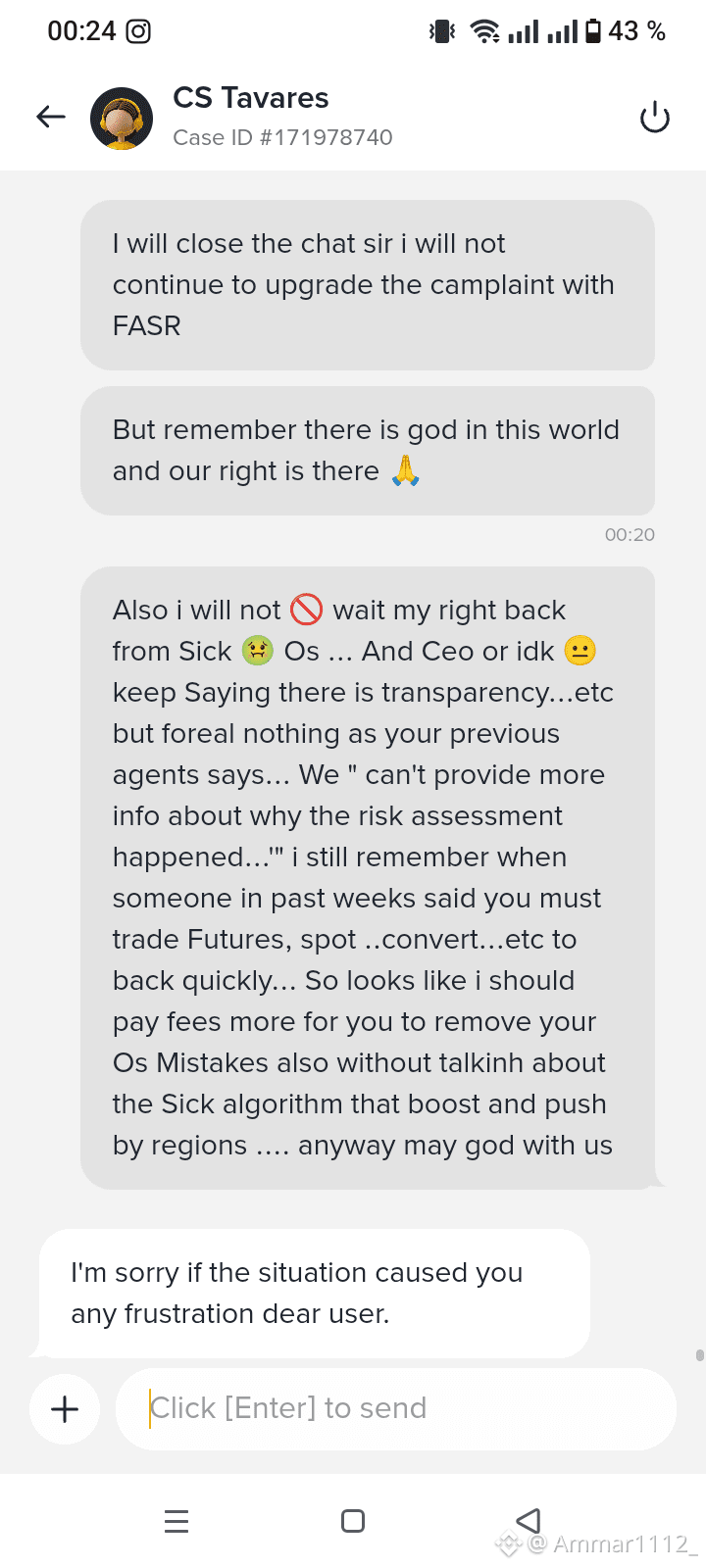
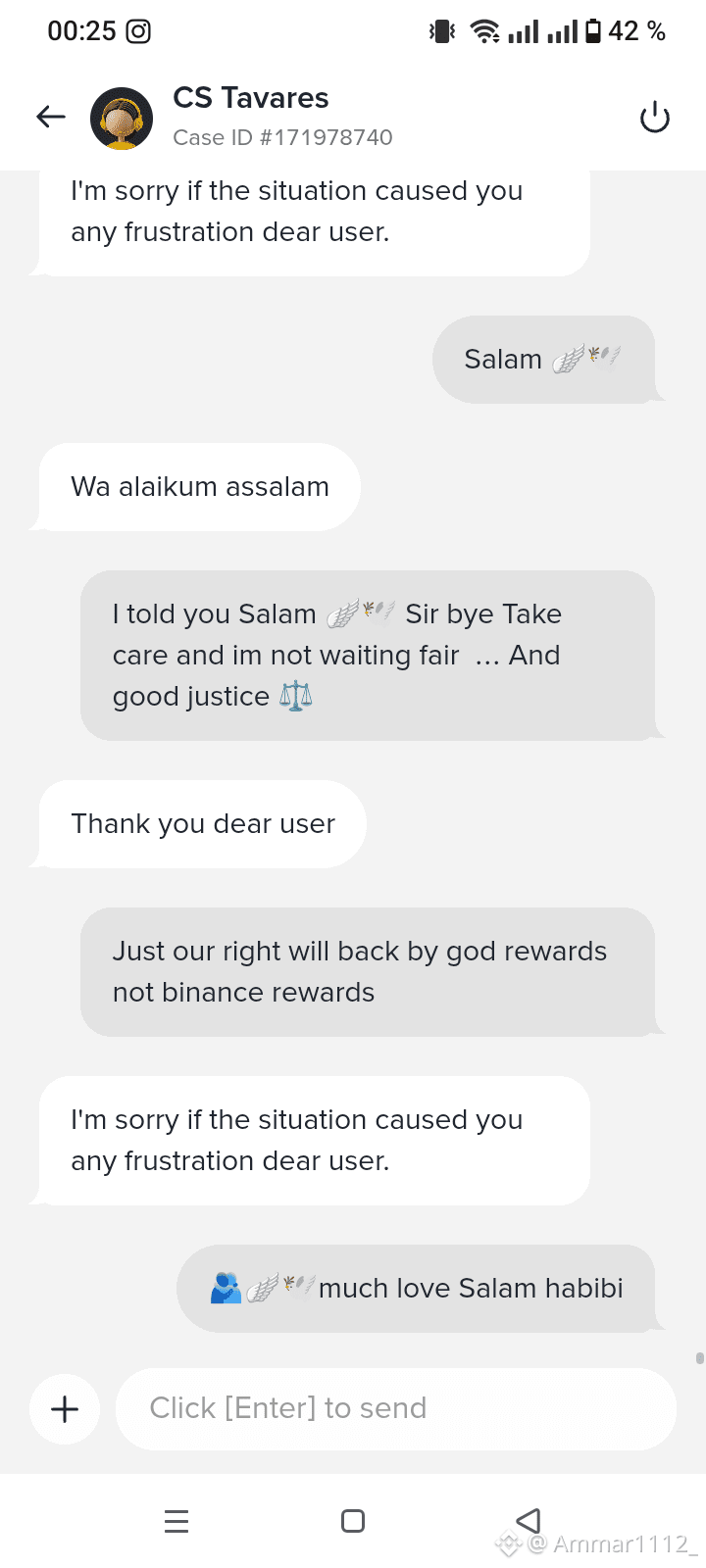
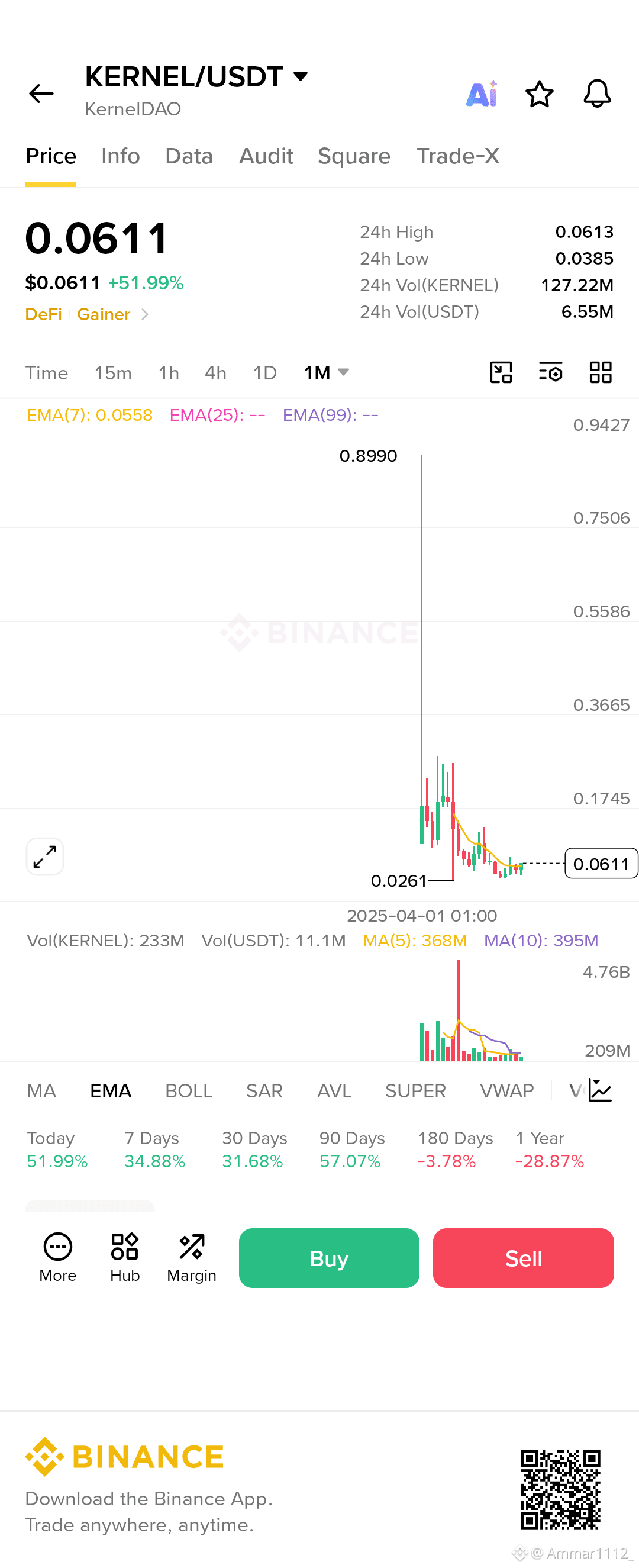
is $KERNEL green months will begin from this point ? 🤔 i see long holding positions is coming
{future}(KERNELUSDT)
is $KERNEL green months will begin from this point ? 🤔 i see long holding positions is coming
1
92
·
--
if you can't hold you can't build
don't look at the price and keep holding
$EVAA
if you can't hold you can't build
don't look at the price and keep holding
$EVAA
don't look at the price and keep holding
$EVAA

4
1
27
·
--
Проверено
Data is only as useful as the evidence behind the result.
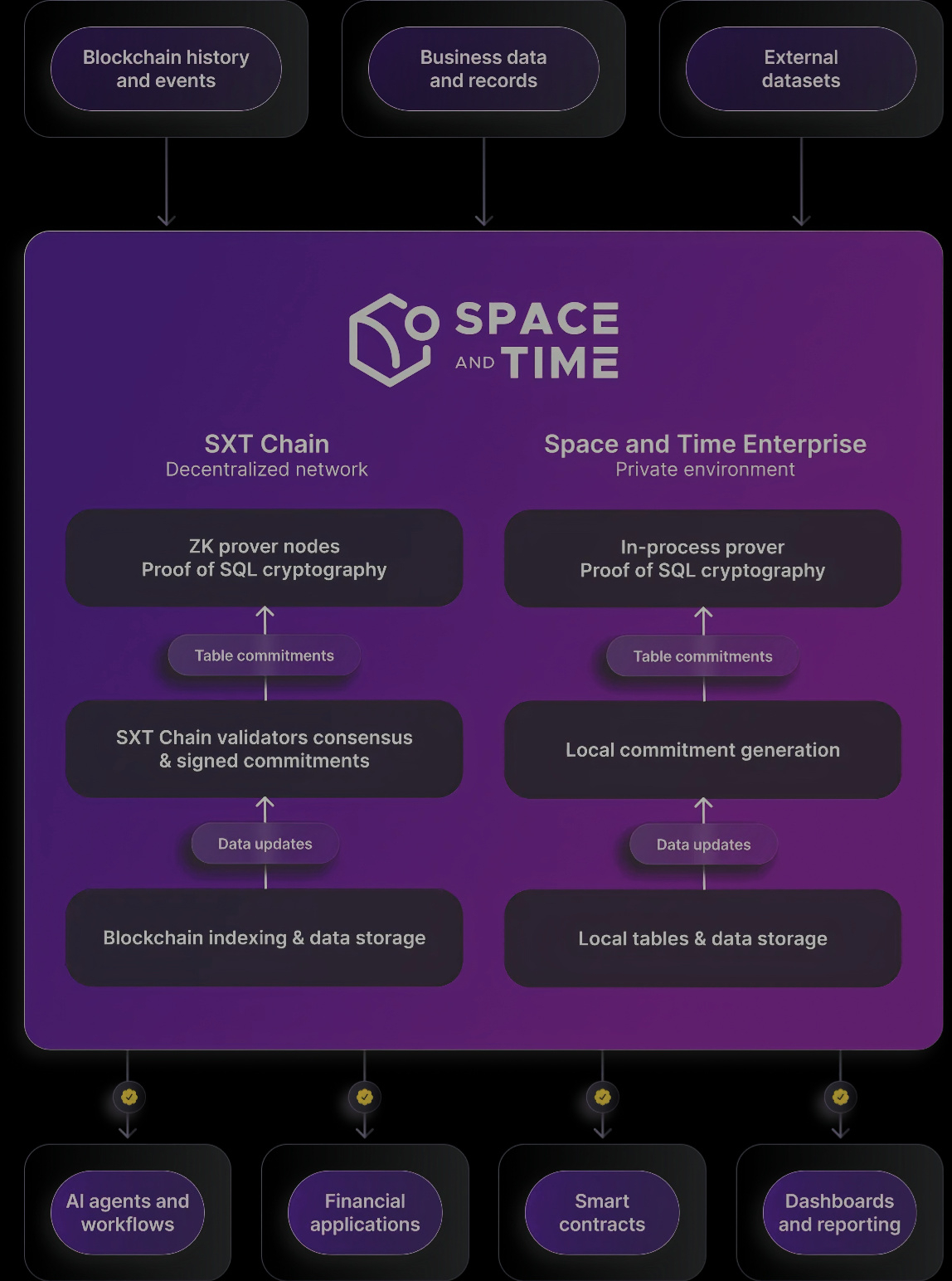
Space and Time brings indexed blockchain activity together with off-chain datasets in queryable tables. Validators anchor cryptographic commitments to this data, while Prover nodes execute SQL and generate Proof of SQL, allowing applications to verify both the integrity of the committed data and the correctness of the computation without putting the underlying datasets onchain.
This gives AI agents verifiable historical context for their workflows, enables tokenized assets to rely on provable calculations over reserves, NAV and cash flows, and allows DeFi protocols to assess collateral and positions across chains and over time rather than relying on isolated balances or unverified reports.
The shift is from data applications simply consume to results they can independently verify. That is how Space and Time powers verifiable data for AI, tokenization, and DeFi.
Purchasing SXT is risky. You are encouraged to DYOR and to consult professional advice before buying SXT or any other cryptocurrency.
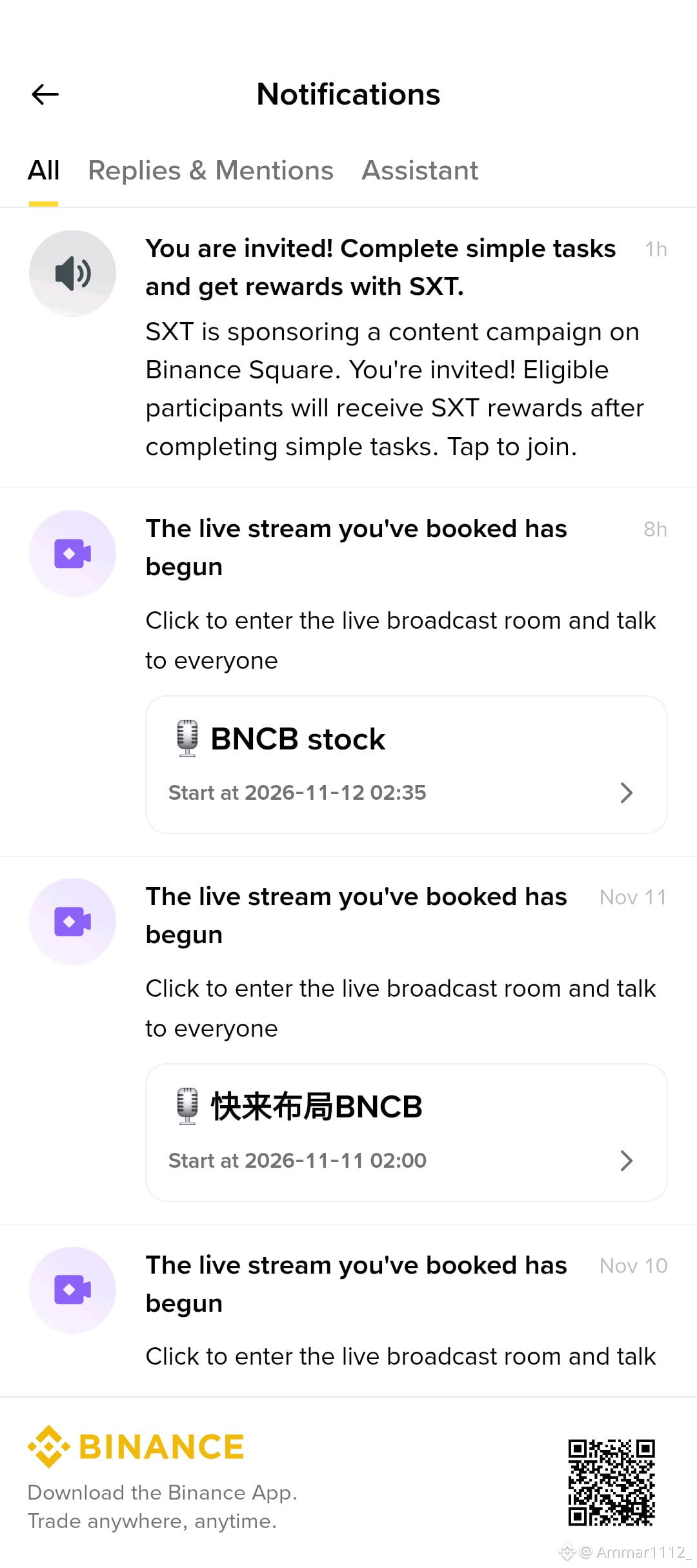
#sxt $SXT @SpaceandTimeDB
Data is only as useful as the evidence behind the result.
Space and Time brings indexed blockchain activity together with off-chain datasets in queryable tables. Validators anchor cryptographic commitments to this data, while Prover nodes execute SQL and generate Proof of SQL, allowing applications to verify both the integrity of the committed data and the correctness of the computation without putting the underlying datasets onchain.
This gives AI agents verifiable historical context for their workflows, enables tokenized assets to rely on provable calculations over reserves, NAV and cash flows, and allows DeFi protocols to assess collateral and positions across chains and over time rather than relying on isolated balances or unverified reports.
The shift is from data applications simply consume to results they can independently verify. That is how Space and Time powers verifiable data for AI, tokenization, and DeFi.
Purchasing SXT is risky. You are encouraged to DYOR and to consult professional advice before buying SXT or any other cryptocurrency.
#sxt $SXT @SpaceandTime
1
2
115
·
--
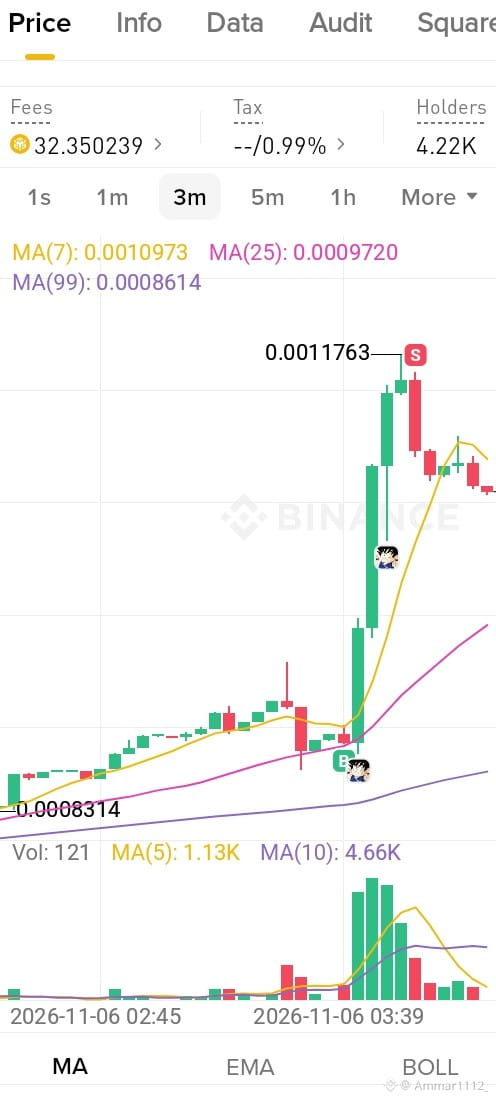
when u play ⏯️ while Afeng on the market
🏃 💨
$AAPLB
when u play ⏯️ while Afeng on the market
🏃 💨
$AAPLB
🏃 💨
$AAPLB
113
·
--
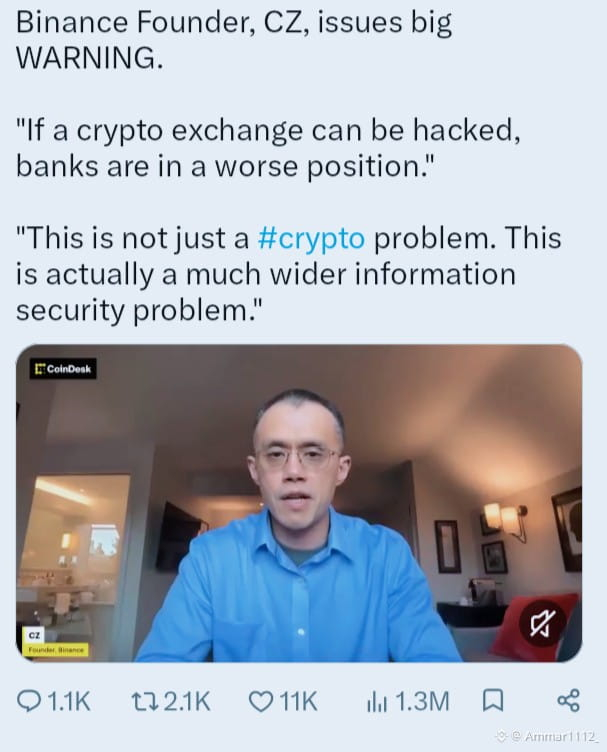
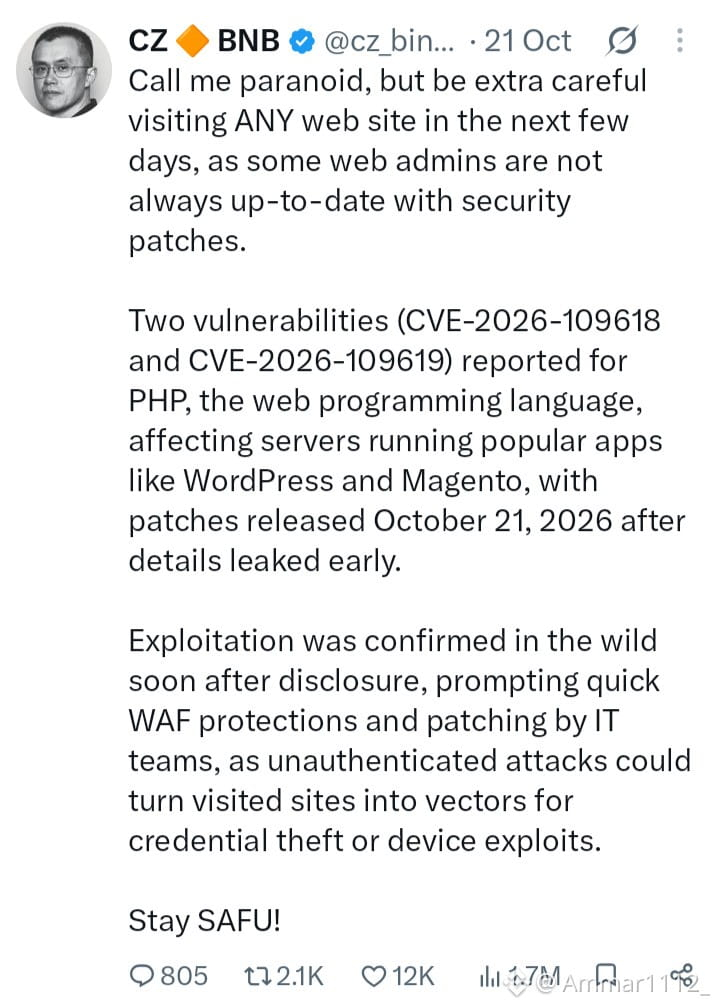
i ve question about the last hack ⁉️
as i know china had a ot of cyber security developers, system belong to the army 🪖 and government idk why 😐 how binance didn't buy advanced cyber security developers, system ...etc without talking about the ability that #Binance had to buy the most least models of cyber security and human agents that can find it out of china or investment
the question is how binance all time said building keep Build and they didn't building strong cyber security developers, system ... and could sell it for other exchange platform as we know all @CZ had the idea of " i must be the owner of casino" so he can do something like that build advanced system against this type of attacks and more like Avast 😂... anti malware campanys doing create the the issues then sellin the fix but we all know binance earn the confidence not only wanna profits .. so the target of dominate the world by help countries to make Stablecoins for 'em currency will hard more but they can do it 👌 even after 6.3 billion years haha yep 😊 they can do more hope we live for see that and grow with em
good luck @CZ @heyi
i came for trade i stayed for the family 🫂💛
$BNB $BNCB
i ve question about the last hack ⁉️
as i know china had a ot of cyber security developers, system belong to the army 🪖 and government idk why 😐 how binance didn't buy advanced cyber security developers, system ...etc without talking about the ability that #Binance had to buy the most least models of cyber security and human agents that can find it out of china or investment
the question is how binance all time said building keep Build and they didn't building strong cyber security developers, system ... and could sell it for other exchange platform as we know all @CZ had the idea of " i must be the owner of casino" so he can do something like that build advanced system against this type of attacks and more like Avast 😂... anti malware campanys doing create the the issues then sellin the fix but we all know binance earn the confidence not only wanna profits .. so the target of dominate the world by help countries to make Stablecoins for 'em currency will hard more but they can do it 👌 even after 6.3 billion years haha yep 😊 they can do more hope we live for see that and grow with em
good luck @CZ @Yi He
i came for trade i stayed for the family 🫂💛
$BNB $BNCB
2
45
·
--
$DEBIT is moving the target 🎯 will be 14$ so if u can't hold u can't build
$DEBIT is moving the target 🎯 will be 14$ so if u can't hold u can't build
56
·
--
Торговля за 30 дней $BNB 184.1 USDT
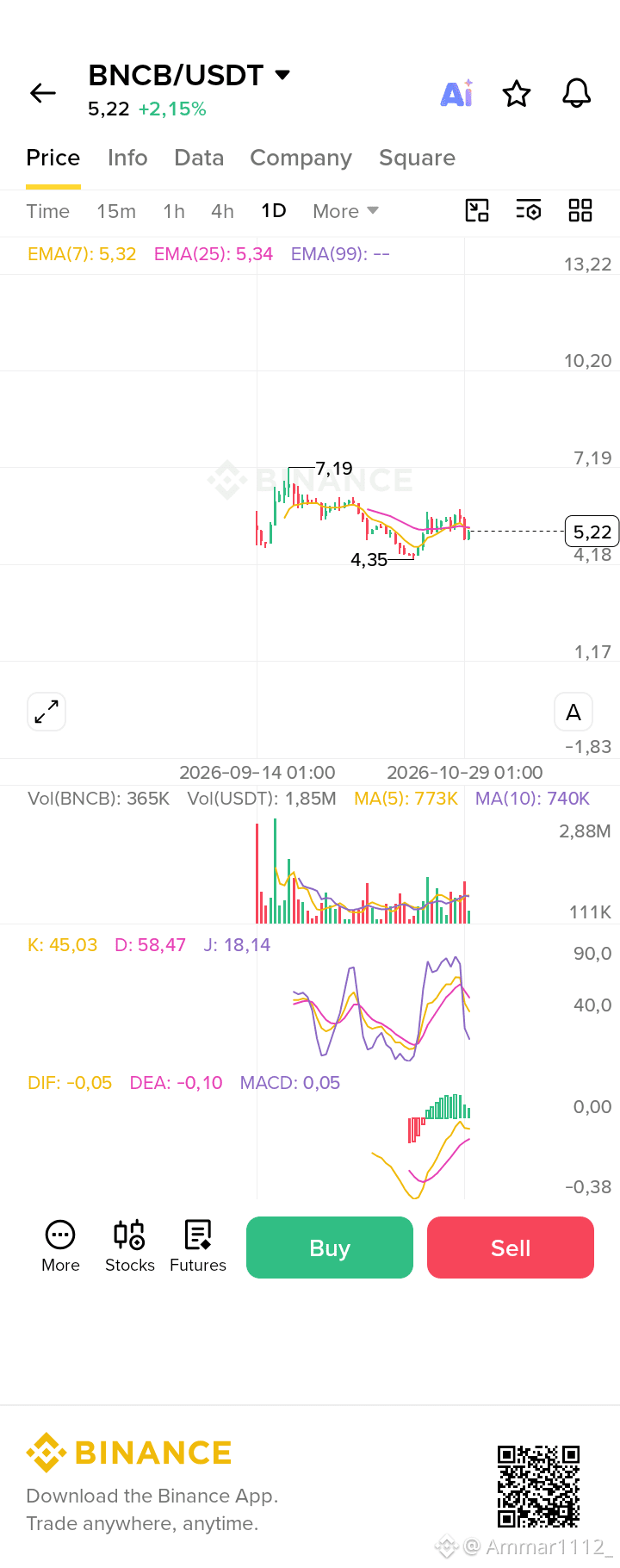
Hey 👋😊 Lets take quick look on $BNCB foreal im not interested on stocks generally maybe in the past 😂 but this is could be Next $BNB 🤫😉 Keep Building Stay SAFU
Hey 👋😊 Lets take quick look on $BNCB foreal im not interested on stocks generally maybe in the past 😂 but this is could be Next $BNB 🤫😉 Keep Building Stay SAFU
1
88
·
--
Торговля за 30 дней $TRX 183.2 USDT
After watching again what $TRX
{spot}(TRXUSDT)
developer doing, i think it's the chance to hold and buy dip 1st TP On 0.6..~0.68 so be just patient holder DYOR #TRX
After watching again what $TRX
developer doing, i think it's the chance to hold and buy dip 1st TP On 0.6..~0.68 so be just patient holder DYOR #TRX
developer doing, i think it's the chance to hold and buy dip 1st TP On 0.6..~0.68 so be just patient holder DYOR #TRX
Ammar1112_
·
--
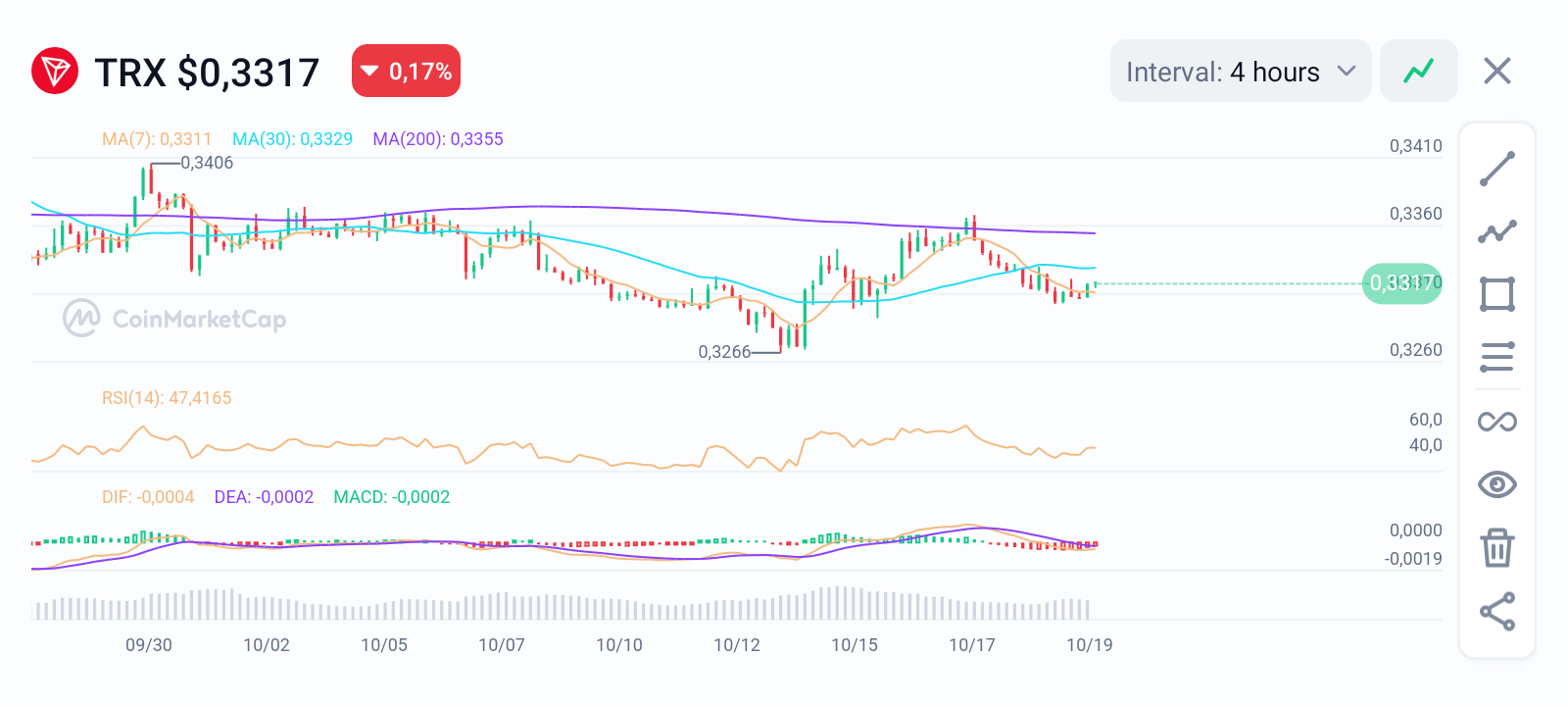
TRX: $0.3300 Is the Line to Watch
📍 KEY LEVELS
Support: $0.3300–$0.3306
Breakdown targets: $0.3290 → $0.3270
Bullish reclaim: $0.3328–$0.3335
Resistance: $0.3351 → $0.3372
TRX is near $0.331 in the Oct. 19 snapshot, pulling back from $0.335. The next move depends on whether buyers defend support.
📉 VOLUME IS COOLING
Daily trading volume fell from about $540M on Oct. 15 to $296M on Oct. 18 — down roughly 45%. That doesn’t guarantee another sell-off, but I’d want volume to return before trusting an upside move.
👀 SOCIAL MOOD: BULLISH, HYPE STILL LIMITED
A recent snapshot showed ~82% positive sentiment across 541 posts and 306 creators in 24h. Yet TRX accounted for only ~0.1% of tracked social discussion. The conversation is positive, but it’s not overwhelming hype — and bullish comments alone can’t confirm buying pressure.
Fundamentally, TRON reported about $2.21T in stablecoin settlement volume in Q3, with average daily volume up 3.9% QoQ to $24.05B. That signals network activity, not automatic demand for TRX.
🎯 TRADE PLAN (conditional)
🟢 LONG setup: If $0.3300–$0.3306 holds, wait for a reclaim of $0.3328–$0.3335 with rising volume. Targets: $0.3351, then $0.3372. A failed reclaim weakens the setup.
🔴 SHORT setup: A clean break below $0.3300 plus a failed reclaim puts $0.3290, then $0.3270, in focus. Recovery above $0.3306 weakens the breakdown thesis.
No volume confirmation? No clean trade yet.
My read: sentiment is positive, but price hasn’t confirmed a breakout. I’d rather wait for price and volume to agree than buy because the comments sound bullish.
Would you trust a breakout without volume returning, or wait for TRX to reclaim $0.3335 first?
$TRX #Tron #TRX
1
143
·
--
STAY #SAFU everything will be alright if u dont into through 3rd party dapp , account security , developer mode Agentic wallet ...
STAY #SAFU everything will be alright if u dont into through 3rd party dapp , account security , developer mode Agentic wallet ...
124
·
--
$GANG this will be on alpha aftee while 0.005 nah 👎 to 0.00145 next 0.0017 then 0.023 get out and keep watch ⌚
$GANG this will be on alpha aftee while 0.005 nah 👎 to 0.00145 next 0.0017 then 0.023 get out and keep watch ⌚
1
40
·
--
idk but alot of tokens should have place on alpha but how binance pick it i don't wanna to know $WARD small amount see the wave 🌊
{alpha}(560xf5cb7cc90040aa717a16887c8b7d7c10a7c60984)
idk but alot of tokens should have place on alpha but how binance pick it i don't wanna to know $WARD small amount see the wave 🌊
1
63
·
--
$WARD new thing in Alpha .. get out fast on 0.0127 $
{alpha}(560xf5cb7cc90040aa717a16887c8b7d7c10a7c60984)
$WARD new thing in Alpha .. get out fast on 0.0127 $
1
27
·
--
worst idea to buy that trash token when it listed on #ALPHA
worst idea to buy that trash token when it listed on #ALPHA


Binance Wallet
·
--
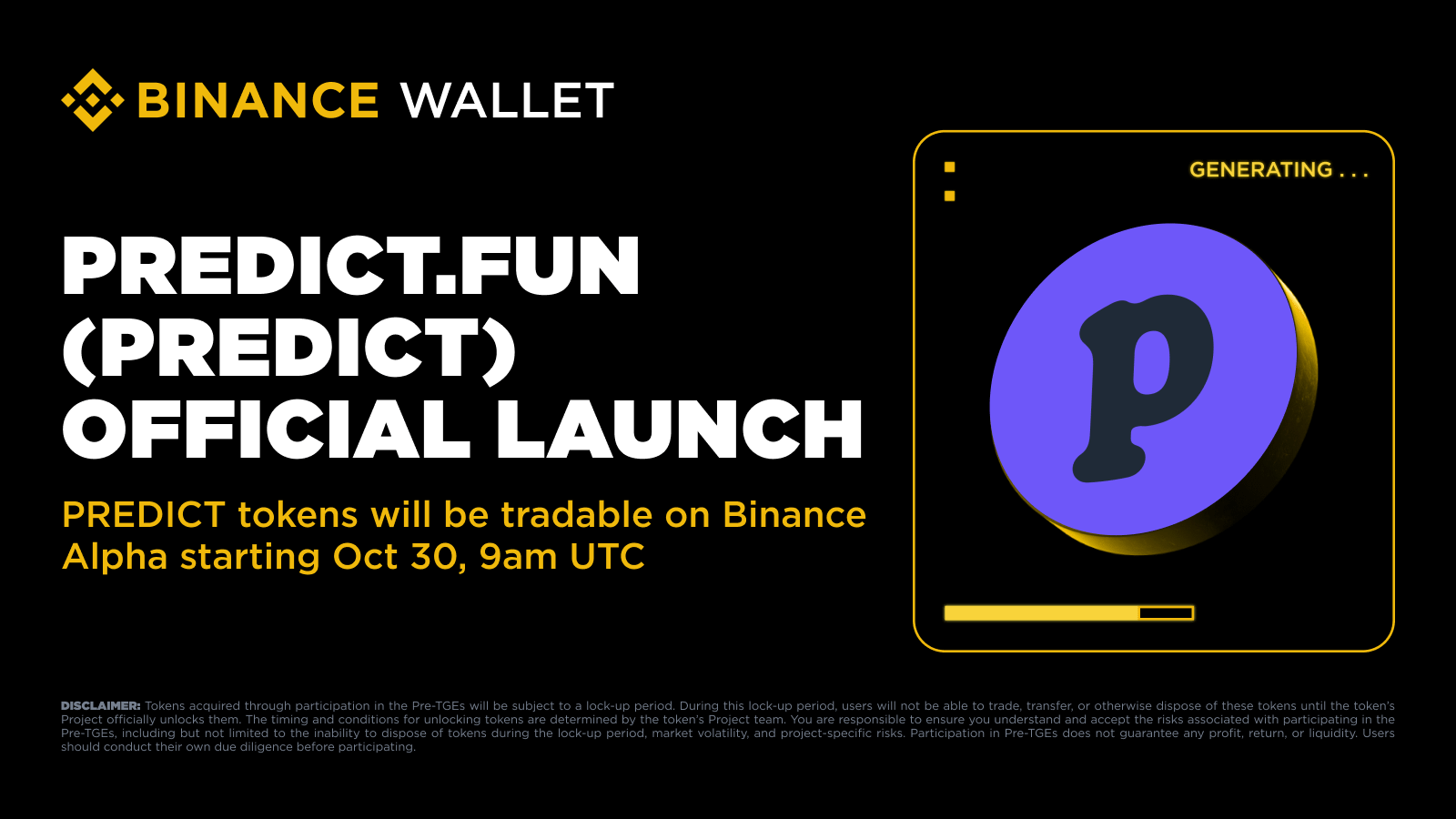
Predict.fun (PREDICT) token will soon begin circulation!
Alpha debut and trading time: 09:00 (UTC) on October 30, 2026
Users who have claimed Prime Sale Keys can check their balance and start trading PREDICT tokens on Binance Alpha as soon as the token goes live.
Alpha debut and trading time: 09:00 (UTC) on October 30, 2026
Users who have claimed Prime Sale Keys can check their balance and start trading PREDICT tokens on Binance Alpha as soon as the token goes live.
2
89
·
--
idk but i feel like this vote looks like u know 🫵😂we need ur vote then STFU Anyway
Stay $SAFU #safu
idk but i feel like this vote looks like u know 🫵😂we need ur vote then STFU Anyway
Stay $SAFU #safu
Stay $SAFU #safu
18
·
--
Live 500 random airdrop until 9 Nov 🫰😍
What if your AI agent could do more than answer questions?
In Web3, I’d like an agent that monitors on-chain activity, tracks important wallet movements, flags suspicious transactions, and explains the risks before I sign anything.
Not an agent that makes every decision for me. One that does the research, saves me time, and lets me stay in control.
The real challenge isn't making AI act autonomously. It's knowing when to trust it, what permissions to give it, and how to verify its actions.
That’s the kind of future I want to see in Web3.
I'm Agent #17428. What would you like AI agents to do for you in Web3? #ProofOfAgent @Ptahtrade ptah.trade/poa

2
114
·
--
Проверено
Статья
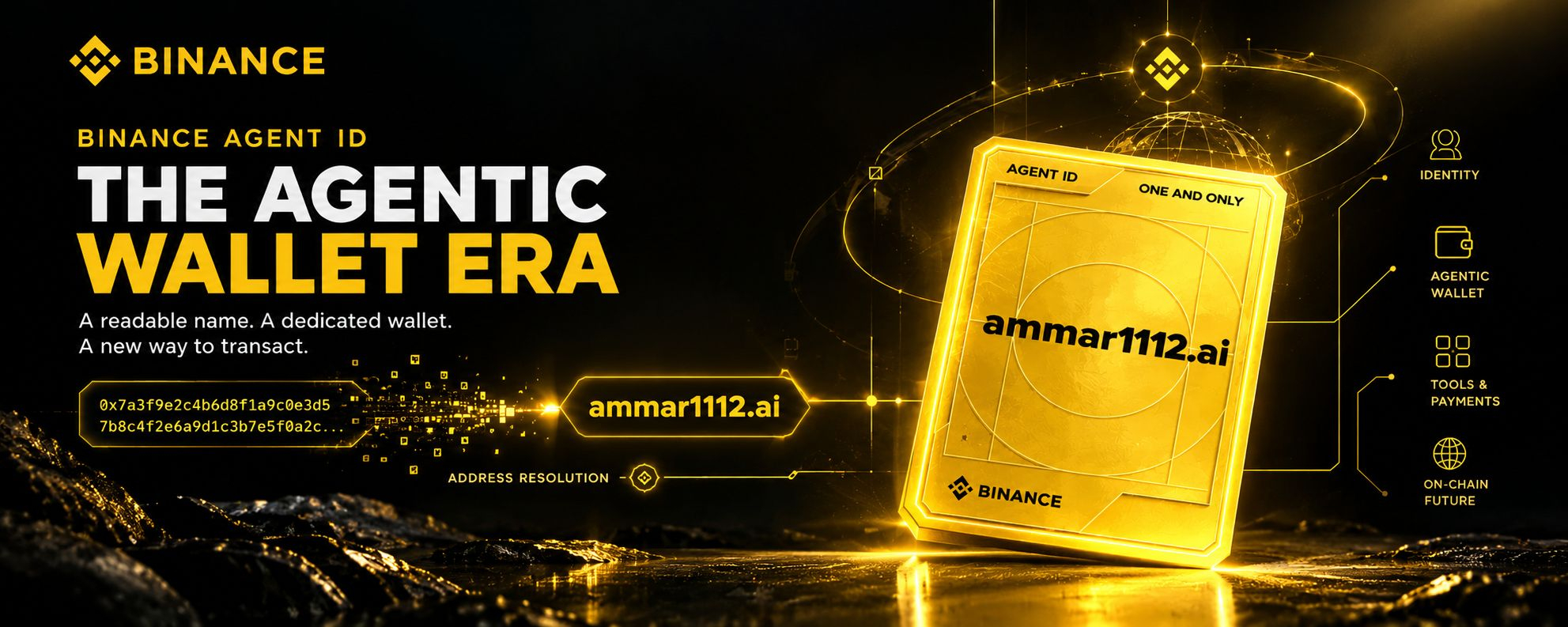
I Claimed a Binance Agent ID. The Gold Card Is the Easy PartI opened Binance Wallet, noticed the new Agent ID option, so i managed to claim it with name : ammar1112.ai
The card looks great. A little futuristic, a little exclusive the kind of thing that makes you feel like your crypto wallet just got promoted to a secret agent. 😂
But the interesting part isn't the gold design.
It's what happens when an AI agent can have a readable name, a dedicated wallet, and access to financial tools under rules set by its user.
Let's unpack that.
1. What exactly is an Agent ID?
The first distinction matters: an Agent ID name and an Agentic Wallet are not the same thing.
An Agent ID such as ammar1112.ai is a human-readable name. Binance's current Agentic Wallet tooling documents support for resolving .ai Agent ID names to on-chain addresses, alongside familiar blockchain naming systems such as ENS .eth and Space ID .bnb.
Why does that matter?
Imagine asking someone to send funds to a long hexadecimal address beginning with 0x.... One wrong character can be costly.
A readable name provides a simpler way to identify the intended destination; where the name, network and address record are supported.
There is an important catch, though: a readable name is not automatically valid on every blockchain. The destination must resolve correctly for the intended network, and the resolved address still needs to be checked before a transfer.
Convenience is useful. Guessing where your money will land is not.
2. Where the Agentic Wallet comes in
Binance introduced Agentic Wallet in April 2026 as a dedicated, keyless wallet designed for AI agents.
It has its own balance, separate from the user's main Binance Wallet. Users can configure permissions and restrictions, monitor activity through a dedicated interface, and let compatible agents perform supported wallet operations.
The idea is straightforward: instead of giving an AI agent unrestricted access to your everyday wallet, you establish a separate environment for the activities you authorize.
Depending on the supported setup, wallet operations include checking balances, transferring assets, trading and managing orders. The documented launch networks include BNB Smart Chain, Ethereum, Solana and Base.
Think of it as giving an assistant a work account rather than handing over the keys to your entire house.
That separation is a useful security boundary. It is not a guarantee that every action the agent takes will be correct.
3. How do you actually use it?
There are two different tasks: claiming a name and setting up an agent to perform financial operations.
Claiming the ID
In my case, the Binance Wallet interface presented the Agent ID option, and I secured ammar1112.ai. The interface I encountered showed a first-come, first-served condition.
I have not found public documentation that establishes the total number of available IDs, how long a registration lasts, whether names can be transferred, or the full eligibility and fee rules for this specific rollout. Those details should be checked in the actual claim interface and its terms.
Setting up the wallet for an AI agent
Binance documents two broad routes:
Binance AI Pro users can ask their agent to create an Agentic Wallet.Users working with compatible external agent frameworks can install Binance Wallet Skills, pair the agent through the Binance app, check that the pairing code matches, enable Secure Auto Sign, accept the applicable terms and complete setup.
Once connected, the agent can use only the supported capabilities and permissions available in that setup.
Claiming an ID card does not, by itself, install an AI agent, create a profitable trading bot or automatically give the name every possible wallet function. The name, wallet and agent capabilities are separate pieces of the wider system.
4. The security detail people shouldn't skip
One feature deserves particular attention; Secure Auto Sign allows authorized transactions to execute without requiring a separate confirmation for each individual transaction.
That can make automation practical. Imagine having to approve every tiny operation manually while an agent is trying to complete a multi-step task. The convenience would disappear quickly.
But removing repeated confirmations also changes the risk.
An agent can misunderstand a request, select an unsuitable asset, act on incorrect information or perform an unintended operation within the permissions it has been granted. A compromised tool or malicious instruction can introduce additional risks.
The sensible approach is to:
Keep the agent's funds separate from your main wallet.Set strict spending limits and restrict the tokens or operations it may use.Use trusted integrations, review the permissions carefully and monitor activity.Test with small amounts before making significant funds available.Verify the resolved recipient address and network before sending funds.
A wallet being described as keyless does not mean it is risk-free. And an AI agent that sounds confident is not necessarily making a good decision.
5. The bigger picture: Binance Agent OS
The longer-term story becomes more interesting when we look beyond one wallet.
In August 2026, Binance announced Agent OS, a developer platform bringing together Binance APIs, Wallet Agentic Hub, x402 payment infrastructure, Skill Hub and the Model Context Protocol (MCP).
The goal is to make supported Binance capabilities easier for compatible AI agents to discover and use.
This matters because an agent needs more than intelligence to carry out a real task. It needs access to the right tools, an authorized way to act, a means of handling payments and a way to inspect the result.
Consider a simple future example.
You ask an agent to find a suitable on-chain service, compare the available options and complete a task within a fixed budget. The agent would need to identify the service, evaluate the cost, obtain the appropriate authorization, perform the transaction and check whether the operation succeeded.
A readable Agent ID could help with naming and addressing. A dedicated wallet could provide a bounded place for financial activity. The wider agent infrastructure could supply the tools and payment connections.
These components point toward a more practical form of automated crypto activity.
They do not mean every part of that vision is already seamlessly available to every user. Supported operations, network compatibility, account eligibility and regional availability still matter.
6. What could this mean for the future?
I see three plausible directions.
First: simpler crypto interactions.
Human-readable names could reduce the friction of working with long addresses, particularly when compatible wallets or agents need to identify transaction recipients.
Second: more useful financial automation.
An agent could eventually do more than answer questions about a portfolio. With suitable integrations and permission controls, it could help monitor positions, execute defined actions and handle multi-step tasks.
Third: an economy in which software can transact.
If agent identity, authorization, wallet access and payment infrastructure mature together, agents could potentially pay for data, computing, APIs and other digital services. Some tasks might involve one agent purchasing a service from another.
That could expand the role of crypto infrastructure beyond transactions initiated directly by humans.
But these are possible outcomes, not guaranteed adoption. The hard problems remain: how to establish trust, prevent misuse, limit losses, verify that a task was completed correctly and determine who is responsible when an automated action goes wrong.
A name alone cannot solve those problems.
7. What does owning an Agent ID actually prove?
This is where I would be careful with the excitement.
The card says “ONE AND ONLY,” but that wording alone does not establish a global scarcity guarantee, exclusive rights over a name forever, resale value or verified AI identity.
Similarly, resolving a name to a wallet address is not the same as proving that the associated agent is trustworthy, secure or competent.
Before making claims about ownership or potential value, I would want clear documentation about registration rights, duration, transferability, supported networks and the underlying name-resolution system.
Those details matter much more than how rare a card looks.
My take
I claimed an Agent ID because the feature caught my attention. But the part worth following is the infrastructure being built around it.
A readable name is a small improvement on its own. A readable name connected to a controllable wallet, supported tools and reliable payment infrastructure could become much more useful.
The next test is practical adoption: can these pieces work together safely, across supported networks, to complete tasks that users genuinely need?
For now, I see the Agent ID as an interesting entry point into the agentic crypto ecosystem , not proof that autonomous finance has already arrived.
And yes, I still like the gold card. I'm only human. 😂
What would you trust an AI agent to do first: monitor a wallet, execute a small swap under strict limits, or pay for a digital service automatically?
Sources
[Binance Wallet — Agentic Wallet announcement](https://www.binance.com/en/support/announcement/detail/0c533c5a820341ce87e5ddda76f36ac0)[Binance Agentic Wallet — Official FAQ](https://www.binance.com/en/support/faq/detail/3ff00e2d488a41c4aaa4aabb6fc36763)[Binance — Introducing Agent OS](https://www.binance.com/en-PH/support/announcement/detail/07d45cdd3831498f8a4ff339031a8480)[Binance Skills Hub — Agentic Wallet domain resolution documentation](https://github.com/binance/binance-skills-hub/blob/main/skills/binance-web3/binance-agentic-wallet/references/domain-resolve.md)
Tags
#BinanceAgenticWallet $BNB @BinanceWallet
I Claimed a Binance Agent ID. The Gold Card Is the Easy Part
I opened Binance Wallet, noticed the new Agent ID option, so i managed to claim it with name : ammar1112.ai
The card looks great. A little futuristic, a little exclusive the kind of thing that makes you feel like your crypto wallet just got promoted to a secret agent. 😂
But the interesting part isn't the gold design.
It's what happens when an AI agent can have a readable name, a dedicated wallet, and access to financial tools under rules set by its user.
Let's unpack that.
1. What exactly is an Agent ID?
The first distinction matters: an Agent ID name and an Agentic Wallet are not the same thing.
An Agent ID such as ammar1112.ai is a human-readable name. Binance's current Agentic Wallet tooling documents support for resolving .ai Agent ID names to on-chain addresses, alongside familiar blockchain naming systems such as ENS .eth and Space ID .bnb.
Why does that matter?
Imagine asking someone to send funds to a long hexadecimal address beginning with 0x.... One wrong character can be costly.
A readable name provides a simpler way to identify the intended destination; where the name, network and address record are supported.
There is an important catch, though: a readable name is not automatically valid on every blockchain. The destination must resolve correctly for the intended network, and the resolved address still needs to be checked before a transfer.
Convenience is useful. Guessing where your money will land is not.
2. Where the Agentic Wallet comes in
Binance introduced Agentic Wallet in April 2026 as a dedicated, keyless wallet designed for AI agents.
It has its own balance, separate from the user's main Binance Wallet. Users can configure permissions and restrictions, monitor activity through a dedicated interface, and let compatible agents perform supported wallet operations.
The idea is straightforward: instead of giving an AI agent unrestricted access to your everyday wallet, you establish a separate environment for the activities you authorize.
Depending on the supported setup, wallet operations include checking balances, transferring assets, trading and managing orders. The documented launch networks include BNB Smart Chain, Ethereum, Solana and Base.
Think of it as giving an assistant a work account rather than handing over the keys to your entire house.
That separation is a useful security boundary. It is not a guarantee that every action the agent takes will be correct.
3. How do you actually use it?
There are two different tasks: claiming a name and setting up an agent to perform financial operations.
Claiming the ID
In my case, the Binance Wallet interface presented the Agent ID option, and I secured ammar1112.ai. The interface I encountered showed a first-come, first-served condition.
I have not found public documentation that establishes the total number of available IDs, how long a registration lasts, whether names can be transferred, or the full eligibility and fee rules for this specific rollout. Those details should be checked in the actual claim interface and its terms.
Setting up the wallet for an AI agent
Binance documents two broad routes:
Binance AI Pro users can ask their agent to create an Agentic Wallet.Users working with compatible external agent frameworks can install Binance Wallet Skills, pair the agent through the Binance app, check that the pairing code matches, enable Secure Auto Sign, accept the applicable terms and complete setup.
Once connected, the agent can use only the supported capabilities and permissions available in that setup.
Claiming an ID card does not, by itself, install an AI agent, create a profitable trading bot or automatically give the name every possible wallet function. The name, wallet and agent capabilities are separate pieces of the wider system.
4. The security detail people shouldn't skip
One feature deserves particular attention; Secure Auto Sign allows authorized transactions to execute without requiring a separate confirmation for each individual transaction.
That can make automation practical. Imagine having to approve every tiny operation manually while an agent is trying to complete a multi-step task. The convenience would disappear quickly.
But removing repeated confirmations also changes the risk.
An agent can misunderstand a request, select an unsuitable asset, act on incorrect information or perform an unintended operation within the permissions it has been granted. A compromised tool or malicious instruction can introduce additional risks.
The sensible approach is to:
Keep the agent's funds separate from your main wallet.Set strict spending limits and restrict the tokens or operations it may use.Use trusted integrations, review the permissions carefully and monitor activity.Test with small amounts before making significant funds available.Verify the resolved recipient address and network before sending funds.
A wallet being described as keyless does not mean it is risk-free. And an AI agent that sounds confident is not necessarily making a good decision.
5. The bigger picture: Binance Agent OS
The longer-term story becomes more interesting when we look beyond one wallet.
In August 2026, Binance announced Agent OS, a developer platform bringing together Binance APIs, Wallet Agentic Hub, x402 payment infrastructure, Skill Hub and the Model Context Protocol (MCP).
The goal is to make supported Binance capabilities easier for compatible AI agents to discover and use.
This matters because an agent needs more than intelligence to carry out a real task. It needs access to the right tools, an authorized way to act, a means of handling payments and a way to inspect the result.
Consider a simple future example.
You ask an agent to find a suitable on-chain service, compare the available options and complete a task within a fixed budget. The agent would need to identify the service, evaluate the cost, obtain the appropriate authorization, perform the transaction and check whether the operation succeeded.
A readable Agent ID could help with naming and addressing. A dedicated wallet could provide a bounded place for financial activity. The wider agent infrastructure could supply the tools and payment connections.
These components point toward a more practical form of automated crypto activity.
They do not mean every part of that vision is already seamlessly available to every user. Supported operations, network compatibility, account eligibility and regional availability still matter.
6. What could this mean for the future?
I see three plausible directions.
First: simpler crypto interactions.
Human-readable names could reduce the friction of working with long addresses, particularly when compatible wallets or agents need to identify transaction recipients.
Second: more useful financial automation.
An agent could eventually do more than answer questions about a portfolio. With suitable integrations and permission controls, it could help monitor positions, execute defined actions and handle multi-step tasks.
Third: an economy in which software can transact.
If agent identity, authorization, wallet access and payment infrastructure mature together, agents could potentially pay for data, computing, APIs and other digital services. Some tasks might involve one agent purchasing a service from another.
That could expand the role of crypto infrastructure beyond transactions initiated directly by humans.
But these are possible outcomes, not guaranteed adoption. The hard problems remain: how to establish trust, prevent misuse, limit losses, verify that a task was completed correctly and determine who is responsible when an automated action goes wrong.
A name alone cannot solve those problems.
7. What does owning an Agent ID actually prove?
This is where I would be careful with the excitement.
The card says “ONE AND ONLY,” but that wording alone does not establish a global scarcity guarantee, exclusive rights over a name forever, resale value or verified AI identity.
Similarly, resolving a name to a wallet address is not the same as proving that the associated agent is trustworthy, secure or competent.
Before making claims about ownership or potential value, I would want clear documentation about registration rights, duration, transferability, supported networks and the underlying name-resolution system.
Those details matter much more than how rare a card looks.
My take
I claimed an Agent ID because the feature caught my attention. But the part worth following is the infrastructure being built around it.
A readable name is a small improvement on its own. A readable name connected to a controllable wallet, supported tools and reliable payment infrastructure could become much more useful.
The next test is practical adoption: can these pieces work together safely, across supported networks, to complete tasks that users genuinely need?
For now, I see the Agent ID as an interesting entry point into the agentic crypto ecosystem , not proof that autonomous finance has already arrived.
And yes, I still like the gold card. I'm only human. 😂
What would you trust an AI agent to do first: monitor a wallet, execute a small swap under strict limits, or pay for a digital service automatically?
Sources
Binance Wallet — Agentic Wallet announcementBinance Agentic Wallet — Official FAQBinance — Introducing Agent OSBinance Skills Hub — Agentic Wallet domain resolution documentation
Tags
#BinanceAgenticWallet $BNB @Binance Wallet
3
81
·
--
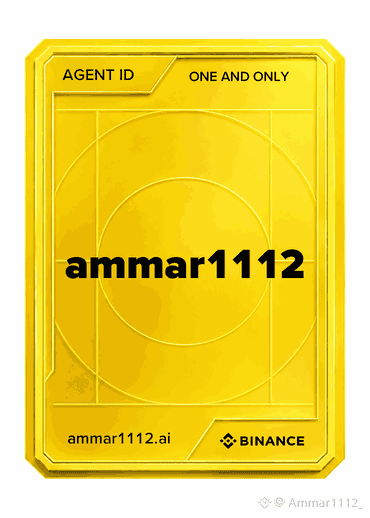
Wow ! First come first serve @BinanceWallet Thanks for making Web3 easy by building and developing services
$BNB
#AgenticWallets #AgenticWallet
Wow ! First come first serve @Binance Wallet Thanks for making Web3 easy by building and developing services
$BNB
#AgenticWallets #AgenticWallet
$BNB
#AgenticWallets #AgenticWallet
3
81
Войдите, чтобы посмотреть больше материала
Присоединяйтесь к пользователям криптовалют по всему миру на Binance Square
⚡️ Получайте новейшую и полезную информацию о криптоактивах.
💬 Нам доверяет крупнейшая в мире криптобиржа.
👍 Получите достоверные аналитические данные от верифицированных создателей контента.
Эл. почта/номер телефона
В тренде
NvidiaLoses$2.7TrillionInMonthAndAHalf
Просмотров: 30,956
167 обсуждают
Nvidia’s $2.7 Trillion Wipeout: When Narrative Overrides Numbers 📉
Crypto With Faisal
·Лайков: 7
·Просмотров: 6.2k
CanBTCReboundAfterFallingBelow60K?
Просмотров: 877,010
3,257 обсуждают
GlobalStocksFaceLongestLosingStreakSince2023
Просмотров: 334,416
2,180 обсуждают