

Altcoin Asad
107 Публикации

Altcoin Asad
Отправить жалобу
Заблокировать пользователя
Crypto Lover since 2019 | BNB | 500x Altcoin |Blockchain |Bitcoin| Ethereum
Открытая сделка
Трейдер с регулярными сделками
6.9 г
8 подписок(и/а)
175 подписчиков(а)
280 понравилось
Посты
Портфель
Все
Цитирования
·
--
Статья
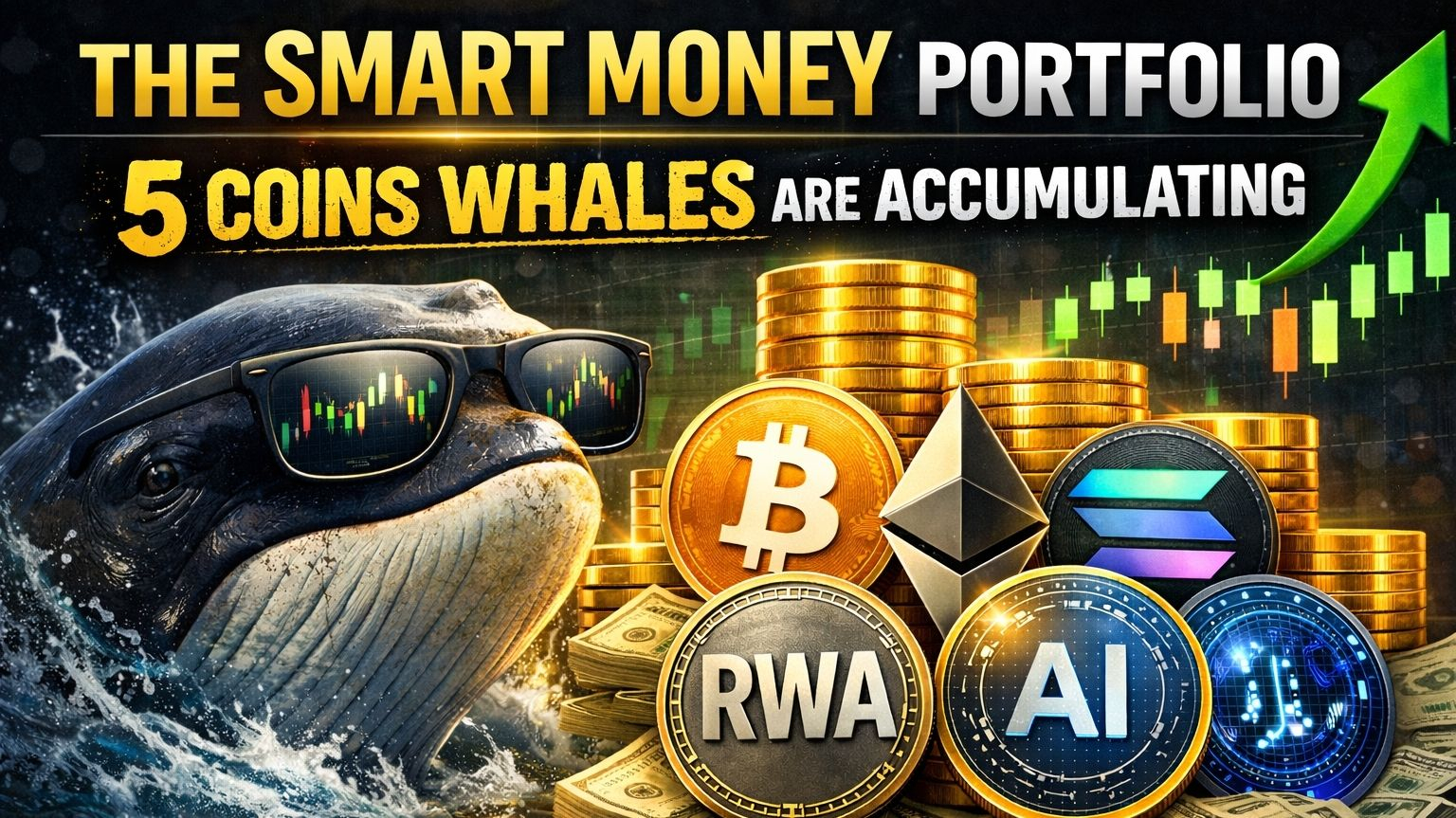
The Smart Money Portfolio: 5 Coins Whales Are Accumulating QuietlyWhales don’t tweet. They accumulate.
The Silent Strategy of Smart Money
In crypto, the loudest voices usually appear after the move has already happened.
Influencers celebrate green candles.
Retail investors chase trends.
But whales operate differently.
They move quietly, patiently, and strategically.
They accumulate when the market is bored, fearful, or distracted.
And by the time the crowd notices, the price has already started climbing.
Tracking what whales are accumulating is one of the most powerful ways to understand where serious money believes the future lies.
What Exactly Is a Crypto Whale?
A whale is a wallet or institution that holds a massive amount of a cryptocurrency.
These can be hedge funds, early adopters, crypto venture firms, or large individual investors.
Their buying and selling activity can influence markets because of the sheer size of their positions.
When whales accumulate over time instead of trading quickly, it usually signals long-term conviction.
In other words, whales are not looking for the next quick pump.
They are positioning themselves for the next major cycle.
Let’s explore five cryptocurrencies that smart money has historically shown strong interest in during accumulation phases.
Bitcoin – The Reserve Asset of Crypto
Every smart portfolio begins with Bitcoin.
Even whales who love altcoins still anchor their portfolios in Bitcoin because it acts as the reserve asset of the entire crypto ecosystem.
Large holders often accumulate Bitcoin during consolidation periods when sentiment is weak.
Exchange balances dropping and long-term holder supply increasing usually signal that strong hands are taking control.
Whales treat Bitcoin as digital collateral for the future financial system.
When institutions enter crypto markets, Bitcoin is usually their first destination.
Ethereum – The Infrastructure Giant
If Bitcoin is digital gold, Ethereum is digital infrastructure.
Most decentralized finance applications, stablecoins, and tokenized assets rely on Ethereum’s network.
Because of this, whales often accumulate Ethereum when the network upgrades or when adoption metrics rise.
Ethereum also benefits from major narratives like real-world asset tokenization, staking rewards, and Layer 2 scaling.
When these sectors grow, Ethereum tends to capture the value flowing through them.
For whales building long-term positions in crypto infrastructure, Ethereum remains a core holding.
Solana – The High-Speed Ecosystem Play
Solana has built a reputation for speed, low fees, and strong developer activity.
During periods of heavy user growth, the network can attract enormous attention from traders and builders alike.
Whales often accumulate Solana during periods when market sentiment turns negative but the ecosystem continues expanding behind the scenes.
When liquidity returns to the market, high-activity networks like Solana tend to attract speculative momentum very quickly.
This makes it a high-beta asset that can outperform during strong market expansions.
Render – The AI and GPU Infrastructure Bet
Artificial intelligence is rapidly becoming one of the most powerful global technology trends.
But AI requires enormous computing power, especially GPU resources.
Render connects creators and developers to decentralized GPU power through blockchain incentives.
Instead of relying solely on centralized cloud providers, the network distributes compute resources across participants.
Whales are interested in projects like this because they sit at the intersection of two massive narratives: AI and crypto infrastructure.
If decentralized compute becomes more important in the future AI economy, projects in this space could see enormous growth.
Ondo – The Real World Asset Bridge
Real world asset tokenization is one of the most important long-term developments in crypto.
Platforms in this category focus on bringing traditional financial assets onto blockchain rails.
This includes tokenized treasuries, yield products, and institutional-grade financial instruments.
Ondo represents a bridge between traditional finance and decentralized finance.
For whales looking ahead five to ten years, projects that connect institutional capital to blockchain networks have massive strategic importance.
If real world asset tokenization accelerates, this sector could experience major adoption.
How Smart Money Actually Accumulates
Whales rarely buy everything in one transaction.
Instead, they accumulate slowly over time.
They buy during dips, periods of fear, or sideways markets where attention is low.
This strategy reduces their market impact and allows them to build large positions without triggering huge price spikes.
For retail investors trying to understand smart money behavior, patience is often the most important lesson.
Signals That Whales Are Positioning
Several indicators can hint at accumulation activity.
Large withdrawals from exchanges into private wallets often suggest long-term holding intentions.
Increasing numbers of large wallets holding a specific asset can also signal growing confidence.
Another key metric is declining exchange supply.
When coins move off exchanges, they are less likely to be sold immediately.
These patterns don’t guarantee price increases, but they often reveal how experienced investors are positioning themselves.
The Trap Retail Investors Fall Into
Retail investors often buy after the market becomes exciting.
They enter when prices are already rising and narratives are trending on social media.
Whales do the opposite.
They accumulate when things feel quiet and uncertain.
Understanding this psychological difference is one of the biggest advantages a long-term investor can have.
The Bigger Picture
Smart money portfolios are rarely built on hype alone.
They focus on infrastructure, adoption potential, and long-term market relevance.
Bitcoin provides the foundation.
Ethereum powers the ecosystem.
High-growth networks like Solana capture activity.
Emerging sectors like AI and real-world assets open new markets.
Together, these categories represent different pillars of the evolving crypto economy.
Final Thought
Whales don’t chase headlines.
They build positions long before the crowd notices.
By studying where large capital quietly accumulates, investors can gain valuable insight into how the next market cycle might unfold.
Because in crypto, the loudest moves often start with the quietest accumulation. 🚀
#Trump'sCyberStrategy $BTC
{spot}(BTCUSDT)
$ETH
{spot}(ETHUSDT)
$XRP
{future}(XRPUSDT)
The Smart Money Portfolio: 5 Coins Whales Are Accumulating Quietly
Whales don’t tweet. They accumulate.
The Silent Strategy of Smart Money
In crypto, the loudest voices usually appear after the move has already happened.
Influencers celebrate green candles.
Retail investors chase trends.
But whales operate differently.
They move quietly, patiently, and strategically.
They accumulate when the market is bored, fearful, or distracted.
And by the time the crowd notices, the price has already started climbing.
Tracking what whales are accumulating is one of the most powerful ways to understand where serious money believes the future lies.
What Exactly Is a Crypto Whale?
A whale is a wallet or institution that holds a massive amount of a cryptocurrency.
These can be hedge funds, early adopters, crypto venture firms, or large individual investors.
Their buying and selling activity can influence markets because of the sheer size of their positions.
When whales accumulate over time instead of trading quickly, it usually signals long-term conviction.
In other words, whales are not looking for the next quick pump.
They are positioning themselves for the next major cycle.
Let’s explore five cryptocurrencies that smart money has historically shown strong interest in during accumulation phases.
Bitcoin – The Reserve Asset of Crypto
Every smart portfolio begins with Bitcoin.
Even whales who love altcoins still anchor their portfolios in Bitcoin because it acts as the reserve asset of the entire crypto ecosystem.
Large holders often accumulate Bitcoin during consolidation periods when sentiment is weak.
Exchange balances dropping and long-term holder supply increasing usually signal that strong hands are taking control.
Whales treat Bitcoin as digital collateral for the future financial system.
When institutions enter crypto markets, Bitcoin is usually their first destination.
Ethereum – The Infrastructure Giant
If Bitcoin is digital gold, Ethereum is digital infrastructure.
Most decentralized finance applications, stablecoins, and tokenized assets rely on Ethereum’s network.
Because of this, whales often accumulate Ethereum when the network upgrades or when adoption metrics rise.
Ethereum also benefits from major narratives like real-world asset tokenization, staking rewards, and Layer 2 scaling.
When these sectors grow, Ethereum tends to capture the value flowing through them.
For whales building long-term positions in crypto infrastructure, Ethereum remains a core holding.
Solana – The High-Speed Ecosystem Play
Solana has built a reputation for speed, low fees, and strong developer activity.
During periods of heavy user growth, the network can attract enormous attention from traders and builders alike.
Whales often accumulate Solana during periods when market sentiment turns negative but the ecosystem continues expanding behind the scenes.
When liquidity returns to the market, high-activity networks like Solana tend to attract speculative momentum very quickly.
This makes it a high-beta asset that can outperform during strong market expansions.
Render – The AI and GPU Infrastructure Bet
Artificial intelligence is rapidly becoming one of the most powerful global technology trends.
But AI requires enormous computing power, especially GPU resources.
Render connects creators and developers to decentralized GPU power through blockchain incentives.
Instead of relying solely on centralized cloud providers, the network distributes compute resources across participants.
Whales are interested in projects like this because they sit at the intersection of two massive narratives: AI and crypto infrastructure.
If decentralized compute becomes more important in the future AI economy, projects in this space could see enormous growth.
Ondo – The Real World Asset Bridge
Real world asset tokenization is one of the most important long-term developments in crypto.
Platforms in this category focus on bringing traditional financial assets onto blockchain rails.
This includes tokenized treasuries, yield products, and institutional-grade financial instruments.
Ondo represents a bridge between traditional finance and decentralized finance.
For whales looking ahead five to ten years, projects that connect institutional capital to blockchain networks have massive strategic importance.
If real world asset tokenization accelerates, this sector could experience major adoption.
How Smart Money Actually Accumulates
Whales rarely buy everything in one transaction.
Instead, they accumulate slowly over time.
They buy during dips, periods of fear, or sideways markets where attention is low.
This strategy reduces their market impact and allows them to build large positions without triggering huge price spikes.
For retail investors trying to understand smart money behavior, patience is often the most important lesson.
Signals That Whales Are Positioning
Several indicators can hint at accumulation activity.
Large withdrawals from exchanges into private wallets often suggest long-term holding intentions.
Increasing numbers of large wallets holding a specific asset can also signal growing confidence.
Another key metric is declining exchange supply.
When coins move off exchanges, they are less likely to be sold immediately.
These patterns don’t guarantee price increases, but they often reveal how experienced investors are positioning themselves.
The Trap Retail Investors Fall Into
Retail investors often buy after the market becomes exciting.
They enter when prices are already rising and narratives are trending on social media.
Whales do the opposite.
They accumulate when things feel quiet and uncertain.
Understanding this psychological difference is one of the biggest advantages a long-term investor can have.
The Bigger Picture
Smart money portfolios are rarely built on hype alone.
They focus on infrastructure, adoption potential, and long-term market relevance.
Bitcoin provides the foundation.
Ethereum powers the ecosystem.
High-growth networks like Solana capture activity.
Emerging sectors like AI and real-world assets open new markets.
Together, these categories represent different pillars of the evolving crypto economy.
Final Thought
Whales don’t chase headlines.
They build positions long before the crowd notices.
By studying where large capital quietly accumulates, investors can gain valuable insight into how the next market cycle might unfold.
Because in crypto, the loudest moves often start with the quietest accumulation. 🚀
#Trump'sCyberStrategy $BTC
$ETH
$XRP
The Silent Strategy of Smart Money
In crypto, the loudest voices usually appear after the move has already happened.
Influencers celebrate green candles.
Retail investors chase trends.
But whales operate differently.
They move quietly, patiently, and strategically.
They accumulate when the market is bored, fearful, or distracted.
And by the time the crowd notices, the price has already started climbing.
Tracking what whales are accumulating is one of the most powerful ways to understand where serious money believes the future lies.
What Exactly Is a Crypto Whale?
A whale is a wallet or institution that holds a massive amount of a cryptocurrency.
These can be hedge funds, early adopters, crypto venture firms, or large individual investors.
Their buying and selling activity can influence markets because of the sheer size of their positions.
When whales accumulate over time instead of trading quickly, it usually signals long-term conviction.
In other words, whales are not looking for the next quick pump.
They are positioning themselves for the next major cycle.
Let’s explore five cryptocurrencies that smart money has historically shown strong interest in during accumulation phases.
Bitcoin – The Reserve Asset of Crypto
Every smart portfolio begins with Bitcoin.
Even whales who love altcoins still anchor their portfolios in Bitcoin because it acts as the reserve asset of the entire crypto ecosystem.
Large holders often accumulate Bitcoin during consolidation periods when sentiment is weak.
Exchange balances dropping and long-term holder supply increasing usually signal that strong hands are taking control.
Whales treat Bitcoin as digital collateral for the future financial system.
When institutions enter crypto markets, Bitcoin is usually their first destination.
Ethereum – The Infrastructure Giant
If Bitcoin is digital gold, Ethereum is digital infrastructure.
Most decentralized finance applications, stablecoins, and tokenized assets rely on Ethereum’s network.
Because of this, whales often accumulate Ethereum when the network upgrades or when adoption metrics rise.
Ethereum also benefits from major narratives like real-world asset tokenization, staking rewards, and Layer 2 scaling.
When these sectors grow, Ethereum tends to capture the value flowing through them.
For whales building long-term positions in crypto infrastructure, Ethereum remains a core holding.
Solana – The High-Speed Ecosystem Play
Solana has built a reputation for speed, low fees, and strong developer activity.
During periods of heavy user growth, the network can attract enormous attention from traders and builders alike.
Whales often accumulate Solana during periods when market sentiment turns negative but the ecosystem continues expanding behind the scenes.
When liquidity returns to the market, high-activity networks like Solana tend to attract speculative momentum very quickly.
This makes it a high-beta asset that can outperform during strong market expansions.
Render – The AI and GPU Infrastructure Bet
Artificial intelligence is rapidly becoming one of the most powerful global technology trends.
But AI requires enormous computing power, especially GPU resources.
Render connects creators and developers to decentralized GPU power through blockchain incentives.
Instead of relying solely on centralized cloud providers, the network distributes compute resources across participants.
Whales are interested in projects like this because they sit at the intersection of two massive narratives: AI and crypto infrastructure.
If decentralized compute becomes more important in the future AI economy, projects in this space could see enormous growth.
Ondo – The Real World Asset Bridge
Real world asset tokenization is one of the most important long-term developments in crypto.
Platforms in this category focus on bringing traditional financial assets onto blockchain rails.
This includes tokenized treasuries, yield products, and institutional-grade financial instruments.
Ondo represents a bridge between traditional finance and decentralized finance.
For whales looking ahead five to ten years, projects that connect institutional capital to blockchain networks have massive strategic importance.
If real world asset tokenization accelerates, this sector could experience major adoption.
How Smart Money Actually Accumulates
Whales rarely buy everything in one transaction.
Instead, they accumulate slowly over time.
They buy during dips, periods of fear, or sideways markets where attention is low.
This strategy reduces their market impact and allows them to build large positions without triggering huge price spikes.
For retail investors trying to understand smart money behavior, patience is often the most important lesson.
Signals That Whales Are Positioning
Several indicators can hint at accumulation activity.
Large withdrawals from exchanges into private wallets often suggest long-term holding intentions.
Increasing numbers of large wallets holding a specific asset can also signal growing confidence.
Another key metric is declining exchange supply.
When coins move off exchanges, they are less likely to be sold immediately.
These patterns don’t guarantee price increases, but they often reveal how experienced investors are positioning themselves.
The Trap Retail Investors Fall Into
Retail investors often buy after the market becomes exciting.
They enter when prices are already rising and narratives are trending on social media.
Whales do the opposite.
They accumulate when things feel quiet and uncertain.
Understanding this psychological difference is one of the biggest advantages a long-term investor can have.
The Bigger Picture
Smart money portfolios are rarely built on hype alone.
They focus on infrastructure, adoption potential, and long-term market relevance.
Bitcoin provides the foundation.
Ethereum powers the ecosystem.
High-growth networks like Solana capture activity.
Emerging sectors like AI and real-world assets open new markets.
Together, these categories represent different pillars of the evolving crypto economy.
Final Thought
Whales don’t chase headlines.
They build positions long before the crowd notices.
By studying where large capital quietly accumulates, investors can gain valuable insight into how the next market cycle might unfold.
Because in crypto, the loudest moves often start with the quietest accumulation. 🚀
#Trump'sCyberStrategy $BTC
$ETH
$XRP
164
·
--

Статья
The Smart Money Portfolio: 5 Coins Whales Are Accumulating QuietlyWhales Don’t Tweet. They Accumulate.
Retail investors chase headlines.
Whales study structure.
Retail buys breakouts.
Whales buy boredom.
The biggest gains in crypto rarely start with noise.
They start with silent accumulation while the crowd is distracted.
If you want to think like smart money, you must track positioning, not popularity.
What “Whale Accumulation” Actually Means
Whales are large holders.
Funds.
Early adopters.
Institutions.
Wallets that move markets.
When these players accumulate, it usually happens during consolidation phases, not parabolic rallies.
They prefer low volatility, weak sentiment, and strong fundamentals.
That’s where asymmetry lives.
Now let’s break down five coins where accumulation behavior has historically aligned with smart capital strategy.
1. Bitcoin (BTC) – The Foundation Layer
Before chasing altcoins, understand this.
Whales almost always accumulate Bitcoin during fear cycles.
It remains the reserve asset of crypto.
Institutions allocate to Bitcoin first before rotating outward.
When long-term holder supply increases and exchange balances drop, that’s strategic positioning.
Whales see Bitcoin as digital collateral for the entire ecosystem.
Why accumulate now?
Because Bitcoin consolidation phases historically precede explosive expansions.
2. Ethereum (ETH) – The Infrastructure Bet
Ethereum remains the backbone of DeFi, stablecoins, Layer 2s, and tokenization.
Whales accumulate ETH when network upgrades strengthen scalability and fee efficiency.
Institutional narratives around ETFs and staking also attract larger capital flows.
Ethereum is often the second stop for serious money after Bitcoin.
Smart capital understands that if tokenization and real-world assets grow, Ethereum benefits structurally.
3. Solana (SOL) – The High-Activity Chain
Solana attracts whales during ecosystem growth periods, not just hype cycles.
Strong developer expansion.
Rising on-chain volume.
Increasing user activity.
These metrics matter more than social media noise.
Whales accumulate during corrections when sentiment turns negative but fundamentals remain intact.
High-beta assets like Solana tend to outperform aggressively when liquidity expands.
4. A Leading RWA Token – The Institutional Bridge
Real World Asset protocols are gaining quiet institutional interest.
Tokenized treasuries.
On-chain credit markets.
Yield-bearing products.
Whales recognize that traditional finance integration is a multi-year structural shift.
Accumulation often begins before mainstream coverage.
This category is not built on hype.
It’s built on capital efficiency and regulatory compatibility.
5. A Top AI Infrastructure Token – The Machine Economy Play
AI requires compute, data, and coordination.
Decentralized AI infrastructure tokens sit at the intersection of two explosive narratives.
Whales accumulate here when development growth continues but retail attention fades.
The key signal is real usage expansion, not trending hashtags.
If AI adoption accelerates globally, infrastructure tokens capture the value layer beneath it.
How to Track Whale Behavior Without Guessing
Exchange outflows increasing.
Large wallet accumulation during price dips.
Long-term holder supply rising.
Declining circulating supply on trading platforms.
On-chain analytics matter more than influencer opinions.
Whales leave footprints.
You just need to look at the chain.
The Rotation Pattern Smart Money Follows
First, Bitcoin accumulation.
Then Ethereum positioning.
Then large-cap altcoins.
Then sector-specific plays like AI and RWA.
Understanding this sequence prevents emotional trading.
The Trap Retail Falls Into
Buying green candles.
Selling red candles.
Chasing narratives after they peak.
Whales do the opposite.
They accumulate when price is boring and headlines are quiet.
Risk You Must Respect
Whale accumulation does not guarantee immediate pumps.
Markets can stay sideways longer than expected.
Macro conditions influence liquidity cycles.
Position sizing and patience matter more than predictions.
The Bigger Insight
Smart money does not chase excitement.
It builds exposure before excitement exists.
By the time retail discovers the opportunity, much of the move is already underway.
Final Thought
You cannot become a whale overnight.
But you can study how they think.
Accumulate during fear.
Focus on infrastructure.
Follow liquidity flows.
Ignore noise.
Because whales don’t tweet.
They accumulate.
( 🟥 Follow me @AltcoinAsad for more engaging content)
The Smart Money Portfolio: 5 Coins Whales Are Accumulating Quietly
Whales Don’t Tweet. They Accumulate.
Retail investors chase headlines.
Whales study structure.
Retail buys breakouts.
Whales buy boredom.
The biggest gains in crypto rarely start with noise.
They start with silent accumulation while the crowd is distracted.
If you want to think like smart money, you must track positioning, not popularity.
What “Whale Accumulation” Actually Means
Whales are large holders.
Funds.
Early adopters.
Institutions.
Wallets that move markets.
When these players accumulate, it usually happens during consolidation phases, not parabolic rallies.
They prefer low volatility, weak sentiment, and strong fundamentals.
That’s where asymmetry lives.
Now let’s break down five coins where accumulation behavior has historically aligned with smart capital strategy.
1. Bitcoin (BTC) – The Foundation Layer
Before chasing altcoins, understand this.
Whales almost always accumulate Bitcoin during fear cycles.
It remains the reserve asset of crypto.
Institutions allocate to Bitcoin first before rotating outward.
When long-term holder supply increases and exchange balances drop, that’s strategic positioning.
Whales see Bitcoin as digital collateral for the entire ecosystem.
Why accumulate now?
Because Bitcoin consolidation phases historically precede explosive expansions.
2. Ethereum (ETH) – The Infrastructure Bet
Ethereum remains the backbone of DeFi, stablecoins, Layer 2s, and tokenization.
Whales accumulate ETH when network upgrades strengthen scalability and fee efficiency.
Institutional narratives around ETFs and staking also attract larger capital flows.
Ethereum is often the second stop for serious money after Bitcoin.
Smart capital understands that if tokenization and real-world assets grow, Ethereum benefits structurally.
3. Solana (SOL) – The High-Activity Chain
Solana attracts whales during ecosystem growth periods, not just hype cycles.
Strong developer expansion.
Rising on-chain volume.
Increasing user activity.
These metrics matter more than social media noise.
Whales accumulate during corrections when sentiment turns negative but fundamentals remain intact.
High-beta assets like Solana tend to outperform aggressively when liquidity expands.
4. A Leading RWA Token – The Institutional Bridge
Real World Asset protocols are gaining quiet institutional interest.
Tokenized treasuries.
On-chain credit markets.
Yield-bearing products.
Whales recognize that traditional finance integration is a multi-year structural shift.
Accumulation often begins before mainstream coverage.
This category is not built on hype.
It’s built on capital efficiency and regulatory compatibility.
5. A Top AI Infrastructure Token – The Machine Economy Play
AI requires compute, data, and coordination.
Decentralized AI infrastructure tokens sit at the intersection of two explosive narratives.
Whales accumulate here when development growth continues but retail attention fades.
The key signal is real usage expansion, not trending hashtags.
If AI adoption accelerates globally, infrastructure tokens capture the value layer beneath it.
How to Track Whale Behavior Without Guessing
Exchange outflows increasing.
Large wallet accumulation during price dips.
Long-term holder supply rising.
Declining circulating supply on trading platforms.
On-chain analytics matter more than influencer opinions.
Whales leave footprints.
You just need to look at the chain.
The Rotation Pattern Smart Money Follows
First, Bitcoin accumulation.
Then Ethereum positioning.
Then large-cap altcoins.
Then sector-specific plays like AI and RWA.
Understanding this sequence prevents emotional trading.
The Trap Retail Falls Into
Buying green candles.
Selling red candles.
Chasing narratives after they peak.
Whales do the opposite.
They accumulate when price is boring and headlines are quiet.
Risk You Must Respect
Whale accumulation does not guarantee immediate pumps.
Markets can stay sideways longer than expected.
Macro conditions influence liquidity cycles.
Position sizing and patience matter more than predictions.
The Bigger Insight
Smart money does not chase excitement.
It builds exposure before excitement exists.
By the time retail discovers the opportunity, much of the move is already underway.
Final Thought
You cannot become a whale overnight.
But you can study how they think.
Accumulate during fear.
Focus on infrastructure.
Follow liquidity flows.
Ignore noise.
Because whales don’t tweet.
They accumulate.
( 🟥 Follow me @Altcoin Asad for more engaging content)
Retail investors chase headlines.
Whales study structure.
Retail buys breakouts.
Whales buy boredom.
The biggest gains in crypto rarely start with noise.
They start with silent accumulation while the crowd is distracted.
If you want to think like smart money, you must track positioning, not popularity.
What “Whale Accumulation” Actually Means
Whales are large holders.
Funds.
Early adopters.
Institutions.
Wallets that move markets.
When these players accumulate, it usually happens during consolidation phases, not parabolic rallies.
They prefer low volatility, weak sentiment, and strong fundamentals.
That’s where asymmetry lives.
Now let’s break down five coins where accumulation behavior has historically aligned with smart capital strategy.
1. Bitcoin (BTC) – The Foundation Layer
Before chasing altcoins, understand this.
Whales almost always accumulate Bitcoin during fear cycles.
It remains the reserve asset of crypto.
Institutions allocate to Bitcoin first before rotating outward.
When long-term holder supply increases and exchange balances drop, that’s strategic positioning.
Whales see Bitcoin as digital collateral for the entire ecosystem.
Why accumulate now?
Because Bitcoin consolidation phases historically precede explosive expansions.
2. Ethereum (ETH) – The Infrastructure Bet
Ethereum remains the backbone of DeFi, stablecoins, Layer 2s, and tokenization.
Whales accumulate ETH when network upgrades strengthen scalability and fee efficiency.
Institutional narratives around ETFs and staking also attract larger capital flows.
Ethereum is often the second stop for serious money after Bitcoin.
Smart capital understands that if tokenization and real-world assets grow, Ethereum benefits structurally.
3. Solana (SOL) – The High-Activity Chain
Solana attracts whales during ecosystem growth periods, not just hype cycles.
Strong developer expansion.
Rising on-chain volume.
Increasing user activity.
These metrics matter more than social media noise.
Whales accumulate during corrections when sentiment turns negative but fundamentals remain intact.
High-beta assets like Solana tend to outperform aggressively when liquidity expands.
4. A Leading RWA Token – The Institutional Bridge
Real World Asset protocols are gaining quiet institutional interest.
Tokenized treasuries.
On-chain credit markets.
Yield-bearing products.
Whales recognize that traditional finance integration is a multi-year structural shift.
Accumulation often begins before mainstream coverage.
This category is not built on hype.
It’s built on capital efficiency and regulatory compatibility.
5. A Top AI Infrastructure Token – The Machine Economy Play
AI requires compute, data, and coordination.
Decentralized AI infrastructure tokens sit at the intersection of two explosive narratives.
Whales accumulate here when development growth continues but retail attention fades.
The key signal is real usage expansion, not trending hashtags.
If AI adoption accelerates globally, infrastructure tokens capture the value layer beneath it.
How to Track Whale Behavior Without Guessing
Exchange outflows increasing.
Large wallet accumulation during price dips.
Long-term holder supply rising.
Declining circulating supply on trading platforms.
On-chain analytics matter more than influencer opinions.
Whales leave footprints.
You just need to look at the chain.
The Rotation Pattern Smart Money Follows
First, Bitcoin accumulation.
Then Ethereum positioning.
Then large-cap altcoins.
Then sector-specific plays like AI and RWA.
Understanding this sequence prevents emotional trading.
The Trap Retail Falls Into
Buying green candles.
Selling red candles.
Chasing narratives after they peak.
Whales do the opposite.
They accumulate when price is boring and headlines are quiet.
Risk You Must Respect
Whale accumulation does not guarantee immediate pumps.
Markets can stay sideways longer than expected.
Macro conditions influence liquidity cycles.
Position sizing and patience matter more than predictions.
The Bigger Insight
Smart money does not chase excitement.
It builds exposure before excitement exists.
By the time retail discovers the opportunity, much of the move is already underway.
Final Thought
You cannot become a whale overnight.
But you can study how they think.
Accumulate during fear.
Focus on infrastructure.
Follow liquidity flows.
Ignore noise.
Because whales don’t tweet.
They accumulate.
( 🟥 Follow me @Altcoin Asad for more engaging content)
1
48
·
--

Статья
Top 5 Altcoins That Could Outperform Bitcoin in the Next Bull Run – Deep Breakdown & Entry StrategyBefore We Begin: Understand the Game
Outperforming Bitcoin is not about hype.
It’s about sector strength, liquidity timing, and narrative momentum.
When Bitcoin confirms strength, capital rotates outward.
That rotation phase is where serious percentage gains happen.
Now let’s break down five specific altcoins positioned for asymmetric upside.
1. Ethereum (ETH) – The Institutional Leverage Play
Why Ethereum Can Outperform
Ethereum is not just an altcoin.
It is the base layer for DeFi, tokenization, Layer 2 ecosystems, NFTs, and on-chain RWAs.
Most stablecoins settle on Ethereum rails.
Most institutional tokenization experiments happen here.
When institutions deploy capital, Ethereum benefits directly.
Historically, in strong bull phases, ETH has outpaced Bitcoin once momentum confirms.
What Makes This Cycle Different
Spot ETF narratives.
Layer 2 expansion.
Real-world asset growth.
Ethereum is evolving from speculative tech to financial infrastructure.
Entry Logic
Accumulation works best during Bitcoin consolidation phases.
When Bitcoin dominance peaks and starts flattening, Ethereum often begins accelerating.
Watching ETH/BTC pair strength is critical.
Strength against Bitcoin signals rotation has started.
2. Solana (SOL) – The High-Beta Retail Magnet
Why Solana Can Explode
Solana thrives during retail-driven bull runs.
Low fees.
Fast transactions.
Strong meme ecosystem.
Growing DeFi and consumer apps.
It captures speculative energy better than most chains.
Cycle Behavior
Solana historically moves aggressively once retail confidence returns.
It tends to outperform during peak excitement phases, not early accumulation.
Entry Logic
Best entries typically come during fear-driven corrections.
When negative headlines hit but ecosystem activity remains strong, that’s opportunity.
Volume growth and developer expansion are key metrics to monitor.
3. Arbitrum (ARB) – The Layer 2 Scaling Bet
Why Arbitrum Has Structural Strength?
Layer 2 networks are no longer optional for Ethereum.
Arbitrum holds major DeFi protocols and deep liquidity pools.
As Ethereum gas fees rise during bull markets, Layer 2 usage surges.
That surge translates into ecosystem growth and narrative strength.
Why It Could Outperform Bitcoin
Scaling narratives tend to gain attention mid-cycle.
As users flood into crypto, scalability becomes urgent.
Infrastructure tokens gain recognition fast.
Entry Logic
Look for growth in total value locked and ecosystem expansion.
Accumulation during quiet periods often precedes major runs.
Layer 2 tokens tend to move once Ethereum itself gains strength.
4. Render (RNDR) – The AI + GPU Infrastructure Play
Why This Narrative Is Powerful
AI requires computing power.
GPU demand is rising globally.
Render connects decentralized GPU providers to AI workloads.
This bridges blockchain incentives with AI infrastructure demand.
Why It Has Bull Run Fuel
AI is one of the strongest global narratives.
When speculative capital returns, AI tokens often attract fast momentum.
Render combines real utility with narrative strength.
Entry Logic
AI tokens are volatile.
Best entries often come after hype cools but development continues.
Watch for partnerships, compute demand growth, and AI sector sentiment shifts.
5. Ondo (ONDO) – The Real World Asset Accelerator
Why Ondo Represents Institutional Integration
Real World Assets are one of the biggest structural shifts in crypto.
Ondo focuses on tokenized treasuries and institutional-grade yield products.
As traditional finance moves on-chain, platforms like this gain relevance.
Why It Could Outperform
RWA adoption is still early.
When institutional flows accelerate, RWA tokens can see explosive repricing.
This is not retail hype.
This is financial system integration.
Entry Logic
Best positioning often happens before major institutional announcements.
Watching treasury yield trends and tokenized asset growth is important.
RWA tokens move when macro and crypto align.
Capital Rotation Strategy for Maximum Impact
Phase 1: Bitcoin moves first.
Phase 2: Ethereum follows.
Phase 3: Large caps like Solana accelerate.
Phase 4: Mid-caps like Layer 2 and AI tokens explode.
Phase 5: Smaller narratives peak with extreme volatility.
Understanding this rotation protects capital and increases upside probability.
Risk Management Is Everything
Altcoins amplify gains.
They also amplify losses.
Position sizing matters more than predictions.
Never allocate blindly.
Structure exposure across sectors instead of chasing one story.
The Bigger Picture
Bitcoin is digital gold.
Ethereum is digital infrastructure.
Solana is retail acceleration.
Arbitrum is scalability backbone.
Render is machine economy fuel.
Ondo is institutional bridge.
Each represents a different driver of the next bull cycle.
Diversifying across strong narratives increases the chance of outperforming Bitcoin without gambling on randomness.
Final Perspective
The next bull run will not reward noise.
It will reward positioning before momentum becomes obvious.
Bitcoin builds the foundation.
Altcoins deliver the acceleration.
And those who understand sector rotation will not chase pumps.
They will anticipate them.
{spot}(ETHUSDT)
{spot}(SOLUSDT)
{spot}(ONDOUSDT)
Top 5 Altcoins That Could Outperform Bitcoin in the Next Bull Run – Deep Breakdown & Entry Strategy
Before We Begin: Understand the Game
Outperforming Bitcoin is not about hype.
It’s about sector strength, liquidity timing, and narrative momentum.
When Bitcoin confirms strength, capital rotates outward.
That rotation phase is where serious percentage gains happen.
Now let’s break down five specific altcoins positioned for asymmetric upside.
1. Ethereum (ETH) – The Institutional Leverage Play
Why Ethereum Can Outperform
Ethereum is not just an altcoin.
It is the base layer for DeFi, tokenization, Layer 2 ecosystems, NFTs, and on-chain RWAs.
Most stablecoins settle on Ethereum rails.
Most institutional tokenization experiments happen here.
When institutions deploy capital, Ethereum benefits directly.
Historically, in strong bull phases, ETH has outpaced Bitcoin once momentum confirms.
What Makes This Cycle Different
Spot ETF narratives.
Layer 2 expansion.
Real-world asset growth.
Ethereum is evolving from speculative tech to financial infrastructure.
Entry Logic
Accumulation works best during Bitcoin consolidation phases.
When Bitcoin dominance peaks and starts flattening, Ethereum often begins accelerating.
Watching ETH/BTC pair strength is critical.
Strength against Bitcoin signals rotation has started.
2. Solana (SOL) – The High-Beta Retail Magnet
Why Solana Can Explode
Solana thrives during retail-driven bull runs.
Low fees.
Fast transactions.
Strong meme ecosystem.
Growing DeFi and consumer apps.
It captures speculative energy better than most chains.
Cycle Behavior
Solana historically moves aggressively once retail confidence returns.
It tends to outperform during peak excitement phases, not early accumulation.
Entry Logic
Best entries typically come during fear-driven corrections.
When negative headlines hit but ecosystem activity remains strong, that’s opportunity.
Volume growth and developer expansion are key metrics to monitor.
3. Arbitrum (ARB) – The Layer 2 Scaling Bet
Why Arbitrum Has Structural Strength?
Layer 2 networks are no longer optional for Ethereum.
Arbitrum holds major DeFi protocols and deep liquidity pools.
As Ethereum gas fees rise during bull markets, Layer 2 usage surges.
That surge translates into ecosystem growth and narrative strength.
Why It Could Outperform Bitcoin
Scaling narratives tend to gain attention mid-cycle.
As users flood into crypto, scalability becomes urgent.
Infrastructure tokens gain recognition fast.
Entry Logic
Look for growth in total value locked and ecosystem expansion.
Accumulation during quiet periods often precedes major runs.
Layer 2 tokens tend to move once Ethereum itself gains strength.
4. Render (RNDR) – The AI + GPU Infrastructure Play
Why This Narrative Is Powerful
AI requires computing power.
GPU demand is rising globally.
Render connects decentralized GPU providers to AI workloads.
This bridges blockchain incentives with AI infrastructure demand.
Why It Has Bull Run Fuel
AI is one of the strongest global narratives.
When speculative capital returns, AI tokens often attract fast momentum.
Render combines real utility with narrative strength.
Entry Logic
AI tokens are volatile.
Best entries often come after hype cools but development continues.
Watch for partnerships, compute demand growth, and AI sector sentiment shifts.
5. Ondo (ONDO) – The Real World Asset Accelerator
Why Ondo Represents Institutional Integration
Real World Assets are one of the biggest structural shifts in crypto.
Ondo focuses on tokenized treasuries and institutional-grade yield products.
As traditional finance moves on-chain, platforms like this gain relevance.
Why It Could Outperform
RWA adoption is still early.
When institutional flows accelerate, RWA tokens can see explosive repricing.
This is not retail hype.
This is financial system integration.
Entry Logic
Best positioning often happens before major institutional announcements.
Watching treasury yield trends and tokenized asset growth is important.
RWA tokens move when macro and crypto align.
Capital Rotation Strategy for Maximum Impact
Phase 1: Bitcoin moves first.
Phase 2: Ethereum follows.
Phase 3: Large caps like Solana accelerate.
Phase 4: Mid-caps like Layer 2 and AI tokens explode.
Phase 5: Smaller narratives peak with extreme volatility.
Understanding this rotation protects capital and increases upside probability.
Risk Management Is Everything
Altcoins amplify gains.
They also amplify losses.
Position sizing matters more than predictions.
Never allocate blindly.
Structure exposure across sectors instead of chasing one story.
The Bigger Picture
Bitcoin is digital gold.
Ethereum is digital infrastructure.
Solana is retail acceleration.
Arbitrum is scalability backbone.
Render is machine economy fuel.
Ondo is institutional bridge.
Each represents a different driver of the next bull cycle.
Diversifying across strong narratives increases the chance of outperforming Bitcoin without gambling on randomness.
Final Perspective
The next bull run will not reward noise.
It will reward positioning before momentum becomes obvious.
Bitcoin builds the foundation.
Altcoins deliver the acceleration.
And those who understand sector rotation will not chase pumps.
They will anticipate them.
Outperforming Bitcoin is not about hype.
It’s about sector strength, liquidity timing, and narrative momentum.
When Bitcoin confirms strength, capital rotates outward.
That rotation phase is where serious percentage gains happen.
Now let’s break down five specific altcoins positioned for asymmetric upside.
1. Ethereum (ETH) – The Institutional Leverage Play
Why Ethereum Can Outperform
Ethereum is not just an altcoin.
It is the base layer for DeFi, tokenization, Layer 2 ecosystems, NFTs, and on-chain RWAs.
Most stablecoins settle on Ethereum rails.
Most institutional tokenization experiments happen here.
When institutions deploy capital, Ethereum benefits directly.
Historically, in strong bull phases, ETH has outpaced Bitcoin once momentum confirms.
What Makes This Cycle Different
Spot ETF narratives.
Layer 2 expansion.
Real-world asset growth.
Ethereum is evolving from speculative tech to financial infrastructure.
Entry Logic
Accumulation works best during Bitcoin consolidation phases.
When Bitcoin dominance peaks and starts flattening, Ethereum often begins accelerating.
Watching ETH/BTC pair strength is critical.
Strength against Bitcoin signals rotation has started.
2. Solana (SOL) – The High-Beta Retail Magnet
Why Solana Can Explode
Solana thrives during retail-driven bull runs.
Low fees.
Fast transactions.
Strong meme ecosystem.
Growing DeFi and consumer apps.
It captures speculative energy better than most chains.
Cycle Behavior
Solana historically moves aggressively once retail confidence returns.
It tends to outperform during peak excitement phases, not early accumulation.
Entry Logic
Best entries typically come during fear-driven corrections.
When negative headlines hit but ecosystem activity remains strong, that’s opportunity.
Volume growth and developer expansion are key metrics to monitor.
3. Arbitrum (ARB) – The Layer 2 Scaling Bet
Why Arbitrum Has Structural Strength?
Layer 2 networks are no longer optional for Ethereum.
Arbitrum holds major DeFi protocols and deep liquidity pools.
As Ethereum gas fees rise during bull markets, Layer 2 usage surges.
That surge translates into ecosystem growth and narrative strength.
Why It Could Outperform Bitcoin
Scaling narratives tend to gain attention mid-cycle.
As users flood into crypto, scalability becomes urgent.
Infrastructure tokens gain recognition fast.
Entry Logic
Look for growth in total value locked and ecosystem expansion.
Accumulation during quiet periods often precedes major runs.
Layer 2 tokens tend to move once Ethereum itself gains strength.
4. Render (RNDR) – The AI + GPU Infrastructure Play
Why This Narrative Is Powerful
AI requires computing power.
GPU demand is rising globally.
Render connects decentralized GPU providers to AI workloads.
This bridges blockchain incentives with AI infrastructure demand.
Why It Has Bull Run Fuel
AI is one of the strongest global narratives.
When speculative capital returns, AI tokens often attract fast momentum.
Render combines real utility with narrative strength.
Entry Logic
AI tokens are volatile.
Best entries often come after hype cools but development continues.
Watch for partnerships, compute demand growth, and AI sector sentiment shifts.
5. Ondo (ONDO) – The Real World Asset Accelerator
Why Ondo Represents Institutional Integration
Real World Assets are one of the biggest structural shifts in crypto.
Ondo focuses on tokenized treasuries and institutional-grade yield products.
As traditional finance moves on-chain, platforms like this gain relevance.
Why It Could Outperform
RWA adoption is still early.
When institutional flows accelerate, RWA tokens can see explosive repricing.
This is not retail hype.
This is financial system integration.
Entry Logic
Best positioning often happens before major institutional announcements.
Watching treasury yield trends and tokenized asset growth is important.
RWA tokens move when macro and crypto align.
Capital Rotation Strategy for Maximum Impact
Phase 1: Bitcoin moves first.
Phase 2: Ethereum follows.
Phase 3: Large caps like Solana accelerate.
Phase 4: Mid-caps like Layer 2 and AI tokens explode.
Phase 5: Smaller narratives peak with extreme volatility.
Understanding this rotation protects capital and increases upside probability.
Risk Management Is Everything
Altcoins amplify gains.
They also amplify losses.
Position sizing matters more than predictions.
Never allocate blindly.
Structure exposure across sectors instead of chasing one story.
The Bigger Picture
Bitcoin is digital gold.
Ethereum is digital infrastructure.
Solana is retail acceleration.
Arbitrum is scalability backbone.
Render is machine economy fuel.
Ondo is institutional bridge.
Each represents a different driver of the next bull cycle.
Diversifying across strong narratives increases the chance of outperforming Bitcoin without gambling on randomness.
Final Perspective
The next bull run will not reward noise.
It will reward positioning before momentum becomes obvious.
Bitcoin builds the foundation.
Altcoins deliver the acceleration.
And those who understand sector rotation will not chase pumps.
They will anticipate them.
1
173
·
--

Статья
The AI Money Machine: 5 Crypto Tokens Powering Autonomous Agents & Smart Networks in 2026The Fusion That Changes Everything
Crypto gave us decentralized money.
AI gave us autonomous intelligence.
Now they are merging.
And this convergence could define the next decade of digital infrastructure.
This isn’t just another narrative cycle.
This is machines earning, spending, negotiating, and optimizing value on their own.
Why AI Needs Crypto More Than You Think
Artificial intelligence without crypto is powerful but centralized.
Crypto without AI is decentralized but reactive.
When combined, they create autonomous economic agents.
AI models that can pay for compute.
AI agents that can trade, allocate capital, and execute contracts.
Smart networks that operate without human permission.
This is programmable intelligence with financial sovereignty.
What Autonomous Agents Actually Mean
Imagine an AI that runs a digital store.
It buys ads automatically.
It pays cloud providers.
It adjusts pricing in real time.
It reinvests profits into better algorithms.
All without a human clicking a button.
For this to work, it needs instant, borderless money.
That’s where crypto becomes the backbone.
The Five Categories of AI Crypto Tokens Leading 2026
1. Decentralized Compute Networks
AI needs massive computing power.
Instead of relying on centralized cloud giants, decentralized compute protocols distribute workloads globally.
Users rent out unused GPU power.
AI developers access cheaper infrastructure.
Tokens coordinate supply and demand.
This creates a global AI compute marketplace.
2. Decentralized Data Marketplaces
AI models are only as good as their data.
Tokenized data networks allow individuals and companies to monetize datasets securely.
Contributors are rewarded.
Access is transparent.
AI development becomes more open and incentive-driven.
3. Autonomous Agent Protocols
These platforms allow developers to deploy AI agents that operate on-chain.
Agents can hold wallets.
Sign transactions.
Interact with smart contracts.
Earn revenue.
This turns AI from a tool into an economic participant.
4. AI-Powered DeFi Optimization
AI-driven trading strategies, yield optimization, and risk management are evolving fast.
Instead of static algorithms, machine learning models adapt in real time.
Tokens in this space fuel governance, access, and performance-based incentives.
5. Smart Network Coordination Layers
As AI agents multiply, they need coordination frameworks.
Tokenized networks allow agents to communicate, validate outputs, and maintain trust across decentralized environments.
This is where AI becomes collaborative instead of isolated.
Why Institutions Are Watching Closely
AI is already reshaping productivity.
Crypto is reshaping finance.
The intersection is where autonomous capital lives.
Imagine hedge funds run by AI.
Supply chains optimized by on-chain agents.
Energy grids balanced by decentralized machine learning networks.
The economic implications are massive.
The Risks That Cannot Be Ignored
Hype runs faster than utility.
Many projects will attach “AI” to their name without real integration.
Compute-heavy systems must prove efficiency.
Regulation around AI governance is still evolving.
Survival will depend on real usage, not buzzwords.
Why 2026 Could Be the Acceleration Point
AI infrastructure is maturing rapidly.
GPU scarcity is driving decentralized solutions.
Developers are building AI-native blockchain tools.
As these systems stabilize, capital flows toward platforms enabling real autonomy.
This is when narratives turn into infrastructure.
The Strategic Insight Smart Investors Understand
AI tokens are not just about price appreciation.
They represent ownership in machine economies.
If autonomous agents become widespread, the protocols powering them become foundational layers.
Infrastructure always outlasts speculation.
The Bigger Picture Most People Miss
We are moving toward a world where machines transact with machines.
Energy grids pay suppliers automatically.
AI services negotiate pricing instantly.
Digital assistants manage financial portfolios in real time.
Crypto provides the settlement layer.
AI provides the intelligence layer.
Together, they form an autonomous economic network.
Final Perspective
Every major technological shift creates a new class of winners.
The internet created platform giants.
Mobile created app ecosystems.
AI plus crypto may create autonomous economies.
And the tokens powering compute, data, coordination, and intelligent agents could become the backbone of that world.
Follow me @AltcoinAsad for more engaging content.
#CPIWatch $BTC
{spot}(BTCUSDT)
The AI Money Machine: 5 Crypto Tokens Powering Autonomous Agents & Smart Networks in 2026
The Fusion That Changes Everything
Crypto gave us decentralized money.
AI gave us autonomous intelligence.
Now they are merging.
And this convergence could define the next decade of digital infrastructure.
This isn’t just another narrative cycle.
This is machines earning, spending, negotiating, and optimizing value on their own.
Why AI Needs Crypto More Than You Think
Artificial intelligence without crypto is powerful but centralized.
Crypto without AI is decentralized but reactive.
When combined, they create autonomous economic agents.
AI models that can pay for compute.
AI agents that can trade, allocate capital, and execute contracts.
Smart networks that operate without human permission.
This is programmable intelligence with financial sovereignty.
What Autonomous Agents Actually Mean
Imagine an AI that runs a digital store.
It buys ads automatically.
It pays cloud providers.
It adjusts pricing in real time.
It reinvests profits into better algorithms.
All without a human clicking a button.
For this to work, it needs instant, borderless money.
That’s where crypto becomes the backbone.
The Five Categories of AI Crypto Tokens Leading 2026
1. Decentralized Compute Networks
AI needs massive computing power.
Instead of relying on centralized cloud giants, decentralized compute protocols distribute workloads globally.
Users rent out unused GPU power.
AI developers access cheaper infrastructure.
Tokens coordinate supply and demand.
This creates a global AI compute marketplace.
2. Decentralized Data Marketplaces
AI models are only as good as their data.
Tokenized data networks allow individuals and companies to monetize datasets securely.
Contributors are rewarded.
Access is transparent.
AI development becomes more open and incentive-driven.
3. Autonomous Agent Protocols
These platforms allow developers to deploy AI agents that operate on-chain.
Agents can hold wallets.
Sign transactions.
Interact with smart contracts.
Earn revenue.
This turns AI from a tool into an economic participant.
4. AI-Powered DeFi Optimization
AI-driven trading strategies, yield optimization, and risk management are evolving fast.
Instead of static algorithms, machine learning models adapt in real time.
Tokens in this space fuel governance, access, and performance-based incentives.
5. Smart Network Coordination Layers
As AI agents multiply, they need coordination frameworks.
Tokenized networks allow agents to communicate, validate outputs, and maintain trust across decentralized environments.
This is where AI becomes collaborative instead of isolated.
Why Institutions Are Watching Closely
AI is already reshaping productivity.
Crypto is reshaping finance.
The intersection is where autonomous capital lives.
Imagine hedge funds run by AI.
Supply chains optimized by on-chain agents.
Energy grids balanced by decentralized machine learning networks.
The economic implications are massive.
The Risks That Cannot Be Ignored
Hype runs faster than utility.
Many projects will attach “AI” to their name without real integration.
Compute-heavy systems must prove efficiency.
Regulation around AI governance is still evolving.
Survival will depend on real usage, not buzzwords.
Why 2026 Could Be the Acceleration Point
AI infrastructure is maturing rapidly.
GPU scarcity is driving decentralized solutions.
Developers are building AI-native blockchain tools.
As these systems stabilize, capital flows toward platforms enabling real autonomy.
This is when narratives turn into infrastructure.
The Strategic Insight Smart Investors Understand
AI tokens are not just about price appreciation.
They represent ownership in machine economies.
If autonomous agents become widespread, the protocols powering them become foundational layers.
Infrastructure always outlasts speculation.
The Bigger Picture Most People Miss
We are moving toward a world where machines transact with machines.
Energy grids pay suppliers automatically.
AI services negotiate pricing instantly.
Digital assistants manage financial portfolios in real time.
Crypto provides the settlement layer.
AI provides the intelligence layer.
Together, they form an autonomous economic network.
Final Perspective
Every major technological shift creates a new class of winners.
The internet created platform giants.
Mobile created app ecosystems.
AI plus crypto may create autonomous economies.
And the tokens powering compute, data, coordination, and intelligent agents could become the backbone of that world.
Follow me @Altcoin Asad for more engaging content.
#CPIWatch $BTC
Crypto gave us decentralized money.
AI gave us autonomous intelligence.
Now they are merging.
And this convergence could define the next decade of digital infrastructure.
This isn’t just another narrative cycle.
This is machines earning, spending, negotiating, and optimizing value on their own.
Why AI Needs Crypto More Than You Think
Artificial intelligence without crypto is powerful but centralized.
Crypto without AI is decentralized but reactive.
When combined, they create autonomous economic agents.
AI models that can pay for compute.
AI agents that can trade, allocate capital, and execute contracts.
Smart networks that operate without human permission.
This is programmable intelligence with financial sovereignty.
What Autonomous Agents Actually Mean
Imagine an AI that runs a digital store.
It buys ads automatically.
It pays cloud providers.
It adjusts pricing in real time.
It reinvests profits into better algorithms.
All without a human clicking a button.
For this to work, it needs instant, borderless money.
That’s where crypto becomes the backbone.
The Five Categories of AI Crypto Tokens Leading 2026
1. Decentralized Compute Networks
AI needs massive computing power.
Instead of relying on centralized cloud giants, decentralized compute protocols distribute workloads globally.
Users rent out unused GPU power.
AI developers access cheaper infrastructure.
Tokens coordinate supply and demand.
This creates a global AI compute marketplace.
2. Decentralized Data Marketplaces
AI models are only as good as their data.
Tokenized data networks allow individuals and companies to monetize datasets securely.
Contributors are rewarded.
Access is transparent.
AI development becomes more open and incentive-driven.
3. Autonomous Agent Protocols
These platforms allow developers to deploy AI agents that operate on-chain.
Agents can hold wallets.
Sign transactions.
Interact with smart contracts.
Earn revenue.
This turns AI from a tool into an economic participant.
4. AI-Powered DeFi Optimization
AI-driven trading strategies, yield optimization, and risk management are evolving fast.
Instead of static algorithms, machine learning models adapt in real time.
Tokens in this space fuel governance, access, and performance-based incentives.
5. Smart Network Coordination Layers
As AI agents multiply, they need coordination frameworks.
Tokenized networks allow agents to communicate, validate outputs, and maintain trust across decentralized environments.
This is where AI becomes collaborative instead of isolated.
Why Institutions Are Watching Closely
AI is already reshaping productivity.
Crypto is reshaping finance.
The intersection is where autonomous capital lives.
Imagine hedge funds run by AI.
Supply chains optimized by on-chain agents.
Energy grids balanced by decentralized machine learning networks.
The economic implications are massive.
The Risks That Cannot Be Ignored
Hype runs faster than utility.
Many projects will attach “AI” to their name without real integration.
Compute-heavy systems must prove efficiency.
Regulation around AI governance is still evolving.
Survival will depend on real usage, not buzzwords.
Why 2026 Could Be the Acceleration Point
AI infrastructure is maturing rapidly.
GPU scarcity is driving decentralized solutions.
Developers are building AI-native blockchain tools.
As these systems stabilize, capital flows toward platforms enabling real autonomy.
This is when narratives turn into infrastructure.
The Strategic Insight Smart Investors Understand
AI tokens are not just about price appreciation.
They represent ownership in machine economies.
If autonomous agents become widespread, the protocols powering them become foundational layers.
Infrastructure always outlasts speculation.
The Bigger Picture Most People Miss
We are moving toward a world where machines transact with machines.
Energy grids pay suppliers automatically.
AI services negotiate pricing instantly.
Digital assistants manage financial portfolios in real time.
Crypto provides the settlement layer.
AI provides the intelligence layer.
Together, they form an autonomous economic network.
Final Perspective
Every major technological shift creates a new class of winners.
The internet created platform giants.
Mobile created app ecosystems.
AI plus crypto may create autonomous economies.
And the tokens powering compute, data, coordination, and intelligent agents could become the backbone of that world.
Follow me @Altcoin Asad for more engaging content.
#CPIWatch $BTC
1
52
·
--
Статья
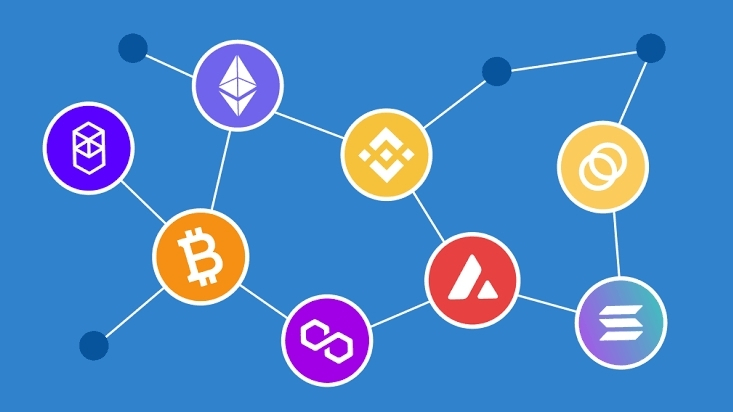
Cross-Chain Breakthroughs: Top 5 Crypto Protocols Solving Crypto’s Interoperability MessThe Problem Nobody Can Ignore Anymore
Crypto was supposed to be open.
Instead, it became fragmented.
Ethereum here.
Solana there.
Layer 2s everywhere.
Liquidity scattered.
Users confused.
Developers duplicating effort.
Interoperability is no longer a luxury feature. It is survival infrastructure.
Why Interoperability Is Now Foundational
Blockchains are not competing for existence anymore.
They are competing for connectivity.
The future isn’t one chain ruling them all.
It’s multiple ecosystems talking seamlessly.
Capital must move freely.
Data must synchronize securely.
Applications must function across environments without friction.
Without interoperability, crypto remains a collection of isolated islands.
The Cost of Staying Disconnected
When chains cannot communicate efficiently, liquidity fragments.
Bridges become security risks.
Users lose funds.
Institutions hesitate.
Developers avoid complexity.
The result is slower adoption and weaker trust.
Interoperability is not just about convenience.
It is about security, scale, and institutional confidence.
The Five Breakthrough Protocol Categories Leading the Shift
1. Native Cross-Chain Messaging Protocols
These systems allow chains to communicate directly through standardized messaging layers.
Instead of wrapping assets and risking exploits, they pass verified instructions across ecosystems.
This reduces bridge dependency and improves security.
Messaging layers are becoming the nervous system of multi-chain finance.
2. Cross-Chain Liquidity Networks
Liquidity is power.
Protocols building shared liquidity layers are eliminating the need for fragmented pools.
Instead of splitting capital across chains, they unify it.
This improves pricing efficiency and reduces slippage.
For traders and institutions, this is critical.
3. Modular Blockchain Frameworks
Modular systems separate execution, consensus, and data availability.
This architecture allows chains to plug into shared security and shared communication layers.
It’s like turning blockchains into interoperable components instead of isolated machines.
Flexibility becomes strength.
4. Interoperable Layer 2 Infrastructure
Layer 2 networks are multiplying rapidly.
But without interoperability between them, scaling creates more fragmentation.
New protocols are enabling seamless movement between Layer 2 ecosystems.
This keeps Ethereum’s scaling roadmap intact without breaking liquidity.
5. Cross-Chain Smart Contract Execution
The next evolution is not just asset transfers.
It’s cross-chain logic.
Smart contracts that trigger actions across multiple blockchains simultaneously.
This unlocks complex DeFi strategies, real-world asset settlements, and enterprise automation.
True interoperability means synchronized execution, not just movement.
Why Institutions Care About This Now
Institutions do not want to manage ten separate liquidity pools.
They want unified infrastructure.
They want predictable security models.
They want compliance compatibility.
Interoperability makes crypto usable at scale for serious capital.
The Security Question Everyone Asks
Bridges have historically been the weakest link in crypto security.
Billions have been lost.
The new wave of interoperability protocols focuses on cryptographic verification, decentralized validation, and minimized trust assumptions.
Security is no longer optional.
It is the deciding factor.
What This Means for the Market
Interoperability protocols are not hype plays.
They are infrastructure investments.
They may not trend daily.
But they sit beneath everything.
When multi-chain adoption accelerates, these protocols capture value quietly.
Why 2026 and Beyond Will Depend on This
As RWAs grow.
As stablecoins scale globally.
As DeFi integrates with institutions.
Everything must communicate smoothly.
Interoperability is the connective tissue of the next crypto phase.
Without it, growth stalls.
The Bigger Strategic Insight
The winning chains will not be the loudest.
They will be the most connected.
And the protocols enabling that connectivity may become some of the most important infrastructure layers in the entire ecosystem.
Final Perspective
Crypto’s biggest weakness was fragmentation.
Its next strength will be coordination.
Interoperability is not a trend.
It is the architecture of the next financial internet.
And the protocols solving this today are building the highways of tomorrow.
$BTC #USNFPBlowout
{spot}(ETHUSDT)
Cross-Chain Breakthroughs: Top 5 Crypto Protocols Solving Crypto’s Interoperability Mess
The Problem Nobody Can Ignore Anymore
Crypto was supposed to be open.
Instead, it became fragmented.
Ethereum here.
Solana there.
Layer 2s everywhere.
Liquidity scattered.
Users confused.
Developers duplicating effort.
Interoperability is no longer a luxury feature. It is survival infrastructure.
Why Interoperability Is Now Foundational
Blockchains are not competing for existence anymore.
They are competing for connectivity.
The future isn’t one chain ruling them all.
It’s multiple ecosystems talking seamlessly.
Capital must move freely.
Data must synchronize securely.
Applications must function across environments without friction.
Without interoperability, crypto remains a collection of isolated islands.
The Cost of Staying Disconnected
When chains cannot communicate efficiently, liquidity fragments.
Bridges become security risks.
Users lose funds.
Institutions hesitate.
Developers avoid complexity.
The result is slower adoption and weaker trust.
Interoperability is not just about convenience.
It is about security, scale, and institutional confidence.
The Five Breakthrough Protocol Categories Leading the Shift
1. Native Cross-Chain Messaging Protocols
These systems allow chains to communicate directly through standardized messaging layers.
Instead of wrapping assets and risking exploits, they pass verified instructions across ecosystems.
This reduces bridge dependency and improves security.
Messaging layers are becoming the nervous system of multi-chain finance.
2. Cross-Chain Liquidity Networks
Liquidity is power.
Protocols building shared liquidity layers are eliminating the need for fragmented pools.
Instead of splitting capital across chains, they unify it.
This improves pricing efficiency and reduces slippage.
For traders and institutions, this is critical.
3. Modular Blockchain Frameworks
Modular systems separate execution, consensus, and data availability.
This architecture allows chains to plug into shared security and shared communication layers.
It’s like turning blockchains into interoperable components instead of isolated machines.
Flexibility becomes strength.
4. Interoperable Layer 2 Infrastructure
Layer 2 networks are multiplying rapidly.
But without interoperability between them, scaling creates more fragmentation.
New protocols are enabling seamless movement between Layer 2 ecosystems.
This keeps Ethereum’s scaling roadmap intact without breaking liquidity.
5. Cross-Chain Smart Contract Execution
The next evolution is not just asset transfers.
It’s cross-chain logic.
Smart contracts that trigger actions across multiple blockchains simultaneously.
This unlocks complex DeFi strategies, real-world asset settlements, and enterprise automation.
True interoperability means synchronized execution, not just movement.
Why Institutions Care About This Now
Institutions do not want to manage ten separate liquidity pools.
They want unified infrastructure.
They want predictable security models.
They want compliance compatibility.
Interoperability makes crypto usable at scale for serious capital.
The Security Question Everyone Asks
Bridges have historically been the weakest link in crypto security.
Billions have been lost.
The new wave of interoperability protocols focuses on cryptographic verification, decentralized validation, and minimized trust assumptions.
Security is no longer optional.
It is the deciding factor.
What This Means for the Market
Interoperability protocols are not hype plays.
They are infrastructure investments.
They may not trend daily.
But they sit beneath everything.
When multi-chain adoption accelerates, these protocols capture value quietly.
Why 2026 and Beyond Will Depend on This
As RWAs grow.
As stablecoins scale globally.
As DeFi integrates with institutions.
Everything must communicate smoothly.
Interoperability is the connective tissue of the next crypto phase.
Without it, growth stalls.
The Bigger Strategic Insight
The winning chains will not be the loudest.
They will be the most connected.
And the protocols enabling that connectivity may become some of the most important infrastructure layers in the entire ecosystem.
Final Perspective
Crypto’s biggest weakness was fragmentation.
Its next strength will be coordination.
Interoperability is not a trend.
It is the architecture of the next financial internet.
And the protocols solving this today are building the highways of tomorrow.
$BTC #USNFPBlowout
Crypto was supposed to be open.
Instead, it became fragmented.
Ethereum here.
Solana there.
Layer 2s everywhere.
Liquidity scattered.
Users confused.
Developers duplicating effort.
Interoperability is no longer a luxury feature. It is survival infrastructure.
Why Interoperability Is Now Foundational
Blockchains are not competing for existence anymore.
They are competing for connectivity.
The future isn’t one chain ruling them all.
It’s multiple ecosystems talking seamlessly.
Capital must move freely.
Data must synchronize securely.
Applications must function across environments without friction.
Without interoperability, crypto remains a collection of isolated islands.
The Cost of Staying Disconnected
When chains cannot communicate efficiently, liquidity fragments.
Bridges become security risks.
Users lose funds.
Institutions hesitate.
Developers avoid complexity.
The result is slower adoption and weaker trust.
Interoperability is not just about convenience.
It is about security, scale, and institutional confidence.
The Five Breakthrough Protocol Categories Leading the Shift
1. Native Cross-Chain Messaging Protocols
These systems allow chains to communicate directly through standardized messaging layers.
Instead of wrapping assets and risking exploits, they pass verified instructions across ecosystems.
This reduces bridge dependency and improves security.
Messaging layers are becoming the nervous system of multi-chain finance.
2. Cross-Chain Liquidity Networks
Liquidity is power.
Protocols building shared liquidity layers are eliminating the need for fragmented pools.
Instead of splitting capital across chains, they unify it.
This improves pricing efficiency and reduces slippage.
For traders and institutions, this is critical.
3. Modular Blockchain Frameworks
Modular systems separate execution, consensus, and data availability.
This architecture allows chains to plug into shared security and shared communication layers.
It’s like turning blockchains into interoperable components instead of isolated machines.
Flexibility becomes strength.
4. Interoperable Layer 2 Infrastructure
Layer 2 networks are multiplying rapidly.
But without interoperability between them, scaling creates more fragmentation.
New protocols are enabling seamless movement between Layer 2 ecosystems.
This keeps Ethereum’s scaling roadmap intact without breaking liquidity.
5. Cross-Chain Smart Contract Execution
The next evolution is not just asset transfers.
It’s cross-chain logic.
Smart contracts that trigger actions across multiple blockchains simultaneously.
This unlocks complex DeFi strategies, real-world asset settlements, and enterprise automation.
True interoperability means synchronized execution, not just movement.
Why Institutions Care About This Now
Institutions do not want to manage ten separate liquidity pools.
They want unified infrastructure.
They want predictable security models.
They want compliance compatibility.
Interoperability makes crypto usable at scale for serious capital.
The Security Question Everyone Asks
Bridges have historically been the weakest link in crypto security.
Billions have been lost.
The new wave of interoperability protocols focuses on cryptographic verification, decentralized validation, and minimized trust assumptions.
Security is no longer optional.
It is the deciding factor.
What This Means for the Market
Interoperability protocols are not hype plays.
They are infrastructure investments.
They may not trend daily.
But they sit beneath everything.
When multi-chain adoption accelerates, these protocols capture value quietly.
Why 2026 and Beyond Will Depend on This
As RWAs grow.
As stablecoins scale globally.
As DeFi integrates with institutions.
Everything must communicate smoothly.
Interoperability is the connective tissue of the next crypto phase.
Without it, growth stalls.
The Bigger Strategic Insight
The winning chains will not be the loudest.
They will be the most connected.
And the protocols enabling that connectivity may become some of the most important infrastructure layers in the entire ecosystem.
Final Perspective
Crypto’s biggest weakness was fragmentation.
Its next strength will be coordination.
Interoperability is not a trend.
It is the architecture of the next financial internet.
And the protocols solving this today are building the highways of tomorrow.
$BTC #USNFPBlowout
2
29
·
--
Статья
Crypto in Crisis: What $70K Bitcoin Means and Where Altcoins Head NextThe Market Shock Everyone Felt
When Bitcoin slipped toward the $70,000 zone, the market didn’t just react.
It flinched.
Liquidations spiked.
Sentiment flipped.
Confidence turned fragile.
This wasn’t just a price move.
It was a psychological reset.
Why $70K Is Not Just a Number
$70K sits at a crossroads of leverage, expectation, and belief.
Above it, traders feel invincible.
Below it, fear starts whispering.
This level exposed how much of the recent rally was built on borrowed conviction rather than real demand.
What Caused the Dip
Excess leverage finally met reality.
ETF-driven optimism cooled.
Short-term holders rushed for exits.
Macro uncertainty tightened liquidity.
None of this signals the end of Bitcoin.
It signals digestion.
Bitcoin’s Role in Moments Like This
Bitcoin doesn’t crash quietly.
It teaches.
Every major cycle includes a phase where weak hands leave and strong hands accumulate.
This drop is not about collapse.
It’s about control shifting back to long-term players.
How Market Sentiment Has Changed
Greed evaporated fast.
Narratives paused.
Speculation slowed.
This is when markets become honest.
Price action stops rewarding noise and starts rewarding patience.
What This Means for Altcoins
Altcoins feel pain first and recover last.
Liquidity pulls back into Bitcoin.
High-beta tokens bleed hardest.
Projects without real users or revenue struggle to survive.
This phase separates experiments from ecosystems.
Which Altcoins Are Most at Risk
Overleveraged narratives fade quickly.
Hype-driven tokens lose relevance.
Copy-paste protocols get ignored.
When Bitcoin sneezes, weak altcoins disappear.
Where Smart Capital Is Actually Looking
Infrastructure.
Cash-flow-generating protocols.
Real-world asset exposure.
Stablecoin rails.
Layer-2 scalability.
Smart money rotates quietly while retail watches charts.
The Mistake Most Traders Make Right Now
They panic at support instead of planning at structure.
They sell fear and buy relief.
This is how capital transfers hands every cycle.
What Comes Next for Bitcoin
Consolidation is more likely than collapse.
Volatility will shrink before expansion.
Strong hands accumulate while noise fades.
Bitcoin doesn’t move fast when it’s building foundations.
The Bigger Picture Most Ignore
Every bull market pauses before continuing.
Every healthy market shakes out excess before moving higher.
This dip is not the story.
It’s the transition.
Final Takeaway
Crypto isn’t in crisis.
It’s in calibration.
Bitcoin at $70K is not a failure.
It’s a filter.
And what survives this phase is what leads the next one.
$BTC $ETH #BinanceBitcoinSAFUFund
Crypto in Crisis: What $70K Bitcoin Means and Where Altcoins Head Next
The Market Shock Everyone Felt
When Bitcoin slipped toward the $70,000 zone, the market didn’t just react.
It flinched.
Liquidations spiked.
Sentiment flipped.
Confidence turned fragile.
This wasn’t just a price move.
It was a psychological reset.
Why $70K Is Not Just a Number
$70K sits at a crossroads of leverage, expectation, and belief.
Above it, traders feel invincible.
Below it, fear starts whispering.
This level exposed how much of the recent rally was built on borrowed conviction rather than real demand.
What Caused the Dip
Excess leverage finally met reality.
ETF-driven optimism cooled.
Short-term holders rushed for exits.
Macro uncertainty tightened liquidity.
None of this signals the end of Bitcoin.
It signals digestion.
Bitcoin’s Role in Moments Like This
Bitcoin doesn’t crash quietly.
It teaches.
Every major cycle includes a phase where weak hands leave and strong hands accumulate.
This drop is not about collapse.
It’s about control shifting back to long-term players.
How Market Sentiment Has Changed
Greed evaporated fast.
Narratives paused.
Speculation slowed.
This is when markets become honest.
Price action stops rewarding noise and starts rewarding patience.
What This Means for Altcoins
Altcoins feel pain first and recover last.
Liquidity pulls back into Bitcoin.
High-beta tokens bleed hardest.
Projects without real users or revenue struggle to survive.
This phase separates experiments from ecosystems.
Which Altcoins Are Most at Risk
Overleveraged narratives fade quickly.
Hype-driven tokens lose relevance.
Copy-paste protocols get ignored.
When Bitcoin sneezes, weak altcoins disappear.
Where Smart Capital Is Actually Looking
Infrastructure.
Cash-flow-generating protocols.
Real-world asset exposure.
Stablecoin rails.
Layer-2 scalability.
Smart money rotates quietly while retail watches charts.
The Mistake Most Traders Make Right Now
They panic at support instead of planning at structure.
They sell fear and buy relief.
This is how capital transfers hands every cycle.
What Comes Next for Bitcoin
Consolidation is more likely than collapse.
Volatility will shrink before expansion.
Strong hands accumulate while noise fades.
Bitcoin doesn’t move fast when it’s building foundations.
The Bigger Picture Most Ignore
Every bull market pauses before continuing.
Every healthy market shakes out excess before moving higher.
This dip is not the story.
It’s the transition.
Final Takeaway
Crypto isn’t in crisis.
It’s in calibration.
Bitcoin at $70K is not a failure.
It’s a filter.
And what survives this phase is what leads the next one.
$BTC $ETH #BinanceBitcoinSAFUFund
When Bitcoin slipped toward the $70,000 zone, the market didn’t just react.
It flinched.
Liquidations spiked.
Sentiment flipped.
Confidence turned fragile.
This wasn’t just a price move.
It was a psychological reset.
Why $70K Is Not Just a Number
$70K sits at a crossroads of leverage, expectation, and belief.
Above it, traders feel invincible.
Below it, fear starts whispering.
This level exposed how much of the recent rally was built on borrowed conviction rather than real demand.
What Caused the Dip
Excess leverage finally met reality.
ETF-driven optimism cooled.
Short-term holders rushed for exits.
Macro uncertainty tightened liquidity.
None of this signals the end of Bitcoin.
It signals digestion.
Bitcoin’s Role in Moments Like This
Bitcoin doesn’t crash quietly.
It teaches.
Every major cycle includes a phase where weak hands leave and strong hands accumulate.
This drop is not about collapse.
It’s about control shifting back to long-term players.
How Market Sentiment Has Changed
Greed evaporated fast.
Narratives paused.
Speculation slowed.
This is when markets become honest.
Price action stops rewarding noise and starts rewarding patience.
What This Means for Altcoins
Altcoins feel pain first and recover last.
Liquidity pulls back into Bitcoin.
High-beta tokens bleed hardest.
Projects without real users or revenue struggle to survive.
This phase separates experiments from ecosystems.
Which Altcoins Are Most at Risk
Overleveraged narratives fade quickly.
Hype-driven tokens lose relevance.
Copy-paste protocols get ignored.
When Bitcoin sneezes, weak altcoins disappear.
Where Smart Capital Is Actually Looking
Infrastructure.
Cash-flow-generating protocols.
Real-world asset exposure.
Stablecoin rails.
Layer-2 scalability.
Smart money rotates quietly while retail watches charts.
The Mistake Most Traders Make Right Now
They panic at support instead of planning at structure.
They sell fear and buy relief.
This is how capital transfers hands every cycle.
What Comes Next for Bitcoin
Consolidation is more likely than collapse.
Volatility will shrink before expansion.
Strong hands accumulate while noise fades.
Bitcoin doesn’t move fast when it’s building foundations.
The Bigger Picture Most Ignore
Every bull market pauses before continuing.
Every healthy market shakes out excess before moving higher.
This dip is not the story.
It’s the transition.
Final Takeaway
Crypto isn’t in crisis.
It’s in calibration.
Bitcoin at $70K is not a failure.
It’s a filter.
And what survives this phase is what leads the next one.
$BTC $ETH #BinanceBitcoinSAFUFund
21
·
--
Статья
The Stablecoin Revolution: 5 Tokens Becoming Global Money RailsA Quiet Financial Takeover
Stablecoins started as simple trading tools.
A place to park value between volatile moves.
But that chapter is ending.
Today, stablecoins are becoming the invisible rails moving money across the world.
Faster than banks.
Cheaper than remittance networks.
And more global than any traditional system.
What Stablecoins Really Are Now
Modern stablecoins are no longer just “digital dollars.”
They are programmable cash.
They settle instantly.
They move 24/7.
They ignore borders, banking hours, and outdated infrastructure.
This makes them perfect for global commerce.
Why Financial Institutions Are Paying Attention
Banks move money in days.
Stablecoins move money in seconds.
For institutions, that means lower costs, reduced counterparty risk, and real-time liquidity.
That’s why payment companies, fintechs, and even governments are integrating stablecoins into real systems.
Not as experiments—but as core infrastructure.
From Trading Pairs to Money Highways
Stablecoins are now used for payroll, cross-border payments, settlements, and on-chain lending.
They are replacing correspondent banking layers one transaction at a time.
In many countries, stablecoins already function as everyday money.
This is financial utility, not speculation.
The Five Stablecoin Models Shaping the Future🏆
Fiat-backed stablecoins offering trust and regulatory clarity.
Crypto-collateralized stablecoins enabling decentralization and transparency.
Yield-bearing stablecoins blending savings with payments.
Cross-chain stablecoins acting as liquidity bridges.
Region-specific stablecoins built for local economies and compliance.
Each plays a role in the global system forming right now.
Why 2026 Changes Everything
Regulators are no longer asking if stablecoins should exist.
They’re deciding how they should be governed.
Once rules are clear, adoption accelerates.
Businesses integrate.
Governments tolerate.
Institutions scale.
This is when money rails stop being optional and start becoming standard.
Why Retail Investors Underestimate Stablecoins
They don’t pump.
They don’t trend.
They don’t promise 100x returns.
But they move billions every single day.
True power in finance comes from usage, not price charts.
Stablecoins win quietly.
The Hidden Battle for Global Money Control
Whoever controls stablecoin infrastructure controls liquidity flow.
Payments.
Settlements.
Yield distribution.
This is why competition in this space is fierce and political.
Stablecoins are not just financial tools.
They are strategic assets.
Risks That Cannot Be Ignored
Centralization risk exists.
Regulatory capture is possible.
Poor reserve management can destroy trust overnight.
The strongest stablecoins will be transparent, audited, and battle-tested.
Survival favors discipline, not innovation alone.
The Bigger Reality Most Miss
Stablecoins are not replacing crypto volatility.
They are replacing outdated banking rails.
They are becoming the plumbing of the digital economy.
Invisible.
Essential.
Everywhere.
Final Perspective
Every financial era has a backbone.
Gold had rails.
Banks had wires.
The internet had packets.
The next era will have stablecoins.
And those who understand this shift early don’t chase trends.
They position for systems.
{spot}(BTCUSDT)
$ETH
{spot}(ETHUSDT)
The Stablecoin Revolution: 5 Tokens Becoming Global Money Rails
A Quiet Financial Takeover
Stablecoins started as simple trading tools.
A place to park value between volatile moves.
But that chapter is ending.
Today, stablecoins are becoming the invisible rails moving money across the world.
Faster than banks.
Cheaper than remittance networks.
And more global than any traditional system.
What Stablecoins Really Are Now
Modern stablecoins are no longer just “digital dollars.”
They are programmable cash.
They settle instantly.
They move 24/7.
They ignore borders, banking hours, and outdated infrastructure.
This makes them perfect for global commerce.
Why Financial Institutions Are Paying Attention
Banks move money in days.
Stablecoins move money in seconds.
For institutions, that means lower costs, reduced counterparty risk, and real-time liquidity.
That’s why payment companies, fintechs, and even governments are integrating stablecoins into real systems.
Not as experiments—but as core infrastructure.
From Trading Pairs to Money Highways
Stablecoins are now used for payroll, cross-border payments, settlements, and on-chain lending.
They are replacing correspondent banking layers one transaction at a time.
In many countries, stablecoins already function as everyday money.
This is financial utility, not speculation.
The Five Stablecoin Models Shaping the Future🏆
Fiat-backed stablecoins offering trust and regulatory clarity.
Crypto-collateralized stablecoins enabling decentralization and transparency.
Yield-bearing stablecoins blending savings with payments.
Cross-chain stablecoins acting as liquidity bridges.
Region-specific stablecoins built for local economies and compliance.
Each plays a role in the global system forming right now.
Why 2026 Changes Everything
Regulators are no longer asking if stablecoins should exist.
They’re deciding how they should be governed.
Once rules are clear, adoption accelerates.
Businesses integrate.
Governments tolerate.
Institutions scale.
This is when money rails stop being optional and start becoming standard.
Why Retail Investors Underestimate Stablecoins
They don’t pump.
They don’t trend.
They don’t promise 100x returns.
But they move billions every single day.
True power in finance comes from usage, not price charts.
Stablecoins win quietly.
The Hidden Battle for Global Money Control
Whoever controls stablecoin infrastructure controls liquidity flow.
Payments.
Settlements.
Yield distribution.
This is why competition in this space is fierce and political.
Stablecoins are not just financial tools.
They are strategic assets.
Risks That Cannot Be Ignored
Centralization risk exists.
Regulatory capture is possible.
Poor reserve management can destroy trust overnight.
The strongest stablecoins will be transparent, audited, and battle-tested.
Survival favors discipline, not innovation alone.
The Bigger Reality Most Miss
Stablecoins are not replacing crypto volatility.
They are replacing outdated banking rails.
They are becoming the plumbing of the digital economy.
Invisible.
Essential.
Everywhere.
Final Perspective
Every financial era has a backbone.
Gold had rails.
Banks had wires.
The internet had packets.
The next era will have stablecoins.
And those who understand this shift early don’t chase trends.
They position for systems.
$ETH
Stablecoins started as simple trading tools.
A place to park value between volatile moves.
But that chapter is ending.
Today, stablecoins are becoming the invisible rails moving money across the world.
Faster than banks.
Cheaper than remittance networks.
And more global than any traditional system.
What Stablecoins Really Are Now
Modern stablecoins are no longer just “digital dollars.”
They are programmable cash.
They settle instantly.
They move 24/7.
They ignore borders, banking hours, and outdated infrastructure.
This makes them perfect for global commerce.
Why Financial Institutions Are Paying Attention
Banks move money in days.
Stablecoins move money in seconds.
For institutions, that means lower costs, reduced counterparty risk, and real-time liquidity.
That’s why payment companies, fintechs, and even governments are integrating stablecoins into real systems.
Not as experiments—but as core infrastructure.
From Trading Pairs to Money Highways
Stablecoins are now used for payroll, cross-border payments, settlements, and on-chain lending.
They are replacing correspondent banking layers one transaction at a time.
In many countries, stablecoins already function as everyday money.
This is financial utility, not speculation.
The Five Stablecoin Models Shaping the Future🏆
Fiat-backed stablecoins offering trust and regulatory clarity.
Crypto-collateralized stablecoins enabling decentralization and transparency.
Yield-bearing stablecoins blending savings with payments.
Cross-chain stablecoins acting as liquidity bridges.
Region-specific stablecoins built for local economies and compliance.
Each plays a role in the global system forming right now.
Why 2026 Changes Everything
Regulators are no longer asking if stablecoins should exist.
They’re deciding how they should be governed.
Once rules are clear, adoption accelerates.
Businesses integrate.
Governments tolerate.
Institutions scale.
This is when money rails stop being optional and start becoming standard.
Why Retail Investors Underestimate Stablecoins
They don’t pump.
They don’t trend.
They don’t promise 100x returns.
But they move billions every single day.
True power in finance comes from usage, not price charts.
Stablecoins win quietly.
The Hidden Battle for Global Money Control
Whoever controls stablecoin infrastructure controls liquidity flow.
Payments.
Settlements.
Yield distribution.
This is why competition in this space is fierce and political.
Stablecoins are not just financial tools.
They are strategic assets.
Risks That Cannot Be Ignored
Centralization risk exists.
Regulatory capture is possible.
Poor reserve management can destroy trust overnight.
The strongest stablecoins will be transparent, audited, and battle-tested.
Survival favors discipline, not innovation alone.
The Bigger Reality Most Miss
Stablecoins are not replacing crypto volatility.
They are replacing outdated banking rails.
They are becoming the plumbing of the digital economy.
Invisible.
Essential.
Everywhere.
Final Perspective
Every financial era has a backbone.
Gold had rails.
Banks had wires.
The internet had packets.
The next era will have stablecoins.
And those who understand this shift early don’t chase trends.
They position for systems.
$ETH
21
·
--
Статья
Tokenized Treasure: Top RWA Coins Poised to Explode in 2026The Silent Shift Happening in Crypto
For years, crypto lived in a world of speculation, memes, and promises.
Now something different is happening.
Quietly.
Institutions are bringing real money, real assets, and real systems on-chain.
This shift is called Real World Asset tokenization—and it’s one of the most important evolutions crypto has ever seen.
What Real World Assets Really Mean
Real World Assets, or RWAs, are physical or traditional financial assets converted into blockchain-based tokens.
Think real estate, government bonds, gold, commodities, invoices, and private credit.
Once tokenized, these assets can be traded globally, settled instantly, and accessed without traditional middlemen.
This is not replacing the old system.
It’s upgrading it.
Why Big Institutions Are All In
Institutions don’t chase hype.
They chase efficiency, yield, and control.
Blockchain offers 24/7 markets, instant settlement, transparent ownership, and programmable finance.
That’s why names like BlackRock, JPMorgan, and major asset managers are building RWA infrastructure right now.
They see tokenization as the future backbone of global finance.
Why 2026 Could Be the Breakout Year
2024 was about experimentation.
2025 is about regulation and infrastructure.
2026 is where scale happens.
Clearer regulatory frameworks are forming.
On-chain yield products are maturing.
Traditional finance is searching for better liquidity solutions.
When these forces align, adoption accelerates fast.
The Most Powerful RWA Narratives to Watch
Tokenized US Treasuries providing stable on-chain yield.
Fractional real estate allowing global ownership without banks.
Commodities like gold moving instantly across borders.
Private credit becoming liquid instead of locked for years.
RWAs are turning traditionally slow assets into programmable money.
Why Most Retail Will Miss This
RWA projects are not flashy.
They don’t rely on memes or viral hype.
They grow quietly through partnerships, compliance, and real usage.
By the time social media starts talking about them, institutions are already positioned.
This is where patience beats excitement.
How Smart Money Thinks About RWA Coins
Smart investors don’t ask, “Will this pump tomorrow?”
They ask, “Will this exist in five years?”
They look for regulation-friendly structures.
They look for real asset backing.
They look for partnerships with banks, funds, and governments.
Boring is often bullish.
The Risks You Must Understand
Not every RWA project will survive.
Some will fail regulatory scrutiny.
Some will lack real demand.
Some will overpromise and underdeliver.
True winners will be compliant, conservative, and deeply connected to traditional finance.
The Bigger Picture Most People Ignore
RWA tokenization is not a crypto narrative.
It’s a global finance narrative.
Trillions of dollars in assets are waiting to move on-chain.
Crypto isn’t replacing the system anymore.
It’s becoming the system’s new engine.
Final Takeaway:
Every major wealth cycle starts quietly.
Before headlines.
Before hype.
Before retail attention.
Real World Assets could be the bridge between old money and new technology.
And 2026 might be the year that bridge becomes impossible to ignore.
{spot}(ONDOUSDT)
Tokenized Treasure: Top RWA Coins Poised to Explode in 2026
The Silent Shift Happening in Crypto
For years, crypto lived in a world of speculation, memes, and promises.
Now something different is happening.
Quietly.
Institutions are bringing real money, real assets, and real systems on-chain.
This shift is called Real World Asset tokenization—and it’s one of the most important evolutions crypto has ever seen.
What Real World Assets Really Mean
Real World Assets, or RWAs, are physical or traditional financial assets converted into blockchain-based tokens.
Think real estate, government bonds, gold, commodities, invoices, and private credit.
Once tokenized, these assets can be traded globally, settled instantly, and accessed without traditional middlemen.
This is not replacing the old system.
It’s upgrading it.
Why Big Institutions Are All In
Institutions don’t chase hype.
They chase efficiency, yield, and control.
Blockchain offers 24/7 markets, instant settlement, transparent ownership, and programmable finance.
That’s why names like BlackRock, JPMorgan, and major asset managers are building RWA infrastructure right now.
They see tokenization as the future backbone of global finance.
Why 2026 Could Be the Breakout Year
2024 was about experimentation.
2025 is about regulation and infrastructure.
2026 is where scale happens.
Clearer regulatory frameworks are forming.
On-chain yield products are maturing.
Traditional finance is searching for better liquidity solutions.
When these forces align, adoption accelerates fast.
The Most Powerful RWA Narratives to Watch
Tokenized US Treasuries providing stable on-chain yield.
Fractional real estate allowing global ownership without banks.
Commodities like gold moving instantly across borders.
Private credit becoming liquid instead of locked for years.
RWAs are turning traditionally slow assets into programmable money.
Why Most Retail Will Miss This
RWA projects are not flashy.
They don’t rely on memes or viral hype.
They grow quietly through partnerships, compliance, and real usage.
By the time social media starts talking about them, institutions are already positioned.
This is where patience beats excitement.
How Smart Money Thinks About RWA Coins
Smart investors don’t ask, “Will this pump tomorrow?”
They ask, “Will this exist in five years?”
They look for regulation-friendly structures.
They look for real asset backing.
They look for partnerships with banks, funds, and governments.
Boring is often bullish.
The Risks You Must Understand
Not every RWA project will survive.
Some will fail regulatory scrutiny.
Some will lack real demand.
Some will overpromise and underdeliver.
True winners will be compliant, conservative, and deeply connected to traditional finance.
The Bigger Picture Most People Ignore
RWA tokenization is not a crypto narrative.
It’s a global finance narrative.
Trillions of dollars in assets are waiting to move on-chain.
Crypto isn’t replacing the system anymore.
It’s becoming the system’s new engine.
Final Takeaway:
Every major wealth cycle starts quietly.
Before headlines.
Before hype.
Before retail attention.
Real World Assets could be the bridge between old money and new technology.
And 2026 might be the year that bridge becomes impossible to ignore.
For years, crypto lived in a world of speculation, memes, and promises.
Now something different is happening.
Quietly.
Institutions are bringing real money, real assets, and real systems on-chain.
This shift is called Real World Asset tokenization—and it’s one of the most important evolutions crypto has ever seen.
What Real World Assets Really Mean
Real World Assets, or RWAs, are physical or traditional financial assets converted into blockchain-based tokens.
Think real estate, government bonds, gold, commodities, invoices, and private credit.
Once tokenized, these assets can be traded globally, settled instantly, and accessed without traditional middlemen.
This is not replacing the old system.
It’s upgrading it.
Why Big Institutions Are All In
Institutions don’t chase hype.
They chase efficiency, yield, and control.
Blockchain offers 24/7 markets, instant settlement, transparent ownership, and programmable finance.
That’s why names like BlackRock, JPMorgan, and major asset managers are building RWA infrastructure right now.
They see tokenization as the future backbone of global finance.
Why 2026 Could Be the Breakout Year
2024 was about experimentation.
2025 is about regulation and infrastructure.
2026 is where scale happens.
Clearer regulatory frameworks are forming.
On-chain yield products are maturing.
Traditional finance is searching for better liquidity solutions.
When these forces align, adoption accelerates fast.
The Most Powerful RWA Narratives to Watch
Tokenized US Treasuries providing stable on-chain yield.
Fractional real estate allowing global ownership without banks.
Commodities like gold moving instantly across borders.
Private credit becoming liquid instead of locked for years.
RWAs are turning traditionally slow assets into programmable money.
Why Most Retail Will Miss This
RWA projects are not flashy.
They don’t rely on memes or viral hype.
They grow quietly through partnerships, compliance, and real usage.
By the time social media starts talking about them, institutions are already positioned.
This is where patience beats excitement.
How Smart Money Thinks About RWA Coins
Smart investors don’t ask, “Will this pump tomorrow?”
They ask, “Will this exist in five years?”
They look for regulation-friendly structures.
They look for real asset backing.
They look for partnerships with banks, funds, and governments.
Boring is often bullish.
The Risks You Must Understand
Not every RWA project will survive.
Some will fail regulatory scrutiny.
Some will lack real demand.
Some will overpromise and underdeliver.
True winners will be compliant, conservative, and deeply connected to traditional finance.
The Bigger Picture Most People Ignore
RWA tokenization is not a crypto narrative.
It’s a global finance narrative.
Trillions of dollars in assets are waiting to move on-chain.
Crypto isn’t replacing the system anymore.
It’s becoming the system’s new engine.
Final Takeaway:
Every major wealth cycle starts quietly.
Before headlines.
Before hype.
Before retail attention.
Real World Assets could be the bridge between old money and new technology.
And 2026 might be the year that bridge becomes impossible to ignore.
1
220
·
--
Статья
Is Bitcoin’s Founder Jeffrey Epstein, the CIA… or Satoshi Nakamoto? 🤯Was Bitcoin created by a shadowy intelligence agency, a controversial financier, or the mysterious Satoshi Nakamoto?
This deep dive explores the most popular theories behind Bitcoin’s origin and reveals what evidence actually tells us.
The Greatest Mystery in Modern Finance — Separating Facts, Myths, and Wild Theory
The Birth of Bitcoin: Where the Legend Begins 🧩
In October 2008, as the global financial system was collapsing, a whitepaper titled “Bitcoin: A Peer-to-Peer Electronic Cash System” quietly appeared on a cryptography mailing list.
The author?
Satoshi Nakamoto.
No photo.
No confirmed identity.
No interviews.
Just code… and a revolution.
From that moment, Bitcoin became more than money. It became a philosophical weapon against centralized power, censorship, and financial manipulation.
And when something threatens power structures, theories explode.
Theory #1: Was Bitcoin Created by the CIA? 🕵️♂️
This is one of the most persistent theories — and also one of the most misunderstood.
Why People Believe It
Bitcoin uses:
Advanced cryptography
Game theory
Economic incentives
Distributed networks
All areas intelligence agencies deeply understand.
Plus, Bitcoin emerged right after the 2008 financial crisis — when trust in banks and governments was at an all-time low.
Suspicious timing? Maybe.
The Big Problem With This Theory
If Bitcoin were a CIA project:
Why make it fully open-source?
Why allow anyone to audit the code?
Why lose control forever?
Bitcoin is:
Permissionless
Censorship-resistant
Impossible to shut down
These traits directly weaken state-level monetary control — the opposite of what intelligence agencies want.
📌 Verdict: Interesting idea, but logically weak.
Theory #2: Jeffrey Epstein — A Dangerous Misdirection 🚨
This theory gained traction because of Epstein’s known connections to:
Tech elites
Academics
Powerful institutions
Some internet forums claimed he funded cryptography research or had ties to early Bitcoin developers.
Let’s Be Clear
There is:
❌ No cryptographic evidence
❌ No emails
❌ No code signatures
❌ No timeline match
Bitcoin’s code, philosophy, and development history do not align with Epstein’s known activities or expertise.
This theory survives mostly because:
Epstein symbolizes secrecy and elite corruption
People want a shocking villain
📌 Verdict: No evidence. Pure speculation.
Theory #3: Satoshi Nakamoto — A Single Genius? 🧠
The simplest explanation is often the hardest to accept.
Satoshi:
Wrote the Bitcoin whitepaper
Built the first implementation
Mined early blocks
Communicated calmly and clearly
Disappeared once Bitcoin became self-sustaining
Linguistic analysis suggests:
Native-level English
Academic tone
Deep understanding of economics and cryptography
But here’s the twist…
Was Satoshi One Person or a Group?
Many experts believe “Satoshi Nakamoto” may be:
A small group of cypherpunks
Researchers collaborating under one identity
Developers who wanted zero fame
And that makes sense.
Bitcoin required:
Cryptography
Networking
Economics
Game theory
That’s a rare combination for one person — but perfect for a small, aligned team.
📌 Verdict: Most likely explanation.
Why Satoshi’s Disappearance Was the Masterstroke 🎭
Satoshi vanished in 2011.
Why?
Because staying would have:
Centralized authority
Created a single point of failure
Turned Bitcoin into a personality cult
By leaving, Satoshi ensured:
Bitcoin belongs to everyone
No leader can be arrested, pressured, or corrupted
The system stands on code, not charisma
That absence is Bitcoin’s greatest strength.
The Truth Most People Miss 🔑
The real question isn’t who created Bitcoin.
It’s why Bitcoin works without knowing who did.
Bitcoin doesn’t need:
Trust
Leaders
Institutions
It runs on:
Math
Consensus
Incentives
That’s why, 15+ years later, Bitcoin is still standing.
Final Verdict: Who Really Created Bitcoin? ⚖️
❌ Jeffrey Epstein — No evidence
❌ CIA — Logically inconsistent
✅ Satoshi Nakamoto — A pseudonym, likely for one or several cypherpunks
Bitcoin wasn’t created to reveal its founder.
It was created to eliminate the need for one.
And that’s why the mystery will never be solved — by design.
💬 Community Question
Do you think Satoshi is:
A lone genius
A secret group
Or someone we already know?
Drop your theory below — the best ones always spark the best debates 👇🔥
Is Bitcoin’s Founder Jeffrey Epstein, the CIA… or Satoshi Nakamoto? 🤯
Was Bitcoin created by a shadowy intelligence agency, a controversial financier, or the mysterious Satoshi Nakamoto?
This deep dive explores the most popular theories behind Bitcoin’s origin and reveals what evidence actually tells us.
The Greatest Mystery in Modern Finance — Separating Facts, Myths, and Wild Theory
The Birth of Bitcoin: Where the Legend Begins 🧩
In October 2008, as the global financial system was collapsing, a whitepaper titled “Bitcoin: A Peer-to-Peer Electronic Cash System” quietly appeared on a cryptography mailing list.
The author?
Satoshi Nakamoto.
No photo.
No confirmed identity.
No interviews.
Just code… and a revolution.
From that moment, Bitcoin became more than money. It became a philosophical weapon against centralized power, censorship, and financial manipulation.
And when something threatens power structures, theories explode.
Theory #1: Was Bitcoin Created by the CIA? 🕵️♂️
This is one of the most persistent theories — and also one of the most misunderstood.
Why People Believe It
Bitcoin uses:
Advanced cryptography
Game theory
Economic incentives
Distributed networks
All areas intelligence agencies deeply understand.
Plus, Bitcoin emerged right after the 2008 financial crisis — when trust in banks and governments was at an all-time low.
Suspicious timing? Maybe.
The Big Problem With This Theory
If Bitcoin were a CIA project:
Why make it fully open-source?
Why allow anyone to audit the code?
Why lose control forever?
Bitcoin is:
Permissionless
Censorship-resistant
Impossible to shut down
These traits directly weaken state-level monetary control — the opposite of what intelligence agencies want.
📌 Verdict: Interesting idea, but logically weak.
Theory #2: Jeffrey Epstein — A Dangerous Misdirection 🚨
This theory gained traction because of Epstein’s known connections to:
Tech elites
Academics
Powerful institutions
Some internet forums claimed he funded cryptography research or had ties to early Bitcoin developers.
Let’s Be Clear
There is:
❌ No cryptographic evidence
❌ No emails
❌ No code signatures
❌ No timeline match
Bitcoin’s code, philosophy, and development history do not align with Epstein’s known activities or expertise.
This theory survives mostly because:
Epstein symbolizes secrecy and elite corruption
People want a shocking villain
📌 Verdict: No evidence. Pure speculation.
Theory #3: Satoshi Nakamoto — A Single Genius? 🧠
The simplest explanation is often the hardest to accept.
Satoshi:
Wrote the Bitcoin whitepaper
Built the first implementation
Mined early blocks
Communicated calmly and clearly
Disappeared once Bitcoin became self-sustaining
Linguistic analysis suggests:
Native-level English
Academic tone
Deep understanding of economics and cryptography
But here’s the twist…
Was Satoshi One Person or a Group?
Many experts believe “Satoshi Nakamoto” may be:
A small group of cypherpunks
Researchers collaborating under one identity
Developers who wanted zero fame
And that makes sense.
Bitcoin required:
Cryptography
Networking
Economics
Game theory
That’s a rare combination for one person — but perfect for a small, aligned team.
📌 Verdict: Most likely explanation.
Why Satoshi’s Disappearance Was the Masterstroke 🎭
Satoshi vanished in 2011.
Why?
Because staying would have:
Centralized authority
Created a single point of failure
Turned Bitcoin into a personality cult
By leaving, Satoshi ensured:
Bitcoin belongs to everyone
No leader can be arrested, pressured, or corrupted
The system stands on code, not charisma
That absence is Bitcoin’s greatest strength.
The Truth Most People Miss 🔑
The real question isn’t who created Bitcoin.
It’s why Bitcoin works without knowing who did.
Bitcoin doesn’t need:
Trust
Leaders
Institutions
It runs on:
Math
Consensus
Incentives
That’s why, 15+ years later, Bitcoin is still standing.
Final Verdict: Who Really Created Bitcoin? ⚖️
❌ Jeffrey Epstein — No evidence
❌ CIA — Logically inconsistent
✅ Satoshi Nakamoto — A pseudonym, likely for one or several cypherpunks
Bitcoin wasn’t created to reveal its founder.
It was created to eliminate the need for one.
And that’s why the mystery will never be solved — by design.
💬 Community Question
Do you think Satoshi is:
A lone genius
A secret group
Or someone we already know?
Drop your theory below — the best ones always spark the best debates 👇🔥
This deep dive explores the most popular theories behind Bitcoin’s origin and reveals what evidence actually tells us.
The Greatest Mystery in Modern Finance — Separating Facts, Myths, and Wild Theory
The Birth of Bitcoin: Where the Legend Begins 🧩
In October 2008, as the global financial system was collapsing, a whitepaper titled “Bitcoin: A Peer-to-Peer Electronic Cash System” quietly appeared on a cryptography mailing list.
The author?
Satoshi Nakamoto.
No photo.
No confirmed identity.
No interviews.
Just code… and a revolution.
From that moment, Bitcoin became more than money. It became a philosophical weapon against centralized power, censorship, and financial manipulation.
And when something threatens power structures, theories explode.
Theory #1: Was Bitcoin Created by the CIA? 🕵️♂️
This is one of the most persistent theories — and also one of the most misunderstood.
Why People Believe It
Bitcoin uses:
Advanced cryptography
Game theory
Economic incentives
Distributed networks
All areas intelligence agencies deeply understand.
Plus, Bitcoin emerged right after the 2008 financial crisis — when trust in banks and governments was at an all-time low.
Suspicious timing? Maybe.
The Big Problem With This Theory
If Bitcoin were a CIA project:
Why make it fully open-source?
Why allow anyone to audit the code?
Why lose control forever?
Bitcoin is:
Permissionless
Censorship-resistant
Impossible to shut down
These traits directly weaken state-level monetary control — the opposite of what intelligence agencies want.
📌 Verdict: Interesting idea, but logically weak.
Theory #2: Jeffrey Epstein — A Dangerous Misdirection 🚨
This theory gained traction because of Epstein’s known connections to:
Tech elites
Academics
Powerful institutions
Some internet forums claimed he funded cryptography research or had ties to early Bitcoin developers.
Let’s Be Clear
There is:
❌ No cryptographic evidence
❌ No emails
❌ No code signatures
❌ No timeline match
Bitcoin’s code, philosophy, and development history do not align with Epstein’s known activities or expertise.
This theory survives mostly because:
Epstein symbolizes secrecy and elite corruption
People want a shocking villain
📌 Verdict: No evidence. Pure speculation.
Theory #3: Satoshi Nakamoto — A Single Genius? 🧠
The simplest explanation is often the hardest to accept.
Satoshi:
Wrote the Bitcoin whitepaper
Built the first implementation
Mined early blocks
Communicated calmly and clearly
Disappeared once Bitcoin became self-sustaining
Linguistic analysis suggests:
Native-level English
Academic tone
Deep understanding of economics and cryptography
But here’s the twist…
Was Satoshi One Person or a Group?
Many experts believe “Satoshi Nakamoto” may be:
A small group of cypherpunks
Researchers collaborating under one identity
Developers who wanted zero fame
And that makes sense.
Bitcoin required:
Cryptography
Networking
Economics
Game theory
That’s a rare combination for one person — but perfect for a small, aligned team.
📌 Verdict: Most likely explanation.
Why Satoshi’s Disappearance Was the Masterstroke 🎭
Satoshi vanished in 2011.
Why?
Because staying would have:
Centralized authority
Created a single point of failure
Turned Bitcoin into a personality cult
By leaving, Satoshi ensured:
Bitcoin belongs to everyone
No leader can be arrested, pressured, or corrupted
The system stands on code, not charisma
That absence is Bitcoin’s greatest strength.
The Truth Most People Miss 🔑
The real question isn’t who created Bitcoin.
It’s why Bitcoin works without knowing who did.
Bitcoin doesn’t need:
Trust
Leaders
Institutions
It runs on:
Math
Consensus
Incentives
That’s why, 15+ years later, Bitcoin is still standing.
Final Verdict: Who Really Created Bitcoin? ⚖️
❌ Jeffrey Epstein — No evidence
❌ CIA — Logically inconsistent
✅ Satoshi Nakamoto — A pseudonym, likely for one or several cypherpunks
Bitcoin wasn’t created to reveal its founder.
It was created to eliminate the need for one.
And that’s why the mystery will never be solved — by design.
💬 Community Question
Do you think Satoshi is:
A lone genius
A secret group
Or someone we already know?
Drop your theory below — the best ones always spark the best debates 👇🔥
1
300
·
--

Статья
The Next Big Airdrop Meta: Points, Quests, and Loyalty Farming ExplainedThe Rules Changed Again
Remember when airdrops meant connecting your wallet, signing a transaction, and waking up to thousands of dollars in free tokens. Those days are gone.
The airdrop game evolved. Projects got smarter. Hunters got greedier. And now everyone is playing a completely different game with new rules most people still dont understand.
After watching this space transform over the years and speaking with founders who design these systems, I can tell you exactly what changed and how to adapt.
Airdrops are not free money anymore. Heres the new playbook.
The Old School Airdrop Era 2020 to 2022
Lets take a quick trip down memory lane.
The golden age of airdrops was beautifully simple. Uniswap dropped 400 UNI tokens to anyone who made a single swap. At peak prices that was worth over 16000 dollars. For one transaction.
ENS gave tokens to anyone who registered a domain name. dYdX rewarded traders based on volume. Optimism airdropped to active Ethereum users.
The formula was straightforward.
Use a protocol before it has a token. Wait for token launch. Receive allocation based on historical activity. Sell or hold.
Thousands of people made life changing money doing almost nothing. Some made six figures from wallets they forgot existed.
But this simplicity created problems.
Sybil attackers created thousands of wallets to farm multiple allocations. Mercenary users grabbed tokens and dumped immediately. Communities felt hollow because users had no real loyalty.
Projects realized they were rewarding past behavior that anyone could fake. They needed a new approach.
The Transition Phase 2023
During 2023 we saw projects experimenting with different models.
Arbitrum launched its airdrop with complex eligibility criteria. Points for transaction count. Points for time spent on network. Points for interacting with multiple protocols. Multipliers for early users.
Blur introduced the points meta to NFT trading. Trade more and earn more points. List NFTs and earn points. Points convert to tokens at season end.
This was the bridge between old and new. Projects started measuring ongoing engagement rather than just historical snapshots.
Users noticed something important. The more active you stayed the more you earned. Loyalty started mattering.
The New Airdrop Meta 2024 and Beyond
Welcome to the current era. Everything is different now.
Points Systems Everywhere
Almost every major protocol launching today uses some version of points.
You dont just use the protocol once. You accumulate points over time based on continuous activity. Points represent your share of future token allocation.
Examples are everywhere.
Eigenlayer introduced restaking points. Deposit ETH or liquid staking tokens and earn points every hour you keep assets deposited.
Blast launched with points for bridging assets and keeping them on the network. More assets and more time equals more points.
Ethena rewards points for holding their synthetic dollar and staking it in various pools.
The common thread is clear. Projects want sticky capital and sustained engagement. Not one time interactions.
Quest Platforms and Gamification
Galxe. Layer3. Zealy. RabbitHole. Intract.
These platforms turned airdrop farming into a game with levels and achievements.
Complete tasks. Earn experience points. Climb leaderboards. Unlock rewards.
Projects love this because it drives specific behaviors they want. Follow on Twitter. Join Discord. Bridge assets. Make swaps. Invite friends.
Users love it because clear instructions replace guesswork. You know exactly what to do.
But this gamification also means projects track everything. They know who is a real user versus who is farming with bots.
Loyalty Farming and Tiered Systems
The newest evolution focuses on long term commitment.
Projects now implement tiered loyalty systems. The longer you stay and the more you engage the better your multiplier becomes.
Early depositors get bonus multipliers. Consistent weekly activity earns streak bonuses. Referring real users who actually engage earns additional points.
Some protocols even penalize withdrawals. Take your assets out early and lose point multipliers or face cooldown periods.
This creates a psychological lock in effect. Users feel invested and stay longer because they dont want to lose accumulated progress.
What Behaviors Projects Actually Reward Now
Understanding what projects want is the key to maximizing your positioning.
Liquidity Provision
DeFi protocols desperately need liquidity. Providing assets to pools or lending markets almost always earns significant points. The more you deposit and the longer you keep it there the more you accumulate.
Bridging and Network Activity
New Layer 2 networks need users and capital. Bridging assets and keeping them active on network earns rewards. Making regular transactions maintains your activity score.
Social Engagement
Following official accounts. Joining Discord and being active. Creating content about the project. Referring friends who become genuine users.
Projects measure social proof because it helps with marketing and community building.
Product Usage
Actually using the core product matters most. If its a DEX then make swaps regularly. If its a lending protocol then borrow and repay. If its an NFT marketplace then buy and sell.
Genuine product usage always ranks higher than minimal qualifying activity.
Early Adoption
First mover advantage remains powerful. Using protocols during testnet or early mainnet phases almost always earns multipliers over later participants.
The Hidden Costs of Modern Airdrop Farming
Here is what most guides wont tell you. Airdrop farming is not free money. It has real costs.
Capital Opportunity Cost
Locking 10000 dollars in a new protocol for six months earning points means that capital cant be deployed elsewhere. If the eventual airdrop is worth less than alternative yields you actually lost money.
Calculate the expected value before committing significant capital.
Smart Contract Risk
New protocols are often unaudited or lightly audited. Depositing funds into experimental DeFi exposes you to hacks and exploits.
Multiple nine figure hacks happened to protocols that were actively running points programs. Farmers lost everything.
Gas Costs Add Up
Making weekly transactions across multiple chains to maintain activity burns ETH. For smaller wallets gas costs can exceed eventual airdrop value.
Time Investment
Tracking points programs. Completing quests. Managing multiple wallets legitimately. Staying updated on rule changes.
This takes hours weekly. Your time has value.
Sybil Penalties
Projects now actively hunt sybil farmers. Clustering analysis identifies wallets controlled by the same person. IP tracking catches VPN users making mistakes.
Get flagged as sybil and lose everything. Often retroactively applied to previously earned points.
The New Playbook for Airdrop Farming Safely
Based on everything I have seen work and fail here is my updated framework.
Rule One. Quality Over Quantity
Running 50 wallets with minimal activity is obsolete. Projects detect this easily.
Instead use two to three wallets maximum with meaningful capital and genuine engagement in each. Look like a real user because thats what gets rewarded.
Rule Two. Calculate Expected Value First
Before committing capital estimate the realistic airdrop value. Research comparable launches. Factor in your likely share based on capital size.
Compare this against opportunity cost. If staking ETH elsewhere earns 5 percent and the points program needs to beat that then only commit if expected value makes sense.
Rule Three. Prioritize Audited Protocols
Only deposit meaningful capital into protocols with reputable audits. Check for audit reports. Look at team background. Assess TVL growth trajectory.
The extra few percent points from sketchy protocols are not worth losing everything.
Rule Four. Diversify Across Ecosystems
Spread activity across different ecosystems. Ethereum mainnet. Arbitrum. Optimism. Base. Solana. Sui.
Different chains will have different token launches. Diversification reduces single ecosystem risk.
Rule Five. Maintain Consistent Activity
Weekly transactions matter more than monthly large transactions. Projects measure consistency.
Set calendar reminders. Make small regular swaps or claims. Keep your wallets looking actively used.
Rule Six. Document Everything
Track which protocols you used. When you started. How much capital deployed. Which quests completed.
When airdrops launch eligibility windows sometimes go back months. Your records prove participation.
Rule Seven. Follow Official Channels Only
Scammers create fake airdrop claim sites constantly. Only interact with links from official project accounts and verified sources.
One wrong signature and your wallet gets drained. Stay paranoid.
Emerging Trends to Watch
The meta keeps evolving. Here is what I see coming next.
Soulbound Points
Non transferable points tied to your identity. This prevents point buying and selling which some current systems allow.
Cross Protocol Loyalty
Protocols sharing user reputation data. Being a trusted user on one protocol gives you advantages on others.
NFT Based Credentials
Completing achievements earns NFTs that serve as permanent on chain credentials. These unlock access and bonuses across multiple future projects.
Revenue Share Over Token Drops
Some protocols shifting away from token airdrops entirely. Instead early users earn permanent revenue share from protocol fees.
This could be more valuable long term than one time token drops.
How to Identify Promising Airdrop Opportunities
Not all points programs are worth your time. Here is my evaluation framework.
Check Funding and Backers
Well funded protocols by top tier VCs are more likely to launch valuable tokens. Check Crunchbase and crypto news for funding announcements. Sequoia. Paradigm. a16z. Coinbase Ventures. These names matter.
Assess Product Market Fit
Is the protocol solving a real problem. Does it have genuine users beyond farmers. Products with real utility generate more value than ponzi point games.
Look at TVL Growth Trajectory
Growing TVL suggests real adoption. Stagnant or declining TVL despite points incentives is a warning sign.
Research Team Background
Anonymous teams are higher risk. Teams with previous successful projects inspire more confidence in eventual token launch.
Check Community Engagement
Active Discord and Twitter communities suggest genuine interest. Dead socials despite high TVL often mean its purely mercenary capital.
The Mindset Shift Required
The final piece of this puzzle is psychological.
Old airdrop farming was like finding money on the street. New airdrop farming is more like strategic investing with uncertain payoffs.
You need to think in terms of expected value rather than hoping to get rich. Some points programs will pay off massively. Some will disappoint. A few will rug entirely.
Success comes from playing the odds across many opportunities while managing risk appropriately.
The people making consistent money in this new meta treat it like a business. They track investments. Calculate returns. Cut losses when needed. Double down on winners.
Those expecting free money from minimal effort get disappointed or exploited.
Final Thoughts
The airdrop meta transformed completely over the past two years.
Old school retroactive drops rewarding historical usage are mostly gone. Points systems and quest platforms now dominate. Loyalty and sustained engagement matter more than one time interactions.
This shift favors genuine users with real capital and time to invest. It penalizes bot farmers and sybil attackers more effectively than ever.
Understanding these new rules gives you an edge. But always remember the fundamentals.
Never invest more than you can lose. Prioritize security over potential gains. Calculate expected value before committing capital. Stay diversified across opportunities.
Airdrops are not free money anymore. But for those who adapt to the new playbook they remain one of the most asymmetric opportunities in crypto.
The rules changed again. Now you know how to play.
Stay safe out there and may your points convert generously.
The Next Big Airdrop Meta: Points, Quests, and Loyalty Farming Explained
The Rules Changed Again
Remember when airdrops meant connecting your wallet, signing a transaction, and waking up to thousands of dollars in free tokens. Those days are gone.
The airdrop game evolved. Projects got smarter. Hunters got greedier. And now everyone is playing a completely different game with new rules most people still dont understand.
After watching this space transform over the years and speaking with founders who design these systems, I can tell you exactly what changed and how to adapt.
Airdrops are not free money anymore. Heres the new playbook.
The Old School Airdrop Era 2020 to 2022
Lets take a quick trip down memory lane.
The golden age of airdrops was beautifully simple. Uniswap dropped 400 UNI tokens to anyone who made a single swap. At peak prices that was worth over 16000 dollars. For one transaction.
ENS gave tokens to anyone who registered a domain name. dYdX rewarded traders based on volume. Optimism airdropped to active Ethereum users.
The formula was straightforward.
Use a protocol before it has a token. Wait for token launch. Receive allocation based on historical activity. Sell or hold.
Thousands of people made life changing money doing almost nothing. Some made six figures from wallets they forgot existed.
But this simplicity created problems.
Sybil attackers created thousands of wallets to farm multiple allocations. Mercenary users grabbed tokens and dumped immediately. Communities felt hollow because users had no real loyalty.
Projects realized they were rewarding past behavior that anyone could fake. They needed a new approach.
The Transition Phase 2023
During 2023 we saw projects experimenting with different models.
Arbitrum launched its airdrop with complex eligibility criteria. Points for transaction count. Points for time spent on network. Points for interacting with multiple protocols. Multipliers for early users.
Blur introduced the points meta to NFT trading. Trade more and earn more points. List NFTs and earn points. Points convert to tokens at season end.
This was the bridge between old and new. Projects started measuring ongoing engagement rather than just historical snapshots.
Users noticed something important. The more active you stayed the more you earned. Loyalty started mattering.
The New Airdrop Meta 2024 and Beyond
Welcome to the current era. Everything is different now.
Points Systems Everywhere
Almost every major protocol launching today uses some version of points.
You dont just use the protocol once. You accumulate points over time based on continuous activity. Points represent your share of future token allocation.
Examples are everywhere.
Eigenlayer introduced restaking points. Deposit ETH or liquid staking tokens and earn points every hour you keep assets deposited.
Blast launched with points for bridging assets and keeping them on the network. More assets and more time equals more points.
Ethena rewards points for holding their synthetic dollar and staking it in various pools.
The common thread is clear. Projects want sticky capital and sustained engagement. Not one time interactions.
Quest Platforms and Gamification
Galxe. Layer3. Zealy. RabbitHole. Intract.
These platforms turned airdrop farming into a game with levels and achievements.
Complete tasks. Earn experience points. Climb leaderboards. Unlock rewards.
Projects love this because it drives specific behaviors they want. Follow on Twitter. Join Discord. Bridge assets. Make swaps. Invite friends.
Users love it because clear instructions replace guesswork. You know exactly what to do.
But this gamification also means projects track everything. They know who is a real user versus who is farming with bots.
Loyalty Farming and Tiered Systems
The newest evolution focuses on long term commitment.
Projects now implement tiered loyalty systems. The longer you stay and the more you engage the better your multiplier becomes.
Early depositors get bonus multipliers. Consistent weekly activity earns streak bonuses. Referring real users who actually engage earns additional points.
Some protocols even penalize withdrawals. Take your assets out early and lose point multipliers or face cooldown periods.
This creates a psychological lock in effect. Users feel invested and stay longer because they dont want to lose accumulated progress.
What Behaviors Projects Actually Reward Now
Understanding what projects want is the key to maximizing your positioning.
Liquidity Provision
DeFi protocols desperately need liquidity. Providing assets to pools or lending markets almost always earns significant points. The more you deposit and the longer you keep it there the more you accumulate.
Bridging and Network Activity
New Layer 2 networks need users and capital. Bridging assets and keeping them active on network earns rewards. Making regular transactions maintains your activity score.
Social Engagement
Following official accounts. Joining Discord and being active. Creating content about the project. Referring friends who become genuine users.
Projects measure social proof because it helps with marketing and community building.
Product Usage
Actually using the core product matters most. If its a DEX then make swaps regularly. If its a lending protocol then borrow and repay. If its an NFT marketplace then buy and sell.
Genuine product usage always ranks higher than minimal qualifying activity.
Early Adoption
First mover advantage remains powerful. Using protocols during testnet or early mainnet phases almost always earns multipliers over later participants.
The Hidden Costs of Modern Airdrop Farming
Here is what most guides wont tell you. Airdrop farming is not free money. It has real costs.
Capital Opportunity Cost
Locking 10000 dollars in a new protocol for six months earning points means that capital cant be deployed elsewhere. If the eventual airdrop is worth less than alternative yields you actually lost money.
Calculate the expected value before committing significant capital.
Smart Contract Risk
New protocols are often unaudited or lightly audited. Depositing funds into experimental DeFi exposes you to hacks and exploits.
Multiple nine figure hacks happened to protocols that were actively running points programs. Farmers lost everything.
Gas Costs Add Up
Making weekly transactions across multiple chains to maintain activity burns ETH. For smaller wallets gas costs can exceed eventual airdrop value.
Time Investment
Tracking points programs. Completing quests. Managing multiple wallets legitimately. Staying updated on rule changes.
This takes hours weekly. Your time has value.
Sybil Penalties
Projects now actively hunt sybil farmers. Clustering analysis identifies wallets controlled by the same person. IP tracking catches VPN users making mistakes.
Get flagged as sybil and lose everything. Often retroactively applied to previously earned points.
The New Playbook for Airdrop Farming Safely
Based on everything I have seen work and fail here is my updated framework.
Rule One. Quality Over Quantity
Running 50 wallets with minimal activity is obsolete. Projects detect this easily.
Instead use two to three wallets maximum with meaningful capital and genuine engagement in each. Look like a real user because thats what gets rewarded.
Rule Two. Calculate Expected Value First
Before committing capital estimate the realistic airdrop value. Research comparable launches. Factor in your likely share based on capital size.
Compare this against opportunity cost. If staking ETH elsewhere earns 5 percent and the points program needs to beat that then only commit if expected value makes sense.
Rule Three. Prioritize Audited Protocols
Only deposit meaningful capital into protocols with reputable audits. Check for audit reports. Look at team background. Assess TVL growth trajectory.
The extra few percent points from sketchy protocols are not worth losing everything.
Rule Four. Diversify Across Ecosystems
Spread activity across different ecosystems. Ethereum mainnet. Arbitrum. Optimism. Base. Solana. Sui.
Different chains will have different token launches. Diversification reduces single ecosystem risk.
Rule Five. Maintain Consistent Activity
Weekly transactions matter more than monthly large transactions. Projects measure consistency.
Set calendar reminders. Make small regular swaps or claims. Keep your wallets looking actively used.
Rule Six. Document Everything
Track which protocols you used. When you started. How much capital deployed. Which quests completed.
When airdrops launch eligibility windows sometimes go back months. Your records prove participation.
Rule Seven. Follow Official Channels Only
Scammers create fake airdrop claim sites constantly. Only interact with links from official project accounts and verified sources.
One wrong signature and your wallet gets drained. Stay paranoid.
Emerging Trends to Watch
The meta keeps evolving. Here is what I see coming next.
Soulbound Points
Non transferable points tied to your identity. This prevents point buying and selling which some current systems allow.
Cross Protocol Loyalty
Protocols sharing user reputation data. Being a trusted user on one protocol gives you advantages on others.
NFT Based Credentials
Completing achievements earns NFTs that serve as permanent on chain credentials. These unlock access and bonuses across multiple future projects.
Revenue Share Over Token Drops
Some protocols shifting away from token airdrops entirely. Instead early users earn permanent revenue share from protocol fees.
This could be more valuable long term than one time token drops.
How to Identify Promising Airdrop Opportunities
Not all points programs are worth your time. Here is my evaluation framework.
Check Funding and Backers
Well funded protocols by top tier VCs are more likely to launch valuable tokens. Check Crunchbase and crypto news for funding announcements. Sequoia. Paradigm. a16z. Coinbase Ventures. These names matter.
Assess Product Market Fit
Is the protocol solving a real problem. Does it have genuine users beyond farmers. Products with real utility generate more value than ponzi point games.
Look at TVL Growth Trajectory
Growing TVL suggests real adoption. Stagnant or declining TVL despite points incentives is a warning sign.
Research Team Background
Anonymous teams are higher risk. Teams with previous successful projects inspire more confidence in eventual token launch.
Check Community Engagement
Active Discord and Twitter communities suggest genuine interest. Dead socials despite high TVL often mean its purely mercenary capital.
The Mindset Shift Required
The final piece of this puzzle is psychological.
Old airdrop farming was like finding money on the street. New airdrop farming is more like strategic investing with uncertain payoffs.
You need to think in terms of expected value rather than hoping to get rich. Some points programs will pay off massively. Some will disappoint. A few will rug entirely.
Success comes from playing the odds across many opportunities while managing risk appropriately.
The people making consistent money in this new meta treat it like a business. They track investments. Calculate returns. Cut losses when needed. Double down on winners.
Those expecting free money from minimal effort get disappointed or exploited.
Final Thoughts
The airdrop meta transformed completely over the past two years.
Old school retroactive drops rewarding historical usage are mostly gone. Points systems and quest platforms now dominate. Loyalty and sustained engagement matter more than one time interactions.
This shift favors genuine users with real capital and time to invest. It penalizes bot farmers and sybil attackers more effectively than ever.
Understanding these new rules gives you an edge. But always remember the fundamentals.
Never invest more than you can lose. Prioritize security over potential gains. Calculate expected value before committing capital. Stay diversified across opportunities.
Airdrops are not free money anymore. But for those who adapt to the new playbook they remain one of the most asymmetric opportunities in crypto.
The rules changed again. Now you know how to play.
Stay safe out there and may your points convert generously.
Remember when airdrops meant connecting your wallet, signing a transaction, and waking up to thousands of dollars in free tokens. Those days are gone.
The airdrop game evolved. Projects got smarter. Hunters got greedier. And now everyone is playing a completely different game with new rules most people still dont understand.
After watching this space transform over the years and speaking with founders who design these systems, I can tell you exactly what changed and how to adapt.
Airdrops are not free money anymore. Heres the new playbook.
The Old School Airdrop Era 2020 to 2022
Lets take a quick trip down memory lane.
The golden age of airdrops was beautifully simple. Uniswap dropped 400 UNI tokens to anyone who made a single swap. At peak prices that was worth over 16000 dollars. For one transaction.
ENS gave tokens to anyone who registered a domain name. dYdX rewarded traders based on volume. Optimism airdropped to active Ethereum users.
The formula was straightforward.
Use a protocol before it has a token. Wait for token launch. Receive allocation based on historical activity. Sell or hold.
Thousands of people made life changing money doing almost nothing. Some made six figures from wallets they forgot existed.
But this simplicity created problems.
Sybil attackers created thousands of wallets to farm multiple allocations. Mercenary users grabbed tokens and dumped immediately. Communities felt hollow because users had no real loyalty.
Projects realized they were rewarding past behavior that anyone could fake. They needed a new approach.
The Transition Phase 2023
During 2023 we saw projects experimenting with different models.
Arbitrum launched its airdrop with complex eligibility criteria. Points for transaction count. Points for time spent on network. Points for interacting with multiple protocols. Multipliers for early users.
Blur introduced the points meta to NFT trading. Trade more and earn more points. List NFTs and earn points. Points convert to tokens at season end.
This was the bridge between old and new. Projects started measuring ongoing engagement rather than just historical snapshots.
Users noticed something important. The more active you stayed the more you earned. Loyalty started mattering.
The New Airdrop Meta 2024 and Beyond
Welcome to the current era. Everything is different now.
Points Systems Everywhere
Almost every major protocol launching today uses some version of points.
You dont just use the protocol once. You accumulate points over time based on continuous activity. Points represent your share of future token allocation.
Examples are everywhere.
Eigenlayer introduced restaking points. Deposit ETH or liquid staking tokens and earn points every hour you keep assets deposited.
Blast launched with points for bridging assets and keeping them on the network. More assets and more time equals more points.
Ethena rewards points for holding their synthetic dollar and staking it in various pools.
The common thread is clear. Projects want sticky capital and sustained engagement. Not one time interactions.
Quest Platforms and Gamification
Galxe. Layer3. Zealy. RabbitHole. Intract.
These platforms turned airdrop farming into a game with levels and achievements.
Complete tasks. Earn experience points. Climb leaderboards. Unlock rewards.
Projects love this because it drives specific behaviors they want. Follow on Twitter. Join Discord. Bridge assets. Make swaps. Invite friends.
Users love it because clear instructions replace guesswork. You know exactly what to do.
But this gamification also means projects track everything. They know who is a real user versus who is farming with bots.
Loyalty Farming and Tiered Systems
The newest evolution focuses on long term commitment.
Projects now implement tiered loyalty systems. The longer you stay and the more you engage the better your multiplier becomes.
Early depositors get bonus multipliers. Consistent weekly activity earns streak bonuses. Referring real users who actually engage earns additional points.
Some protocols even penalize withdrawals. Take your assets out early and lose point multipliers or face cooldown periods.
This creates a psychological lock in effect. Users feel invested and stay longer because they dont want to lose accumulated progress.
What Behaviors Projects Actually Reward Now
Understanding what projects want is the key to maximizing your positioning.
Liquidity Provision
DeFi protocols desperately need liquidity. Providing assets to pools or lending markets almost always earns significant points. The more you deposit and the longer you keep it there the more you accumulate.
Bridging and Network Activity
New Layer 2 networks need users and capital. Bridging assets and keeping them active on network earns rewards. Making regular transactions maintains your activity score.
Social Engagement
Following official accounts. Joining Discord and being active. Creating content about the project. Referring friends who become genuine users.
Projects measure social proof because it helps with marketing and community building.
Product Usage
Actually using the core product matters most. If its a DEX then make swaps regularly. If its a lending protocol then borrow and repay. If its an NFT marketplace then buy and sell.
Genuine product usage always ranks higher than minimal qualifying activity.
Early Adoption
First mover advantage remains powerful. Using protocols during testnet or early mainnet phases almost always earns multipliers over later participants.
The Hidden Costs of Modern Airdrop Farming
Here is what most guides wont tell you. Airdrop farming is not free money. It has real costs.
Capital Opportunity Cost
Locking 10000 dollars in a new protocol for six months earning points means that capital cant be deployed elsewhere. If the eventual airdrop is worth less than alternative yields you actually lost money.
Calculate the expected value before committing significant capital.
Smart Contract Risk
New protocols are often unaudited or lightly audited. Depositing funds into experimental DeFi exposes you to hacks and exploits.
Multiple nine figure hacks happened to protocols that were actively running points programs. Farmers lost everything.
Gas Costs Add Up
Making weekly transactions across multiple chains to maintain activity burns ETH. For smaller wallets gas costs can exceed eventual airdrop value.
Time Investment
Tracking points programs. Completing quests. Managing multiple wallets legitimately. Staying updated on rule changes.
This takes hours weekly. Your time has value.
Sybil Penalties
Projects now actively hunt sybil farmers. Clustering analysis identifies wallets controlled by the same person. IP tracking catches VPN users making mistakes.
Get flagged as sybil and lose everything. Often retroactively applied to previously earned points.
The New Playbook for Airdrop Farming Safely
Based on everything I have seen work and fail here is my updated framework.
Rule One. Quality Over Quantity
Running 50 wallets with minimal activity is obsolete. Projects detect this easily.
Instead use two to three wallets maximum with meaningful capital and genuine engagement in each. Look like a real user because thats what gets rewarded.
Rule Two. Calculate Expected Value First
Before committing capital estimate the realistic airdrop value. Research comparable launches. Factor in your likely share based on capital size.
Compare this against opportunity cost. If staking ETH elsewhere earns 5 percent and the points program needs to beat that then only commit if expected value makes sense.
Rule Three. Prioritize Audited Protocols
Only deposit meaningful capital into protocols with reputable audits. Check for audit reports. Look at team background. Assess TVL growth trajectory.
The extra few percent points from sketchy protocols are not worth losing everything.
Rule Four. Diversify Across Ecosystems
Spread activity across different ecosystems. Ethereum mainnet. Arbitrum. Optimism. Base. Solana. Sui.
Different chains will have different token launches. Diversification reduces single ecosystem risk.
Rule Five. Maintain Consistent Activity
Weekly transactions matter more than monthly large transactions. Projects measure consistency.
Set calendar reminders. Make small regular swaps or claims. Keep your wallets looking actively used.
Rule Six. Document Everything
Track which protocols you used. When you started. How much capital deployed. Which quests completed.
When airdrops launch eligibility windows sometimes go back months. Your records prove participation.
Rule Seven. Follow Official Channels Only
Scammers create fake airdrop claim sites constantly. Only interact with links from official project accounts and verified sources.
One wrong signature and your wallet gets drained. Stay paranoid.
Emerging Trends to Watch
The meta keeps evolving. Here is what I see coming next.
Soulbound Points
Non transferable points tied to your identity. This prevents point buying and selling which some current systems allow.
Cross Protocol Loyalty
Protocols sharing user reputation data. Being a trusted user on one protocol gives you advantages on others.
NFT Based Credentials
Completing achievements earns NFTs that serve as permanent on chain credentials. These unlock access and bonuses across multiple future projects.
Revenue Share Over Token Drops
Some protocols shifting away from token airdrops entirely. Instead early users earn permanent revenue share from protocol fees.
This could be more valuable long term than one time token drops.
How to Identify Promising Airdrop Opportunities
Not all points programs are worth your time. Here is my evaluation framework.
Check Funding and Backers
Well funded protocols by top tier VCs are more likely to launch valuable tokens. Check Crunchbase and crypto news for funding announcements. Sequoia. Paradigm. a16z. Coinbase Ventures. These names matter.
Assess Product Market Fit
Is the protocol solving a real problem. Does it have genuine users beyond farmers. Products with real utility generate more value than ponzi point games.
Look at TVL Growth Trajectory
Growing TVL suggests real adoption. Stagnant or declining TVL despite points incentives is a warning sign.
Research Team Background
Anonymous teams are higher risk. Teams with previous successful projects inspire more confidence in eventual token launch.
Check Community Engagement
Active Discord and Twitter communities suggest genuine interest. Dead socials despite high TVL often mean its purely mercenary capital.
The Mindset Shift Required
The final piece of this puzzle is psychological.
Old airdrop farming was like finding money on the street. New airdrop farming is more like strategic investing with uncertain payoffs.
You need to think in terms of expected value rather than hoping to get rich. Some points programs will pay off massively. Some will disappoint. A few will rug entirely.
Success comes from playing the odds across many opportunities while managing risk appropriately.
The people making consistent money in this new meta treat it like a business. They track investments. Calculate returns. Cut losses when needed. Double down on winners.
Those expecting free money from minimal effort get disappointed or exploited.
Final Thoughts
The airdrop meta transformed completely over the past two years.
Old school retroactive drops rewarding historical usage are mostly gone. Points systems and quest platforms now dominate. Loyalty and sustained engagement matter more than one time interactions.
This shift favors genuine users with real capital and time to invest. It penalizes bot farmers and sybil attackers more effectively than ever.
Understanding these new rules gives you an edge. But always remember the fundamentals.
Never invest more than you can lose. Prioritize security over potential gains. Calculate expected value before committing capital. Stay diversified across opportunities.
Airdrops are not free money anymore. But for those who adapt to the new playbook they remain one of the most asymmetric opportunities in crypto.
The rules changed again. Now you know how to play.
Stay safe out there and may your points convert generously.
1
14
·
--
Bitcoin ETF Flows & The "Smart Money" Myth: What Wall Street's Moves Actually Tell UsMoney Doesn't Talk — It Moves
A Fund Manager with 30 years of it's field talks !
After three decades in this space and countless conversations with institutional traders, fund managers, and the architects behind major crypto products, I've learned one thing that separates successful investors from the noise-followers:
They don't listen to what money *says*. They watch where it "goes".
And right now, billions are flowing through Bitcoin ETFs. Everyone's screaming "smart money is buying!" or "institutions are dumping!"
But here's the uncomfortable truth most influencers won't tell you:
Most people are reading these flows completely wrong.
Let me show you what's really happening.
📊 The Current State of Bitcoin ETF Flows (2024-2025)
Since the historic approval of Spot Bitcoin ETFs in January 2024, we've witnessed something unprecedented in financial history.
🔍 Breaking Down Inflows vs. Outflows
What Are Inflows?
When money flows *into* a Bitcoin ETF:
- Investors are buying shares
- The ETF provider must purchase actual Bitcoin to back those shares
- This creates **real buying pressure** on spot markets
What Are Outflows?
When money flows *out*:
- Investors are selling/redeeming shares
- The ETF provider may sell Bitcoin holdings
- This creates **potential selling pressure**
The Daily Dance: A Typical Week
Monday: +$450M inflow → Bitcoin +2.3%
Tuesday: +$120M inflow → Bitcoin flat
Wednesday: -$85M outflow → Bitcoin -0.8%
Thursday: +$340M inflow → Bitcoin +1.1%
Friday: -$200M outflow → Bitcoin +0.5% (wait, what?)
See that Friday? That's where most people get confused.
🧠 The "Smart Money" Narrative: Truth & Fiction
The Story Everyone Tells:
"Institutions are buying through ETFs = They know something = Price will moon!"
The Reality:
Here's what I've learned from sitting across the table from fund managers at major institutions:
"Smart money" isn't one thing.** It's a complex web of:
| Player Type | Their Actual Motivation |
| Hedge Funds | Arbitrage spreads, not directional bets |
| Pension Funds | Tiny allocation for diversification |
| Family Offices | Long-term wealth preservation |
| RIAs | Client demand, not personal conviction |
| Market Makers | Liquidity provision, delta-neutral |
A hedge fund buying $500M in IBIT might simultaneously be:
- Shorting Bitcoin futures- Playing the basis trade- Completely market-neutral
That "inflow" you celebrated? It might have zero directional bias.
✅ 3 Things ETF Flows CAN Tell You
1. Mainstream Legitimacy & Accessibility
Consistent positive flows indicate something profound:
> Bitcoin has crossed the Rubicon into traditional finance.
When BlackRock — managing $10+ trillion — becomes the largest holder of publicly-accessible Bitcoin, it signals:
- Regulatory acceptance (at least tacitly)
- Infrastructure readiness
- Advisor/planner comfort recommending crypto exposure
**What to watch:** Cumulative flows over 30-90 day periods, not daily noise.
2. **Retail vs. Institutional Sentiment Divergence**
ETF flow data, when combined with other metrics, reveals interesting patterns:
| Signal | Indicates |
| ETF inflows + Exchange outflows | Strong accumulation phase |
| ETF outflows + Exchange inflows | Potential distribution |
| ETF inflows + Futures funding negative | Institutions buying, traders bearish |
**Pro tip:** Cross-reference with these sources:
- **Glassnode** — On-chain accumulation data
- **Coinglass** — Futures funding rates
- **CryptoQuant** — Exchange reserve flows
- **SosoValue** — Real-time ETF tracking
3. Liquidity Regime Changes
Large, sustained flows signal shifting market structure:
High inflow periods typically correlate with:
- Reduced Bitcoin on exchanges
- Tightening supply
- Higher volatility potential (both directions!)
The billion-dollar insight:
> When ETFs absorbed 10,000+ BTC per day during peak accumulation periods, they were buying more than miners produce daily (~450 BTC).
That's a supply squeeze equation. Math doesn't lie.
❌ 2 Things ETF Flows ABSOLUTELY Cannot Tell You
1. **Short-Term Price Direction**
I've seen this mistake destroy portfolios:
> "Massive inflows yesterday! Price is going up today!"
**Reality check:**
During several periods in 2024:
- Days with $500M+ inflows saw price drops
- Days with outflows saw price rallies
- Correlation was often inverted or random
**Why?**
- ETF flows are one variable among thousands
- Futures liquidations matter more short-term
- Macro events override everything
- Market makers absorb impact efficiently
**My rule:** Never trade the daily flow number. Ever.
2. **The "Why" Behind Institutional Decisions**
You see: *"BlackRock bought $400M of Bitcoin!"*
You think: *"They're bullish!"*
**Possible actual reasons:**
| Possibility | What It Really Means |
| Creation/redemption mechanics | Authorized participants balancing books |
| Rebalancing | End-of-month/quarter portfolio adjustments |
| Client-driven flows | Advisors fulfilling client requests |
| Hedging operations | Complex multi-leg strategies |
| Tax-loss harvesting | End-of-year maneuvers |
A former colleague at a major investment bank once told me:
"90% of the flows you see have nothing to do with anyone's opinion about where Bitcoin is going. It's plumbing, not prophecy."
🎯 How to Actually Use ETF Flow Data
The Framework I Use:
**Step 1: Zoom Out**
- Ignore daily flows
- Look at 7-day, 30-day, and 90-day trends
- Cumulative net flows matter most
Step 2: Contextualize
- What's happening in macro markets?
- Where are we in the Bitcoin cycle?
- What's the options/futures positioning?
Step 3: Cross-Reference
| Data Source | What It Tells You |
| ETF Flows | Institutional accessibility demand |
| Exchange Reserves | Actual supply on markets |
| Funding Rates | Leverage sentiment |
| Options Skew | Hedge demand/fear levels |
| Hash Rate | Network security/miner commitment |
Step 4: Weight Appropriately
- ETF flows = 15-20% of your analysis
- Never 100%
📈 Real Tools for Tracking ETF Flows
Here's my daily dashboard:
Free Resources:
- **[SosoValue]
Best real-time ETF flow tracker
- **[Farside Investors]
— Clean daily summaries
- **[The Block Data]()**
— Institutional analytics
- **[BitMEX Research]
— Deep-dive analysis
Premium/Professional:
- **Bloomberg Terminal** — Gold standard for institutions
- **Glassnode Studio** — On-chain + ETF correlation
- **Kaiko** — Institutional-grade market data
- **Arkham Intelligence** — Wallet tracking
🔮 What the Next 12 Months Might Look Like
Based on current patterns and my conversations with industry insiders:
Bullish Signals:
✅ ETF inflows consistently positive on 30-day average
✅ New ETF providers entering the market
✅ Pension funds beginning small allocations
✅ Options on ETFs increasing open interest
Watch Carefully:
⚠️ Grayscale outflows stabilized, but trust the data, not narratives
⚠️ Macro correlation with tech stocks remains high
⚠️ Regulatory clarity still evolving
Red Flags:
🚩 Sustained multi-week outflows across all providers
🚩 Bid-ask spreads widening significantly
🚩 Authorized participants reducing activity
💡 The Bottom Line
After watching money move through traditional and crypto markets for decades, here's my synthesis:
**ETF flows are a thermometer, not a crystal ball.**
They tell you the temperature of institutional accessibility and mainstream adoption. They're a vital sign of Bitcoin's maturation as an asset class.
But they cannot tell you:
- What price will do tomorrow
- Why institutions are really buying or selling
- When to time your entries and exits
**Use them as one input among many.** Cross-reference obsessively. Zoom out consistently. And never, ever make trading decisions based on a single day's flow data.
The "smart money" narrative sells newsletters. Understanding the actual mechanics builds wealth.
🚀 Key Insights
| ✅ ETF Flows CAN Tell You | ❌ ETF Flows CANNOT Tell You |
| Long-term adoption trends | Short-term price direction |
| Market structure shifts | Institutional motivations |
| Supply/demand imbalances | When to buy or sell |
Stay curious. Stay skeptical. And remember: in crypto, the best edge isn't information—it's interpretation.
**What questions do you have about ETF flows? Drop them below.** 👇
Disclaimer:
This is educational content, not financial advice. Always do your own research and consult qualified professionals before making investment decisions.*
Bitcoin ETF Flows & The "Smart Money" Myth: What Wall Street's Moves Actually Tell Us
Money Doesn't Talk — It Moves
A Fund Manager with 30 years of it's field talks !
After three decades in this space and countless conversations with institutional traders, fund managers, and the architects behind major crypto products, I've learned one thing that separates successful investors from the noise-followers:
They don't listen to what money *says*. They watch where it "goes".
And right now, billions are flowing through Bitcoin ETFs. Everyone's screaming "smart money is buying!" or "institutions are dumping!"
But here's the uncomfortable truth most influencers won't tell you:
Most people are reading these flows completely wrong.
Let me show you what's really happening.
📊 The Current State of Bitcoin ETF Flows (2024-2025)
Since the historic approval of Spot Bitcoin ETFs in January 2024, we've witnessed something unprecedented in financial history.
🔍 Breaking Down Inflows vs. Outflows
What Are Inflows?
When money flows *into* a Bitcoin ETF:
- Investors are buying shares
- The ETF provider must purchase actual Bitcoin to back those shares
- This creates **real buying pressure** on spot markets
What Are Outflows?
When money flows *out*:
- Investors are selling/redeeming shares
- The ETF provider may sell Bitcoin holdings
- This creates **potential selling pressure**
The Daily Dance: A Typical Week
Monday: +$450M inflow → Bitcoin +2.3%
Tuesday: +$120M inflow → Bitcoin flat
Wednesday: -$85M outflow → Bitcoin -0.8%
Thursday: +$340M inflow → Bitcoin +1.1%
Friday: -$200M outflow → Bitcoin +0.5% (wait, what?)
See that Friday? That's where most people get confused.
🧠 The "Smart Money" Narrative: Truth & Fiction
The Story Everyone Tells:
"Institutions are buying through ETFs = They know something = Price will moon!"
The Reality:
Here's what I've learned from sitting across the table from fund managers at major institutions:
"Smart money" isn't one thing.** It's a complex web of:
| Player Type | Their Actual Motivation |
| Hedge Funds | Arbitrage spreads, not directional bets |
| Pension Funds | Tiny allocation for diversification |
| Family Offices | Long-term wealth preservation |
| RIAs | Client demand, not personal conviction |
| Market Makers | Liquidity provision, delta-neutral |
A hedge fund buying $500M in IBIT might simultaneously be:
- Shorting Bitcoin futures- Playing the basis trade- Completely market-neutral
That "inflow" you celebrated? It might have zero directional bias.
✅ 3 Things ETF Flows CAN Tell You
1. Mainstream Legitimacy & Accessibility
Consistent positive flows indicate something profound:
> Bitcoin has crossed the Rubicon into traditional finance.
When BlackRock — managing $10+ trillion — becomes the largest holder of publicly-accessible Bitcoin, it signals:
- Regulatory acceptance (at least tacitly)
- Infrastructure readiness
- Advisor/planner comfort recommending crypto exposure
**What to watch:** Cumulative flows over 30-90 day periods, not daily noise.
2. **Retail vs. Institutional Sentiment Divergence**
ETF flow data, when combined with other metrics, reveals interesting patterns:
| Signal | Indicates |
| ETF inflows + Exchange outflows | Strong accumulation phase |
| ETF outflows + Exchange inflows | Potential distribution |
| ETF inflows + Futures funding negative | Institutions buying, traders bearish |
**Pro tip:** Cross-reference with these sources:
- **Glassnode** — On-chain accumulation data
- **Coinglass** — Futures funding rates
- **CryptoQuant** — Exchange reserve flows
- **SosoValue** — Real-time ETF tracking
3. Liquidity Regime Changes
Large, sustained flows signal shifting market structure:
High inflow periods typically correlate with:
- Reduced Bitcoin on exchanges
- Tightening supply
- Higher volatility potential (both directions!)
The billion-dollar insight:
> When ETFs absorbed 10,000+ BTC per day during peak accumulation periods, they were buying more than miners produce daily (~450 BTC).
That's a supply squeeze equation. Math doesn't lie.
❌ 2 Things ETF Flows ABSOLUTELY Cannot Tell You
1. **Short-Term Price Direction**
I've seen this mistake destroy portfolios:
> "Massive inflows yesterday! Price is going up today!"
**Reality check:**
During several periods in 2024:
- Days with $500M+ inflows saw price drops
- Days with outflows saw price rallies
- Correlation was often inverted or random
**Why?**
- ETF flows are one variable among thousands
- Futures liquidations matter more short-term
- Macro events override everything
- Market makers absorb impact efficiently
**My rule:** Never trade the daily flow number. Ever.
2. **The "Why" Behind Institutional Decisions**
You see: *"BlackRock bought $400M of Bitcoin!"*
You think: *"They're bullish!"*
**Possible actual reasons:**
| Possibility | What It Really Means |
| Creation/redemption mechanics | Authorized participants balancing books |
| Rebalancing | End-of-month/quarter portfolio adjustments |
| Client-driven flows | Advisors fulfilling client requests |
| Hedging operations | Complex multi-leg strategies |
| Tax-loss harvesting | End-of-year maneuvers |
A former colleague at a major investment bank once told me:
"90% of the flows you see have nothing to do with anyone's opinion about where Bitcoin is going. It's plumbing, not prophecy."
🎯 How to Actually Use ETF Flow Data
The Framework I Use:
**Step 1: Zoom Out**
- Ignore daily flows
- Look at 7-day, 30-day, and 90-day trends
- Cumulative net flows matter most
Step 2: Contextualize
- What's happening in macro markets?
- Where are we in the Bitcoin cycle?
- What's the options/futures positioning?
Step 3: Cross-Reference
| Data Source | What It Tells You |
| ETF Flows | Institutional accessibility demand |
| Exchange Reserves | Actual supply on markets |
| Funding Rates | Leverage sentiment |
| Options Skew | Hedge demand/fear levels |
| Hash Rate | Network security/miner commitment |
Step 4: Weight Appropriately
- ETF flows = 15-20% of your analysis
- Never 100%
📈 Real Tools for Tracking ETF Flows
Here's my daily dashboard:
Free Resources:
- **[SosoValue]
Best real-time ETF flow tracker
- **[Farside Investors]
— Clean daily summaries
- **[The Block Data]()**
— Institutional analytics
- **[BitMEX Research]
— Deep-dive analysis
Premium/Professional:
- **Bloomberg Terminal** — Gold standard for institutions
- **Glassnode Studio** — On-chain + ETF correlation
- **Kaiko** — Institutional-grade market data
- **Arkham Intelligence** — Wallet tracking
🔮 What the Next 12 Months Might Look Like
Based on current patterns and my conversations with industry insiders:
Bullish Signals:
✅ ETF inflows consistently positive on 30-day average
✅ New ETF providers entering the market
✅ Pension funds beginning small allocations
✅ Options on ETFs increasing open interest
Watch Carefully:
⚠️ Grayscale outflows stabilized, but trust the data, not narratives
⚠️ Macro correlation with tech stocks remains high
⚠️ Regulatory clarity still evolving
Red Flags:
🚩 Sustained multi-week outflows across all providers
🚩 Bid-ask spreads widening significantly
🚩 Authorized participants reducing activity
💡 The Bottom Line
After watching money move through traditional and crypto markets for decades, here's my synthesis:
**ETF flows are a thermometer, not a crystal ball.**
They tell you the temperature of institutional accessibility and mainstream adoption. They're a vital sign of Bitcoin's maturation as an asset class.
But they cannot tell you:
- What price will do tomorrow
- Why institutions are really buying or selling
- When to time your entries and exits
**Use them as one input among many.** Cross-reference obsessively. Zoom out consistently. And never, ever make trading decisions based on a single day's flow data.
The "smart money" narrative sells newsletters. Understanding the actual mechanics builds wealth.
🚀 Key Insights
| ✅ ETF Flows CAN Tell You | ❌ ETF Flows CANNOT Tell You |
| Long-term adoption trends | Short-term price direction |
| Market structure shifts | Institutional motivations |
| Supply/demand imbalances | When to buy or sell |
Stay curious. Stay skeptical. And remember: in crypto, the best edge isn't information—it's interpretation.
**What questions do you have about ETF flows? Drop them below.** 👇
Disclaimer:
This is educational content, not financial advice. Always do your own research and consult qualified professionals before making investment decisions.*
A Fund Manager with 30 years of it's field talks !
After three decades in this space and countless conversations with institutional traders, fund managers, and the architects behind major crypto products, I've learned one thing that separates successful investors from the noise-followers:
They don't listen to what money *says*. They watch where it "goes".
And right now, billions are flowing through Bitcoin ETFs. Everyone's screaming "smart money is buying!" or "institutions are dumping!"
But here's the uncomfortable truth most influencers won't tell you:
Most people are reading these flows completely wrong.
Let me show you what's really happening.
📊 The Current State of Bitcoin ETF Flows (2024-2025)
Since the historic approval of Spot Bitcoin ETFs in January 2024, we've witnessed something unprecedented in financial history.
🔍 Breaking Down Inflows vs. Outflows
What Are Inflows?
When money flows *into* a Bitcoin ETF:
- Investors are buying shares
- The ETF provider must purchase actual Bitcoin to back those shares
- This creates **real buying pressure** on spot markets
What Are Outflows?
When money flows *out*:
- Investors are selling/redeeming shares
- The ETF provider may sell Bitcoin holdings
- This creates **potential selling pressure**
The Daily Dance: A Typical Week
Monday: +$450M inflow → Bitcoin +2.3%
Tuesday: +$120M inflow → Bitcoin flat
Wednesday: -$85M outflow → Bitcoin -0.8%
Thursday: +$340M inflow → Bitcoin +1.1%
Friday: -$200M outflow → Bitcoin +0.5% (wait, what?)
See that Friday? That's where most people get confused.
🧠 The "Smart Money" Narrative: Truth & Fiction
The Story Everyone Tells:
"Institutions are buying through ETFs = They know something = Price will moon!"
The Reality:
Here's what I've learned from sitting across the table from fund managers at major institutions:
"Smart money" isn't one thing.** It's a complex web of:
| Player Type | Their Actual Motivation |
| Hedge Funds | Arbitrage spreads, not directional bets |
| Pension Funds | Tiny allocation for diversification |
| Family Offices | Long-term wealth preservation |
| RIAs | Client demand, not personal conviction |
| Market Makers | Liquidity provision, delta-neutral |
A hedge fund buying $500M in IBIT might simultaneously be:
- Shorting Bitcoin futures- Playing the basis trade- Completely market-neutral
That "inflow" you celebrated? It might have zero directional bias.
✅ 3 Things ETF Flows CAN Tell You
1. Mainstream Legitimacy & Accessibility
Consistent positive flows indicate something profound:
> Bitcoin has crossed the Rubicon into traditional finance.
When BlackRock — managing $10+ trillion — becomes the largest holder of publicly-accessible Bitcoin, it signals:
- Regulatory acceptance (at least tacitly)
- Infrastructure readiness
- Advisor/planner comfort recommending crypto exposure
**What to watch:** Cumulative flows over 30-90 day periods, not daily noise.
2. **Retail vs. Institutional Sentiment Divergence**
ETF flow data, when combined with other metrics, reveals interesting patterns:
| Signal | Indicates |
| ETF inflows + Exchange outflows | Strong accumulation phase |
| ETF outflows + Exchange inflows | Potential distribution |
| ETF inflows + Futures funding negative | Institutions buying, traders bearish |
**Pro tip:** Cross-reference with these sources:
- **Glassnode** — On-chain accumulation data
- **Coinglass** — Futures funding rates
- **CryptoQuant** — Exchange reserve flows
- **SosoValue** — Real-time ETF tracking
3. Liquidity Regime Changes
Large, sustained flows signal shifting market structure:
High inflow periods typically correlate with:
- Reduced Bitcoin on exchanges
- Tightening supply
- Higher volatility potential (both directions!)
The billion-dollar insight:
> When ETFs absorbed 10,000+ BTC per day during peak accumulation periods, they were buying more than miners produce daily (~450 BTC).
That's a supply squeeze equation. Math doesn't lie.
❌ 2 Things ETF Flows ABSOLUTELY Cannot Tell You
1. **Short-Term Price Direction**
I've seen this mistake destroy portfolios:
> "Massive inflows yesterday! Price is going up today!"
**Reality check:**
During several periods in 2024:
- Days with $500M+ inflows saw price drops
- Days with outflows saw price rallies
- Correlation was often inverted or random
**Why?**
- ETF flows are one variable among thousands
- Futures liquidations matter more short-term
- Macro events override everything
- Market makers absorb impact efficiently
**My rule:** Never trade the daily flow number. Ever.
2. **The "Why" Behind Institutional Decisions**
You see: *"BlackRock bought $400M of Bitcoin!"*
You think: *"They're bullish!"*
**Possible actual reasons:**
| Possibility | What It Really Means |
| Creation/redemption mechanics | Authorized participants balancing books |
| Rebalancing | End-of-month/quarter portfolio adjustments |
| Client-driven flows | Advisors fulfilling client requests |
| Hedging operations | Complex multi-leg strategies |
| Tax-loss harvesting | End-of-year maneuvers |
A former colleague at a major investment bank once told me:
"90% of the flows you see have nothing to do with anyone's opinion about where Bitcoin is going. It's plumbing, not prophecy."
🎯 How to Actually Use ETF Flow Data
The Framework I Use:
**Step 1: Zoom Out**
- Ignore daily flows
- Look at 7-day, 30-day, and 90-day trends
- Cumulative net flows matter most
Step 2: Contextualize
- What's happening in macro markets?
- Where are we in the Bitcoin cycle?
- What's the options/futures positioning?
Step 3: Cross-Reference
| Data Source | What It Tells You |
| ETF Flows | Institutional accessibility demand |
| Exchange Reserves | Actual supply on markets |
| Funding Rates | Leverage sentiment |
| Options Skew | Hedge demand/fear levels |
| Hash Rate | Network security/miner commitment |
Step 4: Weight Appropriately
- ETF flows = 15-20% of your analysis
- Never 100%
📈 Real Tools for Tracking ETF Flows
Here's my daily dashboard:
Free Resources:
- **[SosoValue]
Best real-time ETF flow tracker
- **[Farside Investors]
— Clean daily summaries
- **[The Block Data]()**
— Institutional analytics
- **[BitMEX Research]
— Deep-dive analysis
Premium/Professional:
- **Bloomberg Terminal** — Gold standard for institutions
- **Glassnode Studio** — On-chain + ETF correlation
- **Kaiko** — Institutional-grade market data
- **Arkham Intelligence** — Wallet tracking
🔮 What the Next 12 Months Might Look Like
Based on current patterns and my conversations with industry insiders:
Bullish Signals:
✅ ETF inflows consistently positive on 30-day average
✅ New ETF providers entering the market
✅ Pension funds beginning small allocations
✅ Options on ETFs increasing open interest
Watch Carefully:
⚠️ Grayscale outflows stabilized, but trust the data, not narratives
⚠️ Macro correlation with tech stocks remains high
⚠️ Regulatory clarity still evolving
Red Flags:
🚩 Sustained multi-week outflows across all providers
🚩 Bid-ask spreads widening significantly
🚩 Authorized participants reducing activity
💡 The Bottom Line
After watching money move through traditional and crypto markets for decades, here's my synthesis:
**ETF flows are a thermometer, not a crystal ball.**
They tell you the temperature of institutional accessibility and mainstream adoption. They're a vital sign of Bitcoin's maturation as an asset class.
But they cannot tell you:
- What price will do tomorrow
- Why institutions are really buying or selling
- When to time your entries and exits
**Use them as one input among many.** Cross-reference obsessively. Zoom out consistently. And never, ever make trading decisions based on a single day's flow data.
The "smart money" narrative sells newsletters. Understanding the actual mechanics builds wealth.
🚀 Key Insights
| ✅ ETF Flows CAN Tell You | ❌ ETF Flows CANNOT Tell You |
| Long-term adoption trends | Short-term price direction |
| Market structure shifts | Institutional motivations |
| Supply/demand imbalances | When to buy or sell |
Stay curious. Stay skeptical. And remember: in crypto, the best edge isn't information—it's interpretation.
**What questions do you have about ETF flows? Drop them below.** 👇
Disclaimer:
This is educational content, not financial advice. Always do your own research and consult qualified professionals before making investment decisions.*
1
4
352
·
--
@BiBi can I participate on both campaigns at a time?
@Binance BiBi can I participate on both campaigns at a time?


Binance Announcement
·
--
Join the Spot Altcoin Trading Festival: Grab a Share of the 4,270,000 XPL Token Voucher Prize Pool!
This is a general announcement and marketing communication. Products and services referred to here may not be available in your region.
Fellow Binancians,
Binance is thrilled to announce the next wave of Spot Altcoin Trading Festival, Binance Spot is launching two promotions where eligible users will have a chance to share a total prize pool of 4,270,000 XPL in token vouchers!
Promotion Period: 2025-12-10 11:00 (UTC) to 2025-12-19 11:00 (UTC)
Join Now
Trading Volume Tournament: Trade to Share Up to 4,060,000 XPL
Eligibility:
All verified regular users and all Binance VIP users can participate.Liquidity providers in the Binance Spot Liquidity Provider Program and Binance Brokers are not eligible to participate.
Eligible Altcoin Trading Pairs
TokenEligible Altcoin Trading PairsBNB(BNB)BNB/USDT, BNB/USDCPancakeSwap (CAKE)CAKE/USDT, CAKE/USDCChainlink(LINK)LINK/USDT, LINK/USDCAster(ASTER)ASTER/USDT, ASTER/USDCPlasma(XPL)XPL/USDT, XPL/USDC
How to Participate:
Click the [Join Now] button on the landing page to register.Trade a cumulative amount of at least 1,000 USD equivalent in any of the aforementioned eligible pairs on Binance Spot during the Promotion Period. Users who do not meet this threshold will not qualify for any reward under Trading Volume Tournament.
Reward Structure:
Trading Volume Tournament RankingsReward per Eligible Participant (% of Total Reward Pool) 1st Place10%2nd Place8%3rd Place6%4th Place4%5th Place2%6th - 20th PlacesAn equal split of 20%21st - 50th PlacesAn equal split of 16%All Remaining Eligible ParticipantsAn equal split of 34%, capped at 1,250 XPL per user
Spot Grid Bot Trading Volume Tournament: Trade to Share Up to 210,000 XPL
Eligibility:
All verified regular users and all Binance VIP users can participate.Liquidity providers in the Binance Spot Liquidity Provider Program and Binance Brokers are not eligible to participate.
Eligible Altcoin Trading Pairs
TokenEligible Altcoin Trading PairsBNB(BNB)BNB/USDT, BNB/USDCPancakeSwap (CAKE)CAKE/USDT, CAKE/USDCChainlink(LINK)LINK/USDT, LINK/USDCAster(ASTER)ASTER/USDT, ASTER/USDCPlasma(XPL)XPL/USDT, XPL/USDC
How to Participate:
Click the [Join Now] button on the landing page to register.Create a Grid Strategy with a minimum of 100 USD; and Attain at least 200 USD in Spot Grid trading volume in any of the aforementioned eligible pairs on Binance Spot during the Promotion Period.
Users who do not meet the above criteria will not qualify for any reward under the Spot Grid Bot Trading Volume Tournament.
Rewards Calculation Logic: Your Final Allocation = (Your Spot Grid Bot Trading Volume / Total Trading Volume of All Eligible Participants for Spot Grid Bot Trading Volume Tournament) * Prize Pool
Rewards for Spot Grid Bot Trading Volume Tournament are capped at 650 XPL in token vouchers per user.
Promotion Rules:
Trading volume of any zero-fee trading pairs is excluded from the final trading volume calculation.Transaction or gas fees will be excluded from the final trading volume calculation for each of the tournament(s).All eligible buy and sell orders will be counted towards the cumulative trading volume.Token vouchers for each tournament(s) will be distributed to winners by 2025-12-31, and will expire within 21 days after distribution. Users will be able to login and redeem their token voucher rewards via Profile > Rewards Hub.The Spot Trading Volume leaderboard and the Spot Grid Bot Trading Volume leaderboard are updated at least once every 24 hours. The leaderboards will be displayed on the Spot landing page. Data sync times vary daily but will always be completed by the end of the day.Only users who have met the minimum qualifying trading volume threshold will be displayed on the leaderboard along with their trading volume.
Don’t miss out on this opportunity and share in the rewards now! To view more promotions for new listings on Binance, stay tuned to this page for the latest updates and exclusive opportunities.
Guides & Related Materials:
How to Spot Trade (App / Web)
Terms & Conditions:
These terms and conditions (“Activity Terms”) govern users’ participation in the activity above (“Activity”). By participating in this Activity, users agree to these Activity Terms, and the following additional terms: (a) Binance Terms and Conditions for Prize Promotions; (b) Binance Terms of Use; and (c) Binance Privacy Notice; all of which are incorporated by reference into these terms and conditions. In the case of any inconsistency or conflict between these Activity Terms, and any other incorporated terms, the provisions of these Activity Terms shall prevail, followed by the following in this order of precedence, and to the extent of such conflict: (a) Binance Terms and Conditions for Prize Promotions; (b) Binance Terms of Use; and (c) Binance Privacy Notice.Only verified users who complete the aforementioned criteria for each tournament(s) by the end of the Promotion Period may receive rewards.Tournament(s) are available to new, verified regular and VIP users enabled for Binance Spot Trading, subject to product (and where relevant, deposit methods’) availability in users’ regions, and may be restricted in certain jurisdictions or regions, or to certain users, due to legal and regulatory requirements.Reward Distribution:All token voucher rewards will be distributed to eligible, winning users by 2025-12-31.Users will be able to login and redeem their token voucher rewards via Profile > Rewards Hub. All token voucher rewards will expire within 21 days after distribution. Winning users should claim their vouchers before the expiration date, and no replacement reward will be provided. Learn how to redeem a Binance voucher.Please note that the actual value of rewards received by a user is subject to change due to market fluctuation.Token voucher rewards are subject to additional terms and conditions.Rewards are not negotiable nor transferable.Once the available rewards for the respective tournament(s) prize pools have been allocated to users, no further rewards will be provided notwithstanding that an eligible user may have completed the missions.A user’s trading volume in Trading Volume Tournament will be calculated after the user has opted-in and will be based on the trading volume (i) in their master and sub-accounts, and (ii) on all Spot products, including Spot Trading, Spot Copy Trading and Trading Bots. API trades are allowed. Binance’s calculation of a user’s trading volume is final.Binance reserves the right to disqualify a user’s reward eligibility if the account is involved in any dishonest behavior (e.g., wash trading, illegally bulk account registrations/logins, self dealing, or market manipulation). Binance further reserves the right to disqualify any participants who tamper with Binance program code, or interfere with the operation of Binance program code with other software.Binance reserves the right at any time in its sole and absolute discretion to determine and/or amend or vary these terms and conditions without prior notice, including but not limited to canceling, extending, terminating, or suspending these activities, the eligibility terms and criteria, the selection and number of reward recipients, and the timing of any act to be done, and all participants shall be bound by these amendments.The commencement and operation of the campaign (including the commencement of the Promotion Period) are subject to the successful listing of the relevant token on Binance Spot. If the listing is postponed or cancelled for any reason, the campaign (including the Promotion Period and reward distribution) may be delayed, amended or withdrawn at Binance’s discretion. Binance will not be liable for any loss or inconvenience caused by such changes.There may be discrepancies between this original content in English and any translated versions. Please refer to the original English version for the most accurate information, in case any discrepancies arise.
Thank you for your support!
Binance Team
2025-12-10
Note: This announcement was updated on 2025-12-10 to clarify that only users who have met the minimum qualifying trading volume threshold will be displayed on the leaderboard along with their trading volume.
Disclaimer:
USDC is an e-money token issued by Circle Internet Financial Europe SAS (https://www.circle.com/). USDC’s whitepaper is available here. You may contact Circle using the following contact information: +33(1)59000130 and EEA-Customer-Support@circle.com. Holders of USDC have a legal claim against Circle SAS as the EU issuer of USDC. These holders are entitled to request redemption of their USDC from Circle SAS. Such redemption will be made at any time and at par value.
Fellow Binancians,
Binance is thrilled to announce the next wave of Spot Altcoin Trading Festival, Binance Spot is launching two promotions where eligible users will have a chance to share a total prize pool of 4,270,000 XPL in token vouchers!
Promotion Period: 2025-12-10 11:00 (UTC) to 2025-12-19 11:00 (UTC)
Join Now
Trading Volume Tournament: Trade to Share Up to 4,060,000 XPL
Eligibility:
All verified regular users and all Binance VIP users can participate.Liquidity providers in the Binance Spot Liquidity Provider Program and Binance Brokers are not eligible to participate.
Eligible Altcoin Trading Pairs
TokenEligible Altcoin Trading PairsBNB(BNB)BNB/USDT, BNB/USDCPancakeSwap (CAKE)CAKE/USDT, CAKE/USDCChainlink(LINK)LINK/USDT, LINK/USDCAster(ASTER)ASTER/USDT, ASTER/USDCPlasma(XPL)XPL/USDT, XPL/USDC
How to Participate:
Click the [Join Now] button on the landing page to register.Trade a cumulative amount of at least 1,000 USD equivalent in any of the aforementioned eligible pairs on Binance Spot during the Promotion Period. Users who do not meet this threshold will not qualify for any reward under Trading Volume Tournament.
Reward Structure:
Trading Volume Tournament RankingsReward per Eligible Participant (% of Total Reward Pool) 1st Place10%2nd Place8%3rd Place6%4th Place4%5th Place2%6th - 20th PlacesAn equal split of 20%21st - 50th PlacesAn equal split of 16%All Remaining Eligible ParticipantsAn equal split of 34%, capped at 1,250 XPL per user
Spot Grid Bot Trading Volume Tournament: Trade to Share Up to 210,000 XPL
Eligibility:
All verified regular users and all Binance VIP users can participate.Liquidity providers in the Binance Spot Liquidity Provider Program and Binance Brokers are not eligible to participate.
Eligible Altcoin Trading Pairs
TokenEligible Altcoin Trading PairsBNB(BNB)BNB/USDT, BNB/USDCPancakeSwap (CAKE)CAKE/USDT, CAKE/USDCChainlink(LINK)LINK/USDT, LINK/USDCAster(ASTER)ASTER/USDT, ASTER/USDCPlasma(XPL)XPL/USDT, XPL/USDC
How to Participate:
Click the [Join Now] button on the landing page to register.Create a Grid Strategy with a minimum of 100 USD; and Attain at least 200 USD in Spot Grid trading volume in any of the aforementioned eligible pairs on Binance Spot during the Promotion Period.
Users who do not meet the above criteria will not qualify for any reward under the Spot Grid Bot Trading Volume Tournament.
Rewards Calculation Logic: Your Final Allocation = (Your Spot Grid Bot Trading Volume / Total Trading Volume of All Eligible Participants for Spot Grid Bot Trading Volume Tournament) * Prize Pool
Rewards for Spot Grid Bot Trading Volume Tournament are capped at 650 XPL in token vouchers per user.
Promotion Rules:
Trading volume of any zero-fee trading pairs is excluded from the final trading volume calculation.Transaction or gas fees will be excluded from the final trading volume calculation for each of the tournament(s).All eligible buy and sell orders will be counted towards the cumulative trading volume.Token vouchers for each tournament(s) will be distributed to winners by 2025-12-31, and will expire within 21 days after distribution. Users will be able to login and redeem their token voucher rewards via Profile > Rewards Hub.The Spot Trading Volume leaderboard and the Spot Grid Bot Trading Volume leaderboard are updated at least once every 24 hours. The leaderboards will be displayed on the Spot landing page. Data sync times vary daily but will always be completed by the end of the day.Only users who have met the minimum qualifying trading volume threshold will be displayed on the leaderboard along with their trading volume.
Don’t miss out on this opportunity and share in the rewards now! To view more promotions for new listings on Binance, stay tuned to this page for the latest updates and exclusive opportunities.
Guides & Related Materials:
How to Spot Trade (App / Web)
Terms & Conditions:
These terms and conditions (“Activity Terms”) govern users’ participation in the activity above (“Activity”). By participating in this Activity, users agree to these Activity Terms, and the following additional terms: (a) Binance Terms and Conditions for Prize Promotions; (b) Binance Terms of Use; and (c) Binance Privacy Notice; all of which are incorporated by reference into these terms and conditions. In the case of any inconsistency or conflict between these Activity Terms, and any other incorporated terms, the provisions of these Activity Terms shall prevail, followed by the following in this order of precedence, and to the extent of such conflict: (a) Binance Terms and Conditions for Prize Promotions; (b) Binance Terms of Use; and (c) Binance Privacy Notice.Only verified users who complete the aforementioned criteria for each tournament(s) by the end of the Promotion Period may receive rewards.Tournament(s) are available to new, verified regular and VIP users enabled for Binance Spot Trading, subject to product (and where relevant, deposit methods’) availability in users’ regions, and may be restricted in certain jurisdictions or regions, or to certain users, due to legal and regulatory requirements.Reward Distribution:All token voucher rewards will be distributed to eligible, winning users by 2025-12-31.Users will be able to login and redeem their token voucher rewards via Profile > Rewards Hub. All token voucher rewards will expire within 21 days after distribution. Winning users should claim their vouchers before the expiration date, and no replacement reward will be provided. Learn how to redeem a Binance voucher.Please note that the actual value of rewards received by a user is subject to change due to market fluctuation.Token voucher rewards are subject to additional terms and conditions.Rewards are not negotiable nor transferable.Once the available rewards for the respective tournament(s) prize pools have been allocated to users, no further rewards will be provided notwithstanding that an eligible user may have completed the missions.A user’s trading volume in Trading Volume Tournament will be calculated after the user has opted-in and will be based on the trading volume (i) in their master and sub-accounts, and (ii) on all Spot products, including Spot Trading, Spot Copy Trading and Trading Bots. API trades are allowed. Binance’s calculation of a user’s trading volume is final.Binance reserves the right to disqualify a user’s reward eligibility if the account is involved in any dishonest behavior (e.g., wash trading, illegally bulk account registrations/logins, self dealing, or market manipulation). Binance further reserves the right to disqualify any participants who tamper with Binance program code, or interfere with the operation of Binance program code with other software.Binance reserves the right at any time in its sole and absolute discretion to determine and/or amend or vary these terms and conditions without prior notice, including but not limited to canceling, extending, terminating, or suspending these activities, the eligibility terms and criteria, the selection and number of reward recipients, and the timing of any act to be done, and all participants shall be bound by these amendments.The commencement and operation of the campaign (including the commencement of the Promotion Period) are subject to the successful listing of the relevant token on Binance Spot. If the listing is postponed or cancelled for any reason, the campaign (including the Promotion Period and reward distribution) may be delayed, amended or withdrawn at Binance’s discretion. Binance will not be liable for any loss or inconvenience caused by such changes.There may be discrepancies between this original content in English and any translated versions. Please refer to the original English version for the most accurate information, in case any discrepancies arise.
Thank you for your support!
Binance Team
2025-12-10
Note: This announcement was updated on 2025-12-10 to clarify that only users who have met the minimum qualifying trading volume threshold will be displayed on the leaderboard along with their trading volume.
Disclaimer:
USDC is an e-money token issued by Circle Internet Financial Europe SAS (https://www.circle.com/). USDC’s whitepaper is available here. You may contact Circle using the following contact information: +33(1)59000130 and EEA-Customer-Support@circle.com. Holders of USDC have a legal claim against Circle SAS as the EU issuer of USDC. These holders are entitled to request redemption of their USDC from Circle SAS. Such redemption will be made at any time and at par value.
1
·
--
Статья
5 Tiny Altcoins That Could Explode Before the Next Halving 🚀The Bitcoin halving is one of the most powerful events in crypto. Every four years, the supply shock sends the entire market into overdrive.
But here’s the secret: the biggest gains aren’t usually in Bitcoin itself — they’re in the tiny altcoins that ride the wave.
With the next halving approaching fast, here are 5 small-cap projects that could go parabolic before the crowd even notices 👇
1. Celestia (TIA) – The Data Availability Pioneer
🧩 Modular blockchain designed to handle data availability.🚀 The backbone for Rollups and new L2 ecosystems.📈 If L2s boom this cycle, TIA becomes the picks-and-shovels play.
Why it matters:
Every project building rollups needs data availability. Celestia could quietly become the “AWS of Web3.”
2. Sei (SEI) – The Trading Chain
⚡ A layer-1 optimized for DeFi, order books, and high-frequency trading.📊 Designed for low-latency, high-throughput financial applications.🌐 Partnerships are growing with dApps targeting speed-demanding traders.
Why it matters:
In every bull run, traders want speed. Sei could be the go-to chain for financial dApps, grabbing liquidity quickly.
3. Render (RNDR) – Powering the AI x Crypto Future
🖥️ A decentralized GPU marketplace.🎨 Artists, AI developers, and metaverse builders rent GPU power.🔥 With AI demand exploding, Render is perfectly positioned.
Why it matters:
If 2021 was the NFT cycle, 2025 could be the AI x Crypto cycle — and Render is the pure play.
4. Arweave (AR) – The Permanent Data Chain
📂 A blockchain built for permanent storage.📰 Already storing NFT metadata, academic research, and even journalistic archives.🏆 Fits perfectly into the decentralized AI + data economy.
Why it matters:
Data permanence is becoming critical. Arweave could see demand spike as more projects need forever storage.
5. dYdX (DYDX) – The Decentralized Exchange Titan
💹 One of the most established decentralized perpetuals platforms.🔗 Recently moved to its own Cosmos chain, adding sovereignty.📈 Already competing with centralized exchanges in volume.
Why it matters:
If this cycle pushes self-custody and decentralized trading, DYDX could explode as users flee CEX risk.
🚀 The Big Picture
The halving creates time-sensitive opportunities. While Bitcoin sets the tone, tiny altcoins with real utility often deliver the 20x–100x moves.
Celestia = infrastructure backbone.Sei = trading engine.Render = AI meets crypto.Arweave = permanent storage.DYDX = decentralized exchange growth.
👉 These aren’t hype coins — they’re structural bets that could pump before the halving puts them on everyone’s radar.
If you got value & learning from my content, fell free to follow me for more learning opportunities. @AltcoinAsad
5 Tiny Altcoins That Could Explode Before the Next Halving 🚀
The Bitcoin halving is one of the most powerful events in crypto. Every four years, the supply shock sends the entire market into overdrive.
But here’s the secret: the biggest gains aren’t usually in Bitcoin itself — they’re in the tiny altcoins that ride the wave.
With the next halving approaching fast, here are 5 small-cap projects that could go parabolic before the crowd even notices 👇
1. Celestia (TIA) – The Data Availability Pioneer
🧩 Modular blockchain designed to handle data availability.🚀 The backbone for Rollups and new L2 ecosystems.📈 If L2s boom this cycle, TIA becomes the picks-and-shovels play.
Why it matters:
Every project building rollups needs data availability. Celestia could quietly become the “AWS of Web3.”
2. Sei (SEI) – The Trading Chain
⚡ A layer-1 optimized for DeFi, order books, and high-frequency trading.📊 Designed for low-latency, high-throughput financial applications.🌐 Partnerships are growing with dApps targeting speed-demanding traders.
Why it matters:
In every bull run, traders want speed. Sei could be the go-to chain for financial dApps, grabbing liquidity quickly.
3. Render (RNDR) – Powering the AI x Crypto Future
🖥️ A decentralized GPU marketplace.🎨 Artists, AI developers, and metaverse builders rent GPU power.🔥 With AI demand exploding, Render is perfectly positioned.
Why it matters:
If 2021 was the NFT cycle, 2025 could be the AI x Crypto cycle — and Render is the pure play.
4. Arweave (AR) – The Permanent Data Chain
📂 A blockchain built for permanent storage.📰 Already storing NFT metadata, academic research, and even journalistic archives.🏆 Fits perfectly into the decentralized AI + data economy.
Why it matters:
Data permanence is becoming critical. Arweave could see demand spike as more projects need forever storage.
5. dYdX (DYDX) – The Decentralized Exchange Titan
💹 One of the most established decentralized perpetuals platforms.🔗 Recently moved to its own Cosmos chain, adding sovereignty.📈 Already competing with centralized exchanges in volume.
Why it matters:
If this cycle pushes self-custody and decentralized trading, DYDX could explode as users flee CEX risk.
🚀 The Big Picture
The halving creates time-sensitive opportunities. While Bitcoin sets the tone, tiny altcoins with real utility often deliver the 20x–100x moves.
Celestia = infrastructure backbone.Sei = trading engine.Render = AI meets crypto.Arweave = permanent storage.DYDX = decentralized exchange growth.
👉 These aren’t hype coins — they’re structural bets that could pump before the halving puts them on everyone’s radar.
If you got value & learning from my content, fell free to follow me for more learning opportunities. @Altcoin Asad
But here’s the secret: the biggest gains aren’t usually in Bitcoin itself — they’re in the tiny altcoins that ride the wave.
With the next halving approaching fast, here are 5 small-cap projects that could go parabolic before the crowd even notices 👇
1. Celestia (TIA) – The Data Availability Pioneer
🧩 Modular blockchain designed to handle data availability.🚀 The backbone for Rollups and new L2 ecosystems.📈 If L2s boom this cycle, TIA becomes the picks-and-shovels play.
Why it matters:
Every project building rollups needs data availability. Celestia could quietly become the “AWS of Web3.”
2. Sei (SEI) – The Trading Chain
⚡ A layer-1 optimized for DeFi, order books, and high-frequency trading.📊 Designed for low-latency, high-throughput financial applications.🌐 Partnerships are growing with dApps targeting speed-demanding traders.
Why it matters:
In every bull run, traders want speed. Sei could be the go-to chain for financial dApps, grabbing liquidity quickly.
3. Render (RNDR) – Powering the AI x Crypto Future
🖥️ A decentralized GPU marketplace.🎨 Artists, AI developers, and metaverse builders rent GPU power.🔥 With AI demand exploding, Render is perfectly positioned.
Why it matters:
If 2021 was the NFT cycle, 2025 could be the AI x Crypto cycle — and Render is the pure play.
4. Arweave (AR) – The Permanent Data Chain
📂 A blockchain built for permanent storage.📰 Already storing NFT metadata, academic research, and even journalistic archives.🏆 Fits perfectly into the decentralized AI + data economy.
Why it matters:
Data permanence is becoming critical. Arweave could see demand spike as more projects need forever storage.
5. dYdX (DYDX) – The Decentralized Exchange Titan
💹 One of the most established decentralized perpetuals platforms.🔗 Recently moved to its own Cosmos chain, adding sovereignty.📈 Already competing with centralized exchanges in volume.
Why it matters:
If this cycle pushes self-custody and decentralized trading, DYDX could explode as users flee CEX risk.
🚀 The Big Picture
The halving creates time-sensitive opportunities. While Bitcoin sets the tone, tiny altcoins with real utility often deliver the 20x–100x moves.
Celestia = infrastructure backbone.Sei = trading engine.Render = AI meets crypto.Arweave = permanent storage.DYDX = decentralized exchange growth.
👉 These aren’t hype coins — they’re structural bets that could pump before the halving puts them on everyone’s radar.
If you got value & learning from my content, fell free to follow me for more learning opportunities. @Altcoin Asad
1
1
4
3.7k
·
--
Статья
The Next Bitcoin? 3 Coins That Could Lead the 2030 Crypto Era 🔥🤑📈 Bitcoin may be king today, but crypto never stands still.
Just like Bitcoin transformed finance in 2009, new contenders are quietly building the infrastructure, ecosystems, and narratives that could define the next decade.
The question is: Which projects have the potential to become the “Bitcoin of 2030”?
Let’s break it down 👇
1. Aptos (APT) – The Scalable Social Layer
When people think of future blockchains, speed and scalability are always top of mind. Aptos, born out of former Meta engineers, is positioning itself as the chain for social + consumer applications.
⚡ Capable of processing 160,000+ TPS in lab conditions.💬 Actively partnering with social platforms and gaming ecosystems.🌍 Pitching itself as the blockchain that can onboard millions of users without breaking a sweat.
Why it matters:
If crypto is to reach mainstream adoption by 2030, consumer-ready apps (social, gaming, messaging) will be the gateway. Aptos is betting big on being the default chain for the next billion users.
2. Kaspa (KAS) – The Proof-of-Work Dark Horse
Everyone’s watching Ethereum and Bitcoin… but Kaspa is carving a niche as the fastest proof-of-work blockchain out there.
🔗 Uses a BlockDAG architecture, allowing multiple blocks per second.⛏️ Stays true to the decentralization + PoW ethos while solving scalability.🏆 Already gaining traction as “Bitcoin, but faster and more modern.”
Why it matters:
If regulators and institutions double down on decentralization and security, Kaspa could be a major player in the store-of-value narrative — the same role Bitcoin played in the last decade.
3. Near Protocol (NEAR) – The Developer’s Playground
If Ethereum is the base layer for DeFi today, Near could be the backbone for tomorrow’s Web3 consumer applications.
🧩 Focused on modular scalability with sharding that actually works.👩💻 Strong developer ecosystem with tools that make building dApps easier than ever.♻️ Low fees and seamless user experience make it one of the most user-friendly L1s.
Why it matters:
By 2030, the projects that win won’t just be the most secure — they’ll be the ones with thriving ecosystems and billions of users building on top of them. Near is quietly setting up for exactly that.
🚀 The Big Picture
The next Bitcoin won’t be a copycat. It will be a project that solves problems Bitcoin can’t: scalability, consumer adoption, or developer accessibility.
Aptos is betting on social + mainstream apps.Kaspa is betting on modernized PoW security.Near is betting on developer and user-friendly Web3 infrastructure.
By 2030, any of these could be sitting at the top of the charts — just like Bitcoin is today.
👉 What do you think? Which of these 3 has the best shot at becoming the “Next Bitcoin” by 2030? Drop your pick in the comments 👇
If you got value & learning from my content, fell free to follow me for more learning opportunities @AltcoinAsad
The Next Bitcoin? 3 Coins That Could Lead the 2030 Crypto Era 🔥🤑
📈 Bitcoin may be king today, but crypto never stands still.
Just like Bitcoin transformed finance in 2009, new contenders are quietly building the infrastructure, ecosystems, and narratives that could define the next decade.
The question is: Which projects have the potential to become the “Bitcoin of 2030”?
Let’s break it down 👇
1. Aptos (APT) – The Scalable Social Layer
When people think of future blockchains, speed and scalability are always top of mind. Aptos, born out of former Meta engineers, is positioning itself as the chain for social + consumer applications.
⚡ Capable of processing 160,000+ TPS in lab conditions.💬 Actively partnering with social platforms and gaming ecosystems.🌍 Pitching itself as the blockchain that can onboard millions of users without breaking a sweat.
Why it matters:
If crypto is to reach mainstream adoption by 2030, consumer-ready apps (social, gaming, messaging) will be the gateway. Aptos is betting big on being the default chain for the next billion users.
2. Kaspa (KAS) – The Proof-of-Work Dark Horse
Everyone’s watching Ethereum and Bitcoin… but Kaspa is carving a niche as the fastest proof-of-work blockchain out there.
🔗 Uses a BlockDAG architecture, allowing multiple blocks per second.⛏️ Stays true to the decentralization + PoW ethos while solving scalability.🏆 Already gaining traction as “Bitcoin, but faster and more modern.”
Why it matters:
If regulators and institutions double down on decentralization and security, Kaspa could be a major player in the store-of-value narrative — the same role Bitcoin played in the last decade.
3. Near Protocol (NEAR) – The Developer’s Playground
If Ethereum is the base layer for DeFi today, Near could be the backbone for tomorrow’s Web3 consumer applications.
🧩 Focused on modular scalability with sharding that actually works.👩💻 Strong developer ecosystem with tools that make building dApps easier than ever.♻️ Low fees and seamless user experience make it one of the most user-friendly L1s.
Why it matters:
By 2030, the projects that win won’t just be the most secure — they’ll be the ones with thriving ecosystems and billions of users building on top of them. Near is quietly setting up for exactly that.
🚀 The Big Picture
The next Bitcoin won’t be a copycat. It will be a project that solves problems Bitcoin can’t: scalability, consumer adoption, or developer accessibility.
Aptos is betting on social + mainstream apps.Kaspa is betting on modernized PoW security.Near is betting on developer and user-friendly Web3 infrastructure.
By 2030, any of these could be sitting at the top of the charts — just like Bitcoin is today.
👉 What do you think? Which of these 3 has the best shot at becoming the “Next Bitcoin” by 2030? Drop your pick in the comments 👇
If you got value & learning from my content, fell free to follow me for more learning opportunities @Altcoin Asad
Just like Bitcoin transformed finance in 2009, new contenders are quietly building the infrastructure, ecosystems, and narratives that could define the next decade.
The question is: Which projects have the potential to become the “Bitcoin of 2030”?
Let’s break it down 👇
1. Aptos (APT) – The Scalable Social Layer
When people think of future blockchains, speed and scalability are always top of mind. Aptos, born out of former Meta engineers, is positioning itself as the chain for social + consumer applications.
⚡ Capable of processing 160,000+ TPS in lab conditions.💬 Actively partnering with social platforms and gaming ecosystems.🌍 Pitching itself as the blockchain that can onboard millions of users without breaking a sweat.
Why it matters:
If crypto is to reach mainstream adoption by 2030, consumer-ready apps (social, gaming, messaging) will be the gateway. Aptos is betting big on being the default chain for the next billion users.
2. Kaspa (KAS) – The Proof-of-Work Dark Horse
Everyone’s watching Ethereum and Bitcoin… but Kaspa is carving a niche as the fastest proof-of-work blockchain out there.
🔗 Uses a BlockDAG architecture, allowing multiple blocks per second.⛏️ Stays true to the decentralization + PoW ethos while solving scalability.🏆 Already gaining traction as “Bitcoin, but faster and more modern.”
Why it matters:
If regulators and institutions double down on decentralization and security, Kaspa could be a major player in the store-of-value narrative — the same role Bitcoin played in the last decade.
3. Near Protocol (NEAR) – The Developer’s Playground
If Ethereum is the base layer for DeFi today, Near could be the backbone for tomorrow’s Web3 consumer applications.
🧩 Focused on modular scalability with sharding that actually works.👩💻 Strong developer ecosystem with tools that make building dApps easier than ever.♻️ Low fees and seamless user experience make it one of the most user-friendly L1s.
Why it matters:
By 2030, the projects that win won’t just be the most secure — they’ll be the ones with thriving ecosystems and billions of users building on top of them. Near is quietly setting up for exactly that.
🚀 The Big Picture
The next Bitcoin won’t be a copycat. It will be a project that solves problems Bitcoin can’t: scalability, consumer adoption, or developer accessibility.
Aptos is betting on social + mainstream apps.Kaspa is betting on modernized PoW security.Near is betting on developer and user-friendly Web3 infrastructure.
By 2030, any of these could be sitting at the top of the charts — just like Bitcoin is today.
👉 What do you think? Which of these 3 has the best shot at becoming the “Next Bitcoin” by 2030? Drop your pick in the comments 👇
If you got value & learning from my content, fell free to follow me for more learning opportunities @Altcoin Asad
3
557
·
--
Статья
Future Blue Chips: 4 Altcoins That Could Define the Next DecadeThe Long-Term Crypto Gems You Shouldn’t Ignore 💎
Explore 4 promising altcoins that could evolve into blue-chip crypto projects over the next decade. These aren’t just short-term plays—they’re long-term powerhouses in the making.
What Makes a “Blue Chip” in Crypto? 📈
In traditional finance, “blue chip” stocks are companies like Apple or Microsoft—stable, dominant, and trusted for decades.
In crypto, the term refers to projects with staying power, deep utility, and global adoption potential.
The next decade will separate hype coins from real digital powerhouses. Let’s look at 4 altcoins with the DNA of future blue chips.
1. Arbitrum (ARB) – The Scaling Backbone 🔗
Ethereum is powerful but congested. Enter Arbitrum—a Layer 2 scaling solution that already commands billions in total value locked (TVL).
With lightning-fast transactions and low fees, it’s becoming the infrastructure of choice for DeFi, NFTs, and Web3 dApps.
Why It’s a Blue Chip Candidate:
If Ethereum remains the dominant smart contract platform, Arbitrum could be its long-term scaling engine.
2. Aptos (APT) – The Smart Contract Speedster ⚡
Built by ex-Meta engineers, Aptos uses a novel programming language (Move) that prioritizes safety and scalability.
It’s gunning to be a next-gen Layer 1 blockchain that can support mass adoption—from payments to gaming to enterprise apps.
Why It’s a Blue Chip Candidate:
Backed by heavyweight investors and tech innovation, Aptos has the potential to be a multi-decade blockchain backbone.
3. Render (RNDR) – Powering the 3D Internet 🎨
As the world shifts toward AI, 3D graphics, and the metaverse, Render provides decentralized GPU power for creators and developers.
Think of it as the AWS of 3D rendering—only decentralized and accessible to anyone with GPU capacity.
Why It’s a Blue Chip Candidate:
With AI + metaverse growth, Render could be the core infrastructure for future digital experiences.
4. Osmosis (OSMO) – The Liquidity Hub of Cosmos 🌌
Osmosis isn’t just another DEX—it’s the cross-chain liquidity engine of the Cosmos ecosystem.
As interoperability becomes key in Web3, Osmosis is positioning itself as the place where assets across blockchains meet and flow.
Why It’s a Blue Chip Candidate:
If Cosmos delivers on its vision of an “Internet of Blockchains,” Osmosis will be the heartbeat of that financial system.
Final Take 🏁
Blue-chip status isn’t about short-term hype. It’s about building tech that lasts, delivers value, and captures global adoption.
Arbitrum, Aptos, Render, and Osmosis each check those boxes in their own way. In 2035, we might look back and say—these were the blue-chip giants of Web3.
🚀 The next decade will crown winners. The question is: will you recognize them early?
If you got value & learning from my content, fell free to follow me for more learning opportunities. @AltcoinAsad
Future Blue Chips: 4 Altcoins That Could Define the Next Decade
The Long-Term Crypto Gems You Shouldn’t Ignore 💎
Explore 4 promising altcoins that could evolve into blue-chip crypto projects over the next decade. These aren’t just short-term plays—they’re long-term powerhouses in the making.
What Makes a “Blue Chip” in Crypto? 📈
In traditional finance, “blue chip” stocks are companies like Apple or Microsoft—stable, dominant, and trusted for decades.
In crypto, the term refers to projects with staying power, deep utility, and global adoption potential.
The next decade will separate hype coins from real digital powerhouses. Let’s look at 4 altcoins with the DNA of future blue chips.
1. Arbitrum (ARB) – The Scaling Backbone 🔗
Ethereum is powerful but congested. Enter Arbitrum—a Layer 2 scaling solution that already commands billions in total value locked (TVL).
With lightning-fast transactions and low fees, it’s becoming the infrastructure of choice for DeFi, NFTs, and Web3 dApps.
Why It’s a Blue Chip Candidate:
If Ethereum remains the dominant smart contract platform, Arbitrum could be its long-term scaling engine.
2. Aptos (APT) – The Smart Contract Speedster ⚡
Built by ex-Meta engineers, Aptos uses a novel programming language (Move) that prioritizes safety and scalability.
It’s gunning to be a next-gen Layer 1 blockchain that can support mass adoption—from payments to gaming to enterprise apps.
Why It’s a Blue Chip Candidate:
Backed by heavyweight investors and tech innovation, Aptos has the potential to be a multi-decade blockchain backbone.
3. Render (RNDR) – Powering the 3D Internet 🎨
As the world shifts toward AI, 3D graphics, and the metaverse, Render provides decentralized GPU power for creators and developers.
Think of it as the AWS of 3D rendering—only decentralized and accessible to anyone with GPU capacity.
Why It’s a Blue Chip Candidate:
With AI + metaverse growth, Render could be the core infrastructure for future digital experiences.
4. Osmosis (OSMO) – The Liquidity Hub of Cosmos 🌌
Osmosis isn’t just another DEX—it’s the cross-chain liquidity engine of the Cosmos ecosystem.
As interoperability becomes key in Web3, Osmosis is positioning itself as the place where assets across blockchains meet and flow.
Why It’s a Blue Chip Candidate:
If Cosmos delivers on its vision of an “Internet of Blockchains,” Osmosis will be the heartbeat of that financial system.
Final Take 🏁
Blue-chip status isn’t about short-term hype. It’s about building tech that lasts, delivers value, and captures global adoption.
Arbitrum, Aptos, Render, and Osmosis each check those boxes in their own way. In 2035, we might look back and say—these were the blue-chip giants of Web3.
🚀 The next decade will crown winners. The question is: will you recognize them early?
If you got value & learning from my content, fell free to follow me for more learning opportunities. @Altcoin Asad
Explore 4 promising altcoins that could evolve into blue-chip crypto projects over the next decade. These aren’t just short-term plays—they’re long-term powerhouses in the making.
What Makes a “Blue Chip” in Crypto? 📈
In traditional finance, “blue chip” stocks are companies like Apple or Microsoft—stable, dominant, and trusted for decades.
In crypto, the term refers to projects with staying power, deep utility, and global adoption potential.
The next decade will separate hype coins from real digital powerhouses. Let’s look at 4 altcoins with the DNA of future blue chips.
1. Arbitrum (ARB) – The Scaling Backbone 🔗
Ethereum is powerful but congested. Enter Arbitrum—a Layer 2 scaling solution that already commands billions in total value locked (TVL).
With lightning-fast transactions and low fees, it’s becoming the infrastructure of choice for DeFi, NFTs, and Web3 dApps.
Why It’s a Blue Chip Candidate:
If Ethereum remains the dominant smart contract platform, Arbitrum could be its long-term scaling engine.
2. Aptos (APT) – The Smart Contract Speedster ⚡
Built by ex-Meta engineers, Aptos uses a novel programming language (Move) that prioritizes safety and scalability.
It’s gunning to be a next-gen Layer 1 blockchain that can support mass adoption—from payments to gaming to enterprise apps.
Why It’s a Blue Chip Candidate:
Backed by heavyweight investors and tech innovation, Aptos has the potential to be a multi-decade blockchain backbone.
3. Render (RNDR) – Powering the 3D Internet 🎨
As the world shifts toward AI, 3D graphics, and the metaverse, Render provides decentralized GPU power for creators and developers.
Think of it as the AWS of 3D rendering—only decentralized and accessible to anyone with GPU capacity.
Why It’s a Blue Chip Candidate:
With AI + metaverse growth, Render could be the core infrastructure for future digital experiences.
4. Osmosis (OSMO) – The Liquidity Hub of Cosmos 🌌
Osmosis isn’t just another DEX—it’s the cross-chain liquidity engine of the Cosmos ecosystem.
As interoperability becomes key in Web3, Osmosis is positioning itself as the place where assets across blockchains meet and flow.
Why It’s a Blue Chip Candidate:
If Cosmos delivers on its vision of an “Internet of Blockchains,” Osmosis will be the heartbeat of that financial system.
Final Take 🏁
Blue-chip status isn’t about short-term hype. It’s about building tech that lasts, delivers value, and captures global adoption.
Arbitrum, Aptos, Render, and Osmosis each check those boxes in their own way. In 2035, we might look back and say—these were the blue-chip giants of Web3.
🚀 The next decade will crown winners. The question is: will you recognize them early?
If you got value & learning from my content, fell free to follow me for more learning opportunities. @Altcoin Asad
1
1.1k
·
--
Статья
The Next Crypto Giants: 3 Projects That Could Dominate Web3 🌐🚀Discover 3 rising crypto projects that could define the future of Web3.
From decentralized storage to DePIN and gaming economies, these tokens are gearing up to become the next giants of the blockchain world.
🌟 Introduction: The Hunt for the Next Giants
Every crypto cycle crowns new winners. First, it was Bitcoin and Ethereum. Later, BNB and Solana stole the spotlight.
Now, as Web3 evolves into a world of decentralized data, physical infrastructure, and gaming economies, new giants are emerging.
👉 The question is: Who will lead the charge in the next digital era?
Here are 3 projects that could dominate Web3 in the coming years.
1️⃣ Arweave (AR) – The Permanent Data Layer 📂
Data is the lifeblood of Web3, but where do you store it permanently?
That’s where Arweave comes in — a protocol offering permanent, decentralized storage for apps, NFTs, and entire blockchains.
🔹 Narrative Fit:
Decentralized Storage + Data Layer
🔹 Catalyst:
Growing need for censorship-resistant storage in Web3, AI, and social media.
🔹 Why It Matters:
While others rent storage, Arweave’s “pay once, store forever” model is revolutionary.
👉 Imagine every NFT, smart contract, and app needing permanent storage — Arweave becomes the hard drive of Web3.
2️⃣ Helium (MOBILE / IOT) – Decentralized Wireless Infrastructure 📡
Helium started with IoT devices and has now expanded into 5G and mobile networks — powered not by telecom giants, but by everyday people running nodes.
🔹 Narrative Fit:
DePIN (Decentralized Physical Infrastructure)
🔹 Catalyst:
Growing demand for decentralized alternatives to big telecom providers.
🔹 Why It Matters:
Helium is showing how crypto can power real-world wireless networks with global scale.
👉 In a world where connectivity = power, Helium could become the Web3 telecom giant.
3️⃣ Illuvium (ILV) – The AAA Web3 Gaming Universe 🎮
Gaming is often called the Trojan horse for mass crypto adoption — and Illuvium is leading that charge.
Built on Ethereum L2, it combines open-world exploration, RPG battles, and NFTs into a polished AAA-style game.
🔹 Narrative Fit:
Web3 Gaming + NFT Economies
🔹 Catalyst:
Gaming industry worth $300B+ is ripe for disruption by play-to-own models.
🔹 Why It Matters:
Unlike past hype-driven P2E games, Illuvium is delivering true gaming quality + sustainable tokenomics.
👉 If gaming drives the next 100M users into Web3, Illuvium could be the flagship.
⚡ Final Takeaway : The Giants Are Rising
The Web3 revolution isn’t just about coins — it’s about ecosystems. These 3 standouts have what it takes to be the next wave of giants:
✅ Arweave (AR) – the permanent data backbone of Web3
✅ Helium (MOBILE/IOT) – a decentralized telecom empire
✅ Illuvium (ILV) – the first true AAA Web3 gaming giant
🚀 The next Solana or Avalanche may already be here — quietly building the foundation of tomorrow’s decentralized world.
If you got value & learning from my content, fell free to follow me for more learning opportunities. @AltcoinAsad
The Next Crypto Giants: 3 Projects That Could Dominate Web3 🌐🚀
Discover 3 rising crypto projects that could define the future of Web3.
From decentralized storage to DePIN and gaming economies, these tokens are gearing up to become the next giants of the blockchain world.
🌟 Introduction: The Hunt for the Next Giants
Every crypto cycle crowns new winners. First, it was Bitcoin and Ethereum. Later, BNB and Solana stole the spotlight.
Now, as Web3 evolves into a world of decentralized data, physical infrastructure, and gaming economies, new giants are emerging.
👉 The question is: Who will lead the charge in the next digital era?
Here are 3 projects that could dominate Web3 in the coming years.
1️⃣ Arweave (AR) – The Permanent Data Layer 📂
Data is the lifeblood of Web3, but where do you store it permanently?
That’s where Arweave comes in — a protocol offering permanent, decentralized storage for apps, NFTs, and entire blockchains.
🔹 Narrative Fit:
Decentralized Storage + Data Layer
🔹 Catalyst:
Growing need for censorship-resistant storage in Web3, AI, and social media.
🔹 Why It Matters:
While others rent storage, Arweave’s “pay once, store forever” model is revolutionary.
👉 Imagine every NFT, smart contract, and app needing permanent storage — Arweave becomes the hard drive of Web3.
2️⃣ Helium (MOBILE / IOT) – Decentralized Wireless Infrastructure 📡
Helium started with IoT devices and has now expanded into 5G and mobile networks — powered not by telecom giants, but by everyday people running nodes.
🔹 Narrative Fit:
DePIN (Decentralized Physical Infrastructure)
🔹 Catalyst:
Growing demand for decentralized alternatives to big telecom providers.
🔹 Why It Matters:
Helium is showing how crypto can power real-world wireless networks with global scale.
👉 In a world where connectivity = power, Helium could become the Web3 telecom giant.
3️⃣ Illuvium (ILV) – The AAA Web3 Gaming Universe 🎮
Gaming is often called the Trojan horse for mass crypto adoption — and Illuvium is leading that charge.
Built on Ethereum L2, it combines open-world exploration, RPG battles, and NFTs into a polished AAA-style game.
🔹 Narrative Fit:
Web3 Gaming + NFT Economies
🔹 Catalyst:
Gaming industry worth $300B+ is ripe for disruption by play-to-own models.
🔹 Why It Matters:
Unlike past hype-driven P2E games, Illuvium is delivering true gaming quality + sustainable tokenomics.
👉 If gaming drives the next 100M users into Web3, Illuvium could be the flagship.
⚡ Final Takeaway : The Giants Are Rising
The Web3 revolution isn’t just about coins — it’s about ecosystems. These 3 standouts have what it takes to be the next wave of giants:
✅ Arweave (AR) – the permanent data backbone of Web3
✅ Helium (MOBILE/IOT) – a decentralized telecom empire
✅ Illuvium (ILV) – the first true AAA Web3 gaming giant
🚀 The next Solana or Avalanche may already be here — quietly building the foundation of tomorrow’s decentralized world.
If you got value & learning from my content, fell free to follow me for more learning opportunities. @Altcoin Asad
From decentralized storage to DePIN and gaming economies, these tokens are gearing up to become the next giants of the blockchain world.
🌟 Introduction: The Hunt for the Next Giants
Every crypto cycle crowns new winners. First, it was Bitcoin and Ethereum. Later, BNB and Solana stole the spotlight.
Now, as Web3 evolves into a world of decentralized data, physical infrastructure, and gaming economies, new giants are emerging.
👉 The question is: Who will lead the charge in the next digital era?
Here are 3 projects that could dominate Web3 in the coming years.
1️⃣ Arweave (AR) – The Permanent Data Layer 📂
Data is the lifeblood of Web3, but where do you store it permanently?
That’s where Arweave comes in — a protocol offering permanent, decentralized storage for apps, NFTs, and entire blockchains.
🔹 Narrative Fit:
Decentralized Storage + Data Layer
🔹 Catalyst:
Growing need for censorship-resistant storage in Web3, AI, and social media.
🔹 Why It Matters:
While others rent storage, Arweave’s “pay once, store forever” model is revolutionary.
👉 Imagine every NFT, smart contract, and app needing permanent storage — Arweave becomes the hard drive of Web3.
2️⃣ Helium (MOBILE / IOT) – Decentralized Wireless Infrastructure 📡
Helium started with IoT devices and has now expanded into 5G and mobile networks — powered not by telecom giants, but by everyday people running nodes.
🔹 Narrative Fit:
DePIN (Decentralized Physical Infrastructure)
🔹 Catalyst:
Growing demand for decentralized alternatives to big telecom providers.
🔹 Why It Matters:
Helium is showing how crypto can power real-world wireless networks with global scale.
👉 In a world where connectivity = power, Helium could become the Web3 telecom giant.
3️⃣ Illuvium (ILV) – The AAA Web3 Gaming Universe 🎮
Gaming is often called the Trojan horse for mass crypto adoption — and Illuvium is leading that charge.
Built on Ethereum L2, it combines open-world exploration, RPG battles, and NFTs into a polished AAA-style game.
🔹 Narrative Fit:
Web3 Gaming + NFT Economies
🔹 Catalyst:
Gaming industry worth $300B+ is ripe for disruption by play-to-own models.
🔹 Why It Matters:
Unlike past hype-driven P2E games, Illuvium is delivering true gaming quality + sustainable tokenomics.
👉 If gaming drives the next 100M users into Web3, Illuvium could be the flagship.
⚡ Final Takeaway : The Giants Are Rising
The Web3 revolution isn’t just about coins — it’s about ecosystems. These 3 standouts have what it takes to be the next wave of giants:
✅ Arweave (AR) – the permanent data backbone of Web3
✅ Helium (MOBILE/IOT) – a decentralized telecom empire
✅ Illuvium (ILV) – the first true AAA Web3 gaming giant
🚀 The next Solana or Avalanche may already be here — quietly building the foundation of tomorrow’s decentralized world.
If you got value & learning from my content, fell free to follow me for more learning opportunities. @Altcoin Asad
3
1k
·
--
Статья
From $1 to $100? 4 Low-Cap Tokens With Insane Potential 🚀Explore 4 low-cap crypto projects flying under the radar that could 100x in the next bull run. These hidden gems focus on DeFi, AI, gaming, and real-world assets.
🎯 Introduction: The 100x Hunt Is On
Every bull run creates legends. In 2017 it was Ethereum. In 2021 it was Solana, Axie Infinity, and Avalanche.
And now? The next wave of low-cap tokens is quietly building momentum — waiting for the spark that could send them from $1 to $100 (or more).
These aren’t your average meme coins. They’re real infrastructure projects solving bottlenecks in AI, DeFi, gaming, and tokenized real-world assets.
And today, we’ll uncover 4 hidden gems that the big players aren’t talking about — yet. 👀
1️⃣ AIOZ Network (AIOZ) – The Decentralized AI + Content Layer
Forget centralized cloud services. AIOZ is building a distributed edge network for streaming, AI compute, and content delivery.
Think of it as a Web3 alternative to AWS + YouTube + Nvidia GPUs all rolled into one.
🔹 Narrative Fit:
AI + DePIN + Media
🔹 Catalyst:
Partnerships with AI startups looking for cheaper GPU power.
🔹 Why It Matters:
AI workloads are exploding, and AIOZ lets anyone earn by sharing bandwidth & computing.
👉 AIOZ could ride the AI x Crypto narrative to insane heights this cycle.
2️⃣ CUDOS (CUDOS) – Cloud Compute for Web3 & AI
Cudos is positioning itself as a decentralized compute marketplace — connecting unused computing resources to Web3, DeFi, and AI projects.
🔹 Narrative Fit:
DePIN + Compute Infrastructure
🔹 Catalyst:
As AI agents and on-chain inference markets grow, demand for cheap GPU cycles will skyrocket.
🔹 Why It Matters:
Every AI model and metaverse project needs scalable compute. CUDOS could be a hidden backbone for the new digital economy.
👉 Low-cap now, but with narratives aligning, CUDOS might be one of the biggest AI x Crypto infrastructure plays under $100M market cap.
3️⃣ Immutable (IMX) – Gaming’s Hidden Giant 🎮
If you’ve been watching GameFi quietly evolve, you know Immutable is no ordinary gaming token.
It’s a layer-2 solution for gaming built on Ethereum, focusing on NFTs, scaling, and game studio partnerships.
🔹 Narrative Fit:
GameFi + NFT Infrastructure
🔹 Catalyst:
Major AAA studios are launching on Immutable zkEVM.
🔹 Why It Matters:
Gaming has historically driven retail adoption — and IMX could be the epicenter of the next crypto gaming boom.
👉 With its tech stack & game dev network, Immutable has 50x+ potential when GameFi narratives return.
4️⃣ Centrifuge (CFG) – Real-World Assets on Chain 🌍
Centrifuge is one of the most promising projects in the tokenized real-world asset (RWA) sector. It lets businesses tokenize assets like invoices, real estate, and credit, then bring them on-chain for DeFi lending.
🔹 Narrative Fit:
RWA + DeFi Infrastructure
🔹 Catalyst:
BlackRock and TradFi giants eyeing tokenization as a multi-trillion-dollar market.
🔹 Why It Matters:
RWAs are the bridge between Wall Street and Web3, and CFG is already working with MakerDAO and other DeFi protocols.
👉 Centrifuge is still massively undervalued compared to the RWA opportunity.
⚡ Closing Thoughts: From $1 to $100?
Not every low-cap token will make it. But projects solving real bottlenecks in AI, compute, gaming, and RWAs have asymmetric upside.
✅ AIOZ – AI + streaming + GPU edge network
✅ CUDOS – Decentralized compute backbone
✅ IMX – Gaming’s Ethereum layer
✅ CFG – RWA tokenization pioneer
In the last bull run, Solana, AXS, and AVAX all went from pennies to double/triple digits. Could one of these 4 follow the same path? History doesn’t repeat — but in crypto, it often rhymes. 🎵.
If you got value & learning from my content, fell free to follow me for more learning opportunities. @AltcoinAsad
From $1 to $100? 4 Low-Cap Tokens With Insane Potential 🚀
Explore 4 low-cap crypto projects flying under the radar that could 100x in the next bull run. These hidden gems focus on DeFi, AI, gaming, and real-world assets.
🎯 Introduction: The 100x Hunt Is On
Every bull run creates legends. In 2017 it was Ethereum. In 2021 it was Solana, Axie Infinity, and Avalanche.
And now? The next wave of low-cap tokens is quietly building momentum — waiting for the spark that could send them from $1 to $100 (or more).
These aren’t your average meme coins. They’re real infrastructure projects solving bottlenecks in AI, DeFi, gaming, and tokenized real-world assets.
And today, we’ll uncover 4 hidden gems that the big players aren’t talking about — yet. 👀
1️⃣ AIOZ Network (AIOZ) – The Decentralized AI + Content Layer
Forget centralized cloud services. AIOZ is building a distributed edge network for streaming, AI compute, and content delivery.
Think of it as a Web3 alternative to AWS + YouTube + Nvidia GPUs all rolled into one.
🔹 Narrative Fit:
AI + DePIN + Media
🔹 Catalyst:
Partnerships with AI startups looking for cheaper GPU power.
🔹 Why It Matters:
AI workloads are exploding, and AIOZ lets anyone earn by sharing bandwidth & computing.
👉 AIOZ could ride the AI x Crypto narrative to insane heights this cycle.
2️⃣ CUDOS (CUDOS) – Cloud Compute for Web3 & AI
Cudos is positioning itself as a decentralized compute marketplace — connecting unused computing resources to Web3, DeFi, and AI projects.
🔹 Narrative Fit:
DePIN + Compute Infrastructure
🔹 Catalyst:
As AI agents and on-chain inference markets grow, demand for cheap GPU cycles will skyrocket.
🔹 Why It Matters:
Every AI model and metaverse project needs scalable compute. CUDOS could be a hidden backbone for the new digital economy.
👉 Low-cap now, but with narratives aligning, CUDOS might be one of the biggest AI x Crypto infrastructure plays under $100M market cap.
3️⃣ Immutable (IMX) – Gaming’s Hidden Giant 🎮
If you’ve been watching GameFi quietly evolve, you know Immutable is no ordinary gaming token.
It’s a layer-2 solution for gaming built on Ethereum, focusing on NFTs, scaling, and game studio partnerships.
🔹 Narrative Fit:
GameFi + NFT Infrastructure
🔹 Catalyst:
Major AAA studios are launching on Immutable zkEVM.
🔹 Why It Matters:
Gaming has historically driven retail adoption — and IMX could be the epicenter of the next crypto gaming boom.
👉 With its tech stack & game dev network, Immutable has 50x+ potential when GameFi narratives return.
4️⃣ Centrifuge (CFG) – Real-World Assets on Chain 🌍
Centrifuge is one of the most promising projects in the tokenized real-world asset (RWA) sector. It lets businesses tokenize assets like invoices, real estate, and credit, then bring them on-chain for DeFi lending.
🔹 Narrative Fit:
RWA + DeFi Infrastructure
🔹 Catalyst:
BlackRock and TradFi giants eyeing tokenization as a multi-trillion-dollar market.
🔹 Why It Matters:
RWAs are the bridge between Wall Street and Web3, and CFG is already working with MakerDAO and other DeFi protocols.
👉 Centrifuge is still massively undervalued compared to the RWA opportunity.
⚡ Closing Thoughts: From $1 to $100?
Not every low-cap token will make it. But projects solving real bottlenecks in AI, compute, gaming, and RWAs have asymmetric upside.
✅ AIOZ – AI + streaming + GPU edge network
✅ CUDOS – Decentralized compute backbone
✅ IMX – Gaming’s Ethereum layer
✅ CFG – RWA tokenization pioneer
In the last bull run, Solana, AXS, and AVAX all went from pennies to double/triple digits. Could one of these 4 follow the same path? History doesn’t repeat — but in crypto, it often rhymes. 🎵.
If you got value & learning from my content, fell free to follow me for more learning opportunities. @Altcoin Asad
🎯 Introduction: The 100x Hunt Is On
Every bull run creates legends. In 2017 it was Ethereum. In 2021 it was Solana, Axie Infinity, and Avalanche.
And now? The next wave of low-cap tokens is quietly building momentum — waiting for the spark that could send them from $1 to $100 (or more).
These aren’t your average meme coins. They’re real infrastructure projects solving bottlenecks in AI, DeFi, gaming, and tokenized real-world assets.
And today, we’ll uncover 4 hidden gems that the big players aren’t talking about — yet. 👀
1️⃣ AIOZ Network (AIOZ) – The Decentralized AI + Content Layer
Forget centralized cloud services. AIOZ is building a distributed edge network for streaming, AI compute, and content delivery.
Think of it as a Web3 alternative to AWS + YouTube + Nvidia GPUs all rolled into one.
🔹 Narrative Fit:
AI + DePIN + Media
🔹 Catalyst:
Partnerships with AI startups looking for cheaper GPU power.
🔹 Why It Matters:
AI workloads are exploding, and AIOZ lets anyone earn by sharing bandwidth & computing.
👉 AIOZ could ride the AI x Crypto narrative to insane heights this cycle.
2️⃣ CUDOS (CUDOS) – Cloud Compute for Web3 & AI
Cudos is positioning itself as a decentralized compute marketplace — connecting unused computing resources to Web3, DeFi, and AI projects.
🔹 Narrative Fit:
DePIN + Compute Infrastructure
🔹 Catalyst:
As AI agents and on-chain inference markets grow, demand for cheap GPU cycles will skyrocket.
🔹 Why It Matters:
Every AI model and metaverse project needs scalable compute. CUDOS could be a hidden backbone for the new digital economy.
👉 Low-cap now, but with narratives aligning, CUDOS might be one of the biggest AI x Crypto infrastructure plays under $100M market cap.
3️⃣ Immutable (IMX) – Gaming’s Hidden Giant 🎮
If you’ve been watching GameFi quietly evolve, you know Immutable is no ordinary gaming token.
It’s a layer-2 solution for gaming built on Ethereum, focusing on NFTs, scaling, and game studio partnerships.
🔹 Narrative Fit:
GameFi + NFT Infrastructure
🔹 Catalyst:
Major AAA studios are launching on Immutable zkEVM.
🔹 Why It Matters:
Gaming has historically driven retail adoption — and IMX could be the epicenter of the next crypto gaming boom.
👉 With its tech stack & game dev network, Immutable has 50x+ potential when GameFi narratives return.
4️⃣ Centrifuge (CFG) – Real-World Assets on Chain 🌍
Centrifuge is one of the most promising projects in the tokenized real-world asset (RWA) sector. It lets businesses tokenize assets like invoices, real estate, and credit, then bring them on-chain for DeFi lending.
🔹 Narrative Fit:
RWA + DeFi Infrastructure
🔹 Catalyst:
BlackRock and TradFi giants eyeing tokenization as a multi-trillion-dollar market.
🔹 Why It Matters:
RWAs are the bridge between Wall Street and Web3, and CFG is already working with MakerDAO and other DeFi protocols.
👉 Centrifuge is still massively undervalued compared to the RWA opportunity.
⚡ Closing Thoughts: From $1 to $100?
Not every low-cap token will make it. But projects solving real bottlenecks in AI, compute, gaming, and RWAs have asymmetric upside.
✅ AIOZ – AI + streaming + GPU edge network
✅ CUDOS – Decentralized compute backbone
✅ IMX – Gaming’s Ethereum layer
✅ CFG – RWA tokenization pioneer
In the last bull run, Solana, AXS, and AVAX all went from pennies to double/triple digits. Could one of these 4 follow the same path? History doesn’t repeat — but in crypto, it often rhymes. 🎵.
If you got value & learning from my content, fell free to follow me for more learning opportunities. @Altcoin Asad
1
329
·
--
Статья
Top 5 Altcoins Institutions Are Secretly Accumulating 👀Why the smart money always moves first — and what it means for you.
👀 The Quiet Accumulation Phase
Every bull market has two waves of buyers: retail (that’s us) and institutions (the big players). Here’s the truth: institutions rarely announce their moves. They quietly accumulate projects long before they hit mainstream headlines. By the time retail FOMO kicks in, institutions are already sitting on huge unrealized gains.
Today, we’re peeling back the curtain on five altcoins institutions are secretly accumulating — based on wallet tracking, on-chain flows, and insider accumulation patterns.
🔑 1. Immutable X (IMX) – The NFT Infrastructure Play
NFT hype comes and goes, but infrastructure stays. Immutable X offers gas-free NFT minting on Ethereum with true scalability.
Why Institutions Like It:
It’s not another NFT collection gamble, it’s the rails that enable gaming and NFT adoption.
Catalyst:
Major gaming partnerships and onboarding Web2 studios.
Accumulation Signal:
Several smart-money wallets have been steadily buying IMX throughout 2024 and 2025 dips.
🛰️ 2. Render (RNDR) – Decentralized GPU Power
As AI and 3D rendering demand explode, GPUs are the new oil. Render connects creators with idle GPU power.
Why Institutions Like It:
Exposure to both AI + crypto narratives.
Catalyst:
Apple Vision Pro integration + AI partnerships.
Accumulation Signal:
RNDR has been spotted in institutional-grade custody wallets, signaling long-term positioning.
🌐 3. Arbitrum (ARB) – The Ethereum Scaling Beast
Ethereum L2s are the highway to mass adoption. Among them, Arbitrum dominates in TVL and activity.
Why Institutions Like It:
The safest bet for scalable Ethereum growth.
Catalyst:
Ongoing ecosystem expansion, DeFi liquidity, and governance upgrades.
Accumulation Signal:
Institutional liquidity providers have increased ARB positions since mid-2024, indicating confidence.
🧠 4. Fetch.ai (FET) – The AI Agent Economy
AI + blockchain is the mega-trend of this cycle, and Fetch.ai is building decentralized AI agents for real-world automation.
Why Institutions Like It:
Early exposure to machine-to-machine economies.
Catalyst:
Partnerships in logistics, supply chain, and IoT.
Accumulation Signal:
On-chain shows FET is being scooped up by addresses linked to private funds.
⚡ 5. Avalanche (AVAX) – Institutional Subnet King
While retail chases memecoins, institutions want customizable, compliant blockchains. AVAX’s subnets are exactly that.
Why Institutions Like It:
Banks and enterprises can spin up their own L1s without reinventing the wheel.
Catalyst:
Real-world asset tokenization + enterprise adoption.
Accumulation Signal:
Custody firms now holding AVAX on behalf of institutional clients.
🚀 Final Takeaway
The market is distracted by hype, but the real players are quietly stacking the future blue chips. Immutable X, Render, Arbitrum, Fetch.ai, and Avalanche aren’t meme plays — they’re long-term infrastructure bets where institutional capital is flowing.
👉 The question is:
Do you want to wait until CNBC is shouting about them, or accumulate while the smart money is still quiet?
If you got value & learning from my content, fell free to follow me for more learning opportunities. @AltcoinAsad
Top 5 Altcoins Institutions Are Secretly Accumulating 👀
Why the smart money always moves first — and what it means for you.
👀 The Quiet Accumulation Phase
Every bull market has two waves of buyers: retail (that’s us) and institutions (the big players). Here’s the truth: institutions rarely announce their moves. They quietly accumulate projects long before they hit mainstream headlines. By the time retail FOMO kicks in, institutions are already sitting on huge unrealized gains.
Today, we’re peeling back the curtain on five altcoins institutions are secretly accumulating — based on wallet tracking, on-chain flows, and insider accumulation patterns.
🔑 1. Immutable X (IMX) – The NFT Infrastructure Play
NFT hype comes and goes, but infrastructure stays. Immutable X offers gas-free NFT minting on Ethereum with true scalability.
Why Institutions Like It:
It’s not another NFT collection gamble, it’s the rails that enable gaming and NFT adoption.
Catalyst:
Major gaming partnerships and onboarding Web2 studios.
Accumulation Signal:
Several smart-money wallets have been steadily buying IMX throughout 2024 and 2025 dips.
🛰️ 2. Render (RNDR) – Decentralized GPU Power
As AI and 3D rendering demand explode, GPUs are the new oil. Render connects creators with idle GPU power.
Why Institutions Like It:
Exposure to both AI + crypto narratives.
Catalyst:
Apple Vision Pro integration + AI partnerships.
Accumulation Signal:
RNDR has been spotted in institutional-grade custody wallets, signaling long-term positioning.
🌐 3. Arbitrum (ARB) – The Ethereum Scaling Beast
Ethereum L2s are the highway to mass adoption. Among them, Arbitrum dominates in TVL and activity.
Why Institutions Like It:
The safest bet for scalable Ethereum growth.
Catalyst:
Ongoing ecosystem expansion, DeFi liquidity, and governance upgrades.
Accumulation Signal:
Institutional liquidity providers have increased ARB positions since mid-2024, indicating confidence.
🧠 4. Fetch.ai (FET) – The AI Agent Economy
AI + blockchain is the mega-trend of this cycle, and Fetch.ai is building decentralized AI agents for real-world automation.
Why Institutions Like It:
Early exposure to machine-to-machine economies.
Catalyst:
Partnerships in logistics, supply chain, and IoT.
Accumulation Signal:
On-chain shows FET is being scooped up by addresses linked to private funds.
⚡ 5. Avalanche (AVAX) – Institutional Subnet King
While retail chases memecoins, institutions want customizable, compliant blockchains. AVAX’s subnets are exactly that.
Why Institutions Like It:
Banks and enterprises can spin up their own L1s without reinventing the wheel.
Catalyst:
Real-world asset tokenization + enterprise adoption.
Accumulation Signal:
Custody firms now holding AVAX on behalf of institutional clients.
🚀 Final Takeaway
The market is distracted by hype, but the real players are quietly stacking the future blue chips. Immutable X, Render, Arbitrum, Fetch.ai, and Avalanche aren’t meme plays — they’re long-term infrastructure bets where institutional capital is flowing.
👉 The question is:
Do you want to wait until CNBC is shouting about them, or accumulate while the smart money is still quiet?
If you got value & learning from my content, fell free to follow me for more learning opportunities. @Altcoin Asad
👀 The Quiet Accumulation Phase
Every bull market has two waves of buyers: retail (that’s us) and institutions (the big players). Here’s the truth: institutions rarely announce their moves. They quietly accumulate projects long before they hit mainstream headlines. By the time retail FOMO kicks in, institutions are already sitting on huge unrealized gains.
Today, we’re peeling back the curtain on five altcoins institutions are secretly accumulating — based on wallet tracking, on-chain flows, and insider accumulation patterns.
🔑 1. Immutable X (IMX) – The NFT Infrastructure Play
NFT hype comes and goes, but infrastructure stays. Immutable X offers gas-free NFT minting on Ethereum with true scalability.
Why Institutions Like It:
It’s not another NFT collection gamble, it’s the rails that enable gaming and NFT adoption.
Catalyst:
Major gaming partnerships and onboarding Web2 studios.
Accumulation Signal:
Several smart-money wallets have been steadily buying IMX throughout 2024 and 2025 dips.
🛰️ 2. Render (RNDR) – Decentralized GPU Power
As AI and 3D rendering demand explode, GPUs are the new oil. Render connects creators with idle GPU power.
Why Institutions Like It:
Exposure to both AI + crypto narratives.
Catalyst:
Apple Vision Pro integration + AI partnerships.
Accumulation Signal:
RNDR has been spotted in institutional-grade custody wallets, signaling long-term positioning.
🌐 3. Arbitrum (ARB) – The Ethereum Scaling Beast
Ethereum L2s are the highway to mass adoption. Among them, Arbitrum dominates in TVL and activity.
Why Institutions Like It:
The safest bet for scalable Ethereum growth.
Catalyst:
Ongoing ecosystem expansion, DeFi liquidity, and governance upgrades.
Accumulation Signal:
Institutional liquidity providers have increased ARB positions since mid-2024, indicating confidence.
🧠 4. Fetch.ai (FET) – The AI Agent Economy
AI + blockchain is the mega-trend of this cycle, and Fetch.ai is building decentralized AI agents for real-world automation.
Why Institutions Like It:
Early exposure to machine-to-machine economies.
Catalyst:
Partnerships in logistics, supply chain, and IoT.
Accumulation Signal:
On-chain shows FET is being scooped up by addresses linked to private funds.
⚡ 5. Avalanche (AVAX) – Institutional Subnet King
While retail chases memecoins, institutions want customizable, compliant blockchains. AVAX’s subnets are exactly that.
Why Institutions Like It:
Banks and enterprises can spin up their own L1s without reinventing the wheel.
Catalyst:
Real-world asset tokenization + enterprise adoption.
Accumulation Signal:
Custody firms now holding AVAX on behalf of institutional clients.
🚀 Final Takeaway
The market is distracted by hype, but the real players are quietly stacking the future blue chips. Immutable X, Render, Arbitrum, Fetch.ai, and Avalanche aren’t meme plays — they’re long-term infrastructure bets where institutional capital is flowing.
👉 The question is:
Do you want to wait until CNBC is shouting about them, or accumulate while the smart money is still quiet?
If you got value & learning from my content, fell free to follow me for more learning opportunities. @Altcoin Asad
13
·
--
Статья
3 Crypto Underdogs That Could Outshine Bitcoin This Bull Run 🚀💎Bitcoin may dominate headlines, but these hidden contenders could steal the spotlight in 2025’s biggest bull cycle.
Discover 3 underrated crypto projects with the potential to outperform Bitcoin this bull run. Learn why these underdogs could shock the market.
Why Bitcoin Isn’t the Only Star Anymore 🌍
Bitcoin is the king of crypto. No debate there. But every bull run has its surprise winners—altcoins that deliver insane returns while BTC moves more “safely.” In 2017, it was Ethereum.
In 2021, Solana and Avalanche. So in 2025… who’s next?
1. Kaspa (KAS) — The Dark Horse of Speed ⚡
Kaspa’s DAG-based architecture makes it one of the fastest blockchains alive. Transactions confirm in seconds, fees are microscopic, and adoption is spreading like wildfire. Unlike many hyped-up L1s, Kaspa has a pure tech-first community—no heavy marketing, just strong fundamentals.👉 If BTC is digital gold, Kaspa could become digital lightning.
2. Celestia (TIA) — The Infrastructure Giant in Disguise 🏗️
Celestia isn’t just another blockchain. It’s the backbone for modular blockchains, enabling projects to scale without rebuilding consensus from scratch. Think of it as the “AWS of crypto.” While Bitcoin secures value, Celestia secures the future of apps, rollups, and L2s.👉 In a bull run driven by scalability, Celestia could quietly explode.
3. Render (RNDR) — The AI x Crypto Powerhouse 🤖🎨
Everyone’s talking about AI—and Render is one of the few crypto projects actually tied to real-world AI demand. Its decentralized GPU network powers rendering, compute, and potentially AI inference at scale. If Bitcoin is digital value, Render is digital utility—and that’s just as valuable.👉 With AI hype running alongside crypto, Render could 50x before Bitcoin even doubles.
Final Word: Don’t Sleep on the Underdogs 😴➡️🚀
Bitcoin sets the stage, but the real drama happens with the underdogs. Kaspa, Celestia, and Render each solve different pain points—speed, scalability, and compute. Together, they represent the future beyond just “digital gold.”In 2025’s bull run, these projects might not just outshine Bitcoin—they could redefine the entire game.
If you got value & learning from my content, fell free to follow me for more learning opportunities. @AltcoinAsad
3 Crypto Underdogs That Could Outshine Bitcoin This Bull Run 🚀💎
Bitcoin may dominate headlines, but these hidden contenders could steal the spotlight in 2025’s biggest bull cycle.
Discover 3 underrated crypto projects with the potential to outperform Bitcoin this bull run. Learn why these underdogs could shock the market.
Why Bitcoin Isn’t the Only Star Anymore 🌍
Bitcoin is the king of crypto. No debate there. But every bull run has its surprise winners—altcoins that deliver insane returns while BTC moves more “safely.” In 2017, it was Ethereum.
In 2021, Solana and Avalanche. So in 2025… who’s next?
1. Kaspa (KAS) — The Dark Horse of Speed ⚡
Kaspa’s DAG-based architecture makes it one of the fastest blockchains alive. Transactions confirm in seconds, fees are microscopic, and adoption is spreading like wildfire. Unlike many hyped-up L1s, Kaspa has a pure tech-first community—no heavy marketing, just strong fundamentals.👉 If BTC is digital gold, Kaspa could become digital lightning.
2. Celestia (TIA) — The Infrastructure Giant in Disguise 🏗️
Celestia isn’t just another blockchain. It’s the backbone for modular blockchains, enabling projects to scale without rebuilding consensus from scratch. Think of it as the “AWS of crypto.” While Bitcoin secures value, Celestia secures the future of apps, rollups, and L2s.👉 In a bull run driven by scalability, Celestia could quietly explode.
3. Render (RNDR) — The AI x Crypto Powerhouse 🤖🎨
Everyone’s talking about AI—and Render is one of the few crypto projects actually tied to real-world AI demand. Its decentralized GPU network powers rendering, compute, and potentially AI inference at scale. If Bitcoin is digital value, Render is digital utility—and that’s just as valuable.👉 With AI hype running alongside crypto, Render could 50x before Bitcoin even doubles.
Final Word: Don’t Sleep on the Underdogs 😴➡️🚀
Bitcoin sets the stage, but the real drama happens with the underdogs. Kaspa, Celestia, and Render each solve different pain points—speed, scalability, and compute. Together, they represent the future beyond just “digital gold.”In 2025’s bull run, these projects might not just outshine Bitcoin—they could redefine the entire game.
If you got value & learning from my content, fell free to follow me for more learning opportunities. @Altcoin Asad
Discover 3 underrated crypto projects with the potential to outperform Bitcoin this bull run. Learn why these underdogs could shock the market.
Why Bitcoin Isn’t the Only Star Anymore 🌍
Bitcoin is the king of crypto. No debate there. But every bull run has its surprise winners—altcoins that deliver insane returns while BTC moves more “safely.” In 2017, it was Ethereum.
In 2021, Solana and Avalanche. So in 2025… who’s next?
1. Kaspa (KAS) — The Dark Horse of Speed ⚡
Kaspa’s DAG-based architecture makes it one of the fastest blockchains alive. Transactions confirm in seconds, fees are microscopic, and adoption is spreading like wildfire. Unlike many hyped-up L1s, Kaspa has a pure tech-first community—no heavy marketing, just strong fundamentals.👉 If BTC is digital gold, Kaspa could become digital lightning.
2. Celestia (TIA) — The Infrastructure Giant in Disguise 🏗️
Celestia isn’t just another blockchain. It’s the backbone for modular blockchains, enabling projects to scale without rebuilding consensus from scratch. Think of it as the “AWS of crypto.” While Bitcoin secures value, Celestia secures the future of apps, rollups, and L2s.👉 In a bull run driven by scalability, Celestia could quietly explode.
3. Render (RNDR) — The AI x Crypto Powerhouse 🤖🎨
Everyone’s talking about AI—and Render is one of the few crypto projects actually tied to real-world AI demand. Its decentralized GPU network powers rendering, compute, and potentially AI inference at scale. If Bitcoin is digital value, Render is digital utility—and that’s just as valuable.👉 With AI hype running alongside crypto, Render could 50x before Bitcoin even doubles.
Final Word: Don’t Sleep on the Underdogs 😴➡️🚀
Bitcoin sets the stage, but the real drama happens with the underdogs. Kaspa, Celestia, and Render each solve different pain points—speed, scalability, and compute. Together, they represent the future beyond just “digital gold.”In 2025’s bull run, these projects might not just outshine Bitcoin—they could redefine the entire game.
If you got value & learning from my content, fell free to follow me for more learning opportunities. @Altcoin Asad
580
·
--
Статья
Could This Be the Next Solana? 4 Chains Fighting for the Throne 👑⚡Solana rewrote the rules for speed and scalability — but a new wave of chains is ready to challenge its crown. Here are 4 contenders you can’t ignore.
Discover 4 blockchain projects that could rival Solana in 2025. These high-speed, low-cost chains are building ecosystems that may dominate the next crypto bull run
Why Everyone Wants the “Next Solana” Crown 🏆
In 2021, Solana went from being a little-known chain to a top-5 powerhouse, minting millionaires and birthing one of the strongest ecosystems in crypto.
But here’s the truth:
Solana’s playbook is out in the open. Every ambitious Layer-1 and Layer-2 is now trying to replicate its success — faster transactions, cheaper fees, and mass developer adoption.
So, who are the real contenders fighting for Solana’s throne in 2025? Let’s break them down.
1. Monad (MONAD) ⚡
Narrative:
Ultra-high-performance EVM chain.
Why it matters:
Imagine Solana-level throughput but with Ethereum compatibility — that’s Monad. Developers don’t need to rewrite code; they just plug in and scale.
Catalyst:
Backed by Paradigm and major VCs, with devnet performance already turning heads.
Why it could win:
Speed + EVM familiarity = deadly combo for adoption.
2. Sui (SUI) 🌊
Narrative:
Move-based L1 with parallel execution.
Why it matters:
Instead of processing transactions sequentially, Sui processes them in parallel, unlocking insane scalability.
Catalyst:
Backed by Mysten Labs (ex-Meta engineers) with a growing DeFi + gaming ecosystem.
Why it could win:
Already ranking high in active wallets — real users, not just hype.
3. Aptos (APT) 🚀
Narrative:
Another Move-based L1 gunning for speed supremacy.
Why it matters:
Aptos was built to be the “Facebook-scale blockchain,” optimized for billions of users.
Catalyst:
Big VC backing (a16z, Multicoin) + active dev ecosystem.
Why it could win:
Consistent improvements, strong partnerships, and early traction in Asia.
4. Sei Network (SEI) 📈
Narrative:
The chain optimized for trading.
Why it matters:
Sei is designed for DeFi and orderbook-style apps, meaning ultra-low latency that traders crave.
Catalyst:
Mainnet already live, integrations with multiple dApps.
Why it could win:
If crypto trading continues to dominate on-chain activity, Sei becomes the chain of choice.
Final Takeaway:
The Throne Is Still Open 👑
Solana proved that a chain can go from zero to billions in ecosystem value if the tech, community, and narrative align.
👉 In 2025, these four chains — Monad, Sui, Aptos, and Sei — are the strongest contenders.
Will one of them dethrone Solana? Or will Solana itself hold the crown and crush challengers?
One thing is certain: this battle will define the next era of crypto adoption. 🔥
If you got value & learning from my content, fell free to follow me for more learning opportunities. @AltcoinAsad
Could This Be the Next Solana? 4 Chains Fighting for the Throne 👑⚡
Solana rewrote the rules for speed and scalability — but a new wave of chains is ready to challenge its crown. Here are 4 contenders you can’t ignore.
Discover 4 blockchain projects that could rival Solana in 2025. These high-speed, low-cost chains are building ecosystems that may dominate the next crypto bull run
Why Everyone Wants the “Next Solana” Crown 🏆
In 2021, Solana went from being a little-known chain to a top-5 powerhouse, minting millionaires and birthing one of the strongest ecosystems in crypto.
But here’s the truth:
Solana’s playbook is out in the open. Every ambitious Layer-1 and Layer-2 is now trying to replicate its success — faster transactions, cheaper fees, and mass developer adoption.
So, who are the real contenders fighting for Solana’s throne in 2025? Let’s break them down.
1. Monad (MONAD) ⚡
Narrative:
Ultra-high-performance EVM chain.
Why it matters:
Imagine Solana-level throughput but with Ethereum compatibility — that’s Monad. Developers don’t need to rewrite code; they just plug in and scale.
Catalyst:
Backed by Paradigm and major VCs, with devnet performance already turning heads.
Why it could win:
Speed + EVM familiarity = deadly combo for adoption.
2. Sui (SUI) 🌊
Narrative:
Move-based L1 with parallel execution.
Why it matters:
Instead of processing transactions sequentially, Sui processes them in parallel, unlocking insane scalability.
Catalyst:
Backed by Mysten Labs (ex-Meta engineers) with a growing DeFi + gaming ecosystem.
Why it could win:
Already ranking high in active wallets — real users, not just hype.
3. Aptos (APT) 🚀
Narrative:
Another Move-based L1 gunning for speed supremacy.
Why it matters:
Aptos was built to be the “Facebook-scale blockchain,” optimized for billions of users.
Catalyst:
Big VC backing (a16z, Multicoin) + active dev ecosystem.
Why it could win:
Consistent improvements, strong partnerships, and early traction in Asia.
4. Sei Network (SEI) 📈
Narrative:
The chain optimized for trading.
Why it matters:
Sei is designed for DeFi and orderbook-style apps, meaning ultra-low latency that traders crave.
Catalyst:
Mainnet already live, integrations with multiple dApps.
Why it could win:
If crypto trading continues to dominate on-chain activity, Sei becomes the chain of choice.
Final Takeaway:
The Throne Is Still Open 👑
Solana proved that a chain can go from zero to billions in ecosystem value if the tech, community, and narrative align.
👉 In 2025, these four chains — Monad, Sui, Aptos, and Sei — are the strongest contenders.
Will one of them dethrone Solana? Or will Solana itself hold the crown and crush challengers?
One thing is certain: this battle will define the next era of crypto adoption. 🔥
If you got value & learning from my content, fell free to follow me for more learning opportunities. @Altcoin Asad
Discover 4 blockchain projects that could rival Solana in 2025. These high-speed, low-cost chains are building ecosystems that may dominate the next crypto bull run
Why Everyone Wants the “Next Solana” Crown 🏆
In 2021, Solana went from being a little-known chain to a top-5 powerhouse, minting millionaires and birthing one of the strongest ecosystems in crypto.
But here’s the truth:
Solana’s playbook is out in the open. Every ambitious Layer-1 and Layer-2 is now trying to replicate its success — faster transactions, cheaper fees, and mass developer adoption.
So, who are the real contenders fighting for Solana’s throne in 2025? Let’s break them down.
1. Monad (MONAD) ⚡
Narrative:
Ultra-high-performance EVM chain.
Why it matters:
Imagine Solana-level throughput but with Ethereum compatibility — that’s Monad. Developers don’t need to rewrite code; they just plug in and scale.
Catalyst:
Backed by Paradigm and major VCs, with devnet performance already turning heads.
Why it could win:
Speed + EVM familiarity = deadly combo for adoption.
2. Sui (SUI) 🌊
Narrative:
Move-based L1 with parallel execution.
Why it matters:
Instead of processing transactions sequentially, Sui processes them in parallel, unlocking insane scalability.
Catalyst:
Backed by Mysten Labs (ex-Meta engineers) with a growing DeFi + gaming ecosystem.
Why it could win:
Already ranking high in active wallets — real users, not just hype.
3. Aptos (APT) 🚀
Narrative:
Another Move-based L1 gunning for speed supremacy.
Why it matters:
Aptos was built to be the “Facebook-scale blockchain,” optimized for billions of users.
Catalyst:
Big VC backing (a16z, Multicoin) + active dev ecosystem.
Why it could win:
Consistent improvements, strong partnerships, and early traction in Asia.
4. Sei Network (SEI) 📈
Narrative:
The chain optimized for trading.
Why it matters:
Sei is designed for DeFi and orderbook-style apps, meaning ultra-low latency that traders crave.
Catalyst:
Mainnet already live, integrations with multiple dApps.
Why it could win:
If crypto trading continues to dominate on-chain activity, Sei becomes the chain of choice.
Final Takeaway:
The Throne Is Still Open 👑
Solana proved that a chain can go from zero to billions in ecosystem value if the tech, community, and narrative align.
👉 In 2025, these four chains — Monad, Sui, Aptos, and Sei — are the strongest contenders.
Will one of them dethrone Solana? Or will Solana itself hold the crown and crush challengers?
One thing is certain: this battle will define the next era of crypto adoption. 🔥
If you got value & learning from my content, fell free to follow me for more learning opportunities. @Altcoin Asad
2
302
Войдите, чтобы посмотреть больше материала
Присоединяйтесь к пользователям криптовалют по всему миру на Binance Square
⚡️ Получайте новейшую и полезную информацию о криптоактивах.
💬 Нам доверяет крупнейшая в мире криптобиржа.
👍 Получите достоверные аналитические данные от верифицированных создателей контента.
Эл. почта/номер телефона
В тренде
BNBSurpasses$790
Просмотров: 17,430
142 обсуждают
$BNB strategic long plan -> FOCUS NOW
BNB has created 2 strong lows after taking out internal liquidity
I'm expecting a move towards swing high $815-$830 and looking for a long on a retest of the green box
#BNBSurpasses$790 #bnb
Ghost Writer
·Лайков: 6
·Просмотров: 8.7k
ZamaRises15.99%ToIntradayHigh$0.09
Просмотров: 15,132
105 обсуждают
BitcoinSpotETFsDraw$6.34BInflowsInQ3
Просмотров: 5,718
90 обсуждают