

ZORO INSIGHTS
1.4k Публикации

ZORO INSIGHTS
Отправить жалобу
Заблокировать пользователя
Crypto Trader 📈📊
Трейдер с регулярными сделками
1.2 г
1 подписок(и/а)
615 подписчиков(а)
4.3K+ понравилось
Посты
Все
Цитирования
·
--
Падение
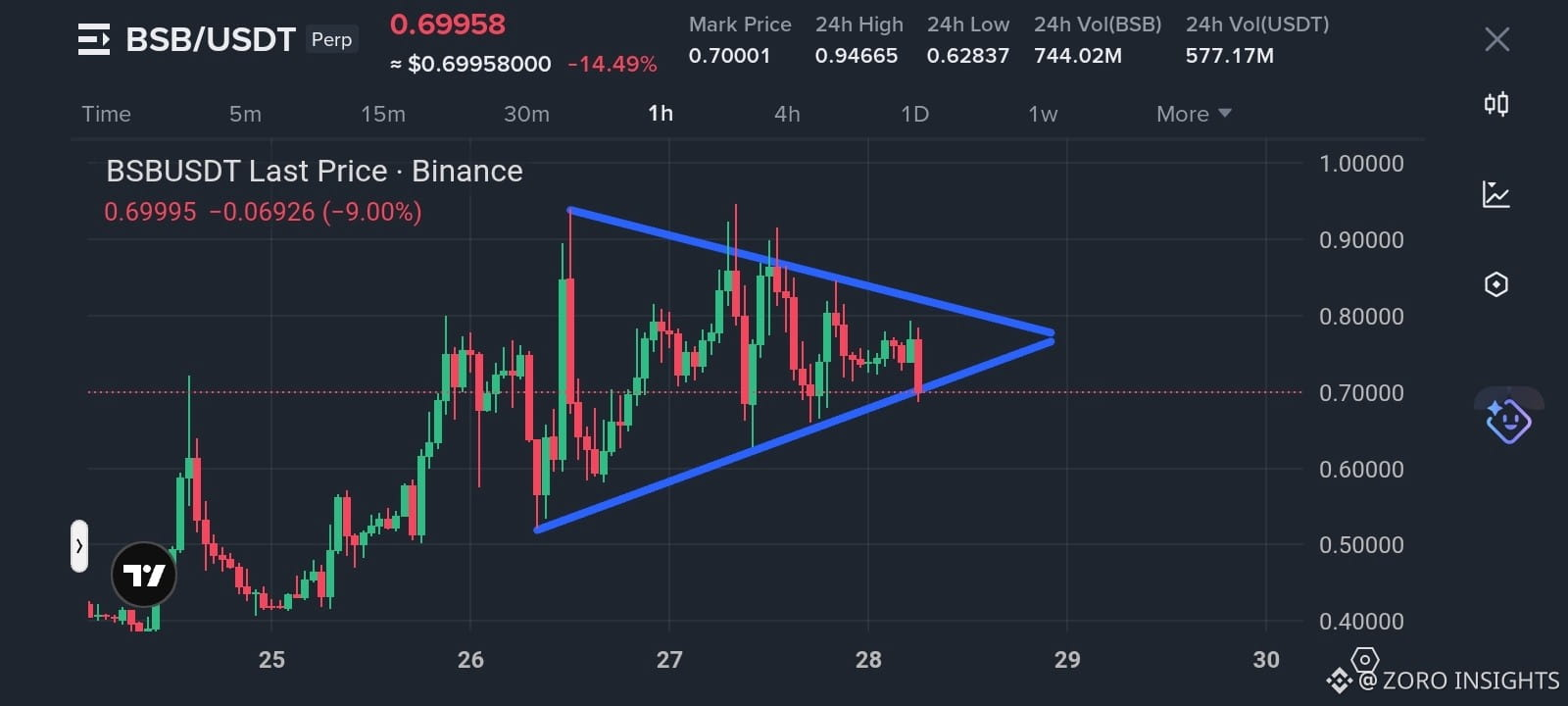
$BSB is forming an ascending chart pattern after the bullish move.
Price is making higher lows, but the upside is getting capped — a structure that often signals potential weakness.
If this ascending pattern breaks to the downside, it can lead to a strong bearish move.
Wait for a clean breakdown confirmation before entering any short position.
No confirmation, no trade. Manage your risk.
$BSB is forming an ascending chart pattern after the bullish move.
Price is making higher lows, but the upside is getting capped — a structure that often signals potential weakness.
If this ascending pattern breaks to the downside, it can lead to a strong bearish move.
Wait for a clean breakdown confirmation before entering any short position.
No confirmation, no trade. Manage your risk.
Price is making higher lows, but the upside is getting capped — a structure that often signals potential weakness.
If this ascending pattern breaks to the downside, it can lead to a strong bearish move.
Wait for a clean breakdown confirmation before entering any short position.
No confirmation, no trade. Manage your risk.
2
422
·
--
Рост
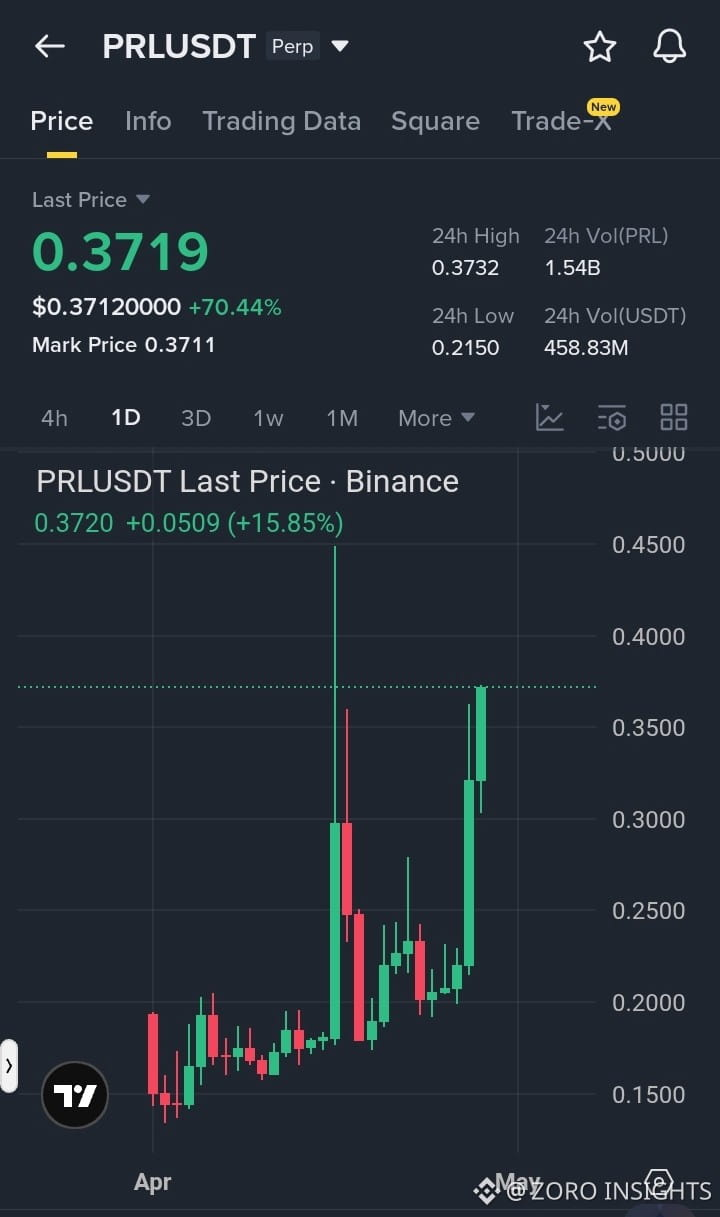
Don’t rush to short $PRL
Why short it?
Do you actually have a valid setup — or are you just reacting to the move?
Question your bias before entering any trade. No confirmation = no trade.
Don’t gamble. Trade with a plan and manage your risk.
Don’t rush to short $PRL
Why short it?
Do you actually have a valid setup — or are you just reacting to the move?
Question your bias before entering any trade. No confirmation = no trade.
Don’t gamble. Trade with a plan and manage your risk.
Why short it?
Do you actually have a valid setup — or are you just reacting to the move?
Question your bias before entering any trade. No confirmation = no trade.
Don’t gamble. Trade with a plan and manage your risk.
1
210
·
--
Падение
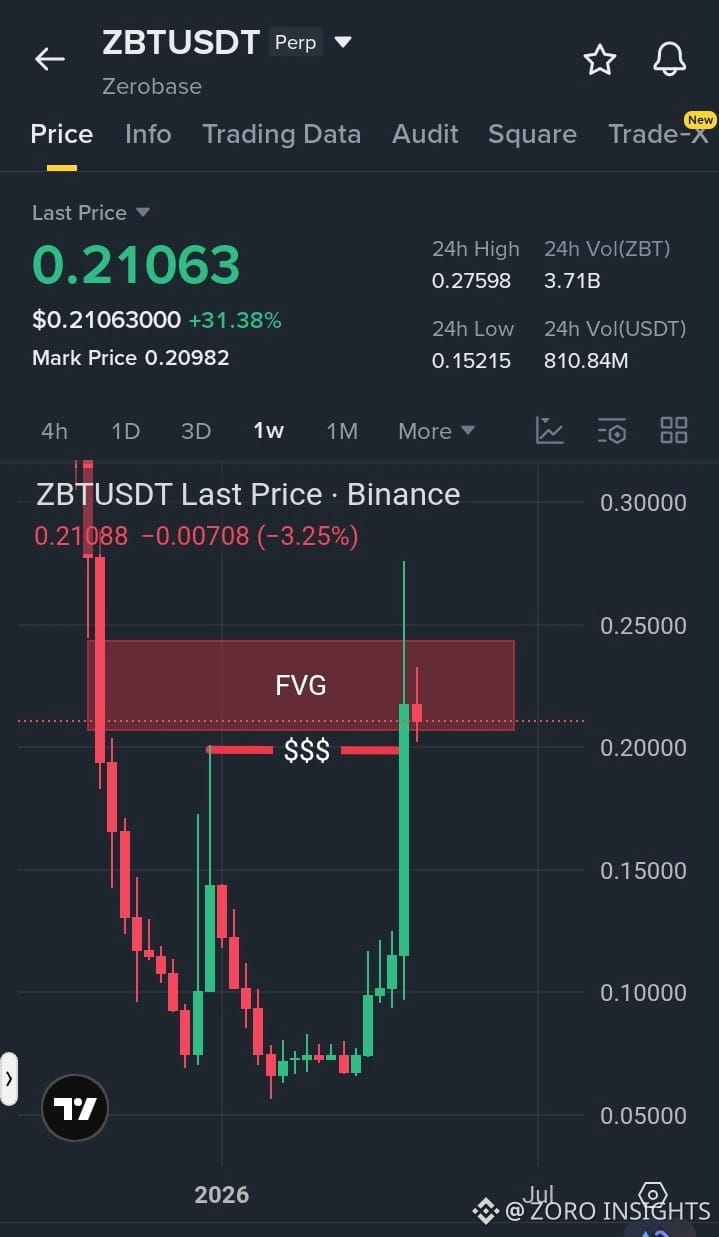
This is a classic SMC short setup — but it’s formed on the 1W timeframe, so it’s not ideal for direct execution.
Instead, use it to define your higher timeframe bias, which is currently bearish.
Now drop down to your entry timeframes and look for confirmation to execute short setups on $ZBT .
Stay disciplined and manage your risk.
{future}(ZBTUSDT)
This is a classic SMC short setup — but it’s formed on the 1W timeframe, so it’s not ideal for direct execution.
Instead, use it to define your higher timeframe bias, which is currently bearish.
Now drop down to your entry timeframes and look for confirmation to execute short setups on $ZBT .
Stay disciplined and manage your risk.
Instead, use it to define your higher timeframe bias, which is currently bearish.
Now drop down to your entry timeframes and look for confirmation to execute short setups on $ZBT .
Stay disciplined and manage your risk.
1
148
·
--
Падение
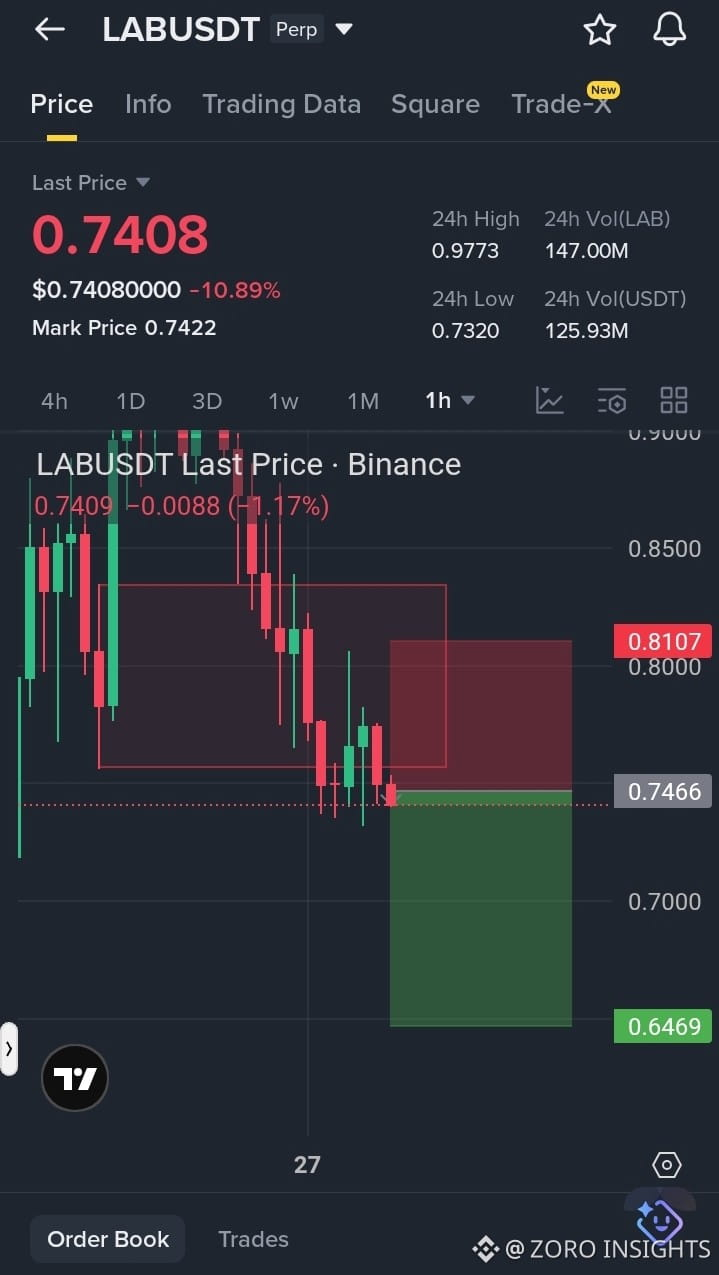
$LAB / USDT showing a relief bounce into resistance with clear rejection candles — bearish continuation looks likely.
Short $LAB
Entry: Now
SL: 0.8107
TP: 0.6469
Trade smart and manage your risk.
{future}(LABUSDT)
$LAB / USDT showing a relief bounce into resistance with clear rejection candles — bearish continuation looks likely.
Short $LAB
Entry: Now
SL: 0.8107
TP: 0.6469
Trade smart and manage your risk.
Short $LAB
Entry: Now
SL: 0.8107
TP: 0.6469
Trade smart and manage your risk.
1
197
·
--
Рост
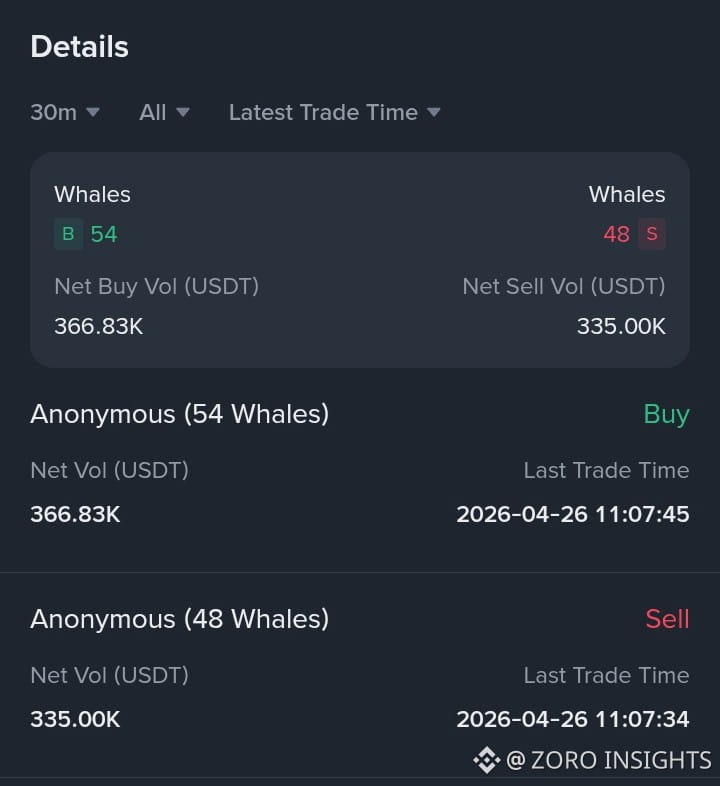
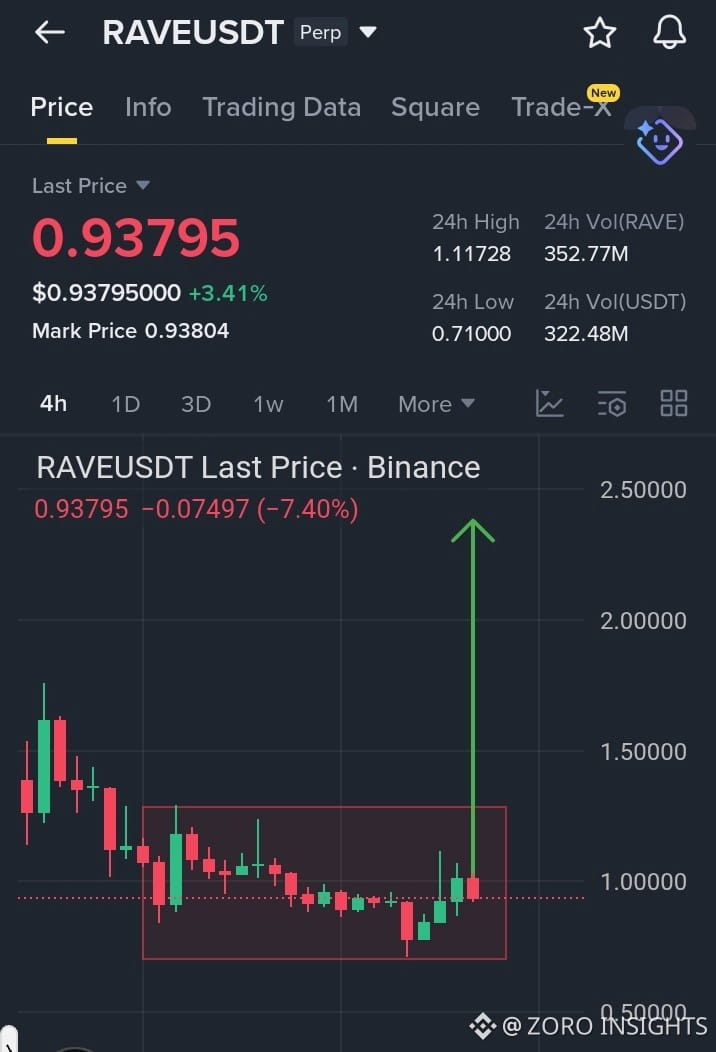
Latest $RAVE whale transactions show buying volume outweighing selling pressure — a sign that big players may be accumulating.
This suggests growing interest from whales and potential strength building at current levels.
Are you planning to buy the dip on $RAVE, or waiting for more confirmation? Always manage your risk.
Latest $RAVE whale transactions show buying volume outweighing selling pressure — a sign that big players may be accumulating.
This suggests growing interest from whales and potential strength building at current levels.
Are you planning to buy the dip on $RAVE , or waiting for more confirmation? Always manage your risk.
This suggests growing interest from whales and potential strength building at current levels.
Are you planning to buy the dip on $RAVE , or waiting for more confirmation? Always manage your risk.
2
435
·
--
Падение
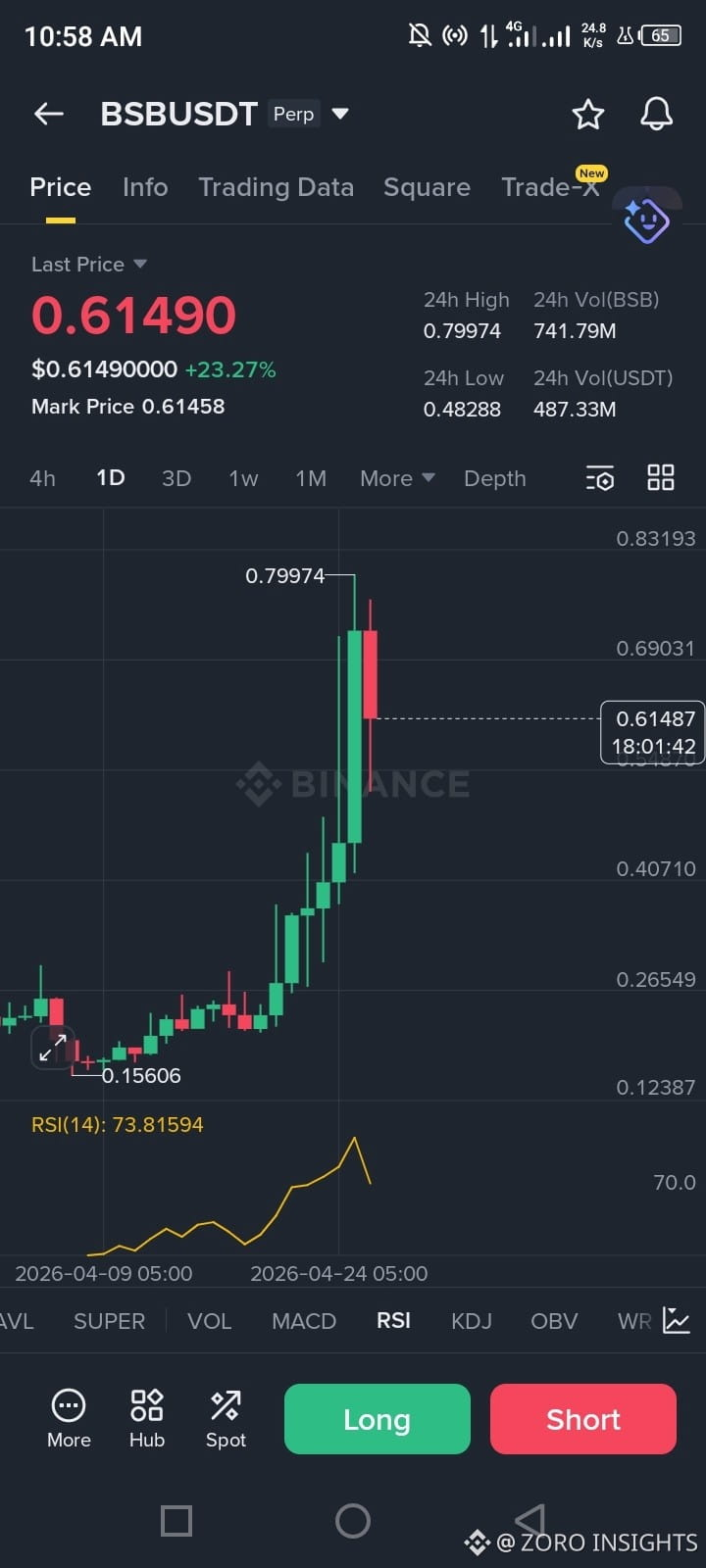
In just 19 days, $BSB pumped from 0.15 to 0.61 — a near parabolic move with barely any meaningful pullbacks.
But moves like this don’t sustain for long. Dumps are usually sharper and happen faster than the pump itself.
Now we’re seeing the first major warning signs:
• A strong red candle after extended upside
• RSI reacting from overbought levels
This shift suggests momentum is weakening.
It might be a good time to close your $BSB longs or start planning a potential short setup. Always wait for confirmation and manage your risk.
In just 19 days, $BSB pumped from 0.15 to 0.61 — a near parabolic move with barely any meaningful pullbacks.
But moves like this don’t sustain for long. Dumps are usually sharper and happen faster than the pump itself.
Now we’re seeing the first major warning signs:
• A strong red candle after extended upside
• RSI reacting from overbought levels
This shift suggests momentum is weakening.
It might be a good time to close your $BSB longs or start planning a potential short setup. Always wait for confirmation and manage your risk.
But moves like this don’t sustain for long. Dumps are usually sharper and happen faster than the pump itself.
Now we’re seeing the first major warning signs:
• A strong red candle after extended upside
• RSI reacting from overbought levels
This shift suggests momentum is weakening.
It might be a good time to close your $BSB longs or start planning a potential short setup. Always wait for confirmation and manage your risk.
2
272
·
--
Падение
1
243
·
--
Рост
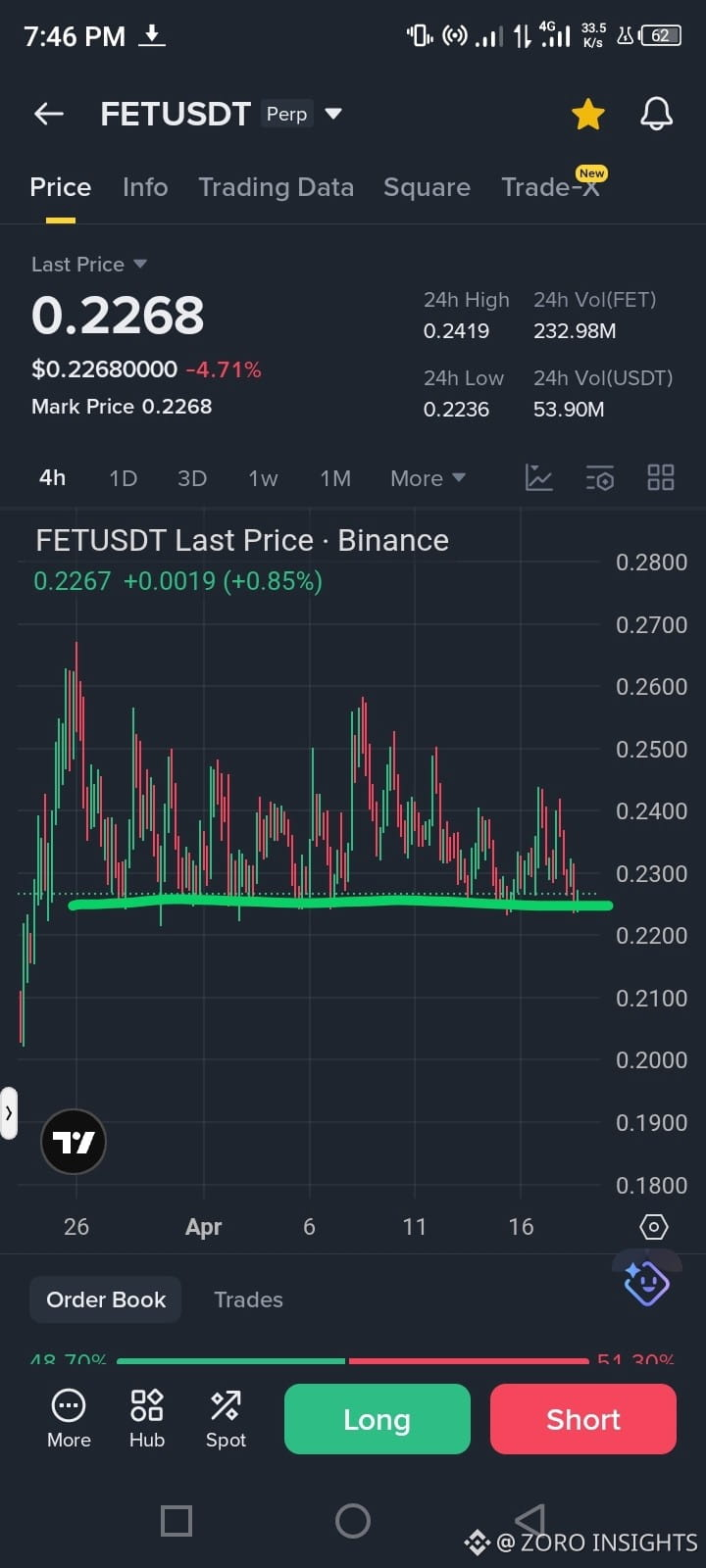
$FET is holding a strong support level with a clear bullish reaction — a long setup looks ready.
Long $FET
TP1: 0.2324
TP2: 0.2404
SL: 0.2228
Trade smart and manage your risk properly.
$FET is holding a strong support level with a clear bullish reaction — a long setup looks ready.
Long $FET
TP1: 0.2324
TP2: 0.2404
SL: 0.2228
Trade smart and manage your risk properly.
Long $FET
TP1: 0.2324
TP2: 0.2404
SL: 0.2228
Trade smart and manage your risk properly.
1
133
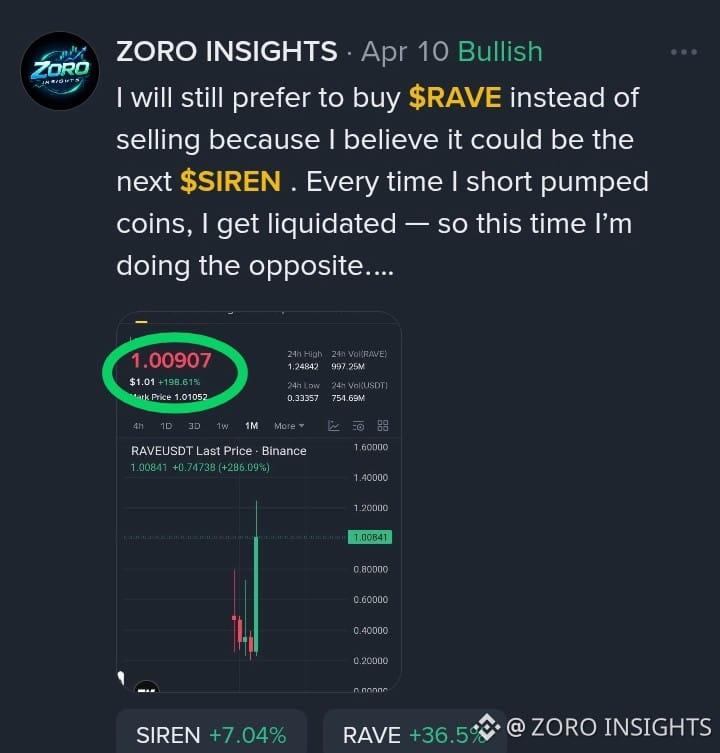
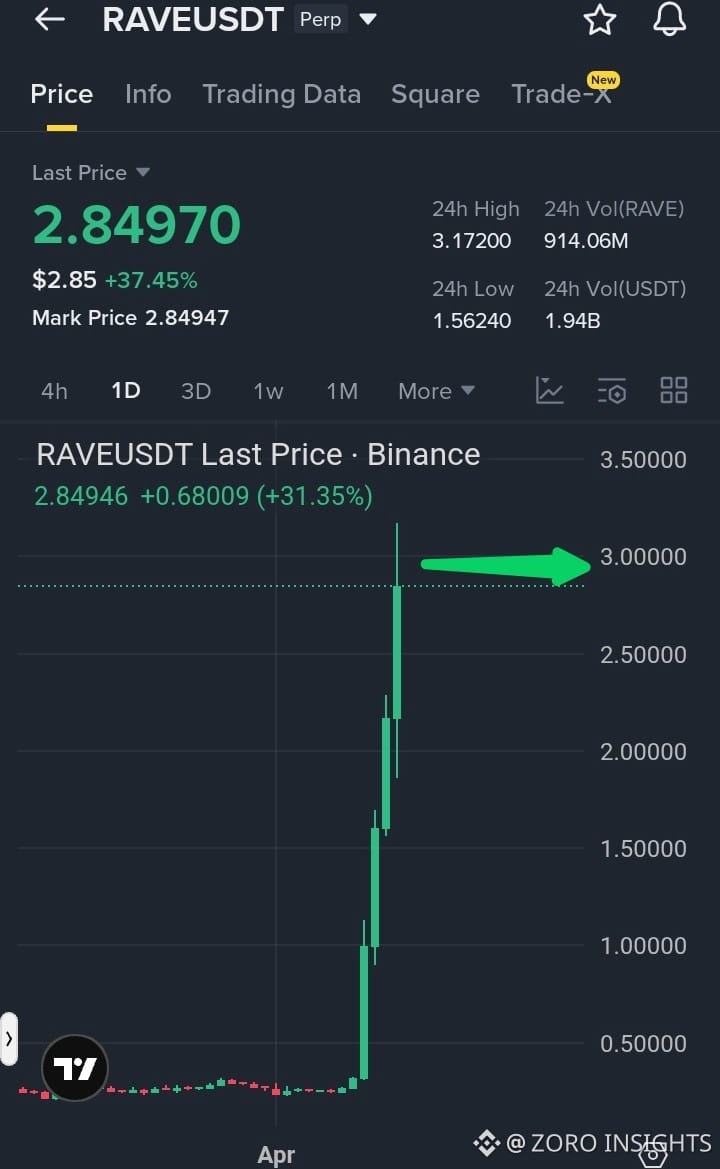
$RAVE from $1 → $3 in just 3 days 🚀
Not my first call 👇
$COAI : $0.5 → $20 → $0.5
$RIVER : $10 → $50 📈
$RAVE from $1 → $3 in just 3 days 🚀
Not my first call 👇
$COAI : $0.5 → $20 → $0.5
$RIVER : $10 → $50 📈
Not my first call 👇
$COAI : $0.5 → $20 → $0.5
$RIVER : $10 → $50 📈
2
497
·
--
Падение
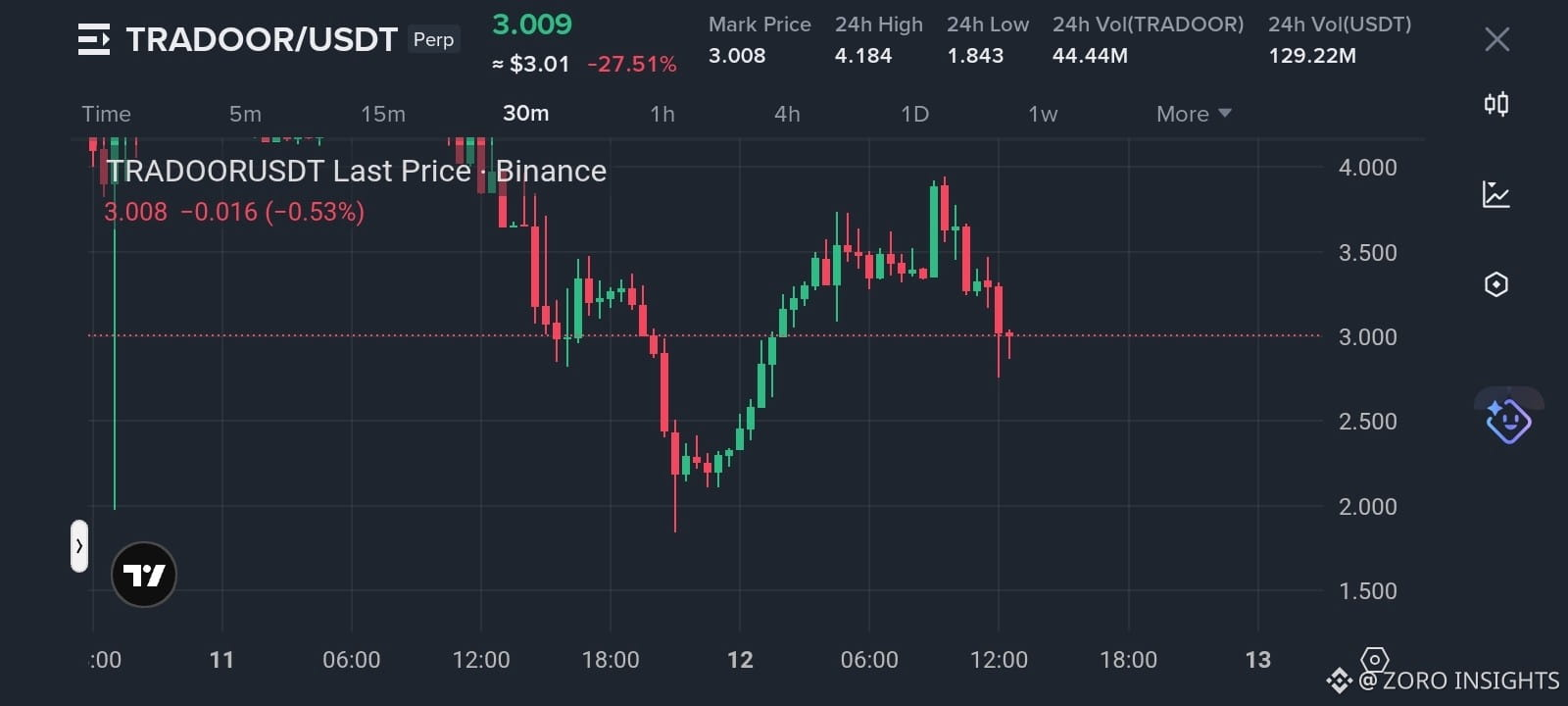
$TRADOOR is playing a simple bearish continuation 📉
Move below $2 looks confirmed — market structure + liquidity sweep 👀
$TRADOOR is playing a simple bearish continuation 📉
Move below $2 looks confirmed — market structure + liquidity sweep 👀
Move below $2 looks confirmed — market structure + liquidity sweep 👀
1
46
·
--
Падение
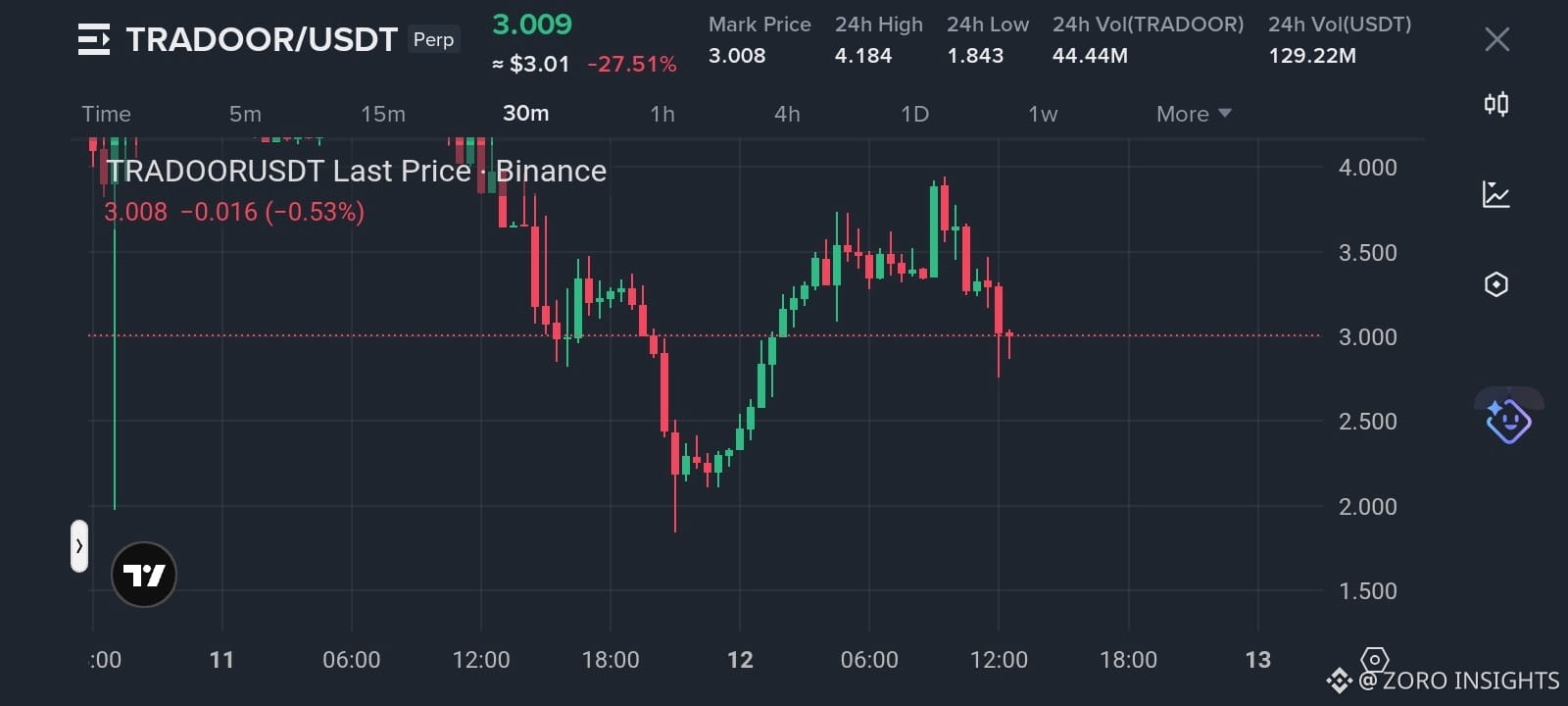
$TRADOOR is playing a simple bearish continuation 📉
Move below $2 looks confirmed — market structure + liquidity sweep 👀
$TRADOOR is playing a simple bearish continuation 📉
Move below $2 looks confirmed — market structure + liquidity sweep 👀
Move below $2 looks confirmed — market structure + liquidity sweep 👀
1
104
·
--
Падение
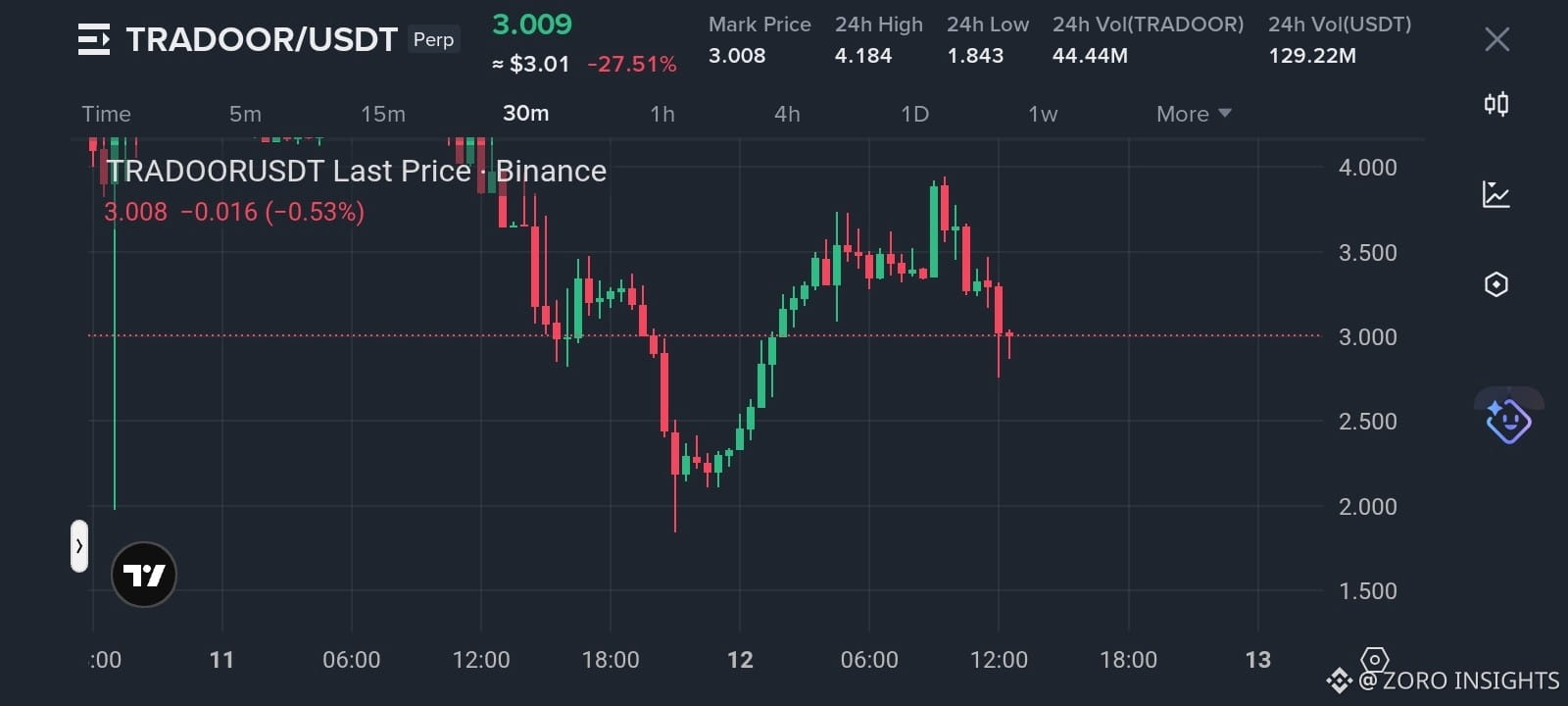
$TRADOOR is playing a simple bearish continuation 📉
Move below $2 looks confirmed — market structure + liquidity sweep 👀
$TRADOOR is playing a simple bearish continuation 📉
Move below $2 looks confirmed — market structure + liquidity sweep 👀
Move below $2 looks confirmed — market structure + liquidity sweep 👀
1
81
·
--
Рост
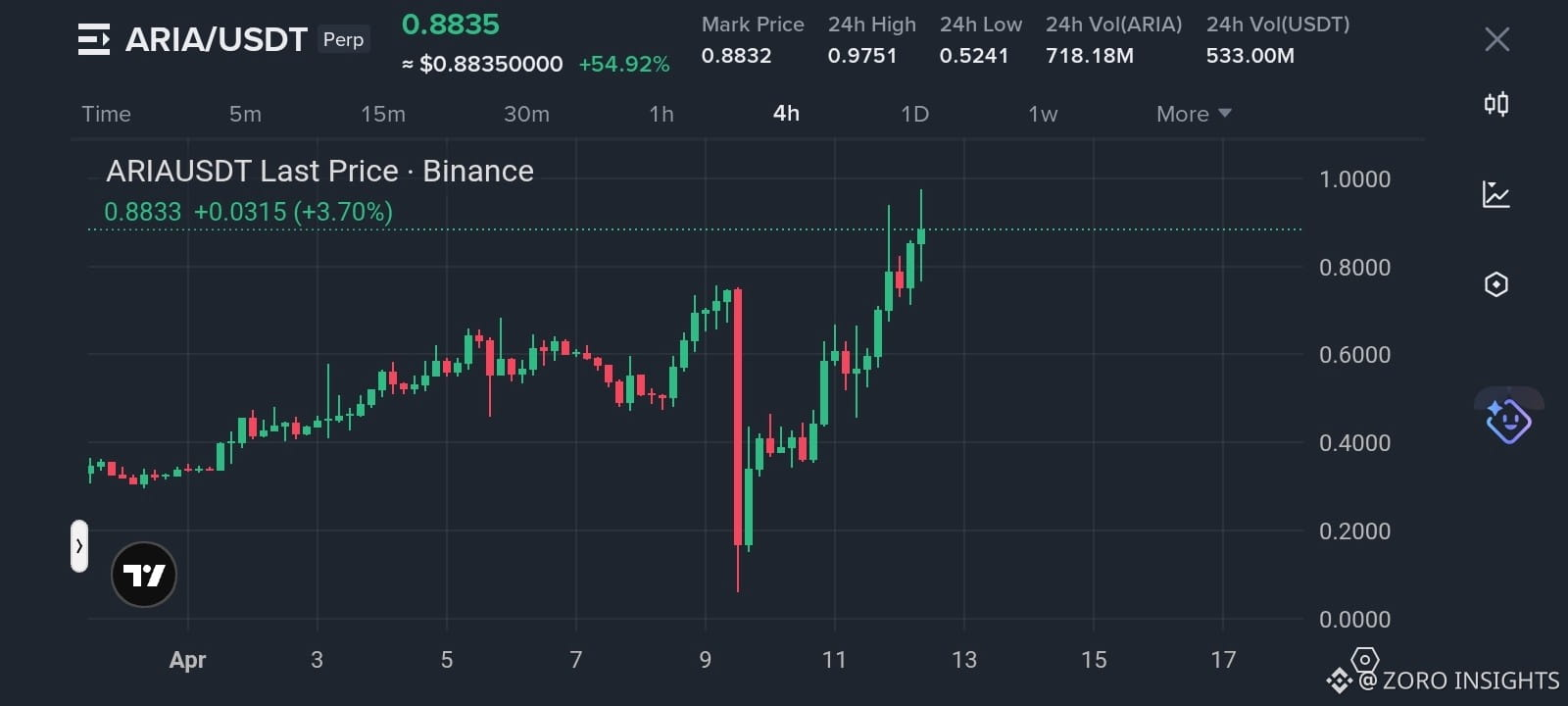
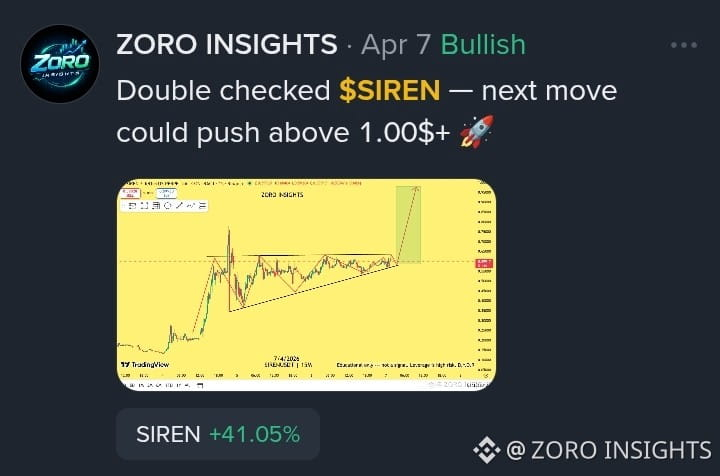
Is $ARIA the next $SIREN ? 🤔
Possible top at $2 like $RAVE ? 📈
Is $ARIA the next $SIREN ? 🤔
Possible top at $2 like $RAVE ? 📈
Possible top at $2 like $RAVE ? 📈
1
2
684
·
--
Падение
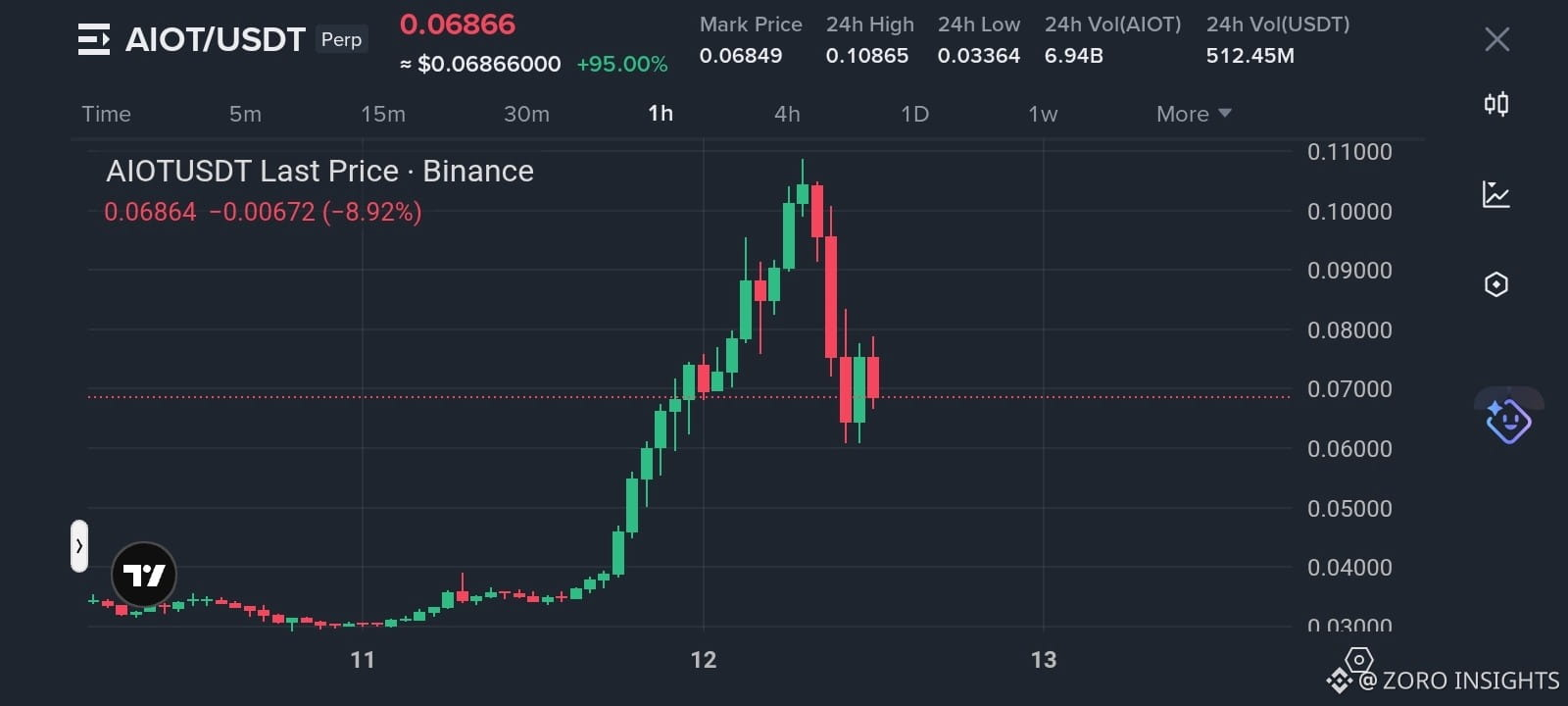
🚨 $AIOT 1H market structure shift — clear warning for longs ⚠️
🚨 $AIOT 1H market structure shift — clear warning for longs ⚠️
2
159
·
--
Падение
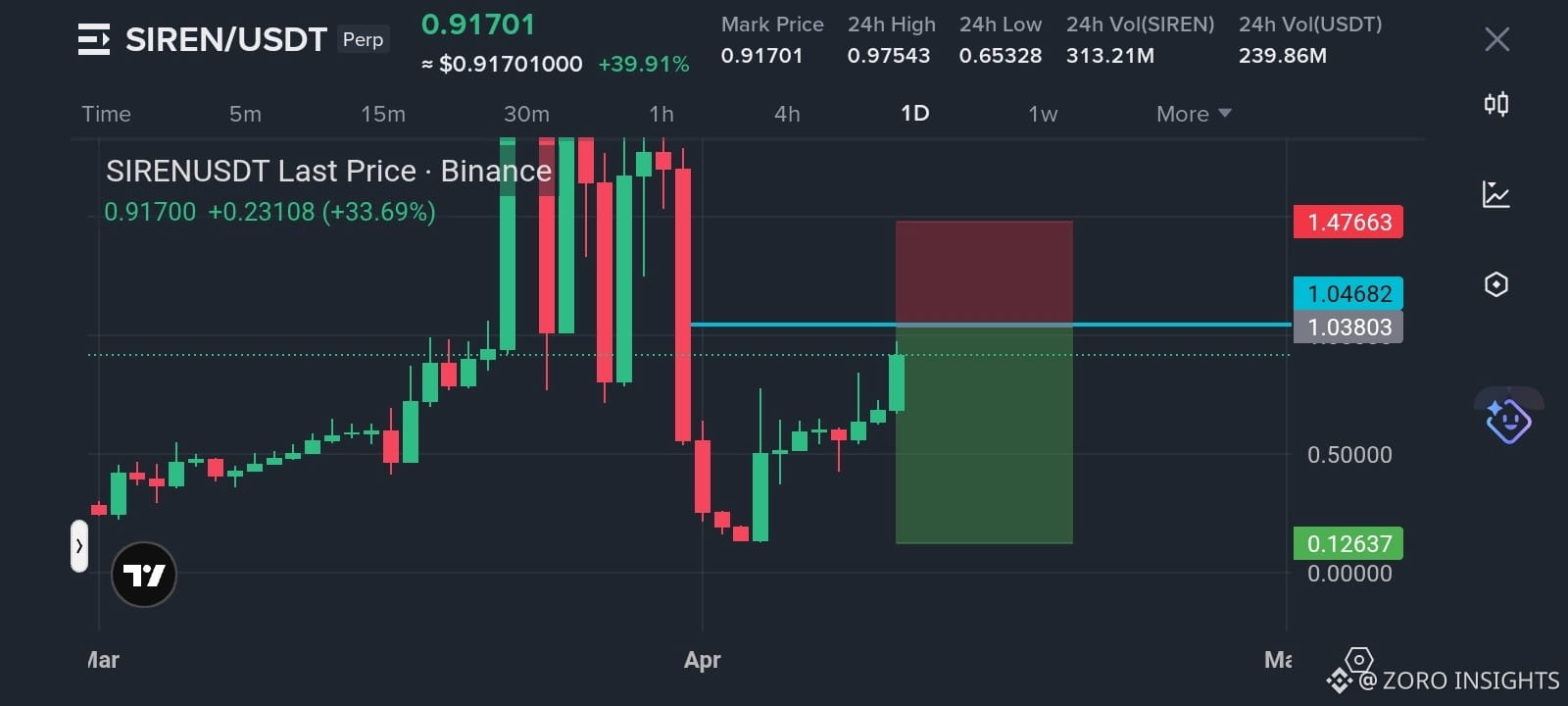
$SIREN short setup is ready 💪
Waiting for confirmation 🔥
What about you? 🤔
Want my exact setup? Comment 💭
$SIREN short setup is ready 💪
Waiting for confirmation 🔥
What about you? 🤔
Want my exact setup? Comment 💭
Waiting for confirmation 🔥
What about you? 🤔
Want my exact setup? Comment 💭
1
172
·
--
Падение
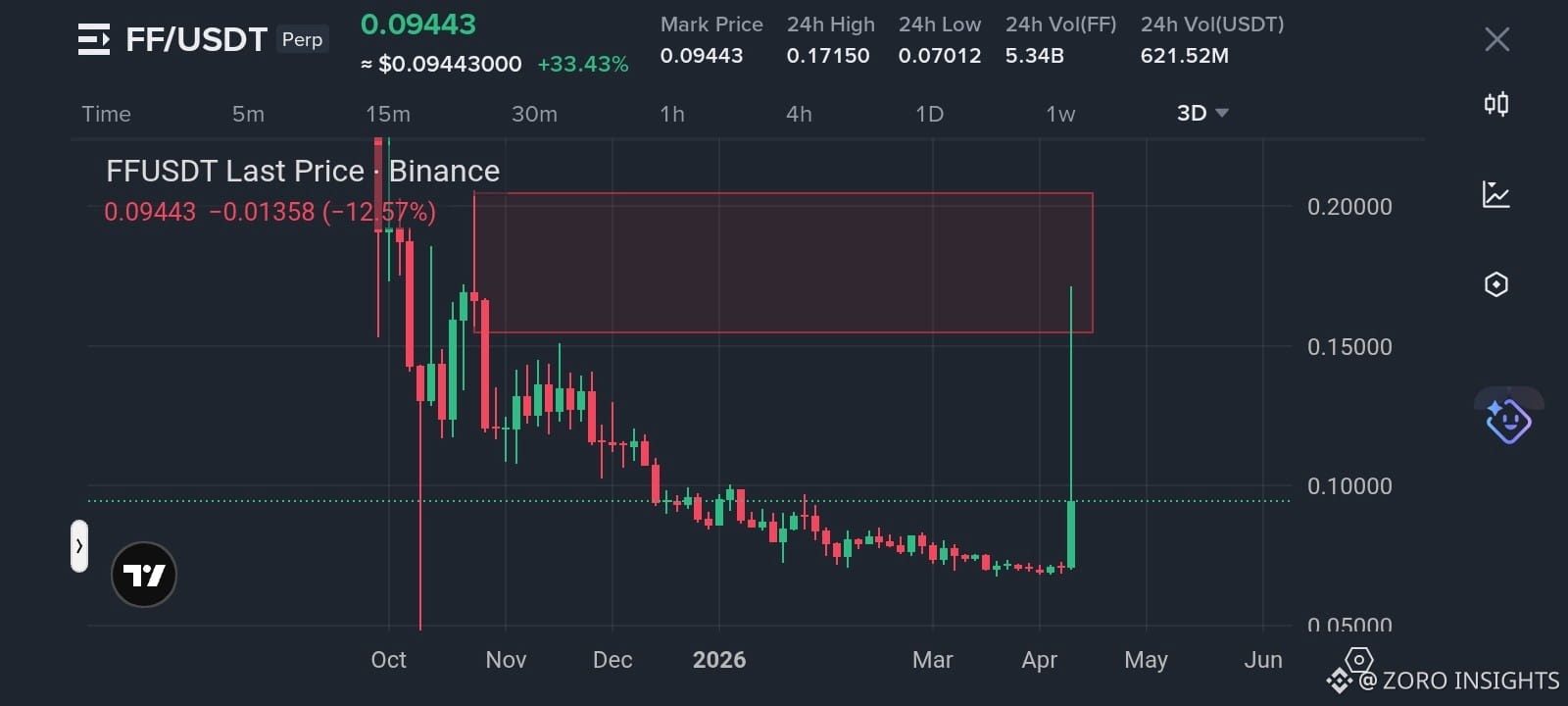
$FF / USDT swept liquidity above major highs ⚡ Tapped 3D resistance and rejected 📉 Want a short setup? Comment “Yes” 👇
$FF / USDT swept liquidity above major highs ⚡ Tapped 3D resistance and rejected 📉 Want a short setup? Comment “Yes” 👇
1
102
·
--
Падение
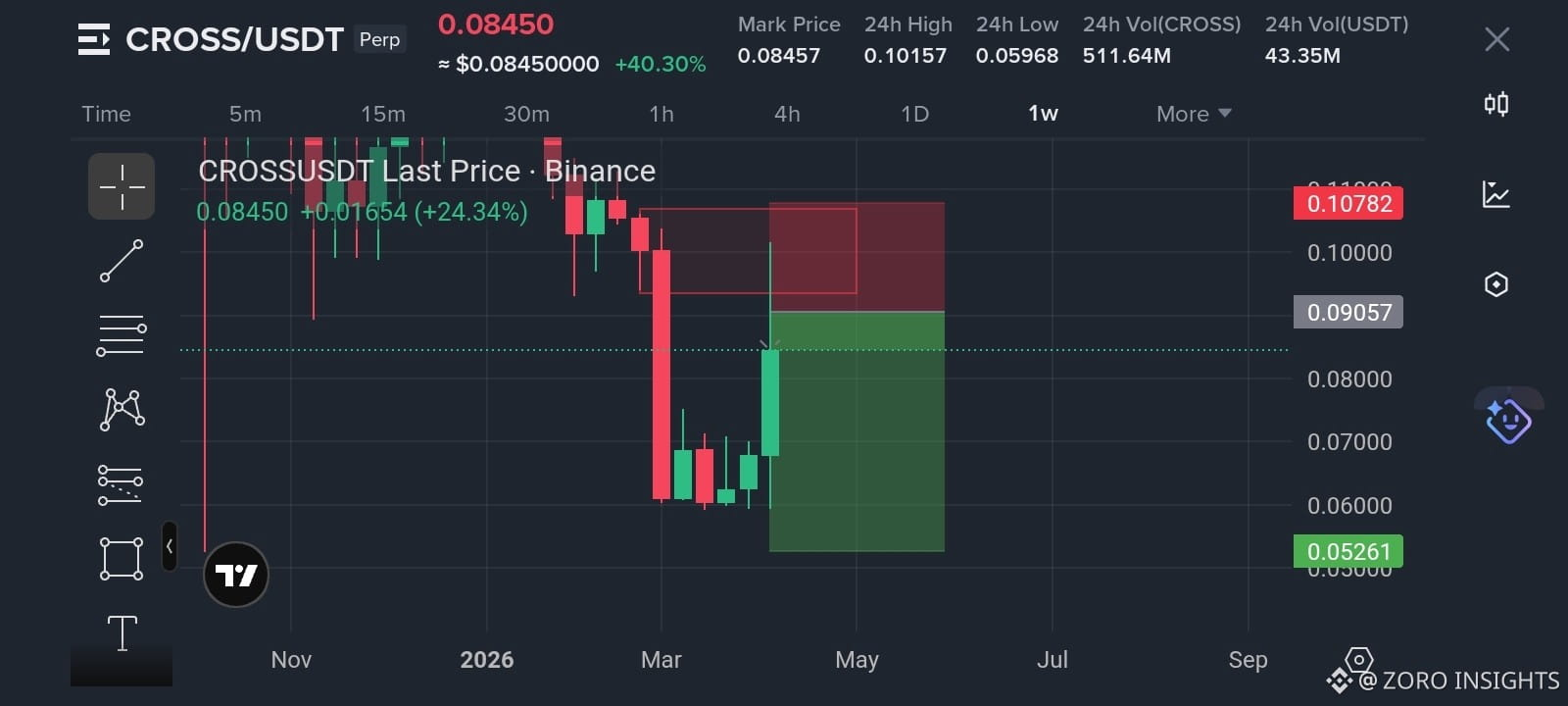
$CROSS / USDT rejected from the 1W order block — simply a supply/resistance zone 📉
👉 Next move could be a dump toward 0.05261
$CROSS / USDT rejected from the 1W order block — simply a supply/resistance zone 📉
👉 Next move could be a dump toward 0.05261
👉 Next move could be a dump toward 0.05261
1
106
·
--
Рост
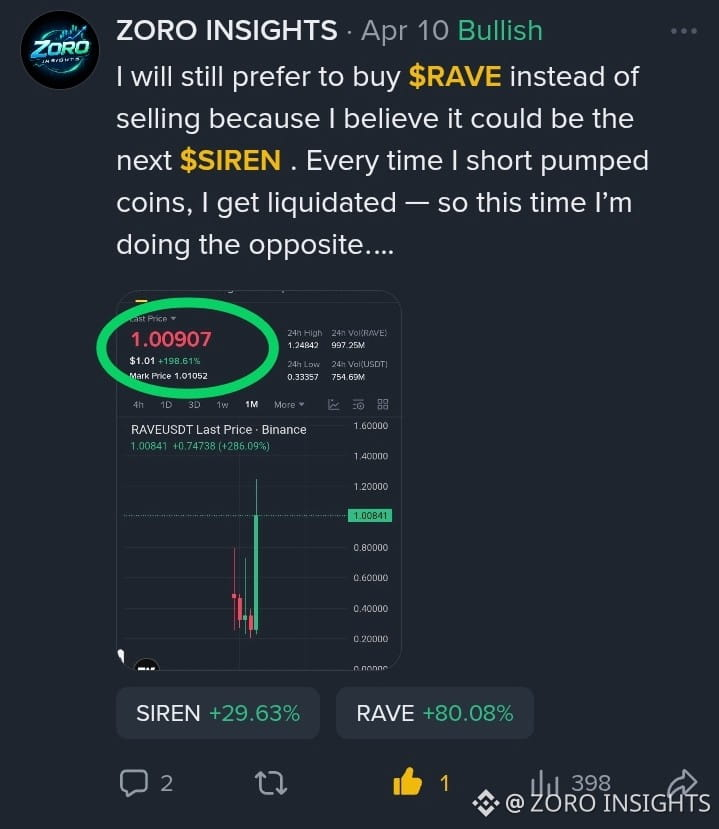
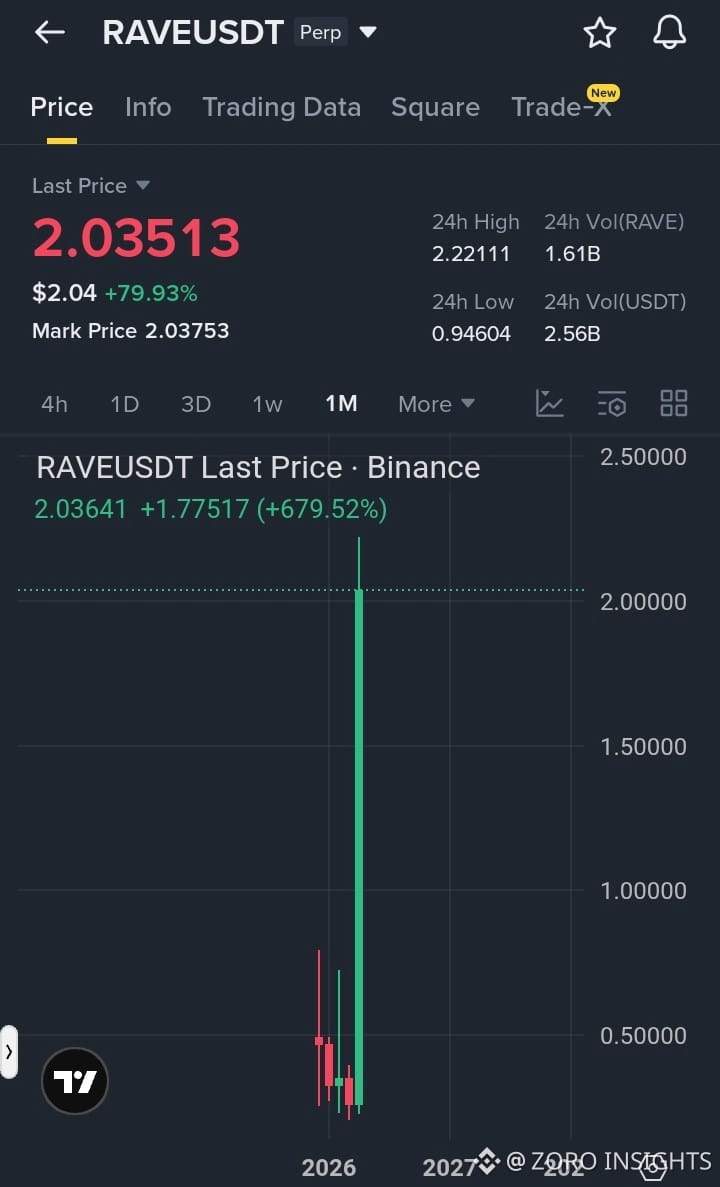
If you had invested $100 yesterday when I said buy $RAVE…
Today it would be 2x (100% return) 💰
$100 → $200
👉 You still have time, but invest wisely
Use only 1% of your portfolio
Doesn’t matter if it’s $0.1 or $10 —
making consistent profit is the goal 🎯
{future}(RAVEUSDT)
If you had invested $100 yesterday when I said buy $RAVE…
Today it would be 2x (100% return) 💰
$100 → $200
👉 You still have time, but invest wisely
Use only 1% of your portfolio
Doesn’t matter if it’s $0.1 or $10 —
making consistent profit is the goal 🎯
Today it would be 2x (100% return) 💰
$100 → $200
👉 You still have time, but invest wisely
Use only 1% of your portfolio
Doesn’t matter if it’s $0.1 or $10 —
making consistent profit is the goal 🎯
1
505
·
--
Рост
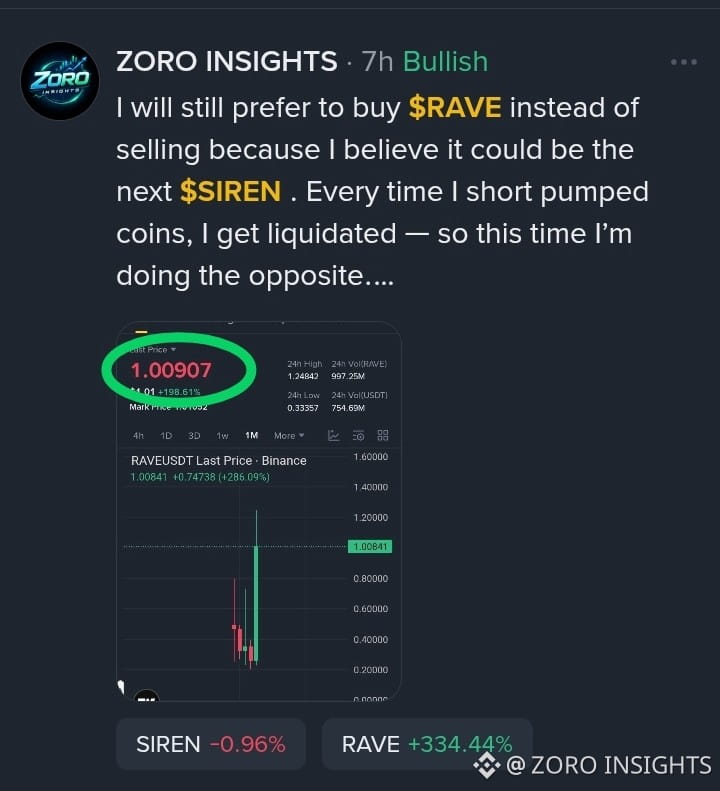
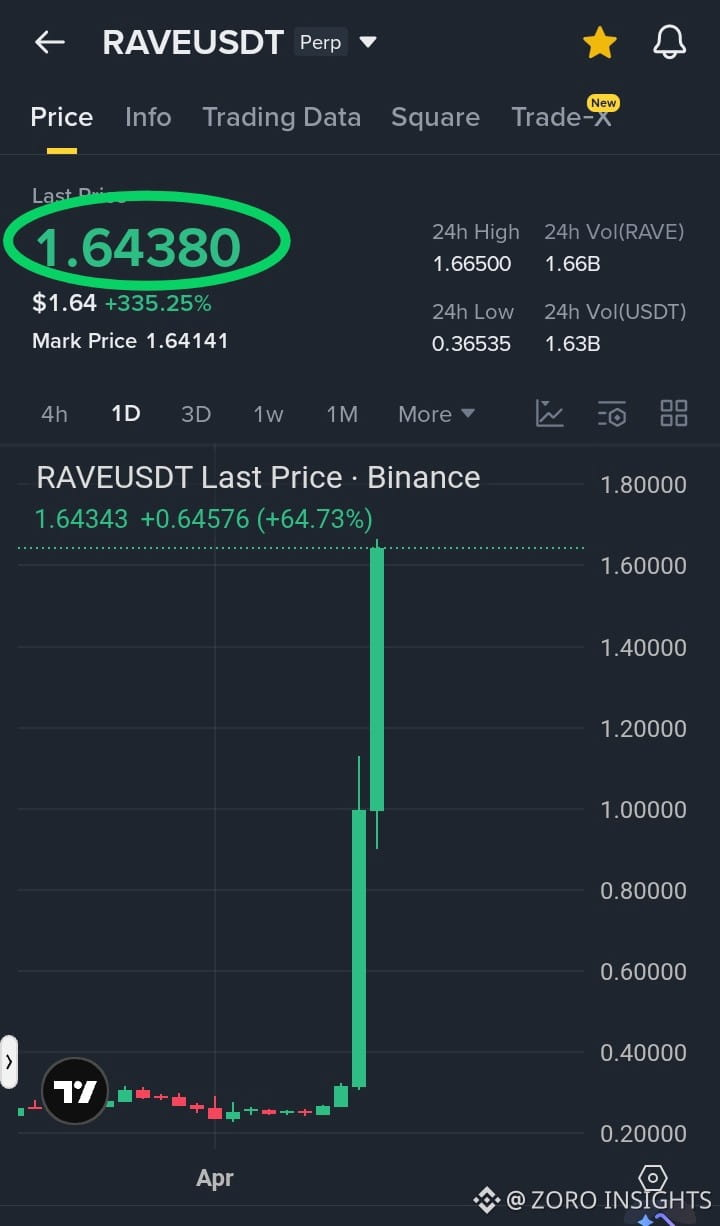
No one wants free advice… but I’m enjoying profits after a long time 💰🚀
Thanks $RAVE 🔥
{future}(RAVEUSDT)
No one wants free advice… but I’m enjoying profits after a long time 💰🚀
Thanks $RAVE 🔥
Thanks $RAVE 🔥
1
399
Войдите, чтобы посмотреть больше материала
Присоединяйтесь к пользователям криптовалют по всему миру на Binance Square
⚡️ Получайте новейшую и полезную информацию о криптоактивах.
💬 Нам доверяет крупнейшая в мире криптобиржа.
👍 Получите достоверные аналитические данные от верифицированных создателей контента.
Эл. почта/номер телефона
В тренде
BinanceLaunchesBinanceIntelligence
Просмотров: 100,939
1,075 обсуждают
BINANCE ĐANG ĐƯA AI VÀO GIAO DỊCH
Một cập nhật khá đáng chú ý từ Binance.
Giờ đây người dùng có thể mô tả ý tưởng giao dịch bằng ngôn ngữ bình thường, Binance AI Pro sẽ tự xây dựng thành một chiến lược hoàn chỉnh.
Không cần code.
Người dùng vẫn phải duyệt trước khi chiến lược được thực hiện. Mỗi chiến lược giao dịch thật cũng chạy trong một tài khoản phụ riêng và AI không được tự ý chuyển tiền.
Phần xem trước chiến lược được miễn phí.
Còn nếu muốn giao dịch thật thì gói Premium dự kiến có giá 19,99 USDC/tháng, bắt đầu triển khai từ nửa cuối tháng 10.
Điểm Mây thấy thú vị nhất là Binance đang biến việc xây bot giao dịch thành thứ dễ tiếp cận hơn rất nhiều.
Trước đây muốn tự động hóa chiến lược thường phải biết code. Giờ chỉ cần mô tả mình muốn hệ thống làm gì.
Nhưng AI vẫn là AI. Chiến lược được tạo ra không đồng nghĩa với chiến lược sẽ có lợi nhuận.
Mây nghĩ đây sẽ là một xu hướng rất đáng theo dõi trong thời gian tới khi AI bắt đầu tham gia sâu hơn vào trading.
Follow Mây để cập nhật thêm những thay đổi đáng chú ý trong crypto nhé. #binancelaunchesbinanceintelligence #TinFed #TheoDõiFOMC #ETHUp70%InQ3ButLiquidityFalls $BTC $ETH $BNB
Mây Làm Crypto
·Лайков: 12
·Просмотров: 14.3k
StriveBuys2000BTCFor$169M
Просмотров: 2,927
48 обсуждают
EvernorthXRPTreasuryCompletesSPACMerger
Просмотров: 68,562
730 обсуждают