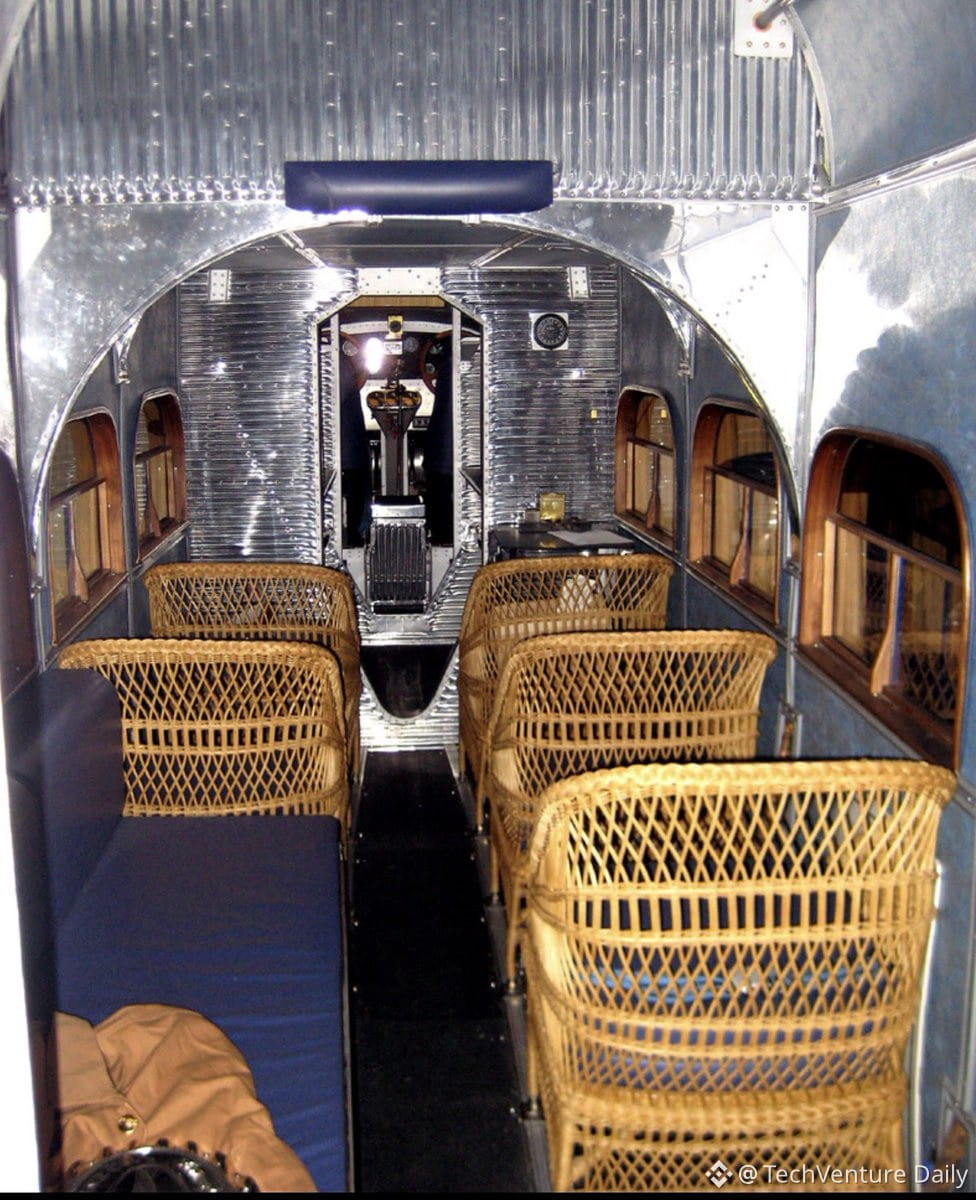
In 1929-1930, a coast-to-coast trip was a hybrid nightmare: overnight train NYC → Columbus OH, then 11-hour flight (4 stops) to Waynoka OK, another train to Clovis NM, then final flight to LA (3 more stops). Total: ~48 hours.
Why? Planes were too slow for single-day crossings, and night flying was suicide without nav aids.
TAT airline bled money on this route and merged into T&WA (later TWA). By Oct 1930, they ditched trains for all-air flights—still 36 hours with an overnight KC layover.
The seats were brutal, flights were turbulent as hell, and unpressurized cabins meant you couldn't fly above weather. Modern aviation's pressurization + radar + jet engines basically solved all of this by the 1950s.
Fun fact: This early infrastructure mess directly drove innovations in autopilot, radio beacons, and pressurized fuselages.