


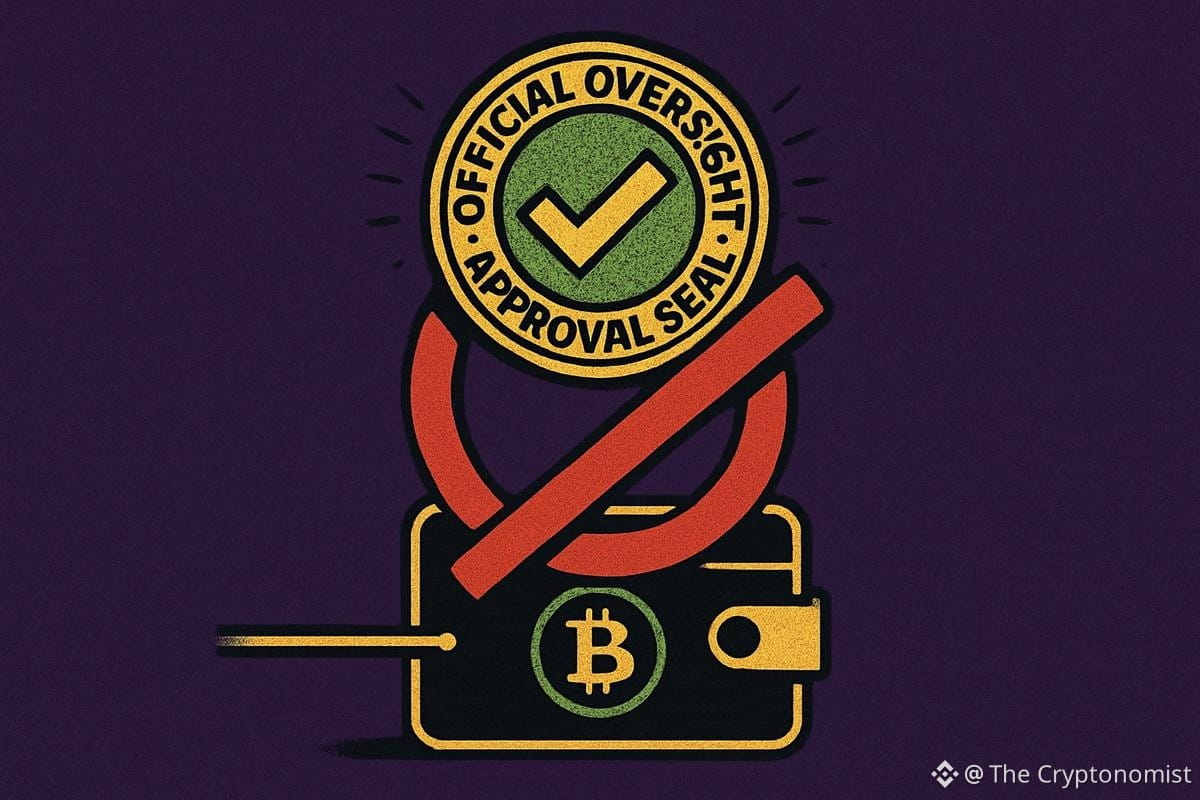
El Salvador’s Bitcoin experiment just got another formal check from its biggest lender. The International Monetary Fund approved an immediate disbursement of roughly $138 million to the Central American nation on October 1, 2026, even after Salvadoran authorities missed a performance target tied to Bitcoin accumulation. The waiver, granted alongside the completion of the Fund’s second and third program reviews, effectively locks in a shift in El Salvador Bitcoin policy away from direct state purchases and toward tighter oversight of whatever Bitcoin the government still holds.
Key takeaways
The IMF approved an immediate disbursement of SDR 101.96 million, about $138 million, after completing El Salvador’s second and third program reviews.
El Salvador missed a Bitcoin accumulation performance criterion but received an IMF waiver based on corrective measures and renewed commitments.
The IMF program now states that no further government-led Bitcoin accumulation is expected beyond documented donations.
Majority ownership and operational control of the Chivo wallet have moved to a private operator, reducing direct state involvement.
El Salvador’s economy grew an estimated 3.9% in 2025, with the IMF projecting 4.5% growth in 2026.
IMF Approves Funding Despite Bitcoin Accumulation Breach
The IMF‘s executive board released the funds despite finding that El Salvador had not met every condition tied to its lending program, including the one limiting Bitcoin purchases by the public sector. That combination of approval and breach is the core tension running through this entire story: the Fund kept the money flowing, but only after extracting assurances that direct government Bitcoin buying is effectively over.
The disbursement itself is sizable for a country of El Salvador’s size. The board’s sign-off unlocked SDR 101.96 million, which the IMF values at roughly $138 million, following the combined second and third reviews under the country’s Extended Fund Facility. The release came through immediately once the board completed its assessment.
The Waiver and What It Covers
Several performance criteria had not been fully met by El Salvador, and the Bitcoin accumulation condition was one of them. The IMF granted waivers on the basis of corrective measures and renewed commitments from Salvadoran authorities, rather than treating the breach as a program-ending violation. Crucially, the IMF agreement now states that no further accumulation is envisaged beyond documented donations — language that narrows, rather than eliminates, the country’s room to hold Bitcoin going forward.
Shift Away from Government Bitcoin Involvement
The clearest sign that El Salvador’s Bitcoin policy is being reshaped under IMF pressure is what happened to Chivo, the state-backed wallet that anchored the country’s original Bitcoin rollout. Majority ownership and operational control of Chivo have been transferred to a private operator, a move the IMF frames as a step toward unwinding direct state participation in Bitcoin-related activity.
Chivo Wallet Ownership Moves to Private Hands
Dan Katz, the IMF’s First Deputy Managing Director and chair of the board discussion, linked the Chivo transfer to that broader retreat from state involvement. He described the move as a welcome step, but he also said remaining public-sector exposure “should be fully unwound.” Katz added that regulations are being strengthened as the state’s role in Bitcoin-related activities continues to shrink, and he called for enhanced transparency and oversight of whatever public Bitcoin exposure remains on the books.
That distinction matters for anyone trying to understand where El Salvador Bitcoin policy is actually headed. The IMF isn’t demanding the country sell its existing holdings or abandon Bitcoin altogether. It’s demanding that the government stop adding to those holdings through state funds and that any residual exposure be disclosed and managed with far more scrutiny than before.
Economic Performance Behind the Deal
El Salvador’s economy is outperforming the IMF’s own earlier expectations, and that performance is part of why the Fund was willing to look past the missed Bitcoin target. The IMF credited sustained improvements in security and investor confidence for activity that exceeded its forecasts, alongside fiscal consolidation that advanced broadly in line with the program’s targets.
Growth, Reserves and Fiscal Consolidation
The IMF estimates real GDP expanded by 3.9% in 2025 and forecasts it will climb to 4.5% growth for 2026, while gross international reserves are pegged at $4.814 billion for 2025 and are expected to reach $5.346 billion in 2026 — figures the Fund cites as proof that reserve and liquidity benchmarks have been clearly surpassed. That reserve buildup underpins the program’s broader push to rebuild the country’s external financial buffers, even as the Bitcoin conversation dominates headlines.
Why does this matter beyond El Salvador’s borders? Because the IMF is effectively showing other governments that experimented with sovereign crypto holdings a template: keep the macro fundamentals solid, accept tighter conditions on digital-asset accumulation, and financing can continue. For investors watching how institutional lenders treat countries with unconventional crypto policies, this waiver is a data point worth tracking.
What Comes Next for El Salvador’s Bitcoin Policy
The program’s next phase centers on closing the gap between what the government still holds and how transparently that exposure is reported. The IMF has made clear it wants El Salvador to strengthen disclosure around any remaining public Bitcoin assets and to keep building out regulatory and governance structures for crypto more broadly.
Program Terms and Future Oversight
Approved on February 26, 2025, the Extended Fund Facility spans 40 months and offers total access of roughly $1.4 billion, and this newest disbursement signals most clearly that the IMF plans to continue the financing so long as El Salvador adheres to the narrower Bitcoin-related pledges in the existing deal — halting any further state-driven accumulation, improving transparency, and steadily reducing direct government control over crypto infrastructure such as Chivo.
For a government that once marketed itself as the world’s boldest Bitcoin adopter, the terms of this deal mark a quieter chapter: one measured less in Bitcoin purchased and more in reserves rebuilt, growth sustained, and oversight promised.
Article produced with the assistance of artificial intelligence and reviewed by the editorial team.