


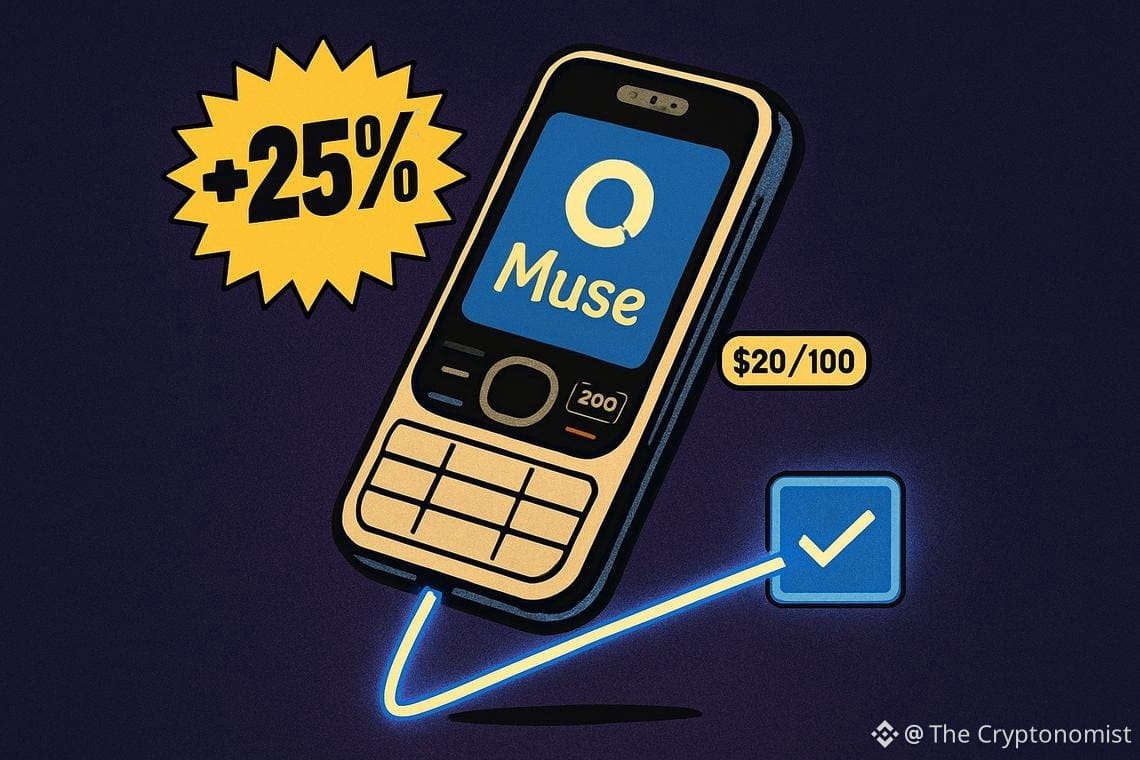
Meta just closed out its best month on the stock market in more than two years, and the reason wasn’t a new headset or a metaverse pivot. It was a piece of software that books your dinner reservations and argues with online sellers over price. The Meta AI assistant launch of an app called Muse on September 8 set off a rally that pushed shares up roughly 25% for the month, according to market data cited by Yahoo Finance and Bloomberg.
Key takeaways
Meta’s stock climbed about 25% in September 2026, its strongest monthly performance in over two years.
The rally was driven almost entirely by the launch of Muse, Meta’s personal AI assistant app, which debuted September 8 with free and paid tiers at $20 and $100 a month.
Muse reached number one in the US Apple App Store’s free apps category within its first week, outpacing ChatGPT.
Wells Fargo raised its Meta price target to $796, and Goldman Sachs and Morgan Stanley also flagged Muse as a turning point in the company’s AI strategy.
Mark Zuckerberg has described Muse as part of Meta’s push toward what he calls “personal superintelligence.”
Meta’s Best Stock Month in Years Fueled by AI Launch
Meta‘s September performance stands out because it broke a pattern of choppy, sideways trading that had defined much of the company’s stock action over the previous two years. The Meta stock rally wasn’t gradual — it accelerated sharply once Muse hit the market, and investors treated the app less like a gimmick and more like proof that Meta’s AI spending is starting to translate into product traction.
A 25% rally in September 2026
Shares of the social media giant climbed approximately 25% over the month, marking Meta’s strongest monthly gain in more than two years. That kind of move for a company of Meta’s size is unusual outside of earnings surprises, which is part of why Wall Street paid close attention to what was actually driving it.
A single-day surge adds fuel
The broader rally included a single-day jump of about 7%, a spike that lined up with growing attention to Muse’s early performance. For a stock the size of Meta’s, a move like that in one session signals more than routine trading noise — it reflects a real shift in how investors were pricing the company’s AI ambitions.
Muse: The Autonomous AI Assistant Driving Growth
Muse is not another chatbot competing for conversation share. It’s built to take a goal and actually go and execute it, which is the detail that seems to have caught both users and analysts off guard.
Launch details and subscription pricing
Muse launched on September 8 as a free download, with paid subscription tiers priced at $20 and $100 per month. The $20 tier is aimed at everyday consumers looking for basic task automation, while the $100 tier is positioned as a productivity tool for professionals and small businesses that need heavier use.
The app connects with third-party services like Gmail and Spotify, and it’s designed to handle multistep tasks without constant hand-holding — negotiating online purchases, booking reservations, and managing a user’s inbox are among the capabilities Meta has built into it. This kind of AI task automation is the core pitch: less typing, more doing.
What makes Muse different
What separates Muse from competing AI assistants is its emphasis on autonomous action rather than conversation. Instead of chatting back and forth, Muse is designed to take an instruction like finding a cheaper flight for a specific date and actually carry out the steps needed to make that happen.
Within its first week on the market, Muse climbed to the number one spot in the US Apple App Store’s free apps category, moving past established rivals including ChatGPT. That kind of ranking swing in seven days is a strong early signal of consumer curiosity, even if it doesn’t by itself prove Muse can hold onto paying subscribers over time.
Wall Street’s Response and What Comes Next
Financial firms didn’t wait long to recalibrate their view of Meta once Muse’s early numbers came in. Goldman Sachs, Wells Fargo, and Morgan Stanley all pointed to the app as a meaningful inflection point in Meta’s AI strategy, and several firms adjusted their price targets for the stock as a result.
Price target upgrades follow the launch
Wells Fargo raised its price target on Meta to $796, citing growing confidence that Muse could become a durable revenue stream rather than a short-lived novelty. That optimism builds on momentum that predates Muse entirely — Meta’s shares were already up roughly 38% from their March lows heading into the launch, meaning the AI assistant added to a rally that was already underway rather than starting one from scratch.
Mark Zuckerberg has framed the app as part of a broader ambition he calls “personal superintelligence” — the idea of an AI system that understands a user well enough to act on their behalf across the internet, not just answer questions about it. That framing matters for how investors read the Muse app features: this isn’t Meta chasing a chatbot trend, it’s positioning Muse as an early version of an assistant that manages tasks rather than just discusses them.
Meta’s annual Connect event is coming up, and the momentum from Muse gives Zuckerberg a stronger hand to play when he presents the company’s broader AI roadmap. Whether Muse’s early App Store ranking converts into lasting subscription revenue is the question Wall Street will be watching closely in the months ahead — for now, the market has rewarded the bet that autonomous AI action, not conversation, is where the next phase of the AI assistant race gets decided.
FAQ
What caused Meta’s stock to rise sharply in September 2026?
Meta’s stock rose about 25% primarily due to the launch of its AI assistant app Muse.
What are the key features of the Muse app?
Muse autonomously handles multistep tasks like booking reservations, negotiating purchases, and managing inboxes.
How is Muse priced for users?
Muse offers a free download with paid subscription tiers at $20 per month for consumers and $100 per month for professionals.
How has Wall Street reacted to Muse’s launch?
Several financial firms, including Wells Fargo, raised Meta’s stock price targets, highlighting Muse as a key AI strategy milestone.
Article produced with the assistance of artificial intelligence and reviewed by the editorial team.