

#imf
imf
Просмотров: 15.5M
48,203 обсуждают
Популярные
Новые

·
--
三个国家的经济总量,挤在两千亿美元不到的一条缝里。缝里排出了第四、第五、第六。
国际货币基金组织十月十二号那期《世界经济展望》,把二〇二七年的账提前算好了。日本四万四千七百亿美元,英国四万四千九百亿,印度四万五千二百亿。日本从现在的第四,掉到第六。
差多少。真不多。日本和英国之间隔着两百一十三亿,这个数占日本经济总量的半个百分点,印度比日本多出来的那部分也就五百多亿,一个零头,三个国家前后脚挤在不到两千亿美元的区间里,谁挪一下脚,名次就换。
增速那边倒是真有差距。差了七倍。印度明年后年都是七个点,英国一个三一个二,日本零点七。增量更直白,日本明年多一千二百五十六亿,印度多四千六百一十亿,英国多两千二百零五亿。日本那点增量,连印度的三分之一都不到,偏偏被写成国力崩塌。
可这半个百分点,撑得起「经济大国名存实亡」这八个字吗?
很多人以为日本是变穷了。其实没有。厂还在,人也在,工资照发,便利店照开。真正变的是尺子。名义 GDP 拿美元换算,日元从一百四十多跌到一百五十几,同一堆汽车、寿司和晶圆,换成美元就矮一截,名次跟着往下出溜。那会儿换过汇的人都有那个手感,同一笔钱早换半年,能多搬一台冰箱回家。国家的排名也吃这一套。
四月那期报告还说英国要二〇二九年才超,半年过去,提前了两年。改的其实不是英国跑快了,是日元又软了一截。二〇二三年德国超日本那次,同一套剧本,连台词都没换。
按我看,名次类新闻的信息量几乎全在汇率上,不在产出上。就这么两行字。产出差距得看增速和人均。日本人均还在四万美元上下,比印度高一个数量级。总量排名比的从来是谁的盘子大,不是谁的日子好。
往后怎么走,日本央行自己也没给过准话。利差就摆在那儿,美日之间那两百多个基点不收窄,日元就还得往下试探。挺无奈。反正没人敢拍胸脯说明年一定反转。
全世界都在用同一把尺子记账,那把尺子叫美元。链上稳定币是把尺子掰下来一截,塞进手机。土耳其人、阿根廷人、日本人,钱包里躺的是同一种东西,工资、房租、孩子学费、街角那家卖烤栗子的摊子挂在铁皮上的汇率纸板,全按它算。换了个口袋。尺子压根没换。一点没换。
比特币是另一回事。它不跟任何国家的 GDP 比大小,只跟自己的上限比。两千一百万,写完就锁,没有央行,也没有汇率牌价,干脆没人管。代价是它也不给你发工资,不替你交房租。
下次看到某个国家掉名次,先翻那一年的汇率,再翻增速。尺子动过,账就动过。
$BTC $USDC $ETH #IMF #日本经济 #日元 #宏观
三个国家的经济总量,挤在两千亿美元不到的一条缝里。缝里排出了第四、第五、第六。
国际货币基金组织十月十二号那期《世界经济展望》,把二〇二七年的账提前算好了。日本四万四千七百亿美元,英国四万四千九百亿,印度四万五千二百亿。日本从现在的第四,掉到第六。
差多少。真不多。日本和英国之间隔着两百一十三亿,这个数占日本经济总量的半个百分点,印度比日本多出来的那部分也就五百多亿,一个零头,三个国家前后脚挤在不到两千亿美元的区间里,谁挪一下脚,名次就换。
增速那边倒是真有差距。差了七倍。印度明年后年都是七个点,英国一个三一个二,日本零点七。增量更直白,日本明年多一千二百五十六亿,印度多四千六百一十亿,英国多两千二百零五亿。日本那点增量,连印度的三分之一都不到,偏偏被写成国力崩塌。
可这半个百分点,撑得起「经济大国名存实亡」这八个字吗?
很多人以为日本是变穷了。其实没有。厂还在,人也在,工资照发,便利店照开。真正变的是尺子。名义 GDP 拿美元换算,日元从一百四十多跌到一百五十几,同一堆汽车、寿司和晶圆,换成美元就矮一截,名次跟着往下出溜。那会儿换过汇的人都有那个手感,同一笔钱早换半年,能多搬一台冰箱回家。国家的排名也吃这一套。
四月那期报告还说英国要二〇二九年才超,半年过去,提前了两年。改的其实不是英国跑快了,是日元又软了一截。二〇二三年德国超日本那次,同一套剧本,连台词都没换。
按我看,名次类新闻的信息量几乎全在汇率上,不在产出上。就这么两行字。产出差距得看增速和人均。日本人均还在四万美元上下,比印度高一个数量级。总量排名比的从来是谁的盘子大,不是谁的日子好。
往后怎么走,日本央行自己也没给过准话。利差就摆在那儿,美日之间那两百多个基点不收窄,日元就还得往下试探。挺无奈。反正没人敢拍胸脯说明年一定反转。
全世界都在用同一把尺子记账,那把尺子叫美元。链上稳定币是把尺子掰下来一截,塞进手机。土耳其人、阿根廷人、日本人,钱包里躺的是同一种东西,工资、房租、孩子学费、街角那家卖烤栗子的摊子挂在铁皮上的汇率纸板,全按它算。换了个口袋。尺子压根没换。一点没换。
比特币是另一回事。它不跟任何国家的 GDP 比大小,只跟自己的上限比。两千一百万,写完就锁,没有央行,也没有汇率牌价,干脆没人管。代价是它也不给你发工资,不替你交房租。
下次看到某个国家掉名次,先翻那一年的汇率,再翻增速。尺子动过,账就动过。
$BTC $USDC $ETH #IMF #日本经济 #日元 #宏观
国际货币基金组织十月十二号那期《世界经济展望》,把二〇二七年的账提前算好了。日本四万四千七百亿美元,英国四万四千九百亿,印度四万五千二百亿。日本从现在的第四,掉到第六。
差多少。真不多。日本和英国之间隔着两百一十三亿,这个数占日本经济总量的半个百分点,印度比日本多出来的那部分也就五百多亿,一个零头,三个国家前后脚挤在不到两千亿美元的区间里,谁挪一下脚,名次就换。
增速那边倒是真有差距。差了七倍。印度明年后年都是七个点,英国一个三一个二,日本零点七。增量更直白,日本明年多一千二百五十六亿,印度多四千六百一十亿,英国多两千二百零五亿。日本那点增量,连印度的三分之一都不到,偏偏被写成国力崩塌。
可这半个百分点,撑得起「经济大国名存实亡」这八个字吗?
很多人以为日本是变穷了。其实没有。厂还在,人也在,工资照发,便利店照开。真正变的是尺子。名义 GDP 拿美元换算,日元从一百四十多跌到一百五十几,同一堆汽车、寿司和晶圆,换成美元就矮一截,名次跟着往下出溜。那会儿换过汇的人都有那个手感,同一笔钱早换半年,能多搬一台冰箱回家。国家的排名也吃这一套。
四月那期报告还说英国要二〇二九年才超,半年过去,提前了两年。改的其实不是英国跑快了,是日元又软了一截。二〇二三年德国超日本那次,同一套剧本,连台词都没换。
按我看,名次类新闻的信息量几乎全在汇率上,不在产出上。就这么两行字。产出差距得看增速和人均。日本人均还在四万美元上下,比印度高一个数量级。总量排名比的从来是谁的盘子大,不是谁的日子好。
往后怎么走,日本央行自己也没给过准话。利差就摆在那儿,美日之间那两百多个基点不收窄,日元就还得往下试探。挺无奈。反正没人敢拍胸脯说明年一定反转。
全世界都在用同一把尺子记账,那把尺子叫美元。链上稳定币是把尺子掰下来一截,塞进手机。土耳其人、阿根廷人、日本人,钱包里躺的是同一种东西,工资、房租、孩子学费、街角那家卖烤栗子的摊子挂在铁皮上的汇率纸板,全按它算。换了个口袋。尺子压根没换。一点没换。
比特币是另一回事。它不跟任何国家的 GDP 比大小,只跟自己的上限比。两千一百万,写完就锁,没有央行,也没有汇率牌价,干脆没人管。代价是它也不给你发工资,不替你交房租。
下次看到某个国家掉名次,先翻那一年的汇率,再翻增速。尺子动过,账就动过。
$BTC $USDC $ETH #IMF #日本经济 #日元 #宏观
95

📰 人工智能股为何突然跌停?IMF警告AI泡沫可能拖累全球经济
IMF经济学家瓦姆瓦基迪斯突然跳出来警告,人工智能概念股的下跌可能引发经济危机。这不是普通的股灾,而是关系到全球经济的系统性风险。这次警告主要影响AI相关公司股价,但对加密货币市场也不小,尤其是那些炒作AI概念的币种,比如SOL和ETH,可能会受到连带影响。
为什么这条新闻重要?
瓦姆瓦基迪斯不是一般人,他在IMF的职位让他有足够权威性。IMF通常关注宏观问题,这次直接点名AI股,意味着他们已经观察到AI投资泡沫可能失控。根本原因在于市场对AI技术过于乐观,投入的资金远超实际产出。就像2000年的互联网泡沫,现在AI概念股正在重蹈覆辙。最近几个月AI股票估值已经过高,现在只是开始见顶回落。
对市场的影响
对BTC/ETH价格的影响主要体现在情绪层面。虽然比特币和以太坊不受AI板块直接影响,但资金总是逐热点的。AI概念股的暴跌会让投资者开始质疑所有高估值板块,包括加密货币。短期内可能会引发抛售潮,尤其是那些被炒作成AI概念的项目。具体来说,SOL已经跌停,这给市场敲响警钟。如果AI股继续跌,恐慌情绪会蔓延到其他板块,包括加密货币。
操作思路
如果AI概念股的下跌真的引发系统性风险,那么加密货币市场可能也会承压。目前来看,BTC和ETH已经进入调整期,IMF的警告可能会加剧这一过程。投资者需要关注AI板块的走势,如果它们继续暴跌,可能会拖累整个市场。这个逻辑在AI股跌到某个临界点时会失效,比如如果美联储突然降息支持经济,那么AI股可能会反弹。
本文无任何项目方赞助,作者不持有文中提及标的
$BTC $ETH #BTC #ETH
⚠️ 不构成投资建议,预测仅供参考
#IMF’sVamvakidiswarnsanAImarketcorrectioncouldspilloverintotherealeconomy,dependingonitsseverity
📰 人工智能股为何突然跌停?IMF警告AI泡沫可能拖累全球经济
IMF经济学家瓦姆瓦基迪斯突然跳出来警告,人工智能概念股的下跌可能引发经济危机。这不是普通的股灾,而是关系到全球经济的系统性风险。这次警告主要影响AI相关公司股价,但对加密货币市场也不小,尤其是那些炒作AI概念的币种,比如SOL和ETH,可能会受到连带影响。
为什么这条新闻重要?
瓦姆瓦基迪斯不是一般人,他在IMF的职位让他有足够权威性。IMF通常关注宏观问题,这次直接点名AI股,意味着他们已经观察到AI投资泡沫可能失控。根本原因在于市场对AI技术过于乐观,投入的资金远超实际产出。就像2000年的互联网泡沫,现在AI概念股正在重蹈覆辙。最近几个月AI股票估值已经过高,现在只是开始见顶回落。
对市场的影响
对BTC/ETH价格的影响主要体现在情绪层面。虽然比特币和以太坊不受AI板块直接影响,但资金总是逐热点的。AI概念股的暴跌会让投资者开始质疑所有高估值板块,包括加密货币。短期内可能会引发抛售潮,尤其是那些被炒作成AI概念的项目。具体来说,SOL已经跌停,这给市场敲响警钟。如果AI股继续跌,恐慌情绪会蔓延到其他板块,包括加密货币。
操作思路
如果AI概念股的下跌真的引发系统性风险,那么加密货币市场可能也会承压。目前来看,BTC和ETH已经进入调整期,IMF的警告可能会加剧这一过程。投资者需要关注AI板块的走势,如果它们继续暴跌,可能会拖累整个市场。这个逻辑在AI股跌到某个临界点时会失效,比如如果美联储突然降息支持经济,那么AI股可能会反弹。
本文无任何项目方赞助,作者不持有文中提及标的
$BTC $ETH #BTC #ETH
⚠️ 不构成投资建议,预测仅供参考
#IMF’sVamvakidiswarnsanAImarketcorrectioncouldspilloverintotherealeconomy,dependingonitsseverity
IMF经济学家瓦姆瓦基迪斯突然跳出来警告,人工智能概念股的下跌可能引发经济危机。这不是普通的股灾,而是关系到全球经济的系统性风险。这次警告主要影响AI相关公司股价,但对加密货币市场也不小,尤其是那些炒作AI概念的币种,比如SOL和ETH,可能会受到连带影响。
为什么这条新闻重要?
瓦姆瓦基迪斯不是一般人,他在IMF的职位让他有足够权威性。IMF通常关注宏观问题,这次直接点名AI股,意味着他们已经观察到AI投资泡沫可能失控。根本原因在于市场对AI技术过于乐观,投入的资金远超实际产出。就像2000年的互联网泡沫,现在AI概念股正在重蹈覆辙。最近几个月AI股票估值已经过高,现在只是开始见顶回落。
对市场的影响
对BTC/ETH价格的影响主要体现在情绪层面。虽然比特币和以太坊不受AI板块直接影响,但资金总是逐热点的。AI概念股的暴跌会让投资者开始质疑所有高估值板块,包括加密货币。短期内可能会引发抛售潮,尤其是那些被炒作成AI概念的项目。具体来说,SOL已经跌停,这给市场敲响警钟。如果AI股继续跌,恐慌情绪会蔓延到其他板块,包括加密货币。
操作思路
如果AI概念股的下跌真的引发系统性风险,那么加密货币市场可能也会承压。目前来看,BTC和ETH已经进入调整期,IMF的警告可能会加剧这一过程。投资者需要关注AI板块的走势,如果它们继续暴跌,可能会拖累整个市场。这个逻辑在AI股跌到某个临界点时会失效,比如如果美联储突然降息支持经济,那么AI股可能会反弹。
本文无任何项目方赞助,作者不持有文中提及标的
$BTC $ETH #BTC #ETH
⚠️ 不构成投资建议,预测仅供参考
#IMF’sVamvakidiswarnsanAImarketcorrectioncouldspilloverintotherealeconomy,dependingonitsseverity
204

Проверено

Статья
IMF More Than Doubles Taiwan’s 2026 Growth Forecast to 10.7% as AI Chip Demand Surges🌍 #PositiveMindsGlobalResults | Binance Square | October 14, 2026
📈 Taiwan Emerges as a Major Winner in the Global AI Boom
The International Monetary Fund (IMF) has sharply upgraded Taiwan’s 2026 economic growth forecast to 10.7%, up from 5.2% in April, as surging demand for advanced semiconductors and AI computing hardware boosts exports.
The revised outlook highlights Taiwan’s growing importance in the global technology supply chain, where artificial intelligence investment is driving demand for high-performance chips and data-center infrastructure.
💻 1. AI Semiconductor Demand Drives Growth
Taiwan plays a critical role in advanced semiconductor manufacturing. As technology companies expand their AI infrastructure, demand for computing hardware continues to support exports, industrial production, and economic activity.
According to the supplied report, Taiwan and South Korea together account for 62% of net trade in AI-related computing hardware, underlining East Asia’s importance to the global AI industry.
🌏 2. Taiwan’s Economic Outlook Strengthens
The IMF’s revised projections signal stronger growth than previously expected:
🇹🇼 2026 GDP growth: 10.7%, up from 5.2%.🇹🇼 2027 GDP growth: 4.3%, up from 3.0%.📊 2026 inflation: 2.0%, compared with 1.5% previously.📊 2027 inflation: 1.8%, compared with 1.6% previously.
The projections suggest strong near-term momentum, although growth is expected to moderate in 2027.
📊 3. What This Means for Global Markets
Technology stocks: Continued AI investment could support semiconductor manufacturers and data-center suppliers, although elevated valuations remain a risk.
Asian economies: Taiwan’s export strength could benefit selected companies across the regional electronics and semiconductor supply chains.
Inflation and interest rates: Strong demand may support economic activity, while rising production costs and energy prices could complicate the inflation outlook.
Market risks: Any slowdown in AI spending or disappointment in expected returns could pressure semiconductor demand and technology-stock valuations.
🔎 Final Takeaway
Taiwan’s upgraded growth forecast demonstrates how the AI boom is reshaping global trade and economic growth. Advanced semiconductors are becoming increasingly important to regional prosperity and global investment trends.
However, strong GDP growth does not automatically guarantee higher stock prices or sustained corporate profits. Investors should monitor AI demand, earnings, valuations, and geopolitical risks before drawing conclusions.
Stay informed. Follow the data. Watch the AI supply chain.
Disclaimer: This article is for informational and educational purposes only and does not constitute financial or investment advice. Economic forecasts are subject to revision. Conduct your own research (DYOR).
#PositiveMindsGlobalResults #ThinkPositiveGlobal #BinanceSquare #Taiwan #IMF #AI #ArtificialIntelligence #Semiconductors #ChipStocks #TechnologyStocks #AsianMarkets #GlobalEconomy
IMF More Than Doubles Taiwan’s 2026 Growth Forecast to 10.7% as AI Chip Demand Surges
🌍 #PositiveMindsGlobalResults | Binance Square | October 14, 2026
📈 Taiwan Emerges as a Major Winner in the Global AI Boom
The International Monetary Fund (IMF) has sharply upgraded Taiwan’s 2026 economic growth forecast to 10.7%, up from 5.2% in April, as surging demand for advanced semiconductors and AI computing hardware boosts exports.
The revised outlook highlights Taiwan’s growing importance in the global technology supply chain, where artificial intelligence investment is driving demand for high-performance chips and data-center infrastructure.
💻 1. AI Semiconductor Demand Drives Growth
Taiwan plays a critical role in advanced semiconductor manufacturing. As technology companies expand their AI infrastructure, demand for computing hardware continues to support exports, industrial production, and economic activity.
According to the supplied report, Taiwan and South Korea together account for 62% of net trade in AI-related computing hardware, underlining East Asia’s importance to the global AI industry.
🌏 2. Taiwan’s Economic Outlook Strengthens
The IMF’s revised projections signal stronger growth than previously expected:
🇹🇼 2026 GDP growth: 10.7%, up from 5.2%.🇹🇼 2027 GDP growth: 4.3%, up from 3.0%.📊 2026 inflation: 2.0%, compared with 1.5% previously.📊 2027 inflation: 1.8%, compared with 1.6% previously.
The projections suggest strong near-term momentum, although growth is expected to moderate in 2027.
📊 3. What This Means for Global Markets
Technology stocks: Continued AI investment could support semiconductor manufacturers and data-center suppliers, although elevated valuations remain a risk.
Asian economies: Taiwan’s export strength could benefit selected companies across the regional electronics and semiconductor supply chains.
Inflation and interest rates: Strong demand may support economic activity, while rising production costs and energy prices could complicate the inflation outlook.
Market risks: Any slowdown in AI spending or disappointment in expected returns could pressure semiconductor demand and technology-stock valuations.
🔎 Final Takeaway
Taiwan’s upgraded growth forecast demonstrates how the AI boom is reshaping global trade and economic growth. Advanced semiconductors are becoming increasingly important to regional prosperity and global investment trends.
However, strong GDP growth does not automatically guarantee higher stock prices or sustained corporate profits. Investors should monitor AI demand, earnings, valuations, and geopolitical risks before drawing conclusions.
Stay informed. Follow the data. Watch the AI supply chain.
Disclaimer: This article is for informational and educational purposes only and does not constitute financial or investment advice. Economic forecasts are subject to revision. Conduct your own research (DYOR).
#PositiveMindsGlobalResults #ThinkPositiveGlobal #BinanceSquare #Taiwan #IMF #AI #ArtificialIntelligence #Semiconductors #ChipStocks #TechnologyStocks #AsianMarkets #GlobalEconomy
📈 Taiwan Emerges as a Major Winner in the Global AI Boom
The International Monetary Fund (IMF) has sharply upgraded Taiwan’s 2026 economic growth forecast to 10.7%, up from 5.2% in April, as surging demand for advanced semiconductors and AI computing hardware boosts exports.
The revised outlook highlights Taiwan’s growing importance in the global technology supply chain, where artificial intelligence investment is driving demand for high-performance chips and data-center infrastructure.
💻 1. AI Semiconductor Demand Drives Growth
Taiwan plays a critical role in advanced semiconductor manufacturing. As technology companies expand their AI infrastructure, demand for computing hardware continues to support exports, industrial production, and economic activity.
According to the supplied report, Taiwan and South Korea together account for 62% of net trade in AI-related computing hardware, underlining East Asia’s importance to the global AI industry.
🌏 2. Taiwan’s Economic Outlook Strengthens
The IMF’s revised projections signal stronger growth than previously expected:
🇹🇼 2026 GDP growth: 10.7%, up from 5.2%.🇹🇼 2027 GDP growth: 4.3%, up from 3.0%.📊 2026 inflation: 2.0%, compared with 1.5% previously.📊 2027 inflation: 1.8%, compared with 1.6% previously.
The projections suggest strong near-term momentum, although growth is expected to moderate in 2027.
📊 3. What This Means for Global Markets
Technology stocks: Continued AI investment could support semiconductor manufacturers and data-center suppliers, although elevated valuations remain a risk.
Asian economies: Taiwan’s export strength could benefit selected companies across the regional electronics and semiconductor supply chains.
Inflation and interest rates: Strong demand may support economic activity, while rising production costs and energy prices could complicate the inflation outlook.
Market risks: Any slowdown in AI spending or disappointment in expected returns could pressure semiconductor demand and technology-stock valuations.
🔎 Final Takeaway
Taiwan’s upgraded growth forecast demonstrates how the AI boom is reshaping global trade and economic growth. Advanced semiconductors are becoming increasingly important to regional prosperity and global investment trends.
However, strong GDP growth does not automatically guarantee higher stock prices or sustained corporate profits. Investors should monitor AI demand, earnings, valuations, and geopolitical risks before drawing conclusions.
Stay informed. Follow the data. Watch the AI supply chain.
Disclaimer: This article is for informational and educational purposes only and does not constitute financial or investment advice. Economic forecasts are subject to revision. Conduct your own research (DYOR).
#PositiveMindsGlobalResults #ThinkPositiveGlobal #BinanceSquare #Taiwan #IMF #AI #ArtificialIntelligence #Semiconductors #ChipStocks #TechnologyStocks #AsianMarkets #GlobalEconomy
30

·
--
IMF上调2026全球增长至3.1%,AI对冲战争冲击
据CNBC报道,IMF最新世界展望报告将2026年全球增长预测上调至3.1%,核心逻辑是AI投资在一定程度上对冲了战争带来的能源冲击。这一调整本身并不意外,但“AI对冲战争”这个表述值得展开:它意味着宏观叙事里,技术资本开支正在部分替代传统周期变量,成为支撑增长的关键因子。
对加密市场而言,全球增长预期上修通常对应风险偏好改善,流动性环境边际宽松。AI投资扩张往往伴随科技板块估值抬升与风险资产资金回流,加密资产作为高贝塔品种,可能在这一过程中获得资金面支撑。但需要观察的是,这种传导是否真实发生,还是仅停留在宏观叙事层面。
据卫报财经报道,IMF同时警告全球经济体“可能很快触及韧性极限”,各国石油储备偏低、财政预算承压。这意味着即便增长预期上修,油价与财政压力仍可能压制风险资产表现,AI的对冲效应未必持续。若能源价格再度上行或财政空间进一步收窄,流动性改善的逻辑可能被削弱。
接下来值得观察的是:AI资本开支的实际落地节奏是否匹配宏观预期,以及油价与主要经济体财政数据是否出现超预期恶化。交易层面,若正在关注宏观流动性对加密资产的传导,更值得观察的是风险资产整体资金流是否确认改善,而非仅凭单一宏观数据做方向判断。
#Bitcoin #Macro #IMF
以上为信息整理与个人分析,不构成投资建议。
关注我,持续跟踪关键市场变化与数据。
IMF上调2026全球增长至3.1%,AI对冲战争冲击
据CNBC报道,IMF最新世界展望报告将2026年全球增长预测上调至3.1%,核心逻辑是AI投资在一定程度上对冲了战争带来的能源冲击。这一调整本身并不意外,但“AI对冲战争”这个表述值得展开:它意味着宏观叙事里,技术资本开支正在部分替代传统周期变量,成为支撑增长的关键因子。
对加密市场而言,全球增长预期上修通常对应风险偏好改善,流动性环境边际宽松。AI投资扩张往往伴随科技板块估值抬升与风险资产资金回流,加密资产作为高贝塔品种,可能在这一过程中获得资金面支撑。但需要观察的是,这种传导是否真实发生,还是仅停留在宏观叙事层面。
据卫报财经报道,IMF同时警告全球经济体“可能很快触及韧性极限”,各国石油储备偏低、财政预算承压。这意味着即便增长预期上修,油价与财政压力仍可能压制风险资产表现,AI的对冲效应未必持续。若能源价格再度上行或财政空间进一步收窄,流动性改善的逻辑可能被削弱。
接下来值得观察的是:AI资本开支的实际落地节奏是否匹配宏观预期,以及油价与主要经济体财政数据是否出现超预期恶化。交易层面,若正在关注宏观流动性对加密资产的传导,更值得观察的是风险资产整体资金流是否确认改善,而非仅凭单一宏观数据做方向判断。
#Bitcoin #Macro #IMF
以上为信息整理与个人分析,不构成投资建议。
关注我,持续跟踪关键市场变化与数据。
据CNBC报道,IMF最新世界展望报告将2026年全球增长预测上调至3.1%,核心逻辑是AI投资在一定程度上对冲了战争带来的能源冲击。这一调整本身并不意外,但“AI对冲战争”这个表述值得展开:它意味着宏观叙事里,技术资本开支正在部分替代传统周期变量,成为支撑增长的关键因子。
对加密市场而言,全球增长预期上修通常对应风险偏好改善,流动性环境边际宽松。AI投资扩张往往伴随科技板块估值抬升与风险资产资金回流,加密资产作为高贝塔品种,可能在这一过程中获得资金面支撑。但需要观察的是,这种传导是否真实发生,还是仅停留在宏观叙事层面。
据卫报财经报道,IMF同时警告全球经济体“可能很快触及韧性极限”,各国石油储备偏低、财政预算承压。这意味着即便增长预期上修,油价与财政压力仍可能压制风险资产表现,AI的对冲效应未必持续。若能源价格再度上行或财政空间进一步收窄,流动性改善的逻辑可能被削弱。
接下来值得观察的是:AI资本开支的实际落地节奏是否匹配宏观预期,以及油价与主要经济体财政数据是否出现超预期恶化。交易层面,若正在关注宏观流动性对加密资产的传导,更值得观察的是风险资产整体资金流是否确认改善,而非仅凭单一宏观数据做方向判断。
#Bitcoin #Macro #IMF
以上为信息整理与个人分析,不构成投资建议。
关注我,持续跟踪关键市场变化与数据。
5
·
--
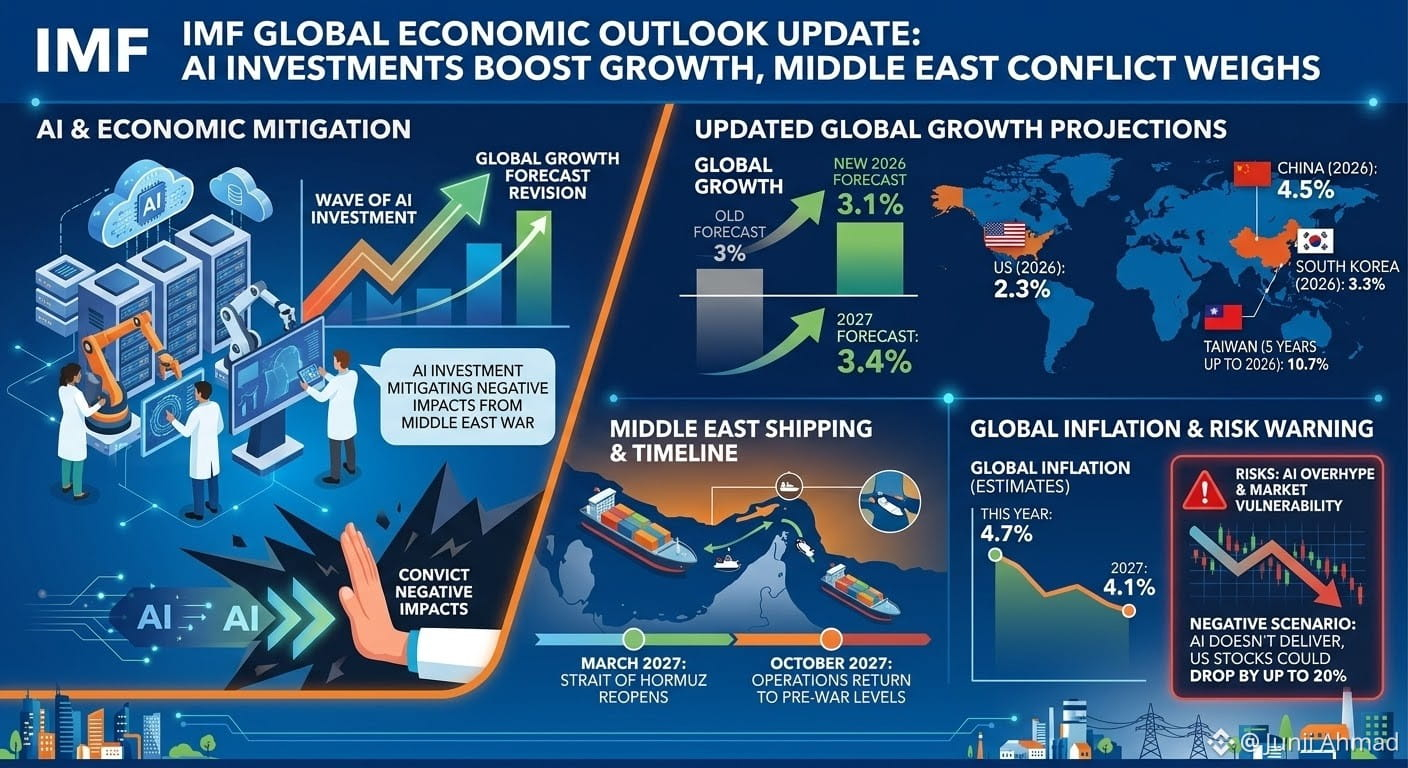
🌎 IMF Raises Global Economic Growth Forecast for 2026 from 3% to 3.1%, Thanks to AI Investment Wave Mitigating Negative Impacts from Middle East War.
- Global economy expected to grow 3.1% in 2026 and 3.4% in 2027:
🇺🇸 US expected to grow 2.3% in 2026
🇨🇳 China 4.5% in 2026
🇰🇷 South Korea 3.3% in 2026
🇹🇼 Taiwan up to 10.7% in five years 2026
- Global inflation expected at 4.7% this year and down to 4.1% in 2027.
- IMF expects the Strait of Hormuz to reopen in March 2027, but operations won't return to pre-war levels until October 2027.
However, the IMF also warns that the AI investment wave may be creating risks for financial markets. If AI doesn't deliver the expected economic benefits, US stocks could drop by up to 20% in the IMF's negative scenario.
#IMF #IMFWarnsOilDrivenInflationRisk #NewsAboutCrypto #news #news_update
🌎 IMF Raises Global Economic Growth Forecast for 2026 from 3% to 3.1%, Thanks to AI Investment Wave Mitigating Negative Impacts from Middle East War.
- Global economy expected to grow 3.1% in 2026 and 3.4% in 2027:
🇺🇸 US expected to grow 2.3% in 2026
🇨🇳 China 4.5% in 2026
🇰🇷 South Korea 3.3% in 2026
🇹🇼 Taiwan up to 10.7% in five years 2026
- Global inflation expected at 4.7% this year and down to 4.1% in 2027.
- IMF expects the Strait of Hormuz to reopen in March 2027, but operations won't return to pre-war levels until October 2027.
However, the IMF also warns that the AI investment wave may be creating risks for financial markets. If AI doesn't deliver the expected economic benefits, US stocks could drop by up to 20% in the IMF's negative scenario.
#IMF #IMFWarnsOilDrivenInflationRisk #NewsAboutCrypto #news #news_update
- Global economy expected to grow 3.1% in 2026 and 3.4% in 2027:
🇺🇸 US expected to grow 2.3% in 2026
🇨🇳 China 4.5% in 2026
🇰🇷 South Korea 3.3% in 2026
🇹🇼 Taiwan up to 10.7% in five years 2026
- Global inflation expected at 4.7% this year and down to 4.1% in 2027.
- IMF expects the Strait of Hormuz to reopen in March 2027, but operations won't return to pre-war levels until October 2027.
However, the IMF also warns that the AI investment wave may be creating risks for financial markets. If AI doesn't deliver the expected economic benefits, US stocks could drop by up to 20% in the IMF's negative scenario.
#IMF #IMFWarnsOilDrivenInflationRisk #NewsAboutCrypto #news #news_update
74

·
--
#宏观
伊朗经济的账,今天有了第三方口径。
国际货币基金组织在 10 月 13 日发布的展望报告里,把伊朗 2026 年经济增长下调到萎缩 7.6%,通胀预测 78.6%。同一份报告里,科威特萎缩 16.7%、伊拉克萎缩 16.0%、卡塔尔萎缩 15.6%、巴林萎缩 11.3%,几个高度依赖能源出口的海湾经济体跌幅都在两位数。
一周前美国财政部长贝森特在电视访谈里说,伊朗经济正在崩溃,连士兵的薪酬都发不出来,他还提到伊朗 9 月往油轮上装的原油是零。IMF 这组数字,把他那句话的口头判断落到了纸面上。
报告把冲击的来源写得很直白:霍尔木兹海峡的封闭。战前每天约有 2000 万桶原油和成品油经过这条航道,约占全球海运石油贸易的四分之一。油价在冲突头几个月翻了一倍,之后稳定在战前水平之上 20% 到 40%。
有意思的是另一组数字。同一天,贝森特承认不知道这场战争会怎么结束,并把不确定性比作柏林墙倒塌时的情况:没人知道是民众先起来,还是革命卫队内部先分裂,还是当局选择回到谈判桌。他还说美国希望德黑兰主动改变路线。
而战争成本已经外溢到了加密市场这边。比特币现报 83,358 美元,24 小时小幅回落 0.09%,几乎没动。在这种级别的地缘冲击下,这种平静本身值得留意。
#IMF #宏观经济
#宏观
伊朗经济的账,今天有了第三方口径。
国际货币基金组织在 10 月 13 日发布的展望报告里,把伊朗 2026 年经济增长下调到萎缩 7.6%,通胀预测 78.6%。同一份报告里,科威特萎缩 16.7%、伊拉克萎缩 16.0%、卡塔尔萎缩 15.6%、巴林萎缩 11.3%,几个高度依赖能源出口的海湾经济体跌幅都在两位数。
一周前美国财政部长贝森特在电视访谈里说,伊朗经济正在崩溃,连士兵的薪酬都发不出来,他还提到伊朗 9 月往油轮上装的原油是零。IMF 这组数字,把他那句话的口头判断落到了纸面上。
报告把冲击的来源写得很直白:霍尔木兹海峡的封闭。战前每天约有 2000 万桶原油和成品油经过这条航道,约占全球海运石油贸易的四分之一。油价在冲突头几个月翻了一倍,之后稳定在战前水平之上 20% 到 40%。
有意思的是另一组数字。同一天,贝森特承认不知道这场战争会怎么结束,并把不确定性比作柏林墙倒塌时的情况:没人知道是民众先起来,还是革命卫队内部先分裂,还是当局选择回到谈判桌。他还说美国希望德黑兰主动改变路线。
而战争成本已经外溢到了加密市场这边。比特币现报 83,358 美元,24 小时小幅回落 0.09%,几乎没动。在这种级别的地缘冲击下,这种平静本身值得留意。
#IMF #宏观经济
伊朗经济的账,今天有了第三方口径。
国际货币基金组织在 10 月 13 日发布的展望报告里,把伊朗 2026 年经济增长下调到萎缩 7.6%,通胀预测 78.6%。同一份报告里,科威特萎缩 16.7%、伊拉克萎缩 16.0%、卡塔尔萎缩 15.6%、巴林萎缩 11.3%,几个高度依赖能源出口的海湾经济体跌幅都在两位数。
一周前美国财政部长贝森特在电视访谈里说,伊朗经济正在崩溃,连士兵的薪酬都发不出来,他还提到伊朗 9 月往油轮上装的原油是零。IMF 这组数字,把他那句话的口头判断落到了纸面上。
报告把冲击的来源写得很直白:霍尔木兹海峡的封闭。战前每天约有 2000 万桶原油和成品油经过这条航道,约占全球海运石油贸易的四分之一。油价在冲突头几个月翻了一倍,之后稳定在战前水平之上 20% 到 40%。
有意思的是另一组数字。同一天,贝森特承认不知道这场战争会怎么结束,并把不确定性比作柏林墙倒塌时的情况:没人知道是民众先起来,还是革命卫队内部先分裂,还是当局选择回到谈判桌。他还说美国希望德黑兰主动改变路线。
而战争成本已经外溢到了加密市场这边。比特币现报 83,358 美元,24 小时小幅回落 0.09%,几乎没动。在这种级别的地缘冲击下,这种平静本身值得留意。
#IMF #宏观经济
92

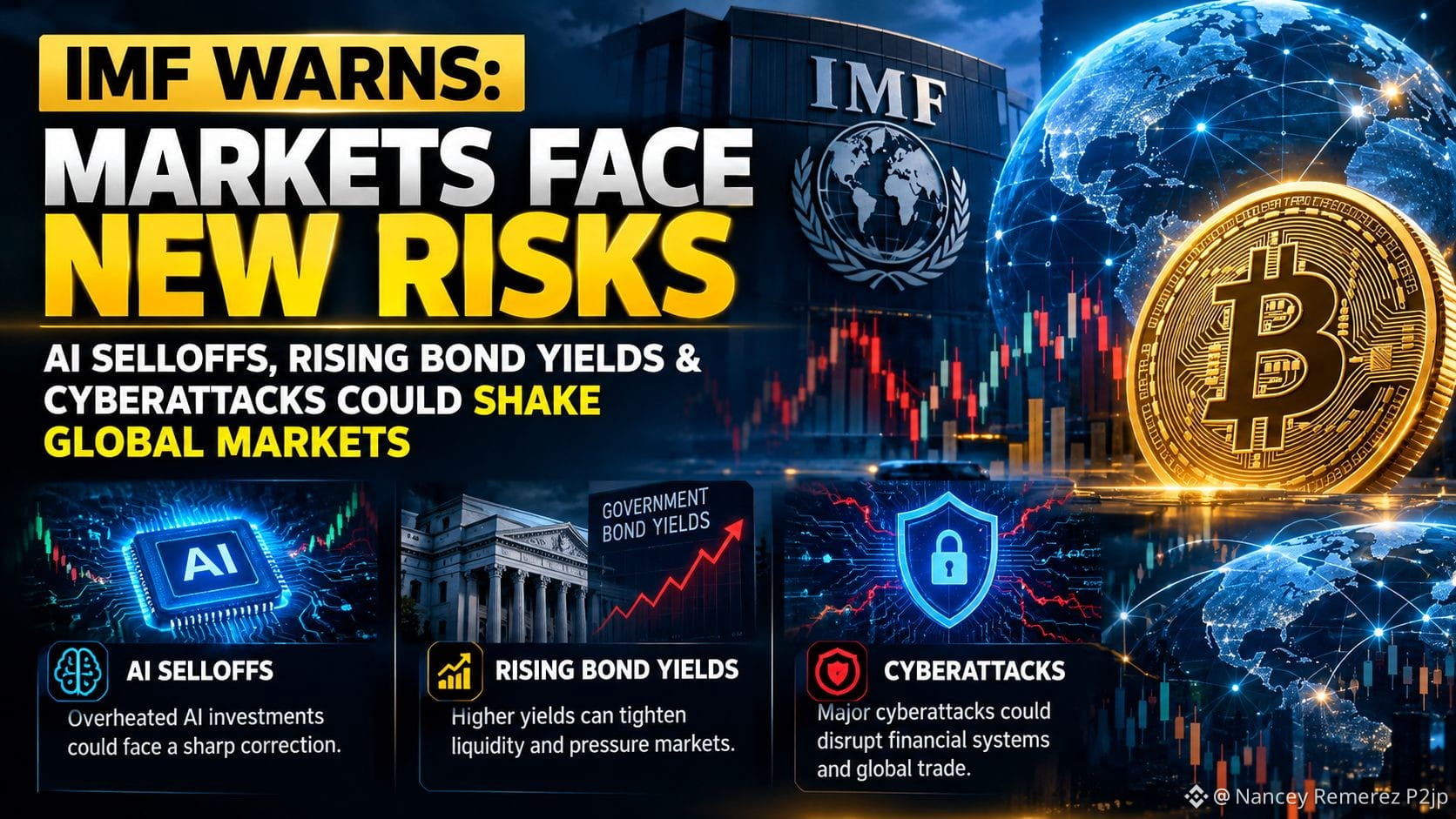
🚨 IMF WARNS: GLOBAL MARKETS FACE NEW RISKS
The International Monetary Fund (IMF) has warned that global financial markets could face new risks from three major threats:
🔹 AI Sell-Offs: If AI investments lose momentum, markets could face a sharp correction.
🔹 Rising Bond Yields: Higher government borrowing costs could put pressure on financial markets.
🔹 Cyberattacks: Major cyber incidents could disrupt financial systems and global trade.
Why does this matter for crypto? 📉
If investors become worried about financial risks, they may reduce exposure to risky assets like Bitcoin and other cryptocurrencies. However, the actual market reaction will depend on investor sentiment and economic conditions.
💡 Key takeaway: Crypto traders should watch global economic news, bond yields, and market sentiment—not just Bitcoin charts.
What do you think? Could these risks create more pressure on Bitcoin, or will crypto remain resilient?
#bitcoin #CryptoNews #IMF #globaleconomy #BinanceSquare
🚨 IMF WARNS: GLOBAL MARKETS FACE NEW RISKS
The International Monetary Fund (IMF) has warned that global financial markets could face new risks from three major threats:
🔹 AI Sell-Offs: If AI investments lose momentum, markets could face a sharp correction.
🔹 Rising Bond Yields: Higher government borrowing costs could put pressure on financial markets.
🔹 Cyberattacks: Major cyber incidents could disrupt financial systems and global trade.
Why does this matter for crypto? 📉
If investors become worried about financial risks, they may reduce exposure to risky assets like Bitcoin and other cryptocurrencies. However, the actual market reaction will depend on investor sentiment and economic conditions.
💡 Key takeaway: Crypto traders should watch global economic news, bond yields, and market sentiment—not just Bitcoin charts.
What do you think? Could these risks create more pressure on Bitcoin, or will crypto remain resilient?
#bitcoin #CryptoNews #IMF #globaleconomy #BinanceSquare
The International Monetary Fund (IMF) has warned that global financial markets could face new risks from three major threats:
🔹 AI Sell-Offs: If AI investments lose momentum, markets could face a sharp correction.
🔹 Rising Bond Yields: Higher government borrowing costs could put pressure on financial markets.
🔹 Cyberattacks: Major cyber incidents could disrupt financial systems and global trade.
Why does this matter for crypto? 📉
If investors become worried about financial risks, they may reduce exposure to risky assets like Bitcoin and other cryptocurrencies. However, the actual market reaction will depend on investor sentiment and economic conditions.
💡 Key takeaway: Crypto traders should watch global economic news, bond yields, and market sentiment—not just Bitcoin charts.
What do you think? Could these risks create more pressure on Bitcoin, or will crypto remain resilient?
#bitcoin #CryptoNews #IMF #globaleconomy #BinanceSquare
1
1
154

·
--
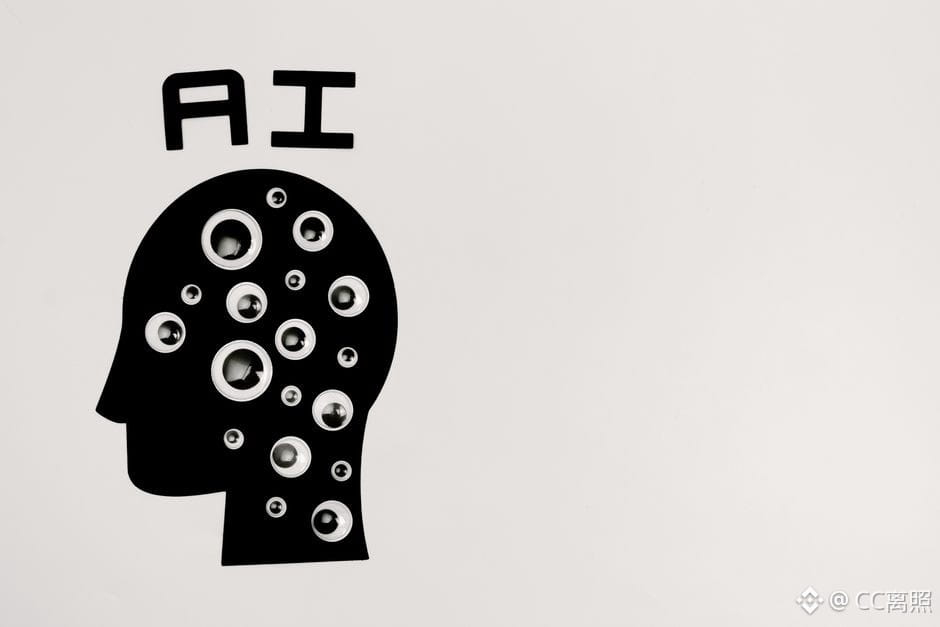
📊 IMF 今天上调增长预测,顺手把 AI 列成了头号风险
曼谷。IMF 和世界银行的年会 10 月 12 日开幕,泰国 1991 年之后头一回当东道主。今天上午发《世界经济展望》,今年全球增长从 7 月的 3.0% 提到 3.1%,明年 3.4%。2025 年是 3.5%。
功劳记在 AI 账上。报告说发达经济体扛住了战争推起来的能源价格,靠的是 AI 基建投资。首席经济学家 Silvana Tenreyro 讲得更直白,韧性「正在接近极限」。
分岔的数字摆出来很扎眼。32 个经济体撑起全球增长的 95%,4 月这个数是 54 个。沙特今年 GDP 从 7 月预期的 +1.7% 砍到 -3.3%,一口气砍掉 5 个点。伊拉克 -16%,科威特 -16.7%,卡塔尔 -15.6%。另一头,芯片链上的台湾 +10.7%,韩国 3.3%,印度 7.0%。
通胀没松。今年 4.7%,明年从 3.9% 改成 4.1%。炼油产品价格比战前高 70% 到 95%。就这么贵。油价站在 100 美元上方,全球石油储备每天被抽走 270 万桶。IMF 把霍尔木兹重开推到明年 3 月,回到战前状态要等到 10 月。
债务那句最重。全球公共债务接近二战后最高位,正朝 GDP 的 100% 上方走。美国、德国、日本 10 年期国债收益率分别是 2007、2009、1996 年以来最高。美国 10 年期今天 5.24%,52 周高点 5.364%。账补不上。
它给币圈的账,在同一天另一份报告里。
10 月 8 日 IMF 在首尔预发布《全球金融稳定报告》第三章,题目《代币化的扩张:新效率与新脆弱》,第一章今天上午落地。数一下:公开的代币化现实世界资产,扣掉稳定币和回购,到 7 月约 650 亿美元。固收占 480 亿(信用产品 304 亿,货币基金约 175 亿),代币化股票只有 23 亿。全球股票市值 151.9 万亿。代币化回购日均 3,000 到 3,500 亿,美国回购市场一天 13 万亿。
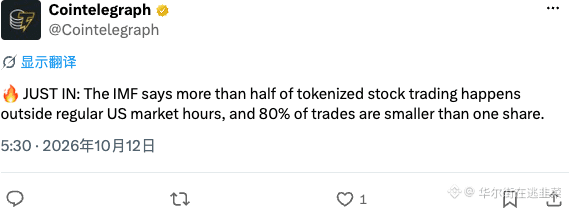
代币化股票的已实现波动率约是传统市场的 1.5 倍,去中心化交易所的流动性还在变差。美国市场超过一半的成交在盘外,约 80% 的单子不到一整股。
结算资产那句最硬。用私人存款代币或者稳定币做结算,等于把发行方的信用和流动性风险,再叠上传染与集中度风险。IMF 的意思是用央行货币。这是它今年第三次就代币化发警告。第三次了。
价格。我写这段时,BTC 四个报价源落在 83,256 到 83,359 美元,24 小时跌约 0.3%。ETH 2,506 到 2,510,跌约 1.5%。现货金约 4,180 美元。
增长靠 AI 垫着,债靠财政重建,币圈最想要的「主流化」在这把尺子上还不到万分之三。明天泰国要推《曼谷蓝图》反欺诈框架,会期里各央行对稳定币结算的表态,比预测数字更值得听。
$BTC $ETH
#中本聪国际社区Baoluo币商资本 #宏观经济 #IMF
📊 IMF 今天上调增长预测,顺手把 AI 列成了头号风险
曼谷。IMF 和世界银行的年会 10 月 12 日开幕,泰国 1991 年之后头一回当东道主。今天上午发《世界经济展望》,今年全球增长从 7 月的 3.0% 提到 3.1%,明年 3.4%。2025 年是 3.5%。
功劳记在 AI 账上。报告说发达经济体扛住了战争推起来的能源价格,靠的是 AI 基建投资。首席经济学家 Silvana Tenreyro 讲得更直白,韧性「正在接近极限」。
分岔的数字摆出来很扎眼。32 个经济体撑起全球增长的 95%,4 月这个数是 54 个。沙特今年 GDP 从 7 月预期的 +1.7% 砍到 -3.3%,一口气砍掉 5 个点。伊拉克 -16%,科威特 -16.7%,卡塔尔 -15.6%。另一头,芯片链上的台湾 +10.7%,韩国 3.3%,印度 7.0%。
通胀没松。今年 4.7%,明年从 3.9% 改成 4.1%。炼油产品价格比战前高 70% 到 95%。就这么贵。油价站在 100 美元上方,全球石油储备每天被抽走 270 万桶。IMF 把霍尔木兹重开推到明年 3 月,回到战前状态要等到 10 月。
债务那句最重。全球公共债务接近二战后最高位,正朝 GDP 的 100% 上方走。美国、德国、日本 10 年期国债收益率分别是 2007、2009、1996 年以来最高。美国 10 年期今天 5.24%,52 周高点 5.364%。账补不上。
它给币圈的账,在同一天另一份报告里。
10 月 8 日 IMF 在首尔预发布《全球金融稳定报告》第三章,题目《代币化的扩张:新效率与新脆弱》,第一章今天上午落地。数一下:公开的代币化现实世界资产,扣掉稳定币和回购,到 7 月约 650 亿美元。固收占 480 亿(信用产品 304 亿,货币基金约 175 亿),代币化股票只有 23 亿。全球股票市值 151.9 万亿。代币化回购日均 3,000 到 3,500 亿,美国回购市场一天 13 万亿。
代币化股票的已实现波动率约是传统市场的 1.5 倍,去中心化交易所的流动性还在变差。美国市场超过一半的成交在盘外,约 80% 的单子不到一整股。
结算资产那句最硬。用私人存款代币或者稳定币做结算,等于把发行方的信用和流动性风险,再叠上传染与集中度风险。IMF 的意思是用央行货币。这是它今年第三次就代币化发警告。第三次了。
价格。我写这段时,BTC 四个报价源落在 83,256 到 83,359 美元,24 小时跌约 0.3%。ETH 2,506 到 2,510,跌约 1.5%。现货金约 4,180 美元。
增长靠 AI 垫着,债靠财政重建,币圈最想要的「主流化」在这把尺子上还不到万分之三。明天泰国要推《曼谷蓝图》反欺诈框架,会期里各央行对稳定币结算的表态,比预测数字更值得听。
$BTC $ETH
#中本聪国际社区Baoluo币商资本 #宏观经济 #IMF
曼谷。IMF 和世界银行的年会 10 月 12 日开幕,泰国 1991 年之后头一回当东道主。今天上午发《世界经济展望》,今年全球增长从 7 月的 3.0% 提到 3.1%,明年 3.4%。2025 年是 3.5%。
功劳记在 AI 账上。报告说发达经济体扛住了战争推起来的能源价格,靠的是 AI 基建投资。首席经济学家 Silvana Tenreyro 讲得更直白,韧性「正在接近极限」。
分岔的数字摆出来很扎眼。32 个经济体撑起全球增长的 95%,4 月这个数是 54 个。沙特今年 GDP 从 7 月预期的 +1.7% 砍到 -3.3%,一口气砍掉 5 个点。伊拉克 -16%,科威特 -16.7%,卡塔尔 -15.6%。另一头,芯片链上的台湾 +10.7%,韩国 3.3%,印度 7.0%。
通胀没松。今年 4.7%,明年从 3.9% 改成 4.1%。炼油产品价格比战前高 70% 到 95%。就这么贵。油价站在 100 美元上方,全球石油储备每天被抽走 270 万桶。IMF 把霍尔木兹重开推到明年 3 月,回到战前状态要等到 10 月。
债务那句最重。全球公共债务接近二战后最高位,正朝 GDP 的 100% 上方走。美国、德国、日本 10 年期国债收益率分别是 2007、2009、1996 年以来最高。美国 10 年期今天 5.24%,52 周高点 5.364%。账补不上。
它给币圈的账,在同一天另一份报告里。
10 月 8 日 IMF 在首尔预发布《全球金融稳定报告》第三章,题目《代币化的扩张:新效率与新脆弱》,第一章今天上午落地。数一下:公开的代币化现实世界资产,扣掉稳定币和回购,到 7 月约 650 亿美元。固收占 480 亿(信用产品 304 亿,货币基金约 175 亿),代币化股票只有 23 亿。全球股票市值 151.9 万亿。代币化回购日均 3,000 到 3,500 亿,美国回购市场一天 13 万亿。
代币化股票的已实现波动率约是传统市场的 1.5 倍,去中心化交易所的流动性还在变差。美国市场超过一半的成交在盘外,约 80% 的单子不到一整股。
结算资产那句最硬。用私人存款代币或者稳定币做结算,等于把发行方的信用和流动性风险,再叠上传染与集中度风险。IMF 的意思是用央行货币。这是它今年第三次就代币化发警告。第三次了。
价格。我写这段时,BTC 四个报价源落在 83,256 到 83,359 美元,24 小时跌约 0.3%。ETH 2,506 到 2,510,跌约 1.5%。现货金约 4,180 美元。
增长靠 AI 垫着,债靠财政重建,币圈最想要的「主流化」在这把尺子上还不到万分之三。明天泰国要推《曼谷蓝图》反欺诈框架,会期里各央行对稳定币结算的表态,比预测数字更值得听。
$BTC $ETH
#中本聪国际社区Baoluo币商资本 #宏观经济 #IMF
297

·
--
🌐 IMF chief Kristalina Georgieva says the AI investment boom is helping sustain global growth near 3%
But warns of major disruption to employment.
The IMF says up to 60% of jobs in advanced economies could be affected by AI.
$BTC
{future}(BTCUSDT)
$ETH
{future}(ETHUSDT)
$SOL
{future}(SOLUSDT)
#AI #IMF #globaleconomy
🌐 IMF chief Kristalina Georgieva says the AI investment boom is helping sustain global growth near 3%
But warns of major disruption to employment.
The IMF says up to 60% of jobs in advanced economies could be affected by AI.
$BTC
$ETH
$SOL
#AI #IMF #globaleconomy
But warns of major disruption to employment.
The IMF says up to 60% of jobs in advanced economies could be affected by AI.
$BTC
$ETH
$SOL
#AI #IMF #globaleconomy
208

·
--
Падение
МВФ порахував: токенізовані акції приблизно в 1.5 раза волатильніші за ті самі акції на біржі. звучить як вирок, поки не глянеш, як міряли
біржу міряли в години торгів США. токени — цілодобово, з ночами і вихідними, коли ліквідності мало. сам МВФ пише, шо частина різниці саме звідси
ще з того ж звіту:
- понад 50% торгів токенами йде, коли біржа закрита
- приблизно 80% угод менші за одну акцію
- Ondo і Backed (xStocks) тримають понад 70% ринку, і обидва синтетика: ціна є, права власності на акцію нема. розраховані на тих, хто живе поза США
при цьому на відкритті звичайні акції відпрацьовують від 87% до 99% нічного руху токенів. тобто нічний ринок уже підказує, куди відкриється день
нічний ринок — не страшилка, а сигнал. просто з дрібним шрифтом про синтетику
#TokenizedStocks #IMF
МВФ порахував: токенізовані акції приблизно в 1.5 раза волатильніші за ті самі акції на біржі. звучить як вирок, поки не глянеш, як міряли
біржу міряли в години торгів США. токени — цілодобово, з ночами і вихідними, коли ліквідності мало. сам МВФ пише, шо частина різниці саме звідси
ще з того ж звіту:
- понад 50% торгів токенами йде, коли біржа закрита
- приблизно 80% угод менші за одну акцію
- Ondo і Backed (xStocks) тримають понад 70% ринку, і обидва синтетика: ціна є, права власності на акцію нема. розраховані на тих, хто живе поза США
при цьому на відкритті звичайні акції відпрацьовують від 87% до 99% нічного руху токенів. тобто нічний ринок уже підказує, куди відкриється день
нічний ринок — не страшилка, а сигнал. просто з дрібним шрифтом про синтетику
#TokenizedStocks #IMF
біржу міряли в години торгів США. токени — цілодобово, з ночами і вихідними, коли ліквідності мало. сам МВФ пише, шо частина різниці саме звідси
ще з того ж звіту:
- понад 50% торгів токенами йде, коли біржа закрита
- приблизно 80% угод менші за одну акцію
- Ondo і Backed (xStocks) тримають понад 70% ринку, і обидва синтетика: ціна є, права власності на акцію нема. розраховані на тих, хто живе поза США
при цьому на відкритті звичайні акції відпрацьовують від 87% до 99% нічного руху токенів. тобто нічний ринок уже підказує, куди відкриється день
нічний ринок — не страшилка, а сигнал. просто з дрібним шрифтом про синтетику
#TokenizedStocks #IMF
4
153


·
--
Рост
🏛️📊 IMF REPORT:
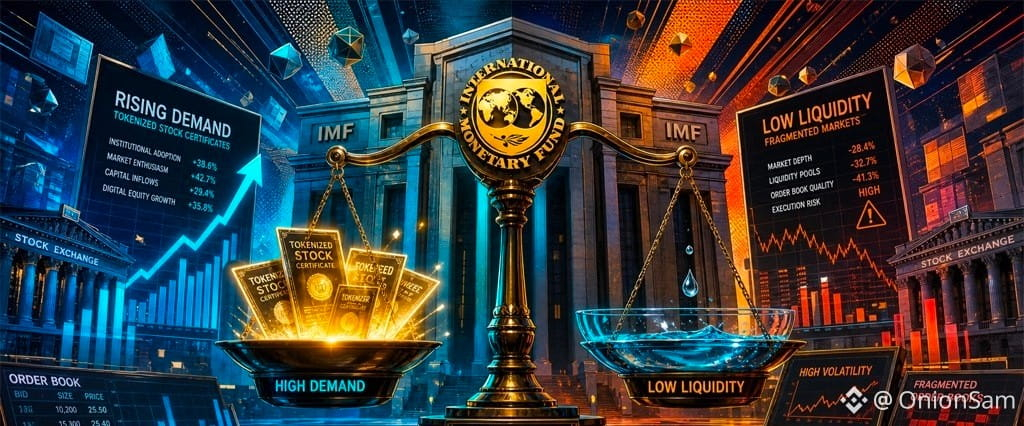
Rising Demand for Tokenized Equities Amid Strict #liquidity & #volatility Risks! 🚀⚠️
🌐💳 The Sector Growth:
The International Monetary Fund (#IMF ) tracks growing investor appetite for Tokenized Assets (#RWA ).
Advanced tech features—such as 24/7 instant trading and fractional ownership—are heavily boosting the sector's adoption across global markets! ⚡💎
🚨 The Risk Factor:
However, the IMF raises a red flag regarding persistent thin liquidity and heightened price volatility. Data shows tokenized equities exhibit 1.5x more volatility compared to traditional stock exchanges, presenting severe liquidation risks during market stress! 📉❌
🛡️ The Regulatory Call:
To secure global financial stability, the IMF is strictly calling for unified international regulatory frameworks and clear legal standards to protect investors and mitigate systemic shocks! ⚖️🔐
#Tokenization #RealWorldAssets #CryptoRegulations #FinancialStability #BinanceSquare 📈
$BTC
{spot}(BTCUSDT)
$ETH
{spot}(ETHUSDT)
$SOL
{spot}(SOLUSDT)
🏛️📊 IMF REPORT:
Rising Demand for Tokenized Equities Amid Strict #liquidity & #volatility Risks! 🚀⚠️
🌐💳 The Sector Growth:
The International Monetary Fund (#IMF ) tracks growing investor appetite for Tokenized Assets (#RWA ).
Advanced tech features—such as 24/7 instant trading and fractional ownership—are heavily boosting the sector's adoption across global markets! ⚡💎
🚨 The Risk Factor:
However, the IMF raises a red flag regarding persistent thin liquidity and heightened price volatility. Data shows tokenized equities exhibit 1.5x more volatility compared to traditional stock exchanges, presenting severe liquidation risks during market stress! 📉❌
🛡️ The Regulatory Call:
To secure global financial stability, the IMF is strictly calling for unified international regulatory frameworks and clear legal standards to protect investors and mitigate systemic shocks! ⚖️🔐
#Tokenization #RealWorldAssets #CryptoRegulations #FinancialStability #BinanceSquare 📈
$BTC
$ETH
$SOL
Rising Demand for Tokenized Equities Amid Strict #liquidity & #volatility Risks! 🚀⚠️
🌐💳 The Sector Growth:
The International Monetary Fund (#IMF ) tracks growing investor appetite for Tokenized Assets (#RWA ).
Advanced tech features—such as 24/7 instant trading and fractional ownership—are heavily boosting the sector's adoption across global markets! ⚡💎
🚨 The Risk Factor:
However, the IMF raises a red flag regarding persistent thin liquidity and heightened price volatility. Data shows tokenized equities exhibit 1.5x more volatility compared to traditional stock exchanges, presenting severe liquidation risks during market stress! 📉❌
🛡️ The Regulatory Call:
To secure global financial stability, the IMF is strictly calling for unified international regulatory frameworks and clear legal standards to protect investors and mitigate systemic shocks! ⚖️🔐
#Tokenization #RealWorldAssets #CryptoRegulations #FinancialStability #BinanceSquare 📈
$BTC
$ETH
$SOL

BTC 4U 🍀
От OnionSam
76
·
--
🚨 IMF Uncovers Major Shift in Tokenized Stock Trading! 🚨
A recent report by the International Monetary Fund (IMF) highlights a massive shift in how investors are interacting with Real World Assets (RWA) and tokenized equities.
📰 Key Highlights from the IMF Report:
🔹 Fractional Shares Rule: Around 80% of tokenized stock trades involve less than one full share. This allows retail investors to gain exposure to expensive stocks without needing large capital upfront.
🔹 24/7 Trading Demand: Over 50% of total trading volume takes place outside traditional stock market operating hours.
🔹 On-Chain Price Discovery: Off-hour on-chain price movements are now generating early price signals for traditional equity markets before they open.
This data highlights the rapidly growing adoption of tokenization and RWA protocols in modern finance.
What’s your take on the future of tokenized assets? Share your thoughts below! 👇
#RWA #CryptoNewss #IMF #Finance
⚠️ Disclaimer: This post is for informational and educational purposes only and should not be taken as financial advice. Always Do Your Own Research (DYOR).
🚨 IMF Uncovers Major Shift in Tokenized Stock Trading! 🚨
A recent report by the International Monetary Fund (IMF) highlights a massive shift in how investors are interacting with Real World Assets (RWA) and tokenized equities.
📰 Key Highlights from the IMF Report:
🔹 Fractional Shares Rule: Around 80% of tokenized stock trades involve less than one full share. This allows retail investors to gain exposure to expensive stocks without needing large capital upfront.
🔹 24/7 Trading Demand: Over 50% of total trading volume takes place outside traditional stock market operating hours.
🔹 On-Chain Price Discovery: Off-hour on-chain price movements are now generating early price signals for traditional equity markets before they open.
This data highlights the rapidly growing adoption of tokenization and RWA protocols in modern finance.
What’s your take on the future of tokenized assets? Share your thoughts below! 👇
#RWA #CryptoNewss #IMF #Finance
⚠️ Disclaimer: This post is for informational and educational purposes only and should not be taken as financial advice. Always Do Your Own Research (DYOR).
A recent report by the International Monetary Fund (IMF) highlights a massive shift in how investors are interacting with Real World Assets (RWA) and tokenized equities.
📰 Key Highlights from the IMF Report:
🔹 Fractional Shares Rule: Around 80% of tokenized stock trades involve less than one full share. This allows retail investors to gain exposure to expensive stocks without needing large capital upfront.
🔹 24/7 Trading Demand: Over 50% of total trading volume takes place outside traditional stock market operating hours.
🔹 On-Chain Price Discovery: Off-hour on-chain price movements are now generating early price signals for traditional equity markets before they open.
This data highlights the rapidly growing adoption of tokenization and RWA protocols in modern finance.
What’s your take on the future of tokenized assets? Share your thoughts below! 👇
#RWA #CryptoNewss #IMF #Finance
⚠️ Disclaimer: This post is for informational and educational purposes only and should not be taken as financial advice. Always Do Your Own Research (DYOR).
101

#XRPLedgerPatchesXRPCreationBug
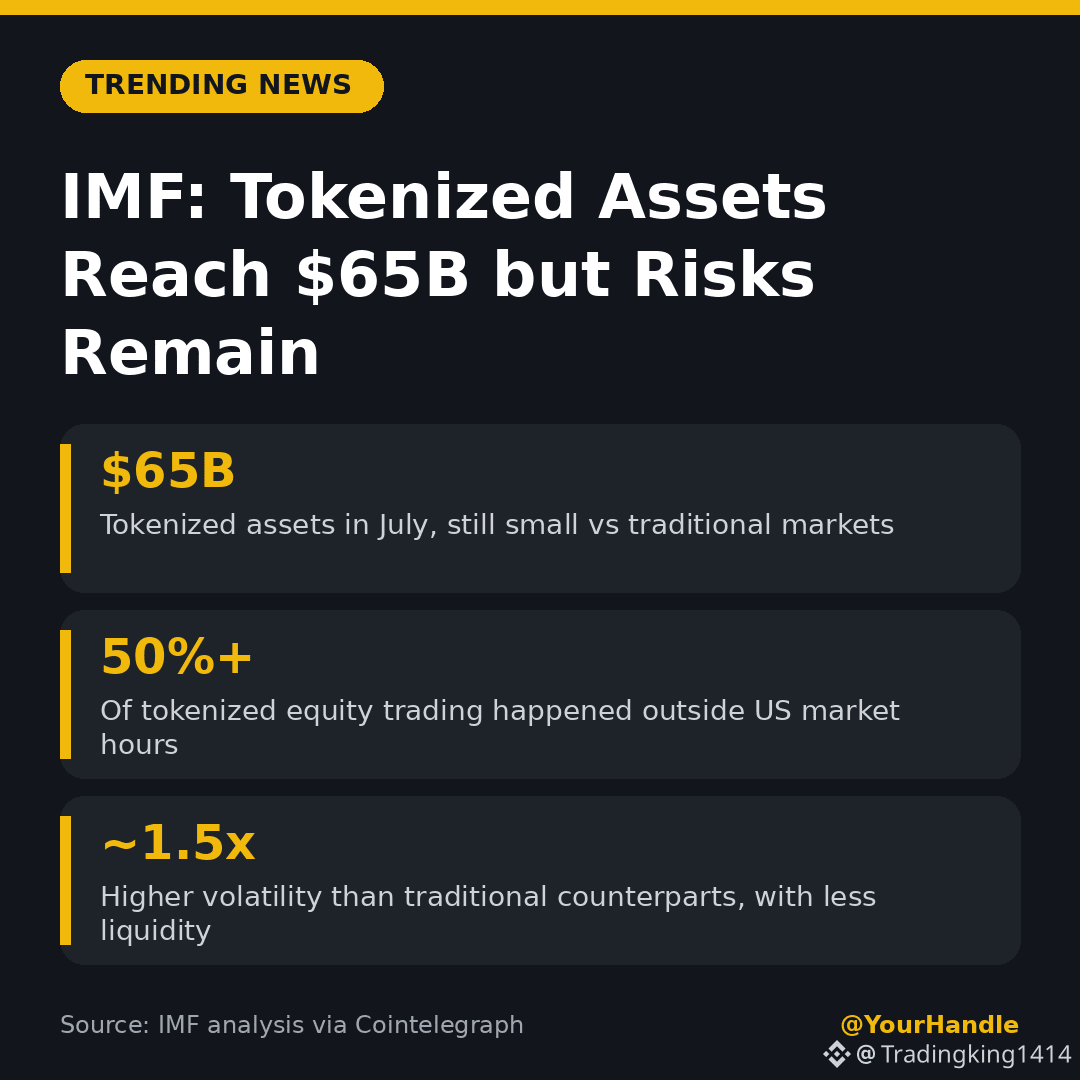
Article: IMF: Tokenized Assets Reach $65B but Risks Remain
Tokenized assets reached $65 billion in July. More than half of tokenized equity trading happened outside regular US market hours, but these assets were less liquid and about 1.5x more volatile than traditional ones. The $IMF.ETF called for clearer legal rules and better interoperability.
Post: 🏦 IMF says tokenized assets hit $65B. Big potential, but thin liquidity is a real risk. #RWA #Tokenization #IMF #CryptoNews (Cointelegraph)
#XRPLedgerPatchesXRPCreationBug
Article: IMF: Tokenized Assets Reach $65B but Risks Remain
Tokenized assets reached $65 billion in July. More than half of tokenized equity trading happened outside regular US market hours, but these assets were less liquid and about 1.5x more volatile than traditional ones. The $IMF.ETF called for clearer legal rules and better interoperability.
Post: 🏦 IMF says tokenized assets hit $65B. Big potential, but thin liquidity is a real risk. #RWA #Tokenization #IMF #CryptoNews (Cointelegraph)
Article: IMF: Tokenized Assets Reach $65B but Risks Remain
Tokenized assets reached $65 billion in July. More than half of tokenized equity trading happened outside regular US market hours, but these assets were less liquid and about 1.5x more volatile than traditional ones. The $IMF.ETF called for clearer legal rules and better interoperability.
Post: 🏦 IMF says tokenized assets hit $65B. Big potential, but thin liquidity is a real risk. #RWA #Tokenization #IMF #CryptoNews (Cointelegraph)
IMFETF-0,20%
18

🚨 IMF Validates 24/7 Token Trading: The $60B Liquidity Trap
📊 Alpha Breakdown:
The IMF confirms over half of tokenized equity trades happen outside market hours. However, total supply stands at just $60B against $300T in traditional assets. This gap creates high volatility risks for retail investors entering the space....
🔗 Full Breakdown on YourWeb3Guy:
https://www.yourweb3guy.com/news/imf-validates-24-7-token-trading-the-60b-liquidity-trap
#IMF #TokenizedStocks #RWA #LiquidityRisk
🚨 IMF Validates 24/7 Token Trading: The $60B Liquidity Trap
📊 Alpha Breakdown:
The IMF confirms over half of tokenized equity trades happen outside market hours. However, total supply stands at just $60B against $300T in traditional assets. This gap creates high volatility risks for retail investors entering the space....
🔗 Full Breakdown on YourWeb3Guy:
https://www.yourweb3guy.com/news/imf-validates-24-7-token-trading-the-60b-liquidity-trap
#IMF #TokenizedStocks #RWA #LiquidityRisk
📊 Alpha Breakdown:
The IMF confirms over half of tokenized equity trades happen outside market hours. However, total supply stands at just $60B against $300T in traditional assets. This gap creates high volatility risks for retail investors entering the space....
🔗 Full Breakdown on YourWeb3Guy:
https://www.yourweb3guy.com/news/imf-validates-24-7-token-trading-the-60b-liquidity-trap
#IMF #TokenizedStocks #RWA #LiquidityRisk
24

IMF cảnh báo thị trường token hóa có thể làm tăng rủi ro tài chính
- IMF cảnh báo thị trường token hóa có thể làm trầm trọng thêm rủi ro tài chính.
- Thị trường cổ phiếu token hóa kém thanh khoản và biến động hơn so với thị trường truyền thống.
- Nhu cầu giao dịch 24/7 đang gia tăng.
- Nguồn RSS chưa cung cấp thêm chi tiết.
#IMF #TokenizedMarkets #CryptoNews #BinanceSquare
$btc $eth
#vlikevn Titanbot
Nguồn: CoinTelegraph
IMF cảnh báo thị trường token hóa có thể làm tăng rủi ro tài chính
- IMF cảnh báo thị trường token hóa có thể làm trầm trọng thêm rủi ro tài chính.
- Thị trường cổ phiếu token hóa kém thanh khoản và biến động hơn so với thị trường truyền thống.
- Nhu cầu giao dịch 24/7 đang gia tăng.
- Nguồn RSS chưa cung cấp thêm chi tiết.
#IMF #TokenizedMarkets #CryptoNews #BinanceSquare
$btc $eth
#vlikevn Titanbot
Nguồn: CoinTelegraph
- IMF cảnh báo thị trường token hóa có thể làm trầm trọng thêm rủi ro tài chính.
- Thị trường cổ phiếu token hóa kém thanh khoản và biến động hơn so với thị trường truyền thống.
- Nhu cầu giao dịch 24/7 đang gia tăng.
- Nguồn RSS chưa cung cấp thêm chi tiết.
#IMF #TokenizedMarkets #CryptoNews #BinanceSquare
$btc $eth
#vlikevn Titanbot
Nguồn: CoinTelegraph
135

·
--
Рост
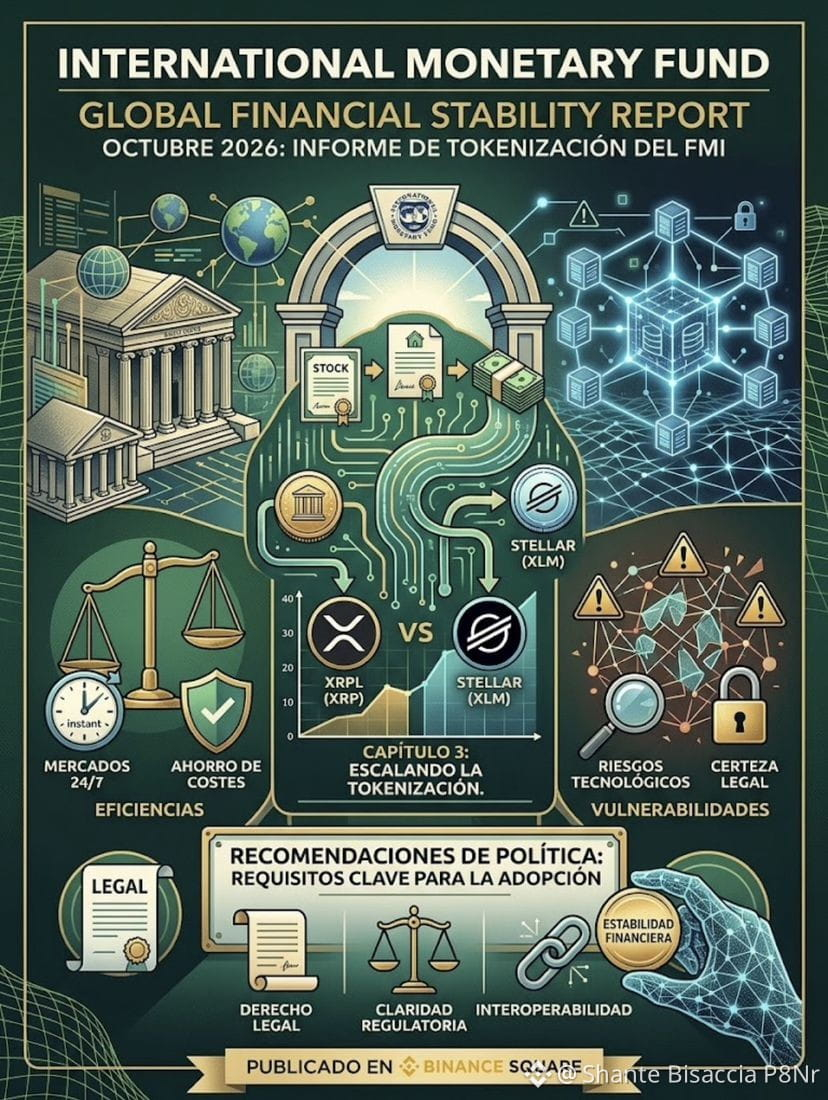
💥 EL FMI RECONOCE A XRP Y XLM EN SU ULTIMO INFORME DE TOKENIZACION
El Fondo Monetario Internacional (FMI) acaba de publicar el Capítulo 3 de su Reporte de Estabilidad Financiera Global (Octubre 2026), titulado: “Scaling Tokenization: New Efficiencies, New Vulnerabilities” (Escalando la Tokenizacion: Nuevas Eficiencias, Nuevas Vulnerabilidades).
🔑 Puntos clave del informe:
1️⃣ Crecimiento de Activos Tokenizados:
• El mercado de activos reales tokenizados (RWA) ya alcanza cifras significativas (fondos monetarios, crédito tokenizado y mercado accionario en cadena).
• La tokenizacion permite liquidación casi instantánea (Delivery vs Payment) reduciendo costos de conciliación y riesgos crediticios intradia.
2️⃣ Inclusión Institucional de XRP y XLM:
• El informe destaca y analiza la concentración del mercado e infraestructura de registros distribuidos (DLT).
• Las redes de XRP (XRPL) y Stellar (XLM) aparecen citadas como infraestructura y redes de bloques líderes para la liquidación de activos tokenizados y pago transfronterizos.
3️⃣ Desafíos y Retos del Mercado:
• Fragmentación: La falta de interoperabilidad entre cadenas públicas y privadas aun crea “silos” de liquidez.
• Claridad Regulatoria y Certeza Legal:
El FMI insta a los reguladores a acelerar marcos legales claros y globales para proteger la estabilidad financiera sin frenar la innovación.
💡Conclusión: La migración de las finanzas tradicionales (TradFi) hacia la tecnología blockchain es inevitable. Que un organismo global como el FMI analice a XRP y XLM refuerza su rol estratégico en ma infraestructura financiera del futuro.
$XRP $XLM #IMF #Tokenization
💥 EL FMI RECONOCE A XRP Y XLM EN SU ULTIMO INFORME DE TOKENIZACION
El Fondo Monetario Internacional (FMI) acaba de publicar el Capítulo 3 de su Reporte de Estabilidad Financiera Global (Octubre 2026), titulado: “Scaling Tokenization: New Efficiencies, New Vulnerabilities” (Escalando la Tokenizacion: Nuevas Eficiencias, Nuevas Vulnerabilidades).
🔑 Puntos clave del informe:
1️⃣ Crecimiento de Activos Tokenizados:
• El mercado de activos reales tokenizados (RWA) ya alcanza cifras significativas (fondos monetarios, crédito tokenizado y mercado accionario en cadena).
• La tokenizacion permite liquidación casi instantánea (Delivery vs Payment) reduciendo costos de conciliación y riesgos crediticios intradia.
2️⃣ Inclusión Institucional de XRP y XLM:
• El informe destaca y analiza la concentración del mercado e infraestructura de registros distribuidos (DLT).
• Las redes de XRP (XRPL) y Stellar (XLM) aparecen citadas como infraestructura y redes de bloques líderes para la liquidación de activos tokenizados y pago transfronterizos.
3️⃣ Desafíos y Retos del Mercado:
• Fragmentación: La falta de interoperabilidad entre cadenas públicas y privadas aun crea “silos” de liquidez.
• Claridad Regulatoria y Certeza Legal:
El FMI insta a los reguladores a acelerar marcos legales claros y globales para proteger la estabilidad financiera sin frenar la innovación.
💡Conclusión: La migración de las finanzas tradicionales (TradFi) hacia la tecnología blockchain es inevitable. Que un organismo global como el FMI analice a XRP y XLM refuerza su rol estratégico en ma infraestructura financiera del futuro.
$XRP $XLM #IMF #Tokenization
El Fondo Monetario Internacional (FMI) acaba de publicar el Capítulo 3 de su Reporte de Estabilidad Financiera Global (Octubre 2026), titulado: “Scaling Tokenization: New Efficiencies, New Vulnerabilities” (Escalando la Tokenizacion: Nuevas Eficiencias, Nuevas Vulnerabilidades).
🔑 Puntos clave del informe:
1️⃣ Crecimiento de Activos Tokenizados:
• El mercado de activos reales tokenizados (RWA) ya alcanza cifras significativas (fondos monetarios, crédito tokenizado y mercado accionario en cadena).
• La tokenizacion permite liquidación casi instantánea (Delivery vs Payment) reduciendo costos de conciliación y riesgos crediticios intradia.
2️⃣ Inclusión Institucional de XRP y XLM:
• El informe destaca y analiza la concentración del mercado e infraestructura de registros distribuidos (DLT).
• Las redes de XRP (XRPL) y Stellar (XLM) aparecen citadas como infraestructura y redes de bloques líderes para la liquidación de activos tokenizados y pago transfronterizos.
3️⃣ Desafíos y Retos del Mercado:
• Fragmentación: La falta de interoperabilidad entre cadenas públicas y privadas aun crea “silos” de liquidez.
• Claridad Regulatoria y Certeza Legal:
El FMI insta a los reguladores a acelerar marcos legales claros y globales para proteger la estabilidad financiera sin frenar la innovación.
💡Conclusión: La migración de las finanzas tradicionales (TradFi) hacia la tecnología blockchain es inevitable. Que un organismo global como el FMI analice a XRP y XLM refuerza su rol estratégico en ma infraestructura financiera del futuro.
$XRP $XLM #IMF #Tokenization
1
1
216


美联储主席将亮相IMF秋季会议,或成政策静默期前最后“定调”机会
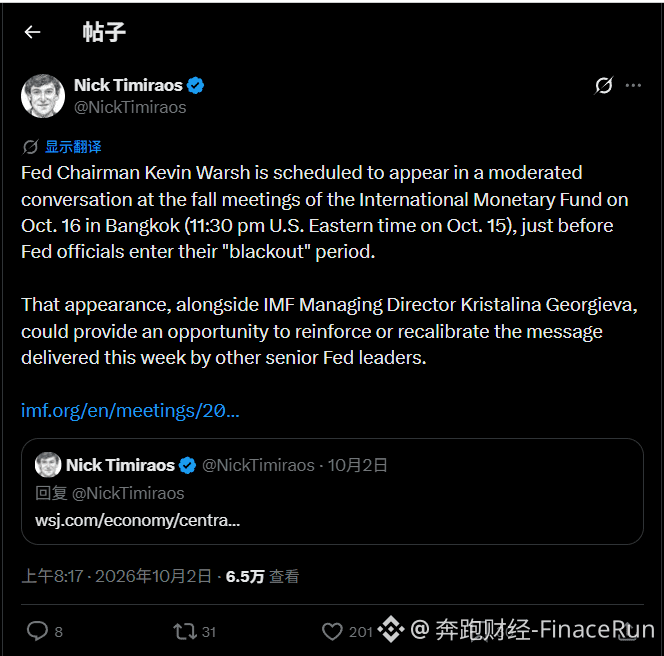
10 月 9 日讯,据记者 Nick Timiraos 披露,美联储主席 Kevin Warsh 计划于 10 月 16 日,在曼谷举行的国际货币基金组织(IMF)秋季会议上参与一场主持对话。
本次活动对应在美东时间 10 月 15 日 23:30,时间点恰好落在美联储官员进入政策利率投票决议的静默期之前,市场关注度极高。
本次主题活动中,Kevin Warsh 将与 IMF 总裁 Kristalina Georgieva 同台出席并发表讲话。
市场预期,这场公开露面,或将为美联储提供机会,重申或是调整本周其他美联储高层释放的政策信号。
市场人士指出,本次对话正值静默期之前,时机关键;投资者可重点留意沃什表态,判断美联储政策走向与调整空间。
你认为,美联储主席在本次发言中,会释放出偏鹰还是偏鸽的信号?评论区聊聊你的看法。
#美联储 #IMF
美联储主席将亮相IMF秋季会议,或成政策静默期前最后“定调”机会
10 月 9 日讯,据记者 Nick Timiraos 披露,美联储主席 Kevin Warsh 计划于 10 月 16 日,在曼谷举行的国际货币基金组织(IMF)秋季会议上参与一场主持对话。
本次活动对应在美东时间 10 月 15 日 23:30,时间点恰好落在美联储官员进入政策利率投票决议的静默期之前,市场关注度极高。
本次主题活动中,Kevin Warsh 将与 IMF 总裁 Kristalina Georgieva 同台出席并发表讲话。
市场预期,这场公开露面,或将为美联储提供机会,重申或是调整本周其他美联储高层释放的政策信号。
市场人士指出,本次对话正值静默期之前,时机关键;投资者可重点留意沃什表态,判断美联储政策走向与调整空间。
你认为,美联储主席在本次发言中,会释放出偏鹰还是偏鸽的信号?评论区聊聊你的看法。
#美联储 #IMF
10 月 9 日讯,据记者 Nick Timiraos 披露,美联储主席 Kevin Warsh 计划于 10 月 16 日,在曼谷举行的国际货币基金组织(IMF)秋季会议上参与一场主持对话。
本次活动对应在美东时间 10 月 15 日 23:30,时间点恰好落在美联储官员进入政策利率投票决议的静默期之前,市场关注度极高。
本次主题活动中,Kevin Warsh 将与 IMF 总裁 Kristalina Georgieva 同台出席并发表讲话。
市场预期,这场公开露面,或将为美联储提供机会,重申或是调整本周其他美联储高层释放的政策信号。
市场人士指出,本次对话正值静默期之前,时机关键;投资者可重点留意沃什表态,判断美联储政策走向与调整空间。
你认为,美联储主席在本次发言中,会释放出偏鹰还是偏鸽的信号?评论区聊聊你的看法。
#美联储 #IMF
592

·
--
#IMF IMF给代币化浇了一盆冷水🤯,但不得不说,说的全是大实话!因为数据就摆在这了:代币化回购一天几百亿,传统回购市场一天才13万亿。这差距可不是一点半点。
但有意思的是,散户对24小时交易和碎股买卖是真的买账。怎么说?
我用人话给大家说几句:
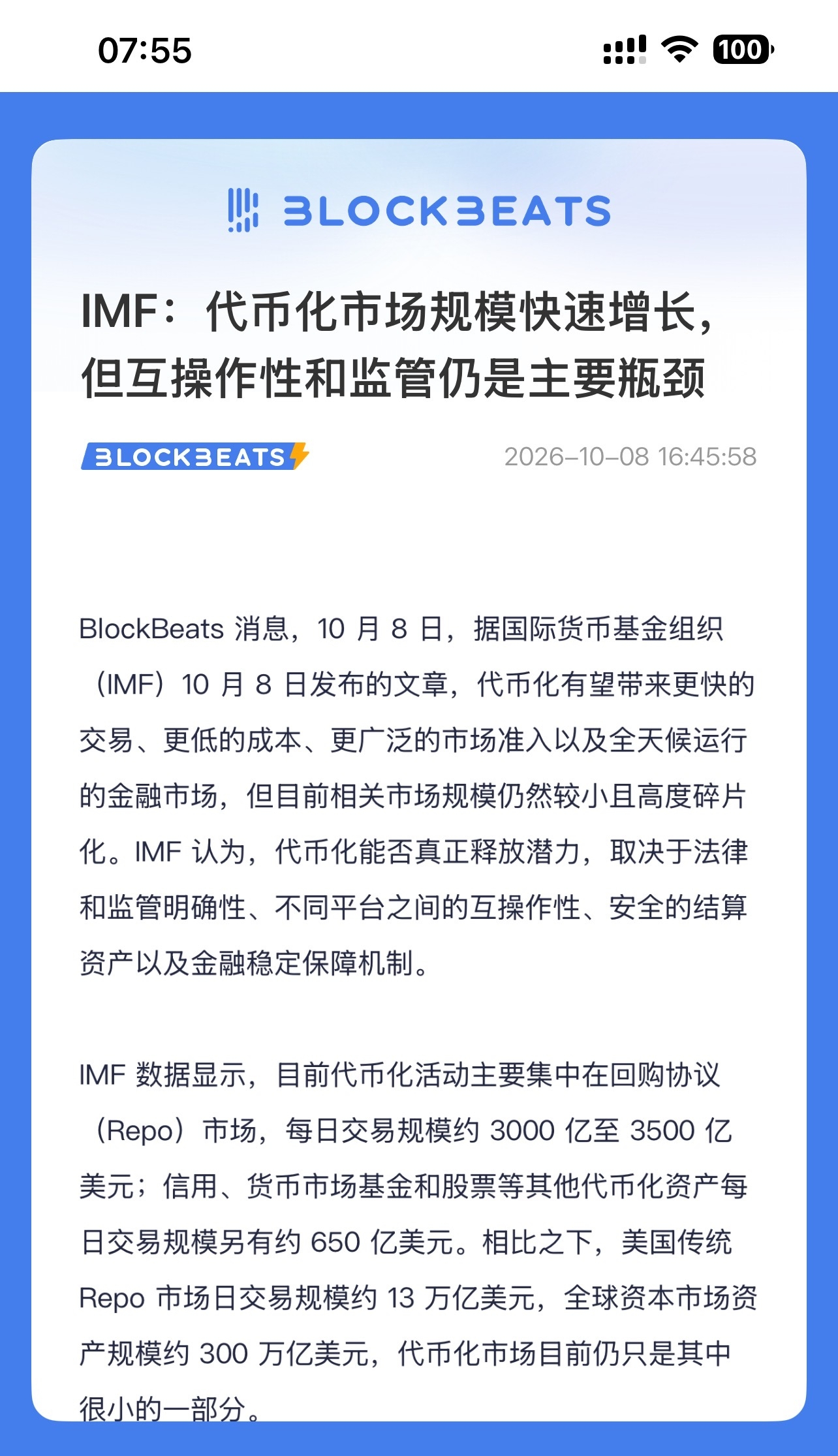
#IMF 刚发了报告,核心意思就一句话:代币化市场增长是快,但池子太小了,而且全是隔断的,就是个“小池塘”
具体数据还是挺扎心的:
代币化回购日均 在3000-3500亿美元,
代币化股票、基金等加起来也才 650亿美元,
对比一下:美国传统回购市场一天 13万亿,全球资本市场资产 300万亿🤯
意思是,代币化现在连传统金融的零头都算不上~
我觉得:碎片化这事恰恰是个机会
IMF把“碎片化”当成问题来说,什么平台之间不通、流动性割裂、网络效应起不来。
但换个角度想:
碎片化 = 早期。 哪个新兴市场早期不是一地鸡毛?2017年的DeFi也是一个个孤岛,后来才有Uniswap把流动性聚起来,代币化现在缺的就是一个“聚合层”。
所以,别被“规模小”吓到了。 650亿在传统金融眼里是蚂蚁,但在链上世界,这已经是跑通了的证明。从0到650亿难,从650亿到6500亿,路径已经清晰了~
但是我也给大家说一下风险哈~
IMF警告的事不是没道理:规模大了之后,抛售、挤兑、传染这些传统金融的毛病一样会来,而且因为链上速度快,可能来得更猛。
24小时交易爽归爽,但没有熔断、没有休市缓冲,出事的时候连喘口气的机会都没有~
最后我再啰嗦一句:IMF这份报告,表面看是在泼冷水,但实际上是在“指路”。它把问题说得明明白白的:法律、监管、互操作、结算资产。
这四件事谁解决了,谁就吃可以吃到下一波的红利~
关于这份报告你怎么看?欢迎评论区留言😊
#IMF称代币化市场仍小且碎片化
{future}(BTCUSDT)
{future}(ETHUSDT)
{future}(ZECUSDT)
#IMF IMF给代币化浇了一盆冷水🤯,但不得不说,说的全是大实话!因为数据就摆在这了:代币化回购一天几百亿,传统回购市场一天才13万亿。这差距可不是一点半点。
但有意思的是,散户对24小时交易和碎股买卖是真的买账。怎么说?
我用人话给大家说几句:
#IMF 刚发了报告,核心意思就一句话:代币化市场增长是快,但池子太小了,而且全是隔断的,就是个“小池塘”
具体数据还是挺扎心的:
代币化回购日均 在3000-3500亿美元,
代币化股票、基金等加起来也才 650亿美元,
对比一下:美国传统回购市场一天 13万亿,全球资本市场资产 300万亿🤯
意思是,代币化现在连传统金融的零头都算不上~
我觉得:碎片化这事恰恰是个机会
IMF把“碎片化”当成问题来说,什么平台之间不通、流动性割裂、网络效应起不来。
但换个角度想:
碎片化 = 早期。 哪个新兴市场早期不是一地鸡毛?2017年的DeFi也是一个个孤岛,后来才有Uniswap把流动性聚起来,代币化现在缺的就是一个“聚合层”。
所以,别被“规模小”吓到了。 650亿在传统金融眼里是蚂蚁,但在链上世界,这已经是跑通了的证明。从0到650亿难,从650亿到6500亿,路径已经清晰了~
但是我也给大家说一下风险哈~
IMF警告的事不是没道理:规模大了之后,抛售、挤兑、传染这些传统金融的毛病一样会来,而且因为链上速度快,可能来得更猛。
24小时交易爽归爽,但没有熔断、没有休市缓冲,出事的时候连喘口气的机会都没有~
最后我再啰嗦一句:IMF这份报告,表面看是在泼冷水,但实际上是在“指路”。它把问题说得明明白白的:法律、监管、互操作、结算资产。
这四件事谁解决了,谁就吃可以吃到下一波的红利~
关于这份报告你怎么看?欢迎评论区留言😊
#IMF称代币化市场仍小且碎片化
但有意思的是,散户对24小时交易和碎股买卖是真的买账。怎么说?
我用人话给大家说几句:
#IMF 刚发了报告,核心意思就一句话:代币化市场增长是快,但池子太小了,而且全是隔断的,就是个“小池塘”
具体数据还是挺扎心的:
代币化回购日均 在3000-3500亿美元,
代币化股票、基金等加起来也才 650亿美元,
对比一下:美国传统回购市场一天 13万亿,全球资本市场资产 300万亿🤯
意思是,代币化现在连传统金融的零头都算不上~
我觉得:碎片化这事恰恰是个机会
IMF把“碎片化”当成问题来说,什么平台之间不通、流动性割裂、网络效应起不来。
但换个角度想:
碎片化 = 早期。 哪个新兴市场早期不是一地鸡毛?2017年的DeFi也是一个个孤岛,后来才有Uniswap把流动性聚起来,代币化现在缺的就是一个“聚合层”。
所以,别被“规模小”吓到了。 650亿在传统金融眼里是蚂蚁,但在链上世界,这已经是跑通了的证明。从0到650亿难,从650亿到6500亿,路径已经清晰了~
但是我也给大家说一下风险哈~
IMF警告的事不是没道理:规模大了之后,抛售、挤兑、传染这些传统金融的毛病一样会来,而且因为链上速度快,可能来得更猛。
24小时交易爽归爽,但没有熔断、没有休市缓冲,出事的时候连喘口气的机会都没有~
最后我再啰嗦一句:IMF这份报告,表面看是在泼冷水,但实际上是在“指路”。它把问题说得明明白白的:法律、监管、互操作、结算资产。
这四件事谁解决了,谁就吃可以吃到下一波的红利~
关于这份报告你怎么看?欢迎评论区留言😊
#IMF称代币化市场仍小且碎片化
7
6
29
5.6k
Войдите, чтобы посмотреть больше материала
Присоединяйтесь к пользователям криптовалют по всему миру на Binance Square
⚡️ Получайте новейшую и полезную информацию о криптоактивах.
💬 Нам доверяет крупнейшая в мире криптобиржа.
👍 Получите достоверные аналитические данные от верифицированных создателей контента.
Эл. почта/номер телефона
В тренде
1
#BitcoinSlipsBelow$80KAgain
Просмотров: 493
19 обсуждают
2
#ThailandLaunchesWORPTStablecoinToQRPaymentApp
Просмотров: 304
40 обсуждают
3
#StrategySkipsBitcoinPurchasesSpends$205MOnSTRCBuybacks
Просмотров: 2,900
65 обсуждают
4
#BitmineAdds10452ETH
Просмотров: 28,643
503 обсуждают
5
#SouthKoreaConsidersEducationTaxOnCryptoExchanges
Просмотров: 17,608
407 обсуждают
6
#OCCUrgesCommunityBanksToEnterStablecoinPayments
Просмотров: 13,508
259 обсуждают
7
#RippleWinsFullApprovalAsNationalTrustBank
Просмотров: 16,329
257 обсуждают
8
#AkashSelectsSolanaAsMigrationTarget
Просмотров: 9,879
138 обсуждают
9
#OndoToOpenSubscriptionsForOpenAIPreIPOTokenizedNotes
Просмотров: 525
22 обсуждают
10
#AnthropicTTMRevenueGrewAbout1200%
Просмотров: 67,419
661 обсуждают