

#factcheck
factcheck
Просмотров: 770,605
667 обсуждают
Популярные
Новые
·
--
Рост
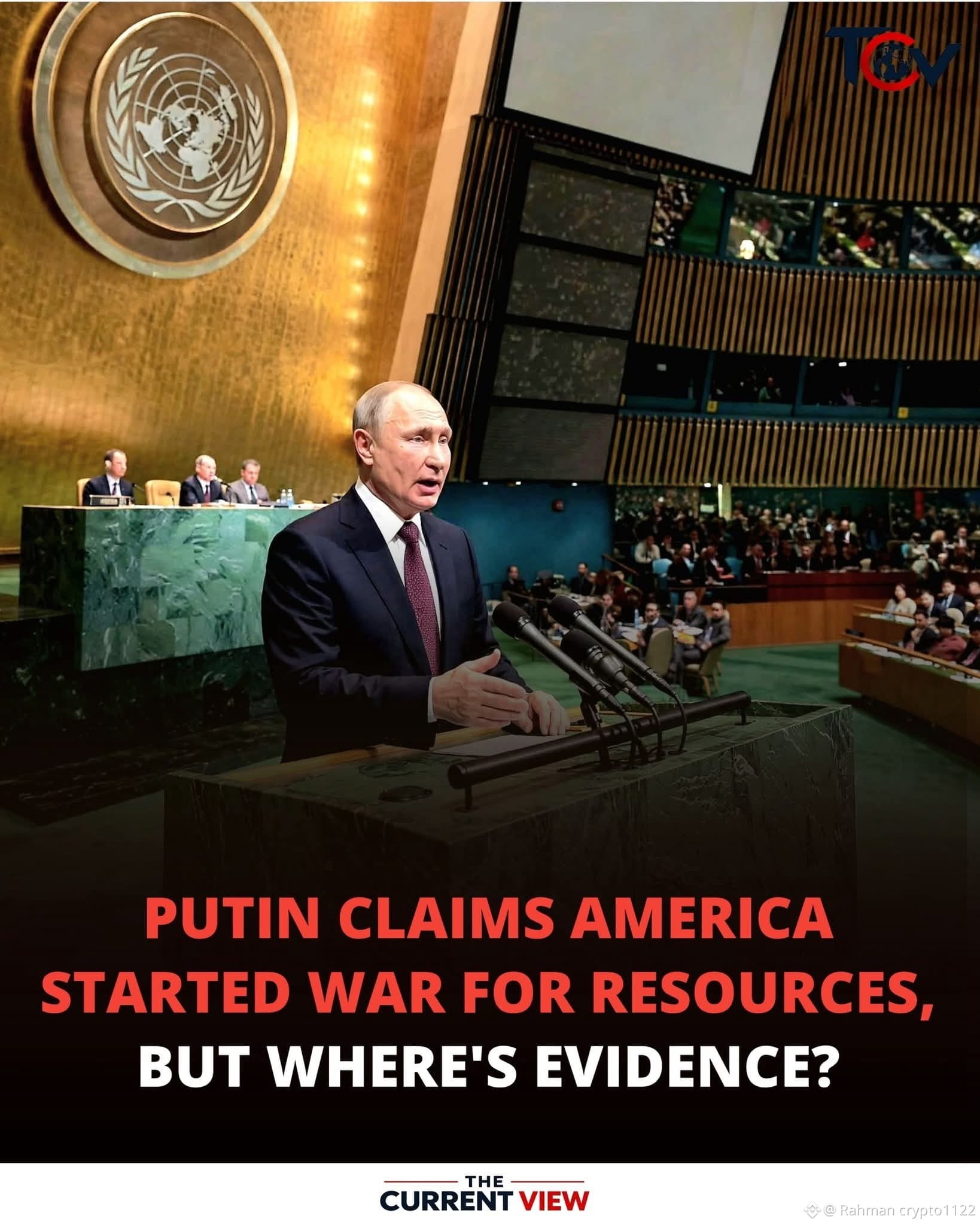
🚨 FACT CHECK: PUTIN’S VIRAL CLAIM NEEDS EVIDENCE 🇷🇺🇺🇸🇪🇺
A quote claiming that America started the war and Europe wants Russia’s resources is circulating online. However, without an original, verified speech or reliable transcript, the attribution remains unconfirmed.
📌 Verified facts: On February 24, 2022, Russia launched its full-scale invasion of Ukraine. On March 2, 2022, the UN General Assembly adopted Resolution ES-11/1, condemning Russia’s aggression by 141 votes.
Geopolitical interests and NATO expansion are subjects of debate, but viral quotes must be verified before sharing.
Check the evidence, question every narrative, and remember Ukraine’s sovereignty.
#Putin #RussiaUkraineWar #FactCheck #UnitedNations
$TREE $LA $EPIC
🚨 FACT CHECK: PUTIN’S VIRAL CLAIM NEEDS EVIDENCE 🇷🇺🇺🇸🇪🇺
A quote claiming that America started the war and Europe wants Russia’s resources is circulating online. However, without an original, verified speech or reliable transcript, the attribution remains unconfirmed.
📌 Verified facts: On February 24, 2022, Russia launched its full-scale invasion of Ukraine. On March 2, 2022, the UN General Assembly adopted Resolution ES-11/1, condemning Russia’s aggression by 141 votes.
Geopolitical interests and NATO expansion are subjects of debate, but viral quotes must be verified before sharing.
Check the evidence, question every narrative, and remember Ukraine’s sovereignty.
#Putin #RussiaUkraineWar #FactCheck #UnitedNations
$TREE $LA $EPIC
A quote claiming that America started the war and Europe wants Russia’s resources is circulating online. However, without an original, verified speech or reliable transcript, the attribution remains unconfirmed.
📌 Verified facts: On February 24, 2022, Russia launched its full-scale invasion of Ukraine. On March 2, 2022, the UN General Assembly adopted Resolution ES-11/1, condemning Russia’s aggression by 141 votes.
Geopolitical interests and NATO expansion are subjects of debate, but viral quotes must be verified before sharing.
Check the evidence, question every narrative, and remember Ukraine’s sovereignty.
#Putin #RussiaUkraineWar #FactCheck #UnitedNations
$TREE $LA $EPIC
Fairy Floriano JuE1:
а еще они в Румынии так угнали и в Красноармейске у всу минометы украли, прямо не цыгане а бетмены )))), это все фейки..
11
7
7.5k
·
--
Рост
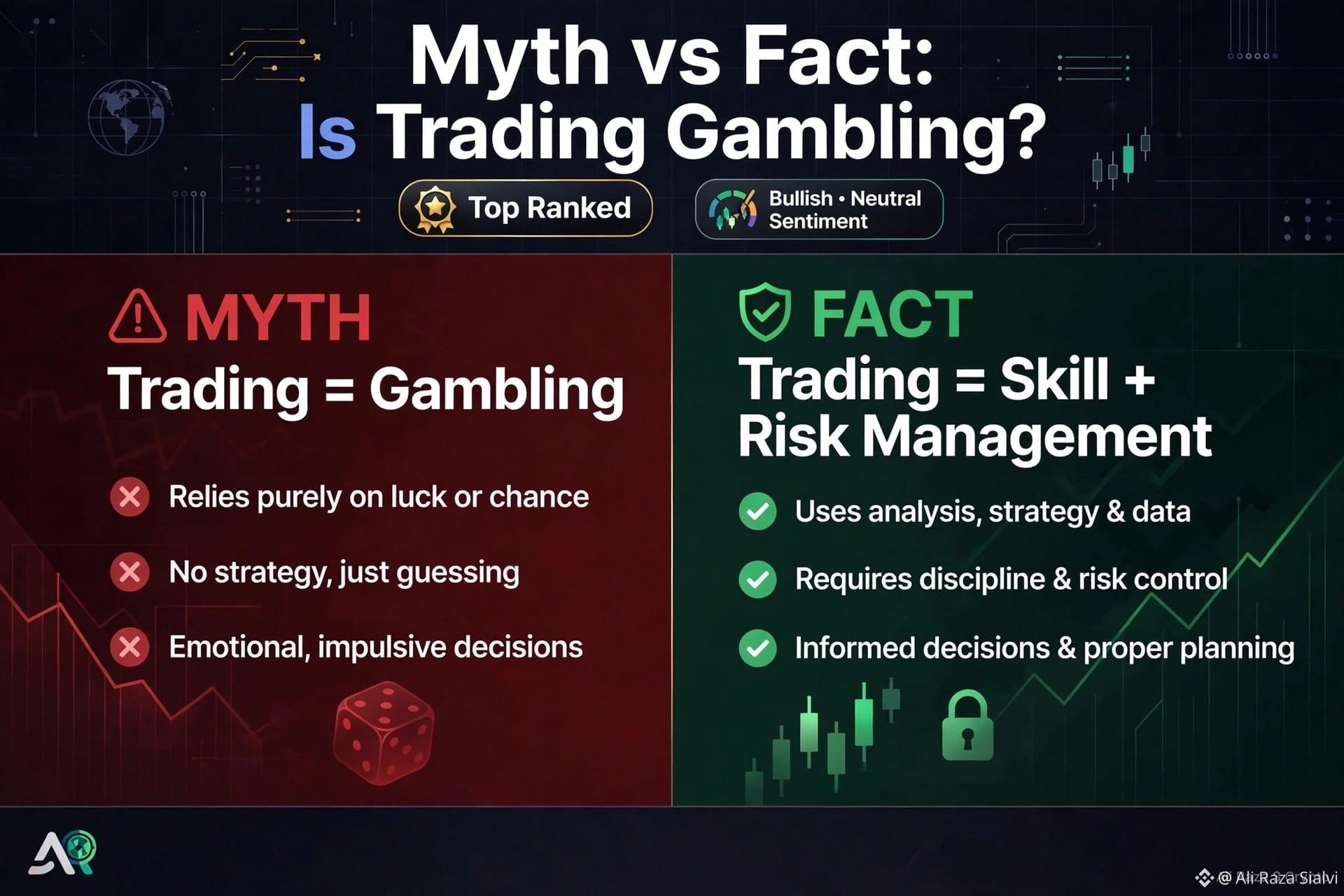
Top Myth Today: Is Trading Gambling? Top Ranked Fact Check
Many beginners think trading is gambling. Let's fact check this:
1. Myth: Trading = Gambling, Pure Luck
Fact: Gambling relies on luck. Trading uses data, charts, and strategy.
2. Myth: No Skill Needed, Just Guess
Fact: Professional trading needs discipline, risk management (2% rule), and technical analysis.
3. Myth: You Will Lose Everything Quickly
Fact: With proper risk management and stop-loss, capital can be protected long-term.
My Top Ranked View:
Trading is not gambling. Gambling is emotion. Trading is skill + risk management + patience. If you treat it like gambling, you will lose. If you treat it like a business, you can survive.
Sentiment: Neutral to Bullish on learning, Bearish on gambling mindset.
Do you think trading is gambling or a skill? Comment your view.
Disclaimer: Not financial advice, for educational purposes only.
$BTC $ETH $SOL
#Write2Earn #TopRanked #TradingMyths #CryptoEducation #FactCheck
Top Myth Today: Is Trading Gambling? Top Ranked Fact Check
Many beginners think trading is gambling. Let's fact check this:
1. Myth: Trading = Gambling, Pure Luck
Fact: Gambling relies on luck. Trading uses data, charts, and strategy.
2. Myth: No Skill Needed, Just Guess
Fact: Professional trading needs discipline, risk management (2% rule), and technical analysis.
3. Myth: You Will Lose Everything Quickly
Fact: With proper risk management and stop-loss, capital can be protected long-term.
My Top Ranked View:
Trading is not gambling. Gambling is emotion. Trading is skill + risk management + patience. If you treat it like gambling, you will lose. If you treat it like a business, you can survive.
Sentiment: Neutral to Bullish on learning, Bearish on gambling mindset.
Do you think trading is gambling or a skill? Comment your view.
Disclaimer: Not financial advice, for educational purposes only.
$BTC $ETH $SOL
#Write2Earn #TopRanked #TradingMyths #CryptoEducation #FactCheck
Many beginners think trading is gambling. Let's fact check this:
1. Myth: Trading = Gambling, Pure Luck
Fact: Gambling relies on luck. Trading uses data, charts, and strategy.
2. Myth: No Skill Needed, Just Guess
Fact: Professional trading needs discipline, risk management (2% rule), and technical analysis.
3. Myth: You Will Lose Everything Quickly
Fact: With proper risk management and stop-loss, capital can be protected long-term.
My Top Ranked View:
Trading is not gambling. Gambling is emotion. Trading is skill + risk management + patience. If you treat it like gambling, you will lose. If you treat it like a business, you can survive.
Sentiment: Neutral to Bullish on learning, Bearish on gambling mindset.
Do you think trading is gambling or a skill? Comment your view.
Disclaimer: Not financial advice, for educational purposes only.
$BTC $ETH $SOL
#Write2Earn #TopRanked #TradingMyths #CryptoEducation #FactCheck
90

·
--
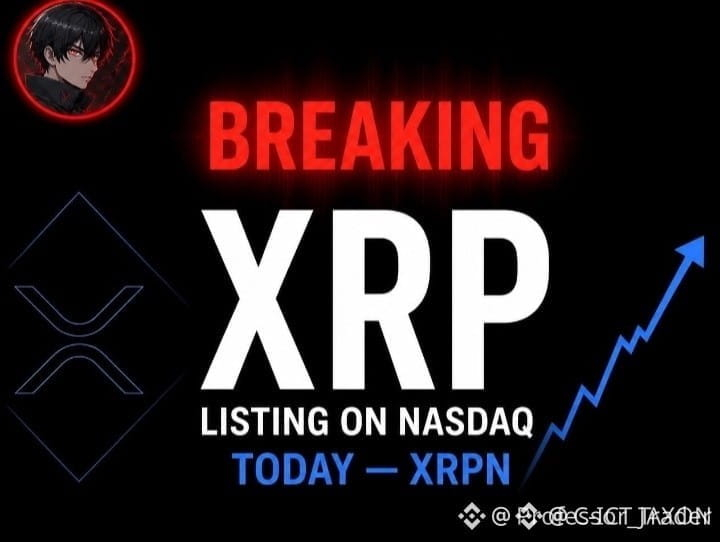
🚨 $XRP CLAIMED NASDAQ LISTING UNDER XRPN – FACT CHECK REQUIRED
The circulating graphic touts a Nasdaq debut for $XRP under XRPN, but the visual alone lacks the regulatory stamp of a formal listing. 📊
Institutional pipelines demand a filing on Nasdaq’s official portal or a press release from Ripple; until that materializes, the market treats it as speculative liquidity. 🦈💡
Smart‑money players will likely watch for the official ticker activation before reallocating capital, so treat the buzz as a potential catalyst, not a confirmed event. 📌
💬 Does this rumor merit a position, or will you wait for the Nasdaq confirmation? 👇
⚠️ Not financial advice. Always manage your risk. 🛡️
🏷️ #XRP #Nasdaq #FactCheck #Crypto
🦈 🔥
🚨 $XRP CLAIMED NASDAQ LISTING UNDER XRPN – FACT CHECK REQUIRED
The circulating graphic touts a Nasdaq debut for $XRP under XRPN, but the visual alone lacks the regulatory stamp of a formal listing. 📊
Institutional pipelines demand a filing on Nasdaq’s official portal or a press release from Ripple; until that materializes, the market treats it as speculative liquidity. 🦈💡
Smart‑money players will likely watch for the official ticker activation before reallocating capital, so treat the buzz as a potential catalyst, not a confirmed event. 📌
💬 Does this rumor merit a position, or will you wait for the Nasdaq confirmation? 👇
⚠️ Not financial advice. Always manage your risk. 🛡️
🏷️ #XRP #Nasdaq #FactCheck #Crypto
🦈 🔥
The circulating graphic touts a Nasdaq debut for $XRP under XRPN, but the visual alone lacks the regulatory stamp of a formal listing. 📊
Institutional pipelines demand a filing on Nasdaq’s official portal or a press release from Ripple; until that materializes, the market treats it as speculative liquidity. 🦈💡
Smart‑money players will likely watch for the official ticker activation before reallocating capital, so treat the buzz as a potential catalyst, not a confirmed event. 📌
💬 Does this rumor merit a position, or will you wait for the Nasdaq confirmation? 👇
⚠️ Not financial advice. Always manage your risk. 🛡️
🏷️ #XRP #Nasdaq #FactCheck #Crypto
🦈 🔥
20

·
--
"SpaceX IPO 12 June $75B" TRENDING? 🚨
STOP ✋ FACT CHECK KARO:
❌ SpaceX PRIVATE hai - IPO nahi hua
❌ $SPCX FAKE ticker hai
❌ $2T + Trillionaire = JHOOT 💀
Starlink IPO = alag baat 🛰️
SpaceX IPO = abhi sapna 🌙
Verify karo bhai 🧠 SEC > Twitter
FOMO = Khatam 💸
DYOR. Not financial advice
#SpaceX #FactCheck #IPO
"SpaceX IPO 12 June $75B" TRENDING? 🚨
STOP ✋ FACT CHECK KARO:
❌ SpaceX PRIVATE hai - IPO nahi hua
❌ $SPCX FAKE ticker hai
❌ $2T + Trillionaire = JHOOT 💀
Starlink IPO = alag baat 🛰️
SpaceX IPO = abhi sapna 🌙
Verify karo bhai 🧠 SEC > Twitter
FOMO = Khatam 💸
DYOR. Not financial advice
#SpaceX #FactCheck #IPO
STOP ✋ FACT CHECK KARO:
❌ SpaceX PRIVATE hai - IPO nahi hua
❌ $SPCX FAKE ticker hai
❌ $2T + Trillionaire = JHOOT 💀
Starlink IPO = alag baat 🛰️
SpaceX IPO = abhi sapna 🌙
Verify karo bhai 🧠 SEC > Twitter
FOMO = Khatam 💸
DYOR. Not financial advice
#SpaceX #FactCheck #IPO
82
🚨 𝗕𝗥𝗘𝗔𝗞𝗜𝗡𝗚 𝗨𝗣𝗗𝗔𝗧𝗘
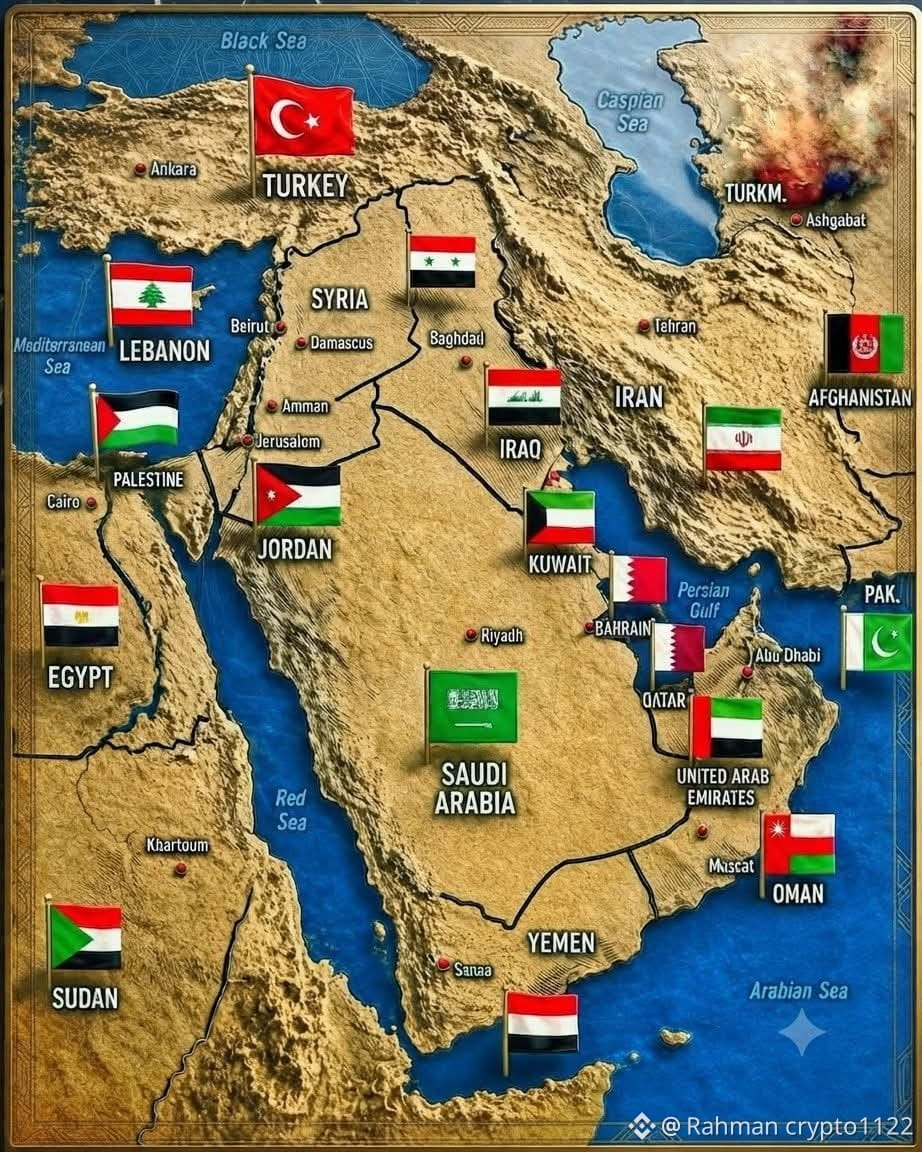
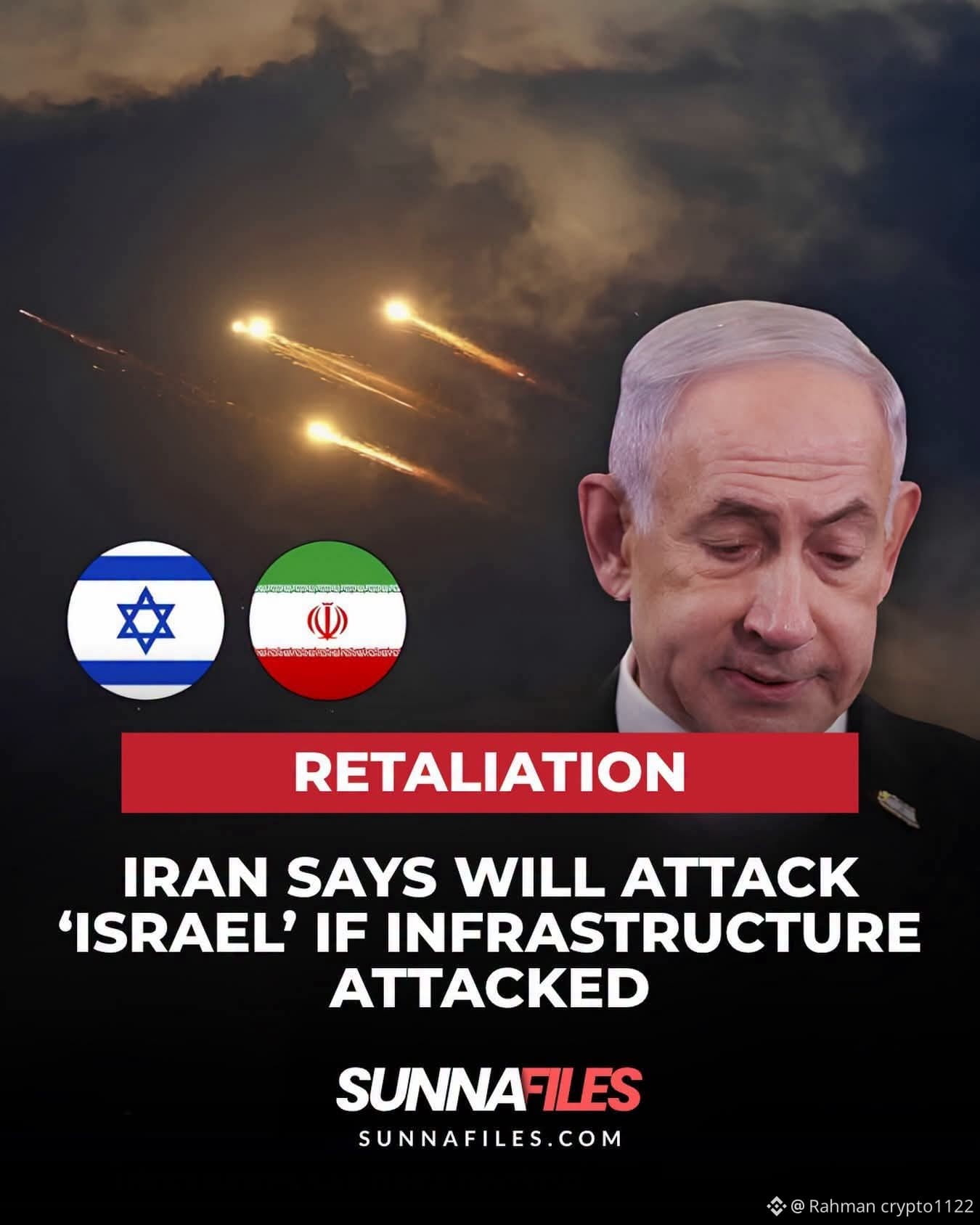
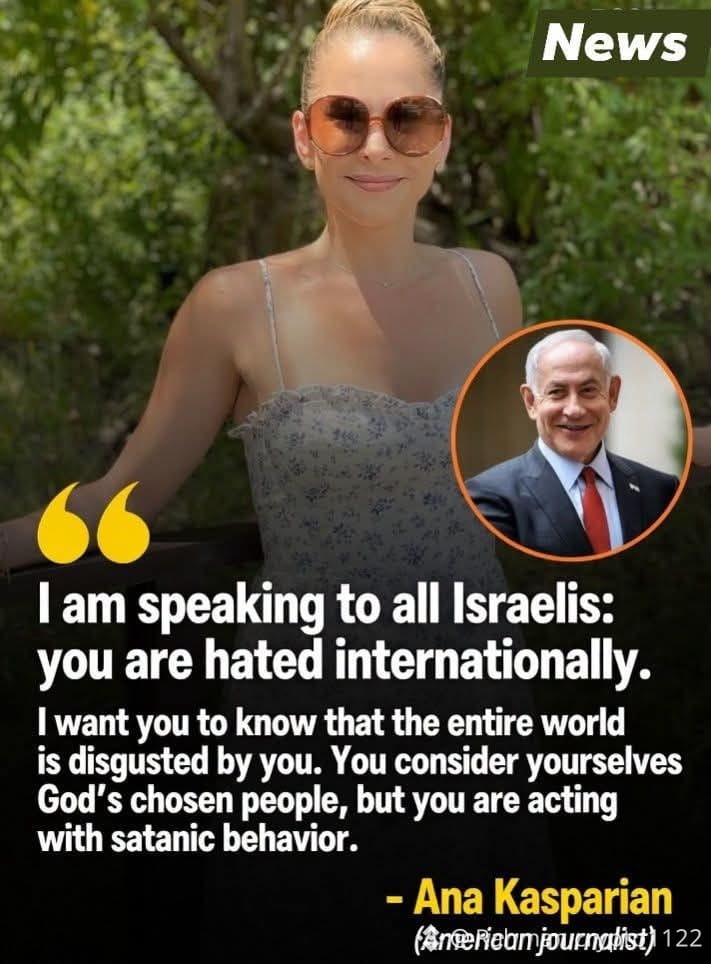
A quote attributed to journalist and political commentator Ana Kasparian is currently circulating across social media, drawing significant attention and sparking heated debate regarding Israel and the ongoing conflict in the Middle East.
The viral image has prompted strong reactions from both supporters and critics. However, as with many widely shared quote cards online, context and authenticity matter.
⚠️ Before sharing, verify whether the quote was actually made by Ana Kasparian and whether it is being presented in its original context. Screenshots and graphics can sometimes be edited, misattributed, or taken out of context.
💬 What responsibility do journalists and media figures have when commenting on international conflicts? Join the discussion respectfully.
📌 Reference: The claim is based on content circulating on social media and various media reports. Readers are encouraged to verify the original source or official statement before treating the quote as authentic.
#BreakingNew #FactCheck #AnaKasparian $BTC $BCH $BNB
🚨 𝗕𝗥𝗘𝗔𝗞𝗜𝗡𝗚 𝗨𝗣𝗗𝗔𝗧𝗘
A quote attributed to journalist and political commentator Ana Kasparian is currently circulating across social media, drawing significant attention and sparking heated debate regarding Israel and the ongoing conflict in the Middle East.
The viral image has prompted strong reactions from both supporters and critics. However, as with many widely shared quote cards online, context and authenticity matter.
⚠️ Before sharing, verify whether the quote was actually made by Ana Kasparian and whether it is being presented in its original context. Screenshots and graphics can sometimes be edited, misattributed, or taken out of context.
💬 What responsibility do journalists and media figures have when commenting on international conflicts? Join the discussion respectfully.
📌 Reference: The claim is based on content circulating on social media and various media reports. Readers are encouraged to verify the original source or official statement before treating the quote as authentic.
#BreakingNew #FactCheck #AnaKasparian $BTC $BCH $BNB
A quote attributed to journalist and political commentator Ana Kasparian is currently circulating across social media, drawing significant attention and sparking heated debate regarding Israel and the ongoing conflict in the Middle East.
The viral image has prompted strong reactions from both supporters and critics. However, as with many widely shared quote cards online, context and authenticity matter.
⚠️ Before sharing, verify whether the quote was actually made by Ana Kasparian and whether it is being presented in its original context. Screenshots and graphics can sometimes be edited, misattributed, or taken out of context.
💬 What responsibility do journalists and media figures have when commenting on international conflicts? Join the discussion respectfully.
📌 Reference: The claim is based on content circulating on social media and various media reports. Readers are encouraged to verify the original source or official statement before treating the quote as authentic.
#BreakingNew #FactCheck #AnaKasparian $BTC $BCH $BNB
216
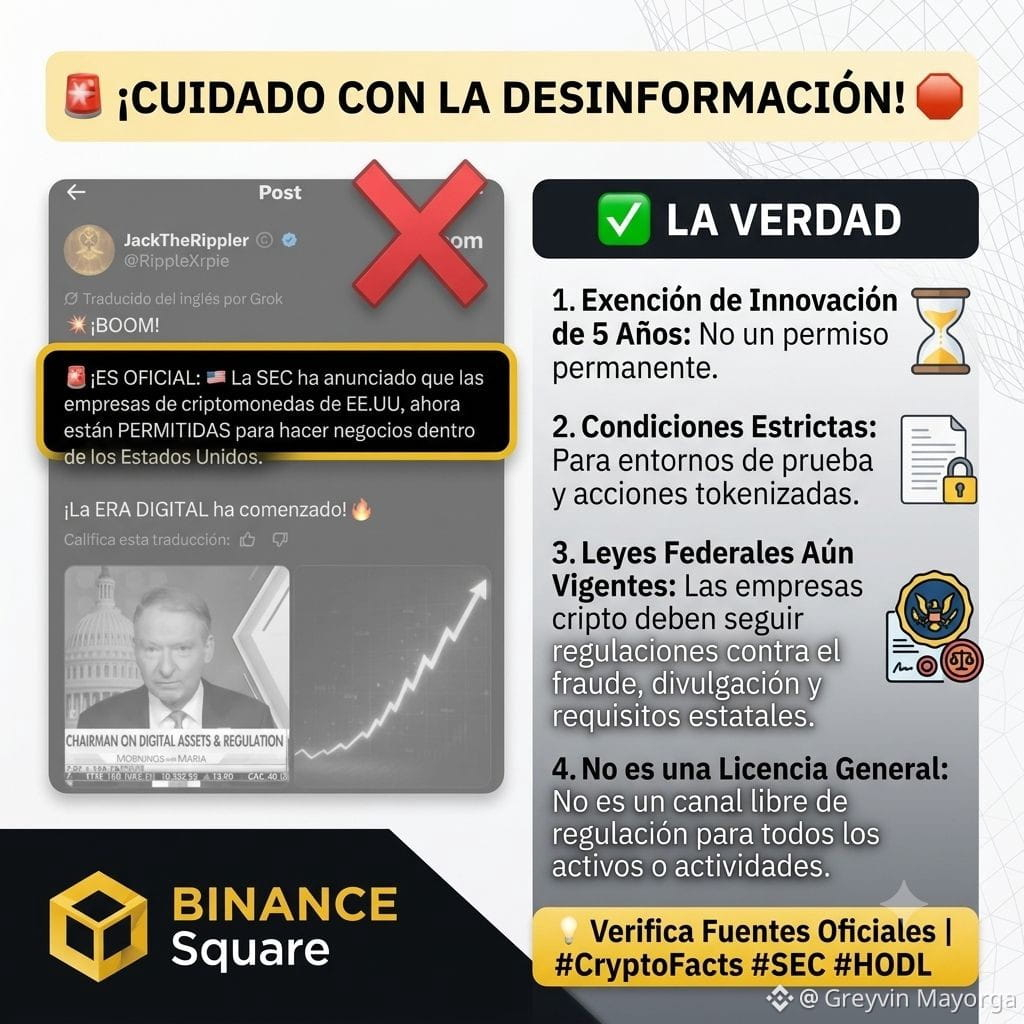
🚨 ¡Cuidado con la desinformación sobre la SEC! 🛑
Está circulando un post que afirma que la SEC "ya permitió a todas las empresas cripto hacer negocios libremente en EE. UU." Esto es FALSO.
📌 La realidad:
1️⃣ No existe una aprobación general ni libre de regulación; los controles contra fraude, registro y supervisión estatal siguen 100% vigentes.
2️⃣ Lo único anunciado fue una exención temporal de prueba (5 años) con reglas muy estrictas para experimentar con acciones tokenizadas.
3️⃣ Cuentas sensacionalistas suelen distorsionar anuncios técnicos para generar HYPE artificial.
💡 En cripto, siempre verifica las fuentes oficiales antes de tomar decisiones financieras. #CryptoNews #SEC #HODL #FactCheck
🚨 ¡Cuidado con la desinformación sobre la SEC! 🛑
Está circulando un post que afirma que la SEC "ya permitió a todas las empresas cripto hacer negocios libremente en EE. UU." Esto es FALSO.
📌 La realidad:
1️⃣ No existe una aprobación general ni libre de regulación; los controles contra fraude, registro y supervisión estatal siguen 100% vigentes.
2️⃣ Lo único anunciado fue una exención temporal de prueba (5 años) con reglas muy estrictas para experimentar con acciones tokenizadas.
3️⃣ Cuentas sensacionalistas suelen distorsionar anuncios técnicos para generar HYPE artificial.
💡 En cripto, siempre verifica las fuentes oficiales antes de tomar decisiones financieras. #CryptoNews #SEC #HODL #FactCheck
Está circulando un post que afirma que la SEC "ya permitió a todas las empresas cripto hacer negocios libremente en EE. UU." Esto es FALSO.
📌 La realidad:
1️⃣ No existe una aprobación general ni libre de regulación; los controles contra fraude, registro y supervisión estatal siguen 100% vigentes.
2️⃣ Lo único anunciado fue una exención temporal de prueba (5 años) con reglas muy estrictas para experimentar con acciones tokenizadas.
3️⃣ Cuentas sensacionalistas suelen distorsionar anuncios técnicos para generar HYPE artificial.
💡 En cripto, siempre verifica las fuentes oficiales antes de tomar decisiones financieras. #CryptoNews #SEC #HODL #FactCheck
1.1k
·
--
Проверено
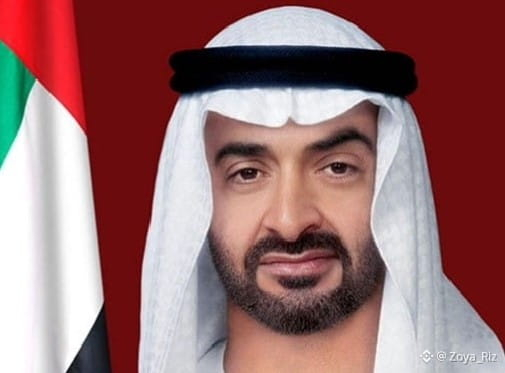
$XRP FACT CHECK Is the UAE buying billions in $XRP? 🇦🇪
There are massive rumors circulating that the UAE government is buying billions of dollars worth of XRP via OTC desks.
❌ No Official Confirmation: There is absolutely no official statement from the UAE government, its sovereign wealth funds, or Ripple regarding this.
📈 Why the Rumor?
The UAE is highly crypto friendly. Dubai’s VARA and DIFC have already approved XRP for institutional use, and Ripple’s MENA HQ is in Dubai.
Verdict It's just market hype While the UAE strongly supports Ripple’s technology the billion dollar token purchase claims are unverified rumors. Trade safe and always do your own research DYOR 🔍
{future}(XRPUSDT)
#SaylorHintsStrategyBitcoinBuy
#FactCheck
$XRP FACT CHECK Is the UAE buying billions in $XRP ? 🇦🇪
There are massive rumors circulating that the UAE government is buying billions of dollars worth of XRP via OTC desks.
❌ No Official Confirmation: There is absolutely no official statement from the UAE government, its sovereign wealth funds, or Ripple regarding this.
📈 Why the Rumor?
The UAE is highly crypto friendly. Dubai’s VARA and DIFC have already approved XRP for institutional use, and Ripple’s MENA HQ is in Dubai.
Verdict It's just market hype While the UAE strongly supports Ripple’s technology the billion dollar token purchase claims are unverified rumors. Trade safe and always do your own research DYOR 🔍
#SaylorHintsStrategyBitcoinBuy
#FactCheck
There are massive rumors circulating that the UAE government is buying billions of dollars worth of XRP via OTC desks.
❌ No Official Confirmation: There is absolutely no official statement from the UAE government, its sovereign wealth funds, or Ripple regarding this.
📈 Why the Rumor?
The UAE is highly crypto friendly. Dubai’s VARA and DIFC have already approved XRP for institutional use, and Ripple’s MENA HQ is in Dubai.
Verdict It's just market hype While the UAE strongly supports Ripple’s technology the billion dollar token purchase claims are unverified rumors. Trade safe and always do your own research DYOR 🔍
#SaylorHintsStrategyBitcoinBuy
#FactCheck
10
25
10.4k

Статья
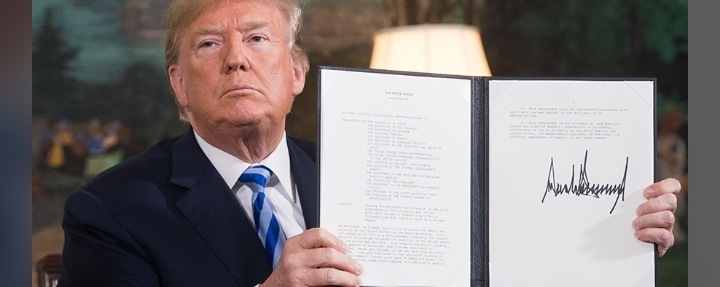
Fact-Check: Donald Trump, Obama, and the Controversial $1 Trillion Iran Sanctions ClaimA recent post circulating on crypto-social forums has sparked intense debate by pairing a famous political quote from Donald Trump with a staggering new claim about U.S.-Iran relations.
The post quotes Trump mocking former President Barack Obama: "Obama gave Iran $US 1.7 billion. You know what the Iranians did? They laughed at Obama and called him a stupid son of a b:tch." Immediately below, it drops a massive headline: "Fact: Trump just lifted Iranian sanctions, which could allow Iran to earn $US 1 trillion."
With high-profile crypto tickers like $XPL , $MITO, and $SYN tagged for maximum visibility, let’s separate the political theater from the actual facts.
Data Evidence: How Trump’s Sanctions Actually Affected Iran.
#breakingnews #USNews #worldnews #FactCheck #PoliticalNews
Fact-Check: Donald Trump, Obama, and the Controversial $1 Trillion Iran Sanctions Claim
A recent post circulating on crypto-social forums has sparked intense debate by pairing a famous political quote from Donald Trump with a staggering new claim about U.S.-Iran relations.
The post quotes Trump mocking former President Barack Obama: "Obama gave Iran $US 1.7 billion. You know what the Iranians did? They laughed at Obama and called him a stupid son of a b:tch." Immediately below, it drops a massive headline: "Fact: Trump just lifted Iranian sanctions, which could allow Iran to earn $US 1 trillion."
With high-profile crypto tickers like $XPL , $MITO, and $SYN tagged for maximum visibility, let’s separate the political theater from the actual facts.
Data Evidence: How Trump’s Sanctions Actually Affected Iran.
#breakingnews #USNews #worldnews #FactCheck #PoliticalNews
The post quotes Trump mocking former President Barack Obama: "Obama gave Iran $US 1.7 billion. You know what the Iranians did? They laughed at Obama and called him a stupid son of a b:tch." Immediately below, it drops a massive headline: "Fact: Trump just lifted Iranian sanctions, which could allow Iran to earn $US 1 trillion."
With high-profile crypto tickers like $XPL , $MITO, and $SYN tagged for maximum visibility, let’s separate the political theater from the actual facts.
Data Evidence: How Trump’s Sanctions Actually Affected Iran.
#breakingnews #USNews #worldnews #FactCheck #PoliticalNews
165
·
--
Рост
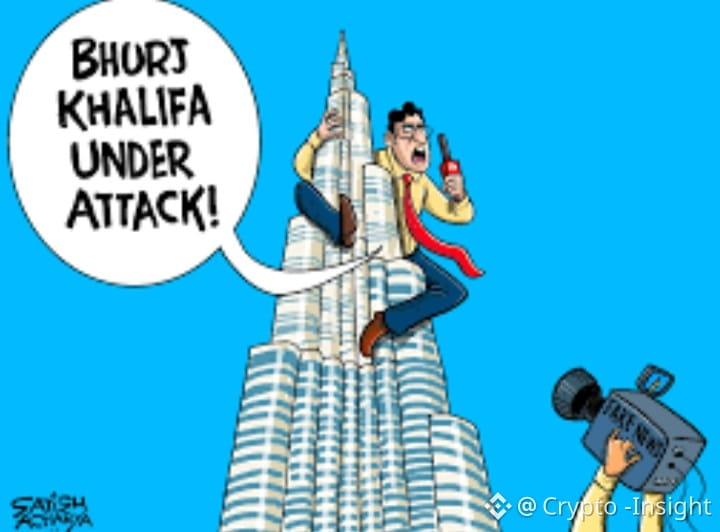
🚨 BURJ KHALIFA UNDER ATTACK?! — FAKE NEWS ALERT! 🚨
⚠️ DON’T FALL FOR THE VIRAL CLAIMS.
Posts circulating under the name Satish Achar are being flagged as FAKE NEWS.
🔥 VERIFY BEFORE YOU AMPLIFY! In fast-moving situations, misinformation can spread faster than the truth.
#BreakingNews #FakeNews #BurjKhalifa #FactCheck #Write2Earn!
🚨 BURJ KHALIFA UNDER ATTACK?! — FAKE NEWS ALERT! 🚨
⚠️ DON’T FALL FOR THE VIRAL CLAIMS.
Posts circulating under the name Satish Achar are being flagged as FAKE NEWS.
🔥 VERIFY BEFORE YOU AMPLIFY! In fast-moving situations, misinformation can spread faster than the truth.
#BreakingNews #FakeNews #BurjKhalifa #FactCheck #Write2Earn!
⚠️ DON’T FALL FOR THE VIRAL CLAIMS.
Posts circulating under the name Satish Achar are being flagged as FAKE NEWS.
🔥 VERIFY BEFORE YOU AMPLIFY! In fast-moving situations, misinformation can spread faster than the truth.
#BreakingNews #FakeNews #BurjKhalifa #FactCheck #Write2Earn!
248
·
--
$XRP CLAIM CIRCULATING ONLINE — FACT CHECKED
{future}(XRPUSDT)
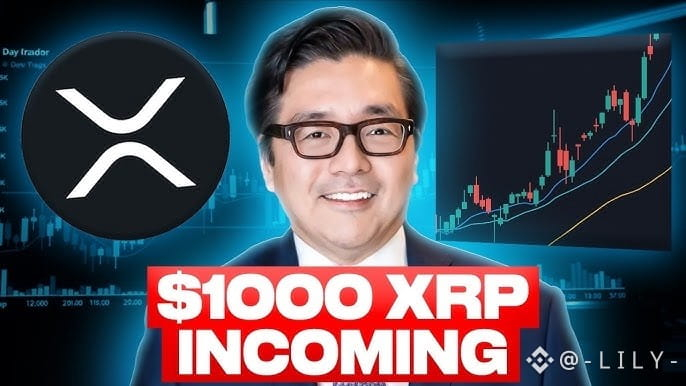
Recently, a viral claim suggested that investor Tom Lee stated XRP could “create millionaires within the next 90 days.”
⚠️ This claim is NOT VERIFIED and appears to be a rumor.
📊 What’s actually known:
• There is no confirmed statement from Tom Lee predicting XRP will generate millionaires in a 90-day timeframe
• His public analysis typically focuses on broader crypto trends, especially Bitcoin ($BTC) and Ethereum ($ETH)
• He is generally bullish on digital assets long-term, but avoids extreme short-term price predictions
📉 Reality Check:
For XRP to achieve extreme price expansion in such a short period, its market capitalization would need to reach levels that exceed historically unrealistic short-term growth expectations — something most analysts consider highly improbable.
💡 What this means for investors:
• XRP remains a high-interest asset in the crypto market
• Social media hype is increasing volatility and speculation
• Long-term movement will depend on adoption, regulation, and liquidity — not viral predictions
📌 Bottom line: XRP is back in the spotlight, but investors should separate market narratives from verified facts before making decisions.
#XRP #CryptoNews #Bitcoin #Ethereum #FactCheck
$XRP CLAIM CIRCULATING ONLINE — FACT CHECKED
Recently, a viral claim suggested that investor Tom Lee stated XRP could “create millionaires within the next 90 days.”
⚠️ This claim is NOT VERIFIED and appears to be a rumor.
📊 What’s actually known:
• There is no confirmed statement from Tom Lee predicting XRP will generate millionaires in a 90-day timeframe
• His public analysis typically focuses on broader crypto trends, especially Bitcoin ($BTC) and Ethereum ($ETH)
• He is generally bullish on digital assets long-term, but avoids extreme short-term price predictions
📉 Reality Check:
For XRP to achieve extreme price expansion in such a short period, its market capitalization would need to reach levels that exceed historically unrealistic short-term growth expectations — something most analysts consider highly improbable.
💡 What this means for investors:
• XRP remains a high-interest asset in the crypto market
• Social media hype is increasing volatility and speculation
• Long-term movement will depend on adoption, regulation, and liquidity — not viral predictions
📌 Bottom line: XRP is back in the spotlight, but investors should separate market narratives from verified facts before making decisions.
#XRP #CryptoNews #Bitcoin #Ethereum #FactCheck
Recently, a viral claim suggested that investor Tom Lee stated XRP could “create millionaires within the next 90 days.”
⚠️ This claim is NOT VERIFIED and appears to be a rumor.
📊 What’s actually known:
• There is no confirmed statement from Tom Lee predicting XRP will generate millionaires in a 90-day timeframe
• His public analysis typically focuses on broader crypto trends, especially Bitcoin ($BTC) and Ethereum ($ETH)
• He is generally bullish on digital assets long-term, but avoids extreme short-term price predictions
📉 Reality Check:
For XRP to achieve extreme price expansion in such a short period, its market capitalization would need to reach levels that exceed historically unrealistic short-term growth expectations — something most analysts consider highly improbable.
💡 What this means for investors:
• XRP remains a high-interest asset in the crypto market
• Social media hype is increasing volatility and speculation
• Long-term movement will depend on adoption, regulation, and liquidity — not viral predictions
📌 Bottom line: XRP is back in the spotlight, but investors should separate market narratives from verified facts before making decisions.
#XRP #CryptoNews #Bitcoin #Ethereum #FactCheck
681

Fact check matters for $JTO macro risk 🧭
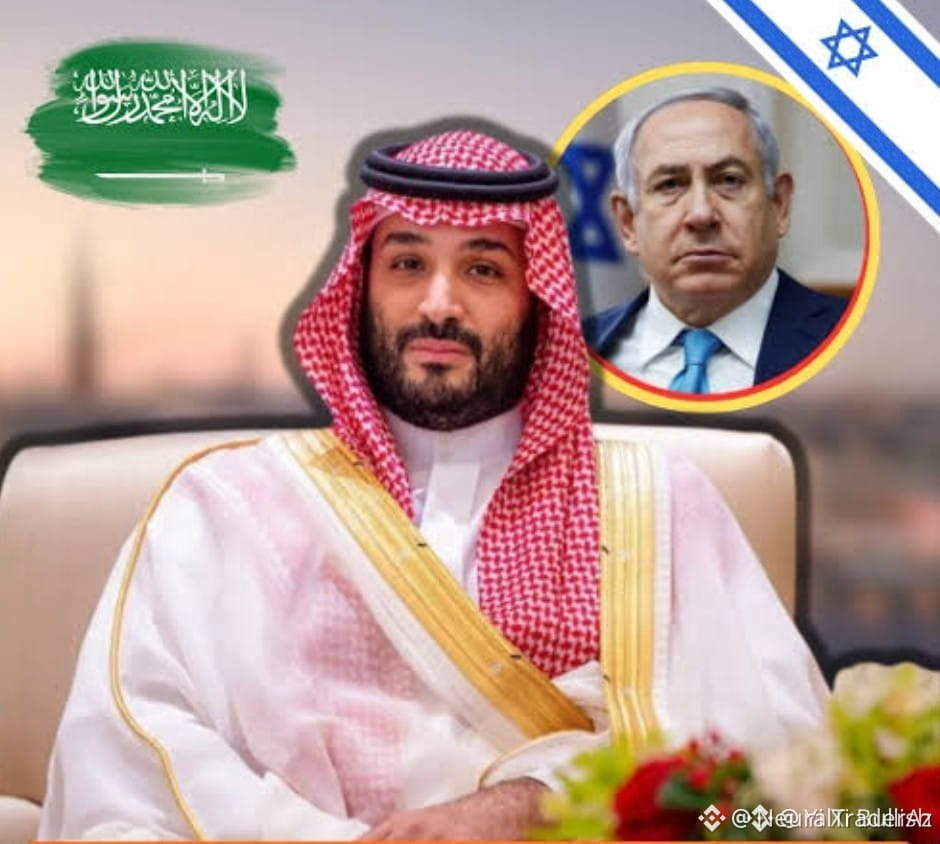
Viral claims about Saudi Arabia banning Israeli citizens from buying real estate do not appear to be supported by a recent official announcement. Current public reporting points to a broader regulated opening of parts of the property market to foreign ownership, with restrictions still applying in strategic and sensitive areas.
For traders, the key takeaway is information discipline. Geopolitical headlines can move sentiment quickly, but positioning should be based on confirmed policy shifts rather than unverified social media claims.
Not financial advice. Manage your risk.
#JTO #GlobalMarkets #FactCheck #CryptoNews
⚡
Fact check matters for $JTO macro risk 🧭
Viral claims about Saudi Arabia banning Israeli citizens from buying real estate do not appear to be supported by a recent official announcement. Current public reporting points to a broader regulated opening of parts of the property market to foreign ownership, with restrictions still applying in strategic and sensitive areas.
For traders, the key takeaway is information discipline. Geopolitical headlines can move sentiment quickly, but positioning should be based on confirmed policy shifts rather than unverified social media claims.
Not financial advice. Manage your risk.
#JTO #GlobalMarkets #FactCheck #CryptoNews
⚡
Viral claims about Saudi Arabia banning Israeli citizens from buying real estate do not appear to be supported by a recent official announcement. Current public reporting points to a broader regulated opening of parts of the property market to foreign ownership, with restrictions still applying in strategic and sensitive areas.
For traders, the key takeaway is information discipline. Geopolitical headlines can move sentiment quickly, but positioning should be based on confirmed policy shifts rather than unverified social media claims.
Not financial advice. Manage your risk.
#JTO #GlobalMarkets #FactCheck #CryptoNews
⚡
99

🦁 🚨 AI-Generated Video Shows Lion Saving Child from Hyenas at Zoo: Real or Fake? 🚨 🦁
The crowd freezes. A child appears trapped, hyenas close in, and suddenly a lion charges into the scene. For a few seconds, it feels like a real-life miracle.
Then comes the detail many viewers miss: the video is AI-generated, not evidence of a real zoo rescue.
Similar viral wildlife clips have repeatedly been presented as genuine incidents, only to be exposed as synthetic or manipulated. Fact-checkers have documented AI-generated zoo videos involving lions and children, including footage falsely linked to real locations.
The bigger story is not the lion. It is how convincing AI video has become.
Modern generative tools can create emotional scenes with realistic animals, crowds, movement, and cinematic timing. That makes visual storytelling powerful, but it also makes careless sharing dangerous.
Our brains naturally trust what we see. A dramatic rescue can trigger emotion before we stop to ask the most important question: Where did this footage actually come from?
Before sharing shocking wildlife content, check the original uploader, search for credible reporting, inspect unusual movements, and look for clear AI disclosures.
AI can create incredible stories, but fiction should not quietly become “evidence.”
The real lesson is simple: in the age of AI, seeing is no longer enough.
❓When a viral video looks completely real, what is the first thing you check before believing it?
Disclaimer: This content is for educational and informational purposes only. Verify viral claims through reliable sources before sharing.
#AI #FactCheck #GrowWithSAC $UNI $IRENB $ZKP
{spot}(ZKPUSDT)
{spot}(IRENBUSDT)
{future}(UNIUSDT)
🦁 🚨 AI-Generated Video Shows Lion Saving Child from Hyenas at Zoo: Real or Fake? 🚨 🦁
The crowd freezes. A child appears trapped, hyenas close in, and suddenly a lion charges into the scene. For a few seconds, it feels like a real-life miracle.
Then comes the detail many viewers miss: the video is AI-generated, not evidence of a real zoo rescue.
Similar viral wildlife clips have repeatedly been presented as genuine incidents, only to be exposed as synthetic or manipulated. Fact-checkers have documented AI-generated zoo videos involving lions and children, including footage falsely linked to real locations.
The bigger story is not the lion. It is how convincing AI video has become.
Modern generative tools can create emotional scenes with realistic animals, crowds, movement, and cinematic timing. That makes visual storytelling powerful, but it also makes careless sharing dangerous.
Our brains naturally trust what we see. A dramatic rescue can trigger emotion before we stop to ask the most important question: Where did this footage actually come from?
Before sharing shocking wildlife content, check the original uploader, search for credible reporting, inspect unusual movements, and look for clear AI disclosures.
AI can create incredible stories, but fiction should not quietly become “evidence.”
The real lesson is simple: in the age of AI, seeing is no longer enough.
❓When a viral video looks completely real, what is the first thing you check before believing it?
Disclaimer: This content is for educational and informational purposes only. Verify viral claims through reliable sources before sharing.
#AI #FactCheck #GrowWithSAC $UNI $IRENB $ZKP
The crowd freezes. A child appears trapped, hyenas close in, and suddenly a lion charges into the scene. For a few seconds, it feels like a real-life miracle.
Then comes the detail many viewers miss: the video is AI-generated, not evidence of a real zoo rescue.
Similar viral wildlife clips have repeatedly been presented as genuine incidents, only to be exposed as synthetic or manipulated. Fact-checkers have documented AI-generated zoo videos involving lions and children, including footage falsely linked to real locations.
The bigger story is not the lion. It is how convincing AI video has become.
Modern generative tools can create emotional scenes with realistic animals, crowds, movement, and cinematic timing. That makes visual storytelling powerful, but it also makes careless sharing dangerous.
Our brains naturally trust what we see. A dramatic rescue can trigger emotion before we stop to ask the most important question: Where did this footage actually come from?
Before sharing shocking wildlife content, check the original uploader, search for credible reporting, inspect unusual movements, and look for clear AI disclosures.
AI can create incredible stories, but fiction should not quietly become “evidence.”
The real lesson is simple: in the age of AI, seeing is no longer enough.
❓When a viral video looks completely real, what is the first thing you check before believing it?
Disclaimer: This content is for educational and informational purposes only. Verify viral claims through reliable sources before sharing.
#AI #FactCheck #GrowWithSAC $UNI $IRENB $ZKP

1
419

·
--
Рост
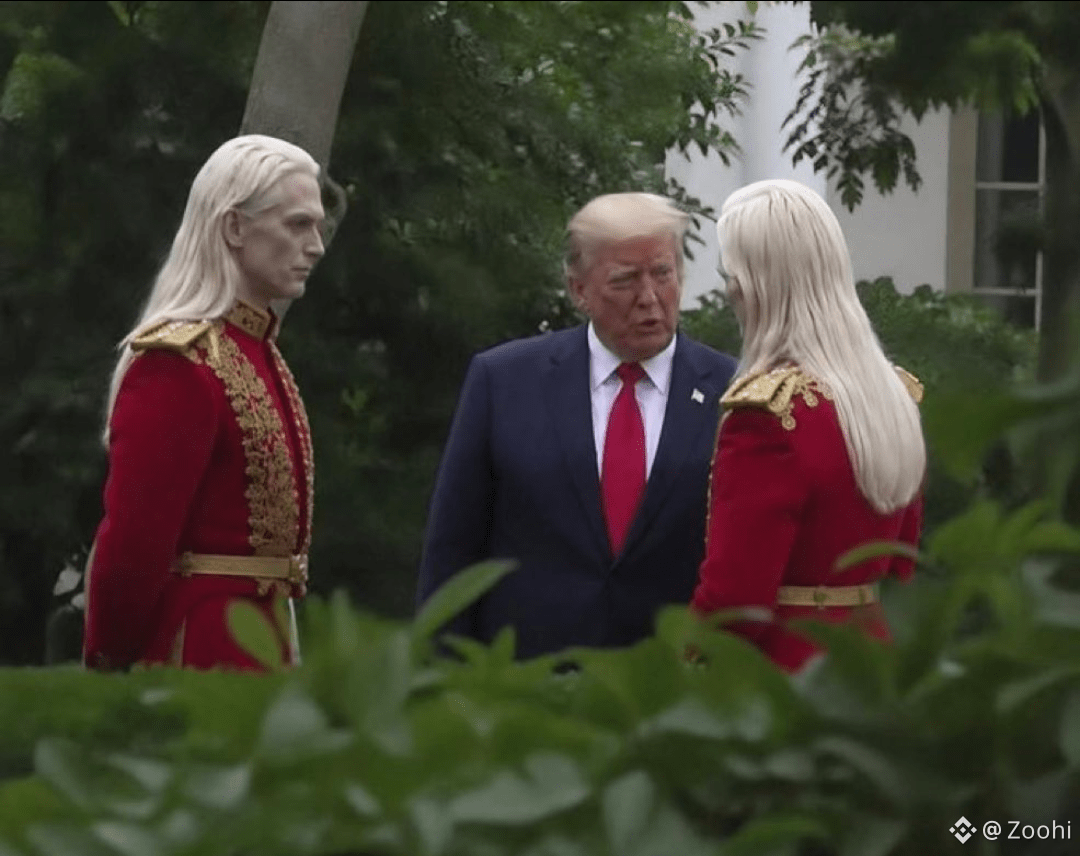
🚨 AI-Generated Trump Image Debunked
A viral image showing alongside Targaryen-like figures has been confirmed as AI-generated. Fact-checkers found no evidence the meeting occurred, while visual analysis revealed common AI artifacts, including overly smooth features and nearly identical hairstyles.
The image spread rapidly across social media before being exposed as a hoax.
#BreakingNews #AI #FactCheck #Viral
🚨 AI-Generated Trump Image Debunked
A viral image showing alongside Targaryen-like figures has been confirmed as AI-generated. Fact-checkers found no evidence the meeting occurred, while visual analysis revealed common AI artifacts, including overly smooth features and nearly identical hairstyles.
The image spread rapidly across social media before being exposed as a hoax.
#BreakingNews #AI #FactCheck #Viral
A viral image showing alongside Targaryen-like figures has been confirmed as AI-generated. Fact-checkers found no evidence the meeting occurred, while visual analysis revealed common AI artifacts, including overly smooth features and nearly identical hairstyles.
The image spread rapidly across social media before being exposed as a hoax.
#BreakingNews #AI #FactCheck #Viral
1
348

·
--
Статья
Solana (SOL): A Coin Worth Watching in the Crypto MarketSolana (SOL): A Coin Worth Watching in the Crypto Market
I believe Solana$SOL is one of the interesting projects in the crypto$BTC market. What makes SOL special to me is its fast transactions, relatively low fees, and growing ecosystem. It is not just about price movements; the technology behind a project also matters.
In the crypto market, prices can move up and down very quickly. Solana also faces these market changes, so I think it is important to stay patient and avoid making decisions based only on short-term price movements.
For me, understanding the project, following market trends, and managing risk are important parts of crypto investing. I believe Solana is worth keeping an eye on, but every investor should do their own research before making any decision.
The crypto journey is not about getting rich overnight. It is about learning, staying disciplined, and understanding the risks along the way.
What do you think about Solana? Do you believe SOL has strong long-term potential?#BinancePick #FactCheck #ViralTopic
Solana (SOL): A Coin Worth Watching in the Crypto Market
Solana (SOL): A Coin Worth Watching in the Crypto Market
I believe Solana$SOL is one of the interesting projects in the crypto$BTC market. What makes SOL special to me is its fast transactions, relatively low fees, and growing ecosystem. It is not just about price movements; the technology behind a project also matters.
In the crypto market, prices can move up and down very quickly. Solana also faces these market changes, so I think it is important to stay patient and avoid making decisions based only on short-term price movements.
For me, understanding the project, following market trends, and managing risk are important parts of crypto investing. I believe Solana is worth keeping an eye on, but every investor should do their own research before making any decision.
The crypto journey is not about getting rich overnight. It is about learning, staying disciplined, and understanding the risks along the way.
What do you think about Solana? Do you believe SOL has strong long-term potential?#BinancePick #FactCheck #ViralTopic
I believe Solana$SOL is one of the interesting projects in the crypto$BTC market. What makes SOL special to me is its fast transactions, relatively low fees, and growing ecosystem. It is not just about price movements; the technology behind a project also matters.
In the crypto market, prices can move up and down very quickly. Solana also faces these market changes, so I think it is important to stay patient and avoid making decisions based only on short-term price movements.
For me, understanding the project, following market trends, and managing risk are important parts of crypto investing. I believe Solana is worth keeping an eye on, but every investor should do their own research before making any decision.
The crypto journey is not about getting rich overnight. It is about learning, staying disciplined, and understanding the risks along the way.
What do you think about Solana? Do you believe SOL has strong long-term potential?#BinancePick #FactCheck #ViralTopic
85
·
--
Падение
Top Losers Today: Top 5 Ranked 24H Drop - Bearish View
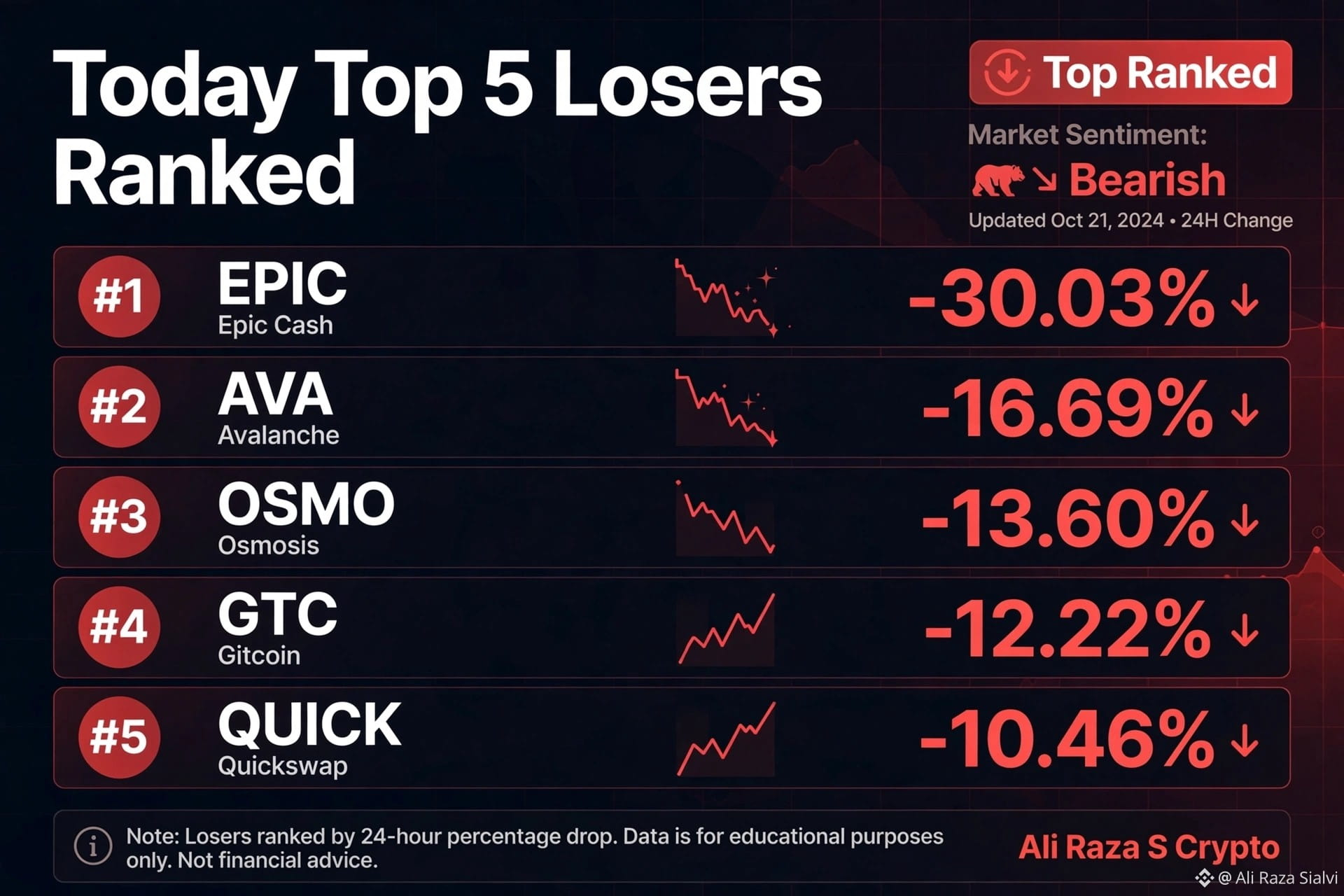
Today's market shows strong bearish pressure. Here is Today Top 5 Losers Ranked by 24H drop:
1. EPIC -30.03% - Epic Cash faces heavy selling, biggest loser today
2. AVA -16.69% - Travala drops with market sentiment
3. OSMO -13.60% - Osmosis under pressure
4. GTC -12.22% - Gitcoin correction continues
5. QUICK -10.46% - Quickswap also bleeds
My Top Ranked View:
Losers list is not for panic buying. It shows where risk was high. My rule is simple: don't chase falling coins, learn from them. Hold strong fundamentals like bStocks with patience. Bearish data is also education.
Sentiment: Bearish on losers list, Neutral on learning.
Do you hold any of these top losers or did you avoid them? Share your view.
Disclaimer: Not financial advice, for educational purposes only.
$EPIC
{spot}(EPICUSDT)
$AVA $OSMO
#Write2Earn #TopRanked #CryptoMarkets #Bearish #FactCheck
Top Losers Today: Top 5 Ranked 24H Drop - Bearish View
Today's market shows strong bearish pressure. Here is Today Top 5 Losers Ranked by 24H drop:
1. EPIC -30.03% - Epic Cash faces heavy selling, biggest loser today
2. AVA -16.69% - Travala drops with market sentiment
3. OSMO -13.60% - Osmosis under pressure
4. GTC -12.22% - Gitcoin correction continues
5. QUICK -10.46% - Quickswap also bleeds
My Top Ranked View:
Losers list is not for panic buying. It shows where risk was high. My rule is simple: don't chase falling coins, learn from them. Hold strong fundamentals like bStocks with patience. Bearish data is also education.
Sentiment: Bearish on losers list, Neutral on learning.
Do you hold any of these top losers or did you avoid them? Share your view.
Disclaimer: Not financial advice, for educational purposes only.
$EPIC
$AVA $OSMO
#Write2Earn #TopRanked #CryptoMarkets #Bearish #FactCheck
Today's market shows strong bearish pressure. Here is Today Top 5 Losers Ranked by 24H drop:
1. EPIC -30.03% - Epic Cash faces heavy selling, biggest loser today
2. AVA -16.69% - Travala drops with market sentiment
3. OSMO -13.60% - Osmosis under pressure
4. GTC -12.22% - Gitcoin correction continues
5. QUICK -10.46% - Quickswap also bleeds
My Top Ranked View:
Losers list is not for panic buying. It shows where risk was high. My rule is simple: don't chase falling coins, learn from them. Hold strong fundamentals like bStocks with patience. Bearish data is also education.
Sentiment: Bearish on losers list, Neutral on learning.
Do you hold any of these top losers or did you avoid them? Share your view.
Disclaimer: Not financial advice, for educational purposes only.
$EPIC
$AVA $OSMO
#Write2Earn #TopRanked #CryptoMarkets #Bearish #FactCheck
739


·
--
Рост
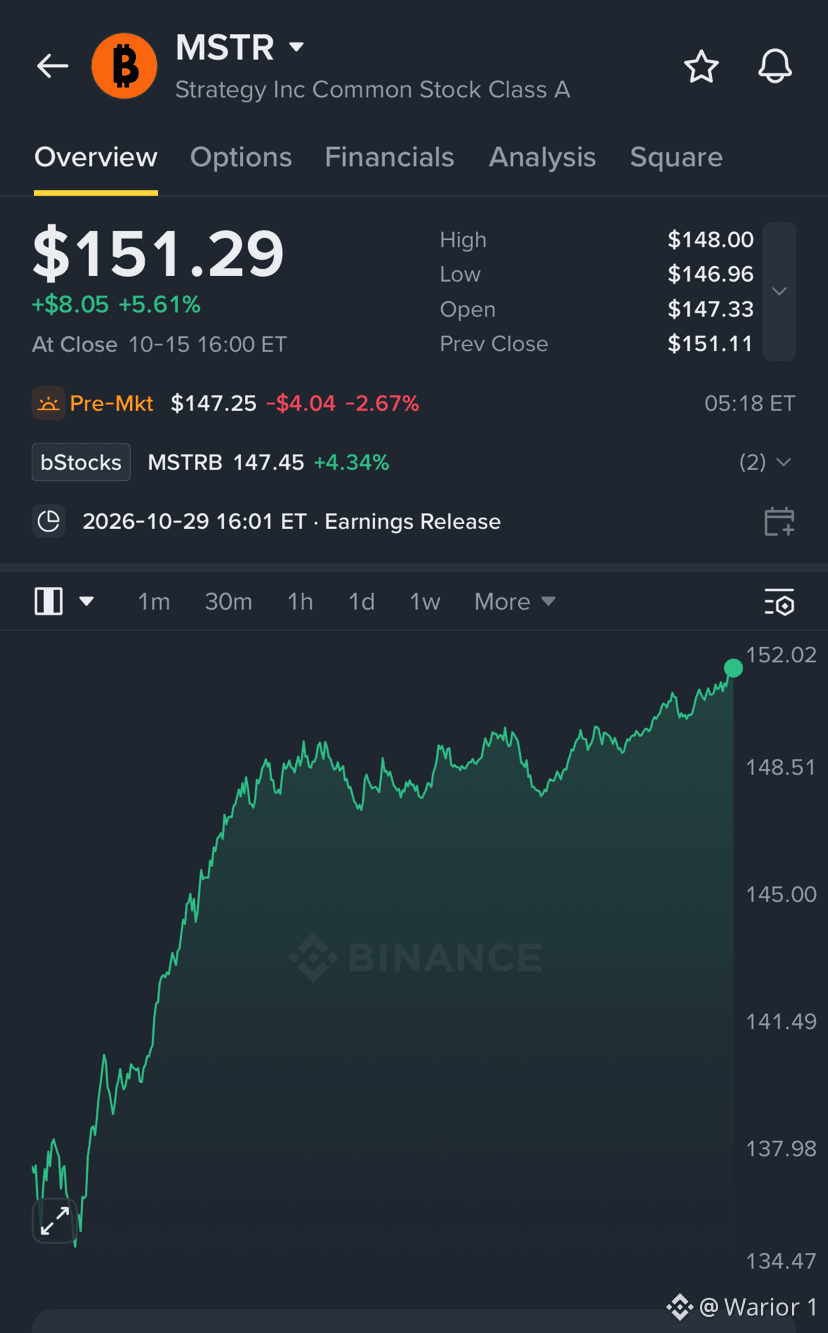
$BTC MSTR is a stock associated with Bitcoin investment, so its price can be strongly affected by Bitcoin's price movements, the company's financing decisions, and investor sentiment.
1. Current Price and Market Situation
MSTR
$151.29
Previous close: +$8.05 (+5.61%)
Previous session high $148.00
Previous session low $146.96
Previous close shown $151.11
Pre-market price $147.25
Pre-market: −$4.04 (−2.67%)
2. Key Support and Resistance Levels
Resistance
$151.30–$152.00
The visible chart's upper price area. A sustained break above it could indicate renewed buying momentum.
Support
$148.50
An approximate chart level to watch. If selling continues, $145.00 is another visible reference level.
Bullish vs. Bearish Scenarios
Bullish scenario
If MSTR recovers above $148.50 and buying strengthens, it could attempt to retest $151.30–$152.00.
Bearish scenario
If the price remains below $148.50 and selling pressure continues, $145.00 becomes a level to monitor.
4. Important Upcoming Event
MSTR's next earnings release is scheduled for October 29, 2026, after the US market closes. Earnings can cause significant price movements, so be cautious with short-term trades around that date. #NEARRisesNearly10% #SouthKoreaTightensOversightOfOverseasPerpetualContracts #viralmypost #FactCheck #MSCIFinalizesRulesThatCouldExcludeStrategy
$BTC MSTR is a stock associated with Bitcoin investment, so its price can be strongly affected by Bitcoin's price movements, the company's financing decisions, and investor sentiment.
1. Current Price and Market Situation
MSTR
$151.29
Previous close: +$8.05 (+5.61%)
Previous session high $148.00
Previous session low $146.96
Previous close shown $151.11
Pre-market price $147.25
Pre-market: −$4.04 (−2.67%)
2. Key Support and Resistance Levels
Resistance
$151.30–$152.00
The visible chart's upper price area. A sustained break above it could indicate renewed buying momentum.
Support
$148.50
An approximate chart level to watch. If selling continues, $145.00 is another visible reference level.
Bullish vs. Bearish Scenarios
Bullish scenario
If MSTR recovers above $148.50 and buying strengthens, it could attempt to retest $151.30–$152.00.
Bearish scenario
If the price remains below $148.50 and selling pressure continues, $145.00 becomes a level to monitor.
4. Important Upcoming Event
MSTR's next earnings release is scheduled for October 29, 2026, after the US market closes. Earnings can cause significant price movements, so be cautious with short-term trades around that date. #NEARRisesNearly10% #SouthKoreaTightensOversightOfOverseasPerpetualContracts #viralmypost #FactCheck #MSCIFinalizesRulesThatCouldExcludeStrategy
1. Current Price and Market Situation
MSTR
$151.29
Previous close: +$8.05 (+5.61%)
Previous session high $148.00
Previous session low $146.96
Previous close shown $151.11
Pre-market price $147.25
Pre-market: −$4.04 (−2.67%)
2. Key Support and Resistance Levels
Resistance
$151.30–$152.00
The visible chart's upper price area. A sustained break above it could indicate renewed buying momentum.
Support
$148.50
An approximate chart level to watch. If selling continues, $145.00 is another visible reference level.
Bullish vs. Bearish Scenarios
Bullish scenario
If MSTR recovers above $148.50 and buying strengthens, it could attempt to retest $151.30–$152.00.
Bearish scenario
If the price remains below $148.50 and selling pressure continues, $145.00 becomes a level to monitor.
4. Important Upcoming Event
MSTR's next earnings release is scheduled for October 29, 2026, after the US market closes. Earnings can cause significant price movements, so be cautious with short-term trades around that date. #NEARRisesNearly10% #SouthKoreaTightensOversightOfOverseasPerpetualContracts #viralmypost #FactCheck #MSCIFinalizesRulesThatCouldExcludeStrategy
202
·
--
Рост
أغنى 10 رؤساء تنفيذيين لشركات السيارات في الولايات المتحدة — 2026! 🇺🇸
من يحقق الأرباح الطائلة حقًا في قطاع السيارات؟ من تسلا وفورد إلى تويوتا وجنرال موتورز وفولكس فاجن، ساهم قادة كبرى شركات السيارات في تشكيل واحدة من أكثر الصناعات تنافسية في العالم.
🏆 الأسماء الواردة في التصنيف:
1. إيلون ماسك — تسلا
2. جيم فارلي — فورد
3. ماري بارا — جنرال موتورز
4. أكيو تويودا — تويوتا
5. أوليفر بلومه — مجموعة فولكس فاجن
6. كارلوس تافاريس — ستيلانتس
7. ستيفن روس — هيونداي
8. لوكا دي ميو — مجموعة رينو
9. إيسون تشونغ — كيا
10. مايك مانلي — نيسان
مهم: صافي الثروة الشخصية للرئيس التنفيذي لا يساوي قيمة شركته أو راتبه. الأرقام والترتيب الواردان في هذا الرسم تقديرات غير موثقة، وقد لا يعكسان بدقة الثروة الفعلية للأشخاص أو مناصبهم التنفيذية الحالية.
السؤال: من تظن أنه بنى أنجح إمبراطورية في عالم السيارات — إيلون ماسك، أم تويوتا، أم فورد، أم شركة اخري #FactCheck
أغنى 10 رؤساء تنفيذيين لشركات السيارات في الولايات المتحدة — 2026! 🇺🇸
من يحقق الأرباح الطائلة حقًا في قطاع السيارات؟ من تسلا وفورد إلى تويوتا وجنرال موتورز وفولكس فاجن، ساهم قادة كبرى شركات السيارات في تشكيل واحدة من أكثر الصناعات تنافسية في العالم.
🏆 الأسماء الواردة في التصنيف:
1. إيلون ماسك — تسلا
2. جيم فارلي — فورد
3. ماري بارا — جنرال موتورز
4. أكيو تويودا — تويوتا
5. أوليفر بلومه — مجموعة فولكس فاجن
6. كارلوس تافاريس — ستيلانتس
7. ستيفن روس — هيونداي
8. لوكا دي ميو — مجموعة رينو
9. إيسون تشونغ — كيا
10. مايك مانلي — نيسان
مهم: صافي الثروة الشخصية للرئيس التنفيذي لا يساوي قيمة شركته أو راتبه. الأرقام والترتيب الواردان في هذا الرسم تقديرات غير موثقة، وقد لا يعكسان بدقة الثروة الفعلية للأشخاص أو مناصبهم التنفيذية الحالية.
السؤال: من تظن أنه بنى أنجح إمبراطورية في عالم السيارات — إيلون ماسك، أم تويوتا، أم فورد، أم شركة اخري #FactCheck
من يحقق الأرباح الطائلة حقًا في قطاع السيارات؟ من تسلا وفورد إلى تويوتا وجنرال موتورز وفولكس فاجن، ساهم قادة كبرى شركات السيارات في تشكيل واحدة من أكثر الصناعات تنافسية في العالم.
🏆 الأسماء الواردة في التصنيف:
1. إيلون ماسك — تسلا
2. جيم فارلي — فورد
3. ماري بارا — جنرال موتورز
4. أكيو تويودا — تويوتا
5. أوليفر بلومه — مجموعة فولكس فاجن
6. كارلوس تافاريس — ستيلانتس
7. ستيفن روس — هيونداي
8. لوكا دي ميو — مجموعة رينو
9. إيسون تشونغ — كيا
10. مايك مانلي — نيسان
مهم: صافي الثروة الشخصية للرئيس التنفيذي لا يساوي قيمة شركته أو راتبه. الأرقام والترتيب الواردان في هذا الرسم تقديرات غير موثقة، وقد لا يعكسان بدقة الثروة الفعلية للأشخاص أو مناصبهم التنفيذية الحالية.
السؤال: من تظن أنه بنى أنجح إمبراطورية في عالم السيارات — إيلون ماسك، أم تويوتا، أم فورد، أم شركة اخري #FactCheck
80
لو معك 1,000$ للاستثمار فقط في الشراء المباشر (Spot)...
هل تضعها في:
🔹 الخيار A: عملات القيمة السوقية الكبيرة (Large Caps) لأمان أعلى وأرباح متزنة؟
🔸 الخيار B: عملات البديلة ذات القيمة المنخفضة (Low Caps) لمخاطرة أعلى وأرباح مضاعفة؟
شاركنا استراتيجيتك ولماذا اخترتها؟ 👇
$NVDAB $AAPLB $AMZNB #kriptohaber24 #FactCheck
لو معك 1,000$ للاستثمار فقط في الشراء المباشر (Spot)...
هل تضعها في:
🔹 الخيار A: عملات القيمة السوقية الكبيرة (Large Caps) لأمان أعلى وأرباح متزنة؟
🔸 الخيار B: عملات البديلة ذات القيمة المنخفضة (Low Caps) لمخاطرة أعلى وأرباح مضاعفة؟
شاركنا استراتيجيتك ولماذا اخترتها؟ 👇
$NVDAB $AAPLB $AMZNB #kriptohaber24 #FactCheck
هل تضعها في:
🔹 الخيار A: عملات القيمة السوقية الكبيرة (Large Caps) لأمان أعلى وأرباح متزنة؟
🔸 الخيار B: عملات البديلة ذات القيمة المنخفضة (Low Caps) لمخاطرة أعلى وأرباح مضاعفة؟
شاركنا استراتيجيتك ولماذا اخترتها؟ 👇
$NVDAB $AAPLB $AMZNB #kriptohaber24 #FactCheck
65
·
--
Рост
حركة البيتكوين ($BTC) حالياً تدل على تحرك كبير وشيك.
🟢 1. كسر المقاومة والصعود نحو مستويات أعلى؟
🔴 2. تصحيح هابط لإعادة اختبار الدعم؟
💬 اكتب رقم خيارك في التعليقات مع أسبابك الفنية/الأساسية!
(أفضل تحليليْن سأقوم بإعادة نشرهما في منشور غداً
$NVDAB $MSFTB $AVGOB #BitcoinOptionsVolatilityHitsFiveYearLow #SolanaETFsEnd14WeekInflowStreak #kdmrcrypto #FactCheck
حركة البيتكوين ($BTC) حالياً تدل على تحرك كبير وشيك.
🟢 1. كسر المقاومة والصعود نحو مستويات أعلى؟
🔴 2. تصحيح هابط لإعادة اختبار الدعم؟
💬 اكتب رقم خيارك في التعليقات مع أسبابك الفنية/الأساسية!
(أفضل تحليليْن سأقوم بإعادة نشرهما في منشور غداً
$NVDAB $MSFTB $AVGOB #BitcoinOptionsVolatilityHitsFiveYearLow #SolanaETFsEnd14WeekInflowStreak #kdmrcrypto #FactCheck
🟢 1. كسر المقاومة والصعود نحو مستويات أعلى؟
🔴 2. تصحيح هابط لإعادة اختبار الدعم؟
💬 اكتب رقم خيارك في التعليقات مع أسبابك الفنية/الأساسية!
(أفضل تحليليْن سأقوم بإعادة نشرهما في منشور غداً
$NVDAB $MSFTB $AVGOB #BitcoinOptionsVolatilityHitsFiveYearLow #SolanaETFsEnd14WeekInflowStreak #kdmrcrypto #FactCheck
92
Войдите, чтобы посмотреть больше материала
Присоединяйтесь к пользователям криптовалют по всему миру на Binance Square
⚡️ Получайте новейшую и полезную информацию о криптоактивах.
💬 Нам доверяет крупнейшая в мире криптобиржа.
👍 Получите достоверные аналитические данные от верифицированных создателей контента.
Эл. почта/номер телефона
В тренде
1
#BinancekzWin
Просмотров: 32,415
93 обсуждают
2
#BinancePick
Просмотров: 2.7M
144,021 обсуждают
3
#EarningsSeason
Просмотров: 5M
24,720 обсуждают
4
#SouthKoreaReportedlyWeighsFourthCryptoTaxDelay
Просмотров: 2,920
136 обсуждают
5
#FranklinTempletonFilesForTwoDividendToBitcoinETFs
Просмотров: 8,079
256 обсуждают
6
#StrategyMSTRSurpassesNasdaqInMarketCap
Просмотров: 7,920
214 обсуждают
7
#CanadaProposesStablecoinRedemptionWithin3BusinessDays
Просмотров: 263
19 обсуждают
8
#ElectrumWalletBugLetRogueServersStealFunds
Просмотров: 13,298
335 обсуждают
9
#ArgentineCourtDismissesLIBRACaseAgainstMilei
Просмотров: 23,603
400 обсуждают
10
#SKHynixReportedlyPlansSpecialDividendFromKioxiaStakeSale
Просмотров: 3,583
49 обсуждают