
#cryptowallet
cryptowallet
Просмотров: 109,042
628 обсуждают
Популярные
Новые

🔐 Your Crypto Isn’t “Inside” Your Wallet.Most beginners get this wrong. $AAPLB
But understanding where your crypto actually lives can help you protect your funds.$NVDAB
Your crypto assets are recorded on the blockchain. Your wallet gives you the keys needed to access and manage them.
In the next slides, we'll break down Hot vs Cold and Custodial vs Non-Custodial wallets.
💬 Which wallet do you use?
🔥 Hot Wallet or ❄️ Cold Wallet?
📌 Save this — you'll want to remember it.
📤 Share it with someone learning crypto.
#crypto #bitcoin #blockchain #CryptoWallet #Binance
🔐 Your Crypto Isn’t “Inside” Your Wallet.
Most beginners get this wrong. $AAPLB
But understanding where your crypto actually lives can help you protect your funds.$NVDAB
Your crypto assets are recorded on the blockchain. Your wallet gives you the keys needed to access and manage them.
In the next slides, we'll break down Hot vs Cold and Custodial vs Non-Custodial wallets.
💬 Which wallet do you use?
🔥 Hot Wallet or ❄️ Cold Wallet?
📌 Save this — you'll want to remember it.
📤 Share it with someone learning crypto.
#crypto #bitcoin #blockchain #CryptoWallet #Binance
But understanding where your crypto actually lives can help you protect your funds.$NVDAB
Your crypto assets are recorded on the blockchain. Your wallet gives you the keys needed to access and manage them.
In the next slides, we'll break down Hot vs Cold and Custodial vs Non-Custodial wallets.
💬 Which wallet do you use?
🔥 Hot Wallet or ❄️ Cold Wallet?
📌 Save this — you'll want to remember it.
📤 Share it with someone learning crypto.
#crypto #bitcoin #blockchain #CryptoWallet #Binance
1
1
1
80

·
--
🔥 Bitcoin Wallet Maker Trezor Says Hackers Breached Its Email Provider.
Please be aware that the email named Critical Security Alert: STM32 Entropy Vulnerability is not coming from us, and its a phishing attempt. Do not click on any link, Trezor wrote on X. Trezor said it took down the domain used in the attack and is investigating how hackers gained access to its legitimate domain. The fake Trezor email claims the company's engineers discovered a critical hardware-level vulnerability in STM32 microcontrollers used in its devices.
It then falsely claims the defect affects an estimated one in four devices and could leave recovery phrases with insufficient randomness, or entropy, likely playing on fears related to the recent Coldcard exploit that cost users over $130 million in Bitcoin. Trezor issued a statement calling the email fraudulent and warning its users just after 4:30 p.m. Easter Time, but it came hours after several users reported receiving the phishing scam from what appeared to be a legitimate Trezor email address. Casa co-founder and CEO Nick Neuman said the campaign may extend beyond Trezor, adding hed heard the same from Bitbox users as well.
❓ What's your take is this the start of a bigger move or just noise? Drop it below.
$BTC $ETH
#SECryptoRegulation #AICryptoIntegration #CryptoWallet
🔥 Bitcoin Wallet Maker Trezor Says Hackers Breached Its Email Provider.
Please be aware that the email named Critical Security Alert: STM32 Entropy Vulnerability is not coming from us, and its a phishing attempt. Do not click on any link, Trezor wrote on X. Trezor said it took down the domain used in the attack and is investigating how hackers gained access to its legitimate domain. The fake Trezor email claims the company's engineers discovered a critical hardware-level vulnerability in STM32 microcontrollers used in its devices.
It then falsely claims the defect affects an estimated one in four devices and could leave recovery phrases with insufficient randomness, or entropy, likely playing on fears related to the recent Coldcard exploit that cost users over $130 million in Bitcoin. Trezor issued a statement calling the email fraudulent and warning its users just after 4:30 p.m. Easter Time, but it came hours after several users reported receiving the phishing scam from what appeared to be a legitimate Trezor email address. Casa co-founder and CEO Nick Neuman said the campaign may extend beyond Trezor, adding hed heard the same from Bitbox users as well.
❓ What's your take is this the start of a bigger move or just noise? Drop it below.
$BTC $ETH
#SECryptoRegulation #AICryptoIntegration #CryptoWallet
Please be aware that the email named Critical Security Alert: STM32 Entropy Vulnerability is not coming from us, and its a phishing attempt. Do not click on any link, Trezor wrote on X. Trezor said it took down the domain used in the attack and is investigating how hackers gained access to its legitimate domain. The fake Trezor email claims the company's engineers discovered a critical hardware-level vulnerability in STM32 microcontrollers used in its devices.
It then falsely claims the defect affects an estimated one in four devices and could leave recovery phrases with insufficient randomness, or entropy, likely playing on fears related to the recent Coldcard exploit that cost users over $130 million in Bitcoin. Trezor issued a statement calling the email fraudulent and warning its users just after 4:30 p.m. Easter Time, but it came hours after several users reported receiving the phishing scam from what appeared to be a legitimate Trezor email address. Casa co-founder and CEO Nick Neuman said the campaign may extend beyond Trezor, adding hed heard the same from Bitbox users as well.
❓ What's your take is this the start of a bigger move or just noise? Drop it below.
$BTC $ETH
#SECryptoRegulation #AICryptoIntegration #CryptoWallet
59
·
--
🔥 Mexican Musician and Family Killed Over Bitcoin Cold Wallet Believed to Hold Millions.
According to a report by IBTimes UK, Melndez, his pregnant wife Ana Paula Barragn, their three-year-old daughter Sofa, and 21-year-old domestic worker Aleyda Romero were found dead at the familys home in Atizapn de Zaragoza, State of Mexico, on September 1. The couples six-year-old son survived. State prosecutors said the suspects allegedly entered the home searching for a cold wallet they believed contained million-dollar amounts in Bitcoin. Authorities identified the suspects as Diego Sebastin and Gerardo, using N in place of their surnames in accordance with Mexican privacy rules for criminal proceedings. Diego Sebastin, a business associate of Melndez, allegedly used their relationship to gain access and offered Gerardo 2 million pesos, about $118,000, to help obtain the crypto.
Both were arrested on September 2. Cold wallets dont store Bitcoin itself; instead, they are typically devices also known as hardware wallets, like the popular Ledger, Trezor, or the air-gapped Coldcard, that store the private keys that control access to the funds. While cold wallets protect against many online attacks, they do not eliminate physical threats, as criminals can target holders directly to gain access to their wallets. The killings are the latest in an increase in physical attacks targeting crypto holders.
❓ What's your take is this the start of a bigger move or just noise? Drop it below.
$BTC $ETH
#SECryptoRegulation #AICryptoIntegration #CryptoWallet
🔥 Mexican Musician and Family Killed Over Bitcoin Cold Wallet Believed to Hold Millions.
According to a report by IBTimes UK, Melndez, his pregnant wife Ana Paula Barragn, their three-year-old daughter Sofa, and 21-year-old domestic worker Aleyda Romero were found dead at the familys home in Atizapn de Zaragoza, State of Mexico, on September 1. The couples six-year-old son survived. State prosecutors said the suspects allegedly entered the home searching for a cold wallet they believed contained million-dollar amounts in Bitcoin. Authorities identified the suspects as Diego Sebastin and Gerardo, using N in place of their surnames in accordance with Mexican privacy rules for criminal proceedings. Diego Sebastin, a business associate of Melndez, allegedly used their relationship to gain access and offered Gerardo 2 million pesos, about $118,000, to help obtain the crypto.
Both were arrested on September 2. Cold wallets dont store Bitcoin itself; instead, they are typically devices also known as hardware wallets, like the popular Ledger, Trezor, or the air-gapped Coldcard, that store the private keys that control access to the funds. While cold wallets protect against many online attacks, they do not eliminate physical threats, as criminals can target holders directly to gain access to their wallets. The killings are the latest in an increase in physical attacks targeting crypto holders.
❓ What's your take is this the start of a bigger move or just noise? Drop it below.
$BTC $ETH
#SECryptoRegulation #AICryptoIntegration #CryptoWallet
According to a report by IBTimes UK, Melndez, his pregnant wife Ana Paula Barragn, their three-year-old daughter Sofa, and 21-year-old domestic worker Aleyda Romero were found dead at the familys home in Atizapn de Zaragoza, State of Mexico, on September 1. The couples six-year-old son survived. State prosecutors said the suspects allegedly entered the home searching for a cold wallet they believed contained million-dollar amounts in Bitcoin. Authorities identified the suspects as Diego Sebastin and Gerardo, using N in place of their surnames in accordance with Mexican privacy rules for criminal proceedings. Diego Sebastin, a business associate of Melndez, allegedly used their relationship to gain access and offered Gerardo 2 million pesos, about $118,000, to help obtain the crypto.
Both were arrested on September 2. Cold wallets dont store Bitcoin itself; instead, they are typically devices also known as hardware wallets, like the popular Ledger, Trezor, or the air-gapped Coldcard, that store the private keys that control access to the funds. While cold wallets protect against many online attacks, they do not eliminate physical threats, as criminals can target holders directly to gain access to their wallets. The killings are the latest in an increase in physical attacks targeting crypto holders.
❓ What's your take is this the start of a bigger move or just noise? Drop it below.
$BTC $ETH
#SECryptoRegulation #AICryptoIntegration #CryptoWallet
24

نظرة عامة على منظومة محافظ TRON
تعمل محافظ TRON كبوابات برمجية أو عتادية غير احتجازية لإدارة $TRX ورموز TRC-20، ولا سيما USDT-TRC20، والتفاعل مع التطبيقات اللامركزية الأصلية لـ TRON.
نموذج الموارد (الطاقة وعرض النطاق الترددي): على خلاف هياكل الرسوم التقليدية، تتيح محافظ TRON للمستخدمين تخزين $TRX لتوليد عرض النطاق الترددي (للتحويلات العادية) والطاقة (لتنفيذ العقود الذكية مثل USDT)، ما يخفض رسوم الغاز بشكل كبير أو يلغيها.
الميزات الأصلية الرئيسية: تتيح المحافظ غير الاحتجازية التصويت المباشر لممثلي TRON الفائقين (SRs) لكسب عوائد التخزين، والمشاركة في الحوكمة، وإدارة الحسابات متعددة التوقيعات.
أبرز خيارات المنظومة:
TronLink: إضافة المتصفح والمحفظة المحمولة الأصلية الرئيسية لـ TRON، وتوفر إدارة كاملة للموارد وإمكانية الوصول إلى تطبيقات Web3.
Klever Wallet: خيار شائع يركز على الأجهزة المحمولة ويدعم عدة سلاسل، مع توفير التخزين المدمج ومبادلة الرموز.
MetaMask ودعم سلاسل متعددة: تدعم المحافظ غير الاحتجازية الأوسع نطاقاً، بما في ذلك MetaMask، حسابات TRON الأصلية والمعاملات العابرة للسلاسل لرموز TRC-20.
#TRON #TRX #TronLink #TRC20 #CryptoWallet
نظرة عامة على منظومة محافظ TRON
تعمل محافظ TRON كبوابات برمجية أو عتادية غير احتجازية لإدارة $TRX ورموز TRC-20، ولا سيما USDT-TRC20، والتفاعل مع التطبيقات اللامركزية الأصلية لـ TRON.
نموذج الموارد (الطاقة وعرض النطاق الترددي): على خلاف هياكل الرسوم التقليدية، تتيح محافظ TRON للمستخدمين تخزين $TRX لتوليد عرض النطاق الترددي (للتحويلات العادية) والطاقة (لتنفيذ العقود الذكية مثل USDT)، ما يخفض رسوم الغاز بشكل كبير أو يلغيها.
الميزات الأصلية الرئيسية: تتيح المحافظ غير الاحتجازية التصويت المباشر لممثلي TRON الفائقين (SRs) لكسب عوائد التخزين، والمشاركة في الحوكمة، وإدارة الحسابات متعددة التوقيعات.
أبرز خيارات المنظومة:
TronLink: إضافة المتصفح والمحفظة المحمولة الأصلية الرئيسية لـ TRON، وتوفر إدارة كاملة للموارد وإمكانية الوصول إلى تطبيقات Web3.
Klever Wallet: خيار شائع يركز على الأجهزة المحمولة ويدعم عدة سلاسل، مع توفير التخزين المدمج ومبادلة الرموز.
MetaMask ودعم سلاسل متعددة: تدعم المحافظ غير الاحتجازية الأوسع نطاقاً، بما في ذلك MetaMask، حسابات TRON الأصلية والمعاملات العابرة للسلاسل لرموز TRC-20.
#TRON #TRX #TronLink #TRC20 #CryptoWallet
تعمل محافظ TRON كبوابات برمجية أو عتادية غير احتجازية لإدارة $TRX ورموز TRC-20، ولا سيما USDT-TRC20، والتفاعل مع التطبيقات اللامركزية الأصلية لـ TRON.
نموذج الموارد (الطاقة وعرض النطاق الترددي): على خلاف هياكل الرسوم التقليدية، تتيح محافظ TRON للمستخدمين تخزين $TRX لتوليد عرض النطاق الترددي (للتحويلات العادية) والطاقة (لتنفيذ العقود الذكية مثل USDT)، ما يخفض رسوم الغاز بشكل كبير أو يلغيها.
الميزات الأصلية الرئيسية: تتيح المحافظ غير الاحتجازية التصويت المباشر لممثلي TRON الفائقين (SRs) لكسب عوائد التخزين، والمشاركة في الحوكمة، وإدارة الحسابات متعددة التوقيعات.
أبرز خيارات المنظومة:
TronLink: إضافة المتصفح والمحفظة المحمولة الأصلية الرئيسية لـ TRON، وتوفر إدارة كاملة للموارد وإمكانية الوصول إلى تطبيقات Web3.
Klever Wallet: خيار شائع يركز على الأجهزة المحمولة ويدعم عدة سلاسل، مع توفير التخزين المدمج ومبادلة الرموز.
MetaMask ودعم سلاسل متعددة: تدعم المحافظ غير الاحتجازية الأوسع نطاقاً، بما في ذلك MetaMask، حسابات TRON الأصلية والمعاملات العابرة للسلاسل لرموز TRC-20.
#TRON #TRX #TronLink #TRC20 #CryptoWallet
49
·
--
🔥 Coldcard Hacker Moves $7.7M, Nearly Half of Third-Wave Bitcoin Haul.
Image: DecryptCreate an account to save your articles.Add on GoogleAdd Decrypt as your preferred source to see more of our stories on Google.In brief Galaxy Research said Monday that 97.09 BTC, worth about $7.7 million, has left the Wave 3 vaults. The coins went out through THORChain on September 2 and into CoinJoin rounds over the weekend. Across the whole Coldcard exploit, 82% of the stolen Bitcoin has still not moved. The attacker behind the third wave of thefts from Coldcard hardware wallets has moved 97.09 BTC, roughly 45% of that wave's haul and about $7.7 million at Monday's prices, according to Galaxy Research. The first exit came on September 2, when around 20.5 BTC from the largest vault went through THORChain and came out as Ethereum.
The coins spent on Sunday night went into CoinJoin rounds instead, a Bitcoin privacy technique that pools transactions from multiple users to break the trail between inputs and outputs. Only 20.56 BTC actually reached Ethereum. Another 57.24 BTC is sitting unspent as CoinJoin change in a single address, and Galaxy says its trail ends on roughly 19 BTC more. Coldcard Wave 3 exploiter continues to move funds In wave 3, the exploiter created 293 2-of-2 multisig vaults for each victims coins. The first movements on 9/2 sent coins over THORChain to Ethereum.
❓ What's your take is this the start of a bigger move or just noise? Drop it below.
$BTC $ETH
#EthereumUpgrade #AICryptoIntegration #CryptoWallet
🔥 Coldcard Hacker Moves $7.7M, Nearly Half of Third-Wave Bitcoin Haul.
Image: DecryptCreate an account to save your articles.Add on GoogleAdd Decrypt as your preferred source to see more of our stories on Google.In brief Galaxy Research said Monday that 97.09 BTC, worth about $7.7 million, has left the Wave 3 vaults. The coins went out through THORChain on September 2 and into CoinJoin rounds over the weekend. Across the whole Coldcard exploit, 82% of the stolen Bitcoin has still not moved. The attacker behind the third wave of thefts from Coldcard hardware wallets has moved 97.09 BTC, roughly 45% of that wave's haul and about $7.7 million at Monday's prices, according to Galaxy Research. The first exit came on September 2, when around 20.5 BTC from the largest vault went through THORChain and came out as Ethereum.
The coins spent on Sunday night went into CoinJoin rounds instead, a Bitcoin privacy technique that pools transactions from multiple users to break the trail between inputs and outputs. Only 20.56 BTC actually reached Ethereum. Another 57.24 BTC is sitting unspent as CoinJoin change in a single address, and Galaxy says its trail ends on roughly 19 BTC more. Coldcard Wave 3 exploiter continues to move funds In wave 3, the exploiter created 293 2-of-2 multisig vaults for each victims coins. The first movements on 9/2 sent coins over THORChain to Ethereum.
❓ What's your take is this the start of a bigger move or just noise? Drop it below.
$BTC $ETH
#EthereumUpgrade #AICryptoIntegration #CryptoWallet
Image: DecryptCreate an account to save your articles.Add on GoogleAdd Decrypt as your preferred source to see more of our stories on Google.In brief Galaxy Research said Monday that 97.09 BTC, worth about $7.7 million, has left the Wave 3 vaults. The coins went out through THORChain on September 2 and into CoinJoin rounds over the weekend. Across the whole Coldcard exploit, 82% of the stolen Bitcoin has still not moved. The attacker behind the third wave of thefts from Coldcard hardware wallets has moved 97.09 BTC, roughly 45% of that wave's haul and about $7.7 million at Monday's prices, according to Galaxy Research. The first exit came on September 2, when around 20.5 BTC from the largest vault went through THORChain and came out as Ethereum.
The coins spent on Sunday night went into CoinJoin rounds instead, a Bitcoin privacy technique that pools transactions from multiple users to break the trail between inputs and outputs. Only 20.56 BTC actually reached Ethereum. Another 57.24 BTC is sitting unspent as CoinJoin change in a single address, and Galaxy says its trail ends on roughly 19 BTC more. Coldcard Wave 3 exploiter continues to move funds In wave 3, the exploiter created 293 2-of-2 multisig vaults for each victims coins. The first movements on 9/2 sent coins over THORChain to Ethereum.
❓ What's your take is this the start of a bigger move or just noise? Drop it below.
$BTC $ETH
#EthereumUpgrade #AICryptoIntegration #CryptoWallet
71

·
--
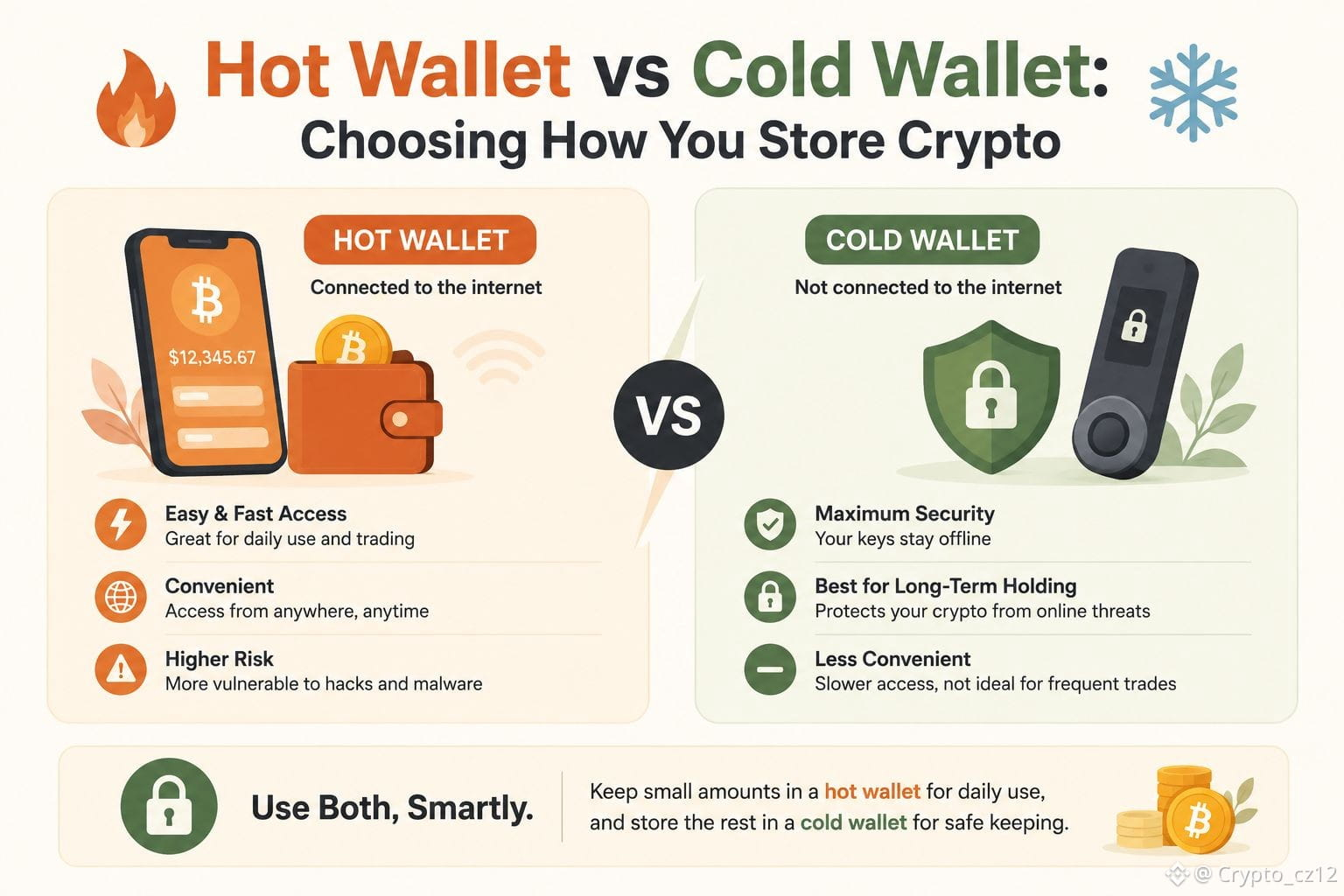
Hot Wallet vs Cold Wallet: Choosing How You Store Crypto
Hot = convenient, more exposed; cold = offline hardware, safer for long-term holding; match tool to use case
#CryptoWallet #cryptowallets
$NVDAB
$AAPLB
{spot}(AAPLBUSDT)
Hot Wallet vs Cold Wallet: Choosing How You Store Crypto
Hot = convenient, more exposed; cold = offline hardware, safer for long-term holding; match tool to use case
#CryptoWallet #cryptowallets
$NVDAB
$AAPLB
Hot = convenient, more exposed; cold = offline hardware, safer for long-term holding; match tool to use case
#CryptoWallet #cryptowallets
$NVDAB
$AAPLB
70


·
--
$BTC - UK Man Recovers 5,500 BTC Worth 4.5M USDT From 2012 Mistake
a British investor who thought he lost 2,000 USDT in bitcoin back in 2012 just recovered the haul, now worth roughly 4.5M USDT.
CEL Solicitors confirmed it located the wallet holding over 5,500 BTC tied to former Intersango users.
Funds sat dormant for 13 years before the discovery. BTC trades near 79,754 USDT, up 0.6%.
Old wallets waking up is a recurring theme this cycle. Worth double-checking any early addresses you may have abandoned.
$BTC
#Bitcoin #BTC #CryptoWallet
$BTC - UK Man Recovers 5,500 BTC Worth 4.5M USDT From 2012 Mistake
a British investor who thought he lost 2,000 USDT in bitcoin back in 2012 just recovered the haul, now worth roughly 4.5M USDT.
CEL Solicitors confirmed it located the wallet holding over 5,500 BTC tied to former Intersango users.
Funds sat dormant for 13 years before the discovery. BTC trades near 79,754 USDT, up 0.6%.
Old wallets waking up is a recurring theme this cycle. Worth double-checking any early addresses you may have abandoned.
$BTC
#Bitcoin #BTC #CryptoWallet
a British investor who thought he lost 2,000 USDT in bitcoin back in 2012 just recovered the haul, now worth roughly 4.5M USDT.
CEL Solicitors confirmed it located the wallet holding over 5,500 BTC tied to former Intersango users.
Funds sat dormant for 13 years before the discovery. BTC trades near 79,754 USDT, up 0.6%.
Old wallets waking up is a recurring theme this cycle. Worth double-checking any early addresses you may have abandoned.
$BTC
#Bitcoin #BTC #CryptoWallet
1
55
·
--
🔥 Bitcoin Privacy Wallet Sparrow Issues Update After AI Flags Fixes.
Image: Shutterstock/DecryptCreate an account to save your articles.Add on GoogleAdd Decrypt as your preferred source to see more of our stories on Google.In brief Sparrow Wallet released version 2.5.4 following an AI-assisted code review. Developer Craig Raw said the review produced most of the updates fixes. He found no signs of exploitation but recommends updating. Privacy-focused Bitcoin wallet developer Sparrow Wallet released version 2.5.4 on Thursday after an AI-assisted code review that yielded most of the updates fixes, developer Craig Raw told Decrypt.
Raw said the review was prompted primarily by the release of unrestricted Chinese AI models and the new ability to search large codebases for potential exploits. He did not identify the models used to review Sparrow. The review followed a July attack involving a flaw in Coldcards seed-generation code. The vulnerability allowed an attacker to reconstruct private keys without accessing the physical devices.
❓ What's your take is this the start of a bigger move or just noise? Drop it below.
$BTC $ETH
#SECryptoRegulation #AICryptoIntegration #CryptoWallet
🔥 Bitcoin Privacy Wallet Sparrow Issues Update After AI Flags Fixes.
Image: Shutterstock/DecryptCreate an account to save your articles.Add on GoogleAdd Decrypt as your preferred source to see more of our stories on Google.In brief Sparrow Wallet released version 2.5.4 following an AI-assisted code review. Developer Craig Raw said the review produced most of the updates fixes. He found no signs of exploitation but recommends updating. Privacy-focused Bitcoin wallet developer Sparrow Wallet released version 2.5.4 on Thursday after an AI-assisted code review that yielded most of the updates fixes, developer Craig Raw told Decrypt.
Raw said the review was prompted primarily by the release of unrestricted Chinese AI models and the new ability to search large codebases for potential exploits. He did not identify the models used to review Sparrow. The review followed a July attack involving a flaw in Coldcards seed-generation code. The vulnerability allowed an attacker to reconstruct private keys without accessing the physical devices.
❓ What's your take is this the start of a bigger move or just noise? Drop it below.
$BTC $ETH
#SECryptoRegulation #AICryptoIntegration #CryptoWallet
Image: Shutterstock/DecryptCreate an account to save your articles.Add on GoogleAdd Decrypt as your preferred source to see more of our stories on Google.In brief Sparrow Wallet released version 2.5.4 following an AI-assisted code review. Developer Craig Raw said the review produced most of the updates fixes. He found no signs of exploitation but recommends updating. Privacy-focused Bitcoin wallet developer Sparrow Wallet released version 2.5.4 on Thursday after an AI-assisted code review that yielded most of the updates fixes, developer Craig Raw told Decrypt.
Raw said the review was prompted primarily by the release of unrestricted Chinese AI models and the new ability to search large codebases for potential exploits. He did not identify the models used to review Sparrow. The review followed a July attack involving a flaw in Coldcards seed-generation code. The vulnerability allowed an attacker to reconstruct private keys without accessing the physical devices.
❓ What's your take is this the start of a bigger move or just noise? Drop it below.
$BTC $ETH
#SECryptoRegulation #AICryptoIntegration #CryptoWallet
31

·
--
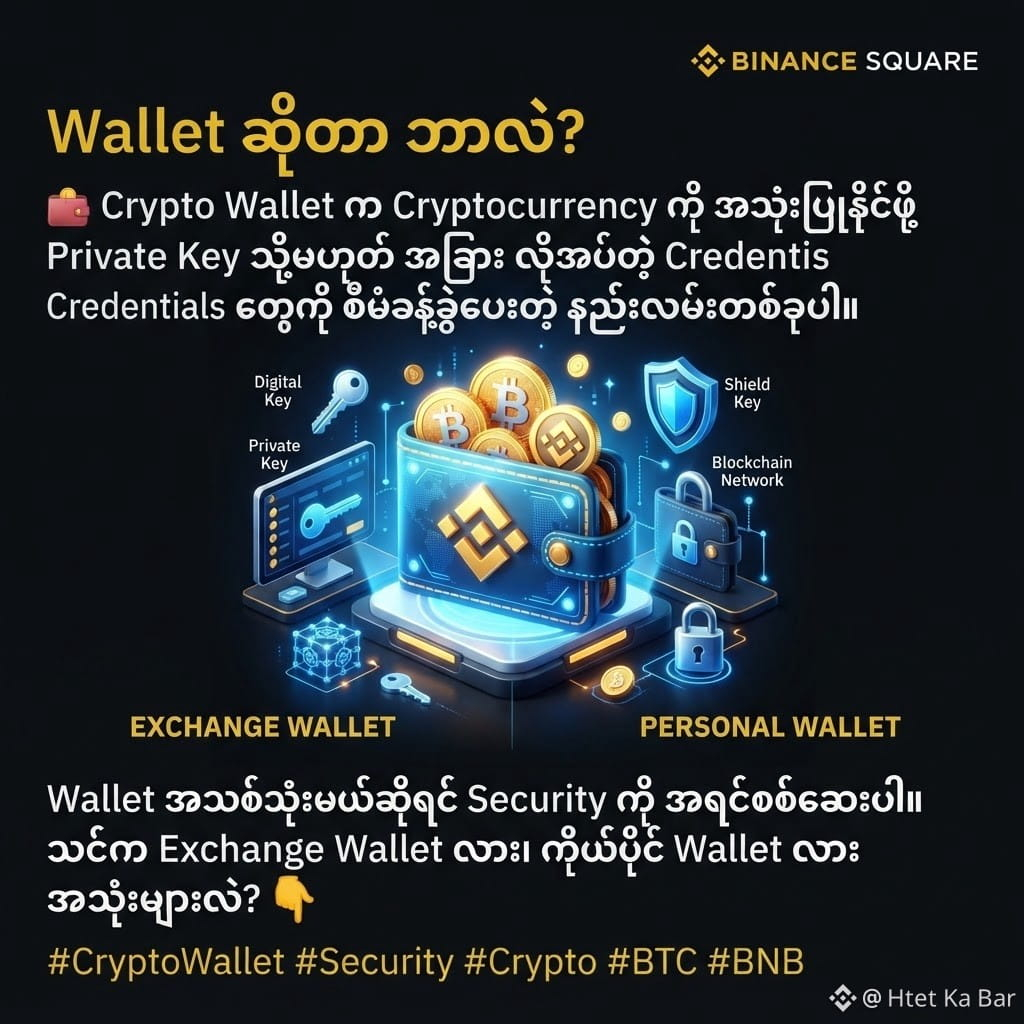
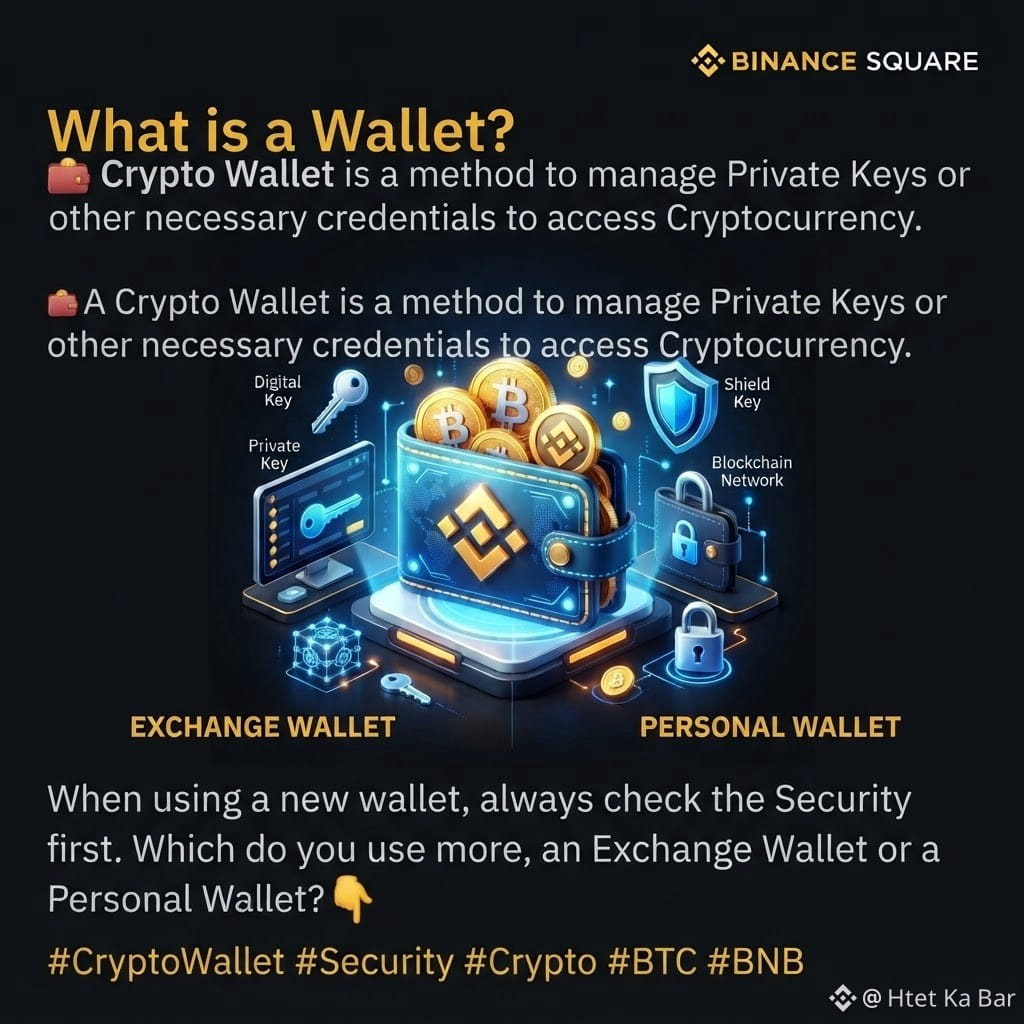
Wallet ဆိုတာ ဘာလဲ?
👛 Crypto Wallet က Cryptocurrency ကို အသုံးပြုနိုင်ဖို့ Private Key သို့မဟုတ် အခြား လိုအပ်တဲ့ Credentials တွေကို စီမံခန့်ခွဲပေးတဲ့ နည်းလမ်းတစ်ခုပါ။
Wallet အသစ်သုံးမယ်ဆိုရင် Security ကို အရင်စစ်ဆေးပါ။
သင်က Exchange Wallet လား၊ ကိုယ်ပိုင် Wallet လား အသုံးများလဲ? 👇
#CryptoWallet #Security #Crypto #BTC #BNB
$BTC $BNB $DOGE
Wallet ဆိုတာ ဘာလဲ?
👛 Crypto Wallet က Cryptocurrency ကို အသုံးပြုနိုင်ဖို့ Private Key သို့မဟုတ် အခြား လိုအပ်တဲ့ Credentials တွေကို စီမံခန့်ခွဲပေးတဲ့ နည်းလမ်းတစ်ခုပါ။
Wallet အသစ်သုံးမယ်ဆိုရင် Security ကို အရင်စစ်ဆေးပါ။
သင်က Exchange Wallet လား၊ ကိုယ်ပိုင် Wallet လား အသုံးများလဲ? 👇
#CryptoWallet #Security #Crypto #BTC #BNB
$BTC $BNB $DOGE
👛 Crypto Wallet က Cryptocurrency ကို အသုံးပြုနိုင်ဖို့ Private Key သို့မဟုတ် အခြား လိုအပ်တဲ့ Credentials တွေကို စီမံခန့်ခွဲပေးတဲ့ နည်းလမ်းတစ်ခုပါ။
Wallet အသစ်သုံးမယ်ဆိုရင် Security ကို အရင်စစ်ဆေးပါ။
သင်က Exchange Wallet လား၊ ကိုယ်ပိုင် Wallet လား အသုံးများလဲ? 👇
#CryptoWallet #Security #Crypto #BTC #BNB
$BTC $BNB $DOGE
99
·
--
🔥 Coldcard Adds New Security Measures After $130 Million Bitcoin Exploit.
Image: DecryptCreate an account to save your articles.Add on GoogleAdd Decrypt as your preferred source to see more of our stories on Google.In brief Coinkite released new Coldcard firmware after a seed-generation flaw exposed users to more than $100 million in Bitcoin thefts. Coldcard now requires users to add randomness through key presses, dice rolls, or coin flips when generating new seeds. A three-week review also uncovered issues involving transaction signing, USB connections, backups, and other wallet functions. Coldcard maker Coinkite has released a security overhaul for its Bitcoin hardware wallets after a seed-generation flaw allowed attackers to steal more than $100 million in Bitcoin.
In a blog post on Thursday, Coinkite urged Coldcard Mk4, Mk5, and Q users to upgrade to firmware 5.6.1 or 1.5.1Q. The release follows a three-week review of Coldcard's systems that included outside security researchers and AI models including Kimi. We are grateful to the security researchers who went above and beyond over the past weeks, reporting issues, reproducing edge cases, and reviewing our fixes, the company wrote. Their work put this firmware under intense, sustained scrutiny and made this release stronger. In July, attackers began draining Bitcoin from air-gapped Coldcard wallets after exploiting a firmware flaw dating to 2021 that generated some wallet seeds with too little randomness, making their private keys easier to guess.
❓ What's your take is this the start of a bigger move or just noise? Drop it below.
$BTC $ETH
#SECryptoRegulation #AICryptoIntegration #CryptoWallet
🔥 Coldcard Adds New Security Measures After $130 Million Bitcoin Exploit.
Image: DecryptCreate an account to save your articles.Add on GoogleAdd Decrypt as your preferred source to see more of our stories on Google.In brief Coinkite released new Coldcard firmware after a seed-generation flaw exposed users to more than $100 million in Bitcoin thefts. Coldcard now requires users to add randomness through key presses, dice rolls, or coin flips when generating new seeds. A three-week review also uncovered issues involving transaction signing, USB connections, backups, and other wallet functions. Coldcard maker Coinkite has released a security overhaul for its Bitcoin hardware wallets after a seed-generation flaw allowed attackers to steal more than $100 million in Bitcoin.
In a blog post on Thursday, Coinkite urged Coldcard Mk4, Mk5, and Q users to upgrade to firmware 5.6.1 or 1.5.1Q. The release follows a three-week review of Coldcard's systems that included outside security researchers and AI models including Kimi. We are grateful to the security researchers who went above and beyond over the past weeks, reporting issues, reproducing edge cases, and reviewing our fixes, the company wrote. Their work put this firmware under intense, sustained scrutiny and made this release stronger. In July, attackers began draining Bitcoin from air-gapped Coldcard wallets after exploiting a firmware flaw dating to 2021 that generated some wallet seeds with too little randomness, making their private keys easier to guess.
❓ What's your take is this the start of a bigger move or just noise? Drop it below.
$BTC $ETH
#SECryptoRegulation #AICryptoIntegration #CryptoWallet
Image: DecryptCreate an account to save your articles.Add on GoogleAdd Decrypt as your preferred source to see more of our stories on Google.In brief Coinkite released new Coldcard firmware after a seed-generation flaw exposed users to more than $100 million in Bitcoin thefts. Coldcard now requires users to add randomness through key presses, dice rolls, or coin flips when generating new seeds. A three-week review also uncovered issues involving transaction signing, USB connections, backups, and other wallet functions. Coldcard maker Coinkite has released a security overhaul for its Bitcoin hardware wallets after a seed-generation flaw allowed attackers to steal more than $100 million in Bitcoin.
In a blog post on Thursday, Coinkite urged Coldcard Mk4, Mk5, and Q users to upgrade to firmware 5.6.1 or 1.5.1Q. The release follows a three-week review of Coldcard's systems that included outside security researchers and AI models including Kimi. We are grateful to the security researchers who went above and beyond over the past weeks, reporting issues, reproducing edge cases, and reviewing our fixes, the company wrote. Their work put this firmware under intense, sustained scrutiny and made this release stronger. In July, attackers began draining Bitcoin from air-gapped Coldcard wallets after exploiting a firmware flaw dating to 2021 that generated some wallet seeds with too little randomness, making their private keys easier to guess.
❓ What's your take is this the start of a bigger move or just noise? Drop it below.
$BTC $ETH
#SECryptoRegulation #AICryptoIntegration #CryptoWallet
37

·
--
Where Does Your Crypto Actually Live?
A crypto wallet doesn't really hold your coins inside the app.
Your assets remain recorded on the blockchain — the wallet gives you the tools and keys to access them.
🔥 Hot Wallet vs. Cold Wallet
🌐 Hot Wallet
Connected to the internet
Convenient for frequent transactions
Quick access to your funds
Greater exposure to online threats
❄️ Cold Wallet
Usually kept offline
Better suited for long-term storage
Less exposed to online attacks
Requires more care when accessing funds
🧠 The key difference?
Hot wallets = convenience
Cold wallets = offline security
Neither option is automatically perfect for everyone. The right choice depends on how often you transact and how you manage your security.
⚠️ Never share your seed phrase or private keys with anyone.
#CryptoWallet #Ethereum2024 #Web3metaverse #CryptoSecurity #BinanceSquare
Where Does Your Crypto Actually Live?
A crypto wallet doesn't really hold your coins inside the app.
Your assets remain recorded on the blockchain — the wallet gives you the tools and keys to access them.
🔥 Hot Wallet vs. Cold Wallet
🌐 Hot Wallet
Connected to the internet
Convenient for frequent transactions
Quick access to your funds
Greater exposure to online threats
❄️ Cold Wallet
Usually kept offline
Better suited for long-term storage
Less exposed to online attacks
Requires more care when accessing funds
🧠 The key difference?
Hot wallets = convenience
Cold wallets = offline security
Neither option is automatically perfect for everyone. The right choice depends on how often you transact and how you manage your security.
⚠️ Never share your seed phrase or private keys with anyone.
#CryptoWallet #Ethereum2024 #Web3metaverse #CryptoSecurity #BinanceSquare
A crypto wallet doesn't really hold your coins inside the app.
Your assets remain recorded on the blockchain — the wallet gives you the tools and keys to access them.
🔥 Hot Wallet vs. Cold Wallet
🌐 Hot Wallet
Connected to the internet
Convenient for frequent transactions
Quick access to your funds
Greater exposure to online threats
❄️ Cold Wallet
Usually kept offline
Better suited for long-term storage
Less exposed to online attacks
Requires more care when accessing funds
🧠 The key difference?
Hot wallets = convenience
Cold wallets = offline security
Neither option is automatically perfect for everyone. The right choice depends on how often you transact and how you manage your security.
⚠️ Never share your seed phrase or private keys with anyone.
#CryptoWallet #Ethereum2024 #Web3metaverse #CryptoSecurity #BinanceSquare
70
·
--
🔥 Fake Crypto AML Checkers Are Trying to Drain Users' Wallets.
The sites impersonate legitimate services such as AMLBot and use fake scans and results to appear legitimate. A basic AML check only requires a public wallet address, not a wallet connection or transaction approval. Scammers are targeting crypto holders with fake anti-money laundering services designed to trick users into approving transactions that could put their digital assets at risk, cybersecurity firm Malwarebytes warned. In a report published Wednesday, Malwarebytes said the sites impersonate services that check whether crypto wallets have interacted with stolen or illicit funds.
Some mimic the legitimate service AMLBot, while others use generic names such as AML Check. Crypto AML services check a wallet's public transaction history for links to hacks, scams, sanctioned entities, and other suspicious activity. A basic check only requires a wallet's public address and does not require users to connect their wallet, approve permissions, or sign a transaction. According to Malwarebytes, the fake sites prompt users to connect their crypto wallets for an AML check, then simulate the process with fake progress messages and results. One site asked users for a small top-up to cover a supposed fee before returning a Clean, Low Risk result, regardless of whether a genuine check occurred.
❓ What's your take is this the start of a bigger move or just noise? Drop it below.
$BTC $ETH
#SECryptoRegulation #AICryptoIntegration #CryptoWallet
🔥 Fake Crypto AML Checkers Are Trying to Drain Users' Wallets.
The sites impersonate legitimate services such as AMLBot and use fake scans and results to appear legitimate. A basic AML check only requires a public wallet address, not a wallet connection or transaction approval. Scammers are targeting crypto holders with fake anti-money laundering services designed to trick users into approving transactions that could put their digital assets at risk, cybersecurity firm Malwarebytes warned. In a report published Wednesday, Malwarebytes said the sites impersonate services that check whether crypto wallets have interacted with stolen or illicit funds.
Some mimic the legitimate service AMLBot, while others use generic names such as AML Check. Crypto AML services check a wallet's public transaction history for links to hacks, scams, sanctioned entities, and other suspicious activity. A basic check only requires a wallet's public address and does not require users to connect their wallet, approve permissions, or sign a transaction. According to Malwarebytes, the fake sites prompt users to connect their crypto wallets for an AML check, then simulate the process with fake progress messages and results. One site asked users for a small top-up to cover a supposed fee before returning a Clean, Low Risk result, regardless of whether a genuine check occurred.
❓ What's your take is this the start of a bigger move or just noise? Drop it below.
$BTC $ETH
#SECryptoRegulation #AICryptoIntegration #CryptoWallet
The sites impersonate legitimate services such as AMLBot and use fake scans and results to appear legitimate. A basic AML check only requires a public wallet address, not a wallet connection or transaction approval. Scammers are targeting crypto holders with fake anti-money laundering services designed to trick users into approving transactions that could put their digital assets at risk, cybersecurity firm Malwarebytes warned. In a report published Wednesday, Malwarebytes said the sites impersonate services that check whether crypto wallets have interacted with stolen or illicit funds.
Some mimic the legitimate service AMLBot, while others use generic names such as AML Check. Crypto AML services check a wallet's public transaction history for links to hacks, scams, sanctioned entities, and other suspicious activity. A basic check only requires a wallet's public address and does not require users to connect their wallet, approve permissions, or sign a transaction. According to Malwarebytes, the fake sites prompt users to connect their crypto wallets for an AML check, then simulate the process with fake progress messages and results. One site asked users for a small top-up to cover a supposed fee before returning a Clean, Low Risk result, regardless of whether a genuine check occurred.
❓ What's your take is this the start of a bigger move or just noise? Drop it below.
$BTC $ETH
#SECryptoRegulation #AICryptoIntegration #CryptoWallet
83
·
--
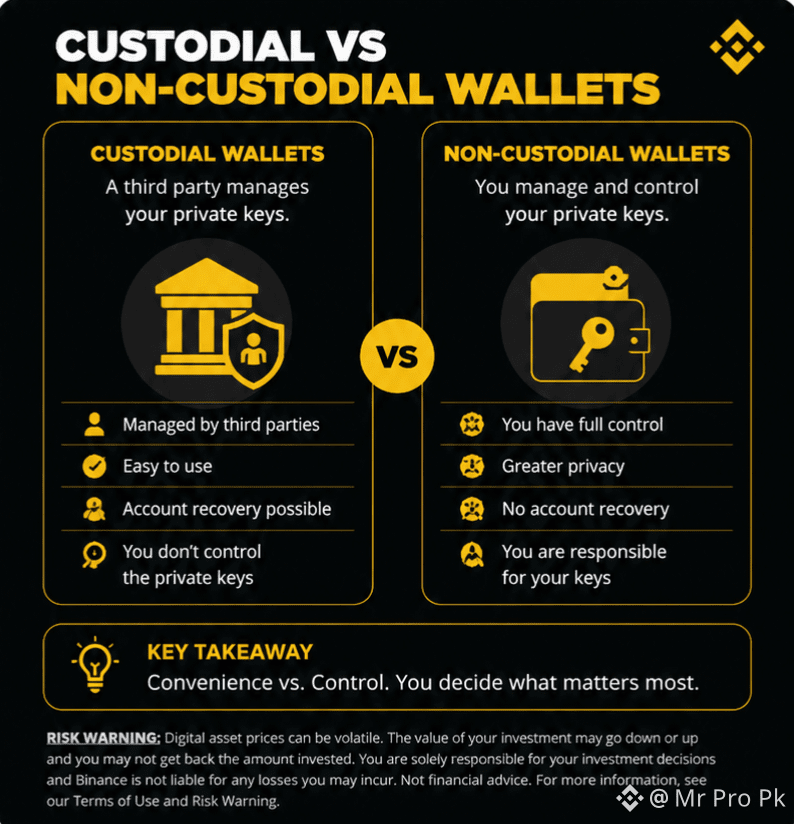
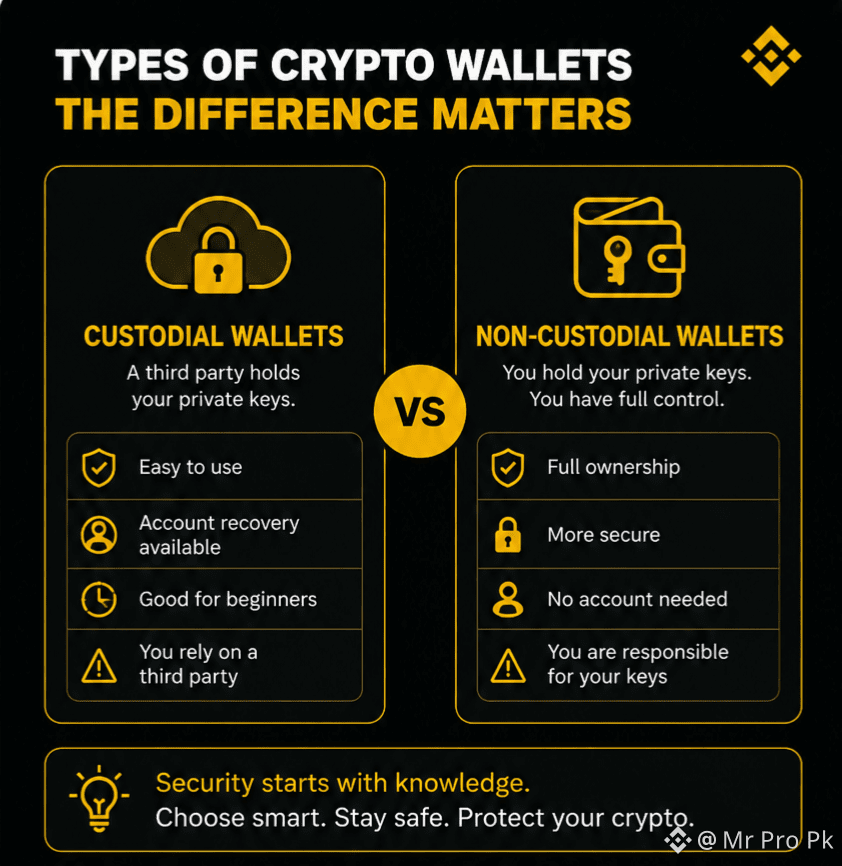
Crypto Wallets — Do You Really Know Who Controls Your Funds?
Your crypto isn't actually stored inside a wallet app. The assets exist on the blockchain; the wallet manages the keys that let you access and control them. �
Binance +1
But here's the important part 👇
Custodial vs. Non-Custodial
🏦 Custodial Wallet
A third party controls the private keys
Easier for beginners
Account recovery may be available
You depend on the provider
🔑 Non-Custodial Wallet
You control your own private keys
Greater direct control
No third party holds your keys
You are responsible for your recovery phrase
⚡ The real lesson
Convenience vs. Control.
Before choosing a wallet, understand who actually controls the keys.
And never share your seed phrase/private key with anyone. �
Binance
#crypto #Ethereum #CryptoWallet #BinanceSquare #MetaplanetToInvest2100BTCInSuperLeague
Crypto Wallets — Do You Really Know Who Controls Your Funds?
Your crypto isn't actually stored inside a wallet app. The assets exist on the blockchain; the wallet manages the keys that let you access and control them. �
Binance +1
But here's the important part 👇
Custodial vs. Non-Custodial
🏦 Custodial Wallet
A third party controls the private keys
Easier for beginners
Account recovery may be available
You depend on the provider
🔑 Non-Custodial Wallet
You control your own private keys
Greater direct control
No third party holds your keys
You are responsible for your recovery phrase
⚡ The real lesson
Convenience vs. Control.
Before choosing a wallet, understand who actually controls the keys.
And never share your seed phrase/private key with anyone. �
Binance
#crypto #Ethereum #CryptoWallet #BinanceSquare #MetaplanetToInvest2100BTCInSuperLeague
Your crypto isn't actually stored inside a wallet app. The assets exist on the blockchain; the wallet manages the keys that let you access and control them. �
Binance +1
But here's the important part 👇
Custodial vs. Non-Custodial
🏦 Custodial Wallet
A third party controls the private keys
Easier for beginners
Account recovery may be available
You depend on the provider
🔑 Non-Custodial Wallet
You control your own private keys
Greater direct control
No third party holds your keys
You are responsible for your recovery phrase
⚡ The real lesson
Convenience vs. Control.
Before choosing a wallet, understand who actually controls the keys.
And never share your seed phrase/private key with anyone. �
Binance
#crypto #Ethereum #CryptoWallet #BinanceSquare #MetaplanetToInvest2100BTCInSuperLeague
49
·
--
🔥 Bitcoin Wallet Maker BitBox Says AI Found Severe Flaws in Firmware.
Image: Shutterstock/DecryptCreate an account to save your articles.Add on GoogleAdd Decrypt as your preferred source to see more of our stories on Google.In brief BitBox shipped the Dixence update after internal AI audits found two severe vulnerabilities plus a bootloader issue. Exploiting them required a successful phishing attack plus the user unlocking a tampered device. BitBox says no user funds were stolen and the wallet seed was never at risk. BitBox, the Zurich-based maker behind the BitBox02, released the Dixence security update this week after its own engineers uncovered two severe flaws in the cryptocurrency wallet's firmware. The company disclosed the issues itself, with no evidence they were ever exploited.
But the news itself is likely enough to set off the alarms of most Bitcoin holders, given the recent exploit of hardware wallet maker Coldcard thats resulted in over $130 million in stolen BTC. For BitBox, the first problem lives in the bootloader, the code that decides which firmware a device will accept. A fix shipped in July's Oeschinen release (v9.26.2) closed most of it, but BitBox now says the original issue was worse than first reported. An attacker who ran a phishing scamtricking a user into installing a fake BitBoxApp and unlocking the devicecould have loaded malicious firmware onto a genuine BitBox02 and walked off with the coins. The BitBox02 Nova, the newer model, was never exposed because of its bootloader version.
❓ What's your take is this the start of a bigger move or just noise? Drop it below.
$BTC $ETH
#SECryptoRegulation #AICryptoIntegration #CryptoWallet
🔥 Bitcoin Wallet Maker BitBox Says AI Found Severe Flaws in Firmware.
Image: Shutterstock/DecryptCreate an account to save your articles.Add on GoogleAdd Decrypt as your preferred source to see more of our stories on Google.In brief BitBox shipped the Dixence update after internal AI audits found two severe vulnerabilities plus a bootloader issue. Exploiting them required a successful phishing attack plus the user unlocking a tampered device. BitBox says no user funds were stolen and the wallet seed was never at risk. BitBox, the Zurich-based maker behind the BitBox02, released the Dixence security update this week after its own engineers uncovered two severe flaws in the cryptocurrency wallet's firmware. The company disclosed the issues itself, with no evidence they were ever exploited.
But the news itself is likely enough to set off the alarms of most Bitcoin holders, given the recent exploit of hardware wallet maker Coldcard thats resulted in over $130 million in stolen BTC. For BitBox, the first problem lives in the bootloader, the code that decides which firmware a device will accept. A fix shipped in July's Oeschinen release (v9.26.2) closed most of it, but BitBox now says the original issue was worse than first reported. An attacker who ran a phishing scamtricking a user into installing a fake BitBoxApp and unlocking the devicecould have loaded malicious firmware onto a genuine BitBox02 and walked off with the coins. The BitBox02 Nova, the newer model, was never exposed because of its bootloader version.
❓ What's your take is this the start of a bigger move or just noise? Drop it below.
$BTC $ETH
#SECryptoRegulation #AICryptoIntegration #CryptoWallet
Image: Shutterstock/DecryptCreate an account to save your articles.Add on GoogleAdd Decrypt as your preferred source to see more of our stories on Google.In brief BitBox shipped the Dixence update after internal AI audits found two severe vulnerabilities plus a bootloader issue. Exploiting them required a successful phishing attack plus the user unlocking a tampered device. BitBox says no user funds were stolen and the wallet seed was never at risk. BitBox, the Zurich-based maker behind the BitBox02, released the Dixence security update this week after its own engineers uncovered two severe flaws in the cryptocurrency wallet's firmware. The company disclosed the issues itself, with no evidence they were ever exploited.
But the news itself is likely enough to set off the alarms of most Bitcoin holders, given the recent exploit of hardware wallet maker Coldcard thats resulted in over $130 million in stolen BTC. For BitBox, the first problem lives in the bootloader, the code that decides which firmware a device will accept. A fix shipped in July's Oeschinen release (v9.26.2) closed most of it, but BitBox now says the original issue was worse than first reported. An attacker who ran a phishing scamtricking a user into installing a fake BitBoxApp and unlocking the devicecould have loaded malicious firmware onto a genuine BitBox02 and walked off with the coins. The BitBox02 Nova, the newer model, was never exposed because of its bootloader version.
❓ What's your take is this the start of a bigger move or just noise? Drop it below.
$BTC $ETH
#SECryptoRegulation #AICryptoIntegration #CryptoWallet
51
·
--
🔥 Bitcoin Wallet Untouched for 15 Years Suddenly Springs to Life.
Image: Shutterstock/DecryptCreate an account to save your articles.Add on GoogleAdd Decrypt as your preferred source to see more of our stories on Google.In brief A Bitcoin wallet holding 8.54 BTC, first funded on June 13, 2011, moved its coins for the first time in 15 years on Aug. The position is now worth about $538,000 for a roughly 461,981% gain if sold. It follows a trend of ancient Bitcoin wallets suddenly coming to life. A Bitcoin stash that had sat frozen since the network's earliest days has moved for the first time in more than 15 years, the latest in a string of ancient wallets flickering back to life.
According to Galaxy Research's blockchain monitoring, a Bitcoin address beginning in 1Emi holding 8.54 BTC first received the coins on June 13, 2011, when Bitcoin traded around $14, and then went silent for 15.1 years. The balance, now worth roughly $538,000, was swept out on Aug. 16 in a single transaction recorded in block 962,770. At an average cost basis near $14, the position represents a gain of about 461,981%.
❓ What's your take is this the start of a bigger move or just noise? Drop it below.
$BTC $ETH
#AICryptoIntegration #CryptoWallet #CryptoMarkets
🔥 Bitcoin Wallet Untouched for 15 Years Suddenly Springs to Life.
Image: Shutterstock/DecryptCreate an account to save your articles.Add on GoogleAdd Decrypt as your preferred source to see more of our stories on Google.In brief A Bitcoin wallet holding 8.54 BTC, first funded on June 13, 2011, moved its coins for the first time in 15 years on Aug. The position is now worth about $538,000 for a roughly 461,981% gain if sold. It follows a trend of ancient Bitcoin wallets suddenly coming to life. A Bitcoin stash that had sat frozen since the network's earliest days has moved for the first time in more than 15 years, the latest in a string of ancient wallets flickering back to life.
According to Galaxy Research's blockchain monitoring, a Bitcoin address beginning in 1Emi holding 8.54 BTC first received the coins on June 13, 2011, when Bitcoin traded around $14, and then went silent for 15.1 years. The balance, now worth roughly $538,000, was swept out on Aug. 16 in a single transaction recorded in block 962,770. At an average cost basis near $14, the position represents a gain of about 461,981%.
❓ What's your take is this the start of a bigger move or just noise? Drop it below.
$BTC $ETH
#AICryptoIntegration #CryptoWallet #CryptoMarkets
Image: Shutterstock/DecryptCreate an account to save your articles.Add on GoogleAdd Decrypt as your preferred source to see more of our stories on Google.In brief A Bitcoin wallet holding 8.54 BTC, first funded on June 13, 2011, moved its coins for the first time in 15 years on Aug. The position is now worth about $538,000 for a roughly 461,981% gain if sold. It follows a trend of ancient Bitcoin wallets suddenly coming to life. A Bitcoin stash that had sat frozen since the network's earliest days has moved for the first time in more than 15 years, the latest in a string of ancient wallets flickering back to life.
According to Galaxy Research's blockchain monitoring, a Bitcoin address beginning in 1Emi holding 8.54 BTC first received the coins on June 13, 2011, when Bitcoin traded around $14, and then went silent for 15.1 years. The balance, now worth roughly $538,000, was swept out on Aug. 16 in a single transaction recorded in block 962,770. At an average cost basis near $14, the position represents a gain of about 461,981%.
❓ What's your take is this the start of a bigger move or just noise? Drop it below.
$BTC $ETH
#AICryptoIntegration #CryptoWallet #CryptoMarkets
76
·
--
🔥 Coldcard Bitcoin Thefts Slow, But Losses Could Top $150 Million: Galaxy.
Image: Shutterstock/DecryptCreate an account to save your articles.Add on GoogleAdd Decrypt as your preferred source to see more of our stories on Google.In brief Galaxy Research now puts the Coldcard exploit's confirmed haul above 1,778 BTC (about $112 million), with a suspected fourth wave that would lift it to 2,417 BTC. No confirmed attacker activity has appeared after August 6, across three major waves and more than 30 smaller footprints. Galaxy has spoken to 190-plus victims directly and still tells single-signature Coldcard holders to move funds to fresh addresses. Stolen Bitcoin losses from the massive Coldcard wallet exploit have begun to slow, but the total amount of BTC swiped continues to climband the worst may not be over just yet.
Thats the latest from Galaxy Research, the crypto research firm thats been tracking the exploit from the start. The company said Thursday that the Coldcard seed-recreation exploit has now drained more than 1,778 BTCroughly $112 millionand the final figure will likely be higher. Galaxy said it has very high confidence in the tally, which counts confirmed, owner-attributed thefts since the attack opened on July 30, per its running thread on X. Attackers have been executing this attack since at least early morning July 30, 2026, systematically recreating Coldcard-generated seeds and sweeping the funds onchain, Galaxy Research wrote.
❓ What's your take is this the start of a bigger move or just noise? Drop it below.
$BTC $ETH
#AICryptoIntegration #CryptoWallet #TonEcosystem
🔥 Coldcard Bitcoin Thefts Slow, But Losses Could Top $150 Million: Galaxy.
Image: Shutterstock/DecryptCreate an account to save your articles.Add on GoogleAdd Decrypt as your preferred source to see more of our stories on Google.In brief Galaxy Research now puts the Coldcard exploit's confirmed haul above 1,778 BTC (about $112 million), with a suspected fourth wave that would lift it to 2,417 BTC. No confirmed attacker activity has appeared after August 6, across three major waves and more than 30 smaller footprints. Galaxy has spoken to 190-plus victims directly and still tells single-signature Coldcard holders to move funds to fresh addresses. Stolen Bitcoin losses from the massive Coldcard wallet exploit have begun to slow, but the total amount of BTC swiped continues to climband the worst may not be over just yet.
Thats the latest from Galaxy Research, the crypto research firm thats been tracking the exploit from the start. The company said Thursday that the Coldcard seed-recreation exploit has now drained more than 1,778 BTCroughly $112 millionand the final figure will likely be higher. Galaxy said it has very high confidence in the tally, which counts confirmed, owner-attributed thefts since the attack opened on July 30, per its running thread on X. Attackers have been executing this attack since at least early morning July 30, 2026, systematically recreating Coldcard-generated seeds and sweeping the funds onchain, Galaxy Research wrote.
❓ What's your take is this the start of a bigger move or just noise? Drop it below.
$BTC $ETH
#AICryptoIntegration #CryptoWallet #TonEcosystem
Image: Shutterstock/DecryptCreate an account to save your articles.Add on GoogleAdd Decrypt as your preferred source to see more of our stories on Google.In brief Galaxy Research now puts the Coldcard exploit's confirmed haul above 1,778 BTC (about $112 million), with a suspected fourth wave that would lift it to 2,417 BTC. No confirmed attacker activity has appeared after August 6, across three major waves and more than 30 smaller footprints. Galaxy has spoken to 190-plus victims directly and still tells single-signature Coldcard holders to move funds to fresh addresses. Stolen Bitcoin losses from the massive Coldcard wallet exploit have begun to slow, but the total amount of BTC swiped continues to climband the worst may not be over just yet.
Thats the latest from Galaxy Research, the crypto research firm thats been tracking the exploit from the start. The company said Thursday that the Coldcard seed-recreation exploit has now drained more than 1,778 BTCroughly $112 millionand the final figure will likely be higher. Galaxy said it has very high confidence in the tally, which counts confirmed, owner-attributed thefts since the attack opened on July 30, per its running thread on X. Attackers have been executing this attack since at least early morning July 30, 2026, systematically recreating Coldcard-generated seeds and sweeping the funds onchain, Galaxy Research wrote.
❓ What's your take is this the start of a bigger move or just noise? Drop it below.
$BTC $ETH
#AICryptoIntegration #CryptoWallet #TonEcosystem
20
·
--
🔥 SparkKitty Malware Found in App Stores Targets Crypto Wallet Seed Phrases.
The malware was distributed through malicious apps on Apple's App Store, Google Play, and third-party app stores. Researchers warn that storing wallet recovery phrases as screenshots can expose crypto assets to theft. A new report from cybersecurity firm Check Point details how the SparkKitty malware campaign targeted cryptocurrency users by scanning photos stored on infected Android and iPhone devices for wallet recovery phrases and other sensitive information.
First discovered by Kaspersky in June 2025, Check Point's analysis detailed how the malware spread through Apple's App Store, Google Play, and third-party app stores. What makes SparkKitty particularly notable is its presence on both the Apple App Store and Google Play, giving it a wide attack surface, Check Point wrote. The threat actor behind SparkKitty distributed trojanized applications disguised as legitimate cryptocurrency tools, messaging platforms, and even entertainment appsgreatly increasing the likelihood of installation by unsuspecting users. After users granted access to their photo libraries, the malware scanned stored images for wallet recovery phrases and other sensitive information before uploading the data to attacker-controlled servers.
❓ What's your take is this the start of a bigger move or just noise? Drop it below.
$BTC $ETH
#SECryptoRegulation #AICryptoIntegration #CryptoWallet
🔥 SparkKitty Malware Found in App Stores Targets Crypto Wallet Seed Phrases.
The malware was distributed through malicious apps on Apple's App Store, Google Play, and third-party app stores. Researchers warn that storing wallet recovery phrases as screenshots can expose crypto assets to theft. A new report from cybersecurity firm Check Point details how the SparkKitty malware campaign targeted cryptocurrency users by scanning photos stored on infected Android and iPhone devices for wallet recovery phrases and other sensitive information.
First discovered by Kaspersky in June 2025, Check Point's analysis detailed how the malware spread through Apple's App Store, Google Play, and third-party app stores. What makes SparkKitty particularly notable is its presence on both the Apple App Store and Google Play, giving it a wide attack surface, Check Point wrote. The threat actor behind SparkKitty distributed trojanized applications disguised as legitimate cryptocurrency tools, messaging platforms, and even entertainment appsgreatly increasing the likelihood of installation by unsuspecting users. After users granted access to their photo libraries, the malware scanned stored images for wallet recovery phrases and other sensitive information before uploading the data to attacker-controlled servers.
❓ What's your take is this the start of a bigger move or just noise? Drop it below.
$BTC $ETH
#SECryptoRegulation #AICryptoIntegration #CryptoWallet
The malware was distributed through malicious apps on Apple's App Store, Google Play, and third-party app stores. Researchers warn that storing wallet recovery phrases as screenshots can expose crypto assets to theft. A new report from cybersecurity firm Check Point details how the SparkKitty malware campaign targeted cryptocurrency users by scanning photos stored on infected Android and iPhone devices for wallet recovery phrases and other sensitive information.
First discovered by Kaspersky in June 2025, Check Point's analysis detailed how the malware spread through Apple's App Store, Google Play, and third-party app stores. What makes SparkKitty particularly notable is its presence on both the Apple App Store and Google Play, giving it a wide attack surface, Check Point wrote. The threat actor behind SparkKitty distributed trojanized applications disguised as legitimate cryptocurrency tools, messaging platforms, and even entertainment appsgreatly increasing the likelihood of installation by unsuspecting users. After users granted access to their photo libraries, the malware scanned stored images for wallet recovery phrases and other sensitive information before uploading the data to attacker-controlled servers.
❓ What's your take is this the start of a bigger move or just noise? Drop it below.
$BTC $ETH
#SECryptoRegulation #AICryptoIntegration #CryptoWallet
39
·
--
🔥 Ledger Says Coldcard Exploit Shows Bitcoin Wallet Security Must Adapt to AI.
Image: Shutterstock/BitcoinCreate an account to save your articles.Add on GoogleAdd Decrypt as your preferred source to see more of our stories on Google.In brief Ledger says the Coldcard exploit is a warning for the hardware Bitcoin wallet industry but says its own devices were not affected. The company argues independently certified hardware random number generators are essential for securely creating wallet recovery phrases. Ledger says AI is accelerating vulnerability discovery and forcing security teams to defend at machine speed. Hardware wallet maker Ledger says the recent Coldcard exploit should serve as a warning for the cryptocurrency industry. According to Ledger CTO Charles Guillemet, the incident exposed weaknesses in how some devices, in this case hardware cryptocurrency wallets, generate cryptographic randomness while showing how artificial intelligence is reshaping both cyberattacks and digital defenses.
We're treating this as a serious reminder of how the whole security model of a hardware wallet lives or dies on randomness, Guillemet told Decrypt. Cryptography is hard and implementing it securely is harder. This week's Coldcard incident made that visible in the most expensive way possible. The comments come as the fallout from the Coldcard exploit continues to grow. Last week, Coldcard maker Coinkite disclosed a flaw in the air-gapped Coldcard Bitcoin hardware wallet that traces back to a March 2021 firmware build.
❓ What's your take is this the start of a bigger move or just noise? Drop it below.
$BTC $ETH
#SECryptoRegulation #AICryptoIntegration #CryptoWallet
🔥 Ledger Says Coldcard Exploit Shows Bitcoin Wallet Security Must Adapt to AI.
Image: Shutterstock/BitcoinCreate an account to save your articles.Add on GoogleAdd Decrypt as your preferred source to see more of our stories on Google.In brief Ledger says the Coldcard exploit is a warning for the hardware Bitcoin wallet industry but says its own devices were not affected. The company argues independently certified hardware random number generators are essential for securely creating wallet recovery phrases. Ledger says AI is accelerating vulnerability discovery and forcing security teams to defend at machine speed. Hardware wallet maker Ledger says the recent Coldcard exploit should serve as a warning for the cryptocurrency industry. According to Ledger CTO Charles Guillemet, the incident exposed weaknesses in how some devices, in this case hardware cryptocurrency wallets, generate cryptographic randomness while showing how artificial intelligence is reshaping both cyberattacks and digital defenses.
We're treating this as a serious reminder of how the whole security model of a hardware wallet lives or dies on randomness, Guillemet told Decrypt. Cryptography is hard and implementing it securely is harder. This week's Coldcard incident made that visible in the most expensive way possible. The comments come as the fallout from the Coldcard exploit continues to grow. Last week, Coldcard maker Coinkite disclosed a flaw in the air-gapped Coldcard Bitcoin hardware wallet that traces back to a March 2021 firmware build.
❓ What's your take is this the start of a bigger move or just noise? Drop it below.
$BTC $ETH
#SECryptoRegulation #AICryptoIntegration #CryptoWallet
Image: Shutterstock/BitcoinCreate an account to save your articles.Add on GoogleAdd Decrypt as your preferred source to see more of our stories on Google.In brief Ledger says the Coldcard exploit is a warning for the hardware Bitcoin wallet industry but says its own devices were not affected. The company argues independently certified hardware random number generators are essential for securely creating wallet recovery phrases. Ledger says AI is accelerating vulnerability discovery and forcing security teams to defend at machine speed. Hardware wallet maker Ledger says the recent Coldcard exploit should serve as a warning for the cryptocurrency industry. According to Ledger CTO Charles Guillemet, the incident exposed weaknesses in how some devices, in this case hardware cryptocurrency wallets, generate cryptographic randomness while showing how artificial intelligence is reshaping both cyberattacks and digital defenses.
We're treating this as a serious reminder of how the whole security model of a hardware wallet lives or dies on randomness, Guillemet told Decrypt. Cryptography is hard and implementing it securely is harder. This week's Coldcard incident made that visible in the most expensive way possible. The comments come as the fallout from the Coldcard exploit continues to grow. Last week, Coldcard maker Coinkite disclosed a flaw in the air-gapped Coldcard Bitcoin hardware wallet that traces back to a March 2021 firmware build.
❓ What's your take is this the start of a bigger move or just noise? Drop it below.
$BTC $ETH
#SECryptoRegulation #AICryptoIntegration #CryptoWallet
40

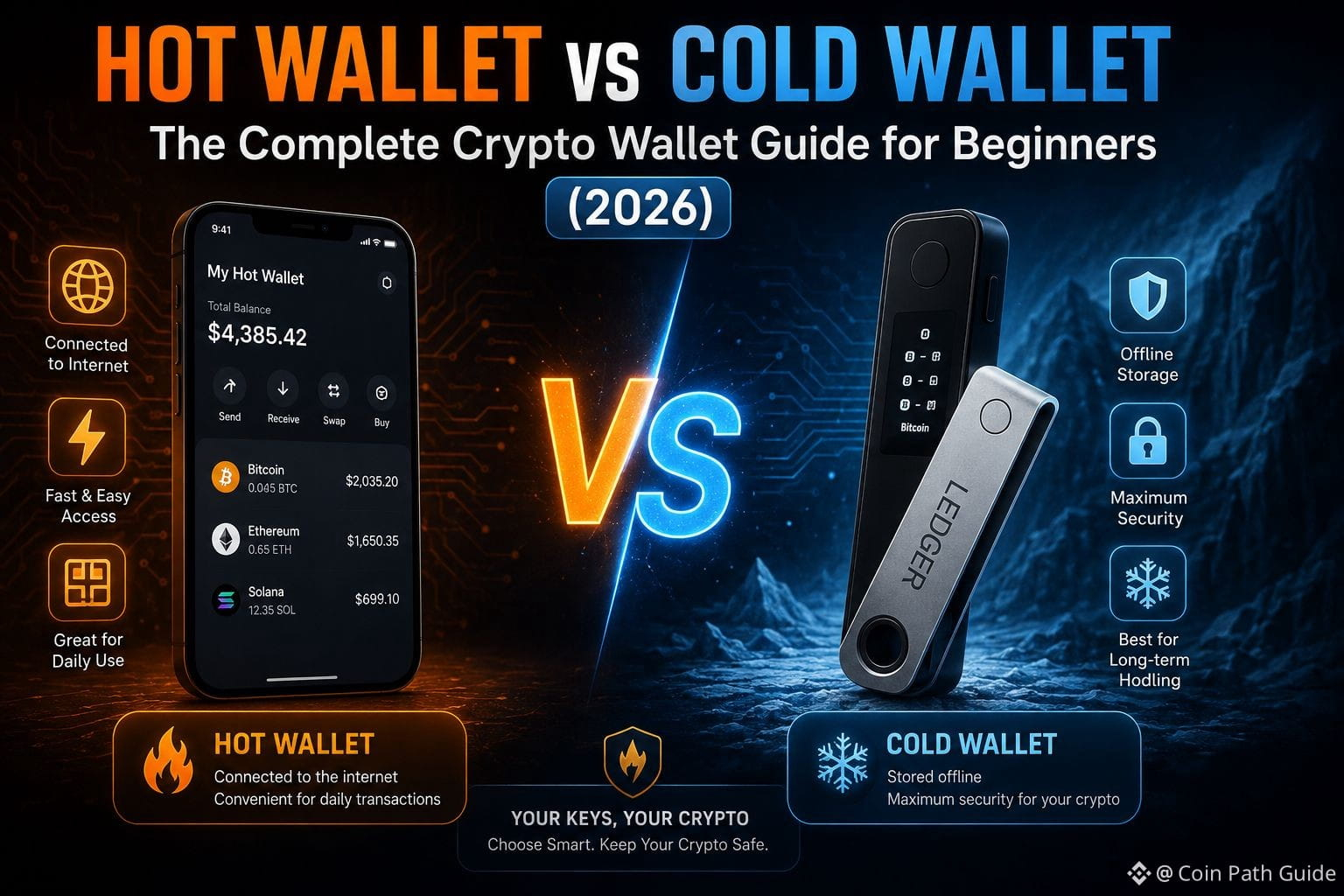
🔐 Hot Wallet vs Cold Wallet — Which One Do YOU Need?
90% of new crypto users make this mistake: leaving all their coins on an exchange. But why does "Not your keys, not your coins" actually matter?
🔥 Hot Wallet → Great for active trading, but higher risk
❄️ Cold Wallet → The safest choice for long-term holding
I broke down exactly when to use each (with real examples) on the blog 👇
https://coinpathguide.blogspot.com/2026/08/hot-wallet-vs-cold-wallet-guide.html
Which one do YOU use right now? Drop it in the comments 👇
$BTC $ETH $BNB
#Crypto #BTC #Binance #CryptoWallet
🔐 Hot Wallet vs Cold Wallet — Which One Do YOU Need?
90% of new crypto users make this mistake: leaving all their coins on an exchange. But why does "Not your keys, not your coins" actually matter?
🔥 Hot Wallet → Great for active trading, but higher risk
❄️ Cold Wallet → The safest choice for long-term holding
I broke down exactly when to use each (with real examples) on the blog 👇
https://coinpathguide.blogspot.com/2026/08/hot-wallet-vs-cold-wallet-guide.html
Which one do YOU use right now? Drop it in the comments 👇
$BTC $ETH $BNB
#Crypto #BTC #Binance #CryptoWallet
90% of new crypto users make this mistake: leaving all their coins on an exchange. But why does "Not your keys, not your coins" actually matter?
🔥 Hot Wallet → Great for active trading, but higher risk
❄️ Cold Wallet → The safest choice for long-term holding
I broke down exactly when to use each (with real examples) on the blog 👇
https://coinpathguide.blogspot.com/2026/08/hot-wallet-vs-cold-wallet-guide.html
Which one do YOU use right now? Drop it in the comments 👇
$BTC $ETH $BNB
#Crypto #BTC #Binance #CryptoWallet
2
110

🛡️ Understanding Crypto Wallets: Your Gateway to Digital Assets: Self-custody, seed phrases, and the difference between hot and cold storage
On July 29, 2026, understanding how crypto wallets work is essential for anyone entering the digital asset space. A wallet does not store coins — it stores the private keys that prove ownership of tokens on a blockchain.
Hot wallets are connected to the internet and convenient for everyday transactions. Cold wallets (hardware devices or paper backups) keep keys offline for long-term storage. Many users combine both: a small balance in a hot wallet for spending, the majority in cold storage.
The seed phrase — typically 12 or 24 words — is the master key to recover your wallet. Lose it, and your assets are unrecoverable. Store seed phrases offline, in writing, never in screenshots or cloud storage.
📌 Key Takeaway:
A crypto wallet is a private key management tool, not a digital purse. Understanding the difference between hot and cold storage, and treating seed phrases as irreplaceable master keys, is the foundation of digital asset security.
#CryptoWallet #SelfCustody
#BinanceAlphaAlert
🛡️ Understanding Crypto Wallets: Your Gateway to Digital Assets: Self-custody, seed phrases, and the difference between hot and cold storage
On July 29, 2026, understanding how crypto wallets work is essential for anyone entering the digital asset space. A wallet does not store coins — it stores the private keys that prove ownership of tokens on a blockchain.
Hot wallets are connected to the internet and convenient for everyday transactions. Cold wallets (hardware devices or paper backups) keep keys offline for long-term storage. Many users combine both: a small balance in a hot wallet for spending, the majority in cold storage.
The seed phrase — typically 12 or 24 words — is the master key to recover your wallet. Lose it, and your assets are unrecoverable. Store seed phrases offline, in writing, never in screenshots or cloud storage.
📌 Key Takeaway:
A crypto wallet is a private key management tool, not a digital purse. Understanding the difference between hot and cold storage, and treating seed phrases as irreplaceable master keys, is the foundation of digital asset security.
#CryptoWallet #SelfCustody
#BinanceAlphaAlert
On July 29, 2026, understanding how crypto wallets work is essential for anyone entering the digital asset space. A wallet does not store coins — it stores the private keys that prove ownership of tokens on a blockchain.
Hot wallets are connected to the internet and convenient for everyday transactions. Cold wallets (hardware devices or paper backups) keep keys offline for long-term storage. Many users combine both: a small balance in a hot wallet for spending, the majority in cold storage.
The seed phrase — typically 12 or 24 words — is the master key to recover your wallet. Lose it, and your assets are unrecoverable. Store seed phrases offline, in writing, never in screenshots or cloud storage.
📌 Key Takeaway:
A crypto wallet is a private key management tool, not a digital purse. Understanding the difference between hot and cold storage, and treating seed phrases as irreplaceable master keys, is the foundation of digital asset security.
#CryptoWallet #SelfCustody
#BinanceAlphaAlert
7
Войдите, чтобы посмотреть больше материала
Присоединяйтесь к пользователям криптовалют по всему миру на Binance Square
⚡️ Получайте новейшую и полезную информацию о криптоактивах.
💬 Нам доверяет крупнейшая в мире криптобиржа.
👍 Получите достоверные аналитические данные от верифицированных создателей контента.
Эл. почта/номер телефона
В тренде
1
#BitcoinReboundsTo$79K
Просмотров: 21,136
190 обсуждают
2
#BitcoinSpotETFsNetInflow$160M
Просмотров: 269
35 обсуждают
3
#SouthKoreaCryptoTaxDelayPetitionTops50000
Просмотров: 12,276
341 обсуждают
4
#SolanaTransactionV1GoesLiveOnMainnet
Просмотров: 7,333
233 обсуждают
5
#RussianCentralBankFlagsCryptoAsFinancialRisk
Просмотров: 6,874
228 обсуждают
6
#GrayscalePutsXRPAt26.11%InAdvisorPortfolio
Просмотров: 19,732
330 обсуждают
7
#PhiladelphiaSemiconductorIndexFalls5.9%
Просмотров: 6,315
206 обсуждают
8
#SECChairUrgesCongressToAdvanceClarityAct
Просмотров: 20,029
225 обсуждают
9
#FedHikeOddsRiseTo89%
Просмотров: 114,182
1,247 обсуждают
10
#RLUSDSupplyHitsRecord$2.442B
Просмотров: 8,163
70 обсуждают