
#corporateresponsibility
corporateresponsibility
Просмотров: 593
5 обсуждают
Популярные
Новые


💥JD.com’s Biggest Investment Isn’t Technology. It’s 900,000 Livelihoods.💥
What if a company's greatest achievement isn't how much profit it makes, but how many families depend on it?
JD.com offers a remarkable example.
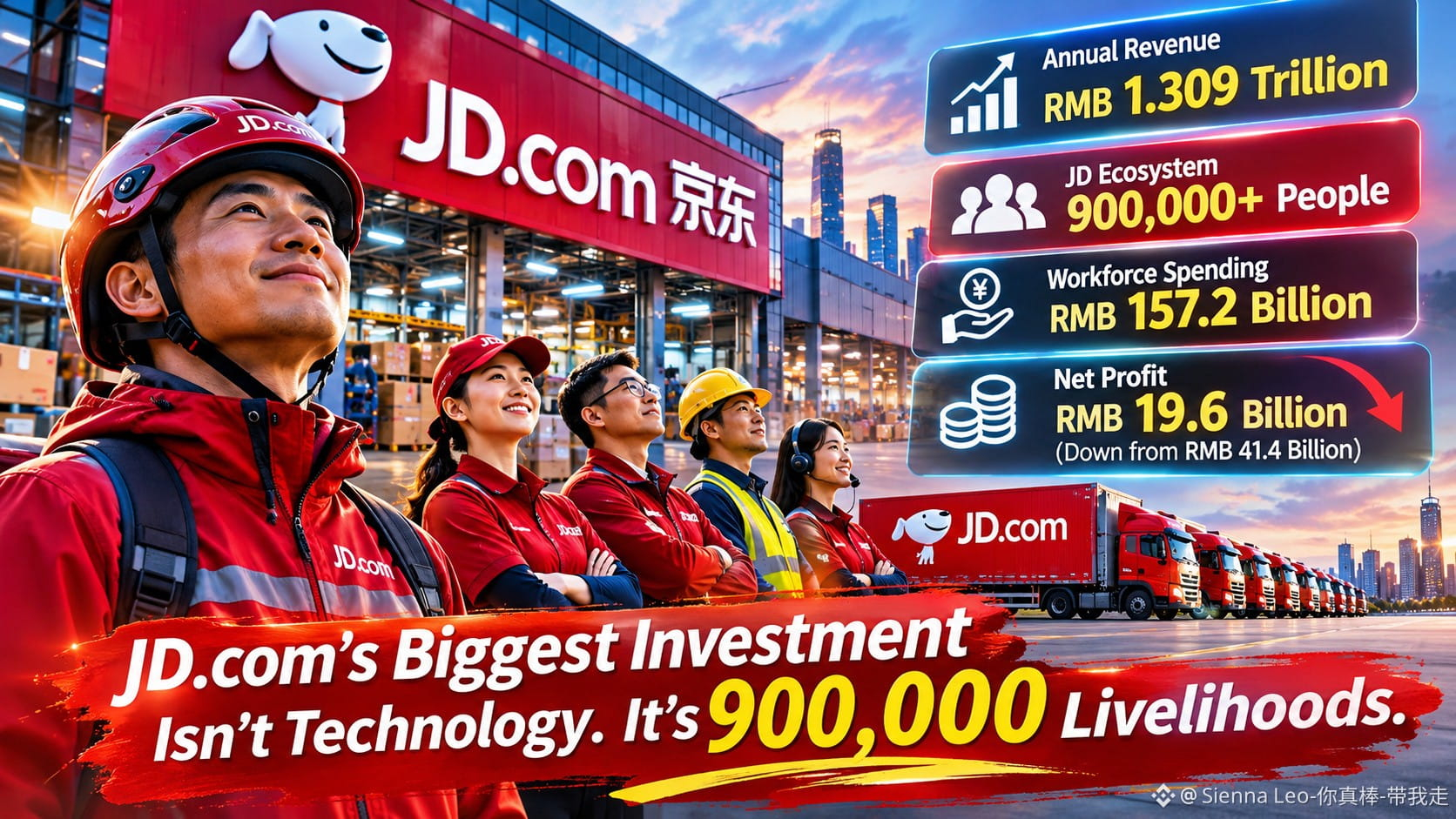
In 2025, the Chinese e-commerce giant generated approximately RMB 1.309 trillion in revenue. Yet its net profit fell sharply to RMB 19.6 billion, compared with RMB 41.4 billion in 2024.
But here's the number that deserves attention:
More than 900,000 people were part of the JD ecosystem by the end of 2025.
That includes employees, part-time workers, interns and people working across affiliated businesses.
The company reported RMB 157.2 billion in human-resource-related expenditure, including spending on external personnel supporting its ecosystem.
That's an enormous economic footprint.
And JD.com wasn't enjoying an easy year. Its operating income dropped dramatically as it increased investment in new business initiatives, including food delivery. Its marketing expenses also climbed significantly.
From a traditional financial perspective, these investments put pressure on profitability.
But there's another side to this story.
Behind every warehouse, delivery route and monthly paycheck are people with families, responsibilities and dreams.
A company's financial statements measure expenses in numbers. They cannot fully measure the security those expenses provide to ordinary households.
Of course, protecting jobs and investing in people must go hand in hand with sustainable business performance.
Profit tells us how much a company earns. Its people tell us what that company means to society.
What matters more in the long run: maximizing profits or building a business that creates lasting livelihoods?
Let's discuss.
#JDcom #BusinessLeadership #CorporateResponsibility #GrowWithSAC

JDUS+1,40%
محمد المالك:
951101472
1$
1
346

Legal Dispute Raises Concerns Over Disruption to Humanitarian Aid Operations
A significant legal battle has emerged between BAE Systems and EnComm Aviation, with the latter filing a £120 million lawsuit over the withdrawal of technical support for aid aircraft. The dispute highlights the complex intersection between commercial decisions and humanitarian impact.
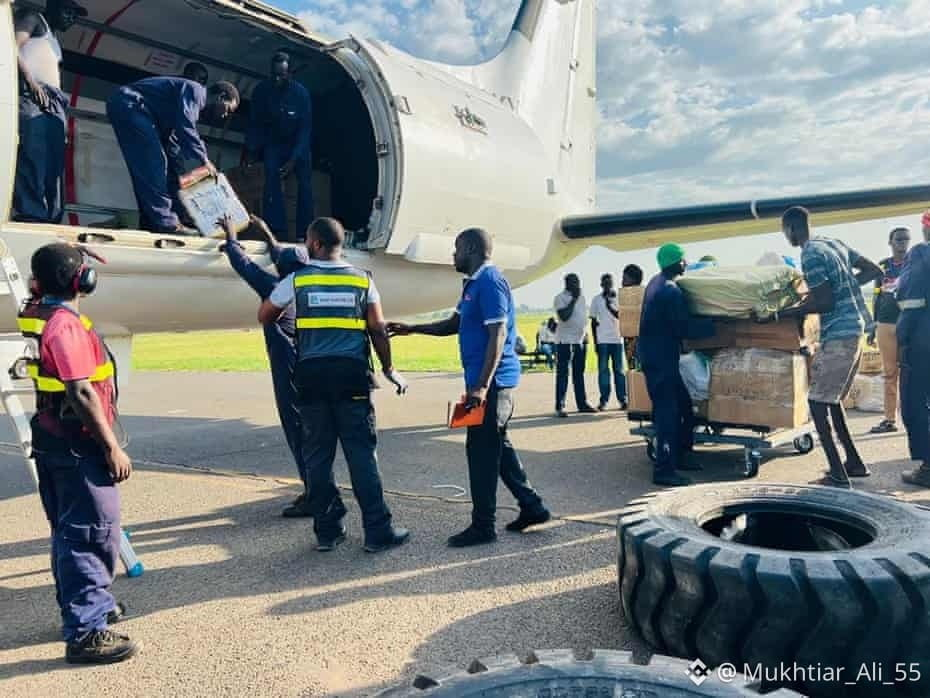
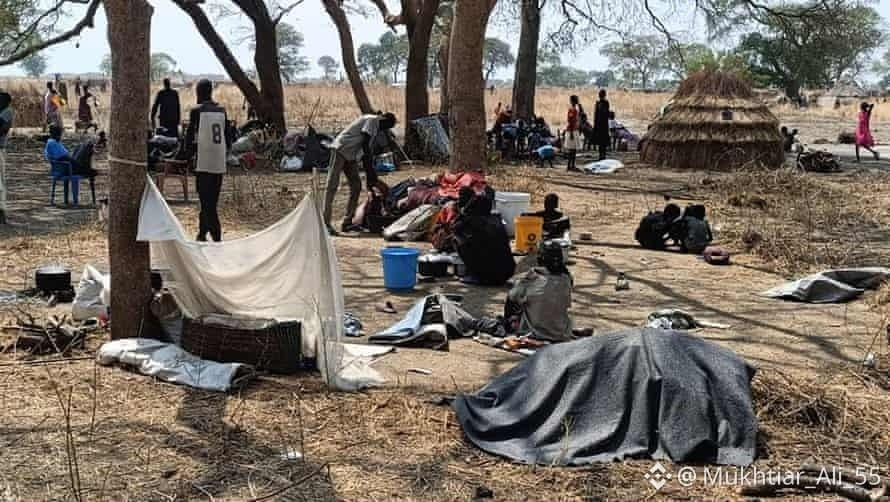
EnComm Aviation alleges that the termination of support for its Advanced Turbo-Prop (ATP) fleet has grounded critical aircraft used to deliver aid across vulnerable regions, including South Sudan and Democratic Republic of the Congo. These aircraft were instrumental in transporting thousands of tonnes of humanitarian supplies to remote and crisis-affected areas.
The company claims the decision forced the cancellation of key international aid contracts, including operations supporting millions facing acute food insecurity. It further argues that the move has rendered its fleet effectively unusable, causing both financial losses and disruptions to life-saving missions.
While BAE Systems has declined to comment due to ongoing litigation, the case raises broader questions about corporate responsibility, particularly when business decisions directly affect humanitarian supply chains and vulnerable populations.
#HumanitarianAid #GlobalDevelopment #AviationIndustry #CorporateResponsibility #Africa
$EDU
{spot}(EDUUSDT)
$USTC
{spot}(USTCUSDT)
$LUMIA
{spot}(LUMIAUSDT)
Legal Dispute Raises Concerns Over Disruption to Humanitarian Aid Operations
A significant legal battle has emerged between BAE Systems and EnComm Aviation, with the latter filing a £120 million lawsuit over the withdrawal of technical support for aid aircraft. The dispute highlights the complex intersection between commercial decisions and humanitarian impact.
EnComm Aviation alleges that the termination of support for its Advanced Turbo-Prop (ATP) fleet has grounded critical aircraft used to deliver aid across vulnerable regions, including South Sudan and Democratic Republic of the Congo. These aircraft were instrumental in transporting thousands of tonnes of humanitarian supplies to remote and crisis-affected areas.
The company claims the decision forced the cancellation of key international aid contracts, including operations supporting millions facing acute food insecurity. It further argues that the move has rendered its fleet effectively unusable, causing both financial losses and disruptions to life-saving missions.
While BAE Systems has declined to comment due to ongoing litigation, the case raises broader questions about corporate responsibility, particularly when business decisions directly affect humanitarian supply chains and vulnerable populations.
#HumanitarianAid #GlobalDevelopment #AviationIndustry #CorporateResponsibility #Africa
$EDU
$USTC
$LUMIA
290
Войдите, чтобы посмотреть больше материала
Присоединяйтесь к пользователям криптовалют по всему миру на Binance Square
⚡️ Получайте новейшую и полезную информацию о криптоактивах.
💬 Нам доверяет крупнейшая в мире криптобиржа.
👍 Получите достоверные аналитические данные от верифицированных создателей контента.
Эл. почта/номер телефона
В тренде
1
#CryptoSelloffTriggersMultipleWhaleLiquidations
Просмотров: 148,400
1,616 обсуждают
2
#USSpotXRPETFsSeeLargestWeeklyOutflowIn8Months
Просмотров: 139,631
1,470 обсуждают
3
#WillFOMCMinutesReinforceRateHikeExpectations?
Просмотров: 38,695
678 обсуждают
4
#BitcoinActiveSupplyInProfitDropsBelow45%
Просмотров: 215,025
1,737 обсуждают
5
#TONStrategyReports$23.97MQ3NetLoss
Просмотров: 18,626
139 обсуждают
6
#KavaSaysAbnormalActivityLimitedToKavaLend
Просмотров: 141,272
976 обсуждают
7
#WORPTLetsTouristsConvertCryptoToThaiBaht
Просмотров: 47,505
388 обсуждают
8
#WhoWillSucceedJensenHuangatNvidia?
Просмотров: 334,505
2,132 обсуждают
9
#WhatWillDriveCryptoandStocks’NextRebound?
Просмотров: 856,457
3,945 обсуждают
10
#TradFiForBeginners
Просмотров: 837,402
4,951 обсуждают