
#taxseason
taxseason
Просмотров: 7,956
51 обсуждают
Популярные
Новые

·
--
Статья
Crypto Tax 101: Calculating Gains, Harvesting Losses, and Staying CompliantTaxes love to show up just when you're feeling good about a $BTC rally. Yesterday the Bitcoin price sat at $61,626, up 1.17% in 24 hours, while $ETH nudged to $1,729 with a 1.53% rise. Those moves feel great, but they also mean you need a clear method to turn market data into a tax return that won't raise eyebrows.
Understanding Cost Basis
The first step is to pin down your cost basis for every transaction. Whether you bought $BTC at $59,915 or sold $SOL at $73.46, the difference between the acquisition price and the disposition price is your capital gain or loss. I always keep a spreadsheet that records the date, the CASHTAG, the amount, the fiat value at the time, and the exchange fees. For short-term gains (held under a year) the rate follows your ordinary income tax, while long-term gains (held longer) enjoy a lower bracket. The key is consistency, mixing FIFO, LIFO, or specific-identification without proper documentation can trip up an auditor.
Harvesting Losses Without Over-selling
When the market turns sour, it's an opportunity to offset gains. Yesterday MMT plunged 24.77% to $0.1768, and SOXSB dropped 10.00% to $53.90. Selling a losing position like MMT can generate a capital loss that wipes out part of your $BTC or $ETH gains. Just remember the "wash-sale" rule in many jurisdictions: if you repurchase the same or a substantially identical asset within 30 days, the loss is disallowed. I avoid the pitfall by either waiting the period or swapping into a different coin that tracks a similar sector.
Cross-Border Compliance
Crypto tax rules differ wildly from the U.S. to Europe to Asia, but a few principles hold everywhere. Report every taxable event, even if you used a decentralized exchange. The Fear & Greed Index sitting at 12 (Extreme Fear) suggests many traders are moving assets, which can trigger hidden events like airdrops or staking rewards. Those are ordinary income in most places, so I log them as soon as they hit your wallet. If you're a U.S. person, Form 8949 and Schedule D are your go-to; EU residents often file under capital gains sections of their national returns, and Asian regulators may require a separate crypto tax schedule.
Practical Tools and Tips
- Use a reputable tax-tracking app that can import CSVs from major exchanges; it saves hours of manual entry.
- Keep a separate "audit trail" folder with screenshots of trades, especially for OTC deals that lack automatic records.
- Review your yearly summary before filing; a quick check against the 24 h volume numbers (e.g., $BTC's $944M) can reveal unexpected trades you might have missed.
- If you're unsure about a jurisdiction's stance, consult a local tax professional, what works in the U.S. may not in Singapore.
What's the most confusing crypto tax scenario you've faced, and how did you sort it out?
Not financial advice.
File smart. ✅
#CryptoTaxes #CapitalGains #TaxSeason #CryptoCompliance
Crypto Tax 101: Calculating Gains, Harvesting Losses, and Staying Compliant
Taxes love to show up just when you're feeling good about a $BTC rally. Yesterday the Bitcoin price sat at $61,626, up 1.17% in 24 hours, while $ETH nudged to $1,729 with a 1.53% rise. Those moves feel great, but they also mean you need a clear method to turn market data into a tax return that won't raise eyebrows.
Understanding Cost Basis
The first step is to pin down your cost basis for every transaction. Whether you bought $BTC at $59,915 or sold $SOL at $73.46, the difference between the acquisition price and the disposition price is your capital gain or loss. I always keep a spreadsheet that records the date, the CASHTAG, the amount, the fiat value at the time, and the exchange fees. For short-term gains (held under a year) the rate follows your ordinary income tax, while long-term gains (held longer) enjoy a lower bracket. The key is consistency, mixing FIFO, LIFO, or specific-identification without proper documentation can trip up an auditor.
Harvesting Losses Without Over-selling
When the market turns sour, it's an opportunity to offset gains. Yesterday MMT plunged 24.77% to $0.1768, and SOXSB dropped 10.00% to $53.90. Selling a losing position like MMT can generate a capital loss that wipes out part of your $BTC or $ETH gains. Just remember the "wash-sale" rule in many jurisdictions: if you repurchase the same or a substantially identical asset within 30 days, the loss is disallowed. I avoid the pitfall by either waiting the period or swapping into a different coin that tracks a similar sector.
Cross-Border Compliance
Crypto tax rules differ wildly from the U.S. to Europe to Asia, but a few principles hold everywhere. Report every taxable event, even if you used a decentralized exchange. The Fear & Greed Index sitting at 12 (Extreme Fear) suggests many traders are moving assets, which can trigger hidden events like airdrops or staking rewards. Those are ordinary income in most places, so I log them as soon as they hit your wallet. If you're a U.S. person, Form 8949 and Schedule D are your go-to; EU residents often file under capital gains sections of their national returns, and Asian regulators may require a separate crypto tax schedule.
Practical Tools and Tips
- Use a reputable tax-tracking app that can import CSVs from major exchanges; it saves hours of manual entry.
- Keep a separate "audit trail" folder with screenshots of trades, especially for OTC deals that lack automatic records.
- Review your yearly summary before filing; a quick check against the 24 h volume numbers (e.g., $BTC 's $944M) can reveal unexpected trades you might have missed.
- If you're unsure about a jurisdiction's stance, consult a local tax professional, what works in the U.S. may not in Singapore.
What's the most confusing crypto tax scenario you've faced, and how did you sort it out?
Not financial advice.
File smart. ✅
#CryptoTaxes #CapitalGains #TaxSeason #CryptoCompliance
56


·
--
Рост
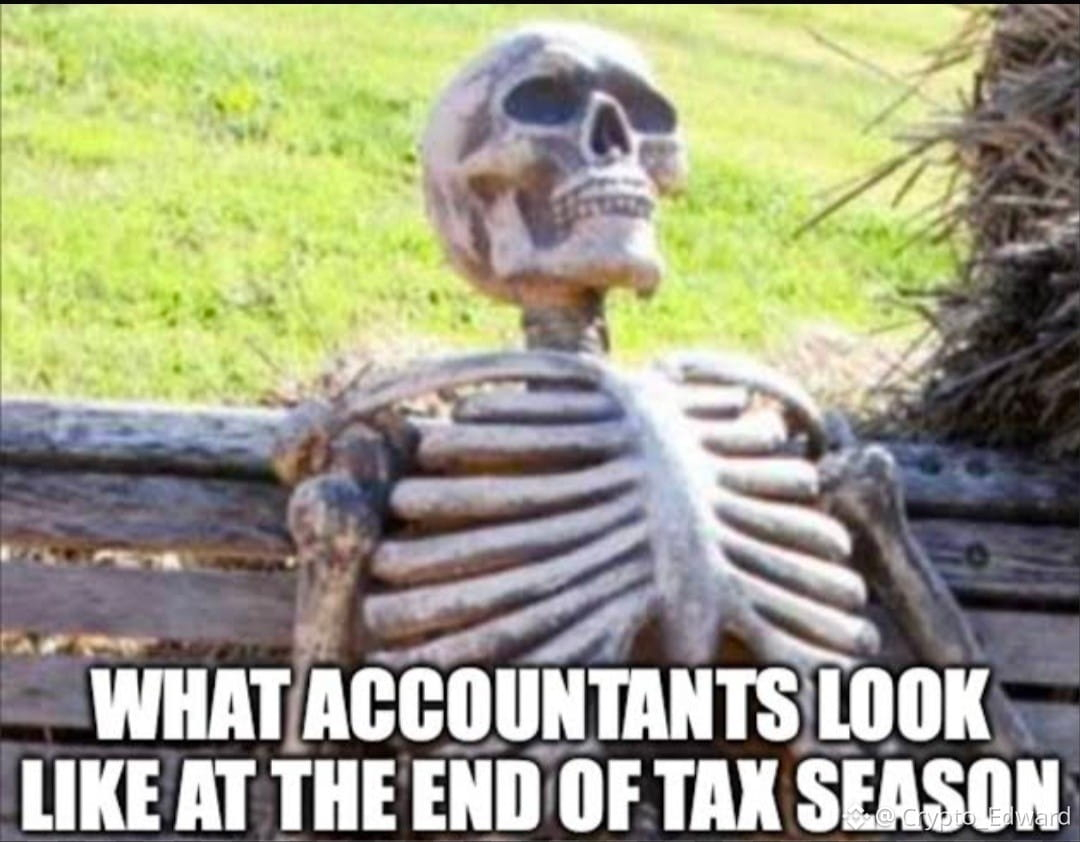
POV: You told your accountant, "I trade crypto for a living." 💀
Tax season hits... now you're searching through 10,000 transactions, 50 wallets, and 100 altcoins trying to remember where it all started. 😂
Respect to every accountant surviving crypto tax season! 🫡
#BinanceSquare #Bitcoin #Altcoins #TaxSeason #CryptoHumor 😂
$BEAT
{future}(BEATUSDT)
$EVAA
{future}(EVAAUSDT)
$DODO
{spot}(DODOUSDT)
POV: You told your accountant, "I trade crypto for a living." 💀
Tax season hits... now you're searching through 10,000 transactions, 50 wallets, and 100 altcoins trying to remember where it all started. 😂
Respect to every accountant surviving crypto tax season! 🫡
#BinanceSquare #Bitcoin #Altcoins #TaxSeason #CryptoHumor 😂
$BEAT
$EVAA
$DODO
Tax season hits... now you're searching through 10,000 transactions, 50 wallets, and 100 altcoins trying to remember where it all started. 😂
Respect to every accountant surviving crypto tax season! 🫡
#BinanceSquare #Bitcoin #Altcoins #TaxSeason #CryptoHumor 😂
$BEAT
$EVAA
$DODO
1
4
1.2k

·
--
GM. While normies were busy complaining about their avocado toast budget, 240 Brits were busy making it rain… in crypto. 🇬🇧💰
Turns out, the UK is sitting on £1.38B in crypto gains, with 240 lucky ducks bagging over a milli each. HMRC is getting ready for a data dump from exchanges, so no hiding those gains, fam. #CryptoGains #UKCrypto #TaxSeason
The real alpha here? If you're not tracking your gains, you're basically leaving sats on the table. And nobody wants to be that guy explaining to the taxman how their SHIB portfolio "went to the moon" without them noticing. This isn't financial advice, but maybe hire an accountant who understands NFTs.
So, who's ready to be part of the next wave of crypto millionaires? Drop your strat below! 👇
32

📚 Crypto Taxes 101: What Every Trader Should Know
On July 11, 2026, with crypto at $2.28T, tax authorities worldwide are paying close attention. In most jurisdictions, crypto transactions — including trades between assets like $BTC and $USDT — are taxable events.
Key concepts: capital gains (profit when selling), income (mining, staking, airdrops), and cost basis (what you paid). Tracking every trade is essential — use crypto tax software to generate reports.
Holding periods matter: long-term holdings often get favorable tax treatment. Always consult a tax professional familiar with crypto, as regulations vary by country and are frequently updated.
📌 Key Takeaway:
Every crypto trade has tax implications — track everything, understand your jurisdiction's rules, and consult a professional.
#CryptoTaxes #CryptoEducation #TaxSeason
#BinanceAlphaAlert
16
📚 Crypto Tax Basics for 2026: Navigating the evolving tax landscape for digital assets
On July 21, 2026, crypto taxation continues to evolve with the CLARITY Act proposing clearer guidelines for digital asset reporting. Understanding tax obligations is crucial for all crypto participants, regardless of portfolio size.
In most jurisdictions, crypto transactions are taxable events. Selling crypto for fiat currency, trading one cryptocurrency for another, and earning staking rewards all typically trigger tax liabilities.
Maintain detailed records of all transactions including dates, amounts, and fair market values at the time of each trade. Tax software tools and qualified professional advisors can help navigate the complexities.
📌 Key Takeaway:
Crypto tax compliance is becoming increasingly important as regulatory frameworks mature — maintaining accurate and comprehensive transaction records is essential for avoiding penalties.
#CryptoTax #TaxCompliance #CryptoEducation #TaxSeason
#BinanceAlphaAlert
86

·
--
💸 $BTC TAX SEASON: THE ONE LIQUIDATION EVENT NO ONE CAN HEDGE 💥
📌 Every trader knows this exact face. You close a winning $BTC position, exhale in relief — then the tax bill arrives and wipes out the entire fantasy. 📊 This meme isn't just funny; it's the most honest risk chart on the board.
💡 The real institutional lesson here has nothing to do with price action. It's capital preservation. Smart money prices in the tax liability before they even enter the position. Most retail traders don't — they treat the exit as the trade's end, when the government is just getting started. 🦈
🔍 Treat your tax obligation like a mandatory stop loss on annual returns. It hurts now, but it keeps you in the game. 💬 Did your last realized gain actually survive the tax man this season? 👇
⚠️ Not financial advice. Always manage your risk. 🛡️
🏷️ #BTC #TaxSeason #CryptoTaxes #CapitalPreservation #Crypto
💎 📊

8
Войдите, чтобы посмотреть больше материала
Присоединяйтесь к пользователям криптовалют по всему миру на Binance Square
⚡️ Получайте новейшую и полезную информацию о криптоактивах.
💬 Нам доверяет крупнейшая в мире криптобиржа.
👍 Получите достоверные аналитические данные от верифицированных создателей контента.
Эл. почта/номер телефона
В тренде
1
#CanMarketsReboundAfterThanksgiving?
Просмотров: 340,660
2,780 обсуждают
2
#EvolveAtBinanceBlockchainWeek
Просмотров: 1M
12,590 обсуждают
3
#XRPLedgerVaultGets29Votes
Просмотров: 9,307
118 обсуждают
4
#Nasdaq100FiveDayAvgIntradayVolatilityHits3.8%
Просмотров: 30,382
375 обсуждают
5
#CorePCEBeatLiftsFedHikeOdds
Просмотров: 393,215
2,084 обсуждают
6
#CouldSpaceX’sOrbitalDataCentersBoostAIChipDemand?
Просмотров: 147,698
1,534 обсуждают
7
#ASEANPlus3ToFormCrossBorderPaymentsCryptoWorkingGroup
Просмотров: 7,849
20 обсуждают
8
#ZcashDevelopersUrgeZECMoveToIronwood
Просмотров: 71,490
377 обсуждают
9
#SwitzerlandApproves57JurisdictionsForCryptoDataExchange
Просмотров: 853
3 обсуждают
10
#TudorInvestmentRaisesIBITHoldings98%
Просмотров: 13,335
64 обсуждают