

#safu
safu
Просмотров: 1.2M
1,495 обсуждают
Популярные
Новые

·
--
What is SAFU on Binance?SAFU Binance stands for Secure Asset Fund for Users.
Many people think SAFU is a feature that needs to be activated. In reality, it is Binance’s emergency reserve fund, designed to help protect users in certain serious incidents.
To help keep your account safe, you should:
🌕 Step 1: Enable two-factor authentication (2FA).
🌕 Step 2: Use a strong password and enable an anti-phishing code.
🌕 Step 3: If an incident occurs, contact Binance Support through official channels for assistance.
⚠️ SAFU does not guarantee compensation for every loss. Never share your OTP codes or transfer money to anyone claiming to provide SAFU support.
Understanding SAFU is the first step towards better risk management. Take responsibility for protecting your assets rather than relying solely on an emergency reserve fund. 🔒
#SAFU #BinanceAcademy .
What is SAFU on Binance?
SAFU Binance stands for Secure Asset Fund for Users.
Many people think SAFU is a feature that needs to be activated. In reality, it is Binance’s emergency reserve fund, designed to help protect users in certain serious incidents.
To help keep your account safe, you should:
🌕 Step 1: Enable two-factor authentication (2FA).
🌕 Step 2: Use a strong password and enable an anti-phishing code.
🌕 Step 3: If an incident occurs, contact Binance Support through official channels for assistance.
⚠️ SAFU does not guarantee compensation for every loss. Never share your OTP codes or transfer money to anyone claiming to provide SAFU support.
Understanding SAFU is the first step towards better risk management. Take responsibility for protecting your assets rather than relying solely on an emergency reserve fund. 🔒
#SAFU #BinanceAcademy .
Many people think SAFU is a feature that needs to be activated. In reality, it is Binance’s emergency reserve fund, designed to help protect users in certain serious incidents.
To help keep your account safe, you should:
🌕 Step 1: Enable two-factor authentication (2FA).
🌕 Step 2: Use a strong password and enable an anti-phishing code.
🌕 Step 3: If an incident occurs, contact Binance Support through official channels for assistance.
⚠️ SAFU does not guarantee compensation for every loss. Never share your OTP codes or transfer money to anyone claiming to provide SAFU support.
Understanding SAFU is the first step towards better risk management. Take responsibility for protecting your assets rather than relying solely on an emergency reserve fund. 🔒
#SAFU #BinanceAcademy .
2
85

·
--
What if Binance gets hacked Where does your money go
Many fear this Binance already has answer SAFU Fund
SAFU means Secure Asset Fund for Users
Binance keeps 1 Billion plus locked separately to cover users if anything goes wrong Since 2018
So your funds have backup protection That is why Binance is number one
Did you know about SAFU before
#BinanceSAFU #CryptoSafety #Binancesecurity #SAFU
What if Binance gets hacked Where does your money go
Many fear this Binance already has answer SAFU Fund
SAFU means Secure Asset Fund for Users
Binance keeps 1 Billion plus locked separately to cover users if anything goes wrong Since 2018
So your funds have backup protection That is why Binance is number one
Did you know about SAFU before
#BinanceSAFU #CryptoSafety #Binancesecurity #SAFU
Many fear this Binance already has answer SAFU Fund
SAFU means Secure Asset Fund for Users
Binance keeps 1 Billion plus locked separately to cover users if anything goes wrong Since 2018
So your funds have backup protection That is why Binance is number one
Did you know about SAFU before
#BinanceSAFU #CryptoSafety #Binancesecurity #SAFU
52

·
--
How to keep your crypto SAFU? 🛡️⚠️
As a Binance Angel, I often see people making the same security mistakes. Protect your wallet by following these 3 golden rules:
1️⃣ Binance Staff or Angels will NEVER DM you first! (Beware of fake support messaging you out of nowhere)
2️⃣ Enable 2FA (Two-Factor Authentication): This is your ultimate first line of defense
3️⃣ Beware of Phishing links: Always verify you are on the official Binance.com domain before logging in
Protecting your assets is always the first step to success. Keep building! 💛
🌟 Don't forget to follow me for more Binance updates and essential crypto tips!
@Binance_Angels #Binance #SAFU #Crypto #Web3 @Binancearabic @Binance_Academy $BNB
How to keep your crypto SAFU? 🛡️⚠️
As a Binance Angel, I often see people making the same security mistakes. Protect your wallet by following these 3 golden rules:
1️⃣ Binance Staff or Angels will NEVER DM you first! (Beware of fake support messaging you out of nowhere)
2️⃣ Enable 2FA (Two-Factor Authentication): This is your ultimate first line of defense
3️⃣ Beware of Phishing links: Always verify you are on the official Binance.com domain before logging in
Protecting your assets is always the first step to success. Keep building! 💛
🌟 Don't forget to follow me for more Binance updates and essential crypto tips!
@Binance Angels #Binance #SAFU #Crypto #Web3 @Binance MENA @Binance Academy $BNB
As a Binance Angel, I often see people making the same security mistakes. Protect your wallet by following these 3 golden rules:
1️⃣ Binance Staff or Angels will NEVER DM you first! (Beware of fake support messaging you out of nowhere)
2️⃣ Enable 2FA (Two-Factor Authentication): This is your ultimate first line of defense
3️⃣ Beware of Phishing links: Always verify you are on the official Binance.com domain before logging in
Protecting your assets is always the first step to success. Keep building! 💛
🌟 Don't forget to follow me for more Binance updates and essential crypto tips!
@Binance Angels #Binance #SAFU #Crypto #Web3 @Binance MENA @Binance Academy $BNB
5
210
·
--
Проверено
Why is #Binance more than just a trading platform? 🤔💛
Many think Binance is only for buying and selling crypto, but it’s actually a complete financial ecosystem
Here are the top 3 reasons why it’s the #1 choice:
1️⃣ Security First ( #SAFU ): With the Secure Asset Fund for Users and transparent Proof of Reserves (PoR), your funds are always protected
🛡️
2️⃣ Passive Income: Through Binance Earn and Launchpool, your crypto works for you, generating yields while you sleep 💸
3️⃣ Community & Family: 24/7 support, free education via Binance Academy, and an amazing community (like the Binance Angels!) always ready to help 🤝
What’s your favorite Binance feature? Let me know below! 👇
{future}(BNBUSDT)
@Binance_Angels @Binancearabic #Crypto #Web3 $BNB
Why is #Binance more than just a trading platform? 🤔💛
Many think Binance is only for buying and selling crypto, but it’s actually a complete financial ecosystem
Here are the top 3 reasons why it’s the #1 choice:
1️⃣ Security First ( #SAFU ): With the Secure Asset Fund for Users and transparent Proof of Reserves (PoR), your funds are always protected
🛡️
2️⃣ Passive Income: Through Binance Earn and Launchpool, your crypto works for you, generating yields while you sleep 💸
3️⃣ Community & Family: 24/7 support, free education via Binance Academy, and an amazing community (like the Binance Angels!) always ready to help 🤝
What’s your favorite Binance feature? Let me know below! 👇
@Binance Angels @Binance MENA #Crypto #Web3 $BNB
Many think Binance is only for buying and selling crypto, but it’s actually a complete financial ecosystem
Here are the top 3 reasons why it’s the #1 choice:
1️⃣ Security First ( #SAFU ): With the Secure Asset Fund for Users and transparent Proof of Reserves (PoR), your funds are always protected
🛡️
2️⃣ Passive Income: Through Binance Earn and Launchpool, your crypto works for you, generating yields while you sleep 💸
3️⃣ Community & Family: 24/7 support, free education via Binance Academy, and an amazing community (like the Binance Angels!) always ready to help 🤝
What’s your favorite Binance feature? Let me know below! 👇
@Binance Angels @Binance MENA #Crypto #Web3 $BNB
6
181


·
--
Частичная правда
#SAFU 170万市值,看好原因
1.叙事不错,股票MEME概念,已上币安,2018年CZ说了句“资金是安全的”,被一个up主做成搞笑视频,喊成“Funds are safu”,结果变成了币圈经典梗
后来Binance真拿这个名字搞了个用户保护基金,现在CZ又把那个老视频转了一下,说“SAFU就是从这来的”
2.趋势明显,新盘今天最高303.3万,掉下来到170万上了点,筹码结构合理,前100占比56.7%,有几个车头
3.社区团结,持币3100多人,社区1500多人,主要以图片和文字宣传为主
#跟着锦鲤学打百倍金狗 #币安人生
关注Web3锦鲤日记,买的币翻十倍
0xdd806e436dda5588bf54061c11590c77ddc87777
{web3_wallet_create}(560xdd806e436dda5588bf54061c11590c77ddc87777)
#SAFU 170万市值,看好原因
1.叙事不错,股票MEME概念,已上币安,2018年CZ说了句“资金是安全的”,被一个up主做成搞笑视频,喊成“Funds are safu”,结果变成了币圈经典梗
后来Binance真拿这个名字搞了个用户保护基金,现在CZ又把那个老视频转了一下,说“SAFU就是从这来的”
2.趋势明显,新盘今天最高303.3万,掉下来到170万上了点,筹码结构合理,前100占比56.7%,有几个车头
3.社区团结,持币3100多人,社区1500多人,主要以图片和文字宣传为主
#跟着锦鲤学打百倍金狗 #币安人生
关注Web3锦鲤日记,买的币翻十倍
0xdd806e436dda5588bf54061c11590c77ddc87777
1.叙事不错,股票MEME概念,已上币安,2018年CZ说了句“资金是安全的”,被一个up主做成搞笑视频,喊成“Funds are safu”,结果变成了币圈经典梗
后来Binance真拿这个名字搞了个用户保护基金,现在CZ又把那个老视频转了一下,说“SAFU就是从这来的”
2.趋势明显,新盘今天最高303.3万,掉下来到170万上了点,筹码结构合理,前100占比56.7%,有几个车头
3.社区团结,持币3100多人,社区1500多人,主要以图片和文字宣传为主
#跟着锦鲤学打百倍金狗 #币安人生
关注Web3锦鲤日记,买的币翻十倍
0xdd806e436dda5588bf54061c11590c77ddc87777
2.2k

·
--
"Funds are SAFU",到底是怎么来的?
大表哥凌晨 3 点翻出了原视频,35.6 万浏览。
他只发了一句:SAFU 这个词就是从这个视频来的。
一个口误梗,后来变成 2018 年设立的用户紧急保护基金。
放到今天看更有意思:
1/ Ledger 被盗 9290 万美元的事还在发酵
2/ 交易所有 SAFU 兜底
3/ 自托管出事,没人兜底,渠道和习惯就是你的 SAFU
$BNB 1h 现在 749,布林带收得很窄:上轨 752.46、中轨 749.99、下轨 747.53。
守住 747 看震荡,跌破 717 低点我就认错。
你更信交易所的基金,还是自己的冷钱包?
#Binance #内容挖矿 #SAFU
个人看法,注意风险,DYOR
"Funds are SAFU",到底是怎么来的?
大表哥凌晨 3 点翻出了原视频,35.6 万浏览。
他只发了一句:SAFU 这个词就是从这个视频来的。
一个口误梗,后来变成 2018 年设立的用户紧急保护基金。
放到今天看更有意思:
1/ Ledger 被盗 9290 万美元的事还在发酵
2/ 交易所有 SAFU 兜底
3/ 自托管出事,没人兜底,渠道和习惯就是你的 SAFU
$BNB 1h 现在 749,布林带收得很窄:上轨 752.46、中轨 749.99、下轨 747.53。
守住 747 看震荡,跌破 717 低点我就认错。
你更信交易所的基金,还是自己的冷钱包?
#Binance #内容挖矿 #SAFU
个人看法,注意风险,DYOR
大表哥凌晨 3 点翻出了原视频,35.6 万浏览。
他只发了一句:SAFU 这个词就是从这个视频来的。
一个口误梗,后来变成 2018 年设立的用户紧急保护基金。
放到今天看更有意思:
1/ Ledger 被盗 9290 万美元的事还在发酵
2/ 交易所有 SAFU 兜底
3/ 自托管出事,没人兜底,渠道和习惯就是你的 SAFU
$BNB 1h 现在 749,布林带收得很窄:上轨 752.46、中轨 749.99、下轨 747.53。
守住 747 看震荡,跌破 717 低点我就认错。
你更信交易所的基金,还是自己的冷钱包?
#Binance #内容挖矿 #SAFU
个人看法,注意风险,DYOR
141

🔐 CRYPTO SECURITY - STAY SAFE!
1. Strong password + 2FA lazmi on karo
2. Kabhi bhi seed phrase kisi ko mat do
3. Fake links pe click mat karo
Binance kabhi bhi DM me password nahi mangta!
#CryptoSecurity #safu #Binance
🔐 CRYPTO SECURITY - STAY SAFE!
1. Strong password + 2FA lazmi on karo
2. Kabhi bhi seed phrase kisi ko mat do
3. Fake links pe click mat karo
Binance kabhi bhi DM me password nahi mangta!
#CryptoSecurity #safu #Binance
1. Strong password + 2FA lazmi on karo
2. Kabhi bhi seed phrase kisi ko mat do
3. Fake links pe click mat karo
Binance kabhi bhi DM me password nahi mangta!
#CryptoSecurity #safu #Binance
125
·
--
Why does the world trust Binance? 🛡️
It’s simple: Security comes first! Protecting your digital assets is our top priority. With industry-leading security protocols and the Secure Asset Fund for Users (SAFU), your portfolio is always heavily protected. Safe trading starts with absolute trust!
$BNB
#Binance #WhyBinance #CryptoSafety #SAFU #IMFSaysTokenizedMarketsSmall
Why does the world trust Binance? 🛡️
It’s simple: Security comes first! Protecting your digital assets is our top priority. With industry-leading security protocols and the Secure Asset Fund for Users (SAFU), your portfolio is always heavily protected. Safe trading starts with absolute trust!
$BNB
#Binance #WhyBinance #CryptoSafety #SAFU #IMFSaysTokenizedMarketsSmall
It’s simple: Security comes first! Protecting your digital assets is our top priority. With industry-leading security protocols and the Secure Asset Fund for Users (SAFU), your portfolio is always heavily protected. Safe trading starts with absolute trust!
$BNB
#Binance #WhyBinance #CryptoSafety #SAFU #IMFSaysTokenizedMarketsSmall
3
94
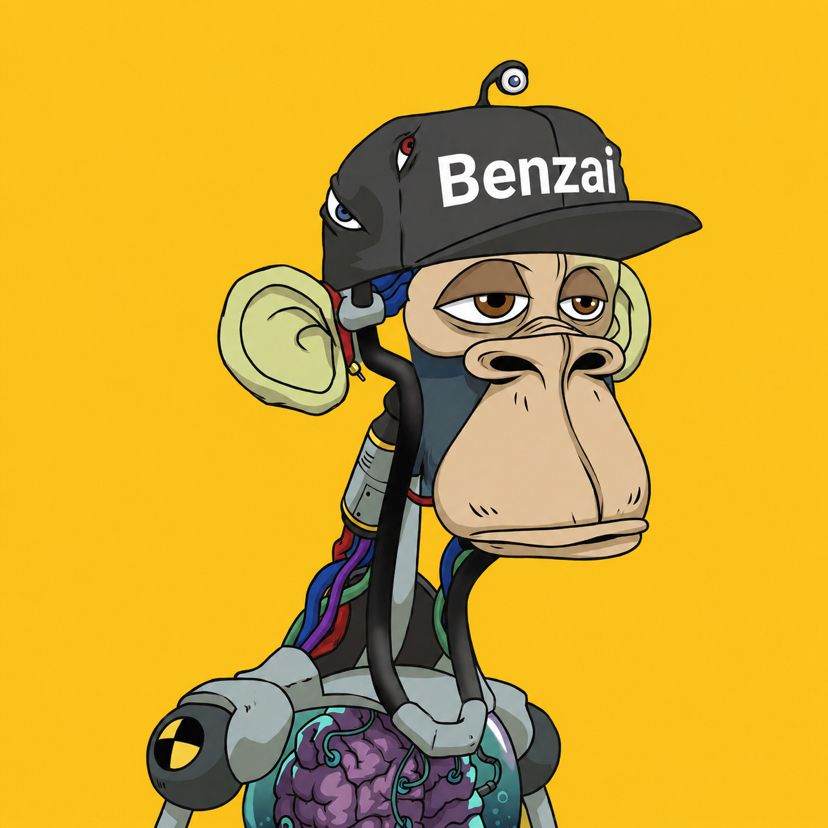

Binance SAFU Is Back in Bitcoin¸
Binance's latest security update confirms its Secure Asset Fund for Users is held in $BTC again, with a target size of about $1B. Quick history: SAFU launched in July 2018, hit $1B in January 2022, went fully to USDC in April 2024, and moved back to Bitcoin in February 2026. Binance also says its AI risk systems helped prevent about $4.6B in potential user losses in H1 2026. $BNB
Does a BTC-backed reserve make you trust a platform more?
#Binance #SAFU #BNB
Binance SAFU Is Back in Bitcoin¸
Binance's latest security update confirms its Secure Asset Fund for Users is held in $BTC again, with a target size of about $1B. Quick history: SAFU launched in July 2018, hit $1B in January 2022, went fully to USDC in April 2024, and moved back to Bitcoin in February 2026. Binance also says its AI risk systems helped prevent about $4.6B in potential user losses in H1 2026. $BNB
Does a BTC-backed reserve make you trust a platform more?
#Binance #SAFU #BNB
Binance's latest security update confirms its Secure Asset Fund for Users is held in $BTC again, with a target size of about $1B. Quick history: SAFU launched in July 2018, hit $1B in January 2022, went fully to USDC in April 2024, and moved back to Bitcoin in February 2026. Binance also says its AI risk systems helped prevent about $4.6B in potential user losses in H1 2026. $BNB
Does a BTC-backed reserve make you trust a platform more?
#Binance #SAFU #BNB
46

·
--
Proactive Security Wins 🔐🛡️
In crypto, profit is nothing without security.
My 3 golden rules:
1. VERIFY before you trust
2. SECURE your seed phrase
3. Enable SHIELD mode with 2FA
Stay safe, stay SAFU!
What's your best security tip? 👇
#BinanceWOTD #WOTD #CryptoSecurity #SAFU
#BinanceSquare
Proactive Security Wins 🔐🛡️
In crypto, profit is nothing without security.
My 3 golden rules:
1. VERIFY before you trust
2. SECURE your seed phrase
3. Enable SHIELD mode with 2FA
Stay safe, stay SAFU!
What's your best security tip? 👇
#BinanceWOTD #WOTD #CryptoSecurity #SAFU
#BinanceSquare
In crypto, profit is nothing without security.
My 3 golden rules:
1. VERIFY before you trust
2. SECURE your seed phrase
3. Enable SHIELD mode with 2FA
Stay safe, stay SAFU!
What's your best security tip? 👇
#BinanceWOTD #WOTD #CryptoSecurity #SAFU
#BinanceSquare
1
100

·
--
TOKEN2049官方提醒参会者注意安全:别连公共WiFi、别扫不明二维码、设备不离身,酒水饮料看好了再喝。
看着像家长叮嘱,实际全是血泪教训。每年大会季总有老哥手机被劫持、钱包被盗空,黑客蹲点比项目方还勤快。
线下冲动的兄弟们,钱包安全比social更重要,别为了加个KOL微信把私钥搭进去😂
#TOKEN2049 #SAFU #安全
TOKEN2049官方提醒参会者注意安全:别连公共WiFi、别扫不明二维码、设备不离身,酒水饮料看好了再喝。
看着像家长叮嘱,实际全是血泪教训。每年大会季总有老哥手机被劫持、钱包被盗空,黑客蹲点比项目方还勤快。
线下冲动的兄弟们,钱包安全比social更重要,别为了加个KOL微信把私钥搭进去😂
#TOKEN2049 #SAFU #安全
看着像家长叮嘱,实际全是血泪教训。每年大会季总有老哥手机被劫持、钱包被盗空,黑客蹲点比项目方还勤快。
线下冲动的兄弟们,钱包安全比social更重要,别为了加个KOL微信把私钥搭进去😂
#TOKEN2049 #SAFU #安全
81
·
--
CZ自曝车库就三台车,一辆超跑没有,原话:“不爱开快车,Stay SAFU。”
好家伙,晒个车库都能做成风险教育,不愧是meme营销祖师爷🤡
吃瓜归吃瓜,这话放币圈真不过时:开慢点、别重仓,本金活到下一轮才算真赢。
$BNB #CZ #SAFU
CZ自曝车库就三台车,一辆超跑没有,原话:“不爱开快车,Stay SAFU。”
好家伙,晒个车库都能做成风险教育,不愧是meme营销祖师爷🤡
吃瓜归吃瓜,这话放币圈真不过时:开慢点、别重仓,本金活到下一轮才算真赢。
$BNB #CZ #SAFU
好家伙,晒个车库都能做成风险教育,不愧是meme营销祖师爷🤡
吃瓜归吃瓜,这话放币圈真不过时:开慢点、别重仓,本金活到下一轮才算真赢。
$BNB #CZ #SAFU
429
·
--
CZ 今天又淡定了:
SAFU 基金拿着 12.7 亿美金的 BTC,浮盈约 2.7 亿,他只回了一句“Might be pure luck!”
说实话,这哪是纯运气。
能在低位大手笔买入、长期持有不动,背后是真正的风险管理和用户安全意识。
很多人喊“安全感”,币安是真的用真金白银在堆。
这种“运气”,值得多学一点。
#SAFU
CZ 今天又淡定了:
SAFU 基金拿着 12.7 亿美金的 BTC,浮盈约 2.7 亿,他只回了一句“Might be pure luck!”
说实话,这哪是纯运气。
能在低位大手笔买入、长期持有不动,背后是真正的风险管理和用户安全意识。
很多人喊“安全感”,币安是真的用真金白银在堆。
这种“运气”,值得多学一点。
#SAFU
SAFU 基金拿着 12.7 亿美金的 BTC,浮盈约 2.7 亿,他只回了一句“Might be pure luck!”
说实话,这哪是纯运气。
能在低位大手笔买入、长期持有不动,背后是真正的风险管理和用户安全意识。
很多人喊“安全感”,币安是真的用真金白银在堆。
这种“运气”,值得多学一点。
#SAFU
306
4
28
864

·
--
Binance SAFU (Secure Asset Fund for Users) détient toujours 15 000 $BTC on-chain, valorisés ~1,281 Md$ au spot actuel, soit ~276 M$ de plus-value latente depuis la conversion de février 2026.
FAITS (CoinDesk 12 fév. 2026; Binance X; mempool.space / blockchain.info 4 oct.; CryptoBriefing 4 oct. 2026):
• Wallet on-chain 1BAuq7Vho2CEkVkUxbfU26LhwQjbCmWQkD: solde 15 000,00147092 BTC (vérifié ce run).
• 12 fév. 2026: Binance a achevé la conversion d'environ 1 Md$ de réserves stables SAFU en 15 000 BTC (tranche finale 4 545 BTC), marquée ~67 000 $/BTC, fonds ~1,005 Md$.
• Garde-fou annoncé: si la valeur de marché passe sous 800 M$, Binance dit qu'il rétablira le fonds à 1 Md$.
• CryptoBriefing (4 oct.): cadre ~1,27 Md$ / ~270 M$ de PnL latent. Spot ~16:50 UTC (4 oct.): $BTC ~85 377 $ (CoinGecko; Kraken aligné). 15 000 × 85 377 ≈ 1,281 Md$ → PnL vs 1,005 Md$ ≈ +276 M$ (~27%). Fear & Greed 65 (Greed). Contexte: SAFU créé en juillet 2018 (10 % des frais de trading), déjà utilisé après incidents (ex. couverture ~40 M$ en 2019).
INTERPRÉTATION: la réserve utilisateurs est désormais indexée au $BTC: plus de transparence on-chain, mais le PnL papier suit le drawdown du marché jusqu'au floor 800 M$.
SCÉNARIOS:
• Base: holdings 15 000 BTC maintenus, audits / preuves de wallet périodiques, PnL qui fluctue avec le spot.
• Extension: si valeur < 800 M$, top-up Binance vers 1 Md$ (engagement public, pas un achat déjà exécuté).
• Risk: si $BTC revient vers le coût ~67k, le PnL ~276 M$ s'efface et le fonds se rapproche du coût / du floor.
Le floor à 800 M$ rassure-t-il plus que le PnL latent ~276 M$ pour vous, utilisateurs Square?
$BTC $BNB
#Bitcoin #Binance #SAFU
Binance SAFU (Secure Asset Fund for Users) détient toujours 15 000 $BTC on-chain, valorisés ~1,281 Md$ au spot actuel, soit ~276 M$ de plus-value latente depuis la conversion de février 2026.
FAITS (CoinDesk 12 fév. 2026; Binance X; mempool.space / blockchain.info 4 oct.; CryptoBriefing 4 oct. 2026):
• Wallet on-chain 1BAuq7Vho2CEkVkUxbfU26LhwQjbCmWQkD: solde 15 000,00147092 BTC (vérifié ce run).
• 12 fév. 2026: Binance a achevé la conversion d'environ 1 Md$ de réserves stables SAFU en 15 000 BTC (tranche finale 4 545 BTC), marquée ~67 000 $/BTC, fonds ~1,005 Md$.
• Garde-fou annoncé: si la valeur de marché passe sous 800 M$, Binance dit qu'il rétablira le fonds à 1 Md$.
• CryptoBriefing (4 oct.): cadre ~1,27 Md$ / ~270 M$ de PnL latent. Spot ~16:50 UTC (4 oct.): $BTC ~85 377 $ (CoinGecko; Kraken aligné). 15 000 × 85 377 ≈ 1,281 Md$ → PnL vs 1,005 Md$ ≈ +276 M$ (~27%). Fear & Greed 65 (Greed). Contexte: SAFU créé en juillet 2018 (10 % des frais de trading), déjà utilisé après incidents (ex. couverture ~40 M$ en 2019).
INTERPRÉTATION: la réserve utilisateurs est désormais indexée au $BTC : plus de transparence on-chain, mais le PnL papier suit le drawdown du marché jusqu'au floor 800 M$.
SCÉNARIOS:
• Base: holdings 15 000 BTC maintenus, audits / preuves de wallet périodiques, PnL qui fluctue avec le spot.
• Extension: si valeur < 800 M$, top-up Binance vers 1 Md$ (engagement public, pas un achat déjà exécuté).
• Risk: si $BTC revient vers le coût ~67k, le PnL ~276 M$ s'efface et le fonds se rapproche du coût / du floor.
Le floor à 800 M$ rassure-t-il plus que le PnL latent ~276 M$ pour vous, utilisateurs Square?
$BTC $BNB
#Bitcoin #Binance #SAFU
FAITS (CoinDesk 12 fév. 2026; Binance X; mempool.space / blockchain.info 4 oct.; CryptoBriefing 4 oct. 2026):
• Wallet on-chain 1BAuq7Vho2CEkVkUxbfU26LhwQjbCmWQkD: solde 15 000,00147092 BTC (vérifié ce run).
• 12 fév. 2026: Binance a achevé la conversion d'environ 1 Md$ de réserves stables SAFU en 15 000 BTC (tranche finale 4 545 BTC), marquée ~67 000 $/BTC, fonds ~1,005 Md$.
• Garde-fou annoncé: si la valeur de marché passe sous 800 M$, Binance dit qu'il rétablira le fonds à 1 Md$.
• CryptoBriefing (4 oct.): cadre ~1,27 Md$ / ~270 M$ de PnL latent. Spot ~16:50 UTC (4 oct.): $BTC ~85 377 $ (CoinGecko; Kraken aligné). 15 000 × 85 377 ≈ 1,281 Md$ → PnL vs 1,005 Md$ ≈ +276 M$ (~27%). Fear & Greed 65 (Greed). Contexte: SAFU créé en juillet 2018 (10 % des frais de trading), déjà utilisé après incidents (ex. couverture ~40 M$ en 2019).
INTERPRÉTATION: la réserve utilisateurs est désormais indexée au $BTC : plus de transparence on-chain, mais le PnL papier suit le drawdown du marché jusqu'au floor 800 M$.
SCÉNARIOS:
• Base: holdings 15 000 BTC maintenus, audits / preuves de wallet périodiques, PnL qui fluctue avec le spot.
• Extension: si valeur < 800 M$, top-up Binance vers 1 Md$ (engagement public, pas un achat déjà exécuté).
• Risk: si $BTC revient vers le coût ~67k, le PnL ~276 M$ s'efface et le fonds se rapproche du coût / du floor.
Le floor à 800 M$ rassure-t-il plus que le PnL latent ~276 M$ pour vous, utilisateurs Square?
$BTC $BNB
#Bitcoin #Binance #SAFU
114
·
--
3 Beginner Mistakes I Avoided in Web3 🚀
1️⃣ Not DYOR 📚 - Never invest just on hype, always check the project
2️⃣ Clicking random links ⚠️ - Always verify official websites for wallets & DApps
3️⃣ Ignoring security 🔒 - Use 2FA and never share your seed phrase
Remember, strong utility coins like $BTC and $BNB survive market cycles but hype coins often dont
👉 BTC remains the king of crypto with strongest security
👉 BNB fuels transactions and DApps across BNB Chain
Staying safe is more important than making quick profit Stay SAFU 🙏
Whats your #1 safety tip 👇
{spot}(BNBUSDT)
#SAFU #Web3Safty #DYOR #BNB
3 Beginner Mistakes I Avoided in Web3 🚀
1️⃣ Not DYOR 📚 - Never invest just on hype, always check the project
2️⃣ Clicking random links ⚠️ - Always verify official websites for wallets & DApps
3️⃣ Ignoring security 🔒 - Use 2FA and never share your seed phrase
Remember, strong utility coins like $BTC and $BNB survive market cycles but hype coins often dont
👉 BTC remains the king of crypto with strongest security
👉 BNB fuels transactions and DApps across BNB Chain
Staying safe is more important than making quick profit Stay SAFU 🙏
Whats your #1 safety tip 👇
#SAFU #Web3Safty #DYOR #BNB
1️⃣ Not DYOR 📚 - Never invest just on hype, always check the project
2️⃣ Clicking random links ⚠️ - Always verify official websites for wallets & DApps
3️⃣ Ignoring security 🔒 - Use 2FA and never share your seed phrase
Remember, strong utility coins like $BTC and $BNB survive market cycles but hype coins often dont
👉 BTC remains the king of crypto with strongest security
👉 BNB fuels transactions and DApps across BNB Chain
Staying safe is more important than making quick profit Stay SAFU 🙏
Whats your #1 safety tip 👇
#SAFU #Web3Safty #DYOR #BNB
155
·
--
Bây giờ nói một chút về quỹ dự trữ khẩn cấp hay kiểu SAFU của các sàn crypto thế giới lẫn nội địa...
Quỹ SAFU hay quỹ dự trữ khẩn cấp của các sàn crypto được thành lập như thế nào?
Quỹ #SAFU (Quỹ Tài sản An toàn cho Người dùng) được hình thành…
Bây giờ nói một chút về quỹ dự trữ khẩn cấp hay kiểu SAFU của các sàn crypto thế giới lẫn nội địa...
Quỹ SAFU hay quỹ dự trữ khẩn cấp của các sàn crypto được thành lập như thế nào?
Quỹ #SAFU (Quỹ Tài sản An toàn cho Người dùng) được hình thành…
Quỹ SAFU hay quỹ dự trữ khẩn cấp của các sàn crypto được thành lập như thế nào?
Quỹ #SAFU (Quỹ Tài sản An toàn cho Người dùng) được hình thành…
305

Статья
🚨 Bybit被盗,Bitget出事:是时候重新认识SAFU了刚刚看到 Bitget 的事情,脑子里突然冒出来一句话:
Stay SAFU.
这句话在今天这个时间点,突然特别有感觉。
9 月 24 日,Bitget 披露部分热钱包发生未经授权的资产转移,初步估算约 3.5 亿美元,随后将受影响资产规模更新至约 3.875 亿美元。
好在 Bitget 表示用户账户余额未受影响,其 Protection Fund 将覆盖这次平台层面的损失。
而 CZ 对这件事的回应,最后留下了四个字:
Stay SAFU! 🙏🏻
突然觉得——
这个词真的太有意思了。
很多老玩家应该知道 SAFU 的故事。
2018 年,Binance 一次非计划维护期间,CZ 为了安抚用户说:
“Funds are safe.”
后来一个叫 Bizonacci 的 Crypto Meme 创作者直接把它玩坏了:
Funds Are Safu.
Safe → Safu。
一个拼错的单词,反而在 Crypto 社区火了。
后来 Binance 干脆顺势把 SAFU 正式定义成:
Secure Asset Fund for Users
一个 Meme,
最后真的变成了一个用户资产保护基金。
所以现在再看 SAFU,
突然觉得它已经不只是一个梗。
Bybit。
Bitget。
还有过去这些年一次又一次发生的安全事件。
每一次都在提醒我们:
Crypto 可以让你一夜暴富,
也可以让你一夜失去一切。
行情可以不预测。
涨跌可以慢慢等。
但有一件事情永远不能忘:
先 SAFU,才能继续 Game。
所以今天不喊 GM。
也不喊 WAGMI。
就喊一句最朴素的:
STAY SAFU 🫡
如果你懂这个梗,
留下一个 🫡。
让更多人知道:
Funds are SAFU.
Stay SAFU.
#ETH #BTC #BitgetWallet #SAFU
🚨 Bybit被盗,Bitget出事:是时候重新认识SAFU了
刚刚看到 Bitget 的事情,脑子里突然冒出来一句话:
Stay SAFU.
这句话在今天这个时间点,突然特别有感觉。
9 月 24 日,Bitget 披露部分热钱包发生未经授权的资产转移,初步估算约 3.5 亿美元,随后将受影响资产规模更新至约 3.875 亿美元。
好在 Bitget 表示用户账户余额未受影响,其 Protection Fund 将覆盖这次平台层面的损失。
而 CZ 对这件事的回应,最后留下了四个字:
Stay SAFU! 🙏🏻
突然觉得——
这个词真的太有意思了。
很多老玩家应该知道 SAFU 的故事。
2018 年,Binance 一次非计划维护期间,CZ 为了安抚用户说:
“Funds are safe.”
后来一个叫 Bizonacci 的 Crypto Meme 创作者直接把它玩坏了:
Funds Are Safu.
Safe → Safu。
一个拼错的单词,反而在 Crypto 社区火了。
后来 Binance 干脆顺势把 SAFU 正式定义成:
Secure Asset Fund for Users
一个 Meme,
最后真的变成了一个用户资产保护基金。
所以现在再看 SAFU,
突然觉得它已经不只是一个梗。
Bybit。
Bitget。
还有过去这些年一次又一次发生的安全事件。
每一次都在提醒我们:
Crypto 可以让你一夜暴富,
也可以让你一夜失去一切。
行情可以不预测。
涨跌可以慢慢等。
但有一件事情永远不能忘:
先 SAFU,才能继续 Game。
所以今天不喊 GM。
也不喊 WAGMI。
就喊一句最朴素的:
STAY SAFU 🫡
如果你懂这个梗,
留下一个 🫡。
让更多人知道:
Funds are SAFU.
Stay SAFU.
#ETH #BTC #BitgetWallet #SAFU
Stay SAFU.
这句话在今天这个时间点,突然特别有感觉。
9 月 24 日,Bitget 披露部分热钱包发生未经授权的资产转移,初步估算约 3.5 亿美元,随后将受影响资产规模更新至约 3.875 亿美元。
好在 Bitget 表示用户账户余额未受影响,其 Protection Fund 将覆盖这次平台层面的损失。
而 CZ 对这件事的回应,最后留下了四个字:
Stay SAFU! 🙏🏻
突然觉得——
这个词真的太有意思了。
很多老玩家应该知道 SAFU 的故事。
2018 年,Binance 一次非计划维护期间,CZ 为了安抚用户说:
“Funds are safe.”
后来一个叫 Bizonacci 的 Crypto Meme 创作者直接把它玩坏了:
Funds Are Safu.
Safe → Safu。
一个拼错的单词,反而在 Crypto 社区火了。
后来 Binance 干脆顺势把 SAFU 正式定义成:
Secure Asset Fund for Users
一个 Meme,
最后真的变成了一个用户资产保护基金。
所以现在再看 SAFU,
突然觉得它已经不只是一个梗。
Bybit。
Bitget。
还有过去这些年一次又一次发生的安全事件。
每一次都在提醒我们:
Crypto 可以让你一夜暴富,
也可以让你一夜失去一切。
行情可以不预测。
涨跌可以慢慢等。
但有一件事情永远不能忘:
先 SAFU,才能继续 Game。
所以今天不喊 GM。
也不喊 WAGMI。
就喊一句最朴素的:
STAY SAFU 🫡
如果你懂这个梗,
留下一个 🫡。
让更多人知道:
Funds are SAFU.
Stay SAFU.
#ETH #BTC #BitgetWallet #SAFU
261
·
--
🚨 Security Alert
Bitget is investigating a ~$351.6M security breach. Preliminary findings suggest similarities with previous North Korea-linked attacks, but the investigation is still ongoing
Stay #SAFU 🔐
Learn how to better protect your crypto with @Binance_Academy 👇
[Binance Academy, Secure Your Binance Account](https://www.binance.com/en/academy)
🚨 Security Alert
Bitget is investigating a ~$351.6M security breach. Preliminary findings suggest similarities with previous North Korea-linked attacks, but the investigation is still ongoing
Stay #SAFU 🔐
Learn how to better protect your crypto with @Binance Academy 👇
Binance Academy, Secure Your Binance Account
Bitget is investigating a ~$351.6M security breach. Preliminary findings suggest similarities with previous North Korea-linked attacks, but the investigation is still ongoing
Stay #SAFU 🔐
Learn how to better protect your crypto with @Binance Academy 👇
Binance Academy, Secure Your Binance Account
1
361
Войдите, чтобы посмотреть больше материала
Присоединяйтесь к пользователям криптовалют по всему миру на Binance Square
⚡️ Получайте новейшую и полезную информацию о криптоактивах.
💬 Нам доверяет крупнейшая в мире криптобиржа.
👍 Получите достоверные аналитические данные от верифицированных создателей контента.
Эл. почта/номер телефона
В тренде
1
#BinancekzWin
Просмотров: 29,463
73 обсуждают
2
#EarningsSeason
Просмотров: 1.8M
8,744 обсуждают
3
#ZcashDevelopersConfirmNovemberDateForNU7Upgrade
Просмотров: 2,660
122 обсуждают
4
#OCCIssuesFirstFinalRuleUnderGENIUSAct
Просмотров: 5,681
204 обсуждают
5
#TrumpExpectedToOutlineCrackdownOnOverseasCryptoScams
Просмотров: 4,039
33 обсуждают
6
#KoreanRetailLost6.3TrillionWonOnLeveragedETPs
Просмотров: 11,579
281 обсуждают
7
#GENIUSActExpectedToTakeEffectJan18,2027
Просмотров: 0
0 обсуждают
8
#SolanaSetToActivateAlpenglowToday
Просмотров: 3,749
155 обсуждают
9
#SpaceXAndTeslaFormCommitteesToExploreMerger
Просмотров: 543
24 обсуждают
10
#110AutomatedWalletsGenerate99.6%OfRLUSDPayments
Просмотров: 10,377
198 обсуждают