
#clarity
clarity
Просмотров: 574,983
1,278 обсуждают
Популярные
Новые

·
--
Падение
Проверено
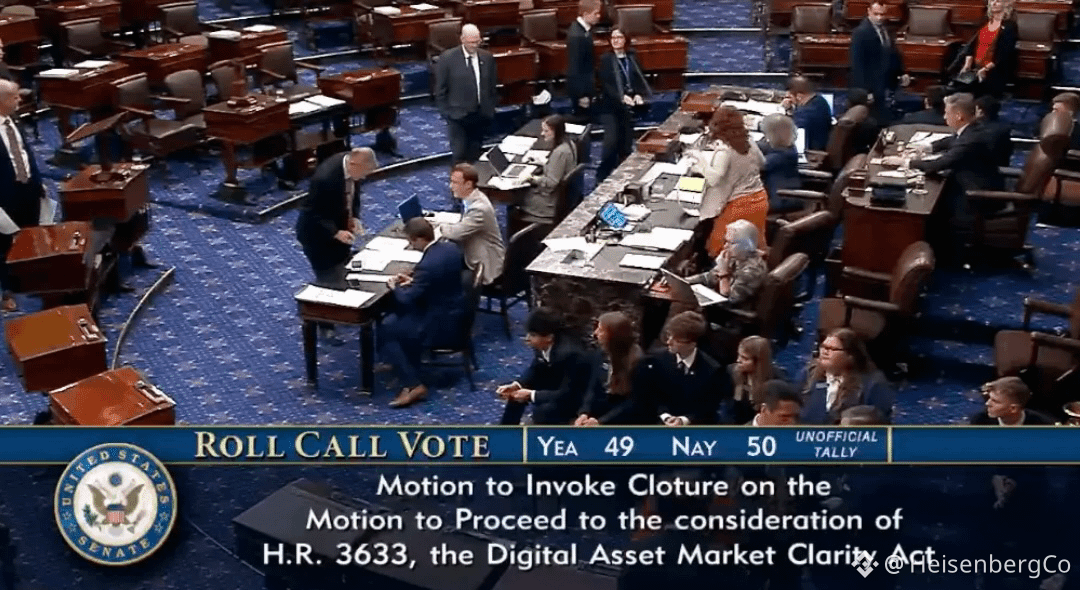
🔷 CLARITY не прошла: ночь покажет что дальше
• Сенат не собрал 60 голосов: билль отклонён 15 сентября
• Рынок уже отреагировал: $BTC до 74,967 (−4.6%)
• Завтра в 21:00 мск FOMC поверх шока
🧠 К утру будет ясно, был ли вакуум в цене: удержит 75K — слив выкупят, пробьёт 73,190 — рынок платит за годы неопределённости.
📌 Утром — пост: влияние на крипту, FOMC и что дальше.
⚠️ Ночь — тонкая ликвидность: без позиций до утра.
❓ Доживём до утра без похода к 73K? 👇
#CLARITY #BTC
{future}(BTCUSDT)
🔷 CLARITY не прошла: ночь покажет что дальше
• Сенат не собрал 60 голосов: билль отклонён 15 сентября
• Рынок уже отреагировал: $BTC до 74,967 (−4.6%)
• Завтра в 21:00 мск FOMC поверх шока
🧠 К утру будет ясно, был ли вакуум в цене: удержит 75K — слив выкупят, пробьёт 73,190 — рынок платит за годы неопределённости.
📌 Утром — пост: влияние на крипту, FOMC и что дальше.
⚠️ Ночь — тонкая ликвидность: без позиций до утра.
❓ Доживём до утра без похода к 73K? 👇
#CLARITY #BTC
• Сенат не собрал 60 голосов: билль отклонён 15 сентября
• Рынок уже отреагировал: $BTC до 74,967 (−4.6%)
• Завтра в 21:00 мск FOMC поверх шока
🧠 К утру будет ясно, был ли вакуум в цене: удержит 75K — слив выкупят, пробьёт 73,190 — рынок платит за годы неопределённости.
📌 Утром — пост: влияние на крипту, FOMC и что дальше.
⚠️ Ночь — тонкая ликвидность: без позиций до утра.
❓ Доживём до утра без похода к 73K? 👇
#CLARITY #BTC
AngelOfCrypto_-:
nice
5
6
2.9k
·
--
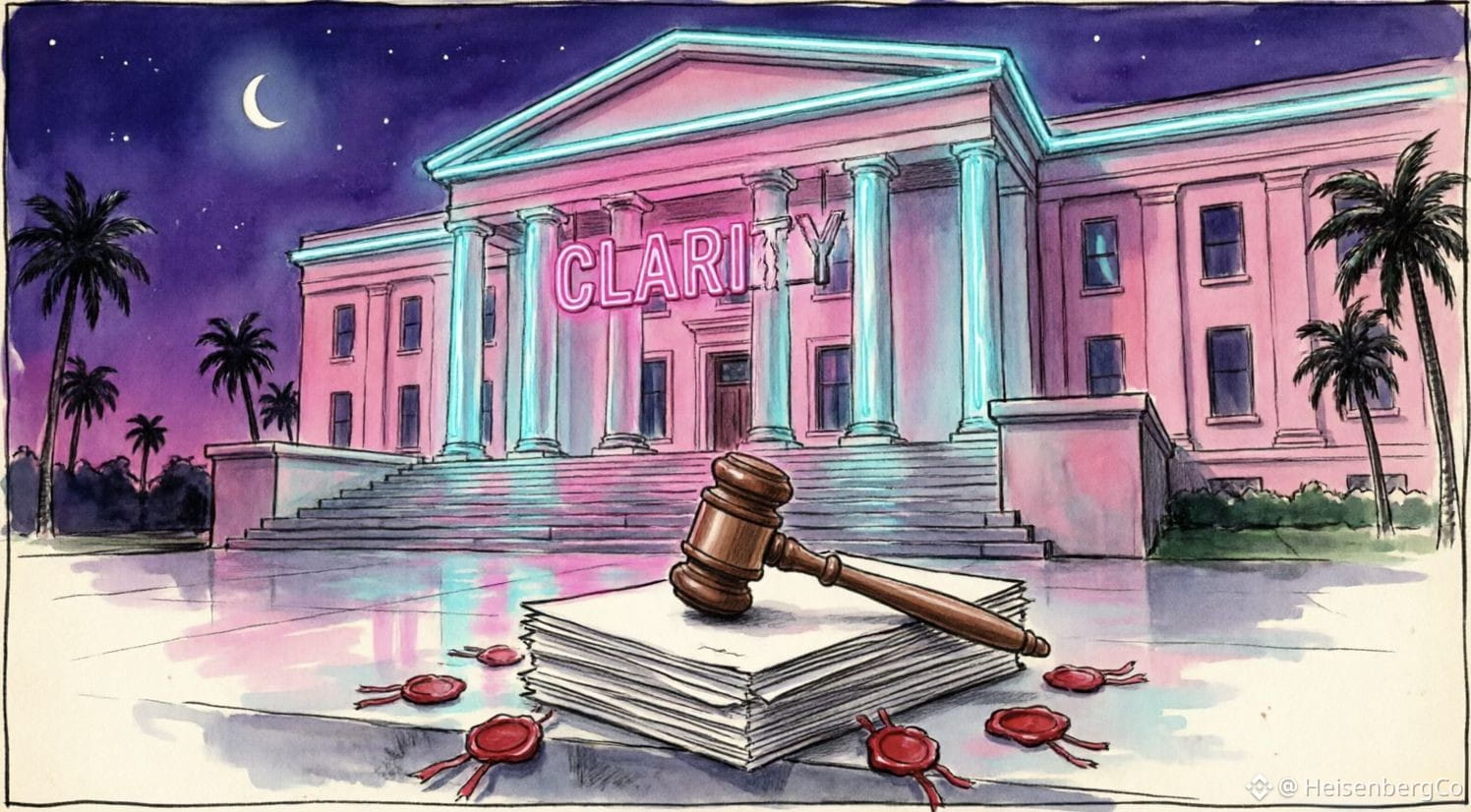
🔷 CLARITY: Трамп уступил — 18 штатов против
Факты:
• Сегодня 21:15(МСК) — голосование в Сенате о начале обсуждения CLARITY; республиканцы называют текст «последним и окончательным предложением»
• Трамп согласился на правила для чиновников: крипту чиновников с финансовым интересом надо продать или передать в слепой траст
• 18 генпрокуроров штатов пишут Сенату: отклонить — закон размывает полномочия штатов против мошенничества в крипте
🧠 Моя мысль: уступка по этике сняла вопрос «а как же Трамп и его крипта», но открыла новый фронт. Формулировки закона неясны в части борьбы штатов с мошенничеством — и генпрокуроры это увидели. Судьбу CLARITY решает не любовь к крипте, а баланс: сколько власти заберёт Вашингтон у штатов.
⚠️ «Последнее лучшее предложение» — язык ультиматума: демократы могут прочесть именно так и заблокировать.
❓ Уступка Трампа спасёт CLARITY сегодня? 👇
#CLARITY $TRUMP
{future}(TRUMPUSDT)
🔷 CLARITY: Трамп уступил — 18 штатов против
Факты:
• Сегодня 21:15(МСК) — голосование в Сенате о начале обсуждения CLARITY; республиканцы называют текст «последним и окончательным предложением»
• Трамп согласился на правила для чиновников: крипту чиновников с финансовым интересом надо продать или передать в слепой траст
• 18 генпрокуроров штатов пишут Сенату: отклонить — закон размывает полномочия штатов против мошенничества в крипте
🧠 Моя мысль: уступка по этике сняла вопрос «а как же Трамп и его крипта», но открыла новый фронт. Формулировки закона неясны в части борьбы штатов с мошенничеством — и генпрокуроры это увидели. Судьбу CLARITY решает не любовь к крипте, а баланс: сколько власти заберёт Вашингтон у штатов.
⚠️ «Последнее лучшее предложение» — язык ультиматума: демократы могут прочесть именно так и заблокировать.
❓ Уступка Трампа спасёт CLARITY сегодня? 👇
#CLARITY $TRUMP
Факты:
• Сегодня 21:15(МСК) — голосование в Сенате о начале обсуждения CLARITY; республиканцы называют текст «последним и окончательным предложением»
• Трамп согласился на правила для чиновников: крипту чиновников с финансовым интересом надо продать или передать в слепой траст
• 18 генпрокуроров штатов пишут Сенату: отклонить — закон размывает полномочия штатов против мошенничества в крипте
🧠 Моя мысль: уступка по этике сняла вопрос «а как же Трамп и его крипта», но открыла новый фронт. Формулировки закона неясны в части борьбы штатов с мошенничеством — и генпрокуроры это увидели. Судьбу CLARITY решает не любовь к крипте, а баланс: сколько власти заберёт Вашингтон у штатов.
⚠️ «Последнее лучшее предложение» — язык ультиматума: демократы могут прочесть именно так и заблокировать.
❓ Уступка Трампа спасёт CLARITY сегодня? 👇
#CLARITY $TRUMP
AngelOfCrypto_-:
nice
6
8
6.7k
·
--
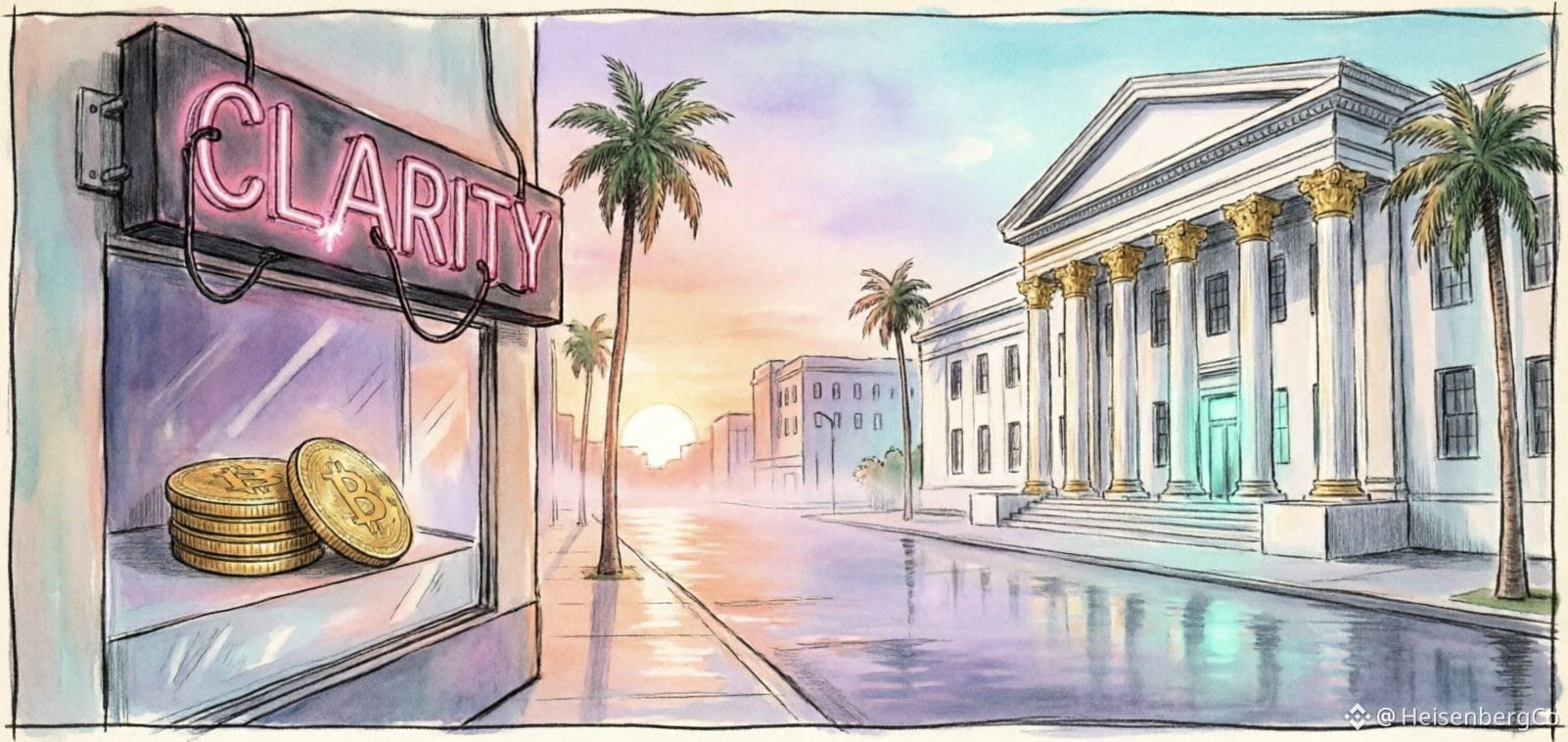
🔷 CLARITY «мертва»: ясность теперь даёт SEC
Факты:
• Сенатор Тиллис предложил переголосовать: формально шанс ещё есть
• Polymarket: шанс принятия CLARITY в 2026 — 5%, минимум с января
• Времени нет: Палата отменила рабочие недели 21 и 28 сентября, Сенат вернётся 5 октября, выборы 3 ноября
• Индустрия идёт к SEC и CFTC: Гарлингхаус — регуляторы «заполнят пробел правилами», Аткинс подтвердил курс
🧠 Моя мысль: CLARITY писали, чтобы ограничить произвол агентств, — а её провал сделал агентства единственным источником ясности. Чего не дал Конгресс, даст SEC: правила без закона — быстрее, но отменяемые. Юрист NEAR прав: компании снова планируют бюджеты под решения по отдельным делам. Предложение Тиллиса — надежда бумажная; 5% на Polymarket — вердикт рыночный.
⚠️ Правила без закона = произвол Аткинса: одна смена кресла отменяет всю «ясность» без голосов.
❓ Правила от SEC или новый Конгресс в 2027: где ясность? 👇
#Clarity #SEC $BTC
{future}(BTCUSDT)
🔷 CLARITY «мертва»: ясность теперь даёт SEC
Факты:
• Сенатор Тиллис предложил переголосовать: формально шанс ещё есть
• Polymarket: шанс принятия CLARITY в 2026 — 5%, минимум с января
• Времени нет: Палата отменила рабочие недели 21 и 28 сентября, Сенат вернётся 5 октября, выборы 3 ноября
• Индустрия идёт к SEC и CFTC: Гарлингхаус — регуляторы «заполнят пробел правилами», Аткинс подтвердил курс
🧠 Моя мысль: CLARITY писали, чтобы ограничить произвол агентств, — а её провал сделал агентства единственным источником ясности. Чего не дал Конгресс, даст SEC: правила без закона — быстрее, но отменяемые. Юрист NEAR прав: компании снова планируют бюджеты под решения по отдельным делам. Предложение Тиллиса — надежда бумажная; 5% на Polymarket — вердикт рыночный.
⚠️ Правила без закона = произвол Аткинса: одна смена кресла отменяет всю «ясность» без голосов.
❓ Правила от SEC или новый Конгресс в 2027: где ясность? 👇
#Clarity #SEC $BTC
Факты:
• Сенатор Тиллис предложил переголосовать: формально шанс ещё есть
• Polymarket: шанс принятия CLARITY в 2026 — 5%, минимум с января
• Времени нет: Палата отменила рабочие недели 21 и 28 сентября, Сенат вернётся 5 октября, выборы 3 ноября
• Индустрия идёт к SEC и CFTC: Гарлингхаус — регуляторы «заполнят пробел правилами», Аткинс подтвердил курс
🧠 Моя мысль: CLARITY писали, чтобы ограничить произвол агентств, — а её провал сделал агентства единственным источником ясности. Чего не дал Конгресс, даст SEC: правила без закона — быстрее, но отменяемые. Юрист NEAR прав: компании снова планируют бюджеты под решения по отдельным делам. Предложение Тиллиса — надежда бумажная; 5% на Polymarket — вердикт рыночный.
⚠️ Правила без закона = произвол Аткинса: одна смена кресла отменяет всю «ясность» без голосов.
❓ Правила от SEC или новый Конгресс в 2027: где ясность? 👇
#Clarity #SEC $BTC
2
70


·
--
Статья
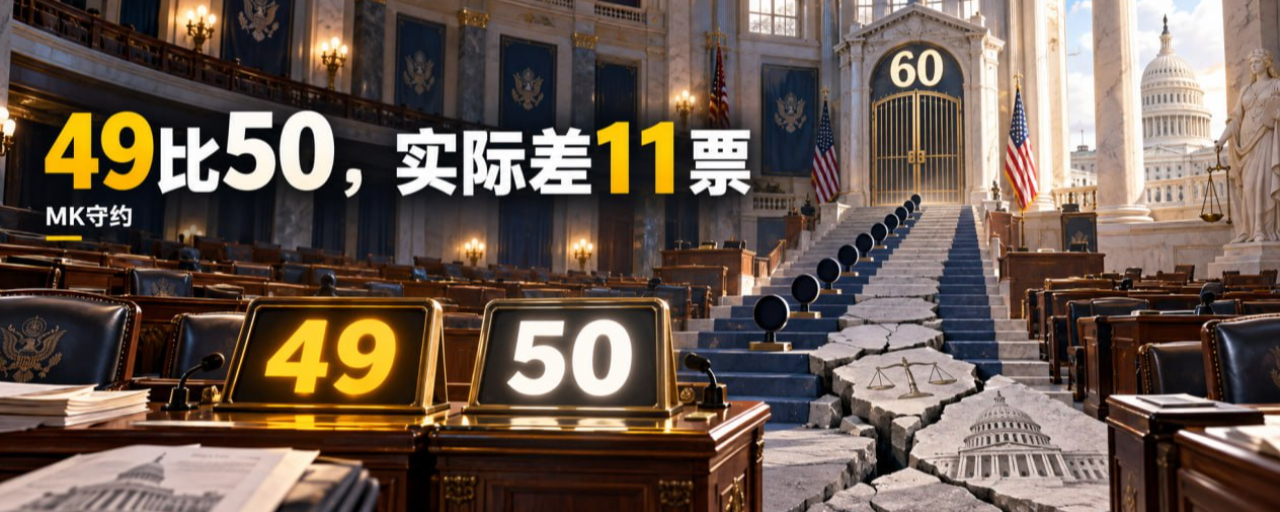
49比50,看似差1票,实际差11票:CLARITY失败后,币圈真正输掉了什么?49比50,看似差1票,实际差11票:CLARITY失败后,币圈真正输掉了什么?
核心不是“法案没过,BTC会不会跌”,而是:
126项修改仍换不来一张跨党赞成票。市场卖掉的不是BTC本身,而是美国加密行业的监管确定性。
以下是完整稿,尚未发布。
昨晚还在等CLARITY Act利好的人,最后等到了一组很容易看错的数字:
49票赞成,50票反对。
你第一眼可能觉得,只差一票。
错。
这次程序性表决需要60票。CLARITY不是差1票,而是差11票,连进入正式辩论的门槛都没摸到。
这才是结果里最残酷的部分。
不是法案被否决,而是参议院不让它上桌
这次投的不是最终通过。
参议院表决的是:要不要结束程序阻挠,开始正式审议H.R.3633。
结果是49比50,动议失败。Coons没有投票;Collins、Hawley、Moran和Tillis四名共和党议员投了反对票,其中Tillis投反对票是为了保留提出重新审议动议的程序权。
这组票数还有一个更重要的信息:
49张赞成票全部来自共和党。没有一名民主党或独立派议员支持推进。
所以,这不是“差一点达成跨党共识”。
真实情况是,跨党联盟在最后一刻归零了。
改了126处,为什么还是一张跨党票都没有?
表决前,共和党谈判者公布了最终版文本,称已经按民主党的要求作出126项实质修改。
新版本加入官员加密利益冲突限制,让州检察长参与执法;针对银行担心的稳定币存款分流,也加入财政部可以启动的“熔断”机制;DeFi和软件开发者保护条款同样被调整。
但修改数量不是信任。
民主党仍认为,法案没有真正堵住总统、家属和高级官员从既有加密业务中获利的漏洞。投票前夜,民主党提出新的反建议,要求进一步限制大额加密持仓、受抚养子女持仓和付费推广;共和党没有接受。
更说明问题的是Gallego和Alsobrooks。
两人在5月曾与共和党一起支持法案通过参议院银行委员会,但到了全院表决,两人都投了反对票。
这说明法案输掉的不是文本字数。
它输掉的是两党之间最稀缺的东西:信任。
表面是伦理争议,背后仍然是利益分配
CLARITY原本要解决三件大事:
第一,哪些数字资产由SEC管,哪些进入CFTC的数字商品框架。
第二,交易平台、经纪商、托管机构和项目方应该按什么规则注册、披露和保护客户资产。[2]
第三,稳定币奖励、DeFi协议和软件开发者的边界到底画在哪里。
听起来都是监管技术问题。
但走到最后,每一条都碰到真实利益。
官员加密资产,碰到政治伦理。
稳定币奖励,碰到银行存款。
DeFi开发者保护,碰到反洗钱和执法权。
所以你别再把CLARITY理解成“美国支不支持加密”。
美国支持创新,不代表各方愿意让出自己的监管权、利润和政治筹码。
BTC跌了,但真正受伤的不是BTC
投票期间,BTC从约77,200美元跌到75,600美元附近,随后回到约75,800美元,日内跌幅约3.2%。跌了,但没有发生恐慌式坍塌。
同一时间,Coinbase一度约跌8%,Circle约跌10%。
这个差异很重要。
BTC的价值不依赖美国国会给它发许可证。
但Coinbase、Circle、美国交易平台、稳定币业务和监管敏感型山寨币,未来能做什么、能赚多少钱、要承担多高的合规成本,直接受美国规则影响。
所以市场卖得更狠的,是“美国监管红利”。
不是比特币本身。
这也解释了为什么CLARITY失败对BTC是一次事件冲击,对美国加密企业却可能是估值体系的重新打折。
法案是不是彻底死了?
法律程序上,还没有。
Tillis已经提出重新审议动议,理论上仍可再次表决。
但政治现实比程序更冷。
中期选举前,参议院留给复杂立法的时间已经非常有限。法案这次不仅没拿到60票,甚至没有获得简单多数,也没有任何跨党赞成票。除非两党重新谈出一个完全不同的伦理与执法方案,否则2026年再过关的机会已经非常小。
接下来,美国加密行业只能更多依赖SEC和CFTC自行制定规则。
这条路不是没有用。
问题是,监管机构今天给出的解释,明天可以被法院推翻,也可能被下一届政府撤回。只有国会立法,才能提供更难逆转的长期确定性。
CLARITY失败,没有让监管消失。
它只是把规则继续留在了行政部门、法院和下一次选举手里。
现在最危险的两种操作
第一种,是看到坏消息落地就立刻抄底,告诉自己“利空出尽”。
第二种,是看到49比50就以为行业完了,恐慌割在事件低点。
这两种操作,本质上都没有读懂价格。
接下来要看三件事:
一,看75,600附近的投票低点能不能守住。
如果坏消息落地后不再创新低,说明大部分政治风险已经提前计价。
二,看监管敏感资产能不能止跌。
如果BTC稳住,但加密平台股、稳定币相关资产和证券属性争议较大的山寨币持续弱于BTC,说明监管折价仍在扩大。
三,看市场会不会迅速把注意力转回流动性。
CNBC明确提到,这次加密股下跌同时发生在更广泛的市场抛售中。[5] 如果利率、美债和美元继续收紧,CLARITY只是压在风险资产上的一块石头,不是唯一一块。
我的判断
CLARITY失败,不是币圈归零。
它暴露的是另一件事:
美国可以在口头上支持加密创新,但只要碰到政治利益、银行利益和监管权力,跨党共识依然非常脆弱。
BTC短期跌3%,很快就可能被下一组宏观数据覆盖。
可对整个行业来说,失去的是一套写进法律、不会轻易随政府更替而翻转的长期规则。
这笔损失,K线一天反映不完。
所以别只问“还能不能涨”。
你真正应该问的是:这次失败影响的是价格,还是你持有资产未来几年的生存规则?
如果只是BTC的短线波动,仓位决定你能不能扛过去。
如果是一个项目的合规路径和商业模式被推迟,那就不是补仓能解决的问题。
消息会过期,规则会决定谁能活到下一轮。
别拿短线反弹,掩盖长期风险。
——MK守约
#守约交易哲学 $BTC #Clarity
{future}(BTCUSDT)
49比50,看似差1票,实际差11票:CLARITY失败后,币圈真正输掉了什么?
49比50,看似差1票,实际差11票:CLARITY失败后,币圈真正输掉了什么?
核心不是“法案没过,BTC会不会跌”,而是:
126项修改仍换不来一张跨党赞成票。市场卖掉的不是BTC本身,而是美国加密行业的监管确定性。
以下是完整稿,尚未发布。
昨晚还在等CLARITY Act利好的人,最后等到了一组很容易看错的数字:
49票赞成,50票反对。
你第一眼可能觉得,只差一票。
错。
这次程序性表决需要60票。CLARITY不是差1票,而是差11票,连进入正式辩论的门槛都没摸到。
这才是结果里最残酷的部分。
不是法案被否决,而是参议院不让它上桌
这次投的不是最终通过。
参议院表决的是:要不要结束程序阻挠,开始正式审议H.R.3633。
结果是49比50,动议失败。Coons没有投票;Collins、Hawley、Moran和Tillis四名共和党议员投了反对票,其中Tillis投反对票是为了保留提出重新审议动议的程序权。
这组票数还有一个更重要的信息:
49张赞成票全部来自共和党。没有一名民主党或独立派议员支持推进。
所以,这不是“差一点达成跨党共识”。
真实情况是,跨党联盟在最后一刻归零了。
改了126处,为什么还是一张跨党票都没有?
表决前,共和党谈判者公布了最终版文本,称已经按民主党的要求作出126项实质修改。
新版本加入官员加密利益冲突限制,让州检察长参与执法;针对银行担心的稳定币存款分流,也加入财政部可以启动的“熔断”机制;DeFi和软件开发者保护条款同样被调整。
但修改数量不是信任。
民主党仍认为,法案没有真正堵住总统、家属和高级官员从既有加密业务中获利的漏洞。投票前夜,民主党提出新的反建议,要求进一步限制大额加密持仓、受抚养子女持仓和付费推广;共和党没有接受。
更说明问题的是Gallego和Alsobrooks。
两人在5月曾与共和党一起支持法案通过参议院银行委员会,但到了全院表决,两人都投了反对票。
这说明法案输掉的不是文本字数。
它输掉的是两党之间最稀缺的东西:信任。
表面是伦理争议,背后仍然是利益分配
CLARITY原本要解决三件大事:
第一,哪些数字资产由SEC管,哪些进入CFTC的数字商品框架。
第二,交易平台、经纪商、托管机构和项目方应该按什么规则注册、披露和保护客户资产。[2]
第三,稳定币奖励、DeFi协议和软件开发者的边界到底画在哪里。
听起来都是监管技术问题。
但走到最后,每一条都碰到真实利益。
官员加密资产,碰到政治伦理。
稳定币奖励,碰到银行存款。
DeFi开发者保护,碰到反洗钱和执法权。
所以你别再把CLARITY理解成“美国支不支持加密”。
美国支持创新,不代表各方愿意让出自己的监管权、利润和政治筹码。
BTC跌了,但真正受伤的不是BTC
投票期间,BTC从约77,200美元跌到75,600美元附近,随后回到约75,800美元,日内跌幅约3.2%。跌了,但没有发生恐慌式坍塌。
同一时间,Coinbase一度约跌8%,Circle约跌10%。
这个差异很重要。
BTC的价值不依赖美国国会给它发许可证。
但Coinbase、Circle、美国交易平台、稳定币业务和监管敏感型山寨币,未来能做什么、能赚多少钱、要承担多高的合规成本,直接受美国规则影响。
所以市场卖得更狠的,是“美国监管红利”。
不是比特币本身。
这也解释了为什么CLARITY失败对BTC是一次事件冲击,对美国加密企业却可能是估值体系的重新打折。
法案是不是彻底死了?
法律程序上,还没有。
Tillis已经提出重新审议动议,理论上仍可再次表决。
但政治现实比程序更冷。
中期选举前,参议院留给复杂立法的时间已经非常有限。法案这次不仅没拿到60票,甚至没有获得简单多数,也没有任何跨党赞成票。除非两党重新谈出一个完全不同的伦理与执法方案,否则2026年再过关的机会已经非常小。
接下来,美国加密行业只能更多依赖SEC和CFTC自行制定规则。
这条路不是没有用。
问题是,监管机构今天给出的解释,明天可以被法院推翻,也可能被下一届政府撤回。只有国会立法,才能提供更难逆转的长期确定性。
CLARITY失败,没有让监管消失。
它只是把规则继续留在了行政部门、法院和下一次选举手里。
现在最危险的两种操作
第一种,是看到坏消息落地就立刻抄底,告诉自己“利空出尽”。
第二种,是看到49比50就以为行业完了,恐慌割在事件低点。
这两种操作,本质上都没有读懂价格。
接下来要看三件事:
一,看75,600附近的投票低点能不能守住。
如果坏消息落地后不再创新低,说明大部分政治风险已经提前计价。
二,看监管敏感资产能不能止跌。
如果BTC稳住,但加密平台股、稳定币相关资产和证券属性争议较大的山寨币持续弱于BTC,说明监管折价仍在扩大。
三,看市场会不会迅速把注意力转回流动性。
CNBC明确提到,这次加密股下跌同时发生在更广泛的市场抛售中。[5] 如果利率、美债和美元继续收紧,CLARITY只是压在风险资产上的一块石头,不是唯一一块。
我的判断
CLARITY失败,不是币圈归零。
它暴露的是另一件事:
美国可以在口头上支持加密创新,但只要碰到政治利益、银行利益和监管权力,跨党共识依然非常脆弱。
BTC短期跌3%,很快就可能被下一组宏观数据覆盖。
可对整个行业来说,失去的是一套写进法律、不会轻易随政府更替而翻转的长期规则。
这笔损失,K线一天反映不完。
所以别只问“还能不能涨”。
你真正应该问的是:这次失败影响的是价格,还是你持有资产未来几年的生存规则?
如果只是BTC的短线波动,仓位决定你能不能扛过去。
如果是一个项目的合规路径和商业模式被推迟,那就不是补仓能解决的问题。
消息会过期,规则会决定谁能活到下一轮。
别拿短线反弹,掩盖长期风险。
——MK守约
#守约交易哲学 $BTC #Clarity
核心不是“法案没过,BTC会不会跌”,而是:
126项修改仍换不来一张跨党赞成票。市场卖掉的不是BTC本身,而是美国加密行业的监管确定性。
以下是完整稿,尚未发布。
昨晚还在等CLARITY Act利好的人,最后等到了一组很容易看错的数字:
49票赞成,50票反对。
你第一眼可能觉得,只差一票。
错。
这次程序性表决需要60票。CLARITY不是差1票,而是差11票,连进入正式辩论的门槛都没摸到。
这才是结果里最残酷的部分。
不是法案被否决,而是参议院不让它上桌
这次投的不是最终通过。
参议院表决的是:要不要结束程序阻挠,开始正式审议H.R.3633。
结果是49比50,动议失败。Coons没有投票;Collins、Hawley、Moran和Tillis四名共和党议员投了反对票,其中Tillis投反对票是为了保留提出重新审议动议的程序权。
这组票数还有一个更重要的信息:
49张赞成票全部来自共和党。没有一名民主党或独立派议员支持推进。
所以,这不是“差一点达成跨党共识”。
真实情况是,跨党联盟在最后一刻归零了。
改了126处,为什么还是一张跨党票都没有?
表决前,共和党谈判者公布了最终版文本,称已经按民主党的要求作出126项实质修改。
新版本加入官员加密利益冲突限制,让州检察长参与执法;针对银行担心的稳定币存款分流,也加入财政部可以启动的“熔断”机制;DeFi和软件开发者保护条款同样被调整。
但修改数量不是信任。
民主党仍认为,法案没有真正堵住总统、家属和高级官员从既有加密业务中获利的漏洞。投票前夜,民主党提出新的反建议,要求进一步限制大额加密持仓、受抚养子女持仓和付费推广;共和党没有接受。
更说明问题的是Gallego和Alsobrooks。
两人在5月曾与共和党一起支持法案通过参议院银行委员会,但到了全院表决,两人都投了反对票。
这说明法案输掉的不是文本字数。
它输掉的是两党之间最稀缺的东西:信任。
表面是伦理争议,背后仍然是利益分配
CLARITY原本要解决三件大事:
第一,哪些数字资产由SEC管,哪些进入CFTC的数字商品框架。
第二,交易平台、经纪商、托管机构和项目方应该按什么规则注册、披露和保护客户资产。[2]
第三,稳定币奖励、DeFi协议和软件开发者的边界到底画在哪里。
听起来都是监管技术问题。
但走到最后,每一条都碰到真实利益。
官员加密资产,碰到政治伦理。
稳定币奖励,碰到银行存款。
DeFi开发者保护,碰到反洗钱和执法权。
所以你别再把CLARITY理解成“美国支不支持加密”。
美国支持创新,不代表各方愿意让出自己的监管权、利润和政治筹码。
BTC跌了,但真正受伤的不是BTC
投票期间,BTC从约77,200美元跌到75,600美元附近,随后回到约75,800美元,日内跌幅约3.2%。跌了,但没有发生恐慌式坍塌。
同一时间,Coinbase一度约跌8%,Circle约跌10%。
这个差异很重要。
BTC的价值不依赖美国国会给它发许可证。
但Coinbase、Circle、美国交易平台、稳定币业务和监管敏感型山寨币,未来能做什么、能赚多少钱、要承担多高的合规成本,直接受美国规则影响。
所以市场卖得更狠的,是“美国监管红利”。
不是比特币本身。
这也解释了为什么CLARITY失败对BTC是一次事件冲击,对美国加密企业却可能是估值体系的重新打折。
法案是不是彻底死了?
法律程序上,还没有。
Tillis已经提出重新审议动议,理论上仍可再次表决。
但政治现实比程序更冷。
中期选举前,参议院留给复杂立法的时间已经非常有限。法案这次不仅没拿到60票,甚至没有获得简单多数,也没有任何跨党赞成票。除非两党重新谈出一个完全不同的伦理与执法方案,否则2026年再过关的机会已经非常小。
接下来,美国加密行业只能更多依赖SEC和CFTC自行制定规则。
这条路不是没有用。
问题是,监管机构今天给出的解释,明天可以被法院推翻,也可能被下一届政府撤回。只有国会立法,才能提供更难逆转的长期确定性。
CLARITY失败,没有让监管消失。
它只是把规则继续留在了行政部门、法院和下一次选举手里。
现在最危险的两种操作
第一种,是看到坏消息落地就立刻抄底,告诉自己“利空出尽”。
第二种,是看到49比50就以为行业完了,恐慌割在事件低点。
这两种操作,本质上都没有读懂价格。
接下来要看三件事:
一,看75,600附近的投票低点能不能守住。
如果坏消息落地后不再创新低,说明大部分政治风险已经提前计价。
二,看监管敏感资产能不能止跌。
如果BTC稳住,但加密平台股、稳定币相关资产和证券属性争议较大的山寨币持续弱于BTC,说明监管折价仍在扩大。
三,看市场会不会迅速把注意力转回流动性。
CNBC明确提到,这次加密股下跌同时发生在更广泛的市场抛售中。[5] 如果利率、美债和美元继续收紧,CLARITY只是压在风险资产上的一块石头,不是唯一一块。
我的判断
CLARITY失败,不是币圈归零。
它暴露的是另一件事:
美国可以在口头上支持加密创新,但只要碰到政治利益、银行利益和监管权力,跨党共识依然非常脆弱。
BTC短期跌3%,很快就可能被下一组宏观数据覆盖。
可对整个行业来说,失去的是一套写进法律、不会轻易随政府更替而翻转的长期规则。
这笔损失,K线一天反映不完。
所以别只问“还能不能涨”。
你真正应该问的是:这次失败影响的是价格,还是你持有资产未来几年的生存规则?
如果只是BTC的短线波动,仓位决定你能不能扛过去。
如果是一个项目的合规路径和商业模式被推迟,那就不是补仓能解决的问题。
消息会过期,规则会决定谁能活到下一轮。
别拿短线反弹,掩盖长期风险。
——MK守约
#守约交易哲学 $BTC #Clarity
逐云之颠:
币圈归〇了拿什么割韭菜,大饼还会V起来
6
12
6.5k

·
--
Падение
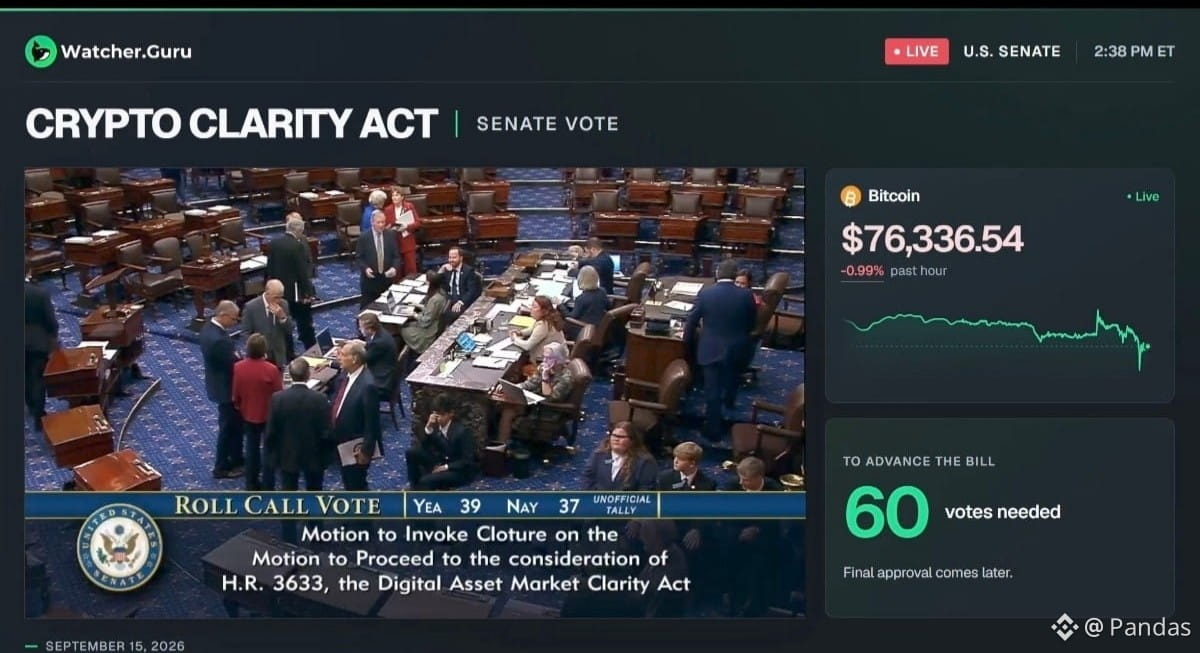
🌙 Потраченный впустую вечер.
❌ Законопроект CLARITY Act не прошёл ожидаемое рассмотрение.
Рынок получил ещё один фактор неопределённости. Теперь основное внимание переключается на реакцию BTC и дальнейшие действия ФРС.
$ETH $BNB
Следим за рынком — волатильность может усилиться. 📉📈#clarity
{future}(BNBUSDT)
{future}(ETHUSDT)
🌙 Потраченный впустую вечер.
❌ Законопроект CLARITY Act не прошёл ожидаемое рассмотрение.
Рынок получил ещё один фактор неопределённости. Теперь основное внимание переключается на реакцию BTC и дальнейшие действия ФРС.
$ETH $BNB
Следим за рынком — волатильность может усилиться. 📉📈#clarity
❌ Законопроект CLARITY Act не прошёл ожидаемое рассмотрение.
Рынок получил ещё один фактор неопределённости. Теперь основное внимание переключается на реакцию BTC и дальнейшие действия ФРС.
$ETH $BNB
Следим за рынком — волатильность может усилиться. 📉📈#clarity
3
273

·
--
Проверено
参议院那道坎,没过去。
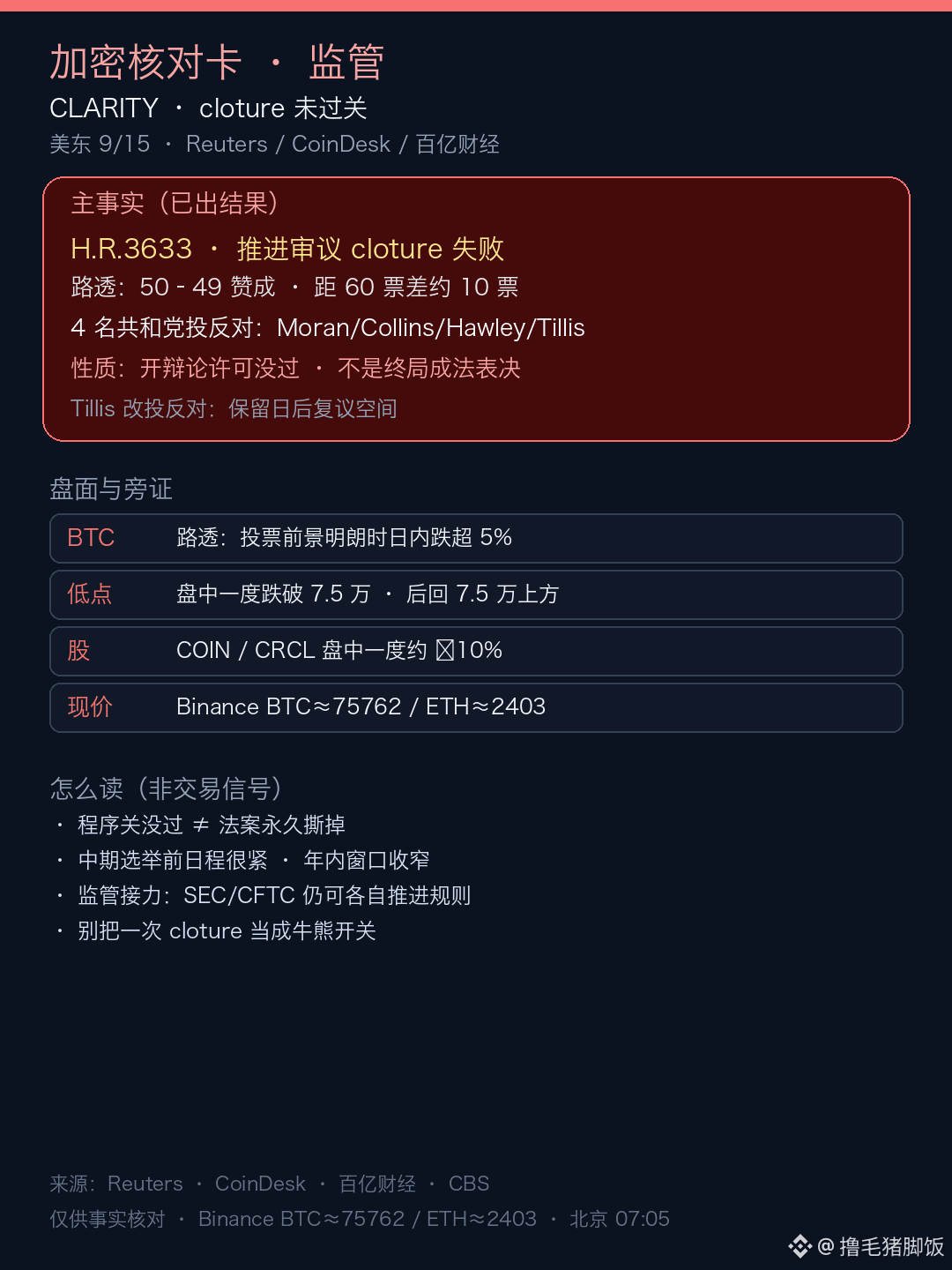
美东 9/15,《CLARITY 法案》推进审议的 cloture 失败。
路透记的票数是 50–49 赞成,离硬门槛 60 票还差一截;Moran、Collins、Hawley、Tillis 四名共和党投了反对。Tillis 还特意改投反对,给日后复议留口子。
这不是终局成法表决,只是「能不能开辩论」没过。
但中期选举前日程很紧,路透写法案基本被搁上冰;盘面反应不轻——BTC 投票前景明朗时日内跌超 5%,COIN、CRCL 盘中一度约掉一成。现在 Binance 现价大概 BTC≈75762 / ETH≈2403。
我觉得别把一次 cloture 当成牛熊开关。监管真空还在,SEC、CFTC 仍会各自推规则;成法窗口是窄了,不等于加密故事一夜归零。
旁证(Binance,北京约 07:05):BTC≈75762 / ETH≈2403。
来源:Reuters / CoinDesk / 百亿财经
非投资建议,有变化再更。
#CLARITY #比特币 #加密监管 #Web3
参议院那道坎,没过去。
美东 9/15,《CLARITY 法案》推进审议的 cloture 失败。
路透记的票数是 50–49 赞成,离硬门槛 60 票还差一截;Moran、Collins、Hawley、Tillis 四名共和党投了反对。Tillis 还特意改投反对,给日后复议留口子。
这不是终局成法表决,只是「能不能开辩论」没过。
但中期选举前日程很紧,路透写法案基本被搁上冰;盘面反应不轻——BTC 投票前景明朗时日内跌超 5%,COIN、CRCL 盘中一度约掉一成。现在 Binance 现价大概 BTC≈75762 / ETH≈2403。
我觉得别把一次 cloture 当成牛熊开关。监管真空还在,SEC、CFTC 仍会各自推规则;成法窗口是窄了,不等于加密故事一夜归零。
旁证(Binance,北京约 07:05):BTC≈75762 / ETH≈2403。
来源:Reuters / CoinDesk / 百亿财经
非投资建议,有变化再更。
#CLARITY #比特币 #加密监管 #Web3
美东 9/15,《CLARITY 法案》推进审议的 cloture 失败。
路透记的票数是 50–49 赞成,离硬门槛 60 票还差一截;Moran、Collins、Hawley、Tillis 四名共和党投了反对。Tillis 还特意改投反对,给日后复议留口子。
这不是终局成法表决,只是「能不能开辩论」没过。
但中期选举前日程很紧,路透写法案基本被搁上冰;盘面反应不轻——BTC 投票前景明朗时日内跌超 5%,COIN、CRCL 盘中一度约掉一成。现在 Binance 现价大概 BTC≈75762 / ETH≈2403。
我觉得别把一次 cloture 当成牛熊开关。监管真空还在,SEC、CFTC 仍会各自推规则;成法窗口是窄了,不等于加密故事一夜归零。
旁证(Binance,北京约 07:05):BTC≈75762 / ETH≈2403。
来源:Reuters / CoinDesk / 百亿财经
非投资建议,有变化再更。
#CLARITY #比特币 #加密监管 #Web3
1
1.3k

·
--
Падение
Проверено
Bitcoin Slides to $76,000 After CLARITY Act Fails
Bitcoin fell about 4% to near $76,000 after the U.S. Senate rejected a cloture vote on the CLARITY Act 49-50. The bill needed 60 votes to advance market-structure rules dividing oversight between the SEC and CFTC. The defeat, just before midterms, removes a key regulatory catalyst and leaves crypto exposed to Fed policy and rising yields. Altcoins and crypto stocks also dropped.
#BitcoinSlidesTo$76000 $BTC #Clarity #USsenate
Bitcoin Slides to $76,000 After CLARITY Act Fails
Bitcoin fell about 4% to near $76,000 after the U.S. Senate rejected a cloture vote on the CLARITY Act 49-50. The bill needed 60 votes to advance market-structure rules dividing oversight between the SEC and CFTC. The defeat, just before midterms, removes a key regulatory catalyst and leaves crypto exposed to Fed policy and rising yields. Altcoins and crypto stocks also dropped.
#BitcoinSlidesTo$76000 $BTC #Clarity #USsenate
Bitcoin fell about 4% to near $76,000 after the U.S. Senate rejected a cloture vote on the CLARITY Act 49-50. The bill needed 60 votes to advance market-structure rules dividing oversight between the SEC and CFTC. The defeat, just before midterms, removes a key regulatory catalyst and leaves crypto exposed to Fed policy and rising yields. Altcoins and crypto stocks also dropped.
#BitcoinSlidesTo$76000 $BTC #Clarity #USsenate

AngelOfCrypto_-:
nice
3
16
20k

·
--
Падение
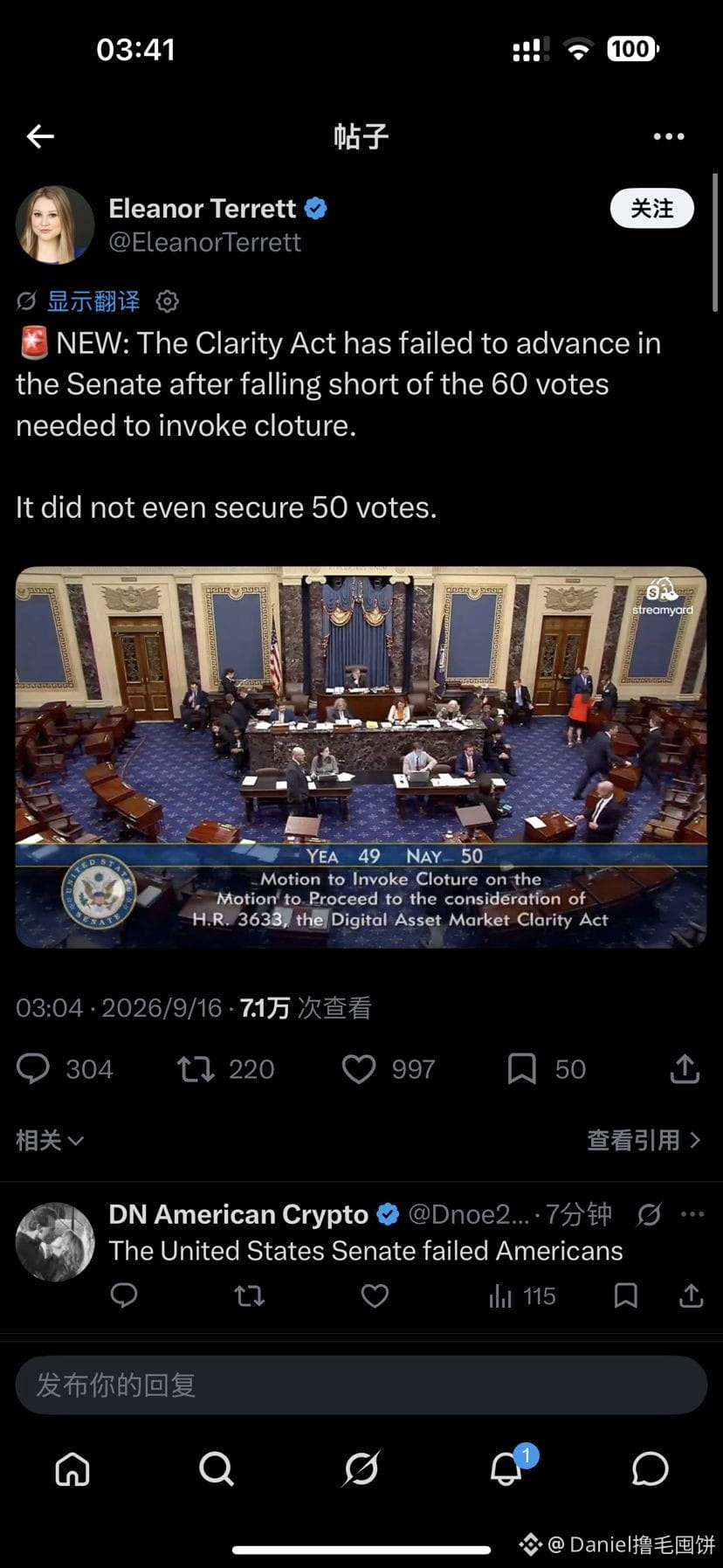
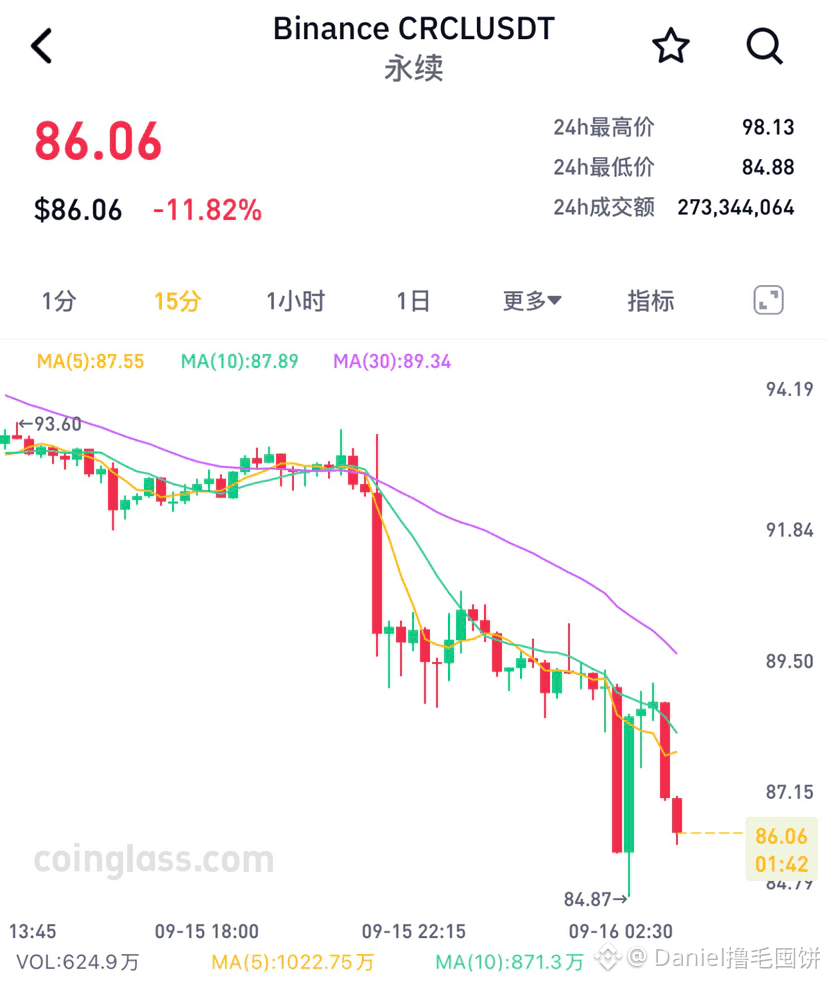
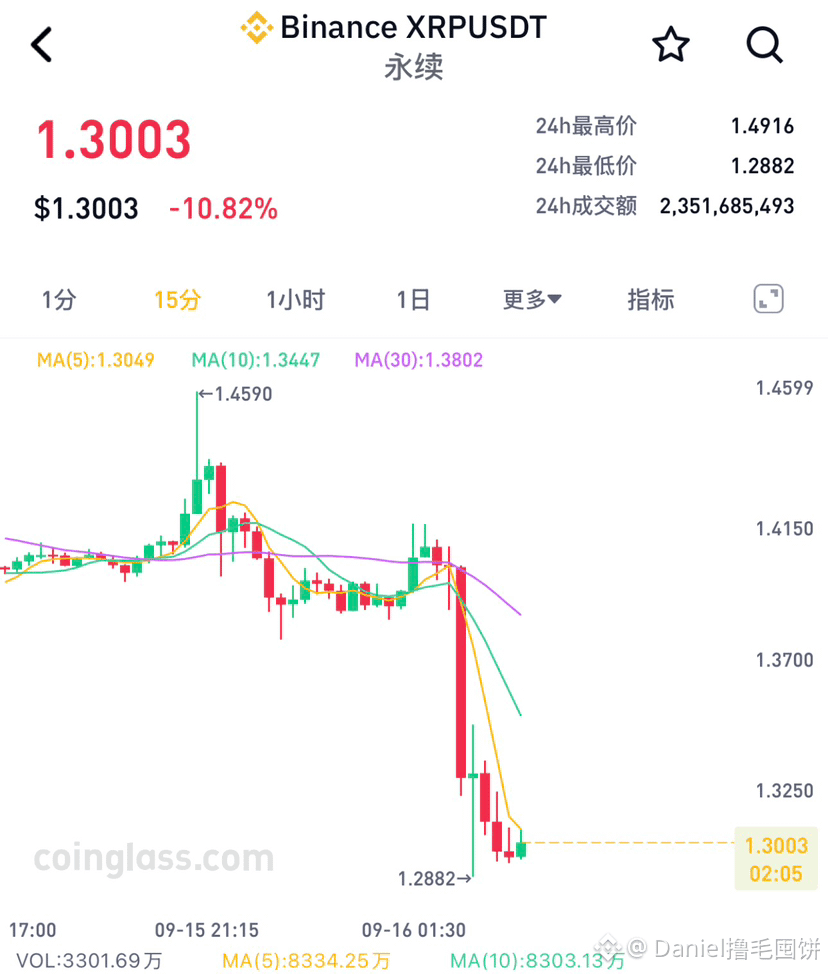
美参议院关于清晰法案《Clarity Act》的闭门会议投票未能达到所需的 60 票(赞成 49 票 vs 反对 50 票),法案推进宣告暂停!消息一出,市场普遍回调,为什么$XRP 与 $CRCLB 跌幅尤为剧烈。
1️⃣ XRP:合规“非证券”溢价瞬间出清
法案的核心在于划定 SEC 与 CFTC 的监管边界,拟将具有去中心化特性的代币划归 CFTC 监管。法案的受阻,意味着 XRP 在短时间内失去了通过联邦立法直接终结“证券争议”的法律锚点,传统机构资金进入的合规预期暂时落空。
2️⃣ CRCL(Circle):稳定币法案护城河落空
作为 USDC 发行商,Circle 的高估值极度依赖全美合规法案的落地。法案未能通过(特别是受部分议员对稳定币收益及监管条款的反对影响),使得稳定币利好预期回吐,触发了套利资金的集中流出。#Clarity $CRCLB
美参议院关于清晰法案《Clarity Act》的闭门会议投票未能达到所需的 60 票(赞成 49 票 vs 反对 50 票),法案推进宣告暂停!消息一出,市场普遍回调,为什么$XRP 与 $CRCLB 跌幅尤为剧烈。
1️⃣ XRP:合规“非证券”溢价瞬间出清
法案的核心在于划定 SEC 与 CFTC 的监管边界,拟将具有去中心化特性的代币划归 CFTC 监管。法案的受阻,意味着 XRP 在短时间内失去了通过联邦立法直接终结“证券争议”的法律锚点,传统机构资金进入的合规预期暂时落空。
2️⃣ CRCL(Circle):稳定币法案护城河落空
作为 USDC 发行商,Circle 的高估值极度依赖全美合规法案的落地。法案未能通过(特别是受部分议员对稳定币收益及监管条款的反对影响),使得稳定币利好预期回吐,触发了套利资金的集中流出。#Clarity $CRCLB
1️⃣ XRP:合规“非证券”溢价瞬间出清
法案的核心在于划定 SEC 与 CFTC 的监管边界,拟将具有去中心化特性的代币划归 CFTC 监管。法案的受阻,意味着 XRP 在短时间内失去了通过联邦立法直接终结“证券争议”的法律锚点,传统机构资金进入的合规预期暂时落空。
2️⃣ CRCL(Circle):稳定币法案护城河落空
作为 USDC 发行商,Circle 的高估值极度依赖全美合规法案的落地。法案未能通过(特别是受部分议员对稳定币收益及监管条款的反对影响),使得稳定币利好预期回吐,触发了套利资金的集中流出。#Clarity $CRCLB
1.4k

·
--
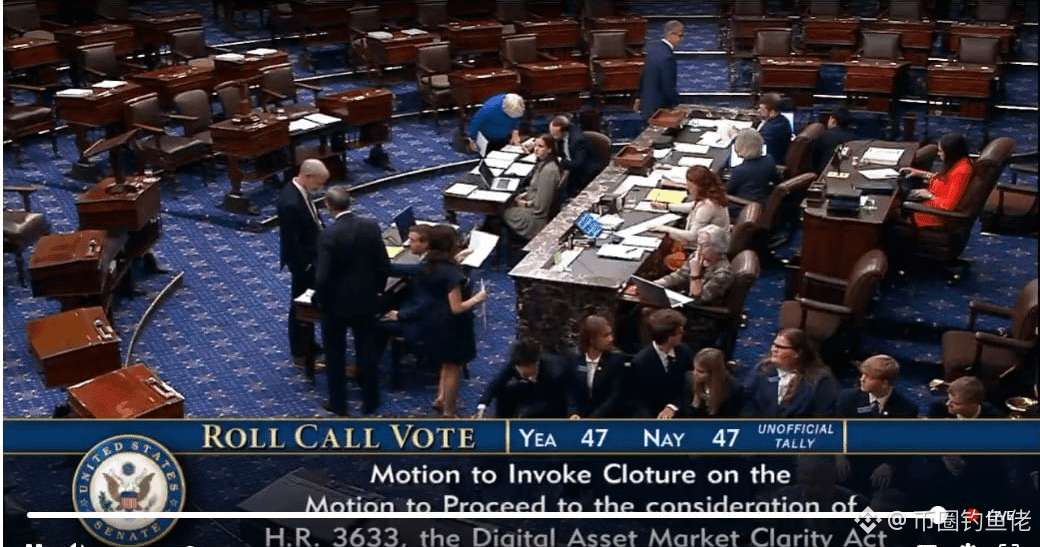
CLARITY法案》9月16日凌晨参议院程序性投票49:50告负,未达60票,短期无望进入全院审议。这个币圈人最希望证明自己的法案还是被按在了投票桌上。
49比50,看似差一票,实际差了是11票。这次程序性表决需要60票,
#Clarity
连进入正式辩论的门槛都没摸到。
这才是结果里最残酷的部分,不是法案被否决,而是参议院不让它上桌。
49张赞成票全部来自共和党,没有一名民主党或独立派议员支持推进。所以,这不是“差一点达成跨党共识”。
改了126处,还是一张跨党票都没有,修改数量不是信任,民主党仍认为法案没有堵住总统,家属和高级官员从加密业务中获利漏洞。
根本不是监管技术的问题,走到最后,每一条都碰到真实利益。官员加密资产,碰到政治伦理。稳定币奖励,碰到银行存款。Defi开发者保护,碰到反洗钱和执法权。
CLARITY失败,不是币圈失败。它暴漏的是:美国可以在口头上支持加密创新,但只要碰到政治利益,银行利益和监管权力,跨党共识依然非常脆弱。
$BTC
{future}(BTCUSDT)
跌的这几个百分点,很快就可能被下一组宏观数据覆盖。可对整个行业来说,失去的是一套写进法律的长期规则...
CLARITY法案》9月16日凌晨参议院程序性投票49:50告负,未达60票,短期无望进入全院审议。这个币圈人最希望证明自己的法案还是被按在了投票桌上。
49比50,看似差一票,实际差了是11票。这次程序性表决需要60票,
#Clarity
连进入正式辩论的门槛都没摸到。
这才是结果里最残酷的部分,不是法案被否决,而是参议院不让它上桌。
49张赞成票全部来自共和党,没有一名民主党或独立派议员支持推进。所以,这不是“差一点达成跨党共识”。
改了126处,还是一张跨党票都没有,修改数量不是信任,民主党仍认为法案没有堵住总统,家属和高级官员从加密业务中获利漏洞。
根本不是监管技术的问题,走到最后,每一条都碰到真实利益。官员加密资产,碰到政治伦理。稳定币奖励,碰到银行存款。Defi开发者保护,碰到反洗钱和执法权。
CLARITY失败,不是币圈失败。它暴漏的是:美国可以在口头上支持加密创新,但只要碰到政治利益,银行利益和监管权力,跨党共识依然非常脆弱。
$BTC
跌的这几个百分点,很快就可能被下一组宏观数据覆盖。可对整个行业来说,失去的是一套写进法律的长期规则...
49比50,看似差一票,实际差了是11票。这次程序性表决需要60票,
#Clarity
连进入正式辩论的门槛都没摸到。
这才是结果里最残酷的部分,不是法案被否决,而是参议院不让它上桌。
49张赞成票全部来自共和党,没有一名民主党或独立派议员支持推进。所以,这不是“差一点达成跨党共识”。
改了126处,还是一张跨党票都没有,修改数量不是信任,民主党仍认为法案没有堵住总统,家属和高级官员从加密业务中获利漏洞。
根本不是监管技术的问题,走到最后,每一条都碰到真实利益。官员加密资产,碰到政治伦理。稳定币奖励,碰到银行存款。Defi开发者保护,碰到反洗钱和执法权。
CLARITY失败,不是币圈失败。它暴漏的是:美国可以在口头上支持加密创新,但只要碰到政治利益,银行利益和监管权力,跨党共识依然非常脆弱。
$BTC
跌的这几个百分点,很快就可能被下一组宏观数据覆盖。可对整个行业来说,失去的是一套写进法律的长期规则...
Kato Crypto:
the floor time angle is what really decides it 🙌 a failed cloture does not kill the text, it surrenders the slot, and this late in a session calendar space is scarcer than votes, so any fix has to be quick enough to be worth scheduling again 👀
1
2
1.1k


#bitcoin #Altcoin #xrp #Clarity #SEC
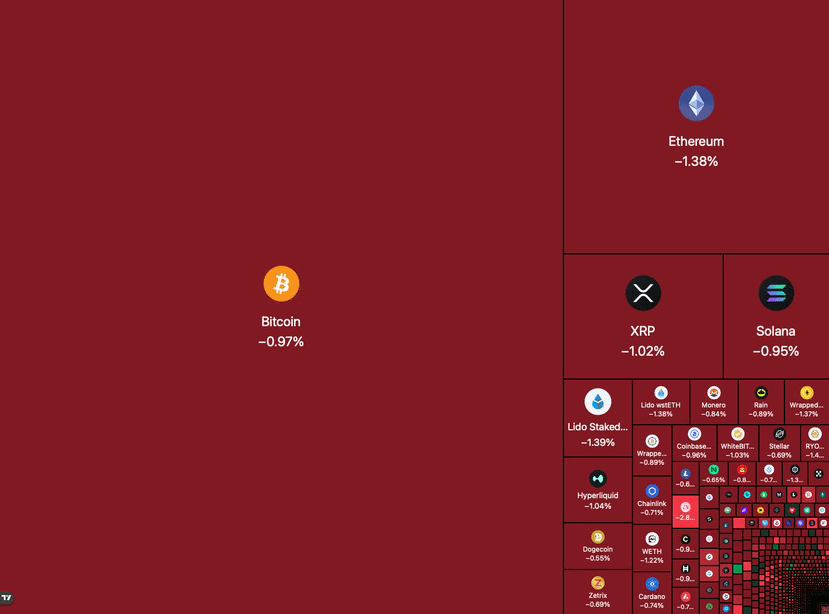
O Senado rejeitar o CLARITY Act é um baita setback pra indústria cripto nos EUA, mas não é o fim do mundo — especialmente pro Bitcoin.
Bitcoin
O BTC quase não precisa dessa lei. Ele já é tratado como commodity pela maioria dos reguladores e instituições. A rejeição do CLARITY pode até reforçar a narrativa de que o Bitcoin é “diferente” das altcoins: mais maduro, mais descentralizado e menos dependente de clareza regulatória americana. No curto prazo o preço pode oscilar (como já aconteceu), mas estruturalmente o Bitcoin continua relativamente blindado.
Altcoins
Aí a história é outra. As altcoins (especialmente as que ainda estão em zona cinzenta entre security e commodity) eram as grandes beneficiadas. O CLARITY ia dar um caminho mais claro pra tokens como Solana, XRP e várias outras saírem da insegurança jurídica. Sem a lei, elas continuam mais expostas a interpretações agressivas da SEC e a maior incerteza. Por isso o meme faz tanto sentido: Bitcoin de boa no trono, altcoins em pânico.
Visão geral
- Curto prazo: negativo pro sentimento do mercado, principalmente pras alts e pras empresas cripto listadas (Coinbase, etc.).
- Médio prazo: a SEC e a CFTC vão continuar tentando regular por conta própria. Pode sair algo melhor ou pior que o CLARITY, dependendo de quem estiver no comando.
- Longo prazo: regulação clara nos EUA ainda vai acontecer. Só vai demorar mais e provavelmente vir de forma mais fragmentada.
Resumo da ópera: o Bitcoin sai relativamente ileso (como sempre). As altcoins e o resto da indústria sentem mais o golpe. A rejeição mostra que o Congresso americano ainda está longe de conseguir passar uma legislação cripto de forma limpa e rápida.
E você, o que achou do resultado? Mais preocupado com as alts ou acha que o mercado já precificou?
#bitcoin #Altcoin #xrp #Clarity #SEC
O Senado rejeitar o CLARITY Act é um baita setback pra indústria cripto nos EUA, mas não é o fim do mundo — especialmente pro Bitcoin.
Bitcoin
O BTC quase não precisa dessa lei. Ele já é tratado como commodity pela maioria dos reguladores e instituições. A rejeição do CLARITY pode até reforçar a narrativa de que o Bitcoin é “diferente” das altcoins: mais maduro, mais descentralizado e menos dependente de clareza regulatória americana. No curto prazo o preço pode oscilar (como já aconteceu), mas estruturalmente o Bitcoin continua relativamente blindado.
Altcoins
Aí a história é outra. As altcoins (especialmente as que ainda estão em zona cinzenta entre security e commodity) eram as grandes beneficiadas. O CLARITY ia dar um caminho mais claro pra tokens como Solana, XRP e várias outras saírem da insegurança jurídica. Sem a lei, elas continuam mais expostas a interpretações agressivas da SEC e a maior incerteza. Por isso o meme faz tanto sentido: Bitcoin de boa no trono, altcoins em pânico.
Visão geral
- Curto prazo: negativo pro sentimento do mercado, principalmente pras alts e pras empresas cripto listadas (Coinbase, etc.).
- Médio prazo: a SEC e a CFTC vão continuar tentando regular por conta própria. Pode sair algo melhor ou pior que o CLARITY, dependendo de quem estiver no comando.
- Longo prazo: regulação clara nos EUA ainda vai acontecer. Só vai demorar mais e provavelmente vir de forma mais fragmentada.
Resumo da ópera: o Bitcoin sai relativamente ileso (como sempre). As altcoins e o resto da indústria sentem mais o golpe. A rejeição mostra que o Congresso americano ainda está longe de conseguir passar uma legislação cripto de forma limpa e rápida.
E você, o que achou do resultado? Mais preocupado com as alts ou acha que o mercado já precificou?
O Senado rejeitar o CLARITY Act é um baita setback pra indústria cripto nos EUA, mas não é o fim do mundo — especialmente pro Bitcoin.
Bitcoin
O BTC quase não precisa dessa lei. Ele já é tratado como commodity pela maioria dos reguladores e instituições. A rejeição do CLARITY pode até reforçar a narrativa de que o Bitcoin é “diferente” das altcoins: mais maduro, mais descentralizado e menos dependente de clareza regulatória americana. No curto prazo o preço pode oscilar (como já aconteceu), mas estruturalmente o Bitcoin continua relativamente blindado.
Altcoins
Aí a história é outra. As altcoins (especialmente as que ainda estão em zona cinzenta entre security e commodity) eram as grandes beneficiadas. O CLARITY ia dar um caminho mais claro pra tokens como Solana, XRP e várias outras saírem da insegurança jurídica. Sem a lei, elas continuam mais expostas a interpretações agressivas da SEC e a maior incerteza. Por isso o meme faz tanto sentido: Bitcoin de boa no trono, altcoins em pânico.
Visão geral
- Curto prazo: negativo pro sentimento do mercado, principalmente pras alts e pras empresas cripto listadas (Coinbase, etc.).
- Médio prazo: a SEC e a CFTC vão continuar tentando regular por conta própria. Pode sair algo melhor ou pior que o CLARITY, dependendo de quem estiver no comando.
- Longo prazo: regulação clara nos EUA ainda vai acontecer. Só vai demorar mais e provavelmente vir de forma mais fragmentada.
Resumo da ópera: o Bitcoin sai relativamente ileso (como sempre). As altcoins e o resto da indústria sentem mais o golpe. A rejeição mostra que o Congresso americano ainda está longe de conseguir passar uma legislação cripto de forma limpa e rápida.
E você, o que achou do resultado? Mais preocupado com as alts ou acha que o mercado já precificou?

1
1
492

·
--
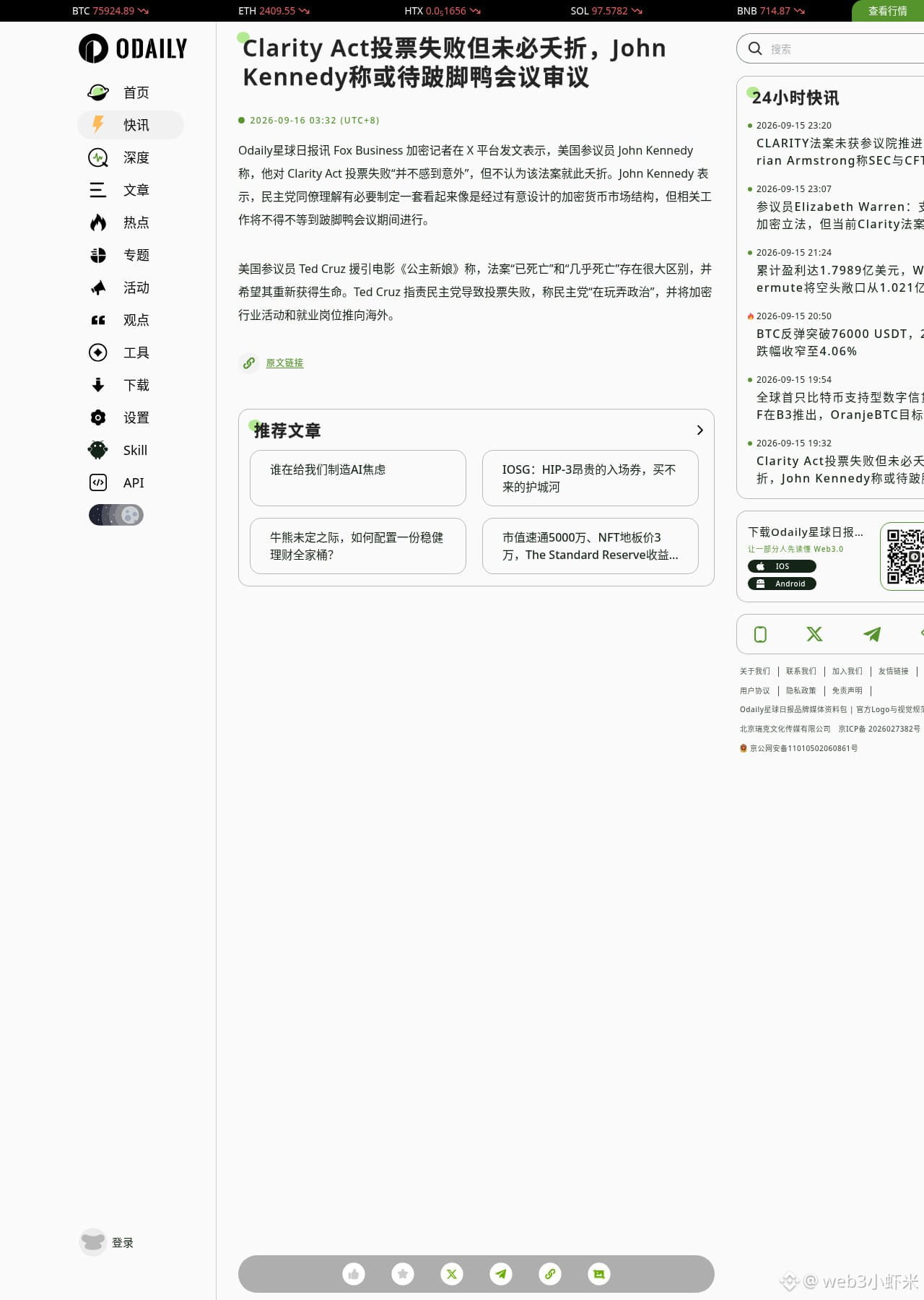
Clarity 程序性表决没过之后,参议员 John Kennedy 说他「并不意外」,但不觉得法案就此死了——民主党也明白得有一套像样的加密市场结构,不过得等跛脚鸭会期再谈。
Ted Cruz 引用《公主新娘》:「死了」和「几乎死了」差很多,还指责民主党在玩政治、把行业和岗位往外推。今年立法窗口基本关了,后面看中期选举和 SEC/CFTC 规则。#Clarity $BTC
Clarity 程序性表决没过之后,参议员 John Kennedy 说他「并不意外」,但不觉得法案就此死了——民主党也明白得有一套像样的加密市场结构,不过得等跛脚鸭会期再谈。
Ted Cruz 引用《公主新娘》:「死了」和「几乎死了」差很多,还指责民主党在玩政治、把行业和岗位往外推。今年立法窗口基本关了,后面看中期选举和 SEC/CFTC 规则。#Clarity $BTC
Ted Cruz 引用《公主新娘》:「死了」和「几乎死了」差很多,还指责民主党在玩政治、把行业和岗位往外推。今年立法窗口基本关了,后面看中期选举和 SEC/CFTC 规则。#Clarity $BTC
674

Статья
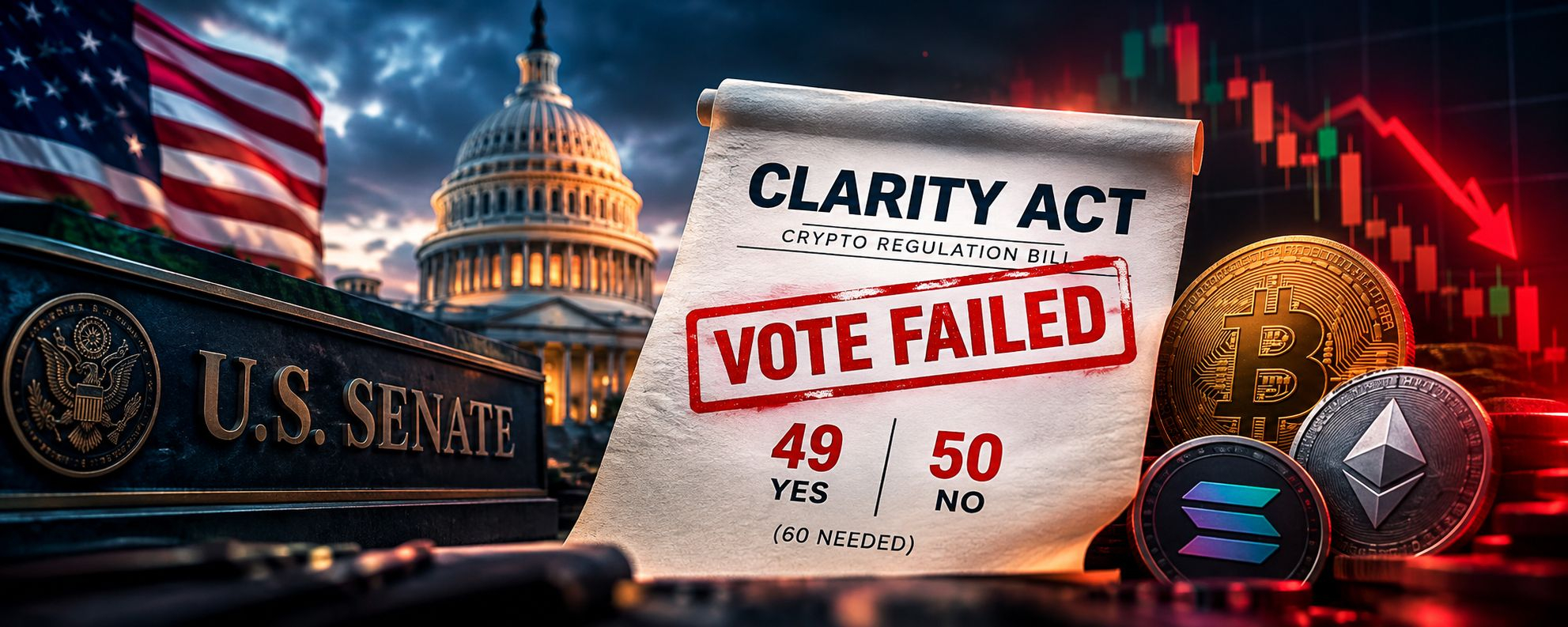
🚨 CLARITY Act Faces Major Setback🚨 CLARITY Act Faces Major Setback
The U.S. Senate has failed to advance the #CLARITY Act, a major bill designed to create a clearer regulatory framework for digital assets in the United States.
The procedural vote ended 49–50, falling short of the 60 votes required to move the legislation forward.
The setback comes after months of negotiations over crypto regulation, investor protections, enforcement powers and rules for digital assets.
The failed vote also triggered pressure across the crypto market, with reports showing weakness in several major assets and significant outflows from U.S. spot Bitcoin ETFs on the same day.
🔎 What Could Happen Next?
The Senate setback means the CLARITY Act is unlikely to provide immediate federal market-structure rules this year. However, the broader push for clearer crypto regulation is not necessarily over.
For crypto traders, the key question now is whether regulatory uncertainty continues to weigh on sentiment or whether the market eventually focuses on other catalysts.
CLARITY Act failed today — but the crypto regulation story is far from finished.
#CLARITYAct #bitcoin #CryptoNews #Binance
{future}(BTCUSDT)
{future}(XRPUSDT)
🚨 CLARITY Act Faces Major Setback
🚨 CLARITY Act Faces Major Setback
The U.S. Senate has failed to advance the #CLARITY Act, a major bill designed to create a clearer regulatory framework for digital assets in the United States.
The procedural vote ended 49–50, falling short of the 60 votes required to move the legislation forward.
The setback comes after months of negotiations over crypto regulation, investor protections, enforcement powers and rules for digital assets.
The failed vote also triggered pressure across the crypto market, with reports showing weakness in several major assets and significant outflows from U.S. spot Bitcoin ETFs on the same day.
🔎 What Could Happen Next?
The Senate setback means the CLARITY Act is unlikely to provide immediate federal market-structure rules this year. However, the broader push for clearer crypto regulation is not necessarily over.
For crypto traders, the key question now is whether regulatory uncertainty continues to weigh on sentiment or whether the market eventually focuses on other catalysts.
CLARITY Act failed today — but the crypto regulation story is far from finished.
#CLARITYAct #bitcoin #CryptoNews #Binance
The U.S. Senate has failed to advance the #CLARITY Act, a major bill designed to create a clearer regulatory framework for digital assets in the United States.
The procedural vote ended 49–50, falling short of the 60 votes required to move the legislation forward.
The setback comes after months of negotiations over crypto regulation, investor protections, enforcement powers and rules for digital assets.
The failed vote also triggered pressure across the crypto market, with reports showing weakness in several major assets and significant outflows from U.S. spot Bitcoin ETFs on the same day.
🔎 What Could Happen Next?
The Senate setback means the CLARITY Act is unlikely to provide immediate federal market-structure rules this year. However, the broader push for clearer crypto regulation is not necessarily over.
For crypto traders, the key question now is whether regulatory uncertainty continues to weigh on sentiment or whether the market eventually focuses on other catalysts.
CLARITY Act failed today — but the crypto regulation story is far from finished.
#CLARITYAct #bitcoin #CryptoNews #Binance
68

Проверено
I want the Clarity Act not to pass because people will get a chance to enter at bottom prices.
The big Senate vote today could shake the market, but a quick price drop will give everyone a great chance to buy cheap.
If the bill gets rejected, prices might fall for a short time, giving buyers a good chance to pick up strong assets before the market goes back up.
because in the long run, the market is bound to move higher anyway.
#Clarity
I want the Clarity Act not to pass because people will get a chance to enter at bottom prices.
The big Senate vote today could shake the market, but a quick price drop will give everyone a great chance to buy cheap.
If the bill gets rejected, prices might fall for a short time, giving buyers a good chance to pick up strong assets before the market goes back up.
because in the long run, the market is bound to move higher anyway.
#Clarity
The big Senate vote today could shake the market, but a quick price drop will give everyone a great chance to buy cheap.
If the bill gets rejected, prices might fall for a short time, giving buyers a good chance to pick up strong assets before the market goes back up.
because in the long run, the market is bound to move higher anyway.
#Clarity
AngelOfCrypto_-:
nice
1
2
2k

·
--
⚡ СЕНАТОРСЬКИЙ ГАМБІТ: $BTC , $ETH ТА $XRP НА ПОРОЗІ ТЕКТОНІЧНОГО ЗСУВУ! 🏛️🔥
В той час як Вашингтон перетворюється на арену жорстких політичних торгів, ринок затамував подих. 60 голосів у Сенаті для CLARITY Act — це не просто законодавча формальність, це тумблер, який може за секунди ввімкнути режим параболічного ралі або спровокувати каскадний злив через сценарій «Sell the news».
Великий капітал уже розставляє пастки: обсяги зростають, стакани затискаються, а волатильність готується до вибуху. Головне правило зараз — не піддаватися емоціям і працювати виключно від підтверджених рівнів підтримки! 📊✨
{spot}(BTCUSDT)
{spot}(ETHUSDT)
{spot}(XRPUSDT)
#Clarity #crypto #trading #BinanceSquare
⚡ СЕНАТОРСЬКИЙ ГАМБІТ: $BTC , $ETH ТА $XRP НА ПОРОЗІ ТЕКТОНІЧНОГО ЗСУВУ! 🏛️🔥
В той час як Вашингтон перетворюється на арену жорстких політичних торгів, ринок затамував подих. 60 голосів у Сенаті для CLARITY Act — це не просто законодавча формальність, це тумблер, який може за секунди ввімкнути режим параболічного ралі або спровокувати каскадний злив через сценарій «Sell the news».
Великий капітал уже розставляє пастки: обсяги зростають, стакани затискаються, а волатильність готується до вибуху. Головне правило зараз — не піддаватися емоціям і працювати виключно від підтверджених рівнів підтримки! 📊✨
#Clarity #crypto #trading #BinanceSquare
В той час як Вашингтон перетворюється на арену жорстких політичних торгів, ринок затамував подих. 60 голосів у Сенаті для CLARITY Act — це не просто законодавча формальність, це тумблер, який може за секунди ввімкнути режим параболічного ралі або спровокувати каскадний злив через сценарій «Sell the news».
Великий капітал уже розставляє пастки: обсяги зростають, стакани затискаються, а волатильність готується до вибуху. Головне правило зараз — не піддаватися емоціям і працювати виключно від підтверджених рівнів підтримки! 📊✨
#Clarity #crypto #trading #BinanceSquare
7
1.1k

·
--
🚨 قانون CLARITY يفشل في التصويت الإجرائي
فشل قانون CLARITY في الحصول على الأصوات الكافية خلال التصويت الإجرائي في مجلس الشيوخ الأمريكي وفق تحديثات مباشرة من CoinDesk، ما يعني عدم بلوغه حاجز 60 صوتًا المطلوب للانتقال إلى مرحلة المناقشة
التطور قد يضغط على معنويات سوق العملات الرقمية خصوصًا Bitcoin وXRP وسط ترقب لمصير التشريع خلال الفترة المقبلة#clarity
{future}(BTCUSDT)
{future}(BNBUSDT)
{future}(ETHUSDT)
🚨 قانون CLARITY يفشل في التصويت الإجرائي
فشل قانون CLARITY في الحصول على الأصوات الكافية خلال التصويت الإجرائي في مجلس الشيوخ الأمريكي وفق تحديثات مباشرة من CoinDesk، ما يعني عدم بلوغه حاجز 60 صوتًا المطلوب للانتقال إلى مرحلة المناقشة
التطور قد يضغط على معنويات سوق العملات الرقمية خصوصًا Bitcoin وXRP وسط ترقب لمصير التشريع خلال الفترة المقبلة#clarity
فشل قانون CLARITY في الحصول على الأصوات الكافية خلال التصويت الإجرائي في مجلس الشيوخ الأمريكي وفق تحديثات مباشرة من CoinDesk، ما يعني عدم بلوغه حاجز 60 صوتًا المطلوب للانتقال إلى مرحلة المناقشة
التطور قد يضغط على معنويات سوق العملات الرقمية خصوصًا Bitcoin وXRP وسط ترقب لمصير التشريع خلال الفترة المقبلة#clarity
3
1.5k

·
--
Рост
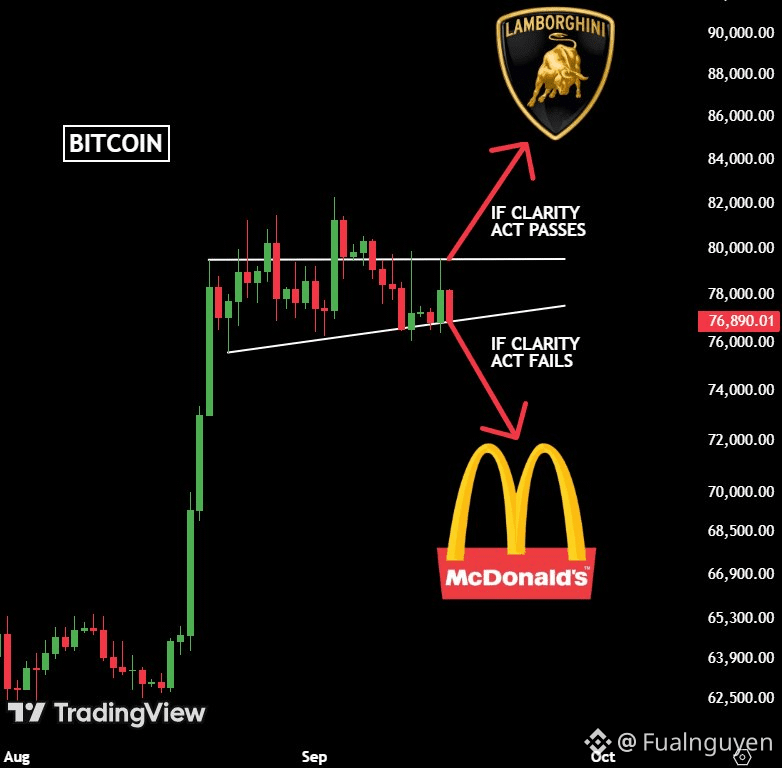
Today marks a defining inflection point for the global digital asset framework.
Should the CLARITY Act secure Senate passage today, it will catalyze the most expansive expansionary phase in crypto history.
Align your capital allocation, manage systemic exposure, and let the macro play out in our favor 🙈🚀
#Clarity #clarity15thseptember
{spot}(BNBUSDT)
{future}(ETHUSDT)
{future}(BTCUSDT)
Today marks a defining inflection point for the global digital asset framework.
Should the CLARITY Act secure Senate passage today, it will catalyze the most expansive expansionary phase in crypto history.
Align your capital allocation, manage systemic exposure, and let the macro play out in our favor 🙈🚀
#Clarity #clarity15thseptember
Should the CLARITY Act secure Senate passage today, it will catalyze the most expansive expansionary phase in crypto history.
Align your capital allocation, manage systemic exposure, and let the macro play out in our favor 🙈🚀
#Clarity #clarity15thseptember
1
3
1.4k

·
--
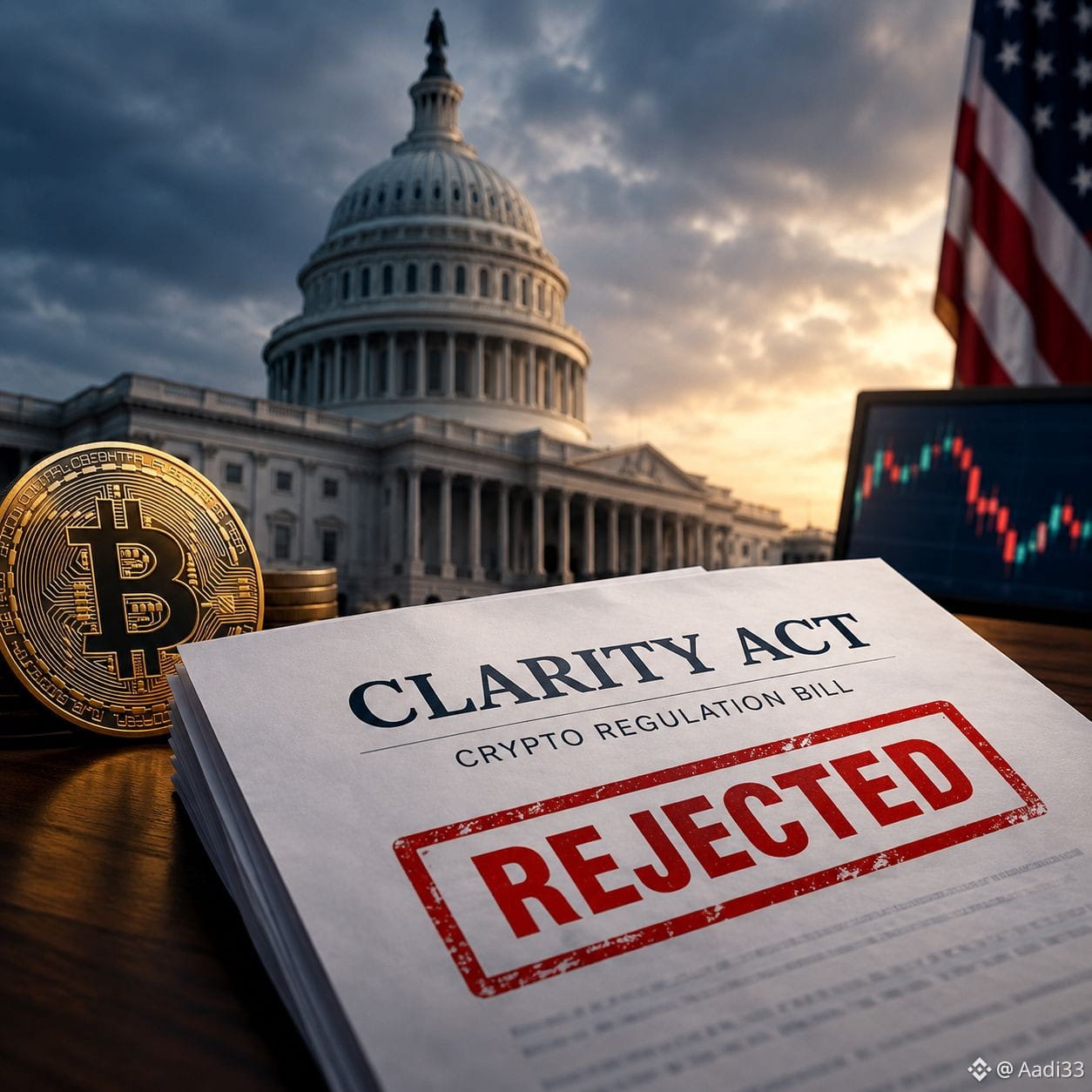
The CLARITY Act just failed in the US Senate.
The vote was 49–50.
The bill was supposed to make crypto rules clearer.
But lawmakers couldn’t agree on the rules, ethics concerns, and crypto interests.
The ironic part?
A bill called “CLARITY” just created more uncertainty for crypto.
What do you think happens next?
$BTC $ETH #Clarity
The CLARITY Act just failed in the US Senate.
The vote was 49–50.
The bill was supposed to make crypto rules clearer.
But lawmakers couldn’t agree on the rules, ethics concerns, and crypto interests.
The ironic part?
A bill called “CLARITY” just created more uncertainty for crypto.
What do you think happens next?
$BTC $ETH #Clarity
The vote was 49–50.
The bill was supposed to make crypto rules clearer.
But lawmakers couldn’t agree on the rules, ethics concerns, and crypto interests.
The ironic part?
A bill called “CLARITY” just created more uncertainty for crypto.
What do you think happens next?
$BTC $ETH #Clarity
Pakistani Friend:
I don't understand yet what their government wanted to do.
3
1
8
3.2k

·
--
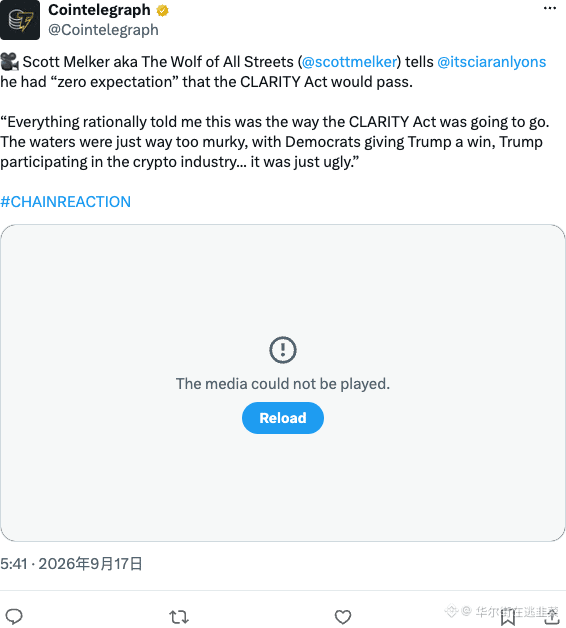
华尔街狼王亲口认怂:压根没指望CLARITY法案能过。监管这潭水浑得连他自己都看不清,民主党那边阻力一堆,能落地才是见鬼。市场天天拿“合规利好”当利好炒,结果立法进度比K线还磨人。别听消息面画饼,监管这玩意儿,不到签字那刻都是空气。
$BTC $ETH #CLARITY #加密监管
华尔街狼王亲口认怂:压根没指望CLARITY法案能过。监管这潭水浑得连他自己都看不清,民主党那边阻力一堆,能落地才是见鬼。市场天天拿“合规利好”当利好炒,结果立法进度比K线还磨人。别听消息面画饼,监管这玩意儿,不到签字那刻都是空气。
$BTC $ETH #CLARITY #加密监管
$BTC $ETH #CLARITY #加密监管
221

Войдите, чтобы посмотреть больше материала
Присоединяйтесь к пользователям криптовалют по всему миру на Binance Square
⚡️ Получайте новейшую и полезную информацию о криптоактивах.
💬 Нам доверяет крупнейшая в мире криптобиржа.
👍 Получите достоверные аналитические данные от верифицированных создателей контента.
Эл. почта/номер телефона
В тренде
1
#FedRateWatch
Просмотров: 1.6M
7,184 обсуждают
2
#DotPlotSignalsOneMoreHikeIn2026
Просмотров: 0
0 обсуждают
3
#FedHikes25BpsUSStocksClose
Просмотров: 1,173
49 обсуждают
4
#CryptoVCFundingRebounds$5.6BInQ2
Просмотров: 664
11 обсуждают
5
#RevolutHackersDemand$3MInMonero
Просмотров: 0
0 обсуждают
6
#ZcashRises6%
Просмотров: 85,807
834 обсуждают
7
#XRPSinks10%
Просмотров: 53,816
552 обсуждают
8
#BitcoinETFsShed$450M
Просмотров: 9,894
111 обсуждают
9
#CircleOpensArcMainnet
Просмотров: 24,429
346 обсуждают
10
#ZcashHoldersBackNU7Upgrade
Просмотров: 37,283
510 обсуждают