

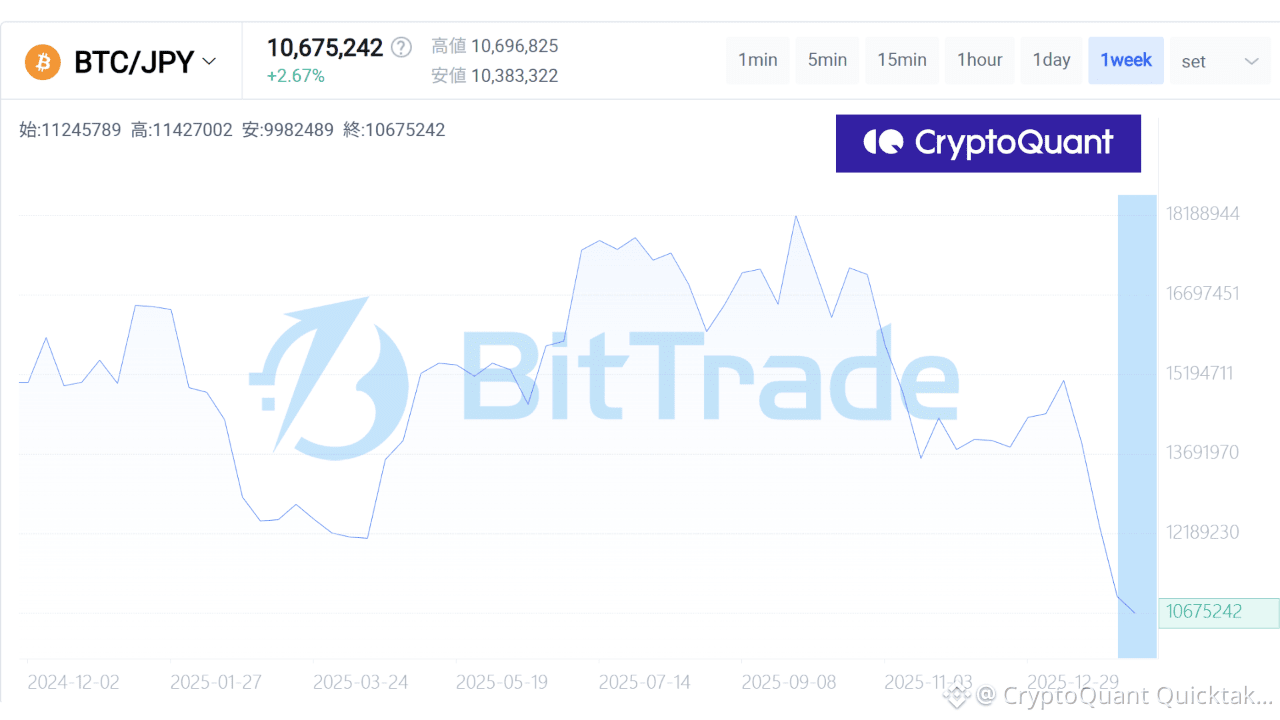
This week’s market was defined less by buying strength and more by a chain reaction of fear. Thin order books and crowded positioning amplified the sell-off, triggering liquidations and forced repositioning. The rebound that followed was driven primarily by short covering and distortion repair, rather than fresh spot demand. The key question shifted from “price is up” to “why is it up?”
Sentiment has moved from panic toward doubt. Extreme fear often produces reflex rallies, but those are typically mechanical reversals, not durable trend changes. What matters now is not the magnitude of the bounce, but whether flows can sustain price stabilization.
Macro conditions continue to act as a volatility amplifier. Slowing U.S. growth signals, cross-asset de-risking, dollar and real yield fluctuations, and liquidity concerns remain tightly linked to crypto positioning. Digital assets are not being treated as safe havens; they are moving within broader liquidity dynamics.
Three conditions will determine whether stabilization can take hold:
1. Spot flow continuity — multi-day inflows with depth, not isolated spikes.
2. Quality of leverage rebuilding — gradual and balanced, not crowded or overheated.
3. Reaction around key ranges — whether price can hold reclaimed levels rather than simply bounce.
Deep fear creates rebound potential, but it does not restore trust. Short squeezes may occur, yet they do not guarantee structural reversal.
For now, the market is not asking for a powerful rally. It is testing whether selling pressure can be absorbed. The base case remains a fragile stabilization attempt. If sustained spot demand emerges and leverage rebuilds responsibly, that view must be reassessed.
Written by XWIN Research Japan
